
Games to teach the sense of smell are important because our sense of smell is often the most overlooked of our five senses, yet it plays a crucial role in daily life. It helps us enjoy food, detect danger, and recall cherished memories. Teaching children to explore their sense of smell through play can be both fun and educational. Interactive games not only help children develop their olfactory skills but also encourage creativity and cognitive development.
This guide introduces a variety of engaging activities designed to enhance a child’s appreciation for different scents. Whether you’re a parent, teacher, or caregiver, these sensory activities make learning about different smells an enjoyable and memorable experience.
Why Teaching the Sense of Smell Matters
Before diving into the activities, it’s important to understand why developing the sense of smell is beneficial for children:
- Memory and Emotion: Scents are strongly linked to memory and emotion, helping children associate specific smells with experiences.
- Food Appreciation: A developed sense of smell enhances taste, helping children explore new foods.
- Environmental Awareness: Recognising different smells can help children identify potential dangers (e.g., smoke or spoiled food).
- Language and Cognition: Describing different scents improves vocabulary and cognitive connections.
Smell and Tell: Exploring Different Aromas
“Smell and Tell” is a simple but effective smell activity that encourages children to identify and describe various scents, improving their vocabulary and sensory exploration.
How to Play
- Gather Fragrant Items: Collect various household items such as spices, herbs, fruits, flowers, coffee grounds, and vanilla extract. Place them in small containers to conceal their identity.
- Blindfold and Guess: Blindfold the child and present each small container under their nose, allowing them to take a sniff.
- Describe the Scent: Encourage the child to describe what they smell. Prompt them with questions like, “Is it sweet or spicy?”
- Reveal and Discuss: After guessing, reveal the item and discuss its origin and common uses.
Mystery Bottles: Guess the Fragrance
This fun activity enhances a child’s ability to recognise and differentiate scents while making learning playful and exciting.
How to Prepare
- Fill Small Bottles: Use sensory bottles or baby food jars with lids and add a few drops of essential oils or extracts (e.g., vanilla extract, lemon juice, peppermint).
- Label and Number: Mark each bottle with a number and keep an answer key separate.
- Smell and Record Guesses: Have the child smell each bottle and write down their guesses.
- Provide Clues: Offer hints if needed, such as categorising the scent as a food, spice, or flower.
- Discuss the Answers: Reveal each scent and discuss its significance and uses.
Creating a Smell Collage
A smell collage is a fantastic fun, hands-on way for little ones to explore and interact with different scents.
Steps to Create a Smell Collage
- Gather Materials: Use dried herbs, flower petals, citrus peels, ground spices, and scented candles. Provide glue, paper cups, and absorbent fabric or cotton pads for liquid scents.
- Assemble the Collage: Let children arrange and glue their scented items onto the paper cups.
- Encourage Creativity: They can group similar scents, create patterns, or illustrate a scene with their materials.
- Describe the Scents: Ask children to explain their choices and what memories or emotion the scents evoke.

The Scent Memory Game
This senses activity helps children connect scents with past experiences.
How to Play
- Prepare a Variety of Scents: Choose scents linked to common experiences (e.g., sunscreen for the beach, cinnamon for baking, pine for Christmas trees).
- Let Children Sniff Each Scent: Have them smell and recall any memories associated with each scent.
- Match Memories to Scents: If playing in a group, let children write or draw what the scent reminds them of.
- Share and Discuss: Encourage children to share their scent-related memories and learn from each other’s experiences.
Matching Game: Pairing Objects with Their Fragrances
This activity strengthens the connection between different objects and their scents, helping children develop scent recognition skills.
How to Set Up the Game
- Collect Matching Items: Gather different objects like lemon juice and lemon oil, cinnamon sticks and ground cinnamon, or fresh mint and mint tea.
- Prepare Cards or Containers: Have one set of cards with pictures and another with scented samples.
- Match the Pairs: Children smell the scent samples and match them to the correct image or object.
- Discuss Findings: Talk about the origins and uses of each scent to reinforce learning.
Scented Sensory Play and Taste Activities
Borrowing from sensory play concepts, scented materials like scented playdough, rice, or water beads can provide a multi-sensory experience.
How to Incorporate Scented Play
- Scented Playdough: Mix vanilla extract or other scented oils into homemade playdough for a tactile and olfactory activity without exposure to an overly strong scent.
- Scented Rice or Sand: Infuse rice or sand with vanilla, lavender, or citrus scents for children to explore through touch and smell.
- Herbal Water Play: Add herbs like mint, rosemary, or chamomile to a water play station to introduce natural scents.
Taste activities can also be used to complement sensory exploration:
- Taste Test: Let children try different foods while blindfolded, enhancing their ability to differentiate taste and scent.
- Compare Taste and Smell: Have children sniff a spice before tasting it, reinforcing the connection between scent and taste.
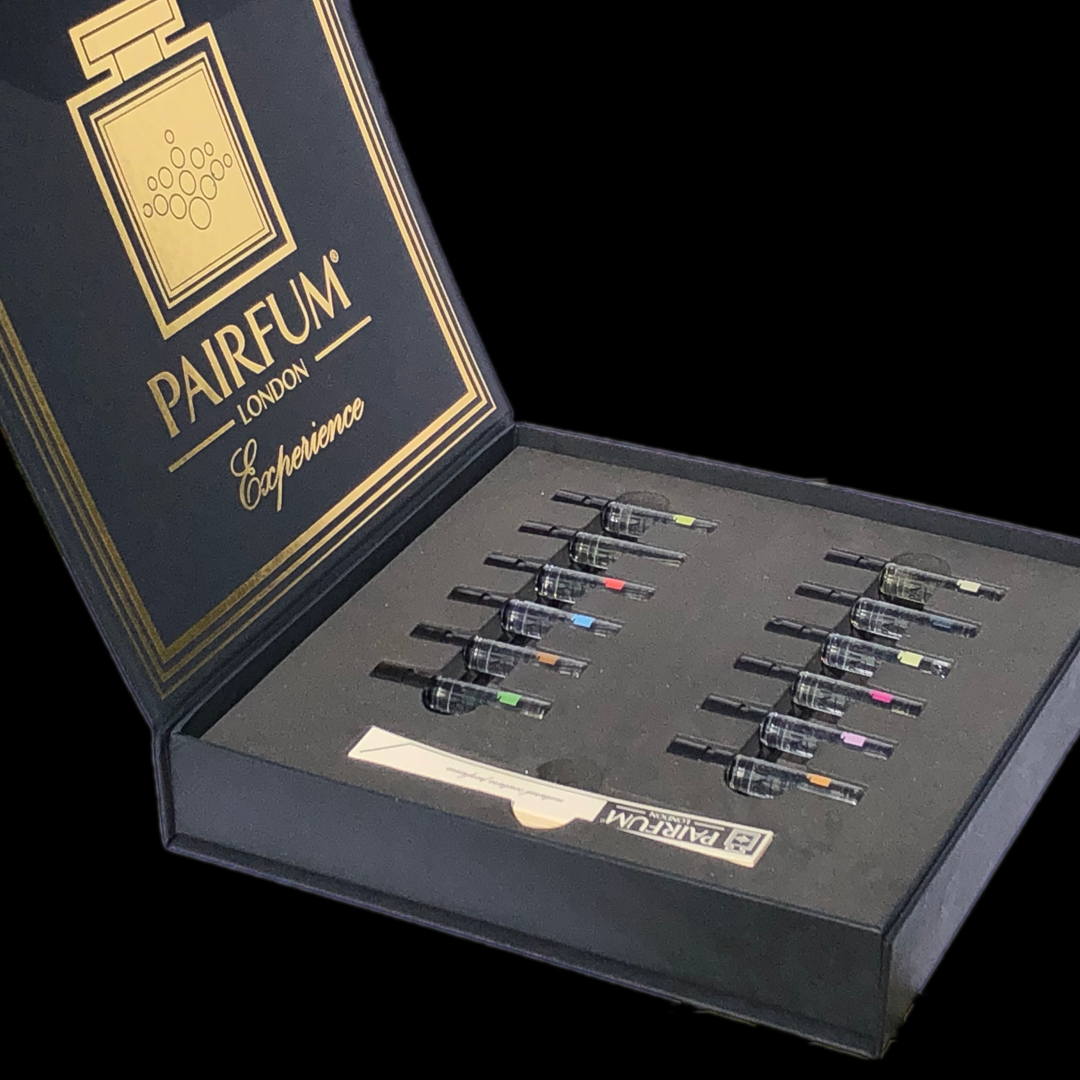
A Sensory Perfume Experience with Pairfum London
The Ideal Perfume Experience by Pairfum London
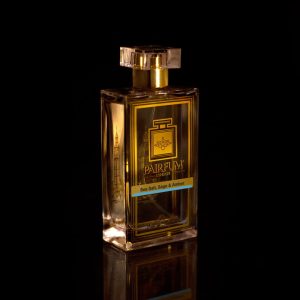
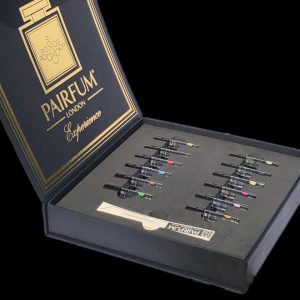
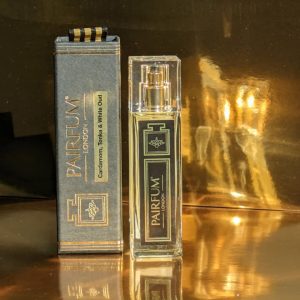
For a more immersive olfactory adventure, The Ideal Perfume Experience can be a fantastic addition to scent-based games to teach the sense of smell. Children can explore a curated selection of different scents, deepening their understanding of fragrance through playful activities. Use the experience to create a mystery scent challenge, where little ones smell different perfume notes and match them to familiar objects, or incorporate the scents into a scented sensory bin for a hands-on discovery of fragrances. This unique experience encourages sensory exploration and makes learning about aromas even more engaging.
Conclusion
Introducing children to the world of scents through interactive lesson plans with games to teach the sense of smell can make learning both enjoyable and educational. Activities like Smell and Tell, Mystery Bottles, the Smell Collage, Scent Memory Game, and Matching Game provide hands-on experiences that sharpen olfactory skills and create lasting sensory memories.
By incorporating fun activities that engage the nose, taste, and different textures, children can explore a world of sensory experiences. From sensory bins to scented markers, each thing contributes to their understanding of the world. Whether engaging in sight activities, a touch activity, or listening to different sounds, sensory exploration is key to holistic learning.