
FAQs – Perfume
Shop NowFrequently Asked Questions:
Find Answers to the most Commonly or Frequently Asked Questions about Perfume and “Pairfum London’s” line of Perfumes.
Select a question below to read its answer.
Which Fragrances are for Women?
The following are feminine fragrances:
- Neroli, Musk, Orange Blossom
- Pink Rose & Sensuous Musk
These are unisex fragrances that are equally suitable for both women and men:
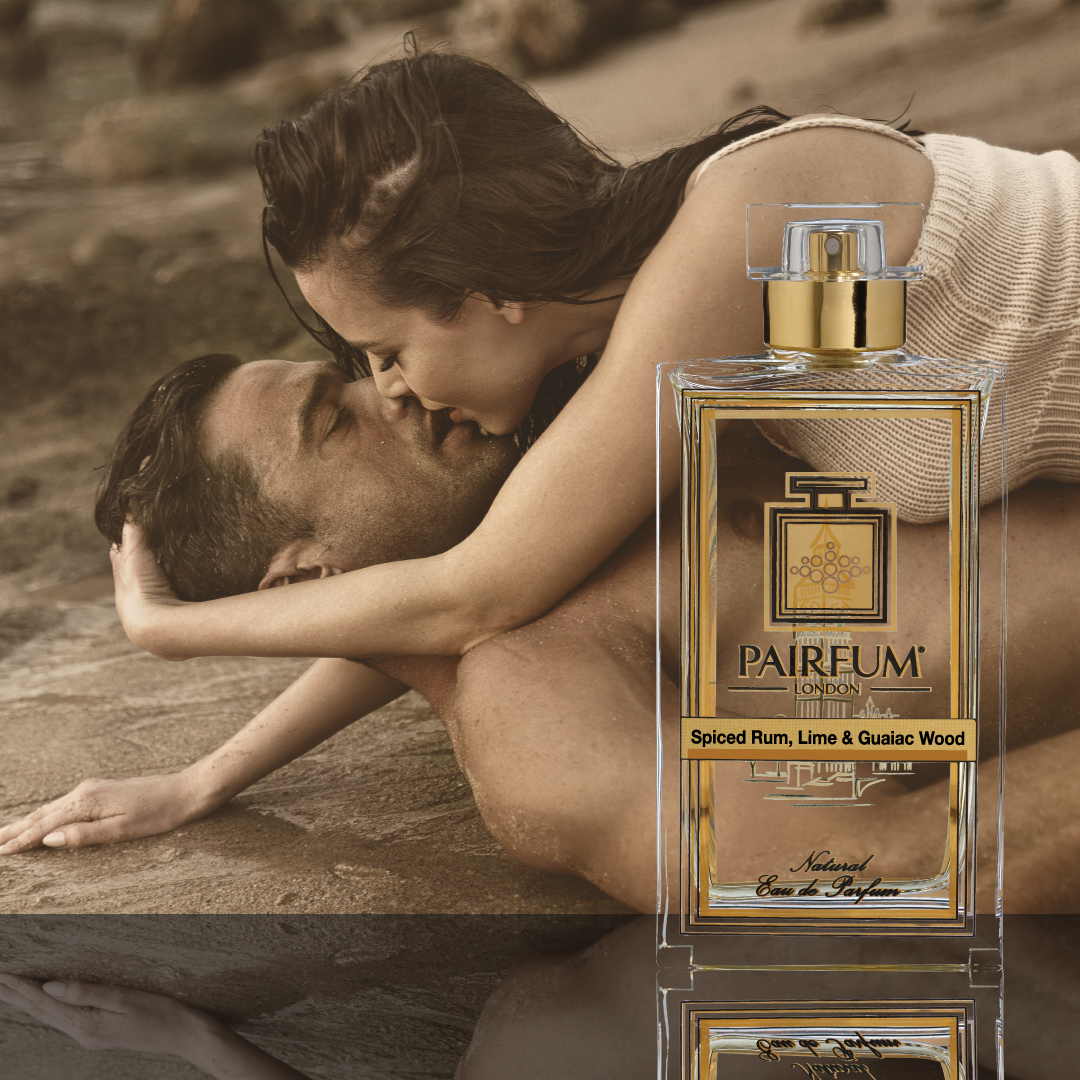
- Spiced Rum, Lime & Guaiac Wood
- Cardamom, Tonka & White Oud
- Black Cherry & Oolong Tea
- Mandarin Blossom & Sandalwood
- Scarlet Rhubarb & Oakmoss
- Spiced Coffee & Oaked Vanilla
- Sea Salt, Sage & Amber
- Ginger, Elemi & Vetiver
Having said this, it really depends on you.
Which Fragrances are for Men?
The following are masculine fragrances:
- Grapefruit, Pepper & Black Cedar
- Bergamot, Basil & Patchouli
These are unisex fragrances that are equally suitable for men and women:
- Spiced Rum, Lime & Guaiac Wood
- Cardamom, Tonka & White Oud
- Black Cherry & Oolong Tea
- Mandarin Blossom & Sandalwood
- Scarlet Rhubarb & Oakmoss
- Spiced Coffee & Oaked Vanilla
- Sea Salt, Sage & Amber
- Ginger, Elemi & Vetiver
Do you differentiate between Feminine, Masculine and Unisex Fragrances?
We believe that guidelines on what women or men should be wearing are outdated.
We also find that our customers surprise us continuously with what they believe suits them and we would hate to stop anybody from wearing what they love and what suits them, just because of conventions that are passé about femininity or masculinity.
Our society is gender fluid and we believe that perfume is the same.
Instead, we find that the following has a more significant impact on the choice of fragrance:
- skin type, e.g. we allow our fragrances to react and adapt to your skin
- climate, e.g. warmer or colder
- season of the year, e.g. Summer, Winter, Spring, Autumn
- occasion, e.g. are you going to the Opera or to play Tennis
- mood, e.g. how do we feel today?
- diet, e.g. your preferred type of food has an impact on which fragrance adapts well to you.
What Type of Perfume Lasts the Longest ?
The short answer used to be ‘Parfum’ but today the answer is a little more varied and nuanced, as you can see below:
Parfum
This is the ‘crème de la crème’ of fragrances!
This is the most concentrated perfume category. It is also sometimes known as Extrait or ‘Pure Perfume’.
The fragrance concentration level can be as high as 30% but typically it is around 20%.
You may reasonably expect for a Parfum to last about 6-8 hours on you and you should not have to top up during the middle of the day.
Parfums tend to be the most expensive and the size of the bottles tend to be the smallest.
In most cases, they are being offered in a stopper bottle (instead of spray) and frequently they are oil based (instead of alcohol). This allows a Parfum to be applied sparingly and precisely to certain points of the body, e.g. pulse or neck. The use of an oil base (instead of alcohol) also allows the perfume to last longer, as alcohol stimulates the diffusion of perfume.
Eau de Parfum
Eau de Parfums are the second highest in terms of concentration.
For most people, this has become the ‘go-to’ concentration when shopping for perfume.
Commonly, it contains 12 – 18% of pure perfume oil in alcohol. These tend to be sprays.
You may expect an Eau de Parfum to last about 4 – 5 hours on you, essentially half a day and ideal when you are going out for the evening.
Eau de Parfum Intense
These are quite a recent development and a combination of the dosage of a Parfum with the formula of an Eau de Parfum.
What does this actually mean?
The perfume concentration levels are 20-30% but the fragrances is diluted in alcohol and presented as a spray.
It was particularly the North American and Middle Eastern consumer who requested the creation of these products.
Here at Pairfum London, all of our perfumes are ‘Eau de Parfum Intense’, as we love the combination of the intensity and longevity of a Parfum with the freshness and ease of use of an Eau de Parfum.
Most customers tell us that our Eau de Parfums last the full day and that they are delighted with how much longer they last, than what they are used to.
Eau de Toilette
Eau de Toilettes are the most popular fragrance concentration.
It is a light spray with 5 – 15% of pure perfume in alcohol.
Expect it to last for about 2 – 3 hours. In other words, a mid-day top up will be required, which is why travel sizes have become very popular, i.e. they conveniently fit into bags.
Due to the lower concentration, they are also ideal for combining or layering fragrance.
Eau de Cologne
This is the oldest term for perfume and they are usually sprays.
They are light and fresh. The fragrance oil concentration level is 2 – 4% in either alcohol, water or a mix of these.
The scent usually lasts for about 1 – 2 hours.
Colognes tend to be the first fragrance used by the younger generation but they are also very popular in Latin America for a quick freshen up.
In North America, Cologne is used synonymously for ‘After Shave’ or ‘masculine’ perfumes.
After Shave
Essentially the same as an Eau de Cologne but specifically developed for men.
They became popular with men as part of their shaving or grooming routine and may contain additional skin care ingredients.
Eau Fraiche
This is the most diluted version of fragrance.
It typically contains about 1 – 3% of perfume, either in alcohol, water or a mix of the two. The alcohol level tends to be lower, i.e. more water.
The fragrance usually lasts for less than an hour.
Other common names for ‘Eau Fraiche’ are ‘Spritzer’ or ‘Splash Cologne’.
History
The classification we have presented above (Parfum, EDT, EDP, etc…) are not an official but a historically evolved system to guide consumers by indicating a fragrance strength.
This system does not, however, take into account the quality of the ingredients used, which has a most significant impact on the longevity and strength of a fragrance.
How Are Your Perfumes Made?
There are two aspects to this question:
- How are our perfumes developed?
- How are our perfumes manufactured?
Development
Our in-house perfumer develops the perfumes himself.
It is a slow process but it allows us to create fragrances that are different, natural and trendsetting.
Too many perfumes nowadays simply come off an ongoing conveyor belt of perfumes that all smell similar.
Instead, we enjoy presenting new perfumes to our patrons that are ‘outlyers’ within perfumery. Our customers actually request and in many ways they expect this creativity from us now.
Manufacture
We also manufacture our perfume products in-house.
We do this for several reasons:
- we can better control the quality of our products in every aspect
- we can produce in small batch sizes and take advantage of the seasonality of perfume ingredients. It is a bit similar to wine, i.e. each year or batch has its own style.
Why are your Home Fragrances different from your Perfume?
Good Question!
There are several reasons:
- The higher price of our Eau de Parfums allowed us to use a palette of ingredients that are more expensive, precious and rarer.
- We wanted to avoid any mix-up between what to wear on your skin and what to use in your home.
- Fragrance ingredients need to behave differently on skin compared with the air:
- our perfumes adapt and merge with your skin, and
- in the air, they need to diffuse and fill a room.
- In many cases, the style of fragrance we love on our skin, is not necessarily what we like to live with in our home. For example, a perfume we wear should have sex appeal and be unique to us, whereas a scent in our home needs to be comfortable for everybody, i.e. it can’t be polarising. Essentially, the attraction towards a woman and man are different from our homes.
Can Perfume Expire?
Yes, perfume does expire.
The normal lifespan of a perfume is about 2 years from the date of purchase.
Don’t worry about it though. Instead, use & enjoy it. We see it as a positive because you will eventually loose it, if you don’t use it. Perfume is a precious gift that can only be enjoyed when you use it.
Perfumes are made with many different and delicate ingredients. Like food, these ingredients expire.
You can increase the lifespan of your perfume by storing it:
- away from sunlight, and
- in a refrigerator (we only recommend this, if you intend not to use it for a long time).
Should I rub my skin after I have applied perfume?
Well, it is not a terrible idea but we suggest you consider the following before you do:
- Rubbing your skin spreads the mix of perfume and alcohol. This in turn stimulates the perfume to evaporate faster. Is this your intention?
- Rubbing mixes what is already on your skin, e.g. a lotion, with the perfume you have just sprayed.
- Rubbing your two pulses together, spreads your fragrance from one arm to the other. There is no harm in this but it prevents you from wearing or trying a different perfume on the other pulse.
Do you recommend Changing Perfume with the Seasons?
Generally speaking, it feels natural to change your perfume with the seasons but it is a question of what feels comfortable to you. Follow your instinct or what comes naturally to you.
Perfume is part of us and we do change with the seasons, such as our clothes:
- warmer when it is cooler, and
- fresher when it is hot.
To some, it may feel uncomfortable to wear a heavy, oriental fragrance at the height of summer. Whereas others love wearing a strong oud or woody perfume in the same conditions.
Also think about how much perfume you apply or at what time of the day you are wearing it, e.g. a warmer note will feel very natural towards the evening of a beautifully sunny Spring day when it still gets cool.
Here is a quick guide from a perfumer’s perspective:
- For autumn, the drop in temperature means you will gradually drift towards a much more grounded and sensory fragrance. Take inspiration from the natural transitions of your environment with scents that combine both the fresh notes of summer that has just passed (citrus, lavender, green) with the warm elements for dropping temperatures (e.g. wood, amber, …). A Chypre note offers this combination.
- In Winter, when temperatures have fallen and the layers of clothing have come on, people are often attracted to cosy and comforting bouquets that envelope your character. Look for perfumes with notes of fruits, fiery spices and delectable gourmand ingredients that relax (vanilla, almond,..). This is the time of the year where Oriental accords are perfect!
- When it comes to Spring, we would recommend that you opt for fragrances that add a new energy to your day. Nature bursts into life and you should take inspiration from light floral notes or green and herbal fragrances. The temperatures might still be cool and you should ensure that you fragrance still has a warm base note such as Sandalwood, Patchouli or Oud.
- Last but not least: Summer! When it comes to perfume, you should aim for notes that bring you sunlight, add a swing to your step or the sensation of being ‘on holiday’. Think of radiant floral bouquets with Rose and Jasmine on the one hand, and beautiful aquatic or deliciously tropical, fruity accords at the other end. Gourmand notes are also perfect for this time.
In case you are uncertain as to which type of perfume suits you best, you should seize the opportunity of sampling different perfumes in your favourite store at different times of the year.
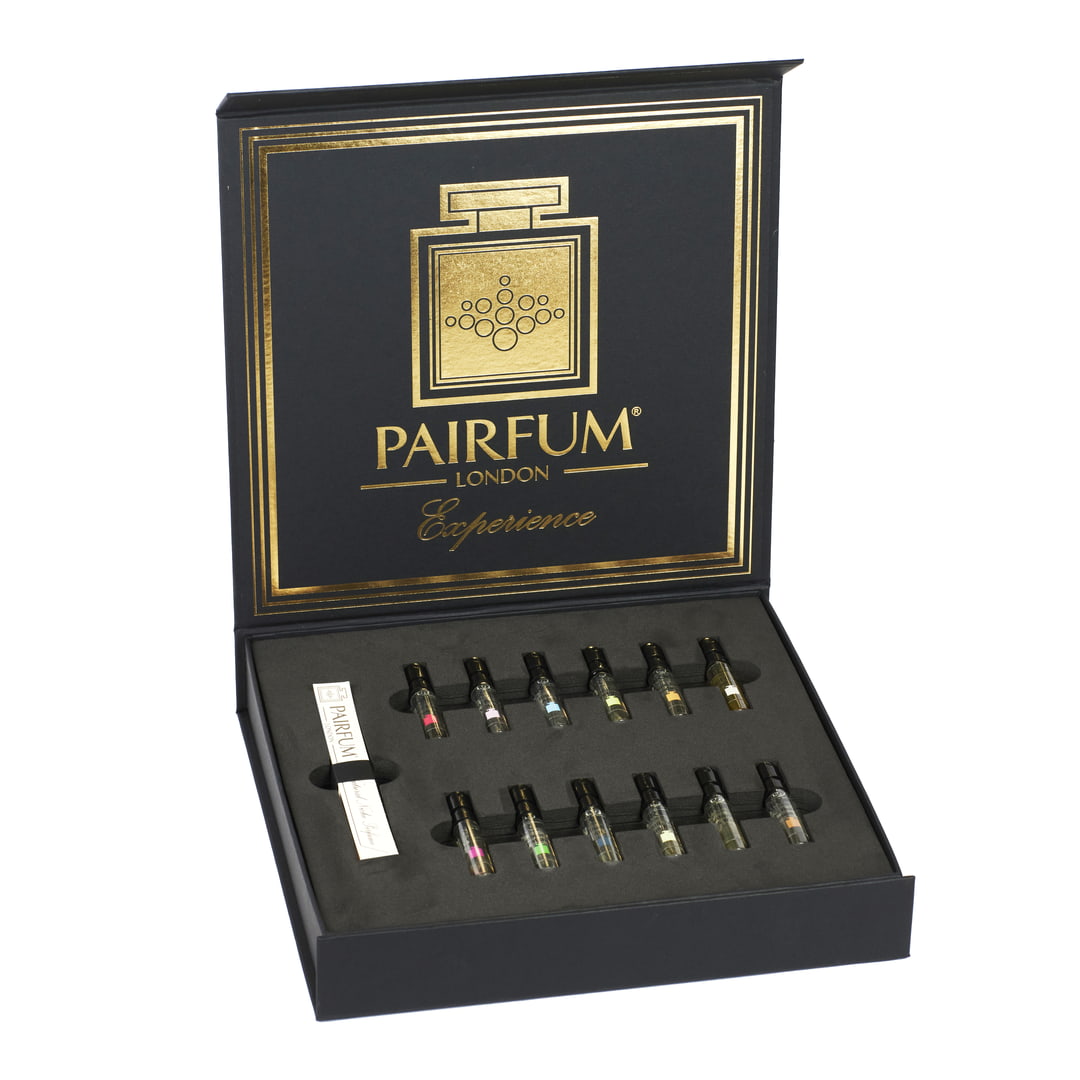
Alternatively, indulge yourself and have a look at our Perfume Experience Box. It allows you to try different fragrances at home at a time that suits you best. We actually advocate always trying perfume in your home environment and for a few days.
Do fragrances smell different on different Types of Skin?
Yes, they do but it depends on various factors.
Brands
When buying a fragrance from a prestige brand like Chanel® or Dior®, we buy into a specific fragrance. Knowing this, these companies work very hard to ensure that their fragrance smells the same on every. Why else would you buy a Chanel No5®?
Here at Pairfum London, we pursue a different philosophy: we want our fragrances to adapt to you to create a perfume that is unique to you, for it to become your signature.
This why we state:
“Niche Perfume that Complements You, Naturally”
Naturals
We have found that natural ingredients tend to adapt or change more on skin that synthetic ones.
Perception
When spraying perfume in a store and comparing this perception with what they have remember from smelling on a friend, the perception is quite likely that the two are different.
There are many reasons why this is the case:
- your friend applied her/his fragrance many hours ago, whereas you are smelling it fresh. In other words, you are smelling the top notes strongly, many of which would have evaporated some time ago from your friend and you now mainly perceive the base notes.
- you are smelling a multitude of fragrances in the store at the same time but probably smelled your friends perfume in a home context.
Who develops your perfumes?
One, our in-house perfumer Huib Maat.
When creating a new perfume, we always start with an inspiration for a fabulous new fragrance.
During the development and creative work, a new perfume will be explored in many different directions but eventually one particular version will stand out, based on the input from customers and our development team.
The final decision and the creative direction during this process always comes from Huib Maat.
Where do you recommend that I spray my Perfume?
To be honest, feel free to spray it where you feel most comfortable.
Some specialist are recommending unusual ways of spraying or gestures that seem rather affected. We are not a great fan of these and believe they unnecessarily complicate things.
You wear perfume for your own enjoyment and those around you.
The area where you spray your perfume and the manner in which you apply it should feel natural to you.
It is great fun though to experiment with wearing perfume in different areas or applying it in an unusual fashion but there is no right or wrong.
Our in-house perfumer, Huib Maat, applies his fragrance around the neck & throat area, front and back.
Where you apply the perfume does have a very significant impact on the diffusion of the fragrance and its longevity throughout the day.
Generally, there are a few pointers to consider:
- body heat: is the area where you apply the perfume a particularly warm are of your body? The warmer the perfume, the stronger it will be but it will also diffuse quicker.
- air flow: will there be a lot of air flowing of the surface? Consider the difference between spraying your perfume on your hair and on your pulse. Your hair will be moving throughout the day, whereas your pulse will be covered in all likelihood with a piece of clothing. The more air flow the faster, the perfume will diffuse and yet, this may be exactly what you are looking for: every time you move your head & hair, it will stimulate the diffusion of your fragrance.
- interference: we are not a great fan of spraying your fragrance on the back of your hand. Throughout the day, you will be doing a lot of things with your hands giving ample opportunities for interference, such as when you wash your hands.
How can I increase the Diffusion of the Perfume?
For extra diffusion or perfume intensity, we recommend spraying perfume on your hair!
There are several reasons why:
- your hair has a wide surface area. With a bigger surface area, you have a larger area for diffusion.
- hair is always slightly oily. This allows perfume to bond naturally to your hair fibres.
- your hair moves with your motion throughout the day, this stimulates air flow over your hair and extra diffusion of your perfume.
- your hair is always warm, as your body looses heat through your head. This warms your perfume in turn and promotes its diffusion.
Just be careful to close your eyes when spraying and not to spray perfume on your hair too often, as the alcohol within may dry out your hair.
Perfume doesn’t last on me. What do you suggest?
Many people feel that perfume doesn’t last on them!
Here are probably some of the more common explanations:
Desensitisation
Your nose very quickly becomes ‘desensitised’ to a fragrance and this will feel as if the fragrances has disappeared or doesn’t last. This is very natural and normal behaviour.
We have all come across it when we smell several perfumes straight after another in the perfumery isle of a Department Store or Duty Free. After about 3 – 4 perfumes, it will feel like everything ‘smells the same’ or you ‘can’t smell anything’. This is called ‘desensitisation’.
There are two types of desensitisation of your nose:
- Immediate:
Immediately when you spray a perfume, your nose gets used to it and it will feel that the intensity of your perfume drops. Should you ask, however, another person for their opinion, they will state that it is still fresh & strong.
The reason? Our noses have evolved over time to detect differences or new smells. As soon as the nose registers something new and identifies it as ‘not dangerous’. Scientifically, this is usually explained by the scent molecule occupying the matching receptor in your nose. In other words, when a specific receptor is blocked or occupied, the nose cannot smell this molecule.
- Habitual:
If you have worn a perfume for a long time, your nose will have become used to it, it will be desensitised.
Changing your perfume regularly would be a solution. In other words, if you wear a different fragrance every day, your nose can’t get accustomed to it.
Changed Formula
The manufacturer of your perfume may have had to change the formula over time, as some ingredients become unavailable or have been discovered to be unsafe. These reformulations may not necessarily be better than the original, which might explain why they don’t last.
Dry Skin
It may be that your skin is very dry.
Applying a little bit of unscented body oil or lotion to your skin before you use your perfume may be a solution. It is difficult though to find truly unscented lotions or oils, as some ‘fragrance free’ products still contain ingredients that impart a significant scent, akin to a fragrance.
In these cases, choose something that has a similar scent to your perfume but we understand that this is difficult.
Alternatively, choose an alcohol-free or oil-based perfume.
Concentration
Have you considered switching from an Eau Fraiche, Eau de Cologne or Eau de Toilette to an Eau de Parfum, Intense or Parfum?
A higher perfume concentration might better match your expectations and needs.
Location
It could be that you are spraying your perfume in an area that stimulates diffusion, which is why it won’t last.
Have you experimented with applying your fragrance in different areas?
What about the back of your neck? It is not as warm and is usually covered with some clothing. Both will reduce diffusion and increase longevity of your perfume.
Perfume Style
Are you perhaps wearing a very light fragrance, for example with predominantly citrus notes?
Switching to a perfume that is classified as Oriental, Aromatic, Fougere, Chypre, Woody or Amber, will give you greater longevity.
Do you offer Bespoke Perfumes?
This is a very interesting question.
Creating a unique perfume takes a long time and it is very costly.
It is a bit like creating a great painting, it is difficult to do so to a deadline. A masterpiece simply is not created overnight.
With this in mind, most companies offering Bespoke Perfumes take shortcuts that we do not believe in: they tend to work with perfumes off the shelf to which they add a minute amount of personalisation.
We believe this is more of a gimmick than a Bespoke Perfume.
Instead, we focus on creating unique and trendsetting perfumes that are made to adapt themselves to you. We want our perfumes to morph and change to become uniquely You.
We have found this creates more of a Bespoke Perfume for you than a custom made fragrance ever can.
Do you Macerate your Perfumes?
Yes, absolutely!
Maceration is described as the time needed for a perfume to become stable olfactively, to develop its full beauty, body and intensity. This has to be done on a large scale before the perfume is bottled.
We meticulously ensure that each one of our perfumes is given its optimal time to macerate. Maceration typically takes around 4 – 8 weeks. Taking shortcuts and not allowing a perfume to mature is to the detriment of the quality of the fragrance.
In many ways, it is similar to wine or whiskey being matured in specific barrels or casks before being bottled. Many natural products benefit from this ageing process, e.g. cheese.
Sadly, many companies that produce perfumes for the mass-market have eliminated maceration in favour of improved profit margins.
Do you make Personal Appearances?
Yes, we do!
Both Huib Maat and Josephine McCarthy are frequently at stores or events and are often invited to speak at seminars.
To find out about these appearances, please subscribe to Our Newsletter or follow us on Instagram, Facebook and Twitter.
I have a question that is not covered here. What should I do?
We very much welcome all enquiries, feedback and generally love hearing from our patrons, partners and friends.
Just use our Contact Us page under the menu heading ‘Our House’.
General Questions:
Find Answers to General Questions about PAIRFUM London’s products.


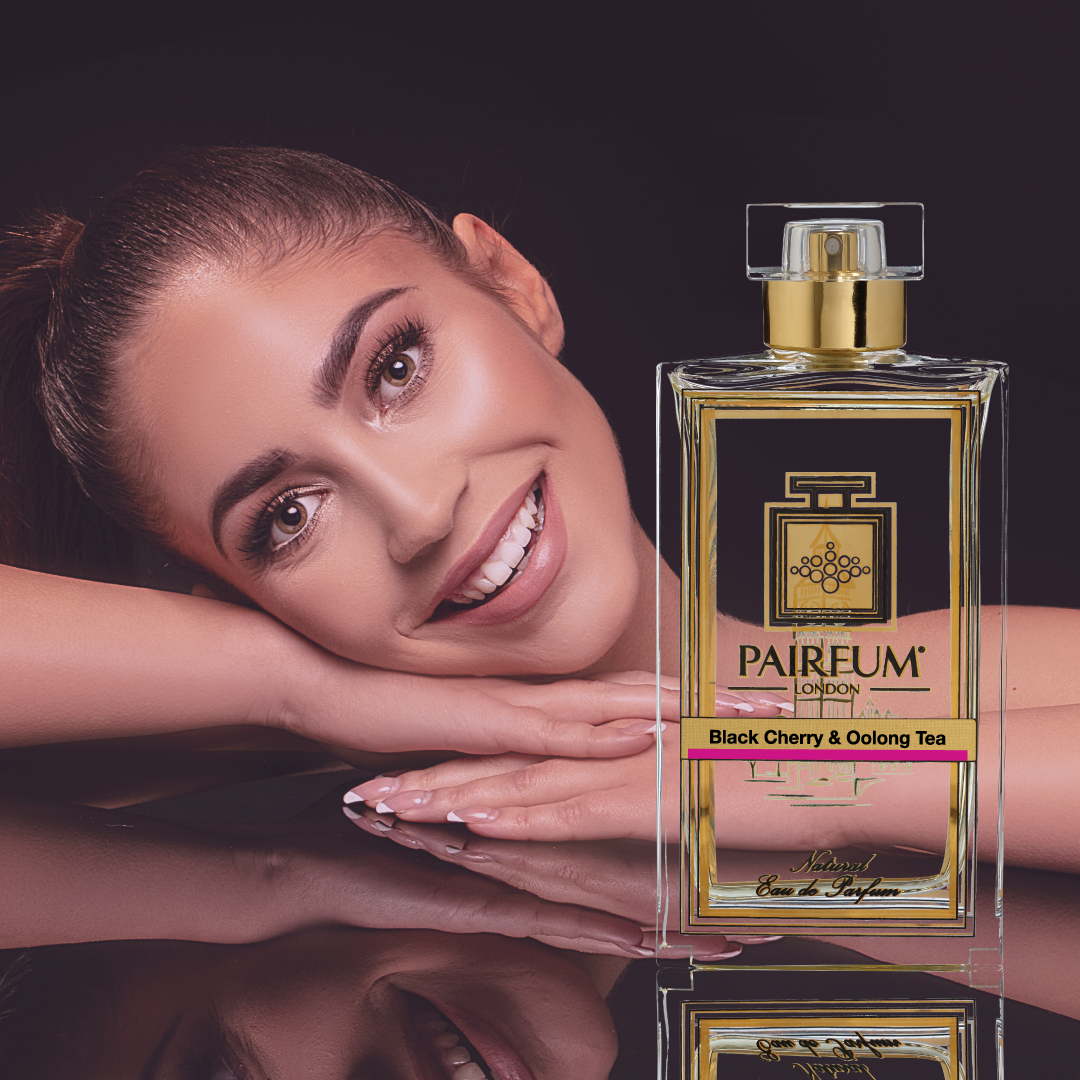

Pairfum is packed full of Natural Goodness
Shop Now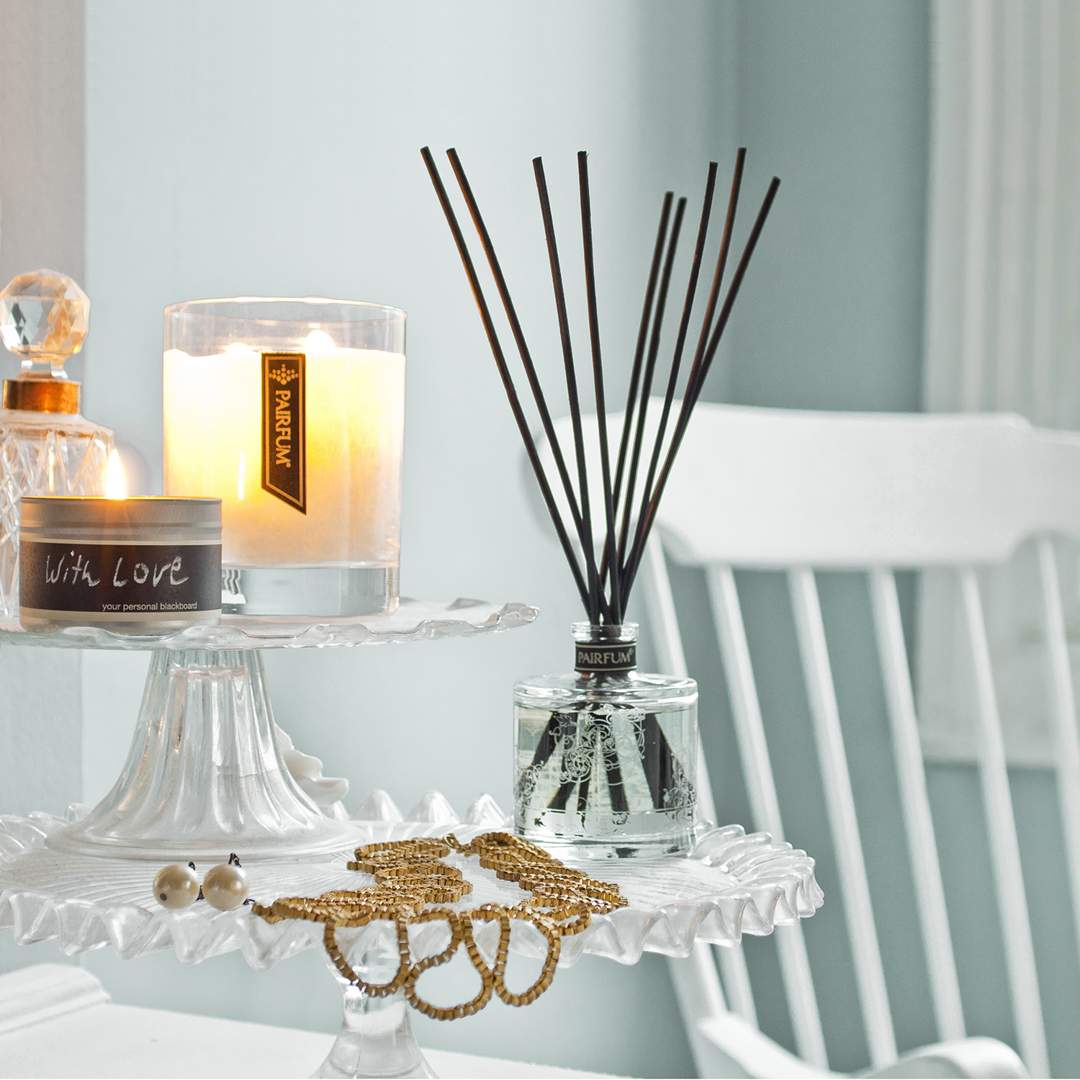
Magazine & Blog
Read in our Blog & Magazine about:
● Anything ‘Making Scents’, e.g. perfume memories
● Home Fragrance, Couture Perfume, Skin / Bath / Body Care
● Ingredients, e.g. natural / organic essential oils, flowers, bees, waxes.
● Your Home, e.g. beautiful interior designs, architecture, decor, …
● Food, Drink, e.g. essential oils in foodd, desertd, drinks,…
● Britain, e.g. London, the Queen and Royal Family, …
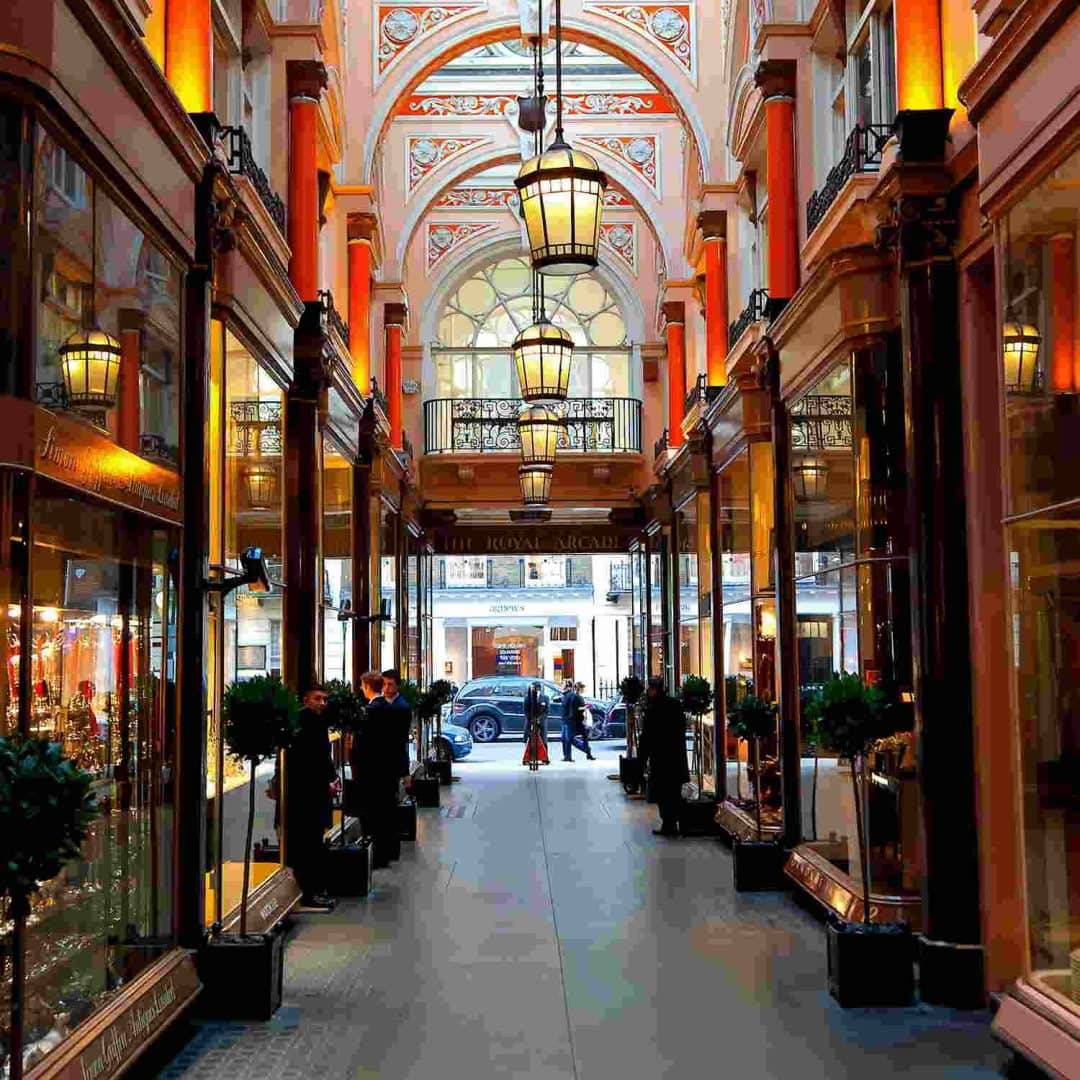
The Fragrance Boutique
Enjoy shopping in our online Boutique:
Natural Perfume:
Eau de Parfum “Intense” Sprays, Eau de Toilette Sprays, Eau de Parfum Travel & Purse Sprays, The Perfume Experience Box, …
Natural Home Fragrance:
Luxury Scented Candles, Reed Diffusers and Refill Oils, Perfume Room Sprays, Sleep & Pillow Sprays, Fragrant Botanicals, Wardrobe Sachets, Drawer Liners, …
Gifts & Giftsets:
Giftboxes, Giftsets, Luxurious Gift Bags & Tissue Paper, Gifts for Men, …
Visit Our Boutique