Non-toxic perfume refers to a fragrance that is made without harmful harsh chemicals like phthalates, parabens and synthetic musks.
Non-toxic perfume sounds simple, does it not? A lovely scent that is gentle for your skin and kind for your health. The trouble is, the words on the bottle do not always match what is happening in the formula. That is where things can get a little confusing.
As the weather warms and we show more skin, many of us spray more perfume, layer body products and light more candles. We also see more labels: non-toxic, clean, natural, organic, vegan, hypoallergenic. They are often used together, as if they all meant the same thing. In reality, they do not. Here is how to make sense of it, so you can choose perfume with confidence instead of worry.

Rethinking Clean: What Non Toxic Really Means
When people say they want a non toxic perfume, they often mean one or more of these:
- Made with natural ingredients
- Free from certain chemicals they have heard about
- Gentle on sensitive skin
- Kinder for the planet
That is a lot of different wishes hiding inside one small phrase.
The challenge is that words like non-toxic, clean, natural, or hypoallergenic are not strict legal categories for perfume. They are mostly marketing language. One brand may call a scent non-toxic because it avoids a short list of ingredients. Another may mean it is vegan and not tested on animals. Neither tells you the full safety story.
So is non toxic perfume truly safer for your skin? The honest answer is that safety has more to do with:
- The exact ingredients and how they are combined
- The amount you use and how often you apply it
- Your own skin type, allergies and sensitivities
A simple label can never replace that full picture.
This is why searching for the best non toxic perfume can be confusing. Different non toxic perfume brands can use very different standards. One fragrance brand may concentrate on natural ingredients, another on phthalate free formulas, and another on wider clean beauty principles. There is no single definition that makes one perfume automatically safer than another.
Decoding Safety: How Perfume Is Actually Assessed
Perfume in the UK and EU, including fragrances sold here in London, sits inside a clear safety framework. It is not a free-for-all. There are three main pieces to know:
- IFRA, the International Fragrance Association, sets usage limits and standards for fragrance ingredients.
- EU Cosmetics Regulation lays down rules for cosmetic products that go on the skin, such as perfumes and body products.
- Safety assessors look at toxicology, known allergens and restricted materials before a product goes to market.
In science, toxic does not simply mean bad or chemical. It means that an ingredient can cause harm at a certain dose. Even water is toxic at a high enough amount. So when someone says perfume is toxic, we must ask: at what level, on which part of the body and in what kind of product?
Any well made fragrance, whether it is niche perfume or conventional perfume, has to respect limits for:
- Dermal exposure, meaning how much touches the skin
- Phototoxicity, meaning how it behaves with sunlight
- Sensitisation, meaning the risk of allergy over time
There is no official legal class called non toxic perfume. There is just perfume that meets or fails to meet these safety rules. Many clean or non-toxic claims sit on top of this base, as a style choice, not a new safety law.
The same principle applies to clean fragrance. A clean fragrance is not automatically free from every substance that could cause an individual reaction. Fragrance ingredients still need to be considered as part of the complete fragrance formulation.
Natural vs Synthetic: The Myth of the Perfectly Pure Scent
A big part of the non-toxic story is the love of natural perfume. We understand the appeal. Natural oils sound soft and pure. Synthetic molecules sound harsh and heavy. But real life is not that simple.
Some natural ingredients can be quite strong on the skin. For example:
- Certain citrus oils can be phototoxic if used at high levels before sun exposure.
- Some essential oils are powerful sensitisers and may trigger irritation.
- Natural extracts are complex mixtures and can include many tiny components, some of which are allergens.
Essential oils are not automatically safer simply because they come from plants. An essential oil can contain numerous chemical constituents. Natural oils, botanical extracts and other natural ingredients can all have benefits, but they can also contain fragrance allergens.
By contrast, a well chosen synthetic ingredient can sometimes be the gentler choice. Synthetic ingredients can be:
- Very pure and consistent from batch to batch
- Used at low levels to give a clear effect
- Designed to avoid problem components in some natural materials
This is one reason natural perfumery and modern fragrance creation are not necessarily opposites. A perfumer may combine natural ingredients with selected synthetic ingredients to create a balanced fragrance.
Vanilla is a useful example. Vanilla is popular in natural perfume and can create a warm, familiar scent. But vanilla can appear as a natural extract or as an aroma material in a wider fragrance formulation. Nine different perfumes containing vanilla could use quite different fragrance ingredients and have very different formulations.
So vanilla itself does not tell you whether a perfume is safer. The same is true of rose, citrus, woods and other popular scent families. What matters is the complete fragrance formulation and how the perfume is intended to be used.
A classic case is oakmoss. The natural extract has long been loved in perfumery, yet it includes known allergens that are now tightly restricted. Using a crafted aroma molecule with a mossy character can give a similar mood with a more controlled risk.
The words synthetic fragrance and synthetic perfume can sound alarming, but synthetic does not automatically mean unsafe. Likewise, natural perfume does not automatically mean harmless.
Reading the Fine Print: Labels, Allergens and Greenwashing
Perfume labels can feel like another language. Here are a few simple pointers.
On many fragrance products, you will see the word parfum or fragrance. This is the blend of aromatic ingredients, both natural and synthetic. By itself, it does not tell you each material, because that is often a protected formula. However, the EU requires that certain known fragrance allergens are listed when they are present above a set level.
If you have sensitive skin, it is helpful to:
- Learn the names of allergens that bother you, if any
- Look for those names in the ingredients list
- Apply new scents on a small patch first, especially in the summer sun
Ingredient transparency can make this process easier. Look for a brand that explains its fragrance ingredients clearly and does not rely entirely on vague claims.
You will also see a lot of free from claims, such as:
- Paraben free
- Phthalate free
- Synthetic free
Sometimes these are meaningful choices. Often, they can shade into greenwashing, when a normal safety requirement is dressed up as a special benefit. A product can be free from a certain group of ingredients and still cause a reaction in someone whose skin is already delicate.
The word phthalate comes up particularly often in discussions about clean perfume. A phthalate free claim tells you that a particular phthalate has not been used, but it does not make every other fragrance ingredient irrelevant. If phthalate is a concern for you, check the manufacturer’s information and look for genuine ingredient transparency.
It is also important not to assume that phthalate, toxic chemicals, toxic ingredients or harmful chemicals are interchangeable terms. Safety depends on the individual substance, concentration, exposure and intended use. One ingredient cannot tell you everything about a perfume.
A thoughtful fragrance brand should therefore be able to discuss its approach to phthalate and other fragrance ingredients without suggesting that every conventional perfume contains dangerous substances.
What About Clean, Organic and Botanical Fragrance?
Clean perfume and clean fragrance are increasingly popular terms. Clean beauty has also become a wider movement, with consumers looking for products that appear simpler and more transparent.
But clean ingredients do not have one universal definition. One brand may avoid phthalate, another may avoid certain synthetic ingredients, and another may focus on natural ingredients and botanical ingredients.
Organic perfume is another example. Organic certification can tell you something about how particular ingredients are produced, but organic does not mean allergy free. A natural perfume can contain essential oils and botanical extracts that do not suit every person.
Natural perfumery can be beautiful, but it is not a guarantee of a safer scent. A good perfumer considers the complete formulation rather than simply counting natural ingredients.
Choosing a Format for Everyday Wear
The type of perfume you choose also affects how you experience a scent.
An eau de parfum is designed to be worn on the skin. A perfume oil is another concentrated format that is usually applied directly to pulse points. A solid perfume offers a different application altogether and can be useful for people who prefer a more discreet scent.
Whether you choose perfume for everyday wear or reserve a fine fragrance for special occasions, moderation matters. More perfume does not necessarily mean a better scent. A lighter application can still create a distinctive signature scent.
Your choice of scent can also change with the season. A fresh fragrance may feel comfortable in warm weather, while a vanilla based scent can feel particularly inviting in cooler months.
Beyond Skin Deep: Sustainability and Non Toxic Luxury
Non toxic does not stop at the surface of your skin. Once fragrance leaves your body, it enters the air and, in time, soil and water. A modern view of gentle perfume must also think about:
- How easily materials break down in the environment
- Whether they are harmful for aquatic life
- How they travel and settle in the air inside our homes
A thoughtful approach looks at the whole life of a product, from what goes into it to what happens after you use it. This can include:
- Responsibly sourced natural ingredients
- Mindful use of synthetics where they bring clear safety or stability benefits
- Recyclable or refillable packaging
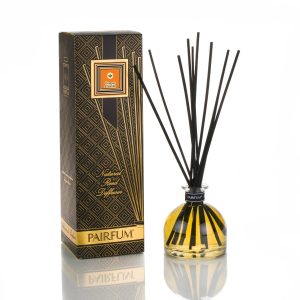
- Candles that burn with low soot and clean diffusers for indoor air
Natural oils, essential oils, synthetic ingredients and botanical extracts can all have environmental considerations. Sustainability is therefore not as simple as choosing natural over synthetic.
Choosing Your Next Scent with Confidence
When you strip away the buzzwords, a safer skin scent is less about chasing the latest non toxic label and more about knowing yourself and trusting well informed perfumers.
A simple checklist can help when you choose your next fragrance:
- Your skin: is it dry, oily, reactive, or generally calm?
- Your triggers: do you know any confirmed allergies or common irritants?
- The season: lighter, breathable scents often feel better in warm, humid weather.
- The format: do you prefer an eau de parfum on pulse points, a hair mist, a perfume oil, a solid perfume, or more scent in the air through candles and diffusers?
- The brand ethos: does the fragrance brand speak clearly about safety, ingredients and sustainability, rather than hiding behind buzzwords?
If you are comparing non toxic perfume brands, look beyond the front of the bottle. Ask what the brand means by non toxic perfume, whether it discusses fragrance ingredients, and whether it provides useful ingredient transparency.
The best non toxic perfume for you may not be the one with the longest list of claims. It may simply be a well formulated fragrance that you enjoy, suits your sensitive skin and fits your preferences.
A signature scent should feel enjoyable rather than worrying. Whether you prefer natural perfume, clean perfume, niche perfume or a more conventional perfume, the same basic questions apply.

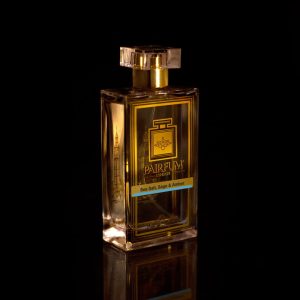
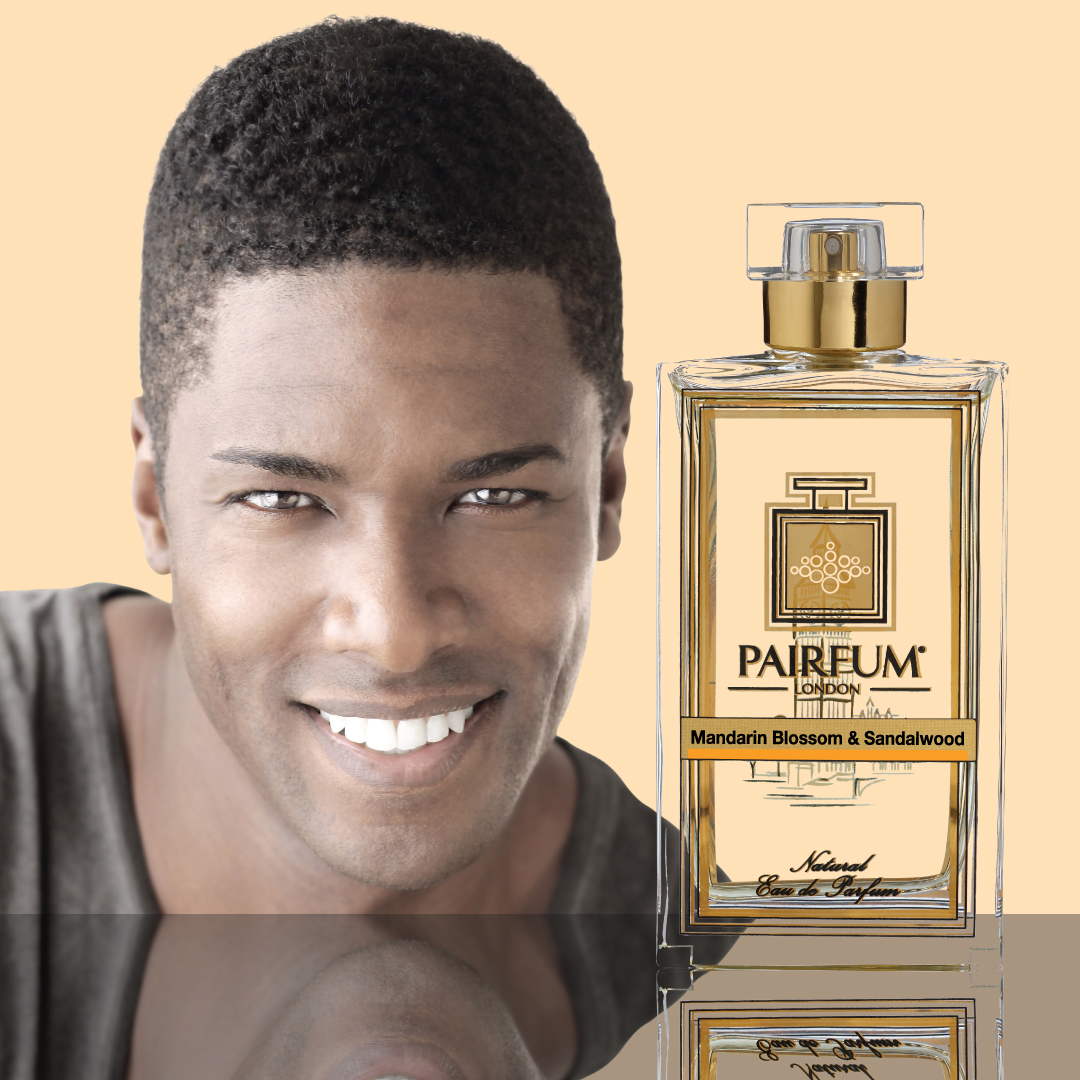
Mandarin Blossom & Sandalwood – Eau de Parfum by Pairfum London
An elegantly, feminine floral Chypre accord opening with the freshness of Mandarin Blossom, Apricot and White Hyacinth as Top notes. It’s romantic heart reveals a floral bouquet of Sweet Pea, Jasmine and Ylang Ylang, while the fond of Sandalwood, Patchouli, Amber and Musk create a magnetic trail.
The Bottom Line
There is nothing wrong with wanting clean ingredients or a non toxic fragrance. It is sensible to care about what you put on your skin. The important thing is not to let marketing language turn a complicated subject into a simple promise.
Natural perfume is not automatically safer. Synthetic perfume is not automatically harmful. Organic perfume is not necessarily allergy free. Clean perfume is not a guarantee of perfect skin compatibility.
The best non toxic perfume is ultimately the one whose ingredients, formulation and intended use make sense for your needs. Look beyond the label, understand what the fragrance contains, pay attention to your own skin and remember that safe perfume is about responsible formulation, not a fashionable name.