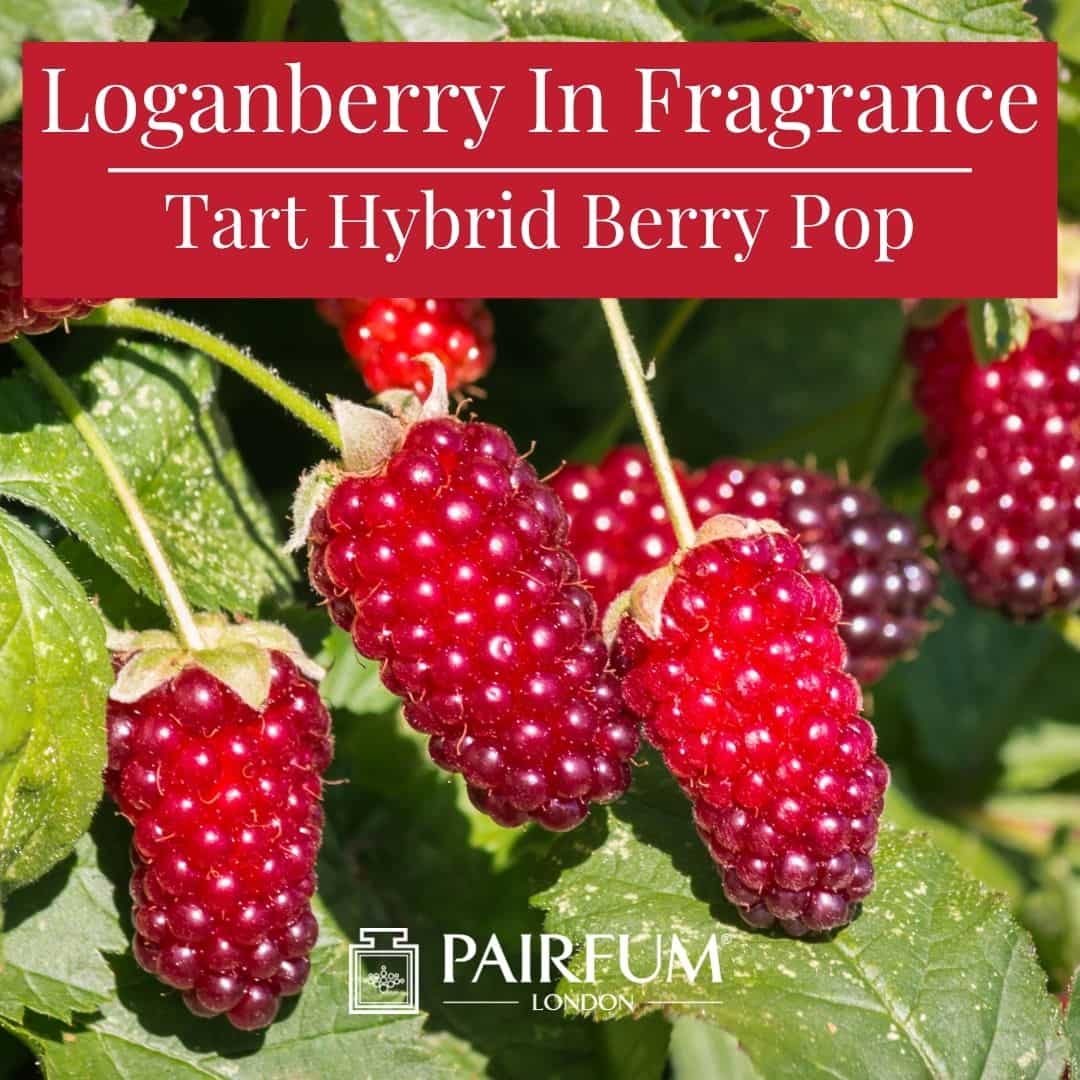
The loganberry in fragrance provides a bright, juicy, and multifaceted aroma, which combines the sweet facets of raspberry with the deeper, tart, and earthy characteristics of blackberry. It is frequently utilised as a central heart note to provide a sophisticated, fruity freshness, often being paired with floral accords or woody elements to create a balanced and vibrant scent profile.”
Loganberry has a bold, tart flavour that sits somewhere between raspberry and blackberry. It’s a fruit that doesn’t shout for attention, but once you know it, you don’t forget it. In perfume, that combination of sharpness with soft berry depth creates something playful and slightly unexpected. As a soft fruit, it offers a specific texture to a scent profile that is hard to replicate with more common ingredients.
As winter fades and spring begins to appear, Loganberry feels like it belongs. The air is still cool, trees are just starting to bud, and nature is holding back its full bloom. That early spring mood perfectly matches the character of Loganberry. It’s fresh, a little wild, and full of promise. Adding it to perfume brings a crisp berry brightness, while still holding on to a deeper edge.
We’ve seen Loganberry start to appear in niche and natural perfumes where perfumers are looking for fruit that feels real, not sugary. It’s a twist that lifts the bouquet without turning too sweet, and it works beautifully for perfumes created for the season ahead. Whether used to evoke a summer garden or the crispness of autumn, this edible fruit provides a sophisticated alternative to synthetic alternatives.
From Crossbreed to Fragrance Note
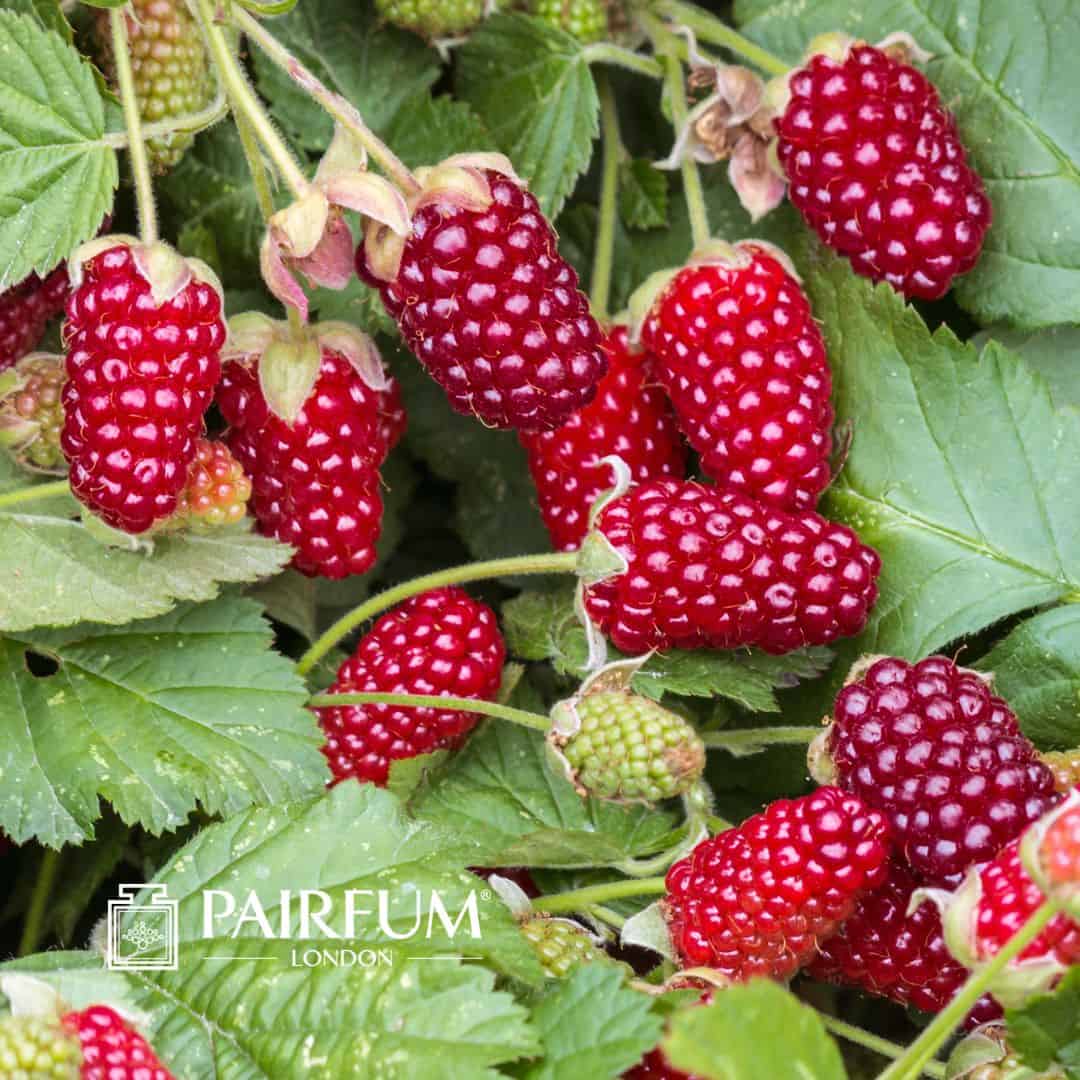
Loganberry didn’t come from the wild. It was first grown by accident in Santa Cruz, California, in 1881 when a gardener named James Harvey Logan mixed a Pacific blackberry (Rubus ursinus) with a raspberry in his garden. James Logan, a lawyer and amateur horticulturist, was actually trying to produce a superior blackberry when he inadvertently created this vigorous plant. What came out of it was something darker, more tart, and with a richer bite than either parent.
The fruit’s kitchen story helped it find its way into fragrance. Its bold character reminded perfumers of sunny gardens and home recipes. Historically, Loganberry became popular in cooking and jams, and was a staple in summer pudding, pies, and even wine or fruit syrups. One interesting piece of history is the Loganberry drink served at Crystal Beach Park, often frequented by New York residents, which cemented its place in popular culture.
As perfume trends moved toward more natural, food-inspired and seasonal notes, Loganberry fit right in. More recently, we’ve seen perfumers use it to bring something real and surprising to fruity blends. Its sharp edges bring out the best in spring perfumes that aim to feel less processed and more like nature after the rain. For natural and niche perfumery, Loganberry has opened up new ways to play with fruit, without drifting into sticky territory.
The Botanical Roots of the Loganberry Plant
To understand the scent, one must understand the loganberry plant itself. In terms of scientific classification, it is known as Rubus loganobaccus. It is a hybrid of the European raspberry (Rubus idaeus) and a variety of wild blackberries. The plant grows on long, often prickly canes that can reach lengths of eight to ten feet in a single season, requiring horizontal wires for support in a garden setting.
The loganberry inherits the sturdy nature of blackberry plants and the deep colour of the red raspberry. Unlike a raspberry, when you pick ripe loganberries, the core stays inside the berry, much like it does with blackberries. This physical structure contributes to its juice-heavy, fleshy aroma. Interestingly, while the fruit starts out red, it is often best harvested when it reaches a deep purple hue, indicating its full aromatic maturity.
If you were to grow this plant at home, it thrives in a sunny spot with well-drained soil. While it is typically an outdoor vine, some enthusiasts have tried keeping it as a temporary indoor plant during the early stages of growth. It requires rich soil and plenty of compost to produce a high yield of fruit that is famously high in vitamin c. In the UK, it is highly valued for being more resistant to disease and frost than many other berries, though its short shelf life makes it a rarity in commercial shops.
Fragrance Profile of Loganberry
The aroma of Loganberry isn’t shy. It’s bold at the start, tangy as it hits the skin or the air. After that, you get a soft mix of sweet and sour that feels alive and nicely rounded. There’s a bit of green hidden underneath, almost like you’re still near the bramble it came from, catching the scent of a crushed leaf.
Here’s how Loganberry stands apart from other popular fruit notes:
- It has more bite than a strawberry but doesn’t lean into the sugar
- It’s rounder and riper than a raspberry, with fewer floral notes
- It shares the earthiness of blackberries but keeps a livelier top edge
- It is less “dusty” than a boysenberry, staying bright and acidic
In many natural or niche perfumes, Loganberry fits best in the top or heart layers. It makes a bold first impression, then blends into whatever comes next. That flexibility gives it range. It can sit at the start of a fresh summer blend or soften the centre of something darker as we transition into autumn. And because it’s not widely used yet, it feels a bit different, like a surprise hidden in familiar territory.
Loganberry, as a perfume note, offers natural energy and vibrancy, brightening up the compositions it joins. Its lively aroma complements the freshness that people associate with the very first weeks of spring, when everything is budding and awakening. While some berry scents in perfumery can feel overly candied or synthetic, Loganberry’s unusual hybrid nature gives it a more lifelike profile, which supports both everyday and more creative fragrance concepts.
Cultivation and the Scent of the Earth
The scent of a loganberry is inextricably linked to the soil and the environment in which the plant grows. Whether grown in the United States or exported to places like New Zealand, the loganberry thrives when the soil is enriched with organic compost.
Gardeners often purchase bare root plants in late autumn or winter to ensure a strong harvest the following summer. As the new cane develops, the plant prepares to produce its signature tart fruit. Even the prickles on the canes seem to suggest the sharp, defensive tartness of the berry itself. This “green” and “thorny” aspect is often captured in niche perfumery by adding hints of bramble or wood to the loganberry accord.
How Loganberry Works in Natural and Niche Perfume
Perfumers are getting creative with Loganberry. The fruit doesn’t offer a pure essential oil, so they build it instead. Some use aroma molecules. Others mix berry accords to get close to the full effect. The goal is always the same: to capture that tart, juicy feel with enough depth to stay interesting.
Here’s why we see Loganberry show up more in niche blends:
- It smells like garden fruit, not candy
- It works well with woody and green notes
- It adds fresh movement without taking over
When blended well, Loganberry can open a perfume with energy, then settle into something softer. It’s often used with clean woods like cedar or herbal notes like clary sage. It plays nicely with florals too, especially peony or violet, which keep it light without losing its shape. For perfumes focused on seasonal changes, Loganberry helps link the cool start of spring with the warmth coming just behind it.
Loganberry’s adaptable personality allows it to bridge the gap between juicy fruit and more grounded, earthy facets in fragrance. Niche and natural perfumers might select Loganberry to add an element of surprise or authenticity, offering a multifaceted burst that harmonises well with both traditional and modern compositions. The result is a balanced fragrance that stands out while remaining wearable and appealing.
Noteworthy Perfumes Featuring Loganberry
A few niche perfumes have started to use Loganberry as their fruit centrepiece, picking it over the usual berry line-up. These blends often show it off with light musk, clean greens, or herbals to keep its sharpness in check. When handled this way, Loganberry manages to feel bold and balanced at the same time.
Seasonally, Loganberry plays especially well in:
- Spring perfumes that need fruit but less sugar
- Natural blends where fruit should feel like it was just picked from the plant
- Home fragrances that add brightness to early-year moods
Find A New Iconic Spring Fragrance with Pairfum London
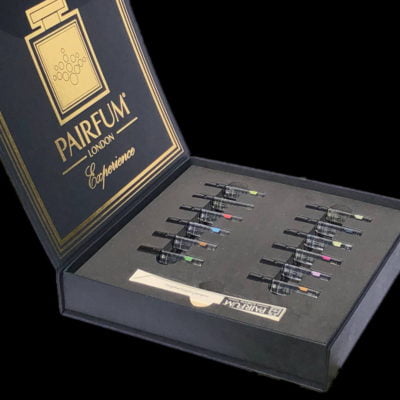
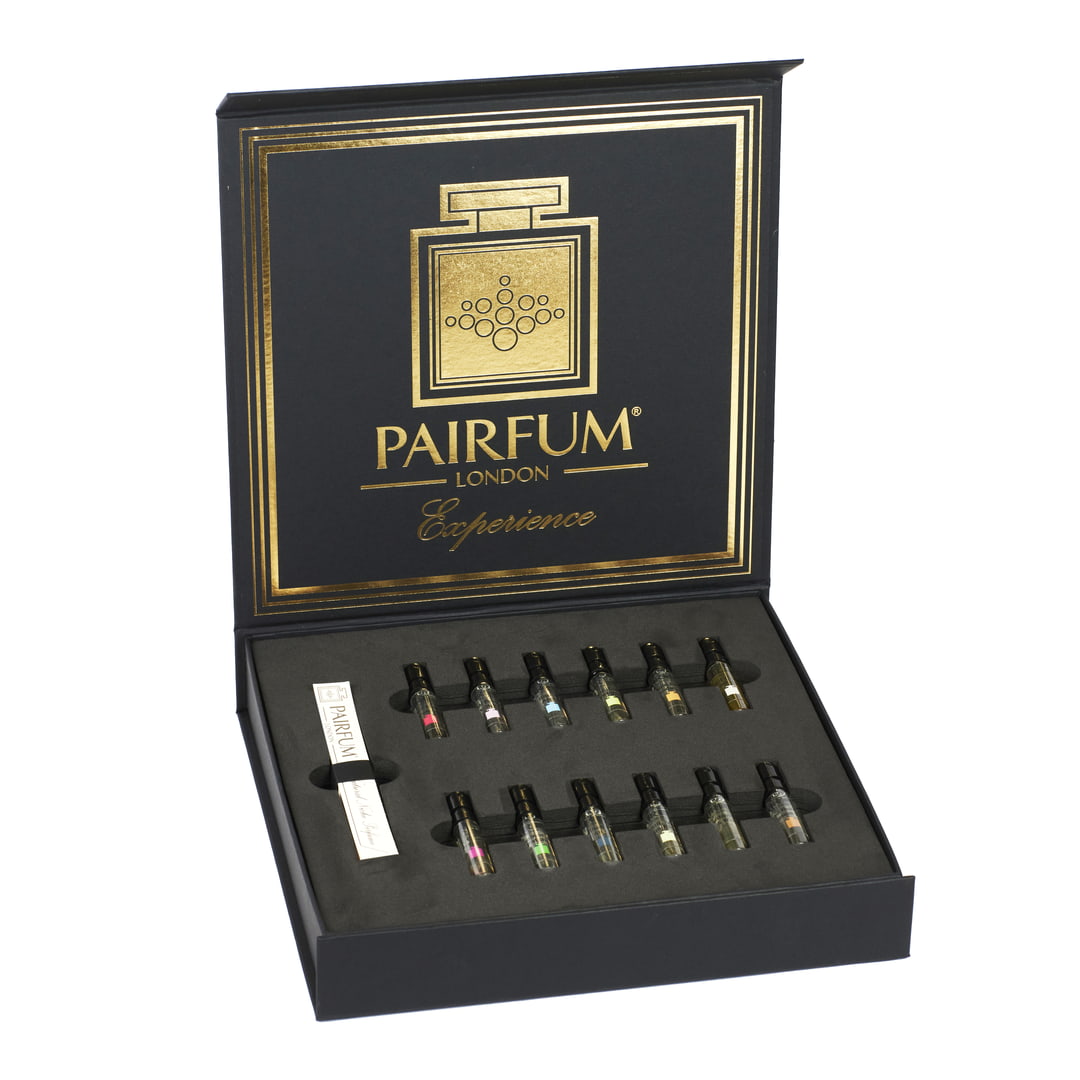
Just as the loganberry provides a rare and sophisticated “purple” fruitiness, the Fragrance Library introduces you to a vast array of innovative and natural accords. By stepping away from the overwhelming “cloud of fragrance” found in traditional department stores, this experience box allows you to appreciate the subtle transitions between heart notes and base layers in a neutral environment. Whether you are drawn to the tart brightness of berries or the deep earthiness of woods, this collection offers the ideal “Perfume Experience,” helping you understand the scientific and artistic balance required to create a truly vibrant and balanced scent profile.
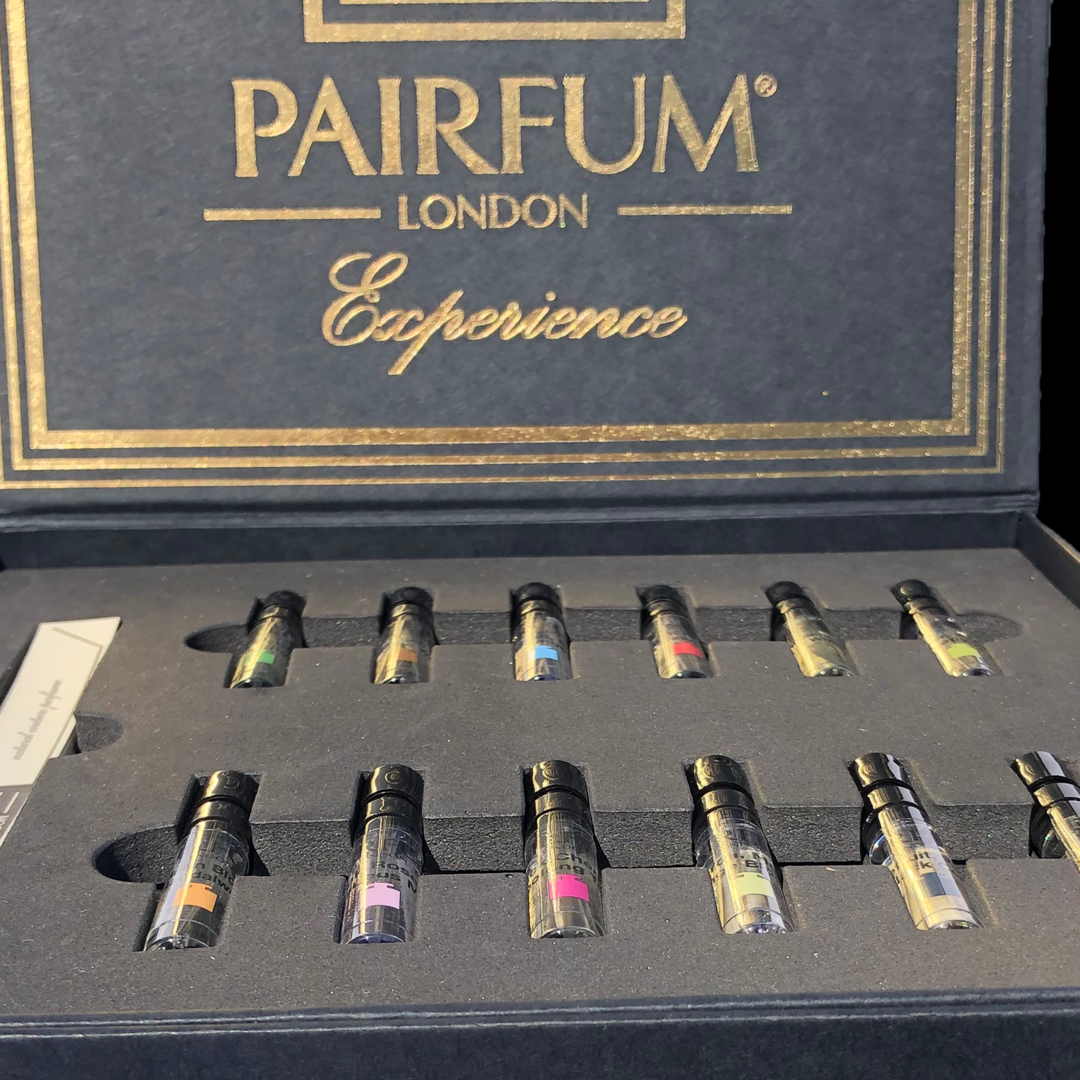
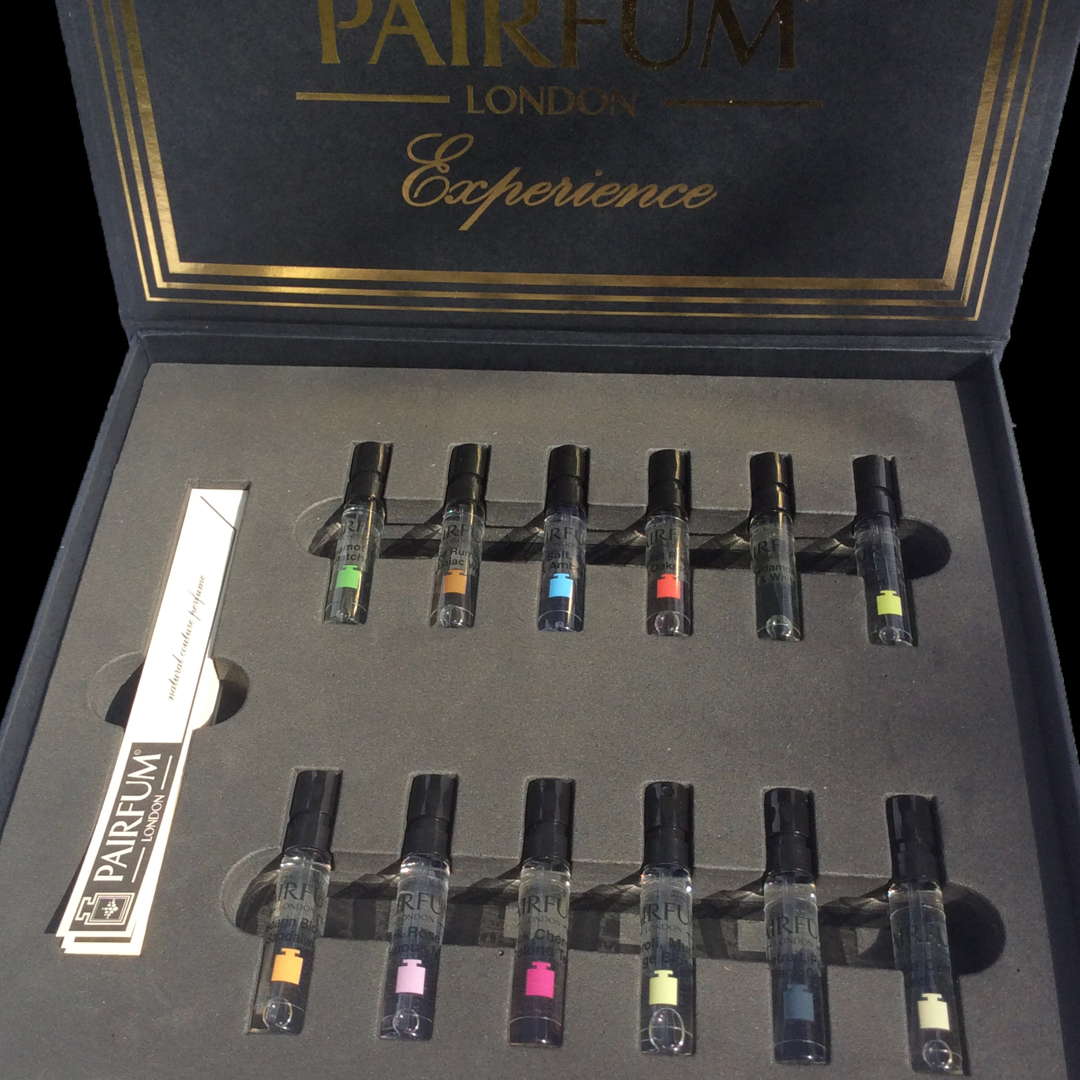
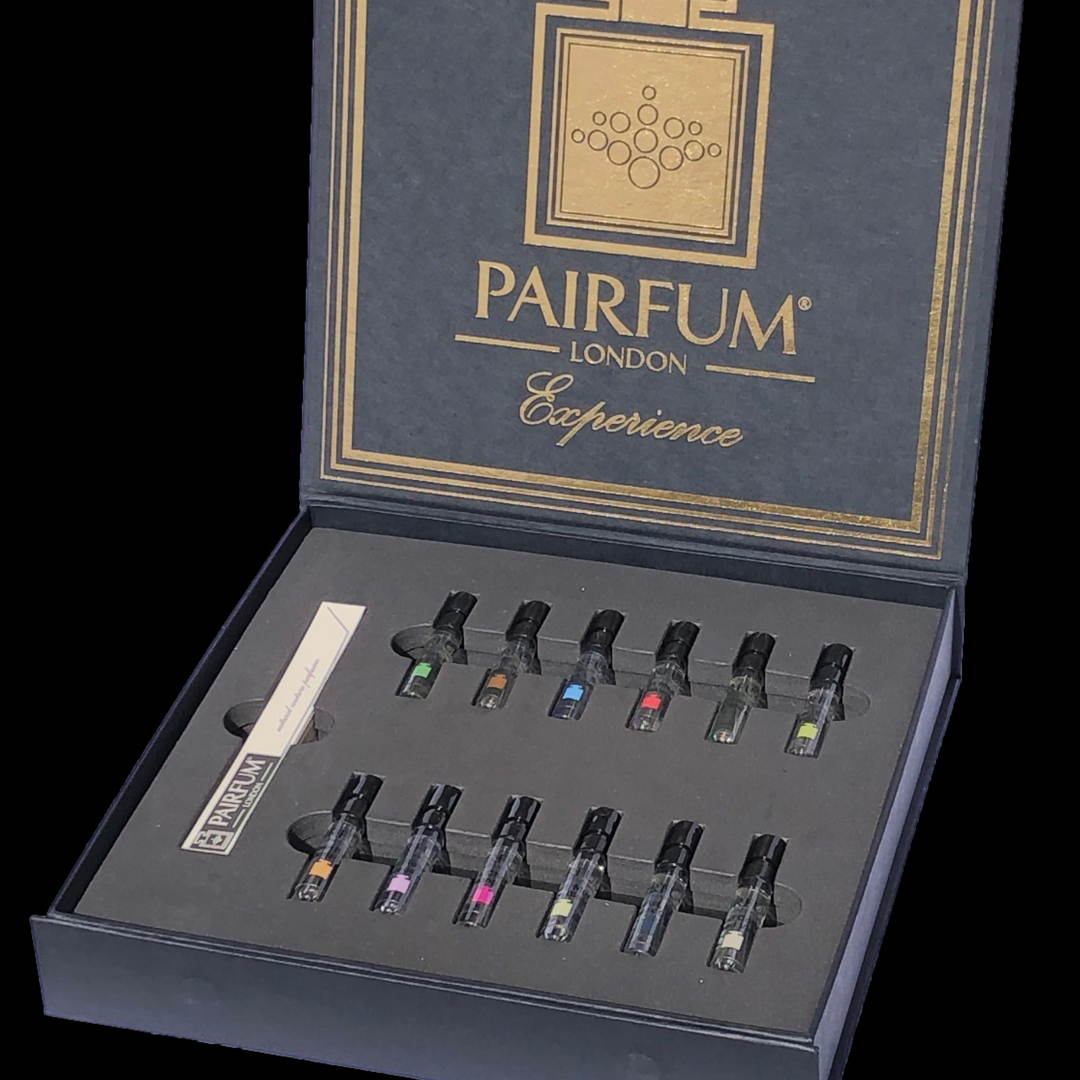
Fragrance Library – Perfume Experience Box by Pairfum London
The Fragrance Library is a curated collection of 12 x 2ml Eau de Parfum Intense sprays, designed to let you explore the world of niche perfumery from the comfort of your own home. Each set includes 50 smelling strips and enough perfume for approximately 100 sprays per bottle, allowing you to test each fragrance’s longevity and evolution on your skin over two weeks. This selection is 100% vegan, cruelty-free, and handmade in the United Kingdom using natural and organic essential oils, ensuring a clean and ethical way to find a fragrance that truly resonates with your persona.
‘Berry Bold’: Why Loganberry Makes Fragrance More Interesting
Loganberry stands at the edge of sweet, where tart makes things more interesting. It’s the kind of fruit perfume note that adds something honest, like where the garden hits the wild. Because it’s not as common as strawberry or raspberry, people notice it, even if they can’t name it.
As the air cools in autumn, the deeper, wine-like qualities of the loganberry come to the fore. It is a plant that yields its best fruit in the height of summer, yet its olfactory memory lingers much longer. Its fresh-tart shape, rooted in real fruits and green branches, brings a twist to springtime perfumes. For those of us working in natural and niche perfumery, Loganberry feels like a welcome change. It brings a bright note that’s modern and playful, while still grounded in nature. Its hybrid nature makes it both familiar and curious, which is exactly why it works so well.