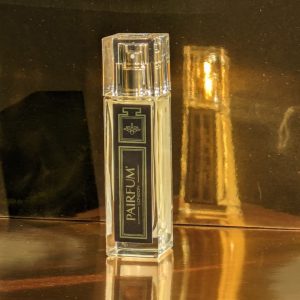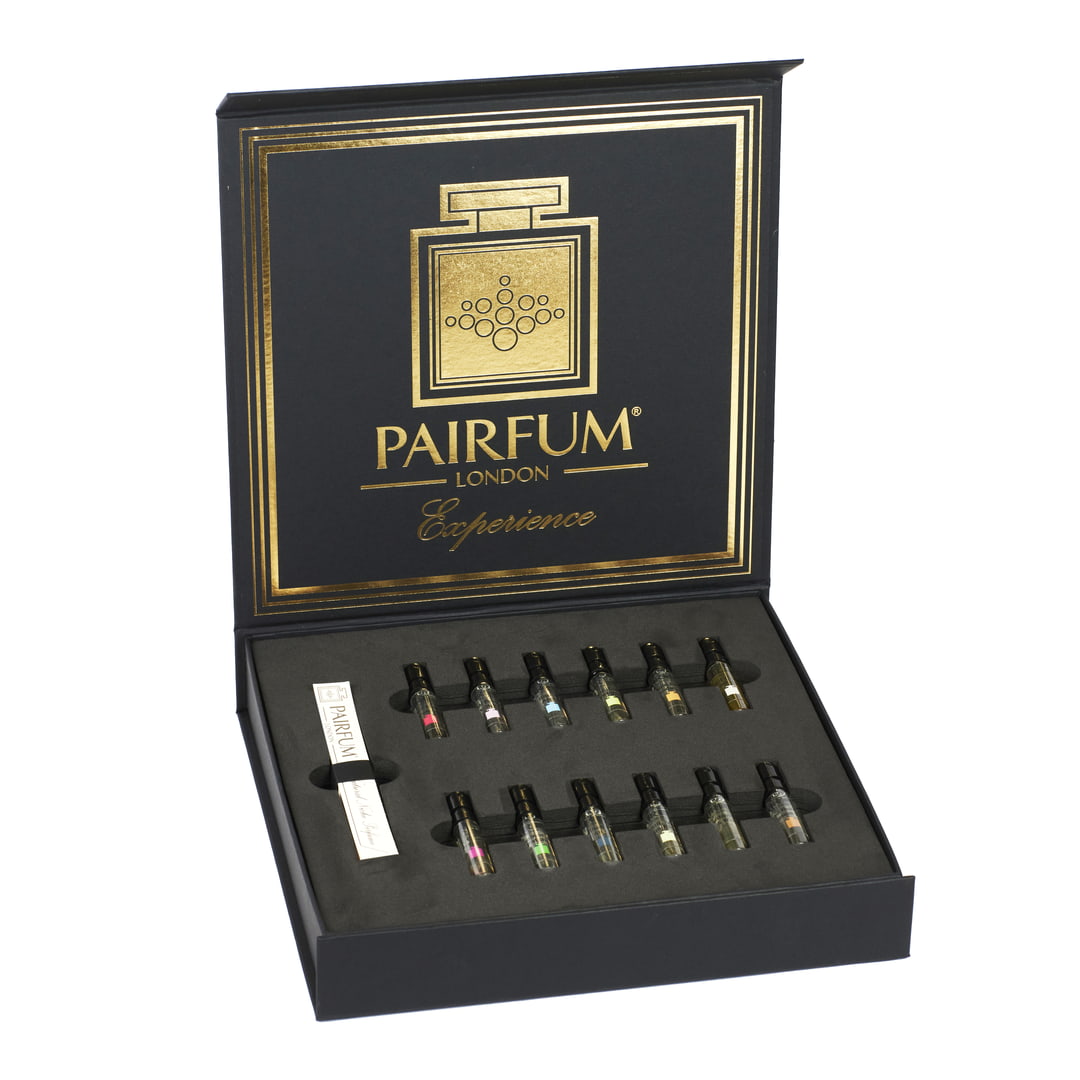

Rich wood in perfume offers warmth that feels grounding and elegant all at once. Their woody ingredients have a way of creating depth that lingers without being loud. They are often the quiet strength behind a fragrance, helping it last longer and feel more complete.
Late November is when rich woods feel especially fitting. As the trees lose their leaves and the air turns crisp, we naturally reach for aromas that feel snug and sophisticated. Whether they come in the form of smooth sandalwood, smoky oud, or resinous patchouli, woody notes wrap around us like a soft, familiar jumper.
Let us look at where these ingredients come from, how they are used in perfumery, and why they have become such a reliable choice in luxurious, niche creations.
The Deep Roots of Wood in Perfumery
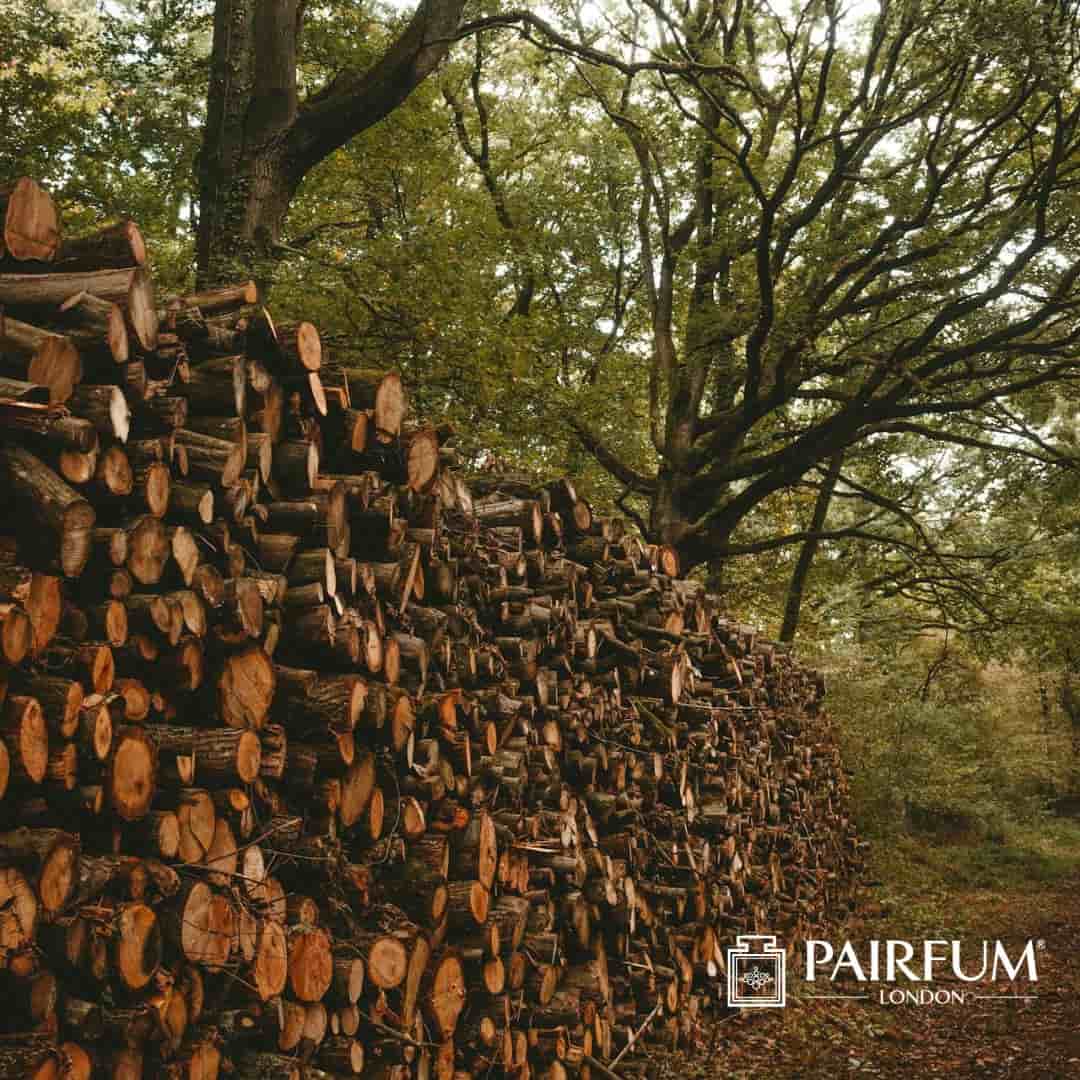
Woods have always held a special place in the art of perfumery. Even in the earliest rituals, natural materials like cedar, frankincense, and myrrh were burned or crushed to release their earthy perfume. Many of these resins and sacred trees were prized not just for their aromas, but for the calming rituals they made possible.
Over time, these rich woods began to appear in oils and early fragrance blends. They carried with them cultural meaning: strength, balance, grounding. In many traditions, aromatic woods were used in spiritual ceremonies because their smoke was believed to connect this world with something deeper.
Now, you will find woody notes as the base of many niche perfumes. They help hold everything together without overpowering the other ingredients. Rich woods are often described as symbols of confidence, warmth, and sensuality: qualities that people naturally gravitate to, especially in colder months.
Understanding the Fragrance Family
In the world of fine fragrance, the woody fragrance family is vast. It ranges from the dry, mossy scent of a forest floor to the opulent, sweet trail of a luxurious fragrance found in a high-end boutique. When you explore a specific scent profile, you begin to see how wood acts as the skeleton of the perfume, providing a structure for lighter notes to cling to. Whether it is a rich wood perfume designed for evening wear or a lighter eau de parfum for the office, the presence of wood ensures a sophisticated finish.

Common Types of Rich Woods and What They Add
Each woody ingredient brings a unique twist, and when used well, they can turn a simple perfume into something unforgettable.
- Sandalwood brings a creamy, smooth richness that feels polished and soft.
- Oud adds a dark, resinous scent with smoky edges and deep muskiness.
- Cedarwood often smells dry, clean, and a little sharp, almost pencil-like in its clarity.
- Patchouli has a damp earthiness with hints of spice and dry leaves.
- Guaiacwood offers a slightly sweet, smoky profile that is well-loved in unisex perfumes.
In cooler weather, these notes perform best. They settle on the skin and slowly warm up, creating an aura that feels perfect for wool coats, firelit rooms, and longer evenings. Hot weather can cause heavy woods to feel overwhelming, but in autumn and winter, they become soft and welcoming.
The Nuance of Sandalwood and Earthy Tones
Within these categories, creamy sandalwood stands out for its ability to mimic the softness of skin. It provides an elegant earthiness that avoids the harshness sometimes found in synthetic alternatives. When blended with tonka bean, the wood takes on a gourmand quality, reminiscent of a warm scent drifting through a library of old books. This specific scent is often what draws people toward niche perfumery, as it feels more personal and less mass-produced.
How Rich Woods Are Captured: Oils, Resins and Synths
Getting the fragrance from wood into a bottle is not always simple. Some oils are drawn through steam distillation, like cedarwood or patchouli. Others, like sandalwood, may use CO2 extraction to keep more of the natural warmth intact.
Then there are modern methods, such as using synthetic ingredients. Some woods are rare or come with environmental concerns, making synthetics a more ethical choice. For example, oud can be incredibly precious, so perfumers often turn to lab alternatives to mimic its depth without sourcing the actual material.
A clever part of perfume making is how woods are blended. Alone, they can feel too heavy, but when layered with florals, spices, or fruit, the balance can be beautifully refined. A touch of bergamot up top or amber in the base can make the rich woods feel smooth rather than stark.
Complex Extractions and Composition
The process of creating a fragrance oil requires a deep understanding of raw materials. Master perfumers like Sergio Momo have explored how to elevate these traditional ingredients into something modern. For instance, a rich wood base can be brightened with crisp citrus or mandarin peel to create a contrast between the top and bottom notes. This prevents the wood from feeling dusty and instead gives it a vibrant, living quality.
Expertly composed fragrances often use a “pyramid” structure. This means the scent opens with light, volatile molecules, like grapefruit or tangerine, before revealing the heavy wood heart. This ensures the perfume is wearable and dynamic rather than static and heavy.
The Evolution of the Wood Note
Woods tend to have staying power. They are the part of the perfume that stays longest on the skin and clothes. That makes them a go-to for those who want something that lasts without needing multiple sprays. Their complexity also means they reveal themselves slowly, which keeps the aura interesting throughout the day. This longevity is why an extrait de parfum is often preferred over a standard eau de parfum when wood is the star, as the higher concentration allows the richwood Xerjoff style of depth to truly shine.
When we examine the profile of these world-class scents, we find that the patchouli used is often aged or specifically distilled to remove any “headshop” connotations, leaving only a chocolatey, earthy smoothness. This refined patchouli acts as a bridge between the floral heart and the heavy wood base.
Why Rich Woods Are Perfect for the Colder Months
During the colder days, rich woods come into their own. They reflect the quieter side of the year: bare branches, warm drinks, evenings indoors.
There is something about these perfumes that feels in step with cold weather. They do not disappear after an hour, and they do not fight for attention. Instead, they sit close to the skin and quietly remind you they are there.
- They layer well with warm spices like cardamom, cloves, or nutmeg.
- They suit sweet, edible notes like vanilla or caramel, which become more popular in winter fragrances.
- They pair comfortably with resins like labdanum or benzoin, creating soft, amber-like finishes.
This time of year is about comfort, slowing down, and reconnecting with small routines. Fragrances built around woods reflect that feeling and help carry it through the day.
Floral and Fruity Pairings
To prevent a woody fragrance from becoming too masculine, perfumers often weave in delicate florals. A touch of damask rose or jasmine can transform a heavy wood scent into something more balanced. Some compositions even use bourgeons cassis (blackcurrant buds) to add a dark, fruity tartness that complements the smokiness of the wood. When these are layered over a base of sensual musk, the result is a fine fragrance that appeals to both men perfumes and women perfumes markets.
Application and Versatility
The way a rich wood fragrance interacts with the body is fascinating. When applied to the skin, the heat helps the woody molecules evaporate slowly. Some people even choose to spray a little on their hair, as the porous nature of hair holds onto the scent for even longer than the skin does.
For those with sensitive skin, finding a high-quality eau de parfum with natural oils is essential. A well-constructed perfume will use a base of creamy vanilla and musk to soften the impact of the stronger wood notes, ensuring the scent remains pleasant from the first spray of citrus and bergamot to the final dry down of amber.
Maceration and Concentration
A hallmark of high-end perfumery is the concentration of the oil. An extrait de parfum, which often contains 20% to 40% concentrate fragrance oil, provides a “majestic” presence that lingers for ten hours or more. Furthermore, these rich, wood-heavy compositions often undergo a process called maceration. Much like a fine wine, the fragrance continues to mature and deepen over time as it sits in the bottle, allowing the sandalwood and patchouli to become even smoother and more integrated.
Whether you are wearing an extrait de parfum with a heavy dose of sandalwood or a lighter eau de parfum, the goal is the same: to create a personal atmosphere of warmth.

Iconic Perfumes That Showcase Rich Woods
Many cult classics rely on a rich wood, such as sandalwood or cedar as their backbone. These woods allow other notes to shine without fading too quickly. One famous example is Xerjoff Richwood, a fragrance highly regarded for its use of Mysore sandalwood. The Xerjoff Richwood scent is often compared to a vintage wine, improving and becoming more complex as it sits on the skin.
The popularity of Xerjoff Richwood has even inspired the creation of an Alexandria fragrance, such as Valley of the Kings, which is inspired by its profile.
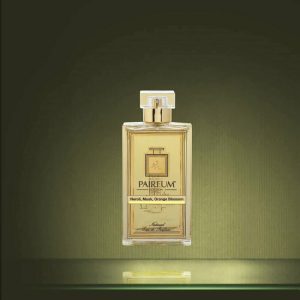
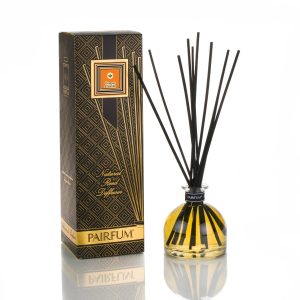
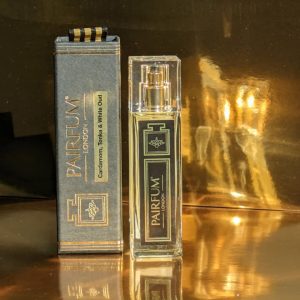
Spiced Rum, Lime & Guaiac Wood – Eau de Parfum by Pairfum London
This accord opens with the rich aroma of rum, accented by hints of lime and lemon, and a vibrant blend of nutmeg and pepper. The heart unfolds into a deep, opulent mix of tuberose, iris, and vintage leather. A base of guaiac wood, cedarwood, golden amber, vanilla pod, and musk completes this refined and luxurious fragrance.
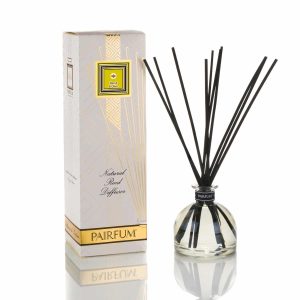
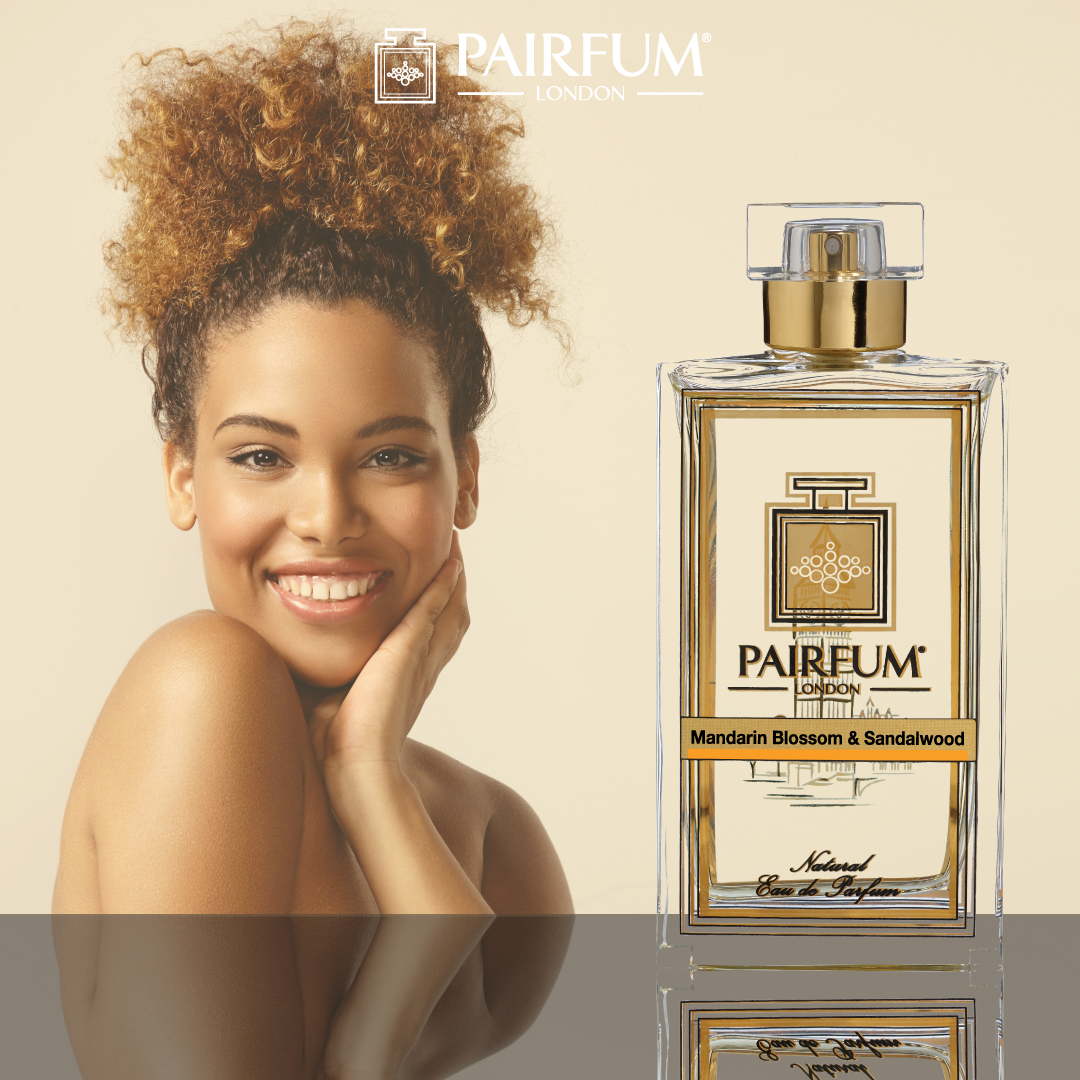
Mandarin Blossom & Sandalwood – Eau de Parfum by Pairfum London
An elegant, feminine floral chypre accord opens with the fresh notes of mandarin blossom, apricot, and white hyacinth. Its romantic heart reveals a delicate bouquet of sweet pea, jasmine, and ylang ylang, while a base of sandalwood, patchouli, amber, and musk leaves a soft, magnetic trail.

Lasting Warmth, Lasting Impression
Rich wood speaks to quiet elegance. Whether it is the creamy softness of sandalwood or the smoky depth of guaiacwood, these ingredients ground a perfume in something solid and timeless. They have been used since ancient days, and they are still part of the most refined compositions today.
As winter draws closer, woody notes feel more natural with each passing day. Something about them matches the stillness outside and the warmth we seek inside. It is no surprise that as the temperature drops, we reach for these familiar perfumes again: deep woods that seem to know the season almost as well as we do.