Home / natural eau de parfum
Apricot In Perfumery

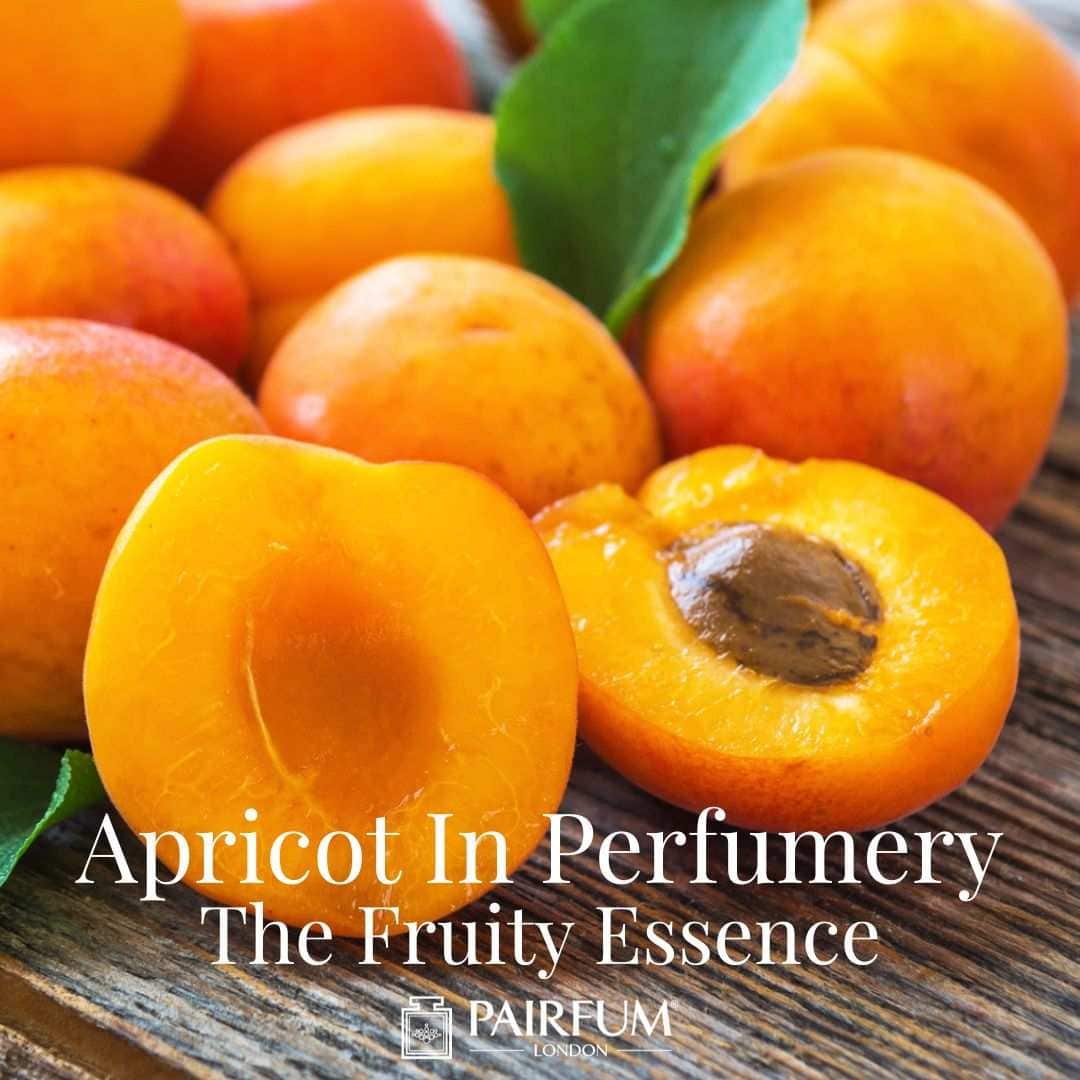
Apricot in Perfumery: The Fruity Essence

Apricot perfumes blend sweet, juicy fruitiness with velvety, lactonic, and subtly powdery nuances. This warm, sunny accord, often crafted using synthetic compounds for impressive lasting power, pairs beautifully with florals like osmanthus, as well as rich base notes like vanilla and musk.

Apricot has a soft fruitiness that brings warmth and brightness to perfume. Its aroma is gentle, juicy, and just a little floral. Smell fresh apricots on a warm afternoon and you’ll understand exactly why perfumers keep reaching for them. Sun-warmed, slightly honeyed, with a fuzz of something almost floral underneath. Apricots at their best smell like summer in a single note.

Whether found in personal fragrances or home fragrance blends, apricot stands out for its welcoming quality. Even the warm amber-orange of the fruit has influenced design, giving its name to apricot clothing and interior colour palettes that borrow its sun-flushed hue. This article looks at how the fruit is used in perfumery, where its scent comes from, how it pairs with other ingredients, and why it has earned a quiet but enduring place in both classic and contemporary perfume.

A Fragrant History of Apricot in Perfume

Long before it became a staple of modern fruity-floral perfumes, apricot was valued for its aroma in oils and balms. The tree, Prunus armeniaca, named for its presumed Armenian origins (the botanical name itself introduced new words into European botanical Latin), though evidence suggests it may have first been cultivated in China, has been grown for thousands of years, and its kernel oil was used in early skincare and fragrance preparations across the ancient world.

In the 20th century, apricots gained real traction in Western perfumery as ingredients for constructing fruity accords as part of a growing appetite for lighter, fruitier compositions. These blends felt more youthful than the heavy florals and orientals that had dominated for decades. Apricots slotted in as the softer, more restrained cousins to peach or plum: enough sweetness to register, but nothing sharp or synthetic about it.

The result was a note that aged well. Apricot sits comfortably in both romantic evening fragrances and everyday wear, which is a rarer quality than it sounds.
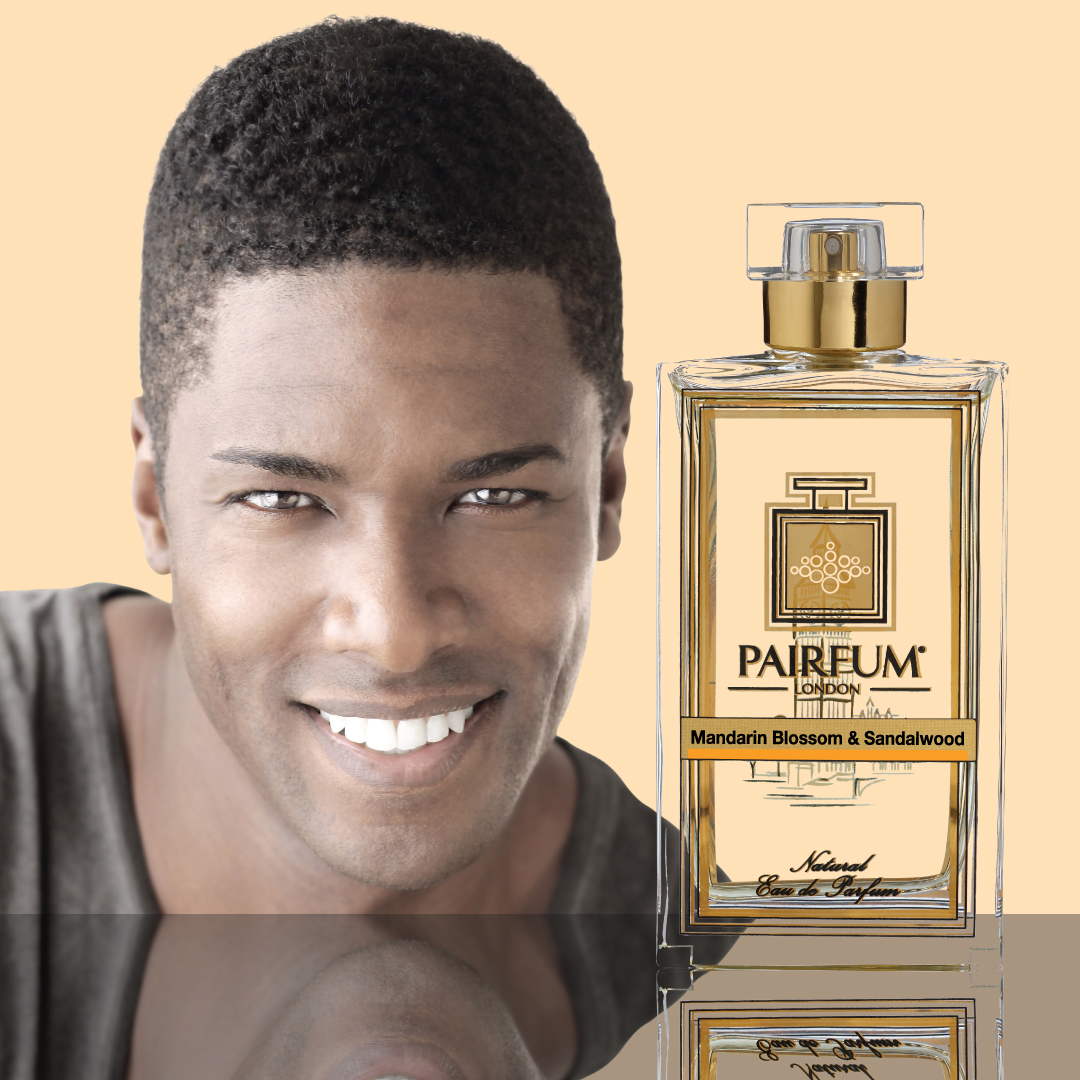
Eau de Parfum Person Reflection Mandarin Blossom Sandalwood Man 1 1

What Does Apricot Actually Smell Like?

Fresh apricots have a scent profile that is difficult to pin down precisely, which is part of what makes them interesting to perfumers. There is the obvious sweetness, juicy, ripe, with that characteristic orange flesh warmth. But there is also something slightly almondy underneath, especially near the stone, and a faint green quality from the skin and leaves.

Dried apricot smells quite different. When apricots are dried, the process concentrates the sugars and deepens the honey-like facets, pushing the scent toward something richer and more ambiguous, closer to fig or raisin than to the bright freshness of dried fruit straight from the market. Dried apricots used as a fragrance reference tend to produce warmer, more enveloping compositions than those built around the fresh version.

Apricot blossom, the flower of the apricot tree, adds another dimension entirely. It blooms in early spring, often before the leaves appear, and carries a delicate, slightly powdery floral character that sits closer to almond and cherry blossom than to the fruit itself. Some perfumers use the blossom note specifically to avoid the sweetness of ripe apricots while retaining the connection to the plant.

The Science: Prunus Armeniaca and How Its Scent Is Captured

Prunus armeniaca produces very little extractable essential oil from its fruit flesh, which makes direct extraction impractical. Cold-pressing the kernel yields apricot kernel oil, widely used in skincare for its light texture and skin-softening properties, but this oil is largely odourless and carries almost none of the fruit’s signature aroma.

So perfumers build the scent rather than extract it. The apricot note in most fragrances is a constructed accord: a blend of molecules chosen to recreate the character of apricots from the outside in. Gamma-decalactone and gamma-undecalactone are key lactone molecules responsible for the creamy, peachy-apricot quality found in many fruity fragrances. Ionones, the same family of molecules responsible for violet’s powdery sweetness, add depth and a subtle floral lift.

Osmanthus is worth mentioning here. This small Chinese flower has a natural stone fruit facet, sitting somewhere between apricot, peach, and leather, that makes it one of the most convincing natural bridges to an apricot accord without requiring the fruit directly. Many of the best apricot-adjacent perfumes are built around osmanthus rather than a synthetic accord.
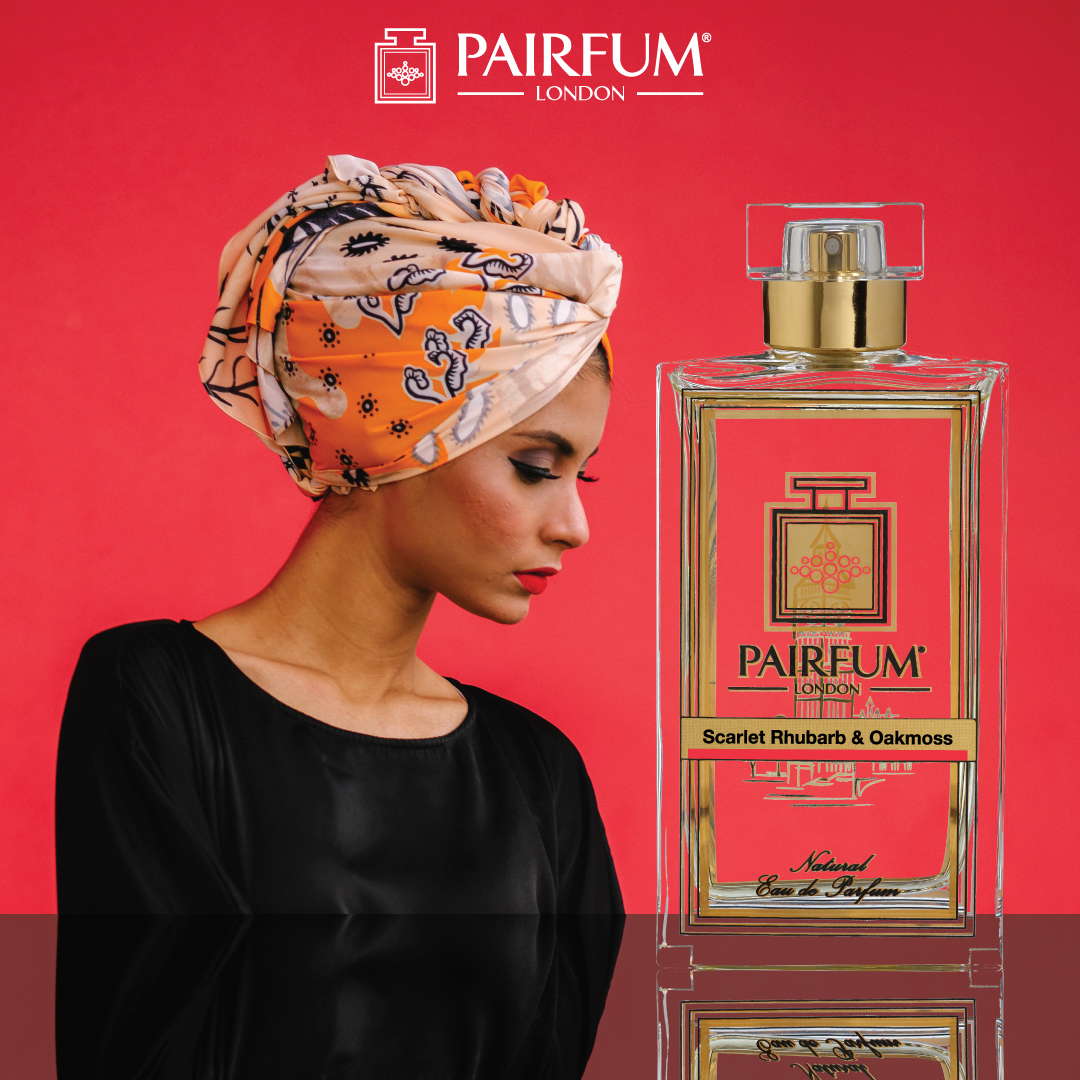
Pairfum Person Reflection Scarlet Rhubarb Oakmoss Eau de Parfum Woman

Apricot’s Role in Perfume Compositions

What makes apricot work so reliably in perfume is its balance. Apricots contribute enough fruit character to register clearly without tipping a composition into candied sweetness. It adds warmth without weight. And it blends, almost annoyingly, with nearly everything. 

Floral combinations are perhaps the most natural pairing. Rose and apricots is a classic pairing: apricots round out the sharpness of rose’s green facets and adds a sensual, edible quality to what might otherwise be a cool, formal composition. Mimosa and jasmine work similarly, with apricot adding warmth to their powdery-sweet characters.

Woody and musky bases also benefit from apricot. When the fruit sits above sandalwood, cedarwood, or musk, it gives the entire composition a creamier, more enveloping quality, a softness that woody fragrances can sometimes lack. In chypre structures, apricot provides the fruity-floral brightness that bridges the fresh top notes to the mossy, earthy base.

Large fruit notes in general (peach, mango, plum) tend to compete with each other when combined, but apricots are restrained enough to support rather than dominate. This is why perfumers so often reach for it as a modifier rather than a headline note.

Apricot in Home Fragrance

Apricot doesn’t have to stay on the skin. Its soft, sunny aroma translates well into home fragrance: candles, room sprays, and reed diffusers where the goal is warmth without aggression. 

Unlike citrus, which can read as sharp or high-pitched in a domestic setting, apricot is mellow. It makes rooms feel welcoming rather than merely fresh. Paired with white florals or soft green elements, it creates a relaxed, breezy atmosphere that suits spring and summer particularly well, though the dried apricot facet, with its deeper honeyed warmth, works just as comfortably through winter. 

Apricot blends well with vanilla and sandalwood in home fragrance, where the combination produces something cosy and unhurried. The soft fruitiness keeps it from tipping into heaviness, and the result is the kind of scent that guests notice without being able to name, always a good sign.
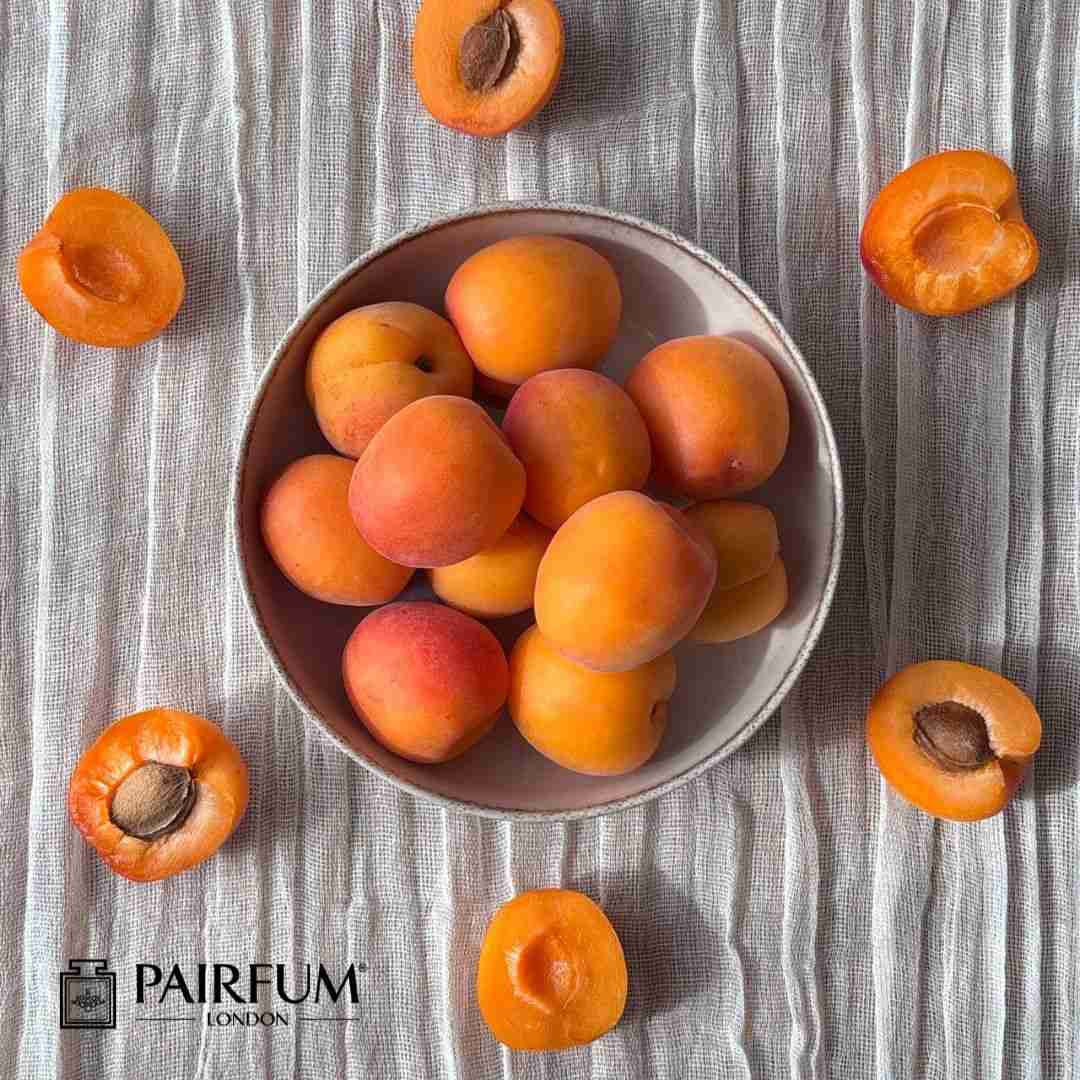
Apricot Fruity Essence

Apricot in the Kitchen: A Note on Its Versatility

Apricot’s appeal extends well beyond perfumery. As an edible fruit, it has inspired some of the most versatile recipes in European and Middle Eastern cooking, and understanding how the fruit behaves in food gives useful context for how it behaves in fragrance.

Fresh apricots are the natural starting point for many a summer dessert: tarts, crumbles, and poached fruit dishes that showcase the fruit’s gentle acidity and honeyed sweetness. Dried apricots deepen those qualities considerably, concentrated, jammy, with an almost caramel edge, making them a favourite in slow-cooked dishes, tagines, and the kind of apricot jam that keeps through the winter months on a cool shelf.

Good food writing has long celebrated the apricot’s versatility. Apricots themselves have become a staple ingredient in home baking, and apricot oat bars have become particularly popular, appearing regularly in food publications including Good Food Magazine, where their combination of dried fruit, rolled oats, and honey is cited as one of the more reliable everyday recipes for home bakers. Overnight oats made with roughly chopped dried apricots, a handful of pistachios, and a spoonful of apricot jam have become a popular quick breakfast, as have apricot oat bars for lunchboxes and snacking.

For savoury cooking, apricots pair unexpectedly well with bold spices. An apricot plait, a glazed pastry filled with spiced dried fruit, is a favourite in many European bakeries. Minty bulgur wheat with soaked dried apricots and toasted pistachios is a classic side dish across the Levant. Even harissa, with its heat and depth, finds balance when paired with fresh or dried apricots in a North African tagine, where apricots provide the sweetness that tempers the spice.

These exclusive recipes highlight a simple truth: apricot, like all great ingredients, adapts. It softens what is too sharp, sweetens what is too austere, and brings warmth to whatever surrounds it. That same quality is precisely why perfumers value it.

Growing Apricots: From Blossom to Fruit

Apricot trees bloom in early spring, sometimes as early as February in milder climates, which makes late frosts a serious concern for growers. A hard frost after blossom opens can wipe out an entire season’s heavy crop overnight, which is one reason apricots have traditionally thrived in continental climates with predictable, dry springs rather than the unpredictable British weather.

The early Moorpark variety is one of the most celebrated English apricots: a large fruit with deep orange flesh, rich flavour, and a relatively reliable cropping habit for the UK climate. It was first cultivated at Moorpark, Hertfordshire, in the 18th century and remains a benchmark for quality.

Pollination is generally straightforward for most apricot varieties, which are self-fertile. A single apricot tree will fruit without a companion tree, though a second tree nearby tends to improve the yield. They can be grown as bare root trees planted in late autumn, or in a container for patios and smaller gardens. Fruit trees grown against a south-facing wall, trained as fans, tend to crop most reliably in the UK, the reflected warmth compensates for the marginal climate.

Potassium is among the most important nutrients for apricot trees: it supports fruit development, flavour intensity, and the tree’s overall resilience. A potassium-rich feed applied in spring supports the transition from blossom to new growth, helping the tree deliver a consistent crop of ripe apricots, large fruit with good flavour, season after season. Without adequate potassium, apricots can be small and lacking in sweetness, regardless of how well the tree has been managed in other respects.
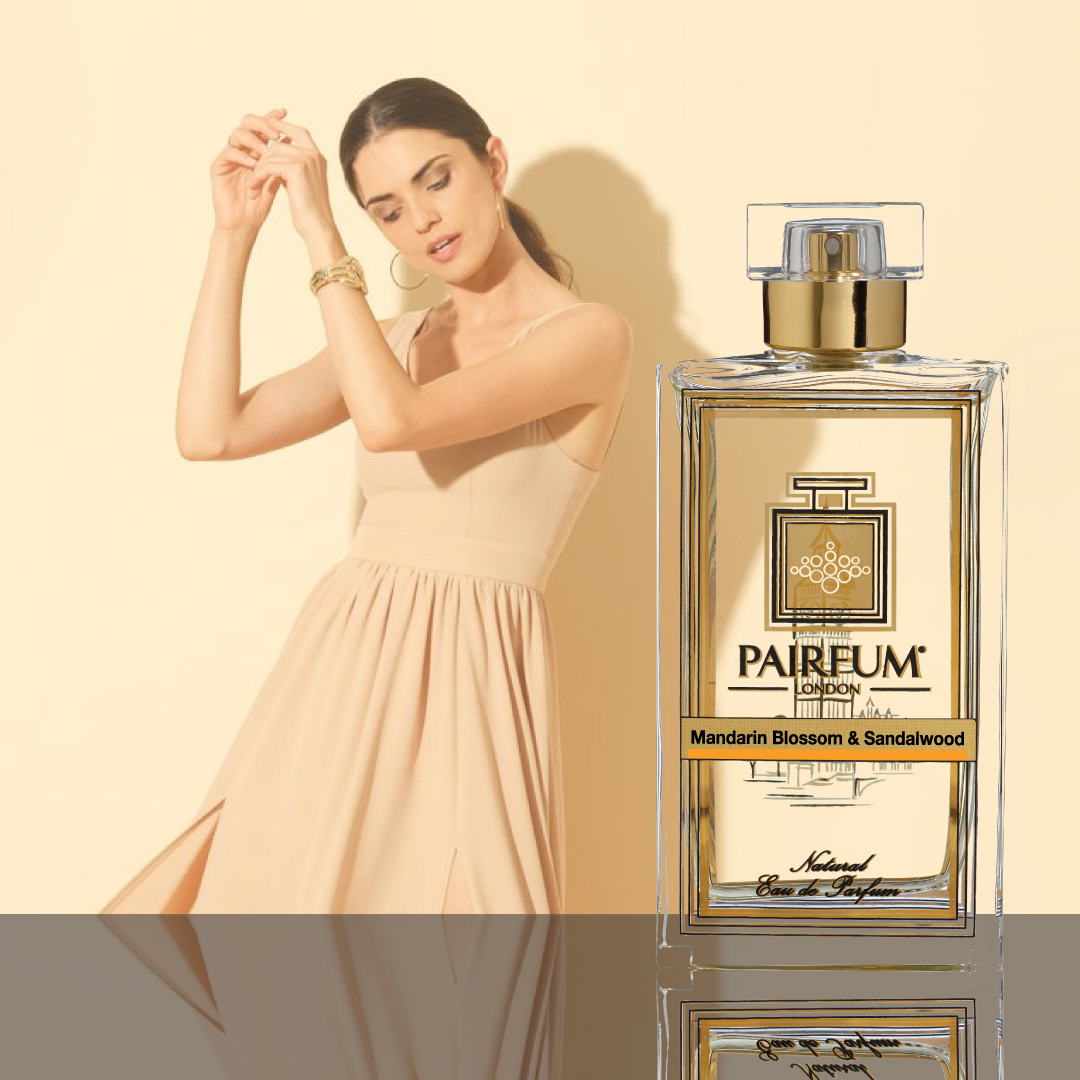
Eau de Parfum Person Reflection Mandarin Blossom Sandalwood Woman Dance 1 1

Pairfum London Fragrances Featuring Apricot

Two fragrances from Pairfum London place apricot at or near the heart of their compositions, one as a delicate top note in a floral chypre, the other as a sun-ripened presence nestled into tart rhubarb and white gardenia. Both are worth exploring if the apricot note interests you.

Mandarin Blossom & Sandalwood Eau de Parfum by Pairfum London

A feminine floral chypre Eau de Parfum Intense opening with Mandarin Blossom, Apricot, and White Hyacinth. The heart reveals Sweet Pea, Jasmine, and Ylang Ylang, while the base of Sandalwood, Patchouli, Amber, and Musk creates a warm, lingering trail. Inspired by the Chinese New Year tradition of gifting mandarin oranges, a symbol of prosperity and good luck, it carries a sense of occasion without heaviness.

Handmade in the UK using natural essential oils. Unisex, vegan, cruelty-free, and eco-friendly. Available in 100ml with free shipping to the UK, EU, US, and Canada. A free mini sampler is included so you can test it on your skin before opening the full bottle.

Scarlet Rhubarb & Oakmoss Eau de Parfum by Pairfum London

A bold floral chypre opening with fresh tart Rhubarb, Sun-Dried Fruits, and Ripe Strawberries, with hints of crisp Apple and Apricot wrapping around a heart of elegant White Gardenia. The base of Oakmoss, Musk, and Labdanum provides a rich, warm drydown in the classic chypre tradition, but with a distinctly English twist, rhubarb replacing the usual Bergamot for a greener, more unexpected freshness.

Handmade in the UK using natural essential oils. Unisex, vegan, cruelty-free, eco-friendly. Available in 100ml with free shipping to the UK, EU, US, and Canada, and a free mini sampler included.
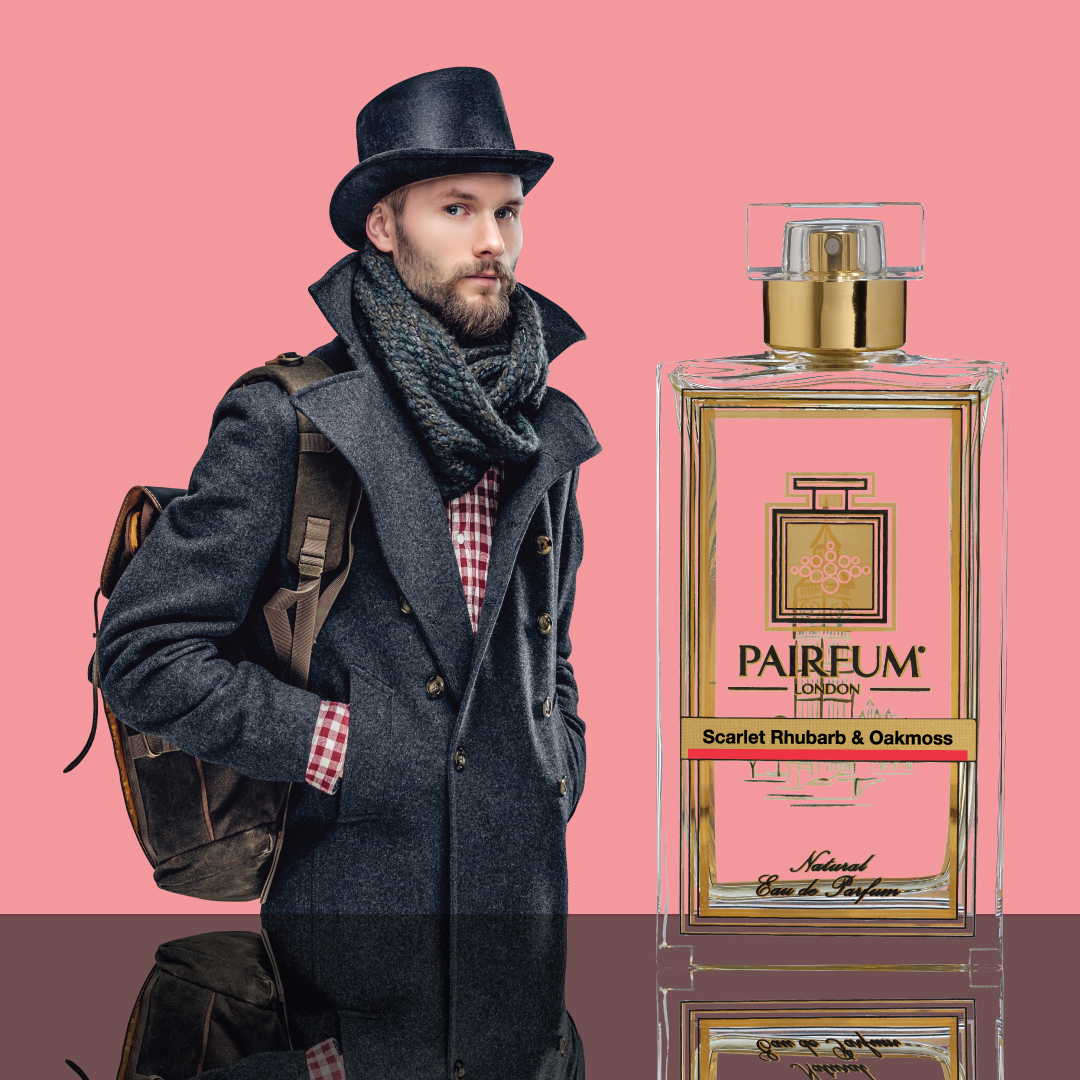
Eau de Parfum Person Reflection Scarlet Rhubarb Oakmoss Man 1 1

The Quiet Charm of Apricot

Apricot may not be the loudest note in a perfume. It rarely announces itself. What it does instead is pull everything else together, softening edges, adding warmth, giving a composition the kind of rounded, wearable quality that keeps people reaching for the same bottle season after season.

Its versatility is the point. From the blossom on a frost-threatened apricot tree in early spring, to the concentrated sweetness of dried apricots in a winter tagine, to the creamy lactone accord at the heart of a fruity-floral perfume, the same fruit, in different forms, manages to be at home in almost every context. That adaptability is rare. It is also, in the end, exactly what makes a good fragrance ingredient.
Perfume Mistakes

Six Perfume Mistakes You’re Probably Making (And How to Fix Them)

The most common perfume mistakes include rubbing your wrists together after spraying, applying scent directly to dry skin, storing delicate bottles in humid bathrooms, and over-spraying the product. Getting the best results out of your fragrance usually comes down to proper application and storage methods. 

Wearing perfume should feel like second nature, but even the most fragrance-loving among us make simple mistakes without realising it. If your favourite bottle isn’t lasting as long as it used to or the aroma seems different on your skin, it may not be the perfume; it could be the way you’re using it.

There’s nothing wrong with enjoying perfume in your own way, but a few common habits can make even the finest aromas fall flat. Most mistakes are easy to fix once you know what to look out for. Here’s what might be getting in the way of a better experience and how small changes can make your perfume smell even more like you.

Spraying Too Much

It’s easy to think that more perfume means more presence. But layering on extra sprays can actually have the opposite effect. The fragrance can become too strong or even unpleasant to people around you.

What often happens is that our nose gets used to what we’re wearing. That fading you’re noticing might just be your body adjusting to the aroma, not the fragrance disappearing.

Here’s what helps:

  • Stick to a few key sprays (two to four is usually enough)
  • Aim for pulse points like behind the ears and inside the elbows
  • Try a perfume with a stronger staying power if it seems to fade fast
Pairfum Collection Niche Perfume Experience Fragrance Library 73 Square

Applying to the Wrong Areas

You might be tempted to spray perfume on your clothes to hold the aroma longer. But fabric doesn’t let the perfume develop fully. It can also cause stains or discolouration, especially on delicate fabrics.

Perfume lasts longest and smells better when it’s sprayed directly onto skin, where your natural heat can help it unfold.

Try these spots:

  • Inside your wrists
  • Behind the knees
  • Along your collarbone or neck

One more reminder, skip rubbing your wrists together. That can break down the perfume oil, changing the aroma before it’s had a chance to settle in.

Storing Perfume Incorrectly

That pretty bottle might look lovely on your bathroom shelf, but steamy rooms and sunlight aren’t perfume’s best friends. Light, heat and humidity can all alter the balance of oils and make a perfume smell “off” over time.

For a longer life and truer aroma:

  • Store perfume in a drawer or closed cupboard
  • Keep it somewhere dry and cool, away from heaters or windows
  • Make sure the cap is on tight to keep air out

Think of perfume like something delicate, such as tea or chocolate. It’s best preserved when kept in a calm, stable place. The right storage environment can make a significant difference in how your fragrance develops and how long it lasts on your vanity or shelf.

Wearing the Same Fragrance All Year Round

Perfume mistakes can happen because your skin behaves differently depending on the season. More heat in summer, for example, means perfume tends to evaporate faster and project more strongly. A fragrance that felt cosy in January might feel heavy come June.

This is why changing perfume with the seasons works well:

  • Choose light, fresh florals or citrus perfumes in spring and summer
  • Use warmer, richer notes like spice, amber or woods for cooler months
  • Let your perfume blend with the atmosphere, not fight it

Rotating your perfumes now and then keeps your collection feeling new and your personal style interesting. You might find that a fragrance you wear all winter becomes overpowering on warmer nights, while a lighter spring scent can feel lost in the cold. Experimenting with a few options helps keep things fresh and comfortable.

Making Perfume Mistakes

Ignoring Skin Type or Moisture

Dry skin tends to “drink up” perfume more quickly, leaving less of the aroma behind. This might make your perfume vanish faster than it should.

A good fix is to apply perfume right after moisturising. Just make sure your cream or oil is unscented so it doesn’t change the fragrance.

Here’s what helps:

  • Apply perfume to clean, damp skin
  • Use a plain body oil or lotion first
  • Test perfumes on your wrist before buying to see how they mix with your natural aroma

It’s worth taking a moment to see how any perfume settles on your skin. The same perfume can change a lot from person to person. Trying it out over a few hours on your own skin is the best way to know if it truly works for you.

Fragrance Layering Gone Wrong

Layering sounds complicated, but really, it’s just using different products with your perfume, like a shower gel or body lotion. When done right, it can boost the full bouquet. But if the mix isn’t right, it can turn into a clash of perfume mistakes.

For layering to work:

  • Use products from the same fragrance line, if possible
  • Stick to clean, unscented lotions if you’re unsure
  • Avoid wearing multiple strong perfumes at once

If you enjoy wearing perfume every day, layering can help you enjoy richer, longer-lasting aromas, so long as it’s balanced. By keeping the base neutral and letting your primary scent shine, you can get the most out of layering without overwhelming your senses or those around you.

Pairfum Collection Niche Perfume Experience Fragrance Library 6 Square

Smell Better for Longer with Pairfum London

Sometimes we get used to old habits, even if they are not helping. Most perfume mistakes are easy to sort out with a little care and attention. Often it’s just about treating perfume with the same thought we give to a piece of clothing or a favourite meal; it takes a touch of timing, right pairing, and good storage.

By understanding our skin, being mindful of seasonal changes, and making thoughtful choices about how and where we apply perfume, we can bring out the very best in every bottle. Small adjustments can lead to dramatic improvements, turning a fleeting aroma into one that lingers pleasantly all day. It’s a process of making your daily routine just a bit more attentive, allowing your favourite fragrance to perform as it was designed.

Fragrance Library Experience Box by Pairfum London

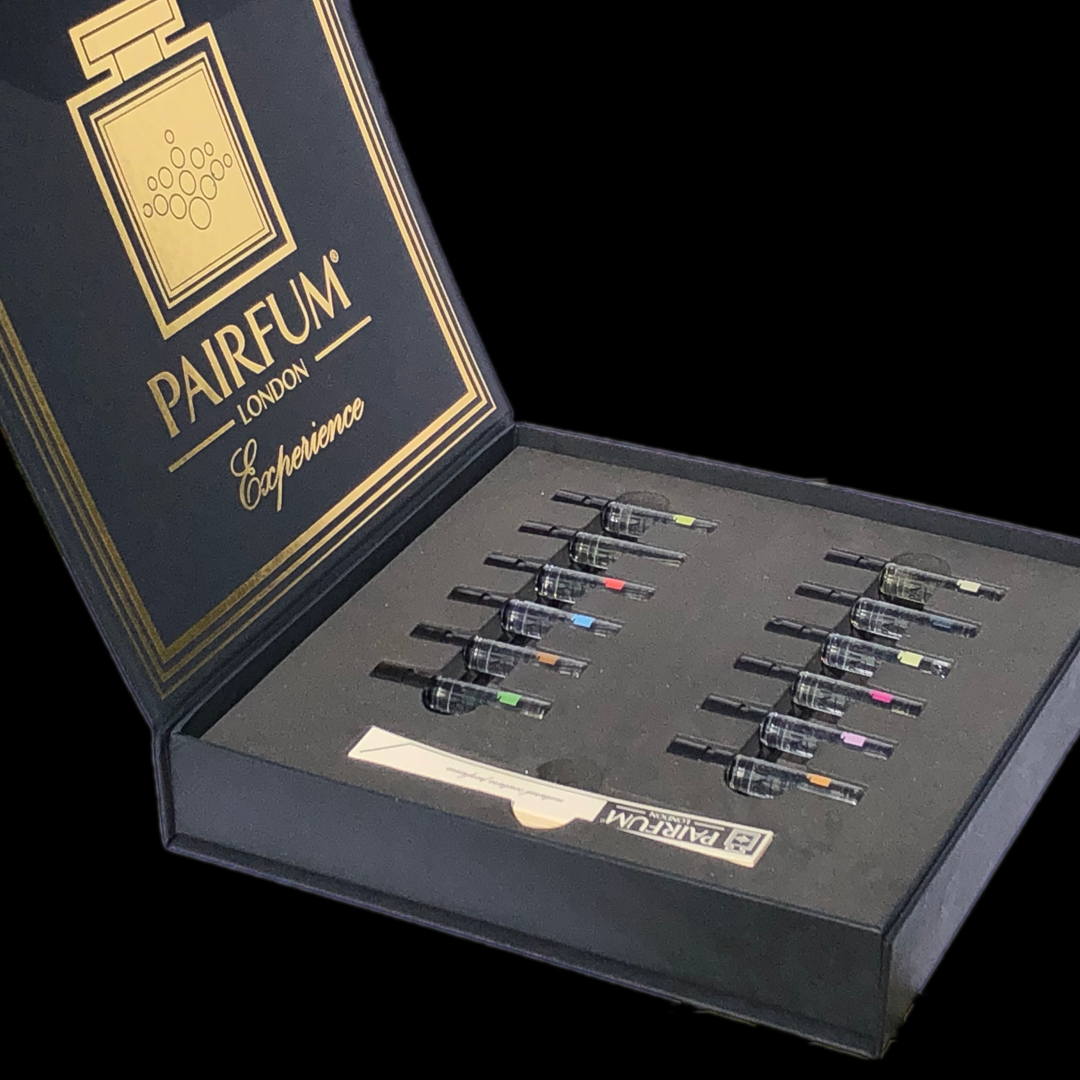
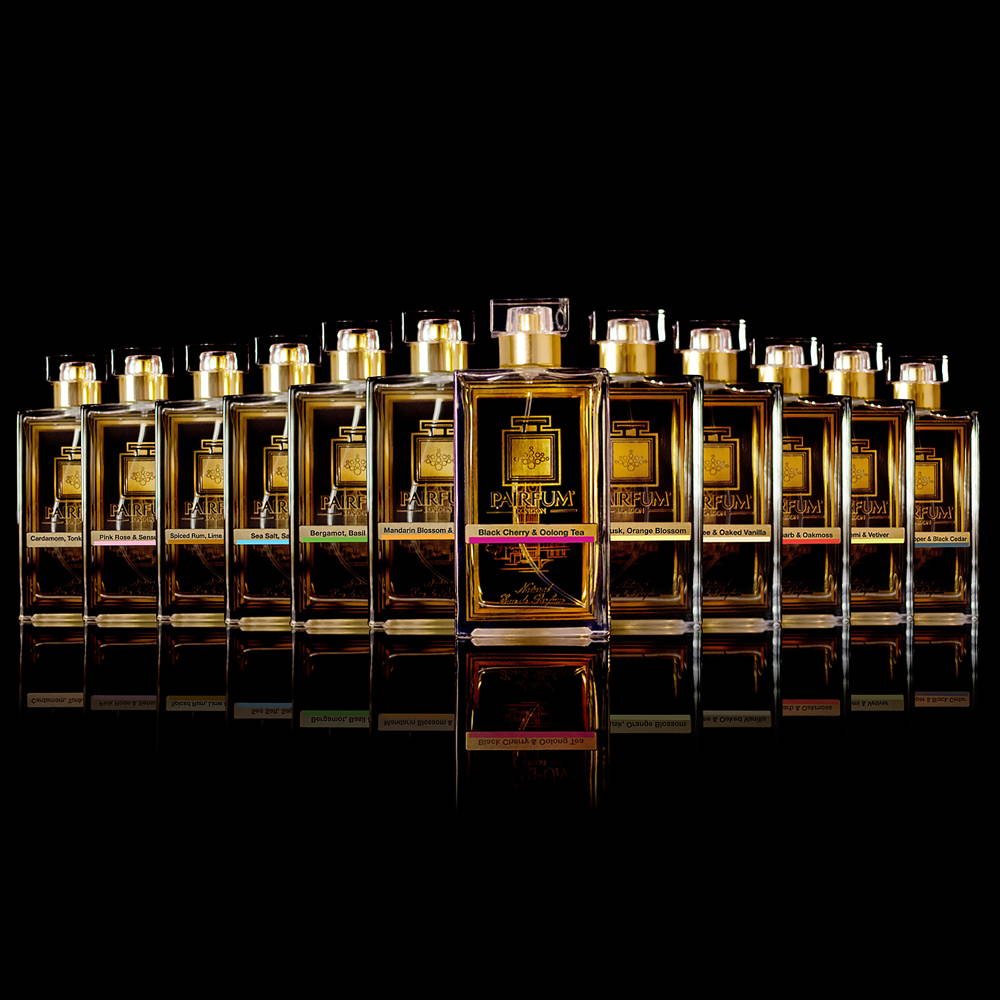
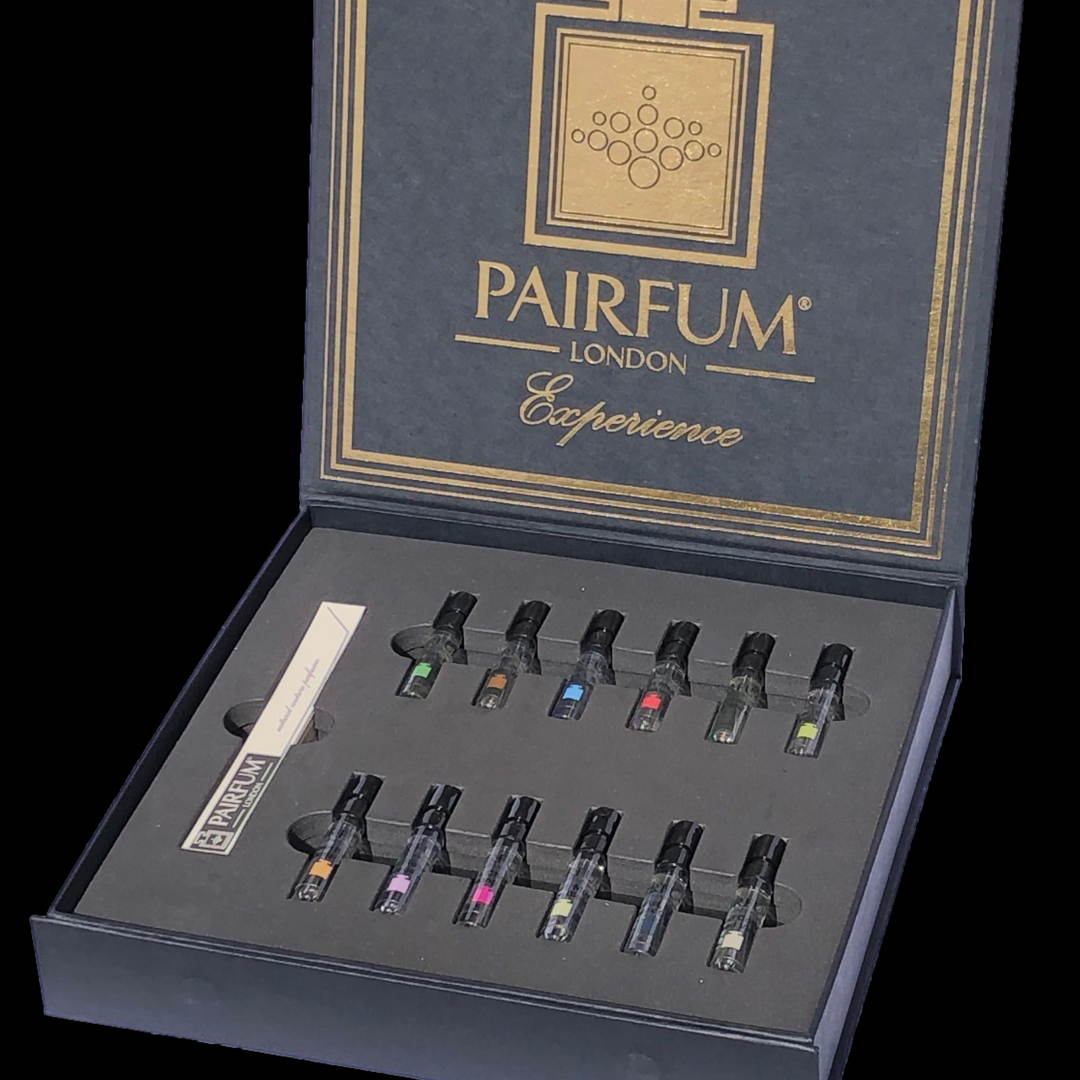
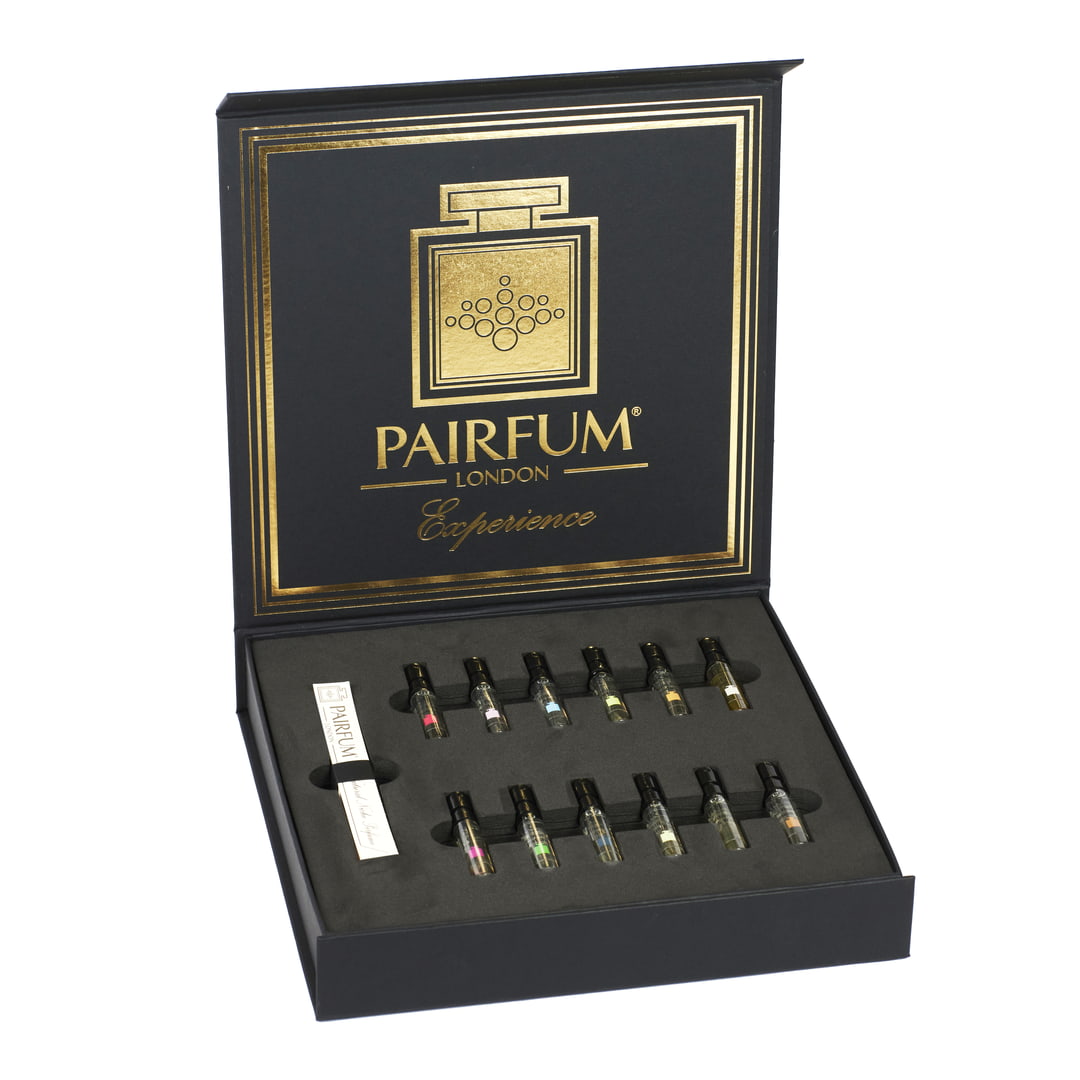
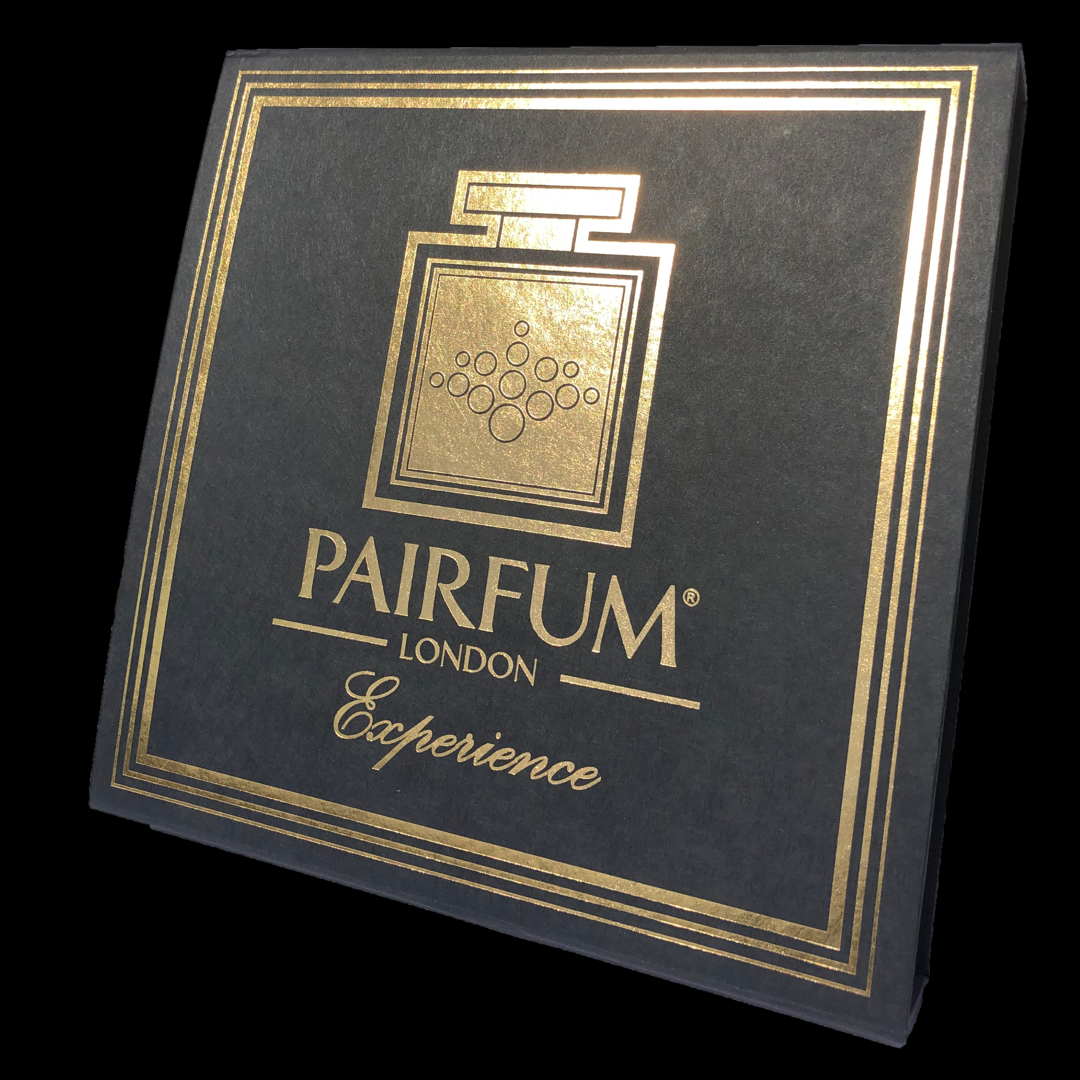
Finding your signature scent shouldn’t feel like a high-pressure gamble under the harsh lights of a department store perfume aisle. The Pairfum London Fragrance Library | Perfume Experience Box Collection completely flips the script by letting you test twelve exquisite, artisan Eau de Parfums in the peace and quiet of your own home. Complete with fifty professional smelling strips, this hand-packed discovery set gives you enough daily sprays to sample each niche aroma for two full weeks. It is the ultimate way to skip the typical application mistakes, allowing you to watch exactly how different notes develop on your skin over time before you invest. Best of all, it is entirely risk-free; when you fall in love with a particular scent, the cost of the experience box is fully deducted from your subsequent full-sized bottle upgrade.

Am I Spraying Perfume Wrong

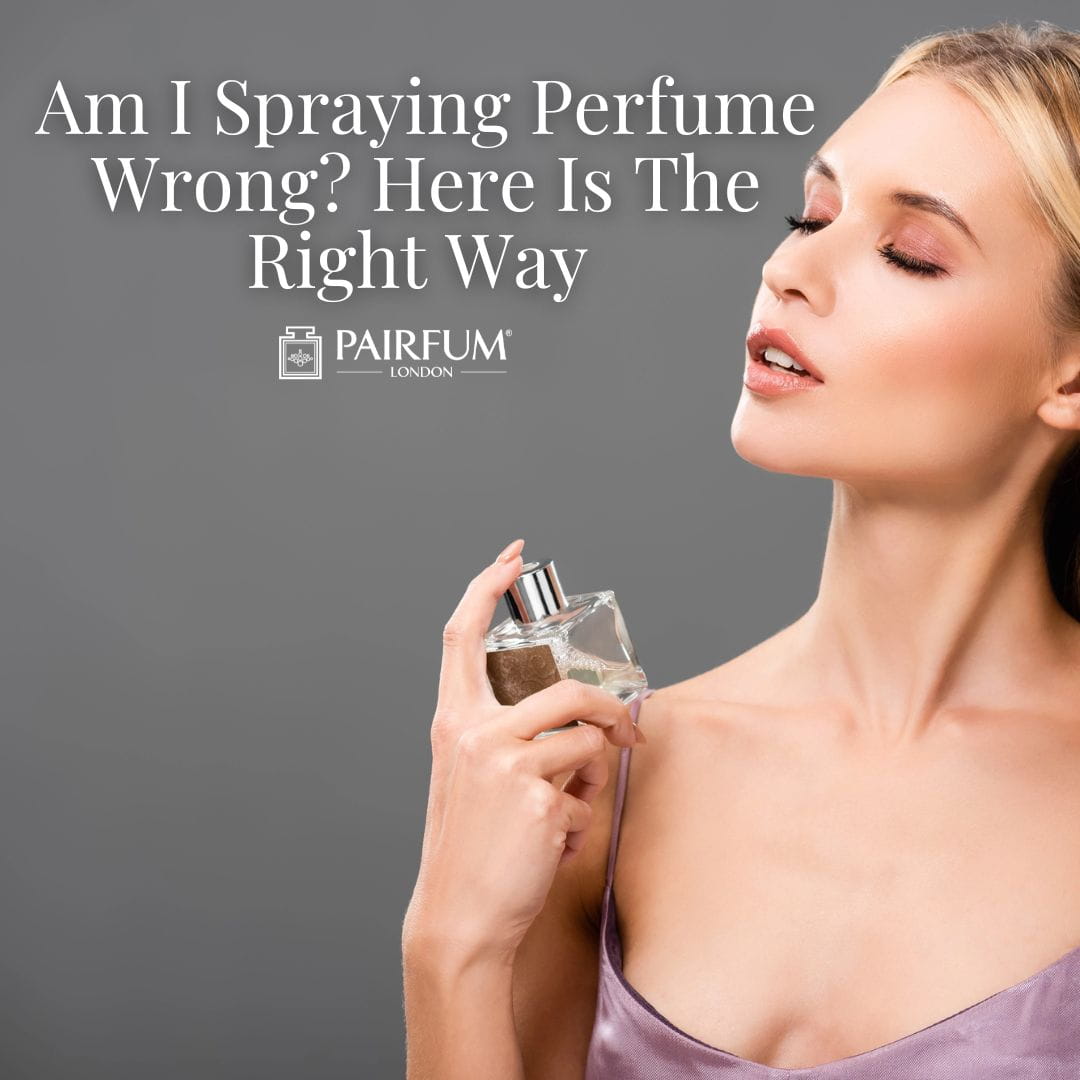
Am I Spraying Perfume Wrong? Here is the Right Way

In Summary, you are likely spraying perfume wrong if you rub your wrists together, spray a cloud and walk through it or apply it to dry skin. To maximise longevity and projection, apply directly to moisturised pulse points from about 5-6 inches (12-15 cm) away, and let the fragrance dry naturally on your skin.

Most of us spray perfume the way we have always done it, without thinking twice. A quick spritz on the wrists or neck, and out the door. But what if you have been spraying perfume wrong all along?

As warmer summer mornings settle in across the UK, it is a good moment to fine-tune your routine. Tiny tweaks can lead to a noticeable difference in how your fragrance wears through the day. This guide will walk you through better ways to apply perfume so it smells the way it should, lasts longer, and feels more natural on your skin.

5 Perfume Mistakes You Might Be Making

Even the most dedicated fragrance lover can fall into a bad habit when getting ready. When you are spraying perfume wrong, it usually comes down to a few common perfume mistakes that disrupt how a scent develops. Let us break down the main errors so you can get the absolute best out of every single spray.

1. Are You Spraying Perfume Wrong by Spraying Too Much or Too Little?

When it comes to perfume, more is not always better. Applying too much can overwhelm those around you and cause the lighter notes to disappear. But using too little might mean the fragrance vanishes before your morning tea.

A heavy hand can drown out delicate notes. Instead of layering spray after spray, aim for key points where fragrance will develop slowly. Experts view fragrance as an architecture of air, meaning too many heavy layers collapse the structural balance. Aim for two to three targeted spritzes.

If you notice your perfume fades within an hour, it might be from under-spraying. Some concentration is needed to let it settle on the skin and be noticed.

In warm months, lighter perfumes or eau de parfum work well with fewer sprays. For cooler evenings or indoor settings, one or two extra spritzes might suit the space.

Finding the right balance takes a bit of observation. Pay attention to how your fragrance lingers on you throughout the day, then adjust the amount the next morning.

2. Choosing the Wrong Spots

Where you spray makes all the difference. The spot you choose matters more than you may think. The warmth of your body helps carry the fragrance and keep it going.

Pulse points are the best places to start. These include the neck, inside the elbows, wrists, and behind the knees. The thinnest skin sits over these blood vessels, producing natural heat that acts as a quiet diffuser to release the perfume over time. For a subtle, beautiful trail when walking, utilize the back of the knees or the lower collarbone.

Spraying perfume directly onto places like the hands or lower legs does not do much. These parts do not hold warmth the same way.

During summer, avoid spraying behind the neck if you are heading out into strong sun. Sunlight mixed with some perfume ingredients might irritate the skin. Stick with under-clothing areas or lightly on fabric away from direct contact with the chest.

The closer you spray to where the blood flows nearer the skin, the more even and lasting the effect.

12 Pairfum Eau De Parfum Bottle Niche Collection

3. Rubbing Your Wrists Together

The right way to spray involves letting the liquid settle naturally. Distance and timing play a quiet but important role in ensuring that you are not spraying perfume wrong.

Hold the perfume bottle about 15 to 20 centimetres away from your skin or fabric. This ensures an even, fine mist rather than a concentrated, dripping blotch.

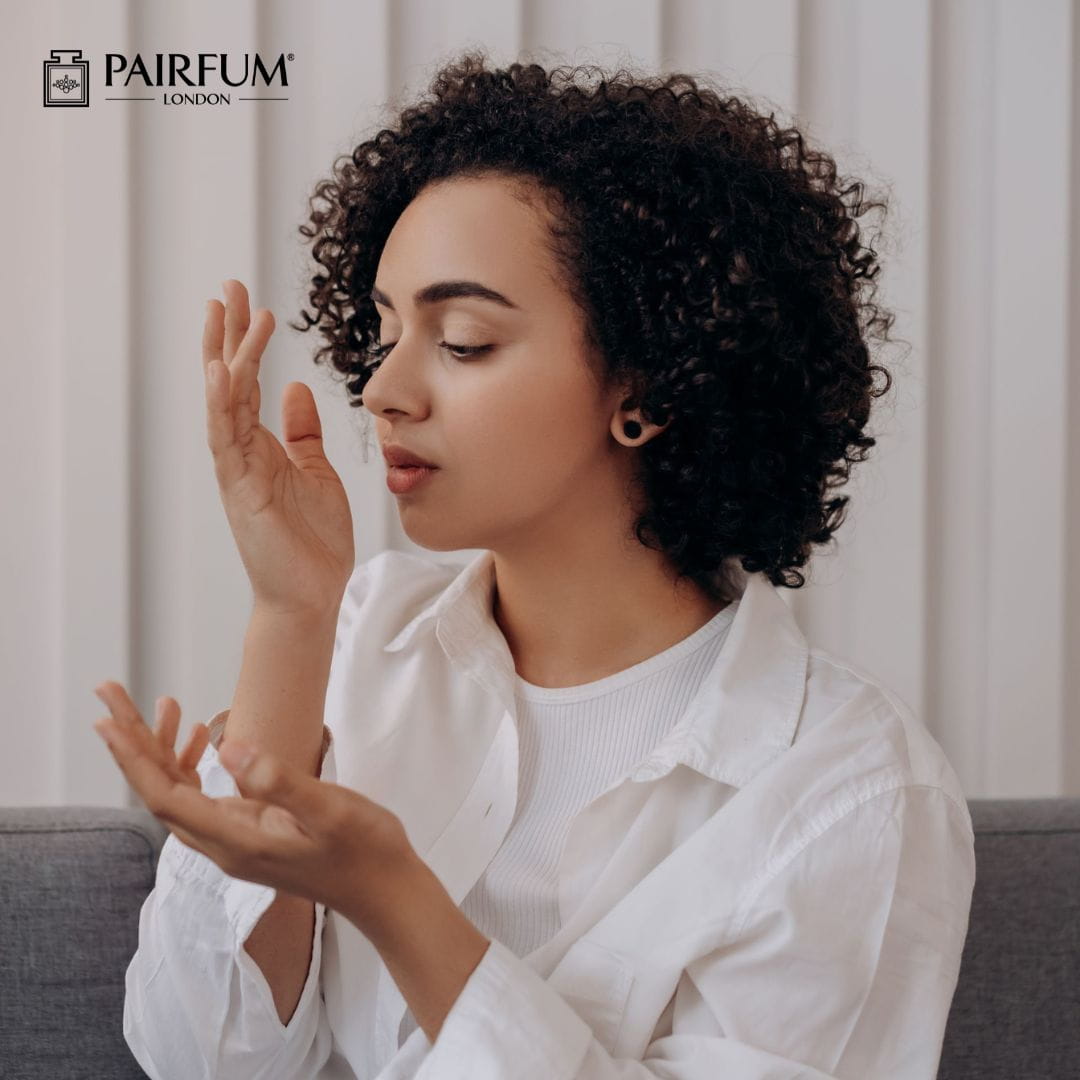
After you spray, avoid rubbing your wrists together. This friction generates sudden heat that breaks down top notes prematurely, bruises the fragrance molecules, and changes the intended aroma.

The timing matters too. It is better to apply your fragrance immediately after taking a warm bath or shower. Your skin is completely clean, damp, and warm, which helps open pores and allows the liquid to cling firmly.

A slow approach works best. Think gentle layering, not rushing through it.

4. Avoid Spraying Perfume Wrong by Ignoring Your Skin Type and Prep

Your personal skin chemistry plays a massive role in how a fragrance smells. For instance, dry skin does not hold onto scent well because it lacks the natural oils needed to anchor the perfume oils. If your skin is parched, the alcohol in the formulation evaporates too quickly, taking the scent with it. Oily skin naturally retains scents longer because the sebum provides an excellent physical binder.

To fix dry skin issues, ensure you apply to moisturised skin. Using a rich, unscented lotion, petroleum jelly, or a light body oil right after a shower creates a hydrated base that locks in the fragrance strength. This simple trick transforms a fleeting mist into a long lasting scent. Furthermore, make sure your daily deodorant is unscented so it never clashes with your chosen profile.

5. Forgetting Fabric, Hair, and Accessories

Perfume does not only live on skin. There are a few clever ways to help it linger, without making it overwhelming.

Clothes can hold certain types of perfume well, such as natural fibres like cotton and wool. But be cautious when applying perfume to delicate fabrics, silk, satin, or synthetic fabrics, which may cause fabric damage, stain, or change colour.

A light mist over your hair or scarf can offer a softer impression of your perfume. Hair tends to hold fragrance without getting greasy, especially if sprayed from a distance. To protect hair from alcohol drying, try spraying your hairbrush first before running it through your locks. You can even use a lighter body mist here if you want a more subtle scent.

Some accessories, like hats or shawls, can be gently perfumed for a longer aura without needing to be re-applied throughout the day.

Just one or two of these tricks can make the difference between a fleeting aroma and one that follows you gently for hours.

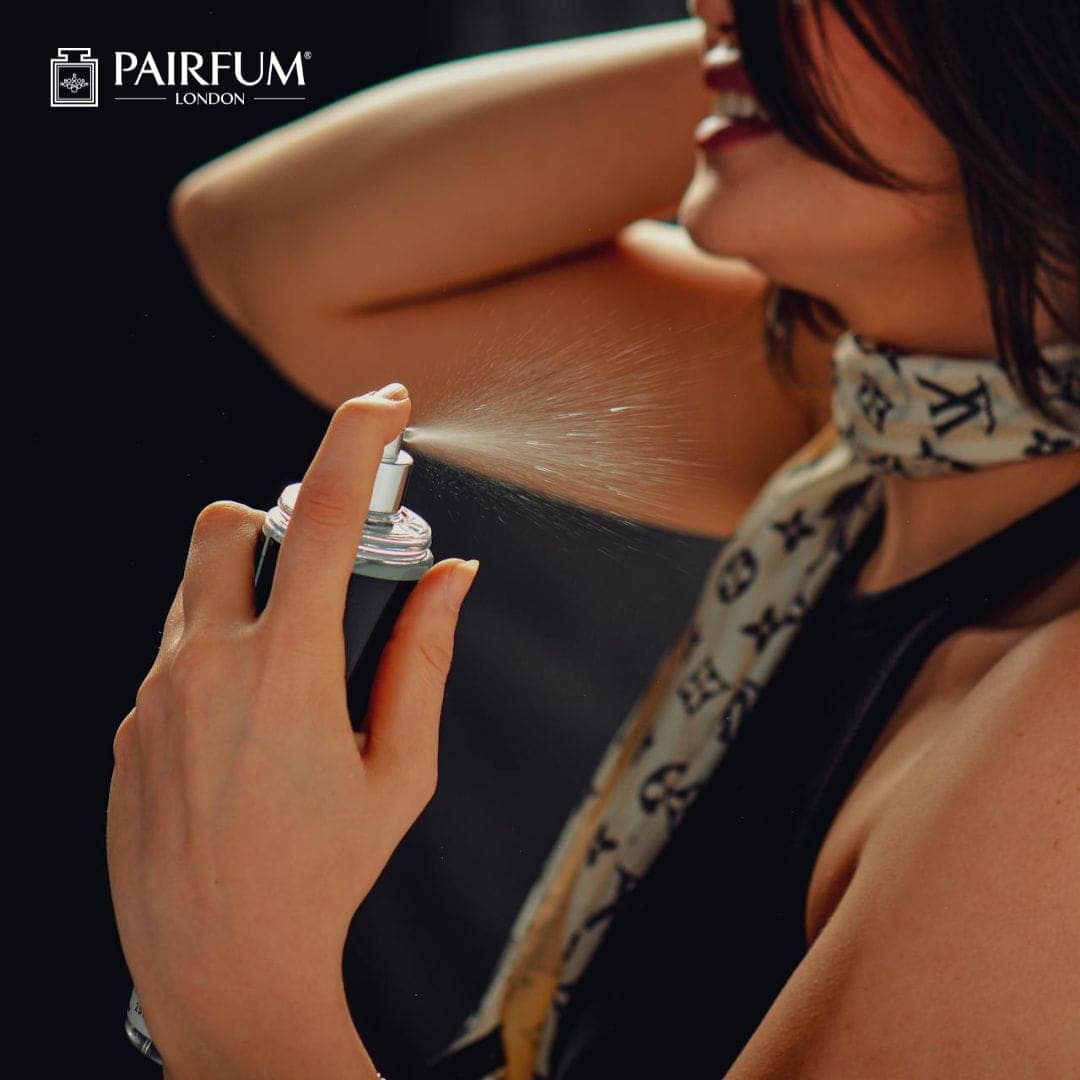
Are You Spraying Perfume Wrong

Storing Your Perfume the Right Way

Where you keep your perfume affects how it smells and how long it stays true to itself. A gorgeous bottle deserves a proper home.

Heat and light are two of the biggest reasons why perfume spoils. Avoid sunny shelves, bathroom counters, or windowsills.

Summer heat can change the chemical structure of the fragrance, making it smell a little off. Keep your bottle in a cool drawer or cupboard away from steam and light.

Humidity, particularly in places like the bathroom, speeds up perfume breakdown. Storing it in a cool dry place like a bedroom drawer helps keep it stable. Keeping the bottle upright in its original box provides excellent protection against temperature shifts.

Even the most carefully chosen luxury perfume can disappoint if it has been stored improperly. Think cool, dark, and quiet, like how you would keep a favourite chocolate bar through July.

Understanding Your Scent Profile

The art of traditional perfumery teaches us that every favourite scent has a unique structure. When you try a different scent, whether it is a crisp cologne or a rich, heavier scent, you are interacting with a complex blend of top, heart, and base notes.

The immediate first impression comes from top notes, usually comprised of bright citrus, light fruits, or fresh herbs that evaporate within minutes. The true soul of the fragrance emerges as the top notes fade, showcasing florals, rich spices, or deeper fruits known as heart notes. Finally, the base notes form the heavy foundation of the blend. Ingredients like sandalwood, amber, vanilla, and patchouli possess high molecular weights, allowing them to cling to the skin for hours.

Lighter scents evaporate rapidly. A heavier scent clings to the skin for hours. Knowing the scent profile of your favourite fragrance helps you understand exactly how much to apply. A natural perfume with high concentrations of organic ingredients will evolve beautifully over a day, shifting as it reacts to your unique body heat. If you enjoy layering fragrances to build a custom signature scent, always apply the heavier formula with strong base notes first, followed by the lighter, fresher option on top.

Pairfum Collection Niche Perfume Experience Fragrance Library 49 Square

Spraying The Correct Perfume with Pairfum London

Now that you have mastered the physical art of applying perfume, the focus shifts to finding a composition that justifies the effort. A perfect application technique goes to waste on a scent that fails to move you or falls flat on your skin. The logical next step is exploring how different scent profiles actually react with your personal skin chemistry over several hours. Testing a curated variety of miniature vials at home lets you observe the transition from top notes to base notes without committing to a full bottle right away. It is the only foolproof way to discover an authentic signature scent that feels entirely like your own.

Fragrance Library Perfume Experience Box by Pairfum London

Now that you have mastered the physical art of applying perfume, the focus shifts to finding a composition that justifies the effort. A perfect application technique goes to waste on a scent that fails to move you, which is exactly where the Pairfum London Fragrance Library comes in. This Perfume Experience Box features a curated collection of twelve miniature eau de parfum vials, spanning diverse scent profiles from light florals to rich, heavy woods. It provides the ideal, low-risk playground to test high-quality, natural formulations directly on your skin over several hours. By exploring this discovery set at home, you can watch the notes unfold in real-time, helping you track down an authentic signature scent that beautifully rewards your new spraying habits.

Perfume That Works as Hard as You Do

Learning how to stop spraying perfume incorrectly is not about making strict rules. It is about making the most of something you already love. With a few small changes (where you spray, how much, and when), you can enjoy your signature scent all day long.

The right application turns your perfume into part of your presence, not just a fleeting moment in the morning. When a beautiful eau de parfum blends perfectly with your skin chemistry, the smell becomes entirely your own, staying quietly close from the first light of morning to the return home at night. If you notice a lighter formulation fading by late afternoon, do not over apply in the morning. Simply carry a compact travel spray to refresh the top notes safely mid-day.

    0
    Your Cart
    Your cart is emptyReturn to Shop