Home / pinkpepper
Baies Rose In Fragrance

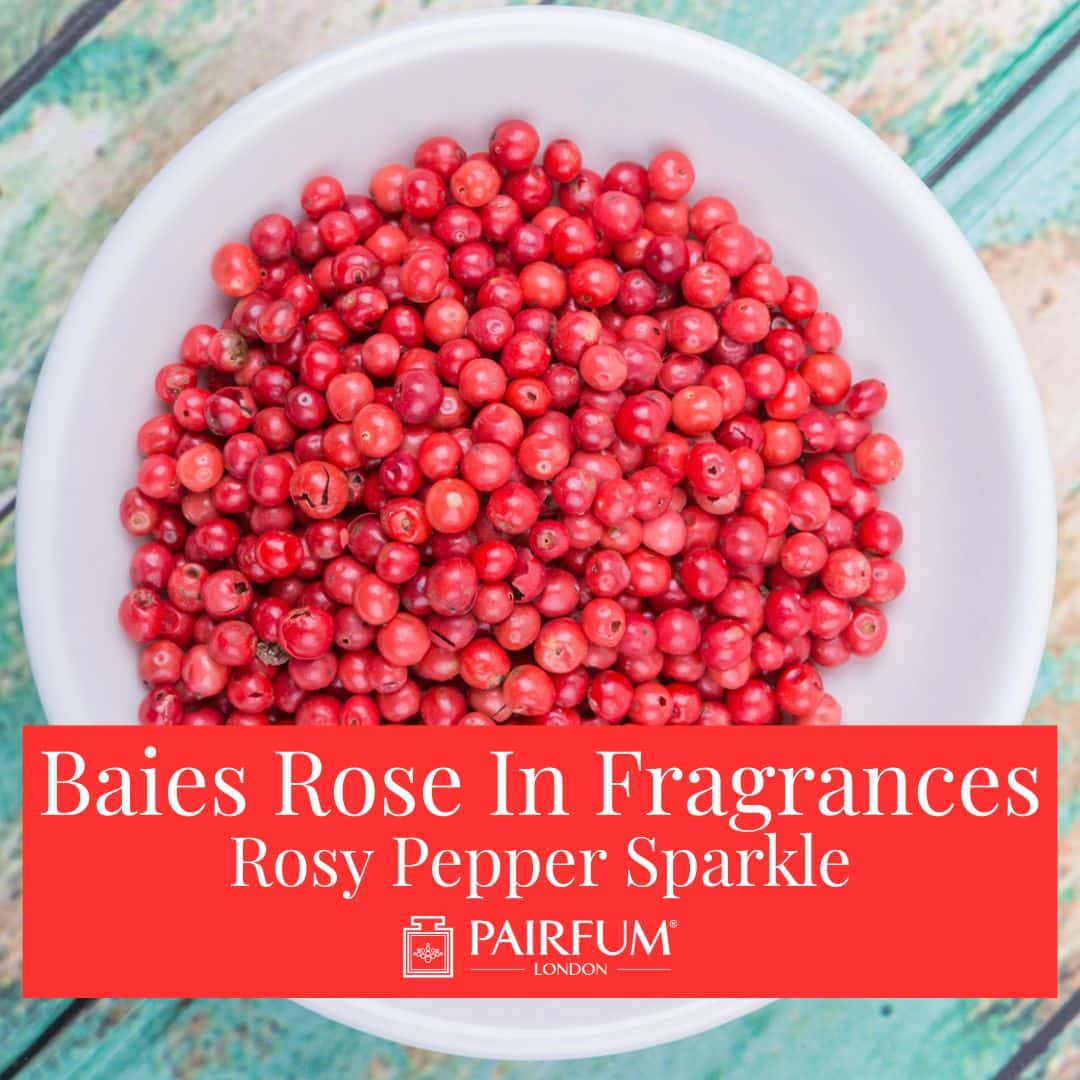
Baies Rose In Fragrances: Rosy Pepper Sparkle

Baies Rose, or pink peppercorn, is utilised as both a culinary spice with a sweet, fruity, and subtly peppery taste and a favoured note in perfumery for its vibrant, spicy, and fresh floral scent. It is not a true pepper but a berry related to the cashew family.

There is a light, rosy spice that shows up in many modern perfumes, especially as the weather cools. It is soft, warm, and uplifting without being too floral or too sharp. This bright note is called Baies Rose, also known as pink pepper. The name can be misleading, as it is not a rose at all, despite its gentle association with roses and its soft, petal-like touch.

Baies Rose brings a gentle warmth that blends beautifully with florals, woods, or vanillas. It does not shout. Instead, it adds energy and polish to many niche fragrance creations, especially those made for autumn or early winter. If you enjoy aromas that are a little spicy but still cheerful and wearable, you have likely come across this note before, even if you did not know its name.

Take a closer look at this creamy pink berry, where it comes from, how it is used, and why perfume lovers return to its soft spice again and again over time and across different styles of scent.

What Is Baies Rose?

Baies Rose refers to the dried pink berries from the Peruvian pepper tree. These berries look a bit like red peppercorns, which is why they are often confused with pink peppercorns or even standard black peppercorns, but they do not belong to the same botanical family. Despite the name, there is no direct link to a rose flower either.

The aroma of baies roses is what makes it stand out. It combines several facets into a balanced whole:

  • Slightly fruity, with a hint of sweet berry and subtle fruit
  • Warm and lightly pepper-like, without aggressive heat
  • Rounded by a floral softness that brings roses to mind

This soft piquancy makes it an appealing addition to many perfume structures. It can lift a composition, add brightness, or gently contrast heavier elements. Perfumers often describe it as an intriguing spice because it suggests warmth without overwhelming the senses. Among the many spice materials used in perfumery, baies roses offer one of the most approachable profiles.

Baies, Berries, and Botanical Roots

The word baies simply means berries in French, and this ingredient lives up to its name. The small pink berries are sometimes described as jewelled seeds because of their glossy surface and vivid colour, ranging from pale blush to deep crimson.

These berries grow on trees native to South America, though they are now cultivated in other parts of the world, including regions with similar climates such as New Zealand. The berries have long been used in cooking, where they appear in sauces, marinades, and seasoning blends, valued for their gentle sweetness and aromatic pepper tone.

Unlike culinary peppercorns, which deliver heat, these pink peppercorns provide aroma first. Their flavour hints at pomegranate, crimson juice, and even rich ruby fruits, making them popular with chefs as well as perfumers.

Fragrance Description Pink Powder Violet Rose Iris Orris

A Bit of History and Origin

Baies Rose grows mainly in South America, especially in Peru and Brazil. The tree it comes from, Schinus molle, has been part of local life for centuries. Indigenous communities used the berries in food, medicine, and daily rituals, valuing their scent and gentle stimulating quality.

In perfumery, baies roses appeared much later. Their rise began in the 20th century, when perfumers started seeking alternatives to heavy spice materials. Black pepper and clove were powerful but could dominate a composition. Pink peppercorn offered a softer option, with more nuance and less heat.

This shift aligned with changing tastes. As people looked for fragrances that felt lighter and more natural, baies roses became popular. Their ability to suggest warmth while remaining airy made them suitable for daily wear, office environments, and modern lifestyles. Over the years, they have become a familiar but still interesting presence in fine fragrance.

Culinary Use and Sensory Parallels

Before becoming popular in perfume, baies roses were well known in cooking. They are used to season fish, vegetables, cheeses, and light sauces, where their gentle pepper quality enhances rather than dominates.

Culinary descriptions often mention hints of pomegranate, crimson juice, and even rich ruby fruits. These associations help explain why the note translates so effectively into fragrance, where it adds brightness without heaviness.

The crossover between culinary and olfactory use also contributes to the familiarity of the scent. Many people recognise it instinctively, even if they cannot name it.

How Baies Rose Is Extracted and Used in Perfumery

To transform the dried berries into usable fragrance oil, perfumers rely on careful extraction. The most common methods are steam distillation and gentle solvent processes, both designed to preserve the delicate aromatic molecules.

The resulting oil captures the essence of the pink berries: lightly spicy, faintly sweet, and softly floral. In perfume structures, baies roses most often appear in the top notes, where they provide an immediate sparkle. Sometimes they are also used in the heart to bridge fresh openings and deeper bases.

Common pairings include:

  • Citrus notes, where pepper adds lift and contrast
  • Vanilla, which enhances warmth and sweetness
  • Rose and other floral notes, reinforcing a rosy impression
  • Woods and musk, which ground the composition

Because this ingredient is never too forceful, it can be layered without risk. It adds complexity rather than dominance, making it a favourite among perfumers crafting balanced creations.
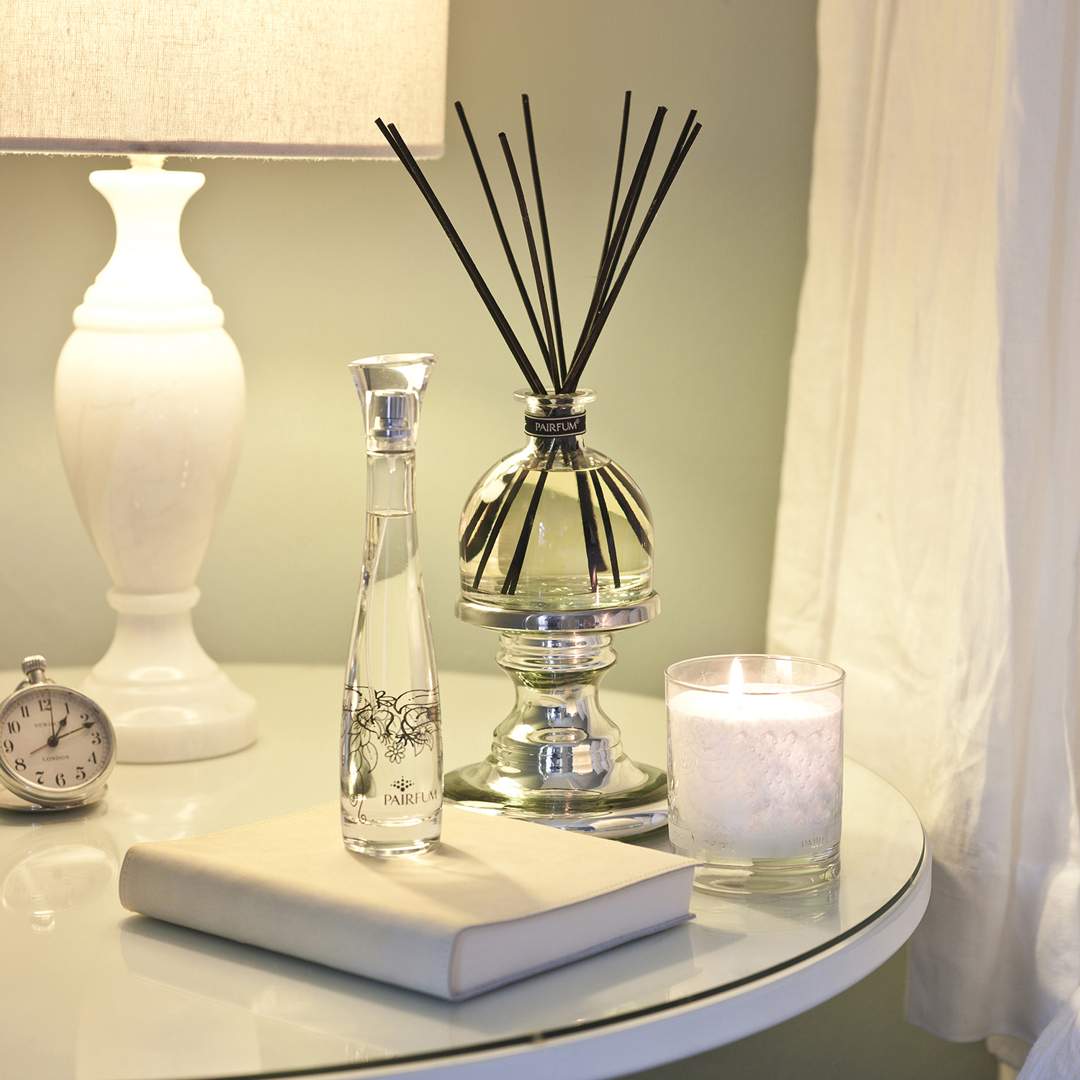
Bedroom Reed Diffuser Luxury Scented Candle Room Spray 1 1

Baies Rose in Modern Perfumery

In contemporary perfumery, baies roses are valued for their versatility. They appear in a wide range of styles, from minimalist compositions to layered niche blends.

They work particularly well alongside:

  • Citrus, where pepper sharpens the freshness.
  • Woods, where they provide lift and contrast.
  • Florals, especially roses, where they enhance radiance.
  • Soft bases, including musk, which benefit from a bright opening.

In some perfumes, the note is used almost transparently. In others, it is more pronounced, offering a clear touch of spice that defines the opening impression.

Iconic Perfumes Featuring Baies Rose

Today, baies roses appear in countless modern perfumes, particularly those aimed at autumn and winter wear. They are especially effective in blends that need a bright opening before settling into something richer.

You will often encounter them in:

  • Spicy floral fragrances, where pepper lifts petals and prevents sweetness from becoming heavy
  • Gourmand styles, where the berry facet plays against edible notes
  • Woody perfumes, where pink peppercorns cut through density

This ingredient works beautifully with patchouli, amber, cedar, and rose. When paired with woods, baies roses bring clarity. When paired with florals, especially roses, they enhance freshness. Even in compositions featuring juniper or aromatic herbs, a hint of pink peppercorn adds polish.

Although rarely the star, their presence is unmistakable once you recognise it: a lively opening that softens into warmth, leaving a creamy scent behind.

Iconic Baies Rose Fragrances

Le Labo – Baie 19
A modern, mineral fragrance where baies rose adds a cool, peppery brightness to damp earth, woods, and soft musk, giving the scent its clean yet atmospheric opening.

Chanel – Chance Eau Fraîche
In this fresh woody floral composition, baies rose contributes a gentle pepper sparkle that lifts citrus and floral notes, keeping the fragrance light, polished, and energetic.

Hermès – Eau des Merveilles
Here, baies rose is used subtly to add warmth and contrast, softening amber and woody notes while maintaining an airy, refined character rather than overt spice.

Pairfum London – Pink Powder & Violet

A floral fusion of Pink Powdery Rose Petals with Green Violet Leaf and Elegant Iris ! The fragrance opens with top notes of Mandarin, Baies Rose and Pink Peppercorn, and finishes on a sumptuous base of Smooth Patchouli, Musk and Vanilla. Orris, jasmine and Heliotrope enhance the heart note.

Texture, Touch, and the Feeling of Baies Rose

One of the most appealing qualities of baies roses is the way they feel in a fragrance. They create a smooth transition from the first spray to the dry-down, offering a tactile sense of comfort. Many people describe this as a silky or creamy scent, even when no dairy or vanilla notes are present.

This sensation comes from the balance between pepper and fruit, between brightness and warmth. The result is a fragrance that feels close to the skin, offering a gentle touch rather than an aggressive projection. It is a quality that suits everyday life and changing seasons.

In September, when the air begins to cool, perfumes with baies roses often feel just right. They echo the shift in nature without feeling heavy, marking a subtle change in time and mood.
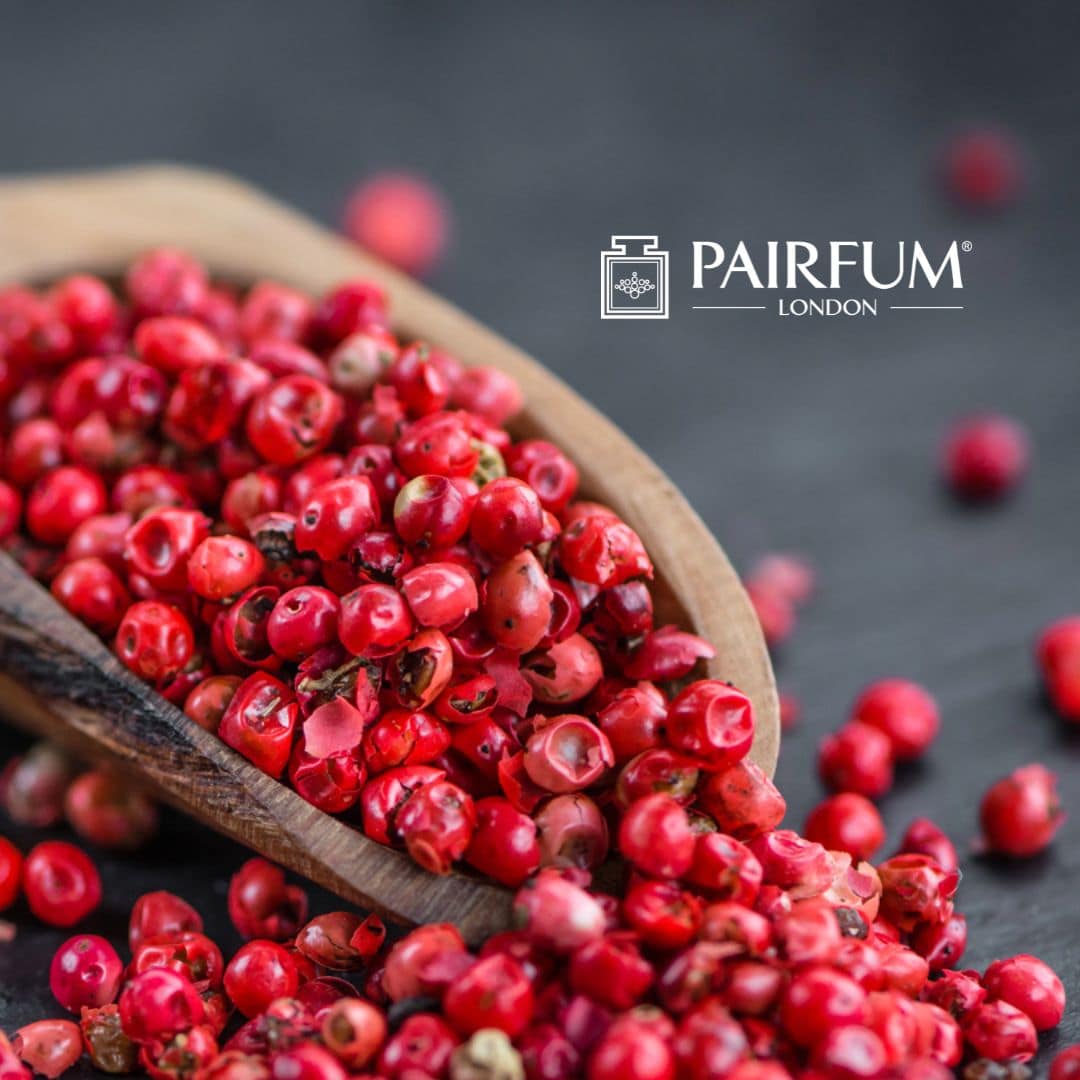
Baies Rose

Baies Rose Beyond Perfume

Although best known in fragrance, baies roses have a broader cultural presence. In food, they are used to season fish, vegetables, and even desserts. Their gentle pepper note enhances rather than masks other flavours.

It is important to note that these berries are safe for culinary use but not suitable for animals, which is why they are handled carefully outside of human consumption. This distinction is part of the essential information surrounding the ingredient.

Their versatility has also made them popular in scented candles, bath products, and home fragrances, where a mild spice can create a welcoming atmosphere without overwhelming a space.

Choosing and Sharing Fragrance with Baies Rose

Perfumes featuring baies roses are often chosen as thoughtful presents. Their broad appeal makes them suitable as a gift for many tastes. Because the note is neither too sweet nor too sharp, it works well for people new to fragrance as well as seasoned enthusiasts.

They are commonly found in curated gift sets, alongside lotions or travel sprays. When ordering such items, people often appreciate clear delivery options, especially around a special date or celebration.

In this context, baies roses play a practical role. They help ensure the fragrance will be worn and enjoyed, rather than set aside.

Baies Rose Fragrance at Pairfum London

Pink Powder & Violet – Large Bell Shape Reed Diffuser by Pairfum London

A floral blend of Pink Powdery Rose Petals with Green Violet Leaf and Elegant Iris. The scent opens with top notes of Mandarin, Baies Rose and Pink Peppercorn, and concludes on a sumptuous base of Smooth Patchouli, Musk and Vanilla. Additionally, Orris, jasmine and Heliotrope work to enhance the heart note.

Pairfum Large Reed Diffuser Bell Noir Pink Powder Violet

A Modern Classic Ingredient

Over the years, baies roses have moved from novelty to staple. They reflect a broader trend in perfumery toward transparency, balance, and comfort. As tastes evolve, this ingredient continues to adapt, appearing in new interpretations and combinations.

Its enduring appeal lies in its ability to enhance without overwhelming. Whether supporting rose, wood, or gourmand notes, it adds just enough pepper to keep things interesting. It speaks to people who value subtlety and craftsmanship.

In the end, Baies Rose is less about making a statement and more about enhancing everyday moments. It brings warmth, sparkle, and a sense of ease to fragrance, reminding us that sometimes the smallest berries leave the longest impression.

Pink Pepper In Perfumery

Pink Pepper in Perfumery: Ancient Spice & Modern Favourite

Pink pepper has made a significant mark in perfumery. This intriguing spice, known for its bright, spicy aroma, has ancient roots but remains a modern favourite, adding a fresh, exotic twist to various blends. Its unique character sets this pepper apart from traditional varieties.

In fragrance, pink pepper offers a vibrant, slightly sweet aroma. It’s a versatile ingredient for dynamic creations, evoking warmth and sophistication in many contemporary perfumes. The distinct nature of this pepper ensures its prominence.

The allure of pink pepper lies in its aroma, history, and extraction methods. Exploring its types and use in iconic perfumes reveals its extraordinary appeal as a fascinating berry.

Pink Pepper Top Notes Eau de Parfum

Understanding Pink Pepper: More Than Just a Spice

Pink pepper is not a true peppercorn from the Piper nigrum plant (black pepper, white pepper, green pepper). Instead, it comes from dried berry of the Peruvian pepper tree (Schinus molle) and Brazilian pepper tree (Schinus terebinthifolius). These cashew family trees give pink pepper its unique aromatic flavour, distinguishing it from black peppercorn or long pepper.

The Peruvian pepper type (Schinus molle) is preferred in perfumery for its superior aromatic qualities: delicate, slightly fruity, and less pungent. This botanical difference explains why pink pepper offers a nuanced scent, with hints of resin, rose, and citrus, unlike fierier black pepper. Understanding its origin as a berry, not a true peppercorn, is key to appreciating its unique contribution to fragrance and flavour. The pepper tree is fascinating.

The Aromatic Profile of Pink Pepper

Unlike pungent black pepper, pink pepper offers a delicate spiciness. It’s often described as rosy, slightly woody, with fruity or citrus undertones, making this pepper incredibly versatile for many notes and unique flavour compositions.

Pink pepper’s bright, effervescent top notes provide an invigorating opening. Its warm, resinous heart notes contribute depth, making pink pepper popular for both opening accords and complex mid-sections. The essential oils from this pepper are remarkable.

Classified as ‘spicy’, pink pepper bridges fresh, floral, and woody notes. This adaptability drives its appeal in modern fragrance. Its nuanced aroma, ranging from peppery sweet to floral with turpentine hints, showcases its complexity. The peppery flavour is unique, unlike commercial pepper.

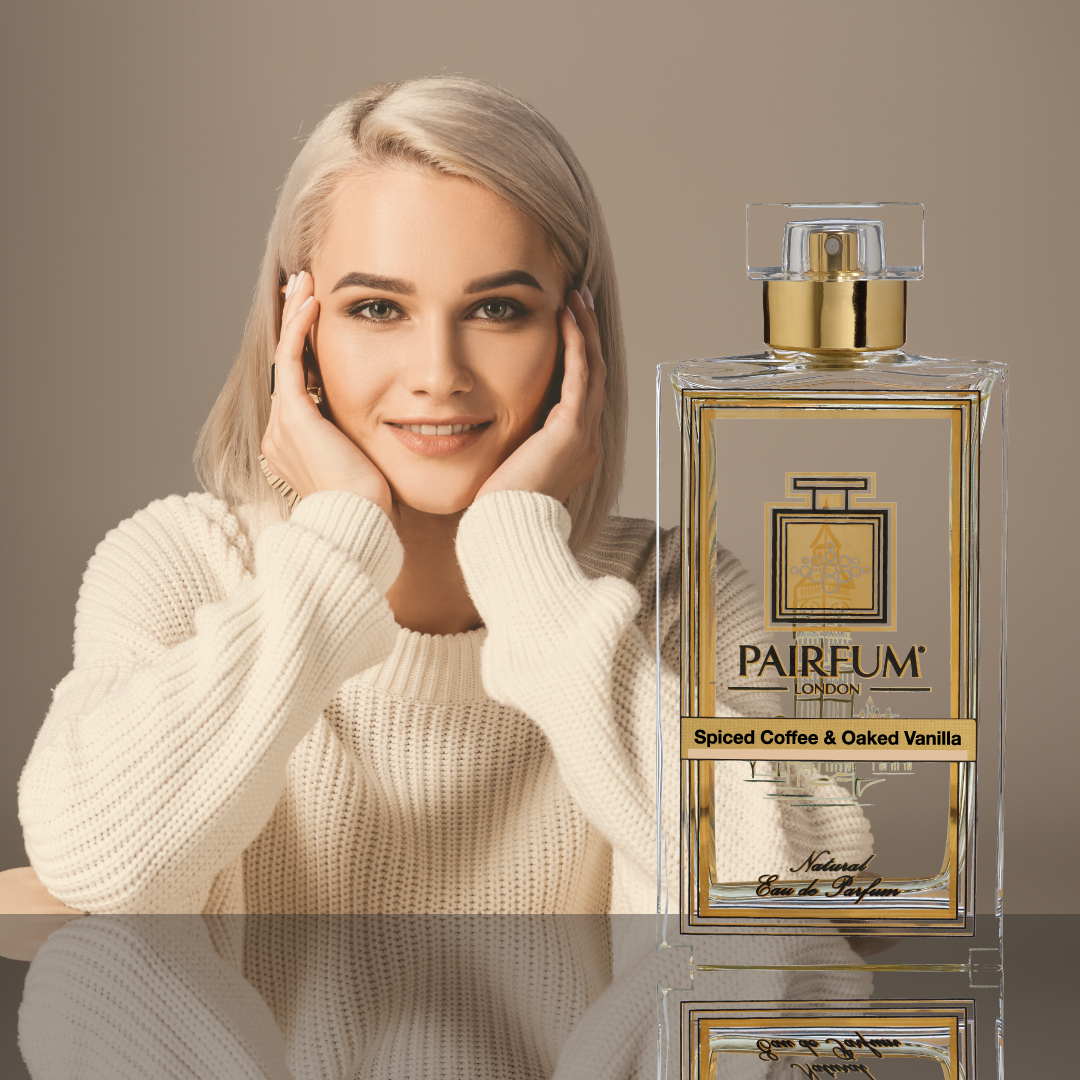
Eau de Parfum Person Reflection Spiced Coffee Oaked Vanilla Woman 1 1

The Historical Significance of Pink Pepper in Perfumery

Pink pepper, also known as Baies Rose or baies roses, has a rich history across cultures. Derived from pink pepper berries of the Peruvian pepper tree (Schinus molle), it’s been cherished for its aroma and medicinal properties for centuries. This specific pepper has a storied past.

Ancient Uses

Ancient South American peoples highly valued pink pepper for rituals and remedies. Its aromatic qualities made it a staple in early perfumery and incense. Historically, pink pepper berries were used in poultices and teas for anti-inflammatory and antiseptic properties, highlighting their versatility beyond fragrance. The ancient uses of this pepper are vast.

European Discovery

European explorers recognised pink pepper’s potential, bringing this pepper to Europe. In the 17th-18th centuries, it was used in medicine and cooking, with its fragrant properties noticed by perfumers. Initially confused with true pepper/true peppercorn, its distinct aroma established its unique value. Adoption into European perfumery was gradual, needing sophisticated extraction. While not as common as black pepper culinarily, its unique flavour became prized by chefs and perfumers. This pepper became a sensation.

Modern Adoption

Pink pepper is now cemented in the perfume industry. Its versatile spicy, slightly sweet aroma makes it a cherished ingredient in many fragrances, adding a bright, fresh contrast. Its rise in popularity stems from perfumers seeking lighter, ethereal alternatives to heavy spices. Its subtle kick without overwhelming other notes makes this pepper appealing in unisex and feminine compositions. Pink pepper is truly a modern favourite.

Types of Pink Pepper Used in Perfume

Pink pepper comes in various forms, each enhancing a perfume’s aromatic qualities. Understanding these types helps appreciate its versatility. This pepper offers many options.

Natural Pink Pepper

  • Whole Berries: Dried pink peppercorn berries from the Peruvian pepper tree. Ground or whole, they offer a pure aroma, retaining the full complexity of the natural scent, including fruity and floral nuances. These pink berries are special. 
  • Dried Powder: Ground pink pepper is easy to use. Grinding releases the berry’s essential oils, intensifying the aroma for blends. Powder can lose volatile compounds over time compared to whole pink pepper berries, so fresh extraction is preferred for perfumery.

Extracted Forms

  • Pink Pepper Essential Oil: Obtained by steam distillation of pink pepper berries. Pink pepper essential oil is a concentrated, bright, spicy, slightly floral aroma. This widely used method captures the volatile top and middle notes of pink pepper. The resulting essential oils are highly valued. 
  • CO2 Extract: Using supercritical carbon dioxide, this advanced method yields a pure, undiluted product. It preserves the aroma’s integrity, making it premium for high-end perfumes. CO2 extracts capture a fuller spectrum of the pink pepper’s scent, including heavier base notes. This form of pepper is highly refined.

Blended Varieties

  • Pink Pepper Absolutes: Pink pepper blends with other ingredients for complex aromas, including floral, citrus, or woody notes, enhancing versatility. Produced via solvent extraction, these absolutes are concentrated and tenacious. 
  • Synthetic Pink Pepper: Mimics natural aroma for commercial pepper mass-market perfumes, offering a similar effect at lower cost or creating specific facets. Synthetics offer consistency and stability that natural essential oils might lack, allowing creative interpretations of the pink pepper scent. This pepper is truly adaptable.

The variety of pink pepper forms highlights its adaptability and appeal, allowing perfumers to craft distinctive fragrances, from crisp to opulent. This specific pepper is invaluable.

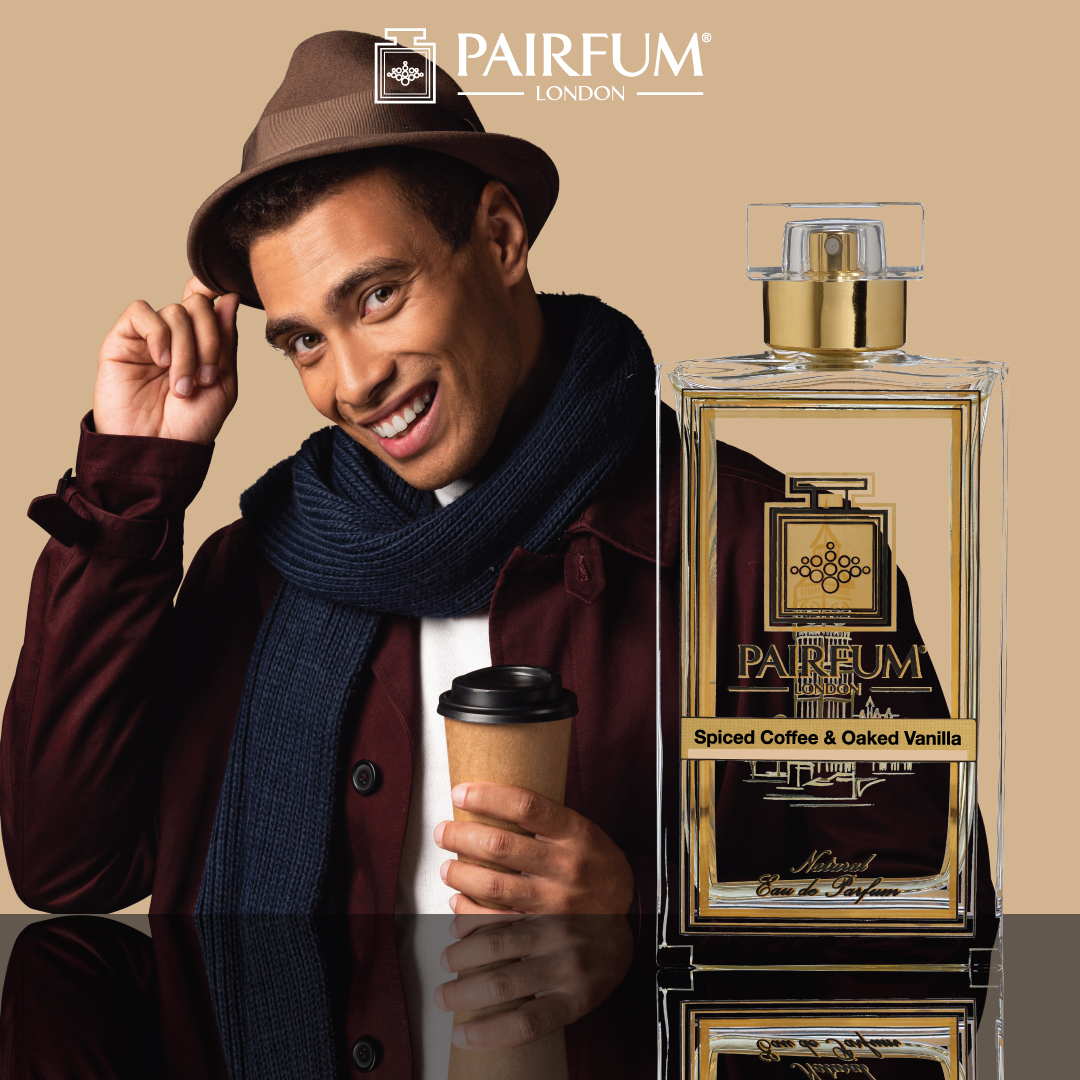
Pairfum Eau de Parfum Person Reflection Spiced Coffee Oaked Vanilla Man Smile 1 1

Extraction Methods for Pink Pepper Oil

Various methods capture pink pepper’s vibrant, spicy aroma, ensuring its essence is preserved for perfumes. Careful extraction of this pepper is paramount.

Common Extraction Techniques

  • Steam Distillation: The traditional method. Steam passes over pink pepper berries, vaporising essential oils, which are then condensed. This efficiently captures fresh, spicy pink pepper notes, yielding pure essential oil for perfumery. This technique is fundamental for getting the best from the pepper. 
  • Cold Pressing: Mechanically presses pink peppercorn berries without heat, preserving pink pepper’s delicate aroma. While less common for pink pepper than citrus, it yields a true-to-nature scent, especially from oil-rich, ripe pink pepper berries. This method respects the pepper’s integrity. 
  • Solvent Extraction: Uses volatile solvents to extract aromatic compounds from pink pepper. Soaking in solvent, then evaporation, leaves a concentrated concrete for absolutes. This efficient method captures a wide range of compounds, including heavier ones for deeper facets. This process is crucial for certain blends.

Modern Techniques

  • CO2 Extraction: Uses supercritical carbon dioxide to extract oil, capturing the full aromatic profile of pink pepper without heat, yielding a high-quality, solvent-free extract. It’s preferred for its authentic pink pepper essential oil essence. 
  • Enfleurage: A historical method where fresh pink pepper berries were spread on fat to absorb aroma. The scented fat was then washed with alcohol to separate fragrant essential oils. Though labour-intensive and costly, it yields a rich, authentic aroma from the pepper.

Different methods offer nuanced aromas, allowing perfumers to choose the best for their desired profile, purity, and cost considerations for the pepper.

How Pink Pepper is Used in Fragrance Composition

Pink pepper’s versatility makes it highly sought after in fragrance. Perfumers strategically incorporate this pepper for specific effects and enhanced scent character.

As a Top Note

Pink pepper is often a top note, providing an immediate burst of bright, spicy freshness. It adds sparkling, effervescent quality to citrus or green accords, creating a vibrant opening. Its subtle sweetness softens acerbic notes, providing a smooth, zesty introduction to a fragrance. The initial impression of this pepper is always impactful.

In the Heart of a Fragrance

Pink pepper seamlessly transitions to the heart of a fragrance. Its warmth and delicate spice bridge fresh opening notes with deeper base notes. It pairs beautifully with floral notes like jasmine or tuberose, adding a contemporary edge. It also enhances fruity notes with a sophisticated, piquant twist, preventing excessive sweetness. This pepper truly enriches the heart.

Enhancing Base Notes

Though primarily a top/heart note, pink pepper subtly influences the dry down. Its woody, resinous undertones complement amber, musk, or patchouli base notes. It prevents heaviness, adding a lingering spice whisper, keeping the fragrance dynamic. It provides a clean, almost mineralic warmth. The subtle influence of pink pepper is often underestimated.

Olfactory Pairings

Pink pepper’s unique profile harmonises with diverse scent families:

  • Citrus Notes: Enhances zestiness (bergamot, lemon, grapefruit) with a vibrant spark. 
  • Floral Notes: Adds intrigue to rose, jasmine, violet, or peony, giving a modern twist. 
  • Woody Notes: Provides sophisticated contrast to cedarwood, sandalwood, or vetiver. 
  • Resinous Notes: Lends brightness to amber or frankincense, preventing heaviness. 
  • Other Spices: Creates layered complexity with cardamom, nutmeg, or ginger, maintaining its distinct character. 
  • Fruity Notes: Adds piquant counterpoint to red berries, lychee, or pear, lifting sweetness. 
  • Vanilla: Perfectly complements vanilla’s creamy sweetness, creating comforting, intriguing contrasts in fragrance blends. 
  • Juniper Berries: The crisp scent of juniper berries pairs delightfully with pink pepper’s bright, spicy notes, enhancing fresh, aromatic profiles.

Careful placement of pink pepper crafts unique, memorable olfactory experiences, highlighting its cornerstone role in modern perfumery.

Pink Pepper On A Table

Iconic Perfumes Featuring Pink Pepper

Pink pepper has become a preferred ingredient in many iconic perfumes, adding a distinctive twist to their aroma. Its fresh, spicy notes make it an excellent component for creating unique and memorable fragrances.

Famous Perfumes with Pink Pepper

  • Chanel Chance Eau Tendre: This perfume combines pink pepper with grapefruit and jasmine. The pink pepper adds a lively and invigorating twist, making the fragrance light and playful. 
  • Dolce & Gabbana The One: This fragrance includes pink pepper along with vanilla and musk. The pink pepper adds depth and spiciness, balancing the sweetness and creating a sensual aroma. 
  • Twilly d’Hermès by Hermès: Blending pink pepper with ginger and tuberose, this perfume has a warm yet fresh aroma. The pink pepper adds a spicy kick, making it vibrant and youthful.

More Notable Mentions

  • Viktor & Rolf Flowerbomb: Featuring pink pepper alongside tea and orchid, this fragrance is both floral and spicy. The pink pepper brings an unexpected edge to the sweet floral notes. 
  • Yves Saint Laurent Libre: Combining lavender, mandarin and pink pepper, this perfume is bold and modern. The pink pepper adds a sparkling spiciness that elevates its elegance. 
  • Gucci Guilty: Blending pink pepper with fruity and floral notes, this fragrance creates a modern and intriguing aroma. The pink pepper stands out, adding a vibrant and distinctive character.

These perfumes highlight the versatility and appeal of pink pepper. Its ability to blend with both floral and spicy notes makes it a cherished ingredient in many renowned fragrances.

Pink Pepper Beyond Perfumery: Culinary and Medicinal Uses

Beyond perfumery, pink pepper’s history includes culinary and medicinal applications, highlighting its value and aromatic properties. This pepper is multifaceted.

Culinary Applications

Pink peppercorns are a popular gourmet spice, particularly in European cuisine. Their delicate, sweet, fruity flavour and mild peppery flavour distinguish them from black pepper or any black peppercorn. This unique peppery flavour makes them ideal for various dishes.

  • Gourmet Dishes: Used whole or crushed in fine dining, especially with seafood, poultry, and light sauces needing subtle spice. Their vibrant colour enhances any dish, including salad dressings and marinades, offering elegant flavour. 
  • Desserts: Pink pepper pairs well with sweet dishes: chocolate, fruity tarts, custards, or ice creams, where its rosy, resinous notes complement sweetness. The unique flavour adds an unexpected twist. 
  • Beverages: Infused into gins, vodkas, and non-alcoholic drinks for an aromatic twist. Common in spice blends for mulled wine or festive teas. A pepper mill filled with pink peppercorns is a sophisticated kitchen addition. 
  • Versatility: This pepper enhances roasted vegetables, adds zing to salad, or enriches complex sauces. Its versatility as a spice is unmatched, offering a distinct experience from commercial pepper. The flavour it imparts is exquisite.

Traditional Medicinal Uses

Historically, pink pepper trees (Peruvian pepper tree and Brazilian pepper tree) were valued for medicinal properties by indigenous South American cultures. The berry holds significant traditional value.

  • Anti-inflammatory: Traditional remedies used pink pepper berries topically for anti-inflammatory effects. The antioxidants in pink pepper are being explored. 
  • Antiseptic: Essential oils or infusions from leaves/bark were used as antiseptics. 
  • Digestive Aid: Infusions were consumed for digestion. 
  • Respiratory Support: Vapours from boiled leaves or pink pepper berries aided respiratory issues. 
  • Other Traditional Uses: The Brazilian pepper tree (Schinus terebinthifolius) was noted for treating arthritis, rheumatism, and skin conditions, though it’s related to poison ivy and can cause swollen eyelids or irritation. Antioxidants in pink pepper are also being studied for health benefits.

While historically significant, modern research is validating these claims. Nevertheless, pink pepper’s long-standing use in flavour and folk medicine underscores its appeal and deep human connection. This pepper has truly served many purposes.

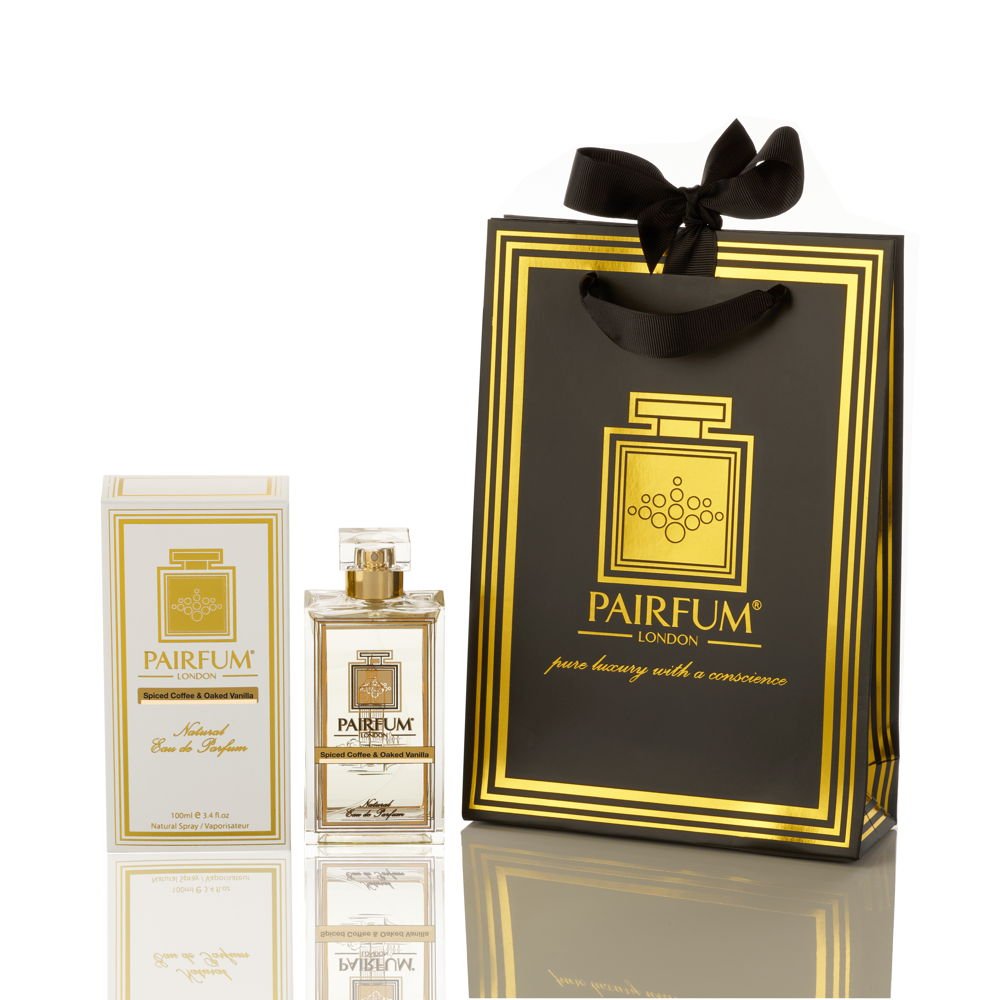
Pairfum Eau De Parfum Pure Giftbag Spiced Coffee Oaked Vanilla

The Sustainability and Sourcing of Pink Pepper

Sustainability and sourcing of ingredients like pink pepper are increasingly important. The integrity of this pepper’s supply chain is vital.

Pink pepper is harvested from the Schinus molle tree, native to the Peruvian Andes. Though not endangered, responsible sourcing ensures resource viability and community well-being. The health of the pink pepper tree and pink peppercorn tree is paramount.

  • Ethical Harvesting: Perfumeries collaborate with fair trade suppliers, ensuring equitable compensation for local farmers and harvesters, supporting rural economies and preventing exploitation. This ensures ethical pink pepper harvesting. 
  • Environmental Impact: Sustainable practices protect trees and allow natural regeneration. The resilient Schinus molle tree thrives in diverse climates. Wild harvesting needs careful management to prevent over-collection. Cultivated sources and agro-forestry reduce pressure on wild populations, ensuring a consistent, eco-friendly pink pepper supply. The pepper tree is a precious resource. 
  • Traceability and Transparency: Reputable perfumeries trace pink pepper to its origin, verifying ethical labour and environmental practices. This focus ensures integrity for every pink peppercorn.

Choosing perfumes from committed brands helps preserve natural resources and supports responsible practices in the fragrance industry. This commitment ensures pink pepper’s allure for generations, without compromising the planet or people. This specific pepper deserves respect.

Pink Pepper Top Notes with Pairfum London

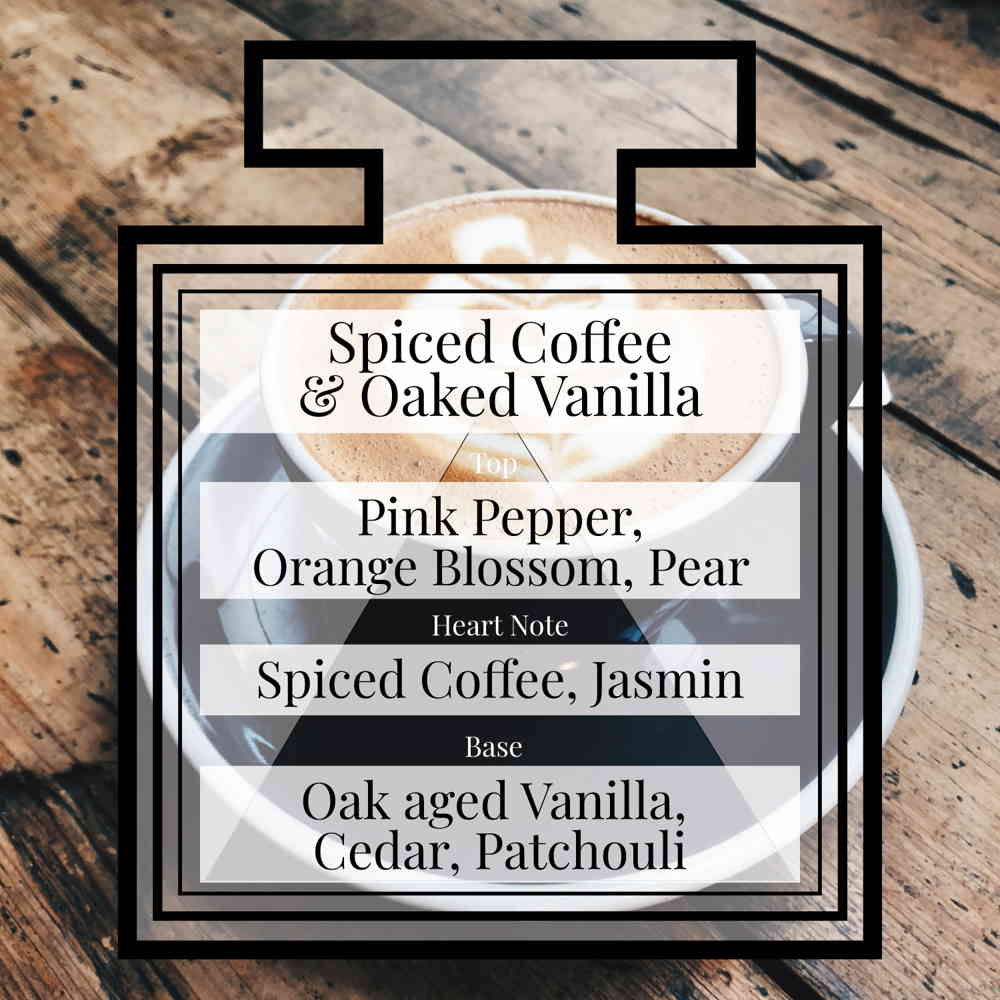
For those truly captivated by the intricate allure of pink pepper, discovering new and exciting applications of this remarkable spice in contemporary fragrance is a delightful journey. Consider a fragrance where pink pepper’s bright, peppery flavour intertwines with the comforting warmth of vanilla and the intriguing richness of coffee. This blend creates an unforgettable olfactory experience, showcasing how this unique pepper can elevate complex blends to a new level of sophistication. It offers a fresh perspective on how pink pepper can be masterfully woven into a luxurious aroma profile, moving beyond traditional pepper blends.

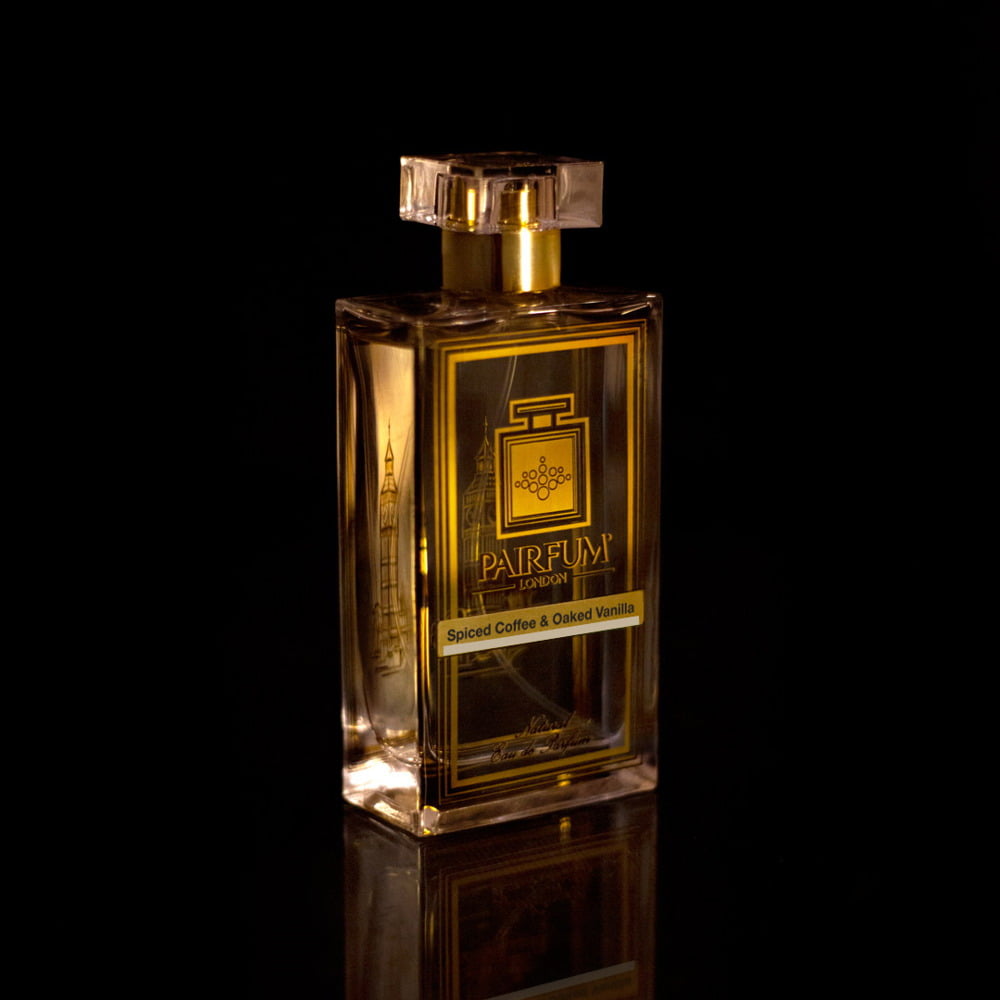
Spiced Coffee & Oaked Vanilla – Eau de Parfum by Pairfum London

This warm, Oriental Spicy Fragrance opens with the top notes of Pink Pepper, Orange Blossom and Crisp Pear. The Heart of the Fragrance is a modern blend of rich & dark Coffee with the elegance of Jasmine. The elegant finale is a sophisticated base of Bourbon Vanilla aged in Oak, with Patchouli and Cedar.

Eau De Pairfum Spiced Coffee Oaked Vanilla Bottle

Conclusion

Pink pepper remains a fascinating, versatile ingredient in perfumery. From its unique berry origins and rich history to its aromatic profile and modern uses, it captivates perfumers and enthusiasts. Its diverse types and meticulous extraction ensure its multi-dimensional aroma is expertly used in countless fragrance compositions and related products. This pepper is truly a star.

Iconic perfumes featuring pink pepper demonstrate its remarkable ability to impart depth, warmth, and a spicy twist. Its adaptability and charm solidify its essential role in crafting memorable fragrances. With increasing focus on ethical sourcing and sustainability, the industry ensures this extraordinary spice can be responsibly enjoyed for years. The future of pink pepper in fragrance is bright.

    Your Cart
    Your cart is emptyReturn to Shop