Home / vanillaperfume
Milky Perfume

Milky Perfume: Skin-Soft Comfort You Can Wear

Milky perfume offers a comforting, creamy scent profile, often featuring lactonic notes such as steamed milk, almond, rice or coconut, blended with vanilla and musk to create a soft, skin-like fragrance that sits gently on the skin. Some perfumes do not call attention to themselves. They settle warmly on the skin and feel familiar from the very first wear. That is the quiet beauty of a milky perfume. These fragrances create a soft blur of warmth instead of sharp edges. They are never icy or overpowering. A good milky perfume feels calm, cosy, and personal.

Early spring is the perfect season for milky perfumes. The air still holds a chill, and heavier winter layers are only just being packed away. During this in-between period, a soft fragrance that clings gently to the body feels comforting. Milky scents work beautifully at this time of year because they offer warmth without becoming heavy.

Many people now search for milk perfumes because they create a sense of ease that brighter citrus styles often lack. Whether worn as a perfume or a light body mist, these creamy styles are becoming part of everyday fragrance wardrobes.

What Makes a Perfume Milky?

The recent rise of milky perfumes has been shaped by both niche fragrance houses and beauty editors who describe these scents as comforting, creamy, and quietly addictive. High-scoring fragrance articles often focus on texture, emotional connection, and wearability because these are the qualities perfume lovers consistently search for when exploring milk perfumes.

Unlike sharp citrus or heavily floral perfume styles, a milky perfume usually centres on softness. The creamy effect can come from sandalwood, steamed rice accords, lactones, musk, vanilla, or warm resins. In perfumery, these are often grouped into lactonic perfumes because they recreate the smooth sensation associated with milk, cream, and soft desserts.

Many perfume lovers are drawn to milky fragrances because they feel calming and understated. The scent rarely dominates a room. Instead, the fragrance blends naturally with the warmth of the skin and develops slowly over time.

What Makes a Perfume Milky?

Milkiness in fragrance is more about texture than realism. A milk perfume rarely smells exactly like fresh milk. Instead, it gives the impression of smoothness, softness, and creaminess. The scent profile often feels rounded and comforting.

A milky fragrance may smell:

  • Creamy and rich like warm cream or creamy coconut
  • Nutty and smooth like almond or toasted rice
  • Powdery and soft like musk settling onto skin
  • Sweet and airy like whipped cream with vanilla

In niche perfume, milky notes are often created with sandalwood, musk, tonka bean, vanilla, and soft woods. Some perfumer creations also use rice accords, fig, or subtle floral touches to build a milky accord. These ingredients help create the sensation of warmth resting close to the body.

The best milk fragrance styles never become overwhelming. Instead, the perfume melts slowly into the skin and develops throughout the day. Milky perfumes often feel more natural than louder gourmand fragrances because the sweetness remains restrained.
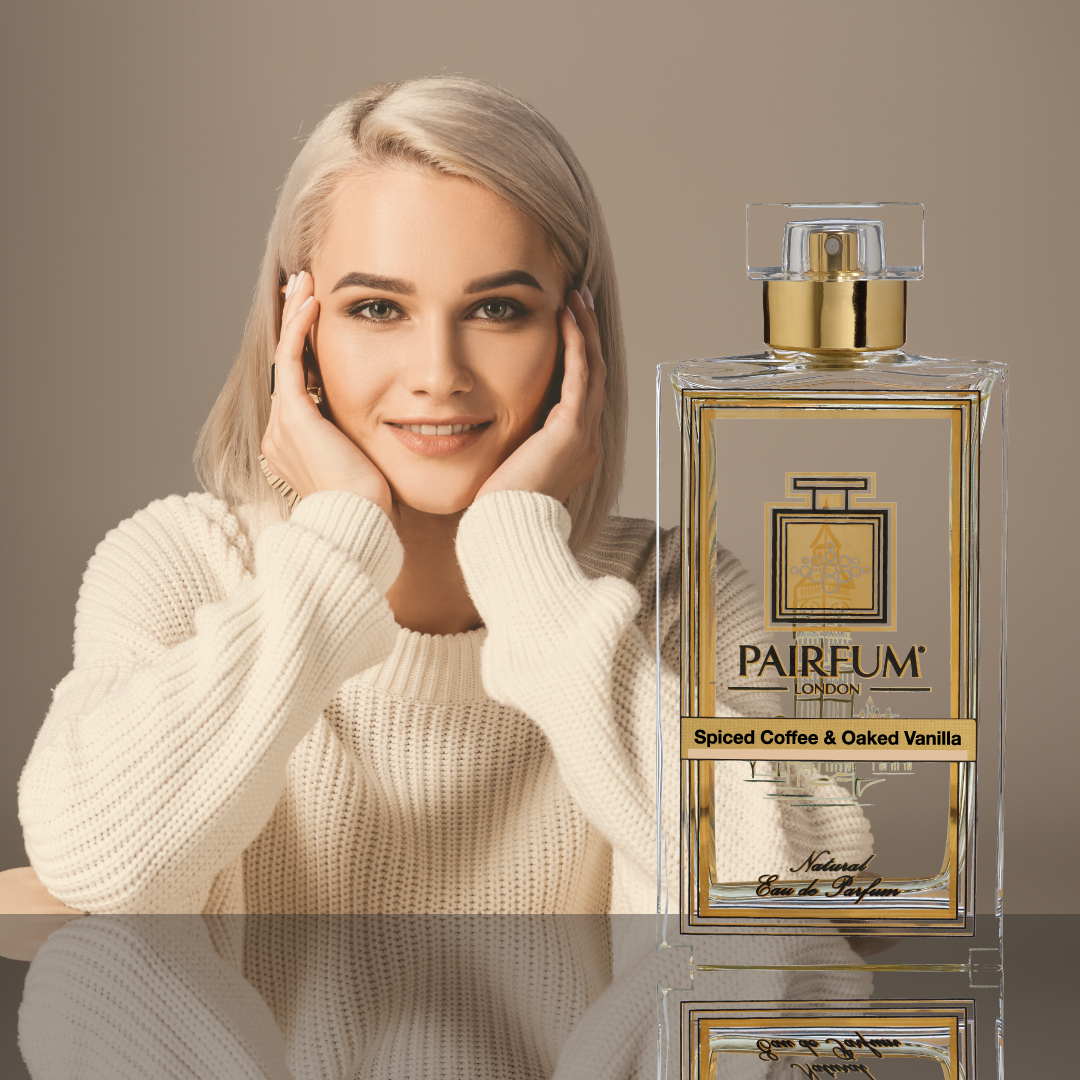
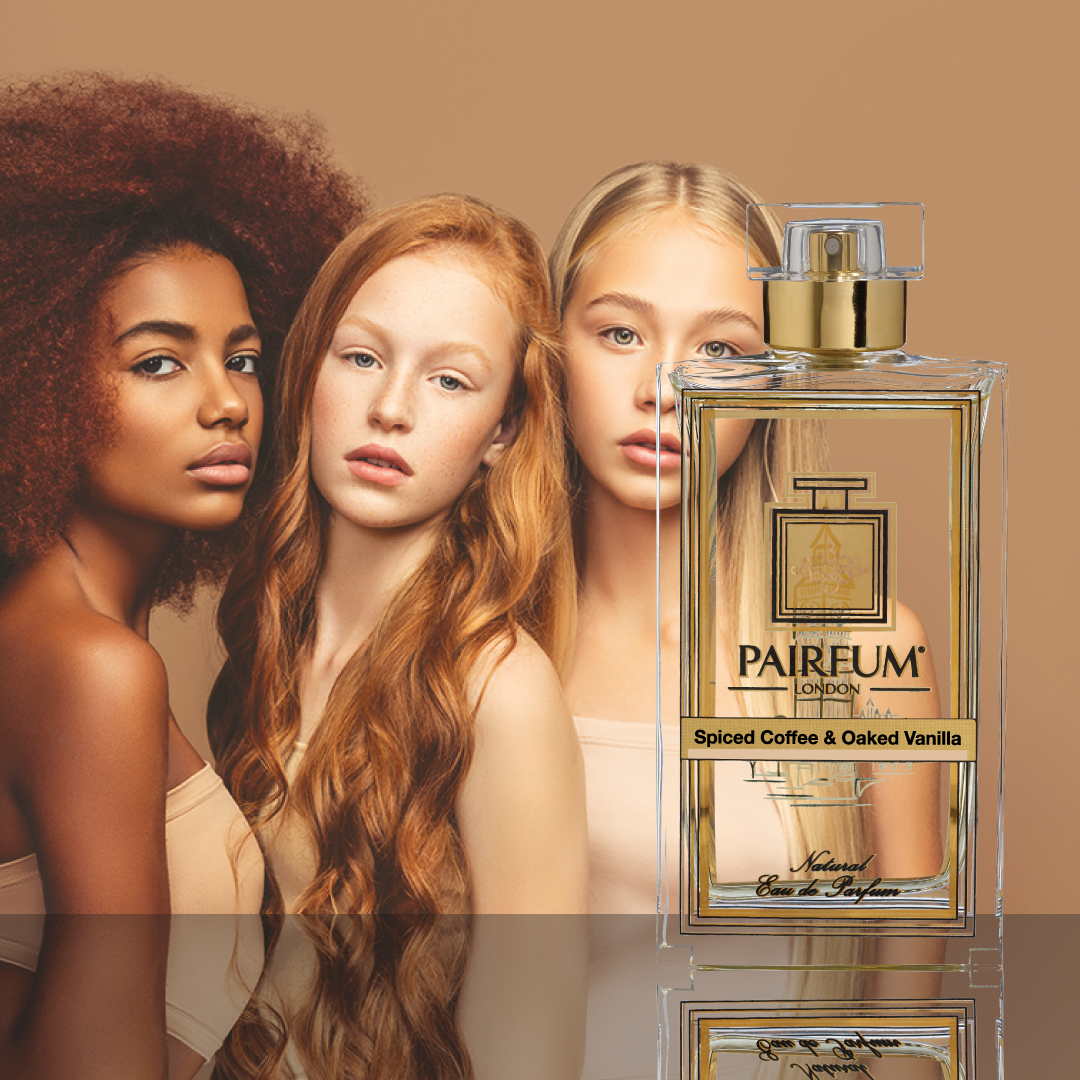
Eau de Parfum Person Reflection Spiced Coffee Oaked Vanilla Woman 1 1

Why Milky Perfumes Feel So Comforting

There is something deeply reassuring about fragrance that stays close to the skin. Milky perfumes rarely project aggressively. Instead, the scent appears in gentle waves as you move. This softness is one reason milk perfumes continue to grow in popularity.

Many people describe milky fragrances as wearable comfort. The creamy scent can remind you of fresh cream, warm vanilla desserts, steamed milk, soft cashmere, or clean skin after makeup has been removed at the end of the day.

A milky scent often works because it feels familiar. Notes like vanilla, cream, caramel, and musk are naturally soothing. Combined, they create a perfume that feels intimate rather than dramatic.

For people with sensitive skin, softer milk perfume styles are often easier to wear than heavily spicy or intensely floral fragrances. A milky fragrance tends to sit gently on the skin instead of feeling sharp or dry.

The Ingredients Behind Milky Scents

One reason milky scents achieve such strong fragrance reviews is the careful balance between creamy texture and structure. The best milk perfumes are rarely built around a single note. Instead, perfumers layer multiple ingredients to create a realistic yet wearable effect.

Vanilla remains one of the most important ingredients in milky perfumes because it creates warmth and softness. Musk adds a clean skin sensation, while sandalwood contributes smooth woody depth. Tonka bean introduces almond-like richness and subtle sweetness.

Some milk perfumes also feature:

  • Rice accords for a steamed creamy texture
  • Fig for a green milky note
  • Coconut milk for tropical softness
  • White florals for brightness
  • Amber for warmth on the body
  • Caramel for toasted sweetness

A creamy scent usually depends on balance. Too much vanilla can feel sugary, while excessive musk may feel powdery or dry. The strongest perfume compositions move naturally between creaminess, woods, sweetness, and skin.

The most successful milk perfumes balance creamy textures with depth and structure. Vanilla is especially important because it adds warmth and smooth sweetness without making the perfume overly sugary.

Common pairings include:

  • Vanilla with musk for a clean skin effect
  • Tonka bean with caramel for warmth and richness
  • Sandalwood with cream for a velvety finish
  • Iris with musk for a soft powdery scent
  • Coconut and vanilla for a creamy scent with tropical warmth

Tonka and tonka bean are especially common in lactonic perfumes because they add a warm, almond-like softness. Caramel is also frequently used to deepen the sweetness while keeping the fragrance smooth.

Many modern milky fragrances combine musk with woods to stop the perfume from becoming too edible. The result is a fine fragrance that feels polished and elegant rather than sugary.
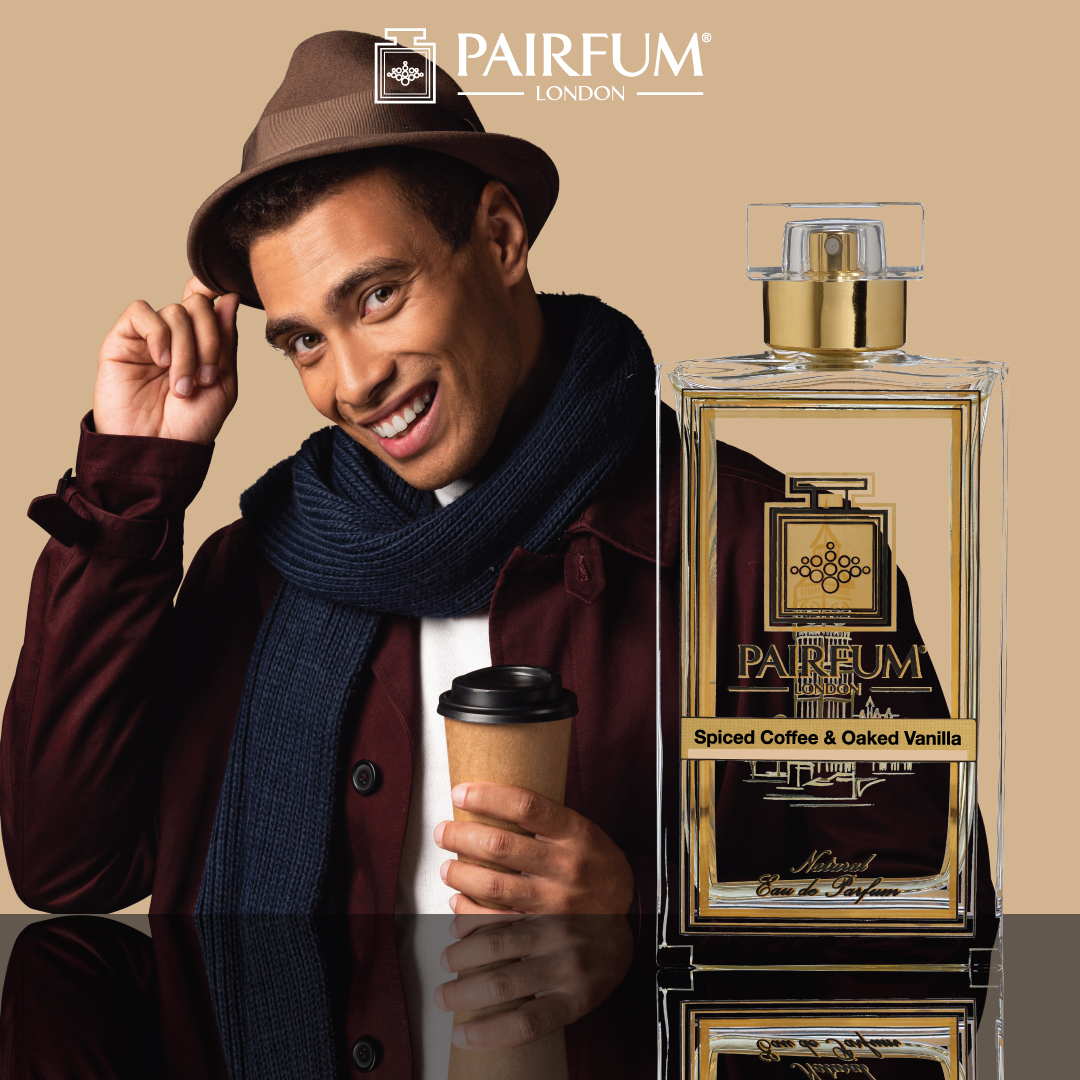
Pairfum Eau de Parfum Person Reflection Spiced Coffee Oaked Vanilla Man Smile 1 1

Why Milky Perfumes Feel Modern

Milky fragrances feel particularly relevant at the moment because fragrance trends have shifted towards comfort, familiarity, and skin-focused scent profiles. Many people now choose perfume based on how it makes them feel emotionally rather than simply how strongly it projects.

This shift explains why milk fragrance styles have become increasingly popular within fine fragrance. Perfume lovers often describe these scents as calming, clean, and cocooning. The softer style also works well in modern environments where people may prefer subtle fragrance over powerful projection.

Another reason milky perfumes perform well today is their versatility. A creamy vanilla perfume can feel cosy in winter yet still soft enough for spring. Musk-based milk perfumes can also suit daytime wear, office settings, or relaxed evenings.

Milky Perfumes and the Rise of Gourmand Fragrance

The growing popularity of gourmand fragrance has helped milky perfumes become more mainstream. A gourmand perfume uses edible notes like vanilla, cream, caramel, chocolate, or rice to create comfort and warmth.

Unlike very sugary celebrity perfumes from the past, modern gourmand styles are usually more refined. Today, many people want a fragrance that smells soft, clean, and comforting instead of intensely sweet.

A milk scent fits perfectly into this movement. They combine gourmand warmth with elegant musk and soft woods. The result is a scent that feels wearable every day.

On social media, perfume lovers regularly share their favourite milk perfumes and compare the best vanilla-based creations. Many fragrance enthusiasts now describe milky fragrances as the ultimate cosy perfume category.

When to Wear a Milky Perfume

Milky perfumes are especially suited to cooler weather, rainy afternoons, and relaxed evenings. The scent sits close to the skin and creates a gentle aura rather than a strong cloud.

A milky perfume works beautifully for:

  • Quiet mornings at home
  • Weekend walks in soft knitwear
  • Long flights or train journeys
  • Bedtime fragrance rituals
  • Everyday office wear

Because milk perfumes are usually smooth and subtle, they are also excellent signature scent choices. A soft milk fragrance can become closely associated with the person wearing it because it never overwhelms the room.

Some people even spray milky perfumes lightly onto hair or clothing so the scent lasts longer throughout the day. The creamy musk effect often becomes softer and more natural over time.
Natural Milk Fragrance

How Milky Perfumes Change on the Skin

One feature often highlighted in fragrance reviews is the way milky perfumes evolve during wear. The opening may smell airy and sweet, but the dry down often becomes warmer, smoother, and more musky.

A perfume with strong milky notes may begin with vanilla or cream before revealing sandalwood, musk, or tonka underneath. This transition creates depth without becoming overwhelming.

Skin chemistry also changes how a milky perfume performs. On warmer skin, vanilla and caramel may appear richer. On cooler skin, musk and woods may become more noticeable.

Because of this, many fragrance enthusiasts recommend testing milk perfumes directly on the body rather than relying only on paper strips. The scent profile often becomes softer and more realistic after several hours of wear.

The Difference Between Sweet and Creamy

Not every milky perfume smells sugary. Some focus more on musk and woods, while others highlight cream and vanilla. The balance between sweetness and freshness changes the overall fragrance completely.

A sweeter perfume may include:

  • Vanilla
  • Caramel
  • Tonka bean
  • Whipped cream
  • Marshmallow accords

A fresher milky scent may include:

  • Musk
  • Fig
  • Rice
  • Sandalwood
  • Light florals

This variety explains why milky perfumes appeal to so many people. Some prefer deep gourmand warmth, while others enjoy a cleaner skin-focused perfume.

Even within milk perfumes, the texture can vary widely. One perfume may feel airy and delicate while another feels dense and rich like warm cream.

Why Milky Perfumes Continue to Grow in Popularity

The appeal of milky perfumes comes from their emotional quality. They feel comforting without becoming boring and elegant without trying too hard. In a market full of loud fragrance trends, milky perfumes offer something softer.

Vanilla remains central to many of these creations because it blends naturally with musk, cream, caramel, and woods. A carefully balanced vanilla perfume can feel both nostalgic and modern at the same time.

Perfume lovers increasingly want a fragrance that suits everyday life. A strong perfume has its place, but many people now prefer a softer scent that feels wearable from morning until evening.

Milky perfumes also layer beautifully with other fragrance styles. Vanilla and musk combine easily with florals, woods, and even subtle spice notes. This flexibility helps explain why milky fragrances continue to appear across both designer and niche perfume collections.
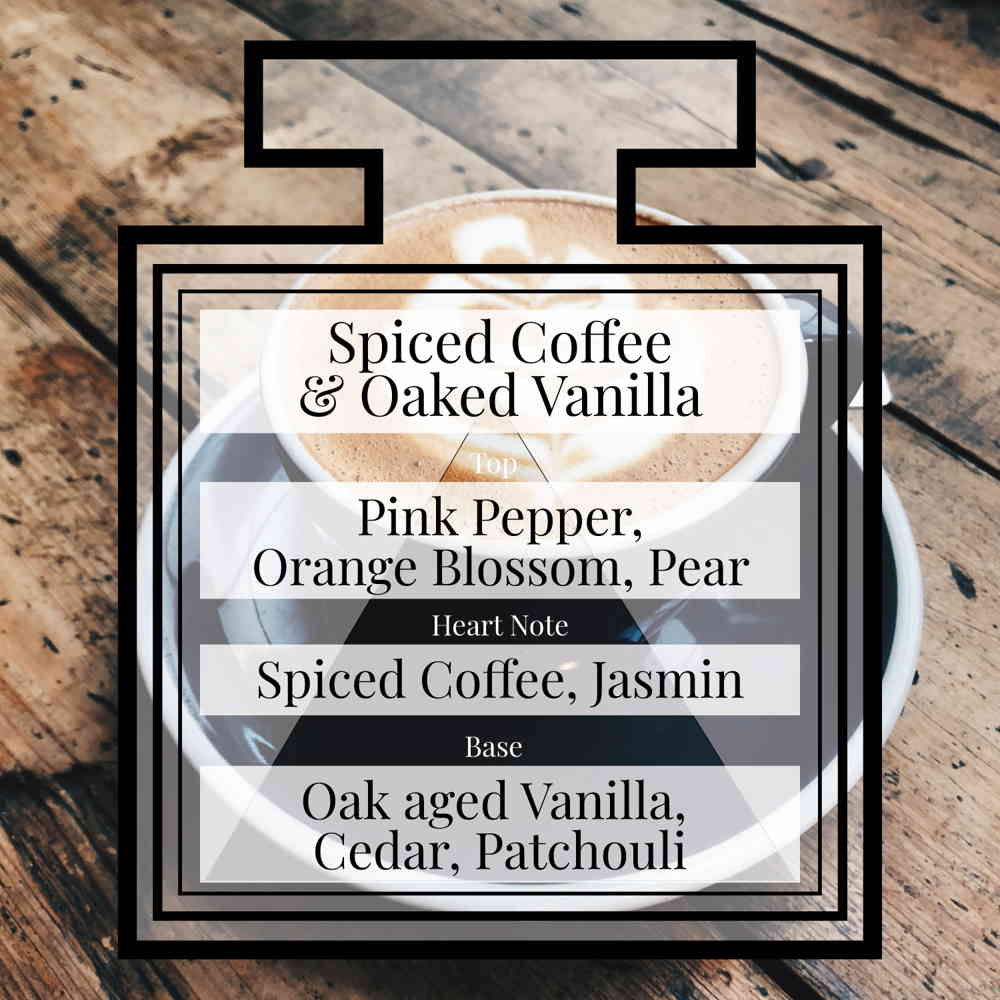
Pairfum Fragrance Spiced Coffee Oaked Vanilla Triangle

Milky Perfumes Worth Exploring

Several modern perfumes have helped shape interest in milky fragrances.

Bianco Latte by Giardini di Toscana is a rich vanilla and caramel fragrance that leans into creamy sweetness. It feels warm and soft on the skin, with a dessert-like character that is smooth rather than sharp.

Blanche Bête by Liquides Imaginaires blends white florals, musk, vanilla and soft woods to create a luminous milk-inspired fragrance. It develops gently and stays close to the skin, giving a clean, creamy impression.

Commodity Milk by Commodity uses musk, amber and marshmallow-like sweetness to build a modern interpretation of a milk fragrance. It feels soft and slightly woody, with a comforting dry down.

Ellis Brooklyn Vanilla Milk by Ellis Brooklyn combines vanilla, milk notes and tonka bean with soft florals. The result is a creamy scent that feels polished and wearable without becoming overly sweet.

Mylk de Parfum is a lighter interpretation of milky fragrances, built around musk and soft sweetness. It stays very close to the skin and creates a gentle creamy impression throughout wear.

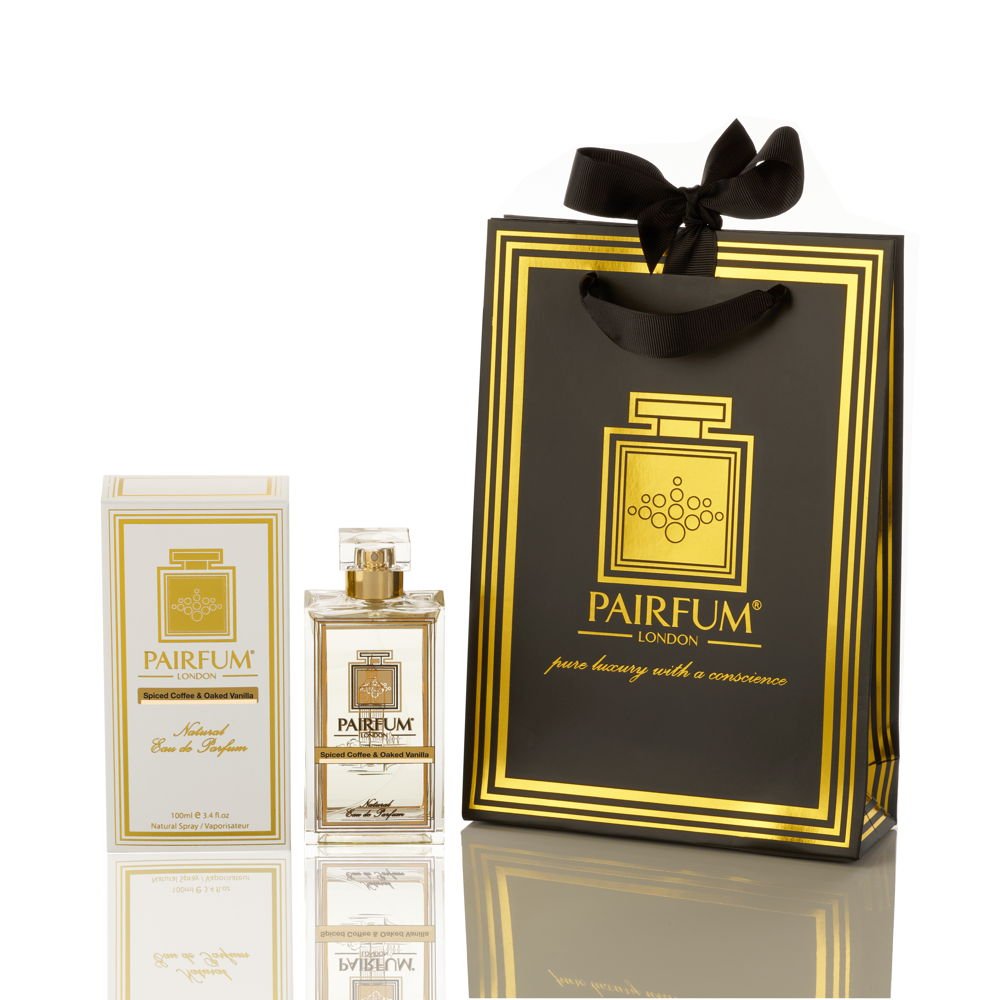
Spiced Coffee & Oaked Vanilla – Eau de Parfum by Pairfum London

This warm oriental spicy fragrance opens with pink pepper, orange blossom and crisp pear, giving a bright yet gently spiced first impression. At its heart, rich dark coffee blends with the soft elegance of jasmine, creating a contrast that feels both smooth and slightly bitter. The scent settles into a refined base of vanilla aged in oak, layered with patchouli and cedar for a warm, grounded finish.

Milky Eau De Parfum by Pairfum London

Softness That Stays With You

Milky perfumes bring warmth, softness, and quiet comfort to everyday fragrance. Whether built around vanilla, musk, cream, caramel, or woods, these perfumes create an intimate scent that feels personal on the skin.

Some milk perfumes lean sweet and gourmand, while others stay airy, musky, and clean. The common thread is softness. A milky perfume never needs to shout.

From Bianco Latte to Blanche Bête, from Commodity Milk to Ellis Brooklyn Vanilla Milk, the world of milky fragrances continues to expand. Each perfume offers its own interpretation of creaminess, warmth, and skin-like comfort.

If you would like to visit more fragrance guides and learn about modern perfume trends, explore the wider world of niche fragrance and discover which milky perfume suits your personal style best.
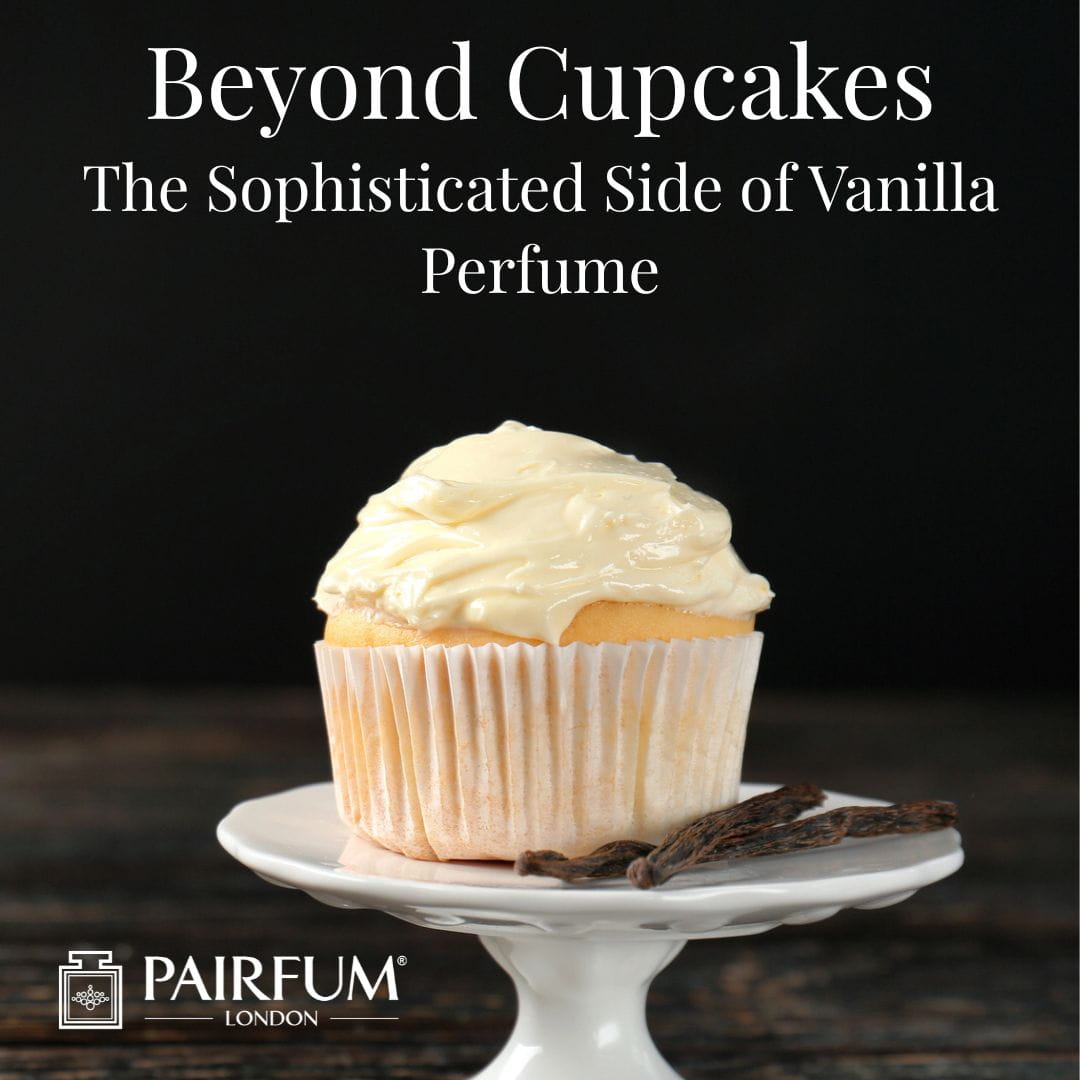
Vanilla Perfume Beyond Cup Cakes

Beyond Cupcakes: The Sophisticated Side of Vanilla Perfume

When most people think of vanilla perfume, they picture something sugary and soft, maybe even a bit childlike. Cupcakes, milkshakes and sweet sprays from teen years come to mind. But vanilla is far from simple. When used with intention, it becomes rich, smooth and quietly elegant.

In niche and natural perfumes, vanilla is rarely just background sweetness. It is often the heart of the bouquet, adding warmth and polish without ever trying too hard. For spring, when the weather softens and light layers return, vanilla perfume feels right at home. Its calm, steady aura encourages a gentle shift toward ease and comfort. Let us take a closer look at how vanilla became one of the most loved ingredients in perfumery.

The Origins of Vanilla in Perfumery

The story of this fragrance starts long before it ended up in perfume bottles. The vanilla orchid is native to parts of Central America, where ancient civilisations used it in rituals and food. Spanish explorers brought vanilla pods back to Europe in the 1500s, but it took much longer for the ingredient to show up in perfumery.

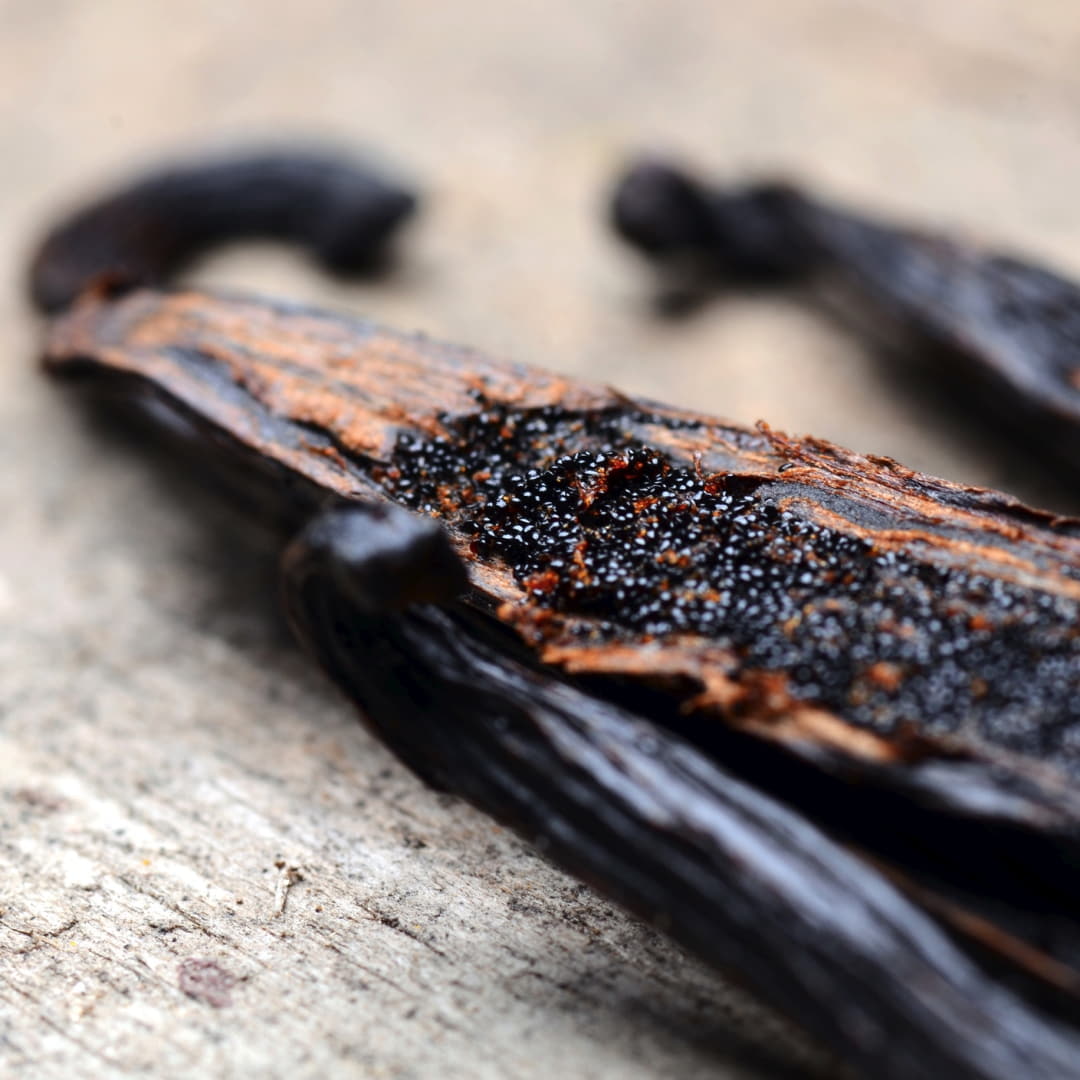
It was not until techniques were developed to extract the rich oils from dried pods that perfumers began to see its value. The process is time-consuming and delicate. First, the vanilla orchid must be hand-pollinated and then the vanilla bean pods picked at just the right time. They are then sun-dried and cured for weeks or months to develop their earthy, roasted aroma.

Once each vanilla pod is ready, the inner seeds and surrounding material become key ingredients for natural perfume oils. The transformation from green plant to deep, amber-like perfume oil is part of what gives vanilla its mystique. Today, we still value the traditional process of hand-curing and slow extraction, ensuring that each natural vanilla note feels complex and soulful.

Pairfum Person Reflection Spiced Coffee Oaked Vanilla Eau de Parfum Woman

Types of Vanilla Used in Fragrance Creation

Not all vanilla smells the same. It depends on where it is grown, how it is handled, and what part of the plant is used. Some of the best-known kinds include:

  • Madagascar vanilla: A creamy, warm profile that feels full and rounded.
  • Tahitian vanilla: Tends to be more floral and soft.
  • Mexican vanilla: Carries a slight spice with a bold edge that lingers.
  • Bourbon vanilla: Offers a dark, intense depth often found in a gourmand vanilla blend.

Perfumers often choose between natural vanilla and synthetic vanilla compounds like vanillin. While natural vanilla offers more depth and subtlety, synthetics can help support large production or balance other perfume notes without overpowering them.

Vanilla as a Base Note: Balance and Warmth

In vanilla perfumes, the ingredient tends to sit at the base of a fragrance. That means it anchors the lighter notes and gives the whole bouquet lasting power. It softens the sharper top notes and adds body to the middle florals or spices.

We often think of vanilla as sweet, but in perfume it is much more than that. It can feel woody, creamy or balsamic depending on how it is blended. That is part of why it works so well for both feminine and masculine styles. It plays nicely with lavender or rose, but it can just as easily support leather, smoke or tobacco.

A vanilla base often leaves a gentle trace in the air. People may not always recognise it right away, but they will sense something rich and calming. It gives that just-right feeling without needing to shine too brightly.

Pairfum Eau de Parfum Person Reflection Spiced Coffee Oaked Vanilla Man Smile 1 1

Famous Perfumes That Feature Vanilla With Sophistication

Some of the most iconic vanilla perfumes include this ingredient in a way that is not loud or sugary. These are blends that use vanilla to bring balance, round out rough edges, or add mood without stealing the show.

You will often find vanilla working under jasmine, patchouli or ylang-ylang, supporting the complexity of the bouquet while grounding it. Popular examples that have shaped the market include Burberry Goddess, which uses a trio of vanillas, or the deep 7 Virtues Vanilla Woods. For those who prefer a gourmand edge, Kayali Vanilla 28 is a staple, while Tobacco Vanille by Tom Ford shows the darker side of the scent.

Even in the celebrity world, the Ariana Grande Cloud fragrance uses vanilla to create a cult favourite scent. Meanwhile, DS&Durga Deep Dark Vanilla offers a more smoky, niche perspective. These are vanilla perfumes where the ingredient does not shout; it comes through smooth and steady.

Decoding the Vanilla Scent Profile

To find the best vanilla perfume, one must understand the layers. A vanilla fragrance is rarely a solo act. It is a fragrance note that plays well with others to create a specific floral scent or a spicy gourmand experience:

  • Pink Pepper: Adds a rosy, bright sparkle to the top.
  • Black Pepper: Provides a dry, woody heat.
  • Orange Blossom: Creates a fresh, honeyed floral opening.
  • Tonka Bean: Enhances the almond-like sweetness.
  • Creamy Sandalwood: Deepens the vanilla into a woody scent.
  • Creamy Musk: Softens the edges for a “second skin” feel.

When these are combined with warm spices, the vanilla takes on an exotic elegance. If you are looking for the best fresh vanilla perfume, look for blends featuring delicate florals or citrus that prevent the vanilla from becoming too heavy.

The Rise of the Anti-Vanilla and Skin Scents

Modern trends have shifted toward the anti-vanilla movement. This involves moving away from literal food-like aromas in favour of abstract and earthy interpretations. Expert beauty publications highlight how notes like sea salt, cypress root, and incense are being used to strip away the sugary coating of traditional vanilla.

This approach has led to the popularity of vanilla skin scents. These are minimalist fragrances designed to sit close to the wearer, acting as an olfactory enhancement rather than a heavy mask. By blending sheer vanilla with molecules like Iso E Super or white amber, perfumers create an aura that feels like clean skin warmed by the sun. It is a sophisticated way to wear a gourmand note without it feeling intrusive.

Vanilla Pod Wood 1 1

When and How to Wear a Vanilla Perfume

Spring is a great time to lean into vanilla perfumes, especially those with lighter blends. As the air warms, a creamy vanilla feels natural.

There are a few ways to wear this scent:

  • Body Spray and Hair: For a subtle aura, a vanilla-themed body spray can be misted through the hair. Because hair holds fragrance well, you will get compliments all day.
  • Layering: Use a vanilla-focused perfume over a woodier scent to add warmth. This is a technique often used by connoisseurs to give their signature scent more depth.
  • Skin Focus: Applying to vanilla skin (warm pulse points) allows the vanilla to bloom. Ensure skin is moisturised beforehand, as hydrated skin holds onto the sticky molecules of a vanilla base much more effectively.

Enjoy Vanilla Perfume with Pairfum London

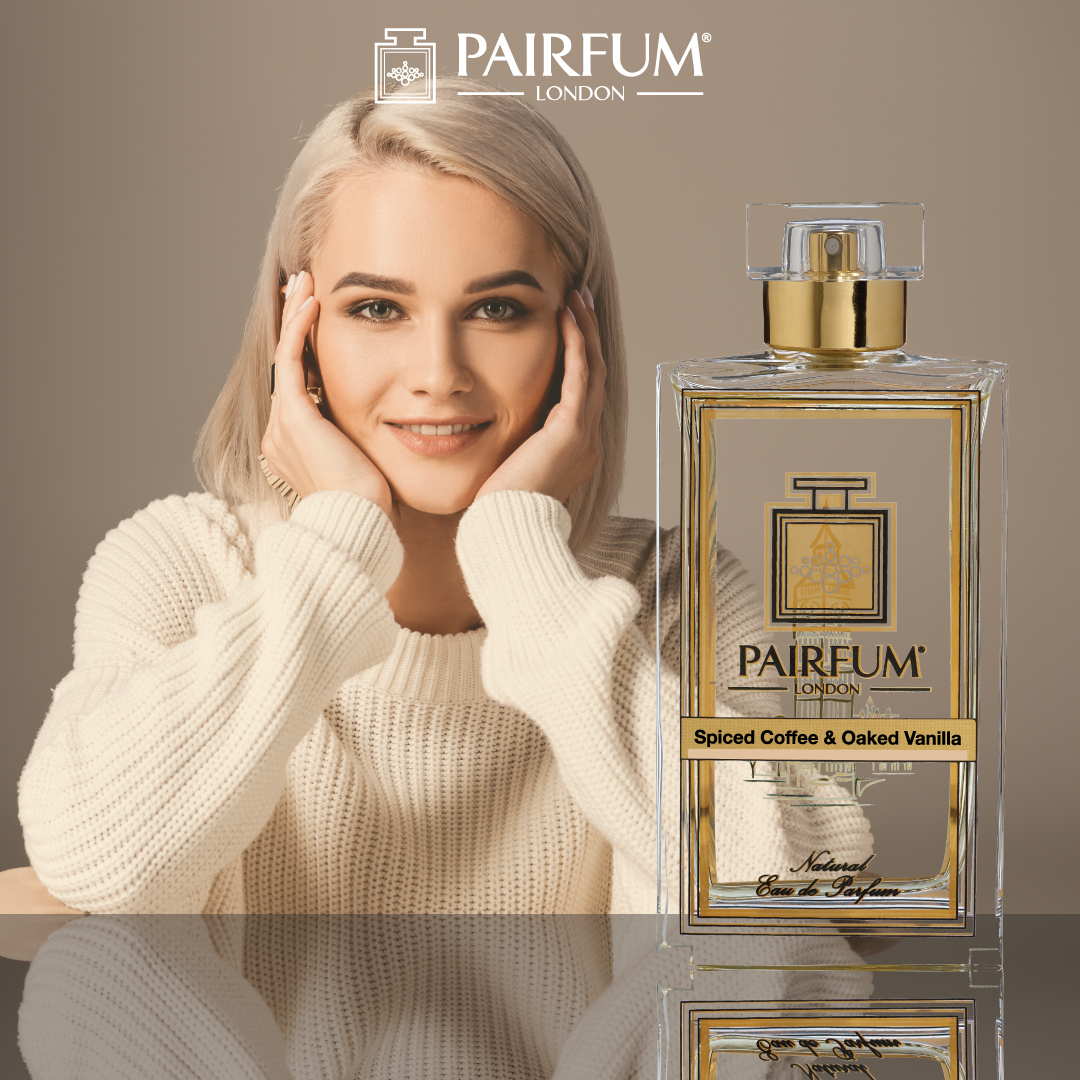
To experience this modern sophistication first-hand, our Spiced Coffee and Oaked Vanilla Eau de Parfum offers the perfect balance of warmth and depth. It is an ideal choice for those looking to move beyond simple sweetness and embrace a vanilla perfume with a truly refined, grown-up edge. Explore this unique vanilla fragrance and discover how the right blend can transform a classic scent into something entirely timeless.

Spiced Coffee & Oaked Vanilla – Eau de Parfum by Pairfum London

This warm, oriental spicy fragrance opens with a bright spark of pink pepper, honeyed orange blossom, and the crispness of fresh pear. At its heart, the composition reveals a modern, bold blend of rich, dark coffee paired with the timeless elegance of jasmine. The sophisticated finale rests on a deep vanilla base of oak-aged vanilla, earthy patchouli, and woody cedar.

Pairfum London Eau De Parfum

Modern Sophistication, Classic Comfort

Vanilla perfume has gone through many changes, but it never really left. It has stayed part of perfumery not because it is simple, but because it adapts and quietly brings everything together. Today, it is less about sugar and more about warmth.

Whether rounded in perfume oils or softened with botanicals, vanilla continues to shape how a perfume feels on skin and in memory. Its confidence lies in the balance it offers, the comfort it brings, and the quiet sophistication that lingers long after. This fragrance is a testament to the enduring power of the vanilla bean to captivate our senses through every era of perfume history.

Sandalwood And Vanilla

Sandalwood and Vanilla: The Perfect Perfume Pair

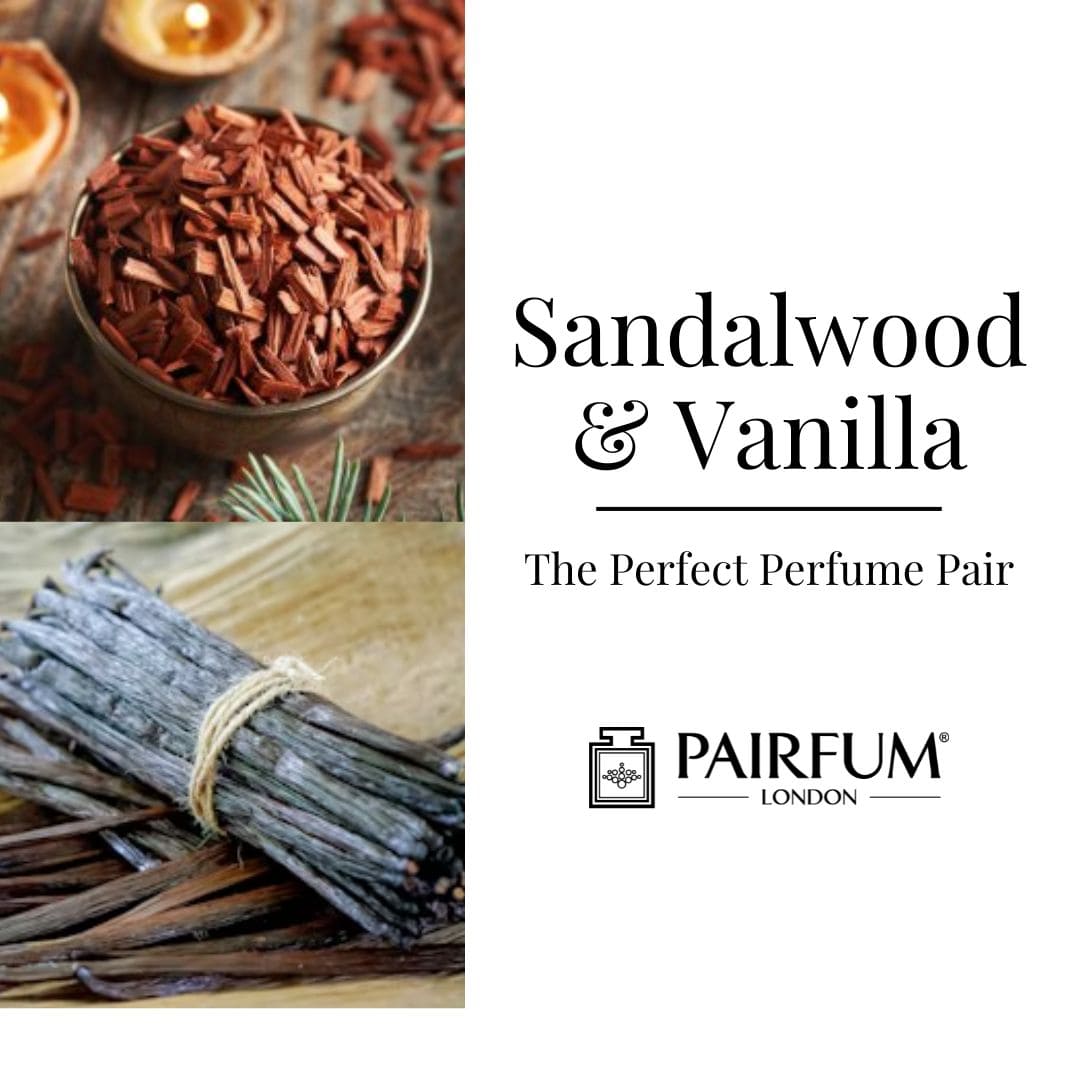
Sandalwood and vanilla are two of the most beloved ingredients in perfumery. They have been cherished for centuries for their rich and comforting aromas. Sandalwood, with its warm, woody notes, and vanilla, with its sweet, creamy essence, create a perfect harmony when combined. Understanding sandalwood and vanilla, including their types, olfactive profiles, and historical significance, helps appreciate their enduring popularity.

This guide explores their journey, blending beauty, and the iconic perfumes that have made a lasting impact. At Pairfum London, we celebrate this perfect pair with you and highlight the magic of sandalwood and vanilla.

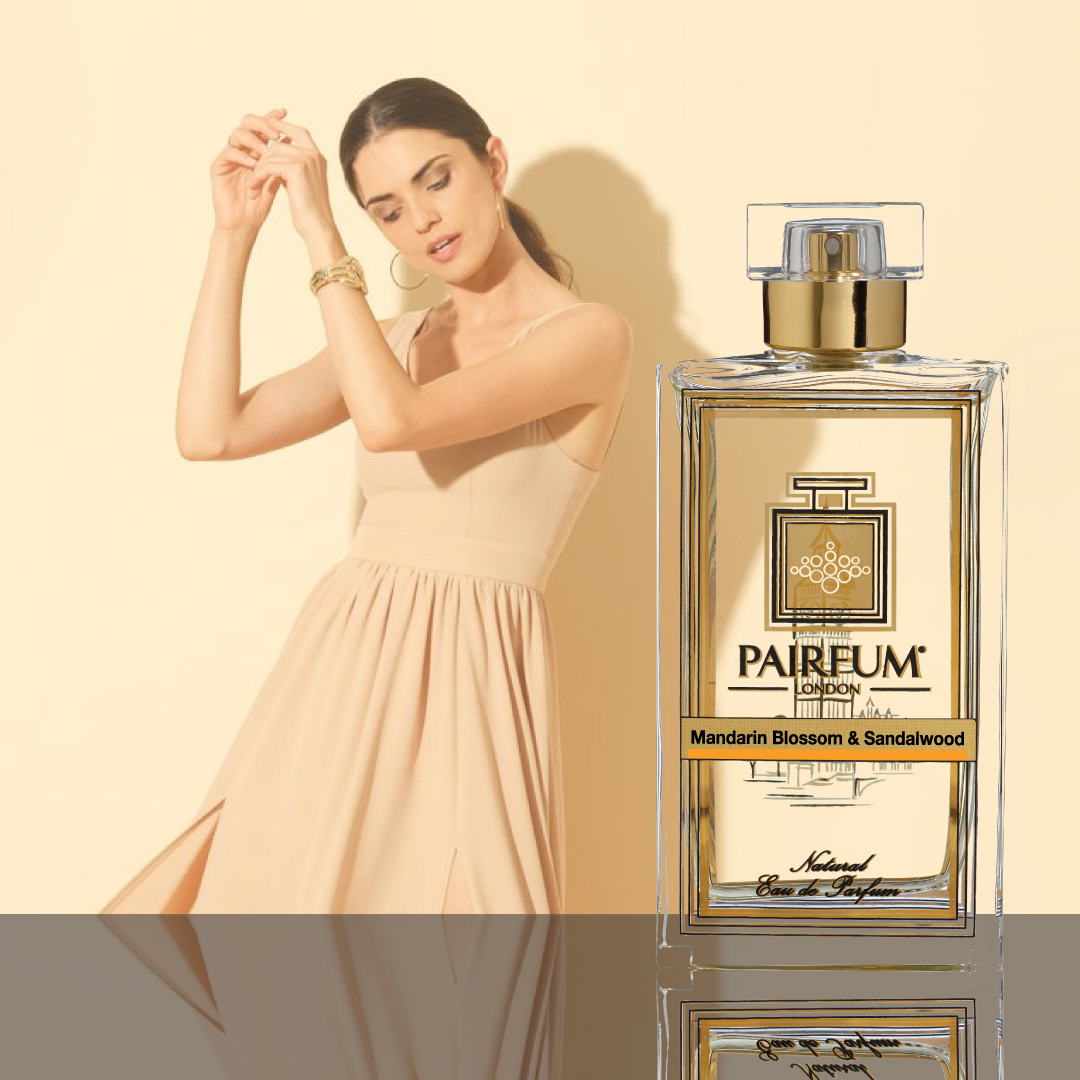
Eau de Parfum Mandarin Blossom & Sandalwood

The Olfactive Profile and Synergy of Sandalwood and Vanilla

Sandalwood and vanilla have distinct olfactive profiles that complement each other beautifully.

Olfactive Profile of Sandalwood

Sandalwood, similar to cedarwood produces a warm, creamy, and woody aroma, often described as having soft musky notes and a slightly powdery, balsamic quality. This scent is long-lasting and makes it an excellent base note in fragrances. The woody nuances of sandalwood create a rich foundation for many perfume compositions, providing depth and complexity.

Olfactive Profile of Vanilla

Vanilla, in contrast, adds sweet, creamy, and slightly spicy notes to perfumes. It is comforting and often evokes a sense of warmth and cosiness with it’s seductive aroma. The scent of vanilla can range from intense and slightly smoky to soft and floral, depending on the type. The use of vanilla bean in fragrance formulations adds a delightful richness that enhances the overall scent profile.

The Beauty of the Combination

The synergy between sandalwood and vanilla is magical. Sandalwood’s woody notes balance the sweet richness of vanilla, creating a harmonious blend. This combination is both grounding and uplifting, making it versatile for many types of perfumes. The delicate blend of these two ingredients can evoke various emotions, from calm serenity to warm nostalgia.

Eau de Parfum Spiced Coffee Oaked Vanilla

History of Sandalwood and Vanilla in Perfumery

Sandalwood and vanilla have a rich history in perfumery that spans centuries. Sandalwood, originating from ancient India, has been used for over 4,000 years. It was an essential part of religious rituals, traditional medicine, and often used in the creation of incense. Its warm, woody aroma was believed to have calming and purifying properties, making it a staple in meditation and spiritual practices.

Vanilla, on the other hand, has its roots in Mexico, where it was highly praised by the Aztecs. They used vanilla to flavour their royal chocolate drink, “Xocolatl.” When Spanish explorers brought vanilla to Europe in the 16th century, it quickly gained popularity. By the 19th century, vanilla was a key ingredient in many perfumes, celebrated for its sweet and creamy fragrance. The rise of vanilla in perfumery marked a significant shift in fragrance composition, leading to its widespread use in various blends.

The combination of sandalwood and vanilla has become iconic in the world of perfumery. Their complementary properties create a balanced and alluring fragrance. This pairing has been cherished in many cultures and continues to be a favourite in modern perfumes. Understanding their historical significance deepens our appreciation for these timeless ingredients.

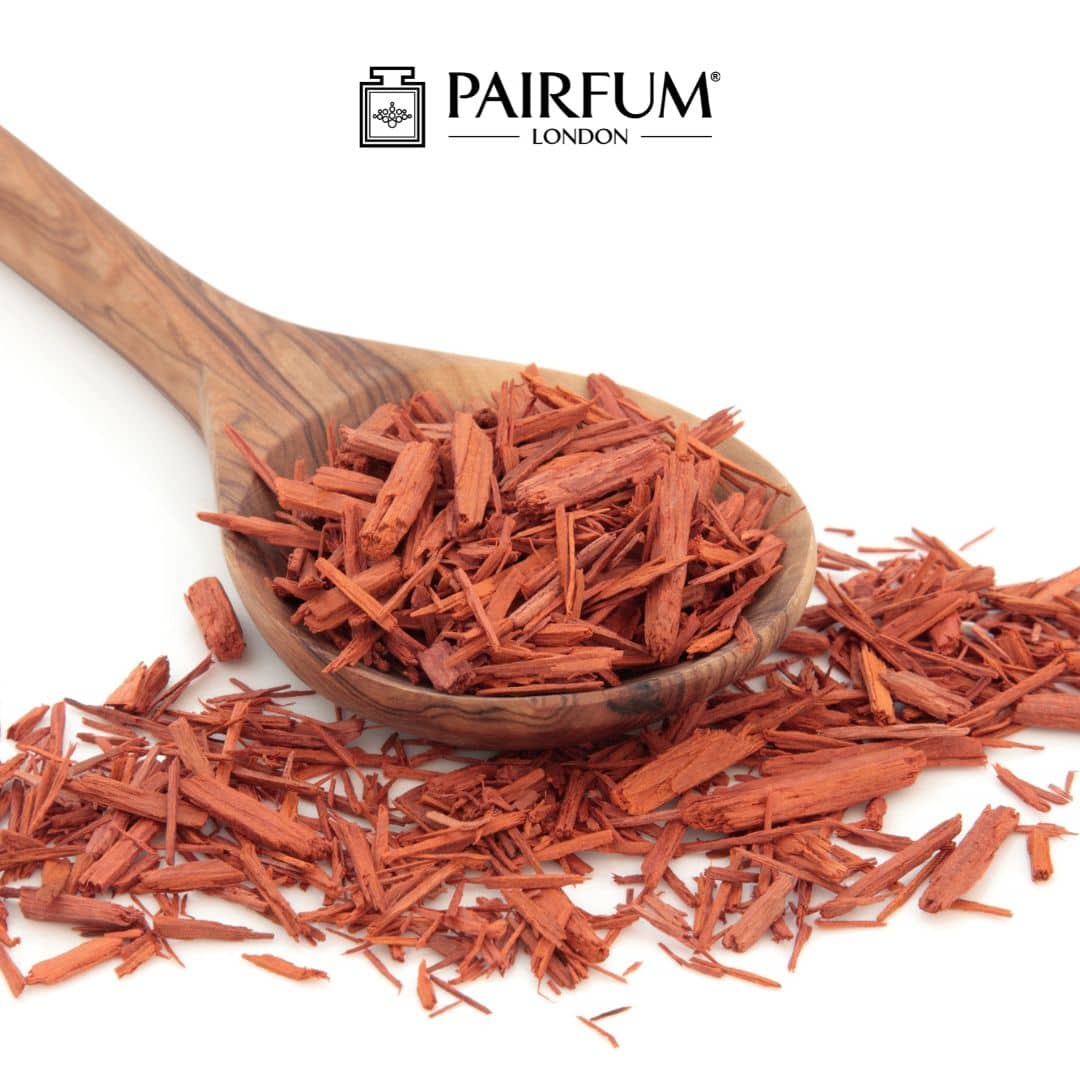
Sandalwood Perfume Ingredient

Types of Sandalwood and Vanilla

There are several types of sandalwood and vanilla, each with its unique qualities.

Types of Sandalwood:

  • Indian Sandalwood (Santalum album): Often considered the highest quality, it offers a rich, creamy, and woody aroma. It is primarily harvested in India and is known for its long-lasting fragrance.
  • Australian Sandalwood (Santalum spicatum): This type has a slightly different aroma, with a more herbal and dry woody note. It is sustainably sourced from Australia, presenting a viable alternative to Indian sandalwood.
  • Hawaiian Sandalwood (Santalum paniculatum): With a sweeter and softer aroma, Hawaiian sandalwood is becoming popular in perfumery. It is sustainably harvested from the islands of Hawaii.

Types of Vanilla:

  • Bourbon Vanilla (Vanilla planifolia): Originating from the Indian Ocean regions like Madagascar and Réunion, it has a rich, creamy, and sweet aroma. It is the most common type used in perfumery and flavouring.
  • Tahitian Vanilla (Vanilla tahitensis): Known for its fruity and floral notes, Tahitian vanilla is cultivated in French Polynesia. It has a softer and more delicate fragrance compared to Bourbon vanilla.
  • Mexican Vanilla (Vanilla planifolia): The original source of vanilla, Mexican vanilla, has a spicy and woody aroma. It offers a more robust and deeper fragrance.

Understanding these types helps perfumers choose the right variant for their creations. Each type of sandalwood and vanilla brings something unique to the blend, contributing to the overall character of the perfume.

Vanilla Pod

Iconic Perfumes Featuring Sandalwood and Vanilla

Several iconic perfumes have showcased the perfect pairing of sandalwood and vanilla. These fragrances have stood the test of time and remain popular for their unique and captivating aromas.

Notable Examples:

  • Tom Ford Santal Blush: This luxurious perfume combines creamy sandalwood with exotic spices and a hint of vanilla. It creates an opulent and warm fragrance that is perfect for special occasions.
  • Guerlain Shalimar: A classic fragrance that has been adored for decades, Shalimar blends vanilla with rich sandalwood and a variety of other notes to create a sensual and timeless perfume.
  • Serge Lutens Un Bois Vanille: This fragrance highlights the beauty of vanilla with a strong foundation of sandalwood. It is warm, sweet, and woody, making it a favourite for many perfume lovers.

    Contemporary Choices:

    • Diptyque Tam Dao: Known for its prominent sandalwood base, this perfume adds a touch of vanilla to soften and enhance the woody aroma.
    • Le Labo Santal 33: This modern classic features sandalwood as a dominant note, with vanilla adding a subtle sweetness, making it a unisex favourite.

    These iconic perfumes demonstrate the versatility and allure of sandalwood and vanilla. They have captured the hearts of many and continue to be staples in perfumery.

    Sandalwood Incense Ingredients

    The Evolution of Vanilla and Sandalwood in Perfumes

    Over the years, the use of sandalwood and vanilla in perfumery has evolved significantly. Initially, these ingredients were primarily used in traditional and cultural fragrances, often linked to rituals and celebrations. However, with the advent of modern perfumery in the late 19th and early 20th centuries, they began to feature prominently in commercial fragrances.

    The rise of synthetic alternatives in the late 20th century posed challenges to the traditional sandalwood and vanilla markets. While these synthetics provided cost-effective options, they often lacked the depth and complexity of their natural counterparts. Today, there is a growing movement towards natural perfumery, with many brands prioritising sustainably sourced sandalwood and luscious vanilla to create authentic and rich fragrances.

    Uses and Extraction Methods

    Uses

    Both sandalwood and vanilla have numerous applications beyond perfumery. Sandalwood oil is commonly used in aromatherapy for its calming properties and is a popular ingredient in skincare products due to its moisturising and anti-inflammatory benefits. Additionally, sandalwood essential oil is used in candle making, often paired with vanilla to create soothing and aromatic experiences.

    Vanilla, renowned for its sweet aroma, is extensively used in culinary applications, flavouring everything from cookies to beverages. The versatility of vanilla fragrance oil makes it a popular choice for home fragrance products, such as a humble wax melt and candles. Moreover, sandalwood vanilla fragrance oil is sought after for its beautiful fragrance and seductive aroma that enhances relaxation and comfort in various products.

    Extraction Methods

    The extraction methods for sandalwood and vanilla are crucial for obtaining high-quality oils.

    • Sandalwood Oil Extraction: Typically, sandalwood is steam distilled from the heartwood of the tree. This method ensures that the fragrant compounds are preserved, resulting in a rich and aromatic sandalwood fragrance oil.
    • Vanilla Extraction: Vanilla is extracted through a process of curing and fermentation of the vanilla pods. The most common method is solvent extraction or CO2 extraction, which captures the full aromatic profile of the vanilla bean.

    Safety Considerations

    While sandalwood and vanilla are generally safe for use, some individuals may experience skin irritation or an allergic skin reaction. It is always advisable to perform a patch test before using any new products containing these ingredients.

    For those crafting their own products, such as candles or soaps, it’s essential to use high-quality fragrance oils and ensure they are suitable for skin contact if intended for such use. Opting for biodegradable glitter and vegan products can enhance the eco-friendliness of homemade items.

    Eau de Parfum  Mandarin Blossom Sandalwood

    Luxury Vanilla and Sandalwood Fragrances by Pairfum London

    Spiced Coffee & Oaked Vanilla – Eau de Parfum

    This warm, oriental-spicy fragrance begins with vibrant top notes of pink pepper, orange blossom, and crisp pear. At its heart, a modern fusion of rich, dark coffee interwinds with the refined essence of jasmine. The long lasting fragrance concludes with a luxurious base of oak-aged vanilla, patchouli, and cedar, creating a sophisticated and elegant finish.

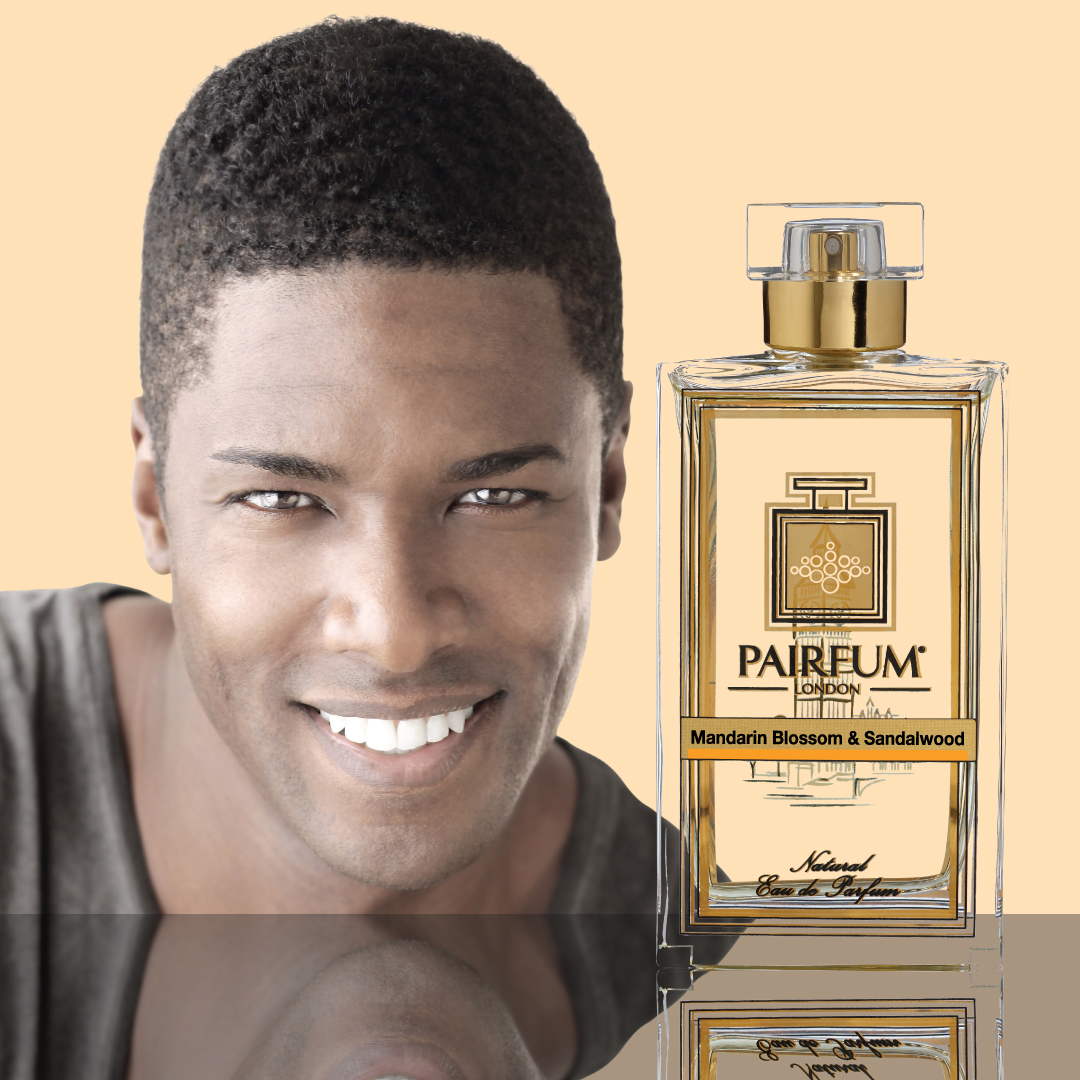
    Mandarin Blossom & Sandalwood – Eau de Parfum

    This elegant feminine floral chypre fragrance opens with the fresh notes of mandarin blossom, apricot, and hyacinth. At its romantic heart lies a delicate bouquet of sweet pea, jasmine, and ylang-ylang. The base leaves a captivating trail of sandalwood, patchouli, amber, and musk for a truly magnetic finish.

    Eau de Parfum Spiced Coffee Oaked Vanilla Models

    Conclusion

    The combination of sensual woodsy sandalwood and sweet vanilla is a perfect match in perfumery. Their rich histories, diverse types, complementary olfactive profiles, and beautiful synergy make them beloved ingredients. From ancient rituals to modern fragrances, this pairing has proven to be timeless and versatile.

    Exploring sandalwood and vanilla allows us to appreciate their unique characteristics and the magic they create together. At Pairfum London, we celebrate this perfect pair by offering exquisite fragrances that highlight the beauty of sandalwood and vanilla. Discover the enchanting perfect blend of these ingredients in our perfume collection and find your perfect fragrance today.

      Your Cart
      Your cart is emptyReturn to Shop