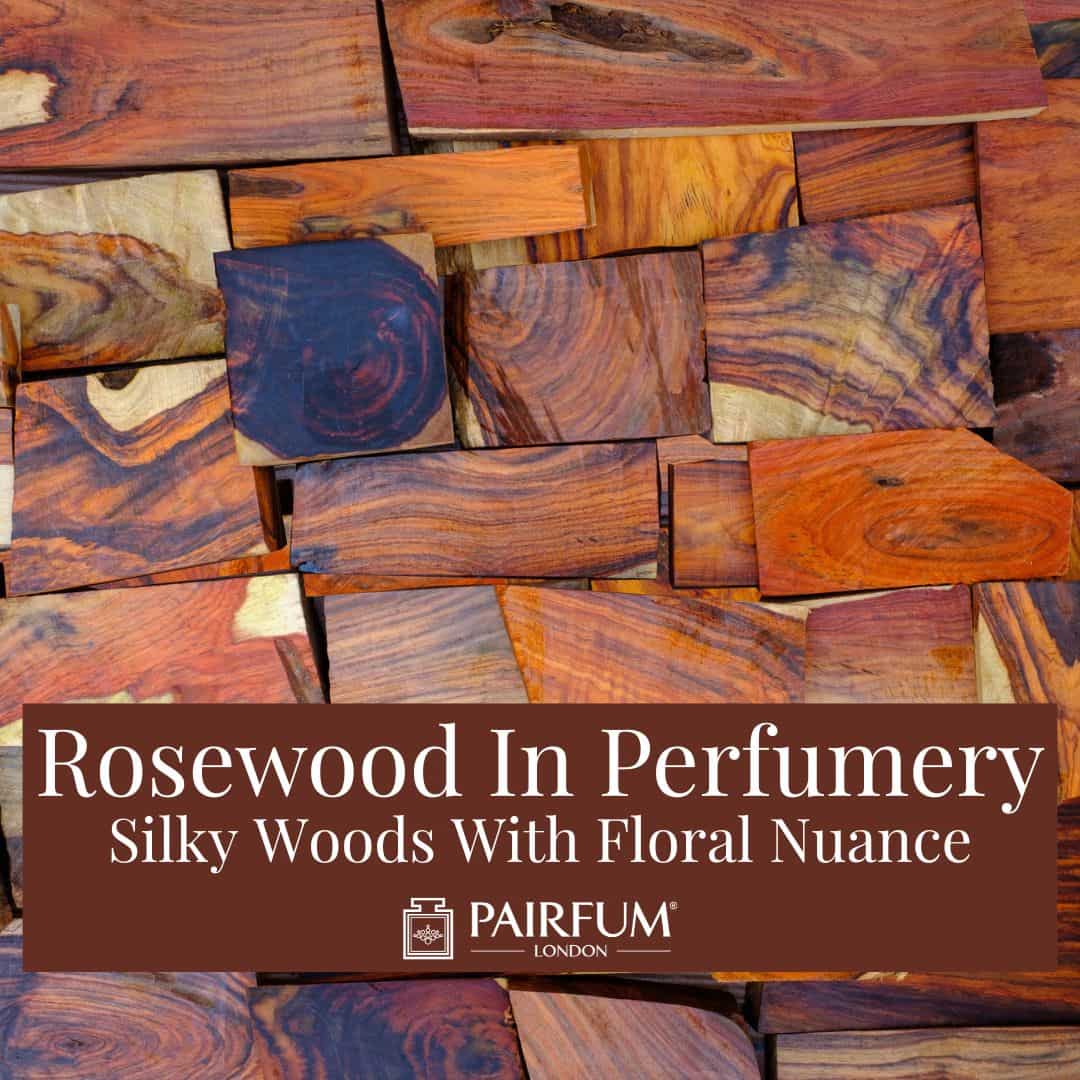
Rosewood in perfumery offers a soft, sweet, woody and lightly floral scent, with gentle citrus and spicy nuances. It adds warmth, depth and a sense of quiet luxury, and is valued for its uplifting yet grounding aroma that blends easily with other notes. As traditional rosewood from Aniba rosaeodora is now protected, modern perfumery more often relies on ethically sourced materials or carefully crafted synthetic alternatives due to conservation concerns.
It is one of those fragrance notes people often recognise without quite realising it. Many have smelled it before, even if they would struggle to name it. There is something reassuring about rosewood. It smells warm, smooth and familiar, like polished wood that has been handled over time. In perfumery, rosewood has been used for decades, not because it demands attention, but because it quietly supports everything around it. It is the sort of note that tends to be missed until it is gone.
Unlike louder woods, rosewood usually feels calm. It brings depth without heaviness and softness without sweetness. During winter months in particular, rosewood seems to make more sense. It fits the mood. In this article, we explore where rosewood comes from, how it is used in perfumery, what it smells like, and why it continues to appear in fragrance even as materials and methods change.
A History Rooted in Aroma
Rosewood became part of perfumery through trade, craft, and availability. In the nineteenth and early twentieth centuries, improvements in distillation made it easier to extract fragrant oils from wood. At that time, South America, especially Brazil, was the primary source of rosewood oil used in perfume.
Rosewood was not only valued for scent. It was widely used in furniture making and decorative carving. Its fine grain and natural sheen made it popular in homes where materials were chosen to last. This same appeal translated into fragrance. Rosewood smelled refined, steady and comforting. It suited a period when perfumes were often soft, warm and close to the skin. That style feels familiar again now, perhaps for similar reasons.
That link between interiors and aroma still matters. Many people find rosewood familiar because it reminds them of lived-in spaces, rather than of perfume counters or trends.

What Makes It Rosewood?
Despite the name, rosewood does not come from one single tree. It refers to a group of hardwood species, most often from the Dalbergia genus. In classic perfumery, Brazilian rosewood from Dalbergia nigra was the preferred source. Today, its harvesting is heavily restricted to protect the species.
Rosewood is technically a wood, yet it carries a gentle floral tone. This is where its name comes from. Some describe a faint rose-like quality, though it is never as obvious as an actual rose note. That restraint is important. It gives rosewood its elegance. Some perfumers still describe it as surprisingly modern.
True rosewood oil is now quite rare. Most modern fragrances recreate its profile using other materials. Perfumers rely on combinations of natural oils and aroma molecules to echo its creamy, lightly floral woodiness. These thoughtful choices reflect how perfumery has adapted to modern expectations around sourcing and responsibility.
Extracting the Essence
Traditionally, rosewood oil was produced through steam distillation. Pieces of wood were chipped, heated with water and the resulting vapour condensed to collect the oil. This process captured the characteristic scent of rosewood, fresh at first then warm and gently spicy.
Today, genuine rosewood appears far less often. Environmental concerns have changed how perfumers approach materials. Even so, rosewood remains part of many compositions, often recreated rather than extracted. It usually sits in the middle or base of a fragrance, where it helps everything else make sense.
Rosewood rarely leads a perfume outright. Instead, it supports. It smooths sharp edges, anchors lighter notes and adds a subtle veneer to richer accords. Without it, some fragrances would feel incomplete even if the wearer could not say why.
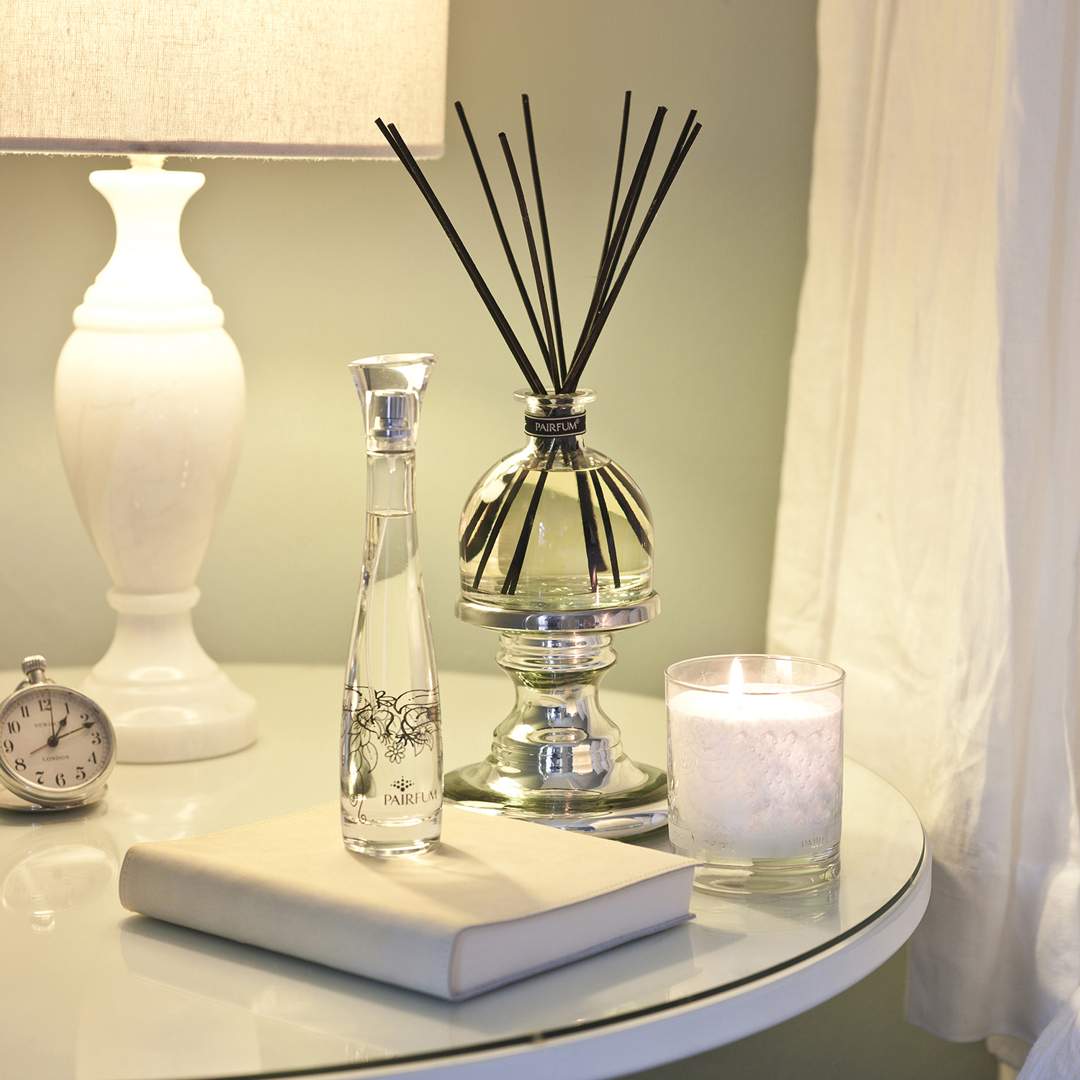
The Rose Meets the Tree: Its Fragrance Profile
Rosewood has a scent that feels balanced rather than dramatic. It can seem dry and creamy at the same time. There is a mild sweetness but it never becomes sugary. Alongside the woodiness, a soft floral note appears, sometimes compared to pale rose petals or dried blossoms. Not everyone notices it in the same way.
Rosewood works well with many other notes, including:
- Light florals such as jasmine or orange blossom
- Gentle spices like cardamom or cinnamon
- Soft musks and amber
- Green or citrus top notes that add contrast
Rosewood is often used in winter fragrances, particularly around December. In cold air it feels warming without becoming dense. It suits both personal fragrance and home scent, where it creates atmosphere without overpowering a space.
Another strength of rosewood is its flexibility. It appears comfortably in feminine, masculine and neutral compositions. Its texture within a fragrance is smooth, helping to connect contrasting notes. It can also bring to mind antique furniture or older interiors which adds a sense of history while still feeling current.
Rosewood as a Sensory Reference Beyond Perfumery
The name rosewood has also become associated with design and hospitality more broadly. Rosewood London, located on High Holborn near Covent Garden and the British Museum, is known for its considered interiors and calm atmosphere. The Rosewood Hotel there includes well-known spaces such as Holborn Dining Room, Scarfes Bar and the Mirror Room, each offering distinctive venues with their own character.
Across the Rosewood Hotel Group, properties such as Rosewood Hong Kong, Rosewood Amsterdam and Rosewood Mayakoba in the Caribbean Atlantic region follow a similar philosophy. From a premier suite or grand premier suite to a pearl suite or another room type, the focus is on comfort, texture and tailored spaces. Details such as bedroom layout, room service and how guests experience shared areas all play a role.
Whether it is a Rosewood resort near a golf course, a city landmark in Beverly Hills or a property close to Oxford Street, the experience is consistent. Each location offers unique experiences while maintaining what many describe as distinctive Rosewood service. Together, they form a recognisable rosewood collection.

Journeys, Stories, and Cultural Touchpoints
Over time, the language around rosewood has expanded. Phrases like Rosewood Escapes, Rosewood Advance and Rosewood Travel Desk suggest curated discovery journeys rather than standard travel. Recent stories shared by the group often include art afternoon gatherings, quirky tales of local culture and references such as Gongan Beian or Hôtel Crillon.
There is also a growing focus on Rosewood Impacts, which reflects environmental and social awareness. This mirrors shifts within the fragrance world, where sustainability has become central. New openings across different destinations continue to shape how the rosewood name is understood.
In London, mentions of Chancery Rosewood link the name to heritage buildings and modern urban living, reinforcing its connection to place and history.
Fragrances That Showcase Rosewood
Although true rosewood oil is now uncommon, its scent profile remains influential in practice. It is often used when a fragrance needs balance rather than drama.
Rosewood commonly appears in:
- Woody floral perfumes that need a steady centre
- Exotic blends where mild spice adds structure
- Home fragrances designed to feel warm but not heavy
Many classic perfumes from the mid twentieth century relied on rosewood to create a soft, radiant heart. Today, perfumers recreate this effect using materials such as linalool, ho wood, coriander and carefully built accords. The aim is not exact replication but emotional familiarity.
Iconic Fragrances
Chanel – Égoïste: A woody oriental where rosewood smooths spice and adds warmth.
Guerlain – Samsara: A composition built around woods and florals, with rosewood contributing to its creamy feel.
Yves Saint Laurent – Jazz: An aromatic fragrance where rosewood brings balance and softness.
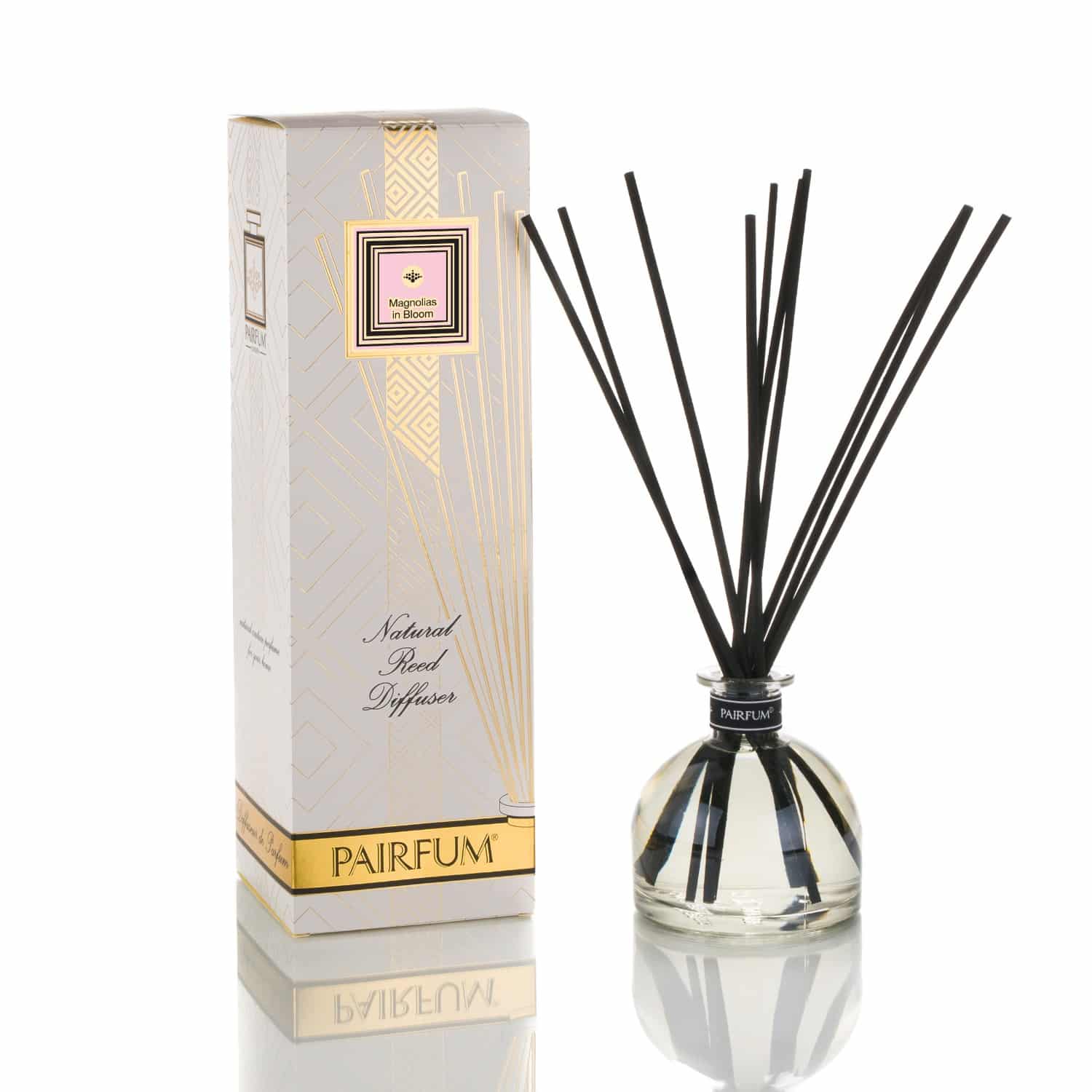
Rosewood Base Notes In Home Fragrances by Pairfum London
An elegant large bell reed diffuser offers a natural way to enjoy rosewood at home. Designed to release fragrance slowly, it allows the creamy warmth to develop over time alongside soft floral notes. It works well in living spaces, a bedroom or quieter corners of the home, adding atmosphere without becoming intrusive.
Magnolias In Bloom – Large Bell Reed Diffuser by Pairfum London
This spring floral opens with airy ozone, white petals and a hint of watery melon. The heart blends magnolia, lily, geranium, rose and violet, before settling into gentle musks and rosewood.
The Lasting Appeal of Silky Woods
Rosewood continues to hold its place in perfumery because it avoids extremes. It is neither sharp nor sweet, neither heavy nor fleeting. Few woods combine warmth and floral nuance in the same way, which makes rosewood quietly distinctive. That balance is harder to achieve than it sounds.
As winter progresses and people reach for fragrances that feel comforting, rosewood offers calm rather than impact. It does not shout. It lasts. Even as sourcing methods change, the character of rosewood remains appealing. Silky, woody and softly floral, it is a note that continues to feel worth keeping close.