Home / woodynotes
Tree Resin In Perfume

Tree Resin in Perfumes: Balsamic Glow and Lasting Depth

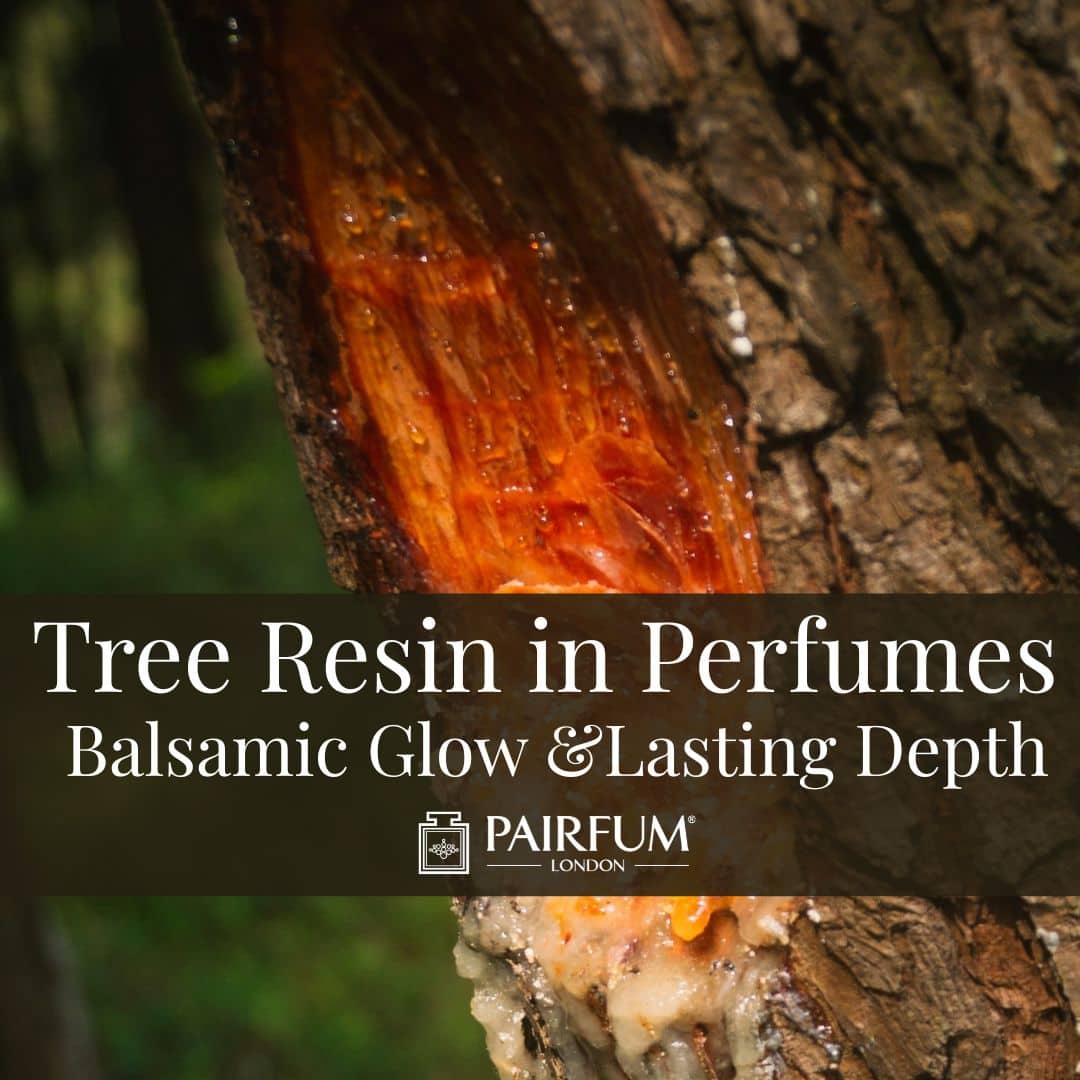
Tree resin is a sticky, solid or sometimes semi-solid material produced by trees, mainly to protect themselves from injury, infections, and insect attacks. For thousands of years, people have used resin in various ways, including as adhesives, sealants, incense, and in traditional medicine. Well-known examples are pine resin, frankincense, and myrrh, which can be sourced directly from living trees or found as fossilised resin, commonly known as amber.

Perfume has been deeply influenced by tree resin for centuries. Used for its scent and as a symbol of healing and tradition, tree resin brings warmth, depth, and complexity to fragrance. Today, these botanical treasures are solidified on bark or around a tree trunk, wafting from incense, or forming key notes in luxury perfume and remain essential to artisan scent.

What Is Tree Resin? A Botanical Overview

Tree resin is a sticky substance secreted by certain trees, especially coniferous trees, as a defence when their bark is injured or stressed. These resins, rich in terpenes and containing resin acid, have a strong aroma and important protective qualities. Different from sap collected for maple syrup or from water-soluble gum, resin is channelled through resin ducts, helping trees quickly seal wounds. As this plant resin comes into contact with air, it can harden to become solidified resin. If left undisturbed, resin sometimes transforms into fossilised resin, which we recognise as amber. Both a gift from nature and a marvel of time, tree resin has long been treasured.

Eau de Parfum Person Reflection Spiced Rum Lime Guaic Wood Man Wood 1 1

Types of Tree Resins Used in Perfume

Perfumery relies heavily on both natural and plant resins. Each resin has its own story and chemistry.

  • Pine resin, which comes from pine trees and other coniferous trees, brings crisp, green notes that evoke the forest. Pine resin tends to seep out from pine bark, and often collects on the tree trunk, pine cones, or pine needles. When pine sap sets, it becomes hard resin or what some call raw resin. Pine resin, once distilled, results in wood rosin, used for stringed instruments, as well as turpentine—a staple for cleaning, painting and crafts.
  • Frankincense is derived from the Boswellia tree and delivers an aromatic, pine-like, citrus quality, making it a staple in incense and in many ceremonial traditions.
  • Myrrh, which is tapped from the Commiphora plant, gives a deep, earthy warmth, valued for both healing and for its balsamic scent in blends.
  • Benzoin is sourced from Styrax trees and lends vanilla-almond sweetness.
  • Labdanum, collected from Cistus plants, offers an ambery, leathery scent as sticky resin forms on leaves or stems.
  • Mastic resin is obtained from the mastic tree, Pistacia lentiscus. This hard resin has aromatic, herbal qualities and is used in incense, and, historically, as a form of chewing gum in the Mediterranean.
  • Styrax has a soft balsamic aroma that can blend smoothly with floral or woody perfumes.

The number of plant resins is vast, but these few remain central to perfumery, incense and more.

The Nature, Healing, and Function of Resin in Trees

Nature provides an automatic remedy for trees when wounds open in the bark of a living tree: resin flows and seals the area, helping to block decay and infection. Pine, fir, and their relatives all utilise sticky resin, which contains resin acid as well as terpenes, vital for protection and healing. Pine resin, first released as pine sap, will gradually become hard resin. It is not uncommon to spot layers of plant resin on a tree trunk or clustered near bark that has faced repeated stress. This natural resin is invaluable for the tree and for those who value incense, perfume, and other healing products.

Harvesting: Cultural and Ecological Impact

To collect tree resin, harvesters make careful incisions in the bark, allowing resin to flow. This traditional skill has ensured that the plant can heal and continue growing. In many societies, particularly among Native American groups, pine resin and beeswax have been used to create incense, as well as healing balms and even adhesives. Mastic resin, valued for centuries, served as a popular chewing gum and played a key role in incense traditions. Fragments of hard resins such as raw resin have been used to make glue, natural varnish and oleoresin balms for use on wounds.

Pairfum London is committed to sourcing plant resin from sustainable, ethical supplies (whether it be pine, labdanum, myrrh or mastic), championing the long tradition of resin’s use in perfume and incense, and also supporting nature.

Pairfum Person Reflection Spiced Coffee Oaked Vanilla Eau de Parfum Girls

Tree Resins in History and Ritual

Since the earliest civilisations in Egypt and Mesopotamia, tree resin has found a sacred place in spiritual life. Incense made with frankincense, myrrh, pine resin and plant resins has filled homes, temples and places of gathering across ancient and modern cultures. In Egypt, burning tree resins on charcoal was central to both healing and spiritual ceremonies, and over time, beeswax was often melted in as well. Certain traditional blends include touches of maple syrup to create a sweetly scented smoke. Each of these rituals carries an element of healing, with pine resin, labdanum and mastic being regularly used for support and purification.

Extraction and Applications

Once gathered, hard resins such as pine resin are sorted and cleaned for use. Steam distillation is a common process: pine resin, for example, can produce turpentine and also wood rosin for musicians. Resin from benzoin or labdanum often gets extracted via alcohol or solvents, helping perfumers unlock the full depth of their complex scent. Mixing resin with beeswax—and occasionally grated beeswax—can produce incense or even a balm. Tree resin remains incredibly versatile, playing roles in incense, ornaments, healing balm, glue, natural varnish and more.

Resin in Artisan Perfumery

For the artisan perfumer, resin is the very heart of a fragrance’s structure and longevity. It’s not simply a fixative—it links top notes and plant-based aromas, grounding and enriching them. Pairfum London uses natural resins of all types, like labdanum’s sticky resin, pine, myrrh, mastic and benzoin, aiming to create nuanced scents that feel timeless yet fresh. Beeswax and plant resin, blended with care, give our perfumes a warmth that could only come from nature.

Tree Resin

Iconic Perfumes Featuring Tree Resins

Some of the world’s most memorable perfumes rely on tree resin to set them apart. Blends centred on frankincense, myrrh or labdanum are famous for their longevity and sophisticated trail. Perfumes with rich resin notes are often cited for their elegance and depth. Skilled perfumers use a balance of plant resin with lighter notes such as citrus and florals, creating a scent that bridges ancient tradition and present-day luxury. Classic techniques allow the full character of resin to come through, offering a perfume that feels distinctly personal.

Choosing, Collecting and Caring For Resin Perfumes

Anyone drawn to tree resin can start with fragrances featuring benzoin or frankincense. Pine resin, mastic or myrrh lend a resinous, outdoorsy touch, while beeswax and labdanum round things off with creamy comfort. You may want to layer your perfume with lighter or woodier scents for year-round wear. Store them somewhere cool and dark—resin-based perfumes can fade with too much light or heat. Enthusiasts who enjoy making their own incense can use pine resin, beeswax, charcoal and grated beeswax; those interested in natural skin care may enjoy making balm from raw resin blended with wax.

Other Traditional and Modern Uses

Tree resin has more uses than many realise. Pine resin supplies turpentine, while wood rosin is valued by those who play stringed instruments. Plant resins help produce traditional varnish, glue, healing ointments, balms and adhesives. Chewing gum was once made from mastic resin or chunks of raw resin gathered from pine. Pine and even maple syrup are occasionally paired in regional food traditions. People everywhere have turned to resin for incense, protective sealers, crafts, and for its special role in healing.

The Future of Sustainable Natural Resin

Interest in natural, ethical perfume is growing steadily. Managing pine, mastic tree, pistacia lentiscus and other resin source plants responsibly is now more important than ever. Sustainable practices for gathering resin—such as eco-friendly oleoresin production for incense and balm—protect the future of these remarkable trees. At Pairfum London, we promise to help protect both these vital species and the communities that rely on them for their livelihood and art.
Eau de Parfum Person Reflection Spiced Rum Lime Guaic Wood Man Jacket 1 1

Frequently Asked Questions About Tree Resins

What is the difference between resin, sap and gum? Pine resin and tree resin are sticky, aromatic and protect trees after injury. Sap is much thinner and is used for maple syrup. Gums are water-soluble and work mainly as adhesives.

What is pine resin? It is the substance tapped from the bark of pine trees—a vital ingredient for incense, turpentine, adhesives, balms and stringed instruments.

Why do trees release resin? Trees use resin to seal wounds, prevent disease, and promote healing.

What is resin acid? This component in pine and other coniferous resins is naturally antimicrobial and helps preserve the resin.

How is resin used for incense and balm? Most traditional recipes include frankincense, myrrh, pine resin, mastic resin, beeswax, grated beeswax, and sometimes charcoal.

Is chewing gum ever made from resin? Before synthetics, many cultures used mastic resin or pine resin as a form of chewing gum.

What is fossilised resin? This is amber—ancient, solidified resin from prehistoric forests.

What is wood rosin? The solid product from pine resin distillation, used especially for stringed instruments.

What is oleoresin? A naturally occurring mix of essential oils and resins, found mostly in coniferous trees and prized for both incense and perfume.

How do resin ducts function? Resin ducts are small tubes that help a tree mobilise resin quickly when facing stress or injury.

Why pair beeswax with resin? Beeswax improves the structure, burn and longevity of balms, adhesives, incense and perfume.

Explore Exquisite Tree Notes with Pairfum London

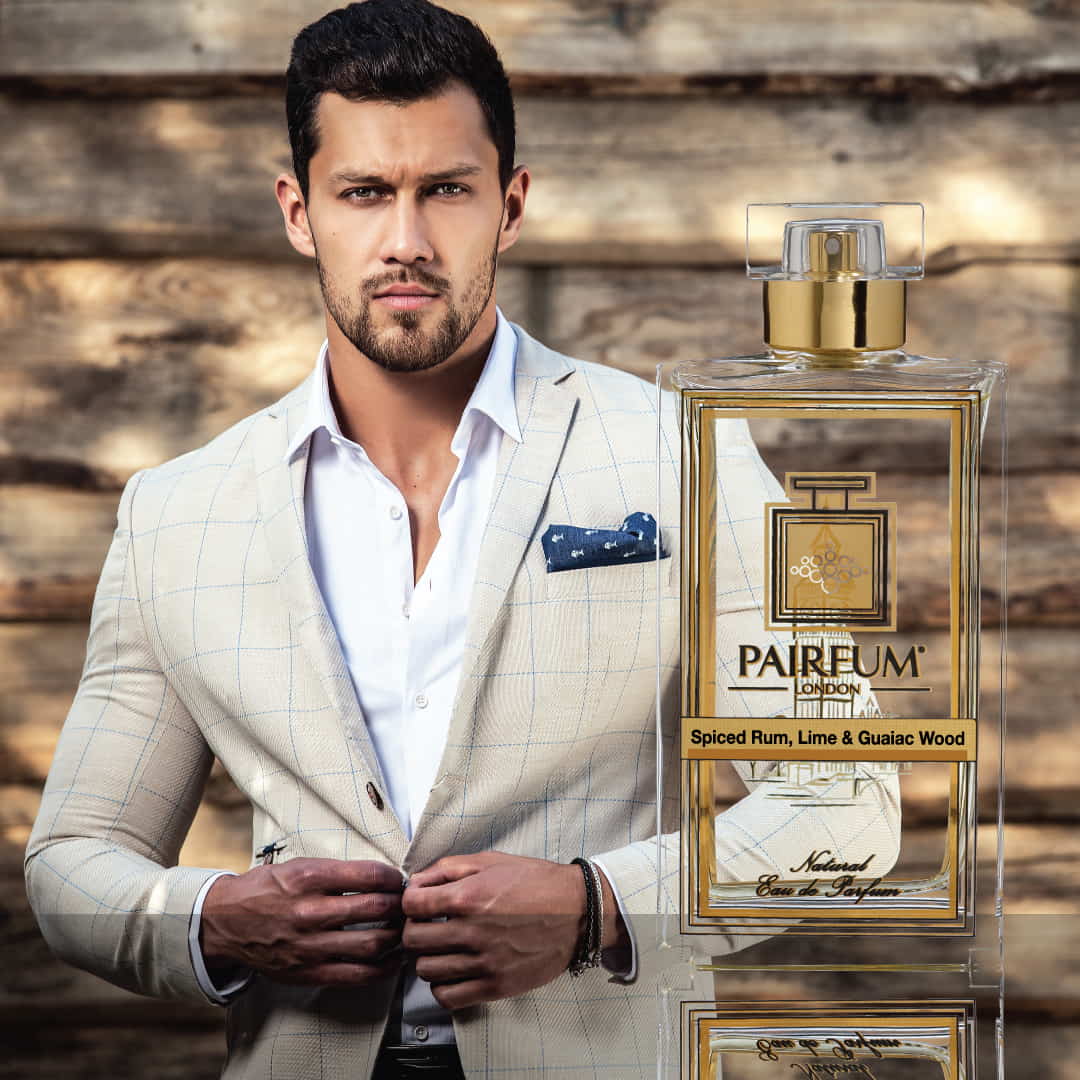
Spiced Rum, Lime & Guaiac Wood – Eau de Parfum by Pairfum London

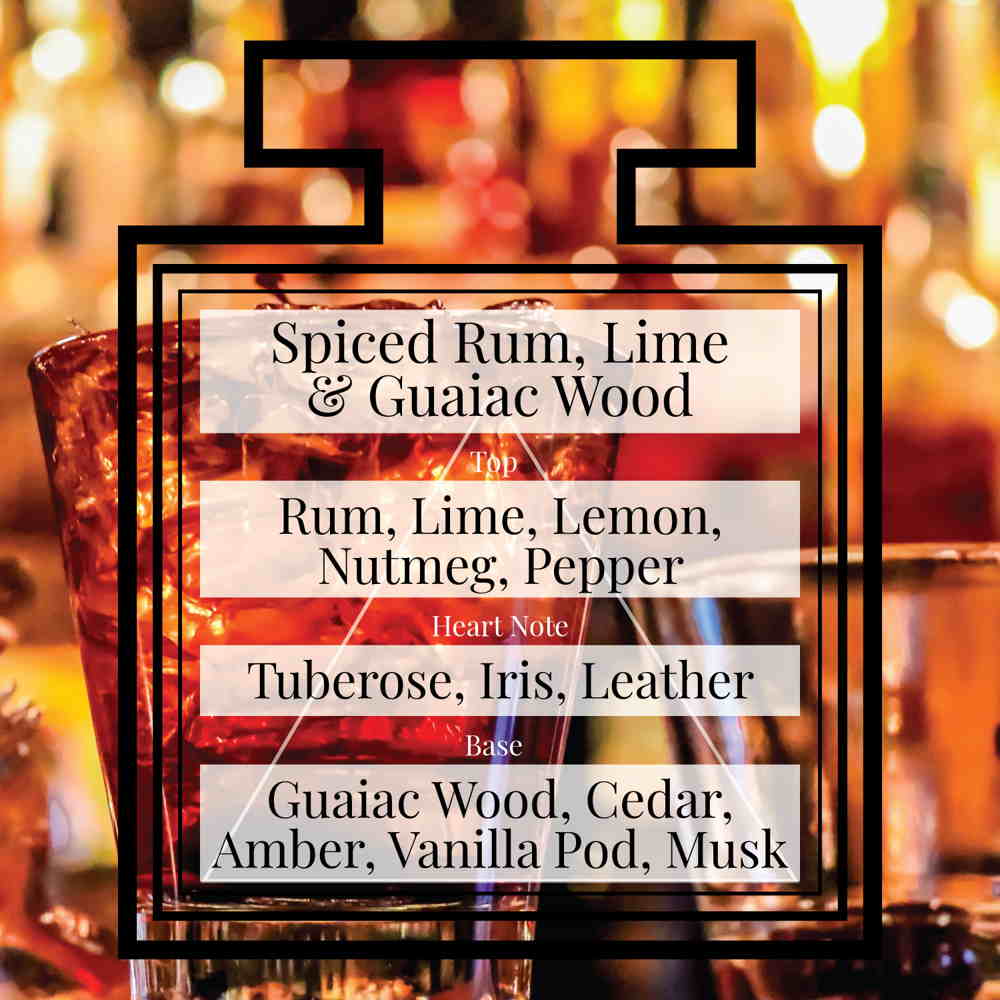
This Connoisseur’s blend begins with the bold scent of Rum accompanied by hints of Lime and Lemon, enhanced by a luminous mix of Nutmeg and Pepper. The heart unveils a deep richness of Tuberose, Iris, and aged Leather. The base settles into Guaiac Wood, Cedar, warm Amber, Vanilla Pod, and Musk, bringing this opulent fragrance to a refined and lasting close.

Spiced Coffee & Oaked Vanilla – Eau de Parfum by Pairfum London

This inviting, oriental spicy fragrance starts with vibrant top notes of Pink Pepper, Orange Blossom, and fresh Pear. At its heart is a contemporary mix of robust, dark Coffee paired with refined Jasmine. The scent concludes with a sophisticated finish of Oak-aged Vanilla, Patchouli, and Cedar, ensuring an elegant and memorable base.

Eau de Parfum Person Reflection Spiced Coffee Oaked Vanilla Man Smile 1 1

Conclusion

Tree resin has woven its way through centuries of culture, craftsmanship, and scent, continuing to captivate with its natural depth and versatility. Whether enhancing a precious perfume, kindling the heart of incense, or nurturing a tree’s healing, resin is a true wonder of nature. At Pairfum London, we celebrate these remarkable ingredients, ensuring every fragrance honours both tradition and the living world that provides them. If you are seeking scents with enduring warmth and history, look to the timeless beauty of tree resin.

Woody Notes

Woody Notes: A Backbone of Fragrance Design

Woody notes are an essential part of many perfumes. They give a warm, earthy and robust quality that often forms the base of a fragrance. These notes can evoke the feeling of a walk through a forest or the comfort of a wooden cabin. They add depth and richness that are crucial for a well-rounded perfume.

Woody notes come in many forms, from classic sandalwood and cedarwood to exotic agarwood and vetiver. Each type brings its unique character to a fragrance, making it complex and intriguing. Understanding these notes helps one appreciate the craft of perfumery even more.

In this article, we will dive into the fascinating world of woody notes. We will explore their different types, how they are extracted, and their role in iconic perfumes. By the end of this journey, you will have a deeper understanding of what makes woody notes so special in the art of perfumery.

Understanding Woody Notes in Perfumery

Woody notes form the backbone of many perfumes. These notes are derived from various types of wood, roots and even some herbs. They provide a warm, earthy and sometimes balsamic aroma that anchors a fragrance. Woody notes are commonly found in the base notes of perfumes, giving them lasting qualities.

Characteristics of Woody Notes

Woody notes are often described as dry, warm and complex. They evoke natural landscapes and can bring a sense of elegance and sophistication to a perfume. Unlike floral or fruity notes, woody notes develop slowly on the skin, revealing their depth over time.

Common Woody Ingredients

Sandalwood: Smooth, creamy and slightly sweet, sandalwood is a classic woody note that adds richness to many perfumes.

Cedarwood: Known for its dry, sharp aroma, cedarwood brings a clean and sturdy quality to fragrances.

Agarwood (Oud): Rare and precious, agarwood offers a deep, resinous aroma that is highly valued in luxury perfumes. Oud wood is an iconic component of many intense woody perfumes.

Vetiver: Earthy and green, vetiver provides a smoky and woody touch, often used in masculine fragrances. It’s a key ingredient in building both woody aromatic and woody chypre accords.

Patchouli: With its earthy, musky quality, patchouli is a versatile woody note that can also add a touch of sweetness and spice.

Understanding these characteristics and ingredients helps in appreciating the complexity and beauty of woody notes in perfumery.

Eau de Parfum Person Reflection Spiced Rum Lime Guaic Wood Man Jacket 1 1

Different Types of Woody Ingredients and Accords

Woody ingredients in perfumery are diverse, each bringing unique olfactory experiences. These ingredients can be divided into various types, each with its distinct aroma profile.

Types of Woods

Hardwoods: These woods, like oak and mahogany, impart strong, long-lasting aromas. They are often used to create the foundation of a perfume and support the overall woody structure.

Softwoods: Examples include pine and fir, which provide fresher, lighter woody notes. Pine cone and pine bring a clean, crisp dimension to woody scents.

Exotic Woods: Rare woods like rosewood and ebony offer unique, rich aromas that add complexity and luxury. Guaiac wood, for instance, is smoky and smooth, often found in deeper, darker woody fragrances.

Accords Combining Woody Notes

Woody-Ambery: Combining woody notes with amber creates a warm, resinous accord. This blend is often used in oriental fragrances and brings out the richness of the wood.

Woody-Floral: Adding floral notes to woody bases creates balanced, sophisticated perfumes. Roses paired with sandalwood create a classic woody floral combination.

Woody-Spicy: Incorporating spices like cinnamon or cardamom with woody notes gives a warm, exotic character. This woody spicy accord is popular in autumn and winter fragrances.

Woody-Marine: Blending marine notes with woody ingredients results in fresh, invigorating perfumes that are perfect for daily wear.

Woody-Fruity: Combining woody and fruity notes introduces brightness and contrast, adding lift to the deeper base of a woody perfume.

Common Uses

Woody ingredients are used in various ways in perfumery:

– Base Notes: Most commonly, woody notes form the base of a perfume, providing depth and longevity. The base note is where woody notes often anchor the scent.

– Middle Notes: Some woody ingredients like vetiver are used in the heart of a fragrance to add complexity. These middle notes or heart notes bridge the transition between top and base.

– Top Notes: Softer woody notes like pine can be used in the top layer to give an immediate freshness.

Learning about these different types and accords enhances the understanding of how these notes shape the structure and experience of a fragrance.

Natural Woody Notes

Extraction Methods of Woody Notes

The extraction of woody notes involves various methods. Each method can impact the aroma and quality of the final product. Here are some common extraction techniques used for capturing woody aromas.

Distillation

Steam Distillation: This method uses steam to carry the aromatic compounds from wood. The steam is then cooled to separate the oil from the water. Sandalwood oil is often extracted using steam distillation.

Hydrodistillation: Similar to steam distillation, hydrodistillation immerses the wood in water before heating. This process is gentler and used for more delicate woody materials.

Solvent Extraction

Solvent Extraction: This technique uses solvents like hexane to dissolve the aromatic compounds in wood. The solution is then filtered, and the solvent is evaporated, leaving a concrete—a solid form of concentrated aromatic compounds.

Supercritical CO2 Extraction: This modern method uses supercritical carbon dioxide as a solvent. It is efficient and produces high-quality extracts without leaving harmful residues.

Other Methods

Maceration: Wood materials are soaked in a solvent, usually alcohol, to extract their aromatic compounds. This method is slower but effective in capturing complex aromas.

Cold Pressing: Typically used for softwoods, cold pressing involves mechanically pressing the wood to release its oils. This method preserves the natural aroma without heat damage.

Each extraction method has its benefits and is chosen based on the type of wood and the desired quality of the aroma. These methods ensure the rich, nuanced notes that are essential for perfumery.

Iconic Perfumes Featuring Woody Notes

Woody notes have shaped some of the most iconic perfumes. They add a timeless appeal and a sense of stability, making these fragrances memorable and enduring.

Classic Woody Perfumes

Woody perfumes often become classics due to their complexity and longevity. Mossy wood and dry wood notes lend structure and warmth to these time-honoured creations.

Modern Woody Fragrances

Contemporary compositions continue to embrace the woody fragrance family, blending it with floral note accents, fruity notes and musk to create gender-neutral and innovative designs.

Unisex Woody Scents

Unisex perfumes featuring woody leather, woody fruity, and woody aromatic profiles highlight how the woody scent can be both versatile and inclusive. Musk, resin and cedar notes often round off these compositions with a feeling of warmth and sophistication.

Eau de Parfum Person Reflection Spiced Rum Lime Guaic Wood Man Wood 1 1

Expanding the Olfactory Palette: Notable Accents and Influences

To further enrich a fragrance, perfumers often layer woody notes with intriguing elements that lend additional character and complexity. These combinations enhance the heart notes of a composition, creating multi-dimensional scents that evolve beautifully over time.

The Role of Tonka Bean and Oriental Notes

Tonka bean is a commonly used ingredient that adds warmth and softness to woody bases. With its sweet, slightly nutty aroma, it harmonises beautifully with sandalwood, vetiver and cedarwood, softening the sharp edges of dry woody accords. When paired with oriental notes such as amber, vanilla and spices, tonka bean contributes to the luxurious depth often found in sensual and long-lasting woody perfumes.

Oriental notes, known for their opulent and spicy characteristics, work exceptionally well in woody fragrances. These elements often sit within the heart notes and base, blending with woods to form rich, enveloping scents that captivate the senses.

The Power of a Floral Note in Woody Perfumes

While woody scents are traditionally seen as earthy or masculine, introducing a floral note can completely transform the profile. A single floral note such as rose, jasmine or iris can add elegance, freshness or softness to the composition. This is especially true in woody floral blends, where the strength of wood meets the delicacy of blossoms to create refined and balanced perfumes.

Celebrated Interpretations in Perfumery

Though this guide focuses on the structure and elements of woody fragrances rather than specific brands, it’s worth noting how certain renowned creations have embraced these complex combinations.

For instance, Tam Dao has become emblematic of sandalwood’s velvety depth, capturing its creamy and serene character with precision. Meanwhile, Serge Lutens is often celebrated for his mastery of warm, resinous woody notes paired with oriental nuances, offering fragrances that are bold, mysterious and timeless.

Maison Margiela, known for crafting evocative scent stories, has used woody and floral notes to recreate moments and atmospheres, bridging memory and olfaction. Similarly, Yves Saint Laurent has long explored the interplay between woody and oriental notes, creating layered perfumes that exemplify both modernity and tradition.

These compositions illustrate how woody fragrances can transcend time, genre and gender, making them a staple of olfactory artistry.

Discover the Warmth of Spiced Rum Lime and Guaiac Wood

For those who appreciate the depth and complexity of woody notes, this fragrance masterfully combines the crisp zest of lime with the smoky richness of guaiac wood. The subtle warmth of spiced rum adds an unexpected twist, creating a woody perfume that is both vibrant and comforting. It’s an excellent example of how a woody scent can balance freshness with resinous depth.

Spiced Rum, Lime & Guaiac Wood Eau de Parfum – by Pairfum London

This eau de parfum features a carefully crafted blend where the woody aroma of guaiac wood takes centre stage, enhanced by citrusy lime and the gentle spice of rum. The composition unfolds with aromatic woods and musk, offering a sophisticated and warm scent profile that lingers beautifully on the skin. Ideal for anyone seeking a distinctive woody perfume note with both character and elegance.

Eau de Parfum Person Reflection Spiced Rum Lime Guaic Wood Man Suit 1 1

Conclusion

Woody notes play a vital role in the world of perfumery. From their complex aromas to their longevity, these notes form the foundation of many beloved fragrances. They offer depth, warmth, and sophistication, making them a timeless choice for perfumers.

Understanding woody notes involves exploring different types of woods, their unique characteristics, and the methods used to extract their rich aromas. This knowledge helps in appreciating the artistry behind each bottle of perfume.

Iconic fragrances featuring woody notes highlight the versatility and appeal of these ingredients. They range from classic compositions to modern masterpieces, each telling its own fragrant story.

If you want to explore the world of these notes further, consider the rich tapestry of woody perfumes, from those featuring aromatic woods to those that blend woody spicy or woody fruity accords. The woody family continues to evolve, celebrating warmth, resin, musk, and sophistication, anchored by staples like cedar, sandalwood, and vetiver. Whether it’s the dry woody freshness of pine or the deep richness of oud wood, woody notes remain a cornerstone of elegant and enduring fragrances.

Allure Of Wood Perfume

Experience the Rich World of Wood Perfume

Wood perfume stands as one of the most enduring pillars in the fragrance world. With its deep, warm, and grounding character, it evokes the essence of forests and nature, wrapping the wearer in timeless elegance and sensuality. From sacred rituals of ancient civilisations to the modern bottles on our dressing tables, wood has played a central role in perfumery for centuries.

The Enduring Appeal of Wood Perfume

In perfumery, the term “wood perfume” refers to fragrances that are dominated by woody notes, the deep, rich, and earthy scents extracted from trees, roots, and resins. These woody perfumes possess a natural warmth that resonates with sophistication and character.

The enduring popularity of wood perfumes lies in their versatility and their ability to blend beautifully with a wide range of other notes—such as amber, vanilla, citrus, leather, spice, and musk. This versatility ensures that wood perfumes can be enjoyed by both men and women, across all seasons, whether for everyday wear or a special occasion.

Pairfum Fragrance Spiced Rum Lime Guaiac Wood Triangle

Iconic Wood Types in Perfumery

The wood used in fragrance formulations offers a symphony of scent profiles. Each wood type adds a unique nuance, helping create depth and a lasting impression.

Sandalwood

Sandalwood is a classic in perfumery, beloved for its creamy, soft, and slightly sweet aroma. Its warm and smooth characteristics make it an excellent base note. Sandalwood also complements other ingredients beautifully—especially in combination with amber, vanilla, and patchouli.

Oud Wood 

Oud wood, also known as agarwood, is one of the most luxurious and sought-after woods in perfumery. With its resinous, smoky, and slightly sweet profile, oud wood offers complexity and mystery. It is especially popular in Middle Eastern and niche fragrances, adding richness and depth to the fragrance collection.

Cedarwood 

Cedarwood has a dry, slightly sweet and smoky scent that evokes the feeling of being in a forest. Its strength lies in its fresh yet earthy profile. Often found in eau de toilette formats, cedarwood adds clean masculinity and bold character.

Vetiver 

Known as both vetiver and vetivert, this woody root delivers an earthy, smoky aroma with a touch of freshness. Vetiver is frequently used in woody perfumes to provide structure and grounding. Its use creates a feeling of calmness and balance.

Patchouli 

Patchouli offers an earthy, sweet, and slightly spicy aroma that pairs excellently with sandalwood and oud wood. It deepens the woody scent and adds complexity and richness to perfumes and room sprays alike.

How Wood Fragrance Is Extracted

Creating a wood perfume involves capturing the soul of the wood through meticulous processes:

  • Steam Distillation: A widely used method that gently extracts oils from sandalwood, cedarwood, and patchouli.
  • Solvent Extraction: Ideal for more delicate materials like oud wood, this method captures the fragrance in a concentrated form.
  • CO2 Extraction: A modern and environmentally friendly method that preserves the true aroma without using heat.
  • Enfleurage: A traditional process using fats to absorb the scent. Although rare today, it can still be used for certain woody materials.

These processes are often used to extract essential oils that make up the base of many perfumes.

Journey Through Wood Perfume

The Role of Woods in Fragrance Composition

Wood fragrances are typically found in the base note layer—the foundation of a scent. A woody note has longevity and depth, acting as a canvas for more fleeting top and heart notes.

The rich wood base often pairs with:

  • Amber: for warmth and resinous sweetness
  • Tonka Bean: for subtle spice and vanilla undertones
  • Vanilla: for sweetness and comfort
  • Musk: for sensuality and softness
  • Citrus: for fresh contrast
  • Leather: for richness and edge
  • Spice: for energy and vibrancy
  • Frankincense: for resinous and spiritual depth

The result is a woody fragrance that is multi-dimensional and deeply memorable.

The Many Applications of Wood Perfume

Wood perfume products extend far beyond personal eau de toilette and parfum sprays:

Personal Fragrance

From subtle eau de toilette to long-lasting parfum, woody perfumes suit daily wear as much as formal occasions. The inclusion of oud wood, sandalwood, and cedarwood enhances longevity and depth in any fragrance.

Hair and Skincare Products

Wood-scented body oils, lotions, and hair sprays offer a luxurious sensory experience. The addition of sandalwood or vetiver in hair products adds elegance and an alluring trail.

Room Sprays & Home Fragrance

Woody perfumes can transform living spaces. Cedarwood and patchouli in a room spray or some luxury candles create a warm, inviting environment perfect for relaxation.

Bath and Body

Bath oils and soaps enriched with sandalwood and oud wood offer moments of indulgence at home. These woody scents elevate everyday routines into rituals of elegance.

Eau de Parfum Person Reflection Spiced Rum Lime Guaiac Wood Man 1 1

Choosing the Right Wood Perfume

When selecting a wood perfume, consider the type of wood used and the emotions it evokes:

  • For something luxurious and deep, opt for a fragrance rich in oud wood.
  • If you’re after a creamy, calming profile, sandalwood is an excellent choice.
  • Cedarwood offers a fresh, clean scent that’s perfect for daily wear.
  • Vetiver and patchouli work beautifully for grounding and richness.

Whether you’re seeking an intense eau de toilette or a softer woody note for everyday wear, there’s something in the fragrance collection for everyone.

Trends and Customer Insight

Customer reviews show growing demand for fragrances that evoke nature, individuality, and timeless sophistication. Woody perfumes, especially those featuring oud wood and sandalwood, are consistently ranked as a best seller among those who seek elegance and long-lasting impact.

Maison Francis Kurkdjian, known for masterfully composed perfumes, helped popularise woody perfumes globally, especially those involving oud wood and musk combinations. Their work reflects the sophistication and allure found in expertly crafted woody fragrances.

Gift Ideas and Fragrance Tips

Wood perfumes make an excellent choice for a gift set, thanks to their universal appeal and long-lasting impression. Whether as a birthday present, anniversary gesture, or special occasion treat, a woody scent communicates depth, elegance, and thoughtfulness.

For those new to woody perfumes, consider starting with an eau de toilette that features sandalwood or cedarwood for easier daily wear. For experienced noses, oud wood perfumes or layered blends with amber and leather offer a more luxurious edge.

A Contemporary Twist on a Classic Woody Fragrance

For those seeking a contemporary twist on a classic woody fragrance, Spiced Rum, Lime & Guaiac Wood Eau de Parfum offers a captivating blend of smoky guaiac wood, warm spices, and zesty citrus. Its bold character and elegant composition make it perfect for both everyday wear and special occasions—leaving a lasting impression that’s as refined as it is memorable.

Spiced Rum, Lime & Guaiac Wood – Eau de Parfum by Pairfum London

This Connoisseur’s accord opens with the intense aroma of Rum, nuances of Lime & Lemon and a radiant combination of Nutmeg & Pepper. 

The heart is deep and rich with Tuberose, Iris and Vintage Leather. 

A fond of Guaiac Wood, Cedar, Golden Amber, Vanilla Pod and Musk complete this luxuriously fluid fragrance

Eau de Parfum Person Reflection Spiced Rum Lime Guaiac Wood 1 1

Final Thoughts

Wood perfume captures more than scent—it embodies sophistication, emotion, and timeless style. Whether it’s the smoky intensity of oud wood, the creamy smoothness of sandalwood, or the earthy strength of cedarwood, wood plays a vital role in the art of perfumery.

With its rich past, versatile applications, and undeniable allure, woody perfumes continue to inspire and seduce. As part of any well-curated fragrance collection, these perfumes offer not only elegance and sensuality, but also an immersive experience into the natural and fragrant world of woods.

If you’re seeking additional information about fragrance layering, oils, or how to match a woody perfume to your lifestyle, consider exploring our other blog posts below to reveal even deeper levels of connection with your signature scent.

    0
    Your Cart
    Your cart is emptyReturn to Shop