
A perfume smells different on everyone due to individual skin chemistry and your specific skin type. Your body’s natural oils, pH levels, and even your daily diet shape exactly how fragrance notes develop into a unique scent profile.
Spray the same bottle on two people and walk away. Come back an hour later. One smells like a sun-warmed garden. The other smells like something vaguely medicinal. Same perfume. Completely different smell.
This isn’t a defect. It’s skin chemistry doing exactly what it’s supposed to do.
Fragrance is not a fixed thing. Once it lands on your skin it begins reacting, to your body temperature, your natural oils, what you ate for lunch, the humidity in the room. A fragrance interaction that produces something beautiful on one person can turn flat, sharp, or oddly synthetic on another. Understanding why is the first step to finding something that actually works on you, not just in the bottle, not just on the strip, but properly, two hours in.
It Starts With Your Skin
Oily skin has unique chemistry that holds fragrance for longer. The oils grip the fragrance molecules, slowing evaporation, which lets the base notes (amber, woods, musks) come forward fully over time. Dry skin does the opposite. It drinks up the perfume oil before it’s had a chance to develop, and the scent can be gone within the hour.
Cooler skin keeps fragrance close, intimate, barely projecting beyond arm’s length. Warmer skin throws it outward, sometimes more forcefully than intended.
Then there’s skin chemistry: the pH level, the natural oils your body produces, the particular cocktail of compounds sitting on your skin at any given moment. These vary enough between different people that the same perfume can smell genuinely different on two people sitting side by side. Not a little different. Sometimes unrecognisably so.
Add your natural scent into that mix, and what you’re wearing is never just the perfume. It’s the perfume plus you.
Biological Differences Affecting Scent
Biological differences affecting scent are more varied than most people realise. Hormonal changes are one of the bigger culprits, and one of the least discussed.
Hormones influence fragrance behaviour in ways that are easy to miss. Oestrogen heightens scent sensitivity. This is why the same fragrance can smell almost overwhelming at certain points in a monthly cycle, then barely noticeable a week later. During pregnancy, the shift can be dramatic enough to make a familiar scent genuinely unpleasant. Skin chemistry changes with age too, which is partly why a perfume you loved at twenty-five smells different at forty.
Genetics play a role that goes even deeper. The ability to detect and process aromatic compounds varies between different people in ways that have nothing to do with preference. Some people simply cannot smell certain scent molecules at all, a condition called specific anosmia. Two fragrance enthusiast friends wearing identical eau de parfum may experience them as completely different smells. Neither is wrong. Their biology just processes the notes differently.
Unique skin chemistry isn’t a problem to solve. It’s what makes a fragrance yours.
What You Eat and Do Changes Things Too
Spicy foods. Garlic. High-sugar diets. All of these shift your natural body odour slightly, and that natural scent sits underneath everything you spray on top of it. A vanilla-heavy fragrance after a rich meal can tip into something sickly. A citrus scent on a day you’ve eaten a lot of garlic can turn sharp and strange.
Medications alter body chemistry in ways that interact with perfume oil unpredictably. Physical activity warms the skin, which makes fragrance bloom faster and project more strongly, but the dry-down arrives sooner. A perfume that lasts all day when you’re sitting at a desk might feel gone within two hours if you’ve been moving around.
None of this means the perfume is wrong. It just means skin is not a passive surface. It’s an active participant in how a fragrance smells.
The Environment Matters More Than You’d Think
In summer, heat speeds up evaporation. Fragrance projects strongly, sometimes too strongly, strong fragrances that are perfectly calibrated in winter can feel aggressive on a hot day. In winter, cold air keeps the molecules close to the skin, and the same bottle smells quieter, more intimate, occasionally almost muted.
Humidity changes things in the opposite direction. Damp air traps scent molecules near the surface longer, which is why a fragrance on a warm, humid evening often seems richer and more lasting than the same thing in a dry, air-conditioned room. Different environments genuinely affect perfume differently. City air, cleaning products, recycled office air, all of it can dull or shift a fragrance’s character over time.
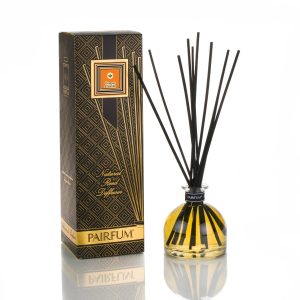
Layering fragrances helps. A matching body lotion or complementary scents from a home fragrance diffuser in the same family anchors the smell and makes it more resilient against environmental factors. Multiple fragrances from the same house tend to reinforce each other rather than clash.
Testing Fragrance the Right Way
Paper strips are useless for anything beyond a first impression. They show you the top notes. That’s it.
The only way to know whether a fragrance actually works on you is to spray it on skin, your inner wrist, the crook of your arm, and then leave it alone for at least thirty minutes. An hour is better. Scent perception shifts as the fragrance dries down. What smells bright and appealing at first application can settle into something quite different or quite wonderful by lunchtime.
Don’t rub it in. Rubbing breaks down the perfume molecules and collapses the structure of the scent before it’s had a chance to develop. Spray, leave, wait.
Shop in the morning. Your nose is sharpest then. Keep tests to two or three fragrances per session, after that, scent perception becomes unreliable and you’ll start making decisions based on nose fatigue rather than the fragrance itself.
Skin Type, Moisture, and Why Your Fragrance Fades
Dry skin is the single most common reason fragrance fades faster than expected and sometimes perfume smells different. It absorbs perfume oil quickly and gives the scent molecules nothing to cling to. The fix is simple: moisturise first. An unscented body lotion before you apply fragrance slows evaporation significantly. A plain body oil containing a natural oil like jojoba or sweet almond works even better: the oily base holds fragrance molecules and skin oils together, giving the scent something to live in.
Acidic skin sharpens certain notes, particularly florals and citruses. Oily skin softens and extends them. Neither skin type produces a better result, they produce different results, and knowing your skin type should inform both the fragrances you choose and how you apply them.
Moisturised skin also changes the quality. Vanilla, musks, and woods smell smoother and more rounded on hydrated skin. On dry skin, the same base notes can turn powdery or slightly flat.

Choosing a Better Fragrance for Your Skin Chemistry
If perfume has smelled wrong on you before, too sharp, too synthetic, oddly flat, the problem usually wasn’t the fragrance. It was a mismatch between the formula and your unique skin chemistry.
Synthetic-heavy fragrances sit on top of the skin. Natural essential oils work differently. They interact with your skin oils rather than float above them, which tends to produce something that smells more like it belongs on you rather than applied to you. Eau de Parfum Intense is often a better choice for people who find scent fades quickly. Higher fragrance oil concentration means slower evaporation and a gentler, more gradual transition between scent stages.
Genderless fragrances are worth considering. Built to complement a wider range of skin chemistries, they tend to adapt more gracefully to individual biology than fragrances engineered around a single demographic. The perfect scent isn’t the one that smells best in the bottle. It’s the one that smells and works best on you with your personal chemistry, after it’s had time to settle.
A Pairfum London Fragrance Worth Trying on Your Skin
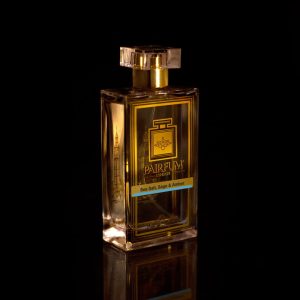
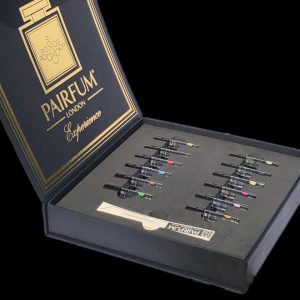
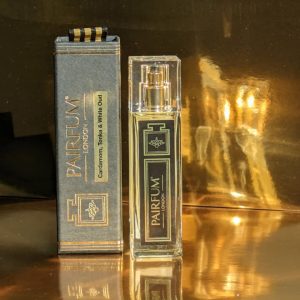
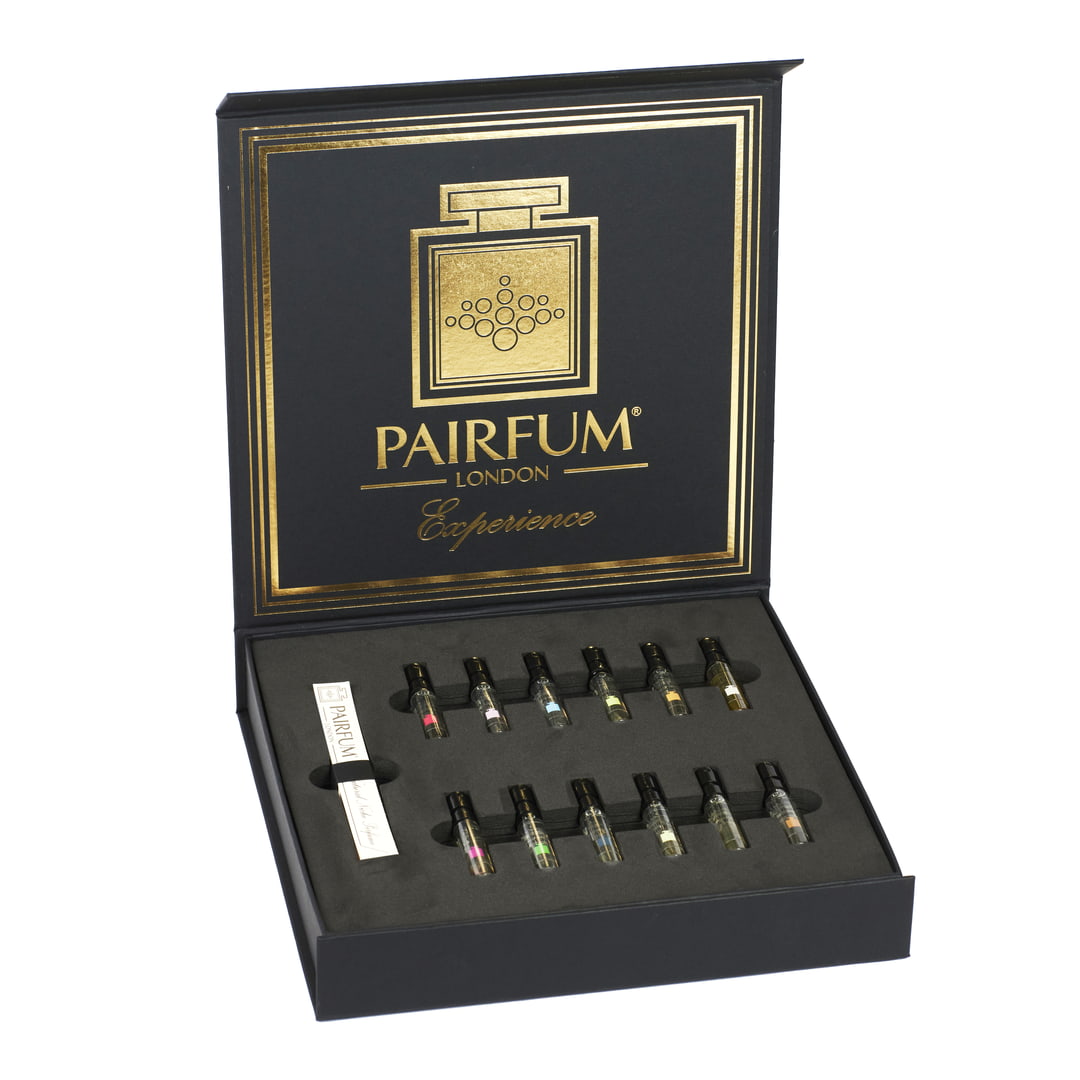
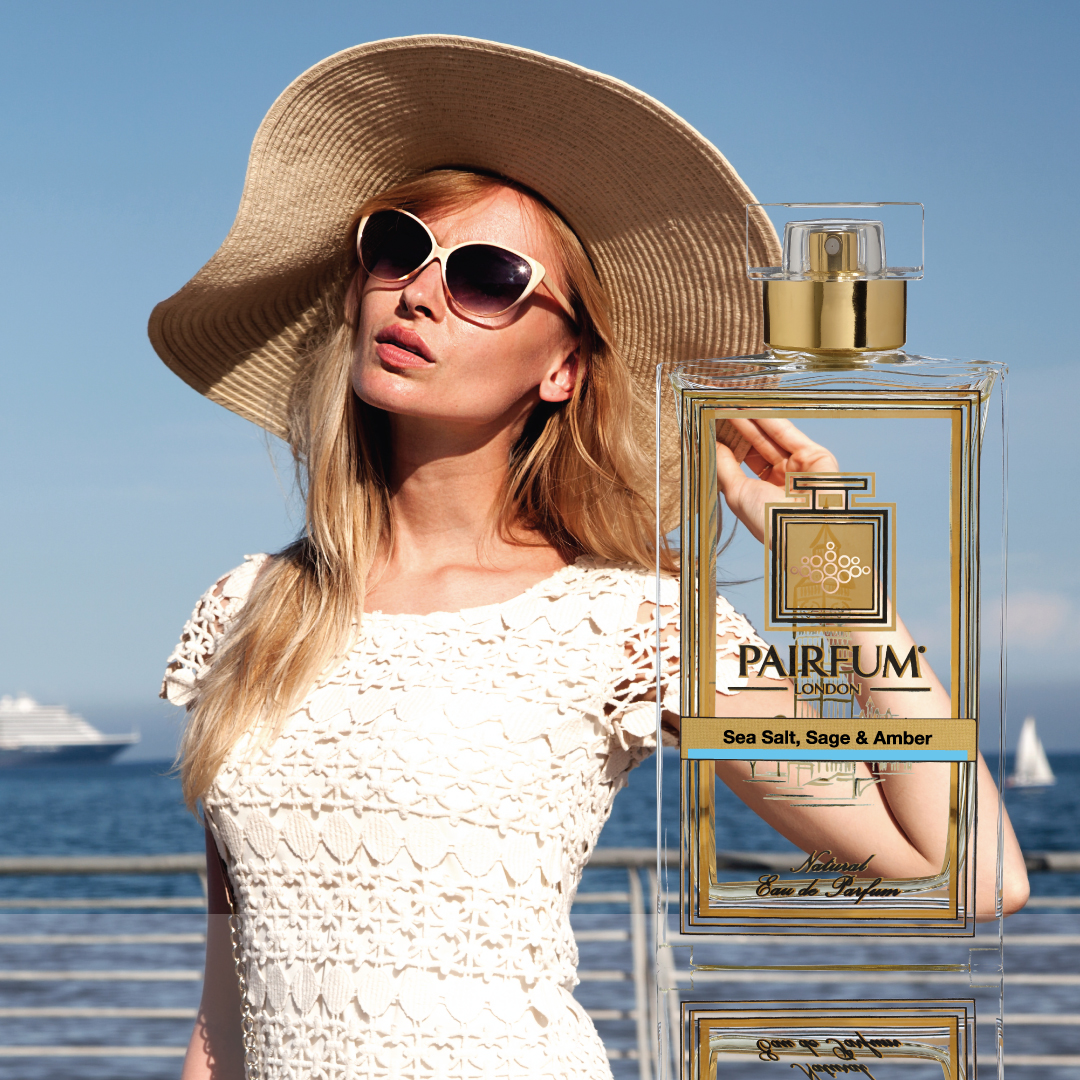
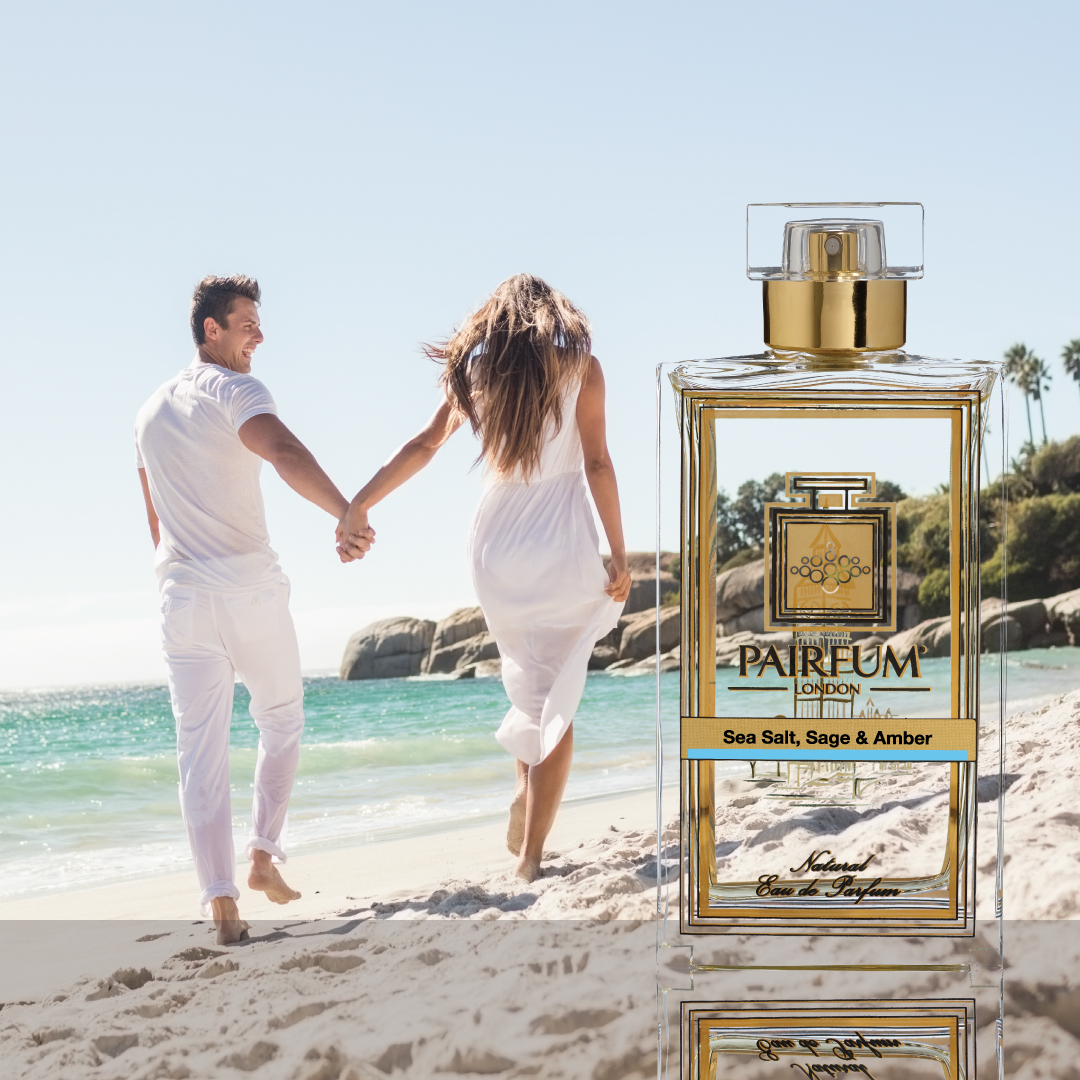
If you want to understand how a well-made natural fragrance actually behaves with your own skin chemistry, a sampler is a far more useful starting point than a department store strip. Pairfum London’s Sea Salt, Sage & Amber is a good fragrance to try, partly because it’s designed to evolve, and partly because it opens quite differently depending on who’s wearing it.
Sea Salt, Sage & Amber Eau de Parfum by Pairfum London
A unisex Eau de Parfum Intense. Top notes of Sage, Grapefruit, Bergamot, and Tangerine open with saline brightness; the heart, Sea Salt, Seaweed, Kelp, Sea Breeze, adds a cool, watery clarity; the base of Musk, Amber, and Cedarwood settles into something warmer and more grounded as the hours pass. On oily skin it tends to deepen and last. On dry skin, the citrus top notes project more sharply before the base arrives.
Handmade in the UK using natural essential oils. Vegan, cruelty-free, eco-friendly. The 100ml bottle includes free shipping to the UK, EU, US, and Canada, plus a free mini sampler so you can try it on your own skin before opening the full bottle. The cost of the sampler is deducted from any full-size purchase. A low-risk way to discover whether it becomes your signature scent.

Your Fragrance, Your Signature
The fact that your perfume smells different from everyone else’s is not a flaw. It’s the point.
Fragrance reacts to who you are: your skin type, your skin oils, your hormones, your diet, the season, the room. Two people can share a bottle for months and never smell the same. The one that smells perfect on a friend might smell entirely wrong on you, not because either of you chose badly, but because skin chemistry is personal.
Test on skin. Give it time. Notice how a familiar scent shifts over a day. A good fragrance moves with you, changes gently, and eventually stops feeling like something you applied and starts feeling like something you just smell like. That’s when you’ve found your signature scent.