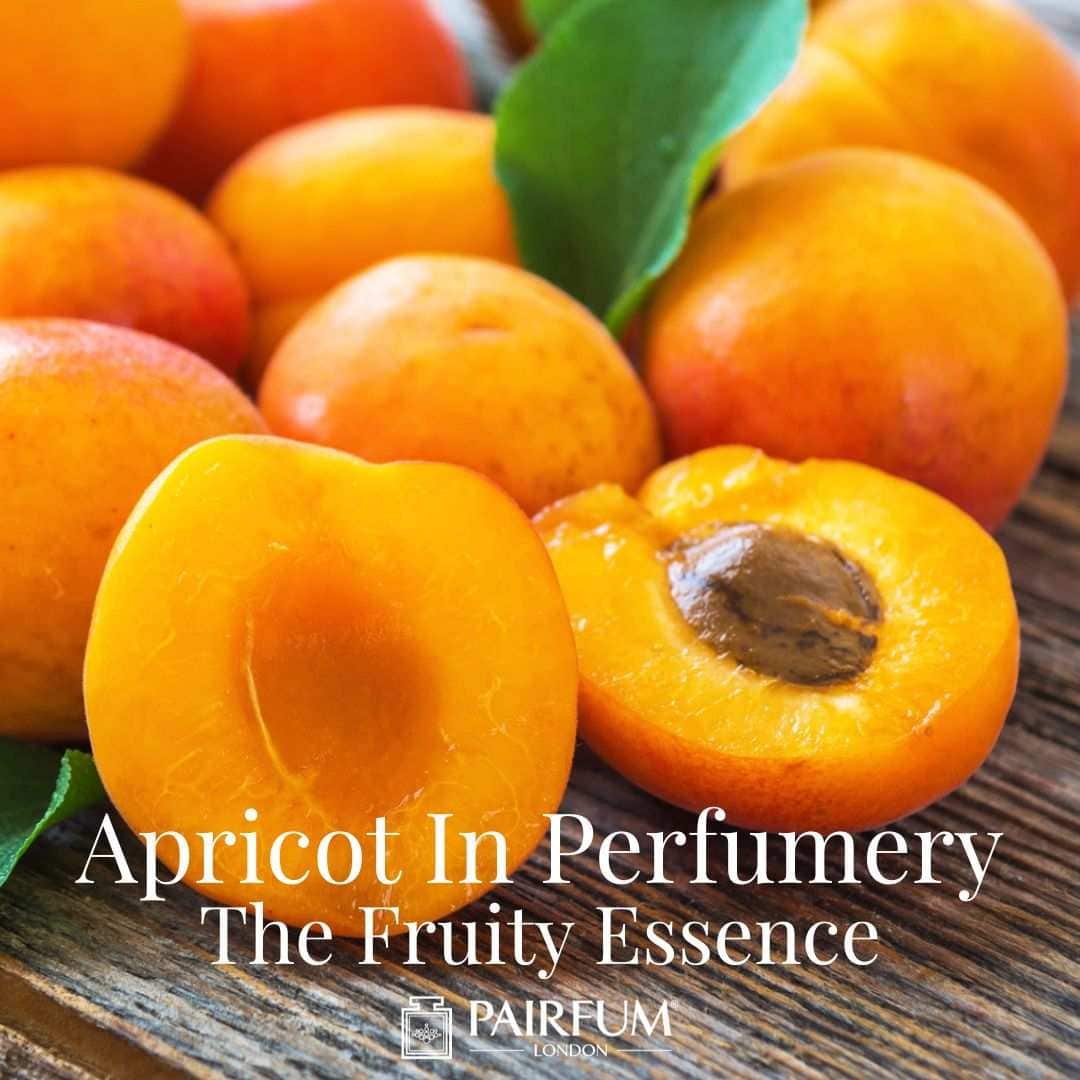
Apricot perfumes blend sweet, juicy fruitiness with velvety, lactonic, and subtly powdery nuances. This warm, sunny accord, often crafted using synthetic compounds for impressive lasting power, pairs beautifully with florals like osmanthus, as well as rich base notes like vanilla and musk.
Apricot has a soft fruitiness that brings warmth and brightness to perfume. Its aroma is gentle, juicy, and just a little floral. Smell fresh apricots on a warm afternoon and you’ll understand exactly why perfumers keep reaching for them. Sun-warmed, slightly honeyed, with a fuzz of something almost floral underneath. Apricots at their best smell like summer in a single note.
Whether found in personal fragrances or home fragrance blends, apricot stands out for its welcoming quality. Even the warm amber-orange of the fruit has influenced design, giving its name to apricot clothing and interior colour palettes that borrow its sun-flushed hue. This article looks at how the fruit is used in perfumery, where its scent comes from, how it pairs with other ingredients, and why it has earned a quiet but enduring place in both classic and contemporary perfume.
A Fragrant History of Apricot in Perfume
Long before it became a staple of modern fruity-floral perfumes, apricot was valued for its aroma in oils and balms. The tree, Prunus armeniaca, named for its presumed Armenian origins (the botanical name itself introduced new words into European botanical Latin), though evidence suggests it may have first been cultivated in China, has been grown for thousands of years, and its kernel oil was used in early skincare and fragrance preparations across the ancient world.
In the 20th century, apricots gained real traction in Western perfumery as ingredients for constructing fruity accords as part of a growing appetite for lighter, fruitier compositions. These blends felt more youthful than the heavy florals and orientals that had dominated for decades. Apricots slotted in as the softer, more restrained cousins to peach or plum: enough sweetness to register, but nothing sharp or synthetic about it.
The result was a note that aged well. Apricot sits comfortably in both romantic evening fragrances and everyday wear, which is a rarer quality than it sounds.
What Does Apricot Actually Smell Like?
Fresh apricots have a scent profile that is difficult to pin down precisely, which is part of what makes them interesting to perfumers. There is the obvious sweetness, juicy, ripe, with that characteristic orange flesh warmth. But there is also something slightly almondy underneath, especially near the stone, and a faint green quality from the skin and leaves.
Dried apricot smells quite different. When apricots are dried, the process concentrates the sugars and deepens the honey-like facets, pushing the scent toward something richer and more ambiguous, closer to fig or raisin than to the bright freshness of dried fruit straight from the market. Dried apricots used as a fragrance reference tend to produce warmer, more enveloping compositions than those built around the fresh version.
Apricot blossom, the flower of the apricot tree, adds another dimension entirely. It blooms in early spring, often before the leaves appear, and carries a delicate, slightly powdery floral character that sits closer to almond and cherry blossom than to the fruit itself. Some perfumers use the blossom note specifically to avoid the sweetness of ripe apricots while retaining the connection to the plant.
The Science: Prunus Armeniaca and How Its Scent Is Captured
Prunus armeniaca produces very little extractable essential oil from its fruit flesh, which makes direct extraction impractical. Cold-pressing the kernel yields apricot kernel oil, widely used in skincare for its light texture and skin-softening properties, but this oil is largely odourless and carries almost none of the fruit’s signature aroma.
So perfumers build the scent rather than extract it. The apricot note in most fragrances is a constructed accord: a blend of molecules chosen to recreate the character of apricots from the outside in. Gamma-decalactone and gamma-undecalactone are key lactone molecules responsible for the creamy, peachy-apricot quality found in many fruity fragrances. Ionones, the same family of molecules responsible for violet’s powdery sweetness, add depth and a subtle floral lift.
Osmanthus is worth mentioning here. This small Chinese flower has a natural stone fruit facet, sitting somewhere between apricot, peach, and leather, that makes it one of the most convincing natural bridges to an apricot accord without requiring the fruit directly. Many of the best apricot-adjacent perfumes are built around osmanthus rather than a synthetic accord.
Apricot’s Role in Perfume Compositions
What makes apricot work so reliably in perfume is its balance. Apricots contribute enough fruit character to register clearly without tipping a composition into candied sweetness. It adds warmth without weight. And it blends, almost annoyingly, with nearly everything.
Floral combinations are perhaps the most natural pairing. Rose and apricots is a classic pairing: apricots round out the sharpness of rose’s green facets and adds a sensual, edible quality to what might otherwise be a cool, formal composition. Mimosa and jasmine work similarly, with apricot adding warmth to their powdery-sweet characters.
Woody and musky bases also benefit from apricot. When the fruit sits above sandalwood, cedarwood, or musk, it gives the entire composition a creamier, more enveloping quality, a softness that woody fragrances can sometimes lack. In chypre structures, apricot provides the fruity-floral brightness that bridges the fresh top notes to the mossy, earthy base.
Large fruit notes in general (peach, mango, plum) tend to compete with each other when combined, but apricots are restrained enough to support rather than dominate. This is why perfumers so often reach for it as a modifier rather than a headline note.
Apricot in Home Fragrance
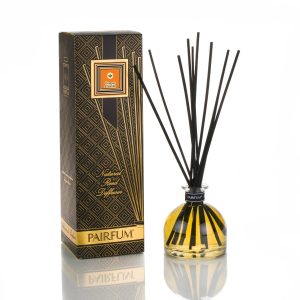
Apricot doesn’t have to stay on the skin. Its soft, sunny aroma translates well into home fragrance: candles, room sprays, and reed diffusers where the goal is warmth without aggression.
Unlike citrus, which can read as sharp or high-pitched in a domestic setting, apricot is mellow. It makes rooms feel welcoming rather than merely fresh. Paired with white florals or soft green elements, it creates a relaxed, breezy atmosphere that suits spring and summer particularly well, though the dried apricot facet, with its deeper honeyed warmth, works just as comfortably through winter.
Apricot blends well with vanilla and sandalwood in home fragrance, where the combination produces something cosy and unhurried. The soft fruitiness keeps it from tipping into heaviness, and the result is the kind of scent that guests notice without being able to name, always a good sign.
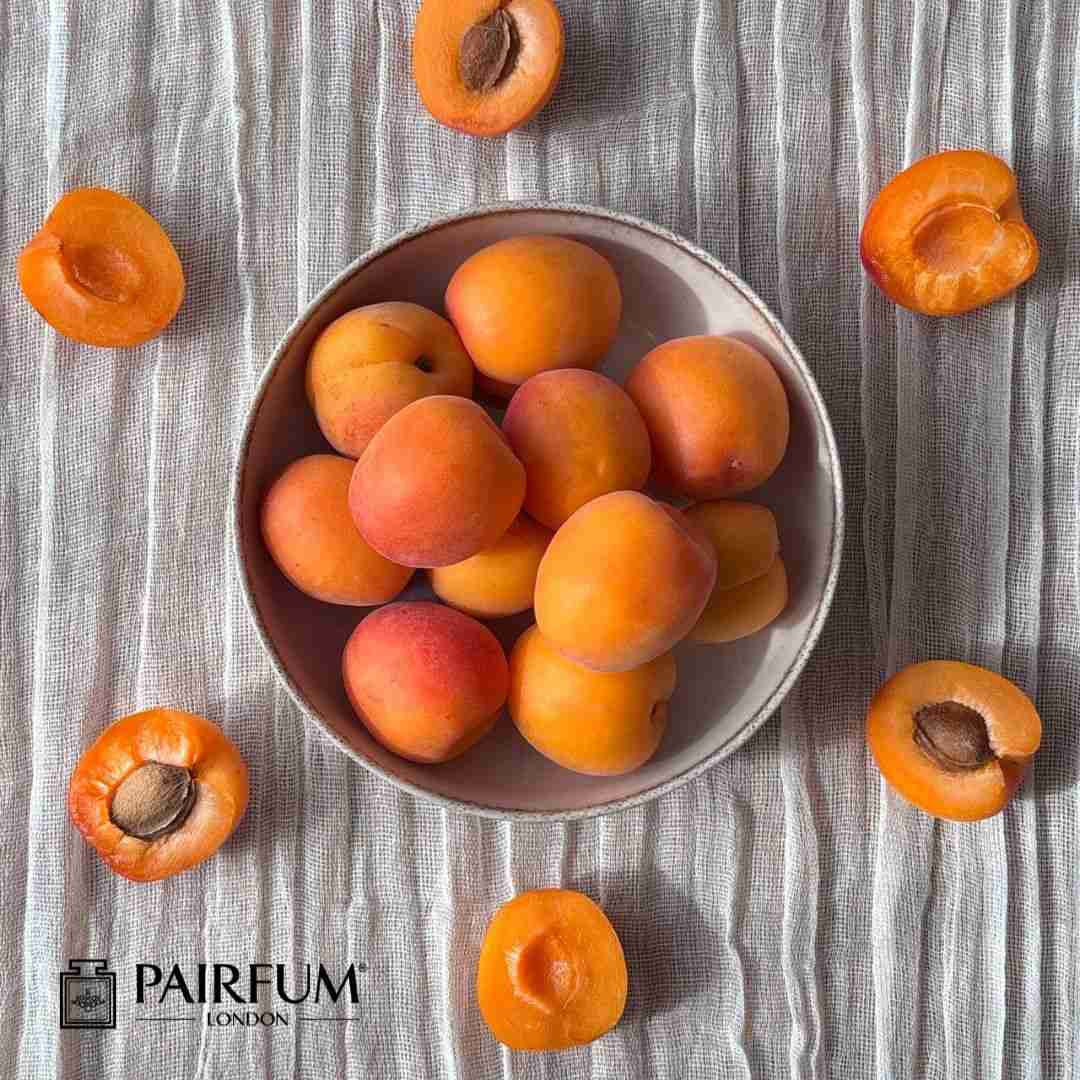
Apricot in the Kitchen: A Note on Its Versatility
Apricot’s appeal extends well beyond perfumery. As an edible fruit, it has inspired some of the most versatile recipes in European and Middle Eastern cooking, and understanding how the fruit behaves in food gives useful context for how it behaves in fragrance.
Fresh apricots are the natural starting point for many a summer dessert: tarts, crumbles, and poached fruit dishes that showcase the fruit’s gentle acidity and honeyed sweetness. Dried apricots deepen those qualities considerably, concentrated, jammy, with an almost caramel edge, making them a favourite in slow-cooked dishes, tagines, and the kind of apricot jam that keeps through the winter months on a cool shelf.
Good food writing has long celebrated the apricot’s versatility. Apricots themselves have become a staple ingredient in home baking, and apricot oat bars have become particularly popular, appearing regularly in food publications including Good Food Magazine, where their combination of dried fruit, rolled oats, and honey is cited as one of the more reliable everyday recipes for home bakers. Overnight oats made with roughly chopped dried apricots, a handful of pistachios, and a spoonful of apricot jam have become a popular quick breakfast, as have apricot oat bars for lunchboxes and snacking.
For savoury cooking, apricots pair unexpectedly well with bold spices. An apricot plait, a glazed pastry filled with spiced dried fruit, is a favourite in many European bakeries. Minty bulgur wheat with soaked dried apricots and toasted pistachios is a classic side dish across the Levant. Even harissa, with its heat and depth, finds balance when paired with fresh or dried apricots in a North African tagine, where apricots provide the sweetness that tempers the spice.
These exclusive recipes highlight a simple truth: apricot, like all great ingredients, adapts. It softens what is too sharp, sweetens what is too austere, and brings warmth to whatever surrounds it. That same quality is precisely why perfumers value it.
Growing Apricots: From Blossom to Fruit
Apricot trees bloom in early spring, sometimes as early as February in milder climates, which makes late frosts a serious concern for growers. A hard frost after blossom opens can wipe out an entire season’s heavy crop overnight, which is one reason apricots have traditionally thrived in continental climates with predictable, dry springs rather than the unpredictable British weather.
The early Moorpark variety is one of the most celebrated English apricots: a large fruit with deep orange flesh, rich flavour, and a relatively reliable cropping habit for the UK climate. It was first cultivated at Moorpark, Hertfordshire, in the 18th century and remains a benchmark for quality.
Pollination is generally straightforward for most apricot varieties, which are self-fertile. A single apricot tree will fruit without a companion tree, though a second tree nearby tends to improve the yield. They can be grown as bare root trees planted in late autumn, or in a container for patios and smaller gardens. Fruit trees grown against a south-facing wall, trained as fans, tend to crop most reliably in the UK, the reflected warmth compensates for the marginal climate.
Potassium is among the most important nutrients for apricot trees: it supports fruit development, flavour intensity, and the tree’s overall resilience. A potassium-rich feed applied in spring supports the transition from blossom to new growth, helping the tree deliver a consistent crop of ripe apricots, large fruit with good flavour, season after season. Without adequate potassium, apricots can be small and lacking in sweetness, regardless of how well the tree has been managed in other respects.
Pairfum London Fragrances Featuring Apricot
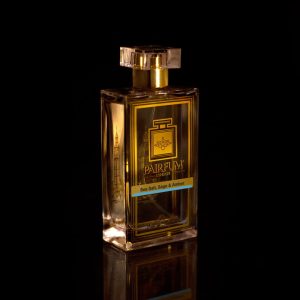
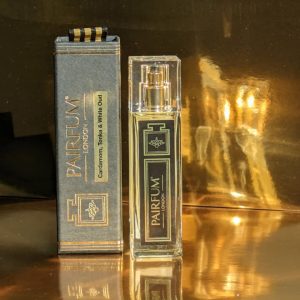
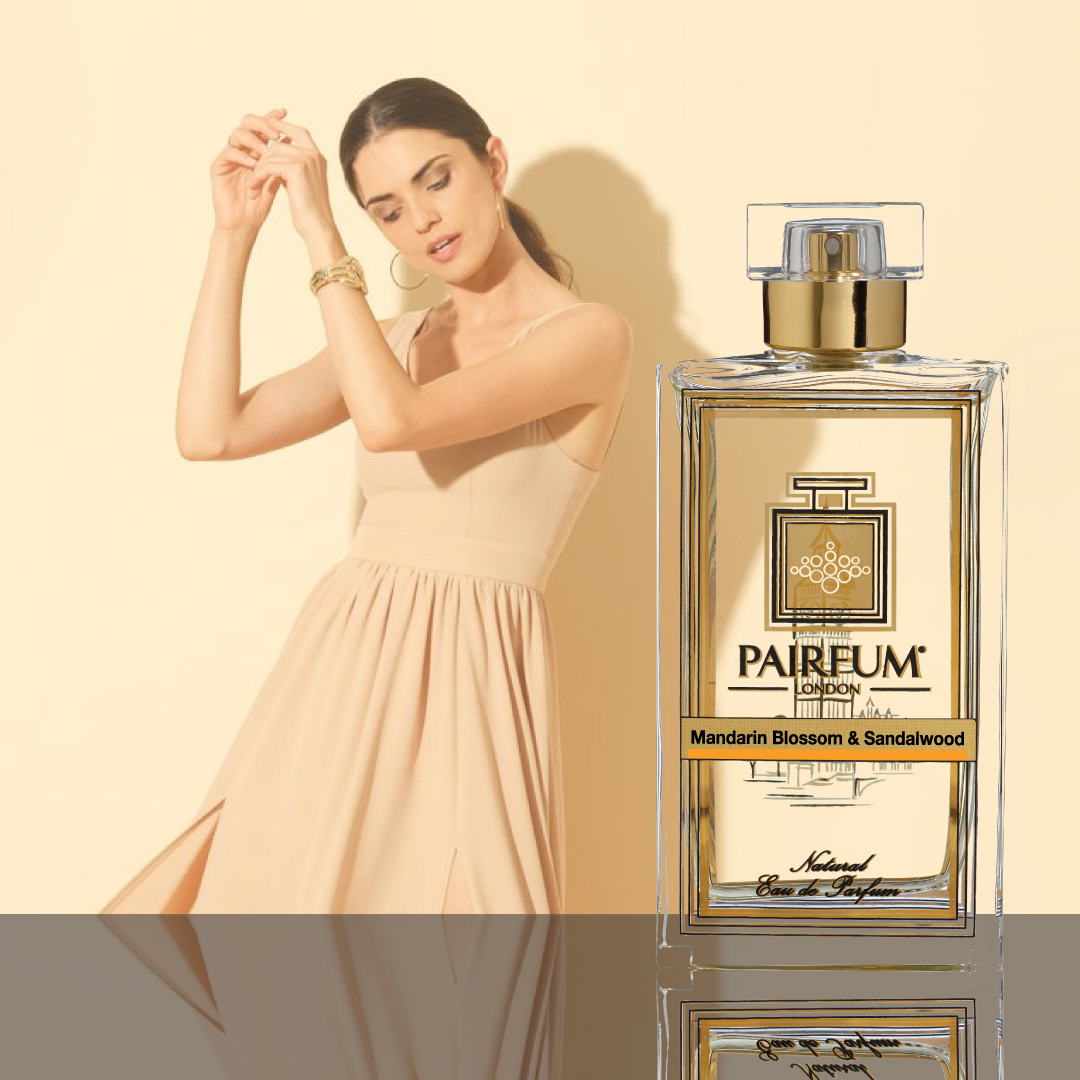
Two fragrances from Pairfum London place apricot at or near the heart of their compositions, one as a delicate top note in a floral chypre, the other as a sun-ripened presence nestled into tart rhubarb and white gardenia. Both are worth exploring if the apricot note interests you.
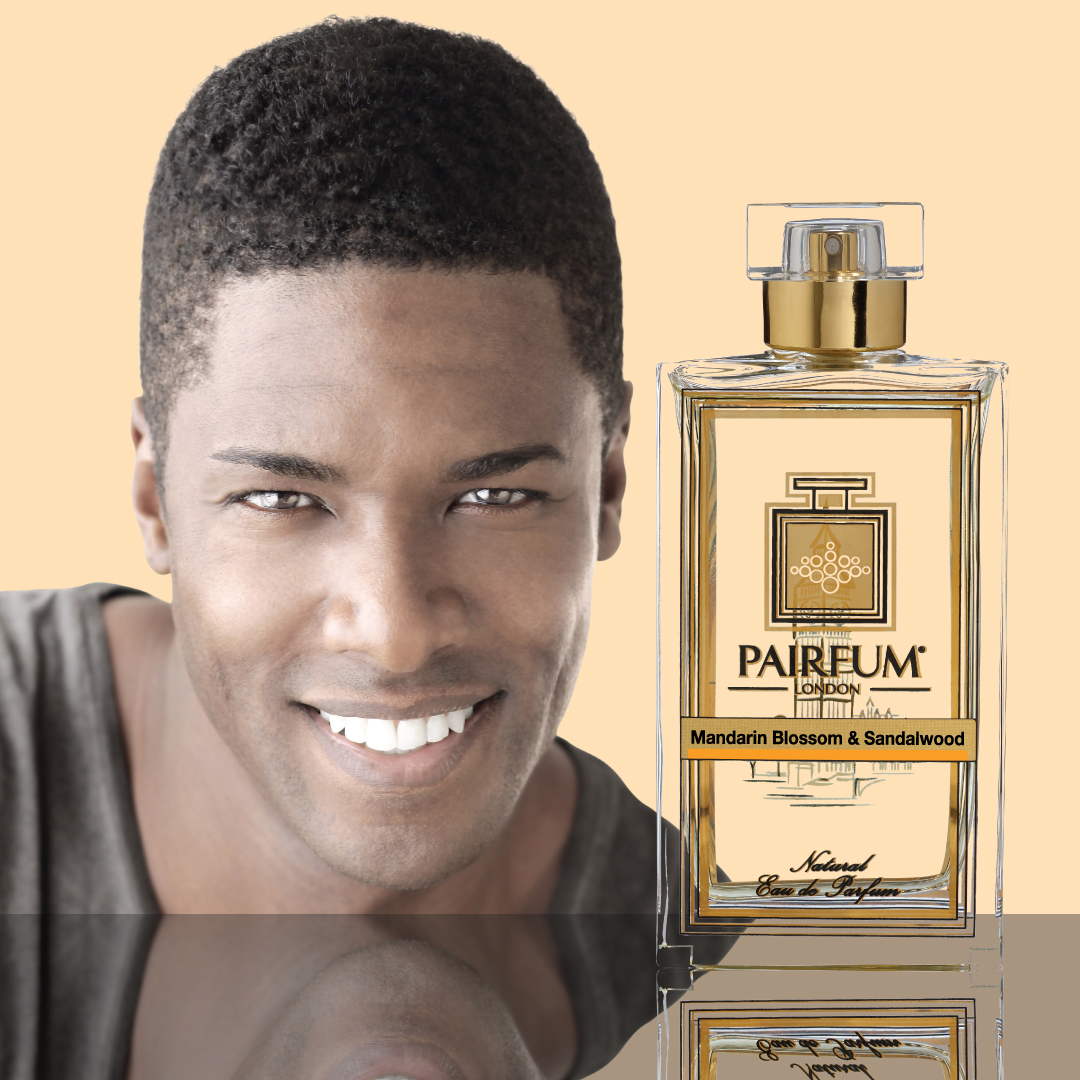
Mandarin Blossom & Sandalwood Eau de Parfum by Pairfum London
A feminine floral chypre Eau de Parfum Intense opening with Mandarin Blossom, Apricot, and White Hyacinth. The heart reveals Sweet Pea, Jasmine, and Ylang Ylang, while the base of Sandalwood, Patchouli, Amber, and Musk creates a warm, lingering trail. Inspired by the Chinese New Year tradition of gifting mandarin oranges, a symbol of prosperity and good luck, it carries a sense of occasion without heaviness.
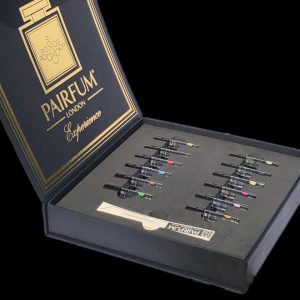
Handmade in the UK using natural essential oils. Unisex, vegan, cruelty-free, and eco-friendly. Available in 100ml with free shipping to the UK, EU, US, and Canada. A free mini sampler is included so you can test it on your skin before opening the full bottle.
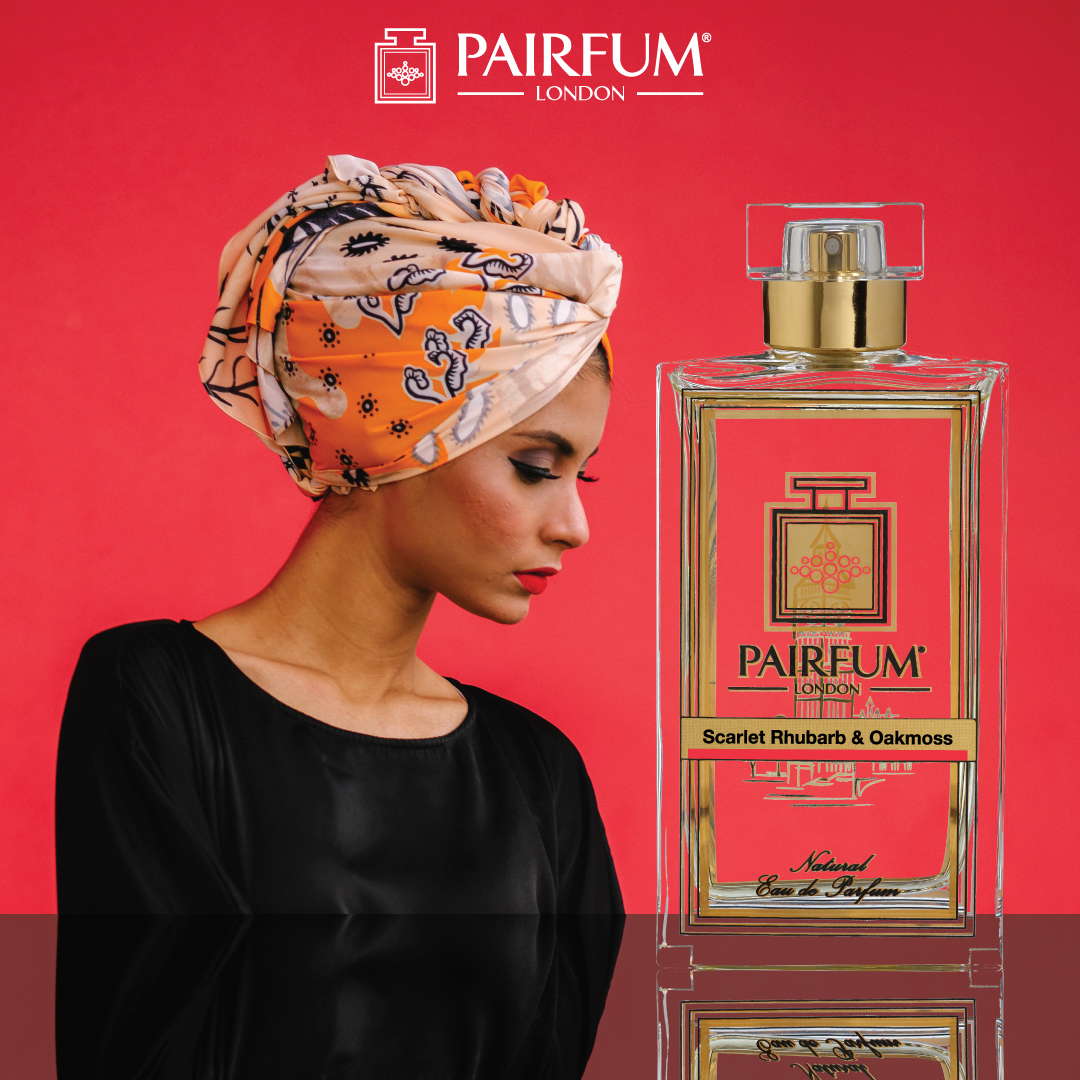
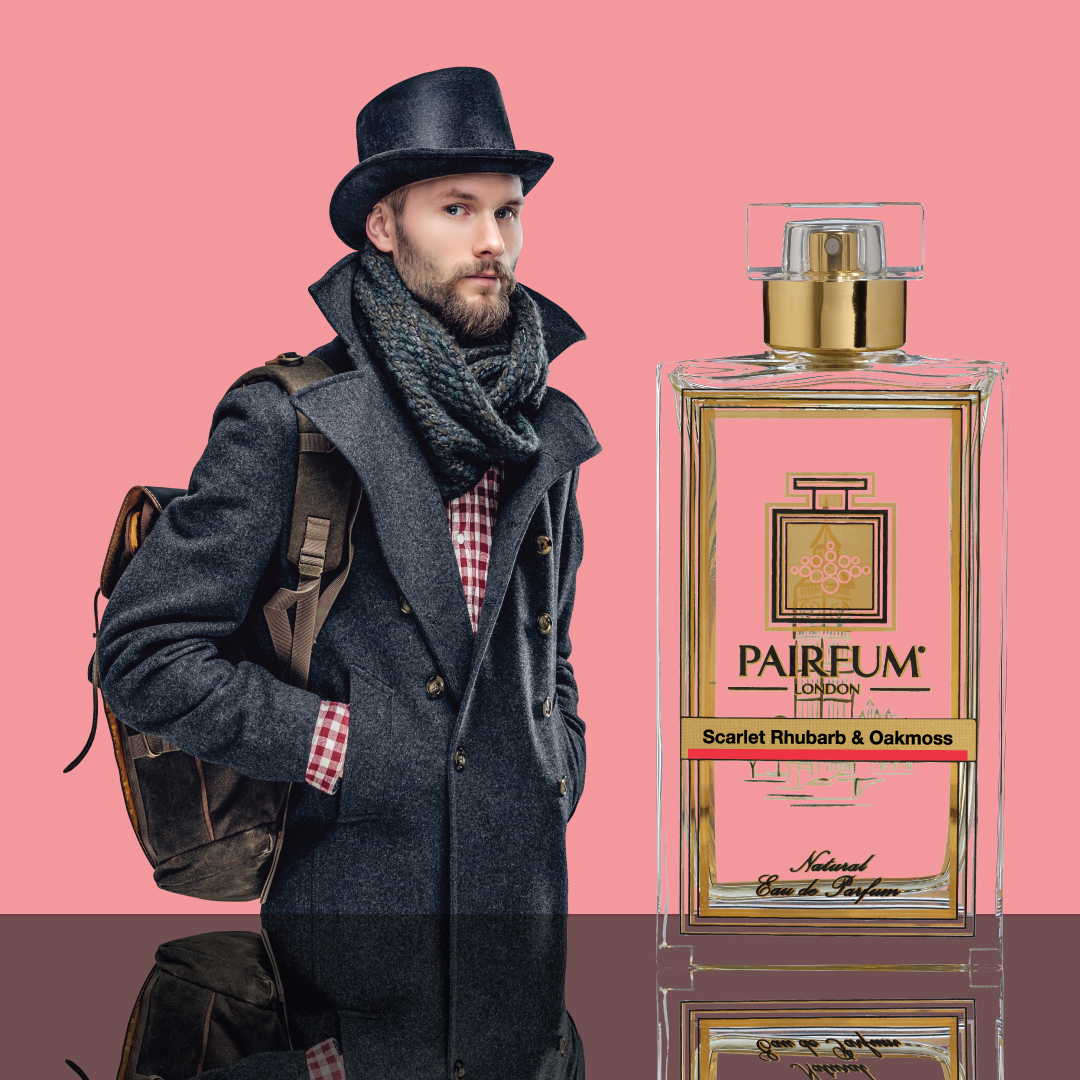
Scarlet Rhubarb & Oakmoss Eau de Parfum by Pairfum London
A bold floral chypre opening with fresh tart Rhubarb, Sun-Dried Fruits, and Ripe Strawberries, with hints of crisp Apple and Apricot wrapping around a heart of elegant White Gardenia. The base of Oakmoss, Musk, and Labdanum provides a rich, warm drydown in the classic chypre tradition, but with a distinctly English twist, rhubarb replacing the usual Bergamot for a greener, more unexpected freshness.
Handmade in the UK using natural essential oils. Unisex, vegan, cruelty-free, eco-friendly. Available in 100ml with free shipping to the UK, EU, US, and Canada, and a free mini sampler included.
The Quiet Charm of Apricot
Apricot may not be the loudest note in a perfume. It rarely announces itself. What it does instead is pull everything else together, softening edges, adding warmth, giving a composition the kind of rounded, wearable quality that keeps people reaching for the same bottle season after season.
Its versatility is the point. From the blossom on a frost-threatened apricot tree in early spring, to the concentrated sweetness of dried apricots in a winter tagine, to the creamy lactone accord at the heart of a fruity-floral perfume, the same fruit, in different forms, manages to be at home in almost every context. That adaptability is rare. It is also, in the end, exactly what makes a good fragrance ingredient.