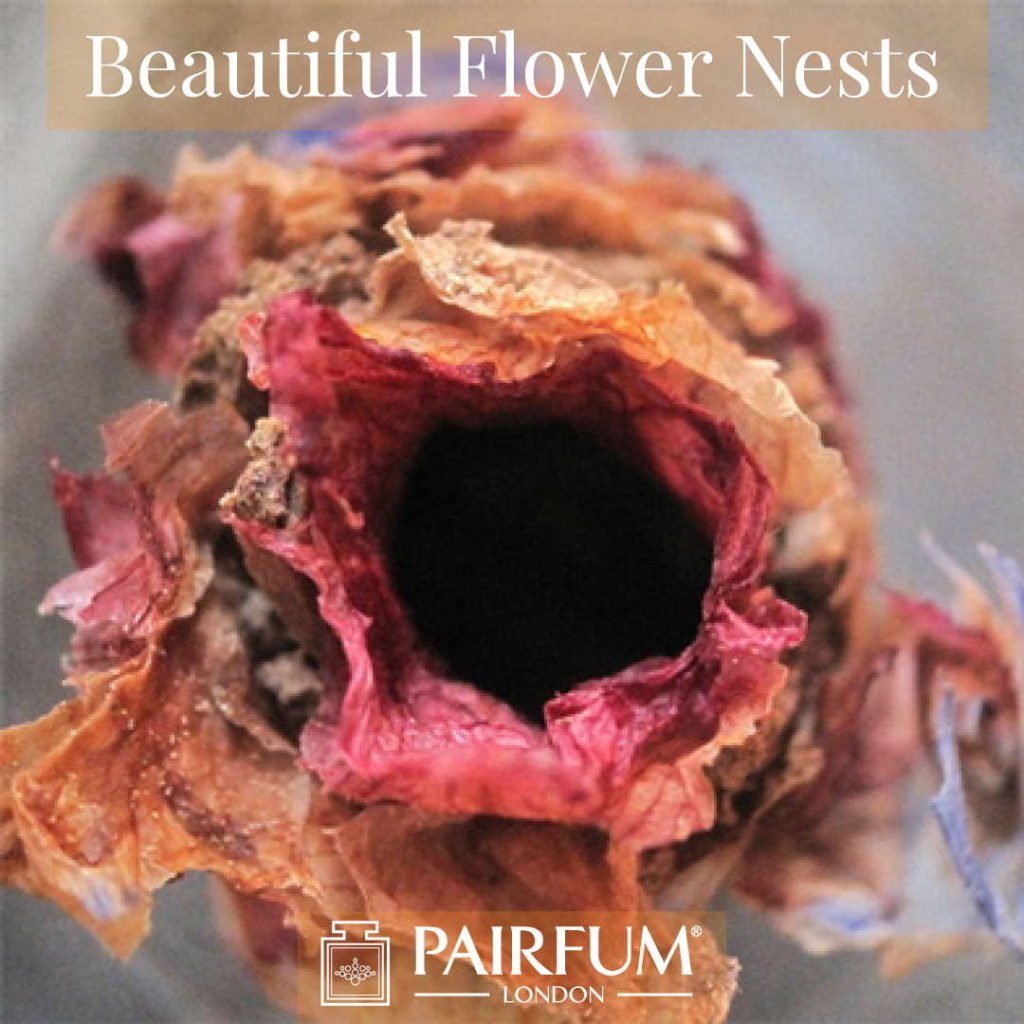
Bees Use Petals To Make Beautiful Flower Nests

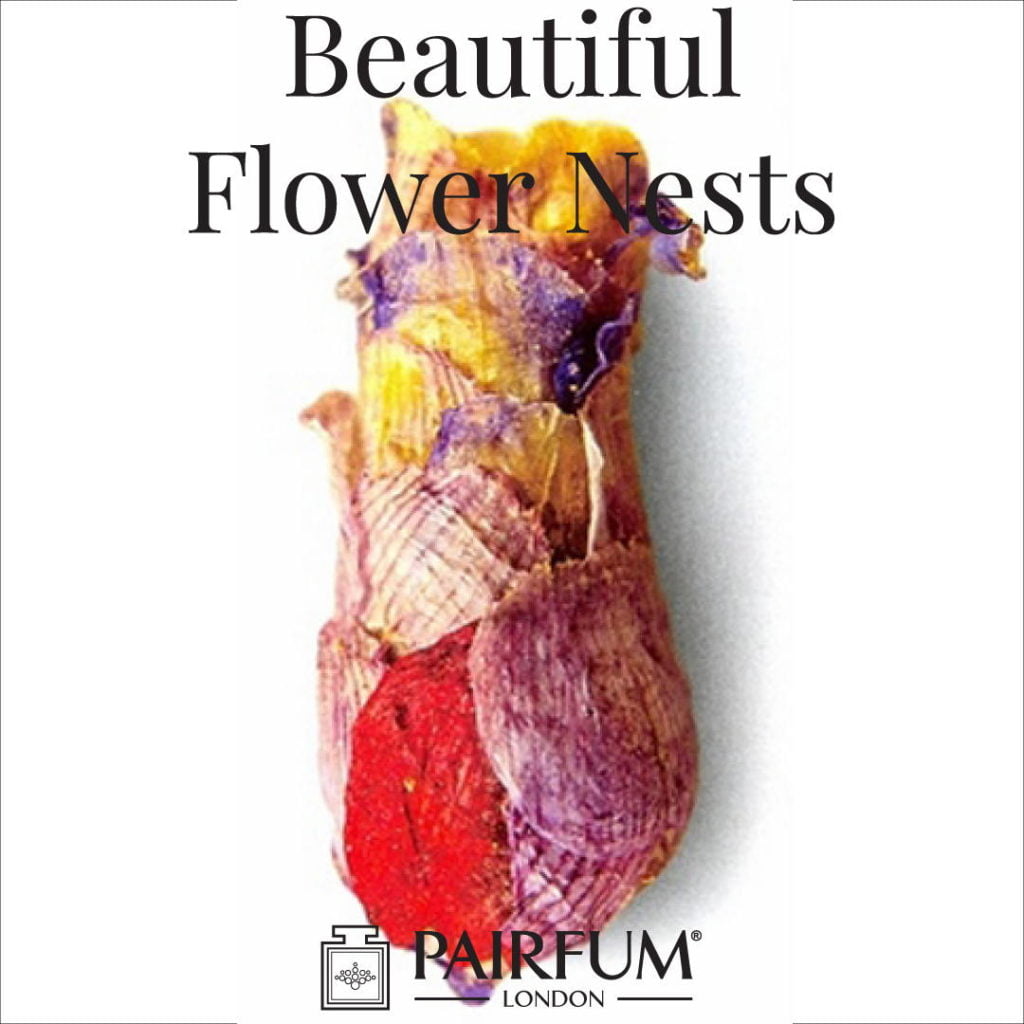
Beautiful Flower Nests Petal Special Bee Larvae Pairfum 13

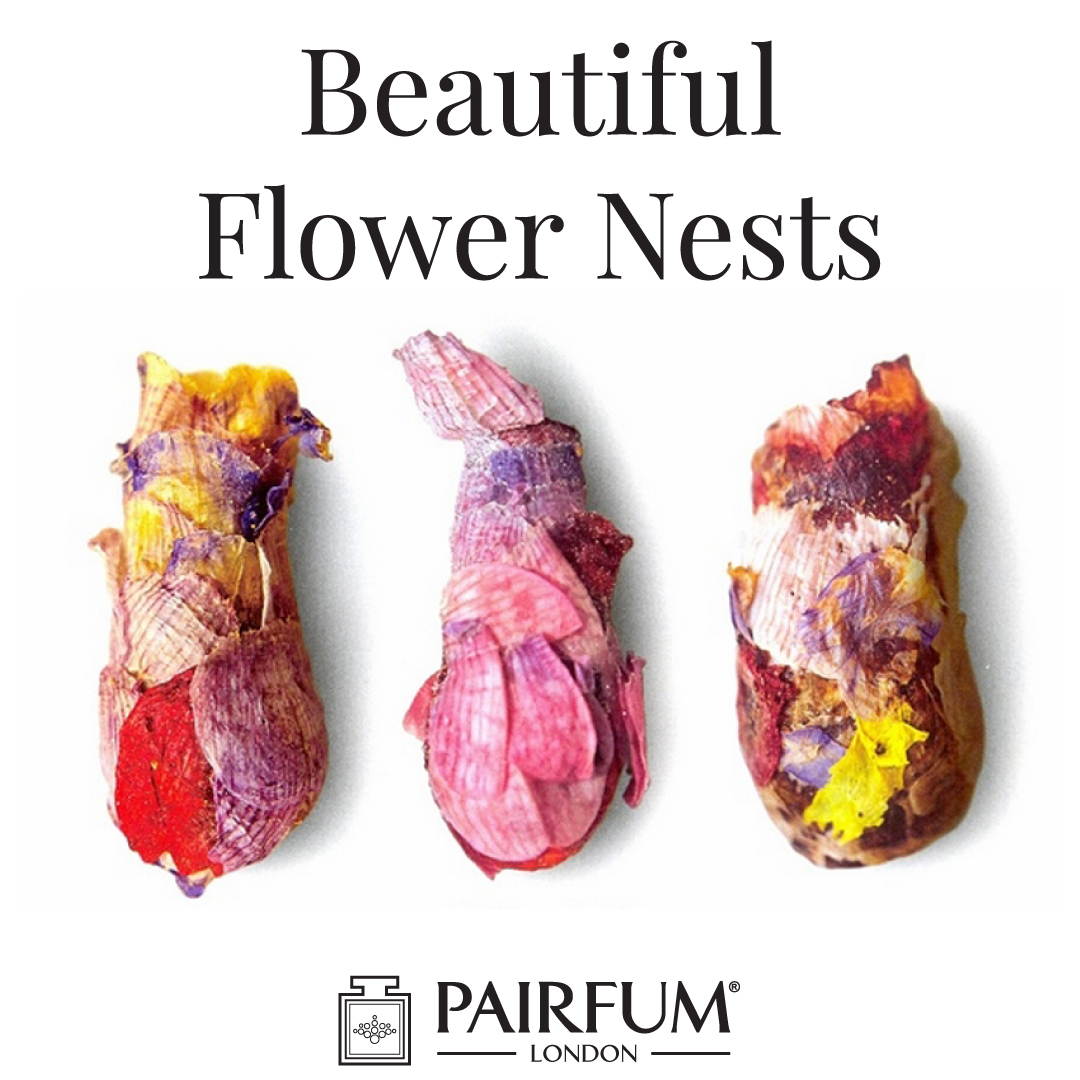
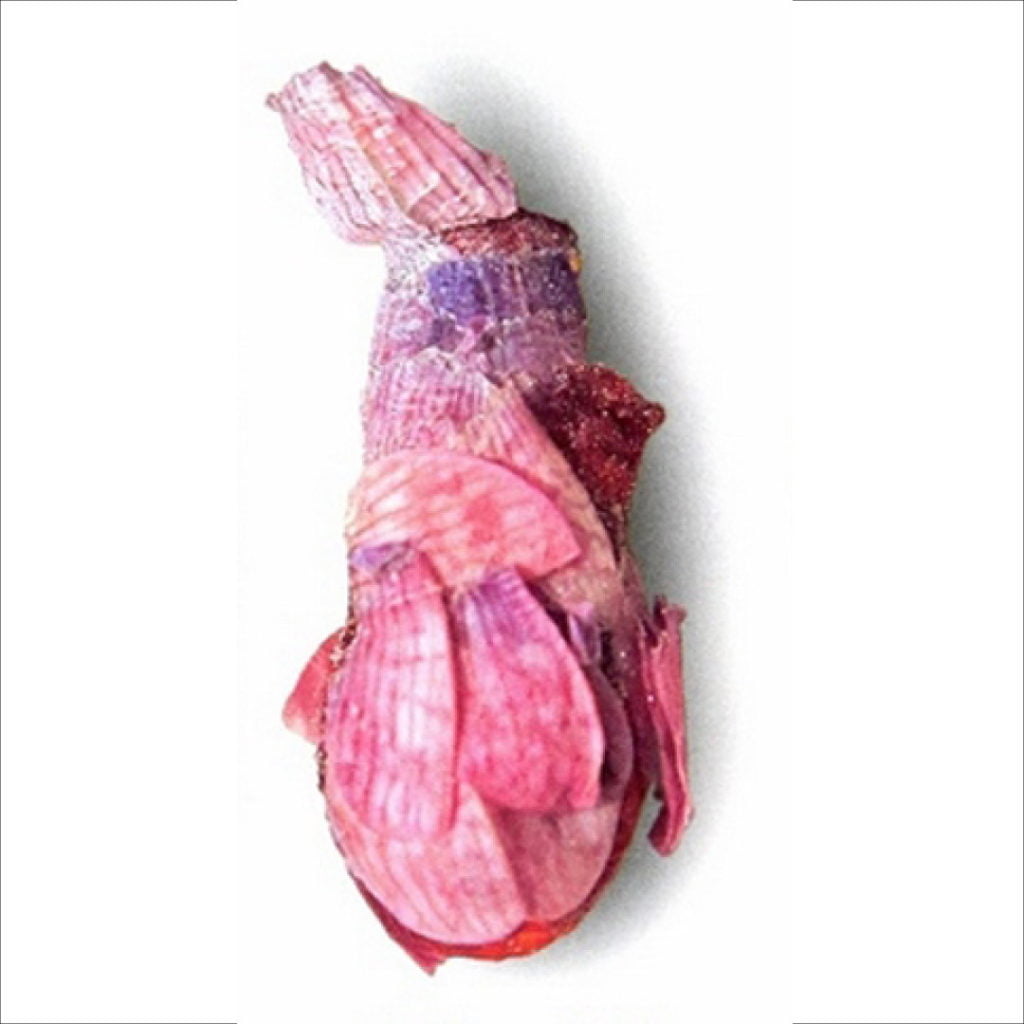
Did you know that these beautiful flower nests are made by a special type of bee for their larvae?

We all associate bees with building bee hives, being a colonial organisation and having a Queen Bee.

However, an unusual bee species called ‘osmia avosetta’ creates beautiful flower nests made from flower petals to protect their larvae.

The mating females, without the help of worker bees, create these wonderfully colourful homes for their young.

During the course of 1 – 2 days, the mother bee sources petals from various flowers to create the nest and then places a single bee egg inside this new ‘Flower Home’.

The bee bites off the petal from the flower, flies back to its new nest and applies a thin coat of mud between each new layer of petals.
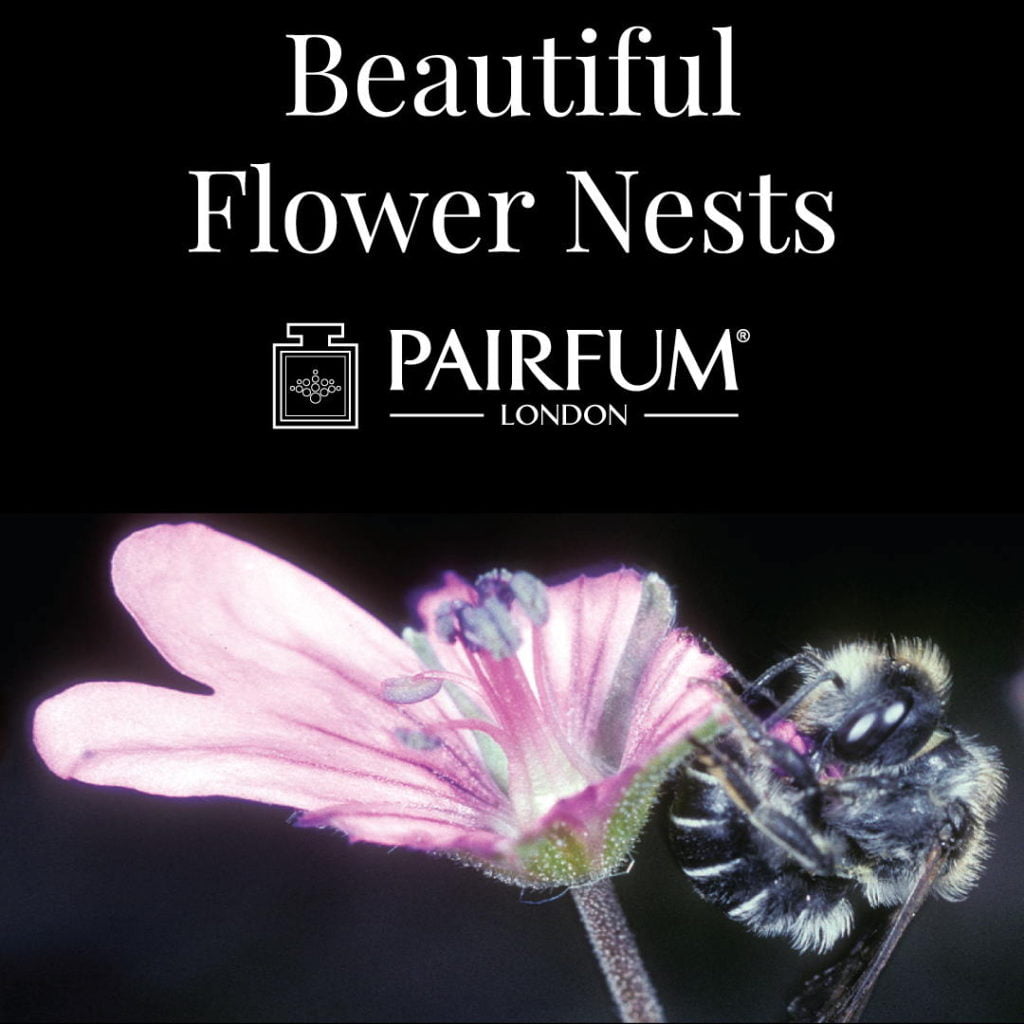
Beautiful Flower Nests Petal Special Bee Larvae Pairfum 14

The larve is then placed inside and the nest is sealed.

A few days later the egg hatches into a larvae and spins itself a cocoon inside the beautiful nest, i.e. quasi a home inside a home.
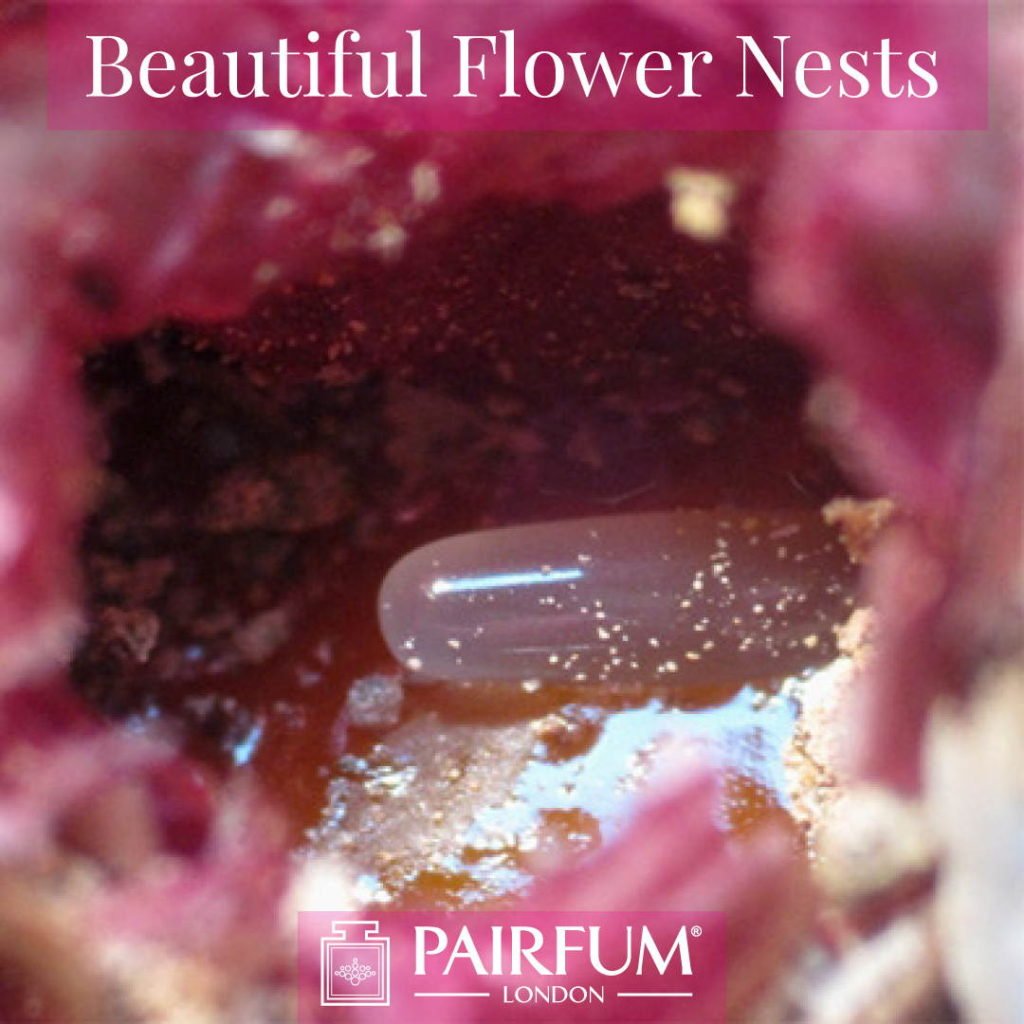
Beautiful Flower Nests Petal Special Bee Larvae Pairfum 12

“It’s not common for bees to use parts of plants for nests,” says Dr. Jerome Rozen of the American Museum of Natural History (AMNH).

“There’s a demand for biologists to know bees nowadays, … they are the foremost animal pollinators of plants, and tremendously important for maintaining ecosystems — not only crops but also for conservation.”

Read more about this phenomenon that Dr. Rozen researched extensively here.
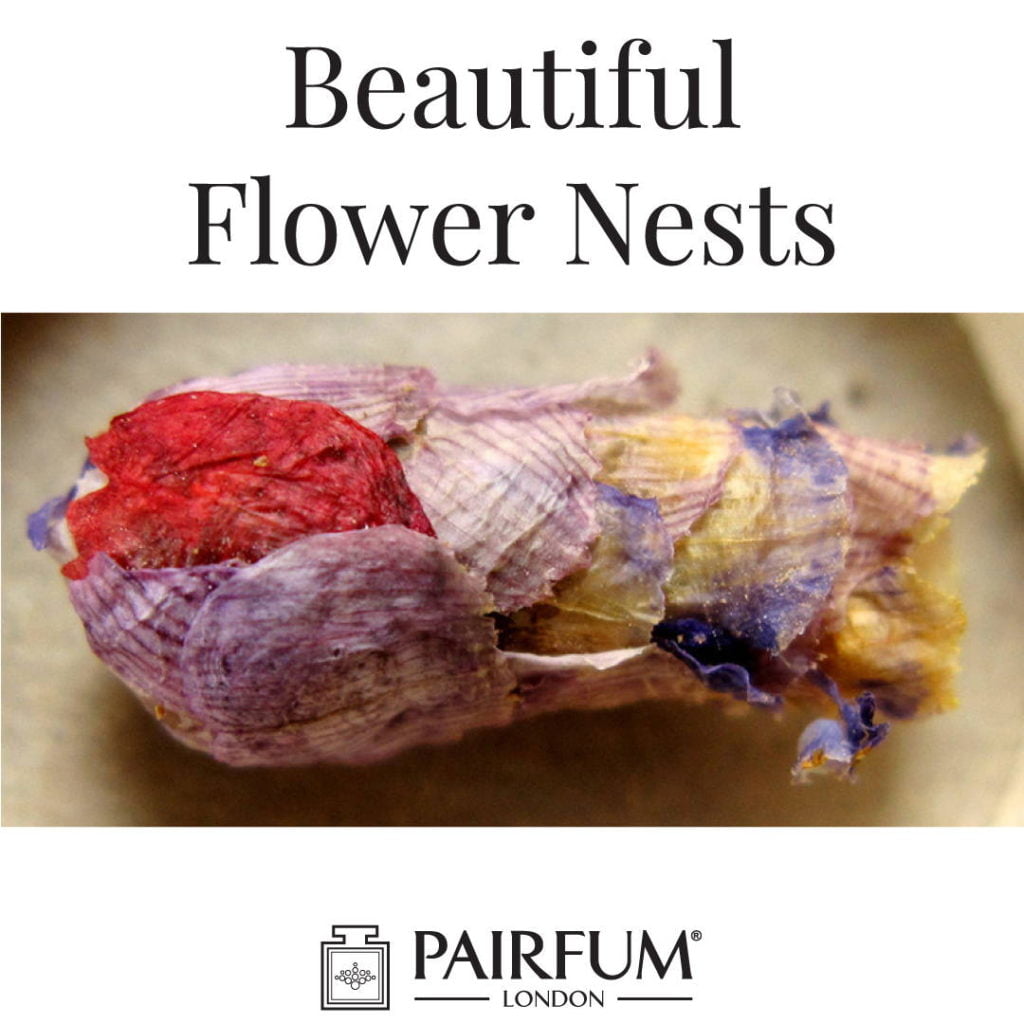
Beautiful Flower Nests Petal Special Bee Larvae Pairfum 18

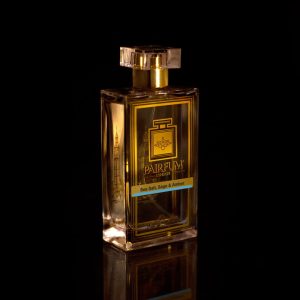
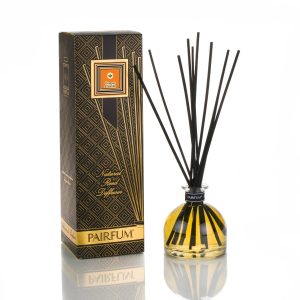
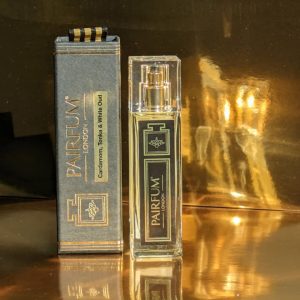
To turn your home into a cocoon with beautiful flowers, why not treat your ‘nest’ to one of our wonderful floral fragrances?

At this time of the year and fitting with the theme of ‘bees’, we recommend ‘Orangery Blossoms‘, as it contains a warming honey-note in its base.
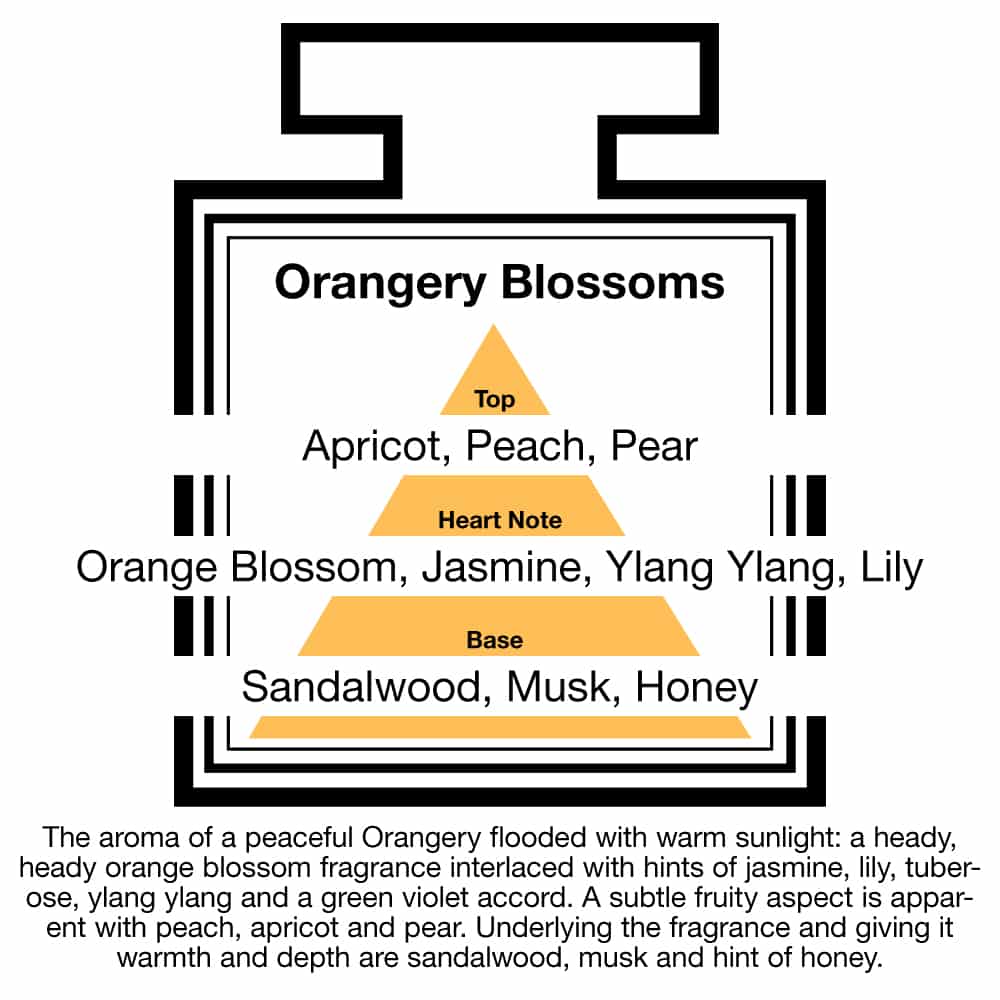
Fragrance Description Orangery Blossoms Apricot Ylang Honey Sandalwood
Beautiful Flower Nests Petal Special Bee Larvae Pairfum 11
Beautiful Flower Nests Petal Special Bee Larvae Pairfum 16
Beautiful Flower Nests Petal Special Bee Larvae Pairfum 2

Products We Believe You Will Love

Let's Stay in Touch

As a warm welcome, to the family & friends of Pairfum London, we will send you the novel ‘Perfume’ by Patrick Sueskind, as an e-Book.

Newsletter Subscribe Form - Blog Post


Let's Socialise

Our Most Recent Posts

Featured Image Key:url

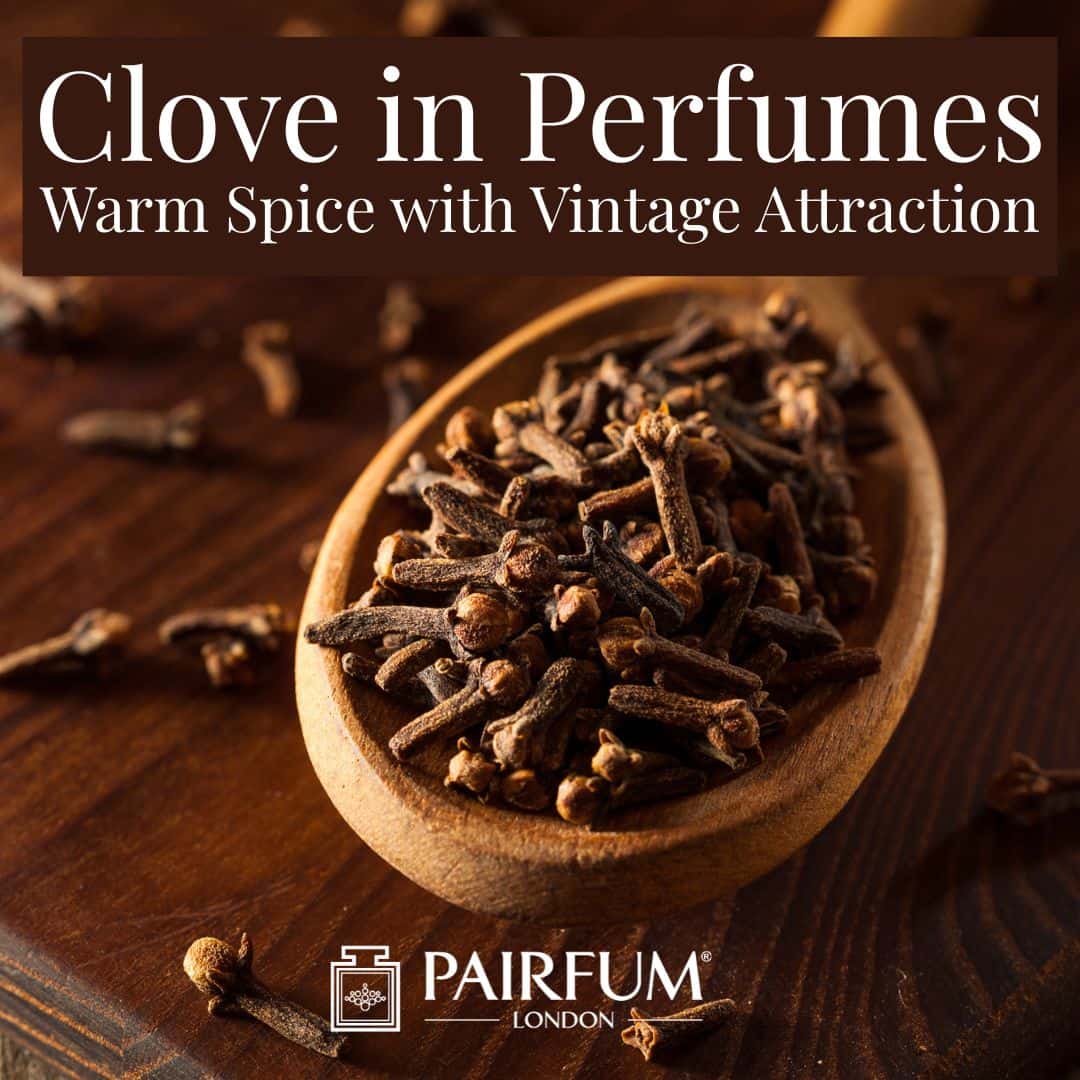
Clove in Perfumes: Warm Spice with Vintage Attraction

22/12/2025

Clove in perfumery provides a potent, warm, spicy, and subtly sweet aroma, adding depth, richness, and an exotic touch. It is often used as a middle or base note to

Read More
Featured Image Key:url

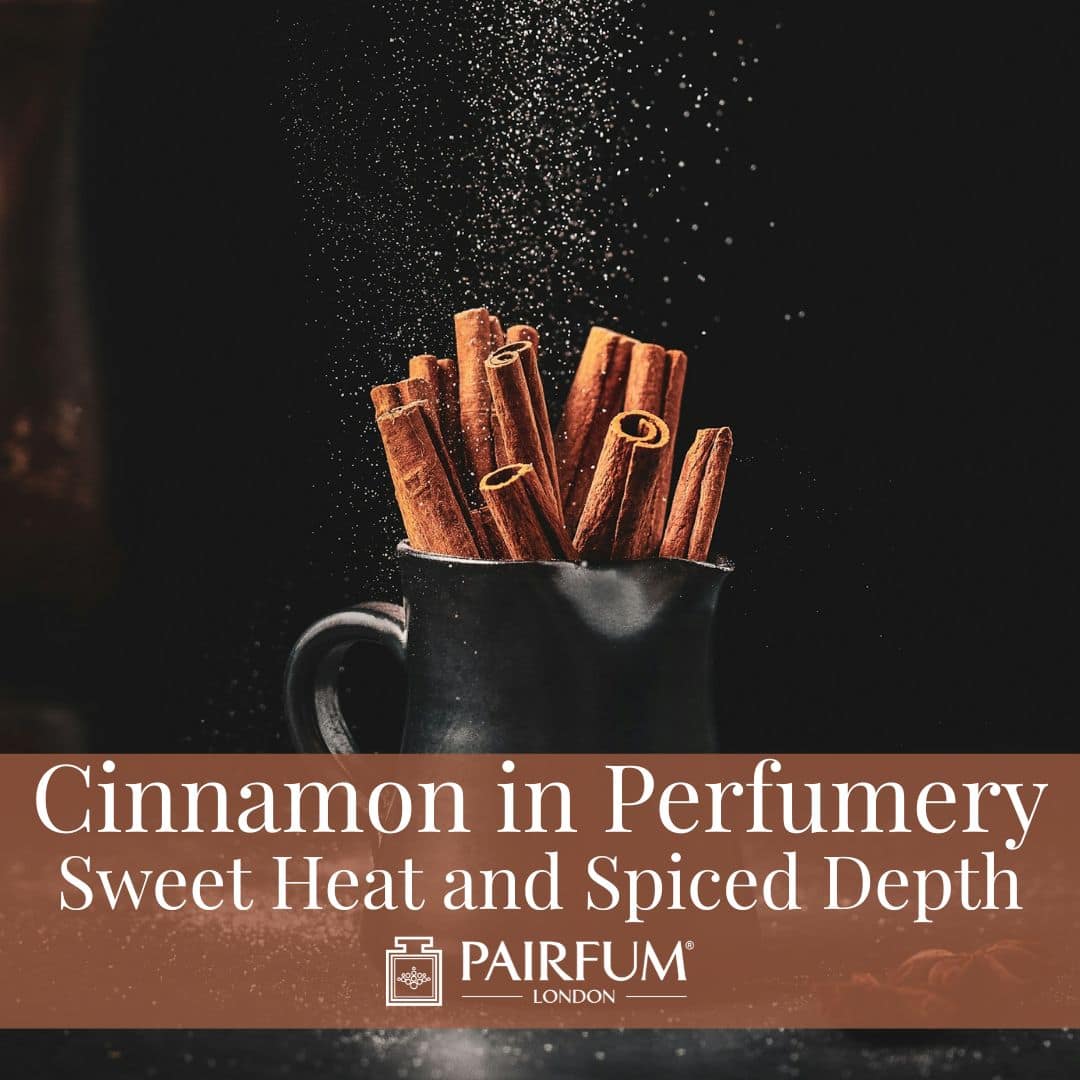
Cinnamon in Perfumery: Sweet Heat and Spiced Depth

18/12/2025

Cinnamon is a highly fragrant, warm, and naturally sweet spice derived from the inner bark of trees belonging to the Cinnamomum genus. It is primarily used in baking, desserts, seasonal

Read More
Featured Image Key:url

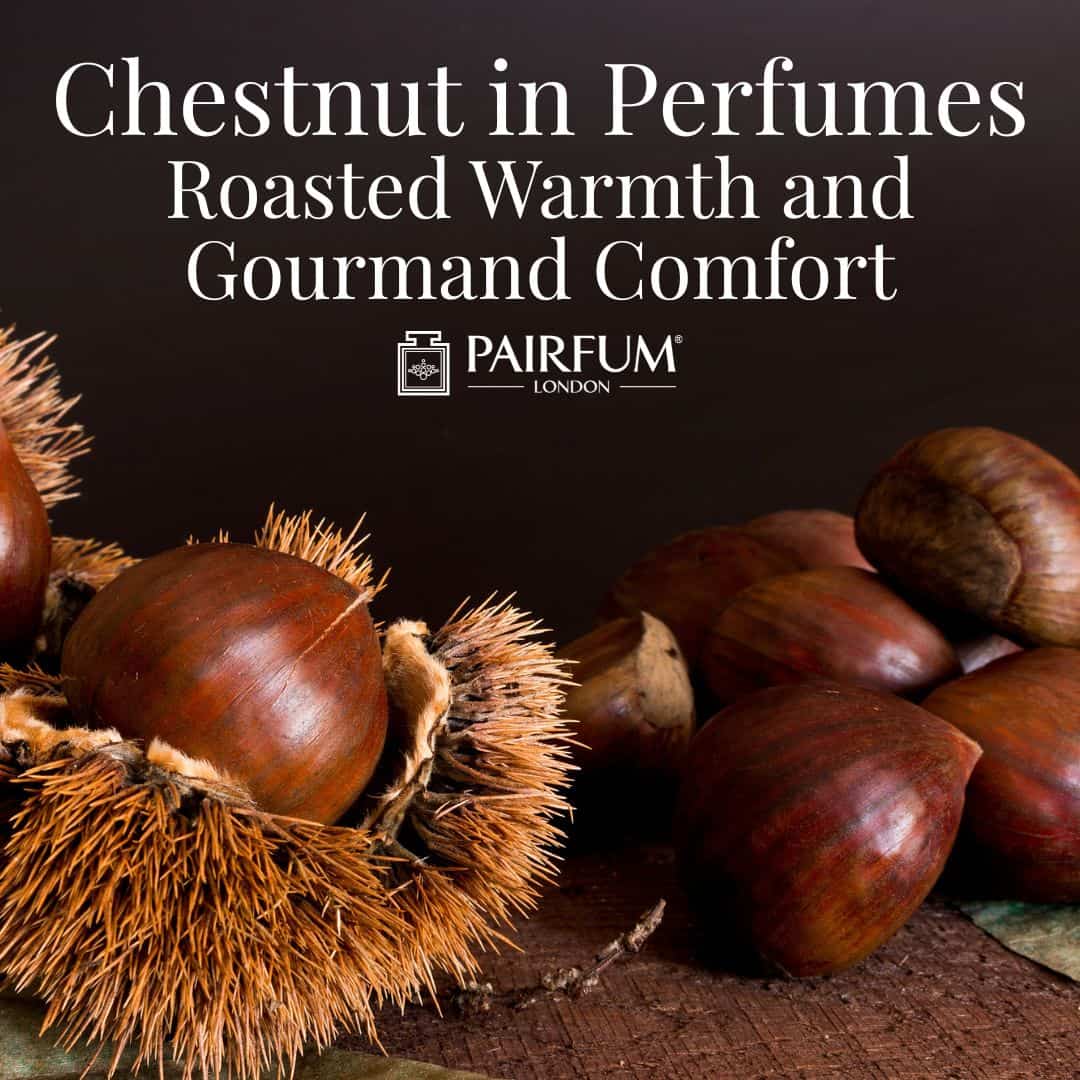
Chestnut in Perfumes: Roasted Warmth and Gourmand Comfort

16/12/2025

A chestnut is an edible brown nut that grows on trees belonging to the genus Castanea. It sits inside a sharply spiked shell and has been gathered, cooked and eaten

Read More
Featured Image Key:url

Cranberry in Fragrance: Bright, Tart Red Spark

15/12/2025

Cranberry is a tart, bright-red berry originating from low, woody, evergreen plants native to North America. They are widely recognised for their common use in sauces (particularly served alongside turkey),

Read More
Featured Image Key:url

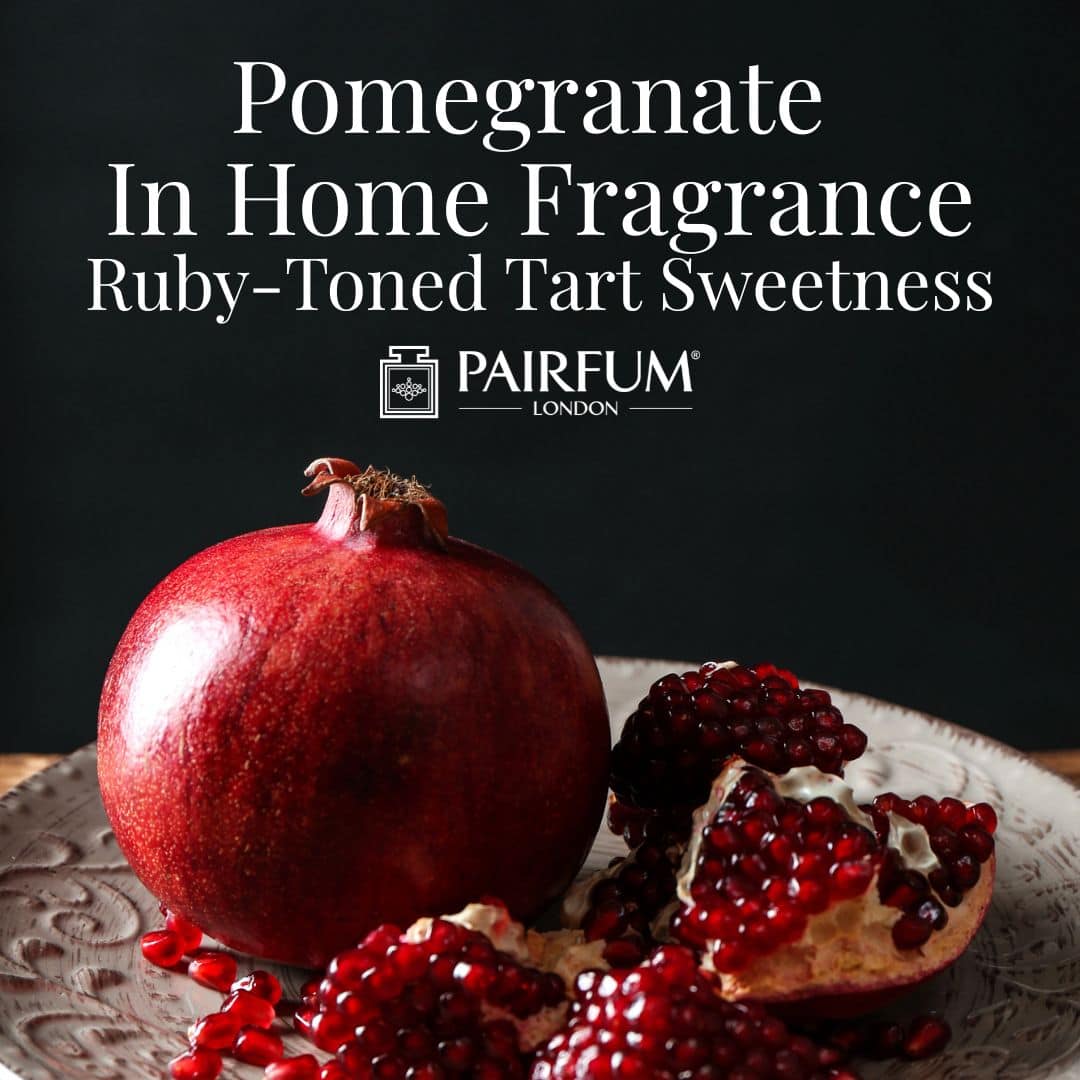
Pomegranate in Home Fragrance: Ruby-Toned Tart Sweetness

13/12/2025

Pomegranate is a fruit that attracts attention even before you taste it. Its deep red skin, round fruit shape and clusters of juicy seeds give it a jewel-like appearance. When

Read More
Featured Image Key:url

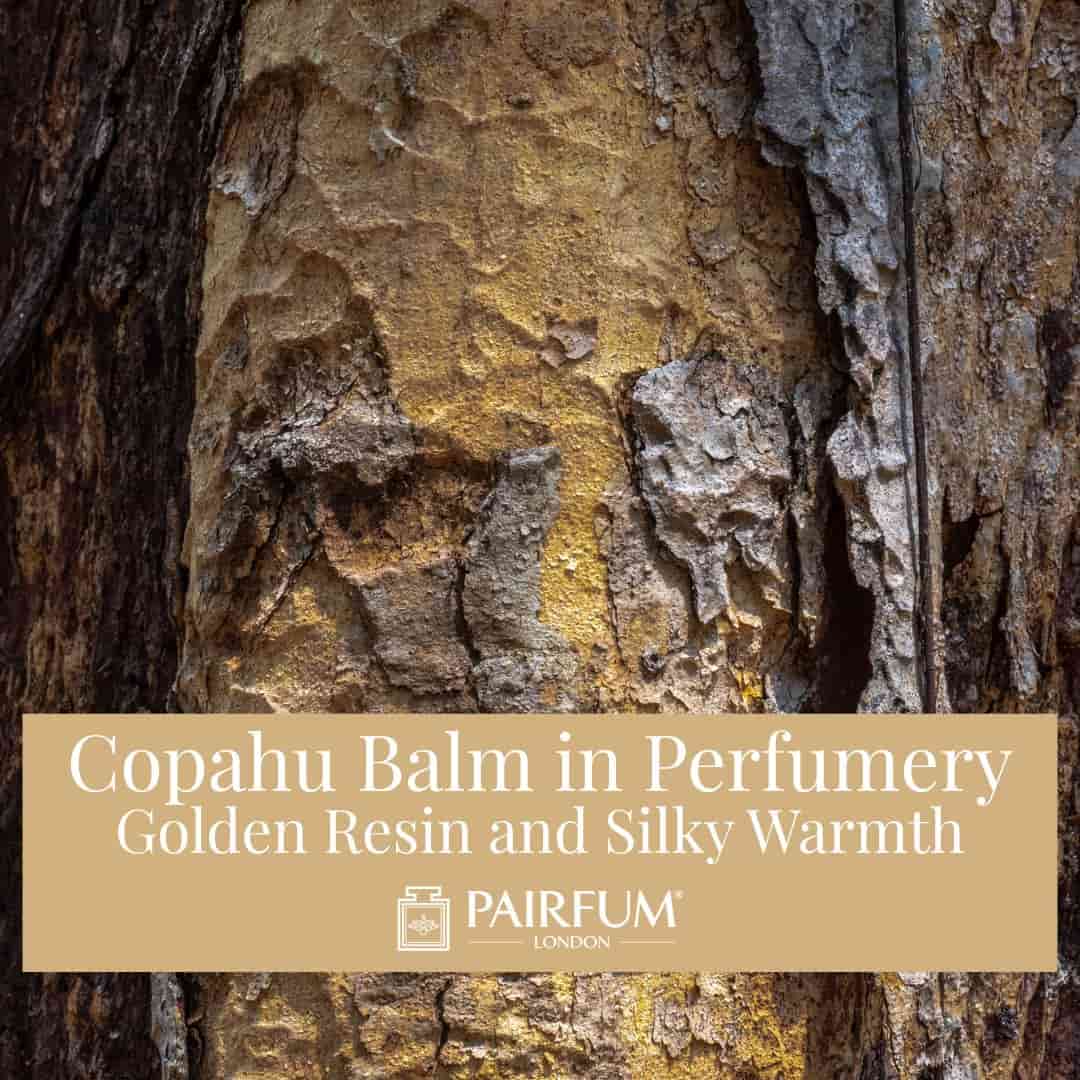
Copahu Balm in Perfumery: Golden Resin and Silky Warmth

11/12/2025

Also referred to as Copaiba Balsam or Copaiba oil, Copahu balm is a natural oleoresin harvested from the trunk of the South American Copaifera copaiba tree. It has historically been

Read More
Previous Next
    0
    Your Cart
    Your cart is emptyReturn to Shop