Home / Evergreen / Page 10
How Long Do Diffusers Last

How long do diffusers last?

How long do diffusers last? Diffuser lifespans and longevity vary significantly by type, with reed diffusers lasting anywhere from a few weeks to several months and water-based diffusers typically lasting mere hours. The reed diffuser’s actual longevity is largely dependent on its specific size, where a 30ml size will last around 2-4 weeks, while larger 250-500ml bottles can last for an extended period of 6-12 months. In contrast, water-based aromatherapy diffusers, such as ultrasonic models, generally last between 3 and 12 hours before needing a refill, and the more concentrated nebulising diffusers usually last only 1-3 hours per single use.

There’s something quietly transformative about the way diffusers change the mood of a room. A soft fragrance slowly lifts from the bottle, filling the air with subtle character and warmth. A well-placed reed diffuser not only freshens your home but also brings balance to the day. No flames, plugs or electricity, just steady perfume, released naturally.

Before choosing one, people often wonder: how long do diffusers last? The truth depends on the quality of ingredients, the construction of the reeds, how they’re used, and the space you place them in. With thoughtful care, a diffuser can last from a few weeks to several months, making it one of the easiest ways to keep your surroundings scented.

How Diffusers Have Evolved

Diffusers have come a long way. Early versions were often just glass bottles containing perfumed alcohol. Today’s blends are gentler, more refined and better for you. Over time, three broad generations have shaped what we use now: those using alcohol, those made with the chemical Dowanol DPM, and the newer non-VOC oil diffusers that combine longevity with a more natural composition.
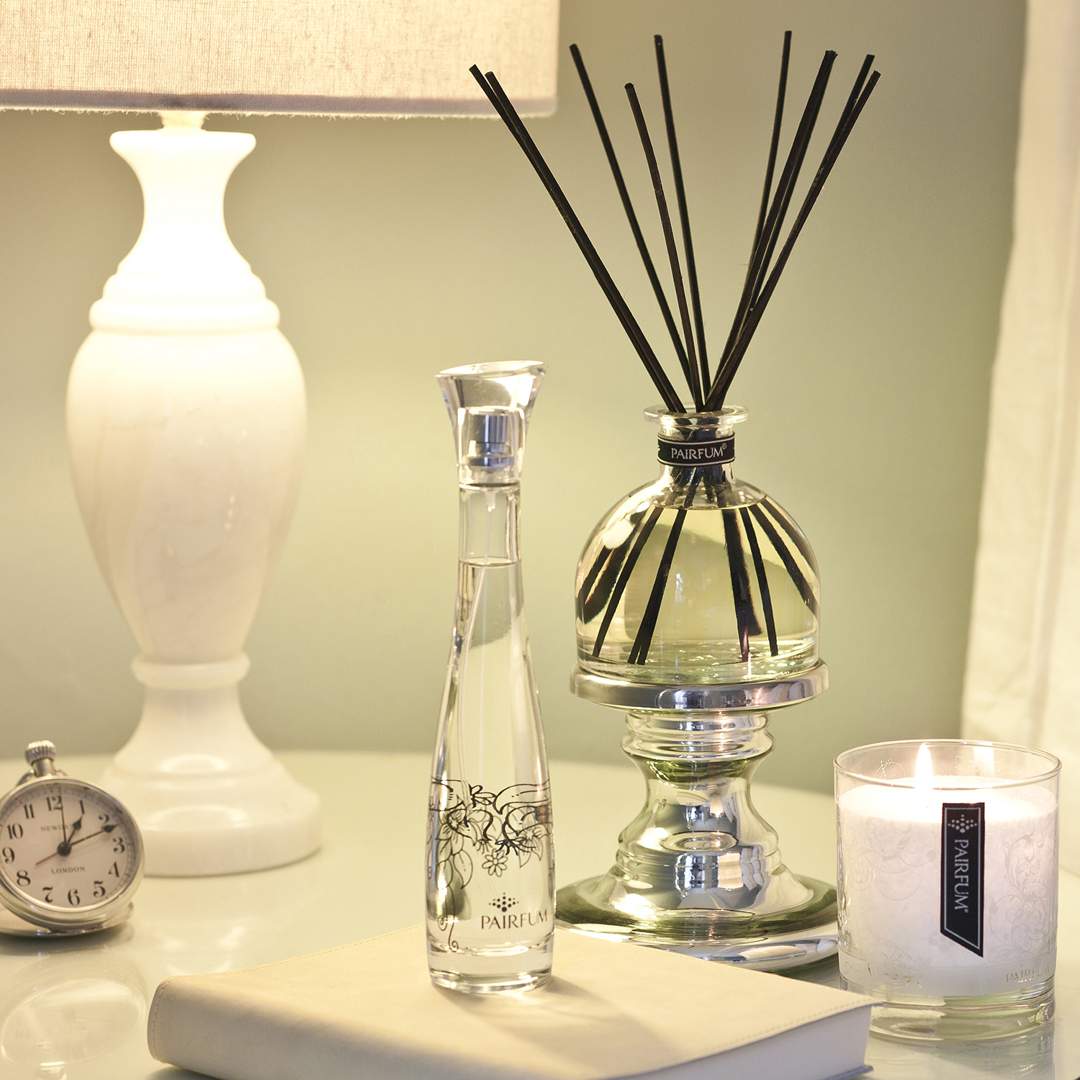
Bedroom Large Reed Diffuser Bell Perfumed Candle Room Spray

The First Generation: Alcohol-based Diffusers

Alcohol-based reed diffusers were once popular for instant results. The liquid raced up the reed sticks to release perfume quickly, creating a strong scent within hours of opening. Unfortunately, the evaporation rate was high. Many empty within just a few weeks, far before a month has passed.

Advantages

  • Quick release of perfume
  • Inexpensive and widely found

Drawbacks

  • The liquid disappears rapidly
  • Shorter-lasting fragrance
  • Must be kept away from radiators and direct sunlight
  • Open alcohol makes them unsuitable near naked flames

The reeds used were slim and plentiful, often natural rattan. They diffused well at first but dried out rapidly. The concept was clever, but not designed for long-term use.

The Second Generation: Dowanol DPM Diffusers

As people sought something more durable, manufacturers turned to Dowanol DPM, a synthetic solvent. These diffusers still use fragrance oils, but the carrier is heavier, so evaporation takes longer. The result is a smoother scent that can endure for months rather than weeks.

Advantages

  • Extended life compared with earlier designs
  • Even perfume distribution over time

Drawbacks

  • Dowanol can irritate sensitive lungs
  • The fragrance may feel less natural
  • Not ideal for eco-conscious homes

Because Dowanol moves slowly up the reed, these diffusers use fewer reeds—each one thicker to carry the heavier liquid. The reed diffuser sticks were about 25 to 30 centimetres long, giving a balanced release.

The Third Generation: Non-VOC Oil Diffusers

A genuine shift came with non-VOC oils. Free from volatile compounds, they suit modern interiors and offer lasting pleasure without risk. Pairing them with the right reed sticks makes for a continuous, and far healthier, flow of fragrance through the home.

These blends travel slowly through the reeds, maintaining an elegant scent that feels natural rather than perfumed. They’re steady, quiet and ideal for mindful living.

Advantages

  • Gentle on indoor air quality
  • Durable performance, often six to nine months or longer
  • Clean, subtle perfume over a long period

Drawbacks

  • Higher cost due to pure oils
  • The scent builds gradually rather than instantly

Non-VOC diffusers use thicker, high-quality reeds, sometimes made from engineered fibres that absorb evenly. Adding more reed sticks increases intensity; removing some softens it. Their design reflects a careful balance between style, wellbeing and longevity.
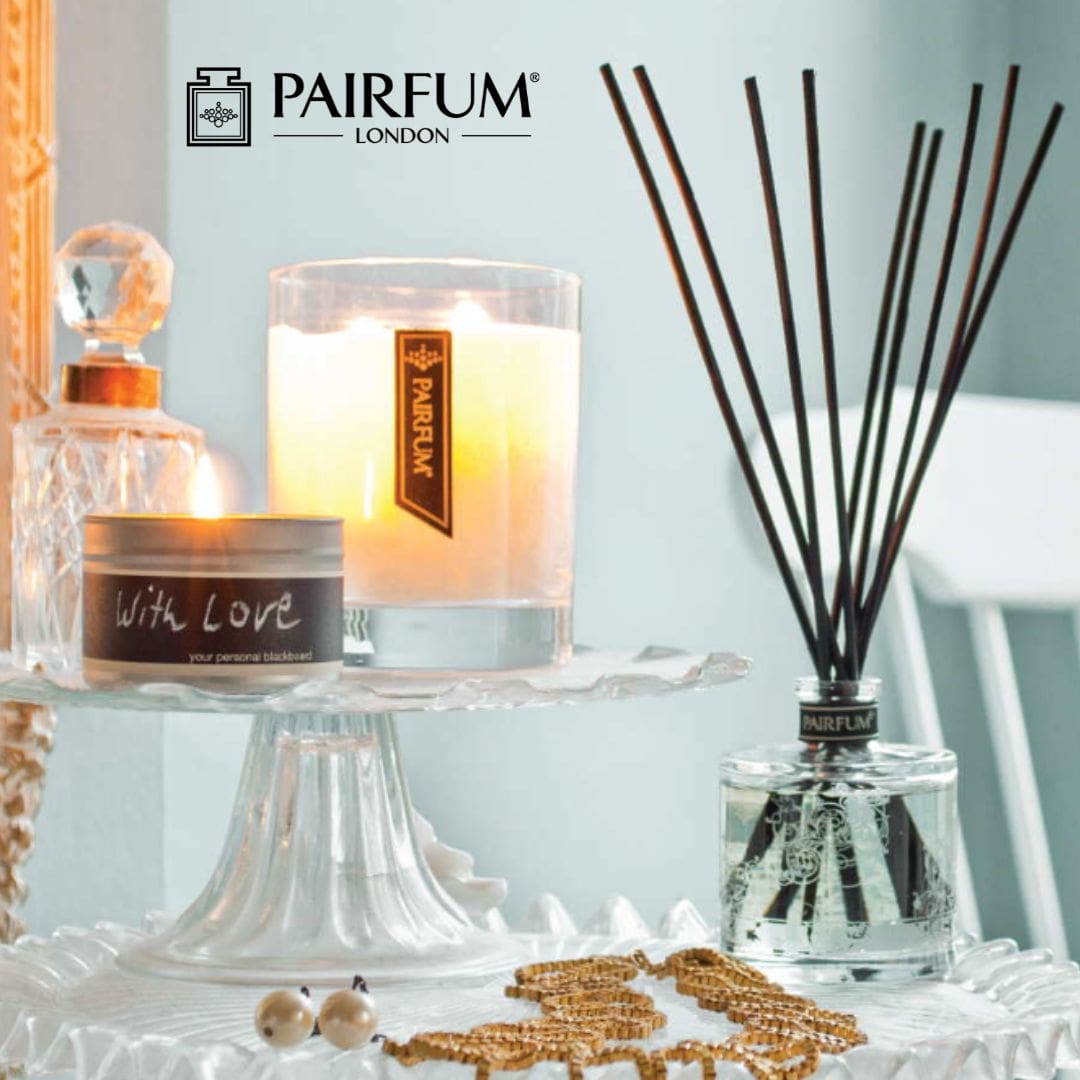
How Long Do Reed Diffusers Last

What Affects How Long Diffusers Last

How long diffusers last depends on several environmental and practical details. The most obvious are temperature, airflow and exposure to light, but there are other influences too.

  • Composition: A natural oil base diffuses more slowly than alcohol, giving a longer run.
  • Temperature: The warmer the room, the quicker the oils vanish.
  • Air flow: Strong drafts make the scent fade.
  • Placement: Avoid direct sunlight or radiators, which overheat the liquid.
  • Maintenance: Turning the reeds refreshes the fragrance, though overdoing it shortens its life.
  • Bottle size: Small diffusers, such as a 30ml version, will exhaust sooner than a 100 or 200ml bottle.

The ideal position is calm, stable and shaded, allowing the fragrance to drift naturally through the room.

When exploring different types of reed diffuser oil, it helps to understand that not all bases or blends are created equal. The ratio of fragrance oil to carrier liquid, the material of the diffuser bottle, and how the reeds absorb and release the scent are all crucial factors that decide both quality and lifespan. One simple thing to remember is that a purer oil base diffuses more slowly, keeping the fragrance authentic for much longer.

Looking After a Diffuser

Good care keeps a diffuser working far longer.

  1. Keep the bottle clean. A quick wipe now and then removes dust that clogs the reeds.
  2. Flip occasionally. Turning them weekly restores the scent.
  3. Mind the heat. Avoid placing the bottle near radiators or in full light.
  4. Watch the airflow. A soft current distributes perfume steadily.
  5. Adjust the reeds. Fewer reeds give a softer aroma, while extra ones lift the fragrance.

These small choices help the oil move evenly and prevent waste.
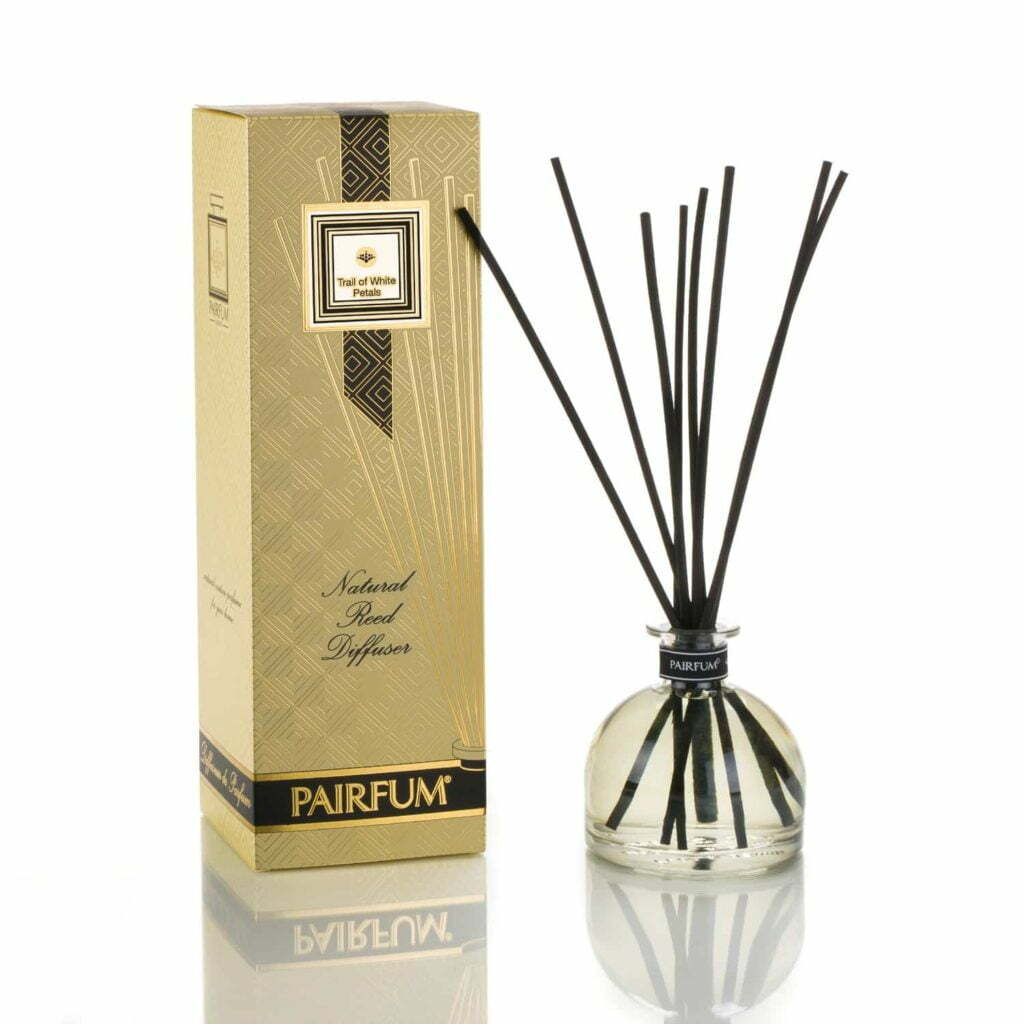
Pairfum Large Reed Diffuser Bell Signature Trail Of White Petals

Understanding Scent and Time

Unlike candles or plug-ins, a reed diffuser works naturally. The perfume travels through the reeds until it meets the air, then slowly releases. This process doesn’t rely on burning, so the fragrance changes gradually as the days pass. A new diffuser may start strong, but after a little time, it settles into a calm, lingering background scent.

The charm lies in its evolution. Bright notes such as citrus find their full expression early, while soft lavender deepens as the weeks go on. Many people layer several reed diffusers around their home to create zones of mood: fresh in hallways, floral for bedrooms, and woody or musky tones for sitting rooms.

How Long Each Generation Lasts

As a guide:

  • Alcohol-based diffusers last around 2–4 weeks.
  • Dowanol DPM diffusers last roughly 3–6 months.
  • Non-VOC oil diffusers can continue releasing fragrance for six to nine months or more.

Every time you turn your reeds, you momentarily revive the scent, but you also consume more oil. Where the diffuser sits and how it’s handled make a real difference to its endurance.

Why Fragrance Matters

A good home fragrance shapes more than the room; it affects how you feel. Soft floral or lavender blends calm the mind, while citrus gives brightness and clarity.
A reed diffuser suits this perfectly—no effort required, no fuss, simply an understated way to surround yourself with comfort. With consistent care, even a small bottle scents quietly for many weeks, and larger ones for half a year or more.

Pairfum Large Reed Diffuser Bell Noir White Lavender

A Statement Piece for Lasting Fragrance with Pairfum London

The Large Bell Reed Diffuser by Pairfum London

For those who love generous perfume and an object of beauty, the Large Bell Reed Diffuser achieves both. Its graceful glass bell shape makes a striking accent piece while protecting the oil from harsh light and dust. The larger capacity delivers a dependable fragrance presence that lingers naturally, filling the air gently rather than forcefully.

Built with precision, this diffuser pairs natural reeds and finely balanced fragrance oils in a vessel designed for slow, even diffusion. The roomy base ensures long-lasting use, while the soft contours sit harmoniously in any home. Over time, the perfume unfolds, subtle and inviting, leaving the room quietly scented for months without feeling intrusive.

Final Thoughts

Ultimately, how long do diffusers last depends on the blend, the environment and how you look after them. A well-made reed diffuser doesn’t just perfume a space, it becomes part of your everyday rhythm. Whether your taste leans towards earthy woods, clean citrus accords or relaxing lavender, the gentle rise of fragrance through the day brings calm, focus and familiarity. It’s a small detail that makes an enduring difference.

Why Is Rose Oud Perfume So Famous

Why Is The Rose Oud Perfume Accord So Famous?

The Rose Oud Perfume accord is a classic signature scent, renowned for its luxurious, warm, and complex blend of deep, woody oud with sweet, floral Bulgarian or Turkish rose. This highly celebrated combination is recognised for its profound cultural significance and sophisticated, captivating aroma. This fragrance’s popularity stems from its complex, gender-neutral profile, rich Middle Eastern history, and the inherent rarity and high cost of natural oud, which solidifies the blend as a symbol of luxury and opulence.
Step into a world where the union of rose and oud creates a rich perfume experience that transcends time, culture and style. These two captivating fragrance ingredients unite to form an aroma that evokes warmth, mystery and elegance. The rose oud perfume accord is one of the most celebrated compositions in modern perfumery, offering a dynamic fusion that perfume lovers worldwide find irresistible.
This pairing brings together the floral bouquet of rose with the deep woody essence of oud. Their interaction produces a complex yet harmonious scent that delights the senses and lingers beautifully in memory. Enthusiasts of rose oud adore its ability to stand apart while remaining timeless and sophisticated. When we ask why the rose oud perfume has become so famous, the answer lies in its history, its craftsmanship, and the emotional response it evokes.

What Does Rose Oud Perfume Smell Like?

Describing rose oud perfume is like describing the meeting of light and shadow. The opening often sparkles with a hint of spice or citrus before melting into a heart of velvety floral warmth. At the base lies soft amber, smooth wood and a trace of sweetness that wraps the wearer in quiet luxury.

Typical notes include:

  • Top: bergamot, cardamom, pink pepper and saffron for a radiant start.
  • Heart: the luscious rose in all its forms – Damask, Centifolia or Taif – blending with warm patchouli and gentle fruit facets.
  • Base: oud, sandalwood, musk, amber, vanilla and dry woods for depth and lasting presence.

The result is an aroma that feels at once opulent and comforting. Whether brightened by citrus or darkened with labdanum, every rose oud reveals another side of this extraordinary accord.

In some artisan blends, the floral core becomes almost tactile, described as velvet rose, smooth like the softest petal brushed against skin. Such compositions accentuate the creamy character of the rose, lifting its romance while balancing the smoky undertone of oud.

Eau De Parfum Person Reflection Cardamom Tonka White Oud Man Suit 1 1

Historic Roots of Rose Oud Perfume

The rose oud perfume has a long and captivating past, rooted in both Eastern and Western fragrance traditions.

The Story of the Rose

For more than twenty centuries, the rose has been revered as a symbol of love, devotion and beauty. Ancient Persia, Egypt and Greece used rose oil and rose water in sacred ceremonies and healing balms. Cultivation later spread to India and Europe, where fields of Damask and Centifolia roses became the heart of classical perfumery. Even today, the harvest season of rose petals is treated as a celebration, marking a special date on the calendar when dawn brings the most fragrant bloom.

The Journey of Oud

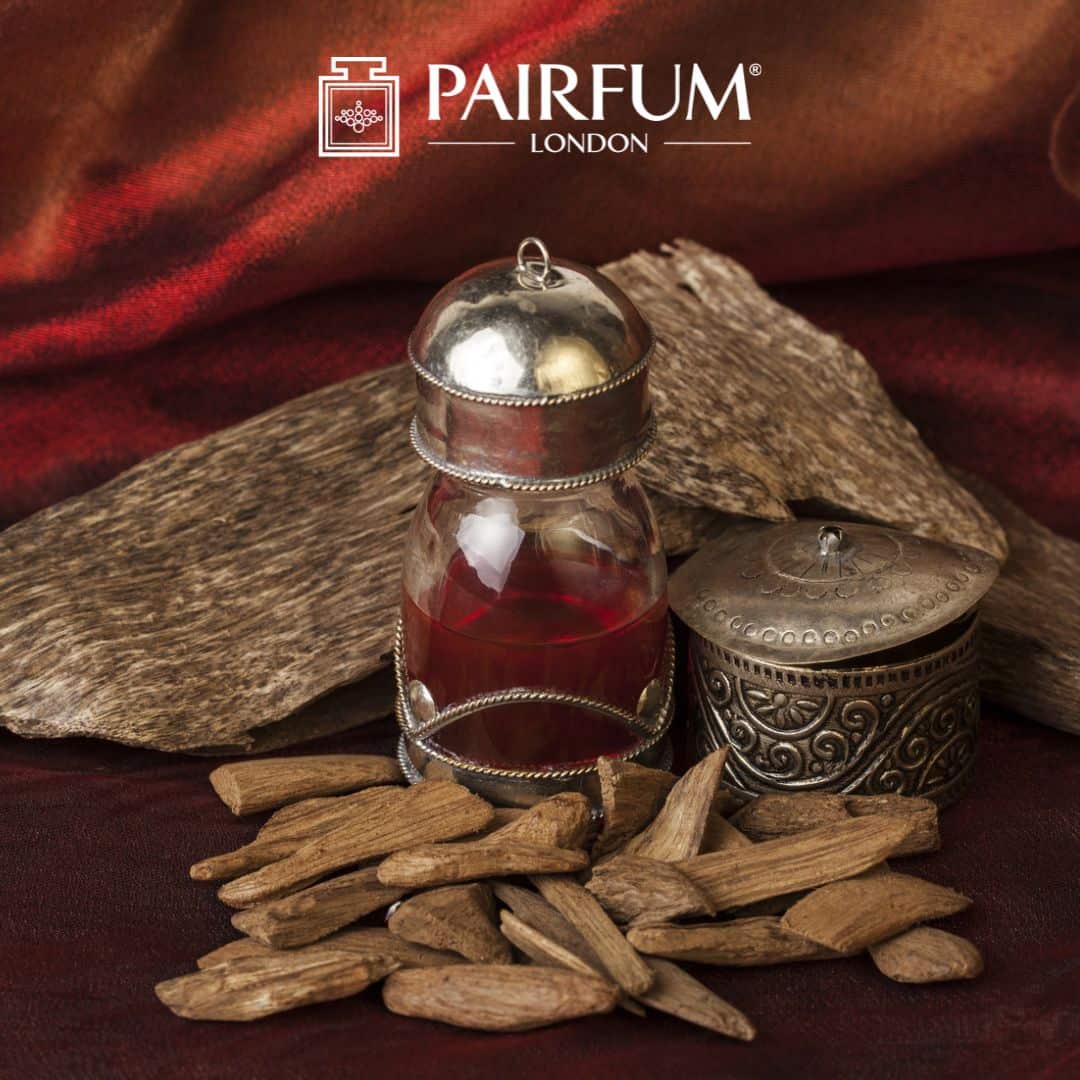
Oud originates from the resin-infused heartwood of the Aquilaria tree native to Southeast Asia. When the wood becomes infected with a particular mould, it produces a dark, aromatic resin of extraordinary scent and value. For centuries, people in Cambodia, Laos and India have treasured oud for spiritual rituals, believing its smoke purifies and uplifts.
When East Met West

The meeting of rose and oud symbolises a bridge between cultures. The fresh refinement of rose from European gardens entwines with the ancient mystique of oud from Asian forests. Together, they express universality in scent. This cross‑cultural artistry explains much of the accord’s continued fame. Within the perfumery world, rose oud perfume represents harmony, where floral grace meets aromatic depth.

This traditional union has endured through time, reimagined by perfumers again and again, each discovering new ways of expressing its eternal appeal.

The Unique Characteristics of Rose and Oud

Each part of the rose oud story depends on the personalities of its two central materials.

The rose brings softness, romance and refinement. Its natural oil contains molecules like geraniol and citronellol, responsible for that unmistakable scent of blooming petals. Some varieties, such as Damask, smell honeyed and spicy; others, like Centifolia, are plush and creamy. No matter the variety, the rose remains the soul of beauty in perfume.

Oud is its dramatic counterpart: deep, resinous and complex. A fine oud can smell warm, leathery and almost sweet, with whispering hints of smoke. When combined with rose, it gives structure and mystery. The results deliver a sensual balance between bloom and wood, tenderness and strength.

It is this emotional contrast that keeps rose oud famous. Wearers describe it as addictive, enveloping and quietly powerful, a fragrance that transforms with the body’s warmth and the surrounding condition of the air.

Eau de Parfum Person Reflection Pink Rose Sensuous Musk Woman 1 1

The Art of Crafting Rose Oud Perfume

Crafting rose oud perfume requires years of mastery and a steady hand. Perfumers treat both oils as treasures, blending them carefully to ensure harmony between their definitive yet distinctive tones.

Extracting the Essence

Rose oil is typically obtained through gentle steam distillation, which captures its bright and airy profile. Some houses prefer a rose absolute, extracted with solvent for added richness. The chosen type of rose can determine the entire character of the final perfume.

For oud, perfumers use slow extraction techniques such as hydro-distillation or CO₂ processing. The result depends on the age and type of the agarwood used. Because natural oud is precious and limited, many perfumers create authentic accords that resemble its aroma while ensuring ethical practice.

Blending with Precision

Creating a genuine rose oud perfume is a process measured by weeks of refinement. The perfumer must decide how much rose, how much oud, and which supporting notes will enhance both. Subtle additions of patchouli, amber, vanilla or musk may help fix the scent and amplify its grace.

Each blend carries its own personality. Some are sweet and romantic; others, dry and smoky. Many are proudly vegan, formulated without animal-derived materials, yet maintaining the depth of traditional compositions. The care shown in achieving this natural yet complex balance is part of why the rose oud perfume accord commands such respect.

Sustainability and Integrity

Both rose and oud rely on nature’s generosity. A single bottle of true rose oud may represent thousands of flower petals and months of patient cultivation. Responsible brands ensure that sources are non-destructive and communities benefit fairly from trade.

With oud, sustainability is paramount. The trees that yield it are protected under international guidance, and new plantations are cultivated to safeguard the forests. Many contemporary rose oud perfumes take pride in being cruelty-free and vegan, respecting both the earth and modern values.

This integrity contributes silently but powerfully to the fame of rose oud perfume, confirming that luxury can live hand in hand with responsibility.

Iconic and Modern Interpretations of Rose Oud

Across time, rose oud has evolved from a rare attar worn by royalty into a global symbol of sophistication. What keeps it relevant is its versatility.

Many modern versions pair rose oud with unexpected partners such as fruits, soft musk, wood smoke or powdery florals. The balance changes, yet the essence remains recognisable: a heart of rose, a soul of oud.

Some editions emphasise the smooth, sensual feeling of the velvet rose, which adds a plush texture and gently softens the inner warmth of oud. Others highlight spicy accents, using saffron or cardamom to give lift and radiance.

Every interpretation, from traditional attars to spray perfumes, shares a constant: the emotional depth that connects the wearer to a rich perfumery heritage. This human connection, this universal recognition of beauty, is the enduring reason why the rose oud perfume accord remains so celebrated.

Rose Oud Perfume

How to Choose and Wear Rose Oud Perfume

Bringing rose oud perfume into your daily life offers a chance to experience artistry in motion.

Choosing the Right Style

If you love a radiant floral, seek a blend where rose takes precedence. Those drawn toward darker, moodier scents may prefer oud-forward compositions rich in patchouli, smoke or amber.

Testing several varieties is essential, as your skin’s chemistry can shape the fragrance’s evolution. The frequency of wear can also affect perception: a rose oud worn daily may reveal subtler, more personal facets over time.

Wearing It Well

Rose oud perfume thrives in cooler evenings and adds luxury to special events. Yet its balanced nature can work beautifully year-round. A light touch on pulse points lets the fragrance warm slowly, revealing the soft petals of rose before the smooth background of oud unfolds.

Natural fabrics and simple attire allow their complexity to shine. There is confidence in wearing a perfume that speaks eloquently for itself.

A Living Tradition of Elegance

Rose oud perfume is more than a scent; it is an experience, a dialogue between floral delicacy and woody strength. It transcends season, style and gender, appealing to those who value authenticity and craftsmanship.

From ancient rituals to modern luxury, the accord of rose oud tells a story that continues to inspire. Its fame endures because it represents something greater than fragrance alone – unity in contrast, emotion distilled into scent, beauty that never fades.

Each time you encounter rose oud, you encounter centuries of artistry and passion captured in a bottle, proof that when the queen of flowers meets the wood of the gods, the result is nothing short of eternal.

Eau De Parfum Person Reflection Cardamom Tonka White Oud Man Coat 1 1

Rose and Oud Harmony with Pairfum London

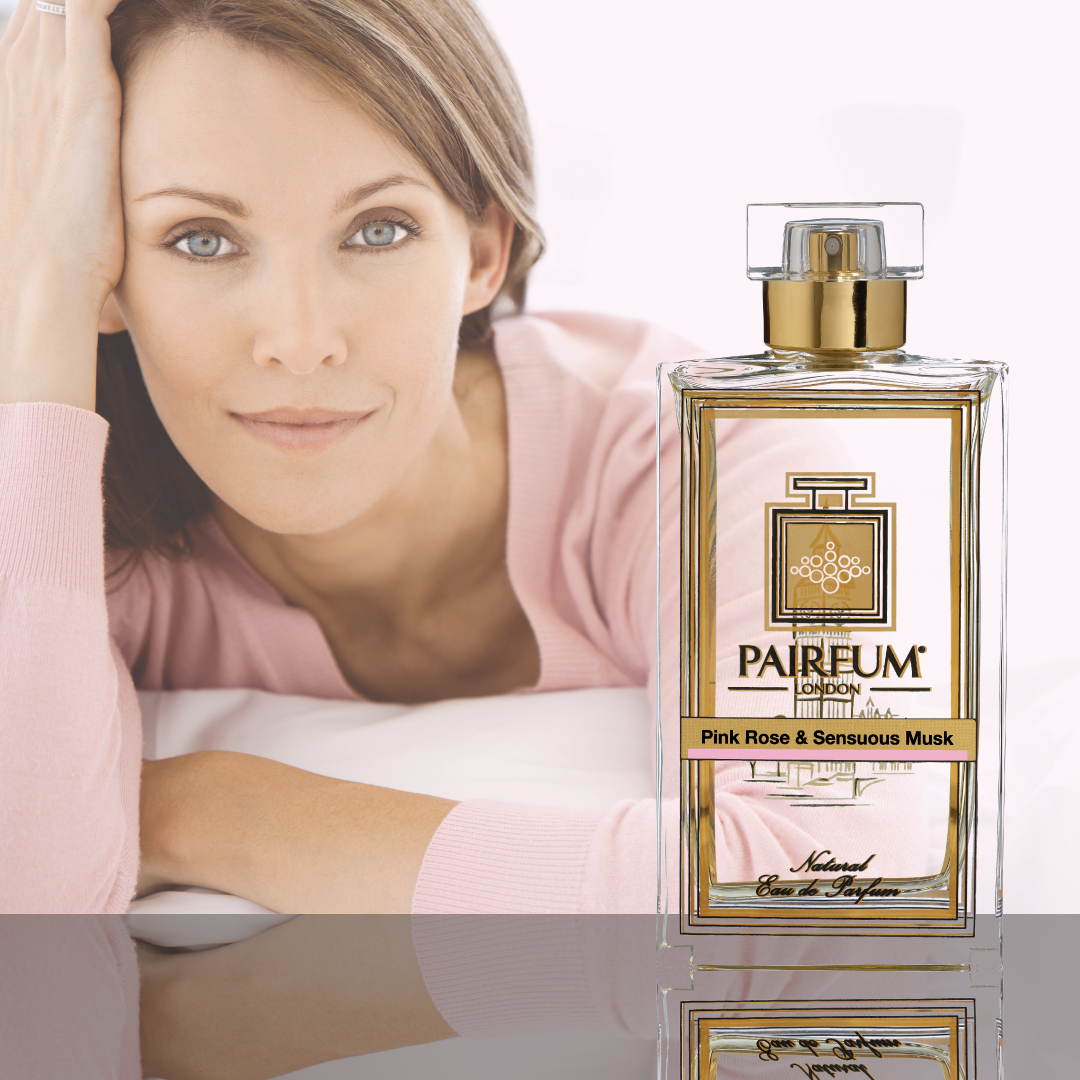
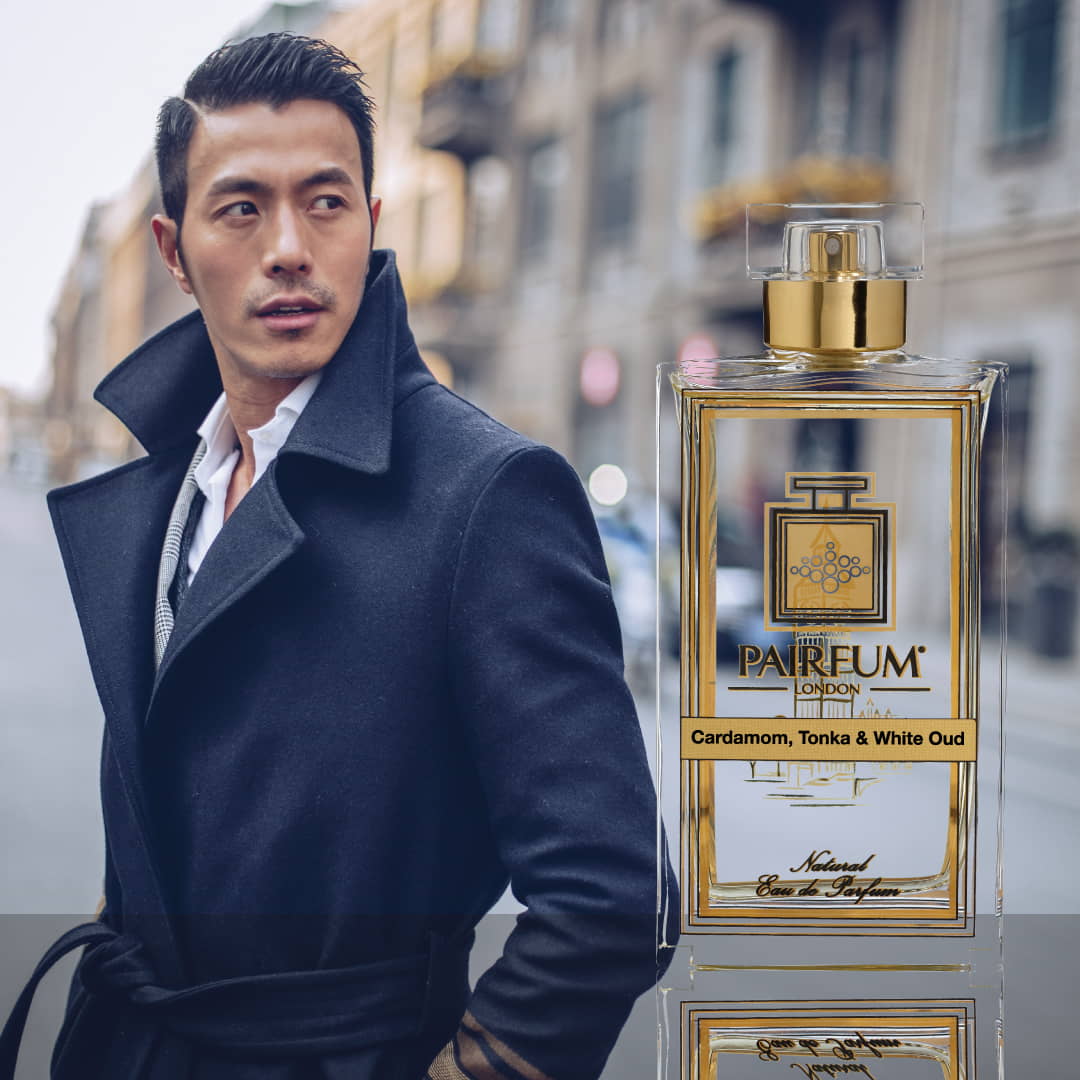
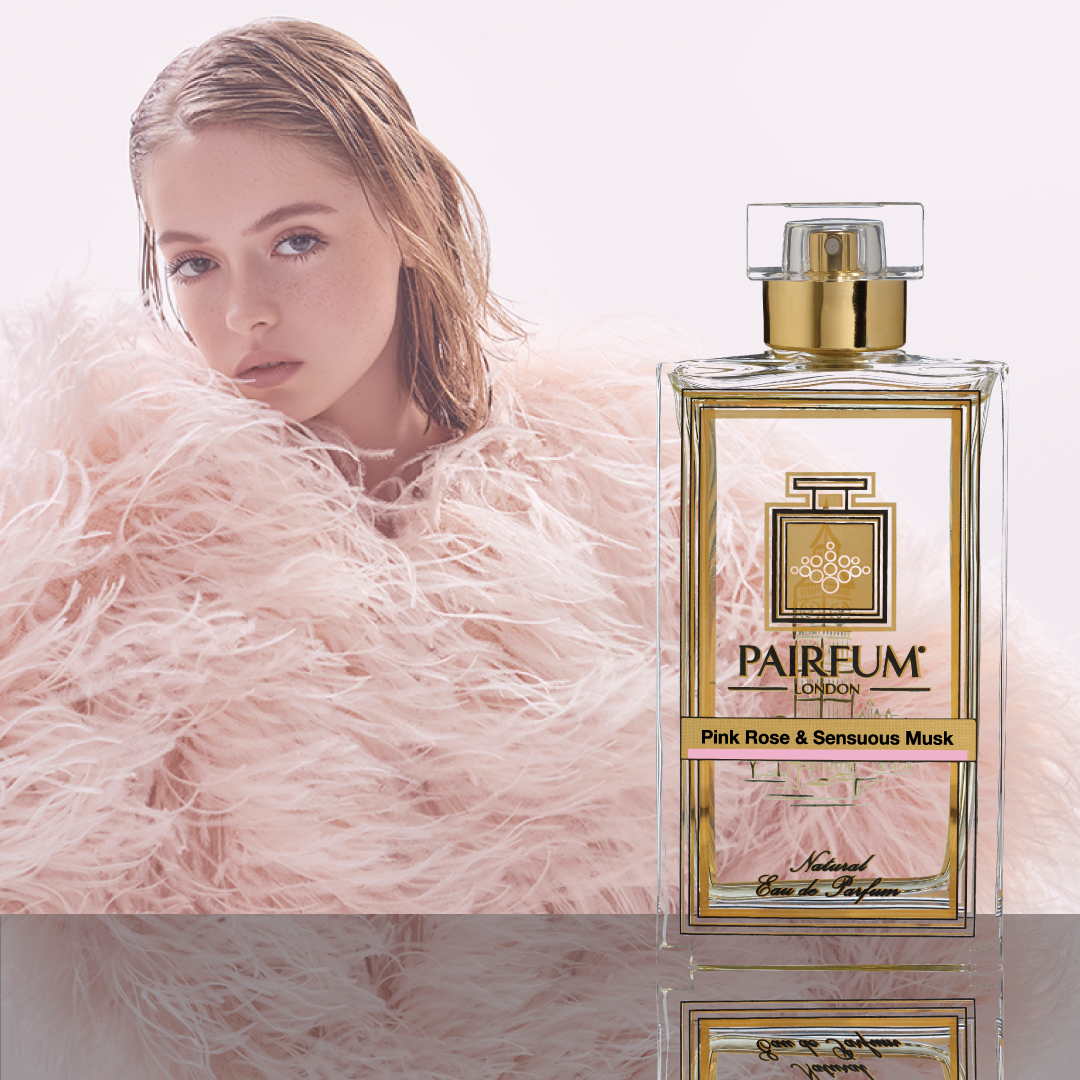
For those who wish to explore this timeless pairing through contemporary artistry, two perfumes offer elegant interpretations of the theme. Cardamom, Tonka & White Oud Eau de Parfum wraps soft oud in creamy tonka and subtle warmth, creating an inviting fragrance with depth and sophistication. Pink Rose & Sensuous Musk Eau de Parfum unveils the romantic glow of freshly bloomed rose, embraced by gentle musk, a fragrance that feels both intimate and refined. Each scent captures a different facet of the classic rose and oud dialogue, inviting you to experience the accord in a truly modern light.

Cardamom, Tonka & White Oud – Eau de Parfum by Pairfum London

This rich, deeply passionate fragrance opens with a bright, luminous blend of Top Notes: zesty Lime and Mandarin are mixed with an aromatic spice medley of Cardamom, Nutmeg, and Clove, uplifted by subtle, fruity hints of Cassis. The Heart reveals a floral and spicy core where elegant White Lily blends with the classic romance of Rose and the sweet brightness of Orange Blossom. A sensual Base of smooth Tonka, creamy woods (Cedar and Santal), distinctive White Oud, and warm Amber rounds off this opulent creation.

Pink Rose & Sensuous Musk – Eau de Parfum by Pairfum London

This vibrant, radiant floral fragrance opens with luminous top notes of Sparkling Lemon and Lime, their zest enhanced by the soft, fruity nuances of fresh Peach. The feminine, floral Heart is a radiant blend where soft Pink Rose meets the creamy sweetness of Magnolia and the exotic touch of Frangipani. A dark, seductive Base of sensuous Musk, warm Amber, and deep Precious Woods brings the entire composition to a rich, lasting life.

Eau de Parfum Person Reflection Pink Rose Sensuous Musk 1 1

So, Why Is The Rose Oud Perfume Accord So Famous?

The fame of the rose oud perfume accord rests on its perfect balance of opposites. The floral elegance of rose meets the spiritual depth of oud, creating a signature that appeals across cultures and generations. It speaks to our senses in layers: soft, mysterious, seductive and serene.

It remains renowned because it combines rare natural materials, a compelling history, ethical craftsmanship and sheer emotional power. The distinctive scent of rose oud continues to symbolise refinement and individuality. It is the fragrance equivalent of timeless art, forever admired, forever relevant.

Aniseed In Perfumes

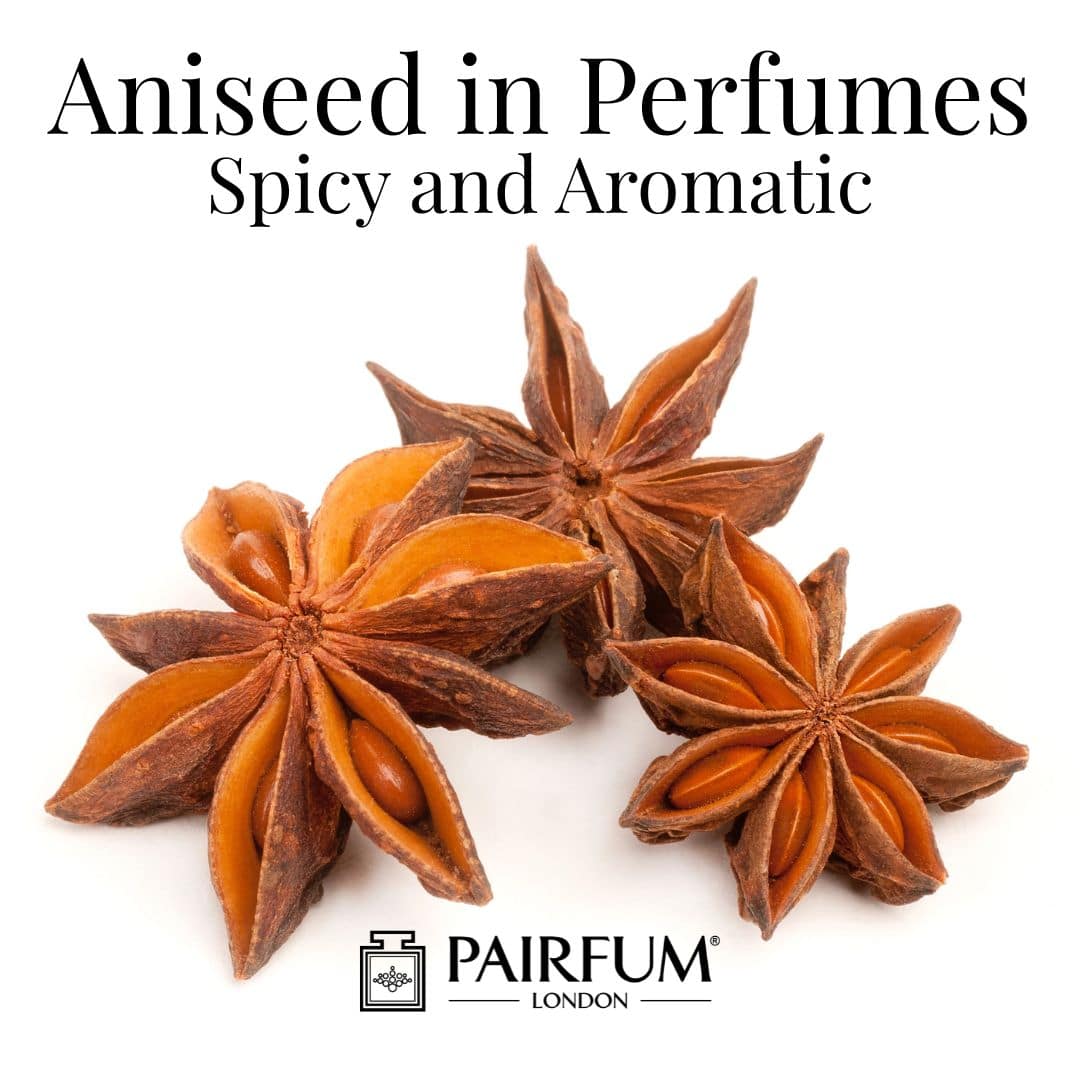
Aniseed in Perfumes: Spicy and Aromatic

Aniseed is the seed of the anise plant (Pimpinella anisum), a flowering herb originally from the Mediterranean region and parts of Southwest Asia. It has a naturally sweet, liquorice-like taste and aroma and is widely used in cooking and baking, from pastries and candies to liqueurs and savoury dishes. Beyond its culinary uses, aniseed has also been valued in traditional medicine for easing digestive discomfort, soothing coughs, and naturally freshening breath.

Scents mingle in the air, some delicate, others bold. Among them, aniseed is instantly recognisable, standing out with its sweet, spicy, liquorice-like quality. Imagine stepping into a space filled with fragrance. It brings both surprise and a feeling of familiarity, creating perfumes that lodge themselves in memory. Used carefully, it adds warmth, clarity and a note of intrigue to compositions that might otherwise slip into the ordinary.

What is Aniseed? From Plant to Perfume

Aniseed is derived from Pimpinella anisum, an aromatic herb belonging to the Apiaceae family, which also includes carrots, fennel and parsley. The plants are native to the Eastern Mediterranean and Western Asia but are now cultivated across much of southern Europe, with Spain being a well-known producer.

It is a bushy annual growing up to half a metre tall, producing finely divided aromatic leaves and sprays of tiny white flowers that form broad dome shaped heads typical of the carrot family. Once pollinated, these umbels develop into oval, ridged fruits that many refer to as seed pods. Though commonly called seeds, they are technically schizocarps, which split when ripe to release the true seed.

The plant prefers free-draining soils in sunny sites and is often sown in situ as it dislikes root disturbance. Gardeners are advised to avoid transplanting because moving the seedlings can affect vigour. With the right conditions, this annual thrives and produces an aromatic harvest famed for its role in perfumes, cooking and teas.

Botanical Characteristics and Hardiness

Pimpinella anisum is not especially noted for cold hardiness and so it is usually grown in warmer climates or under protection. In temperate areas, it is sown after the risk of frost has passed, usually in late spring. When grown for its aromatic seed, the crop is harvested several months later as the fruits ripen and dry.

The flowers appear in airy clusters, attracting pollinators such as bees. Once ready, the fruits can be dried and stored for a variety of uses, ranging from culinary product preparations to the distillation of oils for fragrance.

Pairfum Fragrance Black Cherry Oolong Tea Triangle

Aroma and Sensory Profile

The essential oil of aniseed is dominated by anethole, which creates the characteristic sweet, liquorice-like odour. It is both fresh and warming:

  • Sweet yet spicy
  • Clean yet rounded
  • Comforting yet invigorating

Perfumers value its balance because it sits comfortably between gourmand sensations and crisp herbal clarity. It can lift a composition when used as a top note, or anchor it with subtle spice as a heart note.

Cultural Associations of Aniseed

Throughout history, aniseed has held significance far beyond perfumery. The ancient Egyptians cultivated anise, while the Greeks and Romans recorded it as both a flavouring and a ritual ingredient. One Roman example was sweet cakes flavoured with aniseed, served after feasts as both a digestive and aromatic treat.

In medieval Europe, apothecaries and monasteries grew Pimpinella anisum for use in herbal remedies and potions. Later centuries saw it incorporated into drinks such as pastis, ouzo and sambuca. For many cultures across the Mediterranean, the scent of aniseed is inseparable from the shared experience of a meal or a leisurely drink.

For perfumers and fragrance lovers, these associations enrich the olfactory story. Wearing a perfume with aniseed is not simply about scent, but also about memory, symbolism and heritage.

Aniseed in the History of Fragrance

Ancient World: Egyptians valued it for ritual and healing; the Greeks and Romans prized its energising qualities. A well-documented example is its use in aromatic infusions worn on the body or added to oils.

Middle Ages: Aniseed reached further across Europe, where it became part of herbal gardens. It was valued as much for sweetening the breath as enlivening the atmosphere in home mixtures.

Modern Era: Over the last two centuries, it has gained renewed recognition as perfumers sought unusual notes. Today, an example of aniseed in fragrance is found in gourmand and oriental families, where it tempers sweetness and deepens spice.

Eau de Parfum Person Reading Black Cherry Oolong Tea 1 1

Types of Aniseed Oils and Extracts

Perfumers generally use seed-derived materials in the following forms:

  • Aniseed Oil: Produced predominantly through steam distillation of dried fruits. It gives perfumes their most vivid version of the note.
  • Aniseed Extract: A lighter method, creating subtle accents rather than dominance.

Both are valued because they can either lead a perfume or act as a link between ingredients that would not otherwise blend in harmony.

Extracting the Essence

The transformation of aniseed into perfumer’s oil is delicate.

  • Steam Distillation: Steam is passed through crushed seed to release the oil. This method yields a faithful expression of the aroma.
  • CO2 Extraction: Provides a clean, concentrated essence, capturing more complex notes without heat.
  • Cold Pressing: Rare for anise, but sometimes used to produce oils with a sharper edge.

Each method gives perfumers a slightly different interpretation, broadening their creative order as they design compositions.

Aniseed in the Olfactory Pyramid

Depending on its concentration, aniseed can be used as either a top or heart note. It pairs beautifully with citrus in the opening of a perfume, bridges the sweetness of vanilla and tonka in the middle, and complements woods such as cedar in the base.

Its versatility allows it to feature in gourmand, fougère, aromatic and oriental families, appearing in both unisex blends and compositions with distinct character.

Iconic Perfumes Featuring Aniseed

Several celebrated fragrances highlight aniseed:

  • Guerlain’s L’Heure Bleue, where anise joins florals and spices to create depth and mystery
  • Lolita Lempicka, blending cherry, vanilla and anise into a whimsical, fairy-tale scent
  • Designer reinterpretations which use aniseed for brightness against heavier accords

These examples illustrate how aniseed tempers sweetness, enhances warmth and injects playful intrigue into otherwise familiar combinations.

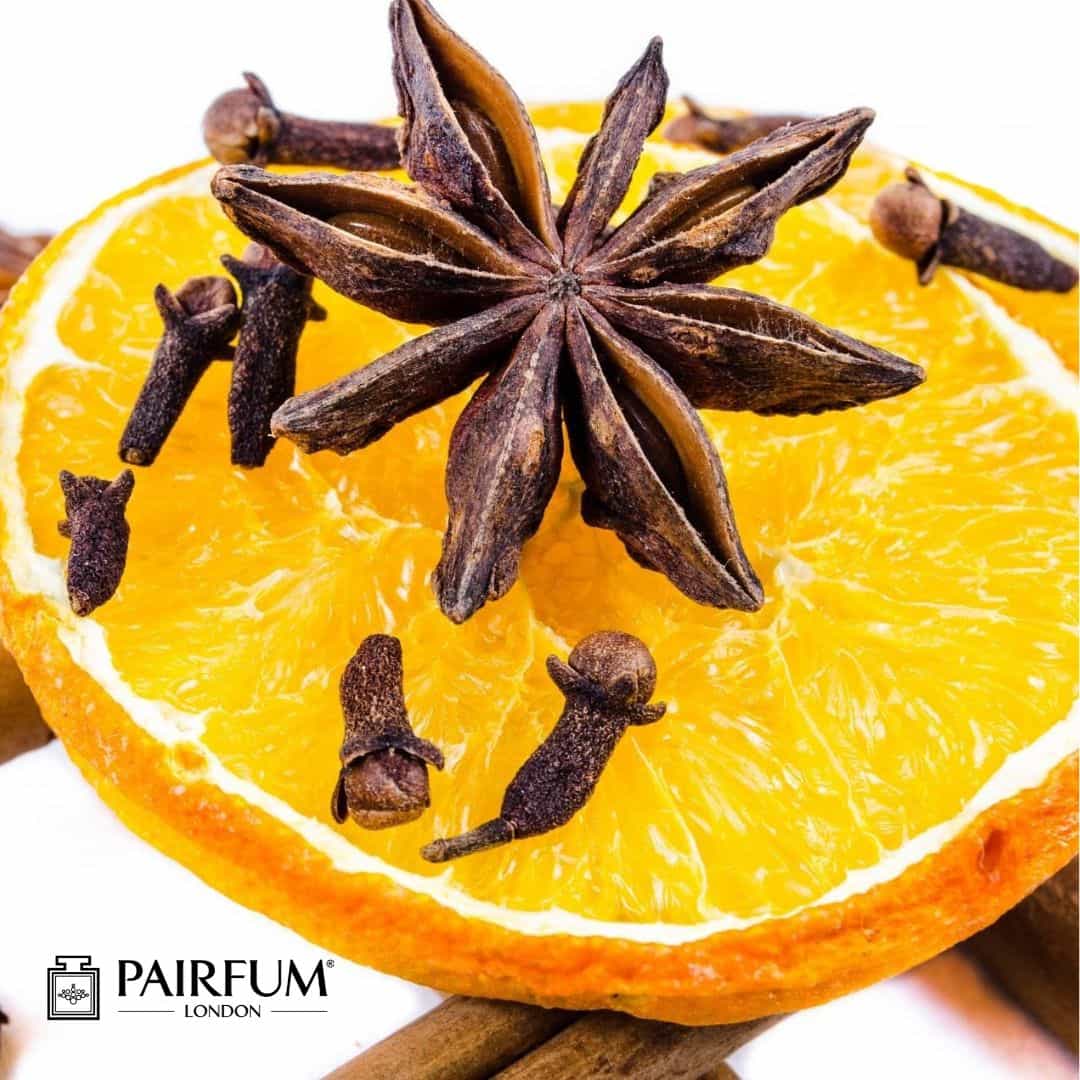
Aniseed And Orange

From Perfume to Everyday Uses

Beyond fragrance, aniseed holds a prized position in food, medicine and ritual. It flavours confectionery, biscuits, breads, and liqueurs. Herbalists use it in soothing teas, often to calm digestion. For many households, the aroma brings both comfort and nostalgia.

The versatility of the product is striking: harvested once the umbels dry, the fruits are dried, ground, pressed into oils or distilled into extracts. Growers in Spain and other Mediterranean countries have exported these seeds for centuries, ensuring aniseed remains part of global culture.

Cultivating Anise: Horticultural Insights

Gardeners continue to cultivate Pimpinella anisum as both an herb and ornamental. Grown as a bushy annual, it performs best when sown in situ. Because the seedlings are delicate and prone to damage, root disturbance from transplanting is avoided. Once established, it produces broad dome shaped heads of tiny white flowers, which eventually give way to the glossy fruits known as seed pods.

Harvesting occurs as the fruits dry. They can then be cleaned, dried thoroughly and stored in sealed containers to preserve their essential oils. The dried spice is easy to keep for long periods and can later be used in cooking, remedies, or as a perfumery raw material.

With its moderate hardiness, the plant adapts best to sunnier, warmer climates, though it can be raised outdoors during British summers. Like many aromatic plants, it performs well in free-draining soil and rewards the gardener with fragrance, history and usefulness.

Why Aniseed Belongs in Perfumery

Aniseed is more than just a spice. It bridges culture, history and olfactory pleasure in a way few ingredients do. From its delicate flowers in the field to its role in ancient feasts and modern perfumery, it offers continuity through centuries.

It can refresh and uplift when used lightly, or add depth and richness when placed more centrally within a composition. For fragrance lovers, it is the aromatic chameleon that never fails to delight, creating perfumes that feel both timeless and surprising.

Eau De Parfum Person Reflection Black Cherry Oolong Tea Woman Arms 1 1

Aniseed & Personal Fragrance with Pairfum London

Aniseed has a rich tapestry of uses, weaving through the annals of history as both an aromatic and a healing element. Its unique, sweetly spiced profile melds tradition with innovation, making it a cherished choice in modern perfumery. Embracing this essence, our Black Cherry & Oolong Tea Eau de Parfum elevates the experience by blending aniseed’s timeless allure with luscious black cherry and the subtle sophistication of oolong tea. Crafted for those who appreciate the art of fragrance, this perfume invites you to explore a symphony of scents that not only captivate the senses but also tell a tale of aromatic legacy.

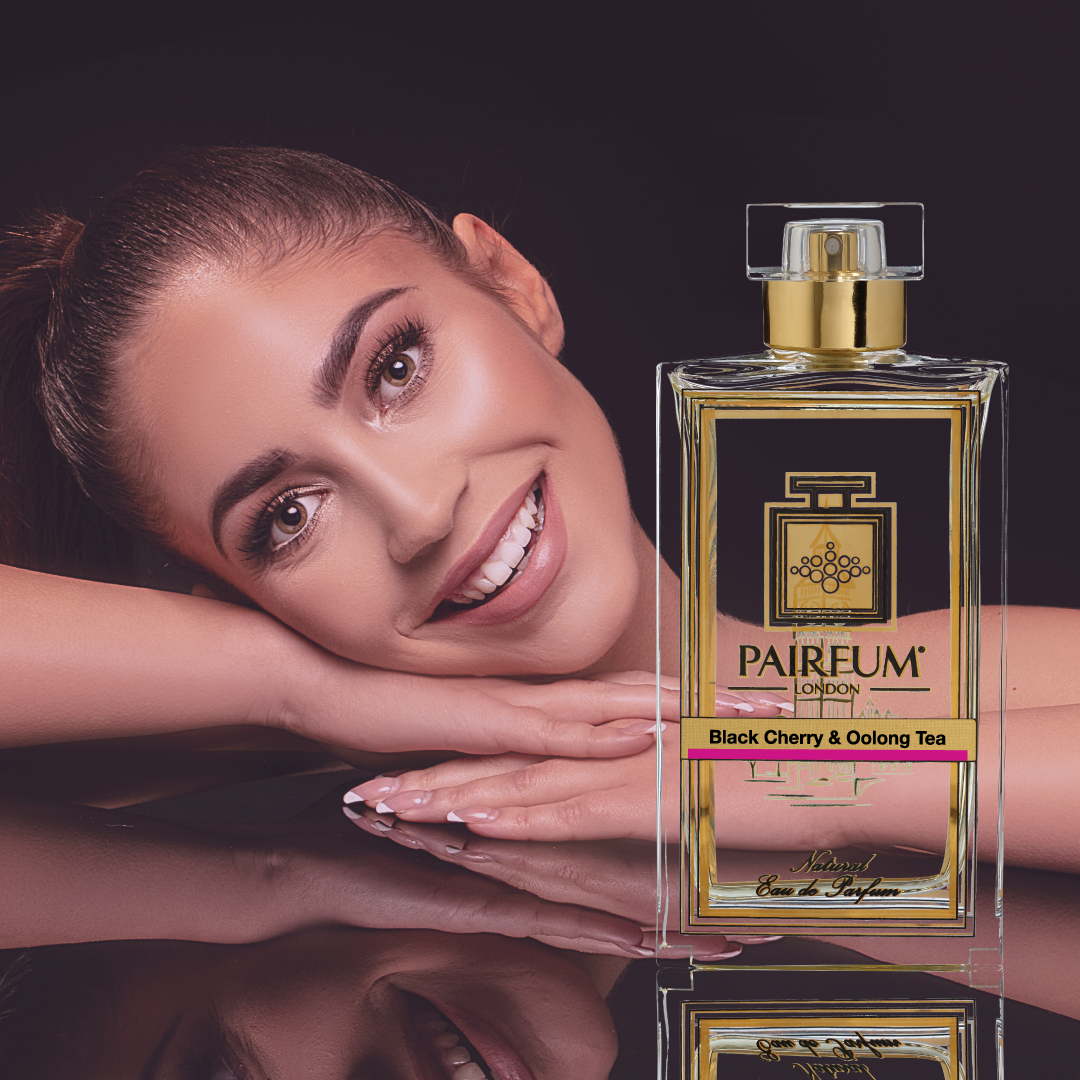
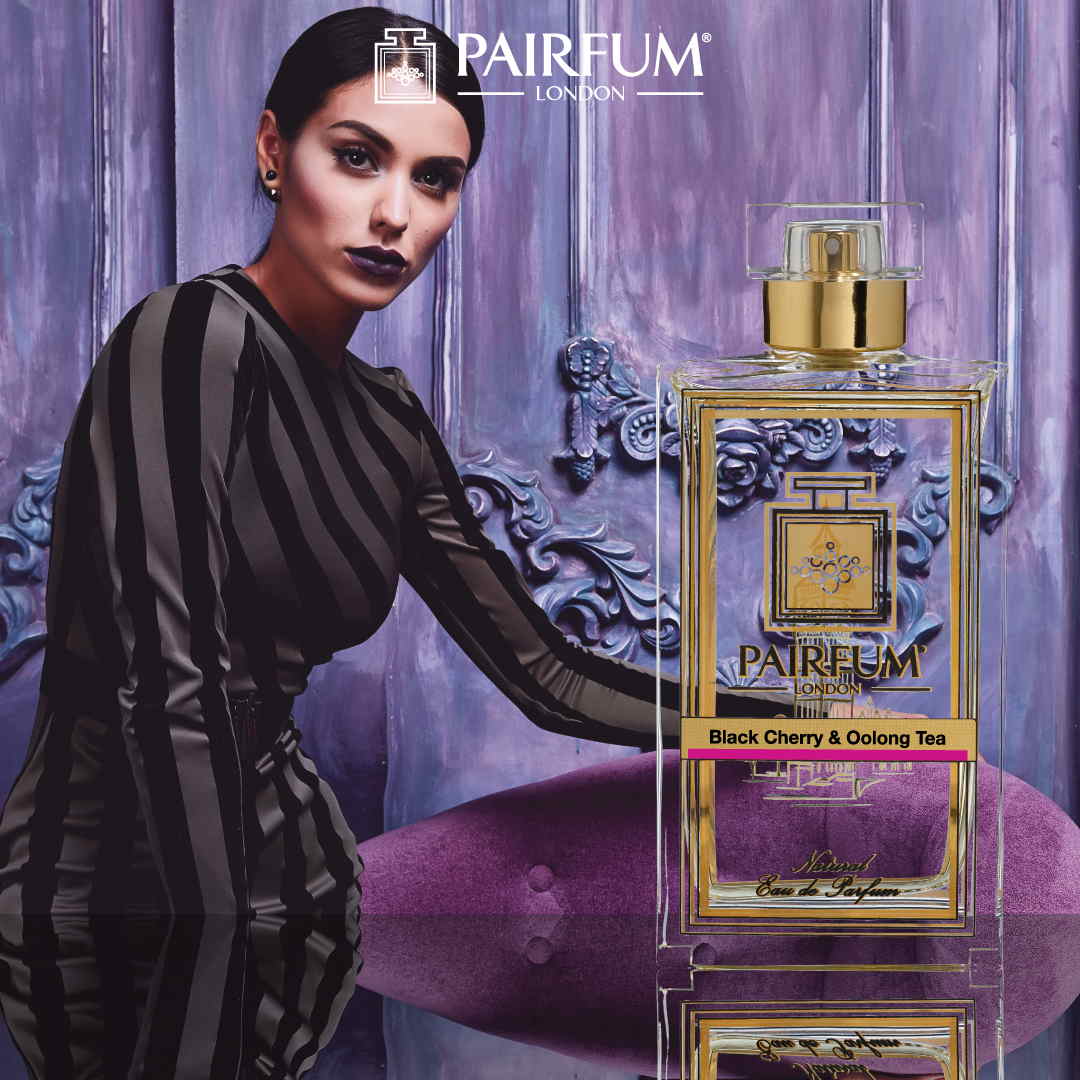
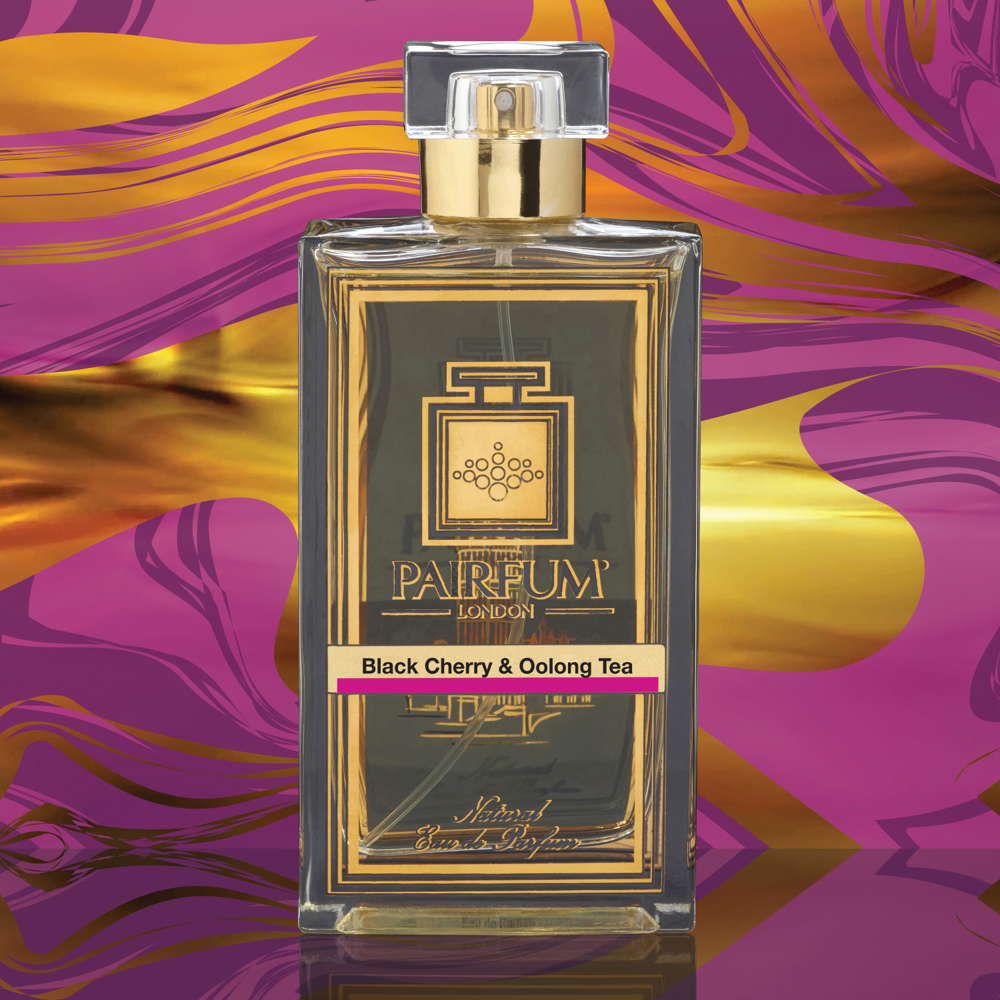
Black Cherry & Oolong Tea – Eau de Parfum by Pairfum London

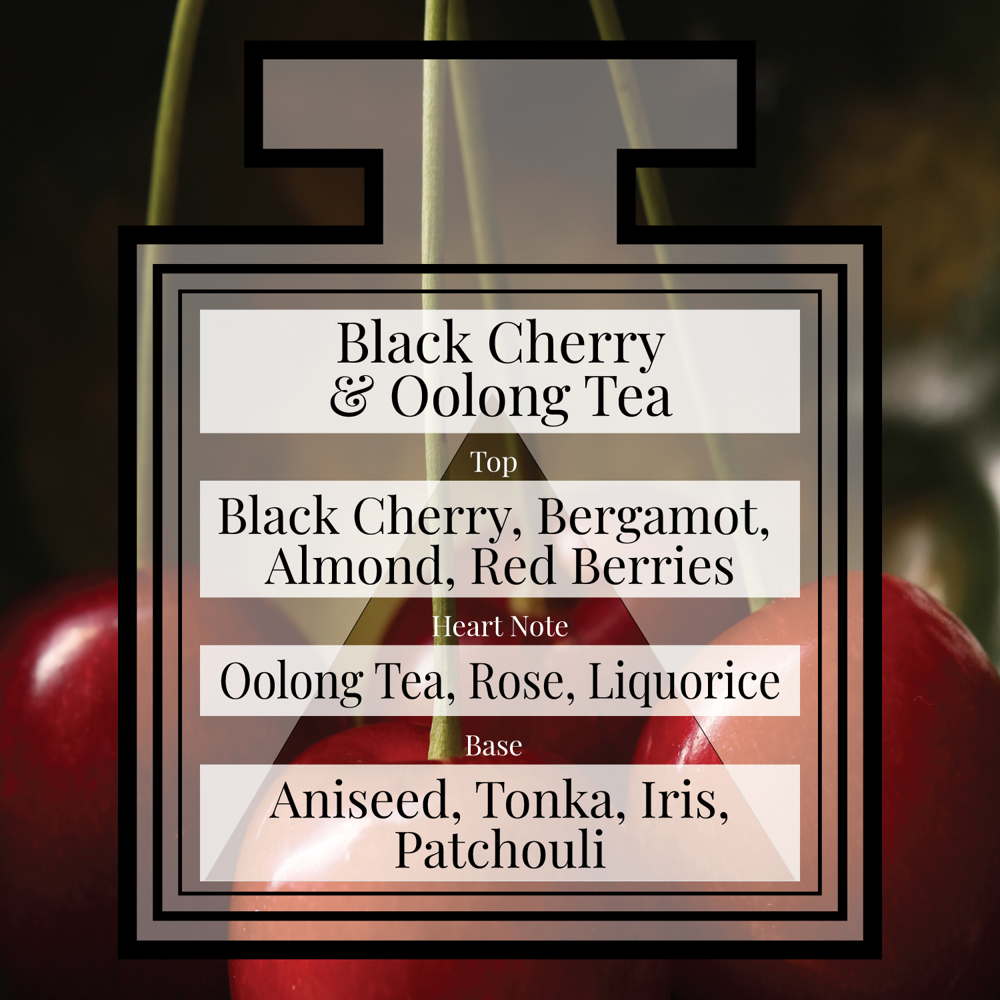
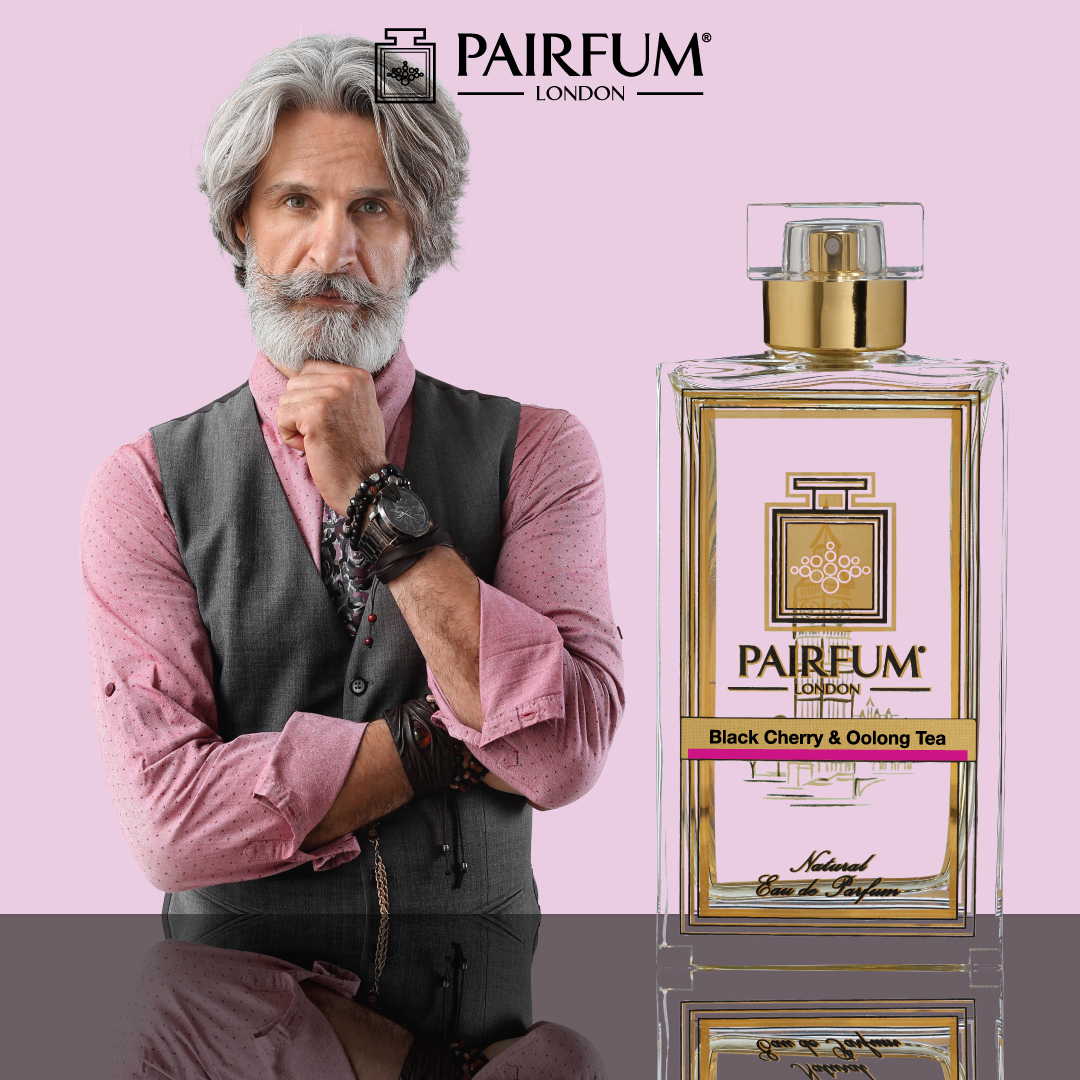
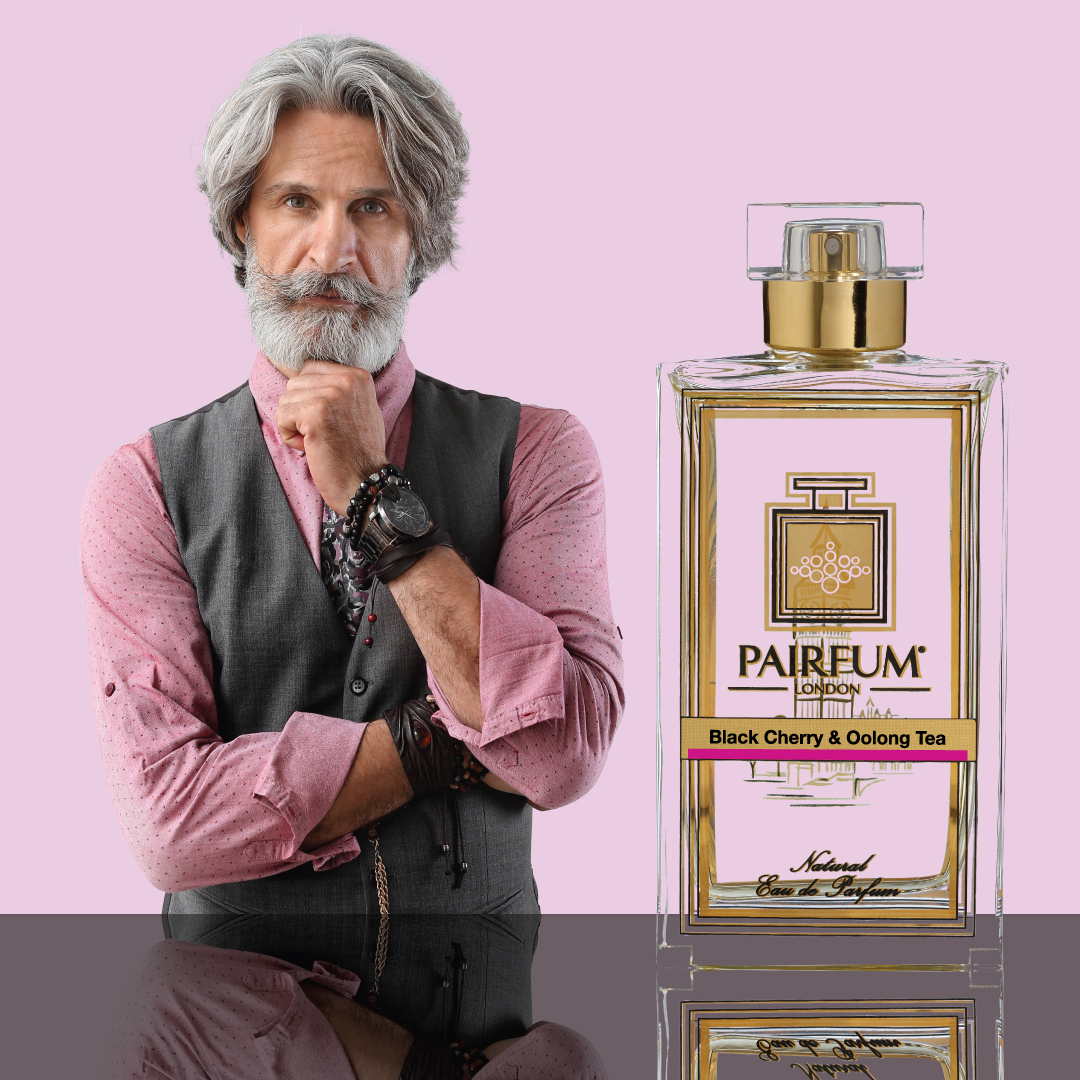
This fragrance begins with a vibrant blend of black cherry, bergamot, red berries, and nutty almond. The heart offers an elegant mix of oolong tea, Bulgarian and Turkish roses, and liquorice. The rich base is characterised by notes of aniseed, tonka, iris, and patchouli, creating a harmonious and captivating scent.

Final Reflections

The story of aniseed moves effortlessly from the gardens of antiquity to the ateliers of modern perfumers. It is grown in situ as a bushy annual, producing umbels of tiny white flowers, harvested for their aromatic seed pods, refined into oils and then transformed into perfumes that intrigue and comfort.

From the ancient Mediterranean to historic Europe, from Roman banquets to contemporary teas and drinks, its cultural journey has been rich and varied. The enduring presence of Pimpinella anisum in human life stands as a testament to the fragrance, usefulness and charm of this remarkable plant.

Whether encountered in a sweet confection, a herbal infusion, a home product, or a complex perfume, the note of aniseed is instantly recognisable and endlessly captivating.

Men's Fragrances

A Guide to Men’s Fragrances: Choose Your Scent with Confidence

For the modern man, men’s fragrances are more than just an accessory, they’re an extension of identity. The right perfume becomes a signature scent, enhancing mood, style and confidence. Whether you’re seeking something subtle for everyday wear or something bold for a special occasion, this guide explores how to select a scent that speaks to your individuality.

Understanding Men’s Fragrances

The world of men’s fragrances is complex and beautifully layered. From the refreshing allure of a citrus blend to the deep intrigue of a woody scent, the right fragrance evokes emotion, presence and personal power.

Men today have more choice than ever, with options ranging from eau de parfum and eau de toilette, to parfum spray, body spray, and even refined mens perfume options.

Each type of spray offers something different:

  • Eau de Toilette: Light and fresh, perfect for daily use and everyday wear.
  • Eau de Parfum: Longer lasting and deeper, ideal for lasting elegance.
  • Parfum Spray: Rich, concentrated, and worn in small doses for maximum effect.
  • Body spray: Casual, often used post-shower or for a lighter scent experience.
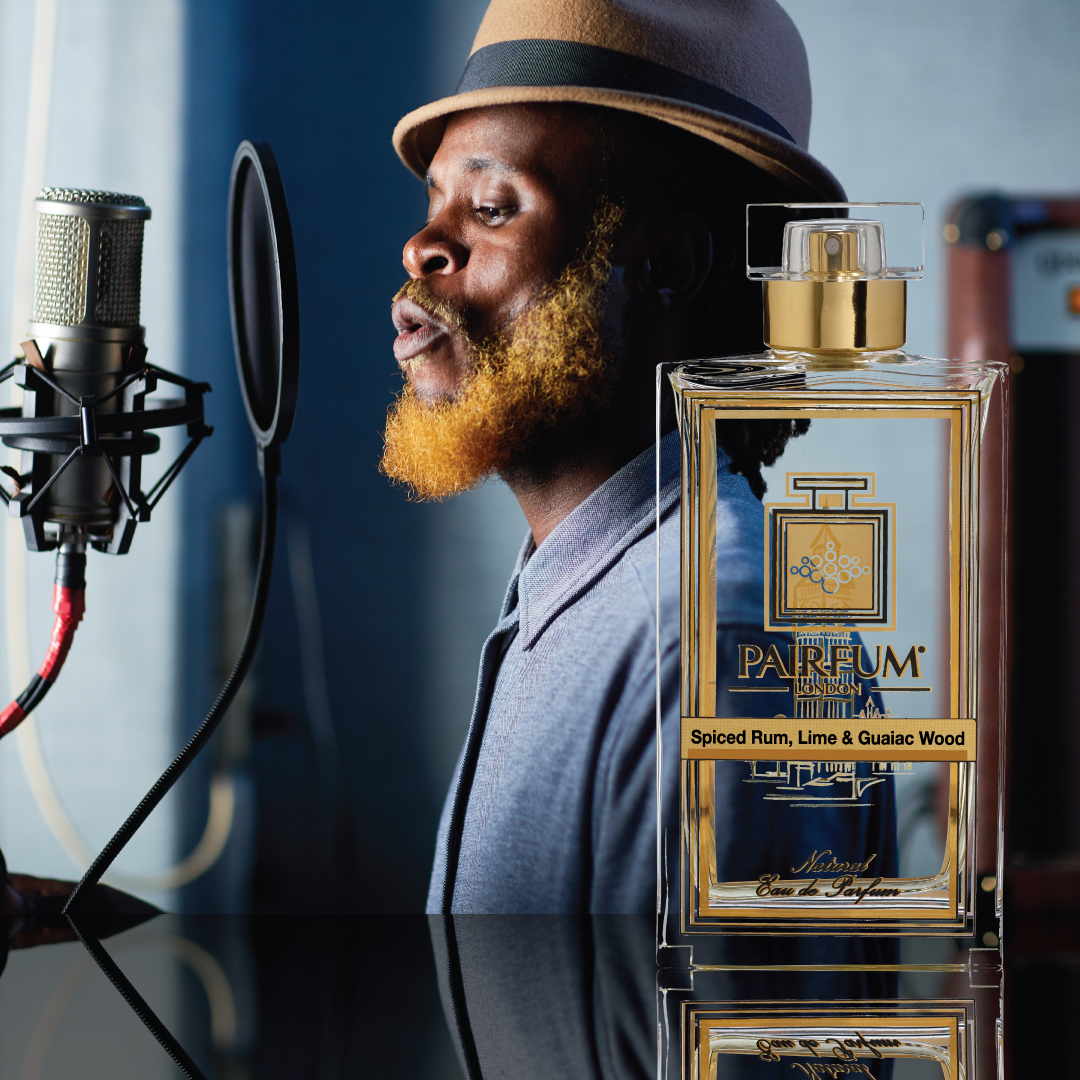
Eau de Parfum Person Reflection Spiced Rum Lime Guaiac Wood Man 1 1

Fragrance Families: What Defines a Scent?

A fragrance family refers to the category a scent falls into based on its dominant notes. For men, these often include:

  • Woody scent: Cedarwood, sandalwood, vetiver.
  • Oriental: Amber, tonka bean, incense.
  • Citrus and Aromatic: Bergamot, neroli, basil.
  • Aquatic: Marine notes, fresh ozone, sea salt.
  • Green: Freshly cut grass, herbs, like in Green Irish Tweed.

Every eau de parfum or eau de toilette has a distinct scent profile made up of top, heart and base notes. Understanding these layers helps you choose a perfume that suits your personal style and creates a lasting impression.

How to Choose the Right Fragrance for You

Finding your ideal fragrance is personal, and much like choosing a tailored suit. It should reflect who you are and how you want to be remembered.

  • For work and everyday wear: Light eau de toilette sprays, like those with citrus or green notes, offer subtle sophistication.
  • For evenings or colder months: Try a deeper eau de parfum, perhaps with oud, tonka bean or spice.
  • For a special occasion: Choose a bold iconic scent that reflects confidence and elegance, perhaps an intense cologne with a warm, sensual base.

Don’t rush. Wear a scent for a full day to understand how it evolves on your body. The initial spray may be sharp, but the true perfume reveals itself hours later.

Guide To Men's Fragrances

Fragrance Formats Explained

Understanding the difference between an eau de parfum, an eau de toilette, and a cologne can help you get the most out of your purchase:

  • Eau de parfum: Contains a higher concentration of essential oils, usually 15–20%. It’s more intense and long-lasting.
  • Eau de toilette: Lighter, with around 5–15% essential oil concentration. Great for layering or daily use.
  • Cologne: Originally a lighter formulation, though now often used interchangeably. Classic colognes are crisp and clean.

Many designer houses now offer eau de parfum spray versions of their best-selling scents to enhance projection and longevity.

Mainstream Fragrance Names You Should Know

Whether you’re building a new scent wardrobe or updating your collection, there are a few fragrances that have become benchmarks in the industry. These best sellers represent a variety of fragrance types:

  • Jean Paul Gaultier Le Beau: A bold, tropical eau de toilette with coconut wood and bergamot.
  • Dior Sauvage: A modern cologne classic with fresh and spicy notes, available in both eau de toilette and eau de parfum versions.
  • Jo Malone London: Known for refined layering fragrances like Lime Basil & Mandarin or Wood Sage & Sea Salt.
  • Maison Francis Kurkdjian Baccarat Rouge: A complex eau de parfum with saffron and cedar, often admired for its unique scent profile.
  • Paco Rabanne: With high-impact sprays like 1 Million, this brand delivers power and playfulness in every bottle.
  • Giorgio Armani Pour Homme: Timeless and elegant, balancing citrus with musk.
  • Ralph Lauren: From Polo to Safari, the brand covers a full range of classic mens fragrance styles.
  • Yves Saint Laurent: Sophisticated and versatile, with fragrances like La Nuit De L’Homme and Y eau de parfum.
  • Jo Malone: Minimalist yet memorable, with focus on clean scent construction.
Eau De Parfum Person Reflection Bergamot Basil Patchouli Man Suit 1 1

When and How to Use Fragrance

To get the most out of your perfume, apply it to warm areas of the body such as the wrists, neck, or behind the ears. Don’t overdo the spray, a couple of pulses are enough when using an eau de parfum.

A heavier pour homme may be best suited to evening wear, while lighter scents are perfect for office or everyday wear.

For travel or gifting, consider a gift set that includes different sizes or paired grooming products. These are especially popular during the holidays or as part of personal grooming routines.

Gifting Fragrance

Giving someone a men’s fragrance can be a meaningful gesture. If you’re unsure about their tastes, opt for a gift set that allows for some exploration. Alternatively, gift cards offer flexibility while still delivering a thoughtful touch.

Refined Eau de Parfum Selections for the Modern Man by Pairfum London

For the modern man seeking something beyond the ordinary, choosing a well-crafted eau de parfum is a chance to express confidence, character and personal style. These distinguished fragrances combine complexity with balance, using natural ingredients to create scents that evolve beautifully on the skin. Whether you’re drawn to something fresh and bright or deep and warming, these refined compositions are designed to make a statement, without ever needing to shout.

Spiced Rum, Lime and Guaiac Wood – Eau de Parfum

This delivers an adventurous and charismatic presence. It opens with the brightness of lime and a subtle sweetness from spiced rum, before settling into the smoky elegance of guaiac wood. This is an ideal eau de parfum for cooler seasons or evening occasions, with a warm richness that leaves a lasting impression.

Bergamot, Basil and Patchouli – Eau de Parfum

A refined, aromatic blend that feels both refreshing and grounded. The crispness of bergamot is uplifted by green basil, while patchouli adds an earthy sophistication that anchors the fragrance. Versatile and effortlessly stylish, it’s a scent that feels right at home whether you’re heading to the office or a weekend escape.

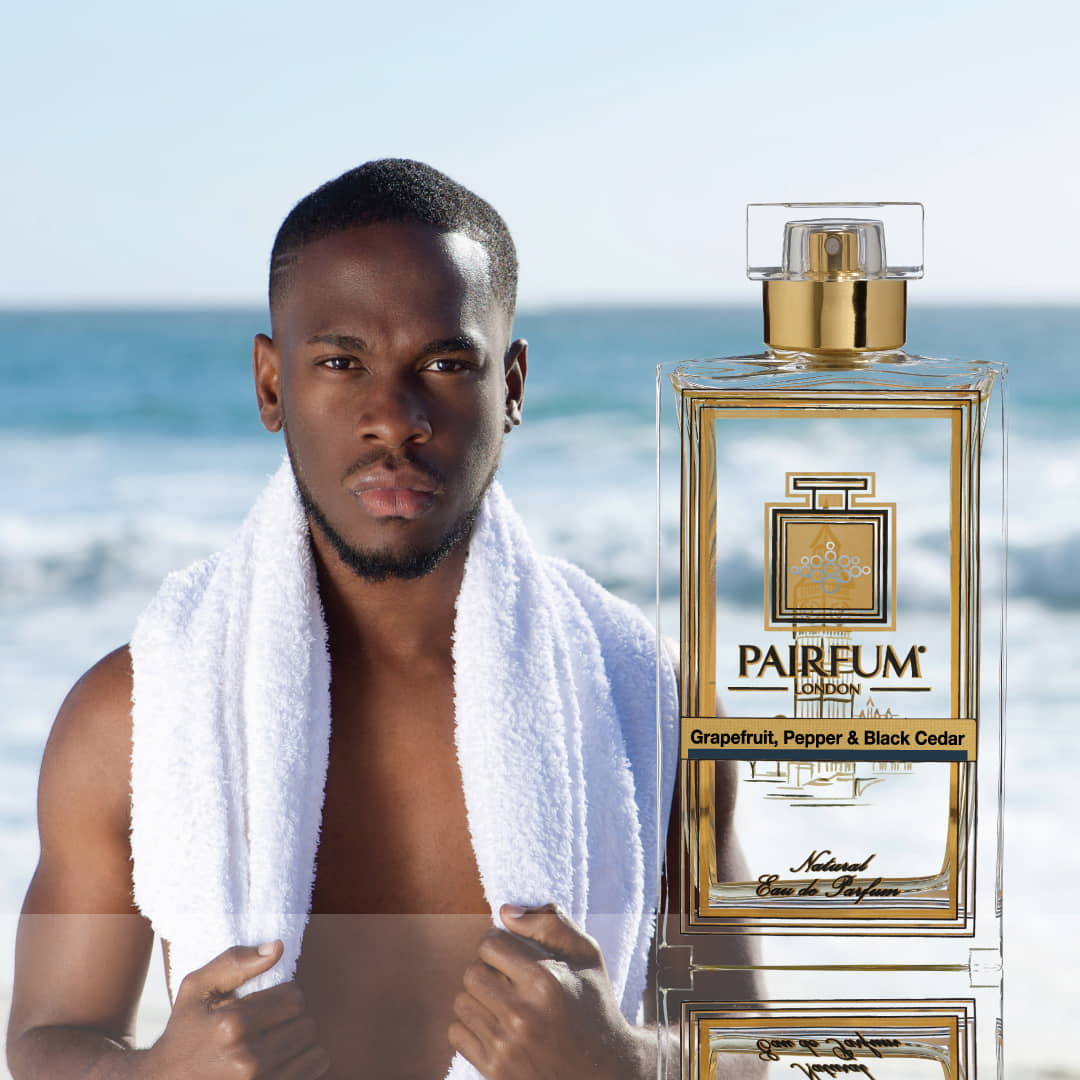
Grapefruit Pepper and Black Cedar – Eau de Parfum

A fragrance that strikes the perfect balance between energy and refinement. Bright grapefruit brings an invigorating citrus hit, followed by the subtle heat of black pepper and the depth of smooth cedar. This eau de parfum offers a clean, modern finish that’s ideal for daily wear and transitional seasons.

For our full range of perfumes designed for men, please check-out our Niche Perfumes for Men.

Eau de Parfum Person Reflection Grapefruit Pepper Black Cedar Man Towel 1 1

Final Thoughts

Fragrance is personal and powerful. It can define moods, trigger memories and influence perception. A good eau de parfum or eau de toilette spray doesn’t just smell pleasant, it speaks for you when words aren’t enough.

Whether you’re loyal to an iconic scent, exploring something new like royal oud, or curious about designer names such as ted baker, the world of perfume invites exploration.

Choosing a fragrance isn’t just about what’s trendy, it’s about discovering what suits your personal style, makes you feel confident, and creates a lasting impression.

Sweet Liquorice

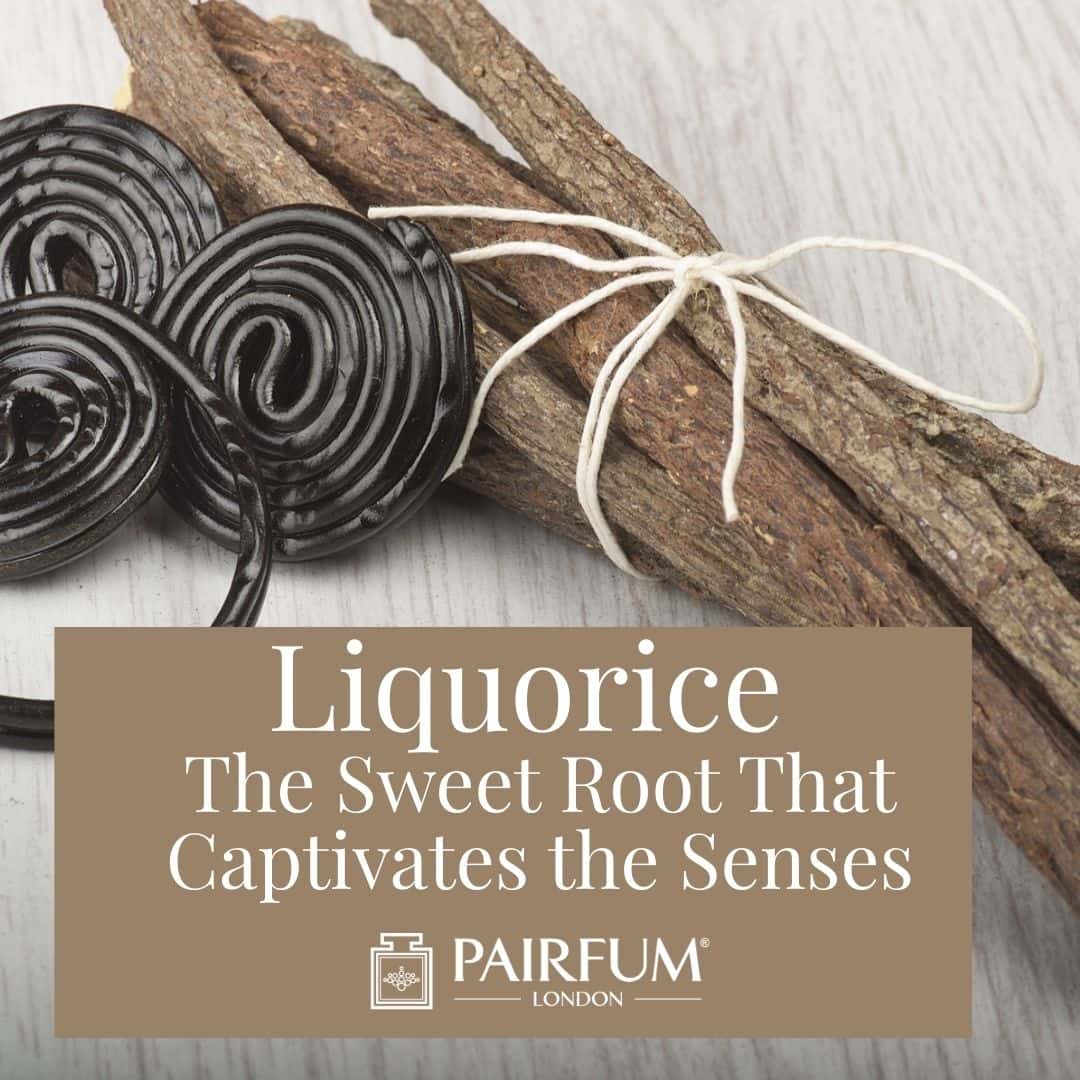
Liquorice: The Sweet Root That Captivates the Senses

This is the unmistakable scent of liquorice. Imagine walking through a garden filled with blossoms and herbs, and catching on the breeze a fragrance that is unexpectedly warm and sweet yet faintly bitter and herbal. A single plant with extraordinary versatility, liquorice has been treasured for thousands of years. Most of us first meet it as children in colourful sweets such as liquorice allsorts, chewy liquorice torpedoes, or a pontefract cake from a traditional British tin. Others remember the sharp thrill of salty liquorice candy sold in northern Europe or the coiled charm of red liquorice wheels. Yet, beyond these memories of liquorice confectionery, the presence of the liquorice plant can also be found in medicine, supplements, cooking, herbal teas, and fine fragrance.

Ancient Roots and Early Uses

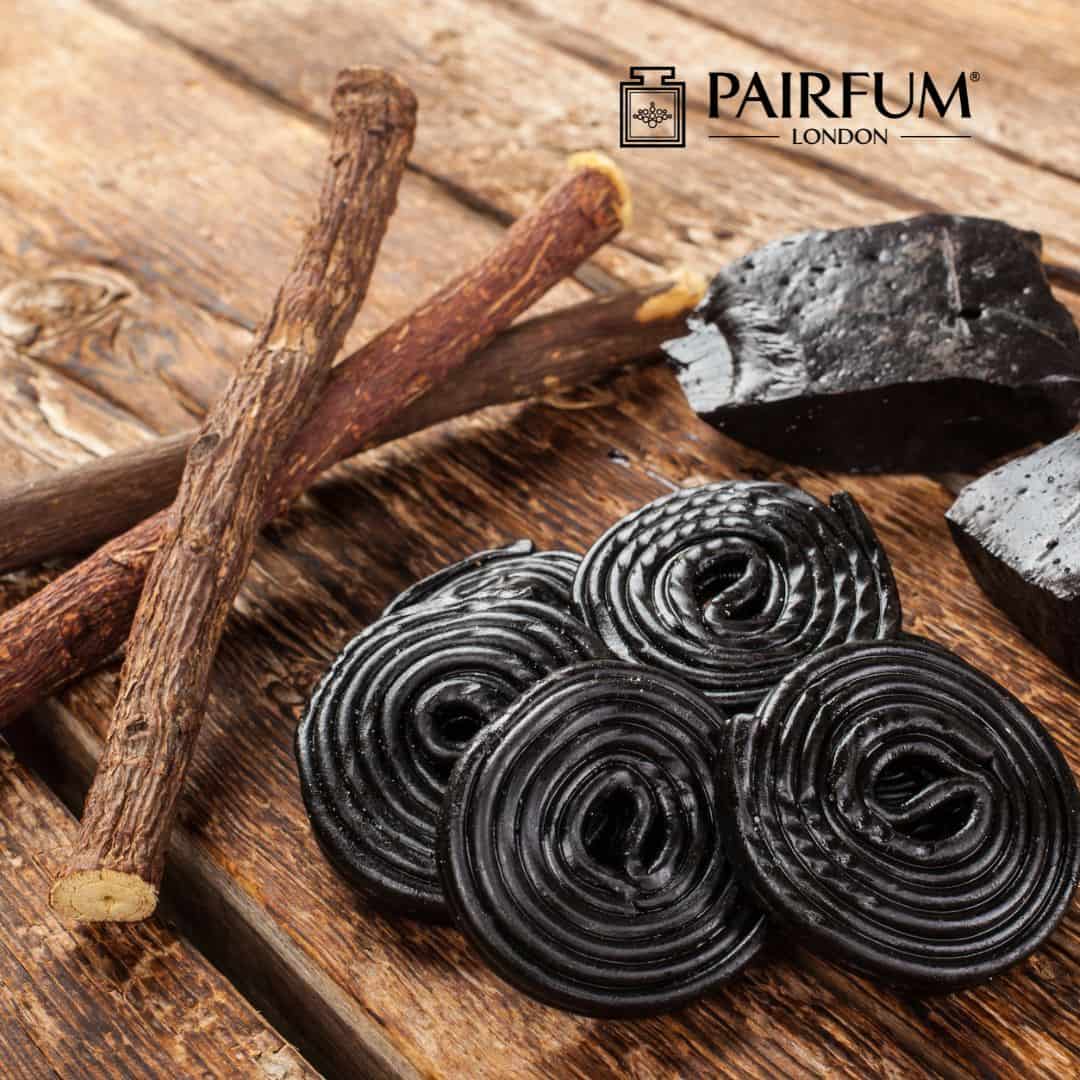
The journey of liquorice began in ancient civilisations. The liquorice plant is properly known as Glycyrrhiza glabra, a leguminous plant native to parts of southern Europe and western Asia. Its name comes from Greek words meaning “sweet root”, a precise description of its quality.

In Ancient Egypt, liquorice root was valued for its supposed power to grant long life. Archaeologists have discovered deposits of dried liquorice root buried alongside pharaohs, confirming its medicinal uses. Texts describe it being infused into sweet drinks flavoured with honey and herbs.

Greek physicians continued the tradition. The philosopher Theophrastus praised it, and Hippocrates noted it in his pharmacopeia. Actors and singers chewed pieces of liquorice root to soothe the throat before talking or performing, demonstrating its usefulness in herbal medicine. The Roman Empire spread liquorice across Europe. Military accounts showcase that Roman soldiers carried sticks of dried liquorice root in their packs. Its long-lasting, chewy consistency could suppress thirst and hunger and steady endurance during marches.

During the medieval period, monasteries cultivated liquorice plant in their cloisters. Monks turned the roots into tinctures, syrups, and lozenges. These were both remedies and rudimentary liquorice sweets, often sweetened with sugar or honey. Medicinal uses spanned stomach complaints, sore throats, and coughs. By the Renaissance, distilled liquorice extract was commonplace in apothecaries. Bottled waters scented with liquorice both refreshed the mouth and perfumed the body. Global trade encouraged its cultivation, and it became increasingly valuable.

Fragrance Description Anise Black Vanilla Liquorice Heliotrope Amber

Liquorice and the Rise of Confectionery

By the 18th and 19th centuries, liquorice confectionery took centre stage. In Pontefract, Yorkshire, cultivation and processing of the liquorice plant led to the creation of the circular stamped pontefract cake. Soft, chewy and deeply flavoured, it quickly grew popular. From there, liquorice sweets expanded into many varieties: bright liquorice allsorts with their layers of pastel-coloured fondant; sugar-coated liquorice torpedoes with glossy shells; coiled red liquorice wheels; and bite-sized pellets of black liquorice confectionery.

Different regions interpreted the taste in unique ways. Salty liquorice, also called salmiak liquorice, became beloved in Scandinavia, flavoured with ammonium chloride to deliver sharp salinity. This gave rise to famous variations such as Tyrkisk Peber, known for its fiery bite. In Finland, Denmark, and Sweden, salty liquorice candy is considered a national treasure.

In North America, palates tended to prefer milder versions. Red liquorice, though often containing no actual liquorice extract, became a dominant style, flavoured with fruits and ingredients unrelated to the natural root. For generations of Americans, “liquorice” meant red liquorice wheels or twists sold as candy, a far cry from the robust, bittersweet aroma of genuine black liquorice.

This divergence between liquorice confectionery traditions reflects culture. In Britain, classics like liquorice allsorts and black liquourice lozenges remain enduring symbols of childhood sweetshops. In the Netherlands, dropjes (as the Dutch call them) range from mild, honeyed forms to salty, double-salted varieties. Everywhere the recurring themes are memory, nostalgia and a once simple root transformed into chewy delights with layered flavour.

Composition and Chemistry of Liquorice

What gives liquorice its unique flavour is glycyrrhizic acid (or glycyrrhizin), a compound found in liquorice root. This natural sweetener is 50 times stronger than sugar, though unlike refined sugar, it carries herbal bitterness and earthy depth. It is this duality — sweet and bitter — that makes liquorice extract so versatile for perfumers.

Other key ingredients in the plant include flavonoids, volatile oils, and coumarins, which add complexity. Interestingly, some sweets use added anise oil to heighten or imitate the distinctive flavour of liquorice. Anise has a naturally similar taste profile, which is why many people confuse the two.

Pairfum Eau De Parfum Noir Giftbag Black Cherry Oolong Tea

Liquorice in Health and Supplements

Beyond perfumery and confectionery, liquorice root remains a pillar of natural wellness. In both Traditional Chinese Medicine and Ayurveda, it is considered a harmoniser of ingredients in remedies. In modern contexts, it appears in supplements and herbal teas, particularly to support digestion and soothe throats.

Health research, reported by trusted medical sources, has shown that excessive consumption should be avoided because the glycyrrhizin in liquorice root can influence potassium levels and raise blood pressure. Still, moderate enjoyment is considered safe. For centuries, its place within herbal medicine proves the depth of cultural reliance on its healing powers.

This dual reputation — enjoyable in sweets but serious in medicinal uses — reveals once again how layered the identity of liquorice really is. Few plants connect so strongly to both taste and therapy, nostalgia and science.

The Aroma of Liquorice in Perfumery

Now, consider the same distinctive flavour transposed into aroma. In perfume it becomes warm, herbal, balsamic, earthy, and faintly caramelised. A perfumer might describe it as sitting somewhere between molasses, old wood, chocolate, balsam, and fennel seed.

Liquorice extract used in fragrances is prepared from the plant itself through careful extract methods such as steam distillation, solvent extraction, or CO₂ extraction. The resulting aroma is far more elegant than candy and liquorice sweets, and it blends beautifully.

  • In gourmands, it enriches accords of vanilla, caramel, cocoa and chocolate.
  • In orientals, it complements amber, resin, cinnamon and cardamom.
  • In florals, it softens violet, iris and jasmine, giving depth beyond petals.
  • Even with woody perfumes, its herbal sweetness brings intrigue.

This adaptability explains why perfumers return to it as frequently as cooks use chocolate — it ties together seemingly unrelated flavours and notes.

Liquorice Across Cultures

In Scandinavia, salty liquorice is more than food. It is woven into national identity, and rituals around salty liquorice candy have become associated with childhood. In Britain the pontefract cake recalls centuries of cultivation. Dutch sweet shops proudly stock dozens of varieties. In North America, licorice more often means red liquorice twists, sometimes fruit-flavoured, sometimes coiled into red liquorice wheels, and only occasionally true black liquorice confectionery.

Each variety, whether chewy, brittle or glossy, reiterates the cultural adaptability of the plant.

Liquorice

FAQs: Everything About Liquorice

What gives liquorice its flavour?
The distinctive flavour comes from glycyrrhizic acid in the liquorice root of the glabra species of the plant. Unlike sugar, it also contains earthy, herbal undertones.

Does liquorice in perfume smell like liquorice sweets?
Not exactly. Liquorice sweets use sugar, flour, molasses and sometimes anise. Perfume versions highlight the woodier, more herbal side.

What does black liquorice taste like?
Black liquorice, whether as a chewy stick or lozenge, blends the natural root with sugar and other ingredients. Black liquorice confectionery has been a classic across Europe for centuries.

What are liquorice allsorts?
A colourful medley of layered liquorice confectionery, combined with fondants, liquorice allsorts remain among the most recognisable British sweets.

Is there a difference between red and black liquorice?
Yes. Red liquorice often contains no liquorice root at all but instead uses fruit ingredients to offer a cherry-like flavour. Authentic black liquorice and black liquourice use true extract.

What is salty liquorice?
Known as salmiak liquorice, it is beloved in Scandinavia, often appearing as strong salty liquorice candy or brands like Tyrkisk Peber.

What are popular global styles of liquorice sweets?
Britain enjoys pontefract cake, continental Europe favours salty liquorice and dropjes, North America is familiar with red liquorice wheels, while the Netherlands loves double-salted forms.

Does liquorice appear in drinks or teas?
Yes, it appears in herbal teas and infusions worldwide. It is also used in chocolate desserts, sauces, and even some savoury recipes for its unusual flavour.

Pairfum Reed Diffuser Tower Classic Noir Anise Black Vanilla

Liquorice in Modern Fragrance

In modern perfumery, liquorice offers what perfumers crave: surprise. Unlike vanilla or cocoa, it is less predictable, more textured. A perfume with subtle touches of liquorice feels different — mysterious and sophisticated, sometimes nostalgic like sweets, sometimes elegant like chocolate in a couture dessert.

Because liquorice extract carries herbal qualities as well as sweetness, it links easily across fragrance families. Niche perfumery especially values it for creating uniqueness.

Sweet Liquorice Personal and Home Fragrances with Pairfum London

Black Cherry & Oolong Tea – Eau de Parfum by Pairfum London

This fragrance unfolds with a vibrant burst of Black Cherry, Bergamot, Red Berries, and Almond, creating a sparkling first impression. At its heart, an elegant harmony of Oolong Tea, Bulgarian and Turkish Roses, and a hint of Liquorice adds depth and sophistication. The scent lingers on a sensuous base of Aniseed, Tonka, Iris, and Patchouli.

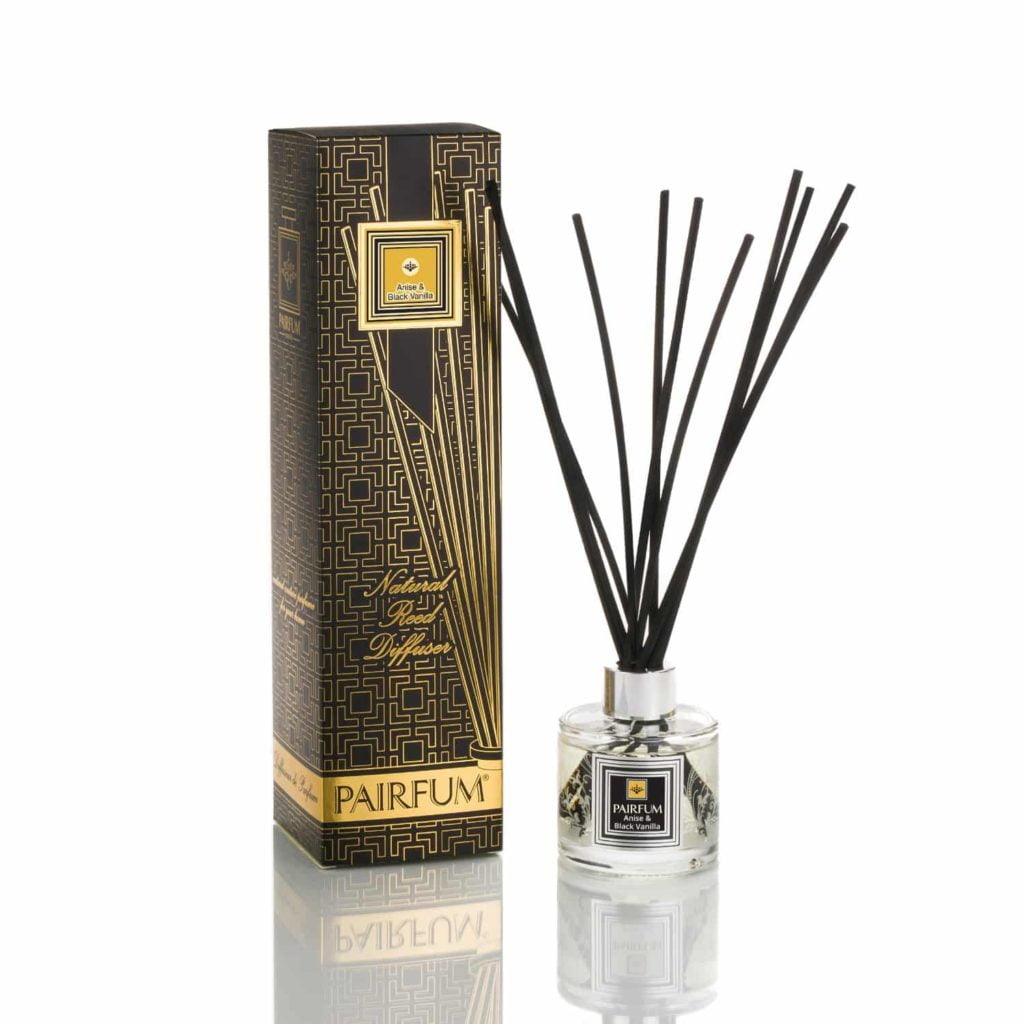
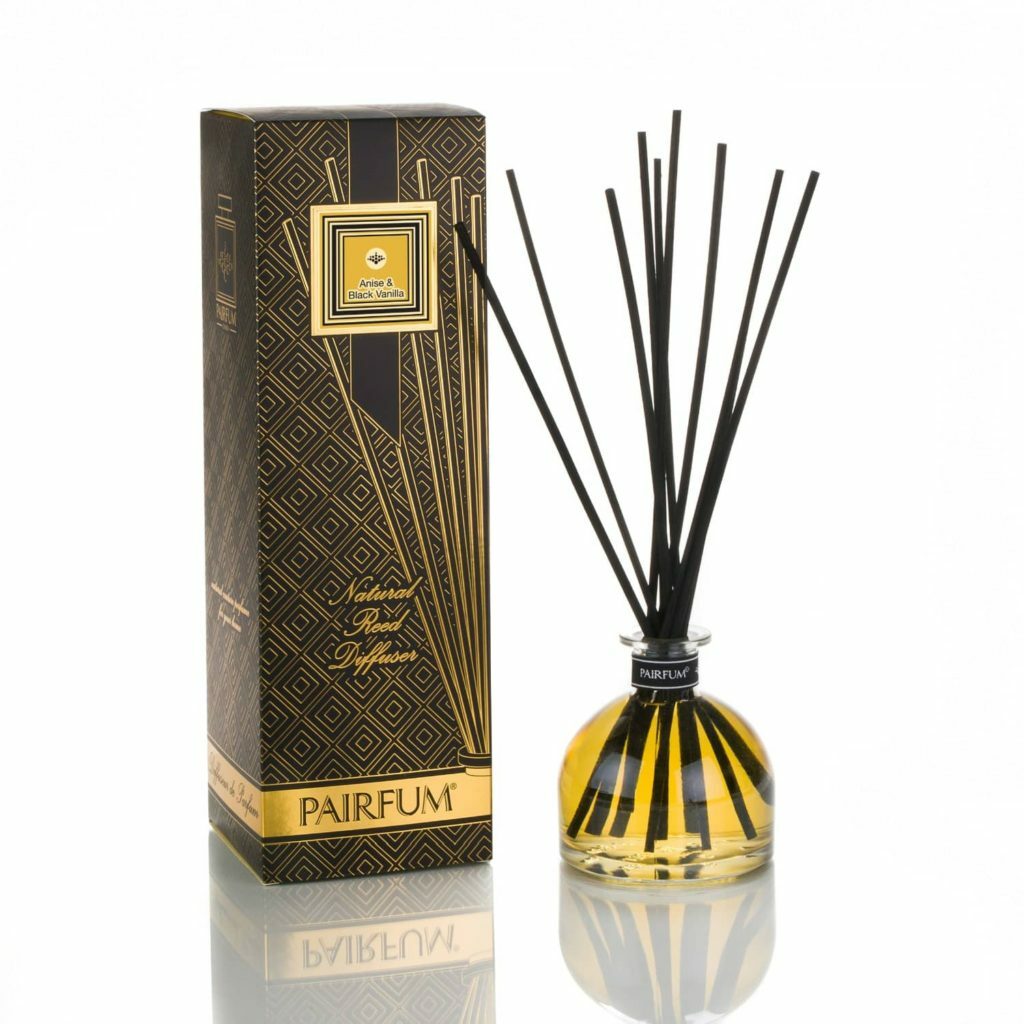
Anise & Black Vanilla – Tower or Bell-Shaped Reed Diffuser by Pairfum London

The elegantly smooth ‘Noir’ fragrance begins with intriguing top notes of Anise and Liquorice, creating an air of mystery. At its heart, delicate hints of Vanilla and Almond intertwine with the floral softness of Heliotrope and Powdery Violet. Finally, Sandalwood and Amber bring a warm, sensual depth to the base.

Pairfum Eau De Parfum Noir Bottle Carton Black Cherry Oolong Tea

A Lasting Impression

Liquorice occupies a rare space. It is a plant with a heritage in herbal medicine, a foundation in confectionery, a psychological trigger in sweets, and an aromatic gem in perfumery. It can be rustic in a chewy stick of black liquorice, playful in colourful liquorice allsorts, inventive in red liquorice wheels, or highly sophisticated in a gourmand fragrance paired with chocolate.

Across regions, traditions and centuries, the liquorice plant remains unforgettable, never bland and always stirring emotion. It tells us stories of empire and cultivation, of health and healing, of kitchens and sweet shops, of perfumers chasing a muse. Few ingredients in either flavour or fragrance can claim such a sweep of history and memory.

For anyone intrigued by the ways taste and scent overlap, liquorice is a perfect subject to visit again and again. A root, a medicine, a candy, a sweet treat, a fragrance note: each facet is as layered and captivating as the last.

Red Berries In Perfumes

Red Berries in Perfumes: A Juicy Medley

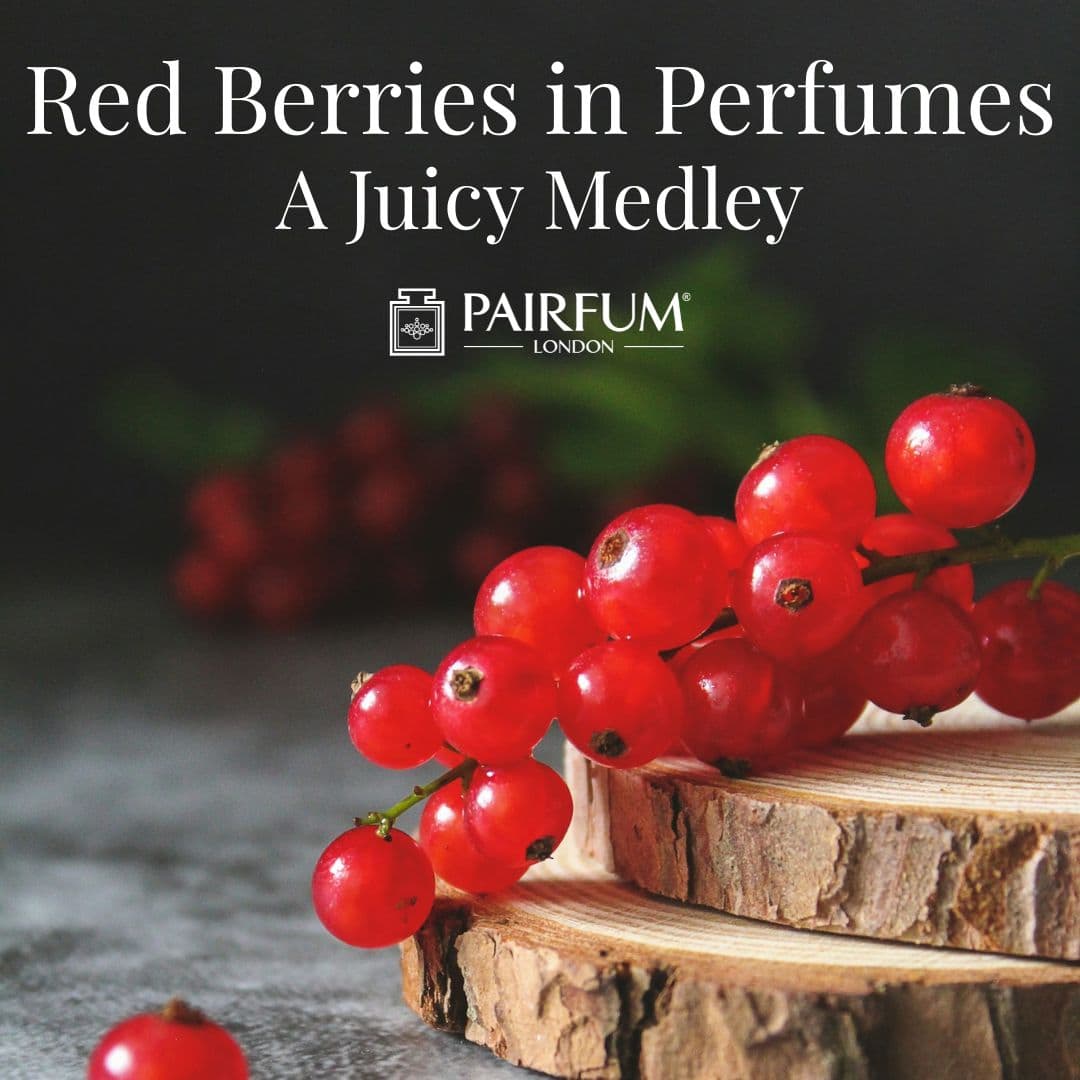
Red berries are among the most captivating notes in perfumery. Their juicy sweetness, rich colour and connection to nature have made them an enduring source of inspiration for fragrance makers. Each red berry carries a unique balance of freshness, tartness and sweetness that can transform a perfume. Whether it is the mouth-watering aroma of strawberry, the velvety depth of raspberry or the crystalline sharpness of a cranberry, red berries bring brightness and energy to fragrance creations.

The attraction is more than just aroma. The sight of bright red berries glistening in a garden or along a berry bush taps into symbolism of vitality, romance and abundance. The red fruit itself often feels mystical: as edible fruit, some become delicious seasonal treats, while others such as holly berry or red chokeberry are strikingly beautiful but not suited for eating. This duality of allure and caution has carried over into perfume, where the seductive yet playful quality of red berries enchants wearers everywhere.

A Historical Glimpse into Red Berries and Fragrance

The role of berries in scent is centuries old. Ancient societies incorporated wild berry and edible berry oils into ointments and balms not only for enjoyment but for ritual practice. Strawberries were dedicated to love deities, while hawthorn berries and holly berry featured in seasonal ceremonies, often appearing in winter celebrations such as those surrounding the Christmas tree where their bright red fruits symbolised renewal in the depths of winter.

In medieval Europe, herbalists infused carrier oils with ripe berries, cranberries and even gooseberry for supposed healing properties. Jelly made from blackberries or raspberry juice was used as both remedy and indulgence. These practical uses sat alongside the symbolic, intertwining food, medicine and fragrance. Over time, berries evolved from kitchen and garden staples into perfumery notes. Their association with emotion, folklore and connection to nature made them enduringly beloved.

Pairfum Fragrance Black Cherry Oolong Tea Triangle

The Personalities of Different Red Berries

One of the reasons berries are so appealing in perfumes is their tremendous variety. Each carries its own character, letting perfumers capture many moods.

  • Strawberry: With playful sweetness, the strawberry note appears in perfumes to conjure innocence and flirtation. The sense of summer ripeness it conveys feels like freshly picked berries turned into an indulgent dessert. The strawberry also inspires other creations such as jelly or ice cream, where the perfumed sweetness translates directly into flavour.
  • Raspberry: Jammy and vibrant, raspberry lends depth and warmth. Raspberry juice and raspberry accords are often paired with roses or vanilla to add sensuality. In perfumery, raspberry highlights lushness while remaining versatile and contemporary.
  • Cranberry: Tart, sharp and refreshing, cranberry brings lift and clarity. It brightens compositions and provides elegance without overwhelming the senses.
  • Cherry: Often associated with indulgence, cherry is luscious, sensual and slightly gourmand. Its almond-like undertones help it work beautifully with musks or resins. A single cherry note often shapes an entire perfume story.
  • Red Currant: Effervescent and sparkling, the red currant note creates a champagne-like freshness. It works particularly well in the opening stages of a fragrance, adding instant vibrancy.
  • Lingonberries, Goji Berries and Gooseberry: More unusual choices such as lingonberries offer woodland sharpness, while goji berries bring exotic, honey-like brightness. Gooseberry adds tangy freshness and depth to fruit-led blends, making these berries fascinating additions.
  • Blackberries and Blueberry: Though edging beyond pure red fruits, their darker shades add richness and depth. They bring a wild berry quality, full of woodland nostalgia.
  • Red Chokeberry, Aronia arbutifolia and Silver Buffaloberry: These small red berries grow in clusters on a deciduous shrub or a small tree. More often used for their ornamental beauty than as edible fruit, they inspire perfumers who look to nature for visual allure as much as for aroma.
  • Hawthorn Berries and Holly Berry: Both appear as bright red berries within foliage, with hawthorn linked to hedgerows and holly to evergreen forests and winter rituals. While not common in perfume itself, the imagery they convey often inspires fragrance compositions full of green leaf, white flowers and red fruits that echo nature.

Together these berries create an expansive aromatic language. Some are sweet, some tart, some exotic and some reminiscent of woodland walks among foliage and leaves.

Pairfum Eau De Parfum Noir Bottle Carton Black Cherry Oolong Tea

Red Berries in Nature: Edible and Symbolic

In gardens and the wild, bright red berries can be either nourishing or dangerous. Edible red berries such as strawberries, raspberries, blueberries, gooseberry and blackberries are filled with vitamins and antioxidants, celebrated for their flavour and used in countless recipes. From freshly picked berries eaten raw to jelly, ice cream and desserts, they enrich daily life as edible fruit.

On the other hand, bright red berries like those found on holly or yew can be harmful if eaten. Identifying which berries are safe versus which are not has long been essential knowledge for foragers. This intriguing mix of attraction and caution has helped shape how berries are perceived in perfume too. The duality of a red berry that looks inviting but needs to be treated with respect mirrors the sensual tug found in many fragrances.

Berries on every berry bush, shrub, plant or tree enhance landscapes. Their foliage and leaves, often contrasting with bright red berries or in some cases white berries, create visual drama. This interplay of colour makes them cultural symbols of passion, life and vitality.

Extraction and Creation

Capturing the smell of red berries is complex. Unlike white flowers or more aromatic plants, most berries do not yield strong oils. Instead, perfumers often turn to maceration, distillation or more commonly, modern aroma chemistry. Synthetic accords allow artists to recreate the subtle sweetness of a strawberry, the tartness of a raspberry or the juiciness of cherry, while preserving freshness and ensuring a sustainable approach.

Some natural dyes historically also came from berries, with red dye produced from certain wild fruits and leaves of plants. Though largely replaced by other techniques today, this heritage shows how fruit and foliage once offered multiple roles across art, nature and culture

Fresh Red Berries

Berries in the Fragrance World

Where do berry notes sit in the fragrance universe? Classically, they fall into the fruity family. They layer beautifully with florals such as white flowers, or with warmer notes from woods and vanilla. A strawberry accord creates a playful fruity floral, while raspberry combined with spice and leaves offers something more sensual.

Berries often play with seasonality. Summer fragrances frequently highlight freshly picked berries, ripe berries or fruity accords like gooseberry and blueberry, evoking freshness. Winter perfumes often feature cherry or cranberry paired with spices, echoing the decorative berries that cluster on a Christmas tree, holly bush or a small tree with bright red fruits.

Famous Uses of Berry Notes

Numerous perfumes highlight red berry accords as distinctive signatures. Some open with sparkling red currant or raspberry juice blended with citrus before evolving into more complex hearts. Others celebrate the lush sweetness of strawberry measured with musks. Cherry-led creations are often among the most memorable, tapping into indulgence and nostalgia. Blackberry, blueberry and wild berry notes appear in niche designs that play with darker moods, offering an intriguing contrast.

It is less the specific fruit than how it is paired that makes these perfumes so compelling. A red berry at the top can feel bright, juicy and youthful. As it blends into florals such as white flowers or with earthy leaves, it feels elegant and considered. When combined with vanilla or woody depth, the result can be sensual and alluring.

Pairfum Person Reflection Black Cherry Oolong Tea Eau de Parfum

Lifestyle and Symbolism

A garden tree filled with small red berries or a deciduous shrub where ripe berries glow among green leaves offers more than beauty. These plants have meaning. Hawthorn berries are tied to fertility in folklore, while holly berry remains a powerful seasonal symbol of protection and festivity. Aronia arbutifolia, with its clusters of bright red berries, signals resilience in cold weather.

Perfumes draw on this symbolism. Fruity accords echo the joy of edible red berries or evoke images of wild berry strewn hedgerows. Cherry and raspberry convey romance, while fresh berries infuse vitality and positivity. Whether referencing foliage on a tree, woodland berries nestled on a berry bush or exotic goji berries in recipes, the imagery enriches the emotional connection of fragrance.

The Healthy Appeal of Edible Berries

While not a direct concern of perfumery, the link between berries as edible fruit and their sensual scent cannot be ignored. Aside from their fragrance, edible berry types such as strawberry, blueberry, cranberry and gooseberry are celebrated for their high vitamins, antioxidants and flavour. Many appear in desserts, jelly, ice cream or juices, bridging taste and smell. Using red fruits as notes therefore resonates strongly because they align with the familiar comfort of food and drink.

Red Berries in a Personal Pairfum London Fragrance

Black Cherry & Oolong Tea – Eau de Parfum by Pairfum London

The home fragrance begins with a vibrant burst of Black Cherry, Bergamot, Red Berries, and Almond. At its heart lies a refined blend of Oolong Tea (both fruity and smoky) woven with Bulgarian and Turkish Roses and a touch of Liquorice. The composition settles into a sensual base of Aniseed, Tonka, Iris, and Patchouli.

Pairfum Eau de Parfum Person Reflection Black Cherry Oolong Tea Man

The Future of Red Berries in Perfumery

The red berry continues to thrive in both mainstream and artistic fragrance. With advances in biotechnology, perfumers can replicate the most authentic nuances of fresh berries and ripe fruits without impacting natural habitats. Sustainable approaches ensure that the image of freshly picked berries from a berry bush or woodland tree remains an inspiration without depletion.

Red berries encapsulate the essence of nature: playful, bold and timeless. Whether it is the jammy richness of raspberry, the woodland tang of lingonberry, the sparkling top note of red currant or the indulgence of cherry, these small red berries remind us of the beauty of fruit in scent. From the holly berry on a Christmas tree to the aronia arbutifolia glowing with bright red berries in autumn, perfumery will long remain enchanted by them.

Sweet Almond

Almond Scents: Sweet and Nutty Fragrances

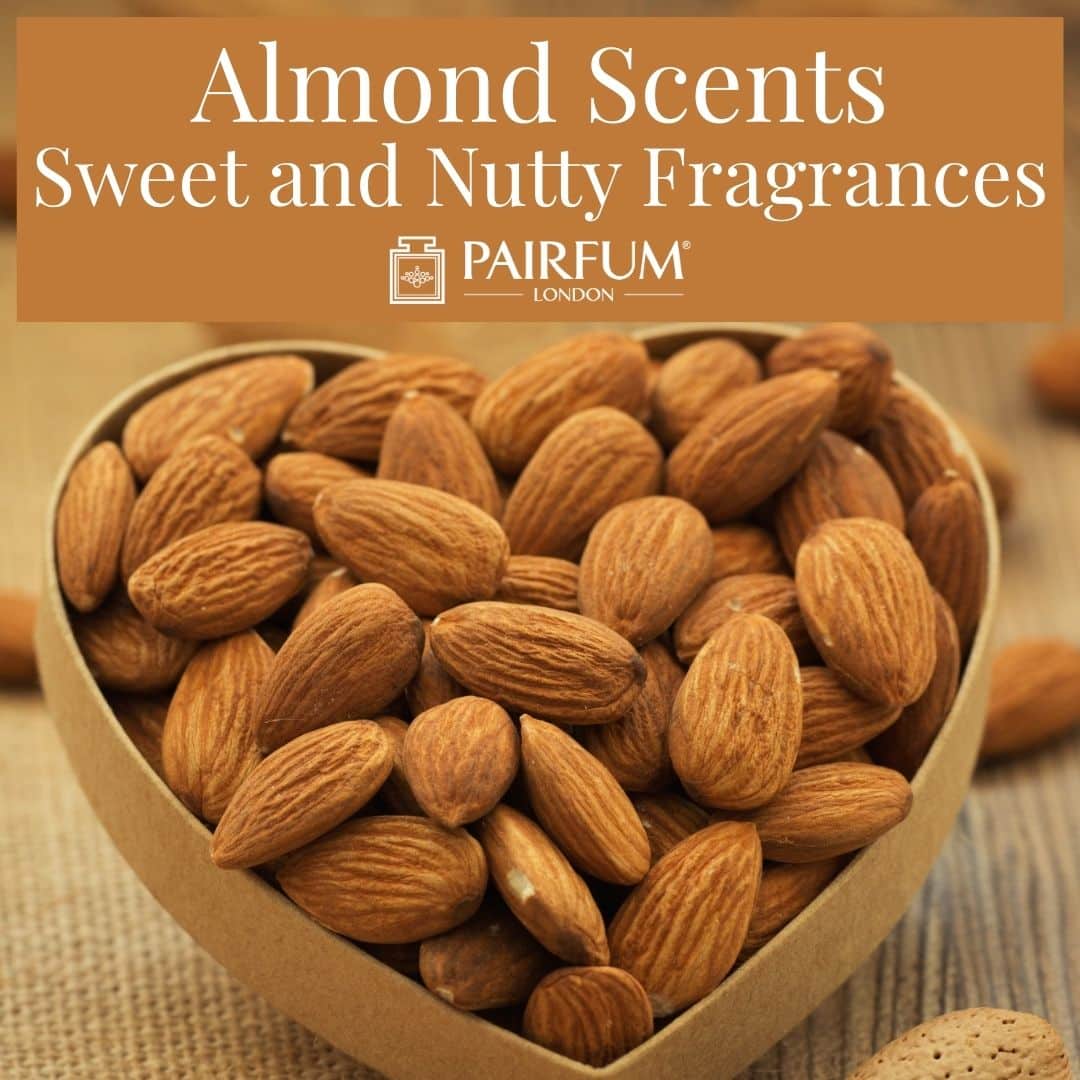
An almond is the edible seed of the almond tree (Prunus dulcis), classified as a nut with an oval form and light brown outer covering. It is commonly enjoyed as a snack or incorporated into cooking and baking, valued as a nutrient-dense “superfood” high in protein, fiber, calcium, iron, and healthy omega-3 fatty acids. Almonds are available in many varieties, including raw, roasted, blanched, sliced, or ground, and are also processed into products such as almond flour and almond butter.

Now imagine yourself in a flourishing almond orchard in early spring. The almond tree is full of delicate blossoms, and the scent drifting from the petals feels both soft and slightly fruity. This natural aroma is the first hint of the almond fruit that will develop later in the season and eventually be harvested for food, oil, and fragrance. For centuries, almonds have travelled with us across cultures and continents, appearing not only in kitchens but also in beauty rituals, medicine, and perfume.

Today the almond remains a symbol of nourishment, longevity, and elegance. From almond milk to almond oil, from almonds in desserts to bitter almond in perfumes, this nut has earned its place as both practical and poetic.

The Allure of Almond in Perfumery

There is something immediately recognisable about the scent of almond. It is not simply sweet but layered, with tones that feel creamy, nutty, and faintly woody. When almonds are used in perfumery, the impression can go in several directions. Sweet almond is smooth and comforting, while bitter almond creates an intense, marzipan-like power that lingers on the skin. Both interpretations stir feelings of indulgence and closeness.

These effects are also tied to human association. People familiar with almond milk in drinks, almond butter on toast, or the nostalgic taste of flaked almonds in cakes and desserts carry scent memories that make almond perfumes feel deeply personal. The nut never arrives alone: where there is almond, there are layers of warmth, comfort, and refinement.

Pairfum Fragrance Black Cherry Oolong Tea Triangle

A Botanical and Historical Perspective

The almond belongs to the species Prunus dulcis and falls into the same botanical family as cherries and apricots. Although we eat the almond nut, what we commonly refer to as “almonds” is actually the seed of the almond fruit. The trees are cultivated most famously in the Central Valley of California, where almond farmers have shaped the landscape into one of the world’s leading centres of almond production. The almond board oversees standards, research, and sustainability practices within the industry, recognising the importance of bees for pollination and the long-term resilience of the tree nut sector.

Historically, almonds were among the first domesticated trees, with archaeological findings suggesting use in food, oil preparation, and even sacred offerings. Tutankhamun’s tomb contained almonds, a testament to their value in ancient Egypt. Romans used Jordan almonds during weddings to symbolise wishes of fertility and prosperity. Across the Mediterranean, almonds often featured alongside other mixed nuts such as pine nut, cashew nut, and brazil nuts in both festive and everyday meals.

The symbolism attached to almonds made them ideal for fragrance traditions. In the Middle East, almond extract and almond oil were part of perfumed oils that blended rose petals and saffron. Later, in Renaissance Europe, almond-scented gloves and powders were a mark of elegance.

The Nutritional and Emotional Side of Almonds

Almond consumption is as culturally widespread as it is nutritionally rich. Almonds are a source of protein, fibre, magnesium, and vitamin E. Nutritional experts note that eating raw almonds or blanched almond can support cardiovascular health due to their content of healthy monounsaturated fat, while also providing antioxidants that defend against oxidative stress. Research suggests almonds may help regulate blood sugar, improve eye health, and support healthy eating.

In fact, almonds contain healthy fat and monounsaturated fats that are often recommended as an alternative to spreads high in saturated fat. Compared with peanut butter or other nut butter options, almond butter offers a creamy but slightly more delicate flavour. When ground almonds or almond meal are used in baking, they replace traditional flour with a gluten-free almond flour alternative, widely loved in pâtisseries. Almond milk too has become an increasingly popular beverage, replacing dairy in many diets. Its creaminess, slightly nutty flavour, and versatility in drinks and recipes account for its rise.

Further scientific studies highlight that almonds not only support magnesium intake — improving blood sugar stability — but also supply vitamin E, which nourishes hair and skin. This explains why almond oil has been widely adopted in skincare, reinforcing the ancient tradition of almonds in both health and beauty.

Beyond nutrition, almonds resonate emotionally. Almond butter spread on warm bread, sliced almonds sprinkled over salads, or ground almonds stirred into cake batter all stimulate a sense of home and celebration. Perfumers draw on this edible nostalgia when reworking almond into scent — almond perfumes are often described as indulgent because they trigger the mind’s connection to almond consumption.

Almonds in Modern Fragrances

Modern perfumers take inspiration from the versatility of almonds. Almond perfumes often fall into several families:

  • Floral combinations: Almond with jasmine, tuberose, or rose creates tenderness in compositions.
  • Woody depth: Almond layered with sandalwood or cedar has a grounding, sophisticated presence.
  • Gourmand associations: Almond with sugar, maple syrup, butter, or chocolate feels edible and indulgent without losing refinement.
  • Spiced accords: Bitter almond paired with cinnamon or cardamom offers exotic richness.

The adaptability of almond means that perfumes do not have to commit to one single mood. Whether sweet almond or bitter almond, almonds fit chameleon-like into the context given by the other materials.

Pairfum Large Reed Diffuser Bell Noir Anise Black Vanilla

Extraction and Preparation

Perfumers and artisans have multiple approaches to capturing almond’s scent:

  • Pressed almond oil: Obtained by pressing almonds, it is nourishing for the skin and offers gentle fragrance. This practice aligns closely with how almond oil has traditionally been used in cosmetics.
  • Aroma molecules: Compounds such as benzaldehyde are used to capture the intense marzipan effect of bitter almond. This technique allows perfumers to work with a stable and reliable material, ideal for modern perfumery where precision is needed.

In food too, preparations vary. A food processor may turn raw almonds into almond butter, almond meal, or even homemade almond milk. Blanched almond can be used in almond flour, while sliced almonds and flaked almonds are common garnishes.

Almonds in Ritual and Symbolism

Almond trees flower early in spring, making them a long-standing symbol of renewal. The almond fruit itself has carried cultural weight through centuries, linked with abundance, resilience, and long life. In Mediterranean wedding traditions, Jordan almonds still represent wishes for health and happiness.

Religious texts have referenced the almond tree as representing watchfulness and promise, emphasising its role as not only a food or nut, but as a spiritual motif.

Health and Scientific Insights

Nutritional research continues to highlight almonds as a healthy snack, often recommended as part of healthy eating. Studies suggest that almond consumption supports magnesium balance, stabilises blood sugar, and provides protection through high vitamin E content. That is why dieticians frequently suggest mixed nuts incorporating almonds, pine nut, cashew nut, and brazil nuts in moderation.

Almond research also explores links to hives for those allergic to tree nuts. While almonds can be beneficial for most, almond extract and other derivatives may cause reactions for sensitive individuals. This is why almonds are often clearly labelled in packaged products.

Almond Perfume

Almond in Cosmetics and Skincare

Sweet almond and bitter almond both appear in cosmetics. Sweet almond oil is a well-known emollient in skincare, softening and protecting skin with its healthy monounsaturated fat and vitamin E levels. Bitter almond extract, meanwhile, provides fragrance in creams without the same nutritive functions.

Almond oils have been used for centuries for both practical and luxurious purposes. Their antioxidant qualities, due to vitamin E, make them particularly valued for moisturising dry skin.

Iconic Creations Around Almond

The role of almond in scent is diverse. Just as almond flour serves a purpose in baking and ground almonds enrich cakes, almond perfume notes enrich and round compositions:

  • Bitter almond as the star: Typically placed with vanilla or spice, bitter almond provides sensual impact.
  • Sweet almond as comfort: Used to anchor florals, it creates softness.
  • Gourmand almond combinations: Almond with butter, sugar, or maple syrup becomes indulgent but sophisticated.

These examples illustrate not only versatility but also the symbolic layering of almond as food, fragrance, and culture.

Choosing an Almond Perfume

When choosing an almond perfume, it may help to consider parallels with food preparation:

  • Those who enjoy almond milk or desserts with almond flavour may appreciate lighter, floral compositions.
  • Lovers of almond butter or nut butter may gravitate towards richer gourmand interpretations.
  • Those who like raw almonds for a healthy snack may prefer refined fruity almond perfumes that feel fresh and natural.
  • Fans of indulgent desserts with butter, sugar, and ground almonds may find almond gourmand blends particularly irresistible.

Environmental factors also affect choice. Some wearers find sweet almond perfumes more uplifting in warm weather, while bitter almond with amber or spice feels fitting on cooler evenings.

Bedroom Large Reed Diffuser Bell Fragranced Candle Room Spray

Almond Home & Personal Fragrance with Pairfum London

Anise & Black Vanilla – Bell Shaped Reed Diffuser by Pairfum London

This beautifully soft ‘Noir’ fragrance opens with top notes of Anise and Liquorice to add mystique to a heart built around the Vanilla and Almond nuances of Heliotrope and Powdery Violet. Sandalwood and Amber add warmth to the fond.

Black Cherry & Oolong Tea – Eau de Parfum by Pairfum London

This fragrance opens with the sparkling interplay of the aromas of Black Cherry, Bergamot, Red Berries and Nutty Almond. The heart is a most elegant fusion of Oolong Tea, Bulgarian & Turkish Roses and Liquorice. The sensuous base rests on Aniseed, Tonka, Iris and Patchouli.

Eau De Parfum Bottle Black Cherry Oolong Tea Noir Fluid

Almond: A Nut with Endless Presence

The almond nut is one of the world’s most versatile ingredients. Its use stretches across nutrition, medicine, perfumery, cosmetics, symbolism, and rituals. Prunus dulcis continues to feed both the body and the imagination. As the almond farmer works within the Central Valley to sustain orchards, bees perform the vital task of pollination that ensures harvests of almonds for food and fragrance.

Whether you hold raw almonds in your hand, add sliced almonds to a dish, drink almond milk, create almond butter in a food processor, or explore almond scents in fine fragrances, almonds connect us to history, health, and sensory pleasure. Almonds reflect the spirit of both tradition and innovation.

To learn more, consider how almonds link food and fragrance, nutrition and beauty, health and culture, unfolding a story as rich as the tree itself.

Black Cherry Perfume Note

Black Cherry: A Deep and Luscious Perfume Note

Black cherry has long fascinated perfumers, botanists and those who encounter it in the wild. The fruit carries a rich, sweet yet tart quality that translates beautifully into fragrance, flavour and cultural significance. Known for its deep red to almost black fruit, the black cherry inspires associations of refinement, sensuality and depth.

Whether inhaled in a carefully crafted perfume, admired on a majestic cherry tree in bloom or savoured in food and drink, the black cherry retains a timeless appeal. To truly grasp its allure, it is helpful to understand not only its fragrance profile but also its roots in the natural world.

What is Black Cherry?

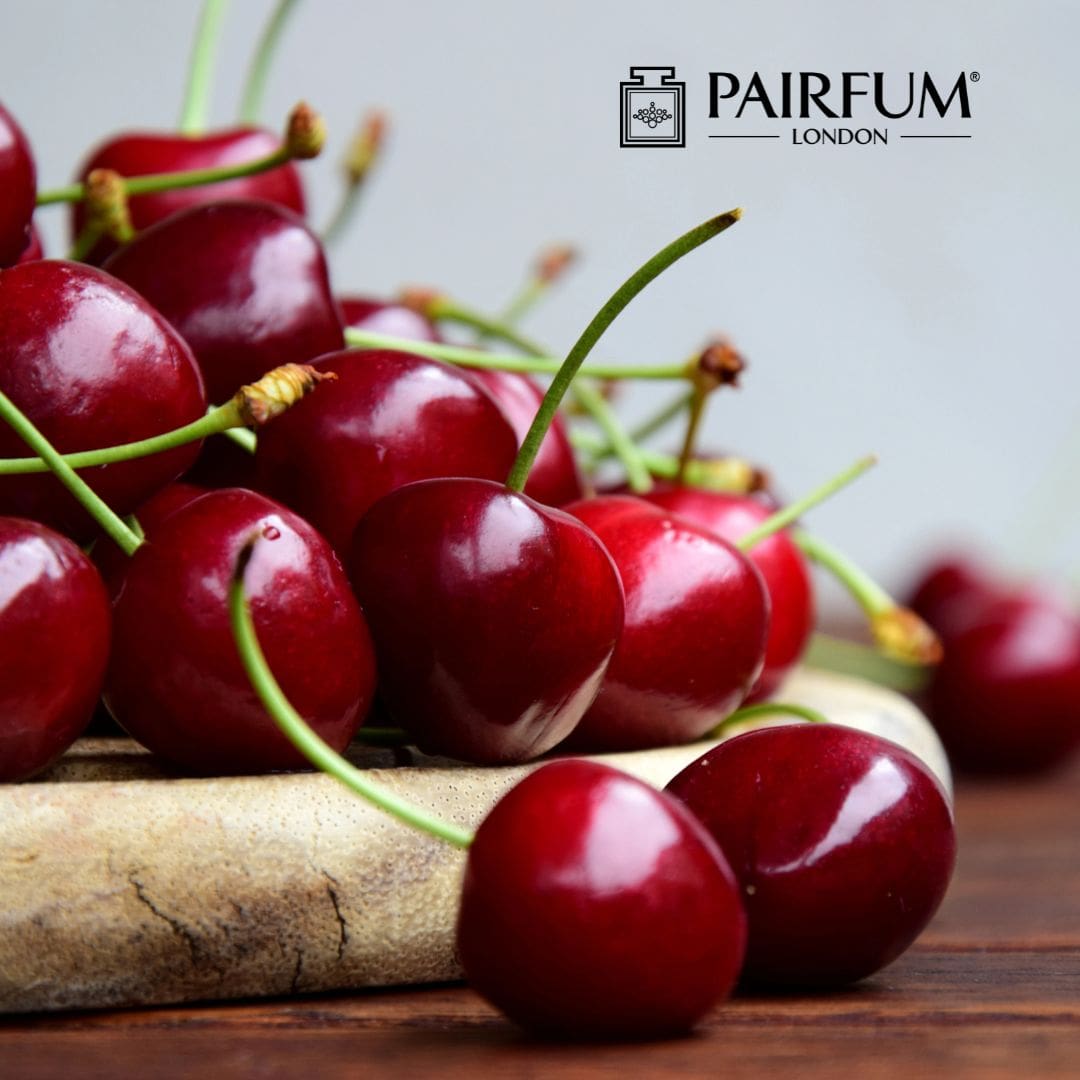
The black cherry, also known by its scientific name Prunus serotina, is a native deciduous tree of North America that belongs to the rose family (Rosaceae). It is the largest of the native cherries on the continent and can reach up to 30 metres tall when fully mature. The common name black cherry applies to the plant due to its dark-coloured fruit that ripens in late summer. It is sometimes referred to as rum cherry, wild cherry, mountain black cherry and even wild black cherry.

A young tree has smoother, paler bark, whereas the mature black cherry develops thick, black bark with scales that resemble burnt potato crisps. These changes make the black cherry tree easy to identify across seasons. Its leaf is simple, oval-shaped, finely toothed and has a glossy green surface, which turns yellow to red in late spring to early autumn. Black cherry leaves were historically used in some traditional remedies, particularly its inner bark which was brewed as an infusion.

The flower clusters of the black cherry emerge in early spring to late spring, bearing small white blossoms that attract pollinators including birds and bees. The berries that follow mature into a ripe black cherry in clusters during late summer. Although the black cherry fruit is bitter when eaten raw, it is enjoyed by many forms of wildlife and features prominently in food such as jams, syrups and flavourings for ice cream.

Pairfum Fragrance Black Cherry Oolong Tea Triangle

Ecology and Distribution

Wild black cherry trees grow widely across the eastern and central United States, extending into southern Canada and parts of Mexico. They prefer well-drained soils and can be found in woodlands, fields and along hedgerows. While the tree often flourishes in full sun, it tolerates partial shade which allows seedlings and saplings to establish beneath taller forest trees.

The fruits are cherished by countless species of birds, from thrushes to robins, which consume the cherries and spread the seed. Small mammals too feed on the black fruit, contributing to its natural propagation. For this reason, the black cherry plays an essential ecological role in forest communities.

The mature tree is valued not only for its fruit but also for its wood. Cherry wood from black cherry is considered among the finest American hardwoods, prized for cabinetry, furniture and instruments. The wood of the mature black cherry has a reddish hue that deepens with age, making it as beautiful as it is durable.

Cultural Uses of Black Cherry

Indigenous communities in North America used various parts of the black cherry, from the inner bark to the leaf, in medicinal preparations such as cough remedies. Early settlers later discovered its versatility in tonics and food flavourings. The sharp but distinctive taste of the fruit evolved into its frequent use in preserves and desserts, with ice cream and liqueurs being classic examples where the black cherry taste shines.

In ornamental horticulture, black cherry also has its place. The Royal Horticultural Society describes the species as attractive yet challenging because of its tendency to naturalise aggressively in non-native regions. Still, in its homeland it is often admired as a shade tree with sweeping form and aromatic spring blossoms.

The Aroma Profile

The scent of black cherry in perfumery is multidimensional. Its aroma balances sweetness and tartness, with echoes of almond, marzipan, vanilla and wine-like richness. Some describe a faint chocolate nuance in the background. This broad aroma palette explains why perfumers continually return to the fruit when they want to craft fragrances that are both lively and sensual.

Interpreting the black cherry note can produce varying results: playful when leaning toward sugar, sophisticated when embracing tartness, or grounding when balanced between the two.

Pairfum Person Reflection Black Cherry Oolong Tea Eau de Parfum

Black Cherry in Perfumery

From a perfumery perspective, black cherry is rarely extracted directly from the fruit because cherries yield little essential oil. Instead, perfumers recreate black cherry accords using combinations of natural extracts and aromatic molecules. These allow the note to be finely tuned, depending on whether the goal is juiciness, deep darkness or a balance evocative of ripe black cherries.

This creative liberty has allowed black cherry to feature across fragrance families:

  • In gourmands, it enhances edible notes like almond, cocoa or vanilla.
  • In orientals, its brightness cuts through heavier spices and resins.
  • In florals, it adds modern vibrancy to rose, peony or jasmine.
  • In woody scents, it softens depth while enriching warmth.

This explains how black cherry perfumes can be both playful daytime companions and sensual evening fragrances.

Types of Black Cherry Notes in Fragrance

Perfumers commonly classify the black cherry effect in three styles:

  • Sweet black cherry: playfully fruity, working well with citrus and flowers.
  • Tart black cherry: sharp with a sour edge that balances creamy bases.
  • Traditional black cherry: a middle ground, often used in classic luminous perfumes.

This ability to shift mood explains the popularity of perfumes that use black cherry as a central note.

Botanical Details

Classified under the genus Prunus, the species epithet serotina refers to its relatively late flowering and fruiting. Compared to sweet cherry, which fruits earlier, prunus serotina develops blossoms and cherries somewhat later in the season. This accounts for its common name, which translates as “late-bearing cherry.”

The seed inside each small fruit must be handled with care, as it contains compounds that can be toxic in large amounts. Similarly, the leaf and bark can produce cyanogenic substances when damaged. Still, in controlled preparations, the inner bark has long had medicinal associations.

As a plant, the black cherry is both admired and approached with caution due to these properties. For foresters, however, its growth rate and the high value of its wood have made it one of the most economically important fruit trees in the United States.

Fresh Black Cherry

Symbolism and Associations

The black cherry fruit has long symbolised temptation, luxury and fleeting enjoyment. Poets and artists have drawn upon imagery of cherry blossom or dark cherries for centuries. In fragrance, black cherry is equally weighted with passion and sophistication, tempting the senses in the same way as ripe black fruit tempts the palate.

From sensual imagery in literature to its place in the dining table or perfume bottle, the cherry theme recurs across human culture because it appeals directly to indulgence and beauty.

Growth and Appearance of the Tree

Like other fruit trees, the black cherry grows first as a young tree, with smooth bark and vigorous upward shoots. Over time, the mature tree develops deeper fissures, broader canopy and presents as a true forest specimen. Its flower racemes in late spring are highly ornamental, which briefly give the trees a delicate, snow-like appearance.

As a shade tree, the black cherry does not always receive recognition beyond its timber and fruit. Yet, to wildlife including pollinators, birds and mammals, it provides essential resources. The seedlings often grow beneath the parent tree, using partial shade to survive until light gaps open in the canopy.

The mature black cherry can live for many decades. Its black bark and majestic size make it an iconic sight in both wild and settled landscapes, where its importance ranges from ecological utility to cultural inspiration.

Everyday Uses

The bark and inner bark have historically been an ingredient in syrups and medicinal formulations. The fruit is transformed into jams, preserves, juices and ice creams, with one of the most memorable being black cherry ice cream. The taste of black cherries lends a sophisticated twist compared to lighter fruit flavours.

The hardwood is another valued by-product. Cherry wood is treasured by furniture makers for its fine grain and the way it develops a warm patina, much like black walnut, another prized American timber.

Iconic Fruity Unisex Eau de Parfum

Rich Black Cherry with Pairfum London

Black Cherry & Oolong Tea – Eau de Parfum by Pairfum London

The scent opens with an uplifting rush of black cherry, its sweetness lifted by bright bergamot and the tang of red berries, while almond lends a soft nutty accent. The heart reveals a sophisticated pairing of oolong tea, both fruity and smoky, entwined with the opulence of Bulgarian and Turkish roses and the gentle sweetness of liquorice. As it settles, the fragrance deepens into a lingering finish of aniseed, tonka, iris and patchouli, creating a base that is at once warm, elegant and enduring.

Conclusion

The story of black cherry is one of dual significance: as an elegant note in perfumery and as a prominent native species of great ecological and cultural importance. From the delicate white flower of its young tree in late spring to the ripe black cherry clustering on a mature tree in late summer, every part of the plant has played a role in shaping human appreciation.

Through its presence in fragrance, cuisine, woodcraft and cultural symbolism, the black cherry remains more than simply another fruit. It endures as a scent, a flavour, a material and a metaphor. Whether admired on a forest walk or savoured in a perfume, the experience of black cherry connects people deeply to both tree and tradition.

Gardenia In Perfumery

Gardenia In Perfumery: A Fragrant Floral Crown Jewel

The fragrance of gardenia has been admired for centuries, captivating both gardeners and perfumers across the world. Loved for its creamy richness, intoxicating perfume, and timeless white blooms, the gardenia plant is treasured not only for use in fine fragrance but also as one of the most cherished flowering shrubs in gardens and homes. Its glossy green leaves, pristine blossoms, and unique perfume have ensured its place as a crown jewel among ornamental species and an enduring favourite in luxury perfumery.

The gardenia flower embodies contrasts: fresh and radiant yet velvety and sensual, with green undertones that ground its sweetness. This dual nature makes it as desirable for perfumers as it is rewarding for gardeners. Whether growing outdoors in acidic soil, flourishing indoors as a gardenia houseplant, or being gifted as part of hand-tied bouquets, gardenia has lost none of its historical allure.

What Does Gardenia Smell Like?

A blooming gardenia carries one of the most recognisable scents in nature. The fragrant flowers are creamy and lush, with hints of peaches and apples wrapped in soft waxy textures. The perfume of gardenias is often compared to jasmine but is fuller, richer, and creamier, with a faintly green character that recalls freshly crushed leaves.

When the buds open, their perfume fills the evening air with a sweetness that is both comforting and deeply romantic. For this reason, gardenia perfumes have long been considered refined yet sensual, lending themselves equally well to early summer weddings, glamorous evenings, or light everyday wear.

On a molecular level, compounds such as methyl benzoate and linalool give g jasminoides its luminous floral sweetness, while other trace molecules account for its creamy depth. This is why recreating gardenia faithfully in perfumery remains such a prized craft.

Pairfum Fragrance Scarlet Rhubarb Oakmoss Triangle

A Seasonal Summary of Gardenia

A useful seasonal summary reveals just how enchanting this species is throughout the year:

  • In late spring and early summer, the gardenia bush bursts into its peak flowering season, producing radiant white flowers against a striking backdrop of glossy leaves.
  • Through summer, careful watering, feeding, and pruning keep the plant healthy and encourage further bloom.
  • In autumn, although flowering slows, the evergreen shrub continues to add structure and foliage interest.
  • In winter, it benefits from protection, particularly as houseplants or as a potted gardenia kept indoors.

This cycle connects gardening with perfumery: the very months when gardenias bloom are when they fill both gardens and perfumes with their uplifting presence.

The History and Symbolism of Gardenia

Native to Asia and Africa, gardenia jasminoides has been cultivated for centuries. Remarkably, the flower was named after the Scottish-born naturalist Alexander Garden, who became fascinated with it in the 18th century. His contribution ensured that the gardenia plant was recorded, cultivated, and appreciated in Europe and America.

Since then, gardenias have symbolised purity, love, and refinement. They were popular in Victorian handtied bouquets, celebrated as a floral gift, and even worn as boutonnieres. For many, gifting a potted plant of gardenia is still an offering of devotion.

In traditional Chinese culture, gardenias signified peace and harmony, while in the West they were embraced as glamorous accessories in fashion and music. Jazz singer Billie Holiday’s iconic choice to wear fresh gardenias in her hair remains one of history’s enduring images of elegance.

Eau de Parfum Person Reflection Ginger Elemi Vetiver Man 1 1

Gardenia as a Plant

Beyond perfumery, the gardenia is prized horticulturally. An evergreen shrub, it typically reaches one to two metres in height, its dark glossy leaves providing an attractive year-round backdrop to its blooms. Classified as part of the coffee family Rubiaceae, the most treasured species for cultivation is gardenia jasminoides, also known as cape jasmine.

This plant thrives in warm conditions with access to bright yet indirect light. Outdoors, it prefers partial shade, while indoors it is often grown as an indoor gardenia or treasured gardenia houseplant in conservatories.

Because it is slightly demanding, gardeners must take care with soil, watering, and general gardenia care, but the reward of its fragrant flowers makes it one of the most rewarding houseplants you can cultivate.

How to Grow and Care for Gardenia

Skilled florists know that growing gardenia requires attention to its specific needs. Some of the essentials include:

  • Soil: Use rich, well-drained acidic soil to mimic its natural habitat. These are truly acid loving plants, so adding ericaceous compost is vital. A balanced potting mix with peat-free compost ensures root health for a potted gardenia.
  • Watering: Keep the plant moist but avoid waterlogging. Consistent watering helps prevent yellowing of the leaves and promotes abundant flowering.
  • Light: Outdoors, ensure partial shade; indoors, a bright window without direct scorching sun is perfect for an indoor plant.
  • Temperature and Humidity: Warm summer days with cooler nights suit the gardenia plant well. Using pebble trays or misting helps raise humidity and protects against spider mites, which can trouble gardenias.
  • Feeding: Regular feeding with specialist foods for acid loving plants supports glossy leaves and continued bloom.
  • Pruning: To maintain its shape, carefully prune gardenias after flowering. This encourages fresh buds for the next seasonal summary of blooms.

With the right environment, a potted plant or outdoor gardenia bush will reliably delight with its sweet perfume.

Propagating Gardenia

Another rewarding aspect of horticulture is propagating gardenia through cuttings. Semi-ripe cuttings taken in summer and rooted in a moist compost mix offer gardeners the chance to develop new potted plants. For the more enthusiastic, sharing propagated gardenias has become a time-honoured tradition, passing forward both the beauty of the flower and the techniques of cultivation.

Common Challenges in Gardenia Care

Gardening experts caution that gardenias can be temperamental. Yellowing leaves may indicate poor soil nutrition or inconsistent watering, while failure to bloom might be linked to unsuitable light levels or improper potting mix. Another common problem is pest attack, particularly spider mites, which thrive in dry air. Ensuring adequate humidity and watchful care helps protect the plant.

Gardenia Flower

Impact on Cultural and Everyday Life

From being grown as houseplants to offered as a floral gift, the gardenia plant has always transcended gardens. In homes, a potted gardenia offers an elegant living accent, filling rooms with fragrant flowers when given the right care. Florists often select gardenias as handtied bouquets for weddings, anniversaries and celebrations, as their creamy blossoms symbolise love and refinement. In gifting culture, they are sometimes paired with fruit baskets, making them a thoughtful and memorable presentation.

For those fascinated by possible interests in historic botany, remembering that the bloom was once documented and named thanks to Alexander Garden adds another layer of appreciation. For others, their possible interests may lie in crafting perfumes, styling homes with summer flowers, or exploring gardening as a calming pursuit.

Iconic and Modern Perfumery

Within perfumery, gardenia has inspired timeless creations. While jasmine and tuberose shine with their own qualities, cape jasmine continues to enchant perfumers with its creamy sensual heart. Modern fragrances combine gardenias with sparkling citrus, deep woods, or warm vanilla, ensuring that the flower remains both historic and contemporary.

A single gardenia bloom in perfume can evoke nostalgia, while layered gardenias with roses or lilies achieve rich bouquets that feel modern yet timeless. Perfumers value this adaptability, meaning the gardenia will always remain central to the world of fragrance.

Eau de Parfum Person Reflection Scarlet Rhubarb Oakmoss Woman 1 1

Heart of Gardenia with Pairfum London

Ginger, Elemi & Vetiver – Eau de Parfum by Pairfum London

A surprising fusion of spices and freshness, it opens with notes of Bergamot, Grapefruit and hint of Lavender, combined with Ginger, Elemi, Nutmeg & Cinnamon. The heart is Geranium, Rose, Freesia, Gardenia, Jasmin and Orange Blossom, with fruity hints of Coconut and Rasberry. A base of Vetiver, Guaiacwood, Cedar, Amber, Cashmere Musks, Vanilla & Moss supports this note.

Scarlet Rhubarb & Oakmoss – Eau de Parfum by Pairfum London

This bold, floral Chypre fragrance opens with a blend of fresh Tart Rhubarb, Sun-Dried Fruits and Ripe Strawberries. Hints of crisp Apple & Apricot wrap around the warm heart of elegant White Gardenia. The base of Oakmoss and Sensuous Musk provides a rich and lingering dry down.

Eau de Parfum Person Reflection Ginger Elemi Vetiver Woman Fresh 1 1

Conclusion

Whether admired as a gardenia houseplant, cultivated as an outdoor gardenia bush, gifted in handtied bouquets, or celebrated in perfume, the gardenia jasminoides retains its place as one of nature’s great treasures. It calls for thoughtful gardenia care, attentive feeding, correct soil, and regular watering, yet its fragrant flowers reward every effort.

As both a horticultural crown jewel and an icon of fragrance, the gardenia plant bridges the beauty of the natural and the crafted worlds. Its timeless charm makes it one of the most beloved flowering companions across gardens, homes, and perfumes alike.

Strawberry Scent

Strawberry: The Sweet Scent of Summer’s Favourite Fruit

Few fruits capture the imagination in the same way as the strawberry. Its dazzling red hue, delicate seeds and unmistakable aroma have made it one of the world’s most cherished fruits for centuries. Across myth, folklore, gardens and kitchens, strawberries have symbolised love, passion and joy. Beyond flavour, they have also found a natural home in perfumery, where their fresh sweetness and playful energy inspire both creators and wearers.

From Garden to Bottle: A Fruit Steeped in Stories

The strawberry plant belongs to the rose family and encompasses several species. The most recognised is the garden strawberry, scientifically known as Fragaria ananassa. This cultivated strawberry was first bred in France during the eighteenth century as a hybrid between the North American Fragaria virginiana and the Chilean strawberry, Fragaria chiloensis. Before the rise of this hybrid, European strawberry species such as the woodland strawberry, Fragaria vesca, were widely enjoyed for their smaller fruit and delicate fragrance. Alpine strawberries also remain a favourite for those who prefer a more subtle berry with refined sweetness.

Strawberries are edible fruit that have long carried symbolic and cultural significance. In Roman times they were connected with Venus, while in Christian art they represented purity and humility. The Renaissance celebrated strawberries as perfection in nature’s design, and the Victorians regarded them as a sign of romance. These associations explain why the strawberry variety most often used in festivity and fragrance is tied to both passion and nostalgia.

Pairfum Person Reflection Scarlet Rhubarb Oakmoss Eau de Parfum Woman

The Sensory Qualities of Strawberry

The flavour and fragrance of strawberries arise from a complex balance of sweetness, acidity and aroma molecules. Ripe strawberries often smell of caramel and sugar, with green leafy accents reminiscent of strawberry leaves. In some strawberry varieties there is even a floral or tropical note, bringing hints of pineapple or apricot. Alpine strawberries, with their smaller fruit, have especially good flavour and carry a perfumed delicacy ideal for inspiring perfumers.

Fresh strawberries are not just delicious but rich in nutrition. Nutrition facts show that one serving provides more than a full daily value of vitamin C, along with ellagic acid and plant-based antioxidants. These compounds not only benefit health but also inspire metaphors in perfumery: just as strawberries brighten our diet with vitality, the strawberry note brightens a fragrance with energy.

Such strawberry facts illustrate why the fruit appeals across cultures. Whether eaten with whipped cream at a summer picnic or enjoyed as ice cream on a warm afternoon, strawberries are tied to moments of joy and indulgence. The scent of strawberries captures the same feeling, making them a cherished muse in perfume.

Types of Strawberry Notes in Perfume

Perfumers explore different expressions of strawberries:

  • Fresh Strawberry: Reminiscent of ripe fruits picked in the British strawberry season, this note brings sparkling clarity and sheer delight, as refreshing as planting strawberries in early spring.
  • Wild Strawberry: Earthy, green and slightly tart, this note is inspired by woodland walks. Wild strawberry has a rustic charm, working beautifully with woods or herbs.
  • Sweet Strawberry: Jammy, sugar-coated and indulgent, like fresh strawberries folded into cream or layered in ice cream. Sweet strawberry notes are an anchor in gourmand perfumes, paired with vanilla or caramel.

Each strawberry variety allows perfumers to evoke different moods, just as different berries in the garden offer unique tastes.

Growing and Harvesting Strawberries: A Natural Inspiration

Growing strawberries is a practice as rewarding as it is fragrant. The strawberry plant can be cultivated in pots, hanging baskets or open beds. Runners allow the plant to spread naturally, rewarding patient gardeners with large fruits during the peak of the British strawberry season. Alpine strawberries, by contrast, provide smaller fruit but a more subtle perfume, reminding us that variety in the plant world mirrors variety in fragrance.

Planting strawberries is an exercise in patience and care. Bare root plants in early spring will flourish with proper support, though gardeners must remain watchful for mildew and powdery mildew, which weaken strawberry leaves and reduce yields. Protecting plants with straw helps the fruit stay clean and dry, and the use of hanging baskets allows for a neat and decorative growth method.

The seasonality of the strawberry plays directly into its symbolic power in perfumery. Just as biting into fresh strawberries in midsummer evokes joy, perfumes built around strawberry notes instantly suggest sunshine, abundance and romance.

Fresh Strawberry

Creating Strawberry in Fragrance

Because strawberries produce little essential oil, their perfume rendition is rarely distilled directly. Instead perfumers use creative techniques:

  • Natural Extracts: Solvent extractions and cold pressing can capture faint scents, but the yield is minimal.
  • Synthetic Molecules: Compounds such as the well-known strawberry aldehyde help replicate strawberry flavour and fragrance with accuracy.
  • Accords: Master perfumers build strawberry notes by combining other fruits, floral tones and green nuances to create fresh, wild or candy-like impressions.

Whether it mimics an alpine strawberry, a cultivated strawberry or a European strawberry, the result is not a literal distillation but an artistic expression.

Strawberry in Cultural Traditions

The strawberry has always been more than just a plant in the garden. It is at the heart of cultural rituals, often linked to summer. One of the world’s most famous examples is the tradition of cream and strawberries served during the Wimbledon Tennis Championships in London. The combination of strawberries and cream embodies British culture and has become a timeless sensory icon, balancing ripe fruit with soft creaminess.

Strawberries can appear in religious symbolism too. In medieval Europe, the strawberry mark was a birthmark believed to represent fortune or sometimes divine intervention. Such associations remind us how deeply woven the strawberry is in both myth and daily life.

Strawberry as a Muse in Perfume

Today, strawberry notes appear in perfumes of many varieties. Sometimes the impression is as delicate as alpine strawberries, while other times it is as indulgent as strawberries folded into whipped cream or as refreshing as British strawberry varieties enjoyed during summer.

Because strawberries are embedded so deeply into gardens, diets and rituals, their perfume interpretation is instantly relatable. A strawberry accord can be playful like ice cream, romantic like cream with berries at a celebration, or natural like fresh fruit picked by hand.

Eau de Parfum Person Reflection Scarlet Rhubarb Oakmoss Man 1 1

Strawberry Beyond Perfume: A Multi-Sensory Experience

The culinary use of strawberries has made them universal. Strawberries are edible fruit eaten fresh, baked into cakes, preserved as jam or churned into strawberry flavour ice cream. The cream-and-strawberries pairing has echoed through centuries. Their nutrition facts highlight their richness in vitamin C and ellagic acid, amplifying their image as a fruit of health and vitality.

Whether admired for their good flavour in alpine strawberries or bred into large fruits by cultivated strawberry hybrids, these berries maintain their charm. Even today, the European strawberry and Chilean strawberry are studied for their genetic contribution to the modern garden strawberry.

How to Select Your Strawberry Perfume

For those searching to enjoy strawberry notes:

  • Choose lighter fragrances with fresh strawberries for daytime, particularly during the British strawberry season when the association is strongest.
  • Select romantic blends where wild strawberry is paired with floral notes like rose or peony for intimate moments.
  • Explore gourmand styles where strawberries, cream, chocolate and caramel come together in layered indulgence.

Just like planting strawberries in pots or harvesting alpine strawberries in the garden, the choices are vast and tied to season and mood.

Iconic Perfumes Featuring Strawberry

Because it evokes warmth, happiness and indulgence, strawberry has been championed in both niche and mainstream perfumery:

  • Burberry Her captures London spirit through berries and strawberry layered with jasmine and musk.
  • Trésor Midnight Rose by Lancôme weaves strawberry and rose for a modern romantic allure.
  • Moschino Funny! adds strawberry zest to sparkling citrus and floral bouquets.
  • Dulcis in Fundo by Profumum Roma is a gourmand classic using strawberry with vanilla to conjure indulgence and warmth.
  • Scarlet Rhubarb & Oakmoss by Pairfum London is a bold floral Chypre fragrance with fruity top notes, a heart of white gardenia, and a rich oakmoss-musk base.

Each example highlights how flexible one fruit note can be — whether sparkling, romantic or gourmand.

Pairfum Fragrance Scarlet Rhubarb Oakmoss Triangle

Strawberry Fragrance with Pairfum London

Scarlet Rhubarb & Oakmoss – Eau de Parfum by Pairfum London

This vibrant floral Chypre fragrance begins with a burst of tart rhubarb, sun-dried fruits, and ripe strawberries. Notes of crisp apple and juicy apricot embrace the graceful heart of white gardenia, while a deep base of oakmoss and velvety musk leaves a lasting, sensual trail.

A Fruit Whose Story Never Ends

The strawberry plant is more than a garden staple. It has given the world beauty, nourishment and endless inspiration. From strawberries as edible fruit and symbols in religious art, to strawberry notes in fragrance and strawberry flavour in desserts, few treasures of nature weave together so many strands of life.

Whether it is the cultivated strawberry, Fragaria ananassa with its large fruits, the smaller fruit of Fragaria vesca, or the alpine strawberry prized for its delicate flavour, each strawberry variety tells a story. From nutrition facts praising its vitamin C and ellagic acid, to garden care tips to prevent mildew, to the cultural joy of cream with fresh British strawberries during summer, the strawberry leaves its mark across human tradition.

In fragrance, strawberries carry the same spirit: joyful, playful and full of vitality. Each note conjures light, memory and love. Perhaps that is why no other fruit continues to inspire such timeless pleasure as the strawberry.

    0
    Your Cart
    Your cart is emptyReturn to Shop