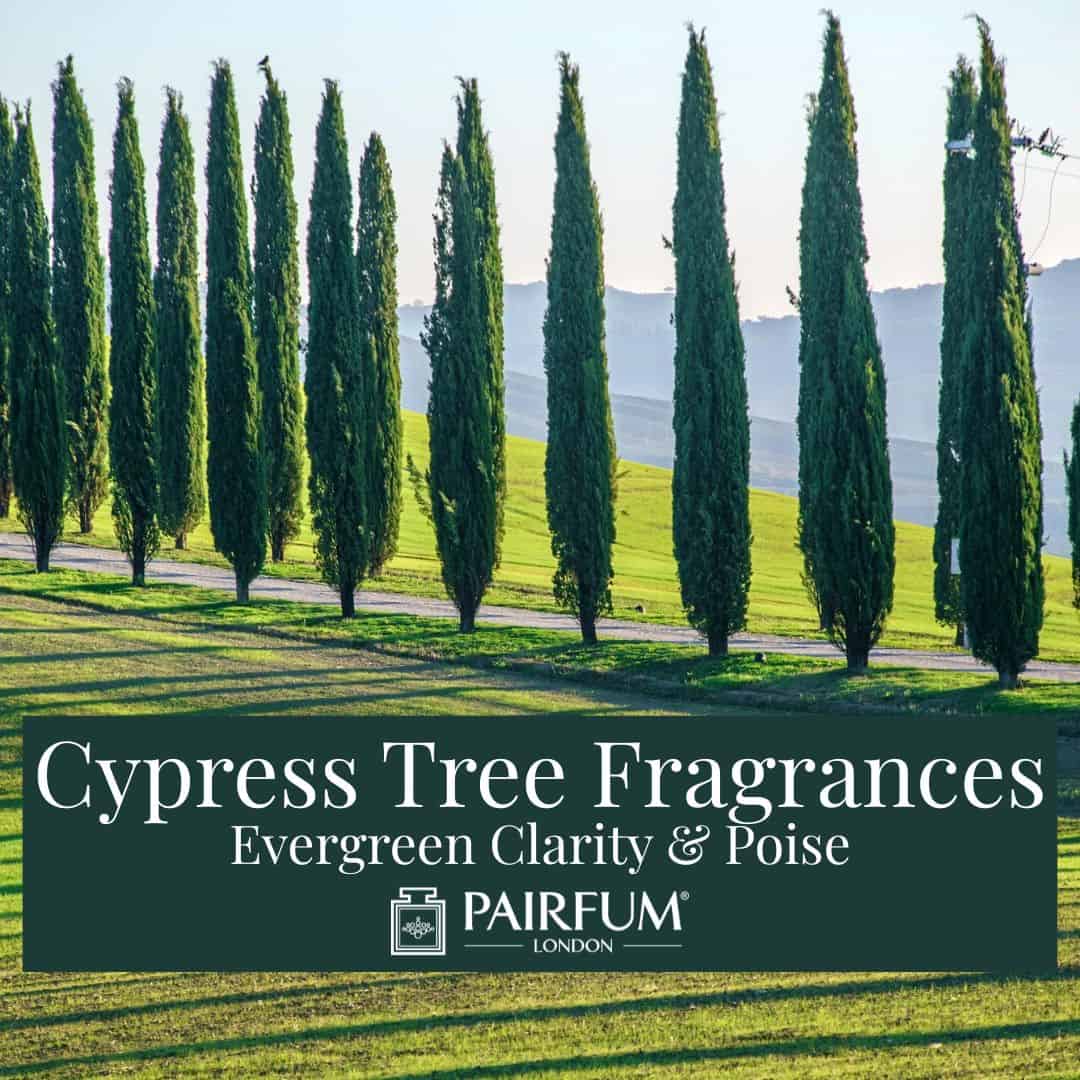
The Cypress tree is a versatile, evergreen conifer belonging to the Cupressaceae family, recognised for its tall, narrow, columnar or conical forms. Ranging from around 1 to 50 metres in height, they are widely used to create vertical structure, privacy screens, and tree-lined avenues. They thrive in sunny, well-drained, and often dry locations, making them relatively low-maintenance and drought-tolerant once established.
Cypress is one of those fragrance notes that feels instantly calming. Fresh, green, and gently woody, it brings a sense of space and lightness to any perfume. While it’s never loud or showy, Cypress keeps things grounded, balancing soft floral tones or rich woody blends with its crisp edge. Among cypress fragrances, this balance is what gives them such quiet confidence.
It is often described as a green woody freshness with a dry, slightly smoky undertone. This duality allows the scent to feel both airy and structured at once. For many, it recalls a cool breeze passing through tall evergreens, a natural clarity that feels steady rather than fleeting.
It’s especially lovely in the colder months, when many perfumes can feel too sweet or heavy. Cypress offers something more refined, clean, dry, and just green enough to cut through the weight of winter aromas. We find that perfumers often turn to Cypress for its timeless feel and its ability to add clarity without losing warmth. Its heritage in traditional perfumery shows why it still holds an important place in today’s fragrance world, both classic and niche. This kind of everyday elegance is what makes it a lasting favourite for any fragrance lover.
A Tree with Heritage: The Roots of Cypress in Fragrance
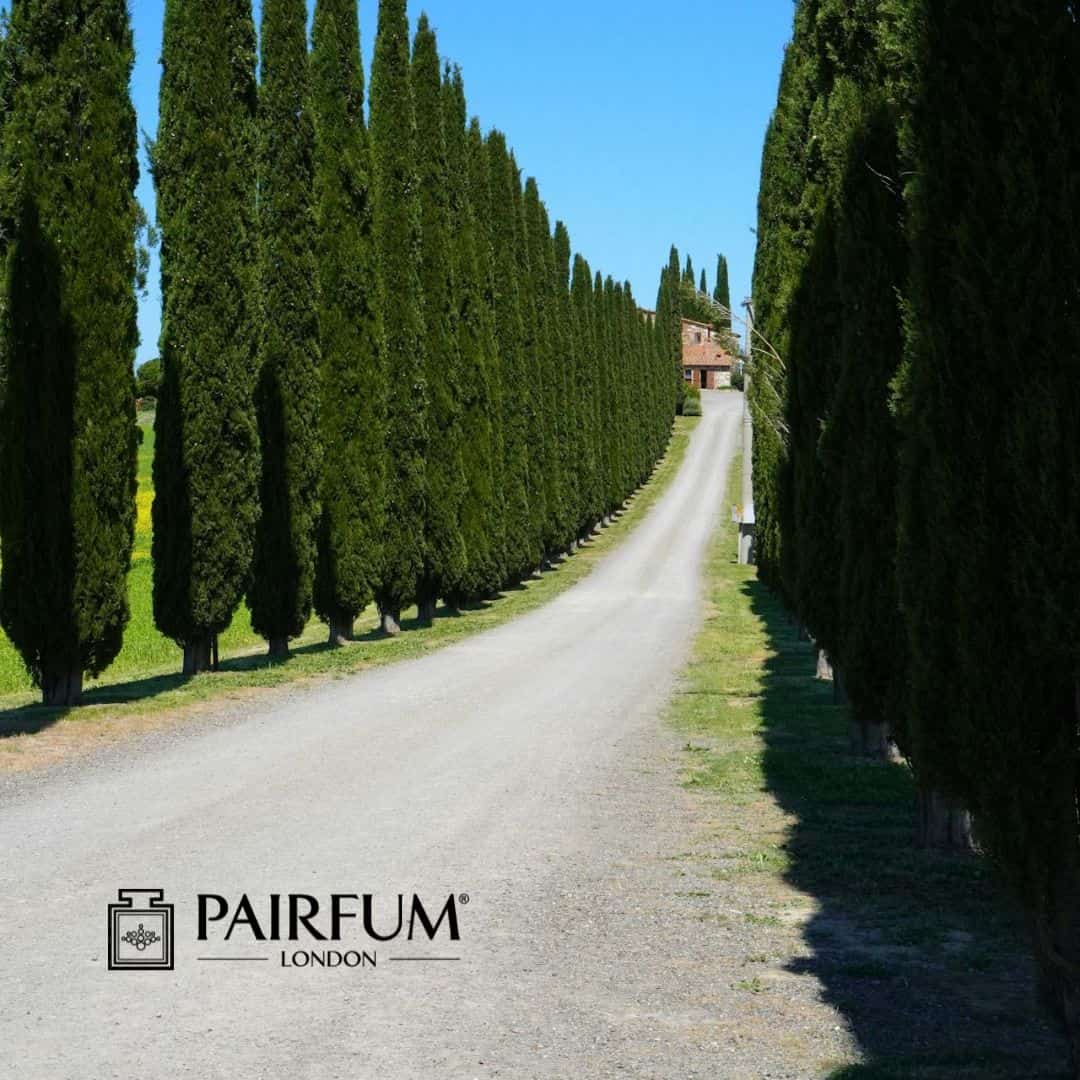
Cypress has long carried meaning beyond aroma. These tall, evergreen trees are often linked to remembrance, resilience, and calm. In Mediterranean landscapes, they are a familiar sight, often planted in lines that follow roads or mark boundaries. Their vertical form and deep green colour have influenced both art and scent for centuries.
Varieties such as Italian cypress and Mediterranean cypress have shaped how this scent is understood today. The Italian cypress is often associated with dry hillsides and warm light, while the Mediterranean cypress carries a slightly more rounded and aromatic tone. These subtle differences can influence how a perfume develops on the skin.
In traditional use, Cypress was distilled into essential oil from needles, twigs, and cones. This oil became valued for its clean, resinous aroma and was widely used in herbal preparations. Early Mediterranean cypress aftershave blends and colognes often included it for its refreshing and toning effect, particularly in warm climates where a cooling aromatic note was appreciated.
In early perfumery, Cypress oil was valued not just for its smell but for its steady, earthy profile. Alongside rosemary or frankincense, it was found in healing blends and home rituals. The clean, resinous oil worked well in summer blends, but its dryness also suited the dimmer days of winter. There is something enduring about it, perhaps because the Cypress tree itself stands tall year-round, unaffected by cold or heat. That kind of presence often finds its way into perfume.
Fragrance Profile: What Cypress Brings to a Perfume
The smell of Cypress feels like standing outdoors on a quiet winter morning. It is not sharp or spicy, but gently woody with a green edge. Some describe it as dry, with a slightly peppery tinge, almost like crushed pine needles with a twist of forest air. This crisp resinous scent is one of its defining qualities.
From a technical perspective, the scent profile of Cypress includes facets that are balsamic, slightly smoky, and faintly citrus in the opening. This soft citrus impression is not as bright as lemon or bergamot, but it adds lift to the composition. As the fragrance develops, the woody and aromatic note becomes more prominent.
We think Cypress works best when a perfume needs balance. It will not overpower floral or citrus notes, but it stops the whole blend from becoming too sweet or too rich. On its own, it feels cool and still, which is why it shows up so often in unisex perfume and more structured eau de parfum creations. In niche or natural fragrance styles, it adds that quiet body that lifts everything else.
Here are a few unique touches Cypress brings:
- A green woody freshness for structure without weight
- Resinous warmth with a soft woody glow
- An air of refinement that fits crisp, winter atmospheres
Its presence is often felt more than noticed outright, and that is part of its strength. It deepens a perfume without darkening it, shaping the overall scent with subtle precision and a long-lasting scent that unfolds gradually.
Crafting with Cypress: Extraction and Perfume Applications
Cypress oil is usually obtained through steam distillation. Fresh branches, needles, and sometimes cones are distilled to capture the aromatic compounds. The result is an essential oil that holds onto the plant’s natural clarity while offering depth and stability.
The composition of this oil includes naturally occurring compounds that contribute to its woody and slightly balsamic character. These elements allow it to blend easily with other ingredients, making it a versatile choice for perfumers.
In perfumery work, we often see Cypress placed in the middle or base of a formula. It is not usually at the top of a perfume bouquet, where the lighter aromas live. Instead, it anchors the composition. This makes it helpful when working with airy florals or rich woods such as sandalwood or cedarwood. It also pairs beautifully with vetiver, which shares its grounding quality and enhances the woody tone.
In natural perfume, Cypress can bring freshness without leaning too heavily into citrus. In niche work, it offers a way to honour tradition while staying modern. Whether in an eau de parfum or lighter colognes, the aromatic blend it creates feels composed and balanced. Historical references even show its use in regency fragrances, where subtle herbal and woody accords were favoured for their understated refinement.
Harmonising with Nature: Best Notes to Pair with Cypress
Cypress is easy to blend with because it sits between cool and warm, dry and green. It fits beautifully with forest and herbal themes, especially when layered with carefully chosen ingredients.
Popular notes that work well with Cypress include:
- Lavender and eucalyptus, for a herbal, clean impression
- Pine and cedarwood, for a deeper, forest-inspired body
- Vetiver and patchouli, for something well-rounded and grounding
- Lemon, bergamot or lime, to bring a fresh citrus lift
Touches of citrus can brighten the composition, while bergamot introduces a refined citrus scent that softens the dryness of Cypress. Lime adds a sharper edge, giving a more energetic opening.
Richer notes, such as tonka bean, bring warmth and a gentle sweetness, enhancing the sense of sensuality without overwhelming the core scent. In more creative blends, perfumers sometimes include juicy grape notes or a grapevine accord, adding a subtle fruitiness that complements the green structure rather than competing with it.
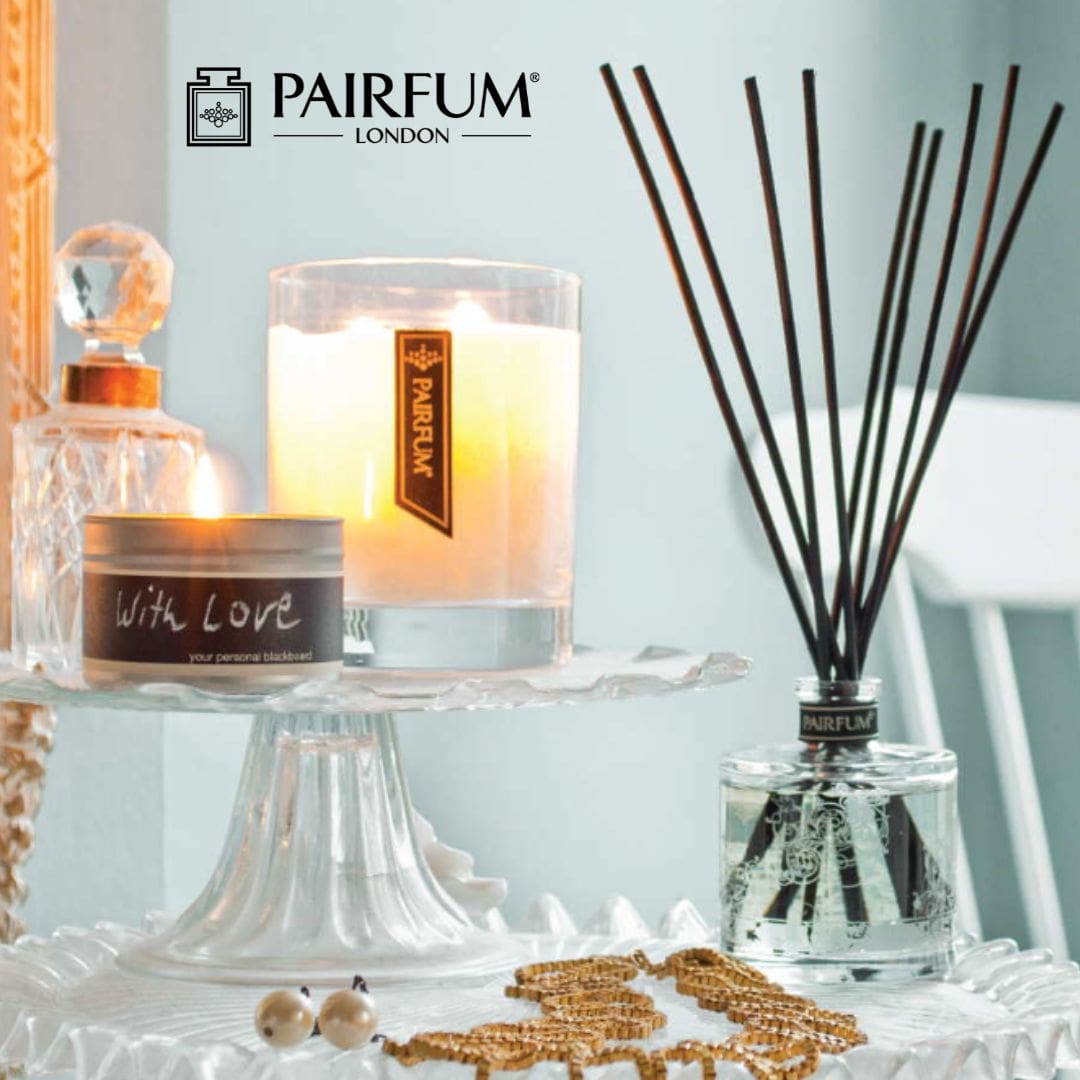
This flexibility makes Cypress a useful note across styles. In home fragrance, it is often chosen for its calming, natural aroma. Often used in reed diffusers, it clears the air gently and creates a composed atmosphere. The effect is one of quiet freshness rather than strong projection.
Cypress in Modern Perfumery and Design
Today, Cypress continues to inspire both niche creators and established designer brands. Its versatility allows it to move between classic and contemporary compositions with ease.
Well-known houses such as Yves Saint Laurent and parfums de Marly have explored green and woody accords that echo the qualities of Cypress. While it may not always be listed as a dominant note, its influence can often be found within the structure of the fragrance.
For a fragrance brand seeking clarity and balance, Cypress offers a designer essence that feels timeless. It works particularly well in eau de parfum formats, where the depth of the note can develop slowly and naturally on the skin.
Modern compositions sometimes blend Cypress with citrus, bergamot, and even grapevine nuances to create a scent that feels both grounded and luminous. These combinations highlight how adaptable the note can be while maintaining its distinctive identity.
Iconic Perfumes with the Essence of Cypress
Some of the most elegant perfumes rely on Cypress to steady their expression. You might not always notice it straight away, but its crisp touch sits just beneath the surface, holding each note in place.
These Cypress-rich perfumes often feel suited to colder weather. The resinous and slightly smoky character aligns well with crisp air, allowing the scent to feel settled rather than overpowering. The overall impression is one of clarity and focus.
In many niche fragrances, Cypress is paired with incense, woods, or subtle citrus elements. The result is a perfume that feels composed and balanced, with a scent that evolves gently throughout the day. It remains close to the skin, offering a quiet but persistent presence.
Cypress Beyond Perfume: A Lifestyle Note
Cypress is not limited to fine fragrance alone. Its clean and calming scent has made it popular in home fragrance, where it is used in candles, oils, and reed diffusers. A well-balanced diffuser with Cypress can bring a sense of order and calm to a room.
It is also a familiar element in aftershaves and colognes, especially those inspired by Mediterranean cypress landscapes. These blends often highlight the cooling and refreshing qualities of the note, making them suitable for everyday use.
Some products combine Cypress with grapevine accords, creating a scent that feels both green and gently fruity. This pairing reflects a broader trend towards more natural and botanical-inspired compositions.
For those looking for a best seller style fragrance that feels timeless, Cypress offers something distinct. It is not about boldness, but about consistency and quiet refinement.
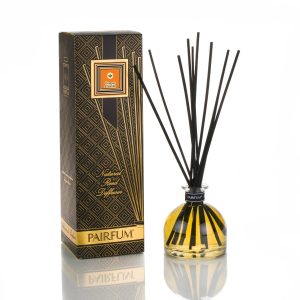
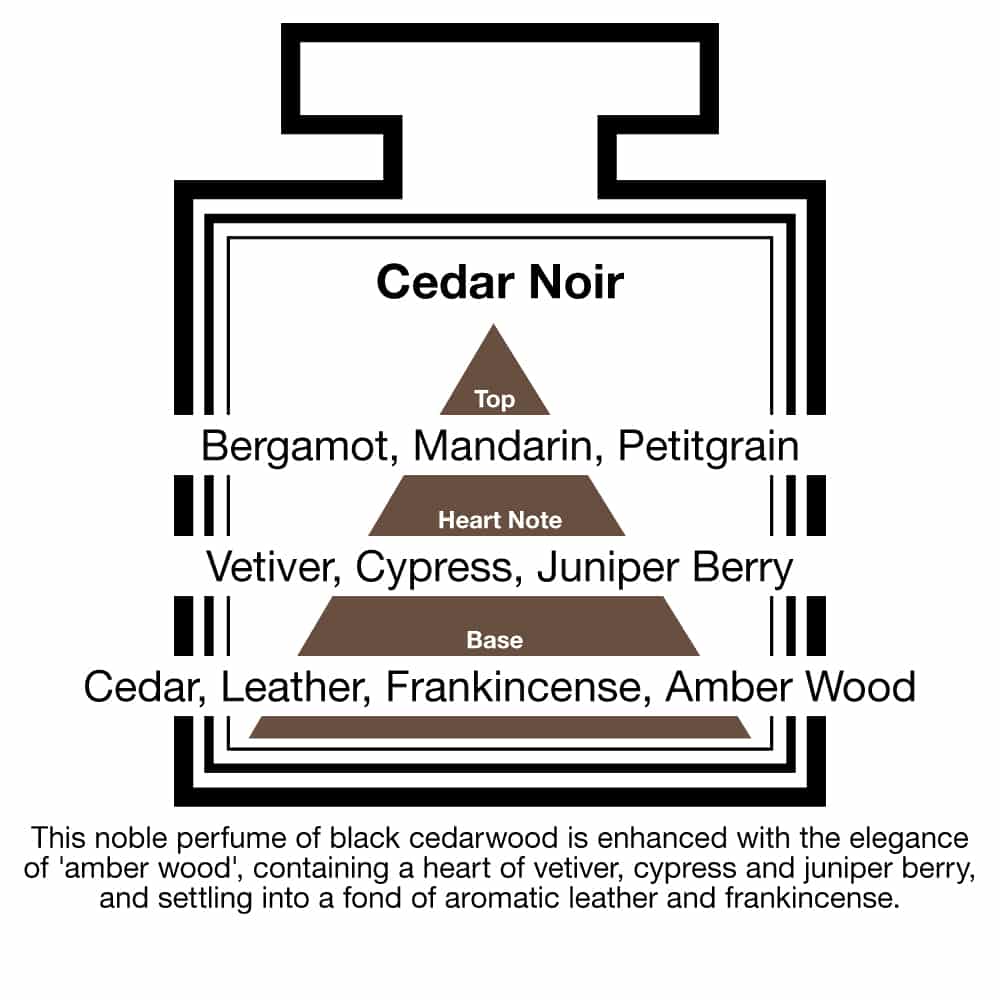
Cedar Noir – Large Bell Shape Reed Diffuser by Pairfum London
This refined fragrance centres on deep black cedarwood, lifted by the smooth elegance of amber wood. At its heart lie notes of vetiver, cypress, and juniper berry, while the base unfolds into a rich blend of aromatic leather and frankincense.

A Breath of Green Focus in the Cold Months
Cypress gives us a way to bring freshness into our lives without relying too heavily on citrus or sweetness. It sharpens a perfume just enough to keep it lively, but never harsh. The balance it provides is particularly valuable during winter, when heavier scents can dominate.
Its greenness brings clarity. Its dryness brings calm. Used with care, it creates a sense of space within a fragrance, allowing other notes to breathe. This is why Cypress continues to appear in both traditional and modern perfume compositions.