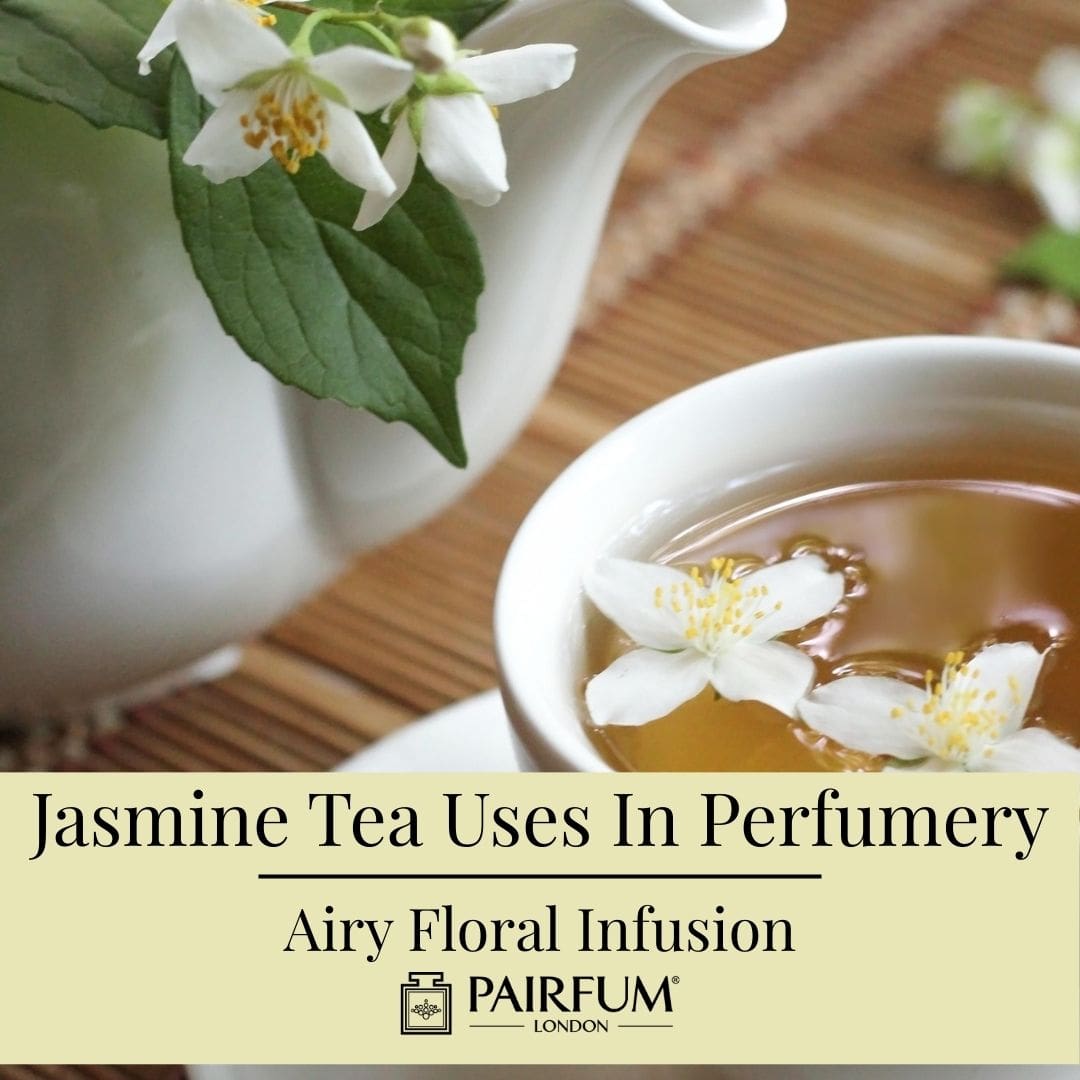
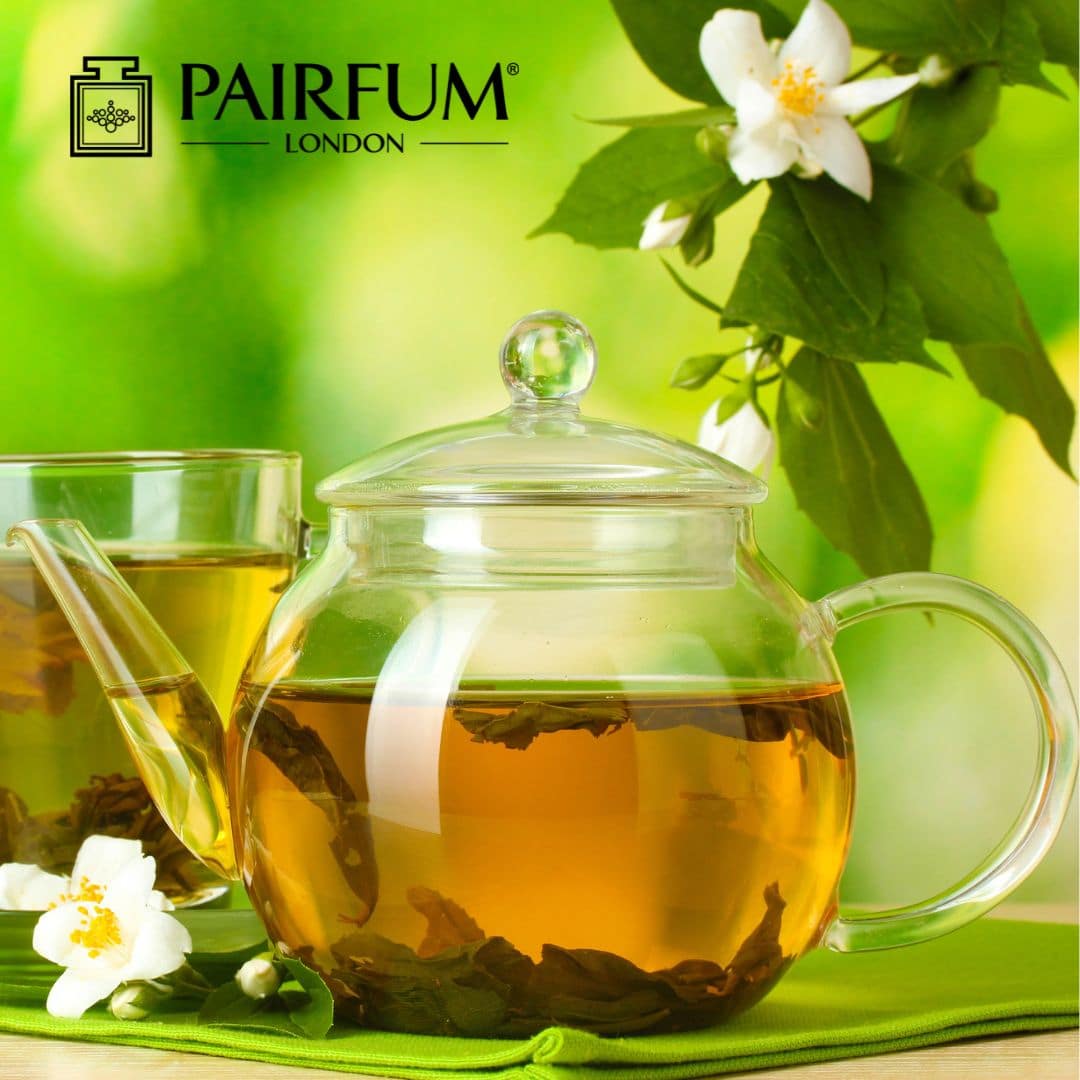
Jasmine tea is a fragrant, premium infusion (usually based on green or white tea) that is scented with jasmine flowers. This traditional scenting process allows the tea leaves to naturally absorb the floral aroma over several rounds. It is highly regarded for its delicate, sweet flavour, high catechin (antioxidant) levels, and health benefits, which include supporting heart health, boosting metabolism, and offering significant calming properties for relaxation.
Jasmine tea in perfume has a gentle way of standing out. It gives off a light, calm feeling, with a floral note that is smooth and not too sharp. Around early February, when the air still feels cool but the light begins to change, this kind of fragrance starts to feel just right. It brings a hint of spring without rushing winter away.
The aroma is a soft mix of jasmine blossoms laid over the fresh, quiet bite of green tea. Together, they create something clean, airy, and elegant. In niche perfumery, this pairing is used to add balance and lightness. Let us look more closely at where jasmine tea comes from, how perfumers work with it, and why it has become such a calm, welcoming part of everyday fragrance.

Where Jasmine Tea Comes From and Why It Is Special
Jasmine tea started as a drink in China, often linked to relaxation and rituals. Historically, the process reached its height during the Song Dynasty, where the art of scenting tea leaves became highly sophisticated. The method was simple but slow, stacking fresh jasmine blossoms over dried green tea and allowing the fragrance from the blooms to settle into the leaf. Once finished, the tea kept the aroma of the jasmine petals, even though the flowers were sifted out.
That natural pairing, the jasmine floral note and the green tea leaf freshness, felt soft but clear. Like cool air with a trace of bloom. It was not long before this scent found its way into perfumery. Perfumers recognised how this pairing could work in cooler weather. On days when you want something light but not too icy, jasmine tea brings warmth without sweetness. It is not overpowering or heavy, which is why it suits February so naturally.
The Botanical Craft: From Fujian to the Fragrance Bottle
To understand the complexity of jasmine green tea in scent, we must look at the tea plant itself, Camellia sinensis. In regions like the Fujian Province, master crafters produce various jasmine teas by selecting a specific base tea. This could be a Chinese green tea, a delicate white tea, or even an oolong tea. In some rare cases, a black tea might be used, though the lighter oxidation of green tea leaves better preserves the delicate floral aroma.
Within the world of high-end tea, you will find varieties such as Jasmine Silver Needle or Silver Tip Jasmine. These represent the pinnacle of quality, often using only the top bud of the plant. Silver needle tea is prized for its downy white hairs and needle-like shape. When these are scented with fresh jasmine flowers, the result is a silver tip jasmine tea that carries a creamy, ethereal scent. Another popular form is jasmine pearls, also known as jasmine dragon pearl or simply dragon pearl tea. Here, the tea leaves and jasmine flowers are hand rolled into small spheres that unfurl when they meet hot water, releasing a burst of fragrance that perfumers strive to replicate.
How Perfumers Use Jasmine Tea in Fragrances
To bring jasmine tea into perfume, there are a few approaches. Some use natural methods like enfleurage, where fresh jasmine petals are laid into fat to pull out the aroma. Others use steam to distil the oil. These methods take time, and they can be unpredictable. As a result, many perfumers now rely on soft, safe synthetics that keep the aroma consistent.
Whether natural or synthetic, the goal stays the same, create something that smells like the real pairing of jasmine over green tea. When done well, you will notice:
- A clear green note that gives the base a clean edge
- A soft floral centre that feels airy, not powdery
- A short trail that fades gently, keeping things subtle
It is often used in Eau de Parfums where clarity and calm matter most. People do not always recognise it as jasmine tea right away, but they know it smells balanced, light, and peaceful.
Beyond the Bottle: The Ritual of Scent and Flavour
While we often focus on the scent, the flavour and health benefits of drinking jasmine green infusions are well known in the United Kingdom and beyond. A traditional session of brewing loose leaf tea offers a sensory experience that mirrors the evolution of a perfume. When you brew jasmine tea, the caffeine content provides a gentle lift, but it is the calming properties of the jasmine blossom that define the experience.
Whether you use tea bags for convenience or prefer the ritual of loose leaf, the leaf must be handled with care. Similarly, the jasmine flower used in Chinese tea production must be picked at the precise moment it opens to capture the peak of its scent. For those who enjoy Japanese green tea, the profile is often more oceanic and grassy, whereas jasmine green tea from China is more floral and velvety.
The traditional scenting process often involves repeating the layering of flowers up to seven times for the highest grades. This ensures the tea leaves fully absorb the essential oils from the fresh jasmine flowers. This dedication to purity is why premium jasmine tea remains one of the most popular scented teas in the world, prized for its ability to soothe the mind and refresh the palate.
The Fragrance Families That Fit Jasmine Tea Best
Jasmine tea can slip into many families, but it speaks loudest in softer, more natural types. Florals that skip loudness, aromatics that settle into the skin without shouting, tea-inspired blends with balance. All make space for jasmine tea.
When placed in perfume, its job is not to dominate. Instead, it supports and smooths. That makes it ideal for perfumes that mix:
- Light woods, such as cedar or birch
- Gentle spices like cardamom or pink pepper
- Mild citrus notes that freshen without sourness
It is especially good in gender neutral creations. Jasmine tea does not lean too far sweet or too bitter. Instead, it leans ‘calm’. Perfumers sometimes use it to soften strong notes, giving the full bouquet a steady, quiet backdrop. When worn in cool weather, it feels like a deep breath.
Blending jasmine tea into these types of fragrances requires a gentle hand. Too much, and the delicacy is lost. Too little, and it may not make its calming impression. The art lies in finding that subtle layer that softly emerges after the top notes begin to fade. This balance allows jasmine tea to act almost like a mediator among the other ingredients in a composition.
Perfumes That Capture the Nature of Jasmine Tea
Though not every perfume lists jasmine tea on the bottle, you will often notice its presence in niche pieces that focus on nature, elegance, or minimalism. Look for perfumes where green tea or jasmine appear low in the ingredients. Their mix often signals this gentle infusion.
Expect clean starts, with a drydown that stays near the skin. Jasmine tea rarely causes sharp turns in how the fragrance wears. It just lingers, light, dry, and calm. Spraying on a jasmine tea based fragrance in late winter can make those last cold mornings feel a bit less grey.
For collectors and enthusiasts, finding a jasmine tea scent becomes a way to add understated complexity to a perfume wardrobe. Unlike bold single flower perfumes, the layered jasmine green and floral tone offers subtlety and quiet sophistication.
Iconic Jasmine Tea Fragrances
Kilian – Imperial Tea: A refined tribute to jasmine green tea rituals. It is a crisp, minimalist blend that pairs authentic green tea leaves with heady jasmine sambac.
Memo Paris – Inlé: A shimmering, airy scent inspired by tea gardens. It combines a jasmine tea accord with osmanthus to create a delicate, slightly fruity floral trail.
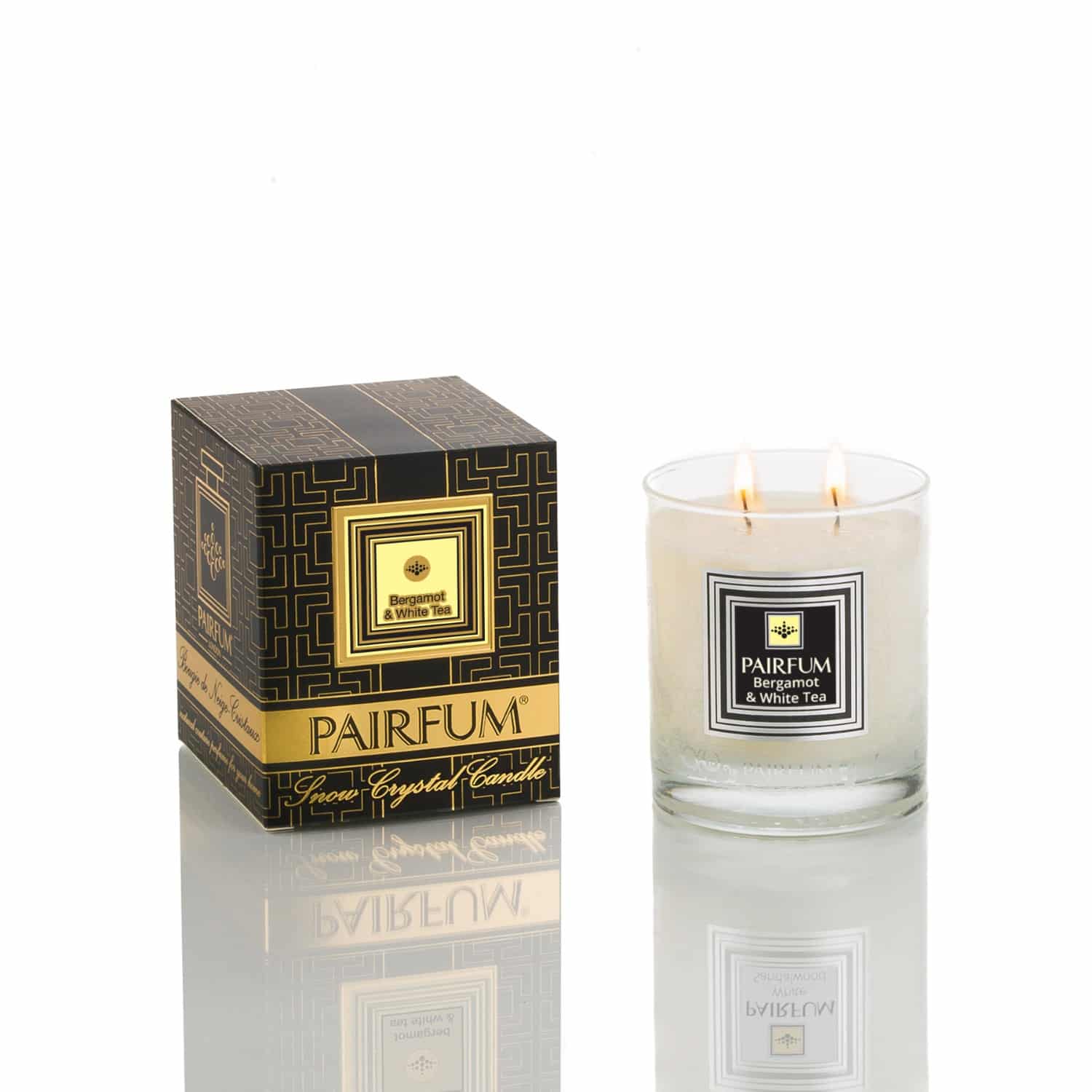
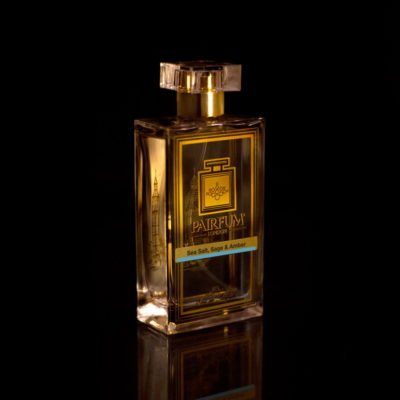
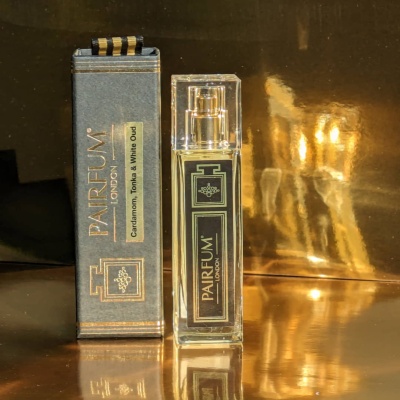
Bergamot & White Tea – Snow Crystal Fragrance Candle by Eau de Parfum by Pairfum London
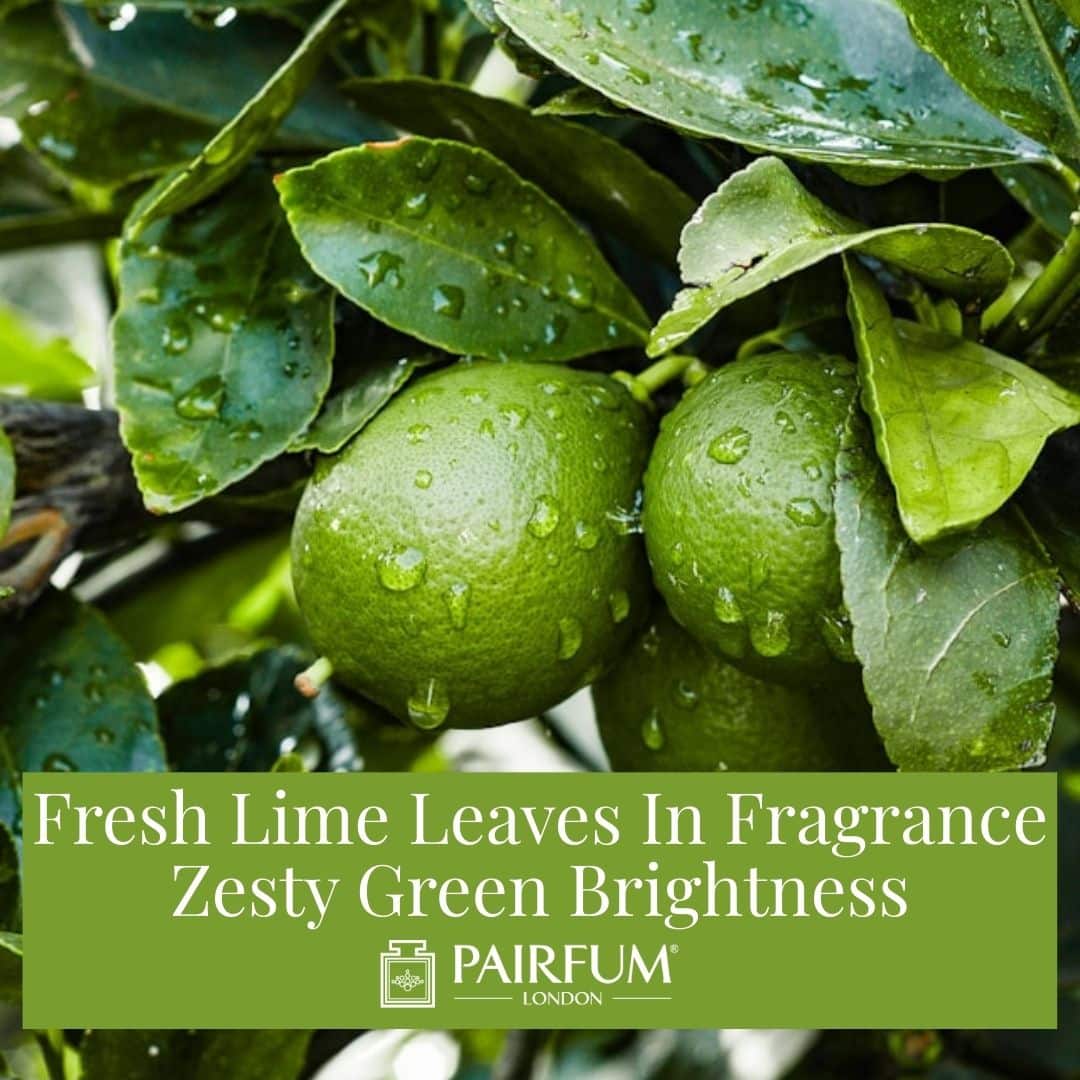
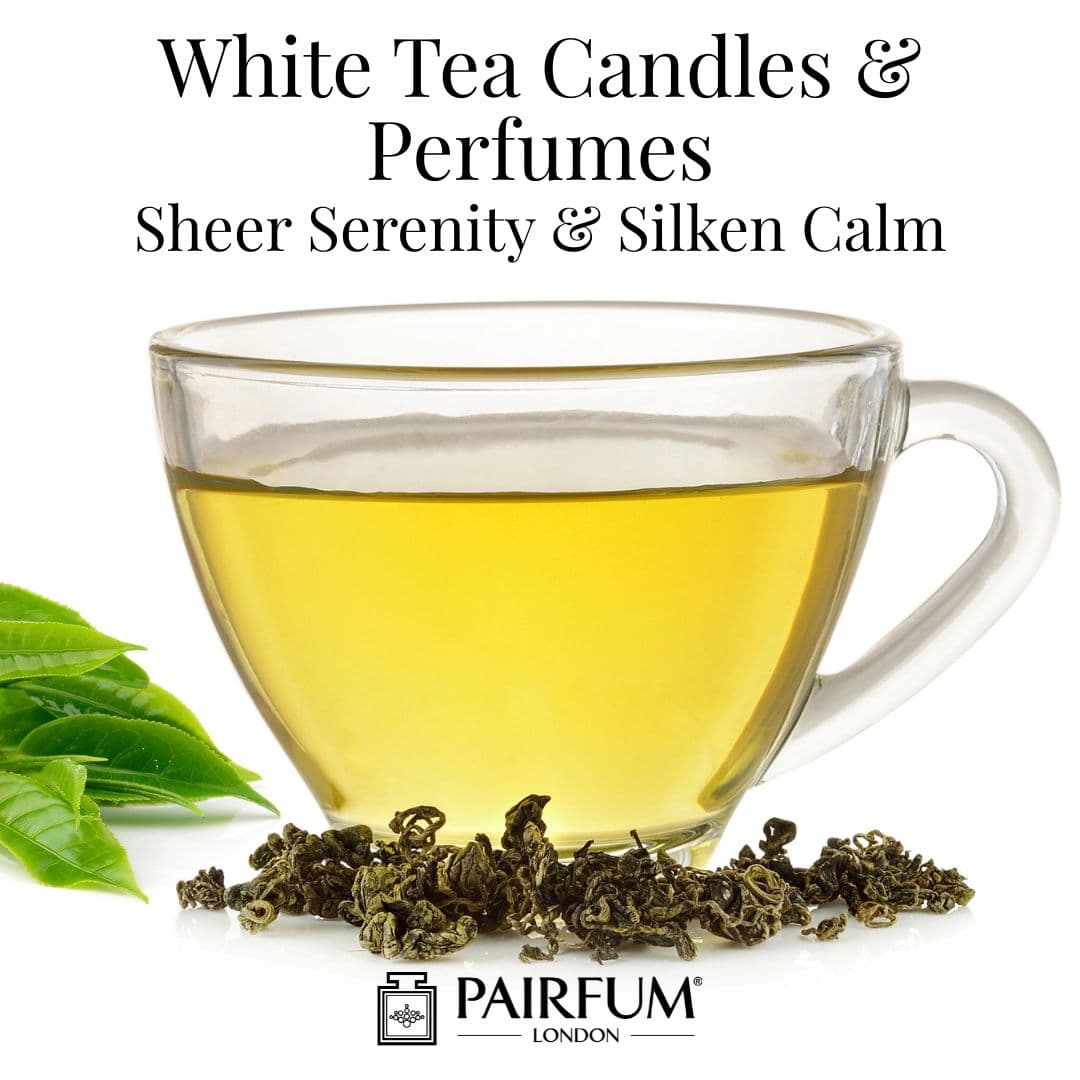
The refreshingly sophisticated bouquet of White Tea, Ripe Bergamot and Lime Leaves, infused with Aromatic Thyme, Jasmine Tea, White Lily, Nutmeg and Black Pepper, and it all rests on a base of Woody, Powdery Musk.
A Fragrant Pause: The Quiet Charm of Jasmine Tea
Many perfume enthusiasts who value simplicity view jasmine tea as a foundation for quiet moments. Its ability to bring both clarity and softness, without unnecessary complications, makes it an ideal signature scent for those seeking something peaceful. This note acts like a gentle anchor, offering a familiar warmth that is always comforting. Whether you are enjoying a warm session with a cup of jasmine dragon pearl or applying a fine spray of floral tea fragrance, the result is a timeless connection to botanical beauty.