
A Manufacturing ban on Plastic Microbeads has come into force in the U.K., this means that the tiny beads that have been used by some manufacturers in their cosmetics and personal care products, and that have been shown as harmful to marine life can no longer be used.
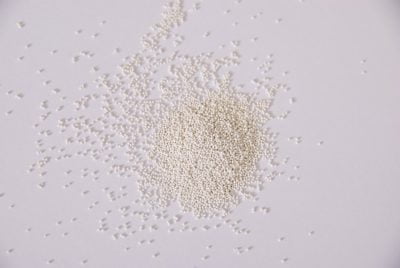
This ban has already been in place in the USA since 2015, and at long last it has come into force in the UK. They can no longer be used in cosmetics and personal care products. It initially bars the manufacture of such products, and a ban on sales will follow later in July.
The huge problem of plastic pollution choking the oceans and destroying marine life and habitats, has been in the forefront of the news for sometime, with the surprising and previously unknown fact that the world’s seas contain five trillion pieces of plastic and debris.

Microbeads play a significant part in this and as campaigners working to clean up our Oceans have pointed out, removing them from our shelves, face scrubs, toothpastes, shower gels, and our lives was an easy way to prevent thousands of tonnes of these pests from washing into our Oceans and Rivers every year. They do not degrade over time and can transport toxic chemicals into marine organisms.

It is not just the use of Microbeads that are polluting our Seas, plastic bottles make-up a third of the plastic litter found in our Oceans, with a million bottles bought every minute around the world, recycling schemes run in other countries have been very successful in reducing the number of plastic bottles that end-up floating in our seas, being ingested by our wildlife and eventually finding it’s way back into the food chain.
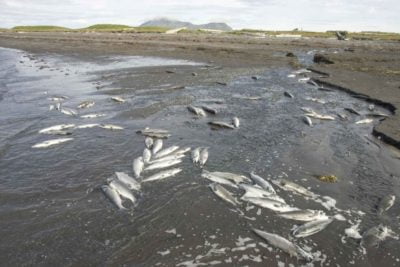
A 5 pence charge for plastic carrier bags was introduced in 2015, and the results show a reduction of 9 billion fewer bags being used. So when there is ‘a will there is a way’. Microbeads may actually only make up a small proportion of the amount of plastic that ends up in the sea from the UK every year.
However they are entirely unnecessary when there are so many natural alternatives available, from rose-hip seeds to salt, coffee and whole oats. Why use something that is so damaging to the environment and our Seas, when we have to hand natural alternatives.

The ban has been welcomed by industry and campaigners alike, however worries remain that tackling individual issues such as microbeads, plastic bags or bottles is not addressing the overall scale of the problem. Microbeads are only one part of the huge plastic pollution problem we currently face but it is a step in the right direction and everyone is aware that much more needs to be done.

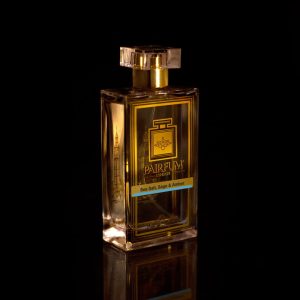
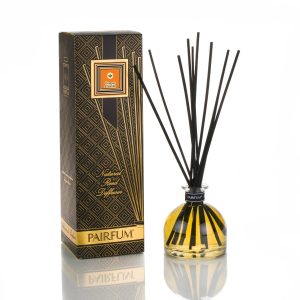
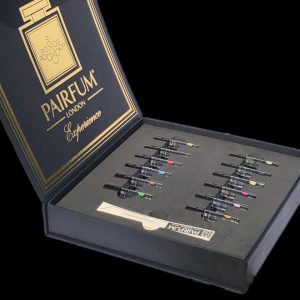
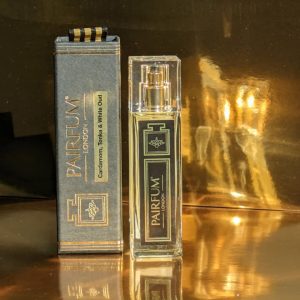
They may be small steps but we at PAIRFUM London believe that they are steps in the right direction, our ethos since inception has been ‘Luxury with a Conscience’, our packaging is not only ‘Biodegradable’, it goes a step further and is ‘Home Compostable’. If you would like to find out more about the green philosophy behind PAIRFUM, please click here