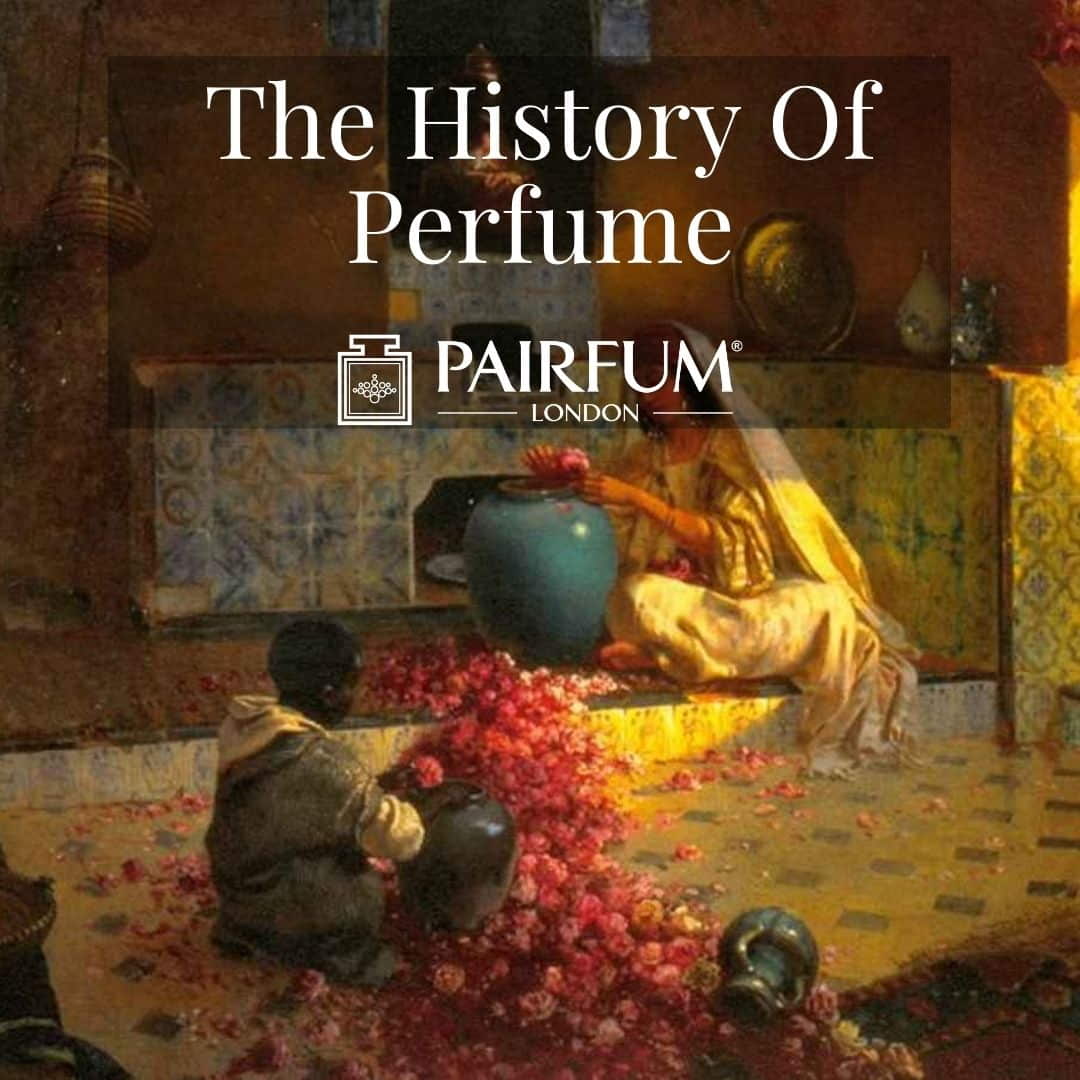
In this blog post we give a brief overview of the perfume history.
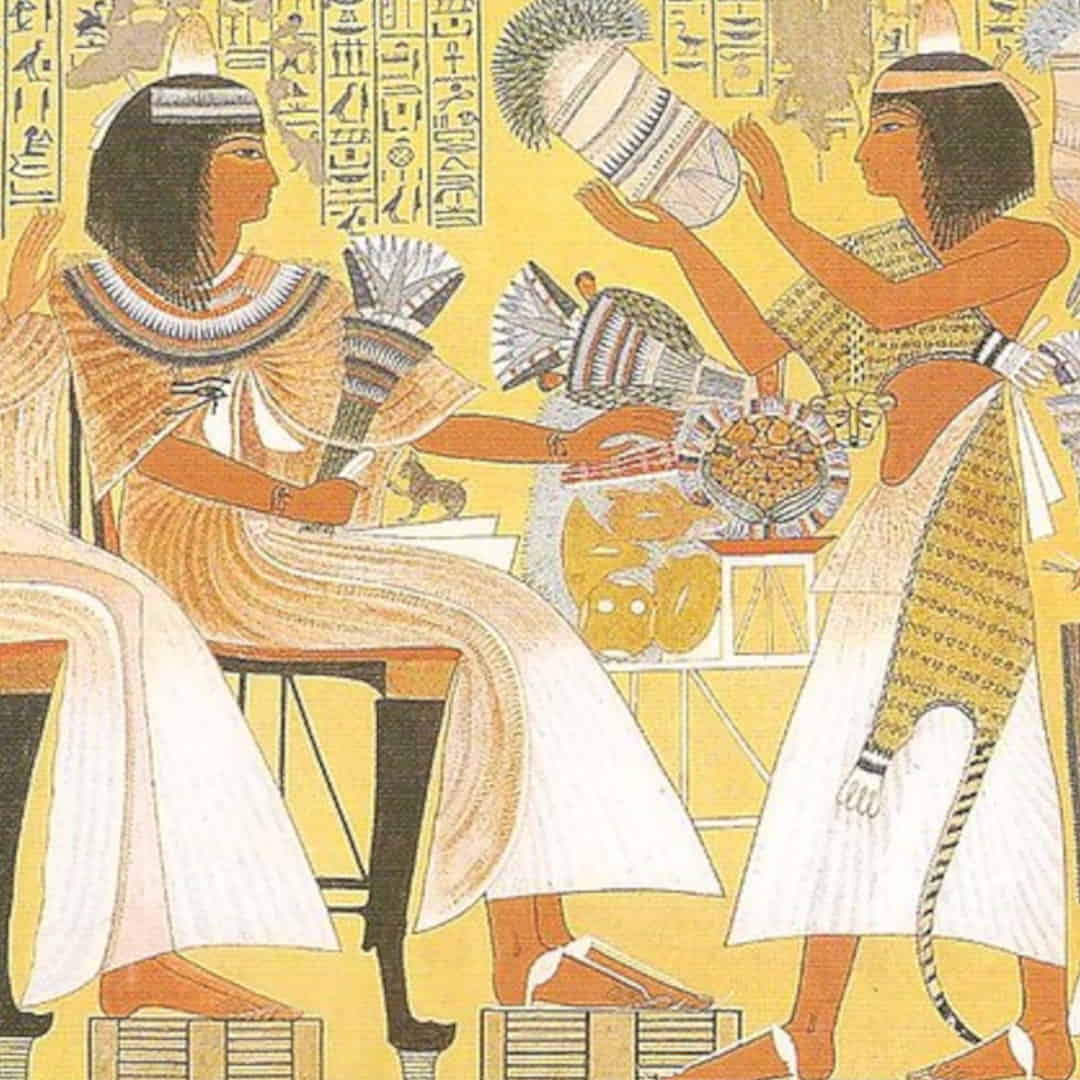
Perfume has a long and fascinating history that spans thousands of years and multiple cultures.
Here is an overview of the evolution of perfume and its cultural and social significance over time:
- Ancient Times: Perfume has been used since ancient times. The earliest evidence of perfume-making dates back to ancient Mesopotamia, where people used perfumes in religious ceremonies. Egyptians also used perfume in religious rituals and believed that scents were connected to the gods. They used perfume for cosmetic purposes, as well as for medicinal purposes. They used scents like myrrh, frankincense, and cinnamon. The Greeks and Romans also used perfume for religious purposes and personal grooming.
- Middle Ages: During the Middle Ages, perfumes became popular in Europe. The crusaders brought back perfumes from the Middle East, and European royalty and the wealthy used perfumes as a sign of their wealth and status. It was believed that bad smells could cause disease, so people used perfume to mask unpleasant odors. The use of perfume also became popular in the Islamic world, where it was considered a way to purify the body and soul.
- Renaissance: In the Renaissance period, perfume-making became an art form. Italian perfumers began to experiment with new scents and techniques, and perfume-making became more sophisticated. Perfume was still seen as a luxury item, and it was only available to the wealthy.
- 17th Century: Perfume enjoyed huge success during the 17th century in France. Louis XIV’s court was known as ‘la cour parfumée‘, with the king demanding a different fragrance for every single day
- 18th and 19th Centuries: During the 18th and 19th centuries, perfume-making became an industry. Perfumes were produced on a large scale, and new synthetic fragrances were invented. Perfumes became more affordable and accessible to the middle class.
- 20th Century: In the 20th century, perfume became a form of self-expression. Perfume companies began to market their products as a way to create a personal identity and express individuality. The development of new synthetic fragrances and the use of natural ingredients revolutionized the perfume industry.
- Today: Today, perfume is a multi-billion dollar industry. It is used for a variety of purposes, including personal hygiene, cosmetic purposes, and to create a signature scent. Fragrances are created for both men and women, and there are perfumes to suit every taste and budget. The rise of Niche Perfume is the most recent development.
Cultural and social attitudes towards fragrance have also evolved over time. In ancient times, perfume was associated with religion and spirituality. During the Middle Ages and the Renaissance, perfume was seen as a luxury item that was only available to the wealthy. In the 20th century, perfume became a form of self-expression and a way to create a personal identity. Today, perfume is widely used and accepted, and there are few cultural or social stigmas associated with wearing fragrance.
We have a detailed article about the history of perfume in our encyclopedia section.
Find Your Niche Fragrance
In this article we presented a brief history of perfume and the changes over the ages.
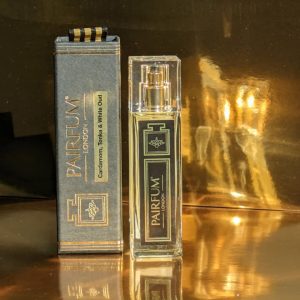
Here at Pairfum, our in-house perfumer is passionate about perfume in general, natural niche fragrances in particular and dedicated to creating new and unique perfume accords to delight you.
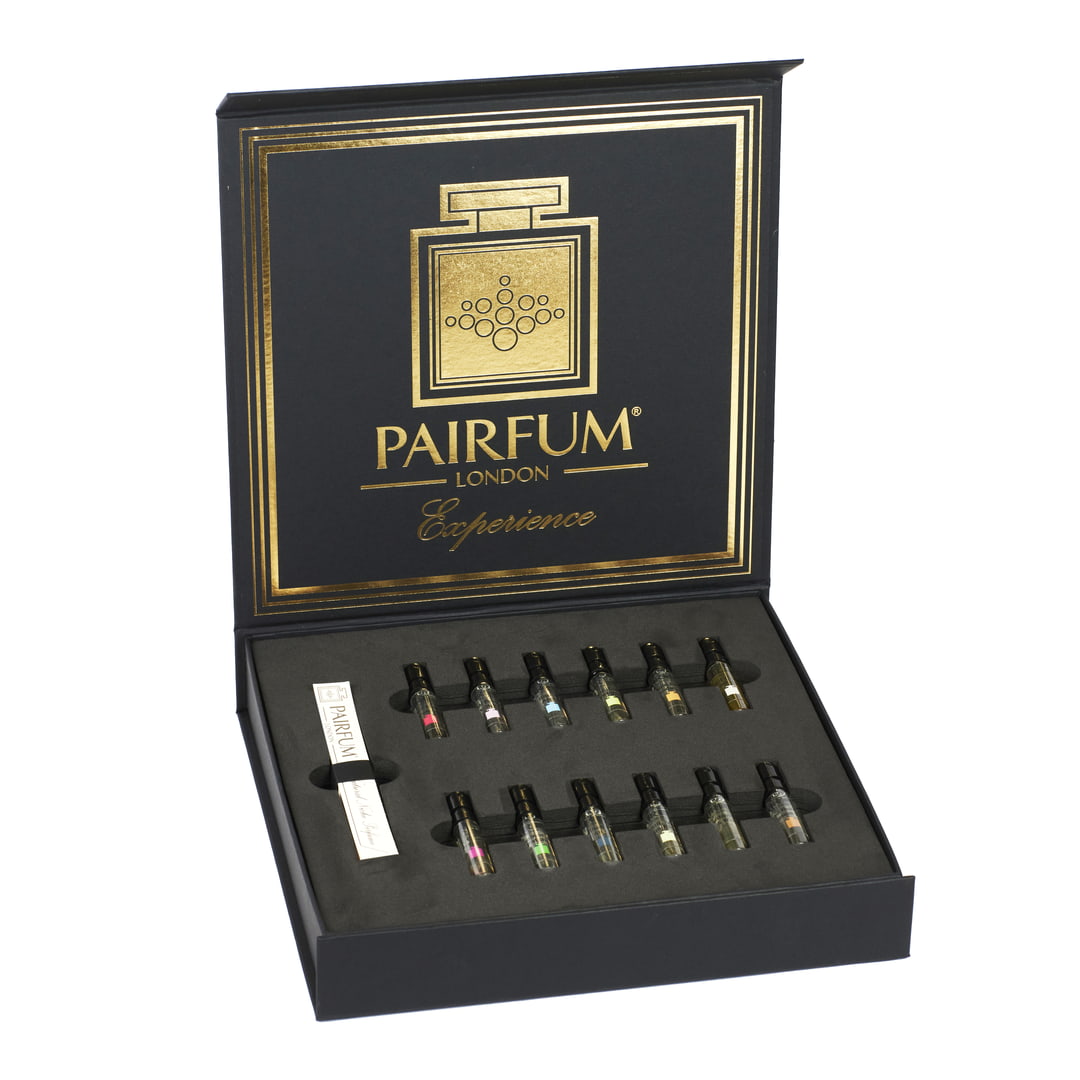
With our expertise, we today offer a wide range of fragrant products. Our collection includes exquisite natural niche perfumes and home fragrances.
Explore the stunning products in our online perfume boutique and reach out to us to find out more about our offering.