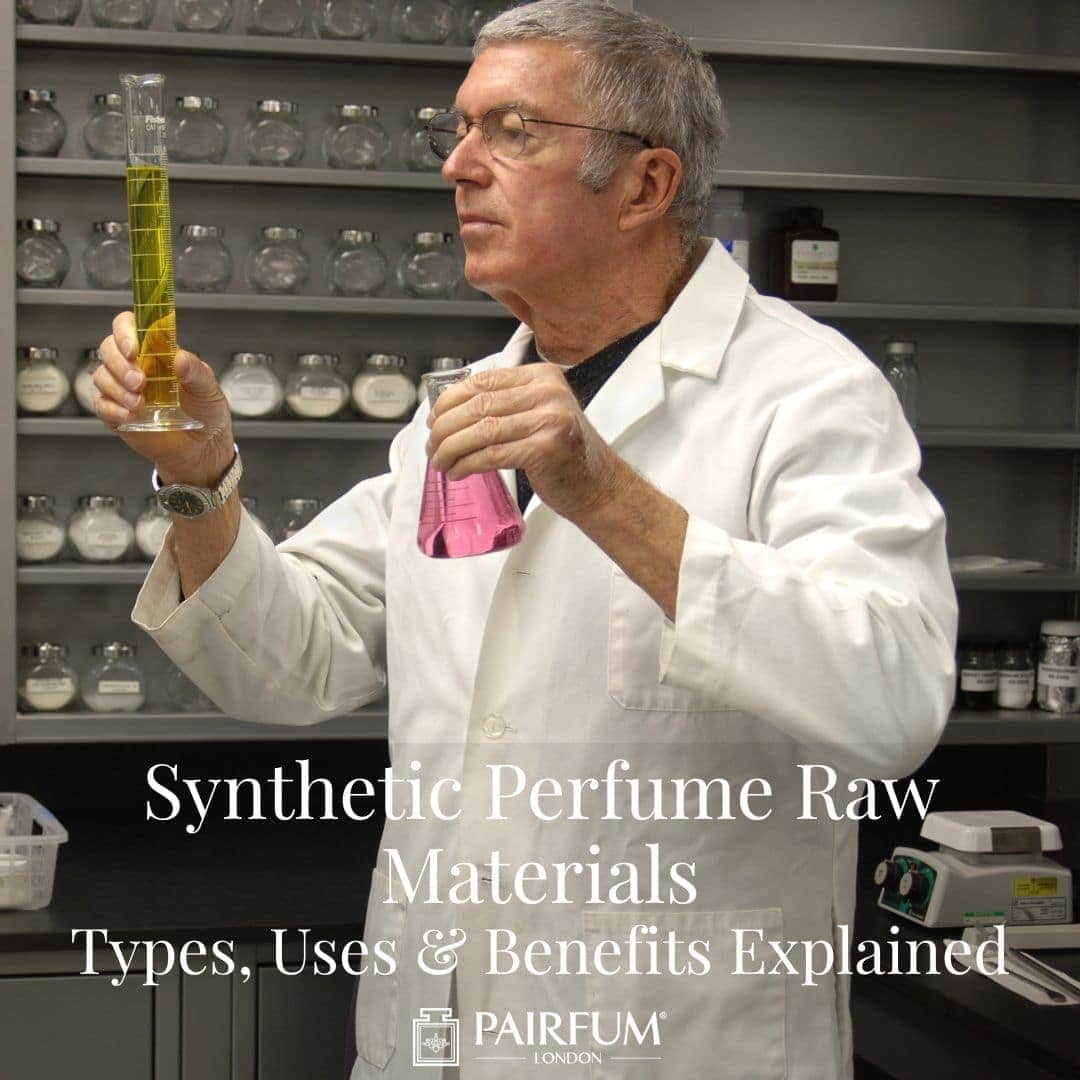
Synthetic perfume raw materials (or aroma molecules) are lab-created compounds used across modern perfumery. These materials either replicate natural scents (nature-identical) or introduce entirely new olfactory dimensions to a fragrance. Ultimately, they offer superior consistency, longevity, and sustainable, ethical alternatives to rare, animal-derived ingredients.
At one time, the idea of using anything other than a natural ingredient in a perfume might have seemed unusual. Today, it’s a different story. Synthetic perfume raw materials have become key in modern perfume creation. They open up new ways to design fragrances that are imaginative, safe, and consistent.
These materials aren’t simply there as cheaper options. They play a real role in shaping long-lasting, interesting perfumes that reach beyond the limits of flowers and resins. In niche perfumery especially, we often blend both natural and synthetic ingredients. This mix gives us fragrances that feel modern while still deeply personal. Synthetic materials help us go beyond tradition without losing it.
Let’s walk through the way synthetic ingredients are changing how perfume is built and experienced, just in time for the light, fresh energy of late spring.
What Are Synthetic Perfume Ingredients?
Synthetic ingredients in perfume are made through science rather than harvested directly from nature. That doesn’t make them artificial in a bad way. It means we can design them for good reasons to enhance every single fragrance composition.
The synthetic category includes distinct types of fragrances:
- Aroma chemicals: These are single molecules that give off a distinct aroma, like the crisp scent of aldehydes or the smooth musk of ambrettolide.
- Natural isolates: These are extracted from natural materials using precise laboratory processes, such as isolating coumarin from tonka beans.
- Nature-identical synthetics: Created in labs but designed with an identical chemical structure to their natural match. One famous example is ambroxide, which can be synthesised from sclareol, a component of clary sage essential oil.
- Non-natural synthetics: Molecules which are completely unique and not found anywhere in nature, scientifically created through chemical reactions to offer entirely new scent profiles.
We often turn to these materials for everyday reasons:
- Stability: They perform the same with every use, resisting rapid degradation from light or heat.
- Safety: Many allergens found in natural oils can be skipped.
- Ethics: No harm comes to animals or rare plant species.
- Flexibility: We can build aromas that don’t exist in nature.
As a perfumer, having this toolbox expands what we can create. We never see synthetics as shortcuts. They’re ways to find new and beautiful directions in perfume making.
Why Synthetic Raw Materials Matter in Modern Perfumery
Natural perfume materials are wonderful, but they do have limits. Seasons, weather, and crop changes affect their quality and supply. Some aromas are tied to rare flowers or plants, which can be hard to find or even endangered. Historically, precious materials like Indian Mysore sandalwood became threatened species, forcing the fragrance industry to seek out ethical alternatives.
This is where synthetic perfume raw materials make a difference:
- They let us build perfumes that are reliable, no matter the season.
- We can keep endangered plants safe by using a synthetic alternative.
- New ideas and combinations come to life more easily when creative boundaries are wide open.
Synthetic notes help define some of the most modern pieces in niche fragrance. They can float, surprise, or glow in ways that naturals alone sometimes can’t. From the buttery note of orris to the cool bite of ozonic air, there’s no need to be limited just to what the earth can grow.
We don’t see this as replacing nature. It’s about balancing tradition with the freedom to try something different.
Breaking Myths About Synthetic Perfumes
A lot of people still mix up the word synthetic with fake or cheap. That’s not fair and it misses the real impact of these ingredients.
Here are some beliefs that just aren’t correct:
- “Synthetic perfumes smell too harsh.” That can happen with poor blends, but many high-end aromas rely quite a lot on synthetic notes to achieve elegance.
- “All-natural is always better.” Nature does offer a lot to love, but it isn’t always safe or stable. Some natural extracts can cause reactions or fade quickly.
- “Synthetic perfume is new to the industry.” Actually, many of the most loved perfumes from the past 100 years include synthetic materials. Landmark molecules like coumarin and vanillin began transforming perfume production as early as the late 19th century.
Using synthetic perfume raw materials doesn’t make a perfume lazy or hollow. Many classic and luxury perfumes rely on them. What matters is how well those materials are used, not where they came from.
The Science and Safety Inside the Bottle
For a fragrance enthusiast, understanding how a perfume chemical works can change everything. In traditional perfume, a master perfumer relied heavily on natural raw materials. These were harvested through traditional methods like steam distillation, where boiling water vapour passes through plant matter to separate the essential oil from the hydrosol, or cold expression for citrus rinds. For delicate petals, volatile solvents or enfleurage techniques were used to capture a concentrated absolute.
Let us be entirely honest here. Pure nature is chaotic. It reacts. It shifts.
Modern perfumery demands high safety standards and ingredient transparency. Every synthetic compound used today undergoes intense testing. Organisations like the International Fragrance Association establish rules to make sure every aromatic compound and all perfume chemicals is completely safe for skin contact.
Unlike a natural fragrance or a raw natural scent, a synthetic fragrance does not degrade quickly when exposed to environmental factors. This science also protects biodiversity. Synthetic musks have entirely replaced real animal deer musk, acting as excellent synthetic fixatives that help a scent last for hours. Whether used in a luxury perfume oil or fragrance oil, a delicate alcohol blend, or even premium scented candles, these synthetic chemicals keep the scent profile locked in.
Creating New Aromas with Science and Imagination
One of the best parts of using synthetic materials is the freedom they give our noses. They’re not tied to any one flower or wood. They can be subtle or bold, simple or layered. Landmark synthetic molecules have completely redefined the creative palette. For instance, Iso E Super offers a transparent, radiant woody cedar scent, while Ambrox provides a warm, sensual dry down. Musk Ketone delivers a deeply sensual, powdery texture that gives structure to legendary blends.
These ingredients allow us to formulate abstract concepts rather than literal copies. For example, a tea note in perfumery is usually an abstract accord, combining a natural ingredient with synthetic choices to emulate the fresh concept of tea rather than a direct liquid extract.
These are some of the fantasy notes we enjoy building:
- The fresh feel of warm linen drying indoors.
- The cool mineral air after a spring rain.
- The toasted sugar of slightly burnt caramel or coffee edges.
Blends like these are hard to craft with natural oils alone. But synthetic ingredients let us create these moods, especially in seasonal collections. For spring and early summer, perfumes often need to feel weightless, clean, or warm without heaviness. Synthetics give us the lift, the glide, and the shimmering finish that suit this time of year perfectly.
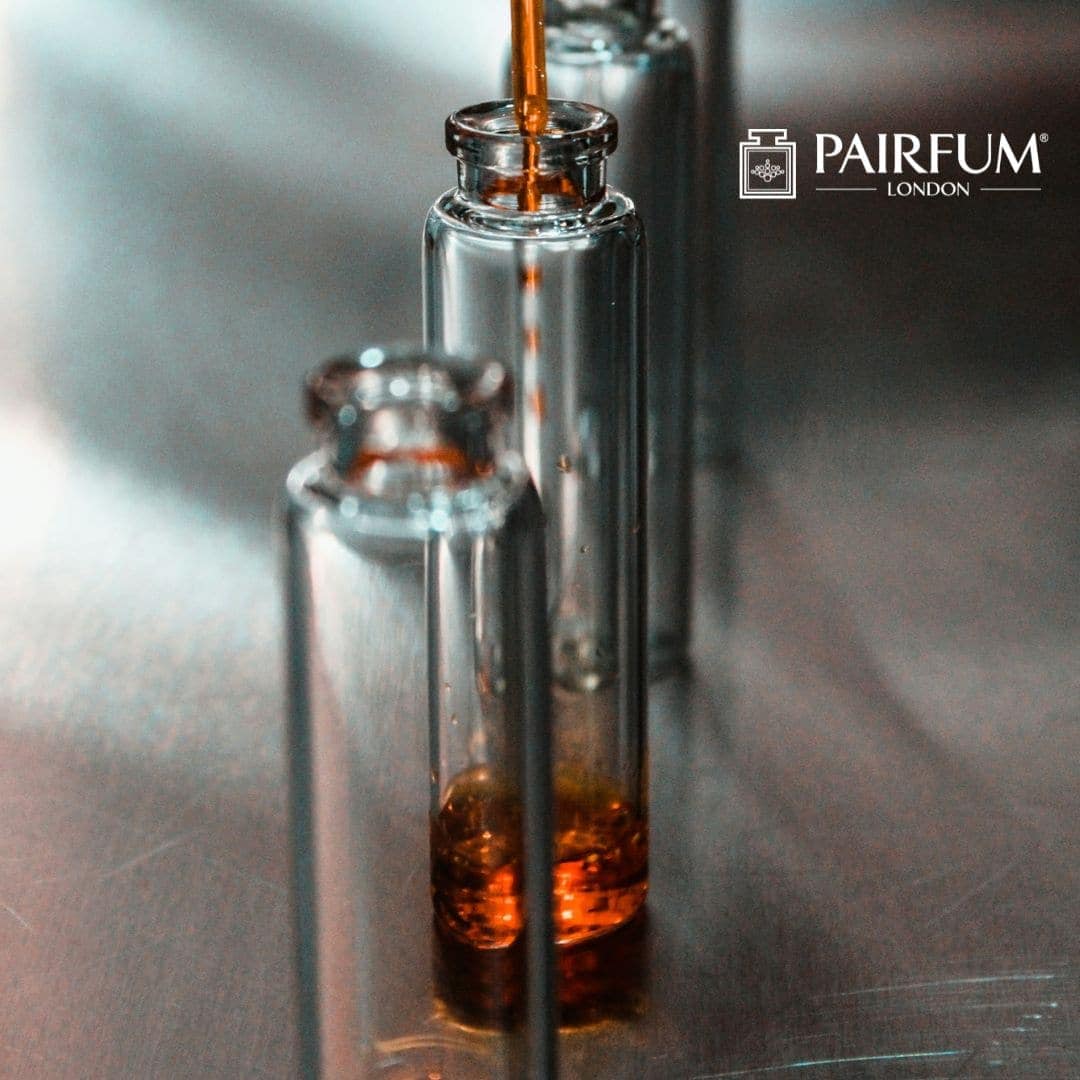
A Modern Nose: Embracing Innovation with Tradition
When we build perfume, we don’t choose between synthetic and natural. Instead, we bring both together to get the most out of each. Naturals may bring depth and richness. Synthetics add dimension and staying power.
This balance keeps perfumery alive and interesting. It lets us surprise our audience and make something that feels personal. Whether it’s creating a beachy skin-like note or a cool green airiness, synthetic ingredients give us control over the fine details that shape a perfume’s final feel.
The fragrance industry has evolved because of this hybrid approach. Combining a delicate natural perfume ingredient with a high-performance synthetic raw material creates a more resilient product. In perfume production, consistency is everything, and balancing these fragrance materials ensures that the bottle you buy today smells exactly like the one you love tomorrow. And in niche perfumery, where we care about real expression, these choices matter. Every drop has a job. Every layer has purpose.
The Future is Layered and Bright
Synthetic materials let us do more than copy nature. They help us craft new kinds of beauty. We can make perfume safer, more ethical, and wider in reach without losing care.
We still love naturals, and we keep using them, but we no longer have to let rarity or cost limit what kinds of fragrance are possible. The thoughtful use of synthetic perfume raw materials is one of the reasons perfume continues to delight and grow.
As spring leans into brighter skies, now is the perfect time to enjoy perfume with a touch of clever creativity. Knowing what’s behind the bottle makes the experience even richer. The selection of fragrance raw materials remains one of the most meaningful aspects of scent creation. By blending natural elements with targeted synthetic fragrance ingredients and synthetic aroma chemicals, the art of perfume making reaches new heights. It ensures that every unique scent can be enjoyed sustainably for years to come.
Prefer to Explore the All-Natural Route with Pairfum London?
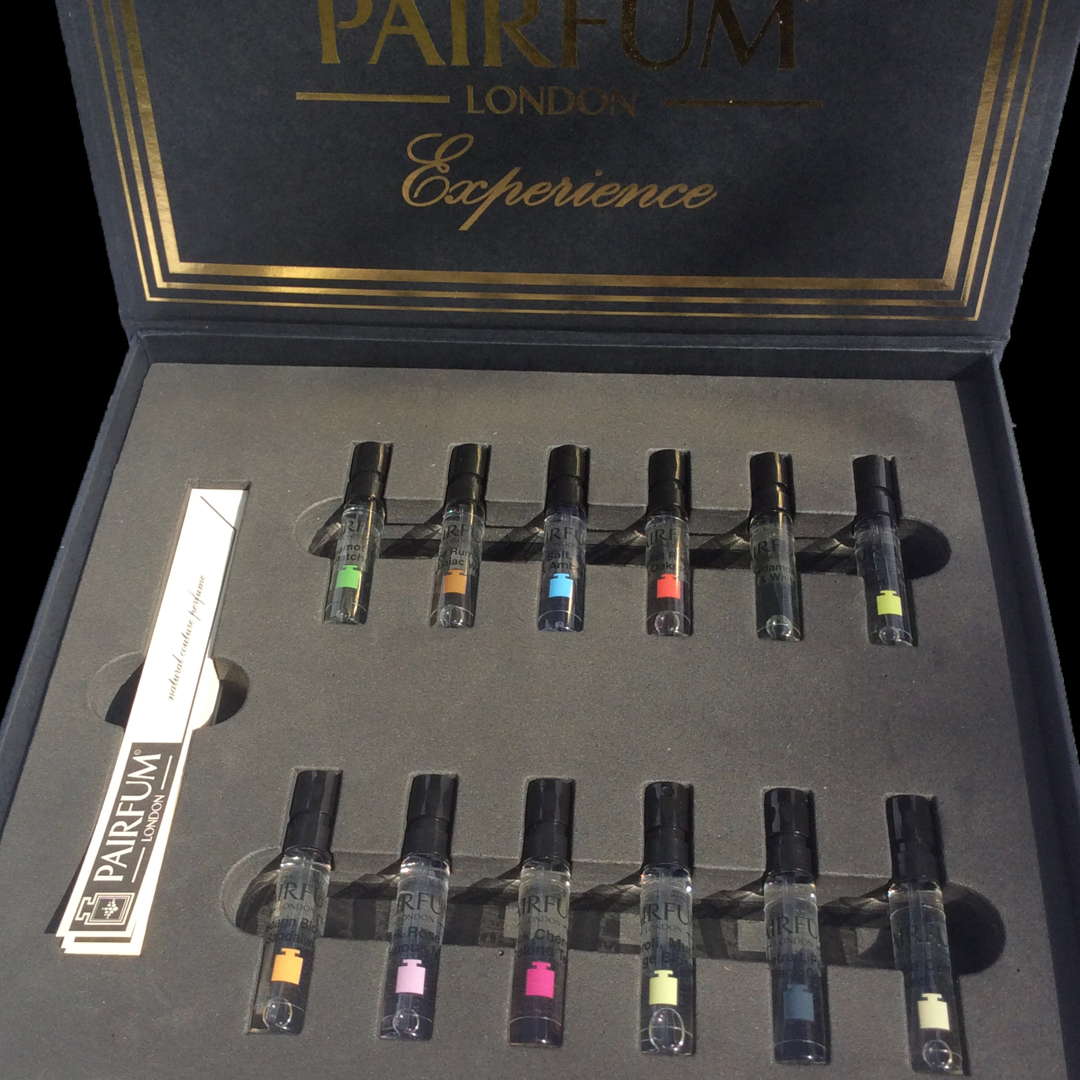
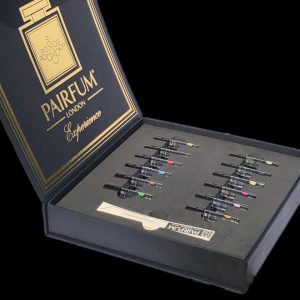
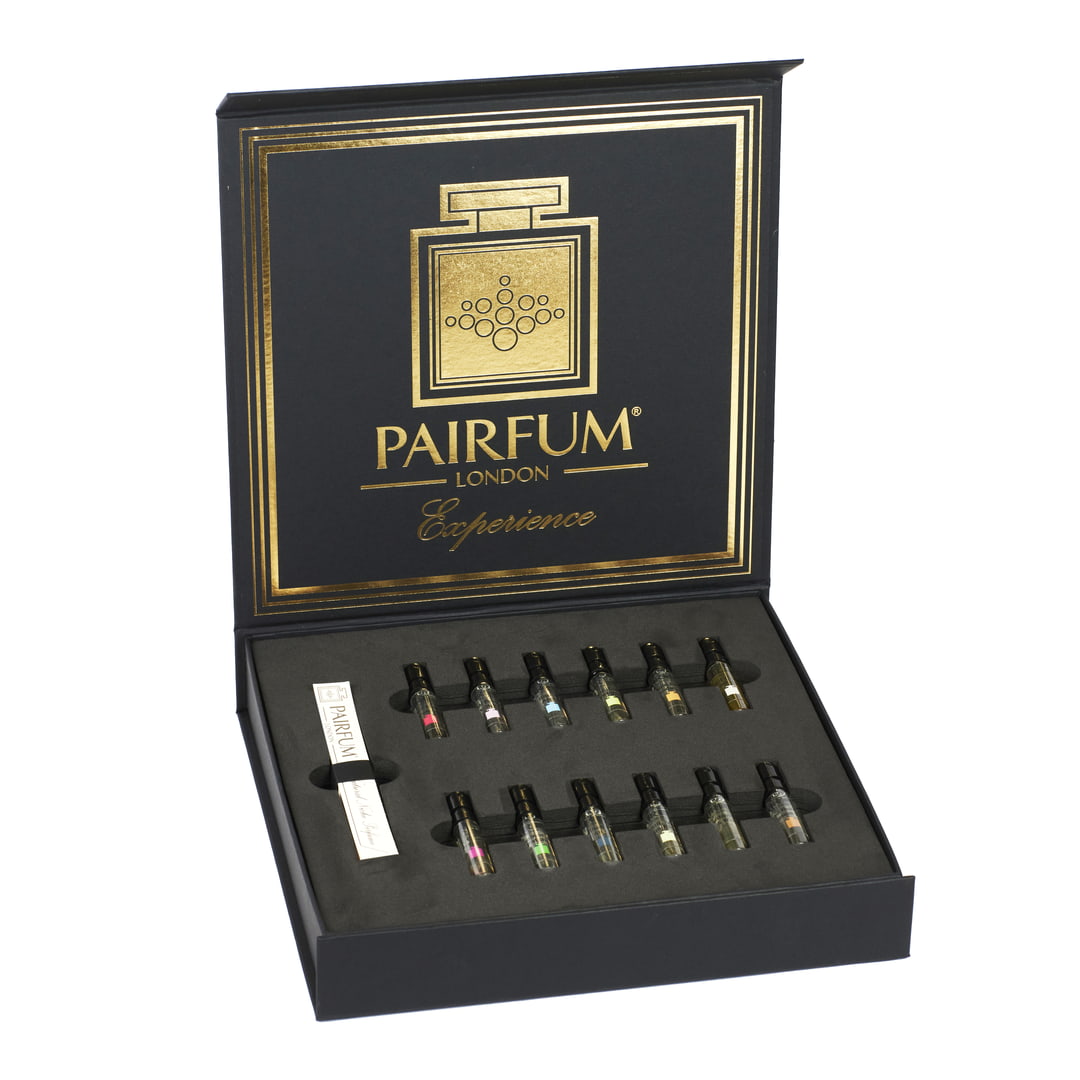
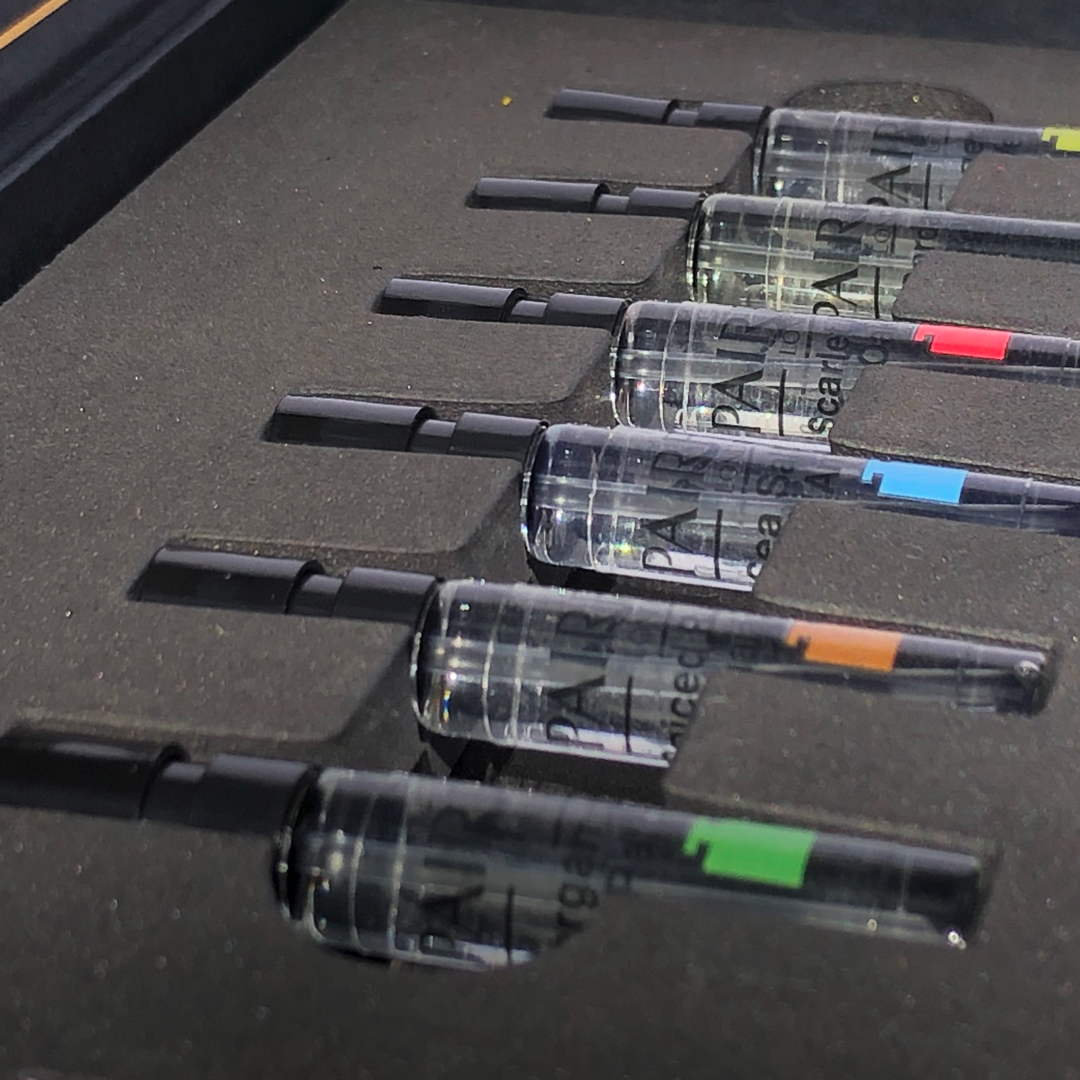
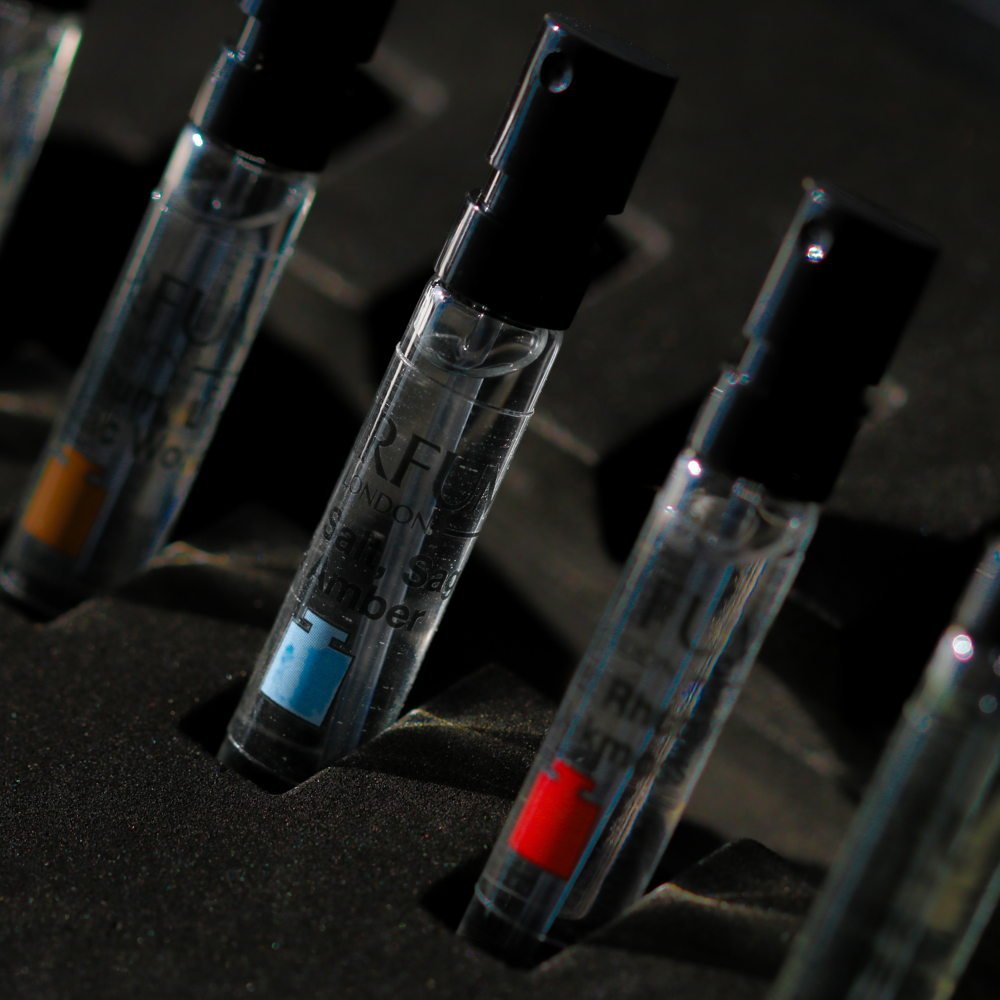
Science clearly brings a lot of balance to the modern scent industry, but what if your heart is set strictly on pure nature? If you want to bypass the laboratory entirely and focus purely on botanicals, finding a signature scent can feel like a massive gamble online. To make things simple, you can try the Fragrance Library Perfume Experience Box Collection, a curated discovery set specifically featuring twelve natural, hand-made niche perfumes.
Fragrance Library Perfume Experience Box by Pairfum London
Enriched with genuine essential oils, these artisan creations are entirely vegan, cruelty-free, and eco-friendly. Instead of getting overwhelmed by a chaotic cloud of testers in a busy department store, this discovery set allows you to sample twelve distinct, natural bottle profiles in the quiet comfort of your own home, giving your skin the necessary time to see how each real botanical layer genuinely unfolds.