In bergamot perfume, bergamot is a vibrant, citrusy, and mildly spicy fragrance note that is extracted primarily from the green rind of the Citrus bergamia fruit, an inedible bitter orange grown almost exclusively in Calabria, Italy. Celebrated throughout the perfume industry for its exceptionally bright, crisp, and uplifting profile, it serves as an essential, sparkling top note in many of the world’s most recognisable luxury fragrances. Because raw bergamot oil naturally varies in cost and quality, high-end perfumes rely on premium, natural extracts, whereas cheaper commercial compositions frequently utilise synthetic alternatives to replicate the aroma.
There is something about a bergamot perfume that instantly feels like a good day. Its citrusy brightness brings to mind blue skies, cool morning air, and that feeling of heading outside with a clear mind. When we think of fragrances that feel uplifting and fresh, bergamot is often the first to come to mind.
As we move into May, with warmer days and longer evenings, these perfumes feel especially suited to daily wear. Bergamot fits easily into both traditional Eau de Colognes and modern niche perfumes. Whether you notice it on its own or tucked quietly behind other notes, it almost always sets the tone. Here is what makes bergamot such a beloved star in so many aromas.
A Bright Beginning: What Is Bergamot?
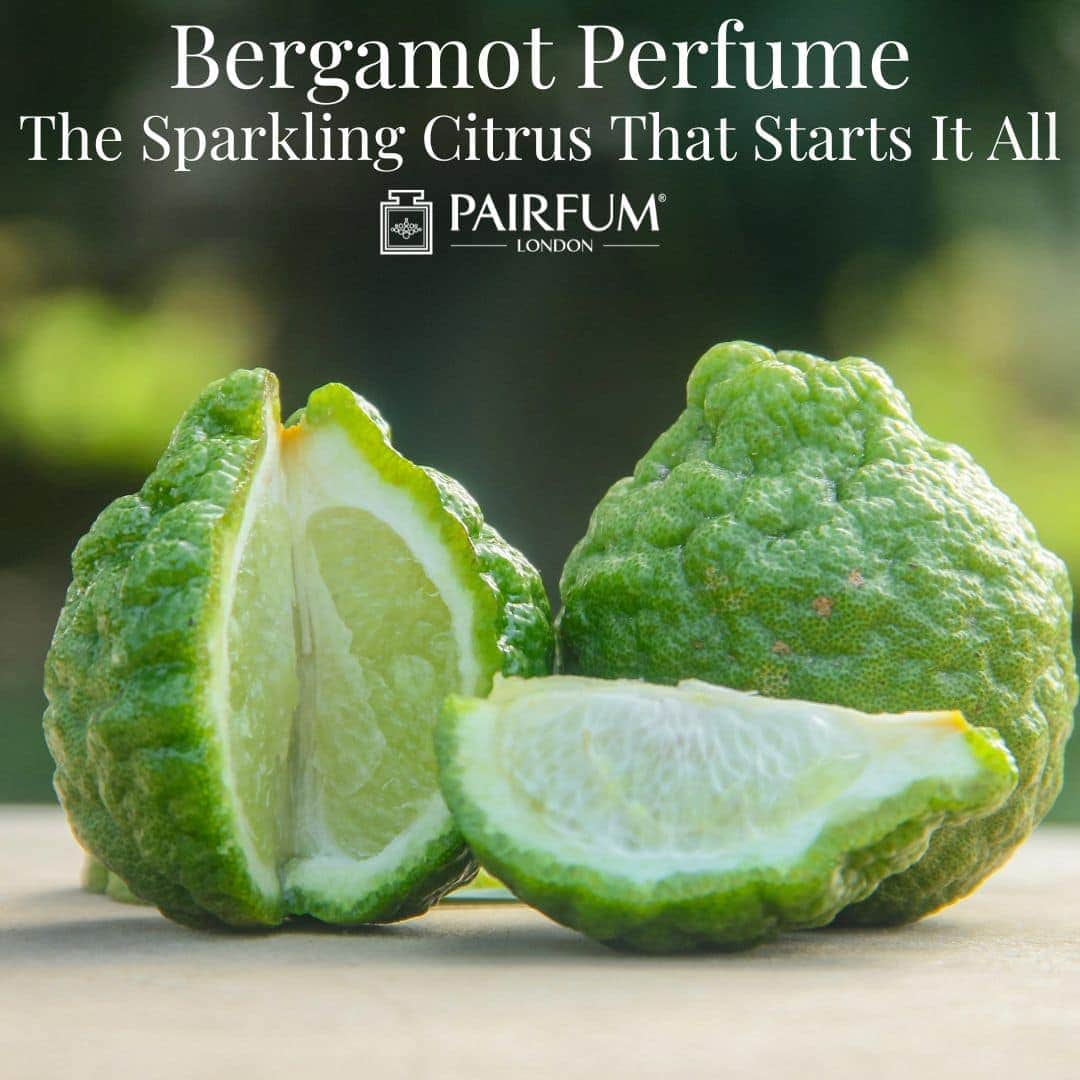
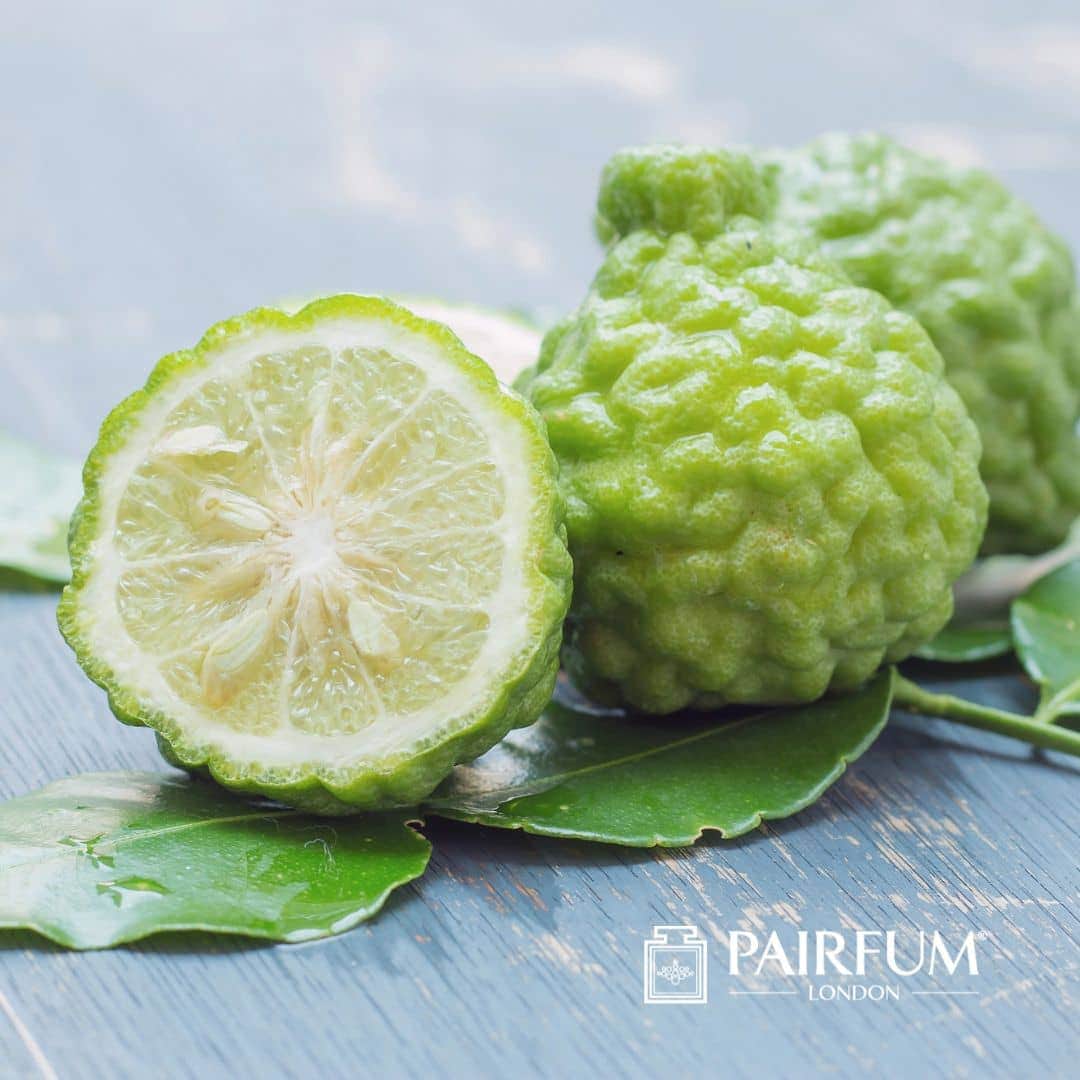
Let us be honest about citrus fruits. Most are incredibly boring, smelling more like a kitchen cleaner than luxury perfumery. Bergamot is different. It comes from a small, round citrus fruit that looks a bit like a cross between a bumpy lime and a bitter orange. This yellow-green hybrid grows on the bergamot tree, known scientifically as Citrus bergamia.
The plant is incredibly fussy. It thrives almost exclusively along a narrow, sun-baked strip of coastal land in southern Italy, particularly in Calabria. You might occasionally spot a rogue bergamot orange growing elsewhere, but the maritime microclimate, heavy clay soils, and intense humidity of this specific Mediterranean region produce the only calabrian bergamot worth talking about.
The fruit itself is completely useless for eating. It is sour, sharp, and aggressively bitter. If you bit into the raw bergamot fruit, you would regret it immediately.
Instead, the magic hides in the thick bergamot rind. To get the oil out, producers gently press the outer skin. Historically, workers used a manual technique called la spugnatura, pressing the rind against natural sponges to soak up the liquid. Today, mechanical cold-expression keeps the living profile of the bergamot oil intact. This yields a rich bergamot essential oil. The resulting perfume note is sharp without being harsh.
- There is a clean citrus edge, like freshly zested peel
- A soft, floral roundness sits underneath, smelling almost like sweet mandarin
- It feels far more refined and less sugary than lemon
This specific mix of brightness and unexpected warmth gives the natural bergamot scent its true signature: sunny, direct, and completely natural.
The Role of Bergamot in Perfume
Think of a fragrance as a three-act play. Bergamot is almost always your opening line. In the formal language of the perfume industry, it is a top note, providing that initial, fleeting flash when the liquid first dries on your skin. It wakes up your senses, draws you in, and then gracefully steps back to let the deeper heart notes take over.
What makes it so indispensable to perfumers is how beautifully it plays with others. It is an exceptional olfactory fixative and a natural bridge. It can take a sharp, aggressive ingredient and sweeten it, or it can give a heavy, suffocating floral note some breathing room. It does not shout over other materials. Instead, it balances them.
Cheap citrus fragrances often smell synthetic and flat. Bergamot escapes this trap because it is chemically complex, loaded with high levels of natural linalyl acetate and linalool. That is why it brings such a quiet, aristocratic elegance to unisex perfumes, cutting through heavy woody or spicy bases without losing its airy feel. Modern perfumes rely on it to keep complex formulas from feeling sluggish.
A Long-Loved Ingredient: The History of Bergamot in Perfumery
This oil has been a staple of the trade since at least the 18th century. In fact, it became an absolute obsession in the French court of Louis XIV. The aristocracy used it to scent everything from their leather gloves and waistcoats to the air in their drawing rooms.
Before people cared about using it as a luxury scent, ancient Mediterranean cultures like the Greeks and Romans used the fruit primarily for health, treating stubborn fevers and digestive issues. But the real shift happened when the classic cologne trend exploded.
A traditional eau de cologne relied heavily on citrus top notes to feel crisp, and bergamot was the crucial ingredient that made these blends feel sophisticated rather than medicinal. In the 19th century, the massive commercial success of the famous “4711” Eau de Cologne cemented this material as a global industry pillar. Perfumers realised it made complex blends feel polished but completely effortless, blending easily with other essential oils without drowning out the delicate heart of a fragrance.
Changing Notes: Types and Pairings of Bergamot Aroma
Not all bergamot oils smell identical. Some are aggressively sharp and citrusy, while others lean towards a bitter, woody, or distinct floral note. These quirks depend entirely on the harvest timing (which runs from November to March) and how the oil is treated.
Raw, unrefined bergamot oil contains an organic compound called bergapten. It is a furanocoumarin, which is a fancy way of saying it causes severe skin sensitivity and phototoxicity if you go out in the sun. Because nobody wants blistered skin, the modern perfume industry uses treated, bergapten-free versions or high-quality synthetic substitutes that keep the skin safe while preserving the gorgeous bergamot fragrance.
The classic italian bergamot profile pairs beautifully with almost anything. Depending on what a perfumer wants to achieve, it can alter its character completely:
Aromatic & Green Pairings
- Lavender: Blended with French lavender, it becomes clean, soft, and deeply calming.
- Petitgrain & Neroli: Combined with bitter orange petitgrain or distilled neroli, the scent feels green and crisp.
- Green Tea: Pairing it with a green tea accord gives you a refreshing, dry blend that perfectly mimics the smell of a fresh cup of Earl Grey tea.
Floral & Bright Pairings
- Jasmine: The heavy, sweet warmth of jasmine grandiflorum provides a massive contrast to the citrus, creating a balanced, sunny floral scent.
- Clean Aldehydes: For a soapy, effervescent opening, perfumers mix fresh bergamot with clean aldehydes.
Warm & Woody Bases
- Cedarwood & Vetiver: Adding dry cedarwood or smoky vetiver creates a grounded, much cooler fragrance.
- Musk & Amber: Once the citrus brightness fades, a base of clean musk and rich amber gives the scent incredible longevity on the skin.
- Vanilla & Tonka Bean: For a hint of sweetness, a smooth base of vanilla and powdery tonka bean ensures the fragrance warms up beautifully over several hours.

Signature Moments: Iconic Perfumes That Showcase Bergamot
Some of the most famous fragrances on earth rely entirely on the freshness of bergamot. Look at historic houses like Acqua di Parma. This bright fruit forms the literal backbone of their classic Italian colognes, capturing the exact feeling of Mediterranean style. Mainstream brands like Jo Malone use it constantly, pairing its bright zest with unexpected, savoury elements like oud or sea salt to create crisp daily scents.
In niche perfumery, creators like to push the ingredient into stranger territory. A bottle of Le Labo Bergamote ignores the pretty aspects of the fruit and shines a light on the bitter, multifaceted complexities of the rind, locking it down with heavy amber and musk. On the other end of the spectrum, Guerlain’s Aqua Allegoria Bergamote Calabria focuses on the juicy, sun-drenched side of the fruit, making you feel like you are walking through an actual orchard in southern Italy. Even luxury fashion houses like Yves Saint Laurent and Prada use the note constantly, using its fizzy brightness to cut through heavy, sweet bases like rich vanilla.
Whether you like a delicate floral scent, a sharp green blend, or a deeper, spicy perfume accented with warm clove, bergamot is always the quiet introduction that gets the story moving.
The Perfect Balance of Zesty Herb and Rich Earth with Pairfum London
If you want to experience how these traditional Mediterranean citrus elements transition beautifully from an energetic morning introduction into a rich, long-lasting afternoon warmth, look no further than our own artisan perfume studios. We have captured this exact structural magic in our signature boutique release,
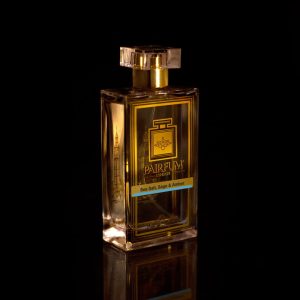
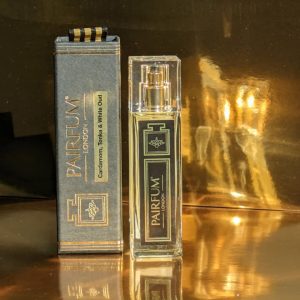
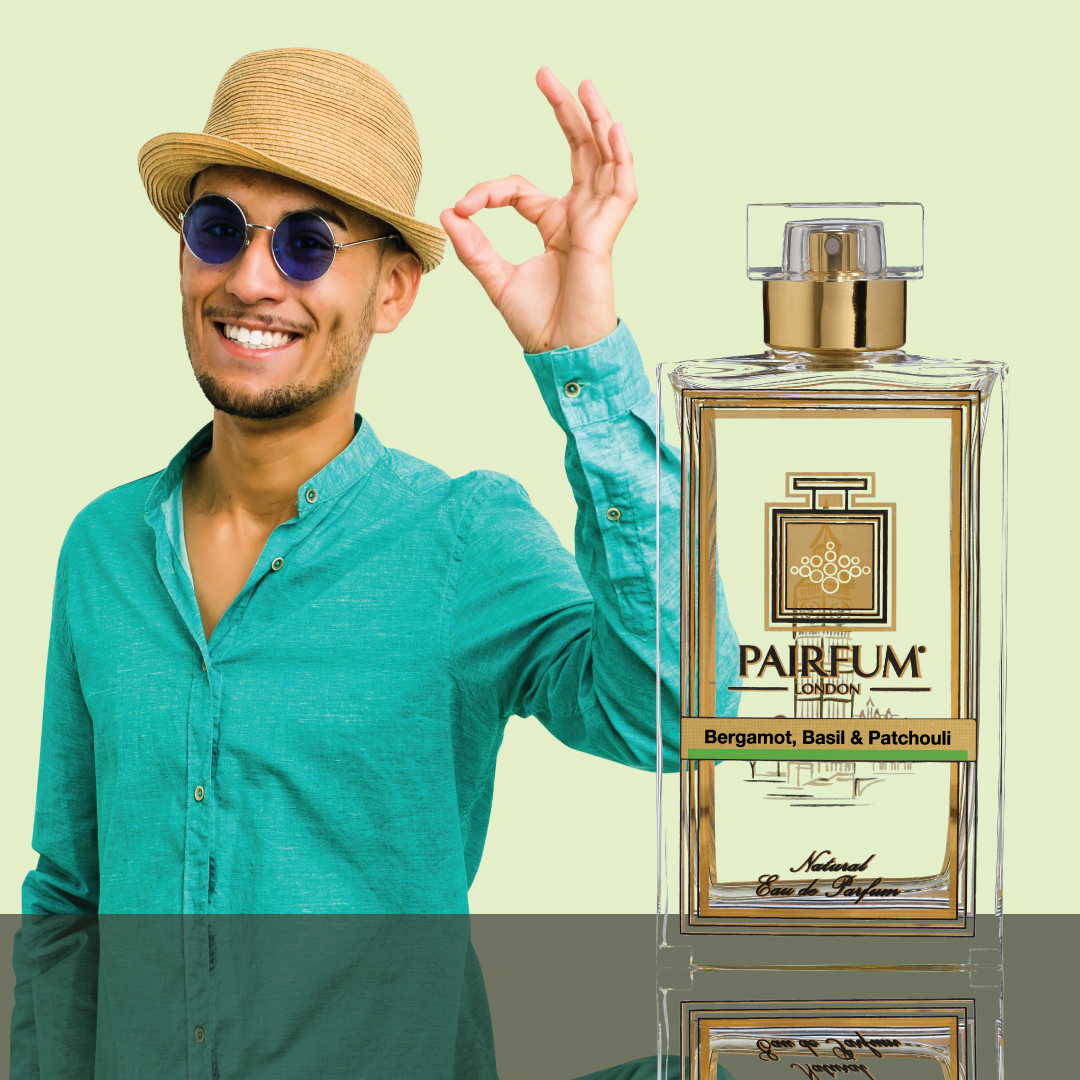
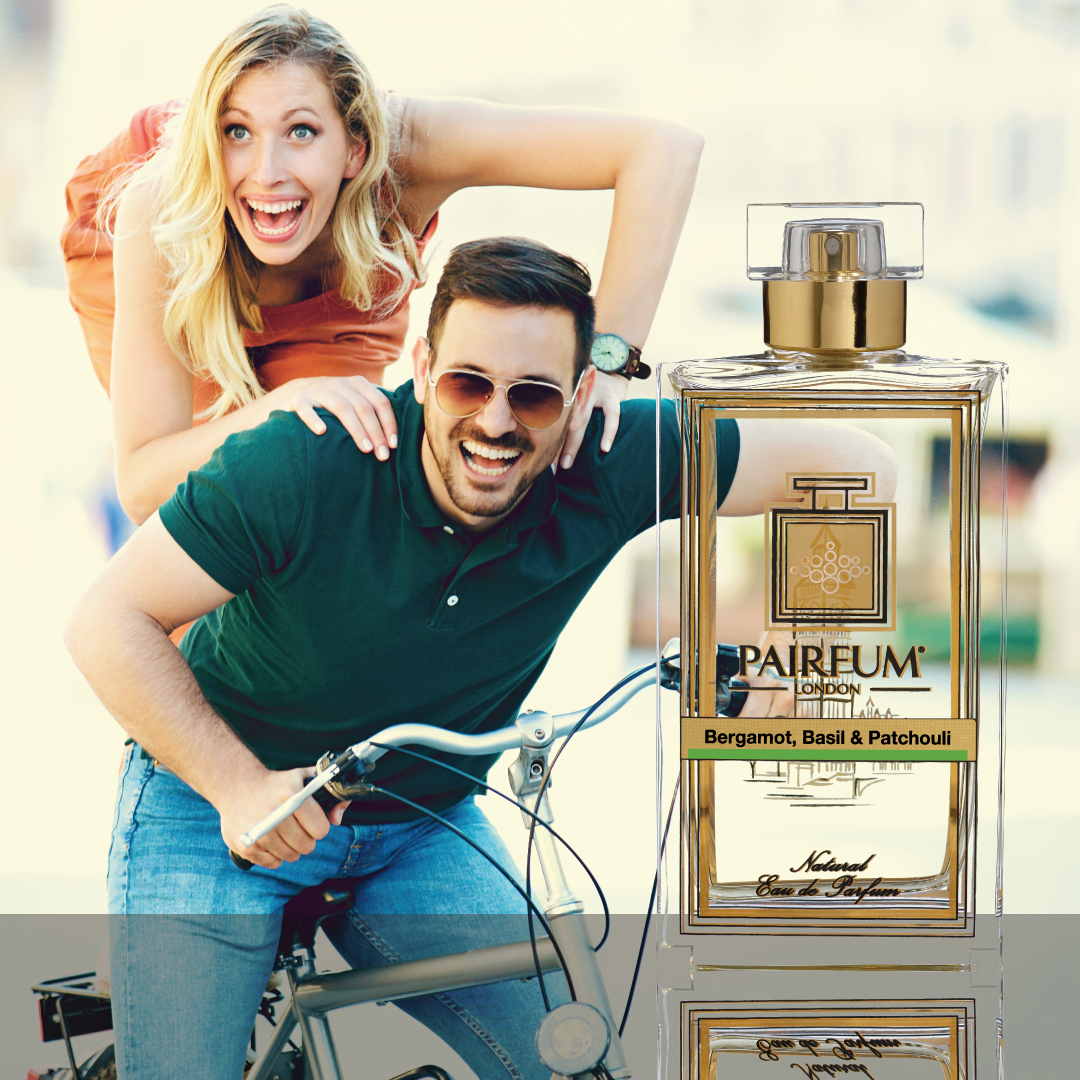
Bergamot, Basil & Patchouli – Eau de Parfum by Pairfum London
This woody and aromatic unisex fragrance opens with Bergamot, Lime, Green Leaves and spicy Basil. The heart is fresh with Lily, Freesia, Violet Leaf, Rose and Geranium. The note rests on a beautifully rich woody base of Patchouli, Vetiver, Sandalwood, Cedar and Amber. It provides an exquisite showcase of how a classic Italian top note can be used to elevate an entirely modern olfactive journey.
The Spark of Something Wonderful
A great bergamot perfume is like the morning light. It suggests ease, cleanliness, and just enough understated warmth to feel human. Beyond expensive bottles of fine fragrance, this essential oil is a massive favourite in home fragrance, candles, and diffusers. Aromatherapists rely on it constantly to help clear the mind, reduce stress, and ease anxiety. For a perfumer, that initial bright lift is what saves a heavy composition from smelling stagnant or muddy.
Now that the weather is finally clearing up, these citrus fragrances really show their worth. Bergamot Perfume cuts through the afternoon warmth beautifully without ever feeling thick or heavy on your skin. The subtle, multi-layered charm of a natural bergamot fragrance keeps things grounded, familiar, and still incredibly exciting every single time you press the nozzle.
As an individual note, bergamot does not demand the spotlight. It starts the story beautifully, yet its charm lingers in your mind long after the volatile citrus molecules have actually vanished from your skin. It is the exact part of a fragrance you do not realise you are missing until it is gone.