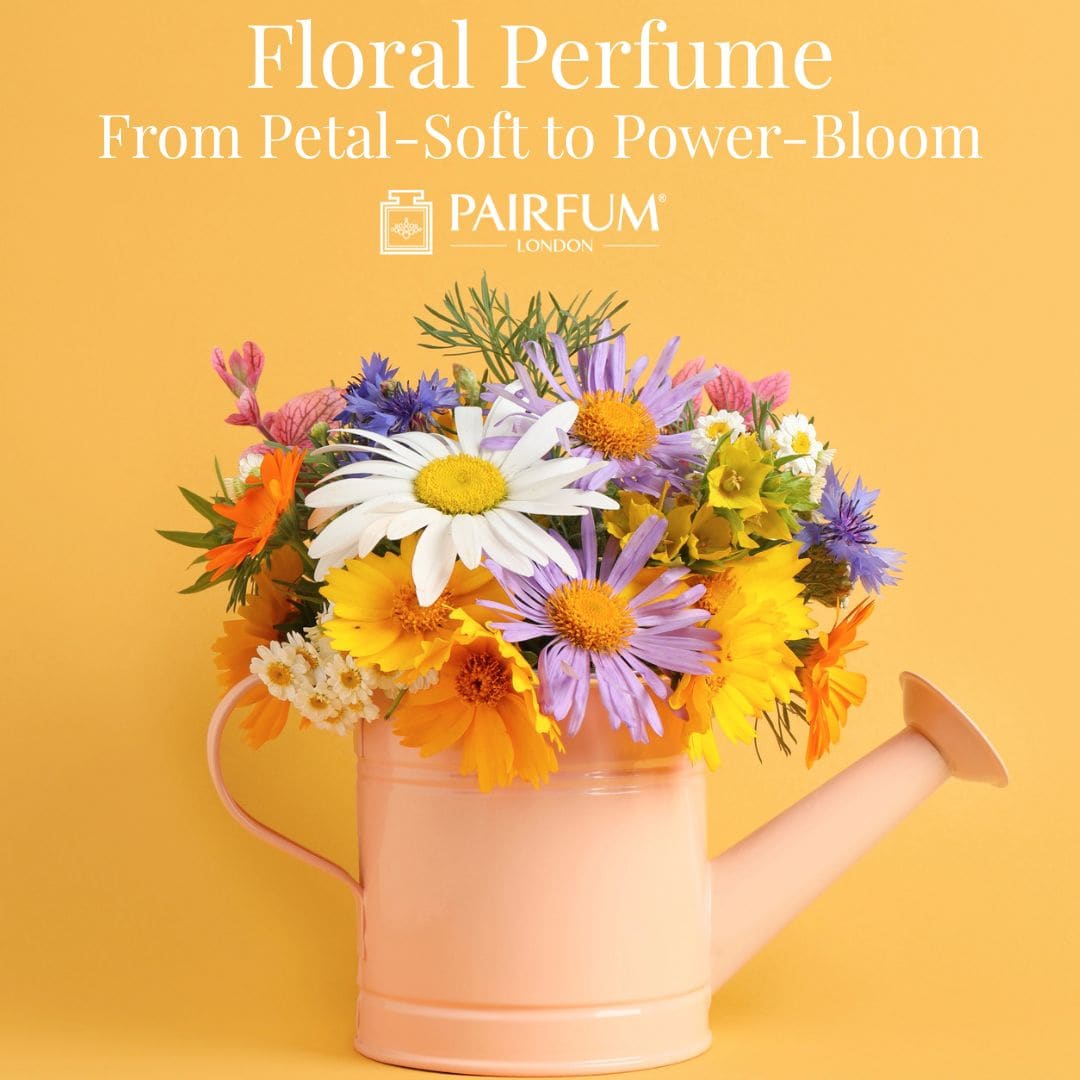
Floral perfume captures the true essence of blooming botanicals, which range from crisp, fresh green florals to rich, powdery bouquets and sweet fruity-florals. These completely timeless scents are usually classified by their dominant notes (such as rose, jasmine, gardenia, or iris) and remain widely available in a variety of different concentrations.
Floral perfume has been with us for centuries. It is one of the oldest kinds of fragrance and still one of the most loved. From the gentle aroma of petals brushing your skin to full, blooming bouquets that fill a room, floral perfume can be as soft or bold as you want it to be. Some are light and green, while others feel deep and creamy. That range is what keeps florals feeling fresh year after year.
With spring settling in, it feels like the best time to enjoy what makes floral perfume so well-loved. Flowers are blooming outside, and that touch of colour and renewal finds its way into perfumes. Florals just seem to fit, perfect for walks in sunshine or evenings that call for something a bit more dressed up. Each fragrance is like a new way to enjoy the season, helping you discover a new favourite scent or a defining signature scent.
The Long History of Flowers in Fragrance
People have used flowers in fragrance since ancient times. In early civilisations such as Egypt and India, petals were crushed or soaked in oils to carry their aroma. Later, during Roman and Greek eras, floral oils became personal perfumes and even played a role in different rituals.
The Victorian age made perfume something to carry with you, tucked inside small bottles. Flowers like violet, rose, and jasmine became favourites for their sweet, powdery, or dewy notes. Perfume then was about mood as much as aroma. Certain floral choices even reflected status or modesty.
By the twentieth century, florals turned bold. Every master perfumer started mixing blossoms and adding base notes like musk or amber. New processes let them control how floral notes appear in each fragrance, whether romantic, soft, daring, or unusual. Some flowers became classics, each with its own voice in perfume. Lavender is often calming, rose speaks to love, and jasmine feels warm and welcoming. Over time, these formulas evolved into the elegant eau de parfum concentrations we enjoy today.
Petal-Light Notes: Soft and Gentle Floral Blends
Some floral perfumes are made for days you want something soft and barely-there. These lighter styles are perfect for work, a sunny afternoon, or simply when you want a clean touch that won’t overpower. Blends built around lily, orange blossom, or violet tend to settle close to the skin, never too forward. They feel gentle, pure, and almost like a memory of flowers instead of a full bouquet.
Perfumers often mix these gentle notes with something refreshing. A touch of citrus, green leaf, or white tea can lift the perfume and keep it airy. These touches help the aroma develop without becoming heavy, creating a fresh floral scent that lasts.
Some light floral perfumes seem to melt into the skin. Others leave only a faint trail in the air. These styles are best for spring and early summer when you want beauty that feels easygoing. It’s a quiet confidence, a scent that stands out in its simplicity, making it ideal for everyday wear.
Bold and Lush: The Power-Bloom Florals
Other florals do not hold back. Think tuberose, full and creamy, or ylang-ylang with its exotic, rich twist. Gardenia is another, waxy and bold, almost making you think of a real flower in bloom. These are perfumes that ask to be noticed.
Power-bloom florals work nicely for evening or whenever you want to feel confident. They linger for hours and have a way of shaping moods as soon as you put them on.
It is not just the flowers that add dimension. Lush florals are often paired with musk, patchouli, or spicy undertones. This anchors the bouquet, adding depth and complexity. Some perfumes in this group feel timeless, others completely modern. What links them is boldness, they unfold and leave a memory, even after you’ve left the room.
Natural vs Synthetic: How Floral Perfumes Are Created
Crafting floral perfumes can be a challenge. Some flowers, like rose or lavender, easily give up their oils. These can go straight into perfume. Yet other flowers refuse to offer any oil. An example is lily of the valley, which cannot be naturally extracted. Its floral perfume is recreated with aroma molecules.
These aroma molecules are made to smell like the real flower. Sometimes they are soft and true, other times tweaked for a specific style. Synthetics are sometimes kinder to skin or used to save rare plants from being picked too often.
Blending natural oils with synthetic touches gives a fuller range of options. It is not a question of one being better. This approach lets perfumers create reliable and more inventive bouquets, often stronger and sometimes gentler than nature alone can offer.
Types of Floral Perfume for Every Personality
With floral perfume, there is something for every preference. Some like single-flower perfumes, clean and simple. Neroli is a favourite for orange blossom lovers. A blend with water lily might feel perfect for those who prefer a fresh approach. These simple bouquets work anywhere, easygoing and clear.
Others want warmth and depth. Adding amber, woods, or leather gives florals more shape. These work for cooler nights or if you want a winter perfume that stays with you. Even florals that are tied to a certain season, like mimosa in winter or peony in spring, change their feel depending on their supporting notes.
Florals also work as part of creative blends. Take fruity floral perfumes, which bring flowers together with fruits such as pears, peaches, raspberries, or pomegranate. This structure uses the juicy, crisp quality of fruit to introduce a sparkling brightness before the deeper floral elements fully reveal themselves on the skin.
You also find stunning floral oriental perfumes that use a hint of spice, herbs, or warm base elements. This sub-family blends the natural sweetness of blossoms with rich resins, incense, and amber accords to establish significant sillage and excellent longevity.
Finally, look at powdery florals, a style that brings a soft, classic texture reminiscent of vintage makeup formulations, using specific aromatic roots and petals to create a comforting, velvet-like finish. Floral does not have to be old-fashioned. It is one of the most adaptable types of perfume, allowing you to go from soft to bold, or airy to dramatic, and always feel natural.
Understanding the Floral Families
To find the best floral perfume for your collection, it helps to understand how different flowers behave in an eau de parfum. The character of the fragrance depends heavily on the specific types of blossom used.
The White Floral Family
White floral scents are known for being rich, opulent, and incredibly captivating. This category relies heavily on jasmine, orange blossom, and tuberose. These notes add an intense, creamy depth to an eau de parfum that can feel incredibly glamorous.
The Classic Rose
No discussion of floral fragrances is complete without the rose. A modern rose perfume is rarely just simple or old-fashioned. By combining rose with sharp berries, green leaves, or smooth vanilla, modern creators ensure this legendary flower stays at the top of the best selling lists globally.
Delicate and Powdery Blooms
Flowers like iris and peony offer a completely different experience. They provide a softer texture that feels clean and comforting. Iris adds a distinct, sophisticated touch that feels almost like fine linen, while peony brings a crisp, watery brightness to a composition.
Technical Innovation and the Perfume Pyramid
Top-tier perfume evaluation highlights that a successful floral fragrance relies heavily on structural balance, often explained through the perfume pyramid. This framework consists of the top note, middle note, and base note. The top notes offer an initial greeting, often called the flight or the smile of the fragrance, which frequently incorporates zesty citrus elements. The middle notes form the true heart where the main floral bouquet resides, while the base notes provide the structural anchor.
The evolution of analytical chemistry completely transformed this structure. In the past, early fragrances were limited to straightforward extractions. The discovery of isolated aromatic compounds in the late nineteenth century changed everything. For example, the synthesis of alpha-ionone and beta-ionone allowed perfumers to accurately replicate the delicate scent of violet petals.
Similarly, the introduction of methyl dihydrojasmonate, widely known as hedione, in 1962 altered modern blending. Hedione behaves like a clear floral glue, providing a radiant, airy quality that enhances the lift and diffusion of other blossoms without making the composition heavy. Niche perfumery continues to push these boundaries by combining these advanced synthetic molecules with rich, complex botanical extractions like narcissus and ylang-ylang to achieve unparalleled performance.
Extending Your Scent Beyond Skin
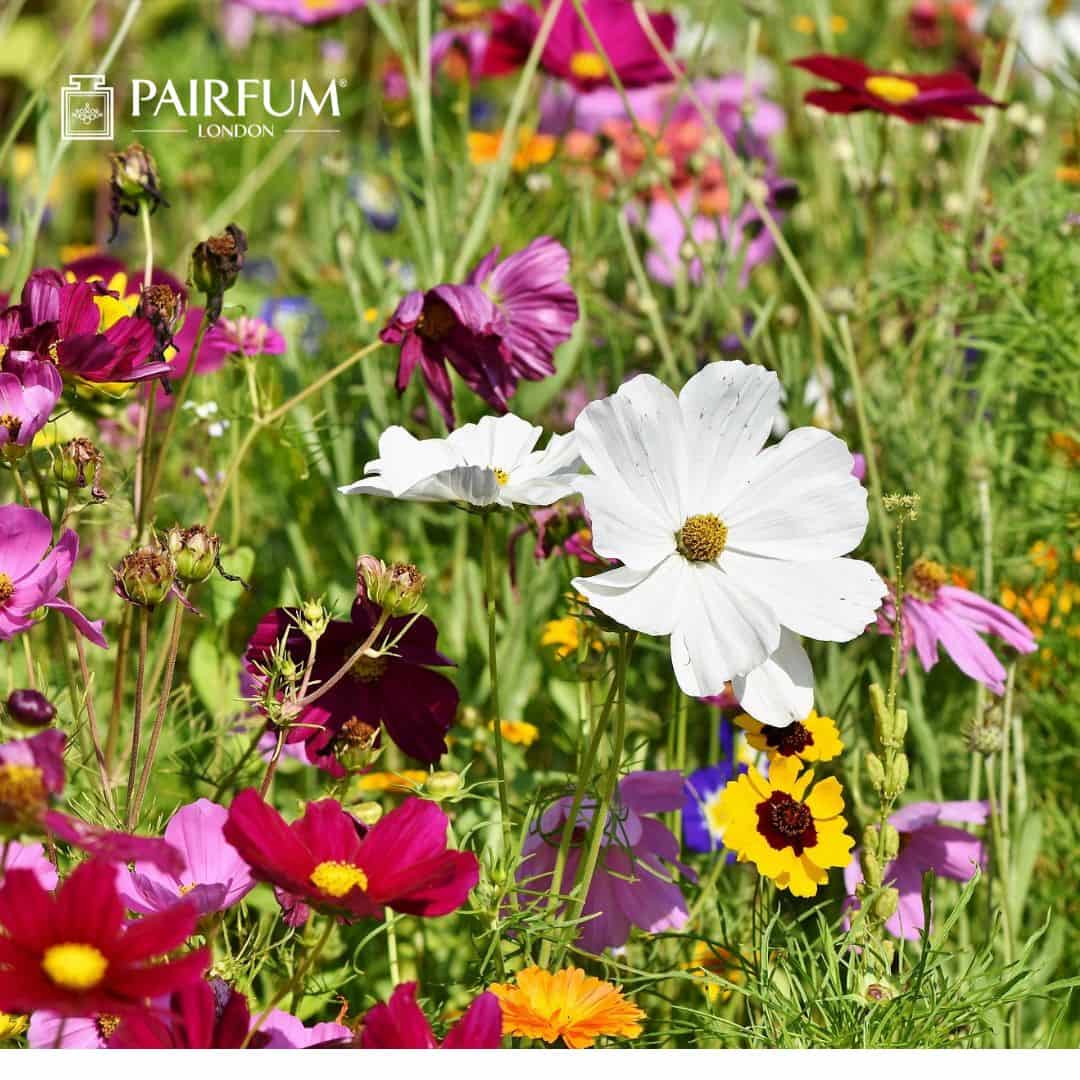
A beautiful floral fragrance does not have to be limited to a traditional eau de parfum sprayed on your wrist. Many people love to mist a delicate version through their hair to create a subtle scent trail with every movement.
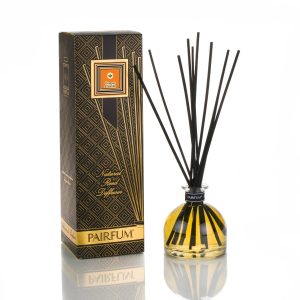
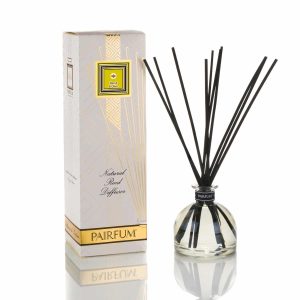
Furthermore, the comfort of a beautiful blossom can transform your living space. Investing in a high-quality home fragrance, such as a floral reed diffuser or candle, brings the fresh atmosphere of a spring garden indoors. These options make wonderful additions to beauty gift sets for those who want their entire environment to smell spectacular.
Let the Flowers Speak: Why Floral Perfumes Always Bloom
Floral perfume has a lasting hold because it feels personal. Each flower can mean something different for every person. Rose might stand for romance, or for family traditions. Jasmine might seem bright and lively to one, but calm and grounding to another. Jasmine perfumes have a unique way of adapting to the wearer. This personal connection helps floral perfumes stay beloved year after year, they change with us, and never quite go out of style.
- Floral perfumes capture the feeling of nature and new seasons
- They can be light for daytime or bold for special nights out
- Personal memories and emotions are often tied to certain flowers
- Blends can range from classic to wild, but always keep nature at their heart
Iconic Floral Fragrances Through the Years
To truly understand the world of floral fragrances, it helps to look at the famous creations that have shaped the industry. Over the years, major fashion houses and niche creators have used the humble flower to craft masterpieces.
For instance, the bright and youthful charm of Marc Jacobs Daisy has introduced millions to the joy of a vibrant floral scent. In contrast, the classic romance of Miss Dior showcases how traditional rose and jasmine can remain relevant across generations.
The niche perfume world has also embraced the trend, with houses like Parfums de Marly and BDK Parfums creating complex, layered masterpieces that display floral elements in a striking new light. Even the world of lighter colognes has been redefined by brands like Jo Malone London, proving that a high-quality floral fragrance can be both minimalist and deeply memorable.
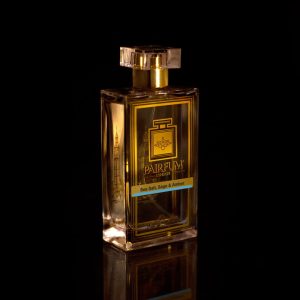
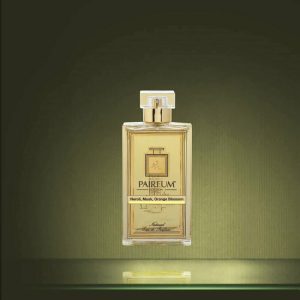
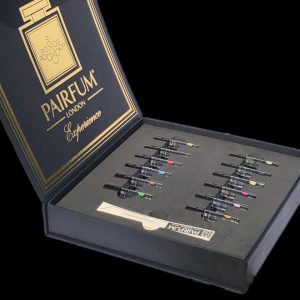
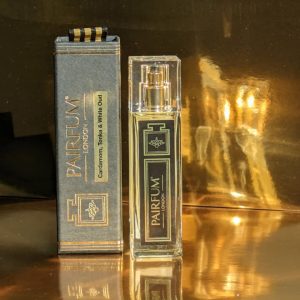
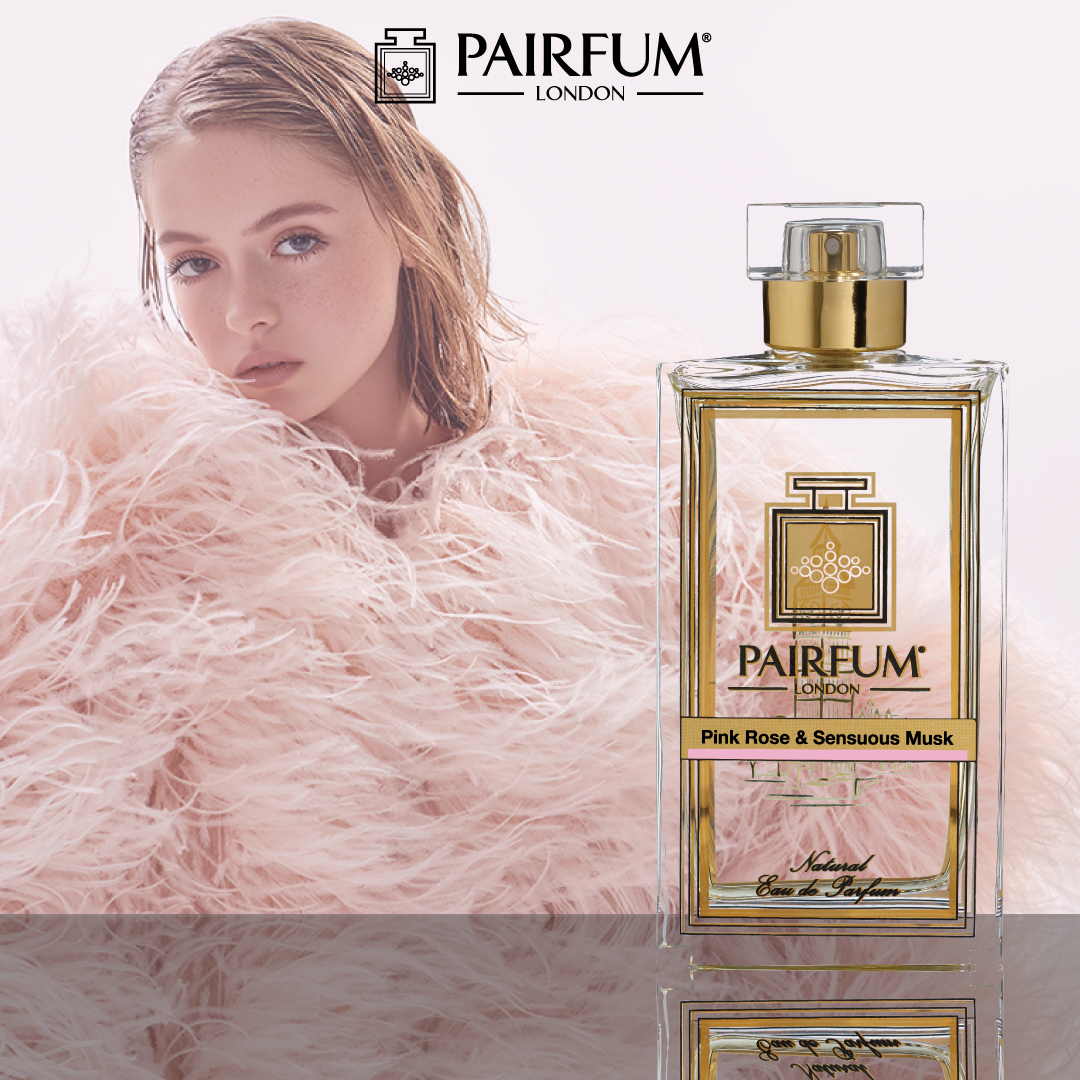
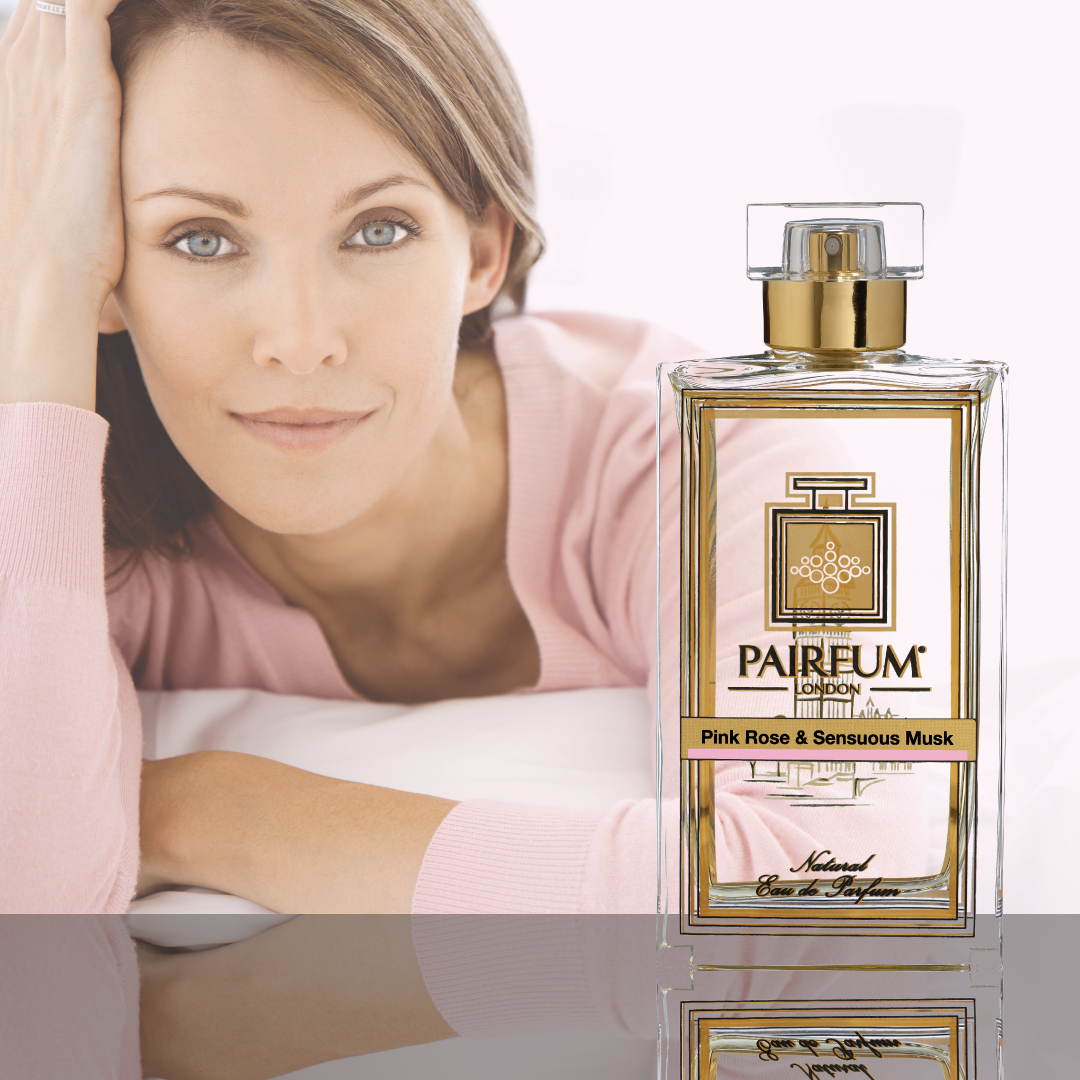
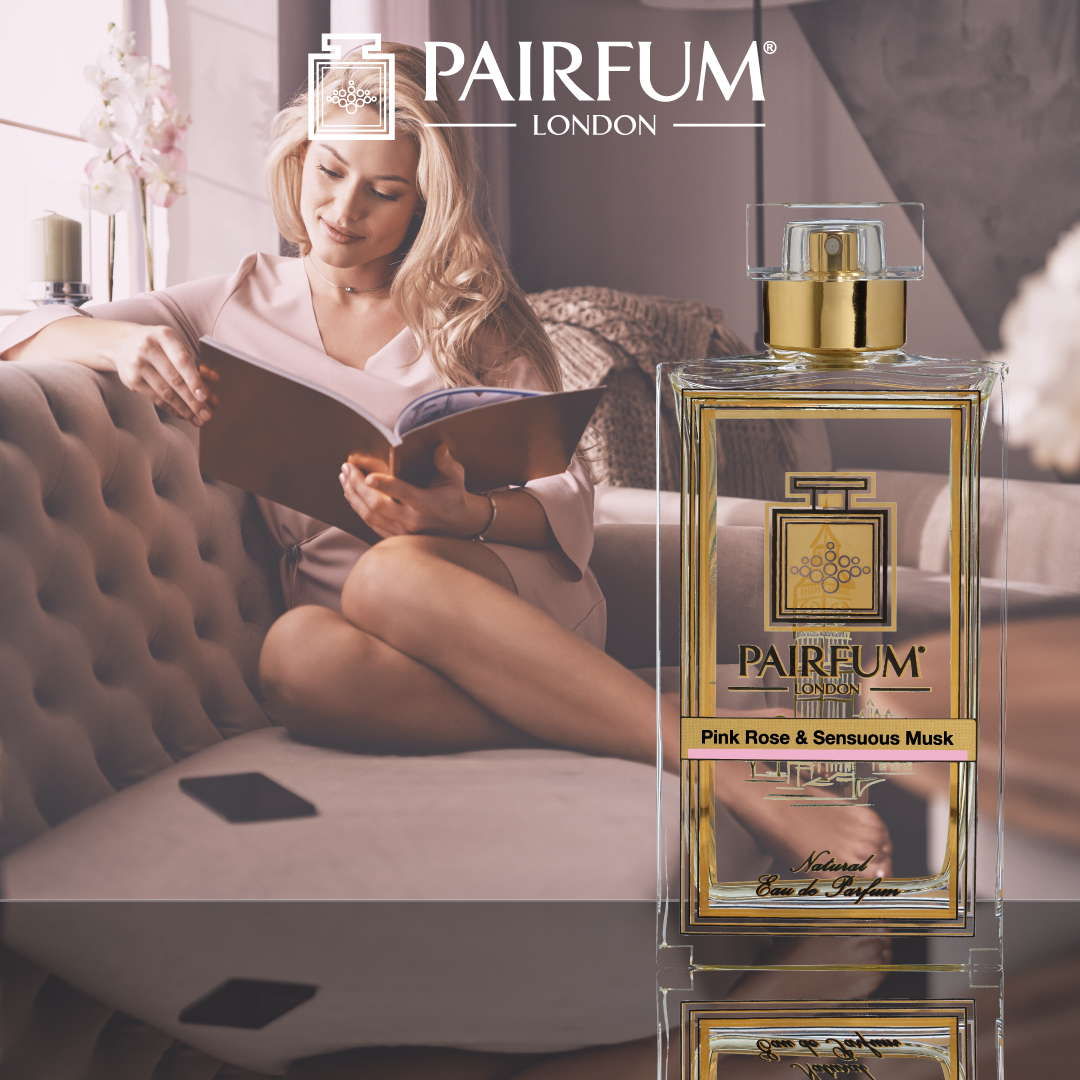
Pink Rose & Sensuous Musk – Eau de Parfum by Pairfum London
A vibrant, floral fragrance and scent where the top notes of Sparkling Lemon and Lime are enhanced by the fruity nuances of Peach. The feminine, floral heart is a radiant blend of Pink Rose, Magnolia and Frangipani, while the dark seductive base of Sensuous Musk, Amber and Precious Woods brings this entire fragrance to life.
Conclusion
Springtime and summer time only makes florals feel more at home. When blossoms fill the air, those same happy, bright feelings pour from a perfume bottle. It is not just about aroma, but the reminder that things can start again, feel brighter, and become unique with every spray. Floral perfume is for anyone who wants to carry a little piece of that feeling, no matter the season.
Whether you prefer citrus perfumes with a touch of blossom, a rich blend loaded with warm vanilla, or a dramatic, multi-layered eau de parfum, there is an option waiting to be discovered. Let the flowers speak to your senses, and find the perfect blend that matches your unique style.