Home / amberfragrance
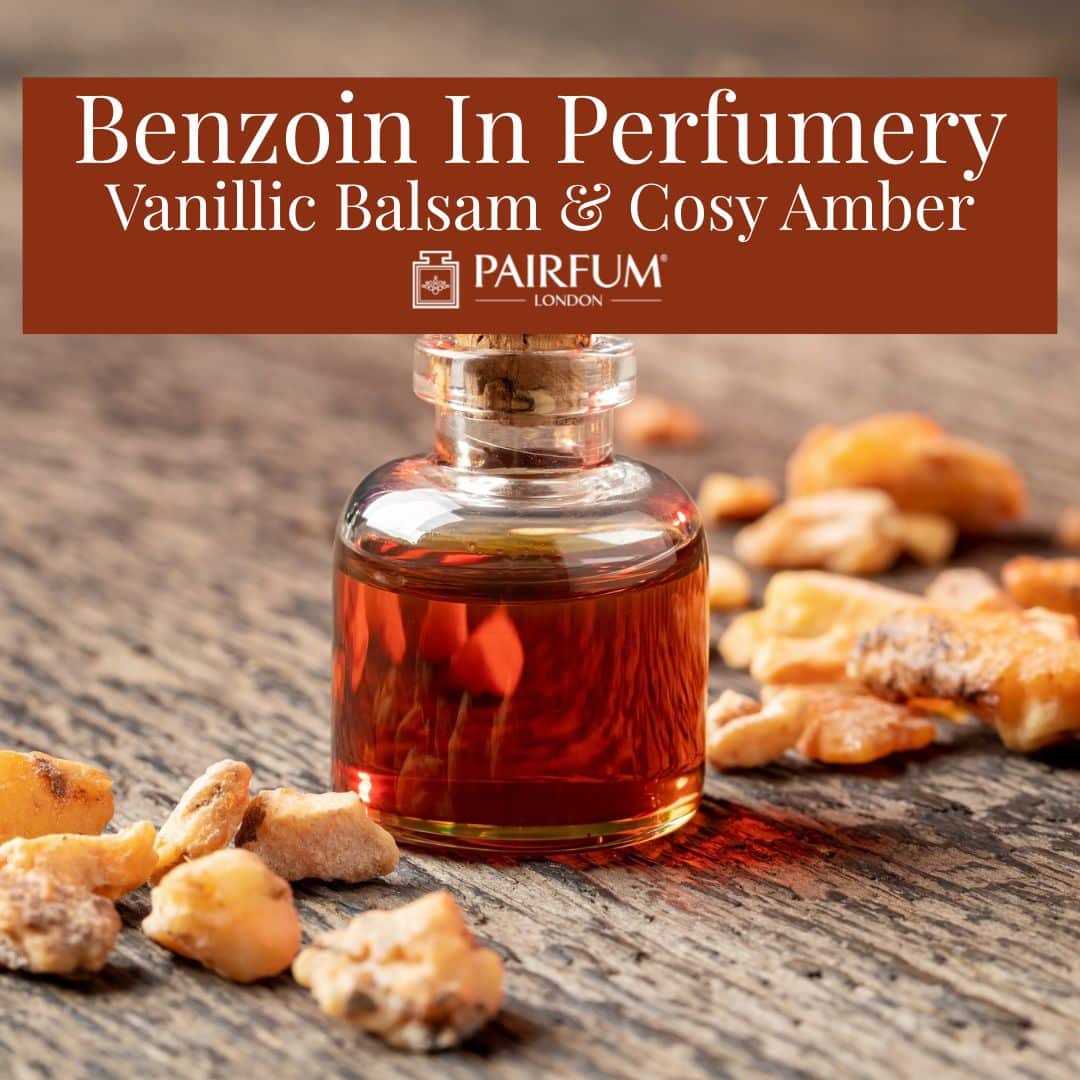
Benzoin In Perfumery

Benzoin in Perfumery: Vanillic Balsam and Cosy Amber

Benzoin is a natural balsamic resin, sourced primarily from Styrax trees, highly valued for its sweet, vanilla-like aroma and various medicinal properties. Widely used across perfumes, incense, and modern skincare, it serves as an essential fixative in fragrances and a soothing agent for dry or cracked skin. It is also frequently utilised in medical tinctures, such as Friar’s Balsam, where it helps to aid bandage adhesion and protect the skin.

Benzoin is one of those perfume ingredients that feels like a soft scarf in cold weather. It gives off that gentle vanilla warmth, with a smooth, almost golden aroma that works particularly well when nights are long and chilly. You will often find it in amber-style perfumes where it adds a comforting depth.

This is not a new discovery. Benzoin has been part of fragrances and incense for centuries. It brings something cosy and familiar, almost like something you have smelled before but cannot quite place. When used in modern perfumes, it ties everything together with an ease that feels thoughtful. Let us look at where it comes from, how it is used, and why we tend to reach for it most as January winds down.

The Origins of Benzoin: Ancient Resin with a Gentle Glow

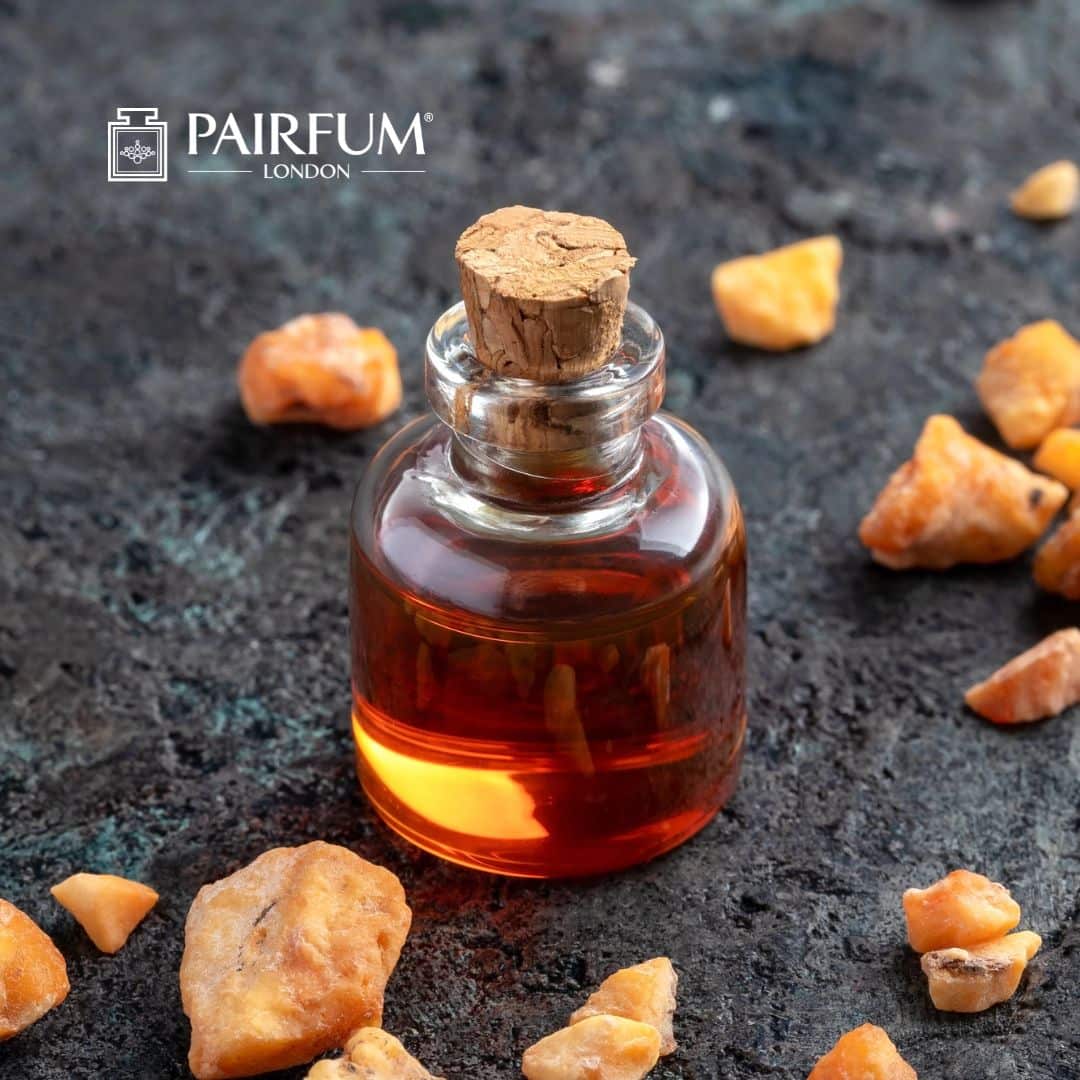
Benzoin comes from the sap of trees in the Styrax family, which grow in parts of Southeast Asia. When the bark is tapped, resin oozes out and hardens in pieces. It is then used in many different ways, but for perfume, it is treasured for its calming smell and smooth, sweet properties.

Long ago, people burned benzoin in temples, homes, and healing spaces. It was thought to clear the air and calm the heart. In the Middle East and Europe, this warm resin was already playing a role in early perfumery and was often used in preparations for the body or mind. In many cultures, particularly in India, where it is known as Sambrani or Loban, it has been burned on charcoal for centuries to create a sacred atmosphere. Its use across continents shows how deeply people are connected with its comforting nature. Whether for quiet prayer or attraction, benzoin has stayed close to us through the centuries.

Understanding the Sources: Siam and Sumatra

In the world of fine fragrance and aromatherapy, not all benzoin is created equal. There are two primary types used by perfumers and enthusiasts in the United Kingdom and beyond. The first is Styrax tonkinensis, commonly known as benzoin siam. This variety is highly prized for its refined, creamy, and vanillic profile. It is often the choice for high-end perfumes due to its sophisticated scent and is found across Thailand, Laos, Cambodia, and Vietnam.

The second variety is Styrax benzoin, often referred to as benzoin sumatra. This type grows predominantly on the island of Sumatra and has a slightly more rustic, balsamic character with hints of almond or storax. Unlike the Siamese variety, Sumatran benzoin contains cinnamic acid in addition to benzoic acid. Both types of benzoin resin are valuable, but they offer different textures to a fragrance. While one might be used in a pure essential oil for its therapeutic properties, the other might be the star of a fragrance oils collection designed for home scents like a reed diffuser.

Sweet, Soft and Woody: What Benzoin Smells Like in a Perfume

Benzoin gives off that soft vanilla smell many of us love, but there is more to it. Beneath the sweetness, you might notice:

  • A hint of caramel and dark chocolate
  • Gentle spice and honeyed undertones
  • A cosy balsamic depth

It is a base note, so it tends to sit low in a fragrance, sticking around longer than top or middle notes. Benzoin acts a bit like a blanket, wrapping louder, brighter notes in something grounded and smooth. It especially shines in amber blends. These kinds of perfumes often include resin, spice, and sweet elements that mimic the feel of winter fabrics or firelight. Benzoin gives them their creamy backbone, stopping the perfume from becoming too sharp or airy.

Pairfum London Home Fragrance Art Room Spray

The Chemistry of Comfort

Checking the technical data sheet for this balsamic resin reveals exactly why it behaves with such unique character. The raw material is packed with natural compounds like benzoic acid and cinnamic acid. These aren’t just names on a page; they provide vital preservative qualities and help the substance act as a reliable fixative. In plain terms, it grips onto other oils in a perfume blend, making sure the fragrance stays on your skin for much longer than it would alone.

In its natural state, the substance can be quite temperamental, appearing brittle or even treacle like if the room is warm enough. To make it easier for a perfumer to handle, it is frequently dissolved in a solvent such as dipropylene glycol or blended with organic alcohol. Many creators prefer a carrier like dipropylene glycol because it lacks a scent of its own and remains perfectly clear. This allows the genuine aroma of the resin to take centre stage without that sharp, stinging hit you sometimes get from alcohol. It also ensures that the benzoin oil stays easy to pour, so you can measure out even a small amount with total precision when adjusting a formula.

From Tree to Bottle: How Benzoin is Harvested and Processed

Gathering benzoin is a slow process that requires a good deal of patience. It starts with a worker carefully tapping the tree trunk to encourage the sap to flow. Much like the way people collect maple syrup, this liquid slowly leaks out and sets hard against the bark. Once these “tears” have solidified, they are harvested by hand. In the world of scent, this material usually ends up in one of three forms:

  • Powdered resin that gets stirred into heavy fragrance bases
  • An oil extract created via solvent extraction or steam distillation
  • A rich balsamic absolute which holds onto the most delicate scent details

This ability to change form is why the ingredient is so versatile. A raw resin feels heavy and deep, making it the perfect choice for grounding a warm, earthy perfume. On the other hand, an absolute feels much more polished and smooth. Because the substance is naturally quite thick, you might find the oil needs a quick session in a bain marie to warm up before it becomes liquid enough to pour or blend into a new creation.

Benzoin in Aromatherapy and Wellness

Away from the high-end perfume houses, benzoin essential oil has long been a favourite in the world of aromatherapy. You will often see it tucked into essential oil sets because people value its grounding, almost meditative effect on the mind. It has a long history in the medicine cabinet too; it was once the star of Friar’s Balsam, a famous old remedy used to help with breathing and chesty coughs. When you use it in oil burners, the sweet vapour fills the room and helps melt away the stresses of the day, creating a genuine sense of peace.

Because of its soothing nature, you might find it as part of a massage oil or a specialised massage oils blend. It is particularly helpful for those with dry skin or sensitive skin. When mixed into a herbal base cream or a carrier oil, it can help soothe itchiness and protect the skin’s moisture barrier against the elements. It is an excellent choice for a gardener’s hand cream or for those who frequently use detergents. Whether you have combination skin or a more reactive complexion, the gentle touch of benzoin organic extracts is often a welcome addition to a daily routine, even appearing in a luxurious shower gel to start the day with warmth.
Benzoin Resin

Creating the Perfect Blend

For those who enjoy crafting their own scents, a benzoin essential oil is a vital component of an essential oil blend. Because it is so thick, it sometimes requires a little warmth or the addition of water in a diffuser to help it circulate. If you are looking for an organic essential oil to round out a collection of best sellers, benzoin is often the missing piece that provides a professional finish. It can even be used to round out the harshness of certain notes like cardamom or grapefruit.

Why Benzoin Feels Right in Winter Perfume

When days are dark and nights are colder, certain smells feel more comforting. Benzoin is one of them. There is something about its soft sweetness and subtle weight that suits the slower pace of winter. It thrives in cold weather because its thick, enveloping quality helps shield against the chill, creating both a physical and a sensory warmth that lingers.

It appeals to wearers who like their perfumes a little sweet but not overly sugary. There is maturity in its softness, a kind of quiet sweetness that does not shout but hums gently. The aroma seems to glow, lasting on your skin through those long wintry hours, providing steady comfort as temperatures drop.

Picture walking into a warm room on a frosted day, hands wrapped around a mug. Benzoin in perfume captures that same easy warmth without being too heavy or overpowering. It layers smoothly with other winter favourites, enhancing overall comfort without overwhelming the senses.

Benzoin’s Role in Modern and Iconic Perfumes

You will often find benzoin holding its own in amber-themed perfumes, oriental styles, or richer gourmand blends. It acts like the middle ground between edible sweetness and earthy depth. It was even famously popularised as a perfume ingredient worn by Queen Elizabeth I. Paired with the right notes, it adds body without taking over:

  • Labdanum keeps it smoky and leathery
  • Vanilla lifts and sweetens the base
  • Spice adds character
  • Rich woods like cedar or sandalwood keep it balanced
  • Spice oils add a flickering heat to the cool resinous base

Many iconic fragrances rely on benzoin to build that long-lasting warmth people remember hours later. Its ability to blend, mellow, and support other ingredients makes it a lasting favourite in perfume design.

  • Prada – Prada Candy: This fragrance features an exceptionally high concentration of benzoin, blending its natural vanillic warmth with silky musk and rich caramel for a sophisticated, edible sweetness. 
  • Guerlain – Bois d’Arménie: A woody and elegant scent that focuses on the resinous depth of benzoin, pairing it with incense to mimic the calming aroma of traditional burning paper. 
  • Diptyque – Benjoin Bohème: This perfume celebrates benzoin siam, wrapping the resin in patchouli and labdanum to create a long-lasting, golden aura that stays close to the skin.
Pairfum Flacon Perfume Room Spray Signature Cognac Vanilla

Cognac & Vanilla – Flacon Perfume Room Spray by Pairfum London

The aroma of a connoisseur: sherry-aged oak, rich bourbon-vanilla, golden cognac, Caribbean patchouli, amber benzoin, and ancient labdanum.

To bring the vanilla warmth of the Styrax tree into your home, consider a luxury room fragrance that mirrors the depth of fine perfumery. The Cognac & Vanilla Pairfum London Flacon Room Spray is an ideal choice, as it prominently features a rich blend of benzoin, labdanum, and patchouli. This natural home perfume uses organic essential oils to create a fine mist that lingers for hours, providing a steady, golden glow. It is a sophisticated way to layer your living space with calming, balsamic notes, ensuring your surroundings feel as cosy and inviting as the scent on your skin. 

Wrapped in Warmth: The Enduring Charm of Benzoin

Benzoin stays with us in perfume because it does something few ingredients do: it brings depth, comfort, and balance in a single drop. Its vanillic edge makes it familiar. Its resinous heart makes it rich.

This ingredient creates that soft glow some perfumes are known for in winter. The kind of warm feeling you notice not when the perfume arrives, but as it stays through the hours. As time passes, the aroma deepens rather than fading quickly, creating a gentle trail that forms part of your winter ritual.

When looking for your next signature scent, check the reviews for those 5 stars mentions of warmth and longevity. Whether you are browsing for new perfumes or checking the various payment options for a luxury gift, remember the humble resin from the Styrax tree. It is the secret behind the most enduring, comforting scents of the seasonal experience you crave. Treat yourself to a scent that lingers elegantly, providing calm and balance every day.

Amber Sandalwood Eau De Parfum

The History and Origins of Amber & Sandalwood

Amber and sandalwood have been treasured for centuries due to their unique qualities and fragrant allure. These ingredients have turned simple perfumes into timeless classics. Understanding their history and origins can help you appreciate their significance in perfumery today.

Amber is not a plant but fossilised tree resin. It has been used in various cultures for its aroma and believed healing properties. Sandalwood, on the other hand, comes from the heartwood of trees in the genus Santalum. Native to India, Australia, and other parts of Asia, sandalwood has played a vital role in religious rituals and traditional medicine.

Both amber and sandalwood are known for their rich and enduring fragrances. Amber has a warm, sweet, and honey-like aroma, while sandalwood offers a soft, creamy, and woody note. These fragrances blend well with other essences, making them popular in many iconic perfumes.

By delving into their histories, understanding the different types, exploring extraction methods, and discovering iconic perfumes, you’ll gain a deeper appreciation of amber and sandalwood. Let’s uncover the enduring allure of these timeless ingredients.

Amber and sandalwood are two of the most cherished elements in perfumery, celebrated for their evocative scent profiles, cultural heritage and long-standing use in spiritual and aromatic practices. When combined, amber sandalwood creates a fragrance that feels both timeless and intimate, a blend that speaks to memory, warmth and earthy sophistication.

This article explores the origins, historical roles and olfactory richness of amber and sandalwood, while uncovering their deeper connection to the world of fragrance.

Pairfum Eau de Parfum Person Reflection Mandarin Blossom Sandalwood Woman Dance 1 1

Amber: A Gem of Ancient Aromas

Amber is not a mineral but fossilised resin, formed from ancient trees over millions of years. The most prized amber comes from the Baltic region, where it was once traded as far as the Middle East via the historic Amber Road. Long before it was used in perfumery, amber was valued for its mystical properties. It was worn as a talisman, believed to possess healing powers and a calming influence.

In perfumery, amber is not usually the raw fossil itself, but a fragrance accord crafted from natural ingredients such as labdanum, benzoin, vanilla and sweet balsamic resins. This combination produces a rich, resinous aroma with soft, powdery edges and subtle hints of warmth. Amber has become a cornerstone in many perfume compositions, particularly in Oriental and woody fragrance families.

With over 41 mentions of amber throughout history and scent culture, its significance cannot be overstated. The aroma of amber continues to influence modern perfumery, with amber fragrance oil used extensively in candles, bath salts and personal care.

Sandalwood: The Sacred Heart of Fragrance

Sandalwood has an unmistakable woody aroma that is creamy, smooth and deeply grounding. Extracted from the heartwood of Santalum trees, especially Santalum album, sandalwood has been revered for centuries across India, China and the Middle East. In ancient temples, it was burned as incense during sacred rituals and used in Ayurvedic medicine for its calming properties.

Sandalwood oil is one of the most enduring ingredients in perfumery. Its gentle character makes it ideal as a base note, blending seamlessly with floral notes like rose, jasmine and lavender, or with spiced accords including clove, cardamom and pink pepper. Whether used in a perfume or a candle, sandalwood lends a sense of serenity and elegance to any composition.

With its use recorded in at least 37 traditional and modern formulations, sandalwood remains an essential building block in the palette of any perfumer.

Origin Of Amber

Origins and Historical Significance of Amber and Sandalwood

Amber and sandalwood have fascinating histories that span thousands of years. Both have played essential roles in various cultures and civilisations.

Amber

Amber is fossilised tree resin, predominantly from ancient pine trees. It has been found in locations around the world, with significant deposits in the Baltic region. Amber has been used for its aromatic properties and believed healing powers since the Stone Age. The ancient Greeks and Romans valued amber as a gemstone and used it in jewellery and ornaments. Traders transported it along the famous Amber Road, a trade route that connected the Baltic Sea to the Mediterranean.

Sandalwood

Sandalwood comes from the heartwood of Santalum trees, particularly Santalum album in India. It has been prized for over 4,000 years. In ancient India, sandalwood was used in religious rituals, carvings, and Ayurveda. Temples and palaces were built using sandalwood because of its aromatic and insect-repellent qualities. In China, it was used for incense and traditional medicine. The rich, woody fragrance of sandalwood made it a valuable trade commodity, spreading its influence far and wide.

Both amber and sandalwood have transcended time, remaining integral in perfumery and other uses today. Their rich histories illustrate their lasting appeal and significance.

The Evolution of Amber and Sandalwood in Perfumery

As perfumery evolved from ancient rituals into refined artistic expression, amber and sandalwood found new life. These ingredients became foundational for crafting balanced fragrances, providing longevity and complexity to both base notes and heart accords.

Amber offers warmth, resin and a whisper of powdery sweetness, while sandalwood adds a smooth, woody depth that lingers on the skin. Their combined presence often evokes a feeling of sensuality and comfort, found in both subtle skin scents and bold, statement perfumes.

Both amber and sandalwood are featured in fragrance oils, room sprays, and candles. These applications allow the scent to extend beyond personal wear into everyday living spaces, infusing rooms with a sense of calm and understated sophistication.

Eau de Parfum Person Reflection Mandarin Blossom Sandalwood Man 1 1

A Sensory Journey: Notes, Nuance and Natural Ingredients

Fragrance is more than aroma. It’s a journey of the senses, and amber and sandalwood take centre stage in this journey. Together, they form the basis of a rich sensual fragrance, often complemented by other natural ingredients that enhance their complexity:

  • Vanilla and sweet vanilla amplify the soft sweetness of amber
  • Tonka bean contributes a velvety, almond-like nuance
  • Citrus elements like bergamot and orange brighten the blend with fresh top notes
  • Musk and warm musk add sensual undertones
  • Patchouli deepens the base with an earthy finish
  • Spice and spicy note provide a lively contrast to the woody calm
  • Cedar and wood bolster the woody structure, adding clarity and resilience

These carefully chosen notes highlight the multifaceted nature of amber and sandalwood, turning them into versatile pillars of perfumery.

Fragrance in Daily Rituals

Beyond perfume, amber and sandalwood are widely embraced in other fragrant forms. A well-made candle using these ingredients releases a calming scent that fills the room with understated elegance. With more than 11 mentions in historical records, the use of sandalwood in candle making reflects its enduring appeal.

Candle lovers often pair sandalwood with floral notes, such as rose or jasmine, for a balanced aroma that feels both sensual and soft. When used in bath salts or home fragrance oils, amber and sandalwood create an atmosphere of quiet luxury and skin-soothing comfort.

To maintain the integrity of your candle or fragrance oil, always store it in a cool, dark place and avoid exposing it to direct sunlight. This preserves the scent profile and extends the life of your product.

Skin and Scent: A Natural Harmony

Amber and sandalwood work exceptionally well with skin, evolving throughout the day and adapting to your body chemistry. This skin-like quality makes them ideal for crafting a signature scent. Whether applied as a perfume or worn through scented products like lotion or oil, the interaction with skin enhances the warmth and depth of the aroma.

Scent memory is deeply personal, and few combinations leave a lasting impression like amber and sandalwood. Their warmth is inviting, their finish smooth, and their presence comforting.

Elegance, Sophistication and Sustainability

In a time where sustainability is vital, the sourcing of sandalwood and amber plays an important role. Due to overharvesting, especially of Indian sandalwood, ethical sourcing and sustainable plantations are now essential. Amber alternatives are also being created using sustainable, plant-based resins to maintain the exceptional fragrance of traditional amber while preserving natural ecosystems.

Their enduring use speaks to the elegance and sophistication they offer. Whether you’re drawn to their woody character, their sweet notes or their gentle warmth, amber and sandalwood remain among the most treasured elements in perfumery.

Origin Of Sandalwood

Types of Amber and Sandalwood in Perfumery

Both amber and sandalwood come in different types, each with unique characteristics. These varieties are used in perfumery to create diverse and captivating fragrances.

Types of Amber

Amber in perfumery is not just fossilised resin. It includes blends and synthetic interpretations that capture its warm, sweet aroma.

1. Fossilised Amber: Authentic amber resin is sometimes used in niche perfumes, offering a deep and earthy fragrance.

2. Amber Accord: This is a mixture of labdanum, benzoin, and vanilla. It captures the essence of amber without using fossilised resin.

3. Synthetic Amber: Lab-created, it mimics the smell of amber and is used in many commercial perfumes.

Types of Sandalwood

Sandalwood comes in several types, mainly defined by their geographical origin and the species of tree.

1. Indian Sandalwood (Santalum album): This is the most prized variety. It has a rich, creamy, and long-lasting aroma.

2. Australian Sandalwood (Santalum spicatum): It offers a slightly different fragrance, less sweet but still woody and balsamic.

3. Hawaiian Sandalwood (Santalum paniculatum): This variety has a more subtle fragrance compared to its Indian counterpart.

Each type of amber and sandalwood brings something unique to perfumery. These varieties allow perfumers to craft distinctive and memorable fragrances that appeal to a wide range of preferences.

Extraction Methods and Processing

The extraction and processing of amber and sandalwood are essential to capture their unique aromas. Each requires specialised techniques to preserve their quality and fragrance.

Amber Extraction

Amber is collected from fossilised tree resin, usually found in the Baltic region or the Dominican Republic. The extraction process involves:

1. Mining: Amber deposits are often mined from the earth. In some regions, it is collected from sedimentary rocks using tools to extract the resin chunks.

2. Collection from Beaches: Baltic amber often washes ashore. Collectors gather these pieces, especially after storms.

3. Processing: After extraction, amber is cleaned and polished. Some perfumes use raw amber oil, obtained by heating the resin slowly until it melts and releases its oils.

Sandalwood Extraction

Sandalwood oil extraction is more complex. Here are the main methods:

1. Steam Distillation: The most common method involves cutting the wood into chips, which are then steam-distilled. The steam carries the essential oils away from the wood, condensing back into liquid form.

2. CO2 Extraction: This method uses carbon dioxide to extract oil without heat, preserving more of the natural fragrance.

3. Water Distillation: An older method involves boiling the wood and collecting the distilled oil. It’s less efficient but still used in some traditional practices.

Proper extraction methods are crucial for maintaining the quality and aroma of amber and sandalwood oils. These techniques allow perfumers to use these rich and complex fragrances in their creations.

Pairfum Person Reflection Mandarin Blossom Sandalwood Eau de Parfum

Iconic Perfumes Featuring Amber and Sandalwood

Amber and sandalwood have formed the backbone of many iconic perfumes. These ingredients have been used by perfumers to create timeless and unforgettable fragrances.

Classic Perfumes

Chanel No. 5: This legendary perfume uses amber accords to enhance its floral notes, adding depth and warmth.

Guerlain Shalimar: A classic Oriental fragrance, Shalimar features a rich blend of amber and vanilla, making it a beloved perfume worldwide.

Modern Icons

Tom Ford Santal Blush: This modern masterpiece highlights sandalwood’s creamy, woody aroma, blended with spices and floral notes.

Diptyque Tam Dao: Known for its prominent sandalwood notes, Tam Dao offers a soothing and calm fragrance experience. It combines both Indian and Australian sandalwood varieties.

Niche Creations

Byredo Gypsy Water: This niche fragrance uses a blend of amber and sandalwood to evoke memories of nature and travel. It’s light yet woody, making it unique.

Le Labo Santal 33: An iconic fragrance in niche perfumery, Santal 33 showcases sandalwood in a bold and modern mix. It’s loved for its earthy and robust character.

Eau de Parfum Person Reflection Mandarin Blossom Sandalwood Scateboard 1 1

A Contemporary Amber and Sandalwood Creation

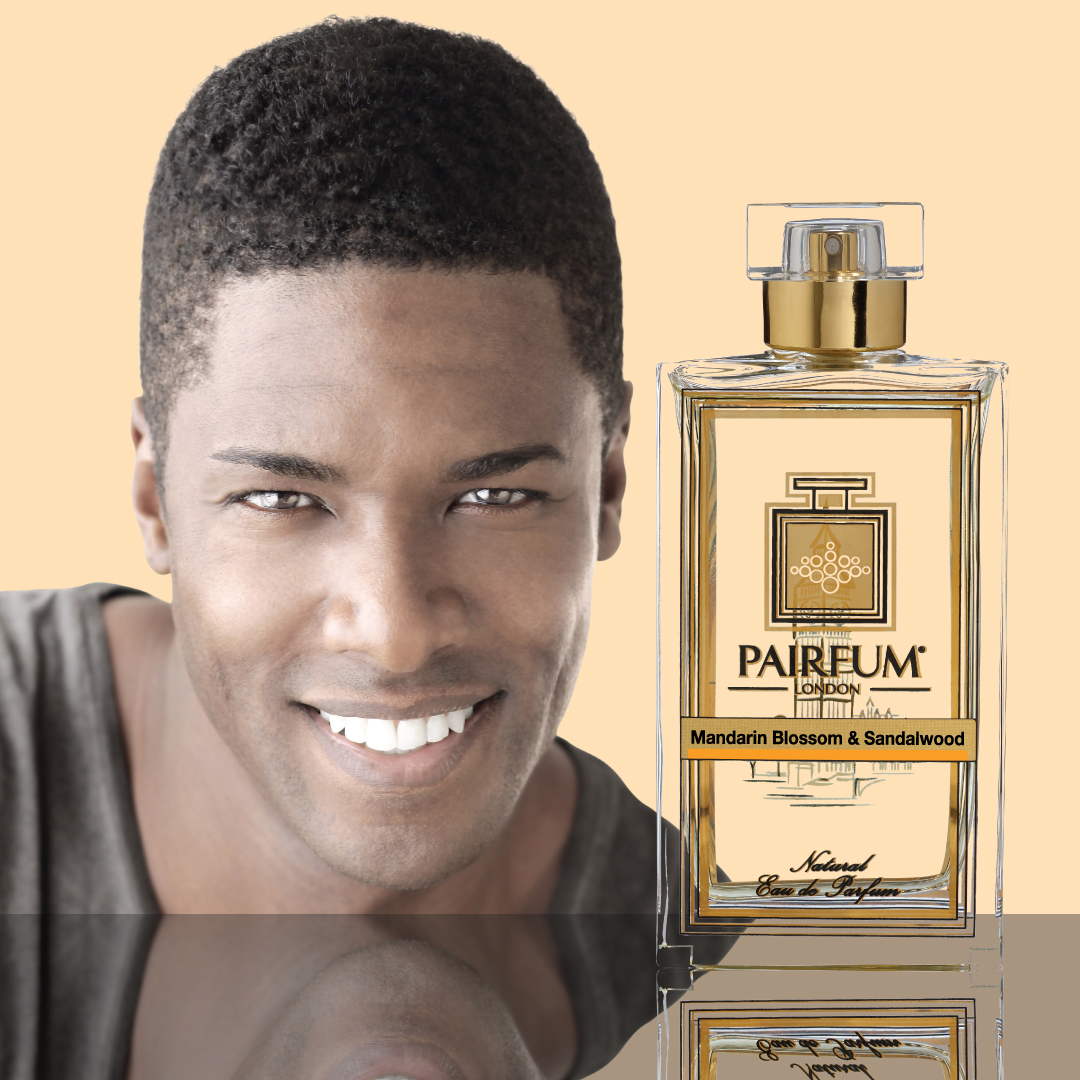
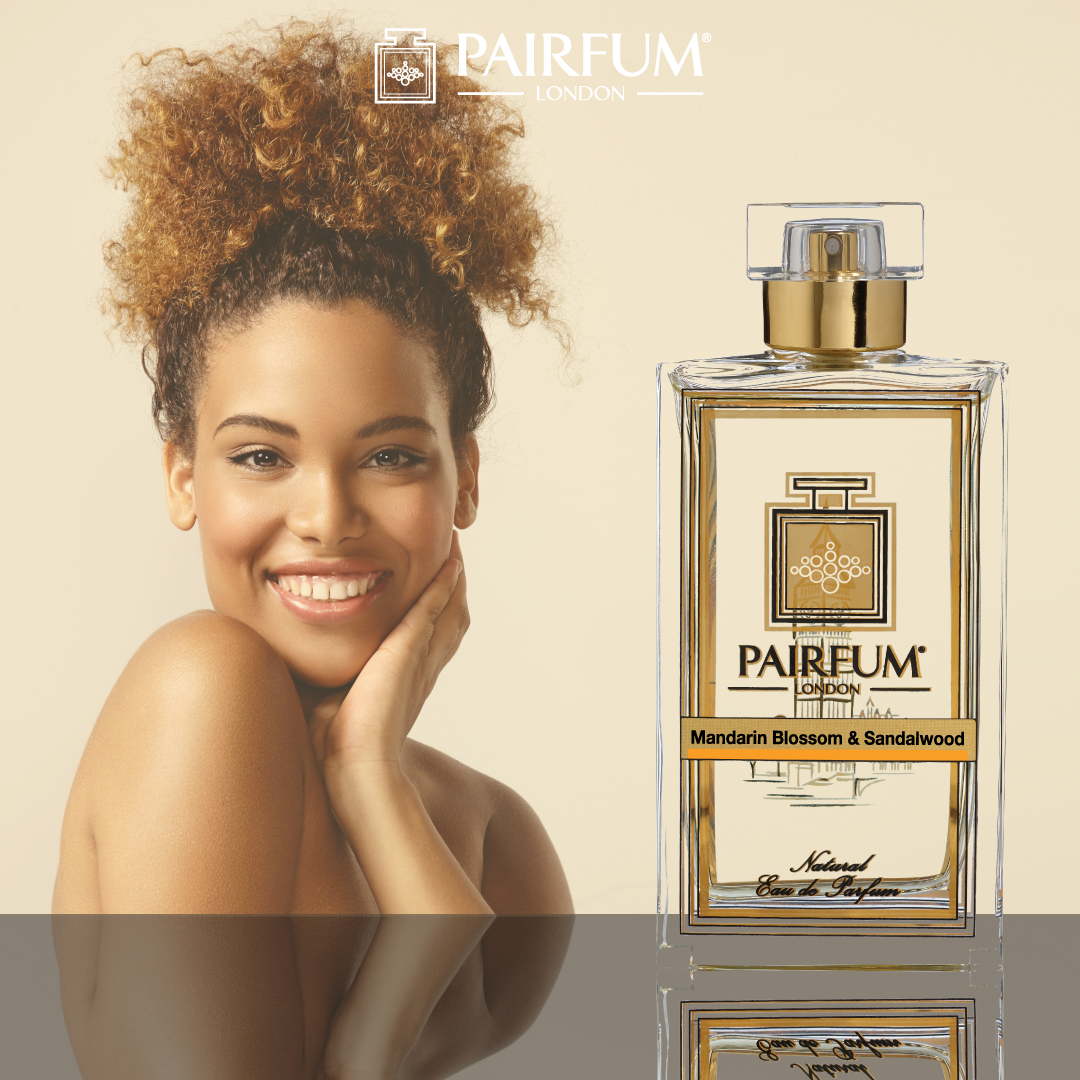
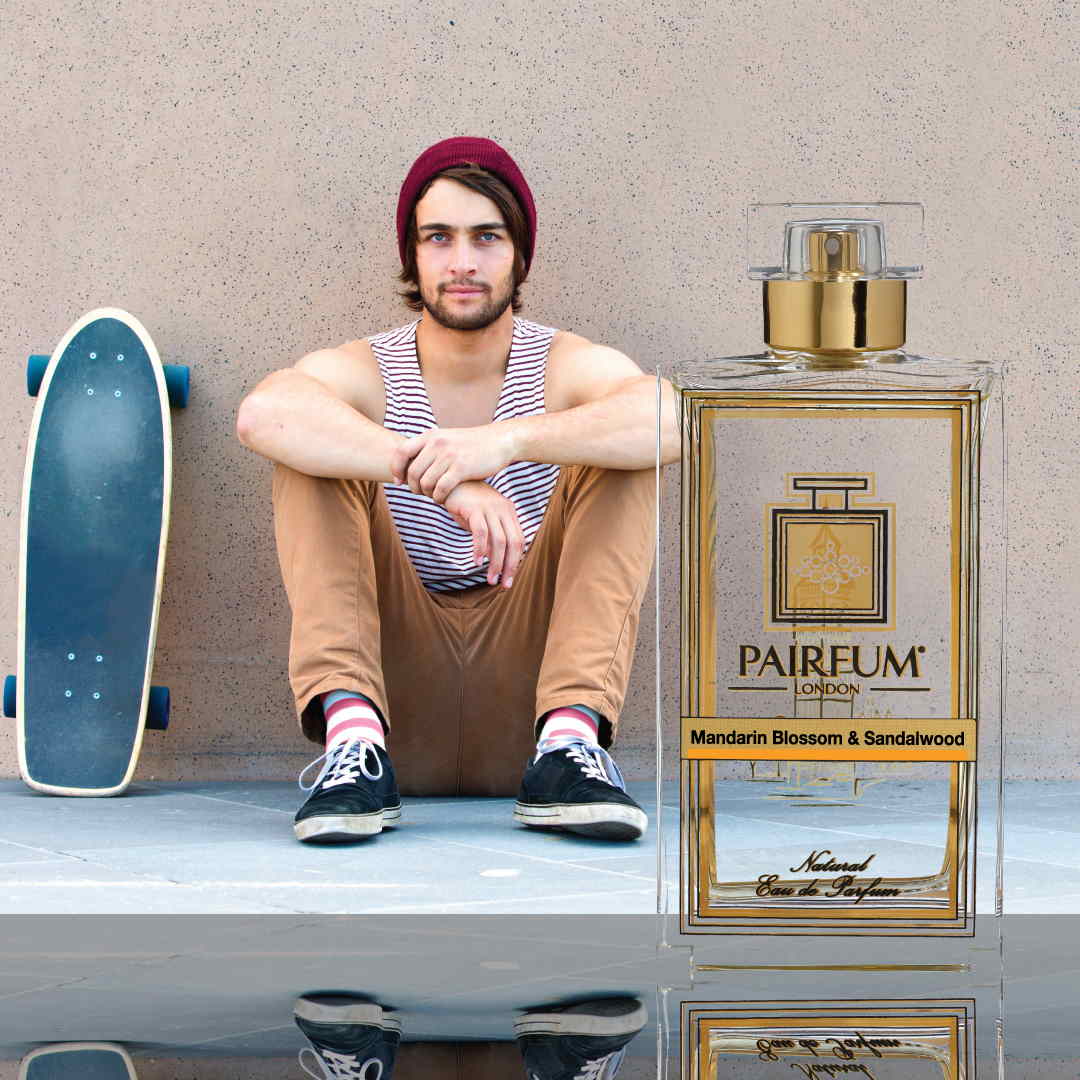
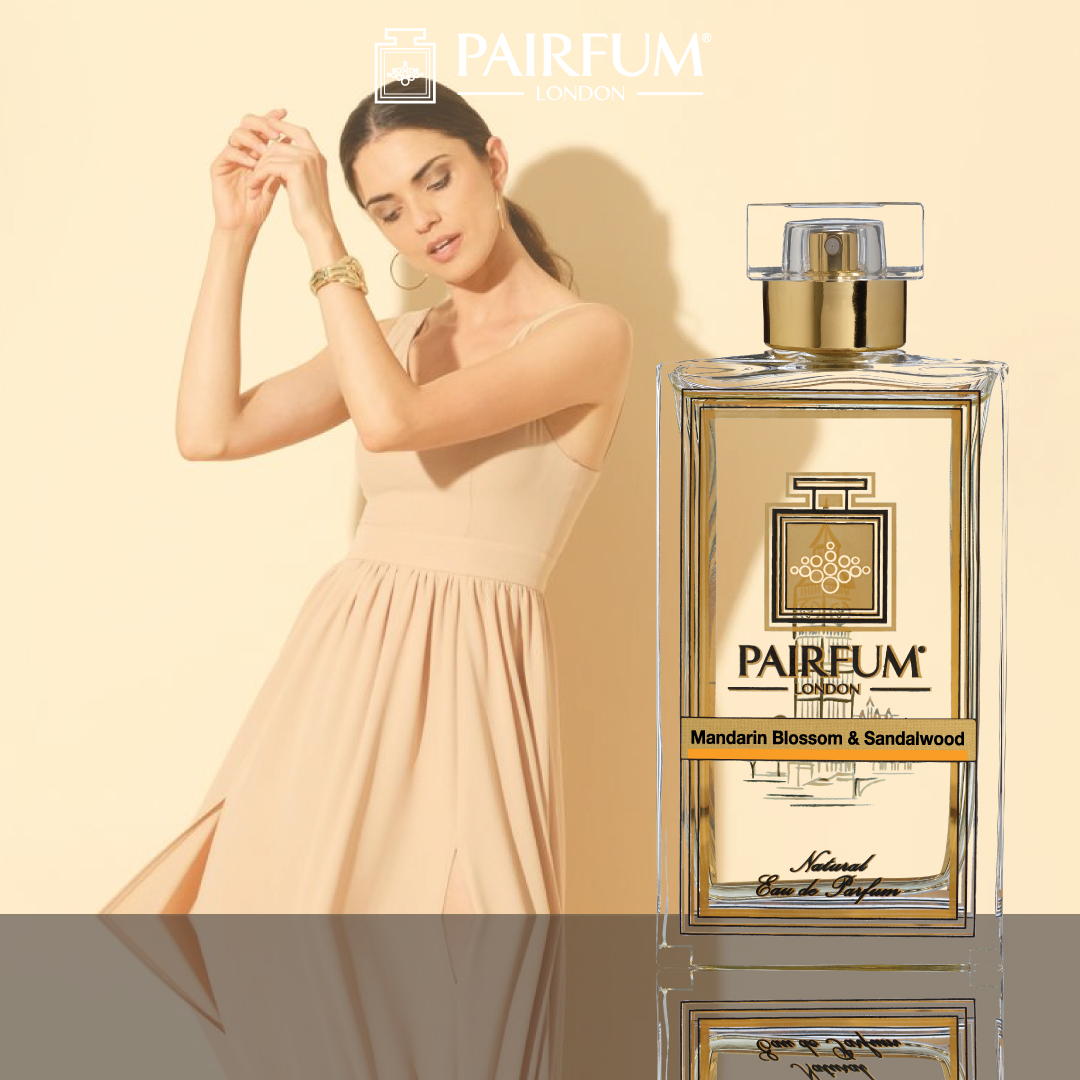
For those drawn to the richness of sandalwood and amber, Mandarin Blossom and Sandalwood Eau de Parfum offers a thoughtful and contemporary take. Bright mandarin and bergamot add a sparkling opening, while soft floral notes settle into a warm base of smooth amber and creamy sandalwood. The result is a fragrance that feels both light and grounded, making it an ideal signature scent with lasting appeal.

Mandarin Blossom & Sandalwood Eau de Parfum – by Pairfum London

This Eau de Parfum is composed with a focus on quality and balance. It features a carefully layered blend of natural ingredients, designed to evolve beautifully on the skin. The scent has a refined structure, with citrus top notes, floral complexity, and a long-lasting base of sandalwood and amber that lingers with gentle warmth. Ideal for daily wear, it offers a sense of quiet sophistication and comfort throughout the day.

Conclusion

Amber sandalwood is a pairing that transcends trend and time. With a heritage rooted in ritual and a future built on sustainable innovation, these two elements continue to shape the world of perfumery. Whether enjoyed in a candle, worn as a perfume, or blended into a fragrant oil, amber and sandalwood offer a deep and lasting connection to nature, memory and the art of scent.

Let their notes remind you of comfort, elegance and the quiet confidence of a signature scent.

    Your Cart
    Your cart is emptyReturn to Shop