

Introduction:
Chinese New Year, also known as the Spring Festival, is a time of immense cultural significance. It is an occasion marked by feasting, family reunions, and elaborate traditions. Among these cherished practices, one event stands out for its vibrant charm and sensory appeal: the Flower Bazaar or Lunar New Year Fair.
This delightful marketplace is a bustling hub of activity in the days leading up to the Lunar New Year, as families flock to buy flowers and decorations that symbolise prosperity, happiness, and good fortune.

A Fragrant Tradition: The History of Flower Bazaars
The tradition of visiting flower markets before the New Year has deep historical roots. Originating during the Ming and Qing Dynasties, these bazaars became a way for people to usher in the new year with beauty and fragrance. Flowers were seen not only as decorations but also as messengers of luck and vitality, each bloom carrying its unique symbolism. Over the centuries, the tradition evolved, blending ancient beliefs with modern festivities.
In cities like Guangzhou, Hong Kong, and Shanghai, these markets have become an essential part of the New Year celebrations. Streets are transformed into open-air displays of floral splendour, with vendors showcasing their best blooms and wares. The Flower Bazaar is not just a shopping destination but also a social gathering place where families create memories, admire artistry, and revel in the festive atmosphere.
The Flowers at the Flower Bazaar that Speak the Language of Fortune
Flowers play a starring role in the Chinese New Year tradition, each selected for its auspicious meaning. Here are some of the most popular blooms you’ll find at the Flower Bazaar, along with the delightful scents they bring into the home:
- Peach Blossoms (桃花)
Peach blossoms symbolise romance and prosperity. Their light, sweet fragrance fills the air with a delicate charm. Typically displayed in tall vases, these blooms are placed in living rooms or near windows to attract good luck and love. - Plum Blossoms (梅花)
Known for their resilience and elegance, plum blossoms represent perseverance and renewal. Their subtle, spicy fragrance adds a sophisticated note to any home. They are often arranged on dining tables or entryways to signify strength and endurance. - Chrysanthemums (菊花)
Chrysanthemums are favoured for their association with longevity and joy. Their crisp, slightly herbal scent brings a sense of freshness. These flowers are placed in study areas or family rooms to inspire vitality and well-being. - Narcissus (水仙)
A symbol of prosperity and talent, the narcissus is prized for its enchanting, honeyed fragrance. It is a centrepiece on dining tables or in the kitchen, where its uplifting aroma enhances the festive spirit. - Orchids (兰花)
Orchids are revered for their elegance and association with fertility and refinement. Their soft, floral scent infuses the home with serenity. Orchids are commonly displayed in bedrooms or meditation areas to encourage harmony. - Kumquat Trees (金桔)
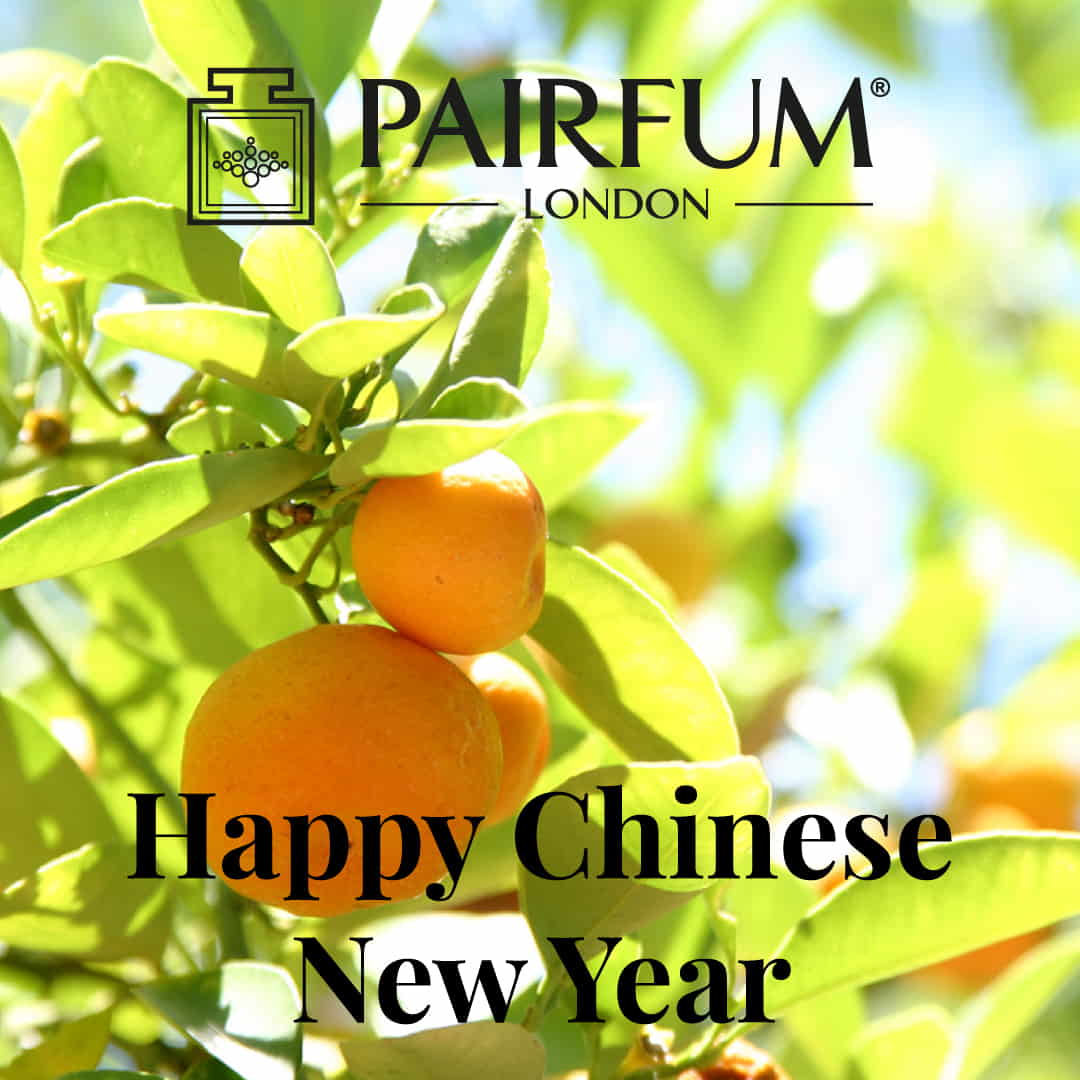
Though not traditionally a flower, kumquat trees are a vibrant addition to the Flower Bazaar. The citrusy scent of their leaves and fruit is refreshing and energising. These trees are placed near doorways or balconies to invite wealth and success.


The Symphony of Scents at the Flower Bazaar
The Flower Bazaar is not only a visual feast but also a symphony of scents. As you meander through the crowded lanes, your senses are enveloped by the mingling fragrances of fresh blooms, citrus fruits, and aromatic herbs. Vendors might be seen spraying water over their displays, intensifying the scent of petals and leaves.
There is the light sweetness of peach blossoms, the earthy aroma of potted chrysanthemums, and the zesty tang of kumquat trees. Adding to this are stalls selling sandalwood incense and traditional oils, which waft through the air, blending with the natural fragrances to create an intoxicating experience. It is an olfactory journey that perfectly complements the festive atmosphere.

Decorating the Home: Placement and Meaning
Once the flowers are chosen, their placement in the home is just as important as their symbolism. Here are some traditional ways families incorporate their floral treasures:
- Living Room: Tall vases filled with peach or plum blossoms create a welcoming focal point. Their bright hues and elegant branches are thought to attract prosperity and happiness.
- Dining Area: A bowl of blooming narcissus or a pot of chrysanthemums often takes centre stage. These arrangements are believed to invite abundance and unity during family meals.
- Doorways and Entrances: Kumquat trees and potted orchids are placed near the front door to greet guests with symbols of wealth and refinement.
- Windowsills: Brightly coloured blooms like orchids or daffodils adorn windowsills, allowing sunlight to enhance their beauty and fragrance while symbolising a bright future.
- Bedrooms: Orchids are commonly placed in bedrooms to foster tranquillity and connection, aligning with their symbolism of fertility and grace.
A Feast for the Senses and the Soul
The Flower Bazaar’s appeal lies in its ability to engage all the senses. Beyond the visual and olfactory delights, there is the tactile pleasure of handling delicate petals and robust stems. The cheerful hum of bargaining fills the air as vendors and buyers engage in lively negotiations. Traditional music often accompanies the scene, adding a rhythmic backdrop to the festivities.
Families leave the bazaar laden with treasures, from fragrant flowers to festive decorations, all imbued with the promise of a prosperous year ahead. Children carry tiny potted plants, their excitement palpable as they learn about the symbolism of each bloom. For the older generations, the visit is a nostalgic journey, a bridge between past and present.
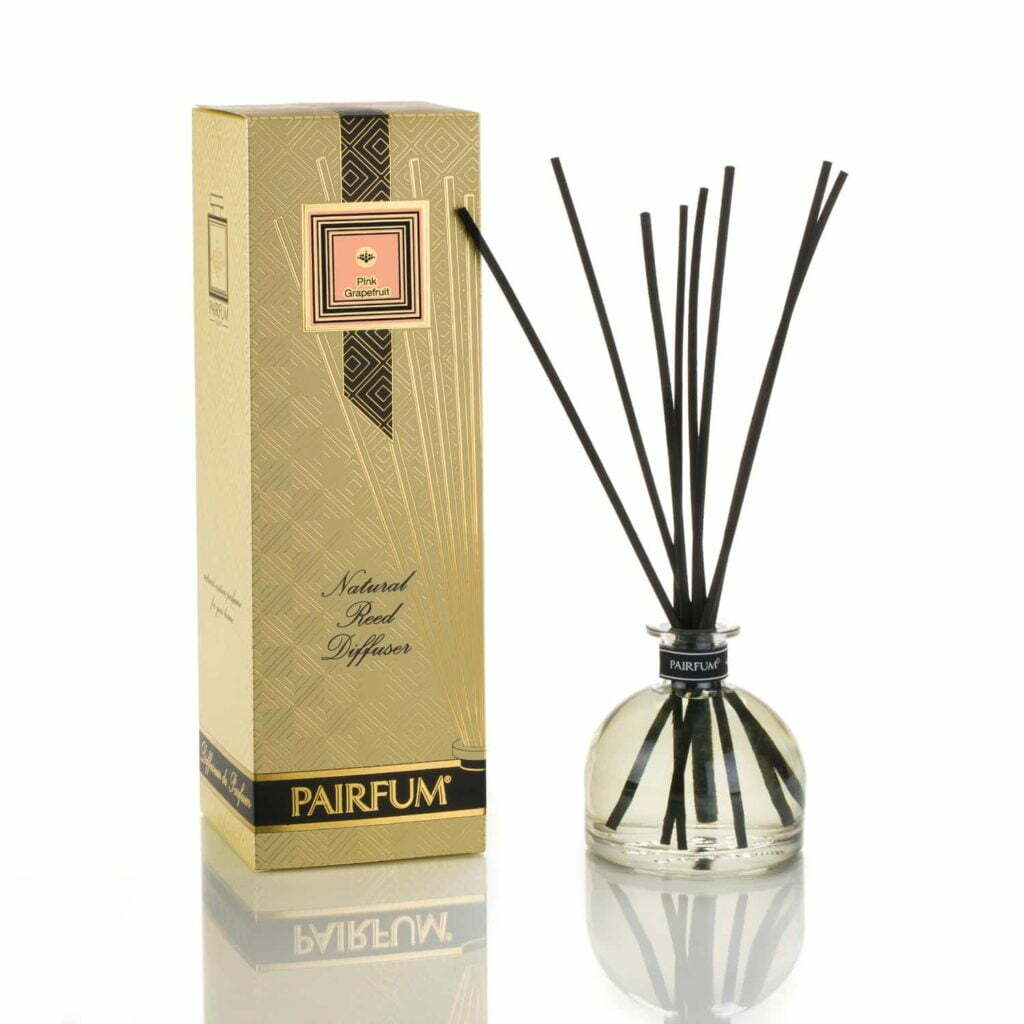
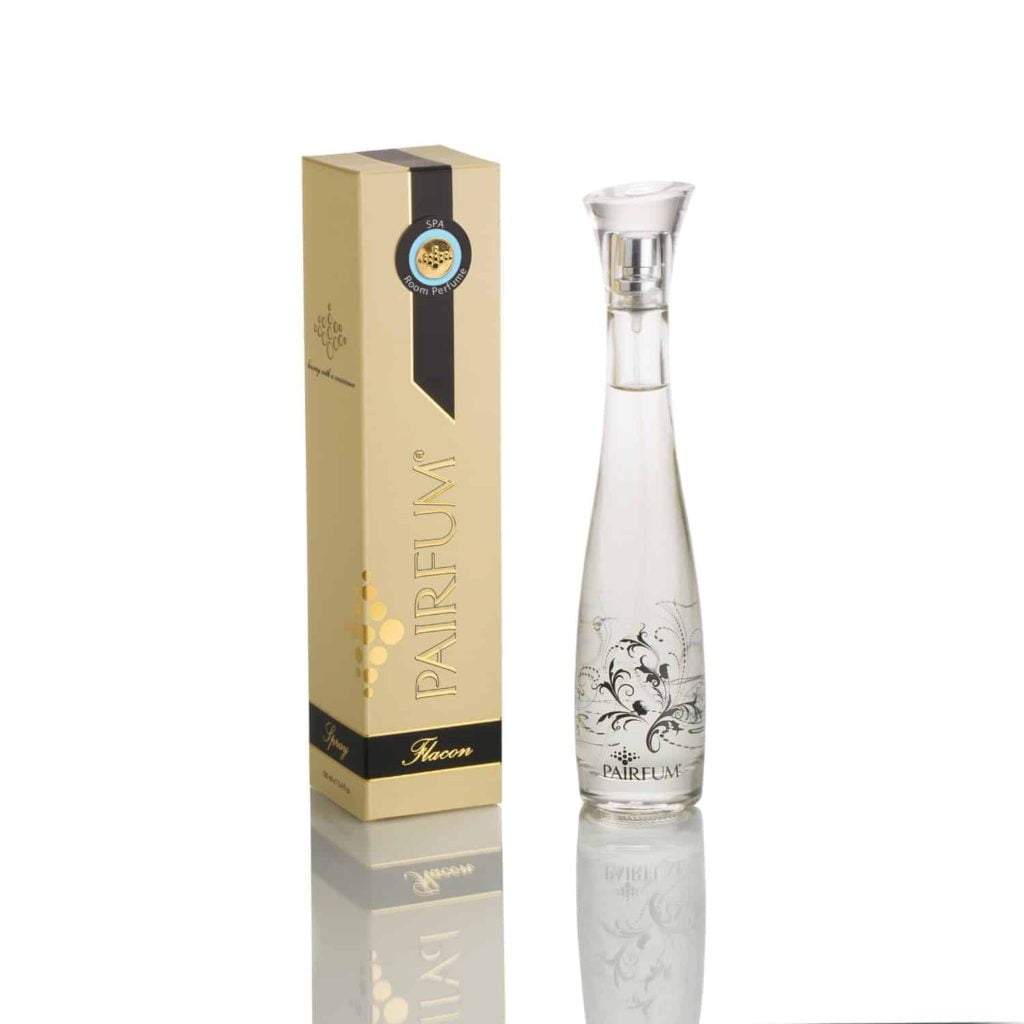
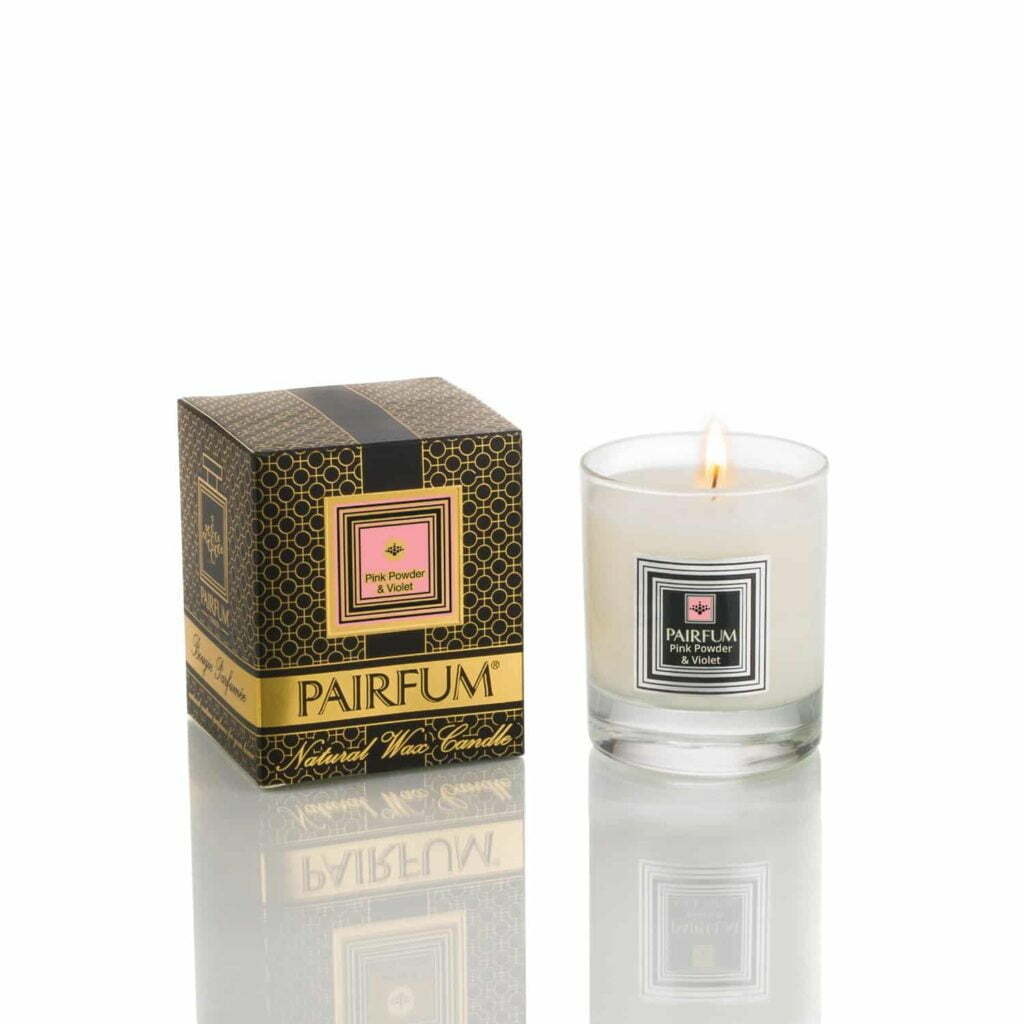
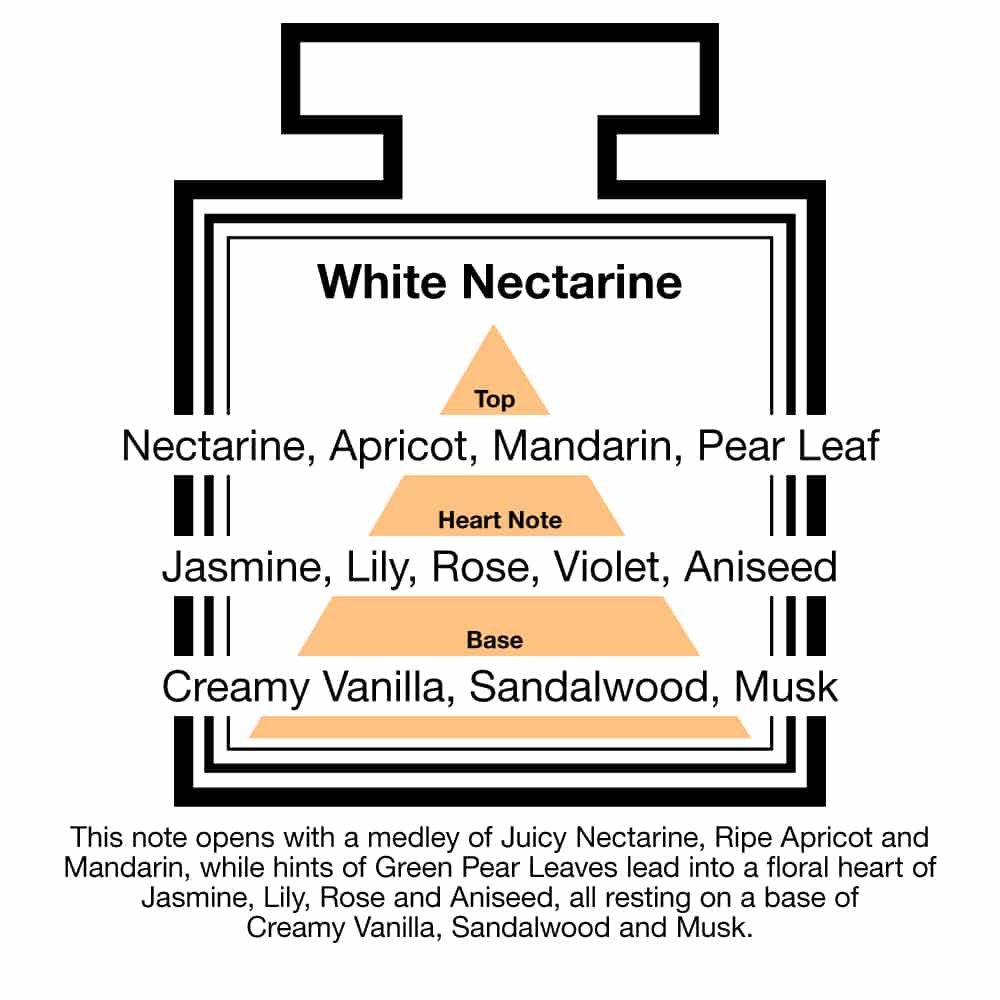
We expect that one other product bought at the market will be home fragrances, and in particular Perfumed Candles and Reed Diffusers to fragrance the home with wonderfully floral fragrances. We invite you to explore our Luxuriously Natural Fragranced Candles and Natural Reed Diffusers to create your own Flower Bazaar at home.

The Enduring Legacy of the Flower Bazaar
As Chinese New Year approaches, the Flower Bazaar remains a testament to the enduring power of tradition. It celebrates the beauty of nature, the richness of culture, and the unbreakable bonds of family. Each flower, with its unique scent and symbolism, tells a story of hope and renewal.
In these bustling markets, amid the sea of colours and fragrances, lies the essence of the Spring Festival. It is a reminder that the simplest pleasures—the scent of a flower, the laughter of loved ones, the promise of a fresh start—are often the most profound.
So, as you prepare to celebrate the Chinese New Year, why not embrace the tradition of the Flower Bazaar? Let its blooms fill your home with fragrance, joy, and a touch of fortune.