Home / cleanbeauty
Fresh Lime Leaves

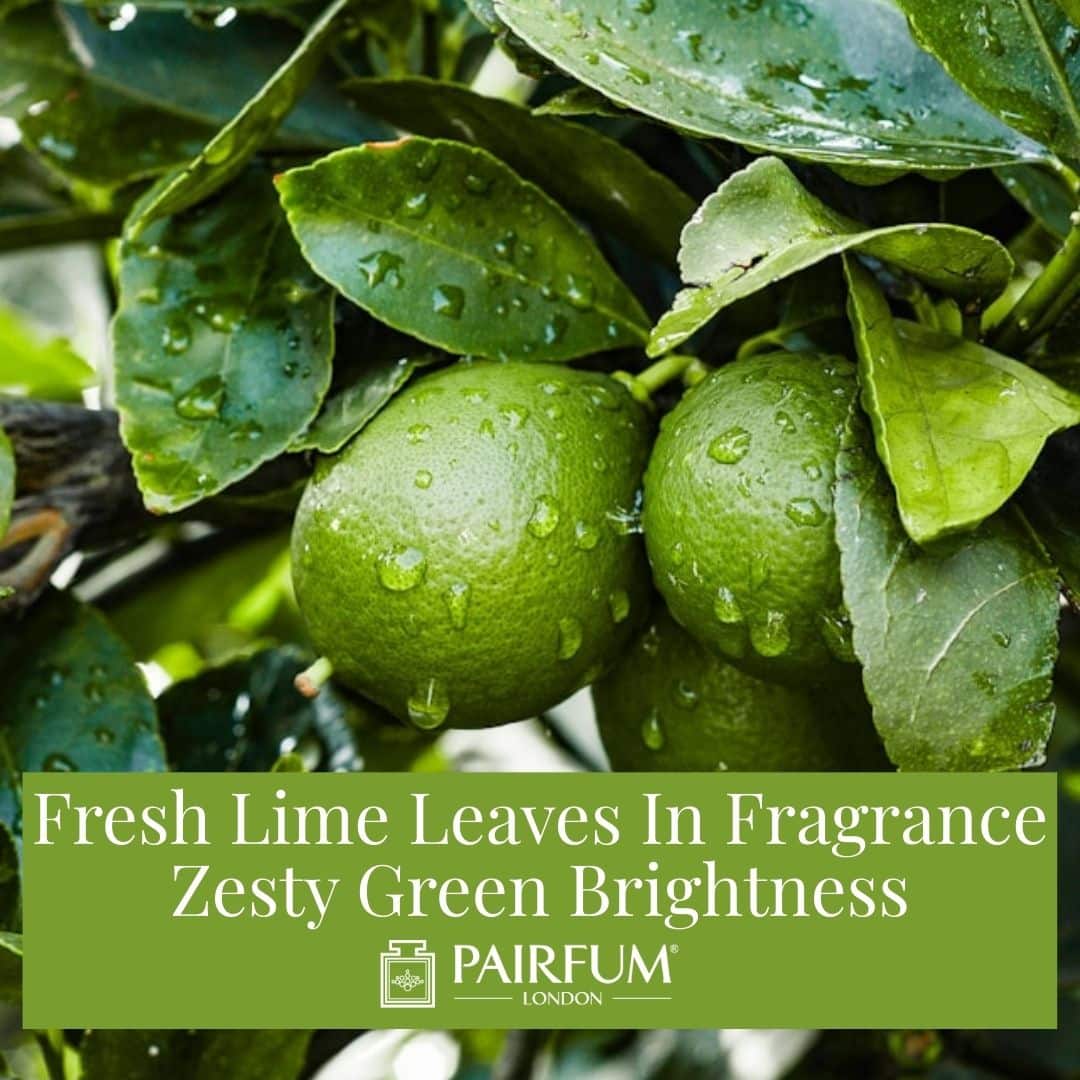
Fresh Lime Leaves in Fragrance: Zesty Green Brightness

Fresh lime leaves, specifically the Makrut or Kaffir lime leaf, are highly aromatic, double-lobed leaves that are essential for Thai cuisine and other Southeast Asian dishes. They offer an intense, citrusy, and spicy flavour profile, often compared to a blend of lemon and lime, commonly used in curry, soups, and various marinades. These fresh leaves are typically available in the refrigerated section of major supermarkets, within local Asian grocery stores, or through online specialist retailers.

Just before spring pushes winter out for good, there is something about green, citrusy perfumes that feels just right. Lime leaves offer that exact type of brightness. They carry a vivid, zesty aroma with hints of fresh greenery, almost like crushed leaves in sunshine. Used in perfumes, they can lift the whole composition in a way that feels clean, refreshing, and quietly cheerful.

We are looking more closely at lime leaves to understand how they have made their way into fine perfumery, what their perfume character is like, and why their bright green character remains a favourite in both classic and modern blends. To fully appreciate the profile of the lime, we must look at the specific species that provides these aromatic leaves, most notably the Citrus hystrix.

Pairfum Fragrance Spiced Rum Lime Guaiac Wood Triangle

A Little History Behind Lime Leaves in Perfume

Lime trees have long been grown for the freshness of their leaves as well as their tart fruit. In warm parts of the world, crushed lime leaves have been used for centuries in home rituals, cooking, and even bathing. People prized them for their natural, clean aroma, light and a bit floral, without being sugary or overpowering.

As perfume developed into an art with its own rules and structure, lime leaves provided something that citrus peel alone could not. Their leafy-green brightness added a soft, natural twist to perfumes built around herbs, white flowers, or zest. Not too sharp, not too sweet, just right for building in layers.

Historically, the Kaffir lime tree has been a primary source of these scents. While the fruit itself is quite bumpy and often less juicy than a standard lime, the leaf is a powerhouse of fragrance. In the United Kingdom, we often see these ingredients arriving from distant tropical climates, bringing a sense of exotic luxury to our shores.

The Botanical Identity: Makrut and Kaffir

It is important to understand that the lime leaves used in high-end scents often come from the Makrut lime, also known as the Kaffir lime. The term Makrut lime leaf is becoming the preferred name in many botanical and culinary circles. This specific Makrut lime is native to Southeast Asia, where the humid climate allows the Kaffir lime leaf to develop its signature high oil content.

Whether you refer to it as a Kaffir leaf or a Makrut lime leaf, the physical structure is unique. It looks like two leaves joined together, one appearing to grow out of the tip of the other. Botanically, this is known as a winged petiole, where the leaf-like stalk is nearly as large as the blade itself. This hourglass or bifoliate leaf shape is a hallmark of the species. In regions like South Africa and across South East Asia, the tree is a garden staple, providing fresh leaves for daily use.
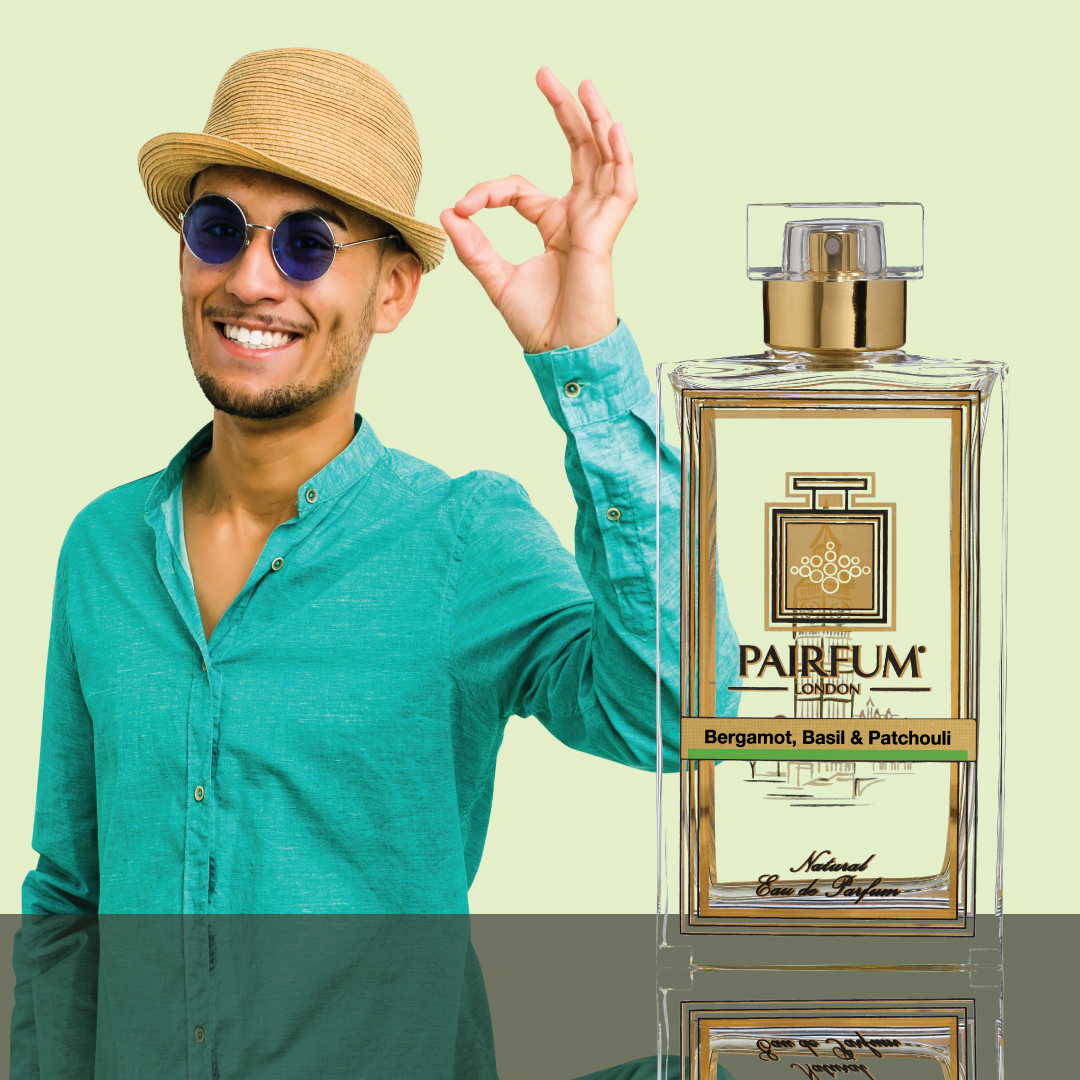
Eau de Parfum Bergamot Basil Patchouli

What Lime Leaves Smell Like in a Fragrance

Lime leaves do not smell like lime juice or peel, though they share a family resemblance. They are greener and softer, with a hint of wood and a light floral touch that gives them more character than you might expect.

  • In the top notes of a perfume, lime leaves help create a fresh, crisp opening without being too sharp.
  • In the middle of a fragrance, they can soften spicy herbs, citrus, or tea notes while keeping things lively.
  • Compared with petitgrain (from the bitter orange tree), lime leaves feel less bitter and more mellow. They are also lighter than green tea, which can lean closer to dry or earthy in some blends.

The lime zest provides a punchy, sharp hit, but the leaf offers a lingering, sophisticated flavour to the scent profile. This is largely due to high concentrations of citronellal, which gives the leaves their distinctively intense, lemony-floral aroma. This makes lime leaves flexible in perfumery. They work well in fresh colognes, floral blends, and even some woody compositions that need a dash of green lightness. Whether as a starring ingredient or complementing others, lime leaves have earned their place as a staple in several scent styles over time.

Culinary Origins and Aromatic Influence

To understand why lime leaves work so well in fragrance, we can look at their role in Asian cuisine. The scent is so potent that even a single fresh Kaffir lime leaf can transform a recipe. In Thai cuisine, the Makrut lime is indispensable. You will find it in:

  • Tom Yum soup, where the fresh Kaffir lime leaves provide a counterpoint to spicy chillies.
  • A traditional Green Curry or Thai curry, where the leaves are bruised to release their oils.
  • Fish cakes and various dishes where a bright flavour is needed to cut through rich ingredients.

The way a chef uses a Kaffir lime to create a curry paste is not unlike how a perfumer uses the extract. In traditional cooking, the leaves are often julienned extremely finely to make them palatable, as they are naturally quite tough and fibrous. Both the chef and the perfumer are looking for that “spark.” In Southeast Asian cuisine, the balance of fish sauce, oyster sauce, and citrus creates a complex profile. Similarly, in a bottle of perfume, the lime notes must balance against other heavy hitters. Even the use of Thai basil or a dried leaf like a bay leaf in cooking mirrors the layering of herbs in scent.
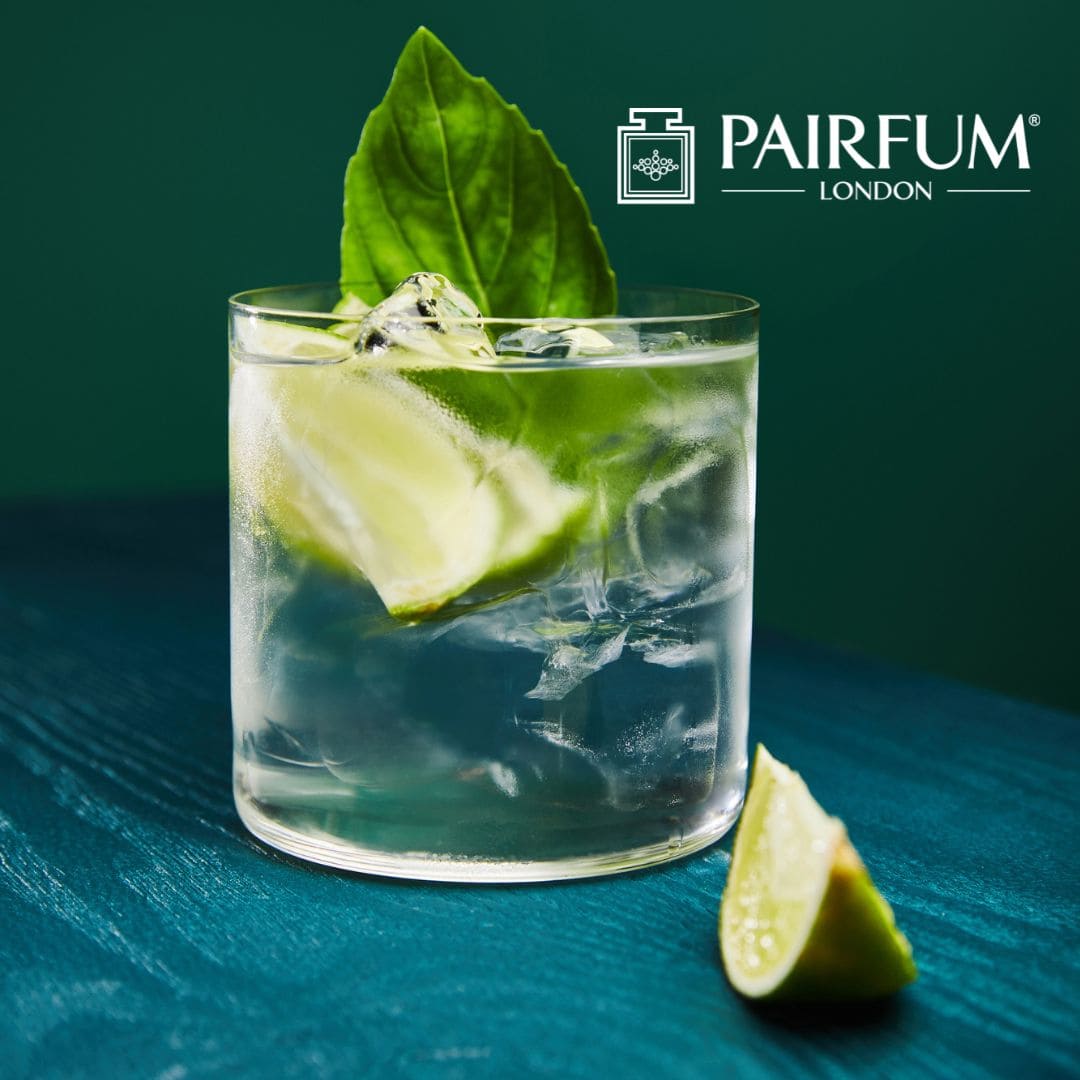
Lime Leaf

How Lime Leaf Essence Is Created

The most common method for getting lime leaf fragrance is steam distillation. Fresh leaves from the lime tree are gently heated with steam so that their aromatic oils rise up and can be collected. This brings out the purest form of the green, citrusy aroma.

Some perfumers prefer slightly different techniques, adapting their extraction method to shape the final aroma:

  • CO2 extraction, which allows for a softer, rounder aroma that leans toward creamy, making the resulting note a little smoother for gentle blends.
  • Traditional infusions, where leaves are soaked in a neutral oil or alcohol to pick up their subtler notes over time, illustrate the slow art of fragrance.

The quality of the fresh Kaffir lime leaves used in the process is paramount. Just as a dried Kaffir lime leaf or a dried leaf loses some of its top-note vibrancy in a curry, a paste made from older leaves will not have the same olfactory “lift” as a fresh extract. In Southeast Asian markets, these leaves are prized when they are dark green and shiny, indicating a high concentration of essential oils.

How the oil is handled affects the feel of the perfume. A cleaner, sharper extract can go into a summer body splash or crisp cologne. A softer version might sit nicely in a botanical eau de parfum or even blend with white florals in a home fragrance. The choice of extraction method is an important artistic decision that can affect the end result, tailoring the lime leaf note for a particular perfumer’s vision.

Beyond the Kitchen: A Cultural Staple

The influence of the lime extends into many cultural celebrations. During Chinese New Year, citrus fruits and their aromatic leaves are often used as symbols of luck and freshness. In some cultures, the fruit and leaves are even used in traditional hair washes or religious ceremonies to signify purification. While a cook might reach for rice paper and lime to wrap a fresh spring roll, a perfumer reaches for the same botanical essence to wrap the wearer in a sense of renewal.

Even in the digital age, as we “manage consent preferences” on our favourite fragrance blogs, the search for “natural” and “authentic” scents leads us back to these ancient ingredients. The Kaffir lime remains at the top of the list for those who want a scent that feels “real.”

Eau de Parfum Person Reflection Spiced Rum Lime Guaiac Wood 1 1

Where You Will Find Lime Leaves in Perfumes Today

Lime leaves have become a notable ingredient in niche perfumes and naturally built fragrances, especially those intended to feel light, fresh, and alive. They often suggest the idea of new growth or sun-warmed air, which is why they fit seasonal launches around springtime so well.

They blend easily with:

  • Basil or verbena, for a green herbal twist that comes alive.
  • White tea or neroli, for a fresh floral edge with an airy finish.
  • Ginger or cardamom, where citrusy green notes soften warming spices and keep a balance between freshness and intensity.

Famous Lime Leaf Fragrances

To see how these notes perform in professional blends, consider these three iconic examples:

Jo Malone London – Lime Basil & Mandarin: The gold standard for herb-infused citrus. It uses a punchy lime top note balanced by peppery basil and white thyme to create a crisp, “freshly crushed” garden aroma.

Creed – Virgin Island Water: A high-end tropical classic. It features a sharp, authentic Kaffir lime note paired with coconut and white rum, perfectly capturing the zesty brightness of aromatic leaves in the sun.

Diptyque – Oyédo: A complex citrus blend inspired by ancient Japan. It combines lime and mandarin with cooling shiso leaf, providing a unique, minty-green edge that stays vivid and refreshing on the skin.

Pairfum Eau De Parfum Person Reflection Bergamot Basil Patchouli Couple Bike 1 1

Iconic Lime Notes in Pairfum London Fragrances

Spiced Rum, Lime & Guaiac Wood – Eau de Parfum by Pairfum London

This Connoiseur’s accord opens with the intense aroma of Rum, nuances of Lime & Lemon and a radiant combination of Nutmeg & Pepper. The heart is deep and rich with Tuberose, Iris and Vintage Leather. A fond of Guaiac Wood, Cedarwood, Golden Amber, Vanilla Pod and Musk completes this luxurious fragrance.

Bergamot, Basil & Patchouli – Eau de Parfum by Pairfum London

This woody and aromatic accord opens with Bergamot, Lime, Green Leaves and spicy Basil. The heart is fresh with Lily, Freesia, Violet Leaf, Rose and Geranium. The note rests on a beautifully rich woody base of Patchouli, Vetiver, Sandalwood, Cedar and Amber.

Fragrance with a Green Spark: Why Lime Leaves Still Capture Us

There is something poetic about a perfume that feels alive without shouting. Lime leaves accomplish this. Their green citrus edge gives clarity without harshness. They can lift heavier florals or woods without changing their core and fit beautifully in fragrances where balance is key.

Whether it is the scent of a Kaffir lime in a steaming bowl of soups or the elegant trail of a Makrut lime perfume, the impact is undeniable. Currently, perfumery leans into gentler touches. People want perfumes that feel natural, relaxed, and breathable. Lime leaves deliver that sense of presence without weight. Their aroma sits somewhere between leaf, zest, and faint blossom, a small twist that makes a bottle feel more grounded, more real.
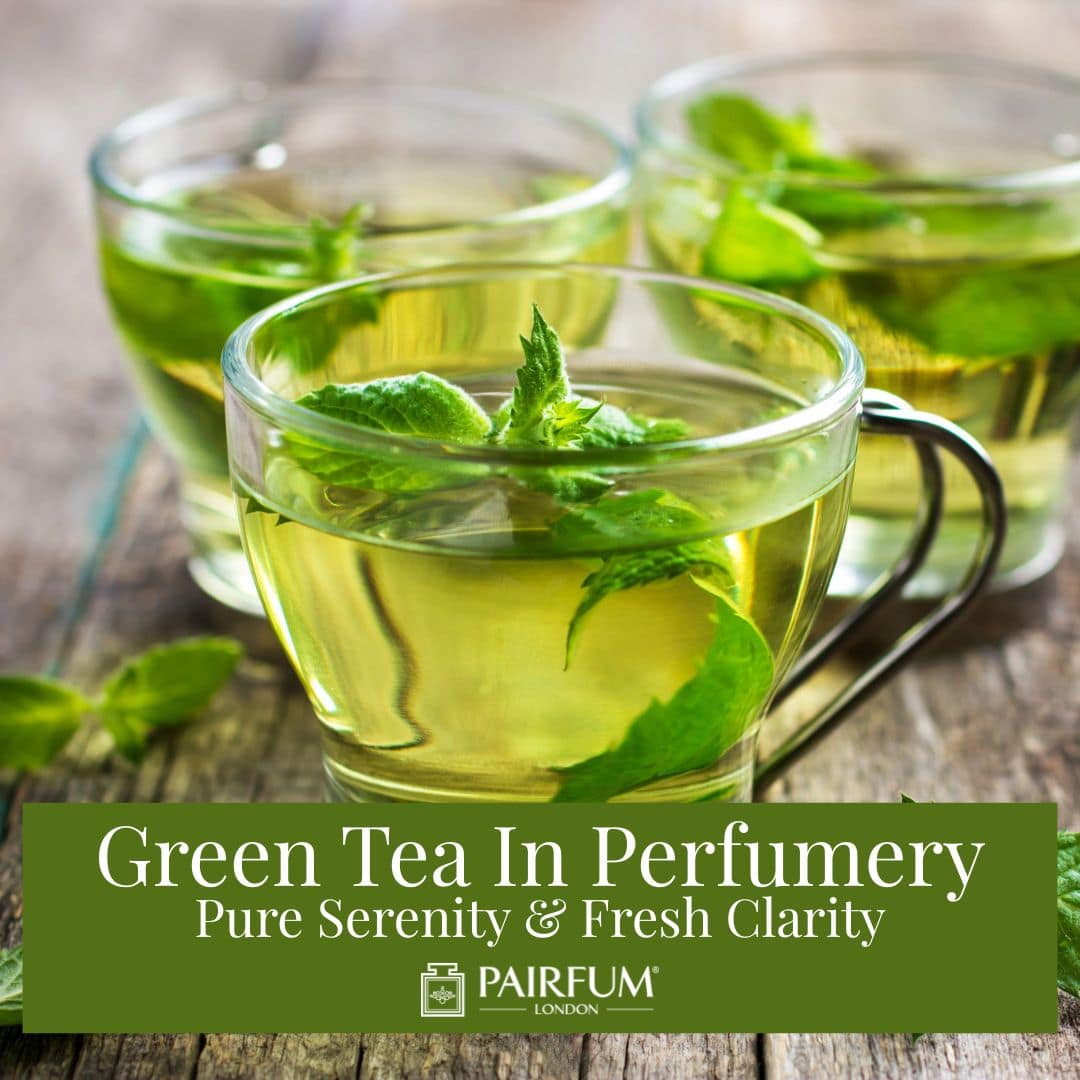
Green Tea In Perfumery

Green Tea In Perfumery: Pure Serenity & Fresh Clarity

Green tea in perfumery offers a crisp, clean, and subtly bitter or herbaceous aroma, providing a soothing, uplifting, and gender neutral scent that is often paired with citrus or florals for a revitalising feel. It evokes a sense of calm yet modern sophistication through the use of natural extracts, synthetic accords, or ingredients like mate absolute to create an airy, clean, or even delicately smoky profile in modern fragrances.

Green tea is not loud. It does not need to be. In fragrance, it is the quiet moment between notes, offering calm, clean freshness without taking over the whole room. At the end of December, when everything feels slower, and the air carries that stillness, it fits perfectly. It is like opening a window first thing in the morning, cool, fresh, and clear.

Over time, ithas become a favourite for perfumers looking to add lightness and gentle clarity without tipping into sharp citrus or bold herbs. It leans toward subtle freshness, like soft leaves washed in rain or warm water steeped with quiet warmth. Here, we will look at where it began, how it is used, and why it feels right, especially during the calm shift of winter.

A Peaceful Note: The History of Green Tea in Fragrance

Before it appeared in perfume, green tea had been part of everyday life for centuries. In many cultures, it has long been tied to health, stillness, and mindfulness. Its natural smell, mild and warm with a clean edge, made it appealing beyond the teacup.

By the 1990s, there was a strong tilt toward wellness and clean living. That shift brought green tea into fragrance more formally. Early on, it was seen as unisex and modern, not heavy or classic like many florals. Perfumes that used it felt clear and light, almost like a spa in a bottle. It was not floral or fruity; it was simple, fresh, and balanced. That idea of lightness gave green tea a place that has remained steady since.

Eau de Parfum Person Reflection Bergamot Basil Patchouli 1 1

The Botanical Heart: From Plant to Perfume

To truly understand why green tea smells the way it does, we must look at the Camellia sinensis plant. This is the source of all true tea, whether it ends up as a delicate green tea leaf or a robust black tea. The difference in the final flavour and aroma comes down to how the leaf is handled after it is picked.

For green tea, the tea leaves are quickly heated to prevent oxidation. This preservation of the natural state is why the scent remains so vibrant and “green.” In contrast, black tea undergoes full oxidation, turning the leaf dark and the scent malty or smoky. Even oolong tea sits somewhere in the middle, offering a different aromatic profile.

When a perfumer wants to capture the essence of the tea plant, they are looking for the soul of the green tea leaves. This involves understanding the chemical makeup, such as the polyphenol content and the presence of any specific catechin. These elements do not just provide a health benefit when swallowed, they also contribute to the complex, tannic, and slightly sweet scent profile that we recognise in high-quality fragrance.

What Green Tea Really Smells Like

Describing the aroma of green tea is not always easy. It is not grassy or bitter like raw herbs. Instead, the perfume note gives off a clean, crisp edge, touched with soft leaves and a hint of steamed warmth. It is slightly herbal but not medicinal. More leafy than powdery, but with a calm finish.

You might think of:

  • Freshly cut tea leaves just before brewing
  • A foggy garden before sunrise
  • Warm water in a wooden bowl filled with leaves

In many perfumes, green tea tends to sit in the heart or middle notes. It makes the bouquet feel clear without cooling it too much. It brings uniform balance, helping other parts of a fragrance feel more open or lifted. It provides a sense of mental health and clarity, acting as a sensory reset for the wearer.

The Science of the Scent: Extract and Compounds

When we talk about green tea in a bottle, we are often talking about green tea extract. This is a concentrated form of the plant’s aromatic and chemical properties. Within this green tea extract, we find a high concentration of a specific antioxidant called a catechin.

Scientists and perfumers both pay close attention to green tea catechins, specifically one known as EGCG. While the National Institute of Health might study these for their impact on physical well-being, perfumers value how these green tea catechins interact with other scent molecules. The way green tea catechins behave helps to stabilise the “greenness” of the scent, ensuring it does not turn sour on the skin.

Green Tea is typically steamed or pan-fried and has a fresh, vegetal and clean aromatic profile.

Black Tea is usually processed by full oxidation and possesses a bold, malty and earthy quality.

Matcha is processed into a stone-ground powder that creates a creamy, grassy and intense taste

Oolong Tea is partially oxidised and has an aromatic profile that is floral, buttery and complex.

Extracting the Essence: How Green Tea Is Made for Perfume

To bring green tea into perfume, perfumers typically start with steam distillation. This process uses water vapour to pull natural oils from tea leaves. But it is a tricky balance. If left too long or treated too strongly, the profile turns bitter or grassy, losing the soft edge that makes it desirable.

To keep things gentle, newer methods have become more common. These include:

  1. Green tea absolute, a more purified form of extract that carries less edge and more smoothness.
  2. Infused oils, where the leaves soak in a base oil to slowly draw out the aroma.
  3. Green tea extract supplement techniques, which sometimes use CO2 extraction to keep the scent as close to the living plant as possible.

Each choice gives perfumers a gentle, workable aroma that stays fresh, soft, and wearable. These forms are well-suited for layering or blending without taking attention away from other ingredients.

Eau de Parfum Person Reflection Black Cherry Oolong Tea Man 1 1

The Role of Caffeine in Fragrance

It might surprise you to learn that caffeine plays a role in how we perceive tea scents. While you do not “smell” caffeine in the traditional sense, the caffeine content of a plant often correlates with other sharp, invigorating aromatic compounds. In the world of wellness, caffeine intake is usually about energy. In perfume, the idea of caffeine translates to a “wake-up call” for the nose.

The caffeine in a tea bag or loose-leaf tea is part of the plant’s natural defence system. When we use green tea extract in a fragrance, we are capturing that zesty, alert quality. Even if the caffeine content is physically minute in a spray of perfume, the psychological association remains strong. People associate the scent of green tea with the same clarity they feel after their morning tea consumption.

Why Wellness and Scent Go Hand in Hand

The global consumption of tea is second only to water. This high level of tea consumption means that almost everyone on the planet has a positive emotional connection to the smell. We often hear about the health benefits of drinking it, such as how green tea consumption can support heart health or help those managing diabetes.

While a perfume cannot cure diabetes, the scent of green tea can trigger a “health response” in the brain. This is why green tea is so popular in “clean” fragrances. Because we know that green tea consumption is good for us, our brains interpret the scent as being “safe,” “clean,” and “pure.” The health benefits of the plant become part of the story of the perfume.

Interestingly, research into green tea health benefits has shown that the mere aroma can lower cortisol levels. Whether you are drinking a cup of loose-leaf green tea or spraying a green tea-based scent, the effect on your mental health is often one of immediate relaxation.

Deep Dive: From Matcha to Earl Grey

The world of tea is vast. A perfumer might choose Japanese green tea for a more “sea-like” or “umami” quality, or Chinese green tea for something more floral and delicate.

  • Matcha: This is a very specific type of Japanese tea. It is made from shade-grown leaves that are ground into a fine powder. In perfume, matcha or matcha green tea notes add a creamy, almost milky thickness to the “green” profile.
  • Earl Grey Tea: This is technically a black tea scented with bergamot. It is a staple of British tea consumption and is often used in perfumery to bridge the gap between citrus and tea notes.
  • Chinese Tea: Often more smoky or herbal, Chinese tea varieties provide a grounded, earthy base that works well in more masculine or unisex fragrances.

Regardless of the variety, whether it is loose tea or a simple tea bag style scent, the goal is always to capture that moment of peace.

Green Tea Leaves

The Ritual: From Ceremony to Spray

The Japanese tea ceremony is a masterclass in mindfulness. It is a slow, deliberate process that respects the tea plant and the hot water used to brew it. Perfumery often tries to mimic this ritual. The act of applying a fragrance is, in itself, a small ceremony.

When you brew loose-leaf tea, you wait for the boiling water to reach the right temperature so you do not burn the leaves. Similarly, a good green tea perfume is designed to “brew” on your skin, releasing its notes slowly over hours. This slow release of the antioxidant-rich scent profile ensures the fragrance stays balanced.

Pairing Green Tea with Other Perfume Notes

Green tea rarely stands alone in fragrance. It is a strong team player, smoothing out sharp points and giving room to bolder notes. Depending on what it is paired with, green tea can feel fresh, warm, or softly floral.

Some popular pairings include:

  • Bergamot – gives a bright, citrus edge, making the perfume feel even cleaner.
  • Jasmine – softens the bouquet and brings a graceful floral heart.
  • White musk – builds a calm, cosy finish without any weight.

What makes such an ingredient so useful is that it is season-neutral. In warmer months, it cools and refreshes, much like a glass of iced tea. In colder times, it adds softness without heaviness. That is why it fits so well in winter’s quiet, letting space and clarity come through without feeling cold or distant.

Health, Science, and the Modern Perfume Wearer

We live in an age where we are very conscious of what we put in and on our bodies. This is why the health benefits of green tea are such a large part of its appeal. We see green tea supplements in every health shop from the UK to New Zealand. We read about how a polyphenol can protect our cells and how green tea consumption might help lower the risk of diabetes.

The National Institute of Nutrition often highlights how tea consumption can be a better alternative to sugary drinks for those worried about diabetes or heart health. When this health-conscious consumer looks for a fragrance, they naturally gravitate toward green teas. It feels like an extension of their lifestyle.

Even the caffeine factor is considered. Some people limit their caffeine intake to avoid jitters, but they still love the “energy” of the plant. A perfume offers the perfect solution: you get the aromatic “hit” of caffeine without it affecting your blood sugar or diabetes management.

Eau de Parfum Bergamot Basil Patchouli

Understanding the Global Appeal of Tea

Why has tea become such a global phenomenon? From the high-tech labs in New Zealand testing green tea supplements to the ancient tea houses of Kyoto, the consumption of this plant is a universal language.

The caffeine content provides the energy we need, while the antioxidant properties, specifically the polyphenol and catechin levels, provide the protection our bodies crave. In many ways, green tea is the perfect plant. It is medicinal yet delicious, stimulating yet calming.

In the world of fragrance, this duality is prized. A scent that can be both “fresh” and “warm” is a rare thing. Most fresh scents are cold (like mint or ozone), and most warm scents are heavy (like vanilla or amber). Green tea sits right in the middle, offering a unique “lukewarm” freshness that mimics the feel of a cup of tea held in cold hands.

Standout Perfumes Where Green Tea Shines

In several iconic and niche fragrances, green tea holds a central role, even if it is not the most obvious part. It adds stillness and a certain polish you often will not notice until it is gone. These scents rely on the quality of the leaf extract to provide that signature “crunchy” green opening.

These perfumes tend to feel:

  • Clean but never sharp
  • Calming but not sleepy
  • Comfortable without being too cosy

Think of them as fragrances you reach for when you want to feel fresh without drawing too much attention, perfect for ending the year and welcoming the stillness that follows. December often brings gatherings, celebration, or simply quieter days at home. Green tea wears well through all of it, providing a subtle backdrop to holiday festivities.

Iconic Green Tea Fragrances

  • Elizabeth Arden: Green Tea A refreshing and clean classic that blends the scent of tea leaves with zesty citrus. 
  • Bvlgari: Eau Parfumée au Thé Vert A pioneering and sophisticated fragrance that offers a crisp and airy tea profile. 
  • Maison Margiela: Matcha Meditation A creamy and modern scent that highlights the grassy intensity of stone ground Japanese tea.

Green Leaves & Tea Inspired Perfume by Pairfum London

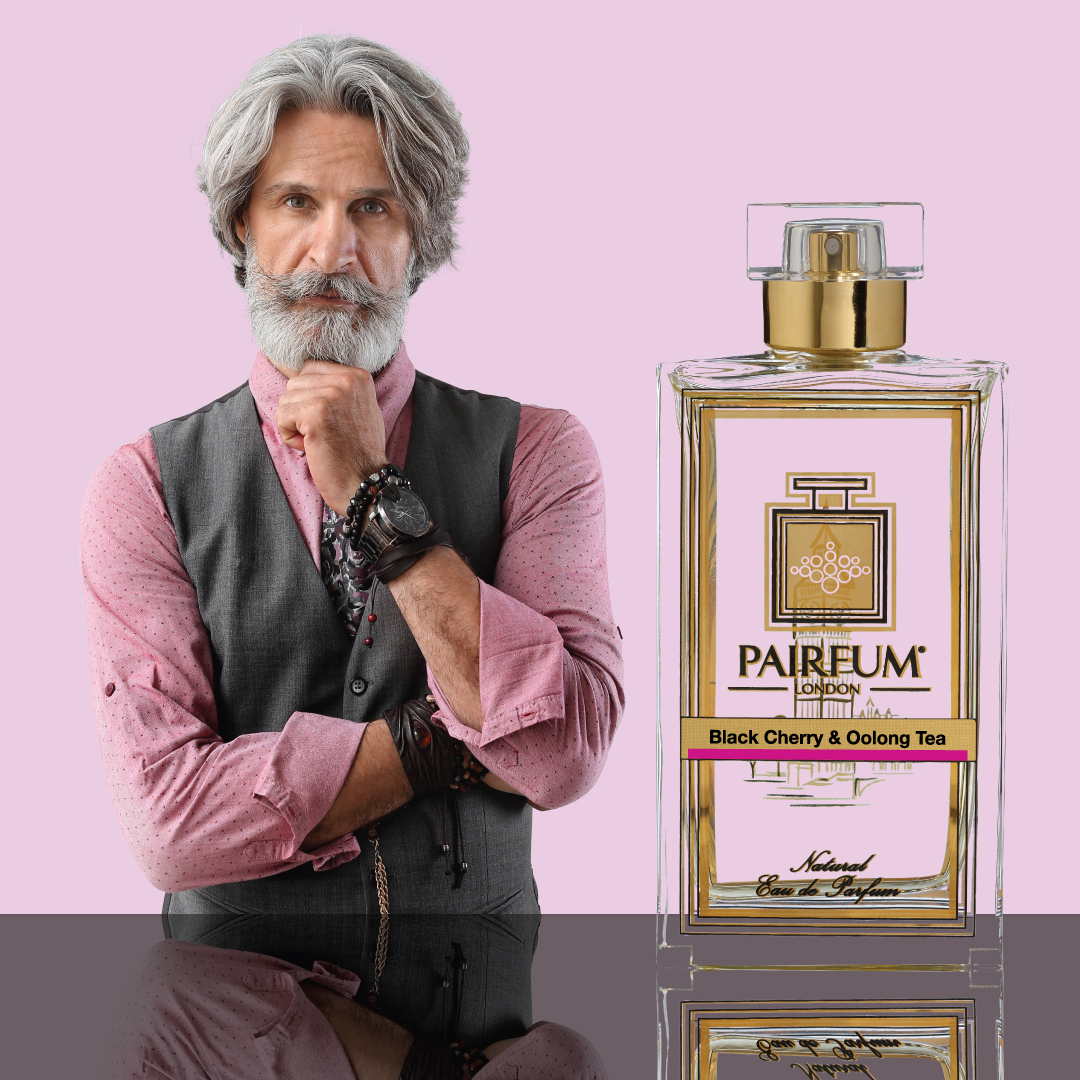
Black Cherry & Oolong Tea – Eau de Parfum by Pairfum London

This fragrance opens with the sparkling interplay of the aromas of Black Cherry, Bergamot, Almond and Red Berries. The heart us an elegant fusion of Bulgarian & Turkish Roses, Liquorice and Oolong Tea. The base rests on Aniseed, Tonka, Patchouli and Iris.

Bergamot, Basil & Patchouli – Eau de Parfum by Pairfum London

This aromatic and woody accord opens with Bergamot, Lime, Green Leaves and spicy Basil. The heart is fresh with Lily, Freesia, Violet Leaf, Rose and Geranium. The note rests on a rich woody base of Patchouli, Vetiver, Sandalwood, Cedar and Amber.

Eau de Parfum Person Reading Black Cherry Oolong Tea 1 1

Calm in Every Drop: Why Green Tea Still Matters in Perfume

Green tea has stood the test of time in perfumery because of its quiet nature. It keeps things light and breathable, but not plain. It feels elegant without disrupting the other notes. The caffeine gives it a bit of life, while the antioxidant associations give it a sense of purity.

That is part of its appeal. When the pace slows in late December and early January, a perfume with green tea makes a soft start feel real. It cuts through any leftover warmth of holiday perfumes and helps reset the tone.

The ritual of tea consumption, whether it involves a tea bag, loose leaf tea, or a formal Japanese tea ceremony, is always about taking a moment for oneself. Fragrance is the same. It is a quiet choice we make for our own pleasure and mental health.

Calm, clear, and easy to wear, green tea does not demand attention. It simply lets you breathe. Whether you are looking for the zesty hit of caffeine or the soothing embrace of a polyphenol-rich extract, there is a tea scent for everyone. There is strength in quiet notes, and green tea demonstrates that with every drop. It is a reminder that in a world of loud noises, sometimes the most powerful thing you can be is still.

What Is Clean Beauty

What is ‘Clean Beauty’?

Clean beauty is all about cosmetic and skincare products formulated with non-toxic ingredients and typically created using ethical, sustainable, and transparent processes. The movement emphasises steering clear of potentially harmful or irritating ingredients such as parabens, sulphates, phthalates, and synthetic fragrances, instead highlighting natural and plant-derived formulations. Although the concept of clean beauty is not formally regulated, it represents a shift within the beauty industry towards higher standards of ingredient safety and a greater commitment to environmental responsibility.

There’s a certain buzz in the beauty industry that can’t be ignored: clean beauty. If you’ve found yourself double-tapping at the back of a bottle or scrolling through ingredient lists before buying your next beauty product, you’re part of a growing community that refuses just to accept things as they are. Clean beauty is more than a trending hashtag; for many, it has become the new standard by which the beauty industry is measured.

Clean Beauty Explained

Let’s strip it back for a moment. Clean beauty, in its purest sense, means opting for personal care products built on transparency, ethics, and actual care for you, your skin, and by extension, the planet. This isn’t marketing fluff; it’s about well-researched, no-nonsense ingredients and a firm rejection of anything dubious. Parabens, sulphates, phthalates, mineral oils, synthetic fragrance; these are on most clean beauty brand “no” lists, especially by leaders like Pairfum London, Green People, Evolve Organic Beauty, and Augustinus Bader.

What’s refreshing is proper, plain-speaking labels. You don’t need a chemistry degree to make heads or tails of what’s in that luxury lotion. The clean beauty movement is as much about giving back your power as it is about giving your skin a glow.

How Clean Beauty Evolved

Let’s be honest, beauty history doesn’t always make inspiring reading and nor do conventional beauty products. The industry got by for years with dazzling promises and very little transparency. A few decades ago, who even checked the ingredients in their face cream? But it’s a different world now. The clean beauty trend arrived as people paid closer attention to the science and the not-so-great stories behind certain cosmetic products.

Today, analytics are everywhere. Brands monitor not just which products become best sellers and which ingredients are most loved, but also how their formulas truly perform. Analytics guide what goes in those free gift bundles you see on Black Friday and which gift sets top wish lists. It’s beauty with brains, finally.

The Foundations of Clean Beauty

Every good movement is rooted in sturdy principles. Clean beauty rests on four:

  1. Safety: If it’s not safe, it’s not going in. Full stop. The days of wild west chemical cocktails are fading fast.
  2. Transparency: Open up that box, and you should know what you’re holding. Clean beauty brands don’t play hide and seek with their ingredient lists.
  3. Sustainability: The packaging should make you feel good, not guilty. Sustainable packaging tells you the brand cares what happens after you toss the empties.
  4. Performance: Results matter. Forget the notion that clean means compromise. The clean beauty trend is about products that feel good and work even better, just ask the analytics.
12 Pairfum Eau De Parfum Bottle Niche Collection

Natural, Organic, Vegan and Clean: What’s The Difference?

Sometimes, shopping for a new beauty product can feel like decoding the Rosetta Stone. “Natural beauty” simply means the formula banks heavily on ingredients plucked straight from nature, think plant oils and nut butters rather than chemical lookalikes. “Organic” tightens the standards, vetting ingredients for farming pedigree, with no synthetic pesticides (look for validation from COSMOS or Soil Association). “Vegan” keeps all animal ingredients out of the equation.

Now zoom out. Clean beauty isn’t just a mash-up of these values. It’s a more holistic approach. A clean beauty brand might use natural, organic, or vegan ingredients, but every ingredient has to earn its place based on safety, efficacy, and ethical grounds.

Key Clean Beauty Ingredients Ingredients

When it comes to clean beauty, certain ingredients are worth seeking out, while others are best avoided.

  • To Look For: Ingredients like Aloe Vera, Jojoba Oil and Vitamin E are known for their natural healing properties.
  • To Avoid: On the other hand, chemicals like Parabens, Phthalates, Colourants, Preservatives and other questionable synthetic ingredients have been linked to various health issues. They generally like to be avoided by those concerned with the environment and their personal health.

Ingredient Transparency in Clean Beauty

If you’ve ever tried to pronounce the ingredients on your shampoo, you’ll understand why this matters. Clean beauty brands say enough is enough, here’s what’s inside, plain and simple. Using analytics, they check where ingredients come from, and how they stack up for safety and effect. You’ll see natural ingredients like aloe vera, shea butter, and essential oils taking the main stage.

Synthetic fragrance? Not likely. Given its reputation for causing skin irritation, clean beauty has moved on. But even with natural ingredients, it pays to be fussy; well-made, clean products work across sensitive skin and the whole spectrum of skin tone. The extra effort shows.

Clean Beauty Labelling and Certification

Let’s not pretend the term “clean beauty” is protected by law. In the UK and EU, it’s mostly up to brands and watchdogs. That’s why third-party certifications such as COSMOS, The Vegan Society, Cruelty Free International, and Soil Association matter so much. These aren’t stickers for show; they signal someone independent has taken a proper look.

When you pick up a new personal care product, it shouldn’t take a microscope to figure out if the hype holds true. Honest brands lay it out clearly, sometimes with analytics to back up product claims. That’s where trust begins.

Clean Beauty Regulation and Ongoing Innovation

While “clean” still escapes a single legal definition, all cosmetic products sold here must obey regulations (EU Cosmetics Regulation (EC) No 1223/2009, UK Cosmetics Regulation (SI 2019/696)). No loopholes, no shortcuts. Leading names like Augustinus Bader and Evolve Organic Beauty pledge complete traceability, often using analytics to keep their standards sharp and formulations sustainably on point.

Clean Beauty

Exploring Clean Beauty Categories

Clean Skincare

Here’s where many people encounter clean beauty for the first time. Using any skin care product, such as creams, cleansers, serums, or a trusty lip balm, shouldn’t be a chemistry experiment. Clean products focus on simple, nourishing, natural ingredients. The difference shows, especially across repeated use.

Body Care

Clean beauty’s touch goes beyond the face. Body lotions, washes, and natural deodorants show that today’s clean beauty trend is about working in harmony with the skin’s barrier. Kind and effective, and crucially, not a chemical-laden nightmare.

Hair Care

There was a time when a freshly washed scalp meant a head full of sulphates. Not anymore. Clean beauty brands now lead with plant-based care. No harsh chemicals or suspect ingredients, just shine, strength, and healthy skin underneath.

Cosmetics and Makeup

The cosmetics case has also had a reboot. Clean beauty means makeup, like foundation, lip gloss, or blush, that’s as functional and safe as it is flattering. Skin doesn’t have to suffer for style; better formulas can support and enhance healthy skin, with fewer worries over irritation.

Makeup Remover

A gentle makeup remover, in line with clean beauty values, is a must-have. These formulas use natural oils or smart micellar waters to whisk away make-up without disturbing your skin’s finely tuned balance.

Clean Fragrance

Clean fragrance, once a contradiction in terms, is now a badge of progress. Brands like Pairfum London are cutting out synthetic fragrance and allergens, blending essential oils and botanical extracts for evocative scent that doesn’t punish sensitive skin. You can now smell fantastic, breathe easy, and know every ingredient.

The Benefits of Clean Beauty

Skin is individual. That said, most people notice fewer problems with irritation and a more even skin tone when their routine revolves around clean beauty products. Whether you’re new to skincare or have a shelf stacked high with the latest releases, it’s hard to argue with kinder formulas.

Analytics have a seat at the table too; they show which products become best sellers, and why. The effect is especially visible during Black Friday or when a brand decides to sweeten a sale with a free gift. It’s real-world proof that clean is more than just talk.

Clean Beauty and Sustainability

It’s not enough to change what goes in the bottle. Clean beauty brands are leading the way in sustainable packaging, opting for recyclable materials, clever refill systems, and even biodegradable wraps. Each brand tracks its impact, and analytics help them see where they can do better. It’s logic: a beauty product isn’t beautiful if it’s trashing the planet.

Clean Beauty Worldwide

Clean beauty doesn’t stay put. Across the UK and Europe, certainly, but just as much in places like Cape Verde or the up-and-coming market of isk kr. Drawing on regional botanicals and centuries of natural wisdom, global brands are showing that clean beauty is truly borderless. The outcome is more exciting and more inclusive cosmetic products.

Greenwashing and Clean Beauty Myths

Let’s not sugar-coat it: not every “clean” product lives up to the billing. It’s a myth that all-natural means safe, or that clean beauty products lack creative flair or effectiveness. The best clean beauty brands back up talk with action: transparent ingredient lists, analytics, third-party stamps, and clear information for consumers. The rest is just noise.

Pairfum London: Clean Beauty Commitment

At Pairfum London, our ethos is rooted in clean beauty. Only natural ingredients cut, and we’re picky: for your skin, for the environment, and for the very spirit of luxury. Our vegan, cruelty-free products come with sustainable packaging; there are enough analytics in our development to satisfy the most demanding customer. Gift sets and best sellers are designed with care, quality, and transparency in mind, whether for yourself or as a thoughtful free gift.

Pairfum Collection Niche Perfume Experience Fragrance Library 91 Square

Clean Beauty Rituals

A clean beauty routine isn’t some grand ritual. It’s the quiet confidence that comes from a gentle cleanser, a nourishing face cream, a lovely lip balm or a makeup remover that protects as it cleans. Gift sets and best sellers now tend to feature clean, vegan, or natural beauty heroes, sometimes alongside a free gift, which never hurts.

Beginning Your Clean Beauty Routine

Thinking of changing things up? Start by swapping just one or two staples, a face cream or make-up remover, perhaps, for a clean beauty option. Read those ingredient lists. Consider the story behind the product, and keep an eye on how your skin changes. If it feels good (and the data says so), you’re onto something.

Sometimes, starting out is as easy as trying a vegan lip gloss or a skincare product that comes recommended as a best seller. Pick up a gift during Black Friday or grab a set designed for sensitive skin; the rest follows naturally.

Clean Beauty and Your Ongoing Wellbeing

Every switch to clean beauty, no matter how small, nudges your skin health in the right direction. Gone are the grim days of skin irritation from mystery chemicals; in come essential oils, vitamins, and botanical extracts meant to nourish. Long-term, the benefits show as hydrated, radiant, happier skin. Clean beauty proves you don’t have to settle for less.

Clean Beauty on the Global Stage

London’s shops are just the start. From the islands of Cape Verde to avant-garde pockets in isk kr, brands are blending local knowledge and clean formulas to create an industry that genuinely reflects diverse skin tones and needs. That’s beauty, levelled up.

Celebrating Industry Leaders

Names like Pairfum London, Green People, Evolve Organic Beauty, Credo Beauty, and Augustinus Bader aren’t just clean beauty brands; they’re torchbearers. It’s their commitment to transparency, analytics, sustainability, and ingredient integrity that sets the standard.

The Evolution of Clean Fragrance

Now for a moment of olfactory delight: clean fragrance has entirely changed how we approach our signature scent. Time was, fragrance meant deciphering unlisted, cryptic “parfums.” Not today. Clean fragrance brands like Pairfum London mix beautiful essential oils, plant absolutes and safe aroma molecules, with no corners cut. Out go phthalates and synthetic musks. The result is fragrances you can wear with confidence, even for sensitive skin.

How to Choose a Clean Fragrance

Picking a clean fragrance isn’t just about choosing the latest launch. Look for brands that lay out every component, not just “fragrance” as a catch-all. Check for natural ingredients and essential oils; if you’re vegan or sensitive-skinned, check for those claims too, and look for sustainable packaging. The best clean fragrances feel like a secret shared: ethical, transparent, and joyous to use. Multipurpose options, like a fragrance-infused body care product, can be a clever way to weave scent into your whole routine.

Pairfum Collection Niche Perfume Experience Fragrance Library 49 Square

Fragrance Library Perfume Experience by Pairfum London

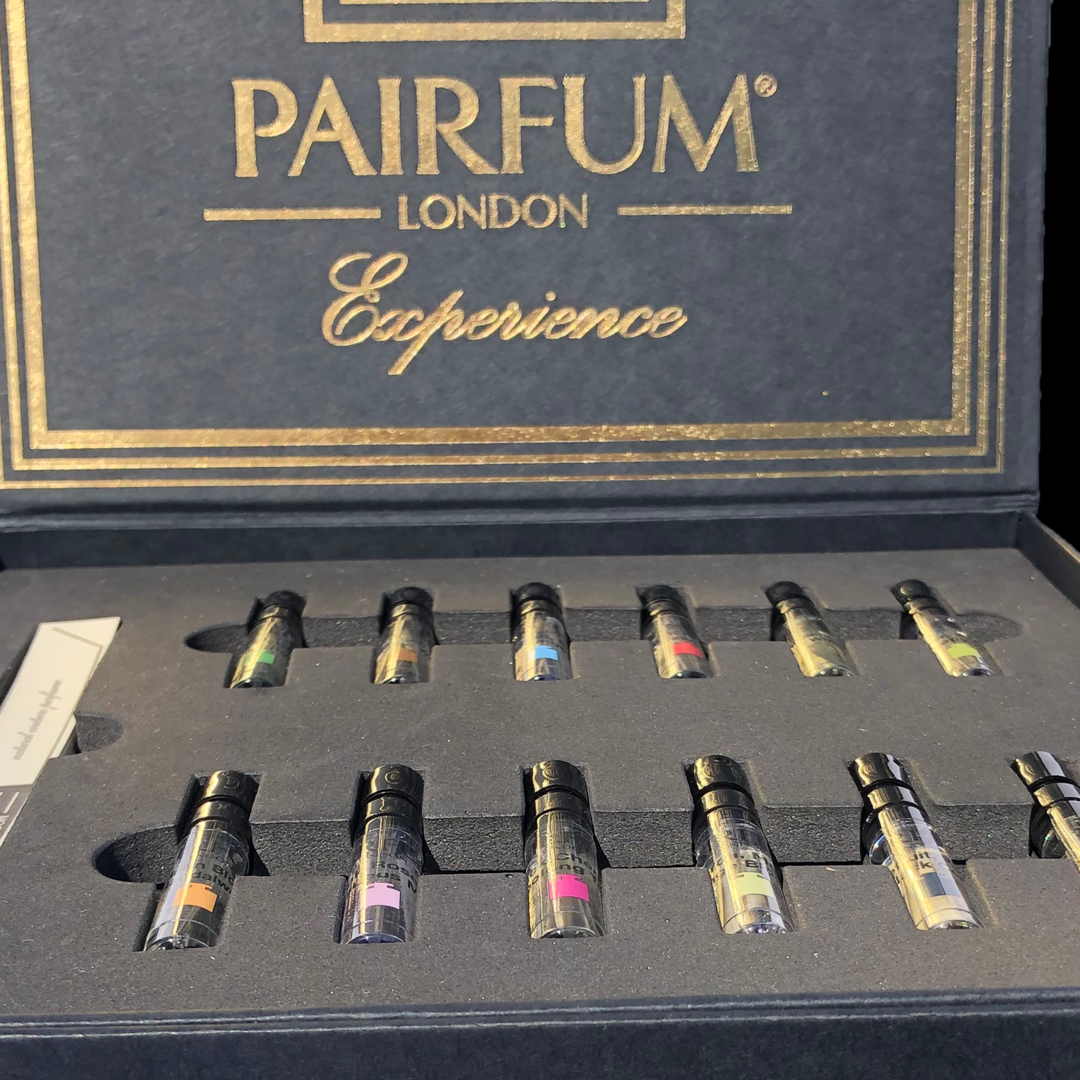
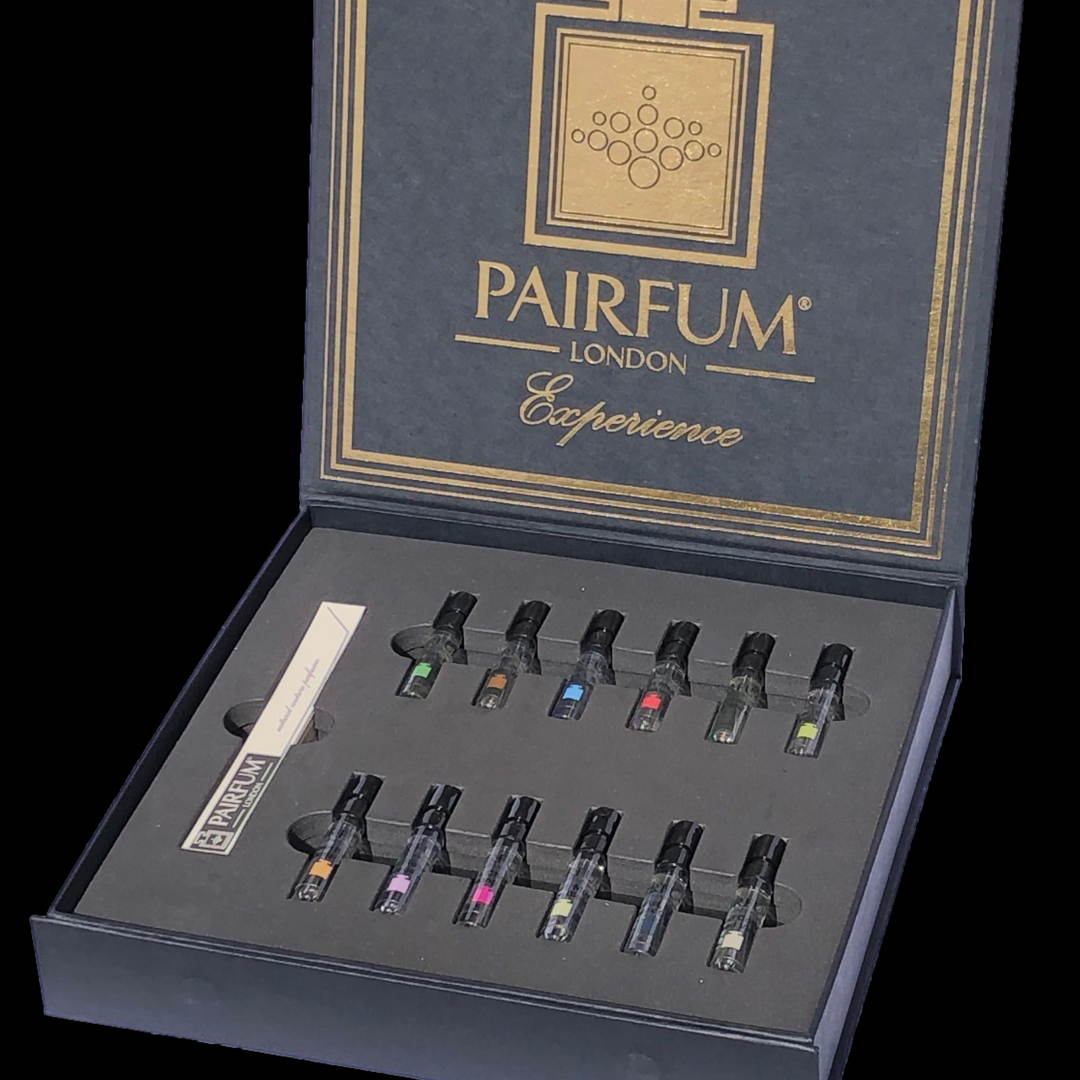
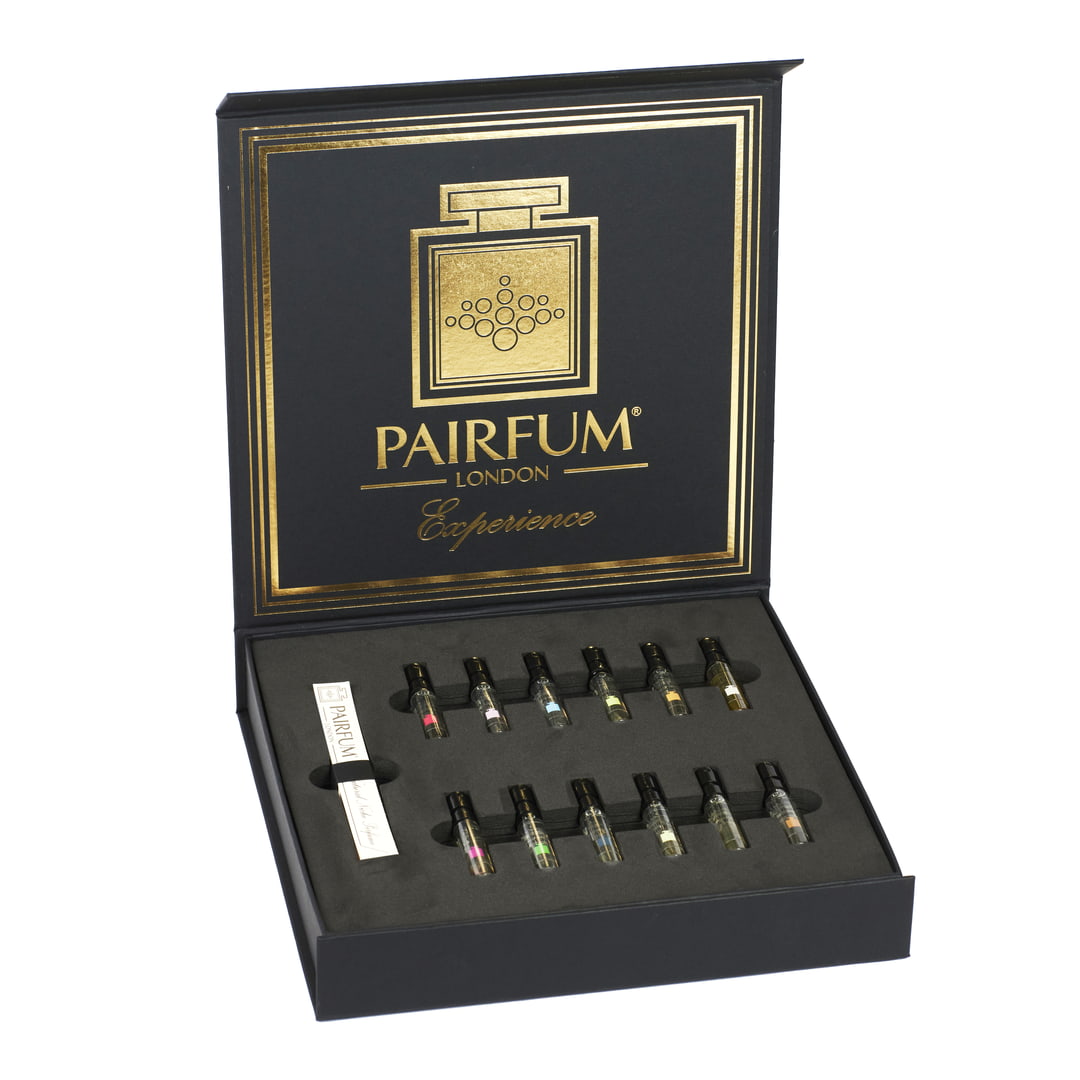
For those looking to explore clean fragrances in all their variety, the Pairfum London Fragrance Library Perfume Experience Box Collection offers an ideal introduction. This thoughtfully curated set features a selection of elegant, naturally-inspired perfumes, each crafted to embody the values of clean beauty: purity, transparency, and sustainability. Perfect as a gift or for personal discovery, the Perfume Experience Box makes it easy to enjoy sophisticated scents while supporting a brand committed to ethical ingredients and responsible luxury.

Conclusion: Clean Beauty for Modern Life

Clean beauty is here to stay. With analytics, transparency, and honest storytelling now essential, it’s never been easier, or more rewarding, to find a beauty product that aligns with your health, your values, and the bigger picture. Whether you’re picking out a face cream, a cult favourite lip balm, one of our vegan gift sets or a new clean fragrance, there’s joy in every step of the routine. Treat your skin kindly, and the world will thank you.

    Your Cart
    Your cart is empty