Home / coffee
Beverage Perfumes

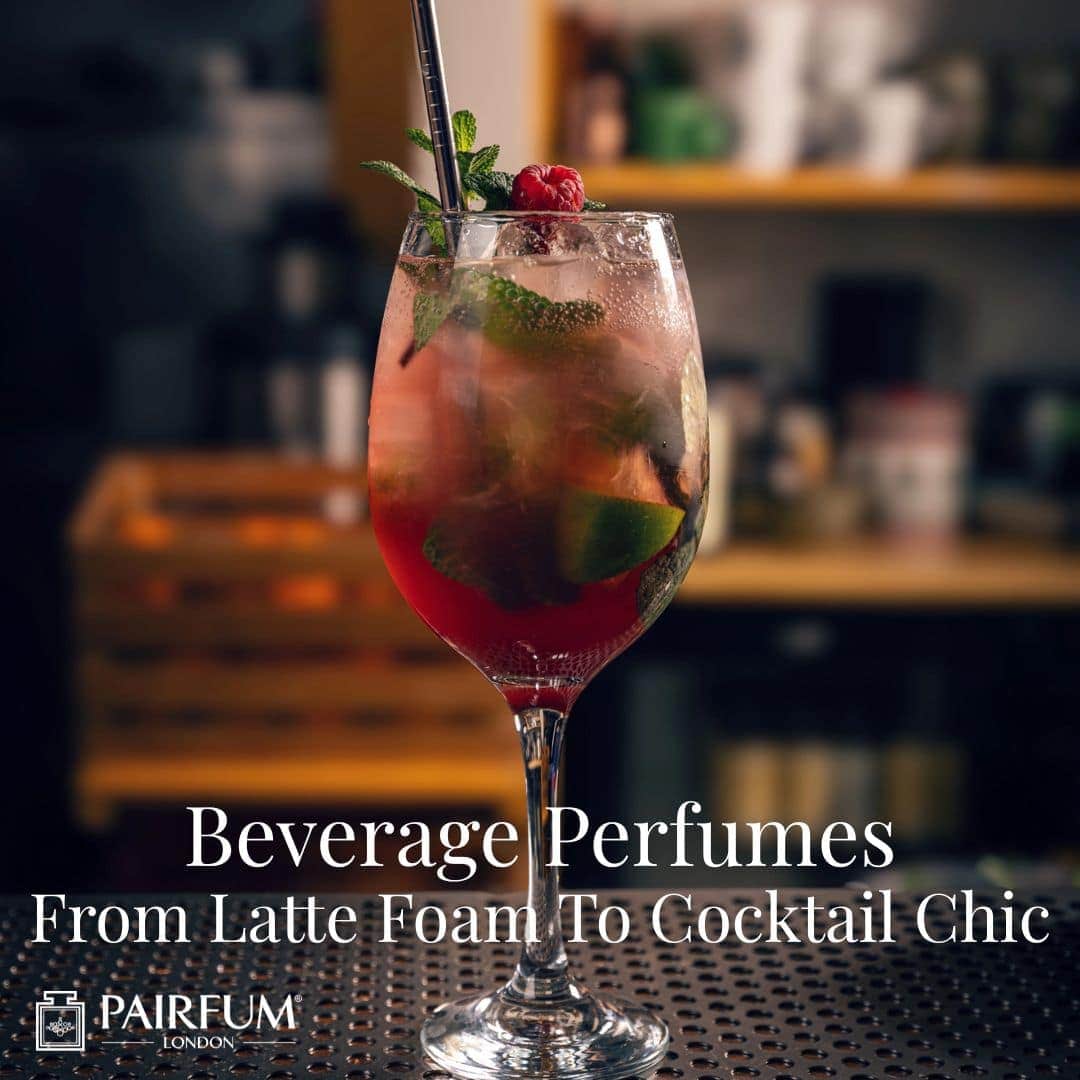
The Most Popular Beverage Perfumes: From Latte Foam to Cocktail Chic

Beverage perfumes and scents typically split into two distinct categories: cocktail-inspired personal fragrances, which feature boozy notes such as cognac, whiskey, and gin, or edible, food-grade aromatic mists that mixologists use to alter the overall sensory experience of a drink. This growing market for unique sensory experiences features standout options, whether your goal is to wear the fragrance on your skin or spray it directly into your glass.

Beverage perfumes are quietly becoming a favourite for people who want something unexpected but deeply familiar. They take the warmth of morning coffee, the sparkle of a zesty cocktail, or the fresh lift of iced tea and turn it into something you can wear on your skin. It makes sense. Aromas tied to taste and memory tend to linger long after the last sip.

These types of fragrances feel right for the season, too. As we move from spring into the early touches of summer, there is comfort in a creamy latte essence or a sense of fresh energy in citrus-inspired blends. A fragrance can calm, cheer, or charm. One inspired by a drink invites a personal connection. We are wearing what we enjoy tasting, and that is part of the appeal of beverage perfumes. Honestly, I think it is a brilliant response to a world saturated with generic floral blends that all smell like the high street on a Saturday afternoon.

In this article, we are exploring how beverage perfumes blend the lines between flavour and fragrance, showing how our favourite drinks have inspired niche fragrance notes full of character and mood.

Why Drinks Work in Perfume

Perfume, like drinks, connects easily to memory. Many of us remember moments through smell, such as steamed milk in a café, the twist of lime in a chilled drink, or the soothing trace of mint tea. Beverages carry built-in nostalgia, giving perfume makers a rich source to draw from.

A lot of familiar fragrance notes already come from drinks:

  • Vanilla, cacao, and rum are common in desserts and fine fragrances.
  • Tea and coffee offer subtle bitterness and depth.
  • Citrus peels bring sharpness and clarity that feel welcoming.

These ingredients are not new in perfumery. When shaped by the experience of a beloved drink, they come to life in a fresh way. The balance between comfort and contrast makes them stand out. They often lead to aromas that feel full but never too heavy, playful without tipping into sweetness.
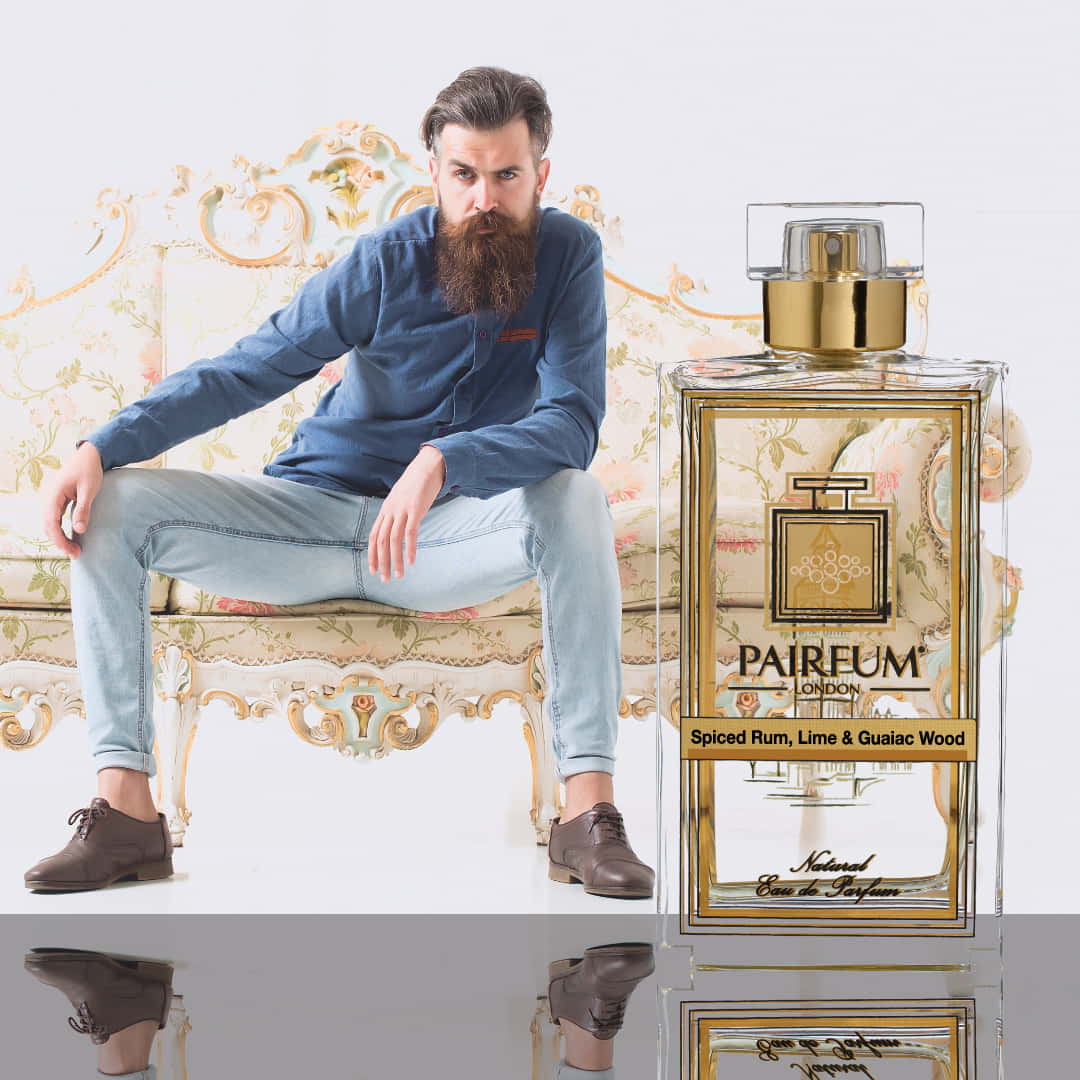
Eau de Parfum Person Reflection Spiced Rum Lime Guaic Wood Man Settee 1 1

The Art and Chemistry of Drink Perfumery

To truly understand how a master artisan transforms a liquid beverage into a wearable scent, it helps to look at the raw materials. In traditional perfumery, creating a balanced product involves a special formulation where individual ingredients blend together to mimic a specific beverage profile.

Every liquid perfume you spray relies on a baseline mixture. If you look at the industry standards, there are 3 main ingredients that form the backbone of most commercial blends: a concentrated fragrance oil mixture, distilled water, and a high-proof alcohol carrier.

The alcohol used is typically a highly refined ethanol derived from natural sources like sugar cane or grains. This specific alcohol is denatured, meaning it is treated so it is completely unfit for human consumption, but it serves as the ultimate solvent for dissolving dense aromatic compounds. For those experimenting with creating different perfumes at home, sourcing a skin friendly dilutant is essential. Artisan perfumers rely heavily on professional-grade perfumers alcohol because this specialised alcohol flash-evaporates on the skin, leaving only the pure, beautiful fragrance behind.

In premium commercial formulations, this solvent base contains three primary components. First, denatured ethanol acts as the main carrier, quickly evaporating via skin temperature to disperse the aroma evenly. Second, Isopropyl myristate is included to improve absorption and skin feel. Third, monopropylene glycol or propylene glycol acts as a critical co-solvent. This allows the fragrance oils to remain completely solubilised in the alcohol carrier, regulating the evaporation rate so the scent does not flash off too quickly. This precise chemistry ensures that the blended solutions remain perfectly clear and entirely free from cloudiness.

The Creamy Comfort of Coffee and Tea

There is something gentle about milky drinks that translates beautifully into perfume. The padded warmth of a chai latte or matcha with oat milk becomes a soft trace on the skin, not too sweet, just clean and smooth.

Fragrances like these often include notes such as roasted coffee or black tea for depth, steamed milk or creamy foam for texture, and a hint of vanilla or cardamom for added cosiness.

These kinds of aromas work well for cool mornings, quiet afternoons, or any time you want something comforting but grown-up. They sit close to the skin, creating a subtle presence that feels both polished and personal. This is where creamy, milky perfumes really shine as they offer quiet luxury in an easily wearable package. The rich undertone of vanilla provides a gourmand sweetness that mimics a café experience without becoming cloying. I find that these dairy-mimicking notes can sometimes smell a bit sour if the base fixative is too heavy, but when a perfumer gets it right, it is pure comfort.
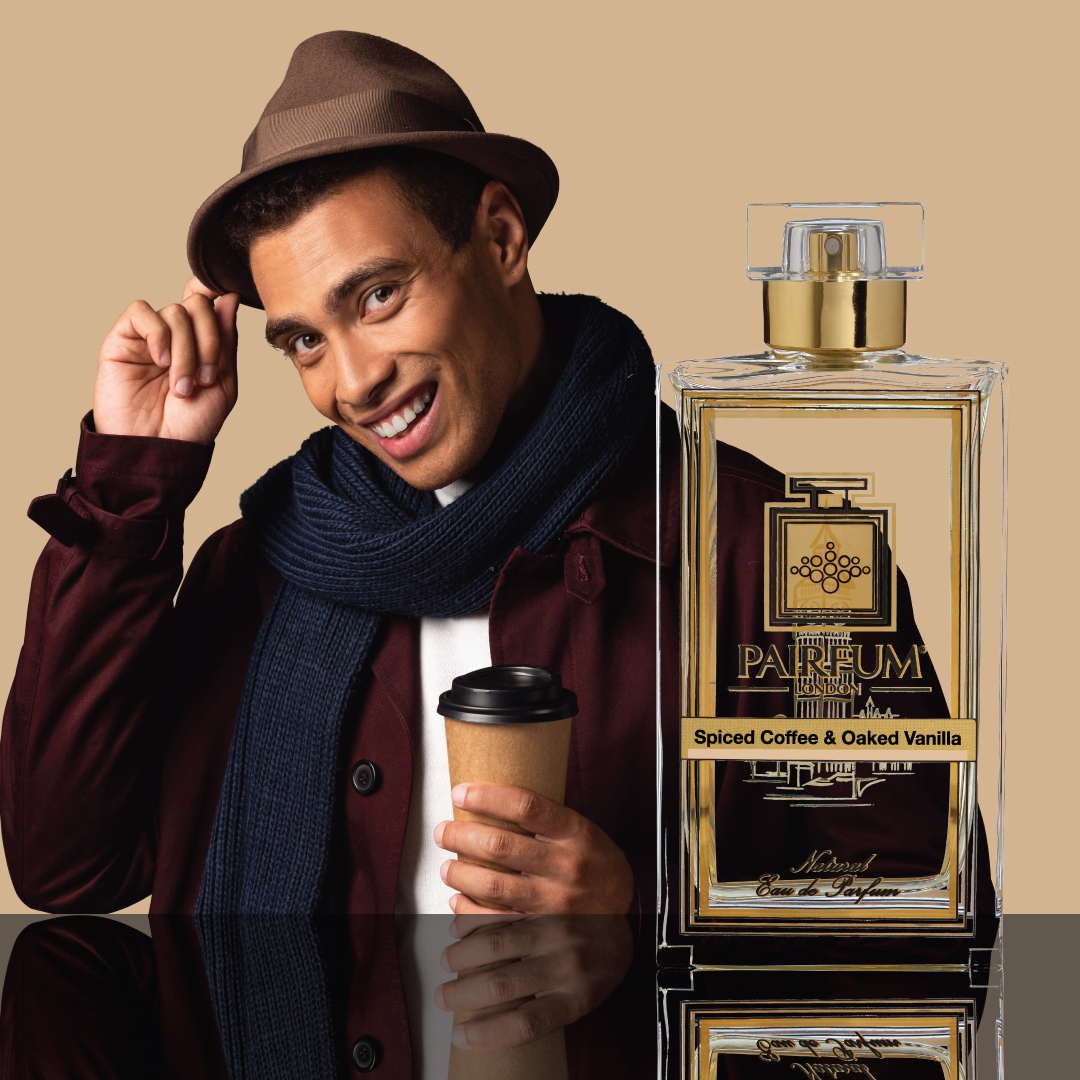
Eau de Parfum Person Reflection Spiced Coffee Oaked Vanilla Man Smile 1 1

From Gin to Whiskey: Sophisticated Spirits in Fragrance

Some perfumes draw their influence from the bar, borrowing the dry crispness of gin or the smoky heat of whiskey to give fragrance a more spirited spin. These are not overly boozy or loud, but they carry a signature that feels a bit more bold and complex.

Gin-inspired perfumes often feature juniper berry for that piney, clean edge, lime or bitter orange for brightness, and light herbs like rosemary or basil for freshness.

On the warmer side, whiskey, rum, or cognac notes bring in richness with hints of wood, leather, or dried fruits. Famous fragrance houses like Kilian have mastered this genre, utilizing oak wood and deep amber to replicate fine spirits. These additions add weight and a velvety finish to evening perfumes without being overpowering.

For anyone looking for a fragrance with charisma and charm, these stylish takes on cocktail notes feel modern, a little daring, and well-balanced. The rich presence of aged spirits adds an intoxicating dimension to modern perfume making.

Fizzy Citrus and Sparkling Mocktail Notes

When the weather gets warmer, many of us reach for drinks that feel fresh, sharp, and light, and perfume is no different. Beverage perfumes with fizzy citrus or chilled tea qualities give off an uplifting, easy-going feel.

Common notes in these types of perfumes include pomelo, bergamot, and grapefruit for zing and clarity, cooling herbs like mint or basil, and gentle florals like jasmine, vetiver, or orange blossom for smooth, rounded edges.

These fragrances work well in spring and early summer when you want something casual but refined. A splash of fresh lemon or green tea brings brightness without tipping into sugary territory, which makes them refreshing for all-day wear. It is like the aroma version of your favourite lemon spritz, clean, happy, and just the right amount of sparkle.

To add a truly eccentric and dynamic twist to green beverages, perfumers sometimes introduce the essential oil of absinthe, known historically as the green fairy. Obtained via the hydrodistillation of its leaves and stems, this aromatic ingredient infuses a creation with airy, bitter, and slightly aniseed facets that instantly elevate a sparkling mocktail profile.
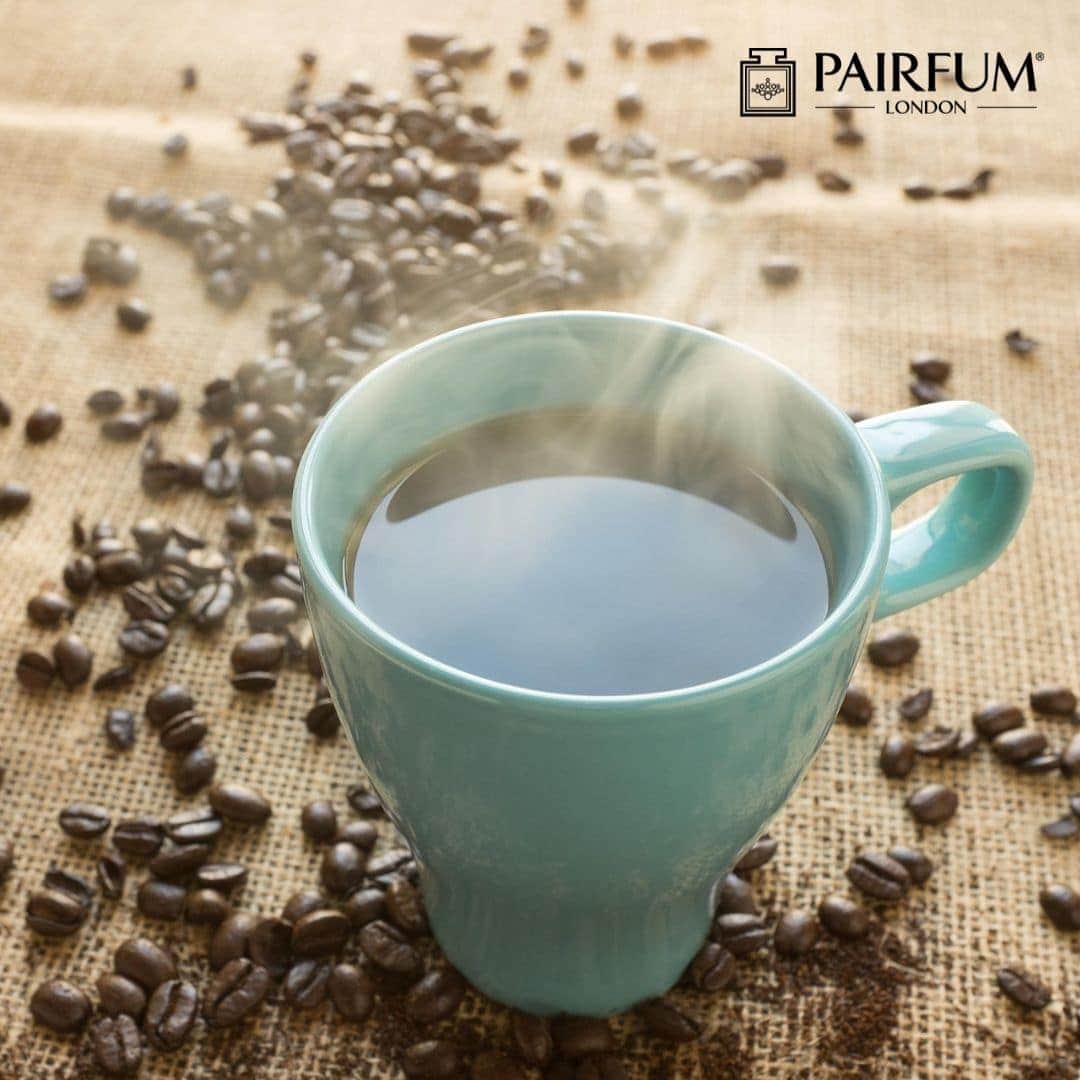
Hot Beverage Perfumes

The Ultimate Wine and Fruit Accents in Beverage Perfumes

Beyond high-proof spirits and morning coffees, the world of wine has carved out a massive space in the beverage perfume movement. The complex, fermented bouquet of a fine wine offers perfumers a playground of aromatic notes.

Red wine accords bring heavy, ruby-red warmth to a perfume bottle, often built with dark berry notes, oak barrels, and a hint of spice. On the other hand, white wine inspired scents rely on crisp green apple, pear, and elderflower notes to convey a breezy, sun-drenched vineyard afternoon.

The secret to capturing the ultimate raw authenticity of a vintage lies in an ingredient called wine lees. This is the sediment composed of tartar and yeast that forms at the very bottom of vats during wine production. Through hydrodistillation, perfumers extract an essential oil from these green or white wine lees, revealing a rich, warm, and highly sensual fruity character.

Similarly, cognac essential oil is extracted directly from cognac wine lees. Historically originating in the Charentes region of France, where wine was twice distilled to preserve its quality during transit, true cognac must be aged in oak barrels for at least two years. When used in perfumery, this precious oil reveals multiple smooth facets, combining gourmand candied fruits with natural jasmine and deep vanilla undertones. When these wine elements are combined with traditional floral notes, the resulting aroma profiles adapt beautifully to individual skin chemistry, satisfying a wide variety of personal preferences. Even festive notes like champagne are replicated by combining ambrette, juniper, and specialised lactone molecules to mimic the crisp, sparkling sensation of bubbles. Personally, I find champagne notes in perfume can sometimes smell like spilled ginger ale if they lack a sharp yeast undertone, so look for bottles that emphasize the dry, bready side of the bubble.

Formulating and Blending at Home

For enthusiasts eager to capture their favourite drinks in a bottle, the process of blending individual elements is incredibly rewarding. The foundation of any DIY beverage scent is the selection of high-quality fragrance oils and pure essential oils. While a single essential oil like sweet orange or cold-pressed lemon can provide a vibrant top note, creating a complex beverage profile requires using expertly combined oils.

Here is how the distinct elements generally break down for home creators:

  • Fragrance Oils: Synthetic or natural-identical fragrance oils replicate complex cooked notes like roasted coffee beans, red wine, or steamed milk foam. Always ensure your chosen fragrance oil is entirely ethanol-soluble before mixing.
  • Essential Oils: Plant-derived essential oils bring life and brightness, particularly in citrus and herbal drink formulations.
  • The Medium: To turn your oils into a wearable product, you need a perfect perfume mixer, which is almost always a base of pure perfumers alcohol.

Depending on your final goal, you can alter the ratio of your ingredients. A high concentration of fragrance oil inside a base of perfumers alcohol will yield a long-lasting eau de parfum or a slightly lighter eau de toilette. If you prefer a casual, breezy option for hot summer days, dropping the concentration significantly will create a refreshing body mist or an old-school cologne splash.

To achieve standard industrial clarity, crafters follow a clear manufacturing protocol. After blending your combined oils into the perfumers alcohol base, you must stir the solution slowly and thoroughly until it clears. Let the formulation stand undisturbed in a cool, dark place for a minimum of 48 hours to complete the initial solvation process. For heavier notes like vanilla, wine, or oak, allowing the mixture to mature and marry for three to six weeks smooths out the harsh chemical edges, transforming any spiky top notes into a balanced bouquet. Finally, passing the liquid through a fine filter removes any minor sediment before final bottling.

The same aromatic blending principles apply across different home fragrance products. A heavy, rich espresso fragrance oil can be used inside a base of diffuser oil to build a comforting reed diffuser for your kitchen. By purchasing bulk reed diffuser supplies, you can easily turn your favorite beverage scent into room sprays or a custom reed diffuser to scent your entire home. Keep in mind that while perfumers alcohol offers an exceptional fragrance throw in a reed diffuser, it evaporates very quickly, so combining it with a slower base like monopropylene glycol or Augeo can help regulate diffusion.

Eau de Parfum Person Reflection Spiced Rum Lime Guaiac Wood 1 1

How to Wear and Style Beverage Perfumes

A key part of wearing perfumes is knowing when and how to enjoy them. Because they are so varied, they make it easy to switch up your mood or express a different part of your personality.

Here are a few tips:

  • Soft milky or tea-based fragrances are great for daytime or cosy moments.
  • Cocktail-inspired or spirit-based bouquets add complexity for evenings or special events.
  • Citrus or mocktail notes are ideal for warmer weather and easy, everyday freshness.

Layering different perfumes can work well too, especially if you stay in the same category, such as creamy over creamy or citrus over citrus. This helps avoid clashing or ending up with an aroma that feels overly sweet.

Using high-quality natural or niche perfume helps keep beverage notes from feeling artificial. Drinks have depth, and a good perfume should match that, never syrupy, always smooth. Whether you choose a concentrated eau de parfum, a light cologne, or an everyday body mist, the key is to let the scent evolve naturally on your skin.

Discover Luxury Beverage Perfumes with Pairfum London

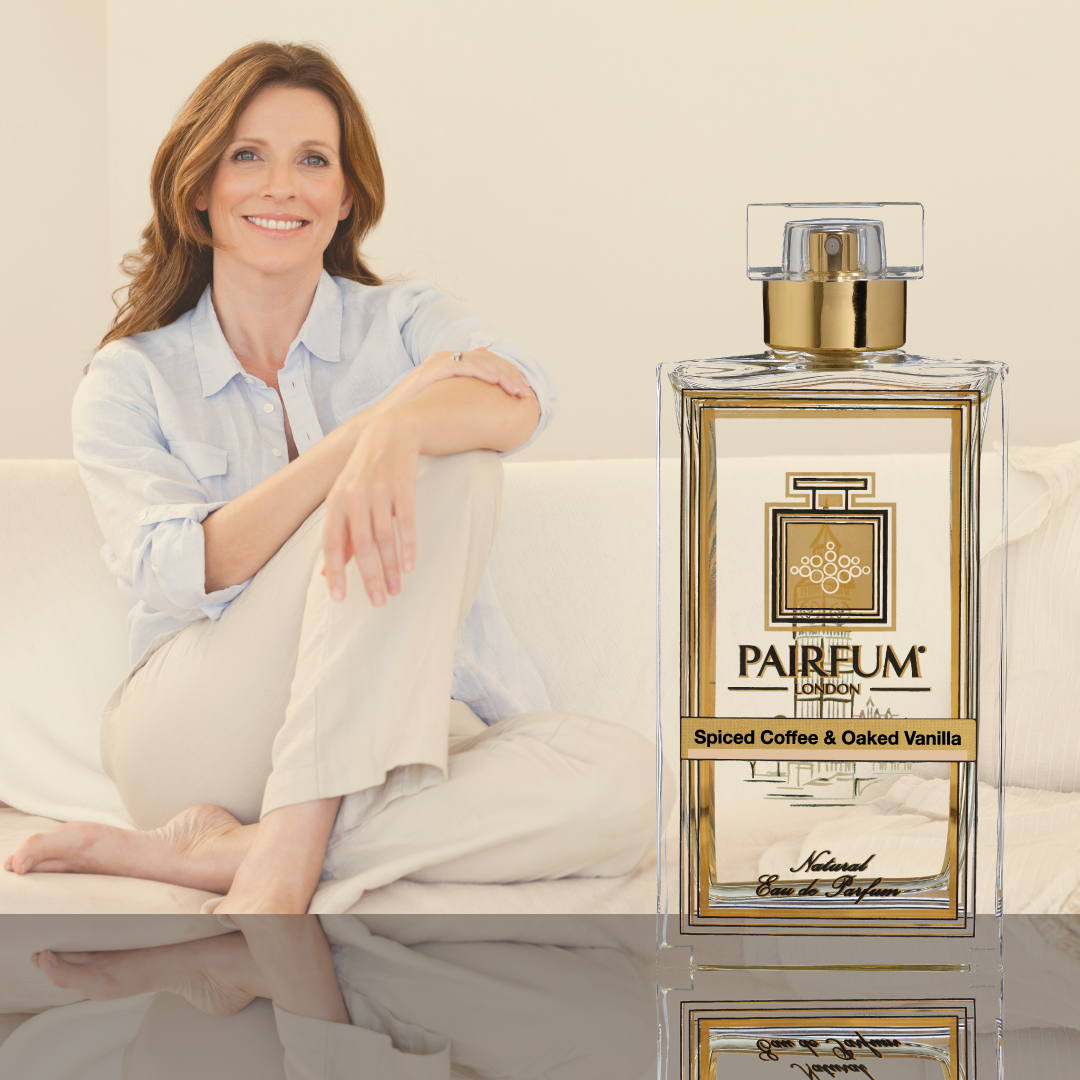
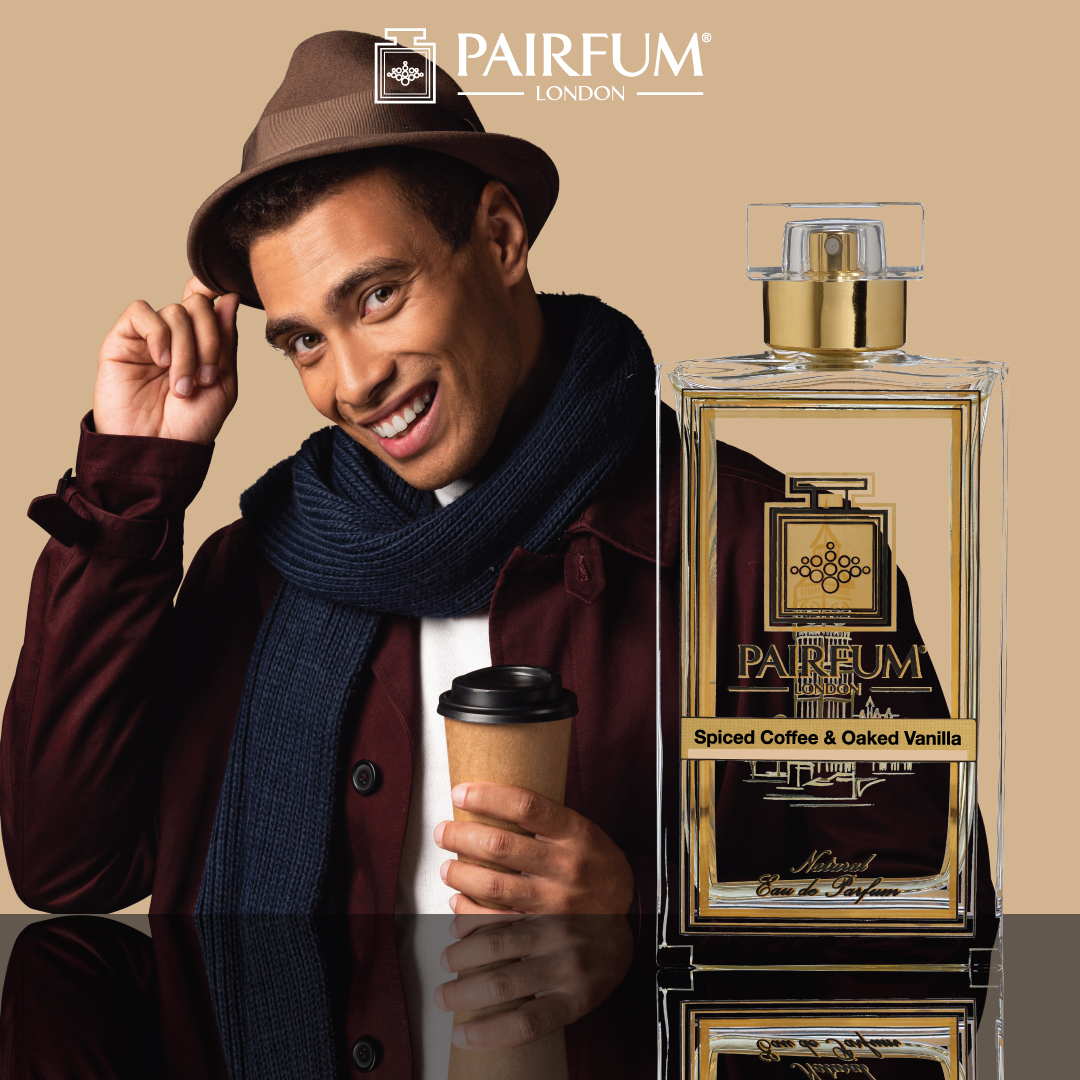
Experience the ultimate crossover between flavour and fine perfumery with our signature beverage perfumes. Whether you find solace in the decadent warmth of our Spiced Coffee & Oaked Vanilla or seek the bold, sophisticated charisma of Spiced Rum, Lime & Guaiac Wood, we have captured your favourite liquid memories in a bottle. Discover these luxurious blends today and find a drink-inspired fragrance that perfectly matches your taste.

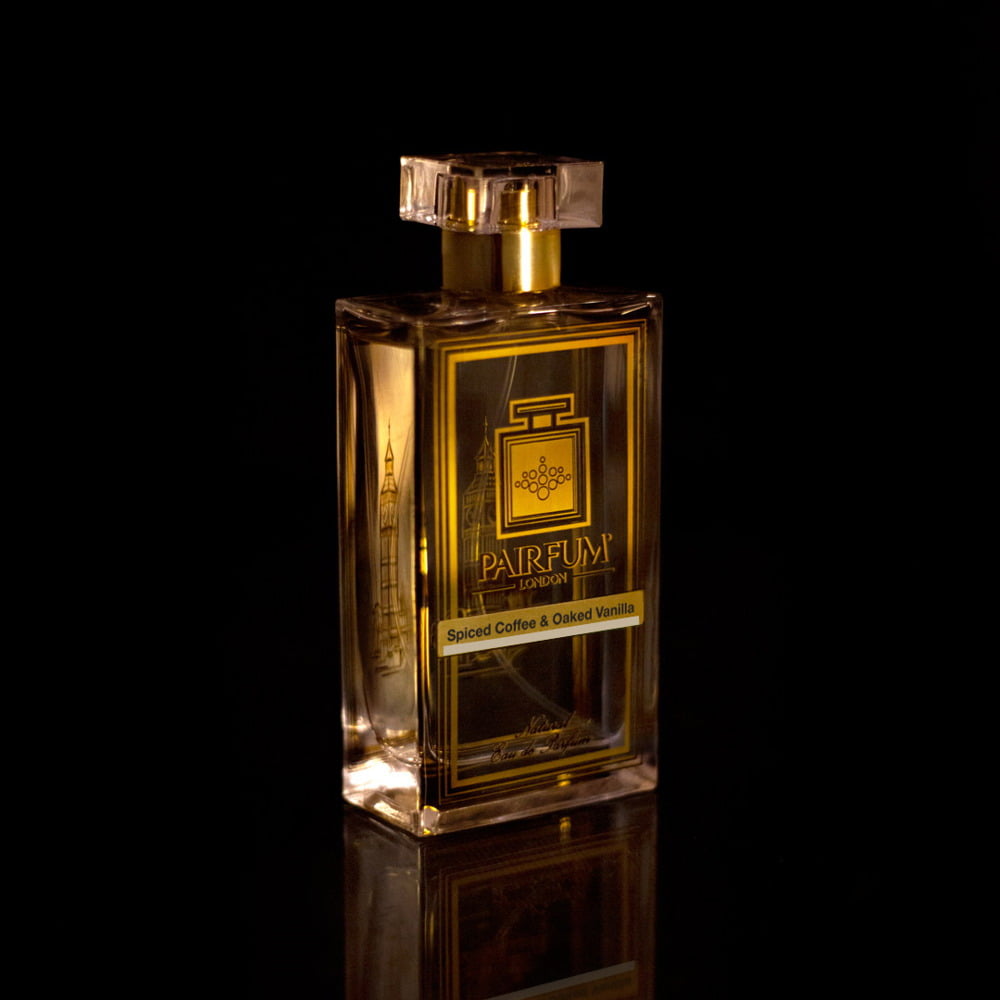
Spiced Coffee & Oaked Vanilla – Eau de Parfum by Pairfum London

This warm, Oriental Spicy Fragrance opens with top notes of Pink Pepper, Orange Blossom and Crisp Pear. The Heart of the Fragrance is a modern blend of rich & dark Coffee combined with the elegance of Jasmine. The elegant finale settles into a sophisticated base of Vanilla aged in Oak, Patchouli and Cedar.

Spiced Rum, Lime & Guaiac Wood – Eau de Parfum by Pairfum London

This Connoisseur’s accord begins with the intense aroma of Rum, alongside nuances of Lime & Lemon and a radiant combination of Nutmeg & Pepper. The heart of the fragrance is deep and rich with Tuberose, Iris and Vintage Leather. A fond of Guaiac Wood, Cedarwood, Golden Amber, Vanilla Pod and Musk completes this luxurious fragrance.
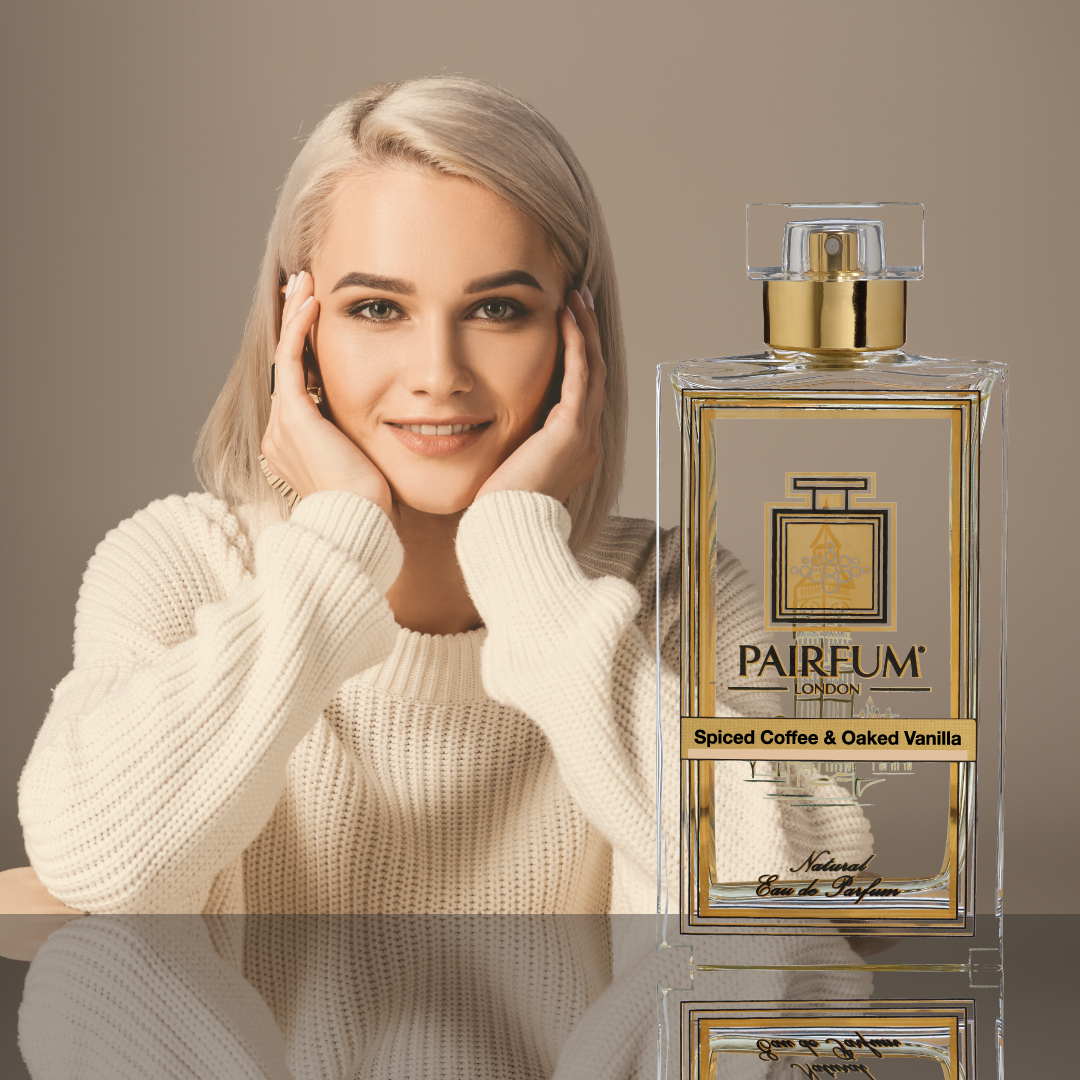
Eau de Parfum Person Reflection Spiced Coffee Oaked Vanilla Woman 1 1

A Fragrance That Feels Like Your Favourite Drink

What we drink often says something about our mood. A creamy cappuccino calms, a gin tonic brightens, and an iced tea cools you down. Beverage perfumes take that feeling and give you a new way to experience it.

By understanding the balance of pure ingredients, fine alcohol bases, and rich fragrance oils, we can appreciate the incredible artistry inside every single bottle. Next time you catch the scent of fresh citrus, rich vanilla, or warm wood notes, think of your favourite beverage and let the nostalgia carry you away.

Coffee & Fragrance

How Does Coffee Influence Fragrance?

Coffee as an ingredient is a global phenomenon, deeply ingrained in cultures. Its rich, intricate aroma makes it a sought-after perfumery ingredient, offering unparalleled depth and warmth. The allure of coffee captivates coffee lovers and perfumers alike.

From a fresh cup to a roasted coffee bean, coffee’s aroma is universally recognised, evoking comfort, energy, and sophistication. This article explores coffee’s journey in fragrance, from its botanical origins to modern scent creation. We’ll uncover why this remarkable ingredient remains a beloved, versatile note, connecting the coffee in your cup to the captivating scents you wear. Every single bean of coffee holds aromatic potential.

The Coffee Plant: From Bean to Blossom

To appreciate coffee’s role in perfumery, understanding its origins is essential. The coffee plant (Coffea genus) is a flowering shrub or small tree. Two species dominate the global market and fragrance world:

  • Coffea Arabica (Arabica): Roughly 60% of coffee production. Arabica coffee is known for its delicate, aromatic, sweeter flavour. These coffee beans thrive in high altitudes, yielding a nuanced cup of coffee. In perfumery, Arabica coffee contributes softer, elegant coffee notes, sometimes with hints of chocolate, caramel, or fruit. The refined aroma of an Arabica coffee bean is highly prized. 
  • Coffea Canephora (Robusta): 30-40% of global production. Robusta coffee has higher caffeine content, a bolder, more bitter taste. It’s a hardier coffee plant, growing in warmer climates. In fragrance, Robusta delivers a stronger, intense, sometimes rubbery or earthy coffee note, providing a powerful backbone. The robusta coffee bean offers a potent coffee aroma. 
  • Other Species: Less common commercially, coffee varieties like Liberica and Excelsa contribute to coffee diversity, offering unique aromatics for niche creations.

Coffee plants, or coffee trees, produce fragrant white flowers that yield “coffee cherries.” Inside, usually two coffee seeds (the coffee beans) reside. These coffee seeds, processed in various ways, become aromatic extracts for perfumes. Coffee seeds are the heart of every great coffee.

Eau de Parfum Person Reflection Spiced Coffee Oaked Vanilla Woman 1 1

Global Coffee Production and its Flavour Tapestry

Coffee is cultivated across the “Bean Belt,” where growing conditions impart unique characteristics to coffee beans, influencing their aroma for brewing or fragrance. Global coffee production is vast.

  • South and Central America: Brazil and Colombia are major coffee producers. Brazilian coffee is celebrated for low acidity, heavy body, and nutty or chocolate notes. Colombian coffee is known for balance, medium body, and bright acidity, often with caramel or fruity undertones. These regions yield classic, comforting coffee aroma for perfumes, supporting widespread coffee consumption. 
  • Africa and the Middle East: Ethiopia, coffee’s birthplace, produces diverse coffees with floral, fruity, and wine-like notes. Kenyan coffees are full-bodied with citrusy acidity. These African coffees lend vibrant, intriguing, less conventional coffee facets to perfumes. Many origin coffee beans are found here. 
  • Southeast Asia: Vietnam and Indonesia are major Robusta coffee producers. Indonesian coffees, from Sumatra and Java, are famous for earthy, woody, spicy profiles with low acidity. These provide a robust, dark, grounding coffee presence in fragrance.

The immense coffee variety allows perfumers to select specific origins or blends for desired nuances. This rich tapestry ensures diverse flavours and aromas.

The Olfactive Profile of Coffee in Perfumery

Understanding coffee’s multifaceted aroma is essential. Coffee is complex, with hundreds of aromatic compounds. In perfumery, these evoke various nuances, beyond a simple “coffee” smell. The unique coffee taste can be interpreted countless ways.

Depending on coffee bean type, roast, and extraction, coffee can present:

  • Warm and Roasted: Evoking freshly brewed coffee, with hints of chocolate, caramel, and nuts. This is the most recognisable facet, adding a comforting, gourmand quality. The aroma of roasted coffee is captivating. 
  • Earthy and Woody: Noticeable in darker roasts or specific coffee bean varieties, offering a grounding, smoky undertone. This depth contributes to the overall aroma. 
  • Spicy: Certain coffee profiles have subtle spicy nuances, complementing notes like cardamom or cinnamon. This adds another flavour layer to the aroma. 
  • Green and Fresh: Unroasted green coffee beans have a lighter, vegetal, herbaceous aroma, distinct from roasted coffee. They add a unique, natural element to perfumes, offering a lighter coffee interpretation. This fresh aroma is distinct. Green coffee contributes unique freshness. 
  • Bitter and Intense: Robusta coffee beans, for instance, contribute pronounced bitterness, providing sharp contrast and edge. This bold flavour profile is a key part of the coffee taste. 
  • Sweet and Creamy: Paired with vanilla, milk, or tonka bean, coffee takes on a delightful, dessert-like sweetness, creating rich, opulent gourmand fragrances. This can transform a perfume’s taste.

This versatility allows perfumers to craft diverse coffee scents, from bold to delicate, proving coffee is more than a one-dimensional note. The overall taste and aroma of coffee can truly inspire.

Pairfum Eau de Parfum Person Reflection Spiced Coffee Oaked Vanilla Man Smile 1 1

The History of Coffee in Fragrance

Coffee has a rich history as both a beverage and fragrance ingredient. Its journey in perfumery began with the recognition of its captivating aroma. The deep, comforting smell of coffee made it appealing for warm, engaging perfumes. The history of drinking coffee is extensive, as is its use in perfumery.

Early Uses

Coffee’s use in fragrance dates to ancient times. In coffee bean growing regions, its fragrance was prized for intensity. Early perfumers experimented with coffee, often by burning coffee beans or infusing them in oils, to create blends for energizing and calming effects, sometimes for rituals. The aromatic smoke of burning coffee was believed to cleanse and invigorate, used like incense. Records suggest its use in traditional remedies and and as an aromatic element in homes long before formal perfumery. The distinct coffee aroma has always held a special place.

Modern Development

In modern perfumery, coffee gained prominence in the 20th century. Advances in extraction allowed perfumers to better capture the authentic essence of coffee beans. This made it easier to include coffee extracts in high-end perfumes and experimental blends, moving beyond rudimentary infusions. As the gourmand fragrance trend grew, coffee found its footing, celebrated for adding a delicious, edible quality to scents. Over time, coffee became a staple in luxury fragrances, admired for its versatility and depth. Understanding coffee’s history in fragrance highlights its enduring importance. Modern advancements transformed how we experience coffee in scent.

Different Types of Coffee Used in Perfume

Coffee is a versatile ingredient, each form offering a unique aromatic profile. Using different types of coffee allows perfumers to create diverse, interesting fragrances with nuanced layers.

Types of Coffee Beans:

  • Arabica Beans: Highly prized, Arabica coffee beans are known for sweet, soft, aromatic profiles. They create delicate, refined fragrances, bringing a smooth, acidic, sometimes floral or fruity note. The Arabica coffee bean provides a sophisticated aroma. 
  • Robusta Beans: These coffee beans offer a stronger, bolder, bitter aroma, with higher caffeine content. They are used in perfumes aiming for a robust, intense, smoky, or earthy character, providing significant projection and longevity. The Robusta coffee bean is a powerful aromatic component. 
  • Green Coffee Beans: Before roasting, green coffee beans have a fresh, mild, green-woody smell, distinct from roasted coffee. They add a unique, natural, herbaceous element to perfumes, offering a lighter coffee interpretation, often for a crisp, natural opening. This distinct green coffee aroma is a modern innovation. Green coffee contributes unique freshness.

Forms of Coffee Extracts:

  • Coffee Oil (Essential Oil): Extracted via steam distillation, coffee oil captures volatile aromatic compounds from coffee beans. It provides a rich, deep aroma, reflecting roasted coffee, used as the central coffee accord. This potent oil carries the true aroma of coffee. 
  • Coffee Absolute: Highly concentrated coffee extract, usually via solvent extraction. Absolutes are potent with a truer-to-bean aroma, offering complex facets from roasted to fruity or chocolatey. It’s a powerful base note, providing tenacity and an enveloping presence of coffee. 
  • Coffee CO2 Extract: Produced using supercritical carbon dioxide, this extract captures a faithful, clean representation of coffee’s aroma, often with brighter, nuanced top notes. It offers a sophisticated, versatile coffee note, preserving delicate aromatics of the coffee bean. 
  • Roasted Coffee Bean Infusion: Less common commercially due to stability, artisanal perfumers infuse roasted coffee beans in oil or alcohol. This captures the classic, warm, familiar coffee aroma, evoking comfort, though less potent. The taste and aroma are preserved.

The artful selection of coffee types and extraction forms allows perfumers to blend complex fragrances. Each variety contributes unique qualities, expanding the olfactory palette, making coffee a beloved ingredient in perfumery. Choosing the right bean is crucial.

Coffee On A Table

The Process of Coffee Extraction for Perfume

Extracting coffee essence for perfumes involves sophisticated methods. Each captures coffee’s rich, diverse aroma uniquely, allowing versatile, complex fragrances from fresh to deeply roasted. The extraction method is crucial, dictating which aromatic molecules are captured and the final coffee extract’s olfactive profile.

Common Extraction Methods:

  • Cold Extraction (Maceration/Infusion): Ground coffee beans soak in a solvent (ethanol or neutral oil) for an extended period. The solvent draws out aromatics. The solution is filtered, and the solvent evaporated. Cold extraction is gentle, preserving delicate, lighter coffee aromas, sometimes closer to freshly brewed coffee. This avoids heat, maintaining a fresh coffee taste. 
  • Steam Distillation: Roasted, ground coffee is subjected to steam. Steam breaks down cells, releasing volatile essential oils. Steam carries oils, condenses, and oil separates. This captures a pure, intense, robust coffee essence, characteristic of the roasted bean, extracting heavier, tenacious aromatics for a strong coffee aroma. 
  • CO2 Extraction (Supercritical Fluid Extraction): Supercritical carbon dioxide acts as a solvent, penetrating coffee beans to efficiently extract aromatics without heat degradation. Releasing pressure reverts CO2 to gas, leaving a pure, clean, true-to-nature coffee extract. This method produces high-quality extracts with a comprehensive aromatic profile, preserving nuanced top and middle notes of the coffee bean.

Specialised Techniques:

  • Solvent Extraction: Volatile organic solvents (hexane or ethanol) dissolve coffee’s aromatic compounds from the beans. Solvent removal leaves a “concrete,” processed with alcohol to an “absolute,” highly potent and rich in aroma. This efficient method captures a broad spectrum of coffee’s aromatic profile for deep, long-lasting coffee notes. 
  • Enfleurage: Rarely used commercially now. Traditional method: fresh materials (coffee beans or roasted coffee) are placed in fat. Fat absorbs the aroma. Scented fat is washed with alcohol to extract fragrance. Enfleurage captures delicate, true-to-life notes, providing a deep, rich coffee aroma often lost in other methods.

These diverse extraction methods empower perfumers to harness coffee’s full aromatic potential, crafting captivating, comforting fragrances, from the crispness of a green coffee bean to the profound warmth of a dark roast. Each process brings out a unique aspect of coffee’s complex aroma.

The Art of Blending Coffee in Fragrances

The magic of coffee in perfumery lies in its interaction with other notes. Coffee is a versatile ingredient, adding depth, warmth, and unexpected twists to many olfactive families. The rich taste of coffee can be a starting point.

  • Gourmand Pairings: Popular and intuitive. Coffee blends seamlessly with sweet notes like vanilla, caramel, chocolate, tonka bean, praline, and milk accords. These create rich, edible, comforting fragrances, evoking gourmet desserts or a cosy coffee shop. The roasted bitterness provides a sophisticated counterpoint, creating a great coffee inspired scent. 
  • Oriental and Spicy Accords: Coffee’s warmth, bitterness, and smoky facets pair excellently with spices like cardamom, cinnamon, and patchouli. These result in exotic, mysterious, sophisticated scents with lingering warmth. The intense aroma of coffee merges perfectly. 
  • Floral Enhancements: Surprisingly, coffee complements narcotic florals. It grounds sweet florals like jasmine or orange blossom, adding seductive, dark contrast. With rose, coffee lends an earthy or jammy depth, creating complex, sophisticated floral compositions. The unique aroma of coffee elevates these floral scents. 
  • Woody and Ambery Foundations: Coffee’s earthy, smoky, rich facets align naturally with woody notes like cedarwood, sandalwood, vetiver, and oud, and opulent amber accords. These create deep, resonant, long-lasting fragrances exuding elegance and warmth. The robust aroma of coffee works well here. 
  • Citrus and Fresh Contrasts: Less common, a subtle coffee note can add intrigue to fresh or citrusy top notes like bergamot or mint. This provides unexpected depth, preventing overly sharp or fleeting fragrances, adding a sophisticated edge to the overall aroma.

The perfumer’s skill is balancing coffee’s powerful presence, ensuring it enhances rather than dominates. This curation allows coffee to contribute anything from a subtle hint to a pronounced signature. The perfect blend ensures a harmonious taste.

Iconic Perfumes Featuring Coffee

Coffee has inspired many iconic perfumes. These masterfully use coffee to add warmth, depth, and unique character, showcasing its versatility and elevating scent. Each fragrance captures a distinct facet of the coffee aroma.

Noteworthy Perfumes:

  • Black Opium by Yves Saint Laurent: A modern classic and famous coffee fragrance. It blends a dark coffee note with sweet vanilla and radiant white flowers, creating an addictive, vibrant, rock-and-roll fragrance, both edgy and gourmand. The coffee note provides a bold, energetic twist, instantly recognisable, showcasing coffee’s power. 
  • Thierry Mugler’s A*Men: Launched in 1996, A*Men is celebrated for its intense, powerful aroma. It boldly combines a strong, tar-like coffee with caramel, vanilla, and patchouli. The result is a uniquely masculine, sweet yet robust fragrance, unforgettable and groundbreaking, influencing subsequent gourmand creations with its distinct coffee presence. 
  • Valentino Uomo Intense: This elegant, sophisticated fragrance features a prominent, rich coffee note, expertly blended with iris, leather, and vanilla. It creates a refined yet modern scent, exuding confidence, showing how coffee adds compelling dark warmth to luxurious compositions. This demonstrates the versatility of the coffee aroma.

More Coffee-Inspired Fragrances:

  • Tom Ford’s Café Rose: This luxurious perfume offers a sophisticated, opulent take on coffee. It blends a deep, dark coffee note with rich Turkish rose and earthy patchouli. The coffee note provides compelling depth and warmth, making it an intoxicating, unique floral-oriental scent. The synergy between rose and coffee creates a distinctive aroma. 
  • Bond No. 9 New Haarlem: This cult favourite combines a warm, inviting coffee note with vanilla, lavender, and amber. It masterfully evokes a cosy coffee shop atmosphere, offering a unique blend of gourmand sweetness and aromatic freshness, making it comforting and sophisticated, a true representation of an inviting urban coffee experience. The aroma captures a moment. 
  • Maison Margiela Replica Coffee Break: Captures the essence of a tranquil coffee break. It blends a creamy coffee accord with milky notes, lavender, and spearmint, creating a soft, warm, comforting aroma evoking a serene moment in a bustling café, highlighting softer coffee facets. The overall aroma is one of peace and warmth.

These iconic perfumes featuring coffee unequivocally showcase this ingredient’s versatility and richness. They highlight how coffee transforms fragrance, adding depth, uniqueness, and a memorable signature. Each blend offers a different coffee taste profile.

Eau de Parfum Person Reflection Spiced Coffee Oaked Vanilla 1 1

Coffee Beyond the Cup: Cultural Significance and Modern Consumption

Coffee is more than a beverage; it’s a social lubricant, ritual, and economic cornerstone. This cultural embedding contributes to its powerful resonance in perfumery. The daily ritual of drinking coffee is globally ingrained.

Consider the “coffee break,” or the “fika” tradition. Coffee houses, from Middle Eastern souks to high street chains, remain vital hubs for socialising. These spaces, imbued with coffee’s aroma, are synonymous with community.

Coffee consumption varies: strong espresso; creamy latte with steamed milk; refreshing iced coffee; complex filter coffee; or an espresso shot from a high-quality espresso machine. Each preparation unlocks different aromatic facets. Perfumers, like baristas, understand these nuances, capturing various coffee experiences in scents, be it the intensity of an espresso or the creamy comfort of a cappuccino with milk. Instant coffee offers convenience. Others seek premium coffee for richer taste. Some prefer decaffeinated coffee, showing coffee choices’ versatility. This cultural ubiquity and varied experience contribute to coffee’s immediate appeal in fragrance. For many coffee drinkers, the taste of their daily coffee drink is paramount.

The Dynamic Coffee Industry and its Evolution

The global coffee industry is vast and dynamic, evolving for diverse coffee lovers. The National Coffee Association plays a crucial role in understanding coffee consumption trends.

  • Speciality Coffee Boom: A significant surge in speciality coffee interest. This refers to high-quality coffee beans meticulously sourced, roasted, and brewed to showcase unique flavour characteristics. Consumers increasingly seek single origin coffee, appreciating distinct taste and aroma profiles. Demand for great coffee with traceable origin is high, driving premium coffee growth. Speciality coffee subscriptions are popular, bringing curated premium coffee to coffee enthusiast homes. 
  • Innovation in Preparation: Beyond espresso or filter coffee, the industry sees continuous brewing innovation. Cold brew coffee is popular for its smoother, less acidic taste, offering a different coffee experience, often with higher caffeine content. Advanced espresso machines and home brewing equipment allow coffee drinkers café quality at home. 
  • Sustainability and Ethics: Many coffee consumers care about ethical sourcing and sustainable coffee production. This pushes the coffee industry towards transparent practices, ensuring fair wages for coffee growers and eco-friendly cultivation. This emphasis on origin coffee with a clear story shapes coffee’s future. 
  • Product Diversification: The market for coffee products expands, including coffee gifts, ready-to-drink iced coffee, and coffee flavourings. This caters to every coffee enthusiast, offering myriad ways to enjoy the taste and aroma of coffee. 
  • Caffeine and Wellness: While coffee is consumed for caffeine, interest grows in caffeine intake and its effects. This leads to awareness of decaffeinated coffee options and broader understanding of how caffeine impacts the body, catering to various coffee consumption preferences. Caffeine in coffee is a key element for many.

The coffee industry, supported by coffee drinkers and coffee lovers, continues to innovate, ensuring the world’s favourite bean remains at the forefront of flavour and fragrance experiences.

The Future of Coffee in Fragrance

As perfumery innovates, coffee’s role will expand. We anticipate:

  • Increased Nuance: Perfumers will explore specific coffee facets, perhaps single origin coffee beans, different roast profiles, or delicate coffee flowers’ sweet aroma. The complexity of the coffee bean offers endless possibilities for new aromas. 
  • Sustainable Sourcing: Growing consumer awareness means emphasis on ethically, sustainably sourced coffee extracts, ensuring responsible practices from cultivation to extraction. This impacts coffee selection for perfumery. 
  • Cross-Sensory Experiences: Expect fragrances evoking the full coffee experience: steam from delicious coffee, a coffee shop’s warmth, even tactile elements. The overall taste and feeling of coffee are key. 
  • Unexpected Pairings: As perfumers push boundaries, we may see coffee paired with unconventional notes, leading to unique, avant-garde compositions. The distinctive aroma of coffee can create surprising new blends. 
  • Technological Advancements: New extraction technologies and aroma molecule synthesis may unlock previously unattainable facets of coffee’s scent, offering perfumers a richer palette. These innovations will refine the coffee aroma in perfumery.

The journey of coffee in fragrance is far from over, promising exciting developments and captivating scents for coffee lovers and every coffee enthusiast.

Eau De Pairfum Spiced Coffee Oaked Vanilla Bottle

Spiced Coffee & Oaked Vanilla – Eau de Parfum by Pairfum London

This warm, Oriental Spicy Fragrance opens with the top notes of Pink Pepper, Orange Blossom and Crisp Pear.

The Heart of the Fragrance is a modern blend of rich & dark Coffee with the elegance of Jasmine.

The elegant finale is a sophisticated base of Bourbon Vanilla aged in Oak, with Patchouli and Cedar.

Conclusion

Coffee is a remarkable, indispensable ingredient in perfumery. From its botanical origins and global cultivation to its rich history and diverse types and extraction methods, coffee offers endless possibilities for captivating fragrances. Its unique aroma, delivering depth, warmth, and complexity, transforms any perfume. The rich taste and comforting aroma of coffee make it universally appealing.

Exploring iconic fragrances featuring coffee deepens appreciation for this versatile ingredient and the artistry involved. Each perfume showcases how coffee elevates a fragrance, contributing to an unforgettable olfactory experience. The pervasive cultural significance of coffee, from daily drinking coffee to the global coffee industry, enhances its appeal, allowing fragrance to evoke cherished memories for coffee drinkers everywhere. The taste of great coffee can inspire a scent. The subtle nuances of each coffee bean offer endless exploration in fragrance.

    0
    Your Cart
    Your cart is emptyReturn to Shop