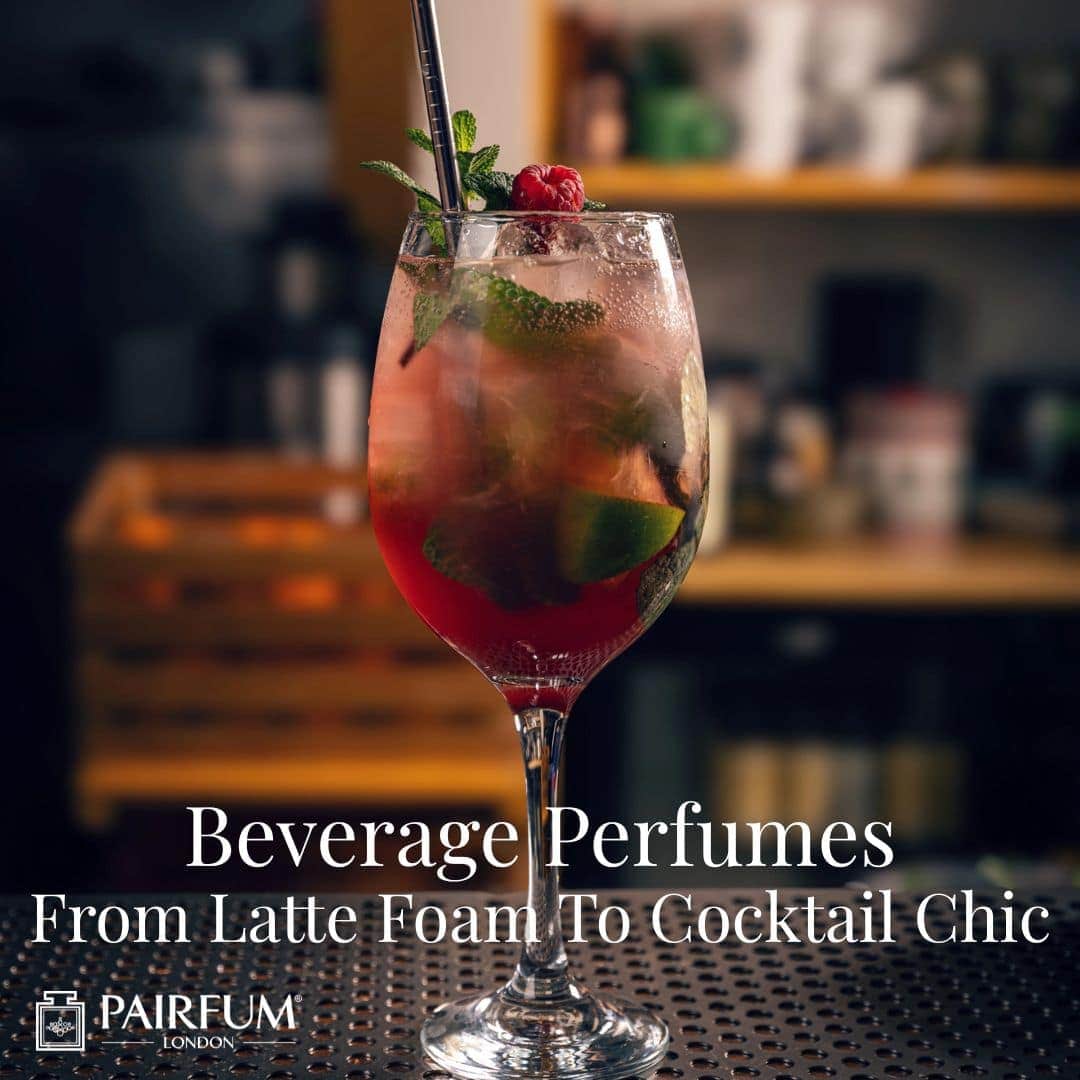
Beverage perfumes and scents typically split into two distinct categories: cocktail-inspired personal fragrances, which feature boozy notes such as cognac, whiskey, and gin, or edible, food-grade aromatic mists that mixologists use to alter the overall sensory experience of a drink. This growing market for unique sensory experiences features standout options, whether your goal is to wear the fragrance on your skin or spray it directly into your glass.
Beverage perfumes are quietly becoming a favourite for people who want something unexpected but deeply familiar. They take the warmth of morning coffee, the sparkle of a zesty cocktail, or the fresh lift of iced tea and turn it into something you can wear on your skin. It makes sense. Aromas tied to taste and memory tend to linger long after the last sip.
These types of fragrances feel right for the season, too. As we move from spring into the early touches of summer, there is comfort in a creamy latte essence or a sense of fresh energy in citrus-inspired blends. A fragrance can calm, cheer, or charm. One inspired by a drink invites a personal connection. We are wearing what we enjoy tasting, and that is part of the appeal of beverage perfumes. Honestly, I think it is a brilliant response to a world saturated with generic floral blends that all smell like the high street on a Saturday afternoon.
In this article, we are exploring how beverage perfumes blend the lines between flavour and fragrance, showing how our favourite drinks have inspired niche fragrance notes full of character and mood.
Why Drinks Work in Perfume
Perfume, like drinks, connects easily to memory. Many of us remember moments through smell, such as steamed milk in a café, the twist of lime in a chilled drink, or the soothing trace of mint tea. Beverages carry built-in nostalgia, giving perfume makers a rich source to draw from.
A lot of familiar fragrance notes already come from drinks:
- Vanilla, cacao, and rum are common in desserts and fine fragrances.
- Tea and coffee offer subtle bitterness and depth.
- Citrus peels bring sharpness and clarity that feel welcoming.
These ingredients are not new in perfumery. When shaped by the experience of a beloved drink, they come to life in a fresh way. The balance between comfort and contrast makes them stand out. They often lead to aromas that feel full but never too heavy, playful without tipping into sweetness.
The Art and Chemistry of Drink Perfumery
To truly understand how a master artisan transforms a liquid beverage into a wearable scent, it helps to look at the raw materials. In traditional perfumery, creating a balanced product involves a special formulation where individual ingredients blend together to mimic a specific beverage profile.
Every liquid perfume you spray relies on a baseline mixture. If you look at the industry standards, there are 3 main ingredients that form the backbone of most commercial blends: a concentrated fragrance oil mixture, distilled water, and a high-proof alcohol carrier.
The alcohol used is typically a highly refined ethanol derived from natural sources like sugar cane or grains. This specific alcohol is denatured, meaning it is treated so it is completely unfit for human consumption, but it serves as the ultimate solvent for dissolving dense aromatic compounds. For those experimenting with creating different perfumes at home, sourcing a skin friendly dilutant is essential. Artisan perfumers rely heavily on professional-grade perfumers alcohol because this specialised alcohol flash-evaporates on the skin, leaving only the pure, beautiful fragrance behind.
In premium commercial formulations, this solvent base contains three primary components. First, denatured ethanol acts as the main carrier, quickly evaporating via skin temperature to disperse the aroma evenly. Second, Isopropyl myristate is included to improve absorption and skin feel. Third, monopropylene glycol or propylene glycol acts as a critical co-solvent. This allows the fragrance oils to remain completely solubilised in the alcohol carrier, regulating the evaporation rate so the scent does not flash off too quickly. This precise chemistry ensures that the blended solutions remain perfectly clear and entirely free from cloudiness.
The Creamy Comfort of Coffee and Tea
There is something gentle about milky drinks that translates beautifully into perfume. The padded warmth of a chai latte or matcha with oat milk becomes a soft trace on the skin, not too sweet, just clean and smooth.
Fragrances like these often include notes such as roasted coffee or black tea for depth, steamed milk or creamy foam for texture, and a hint of vanilla or cardamom for added cosiness.
These kinds of aromas work well for cool mornings, quiet afternoons, or any time you want something comforting but grown-up. They sit close to the skin, creating a subtle presence that feels both polished and personal. This is where creamy, milky perfumes really shine as they offer quiet luxury in an easily wearable package. The rich undertone of vanilla provides a gourmand sweetness that mimics a café experience without becoming cloying. I find that these dairy-mimicking notes can sometimes smell a bit sour if the base fixative is too heavy, but when a perfumer gets it right, it is pure comfort.
From Gin to Whiskey: Sophisticated Spirits in Fragrance
Some perfumes draw their influence from the bar, borrowing the dry crispness of gin or the smoky heat of whiskey to give fragrance a more spirited spin. These are not overly boozy or loud, but they carry a signature that feels a bit more bold and complex.
Gin-inspired perfumes often feature juniper berry for that piney, clean edge, lime or bitter orange for brightness, and light herbs like rosemary or basil for freshness.
On the warmer side, whiskey, rum, or cognac notes bring in richness with hints of wood, leather, or dried fruits. Famous fragrance houses like Kilian have mastered this genre, utilizing oak wood and deep amber to replicate fine spirits. These additions add weight and a velvety finish to evening perfumes without being overpowering.
For anyone looking for a fragrance with charisma and charm, these stylish takes on cocktail notes feel modern, a little daring, and well-balanced. The rich presence of aged spirits adds an intoxicating dimension to modern perfume making.
Fizzy Citrus and Sparkling Mocktail Notes
When the weather gets warmer, many of us reach for drinks that feel fresh, sharp, and light, and perfume is no different. Beverage perfumes with fizzy citrus or chilled tea qualities give off an uplifting, easy-going feel.
Common notes in these types of perfumes include pomelo, bergamot, and grapefruit for zing and clarity, cooling herbs like mint or basil, and gentle florals like jasmine, vetiver, or orange blossom for smooth, rounded edges.
These fragrances work well in spring and early summer when you want something casual but refined. A splash of fresh lemon or green tea brings brightness without tipping into sugary territory, which makes them refreshing for all-day wear. It is like the aroma version of your favourite lemon spritz, clean, happy, and just the right amount of sparkle.
To add a truly eccentric and dynamic twist to green beverages, perfumers sometimes introduce the essential oil of absinthe, known historically as the green fairy. Obtained via the hydrodistillation of its leaves and stems, this aromatic ingredient infuses a creation with airy, bitter, and slightly aniseed facets that instantly elevate a sparkling mocktail profile.
The Ultimate Wine and Fruit Accents in Beverage Perfumes
Beyond high-proof spirits and morning coffees, the world of wine has carved out a massive space in the beverage perfume movement. The complex, fermented bouquet of a fine wine offers perfumers a playground of aromatic notes.
Red wine accords bring heavy, ruby-red warmth to a perfume bottle, often built with dark berry notes, oak barrels, and a hint of spice. On the other hand, white wine inspired scents rely on crisp green apple, pear, and elderflower notes to convey a breezy, sun-drenched vineyard afternoon.
The secret to capturing the ultimate raw authenticity of a vintage lies in an ingredient called wine lees. This is the sediment composed of tartar and yeast that forms at the very bottom of vats during wine production. Through hydrodistillation, perfumers extract an essential oil from these green or white wine lees, revealing a rich, warm, and highly sensual fruity character.
Similarly, cognac essential oil is extracted directly from cognac wine lees. Historically originating in the Charentes region of France, where wine was twice distilled to preserve its quality during transit, true cognac must be aged in oak barrels for at least two years. When used in perfumery, this precious oil reveals multiple smooth facets, combining gourmand candied fruits with natural jasmine and deep vanilla undertones. When these wine elements are combined with traditional floral notes, the resulting aroma profiles adapt beautifully to individual skin chemistry, satisfying a wide variety of personal preferences. Even festive notes like champagne are replicated by combining ambrette, juniper, and specialised lactone molecules to mimic the crisp, sparkling sensation of bubbles. Personally, I find champagne notes in perfume can sometimes smell like spilled ginger ale if they lack a sharp yeast undertone, so look for bottles that emphasize the dry, bready side of the bubble.
Formulating and Blending at Home
For enthusiasts eager to capture their favourite drinks in a bottle, the process of blending individual elements is incredibly rewarding. The foundation of any DIY beverage scent is the selection of high-quality fragrance oils and pure essential oils. While a single essential oil like sweet orange or cold-pressed lemon can provide a vibrant top note, creating a complex beverage profile requires using expertly combined oils.
Here is how the distinct elements generally break down for home creators:
- Fragrance Oils: Synthetic or natural-identical fragrance oils replicate complex cooked notes like roasted coffee beans, red wine, or steamed milk foam. Always ensure your chosen fragrance oil is entirely ethanol-soluble before mixing.
- Essential Oils: Plant-derived essential oils bring life and brightness, particularly in citrus and herbal drink formulations.
- The Medium: To turn your oils into a wearable product, you need a perfect perfume mixer, which is almost always a base of pure perfumers alcohol.
Depending on your final goal, you can alter the ratio of your ingredients. A high concentration of fragrance oil inside a base of perfumers alcohol will yield a long-lasting eau de parfum or a slightly lighter eau de toilette. If you prefer a casual, breezy option for hot summer days, dropping the concentration significantly will create a refreshing body mist or an old-school cologne splash.
To achieve standard industrial clarity, crafters follow a clear manufacturing protocol. After blending your combined oils into the perfumers alcohol base, you must stir the solution slowly and thoroughly until it clears. Let the formulation stand undisturbed in a cool, dark place for a minimum of 48 hours to complete the initial solvation process. For heavier notes like vanilla, wine, or oak, allowing the mixture to mature and marry for three to six weeks smooths out the harsh chemical edges, transforming any spiky top notes into a balanced bouquet. Finally, passing the liquid through a fine filter removes any minor sediment before final bottling.
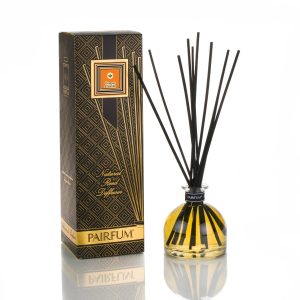
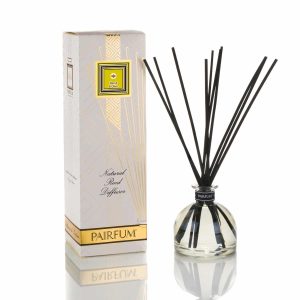
The same aromatic blending principles apply across different home fragrance products. A heavy, rich espresso fragrance oil can be used inside a base of diffuser oil to build a comforting reed diffuser for your kitchen. By purchasing bulk reed diffuser supplies, you can easily turn your favorite beverage scent into room sprays or a custom reed diffuser to scent your entire home. Keep in mind that while perfumers alcohol offers an exceptional fragrance throw in a reed diffuser, it evaporates very quickly, so combining it with a slower base like monopropylene glycol or Augeo can help regulate diffusion.

How to Wear and Style Beverage Perfumes
A key part of wearing perfumes is knowing when and how to enjoy them. Because they are so varied, they make it easy to switch up your mood or express a different part of your personality.
Here are a few tips:
- Soft milky or tea-based fragrances are great for daytime or cosy moments.
- Cocktail-inspired or spirit-based bouquets add complexity for evenings or special events.
- Citrus or mocktail notes are ideal for warmer weather and easy, everyday freshness.
Layering different perfumes can work well too, especially if you stay in the same category, such as creamy over creamy or citrus over citrus. This helps avoid clashing or ending up with an aroma that feels overly sweet.
Using high-quality natural or niche perfume helps keep beverage notes from feeling artificial. Drinks have depth, and a good perfume should match that, never syrupy, always smooth. Whether you choose a concentrated eau de parfum, a light cologne, or an everyday body mist, the key is to let the scent evolve naturally on your skin.
Discover Luxury Beverage Perfumes with Pairfum London
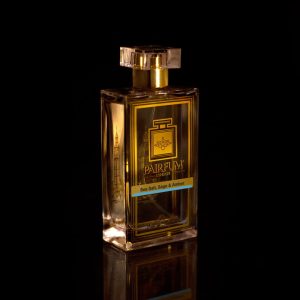
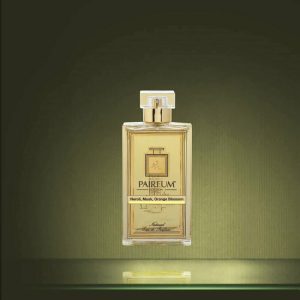
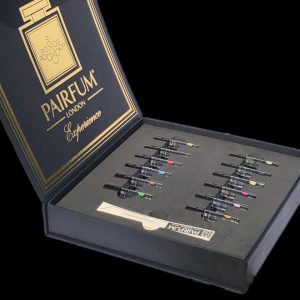
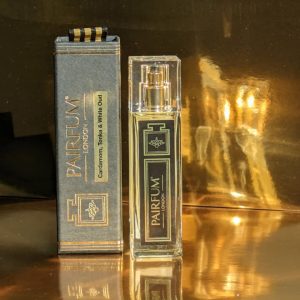
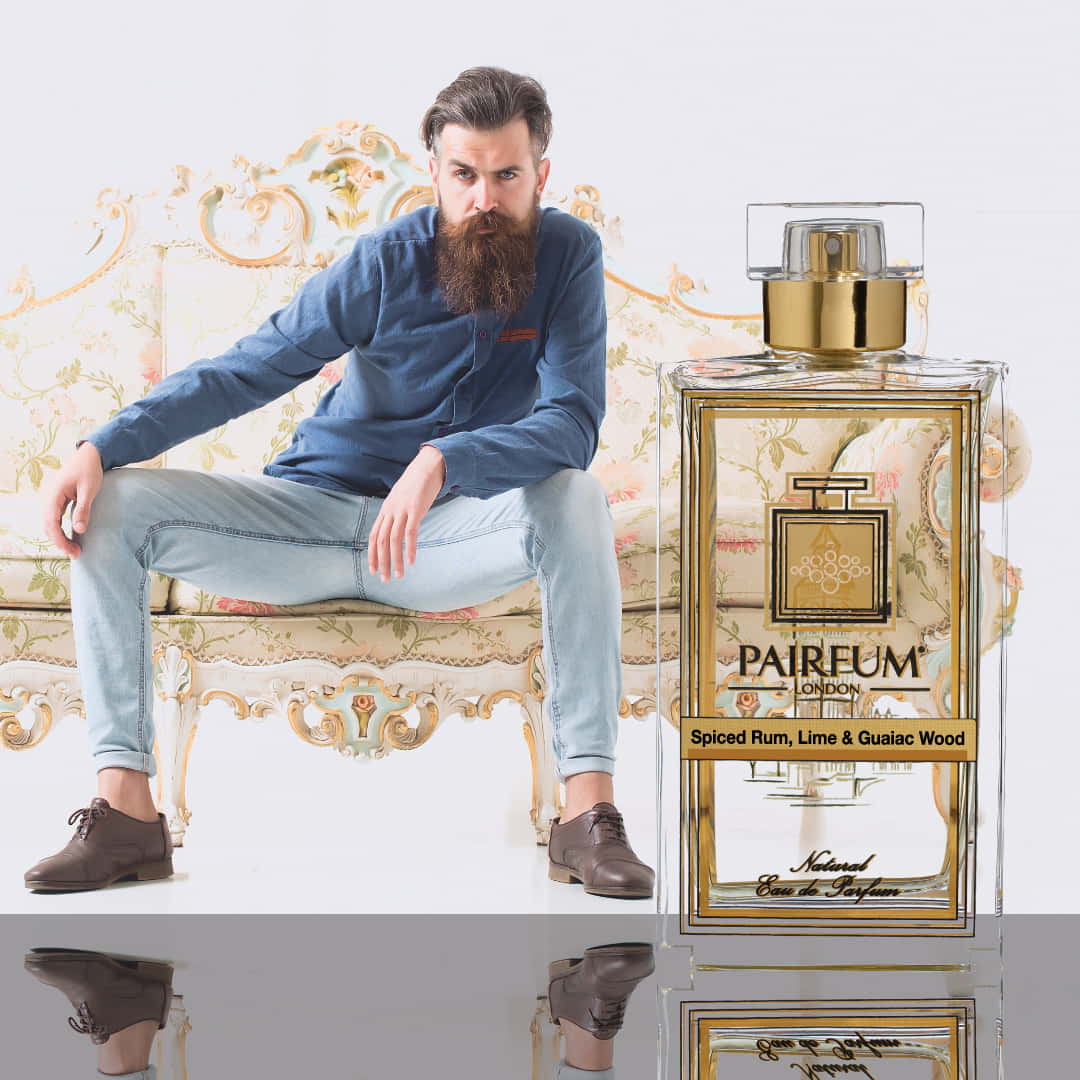
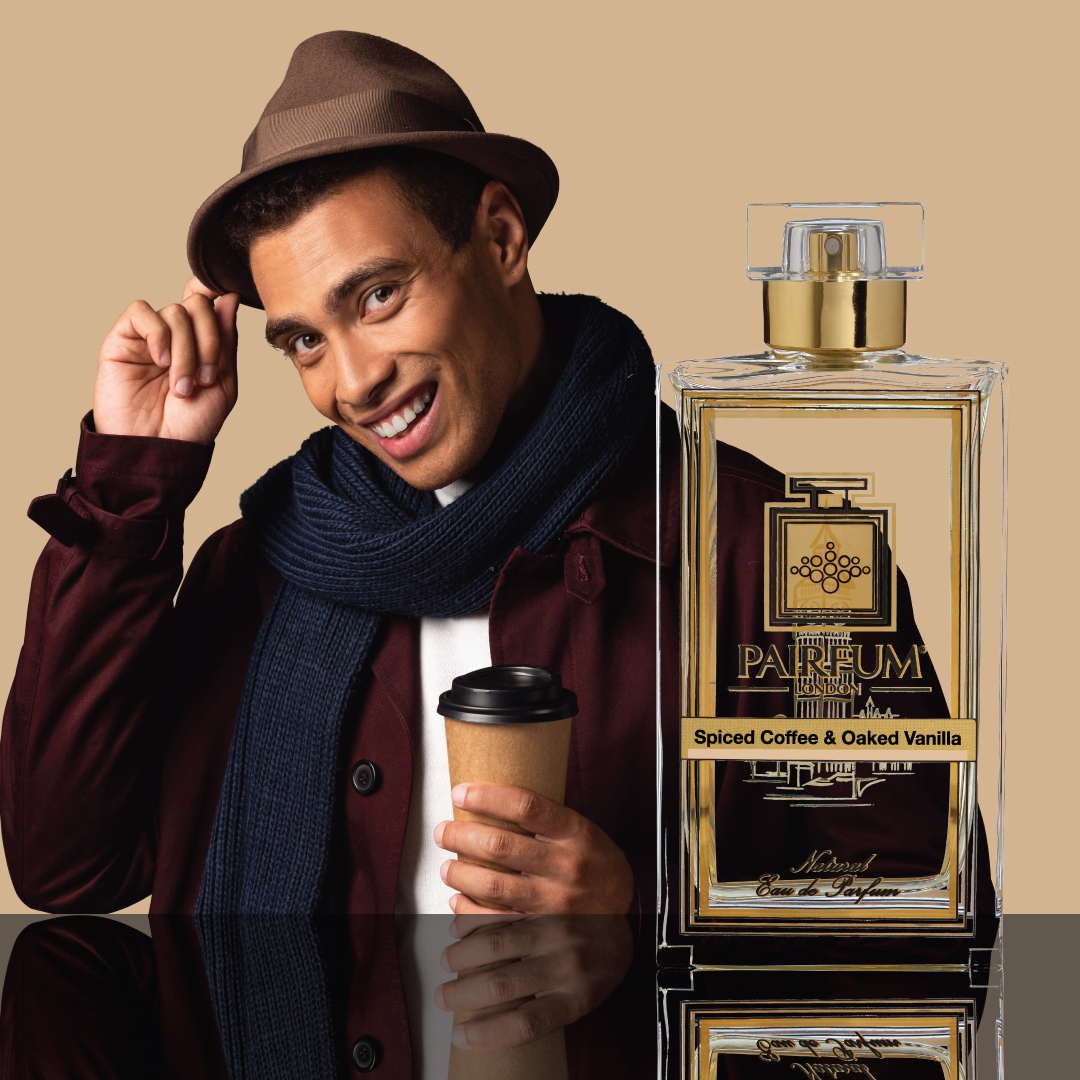
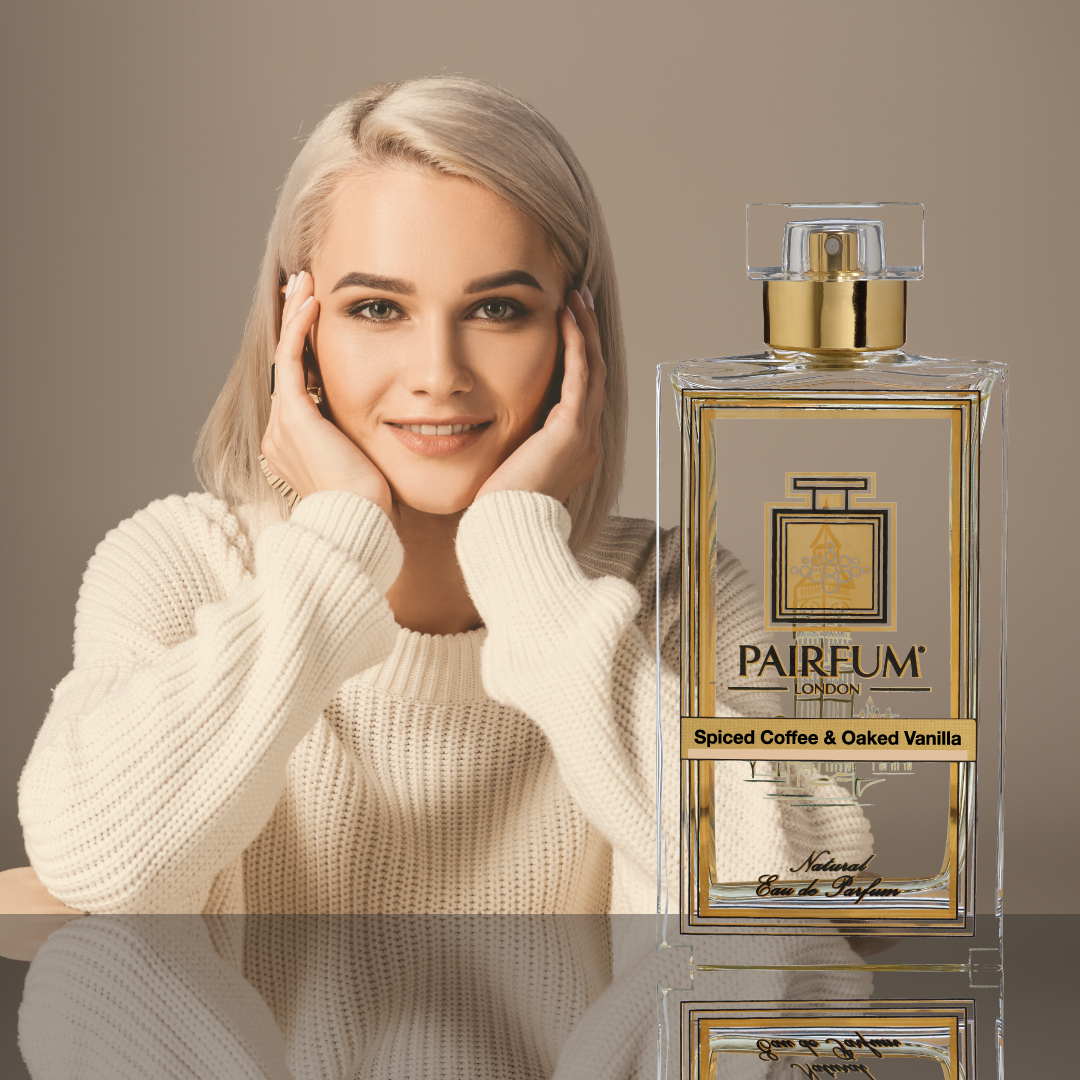
Experience the ultimate crossover between flavour and fine perfumery with our signature beverage perfumes. Whether you find solace in the decadent warmth of our Spiced Coffee & Oaked Vanilla or seek the bold, sophisticated charisma of Spiced Rum, Lime & Guaiac Wood, we have captured your favourite liquid memories in a bottle. Discover these luxurious blends today and find a drink-inspired fragrance that perfectly matches your taste.
Spiced Coffee & Oaked Vanilla – Eau de Parfum by Pairfum London
This warm, Oriental Spicy Fragrance opens with top notes of Pink Pepper, Orange Blossom and Crisp Pear. The Heart of the Fragrance is a modern blend of rich & dark Coffee combined with the elegance of Jasmine. The elegant finale settles into a sophisticated base of Vanilla aged in Oak, Patchouli and Cedar.
Spiced Rum, Lime & Guaiac Wood – Eau de Parfum by Pairfum London
This Connoisseur’s accord begins with the intense aroma of Rum, alongside nuances of Lime & Lemon and a radiant combination of Nutmeg & Pepper. The heart of the fragrance is deep and rich with Tuberose, Iris and Vintage Leather. A fond of Guaiac Wood, Cedarwood, Golden Amber, Vanilla Pod and Musk completes this luxurious fragrance.
A Fragrance That Feels Like Your Favourite Drink
What we drink often says something about our mood. A creamy cappuccino calms, a gin tonic brightens, and an iced tea cools you down. Beverage perfumes take that feeling and give you a new way to experience it.
By understanding the balance of pure ingredients, fine alcohol bases, and rich fragrance oils, we can appreciate the incredible artistry inside every single bottle. Next time you catch the scent of fresh citrus, rich vanilla, or warm wood notes, think of your favourite beverage and let the nostalgia carry you away.