Home / fragrancecollection
Nutmeg In Perfumery

Nutmeg in Perfumery: The Scent of Sophistication

Nutmeg, with its rich and warm fragrance, holds a special place in the world of perfumes. This aromatic spice, often used in cooking and baking, brings an exotic allure to many a fragrance composition. Its spicy, woody, and slightly sweet nuances add depth and complexity, taking your senses on a journey that blends comfort with a touch of adventure. Indeed, the multifaceted nutmeg scent is a true marvel in the world of fragrance.

Imagine the familiar embrace of nutmeg in your favourite holiday dishes, but now imagine that warmth bottled into a luxurious aroma that wraps you in its earthy aura. Nutmeg’s appeal in perfumery lies in its versatility, pairing seamlessly with a variety of other fragrance notes. As you explore the aromatic wonders of nutmeg, you’ll discover why this spice is a treasured component in perfume creation. Every aspect of nutmeg contributes to its unique character.

The Historical Appeal of Nutmeg

The story of nutmeg stretches back centuries, tracing its roots to the Banda Islands of Indonesia, also known as the Spice Islands, where the Myristica fragrans tree is native. Evidence suggests its use dates back as far as 3,500 years. Historically, these islands were the sole source of nutmeg and mace, making the spice incredibly valuable and a driving force in global trade. Arab traders successfully kept its origin a secret from Europeans for centuries, until the 13th century. The allure of nutmeg was simply irresistible.

The high value of nutmeg ignited intense competition among European powers. Around 1600, both the Portuguese and later the powerful Dutch East India Company fiercely sought to control the nutmeg trade, leading to significant conflicts and elaborate plots to maintain their lucrative monopoly. The British, in a strategic move to break Dutch dominance, eventually succeeded in transplanting nutmeg tree seedlings to other colonial holdings, particularly in the West Indies, ensuring the wider availability of this precious nutmeg seed.

Ancient civilisations, including the Egyptians and Romans, revered nutmeg not just for its culinary uses but also for its aromatic qualities. It was considered precious and was often used in ceremonial practices, with the Romans even utilising grated nutmeg as incense, to enhance rituals with its distinctive aroma. As the use of nutmeg spread, it found its way into perfumery, where alchemists began harnessing its evocative essence. This enduring fascination with nutmeg highlights its timeless appeal. The legacy of nutmeg continues in modern day perfumery, thanks to its ability to infuse warmth and richness into aromas.
Pairfum Fragrance Ginger Elemi Vetiver Triangle

The Aromatic Profile and Chemical Composition of Nutmeg

Beyond its general classification as a “spicy” note, nutmeg offers a nuanced and complex aromatic profile, making it truly unique in perfumery. It presents a multifaceted scent journey, typically opening with a warm, slightly piquant spice reminiscent of freshly grated nutmeg. This initial burst often transitions into a sweeter, almost creamy facet, which can sometimes have subtle hints of vanilla or even a delicate lactonic quality. The distinctive aroma of nutmeg is instantly recognisable and deeply comforting.

Underneath these dominant notes, there’s often an earthy and woody undertone, grounding the fragrance and preventing it from becoming overly sharp. Some varieties or extractions may also reveal subtle resinous or balsamic nuances, adding further depth. This intricate blend of warmth, sweetness, and earthiness allows nutmeg to harmonise beautifully with a wide spectrum of other perfume notes, from bright citruses to deep resins. The versatility of nutmeg as a warm spice is truly remarkable.

The distinctive aroma and properties of nutmeg are attributed to its complex chemical composition. The essential oil, which is colourless or light yellow, contains various volatile compounds. Principal components include pinene (such as D pinene), camphene, limonene, and importantly, myristicin. These compounds contribute to its characteristic flavour and fragrance. Additionally, nutmeg yields a fixed oil, often called nutmeg butter or nutmeg oil, which is primarily composed of trimyristin. Nutmeg extract is also sometimes derived, offering a concentrated flavour profile. These diverse compounds collectively define nutmeg’s rich aromatic signature.

Varieties and Types of Nutmeg in Perfumes

Nutmeg is more than just a single spice; it comes in several varieties, each with its own unique aromatic profile. The most common type is Myristica fragrans, the familiar nutmeg we know today, derived from its seed. Another variant, known as Bombay nutmeg, carries a less intense yet distinctive aroma that can subtly enhance a fragrance composition. In fact, dried nutmegs themselves can vary subtly in scent, influencing the final aroma.

In perfumes, these varieties of nutmeg contribute different elements to the overall bouquet:

  • Myristica Fragrans: Offers a warm, spicy, and slightly sweet aroma. It pairs well with oriental and exotic fragrances, lending them a rich base note. This is the most widely used variety due to its rich and well rounded scent, derived from the nutmeg seed. 
  • Bombay Nutmeg: Has a milder profile, suitable for lighter and more delicate perfumes. Its subtlety is perfect for adding a soft touch without overwhelming lighter compositions, making it ideal for more understated or airy blends.

Each type of nutmeg blends beautifully with other perfume notes, creating harmonious combinations. Whether coupled with florals for a romantic twist or with woods to evoke earthy elegance, nutmeg enhances and balances a fragrance’s character. This versatility is why nutmeg continues to captivate both perfumers and their audiences alike, making it a truly indispensable spice.
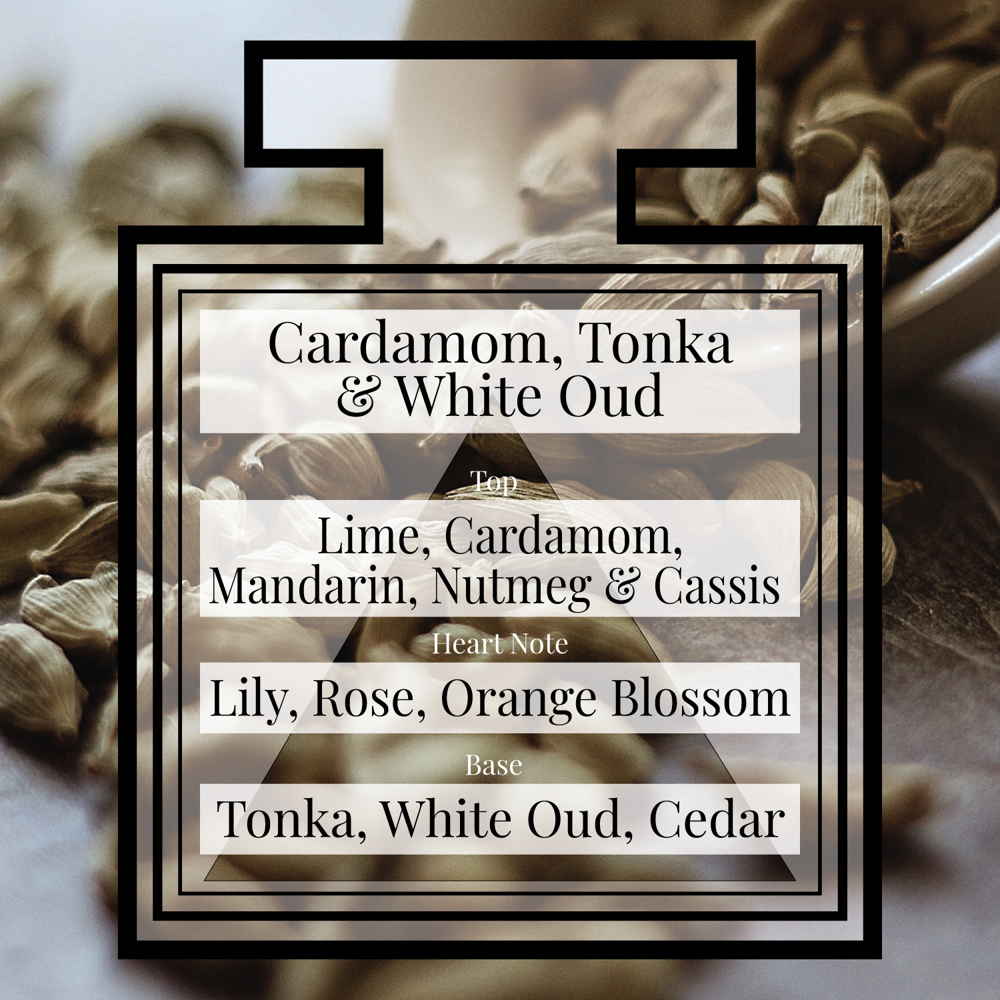
Pairfum Fragrance Cardamom Tonka White Oud Triangle

Extraction Methods: Capturing Nutmeg’s Essence

Extracting the rich aroma of nutmeg involves various methods, each with its advantages and nuances. 

The most traditional approach is steam distillation. This method involves heating the ground nutmeg with water, causing the aromatic compounds to evaporate. The vapours then condense into oil and water, allowing for the collection of pure nutmeg oil. This technique effectively captures the spice’s warm and spicy aroma, making it beloved in perfumery.

Another technique is CO2 extraction. This modern method uses carbon dioxide under high pressure to extract the essential oils. While more costly, it maintains more of the nutmeg’s natural properties, offering a truer essence. The resulting nutmeg oil is highly prized for its complexity and robustness in aromas. This extraction ensures a rich flavour profile is captured.

Perfumery also occasionally employs nutmeg extract or nutmeg absolute, though less commonly than the essential oil. An absolute is typically produced through solvent extraction, yielding a more concentrated and often richer aromatic material compared to steam distillation, capturing some of the more delicate, non volatile compounds from the nutmeg seed. 

Each extraction method has a unique way of drawing out the best from nutmeg, and perfumers choose based on the desired depth and character of the final fragrance. The careful extraction process is crucial for the quality of the nutmeg aroma.

Culinary Uses of Nutmeg

Beyond its prominent role in perfumery, nutmeg is an iconic spice in global culinary traditions, prized for its distinctive flavour. The nutmeg fruit itself contains the valuable seed from which this versatile spice is derived. In cooking, it is an indispensable ingredient in diverse culinary applications, from sweet baked goods to comforting savoury dishes.

In the realm of sweet treats, nutmeg is a staple in many recipes. It lends its signature flavour to cakes, pies, and puddings, including classic rice pudding. It is the quintessential spice in pumpkin pie and a key component in warming drinks like eggnog and mulled cider, where its aroma truly shines. The presence of nutmeg elevates these dishes.

For savoury dishes, nutmeg offers surprising versatility. It adds depth to creamy sauces, such as the traditional French béchamel sauce, and can be found in various soup and pasta sauce recipes. In Indian cuisine, nutmeg is a cherished ingredient, often featuring in complex spice blends like garam masala and general curry powder. It can also appear as a pickling spice. Its ability to blend harmoniously with other spices like cinnamon and star anise makes nutmeg a favourite amongst chefs. Even Penang cuisine features the unique flavour of the nutmeg fruit. No matter the recipe, nutmeg adds a special touch.

Nutmeg Display

Nutmeg as a Fragrance Note: Blending and Function

Nutmeg’s role in perfume compositions extends beyond simply adding a pleasant aroma; it acts as a crucial bridge and enhancer for other notes. Typically found in the heart or base notes of a fragrance, its warm and spicy character helps to ground lighter, more volatile top notes and provide a smooth transition into the deeper, more lasting base notes. The distinctive flavour profile of nutmeg also translates well into its aromatic applications, providing a rich aroma.

Nutmeg excels at blending with a wide array of fragrance families. In oriental compositions, this warm spice harmonises beautifully with vanilla, amber, frankincense, and myrrh, amplifying their warmth and adding a sophisticated spice. When paired with woody notes like sandalwood, cedarwood, or oud, nutmeg introduces a comforting earthiness and subtle sweetness that enriches the overall woody accord.

It also works surprisingly well with certain floral notes, particularly those with a richer character like rose or jasmine, adding an unexpected depth and complexity that elevates the floral bouquet beyond the purely sweet or fresh. In fougère or chypre fragrances, nutmeg can contribute a dry, aromatic spiciness, complementing notes of lavender, coumarin, and oakmoss. Its versatility allows it to lend a cosy, inviting quality or a subtle, intriguing edge, depending on the other ingredients it is paired with. The deep aroma of nutmeg is always a welcome addition.

Iconic Fragrances Featuring Nutmeg

Nutmeg has found a starring role in some of the most iconic and beloved fragrances. Here are a few examples that demonstrate its versatility:

  • Jo Malone London – Nutmeg & Ginger (1990): A pioneering scent that blends warm nutmeg with fresh ginger, introducing the world to a new kind of spicy minimalism. This fragrance paved the way for modern spicy gourmands. 
  • Yves Saint Laurent – Opium (1977): A landmark oriental fragrance where nutmeg enriches a heady blend of myrrh, clove, and florals. The spice contributes to its intoxicating signature. 
  • Tom Ford – Noir Extreme: Nutmeg is combined with cardamom and saffron, creating a sensual, gourmand-spicy heart that is both luxurious and exotic. 
  • Amouage – Epic Woman: In this deeply complex perfume, nutmeg pairs with incense and oud, reinforcing the brand’s reputation for opulence and narrative-driven scents.

Eau de Parfum Person Reflection Ginger Elemi Vetiver Man Walk 1 1

Broader Uses and Considerations of Nutmeg

Beyond its prominent role in perfumery and the kitchen, nutmeg has been historically and continues to be utilised across various industries. As a food flavouring, it is indispensable in diverse culinary applications, from baked goods and puddings to savoury dishes. The unique aroma of nutmeg is unmistakable.

In the pharmaceutical sector, the essential oil is incorporated into products such as toothpaste and cough syrups. Historically, an ointment derived from nutmeg butter was even used as a counterirritant and in the treatment of rheumatism.

However, it is important to note that while nutmeg is a beloved spice, consuming it in large quantities can have significant psychoactive effects due to compounds like myristicin. In excessive doses, nutmeg ingestion can lead to nutmeg intoxication, potentially causing hallucinations, convulsions, palpitations, and pain. While nutmeg poisoning is rarely fatal, awareness of its potent properties is essential, especially in contexts beyond its typical culinary or aromatic uses. The nutmeg seed contains these compounds. Despite these considerations, its proper use in cooking and perfumery is safe and cherished. This versatile nut should always be used thoughtfully.

Nutmeg Fragrances with Pairfum London

Cardamom, Tonka & White Oud – Eau de Parfum by Pairfum London

This rich, passionate fragrance opens with Lime & Mandarin, Cardamom, Nutmeg, Clove and fruity hints of Cassis. At the heart of this accord are spicy White Lily, Rose and Orange Blossom. A sensual base of Tonka, White Oud, Cedar, Santal and Amber rounds off this creation.

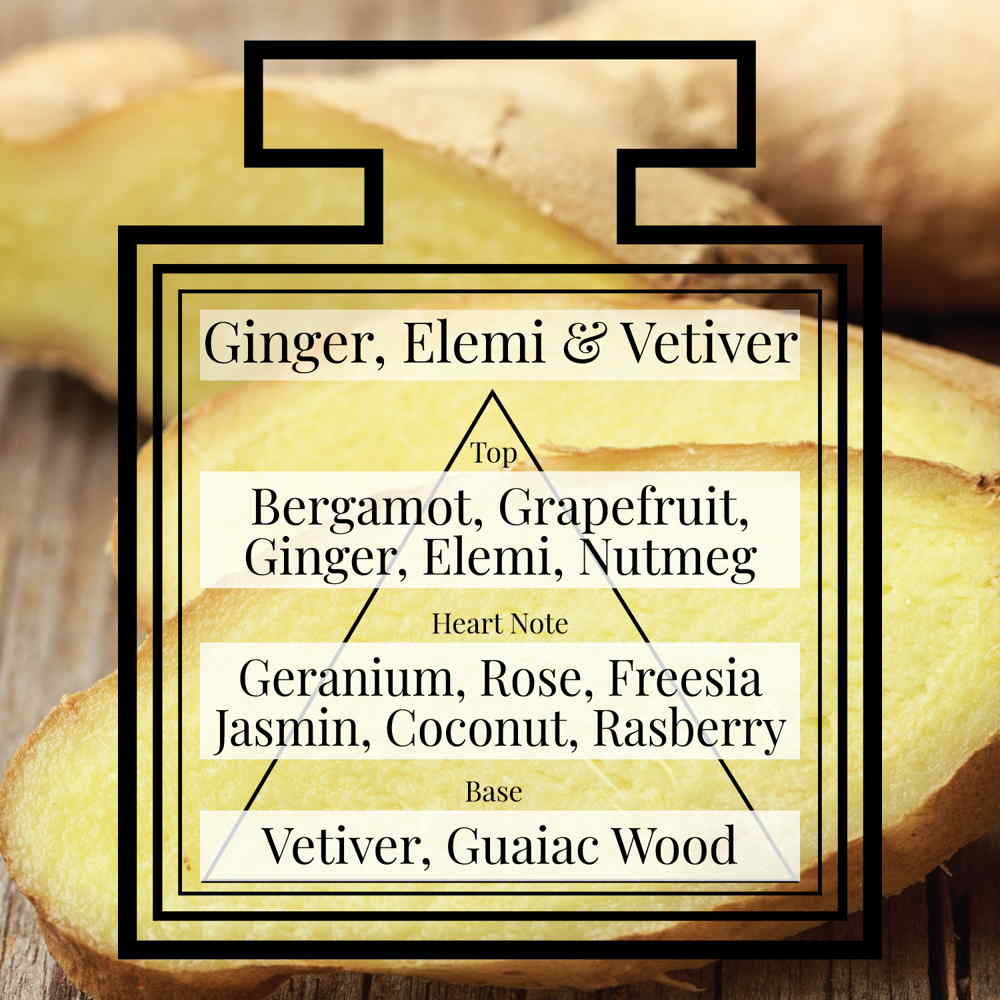
Ginger, Elemi & Vetiver – Eau de Parfum by Pairfum London

A surprising fusion of spices and freshness, it opens with notes of Bergamot, Grapefruit and a trace of Lavender, combined with Ginger, Elemi, Nutmeg & Cinnamon. The heart is composed of Geranium, Rose, Freesia, Gardenia, Jasmine and Orange Blossom, with fruity hints of Coconut and Raspberry. A base of Vetiver, Guaiacwood, Cedar, Amber, Cashmere Musks, Vanilla & Moss supports this note beautifully.
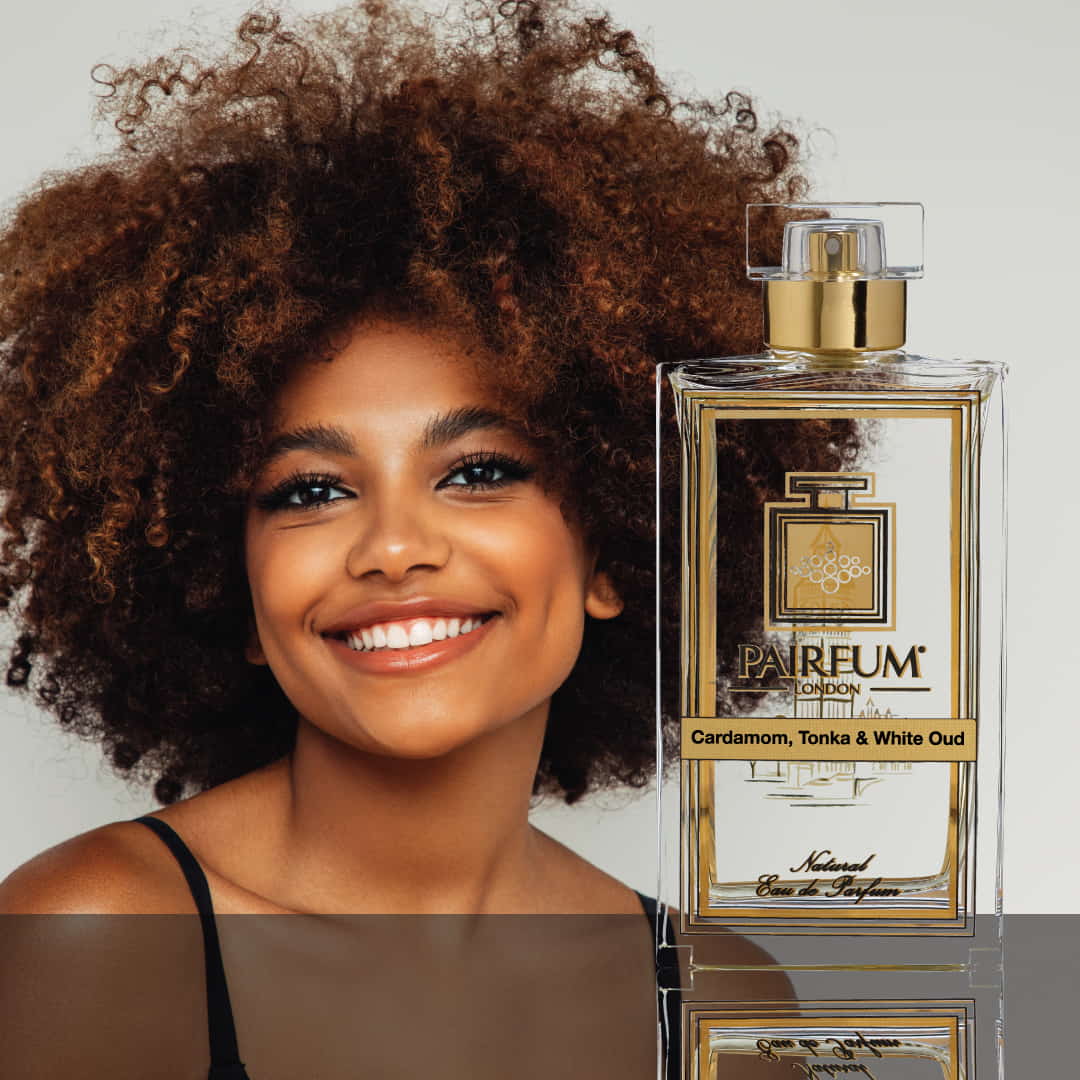
Eau De Parfum Person Reflection Cardamom Tonka White Oud Curls 1 1

Elevate Your Collection with Nutmeg’s Warm Aromas

Nutmeg continues to captivate with its warm and inviting essence. Its history, versatility, and unique character ensure that it remains a staple in fine fragrance creation. Whether you’re seeking spicy warmth or a rich depth that transforms a simple aroma into something unforgettable, nutmeg offers a fascinating blend of possibilities. This exceptional spice truly stands apart.

As you explore the aromatic world of nutmeg further, consider how this spice’s enduring appeal can transform your fragrance collection. Its presence in iconic perfumes is a testament to its timeless allure and ability to adapt to modern tastes while holding onto a rich history. Embracing its essence can open doors to new and exciting fragrant experiences. The nutmeg fruit and its precious seed provide a world of aromatic wonder.

Let the timeless allure of nutmeg guide you in creating a truly unforgettable fragrance journey. Discover the essence of nutmeg and its potential to transform your perfume collection. The unique aroma of nutmeg is a testament to nature’s artistry.

Mandarin In Perfume

Mandarin in Perfume: Exquisite Citrus Notes

Mandarin, a vibrant and uplifting citrus fruit, has charmed many with its refreshing aroma. Its bright, luminous essence is celebrated across the perfume industry for its ability to add a burst of zest, energy, and a captivating fruity sweetness to any fragrance, often serving as a radiant and joyful opening. This delightful citrus fruit not only indulges our sense of taste but also plays a versatile and indispensable role in the world of fine perfumes. With its tangy appeal, rich history, and the power to evoke memories of summer and shared happiness, mandarin continues to enchant fragrance lovers across the globe, defining countless unique scents.

Embraced for its unique aroma, mandarin is much more than just a pleasing fragrance note. Its presence in perfumes offers a fresh take on citrus bouquets, providing a delightful experience that captures the spirit of sunshine and vitality all year round. By delving into the details of mandarin’s journey from tree to essence, we can truly appreciate its profound impact on modern perfumery, where it stands as a cornerstone ingredient. Every carefully crafted fragrance often starts with such exquisite raw materials.

A Journey Through History: Mandarin and Its Fragrant Legacy

The story of mandarin dates back centuries, with origins that are as captivating as its aroma. Originally from China and Southeast Asia millennia ago, mandarin orange has held deep cultural significance in many regions. In China, for instance, this citrus fruit symbolises good fortune, prosperity, and celebration, often associated with Chinese New Year festivities where it is exchanged to bring happiness. As ancient trade routes expanded, mandarins travelled to new lands, reaching the Mediterranean and eventually finding their way into European apothecaries and, later, the burgeoning perfumery industry in the 19th century. Their aromatic appeal quickly made them a prized ingredient for a truly memorable scent.

Throughout history, mandarin has gradually found its distinguished place in the world of perfumes. Its fresh, invigorating, and sweet notes made it a favourite in many classic fragrances, particularly those aiming for a light, uplifting character. As perfumers sought new and exciting aromas, mandarin’s bright and lively character became a welcome addition to countless aromatic creations, providing a timeless sense of joy and vitality to any perfume bottle.

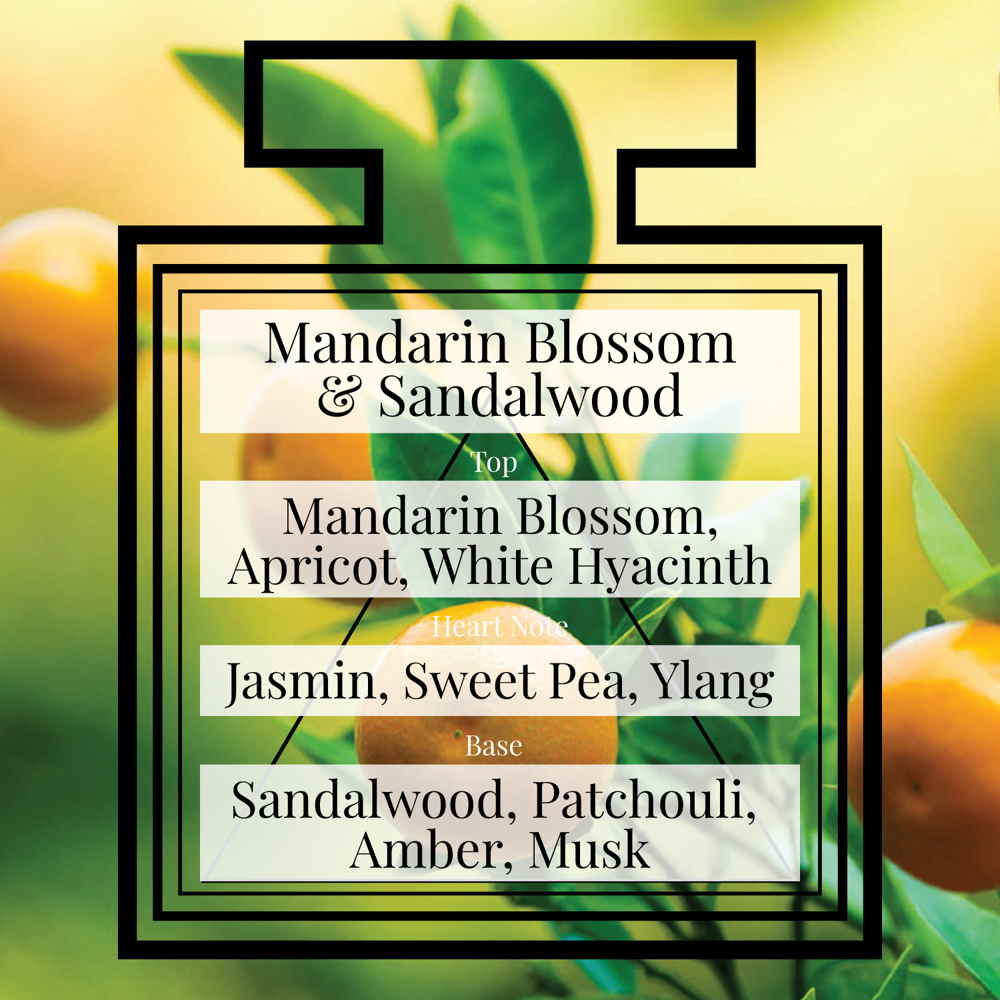
Pairfum Fragrance Mandarin Blossom Sandalwood Triangle

Types of Mandarin Used in Perfumes

Mandarins might all seem the same at first glance, but they actually come in a few different varieties, each bringing its own unique fragrance profile. Understanding these differences can help us better appreciate the intricate layers of aromas that mandarins contribute to perfumes. The overall olfactive profile of mandarin is characterised by a sweet, hesperidic, juicy, and often honeyed quality, frequently carrying a sensual, floral, neroli like trail. Each citrus note from these varieties offers distinct nuances to a perfume.

Clementine: 

Known for its remarkably sweet and less tangy aura, clementine offers a softer citrus bouquet. Its fragrant oil is used in more subtle and refined compositions, often contributing a gentle, sunny disposition to a perfume.

Tangerine: 

Tangerines have a slightly tarter profile with a lively aroma. They bring a sharp zest to perfumes, ideal for those who love a bolder, more effervescent citrus touch, often with a hint of greenness and bright energy. This particular sweet orange variant adds a unique layer to any fragrance.

Mandarin (Red Mandarin): 

The classic mandarin balances sweetness with a hint of spice, providing a rich and complex essence. Its fragrant oil is incredibly versatile, adding depth, warmth, and a characteristic ‘juicy’ brightness to any perfume. This is often what perfumers refer to simply as ‘mandarin’.

Green Mandarin: 

Less sweet and more acerbic than its ripe counterparts, green mandarin is derived from unripe fruit. It offers a sharper, greener, and more herbaceous aroma, providing a sophisticated, almost bitter zest that can add an unexpected edge and luminosity to a fragrance. It’s a truly distinctive citrus scent.

These distinct types enable perfumers to precisely tailor the citrus accord within a fragrance, enhancing the appeal of citrus inspired perfumes and making them exciting and diverse. By embracing the unique characteristics of each variety, perfumers can create harmonious blends that captivate and intrigue, ensuring every note plays its part.

The Art of Extraction

Transforming mandarin orange into the delightful essence that adds joy to perfumes is both a science and an art. There are a few key methods used to extract the oil from mandarin peels, each offering unique qualities to the final fragrance. The selection of raw materials is crucial for the resulting scent.

Expressed Oils: 

This method, often referred to as cold pressing, involves mechanically pressing the peel to release the essential oils. It’s a straightforward yet highly effective way to capture the natural aroma, preserving the most delicate and vibrant nuances of mandarin, ensuring optimal freshness.

Distillation: 

A method involving steaming the peels, which separates the oil from the plant material. While distillation may alter the oil’s aroma slightly, offering a cleaner, sometimes slightly less ‘fruity’ or more ‘cooked’ character, it’s valued for producing a pure and often lighter essence for a particular perfume.

Solvent Extraction: 

Here, solvents are used to draw out the oil. This can produce a highly potent essence, capturing a broader spectrum of aromatic compounds, though it might lack some of the subtle, volatile aspects of cold pressed oils.

Each method has its benefits, allowing perfumers to choose based on the desired character of the fragrance. While expressed oils are usually preferred for their natural aroma, retaining the brightest, most authentic scent of the fruit peel, the choice of technique profoundly influences how a fragrance develops on the skin, making the art of extraction a fascinating topic for enthusiasts of the perfect scent.

Pairfum Eau de Parfum Person Reflection Mandarin Blossom Sandalwood Man 1 1

Sourcing Mandarin: A Commitment to Quality and Sustainability

Beyond the artistry of extraction lies the fundamental importance of sourcing. For any perfumery committed to natural and refined fragrances, the origin and cultivation of mandarin are paramount. Responsible sourcing ensures not only the highest quality essential oils, free from pesticides and adulterants, but also supports sustainable farming practices and fair trade for the communities growing these precious fruits. This commitment reflects a deeper respect for nature and the people who cultivate its gifts, ensuring that the vibrant essence of mandarin is not only beautiful but also ethically produced, contributing to a more conscious and harmonious world of perfumery. Every ingredient matters.

The Versatile Uses of Mandarin in Perfumes

Mandarin isn’t just a standalone essence; it plays exceptionally well with others. Its vibrant citrus notes act as a harmonious bridge within complex aromatic creations, offering both balance and brightness. One of the captivating aspects of mandarin is its ability to blend effortlessly with other fragrance notes, enriching the perfume palette and providing an energising and luminous sensation. Its often very sweet, fruity, and citrusy aroma with a light floral undertone can be surprisingly relaxing and calming, making it suitable even for mystical fantasy fragrances. This versatile citrus note truly enhances a perfume.

Mandarin’s Role in a Fragrance

Primarily, mandarin shines as a top note. Its bright, effervescent, and uplifting character makes it ideal for the initial impression of a perfume, providing an inviting burst of freshness that captures attention. While it may dissipate relatively quickly, its sparkling introduction sets the stage for the heart and base notes to unfold. It often dominates the top notes in gourmet floral compositions and plays a main role in citrus aromatic fragrances, establishing the immediate scent.

Common pairings include:

  • Other Citrus Fruits: Mandarin harmonises beautifully with lemon, lime, orange, grapefruit, bergamot, and bitter orange, enhancing the overall citrus accord and adding layers of brightness and zest. 
  • Floral Notes: Light florals such as jasmine, rose, neroli, and orange blossom. They highlight mandarin’s sweet and sometimes sensual side, creating a rich, exotic, and often sun drenched aura, adding depth to this fragrance family. 
  • Spicy Elements: Cinnamon, ginger, nutmeg, cardamom, or black pepper. They amplify the zest of mandarin, perfect for a warm, invigorating, and sometimes gourmand bouquet. Juniper berry can also add a crisp, aromatic edge to the citrus. 
  • Woody Fragrances: Cedar, sandalwood, or vetiver. These bring out mandarin’s earthy undertones, resulting in a grounded yet refreshing and sophisticated experience, often balanced with amber. 
  • Gourmand Notes: Vanilla, tonka bean, caramel, or even chocolate. Mandarin offers a delightful contrast, providing a refreshing counterpoint to richer, sweeter elements, preventing them from becoming overwhelming in a captivating fragrance.

Mandarin Across Fragrance Families

Mandarin’s adaptability means it finds a home across a wide spectrum of fragrance families:

  • Colognes and Fresh Scents: Its invigorating nature makes it a staple, delivering instant freshness and clean appeal. 
  • Chypre Fragrances: It can provide a luminous opening that cuts through the deeper, earthy base notes, adding a modern twist and vivacity to the fragrance. 
  • Floral Bouquets: Mandarin adds a sparkling, juicy quality, preventing florals from becoming too heavy or cloying, enhancing the overall scent. 
  • Oriental and Gourmand Scents: It offers a delightful contrast, providing a refreshing counterpoint to richer, sweeter, or spicier elements, preventing them from becoming overwhelming in a truly enchanting perfume.

Mandarin’s flexibility makes it a favourite among perfumers, who enjoy exploring its multiple facets. Some iconic perfumes have captured the essence of mandarin expertly, showcasing its ability to stand out while adding depth to an ensemble of aromas. Think of its bright opening in fragrances like Chanel Coco Mademoiselle, where it provides a vibrant counterpoint to patchouli and rose, or its luminous role in lighter compositions, offering an exquisite scent. Brands like Jo Malone London often feature bright citrus notes, including mandarin, in their refreshing eau de parfum and eau de toilette collections. Similarly, the artistic creations from Serge Lutens and Liquides Imaginaires sometimes subtly incorporate mandarin to add complexity and a unique sparkle to their intricate olfactive narratives. Whether used subtly or prominently, mandarin leaves a memorable imprint on any captivating fragrance.

Mandarin Fruit

Beyond Fine Fragrance

While mandarin’s wider appeal is celebrated in fine perfume, the versatility of mandarin orange extends beyond the realm of personal fragrance. Its uplifting citrus scent is also highly valued in home products, contributing its refreshing essence to candles, diffusers, and even an air freshener, bringing warmth and cheer into living spaces. However, the true artistry of this raw material is best experienced in a carefully composed perfume.

Considering Your Next Scent: When exploring a new eau de parfum or mandarin eau de toilette, consumers often consider various factors beyond just the scent itself. The quality of the ingredients, the artistry of the blend, and the elegance of the bottle all contribute to the perceived value. While the regular price reflects the complexity and preciousness of the raw materials and the perfumer’s skill, the joy of discovering a new favourite scent, perhaps even presented in a beautiful gift set, is immeasurable. The journey from selecting potential notes to finally adding a cherished fragrance to one’s cart is part of the overall experience of personal indulgence. The unique molecular compound, Iso E Super, for instance, can often be used by perfumers to enhance the diffusion and longevity of these vibrant citrus notes, creating an enveloping aura around the wearer and further contributing to the final character of the perfume.

Mandarin in Perfume with Pairfum London

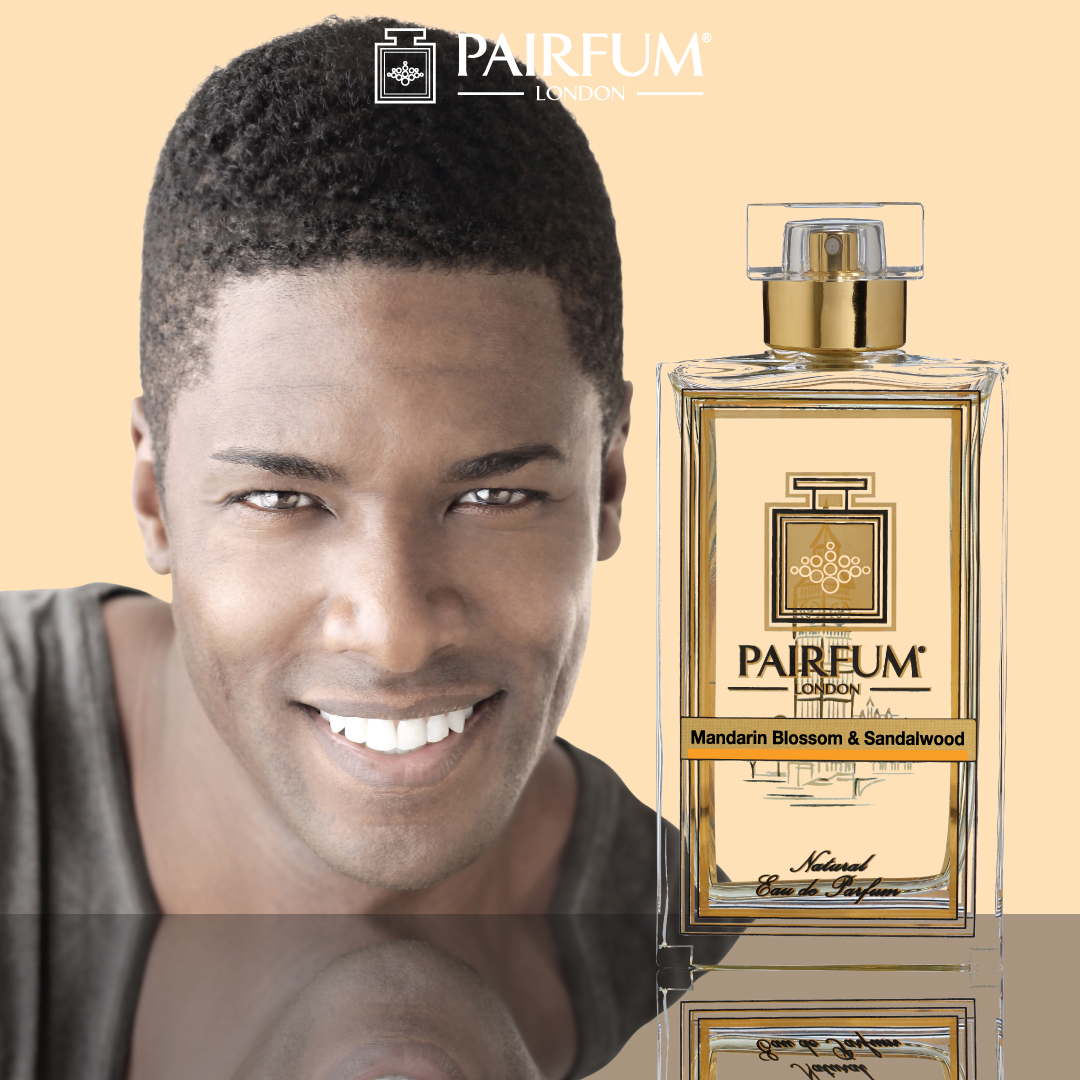
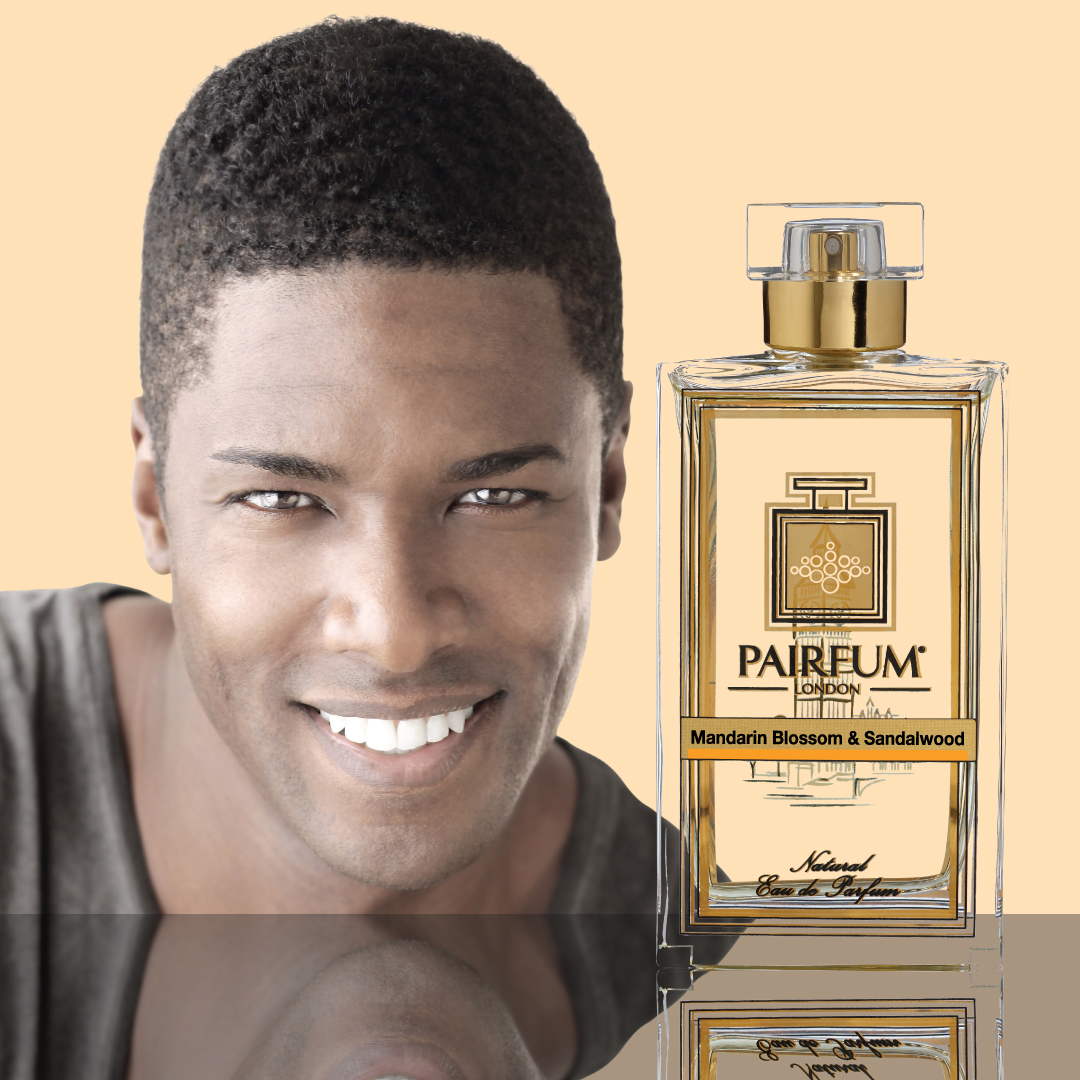
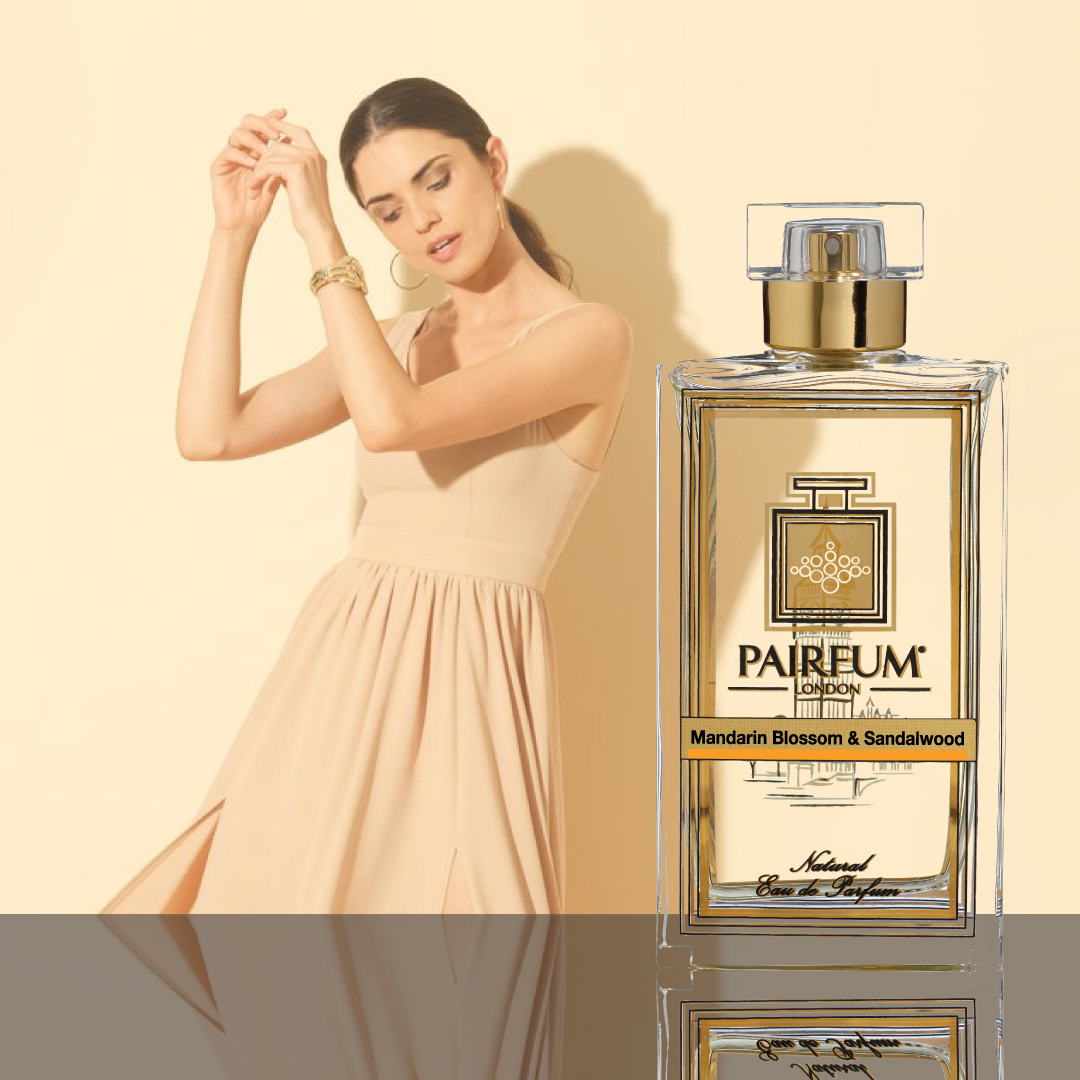
For those seeking a refined expression of mandarin in perfume, Mandarin Blossom Sandalwood Eau de Parfum offers a beautifully layered experience. This fragrance captures the delicate sweetness of mandarin blossom, enhanced by creamy sandalwood and a whisper of white florals. It is an elegant interpretation of the citrus fragrance family, blending freshness with warmth and subtle floral complexity. A perfect choice for those drawn to fragrances that evoke brightness while leaving a soft, lasting impression.

Mandarin Blossom & Sandalwood – Eau de Parfum by Pairfum London

An elegantly, feminine floral Chypre accord opening with the freshness of Mandarin Blossom, Apricot and White Hyacinth as Top notes. It’s romantic heart reveals a floral bouquet of Sweet Pea, Jasmine and Ylang Ylang, while the fond of Sandalwood, Patchouli, Amber and Musk create a magnetic trail.

Pairfum Eau de Parfum Person Reflection Mandarin Blossom Sandalwood Woman Dance 1 1

Rediscover Freshness with Mandarin

The journey of mandarin from a simple citrus fruit to a beloved component of many perfumes is a testament to its enduring charm. Its vibrant, sparkling essence not only offers a delightful burst of freshness but also complements a wide range of other notes, making it an indispensable part of a perfumer’s palette. With different types, precise extraction methods, and countless blend possibilities, there are virtually endless ways for mandarin to enhance and define fragrances, offering a captivating journey of joy and energy. The enduring appeal of this citrus note continues to shine.

When exploring perfumes featuring mandarin, you’re not just embracing a fragrance; you’re inviting the joyous spirit of mandarin into your collection. As you discover the vivid aromas that mandarin brings, you may find yourself enchanted by its ability to evoke warmth and sunshine in any setting, truly transporting you. The journey of mandarin is a sensory adventure, and embracing it might just lead you to your next cherished fragrance. From a simple spritz from a beautifully designed perfume bottle to the nuanced evolution of its scent on your skin, mandarin offers a delightful experience.

Hormones Senses & Wellbeing

How Hormones Shape Our Sensory World and Wellbeing

In the refined realm of luxury perfumery and skincare, one invisible force orchestrates countless visible effects: hormones. These powerful chemical messengers govern far more than reproductive health or mood, they are central to the way our skin behaves, how we age, and how fragrance unfolds on our skin throughout the day. The endocrine system, a network of endocrine glands, continuously communicates through hormones to regulate growth, metabolism, and even the personal chemistry that makes each fragrance experience utterly unique.

Understanding Hormones and Their Role in the Human Body

Hormones are secreted by endocrine glands and travel through the bloodstream to organs and tissues, influencing nearly every function in the human body. From regulating blood sugar with insulin to influencing metabolism through thyroid hormone, hormones act like conductors in a symphony of biological processes.

The pituitary gland, often called the master gland, plays a crucial role by controlling other glands like the adrenal gland, thyroid gland, ovaries, and the pineal gland. The anterior pituitary, in particular, is responsible for the secretion of pituitary hormones such as growth hormone, luteinizing hormone, and follicle stimulating hormone, all of which are vital for growth, cellular repair, and reproduction.

A healthy endocrine system depends on the balance and precision of these hormone levels. When even a single hormone level is disrupted, it can lead to a hormone imbalance or broader hormonal imbalances, which affect physical appearance, emotional wellbeing, and olfactory perception.

Pairfum Collection Niche Perfume Experience Fragrance Library 73 Square

The Relationship Between Hormones and Skin Health

The skin is a mirror of internal hormonal shifts. Hormonal changes during life stages such as adolescence, pregnancy, and menopause often manifest visibly on the skin.

  • Oestrogen, a key female sex hormone, contributes to skin thickness, hydration, and collagen production. Declining Oestrogen levels during menopause can lead to dry, sagging skin and increased wrinkles.
  • Growth hormone, released by the anterior pituitary gland, supports cell regeneration and wound healing. A deficiency may result in dullness and slower skin repair.
  • Thyroid hormones regulate metabolic processes. Imbalances can cause dry skin, puffiness, or excessive sweating.
  • Parathyroid hormone, produced by the parathyroid gland, helps manage calcium levels essential for skin renewal and smooth texture.

In conditions involving hormonal imbalance, such as hypothyroidism or PCOS, the skin may become oily, acne prone, dry, or overly sensitive. A sudden change in your complexion may point to an underlying imbalance within the endocrine system.

How Hormonal Changes Influence Perfume Performance

Scent is deeply personal, and hormones subtly influence both our perception of aroma and how fragrance behaves on our skin.

  • Throughout the menstrual cycle, fluctuations in sex hormones and progesterone levels may affect skin temperature, oil secretion, and olfactory sensitivity.
  • The adrenal glands release cortisol, a stress hormone, which may alter how quickly a fragrance dissipates or intensifies on the skin.
  • Changes in thyroid hormone levels affect body temperature and perspiration, which can interfere with a perfume’s longevity and projection.

Perfume is not a static experience. Hormonal changes cause scent to evolve differently on the same person depending on the day, time, or life phase. Understanding your hormone levels can help in selecting fragrances that consistently perform well for your body chemistry.
The Role of Male Hormones and Steroids in Skin and Scent Chemistry

In the context of skin and fragrance, male hormones—particularly androgens like testosterone, a primary male hormone—play a significant role in regulating oil production and hair growth, both of which can affect how scent develops on the skin. These androgens belong to the broader category of steroid hormones, which are derived from cholesterol and produced primarily in the adrenal glands and gonads. Imbalances in steroids, whether natural or synthetic, such as anabolic steroids, can disrupt sebum balance and skin texture, altering how fragrance interacts with the skin. Understanding how steroids influence dermal chemistry is essential for interpreting individual scent experiences.

Scent, Skin, and the Role of Glands in Fragrance Chemistry

Glands play a central role in how fragrance binds to and releases from the skin:

  • The thyroid gland influences metabolism, temperature regulation, and sweat production.
  • The adrenal gland and adrenal glands affect oil production and skin hydration, shaping how long and how intensely a perfume projects.
  • The pineal gland, through melatonin secretion, indirectly affects sleep cycles, stress levels, and overall skin health, all factors in the scent experience.
  • The pituitary gland and specifically the anterior pituitary orchestrate hormone production across multiple endocrine glands, including those tied to skin function and scent retention.

Sebaceous activity, sweat, and pH—all controlled or influenced by hormones—determine how a scent molecule clings to or releases from the skin. For those who notice their fragrance fading quickly or transforming dramatically, the root cause may be hidden deep in the endocrine system.

Woman Managing Hormones Well

Common Hormonal Imbalances and Their Sensory Implications

Several well documented conditions involve hormonal imbalances that impact skin and scent:

  • Hypothyroidism (low thyroid hormone) leads to dry skin and a reduction in body heat, which dulls fragrance diffusion.
  • Hyperthyroidism increases body temperature and moisture, which may cause fragrances to dissipate too rapidly.
  • Cortisol elevation from stress suppresses other hormone production and disrupts skin integrity and olfactory reception.
  • PCOS and ovarian disorders affect levels of sex hormones, contributing to acne and irregular scent projection.

Identifying these issues often involves testing for key markers like thyroid stimulating hormone, corticotropin releasing hormone, and thyrotropin releasing hormone—all managed under the guidance of an endocrinologist or hormone specialist.

Medical Treatments and Hormonal Health

In more serious or persistent cases of hormonal imbalances, medical therapies can offer profound benefits for skin and scent harmony.

  • Hormone therapy or hormone replacement therapy can balance oestrogen and progesterone levels during perimenopause or menopause symptoms, restoring hydration and fragrance consistency.
  • Growth hormone therapy, when supervised by an endocrine specialist, supports tissue repair and may improve skin texture and scent performance.
  • Medications that regulate sex hormones, such as contraceptive pills or antiandrogens, help with conditions like acne or excess oil production.

All treatments aim to recalibrate hormone production from the endocrine gland and restore equilibrium within the endocrine system, supporting skin health and optimal fragrance performance.

Natural Strategies for Balancing Hormones

While medical treatments are effective, many choose to begin with natural strategies to support their endocrine health:

  • Diet: Omega-rich foods, cruciferous vegetables, and sources of magnesium support endocrine glands like the ovaries and adrenal glands.
  • Sleep: Deep rest allows the pineal gland and anterior pituitary gland to function optimally, contributing to proper hormone production.
  • Stress reduction: Reducing chronic stress helps moderate cortisol and supports reproductive hormones.
  • Exercise: Regular activity helps reduce insulin resistance and improves hormonal balance overall.

Supplemental support such as vitamin D, probiotics, and adaptogenic herbs may also assist in keeping hormone levels within a healthy range.

Pairfum Collection Niche Perfume Experience Fragrance Library 49 Square

Fragrance as a Reflection of Inner Balance

Fragrance evolves with your body, just as your hormone levels and skin chemistry shift throughout the menstrual cycle, periods of stress, or changes in oestrogen or growth hormone. A perfume that once lingered all day may behave differently when your pituitary gland is signalling a different phase of balance. Exploring scent as an extension of your body’s rhythm invites a more intimate and intuitive relationship with fragrance, one that enhances the sensory dialogue between skin, scent, and your natural hormonal flow.

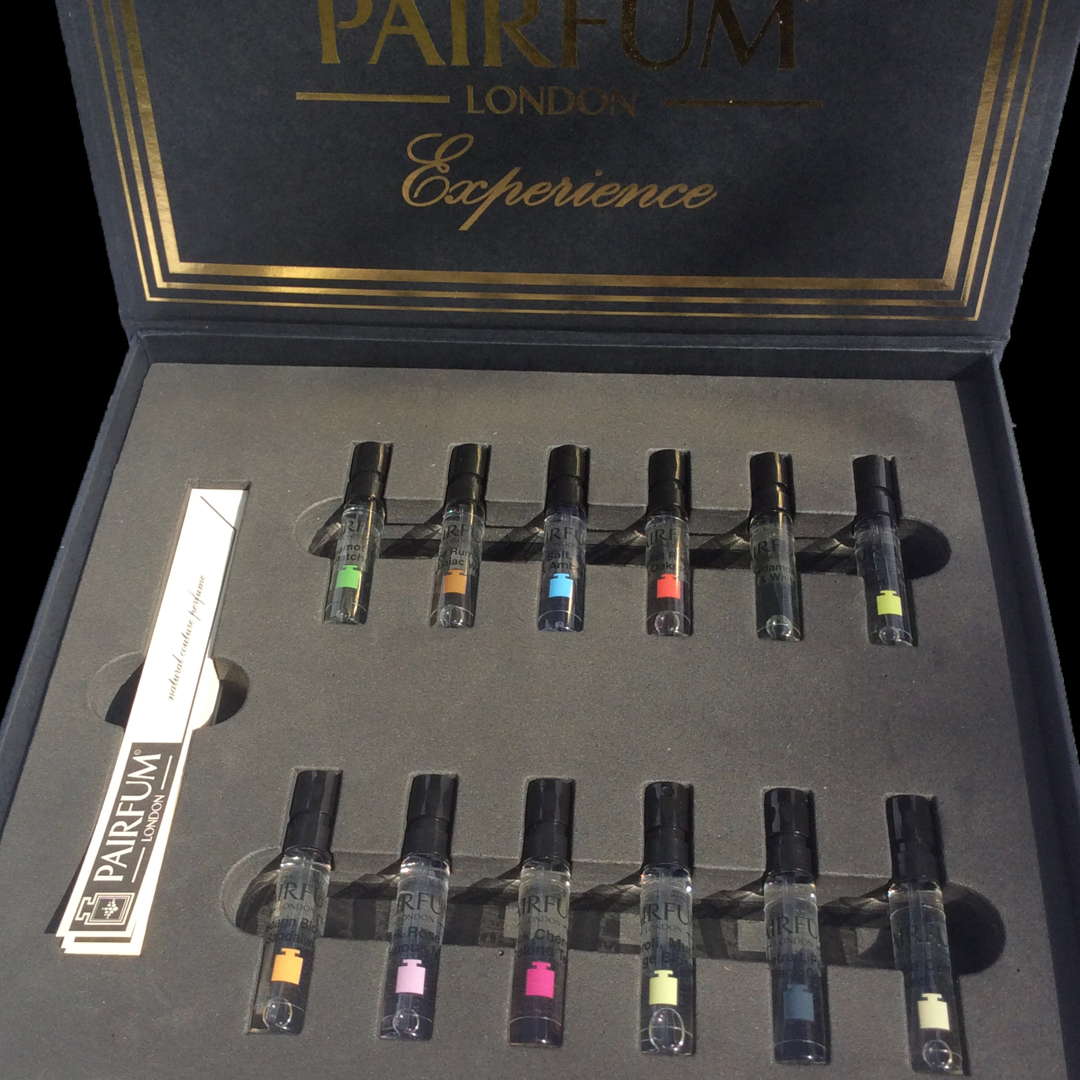
Discover the Fragrance Library Experience – by Pairfum London

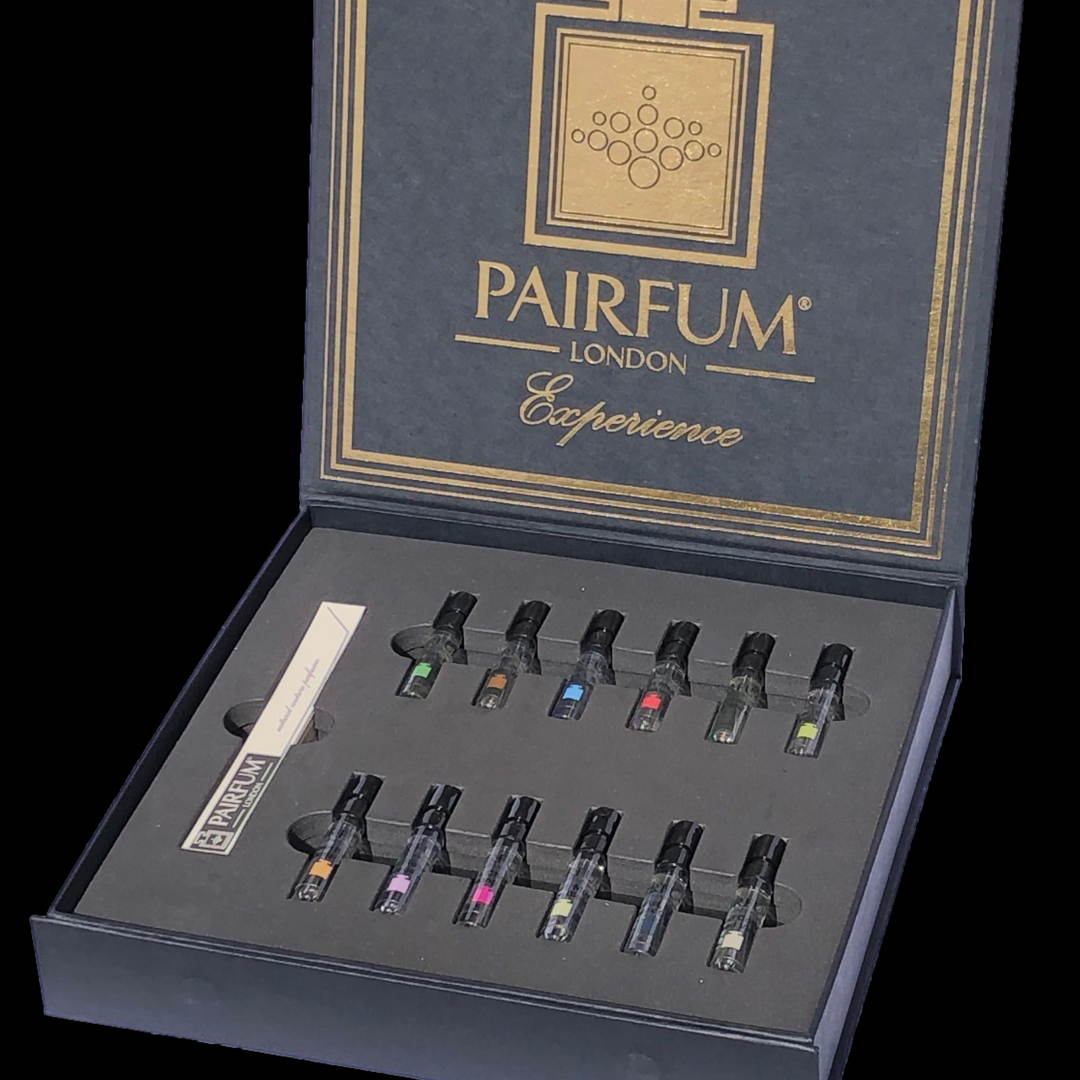
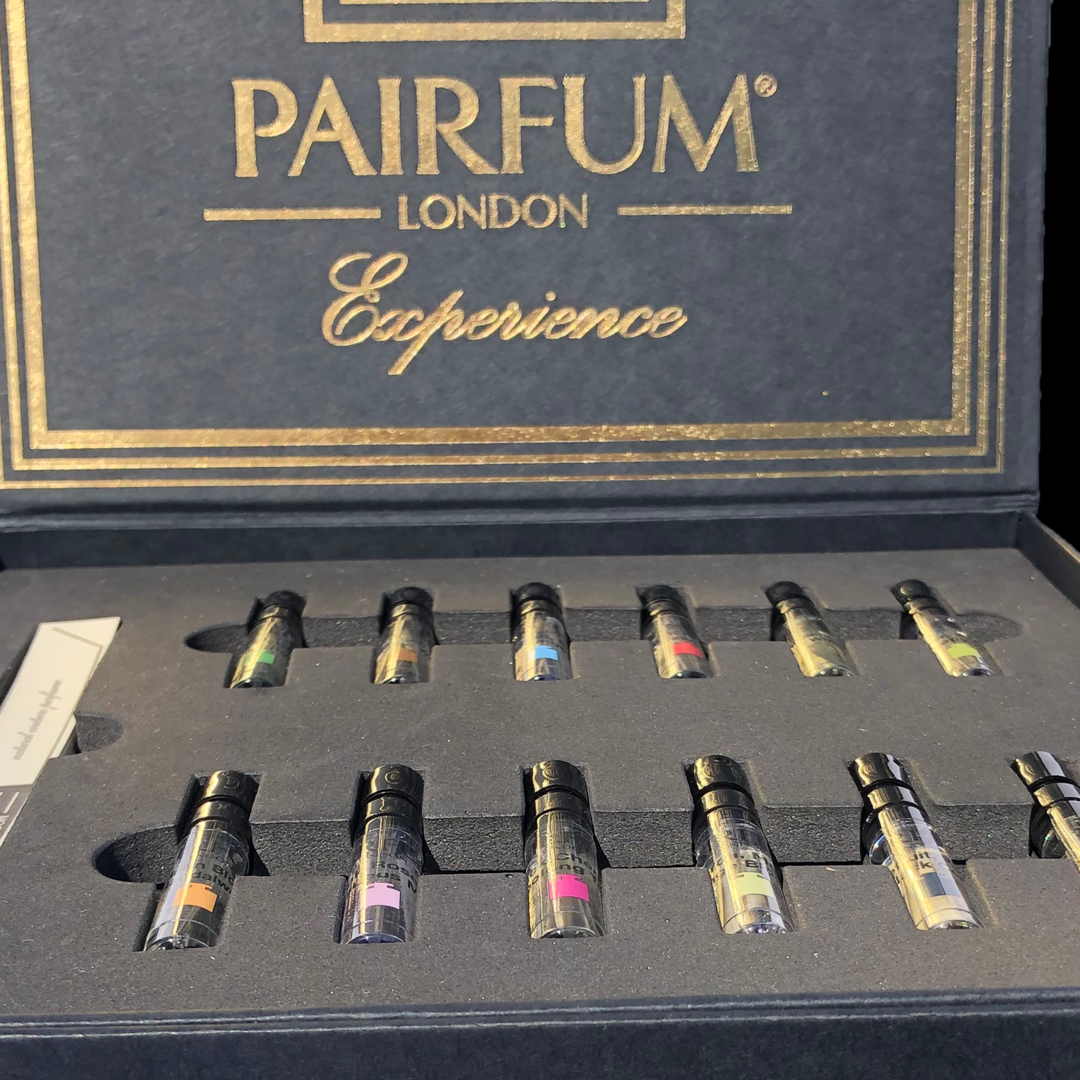
The Fragrance Library Perfume Experience Box Collection presents a luxurious way to explore this personal connection. With a selection of sophisticated eau de parfum samples housed in an elegant keepsake box, it’s an invitation to experiment with scent across different times and moods. This collection is crafted for fragrance lovers who appreciate nuance and want to discover how various notes perform uniquely with their individual skin chemistry.

Conclusion: A Biological Understanding of Beauty and Fragrance

Luxury beauty and perfumery go beyond aesthetics—they are intimately tied to biology. Every drop of fragrance interacts with the endocrine system, responding to changes in hormone levels governed by glands as complex and finely tuned as the pituitary gland, thyroid gland, and adrenal glands.

From the role of growth hormone in skin rejuvenation to the influence of oestrogen on how scent lingers, this delicate dance between science and sensuality is what gives perfumery its magic and individuality. For enthusiasts and professionals alike, mastering this intersection opens a deeper appreciation of the human body and the scent it carries through time.

Gut Health

How Gut Health Shapes Your Skin, Mood and Overall Wellbeing

Among the most important internal influences on your health is your gut health, which plays a vital role in everything from inflammation and immunity to mood and complexion. Your skin tells a story, not just about what you put on it but what’s happening inside your body.

At the heart of gut health is your gut microbiome, a bustling ecosystem of microorganisms that live in your digestive system. These microbes affect how you digest food, absorb nutrients, regulate hormones and even fight disease. When the gut microbiota is thriving, your skin is more likely to be clear, bright and healthy. But if your gut microbiota composition is out of balance, it can lead to a range of issues both internal and external.

In this article, we’ll explore how your gut microbiome affects your skin, how to support it through diet and lifestyle, and why looking after your gut is essential for both overall health and beauty.

What Is Gut Health and Why It Matters

Gut health refers to the effective functioning and balance of microorganisms in the digestive system, especially within the intestinal microbiota. These microbes, also called the microbiota, consist of trillions of gut bacteria, fungi, viruses and other microbes that interact with every aspect of your body’s functioning.

A healthy gut supports not only your skin but also your immune system, mental health and metabolism. On the other hand, poor gut health or an unhealthy gut may contribute to conditions such as irritable bowel syndrome, ulcerative colitis, acne and even mood disorders.

Research from trusted institutions including the Mayo Clinic suggests that maintaining a healthy gut microbiome plays a significant role in disease prevention and overall health.

Pairfum London Flacon Paper Scented Drawer Liner Lavender 1 1

The Gut Skin Connection: How Gut Health Affects Skin

Your skin and your gut are connected through what is known as the gut brain axis and the gut skin axis. This means that changes in your gut microbiota can impact your skin’s health through immune regulation, inflammation and hormonal signalling.

When beneficial bacteria are abundant, your skin benefits. However, when harmful bacteria or bad bacteria dominate, a condition known as gut dysbiosis, inflammation increases. This may lead to common skin problems such as acne, rosacea, dryness and eczema.

How Gut Bacteria Influence Skin Health

  • Inflammation Control: A balanced gut microbiome helps reduce systemic inflammation, improving skin tone and texture
  • Nutrient Absorption: Nutrients such as fatty acids, vitamin A, zinc and antioxidants rely on good gut health for absorption
  • Toxin Elimination: When the gut is sluggish, toxins may leak into the bloodstream due to intestinal permeability, often affecting the skin
  • Hormonal Balance: Imbalances in the microbiota can influence hormones that affect skin oil production and acne

Signs Your Gut Might Be Affecting Your Skin

The health of your gut microbiome can show up on your skin in the following ways

  • Persistent breakouts or dullness
  • Sensitivities or redness that don’t improve with topical treatments
  • Dry or itchy patches
  • Digestive complaints like bloating or irregularity

Each of these may be signs of an unhealthy gut or deeper digestive health concern such as irritable bowel syndrome or inflammatory bowel disease.

The Role of Good Bacteria vs Bad Bacteria

Good Bacteria: Your Skin’s Silent Ally

Good bacteria, including beneficial gut bacteria, help maintain balance in your gut microbiome. These healthy bacteria aid digestion, produce nutrients and protect against pathogens. A strong presence of good bacteria means your immune system can function properly, your digestive system works efficiently and your skin remains resilient.

Bad Bacteria: The Disruptors

Bad bacteria and other harmful bacteria can disrupt the gut microbiota and increase inflammation. These microbes often produce toxins that may worsen conditions like eczema, acne or psoriasis. An overgrowth of bad bacteria can also impact your mood and contribute to mental health concerns such as anxiety and depression.

What Causes an Unhealthy Gut

Several factors can disturb the balance of the microbiota

  • A diet low in dietary fibre and rich in sugar or ultra processed foods
  • Frequent use of antibiotics
  • High stress levels
  • Poor sleep habits
  • Lack of fermented foods or probiotics in the diet
  • Excessive alcohol or smoking
  • Lack of healthy eating generally

These triggers may lead to gut issue symptoms and longer term problems like digestive disorders or colon cancer.

Woman Demonstrating Good Gut Health

How to Improve Gut Health for Clearer Skin

Supporting your gut microbiome is a key step in promoting radiant skin and better overall health.

Add Probiotics and Prebiotics

Probiotics are live microorganisms that help repopulate your gut microbiota with good bacteria. They’re found in both foods and supplements

  • Probiotic rich fermented foods such as yoghurt, kefir, sauerkraut, kimchi and miso
  • Probiotic supplements which deliver concentrated doses of beneficial bacteria

Prebiotics, on the other hand, are types of fibre that feed beneficial gut bacteria already living in your gut. Foods high in prebiotics include

  • Garlic, leeks and onions
  • Bananas, oats and asparagus
  • Chicory root

Eating prebiotics and probiotics together creates a nourishing environment for microbiota diversity to thrive, which can support both skin clarity and a healthy gut microbiome.

Eat a Diverse Plant Rich Diet

A diet rich in plants supports microbiota diversity and skin friendly nutrients

  • Dietary fibre from fruits, vegetables, whole grains and legumes helps regulate the digestive system
  • Colourful produce delivers antioxidants and vitamins for skin repair
  • Nuts and seeds provide healthy fatty acids and zinc

Limit Skin Harming Foods

To support good gut health, try reducing

  • Sugar and ultra processed foods
  • Fried foods and artificial additives
  • Excess caffeine or alcohol

These can fuel harmful bacteria and disrupt your gut microbiota.

Supplements That Support Skin Through Gut Health

Certain supplements can complement your diet for a healthier gut microbiome

  • Probiotics that help restore good bacteria
  • Prebiotics that nourish existing gut bacteria
  • Digestive enzymes that support the breakdown of food for better absorption
  • L glutamine which may help with intestinal permeability

For those dealing with digestive disorders or skin concerns, a nutritionist or integrative medicine specialist may offer tailored guidance.

Lifestyle Tips for a Healthy Gut Microbiome

Manage Stress and Prioritise Sleep

Chronic stress disrupts the microbiota, affecting your mental health and skin. Meditation, breathwork or gentle exercise can help

Stay Active

Physical activity boosts circulation, supports digestion and promotes a healthy balance of gut bacteria

Get Enough Rest

A regular sleep cycle helps regulate hormones and encourages a healthy gut

Pairfum Lifestyle Bed Perfume Spray Linen Fabric Sleep Pillow 1 1 1

Enhancing Gut Health Through Restorative Sleep and Scent

The Connection Between Sleep and Gut Microbiome Balance

According to the clinical nutrition company Zoe, sleep plays a critical role in regulating the gut microbiome, with studies indicating that poor or irregular sleep patterns can disrupt microbial diversity and contribute to inflammation and impaired digestion. Establishing a consistent nighttime routine can help promote deeper sleep and indirectly support gut health. Introducing a calming element, such as a soothing pillow spray for linen and fabrics, can help signal the body to wind down, creating an environment more conducive to restful sleep and thereby supporting a more balanced gut microbiota.

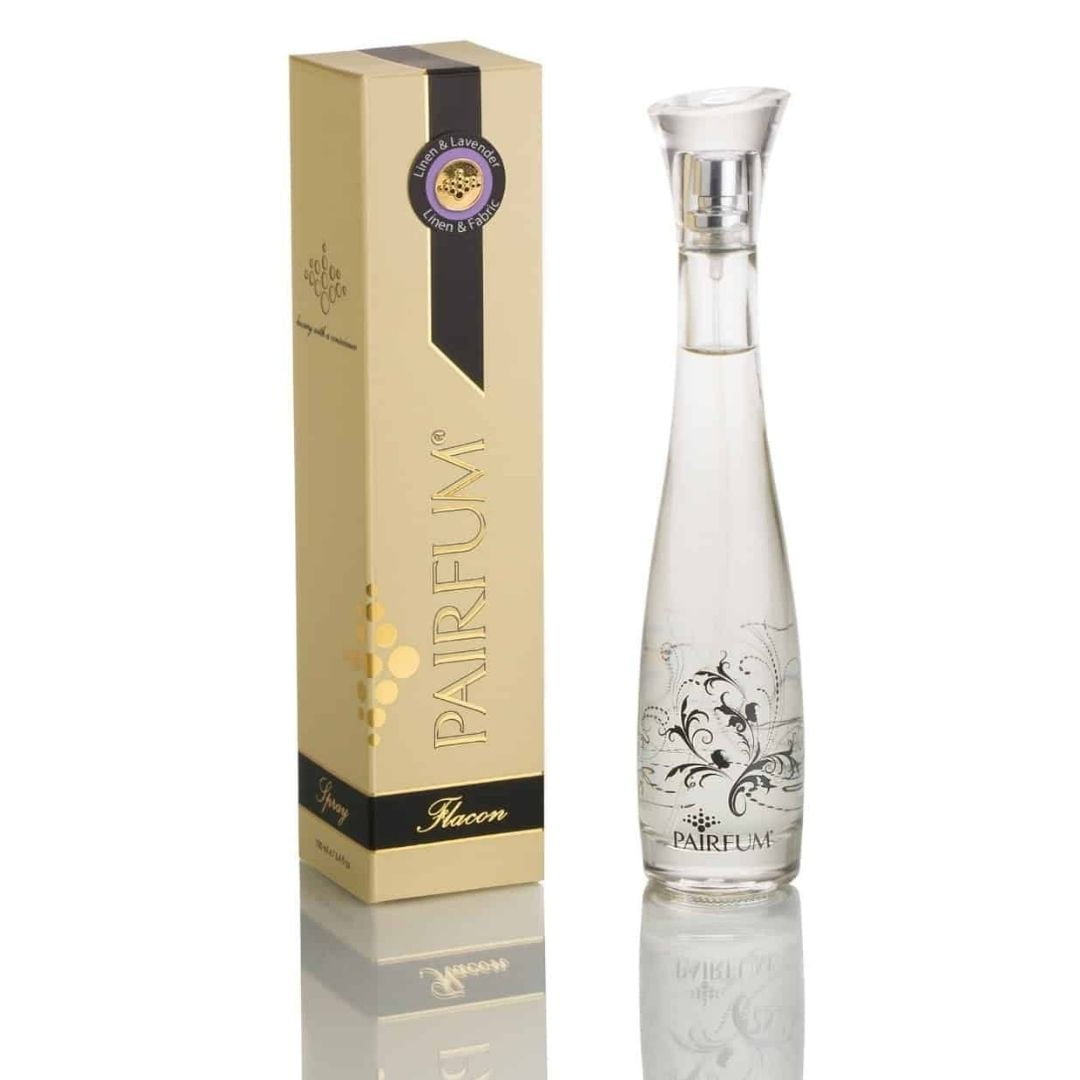
Sleep & Pillow Spray  For A Deep Night’s Sleep – by Pairfum London

This pillow spray is delicately formulated with natural fragrance oils designed to enhance relaxation without overpowering the senses. Applied to linens and bedding, the scent diffuses gently through the night, encouraging a calm and tranquil atmosphere. Its light, fabric-safe composition makes it suitable for nightly use, helping to create a consistent sleep environment that supports both mental wellbeing and the physiological processes linked to gut health.

Final Word: Beautiful Skin Starts with a Balanced Gut

Your skin reflects your inner health, and much of that starts in the gut microbiome. By eating more fermented food, embracing probiotics and prebiotics, reducing stress and avoiding toxins, you can nourish your digestive tract and promote clear, healthy skin.

Caring for your gut health isn’t just a skincare strategy, it’s a long term investment in your overall health, mental health, heart health and more. With small but meaningful lifestyle shifts, you support not just your complexion but your whole body’s wellbeing from the inside out.

Skincare Layering

Skincare Layering: A Guide to Radiant Skin

In the realm of beauty and self-care, the practice of skincare layering stands as a testament to the meticulous attention one pays to their skin’s health and appearance. This methodical approach ensures that each skincare product is applied in an order that maximises its efficacy, leading to a harmonious and radiant complexion.

Understanding Skin Care Layering

Skincare layering involves the sequential application of skin care products, starting from the lightest to the heaviest in texture. This technique ensures that each product penetrates the skin effectively, delivering its intended benefits without hindrance.

The Importance of Proper Layering

  • Enhanced Absorption: Applying products from thinnest to thickest allows lighter formulations to penetrate deeply, while heavier ones seal in the benefits.
  • Targeted Treatment: Layering enables the use of multiple products addressing specific skin concerns, such as dark spots or acne.
  • Optimal Hydration: Proper layering maintains skin hydration, crucial for healthy skin.
Pairfum Collection Niche Perfume Experience Fragrance Library

Step-by-Step Skincare Routine – how to layer skincare

A well-structured skincare routine is pivotal for maintaining skin health. Below is a detailed guide to layering skincare products effectively in your skin care routine

1. Cleansing

Begin with a gentle cleanser to remove impurities, makeup, and excess oils. Cleansing prepares the skin for subsequent products, ensuring better absorption.

  • Double Cleansing: For those wearing makeup or sunscreen, double cleansing—starting with an oil-based cleanser followed by a water-based one—ensures thorough purification.

2. Exfoliation (2-3 times a week)

Exfoliating removes dead skin cells, promoting a smoother skin texture and enhancing the efficacy of other products. Choose exfoliants suitable for your skin type to avoid irritation.

3. Toning

A toner balances the skin’s pH and provides an additional layer of hydration. It also aids in removing residual impurities post-cleansing.

4. Serum

Serums are concentrated formulations targeting specific skin concerns. Apply serums addressing issues like dark spots, fine lines, or dehydration. When layering serums, apply the one with the lightest texture first.

5. Eye Cream

The delicate skin around the eyes requires special attention. Eye cream addresses concerns such as puffiness, dark circles, and fine lines. Gently pat the product using your ring finger to avoid applying excessive pressure.

6. Moisturiser

Moisturiser locks in hydration and fortifies the skin barrier. Choose a formulation that suits your skin type—lightweight for oily skin and richer creams for dry skin.

7. Sunscreen (Morning Routine)

Sunscreen is essential in the morning skincare routine to protect against harmful UV rays, which can lead to premature aging and skin cancer. Opt for a broad-spectrum sunscreen with at least SPF 30.

8. Night Cream (Evening Routine)

At night, replace sunscreen with a nourishing night cream. Night creams are typically richer, aiding in skin repair and regeneration during sleep.

Tailoring Your Routine to Your Skin Type

Understanding your skin type is crucial for selecting appropriate skin care products and establishing an effective skincare routine when you layer skin care products.

Dry Skin

  • Characteristics: Flaky, tight, or rough texture.
  • Recommendations:
    • Use hydrating cleansers and avoid harsh exfoliants.
    • Incorporate serums with hyaluronic acid to boost skin hydration.
    • Apply a rich moisturiser and consider adding a facial oil for extra nourishment.

Oily Skin

  • Characteristics: Shiny appearance, enlarged pores, acne prone skin.
  • Recommendations:
    • Use gentle cleansers that control excess oil without stripping the skin.
    • Opt for lightweight, non-comedogenic moisturisers.
    • Incorporate serums with ingredients like niacinamide to regulate sebum production.

Sensitive Skin

  • Characteristics: Easily irritated, redness, or burning sensations.
  • Recommendations:
    • Choose fragrance-free and hypoallergenic products.
    • Avoid harsh exfoliants and opt for gentle cleansing methods.
    • Use serums and moisturisers with soothing ingredients like chamomile or aloe vera.

Combination Skin

  • Characteristics: Oily in the T-zone (forehead, nose, chin) and dry on the cheeks.
  • Recommendations:
    • Use a gentle cleanser suitable for all skin types.
    • Apply lightweight moisturisers in oily areas and richer creams on dry patches.
    • Tailor serums to address specific concerns in different facial zones.

Mature Skin

  • Characteristics: Fine lines, wrinkles, loss of elasticity.
  • Recommendations:
    • Incorporate serums with antioxidants and peptides to promote collagen production.
    • Use moisturisers that enhance skin hydration and firmness.
    • Regularly apply sunscreen to prevent further photoaging.
Woman Caring For Her Skin

Addressing Specific Skin Concerns

Different skin concerns require targeted treatments within your skincare routine.

Acne-Prone Skin

  • Recommendations:
    • Use cleansers with salicylic acid to unclog pores.
    • Apply spot treatments containing benzoyl peroxide.
    • Incorporate non-comedogenic moisturisers to maintain skin hydration.

Dark Spots and Hyperpigmentation

  • Recommendations:
    • Use serums with ingredients like vitamin C or niacinamide to brighten skin tone.
    • Consistently apply sunscreen to prevent further pigmentation (and skin cancer)

Delicate Skin

  • Recommendations:
    • Avoid abrasive exfoliants and opt for gentle cleansing methods.
    • Use soothing serums and moisturisers to strengthen the skin barrier.

Common Mistakes in Skincare Layering

Avoiding certain pitfalls can enhance the effectiveness of your skincare routine.

  • Overloading Products: Using too many products can overwhelm the skin, leading to irritation.
  • Incorrect Order: Applying products in the wrong sequence can hinder their absorption and efficacy.
  • Neglecting Sunscreen: Skipping sunscreen exposes the skin to harmful UV rays, accelerating aging and increasing the risk of skin cancer.

The Final Layer of Luxury

A Signature Scent to Complete Your Skincare Ritual


After the final step of your skincare routine, the addition of fragrance offers a moment of indulgence—a personal signature that lingers long after your moisturiser and sunscreen have settled into the skin. Perfume, like skincare, is intimate and layered, and the right scent completes your ritual with elegance. Whether worn softly for your own pleasure or shared with the world, a refined fragrance is the final expression of self care.

Explore the Fragrance Library Experience by Pairfum London

The Fragrance Library Perfume Experience Box Collection offers an exquisite opportunity to explore a refined wardrobe of niche perfumes. Presented in an elegant box, each fragrance is a thoughtful composition that invites discovery through subtle olfactory layers. Ideal for those who appreciate artistry and variety in perfumery, this collection allows you to select a scent that resonates with the mood of the day, the season, or the style of your skincare ritual.

Pairfum Collection Niche Perfume Experience Fragrance Library Display

Conclusion

Mastering the art of skincare layering is a journey towards achieving and maintaining healthy skin. By understanding your skin type, selecting appropriate skin care products, and adhering to a structured skincare routine, you can address specific skin concerns effectively. Remember, consistency and patience are key to witnessing transformative results in your skin’s health and appearance.

Beauty Rituals Around The World

Beauty Rituals Around the World: A Journey Through Skin, Senses and Self Care

There is something timeless and grounding about beauty rituals. In our fast-moving digital world, filled with instant gratification and constant comparison through social media platforms. Beauty rituals are not just steps in a beauty routine, they are a form of return to self, nature and intention.

Across cultures and centuries, beauty rituals have been about far more than surface appearance. From nourishing the skin to soothing the senses, from caring for hair to honouring ancient traditions, these practices reveal the depth and diversity of beauty.

Let us take a sensory journey through the world’s most treasured skincare rituals, exploring not only what people use, but how and why they practise these time-honoured forms of self care.

The Difference Between a Routine and a Ritual

At first glance, a routine and a ritual might look the same. Cleanse, tone, moisturise. But there’s a quiet power in presence. A ritual is intentional. It’s the difference between applying product and nourishing your skin with care.

Whether it’s applying a face mask, using a gua sha tool, or soaking in a warm bath, a self care routine becomes meaningful when you bring awareness and purpose to it.

Experts in psychology highlight how such daily beauty rituals can reduce stress, regulate mood, and reconnect us with our bodies. The skin becomes more than a canvas, it becomes a gateway to wellbeing.

Pairfum Pillow Spray 1

Global Beauty Rituals: From Ancient Practice to Modern Wisdom

Throughout history, people have turned to the earth and its elements to support healthy skin and holistic wellbeing. These ancient beauty rituals are resurging today, as people seek slower, more conscious forms of beauty.

Japan: The Grace of the Japanese Woman

In Japan, beauty rituals are precise, delicate, and deeply rooted in ritua. The Japanese believe in honouring their skin with gentle, layered hydration using light lotions and serums.

The skincare routine here often starts with double cleansing, followed by careful application of toner, rose water, and moisturiser using fingertips or soft cloths. The aim is radiant skin, achieved through simplicity and consistency.

The image of the Japanese woman, performing these rituals with care and grace, speaks to the deeper philosophy of beauty, one that values harmony, not perfection.

Korea: The Dedication of Skincare Rituals

Korean skincare rituals are rich in hydration, herbal infusions, and techniques like gua sha and facial massage. They emphasise prevention, not repair.

Common ingredients include ginseng, snail mucin, and fermented rice water. Turmeric also features in homemade masks to even out skin tone and reduce inflammation. These rituals highlight the beauty of consistency.

The layering of essences and masks enhances not only the skin but the spirit. The process is mindful, even meditative—a ritual of respect and time.

India: Ayurveda and Ancient Wisdom

In India, beauty is a reflection of inner balance. Ayurvedic ritua ties together the elements (earth, fire, water) with herbal wisdom and deep nourishment.

Rituals include:

  • Oil cleansing using nourishing oils like coconut or almond
  • Turmeric and sandalwood masks to exfoliate and brighten
  • Application of rose water and floral waters to tone
  • Steaming and massage with essential oils

Exfoliation with herbal powders removes dead skin cells gently, revealing smoother, more vibrant skin. Here, beauty is health, and skin is a mirror of your inner world.

Morocco: Earthy Beauty and Hammam Culture

Moroccan beauty rituals are rich with desert botanicals and time-honoured textures. In the hammam, skin is deeply steamed, scrubbed, and anointed.

A traditional body scrub using black soap softens and prepares the skin for exfoliation with a kessa glove lifting away dead skin cells and tension. This is followed by application of argan oil or olive oil, locking in moisture and creating supple, radiant skin.

In this communal, ancestral ritua, the body is purified and the spirit is soothed.

Egypt: The Sensory Science of Ancient Egypt

The women of ancient Egypt were known for their luxurious beauty rituals, many of which continue to inspire today.

Cleopatra famously used rose petals in her warm baths, bathed in milk and honey, and used clays from the Nile as a clay mask. Skin was perfumed with essential oils like frankincense and myrrh, combining scent with skincare.

These treatments didn’t just promote healthy skin, they offered spiritual protection, sensuality, and power. This was glam, millennia before the term existed.

Amazon and Africa: Nature’s Pharmacy

From the Amazon to West Africa, natural beauty is grounded in ritual and ecology. Indigenous traditions use ingredients like:

  • Andiroba oil and camu camu for hydration
  • African black soap to cleanse and remove dead skin cells
  • Shea butter to smooth skin and soften hair

In Northern Africa, hair removal is also part of ritual beauty, often using sugaring techniques handed down through generations.

These cultures show us that beauty is intertwined with land, family, and ritual but not trends.

Beauty Rituals In Africa

Beauty, Hair and Body as One

True beauty rituals honour the whole self. Hair is not neglected but treated with the same care as the skin, oiled, masked, and braided as a form of expression and identity.

Your skincare routine might extend to the scalp, the back, the arms and your entire body becomes a site for beauty, rest, and reflection. From makeup to cleansing, every gesture matters.

Whether it’s massaging your scalp, brushing your hair, or applying a body oil after a shower, these are not just routines—they are ritua.

The Psychology of Beauty

Modern psychology agrees: beauty rituals help us regulate emotions, reduce anxiety, and create a sense of rhythm. Especially in times of uncertainty, your daily skincare routine can be an anchor.

Even applying a single skincare product with care, taking time to notice its texture, its scent, and how it feels can become a powerful act of presence.

Today’s rising awareness around beauty standards and the impact of social media is shifting our focus away from comparison and towards inner connection. Beauty is becoming less about a single beauty ideal, and more about how we feel in our own skin type.

From Beauty Industry to Rituals Cosmetics Enterprise BV

As the beauty industry continues to expand, many are seeking alternatives that focus less on trends and more on tradition. A growing number of consumers are turning to smaller producers or brands rooted in cultural ritua.

One example is Rituals Cosmetics Enterprise BV, which embraces mindfulness and heritage across its collections. But more than branding, it’s the essence of the ritual that resonates.

Your Own Beauty Ritual Starts Here

You don’t need a luxury setup to create your own beauty ritual. Here are simple ways to bring it to life:

  • Choose one or two high-quality steps and perform them slowly
  • Exfoliate weekly to remove dead skin cells and renew your skin
  • Use tools like a gua sha or soft cloth to massage the face
  • Incorporate essential oils into your bath or body care
  • Treat your hair with natural oils or masks once a week
  • Light a candle, breathe deeply, and set an intention before your routine

The goal isn’t perfection. It’s connection. Through repetition and care, your routine becomes your ritua.

A Pairfum London Bedtime Ritual for Inner and Outer Beauty

True beauty begins with rest. Quality sleep is essential for healthy skin, mental clarity, and emotional balance. As part of your nightly ritua, consider introducing a soothing linen fragrance like this pillow spray—designed to create a calm, comforting atmosphere as you wind down. A soft mist on your pillow and bedding helps signal the body and mind that it’s time to let go, making it easier to fall into deep, restorative sleep. Because glowing mornings begin the night before.

Sleep & Pillow Spray – by Pairfum London

The perfect pillow spray for a wonderfully deep night’s sleep.

Sensuously scents your pillows, linens & fabrics with natural essential oils to calm and relax the mind, body and soul for a deep night’s sleep.

Pairfum Lifestyle Bed Perfume Spray Linen Fabric Sleep Pillow

Final Thoughts: Reclaiming Beauty Through Ritual

Around the world, beauty rituals have remained powerful acts of healing and connection. They’re not just about radiant skin or glossy hair—they’re about feeling rooted, seen, and nourished.

Whether your ritual is inherited, inspired, or intuitive, what matters most is intention. Because in the end, true beauty is not in the mirror—but in the moments you make for yourself.

Explore global traditions, connect with your skin, and rediscover the meaning of beauty rituals—not just as steps, but as stories of love, care, and self-honour.

Jasmine Ylang Ylang

Jasmine & Ylang Ylang: The Essence of Floral Elegance

The enchanting combination of jasmine ylang ylang is a true masterpiece in the world of natural perfumery. These exquisite flowers not only boast compelling histories and rich olfactory complexity but also offer a deeply emotive scent that captures the imagination. Whether experienced through a fragrance oil, perfume, or scented candles, the union of jasmine and ylang ylang brings timeless beauty into every space and moment.

Aromatics of Jasmine and Ylang Ylang

At the heart of their appeal are their iconic aromas. Jasmine is known for its intense, sweet, and intoxicating floral scent with a light green edge. The scent profile is both romantic and uplifting, often forming the heart or note of many classic fragrances.

Ylang ylang, on the other hand, emits a creamier, slightly fruity floral scent, infused with nuances of banana and custard. It’s often layered with warm notes like sandalwood, vanilla, or white musk to produce a deeply sensual effect.

When jasmine and ylang ylang are blended, they create a radiant harmony of floral elegance. The combination is both calming and emotionally uplifting, ideal for lovers of rich, layered fragrance.

Origins and Traditions

For centuries, these flowers have been revered in cultural rituals, spiritual practices, and personal grooming. Ancient civilisations in Asia used jasmine in ceremonial offerings, and the jasmine absolute derived from its petals was highly prized.

In Southeast Asia, ylang ylang was known as the “flower of flowers” and was traditionally used in healing ceremonies, bridal preparations, and spiritual cleansing. Its popularity has endured thanks to its natural ability to bring a sense of calm and serenity.

Eau de Parfum Person Reflection Mandarin Blossom Sandalwood Man 1 1

Types of Jasmine and Ylang Ylang Oils

There are various types of oils that capture the character of these flowers, each offering a different expression of their scent.

Jasmine Oils

  • Jasmine Grandiflorum: Refined, light, and sweet. A favourite in high-end perfume compositions.
  • Jasmine Sambac: More intense and musky, perfect for bold floral blends.
  • Night-Blooming Jasmine: Rich and slightly animalic, often featured in evening fragrances.
  • Jasmine Oil: This term often refers to a diluted or blended fragrance oil used in candle making, soap, and body products.

Ylang Ylang Oils

  • Ylang Ylang Extra: The most intense and desirable distillation. Bright, lush, and incredibly floral.
  • Ylang Ylang I, II, III: These grades are derived through stages of distillation. Their fragrance softens with each stage.
  • Complete Ylang Ylang: A combination of all fractions, offering a balanced note ideal for use in perfume and home fragrance applications.

The versatility of these oils makes them highly sought after in artisan candles, skincare products, and niche fragrances.

Extraction and Purity

Extraction methods vary based on the delicacy of the flowers. Jasmine, being too fragile for steam distillation, is often extracted via solvent to produce jasmine absolute, a rich, concentrated oil used in high-quality fragrance oil blends.

Ylang ylang is usually steam distilled in multiple fractions. This ensures each item meets specific quality standards, from therapeutic uses to luxury perfume creation.

These pure oils are valued not only for their scent but also for their long lasting effects when used in skincare, aromatics, and fine fragrances.

Therapeutic Benefits and Skin Considerations

Beyond their aromatic appeal, jasmine and ylang ylang offer holistic benefits through aromatherapy. Jasmine is known to lift mood, promote confidence, and reduce symptoms of anxiety. Ylang ylang is frequently used to soothe the nervous system and promote emotional balance.

However, users should be mindful of potential skin irritation or eye irritation, especially when using undiluted oils or fragrance oils directly. Always dilute in a carrier oil or perform a patch test. Some items, such as hand creams, may also be scented with ylang ylang, so it’s important to assess skin compatibility.

Jasmine Ylang Ylang in Everyday Use

Jasmine & Ylang Ylang Petals

There are many ways to incorporate jasmine ylang ylang into your daily life. A few popular formats include:

  • Fragrance Oil: Ideal for diffusers, room spray, or oil burners.
  • Bath Bomb: A luxurious way to enjoy floral relaxation while soothing the skin.
  • Gift Set: A thoughtful item for anyone who loves nature-inspired scents.
  • Natural Soy Wax Candles: Provide a clean burn while filling your home with a sophisticated scent.
  • Soap: Floral and moisturising, perfect for uplifting morning routines.

These formats make it easy to enjoy the fragrance of these beloved flowers in a variety of settings.

Layering Techniques and Notes in Perfume Creation

In perfume, jasmine often serves as a middle note, while ylang ylang may appear in both heart and top notes, depending on the formulation.

The interplay of these florals with woody base notes, like sandalwood or musk, produces compositions that are both balanced and evocative. Many artisan perfumers use jasmine ylang ylang to add depth, roundness, and sensuality to their blends.

This blend pairs especially well with complementary scents like orange blossom, neroli, or vanilla, enhancing their natural delicate floral note.

Storage, Delivery and Ethical Considerations

To maintain the quality of your oils or fragrance oil, store them in a cool, dark place away from fabrics or heat. Always ensure that your delivery includes intact packaging and a full item list, especially for international orders or larger gift set purchases.

Consumers in the United Kingdom and beyond are also showing increasing interest in ethical sourcing and environmental responsibility. High-quality ylang ylang and jasmine are now often grown on sustainable farms, promoting fair trade and responsible agriculture.

Before purchasing, check for additional information such as sourcing practices, ingredients, and safety guidelines. Be cautious when providing any personal information through online retailers, and always browse in a new window to avoid tracking.

Related Products and Usage Frequency

If you love the scent of jasmine ylang ylang, consider exploring related products like pillow sprays, home fragrance diffusers, or skincare items enhanced with floral fragrance oil. Adjust your usage frequency to your personal preferenc. Some prefer a daily perfume application, while others enjoy occasional indulgence through candles or bath rituals.

Eau de Parfum Person Reflection Mandarin Blossom Sandalwood Woman Dance 1 1

A Sensory Journey with Mandarin Blossom and Sandalwood

For those who adore the soft romance of jasmine and the creamy warmth of ylang ylang, the Mandarin Blossom and Sandalwood Eau de Parfum offers a beautifully layered experience. Blending bright citrus top notes with delicate floral tones and woody base notes, this fragrance captures both freshness and depth. The presence of sandalwood adds a grounding element that pairs effortlessly with the elegance of jasmine, making it a refined choice for lovers of sophisticated, natural perfumes.

Mandarin Blossom & Sandalwood – Eau de Parfum by Pairfum London

An elegantly, feminine floral Chypre accord opening with the freshness of Mandarin Blossom, Apricot and White Hyacinth as Top notes. 

It’s romantic heart reveals a floral bouquet of Sweet Pea, Jasmine and Ylang Ylang, while the fond of Sandalwood, 

Patchouli, Amber and Musk create a magnetic trail.

Conclusion

Jasmine ylang ylang represents a harmonious blend of two of nature’s most luxurious flowers. With their intoxicating scent, layered complexity, and holistic benefits, these ingredients remain staples in the creation of refined fragrance experiences.

Whether infused into fragrance oil, used in bath bomb rituals, or diffused through a room spray, jasmine and ylang ylang continue to capture the imagination. The enduring charm of these botanicals lies in their ability to soothe the soul, uplift the spirit, and transform everyday life into a sensory delight.

This timeless duo earns consistent 5 star praise from lovers of natural soy wax, rich oils, and captivating floral fragrance.

Benefits Of A Sandalwood Diffuser

Benefits of Using a Sandalwood Diffuser

A sandalwood diffuser is more than a source of fragrance, it is a way to bring balance, relaxation, and calm to your everyday life. With its rich, creamy aroma and grounding character, sandalwood has long been celebrated for its ability to soothe the senses and transform any space into a tranquil retreat.

Whether you are seeking a beautiful scent to complement your living room or a wellness ritual to enhance your bedroom, the natural aroma of sandalwood offers a timeless solution.

Why Choose a Sandalwood Diffuser for Your Home?

The warm, woody profile of a sandalwood diffuser creates a comforting atmosphere throughout the day. Unlike synthetic air fresheners or short-lived sprays, a reed diffuser slowly releases fragrance over time, providing a consistent aromatic experience.

By using reed sticks placed in a glass bottle, the fragrance oil gently travels upward, diffusing the luxurious sandalwood aroma into the air. This method requires no heat or flame, making it safer than votive candles, jar candles, or oil burners.

The enduring appeal of sandalwood lies in its ability to offer both clarity and calm. It is no surprise that sandalwood diffusers have become a staple in modern homes seeking elegance, simplicity, and serenity.

The Allure of Sandalwood: A Timeless Scent

The scent of sandalwood is smooth, soft, and subtly sweet, often described as creamy and comforting. Blended with hints of amber, cedar, or vanilla, it becomes an even more inviting presence in any room.

In aromatherapy, sandalwood is used for its calming and centring properties. Whether used on its own or as part of an essential oil blend, it supports relaxation, mental clarity, and emotional balance.

The distinct, lingering nature of sandalwood ensures that it is never overpowering – just a steady, grounding companion in your daily rituals.

Pairfum Reed Diffuser Cube Classic White Sandalwood

Wellness Benefits of Using a Sandalwood Reed Diffuser

A sandalwood reed diffuser offers far more than just fragrance. It supports physical and emotional well-being in numerous ways:

Stress Relief

Inhaling the scent of sandalwood may reduce stress and anxiety. It’s an ideal addition to your self-care routine or a long evening soak.

Improved Focus

A diffuser with sandalwood is perfect for workspaces or study areas, helping clear mental fog and improve focus.

Better Sleep

Its calming nature makes sandalwood an excellent bedroom companion, gently preparing the mind for rest without the need for flames or electricity.

Cleaner Air

When used in a reed diffuser, sandalwood helps neutralise unwanted odours and offers a purer air environment – especially during months when windows stay closed.

Ideal Places for a Sandalwood Diffuser

A diffuser adds elegance and warmth to any room. Consider the following placement ideas:

  • Living Room: Position near table lamps or floor lamps to softly enhance light and scent.
  • Bedroom: Place near the bedside for a comforting, sleep-ready atmosphere.
  • Bathroom: On a shelf with bath bombs and towels for a spa-like touch.
  • Office: Near your desk to create a productive yet peaceful work zone.
  • Hallways: Let the scent gently welcome guests as they enter.

Just remember to avoid placing your reed diffuser in direct sunlight, near ceiling lights or close to wall lights, as heat can evaporate the oils too quickly.

How to Use and Maintain Your Diffuser

Using a sandalwood diffuser is simple and low-maintenance. Follow these steps to ensure you enjoy it for as long as possible:

Setup:

  1. Choose a safe, shaded location, away from direct sunlight.
  2. Remove the stopper and insert the reeds into the glass bottle.
  3. Let the reed sticks absorb the fragrance oil, then flip them to begin diffusing.

Maintenance:

  • Flip the reeds weekly to refresh the fragrance.
  • Replace reeds every couple of months to maintain consistent performance.
  • Clean the bottle before refilling to keep the scent pure.
  • Keep away from delicate surfaces and fabrics to prevent stains.

For best results, use all the reeds provided and ensure your diffuser is in a ventilated space.

Sandalwood Shavings

A Natural Choice for Elegant Homes

With the rise of wellness living and minimalist design, the popularity of reed diffusers and sandalwood has grown. Choosing a sandalwood reed diffuser is not only a design statement but a commitment to a calmer, more intentional lifestyle.

And for those who prefer variety in their home fragrance, you can pair your diffuser with wax melts, a room spray, or even a coordinating candle for a layered scent experience.

Make sure to read all product details before use, especially if you have sensitive skin or wear contact lenses, as some essential oils may cause eye irritation or skin irritation in rare cases.

Practical Info: Delivery and Product Care

When ordering your sandalwood diffuser, always review the delivery information to ensure you’re aware of delivery options and lead times. Many online retailers offer standard delivery across the UK and Europe.

Always store any spare essential oils, carrier oil, or fragrance refills in a cool, dry place away from heat sources or direct light.

Seasonal Use and Gift Ideas

A sandalwood diffuser makes a thoughtful gift for any occasion. Its natural elegance suits both modern and traditional interiors, making it a welcome addition to:

  • Winter holiday gifts
  • Spa-day kits with candle holders and bath bombs
  • Summer relaxation corners near garden furniture
  • Home office makeovers with bar stools and minimal decor

And because of sandalwood’s year-round appeal, it transitions perfectly from cosy winters to breezy spring afternoons.

Related Products and Alternatives

To enhance your home environment further, consider exploring related products such as:

  • Electric diffusers for instant fragrance
  • Scented jar candles or votive candles
  • Blends featuring amber, musk, bergamot, or white sandalwood
  • Decorative candle holders or minimalist table lamps

When layering scents, keep in mind the strength and harmony of each fragrance.

Pairfum Large Reed Diffuser Bell Pure White Sandalwood

A Statement Piece for Scent and Style

For those who appreciate both elegant design and captivating fragrance, the Reed Diffuser Bell – Large offers a beautiful way to enjoy the timeless aroma of sandalwood. Housed in a stylish bell-shaped glass bottle, this luxury reed diffuser not only fills your space with a warm, grounding scent but also serves as a sophisticated decorative accent. Its generous size ensures long-lasting diffusion, making it ideal for larger rooms or open-plan living areas where fragrance can truly flourish.

White Sandalwood Reed Diffuser – By Pairfum London

Simply open the large reed diffuser and proudly display this ‘Eau de Parfum’ for your home to envelope your world with beautifully fragrant and natural couture perfume.

This large reed diffuser is strong enough to fill a large room and ideal as a gift or as something special for your own home.

Final Thoughts

A sandalwood diffuser is a simple yet powerful way to enrich your space and elevate your daily rituals. With its comforting scent, calming benefits, and long-lasting effect, it remains one of the most beloved choices in the world of home fragrance.

Whether you’re starting your journey with reed diffusers or adding to a growing collection of candles, essential oils, and wax melts, let the essence of sandalwood guide your senses toward balance and peace.

Experience the quiet luxury of sandalwood today and let your home truly exhale.

How To Express Yourself With Fragrance

How to Express Yourself With Fragrance? A Journey Through Scent and Style

To express yourself with fragrance is to make a statement that’s uniquely yours, whether you’re walking into a boardroom or stepping out for a special occasion. Fragrance is an invisible thread that weaves through our daily lives while connecting us to memories, expressing our personality, and enhancing how we’re perceived.

More than just a beauty product, fragrance is a mirror to the soul. From a hint of a delicate floral fragrance to a bold aromatic fougere, scent allows us to showcase individuality, project confidence, and communicate without ever opening our mouths.

Fragrance as a Form of Self-Expression

The ability to choose a unique fragrance that complements your personal style is empowering. Each perfume you wear tells a story, an intimate glimpse into your emotions, mood, and even aspirations. Just as a lip liner enhances your makeup look or your hair colour adds flair to your image, the perfect fragrance completes your personal ensemble.

Wearing a fragrance is not just about how you smell. It’s about how you feel,  bold, serene, romantic, grounded. It’s about aligning scent with your identity.

The Power of Perfume: Defining Your Personality Through Scent

Your choice of perfume can be influenced by season, activity, or emotion. It can boost your confidence, mark a new chapter in your life, or simply bring comfort. Fragrance becomes a form of fashion and a sensory accessory that completes your outfit and enhances your presence.

Here are some fragrance styles and what they typically convey:

Different fragrance types carry their own emotional and stylistic signatures, defined by the notes they’re built upon. Here’s a quick guide to help you explore:

Citrus

Notes like lemon, bergamot, and grapefruit, are known for their bright, zesty character. They represent freshness, vitality, and spontaneity — ideal for an energetic and upbeat personality.

Floral fragrances

Notes like rose, jasmine, and lily, and are traditionally associated with romance and femininity. They express a sense of elegance, softness, and timeless beauty.

Aromatic fougere

Notes such as lavender, oakmoss, and coumarin. This style reflects strength, sophistication, and a sense of calm, making it a refined yet grounded choice.

Woody fragrances

They are built on rich, earthy notes like cedarwood, sandalwood, and vetiver. These scents are often deep and introspective, conveying a grounded presence and emotional depth.

Spicy fragrances

They incorporate warm, stimulating notes such as cinnamon, nutmeg, and pepper. They project boldness, intrigue, and high energy, making them perfect for someone with a daring and vibrant spirit.

Each of these fragrance families offers a unique way to communicate your personality and express your individuality through scent.

Whether you prefer a playful body mist, a practical body spray, or an eau de parfum, there’s always a perfect scent to reflect your current mindset and mood.

Pairfum Collection Niche Perfume Experience Fragrance Library

Crafting Your Signature Scent

If someone wants to express themselves with fragrance, they deserve a signature scent and a fragrance that becomes synonymous with her name, her aura, her essence. This is where signature fragrance meets signature style.

Curating your unique scent wardrobe can include:

  • A favourite fragrance for day-to-day life.
  • A bold aromatic fougere fragrance for business settings.
  • A sweet floral fragrance for dates or personal moments.
  • An incredibly contemporary fragrance with unexpected notes for creative flair.

Just like applying lip gloss or finishing your look with hair spray, the final touch of perfume ties everything together.

Scent & Emotion: The Psychological Power of Fragrance

Scent is directly linked to the limbic system which the part of the brain responsible for emotions and memories. The right fragrance can stir nostalgia, create attraction, or anchor you in the present. A spritz of something familiar on a cold morning might bring back the crisp fresh air of a beloved holiday.

And when the smell of a certain note lingers long after you’ve gone, that’s a lasting impression, one created not by words or actions, but by the subtle language of scent.

Layering and Exploring Different Fragrances

Experimenting with different fragrances helps you uncover a spectrum of possibilities. Try blending a citrus top note with a woody base for a scent that evolves throughout the day.

Layering isn’t just for perfume, you can pair your fragrance with a matching shower gel or lightly scented body spray to create harmony across your grooming ritual.

For even more customisation, consider how different scents mix with your natural skin chemistry. This is where the beauty of trial and discovery comes alive.

Fragrance as Part of Your Personal Brand

In today’s image-conscious world, fragrance isn’t an afterthought, it’s a pillar of your personal brand. Just as your wardrobe, accessories, and communication style contribute to your reputation, your scent becomes a signature identifier.

Using fragrance to showcase individual style is a subtle yet powerful form of influence. It builds connection, enhances first impressions, and supports how others remember you.

Just ask anyone who’s walked past someone wearing Mercedes Benz fragrances, it’s unforgettable. A high-performance fragrance that echoes the same sleek precision as a Mercedes Benz, and just as distinctive is how you express yourself with fragrance.

A Journey Of Self Expression

The Broader Scent Experience: More Than Just Perfume

Fragrance comes in many forms beyond a standard bottle of perfume. Consider the world of related products that enhance your olfactory profile:

  • Body mist: Ideal for daytime freshness or post-gym touch-ups.
  • Hair spray with added fragrance: A touch of scent every time your hair moves.
  • Shower gel: The beginning of a layered scent ritual.
  • Scented moisturisers or roll-ons for fragrance layering.

Each product adds dimension to your scent story and reinforces your individuality.

Choosing Your Fragrance: A Journey of Discovery

Finding the perfect fragrance isn’t always love at first smell. It can take time, exploration, and honest customer reviews to guide your decision.
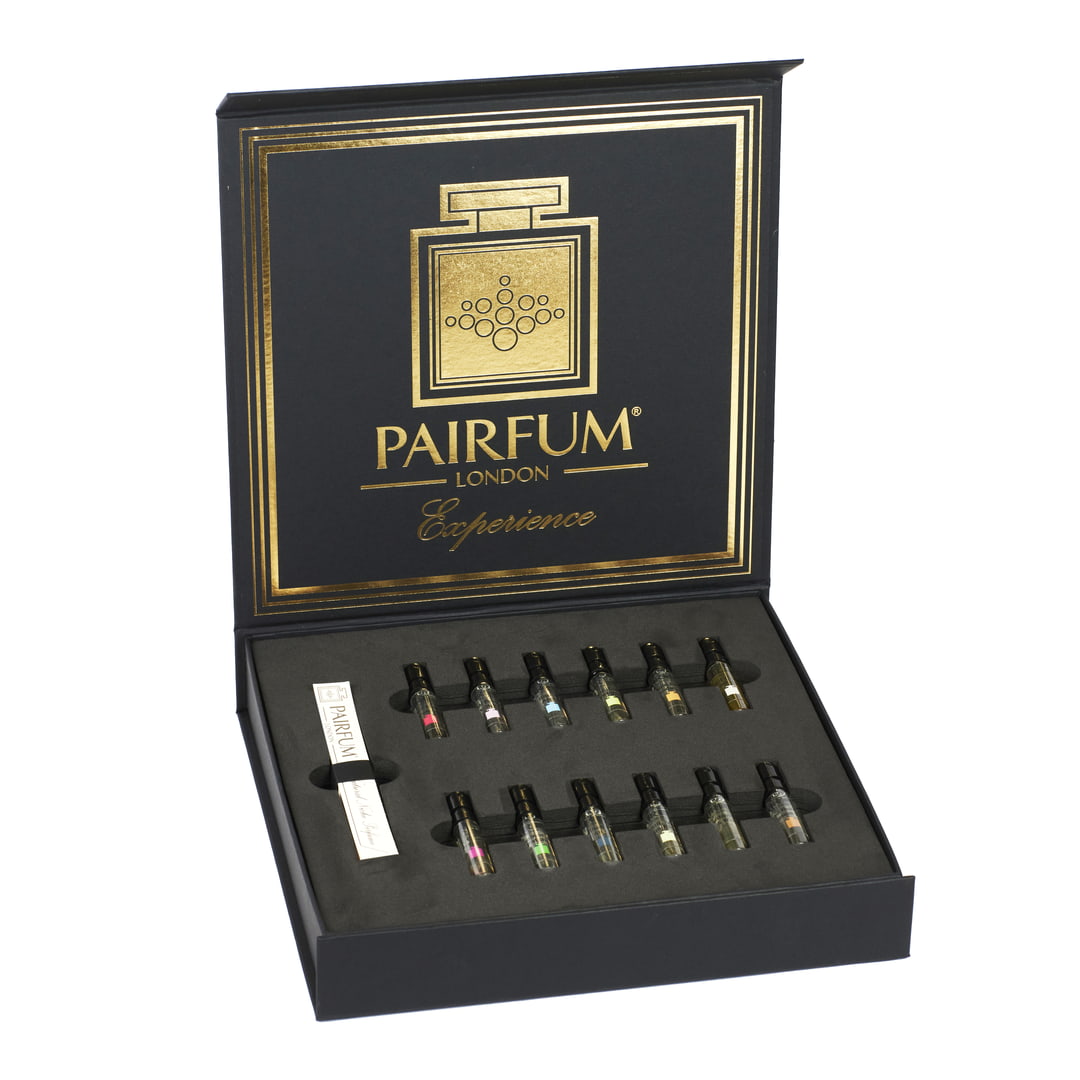
Don’t rush the process, wear testers, note the dry-down, and observe how it interacts with your skin throughout the day. Make room for surprises, too. You might fall in love with a note you never expected.

And don’t forget: how you pay for your fragrance is part of the experience too. A sleek American Express card swipe adds that extra touch of luxury and indulgence.

Explore Your Signature with a Fragrance Discovery Experience

If you’re still uncovering your perfect scent or looking to explore a variety of different fragrances, the Fragrance Library Perfume Experience Box Collection is the ideal starting point. This carefully curated set invites you to experiment with a wide range of luxurious eau de parfum creations, helping you discover which notes, moods, and styles resonate most with your personality. It’s the perfect way to explore your individuality, refine your personal style, and take the first step toward finding your signature fragrance.

Fragrance Library Perfume Experience – By Pairfum London

Each fragrance is beautifully presented and designed with longevity, complexity, and elegance in mind. The box allows you to test multiple notes, explore different scents, and layer to create your own unique fragrance — all from the comfort of home. It’s the ultimate sensory journey to help you uncover your favourite fragrance or create a personalised scent wardrobe for every mood and occasion.

Express yourself with the Pairfum Collection Niche Perfume Experience Fragrance Library

Conclusion: A Scented Expression of You

To express yourself with fragrance is to wear your personality in its most intimate form. From the moment you apply your morning eau de parfum to the final spritz before a special occasion, your chosen scent is your silent introduction.

Whether citrusy and bright, woody and rich, or bold like an aromatic fougere, your fragrance speaks volumes. It reflects who you are, how you feel, and how you want the world to remember you.

So embrace the power of different scents. Celebrate your individuality. And let your fragrance do the talking.

Why Are We Closing Our Eyes When Smelling

Why Are We Closing Our Eyes When Smelling?

Have you ever wondered: why are we closing our eyes when smelling something intensely beautiful, nostalgic, or unusual? Whether it’s the earthy scent after rain, the comforting aroma of freshly baked bread, or a striking perfume, it’s instinctive to pause and shut out the world around us.

We close our eyes not only to deepen our awareness of the smell, but also to allow the brain to shift focus and enhance other senses like taste, hearing, and even emotion.

In this article, we’ll explore the science behind this sensory reflex and how it relates to eye health, vision, the olfactory system, and our emotional and psychological wellbeing.

A Natural Reflex: Tuning In With Closed Eyes

One reason we close our eyes while smelling something is to reduce visual stimulus. Our brains are constantly managing input from the ears, nose, skin, and especially the eyes. When we temporarily block visual input by closing our eyes, it minimises distraction and reallocates our brain’s attention to more subtle signals—like an emerging scent or hidden odour.

This act is a bit like dimming the lights to hear soft music better. With less visual noise, the brain becomes more attuned to the finer details of smell—especially pleasant odours, layered fragrances, or even a strong smell.

The Role of the Brain and the Olfactory System

Smelling isn’t just about the nose; it’s a full-brain experience. Scent travels straight to the olfactory bulb, which connects directly to the olfactory nerve, a pathway deeply embedded in the limbic system—the part of the brain responsible for emotion, memory, and instinct.

When our eyes are closed, neural energy that would be used to process images via the optic nerve is redistributed, enhancing smell. It’s one of the few senses that bypasses the brain’s usual processing hubs, making it profoundly emotional and uniquely immersive.

In addition, the nasal cavity and nasal passages work in tandem with our sinuses to carry scent molecules up to odor receptors, which translate them into recognisable sensations. Closing the eyes allows more energy to be focused on this intricate olfactory process.

Pairfum Collection Niche Perfume Experience Fragrance Library 73 Square

Smell, Vision and Sensory Balance

While the connection between smell and sight might not seem obvious, these senses influence one another more than we realise. Studies suggest that reducing vision input can improve sense acuity—helping us to notice more detailed notes in a smell.

However, it’s also worth exploring how the eyes themselves respond during scent perception.

Vision and Eye Health

When focusing intently, we often blink less, which can lead to dry eyes, eye strain, and even temporary blurry vision. Over time, this behaviour—especially in environments with bright light or screens—can contribute to dry eye syndrome or more serious vision issues. Closing your eyes even briefly can offer relief to the eye muscles and help rehydrate the surface of the eye with tears, especially if supported by artificial tears or eye drops.

Persistent eye problems should always be discussed with an eye doctor, who may recommend an eye exam to assess the condition of your vision and rule out any underlying issues like dark spots, eye irritation, or other symptoms.

Mindfulness and the Power of Focus

Closing our eyes while smelling can also deepen our emotional response. Without visual context, the brain dives more deeply into sensory interpretation. This intensifies the sensation, making the smell feel more immersive and layered.

This is especially important in moments of reflection, intimacy, or sleep—times when we seek calm and presence. Inhaling a soothing scent, with closed eyes, can help calm the nervous system and promote a restful state.

Woman Smelling Flower With Eyes Closed

Eye Movements and Multisensory Overload

Even subtle eye movements while trying to concentrate can disrupt mental processing. That’s because your eyes are wired for movement—to scan, track, and interpret. But this constant scanning taxes the brain, leaving less room for olfactory detail.

Think of how difficult it is to appreciate a complex aroma while walking through a crowd, battling noise, movement, and toxic chemicals in the air. It’s far easier to appreciate a beautiful odour in stillness—with closed eyes.

Everyday Applications: Why It Matters

Here are a few common scenarios where you might instinctively shut your eyes to enhance your sense of smell and reduce vision problems:

During Meals

To fully savour flavour and taste, closing the eyes can help distinguish spices, herbs, and layered notes in food and drink.

In Nature

Walking through fields or gardens, many instinctively shut their eyes to take in the pollen-filled air and ambient natural aromas.

When Unwell

Blocked nasal passages or inflamed sinuses reduce your ability to smell clearly. Closing your eyes can help focus on what subtle scents remain. A nasal spray may assist, but stillness can amplify the moment.

In Emotional Moments

A familiar scent might recall a memory or person. Closing your eyes lets you fully experience that connection without external interference.

Pairfum Collection Niche Perfume Experience Fragrance Library

A Thoughtfully Designed Ritual for Deeper Scent Appreciation

To fully embrace the power of scent with all its emotional and sensory depth, the environment around you matters. The Ideal Perfume Experience by Pairfum is designed to complement the natural instinct of closing your eyes when smelling—helping to reduce distraction, heighten awareness, and create space for stillness. By guiding you through a mindful approach to fragrance, it enhances not just the smell, but the entire sensory journey, allowing your olfactory bulb, memory, and emotion to work in harmony.

Fragrance Library Perfume Experience Box – By Pairfum London

This experience includes a curated selection of materials—a beautiful blotter strip, a natural cotton cloth, and a handcrafted perfume vial—each chosen to enhance the purity and clarity of the fragrance. With guidance on how to prepare your surroundings, slow your breathing, and limit visual stimulus, it encourages a deeper engagement with the scent itself. Whether you’re exploring a new perfume or reconnecting with a familiar aroma, every element is designed to remove distractions and support your natural sensory instincts, helping you notice even the most delicate nuances in the fragrance.

Conclusion

The next time you notice yourself closing your eyes when smelling something—whether it’s a cup of coffee, the odour of rain-soaked earth, or a nostalgic perfume—remember that your body is doing something beautifully intelligent.

You’re not just smelling. You’re tuning out the world. You’re focusing your mind. You’re letting your olfactory nerve and odor receptors guide your attention inward, where memory and meaning reside.

This small act is a gateway to presence, reflection, and deeper connection—with scent, with emotion, and with yourself.

    Your Cart
    Your cart is empty