
Home / FragranceTips
Perfume Smells Different

Why Your Perfume Smells Different on You

A perfume smells different on everyone due to individual skin chemistry and your specific skin type. Your body’s natural oils, pH levels, and even your daily diet shape exactly how fragrance notes develop into a unique scent profile.

Spray the same bottle on two people and walk away. Come back an hour later. One smells like a sun-warmed garden. The other smells like something vaguely medicinal. Same perfume. Completely different smell. 

This isn’t a defect. It’s skin chemistry doing exactly what it’s supposed to do. 

Fragrance is not a fixed thing. Once it lands on your skin it begins reacting, to your body temperature, your natural oils, what you ate for lunch, the humidity in the room. A fragrance interaction that produces something beautiful on one person can turn flat, sharp, or oddly synthetic on another. Understanding why is the first step to finding something that actually works on you, not just in the bottle, not just on the strip, but properly, two hours in. 

It Starts With Your Skin 

Oily skin has unique chemistry that holds fragrance for longer. The oils grip the fragrance molecules, slowing evaporation, which lets the base notes (amber, woods, musks) come forward fully over time. Dry skin does the opposite. It drinks up the perfume oil before it’s had a chance to develop, and the scent can be gone within the hour. 

Cooler skin keeps fragrance close, intimate, barely projecting beyond arm’s length. Warmer skin throws it outward, sometimes more forcefully than intended. 

Then there’s skin chemistry: the pH level, the natural oils your body produces, the particular cocktail of compounds sitting on your skin at any given moment. These vary enough between different people that the same perfume can smell genuinely different on two people sitting side by side. Not a little different. Sometimes unrecognisably so. 

Add your natural scent into that mix, and what you’re wearing is never just the perfume. It’s the perfume plus you. 
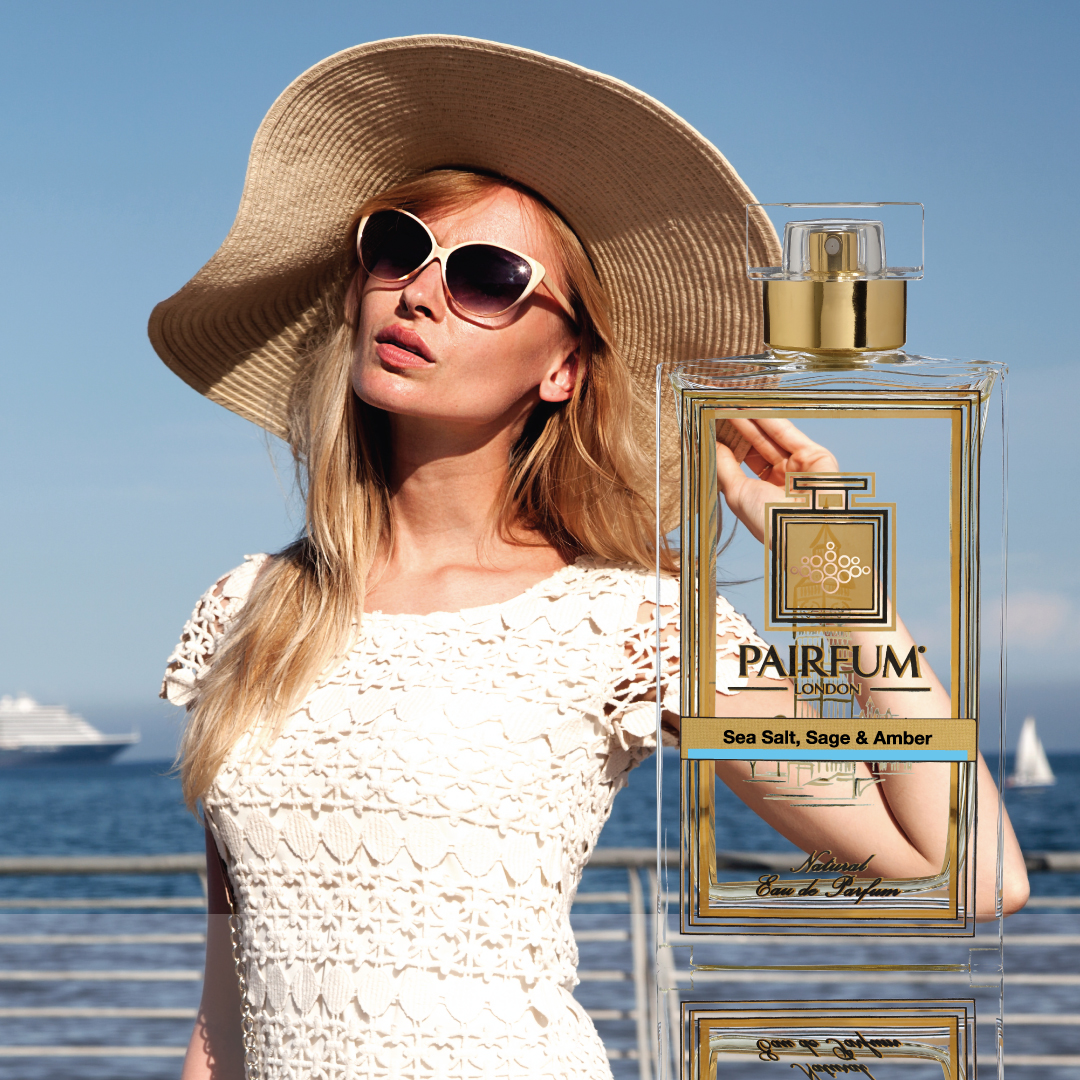
Eau De Parfum Person Reflection Sea Salt Sage Amber Woman Cruise 1 1

Biological Differences Affecting Scent 

Biological differences affecting scent are more varied than most people realise. Hormonal changes are one of the bigger culprits, and one of the least discussed. 

Hormones influence fragrance behaviour in ways that are easy to miss. Oestrogen heightens scent sensitivity. This is why the same fragrance can smell almost overwhelming at certain points in a monthly cycle, then barely noticeable a week later. During pregnancy, the shift can be dramatic enough to make a familiar scent genuinely unpleasant. Skin chemistry changes with age too, which is partly why a perfume you loved at twenty-five smells different at forty. 

Genetics play a role that goes even deeper. The ability to detect and process aromatic compounds varies between different people in ways that have nothing to do with preference. Some people simply cannot smell certain scent molecules at all, a condition called specific anosmia. Two fragrance enthusiast friends wearing identical eau de parfum may experience them as completely different smells. Neither is wrong. Their biology just processes the notes differently. 

Unique skin chemistry isn’t a problem to solve. It’s what makes a fragrance yours. 

What You Eat and Do Changes Things Too 

Spicy foods. Garlic. High-sugar diets. All of these shift your natural body odour slightly, and that natural scent sits underneath everything you spray on top of it. A vanilla-heavy fragrance after a rich meal can tip into something sickly. A citrus scent on a day you’ve eaten a lot of garlic can turn sharp and strange. 

Medications alter body chemistry in ways that interact with perfume oil unpredictably. Physical activity warms the skin, which makes fragrance bloom faster and project more strongly, but the dry-down arrives sooner. A perfume that lasts all day when you’re sitting at a desk might feel gone within two hours if you’ve been moving around. 

None of this means the perfume is wrong. It just means skin is not a passive surface. It’s an active participant in how a fragrance smells. 

The Environment Matters More Than You’d Think 

In summer, heat speeds up evaporation. Fragrance projects strongly, sometimes too strongly, strong fragrances that are perfectly calibrated in winter can feel aggressive on a hot day. In winter, cold air keeps the molecules close to the skin, and the same bottle smells quieter, more intimate, occasionally almost muted. 

Humidity changes things in the opposite direction. Damp air traps scent molecules near the surface longer, which is why a fragrance on a warm, humid evening often seems richer and more lasting than the same thing in a dry, air-conditioned room. Different environments genuinely affect perfume differently. City air, cleaning products, recycled office air, all of it can dull or shift a fragrance’s character over time. 

Layering fragrances helps. A matching body lotion or complementary scents from a home fragrance diffuser in the same family anchors the smell and makes it more resilient against environmental factors. Multiple fragrances from the same house tend to reinforce each other rather than clash. 
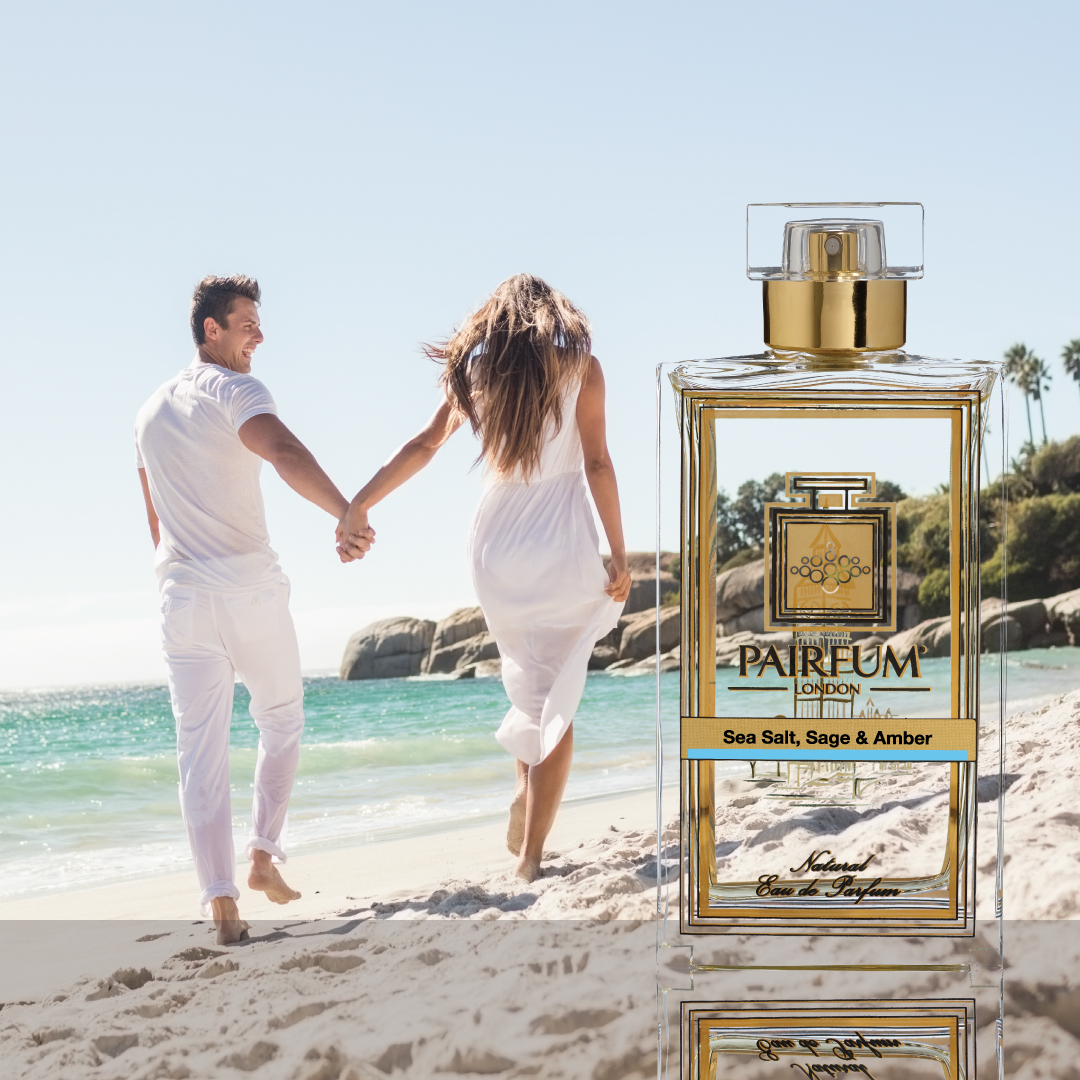
Eau De Parfum Person Reflection Sea Salt Sage Amber Couple Beach Walk 1 1

Testing Fragrance the Right Way 

Paper strips are useless for anything beyond a first impression. They show you the top notes. That’s it. 

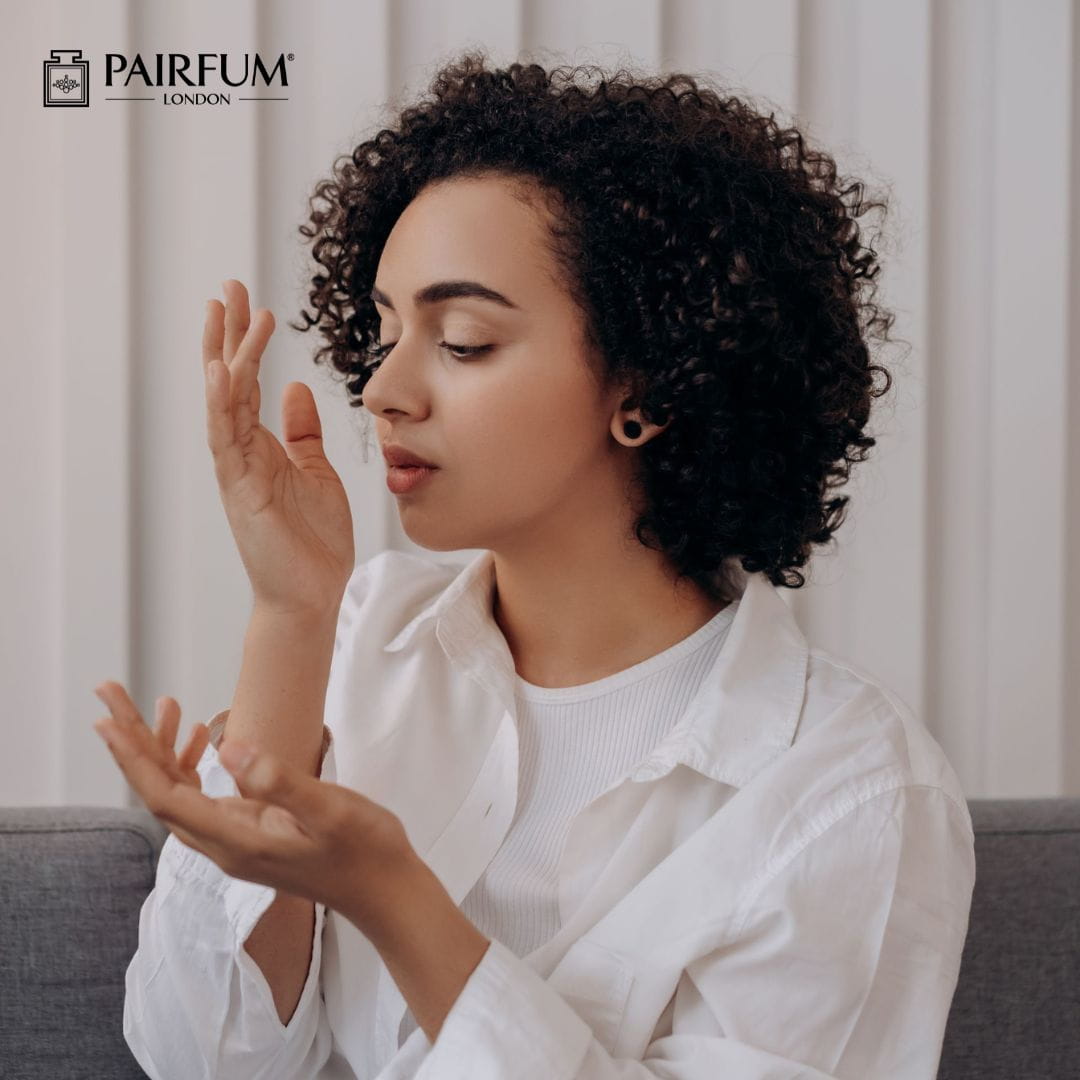
The only way to know whether a fragrance actually works on you is to spray it on skin, your inner wrist, the crook of your arm, and then leave it alone for at least thirty minutes. An hour is better. Scent perception shifts as the fragrance dries down. What smells bright and appealing at first application can settle into something quite different or quite wonderful by lunchtime. 

Don’t rub it in. Rubbing breaks down the perfume molecules and collapses the structure of the scent before it’s had a chance to develop. Spray, leave, wait. 

Shop in the morning. Your nose is sharpest then. Keep tests to two or three fragrances per session, after that, scent perception becomes unreliable and you’ll start making decisions based on nose fatigue rather than the fragrance itself. 

Skin Type, Moisture, and Why Your Fragrance Fades 

Dry skin is the single most common reason fragrance fades faster than expected and sometimes perfume smells different. It absorbs perfume oil quickly and gives the scent molecules nothing to cling to. The fix is simple: moisturise first. An unscented body lotion before you apply fragrance slows evaporation significantly. A plain body oil containing a natural oil like jojoba or sweet almond works even better: the oily base holds fragrance molecules and skin oils together, giving the scent something to live in. 

Acidic skin sharpens certain notes, particularly florals and citruses. Oily skin softens and extends them. Neither skin type produces a better result, they produce different results, and knowing your skin type should inform both the fragrances you choose and how you apply them. 

Moisturised skin also changes the quality. Vanilla, musks, and woods smell smoother and more rounded on hydrated skin. On dry skin, the same base notes can turn powdery or slightly flat. 

Perfume Smells Different Skin

Choosing a Better Fragrance for Your Skin Chemistry 

If perfume has smelled wrong on you before, too sharp, too synthetic, oddly flat, the problem usually wasn’t the fragrance. It was a mismatch between the formula and your unique skin chemistry. 

Synthetic-heavy fragrances sit on top of the skin. Natural essential oils work differently. They interact with your skin oils rather than float above them, which tends to produce something that smells more like it belongs on you rather than applied to you. Eau de Parfum Intense is often a better choice for people who find scent fades quickly. Higher fragrance oil concentration means slower evaporation and a gentler, more gradual transition between scent stages. 

Genderless fragrances are worth considering. Built to complement a wider range of skin chemistries, they tend to adapt more gracefully to individual biology than fragrances engineered around a single demographic. The perfect scent isn’t the one that smells best in the bottle. It’s the one that smells and works best on you with your personal chemistry, after it’s had time to settle. 

A Pairfum London Fragrance Worth Trying on Your Skin 

If you want to understand how a well-made natural fragrance actually behaves with your own skin chemistry, a sampler is a far more useful starting point than a department store strip. Pairfum London’s Sea Salt, Sage & Amber is a good fragrance to try, partly because it’s designed to evolve, and partly because it opens quite differently depending on who’s wearing it. 

Sea Salt, Sage & Amber Eau de Parfum by Pairfum London 

A unisex Eau de Parfum Intense. Top notes of Sage, Grapefruit, Bergamot, and Tangerine open with saline brightness; the heart, Sea Salt, Seaweed, Kelp, Sea Breeze, adds a cool, watery clarity; the base of Musk, Amber, and Cedarwood settles into something warmer and more grounded as the hours pass. On oily skin it tends to deepen and last. On dry skin, the citrus top notes project more sharply before the base arrives. 

Handmade in the UK using natural essential oils. Vegan, cruelty-free, eco-friendly. The 100ml bottle includes free shipping to the UK, EU, US, and Canada, plus a free mini sampler so you can try it on your own skin before opening the full bottle. The cost of the sampler is deducted from any full-size purchase. A low-risk way to discover whether it becomes your signature scent. 

Eau De Parfum Person Reflection Sea Salt Sage Amber Woman Smile 1 1

Your Fragrance, Your Signature 

The fact that your perfume smells different from everyone else’s is not a flaw. It’s the point. 

Fragrance reacts to who you are: your skin type, your skin oils, your hormones, your diet, the season, the room. Two people can share a bottle for months and never smell the same. The one that smells perfect on a friend might smell entirely wrong on you, not because either of you chose badly, but because skin chemistry is personal. 

Test on skin. Give it time. Notice how a familiar scent shifts over a day. A good fragrance moves with you, changes gently, and eventually stops feeling like something you applied and starts feeling like something you just smell like. That’s when you’ve found your signature scent. 
Perfume Mistakes

Six Perfume Mistakes You’re Probably Making (And How to Fix Them)

The most common perfume mistakes include rubbing your wrists together after spraying, applying scent directly to dry skin, storing delicate bottles in humid bathrooms, and over-spraying the product. Getting the best results out of your fragrance usually comes down to proper application and storage methods. 

Wearing perfume should feel like second nature, but even the most fragrance-loving among us make simple mistakes without realising it. If your favourite bottle isn’t lasting as long as it used to or the aroma seems different on your skin, it may not be the perfume; it could be the way you’re using it.

There’s nothing wrong with enjoying perfume in your own way, but a few common habits can make even the finest aromas fall flat. Most mistakes are easy to fix once you know what to look out for. Here’s what might be getting in the way of a better experience and how small changes can make your perfume smell even more like you.

Spraying Too Much

It’s easy to think that more perfume means more presence. But layering on extra sprays can actually have the opposite effect. The fragrance can become too strong or even unpleasant to people around you.

What often happens is that our nose gets used to what we’re wearing. That fading you’re noticing might just be your body adjusting to the aroma, not the fragrance disappearing.

Here’s what helps:

  • Stick to a few key sprays (two to four is usually enough)
  • Aim for pulse points like behind the ears and inside the elbows
  • Try a perfume with a stronger staying power if it seems to fade fast
Pairfum Collection Niche Perfume Experience Fragrance Library 73 Square

Applying to the Wrong Areas

You might be tempted to spray perfume on your clothes to hold the aroma longer. But fabric doesn’t let the perfume develop fully. It can also cause stains or discolouration, especially on delicate fabrics.

Perfume lasts longest and smells better when it’s sprayed directly onto skin, where your natural heat can help it unfold.

Try these spots:

  • Inside your wrists
  • Behind the knees
  • Along your collarbone or neck

One more reminder, skip rubbing your wrists together. That can break down the perfume oil, changing the aroma before it’s had a chance to settle in.

Storing Perfume Incorrectly

That pretty bottle might look lovely on your bathroom shelf, but steamy rooms and sunlight aren’t perfume’s best friends. Light, heat and humidity can all alter the balance of oils and make a perfume smell “off” over time.

For a longer life and truer aroma:

  • Store perfume in a drawer or closed cupboard
  • Keep it somewhere dry and cool, away from heaters or windows
  • Make sure the cap is on tight to keep air out

Think of perfume like something delicate, such as tea or chocolate. It’s best preserved when kept in a calm, stable place. The right storage environment can make a significant difference in how your fragrance develops and how long it lasts on your vanity or shelf.

Wearing the Same Fragrance All Year Round

Perfume mistakes can happen because your skin behaves differently depending on the season. More heat in summer, for example, means perfume tends to evaporate faster and project more strongly. A fragrance that felt cosy in January might feel heavy come June.

This is why changing perfume with the seasons works well:

  • Choose light, fresh florals or citrus perfumes in spring and summer
  • Use warmer, richer notes like spice, amber or woods for cooler months
  • Let your perfume blend with the atmosphere, not fight it

Rotating your perfumes now and then keeps your collection feeling new and your personal style interesting. You might find that a fragrance you wear all winter becomes overpowering on warmer nights, while a lighter spring scent can feel lost in the cold. Experimenting with a few options helps keep things fresh and comfortable.

Making Perfume Mistakes

Ignoring Skin Type or Moisture

Dry skin tends to “drink up” perfume more quickly, leaving less of the aroma behind. This might make your perfume vanish faster than it should.

A good fix is to apply perfume right after moisturising. Just make sure your cream or oil is unscented so it doesn’t change the fragrance.

Here’s what helps:

  • Apply perfume to clean, damp skin
  • Use a plain body oil or lotion first
  • Test perfumes on your wrist before buying to see how they mix with your natural aroma

It’s worth taking a moment to see how any perfume settles on your skin. The same perfume can change a lot from person to person. Trying it out over a few hours on your own skin is the best way to know if it truly works for you.

Fragrance Layering Gone Wrong

Layering sounds complicated, but really, it’s just using different products with your perfume, like a shower gel or body lotion. When done right, it can boost the full bouquet. But if the mix isn’t right, it can turn into a clash of perfume mistakes.

For layering to work:

  • Use products from the same fragrance line, if possible
  • Stick to clean, unscented lotions if you’re unsure
  • Avoid wearing multiple strong perfumes at once

If you enjoy wearing perfume every day, layering can help you enjoy richer, longer-lasting aromas, so long as it’s balanced. By keeping the base neutral and letting your primary scent shine, you can get the most out of layering without overwhelming your senses or those around you.

Pairfum Collection Niche Perfume Experience Fragrance Library 6 Square

Smell Better for Longer with Pairfum London

Sometimes we get used to old habits, even if they are not helping. Most perfume mistakes are easy to sort out with a little care and attention. Often it’s just about treating perfume with the same thought we give to a piece of clothing or a favourite meal; it takes a touch of timing, right pairing, and good storage.

By understanding our skin, being mindful of seasonal changes, and making thoughtful choices about how and where we apply perfume, we can bring out the very best in every bottle. Small adjustments can lead to dramatic improvements, turning a fleeting aroma into one that lingers pleasantly all day. It’s a process of making your daily routine just a bit more attentive, allowing your favourite fragrance to perform as it was designed.

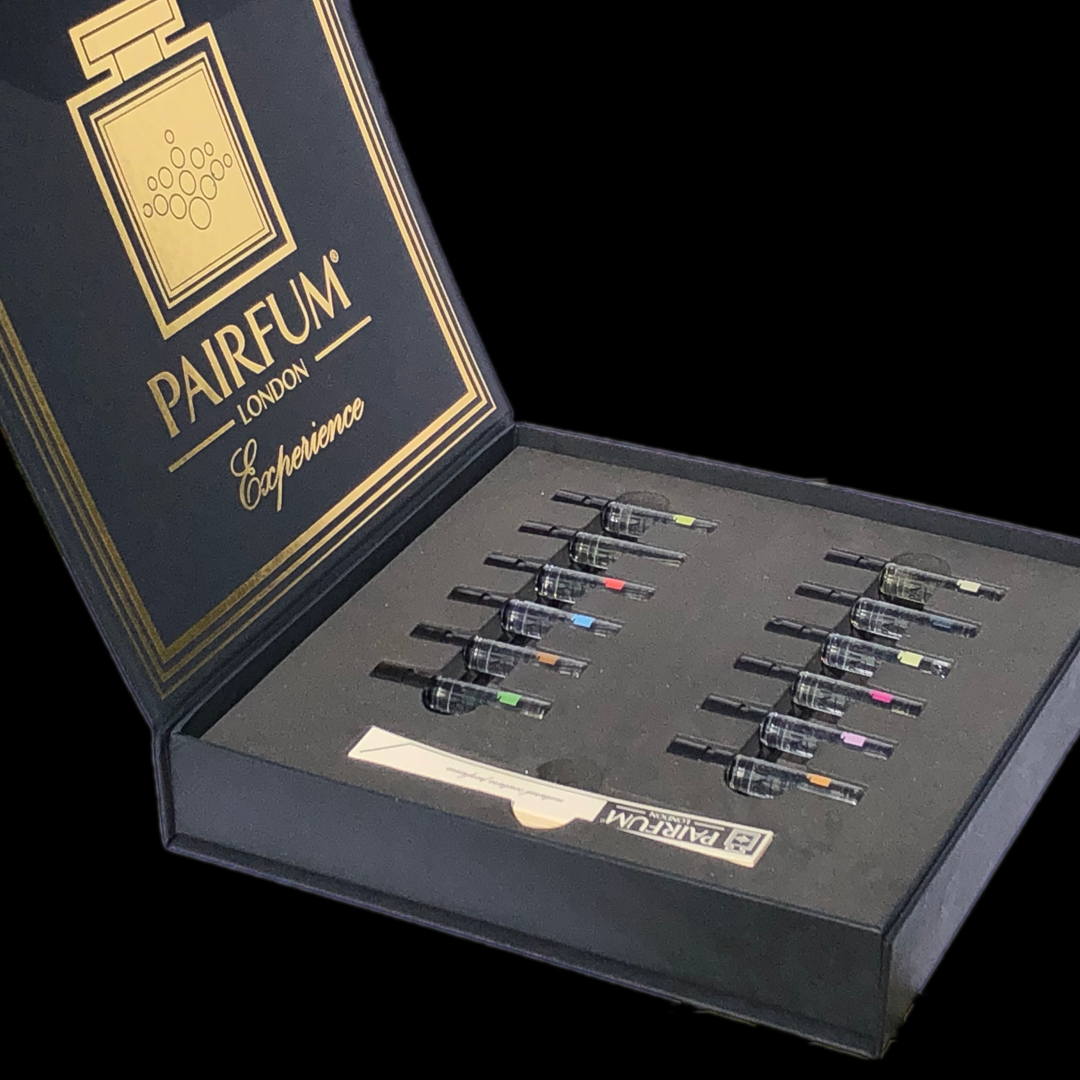
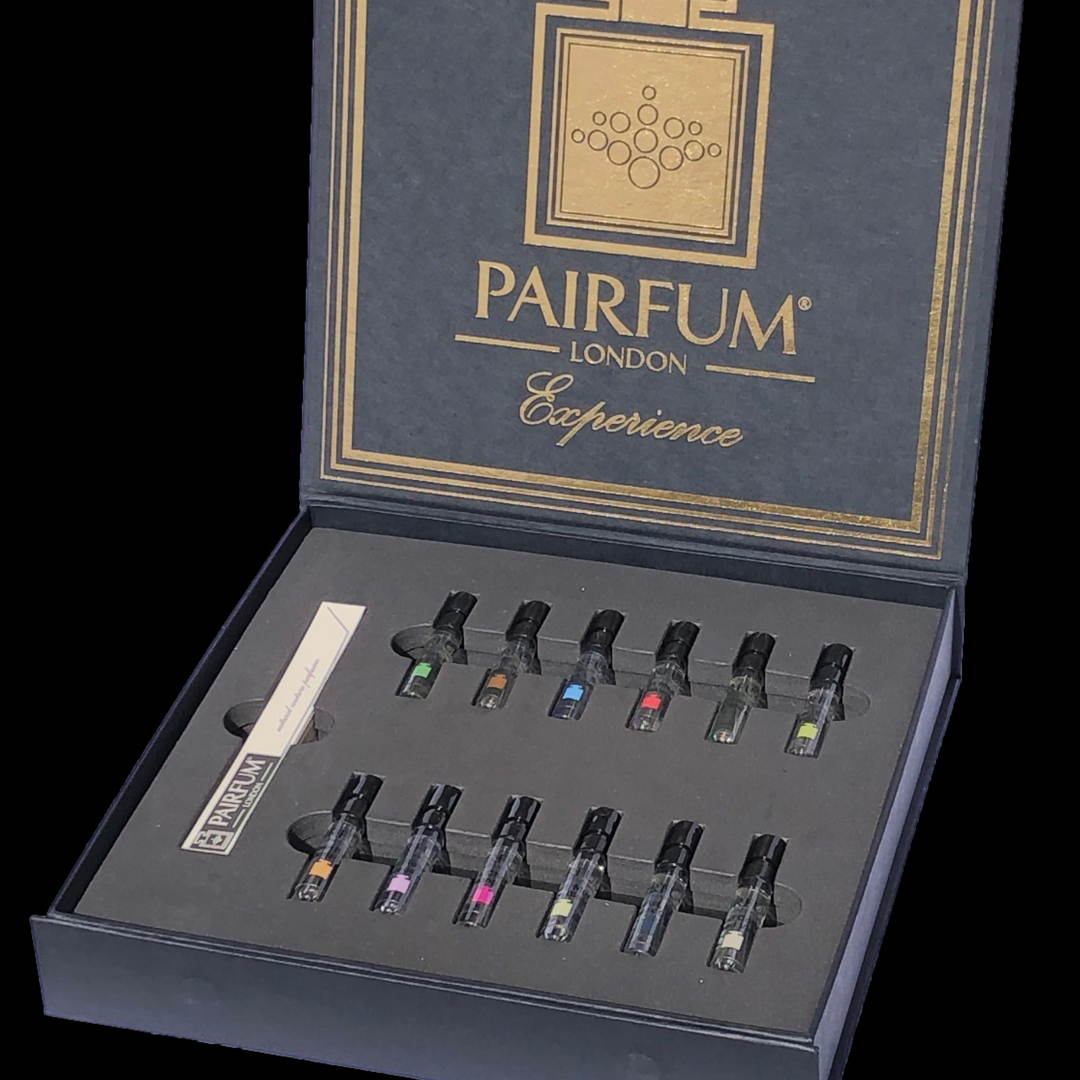
Fragrance Library Experience Box by Pairfum London

Finding your signature scent shouldn’t feel like a high-pressure gamble under the harsh lights of a department store perfume aisle. The Pairfum London Fragrance Library | Perfume Experience Box Collection completely flips the script by letting you test twelve exquisite, artisan Eau de Parfums in the peace and quiet of your own home. Complete with fifty professional smelling strips, this hand-packed discovery set gives you enough daily sprays to sample each niche aroma for two full weeks. It is the ultimate way to skip the typical application mistakes, allowing you to watch exactly how different notes develop on your skin over time before you invest. Best of all, it is entirely risk-free; when you fall in love with a particular scent, the cost of the experience box is fully deducted from your subsequent full-sized bottle upgrade.

Am I Spraying Perfume Wrong

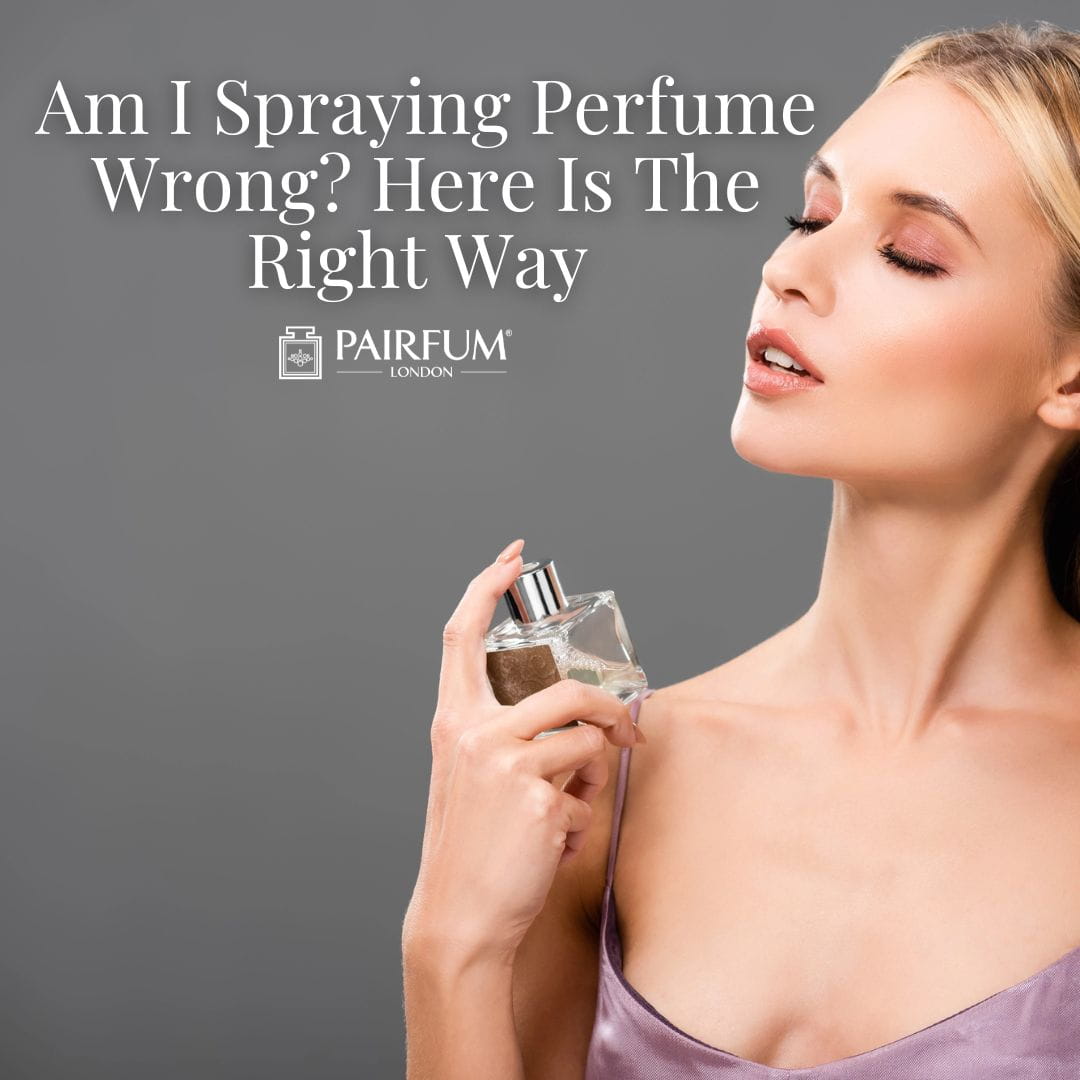
Am I Spraying Perfume Wrong? Here is the Right Way

In Summary, you are likely spraying perfume wrong if you rub your wrists together, spray a cloud and walk through it or apply it to dry skin. To maximise longevity and projection, apply directly to moisturised pulse points from about 5-6 inches (12-15 cm) away, and let the fragrance dry naturally on your skin.

Most of us spray perfume the way we have always done it, without thinking twice. A quick spritz on the wrists or neck, and out the door. But what if you have been spraying perfume wrong all along?

As warmer summer mornings settle in across the UK, it is a good moment to fine-tune your routine. Tiny tweaks can lead to a noticeable difference in how your fragrance wears through the day. This guide will walk you through better ways to apply perfume so it smells the way it should, lasts longer, and feels more natural on your skin.

5 Perfume Mistakes You Might Be Making

Even the most dedicated fragrance lover can fall into a bad habit when getting ready. When you are spraying perfume wrong, it usually comes down to a few common perfume mistakes that disrupt how a scent develops. Let us break down the main errors so you can get the absolute best out of every single spray.

1. Are You Spraying Perfume Wrong by Spraying Too Much or Too Little?

When it comes to perfume, more is not always better. Applying too much can overwhelm those around you and cause the lighter notes to disappear. But using too little might mean the fragrance vanishes before your morning tea.

A heavy hand can drown out delicate notes. Instead of layering spray after spray, aim for key points where fragrance will develop slowly. Experts view fragrance as an architecture of air, meaning too many heavy layers collapse the structural balance. Aim for two to three targeted spritzes.

If you notice your perfume fades within an hour, it might be from under-spraying. Some concentration is needed to let it settle on the skin and be noticed.

In warm months, lighter perfumes or eau de parfum work well with fewer sprays. For cooler evenings or indoor settings, one or two extra spritzes might suit the space.

Finding the right balance takes a bit of observation. Pay attention to how your fragrance lingers on you throughout the day, then adjust the amount the next morning.

2. Choosing the Wrong Spots

Where you spray makes all the difference. The spot you choose matters more than you may think. The warmth of your body helps carry the fragrance and keep it going.

Pulse points are the best places to start. These include the neck, inside the elbows, wrists, and behind the knees. The thinnest skin sits over these blood vessels, producing natural heat that acts as a quiet diffuser to release the perfume over time. For a subtle, beautiful trail when walking, utilize the back of the knees or the lower collarbone.

Spraying perfume directly onto places like the hands or lower legs does not do much. These parts do not hold warmth the same way.

During summer, avoid spraying behind the neck if you are heading out into strong sun. Sunlight mixed with some perfume ingredients might irritate the skin. Stick with under-clothing areas or lightly on fabric away from direct contact with the chest.

The closer you spray to where the blood flows nearer the skin, the more even and lasting the effect.

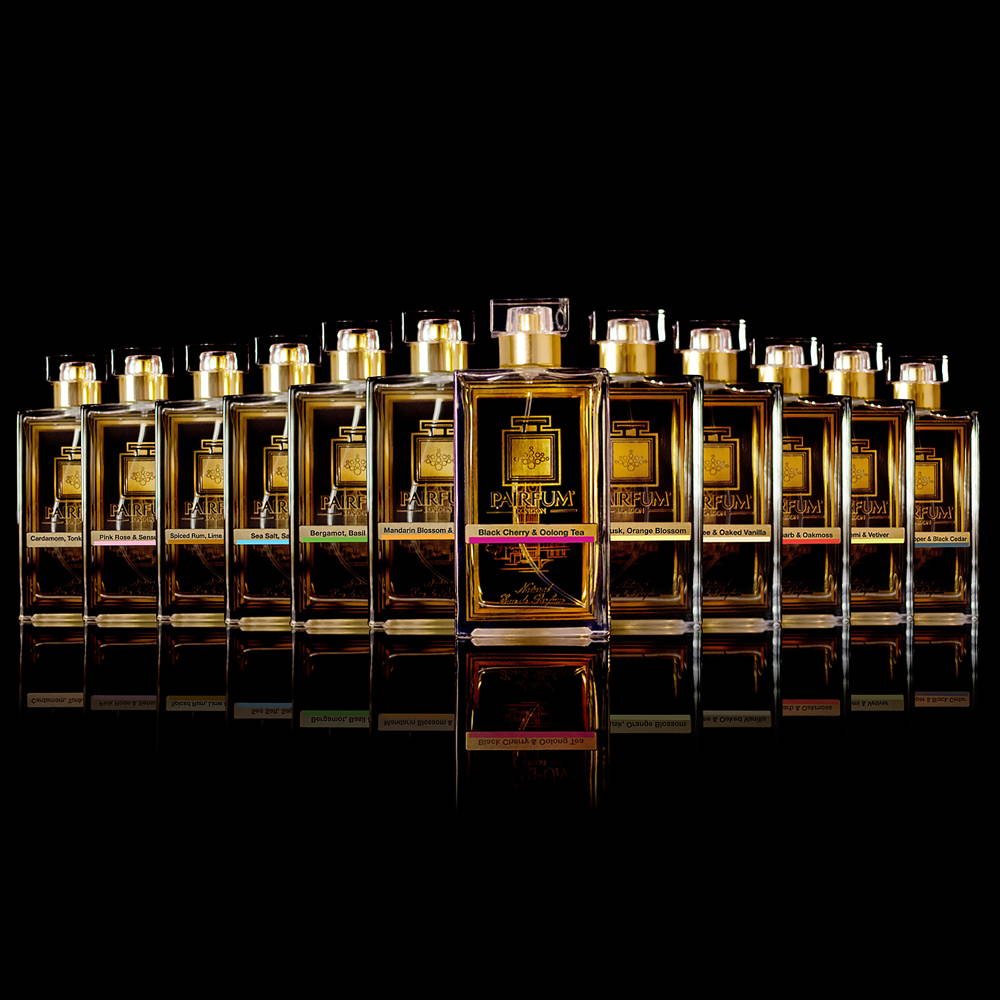
12 Pairfum Eau De Parfum Bottle Niche Collection

3. Rubbing Your Wrists Together

The right way to spray involves letting the liquid settle naturally. Distance and timing play a quiet but important role in ensuring that you are not spraying perfume wrong.

Hold the perfume bottle about 15 to 20 centimetres away from your skin or fabric. This ensures an even, fine mist rather than a concentrated, dripping blotch.

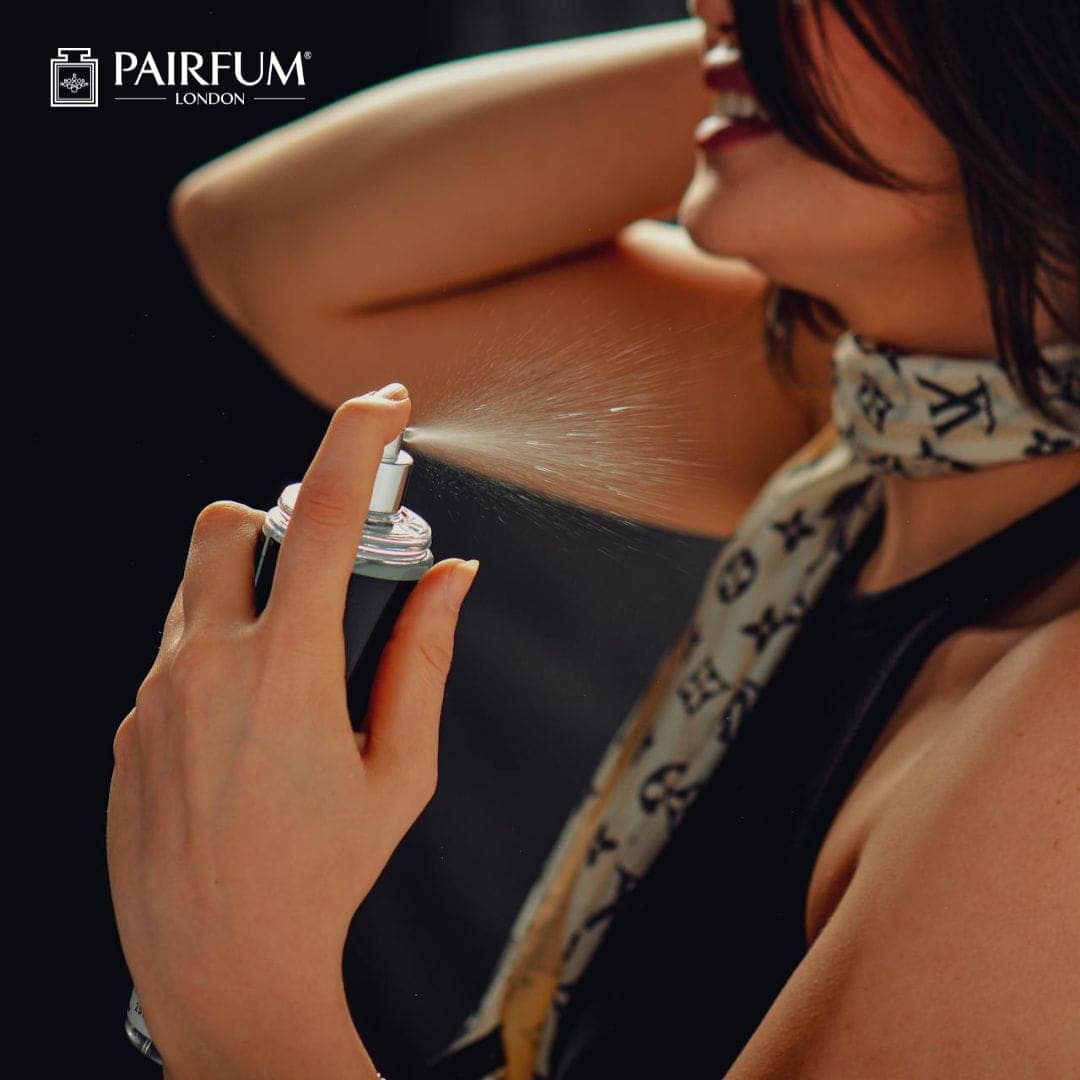
After you spray, avoid rubbing your wrists together. This friction generates sudden heat that breaks down top notes prematurely, bruises the fragrance molecules, and changes the intended aroma.

The timing matters too. It is better to apply your fragrance immediately after taking a warm bath or shower. Your skin is completely clean, damp, and warm, which helps open pores and allows the liquid to cling firmly.

A slow approach works best. Think gentle layering, not rushing through it.

4. Avoid Spraying Perfume Wrong by Ignoring Your Skin Type and Prep

Your personal skin chemistry plays a massive role in how a fragrance smells. For instance, dry skin does not hold onto scent well because it lacks the natural oils needed to anchor the perfume oils. If your skin is parched, the alcohol in the formulation evaporates too quickly, taking the scent with it. Oily skin naturally retains scents longer because the sebum provides an excellent physical binder.

To fix dry skin issues, ensure you apply to moisturised skin. Using a rich, unscented lotion, petroleum jelly, or a light body oil right after a shower creates a hydrated base that locks in the fragrance strength. This simple trick transforms a fleeting mist into a long lasting scent. Furthermore, make sure your daily deodorant is unscented so it never clashes with your chosen profile.

5. Forgetting Fabric, Hair, and Accessories

Perfume does not only live on skin. There are a few clever ways to help it linger, without making it overwhelming.

Clothes can hold certain types of perfume well, such as natural fibres like cotton and wool. But be cautious when applying perfume to delicate fabrics, silk, satin, or synthetic fabrics, which may cause fabric damage, stain, or change colour.

A light mist over your hair or scarf can offer a softer impression of your perfume. Hair tends to hold fragrance without getting greasy, especially if sprayed from a distance. To protect hair from alcohol drying, try spraying your hairbrush first before running it through your locks. You can even use a lighter body mist here if you want a more subtle scent.

Some accessories, like hats or shawls, can be gently perfumed for a longer aura without needing to be re-applied throughout the day.

Just one or two of these tricks can make the difference between a fleeting aroma and one that follows you gently for hours.

Are You Spraying Perfume Wrong

Storing Your Perfume the Right Way

Where you keep your perfume affects how it smells and how long it stays true to itself. A gorgeous bottle deserves a proper home.

Heat and light are two of the biggest reasons why perfume spoils. Avoid sunny shelves, bathroom counters, or windowsills.

Summer heat can change the chemical structure of the fragrance, making it smell a little off. Keep your bottle in a cool drawer or cupboard away from steam and light.

Humidity, particularly in places like the bathroom, speeds up perfume breakdown. Storing it in a cool dry place like a bedroom drawer helps keep it stable. Keeping the bottle upright in its original box provides excellent protection against temperature shifts.

Even the most carefully chosen luxury perfume can disappoint if it has been stored improperly. Think cool, dark, and quiet, like how you would keep a favourite chocolate bar through July.

Understanding Your Scent Profile

The art of traditional perfumery teaches us that every favourite scent has a unique structure. When you try a different scent, whether it is a crisp cologne or a rich, heavier scent, you are interacting with a complex blend of top, heart, and base notes.

The immediate first impression comes from top notes, usually comprised of bright citrus, light fruits, or fresh herbs that evaporate within minutes. The true soul of the fragrance emerges as the top notes fade, showcasing florals, rich spices, or deeper fruits known as heart notes. Finally, the base notes form the heavy foundation of the blend. Ingredients like sandalwood, amber, vanilla, and patchouli possess high molecular weights, allowing them to cling to the skin for hours.

Lighter scents evaporate rapidly. A heavier scent clings to the skin for hours. Knowing the scent profile of your favourite fragrance helps you understand exactly how much to apply. A natural perfume with high concentrations of organic ingredients will evolve beautifully over a day, shifting as it reacts to your unique body heat. If you enjoy layering fragrances to build a custom signature scent, always apply the heavier formula with strong base notes first, followed by the lighter, fresher option on top.

Pairfum Collection Niche Perfume Experience Fragrance Library 49 Square

Spraying The Correct Perfume with Pairfum London

Now that you have mastered the physical art of applying perfume, the focus shifts to finding a composition that justifies the effort. A perfect application technique goes to waste on a scent that fails to move you or falls flat on your skin. The logical next step is exploring how different scent profiles actually react with your personal skin chemistry over several hours. Testing a curated variety of miniature vials at home lets you observe the transition from top notes to base notes without committing to a full bottle right away. It is the only foolproof way to discover an authentic signature scent that feels entirely like your own.

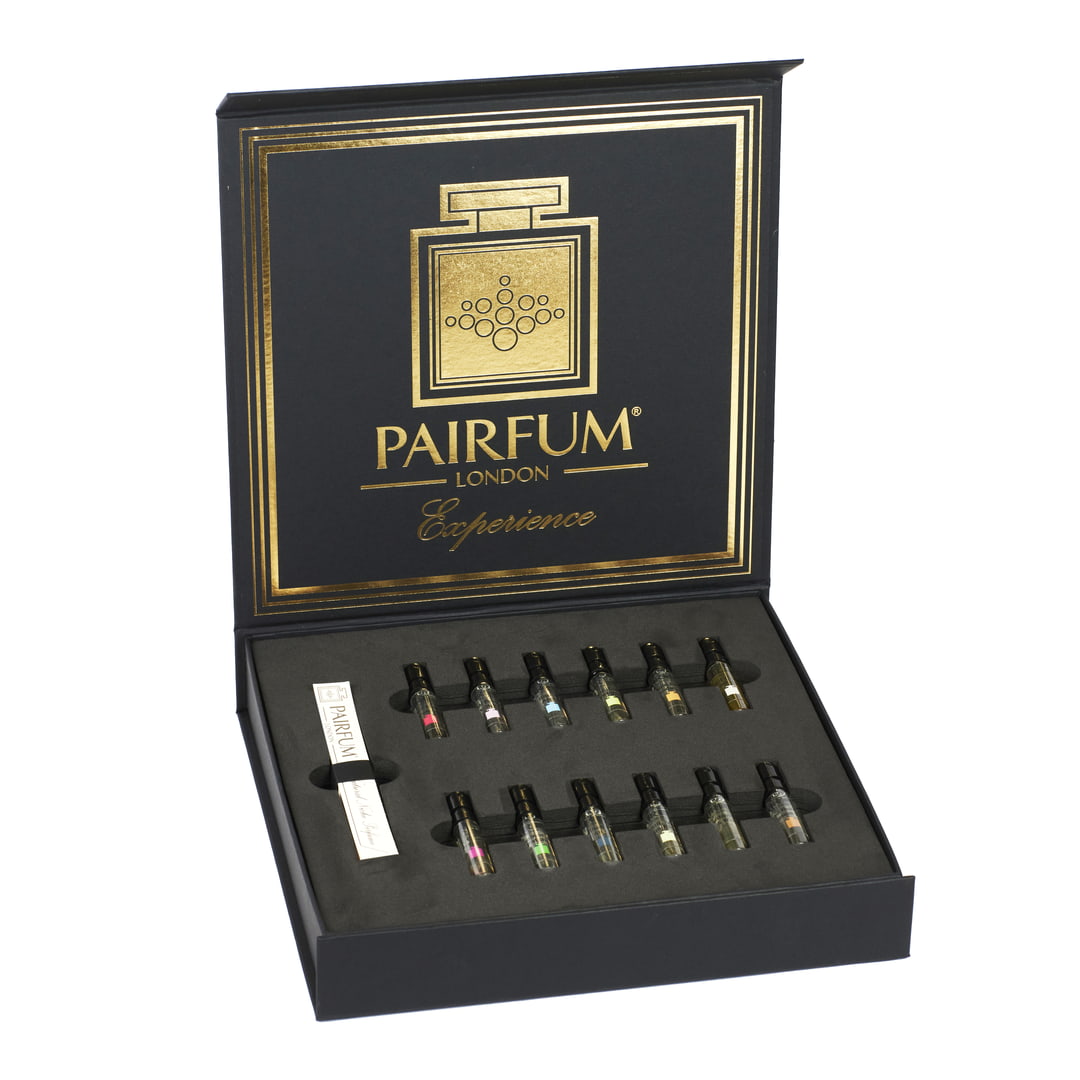
Fragrance Library Perfume Experience Box by Pairfum London

Now that you have mastered the physical art of applying perfume, the focus shifts to finding a composition that justifies the effort. A perfect application technique goes to waste on a scent that fails to move you, which is exactly where the Pairfum London Fragrance Library comes in. This Perfume Experience Box features a curated collection of twelve miniature eau de parfum vials, spanning diverse scent profiles from light florals to rich, heavy woods. It provides the ideal, low-risk playground to test high-quality, natural formulations directly on your skin over several hours. By exploring this discovery set at home, you can watch the notes unfold in real-time, helping you track down an authentic signature scent that beautifully rewards your new spraying habits.

Perfume That Works as Hard as You Do

Learning how to stop spraying perfume incorrectly is not about making strict rules. It is about making the most of something you already love. With a few small changes (where you spray, how much, and when), you can enjoy your signature scent all day long.

The right application turns your perfume into part of your presence, not just a fleeting moment in the morning. When a beautiful eau de parfum blends perfectly with your skin chemistry, the smell becomes entirely your own, staying quietly close from the first light of morning to the return home at night. If you notice a lighter formulation fading by late afternoon, do not over apply in the morning. Simply carry a compact travel spray to refresh the top notes safely mid-day.

    0
    Your Cart
    Your cart is emptyReturn to Shop