Home / freshlime
Fresh Lime Leaves

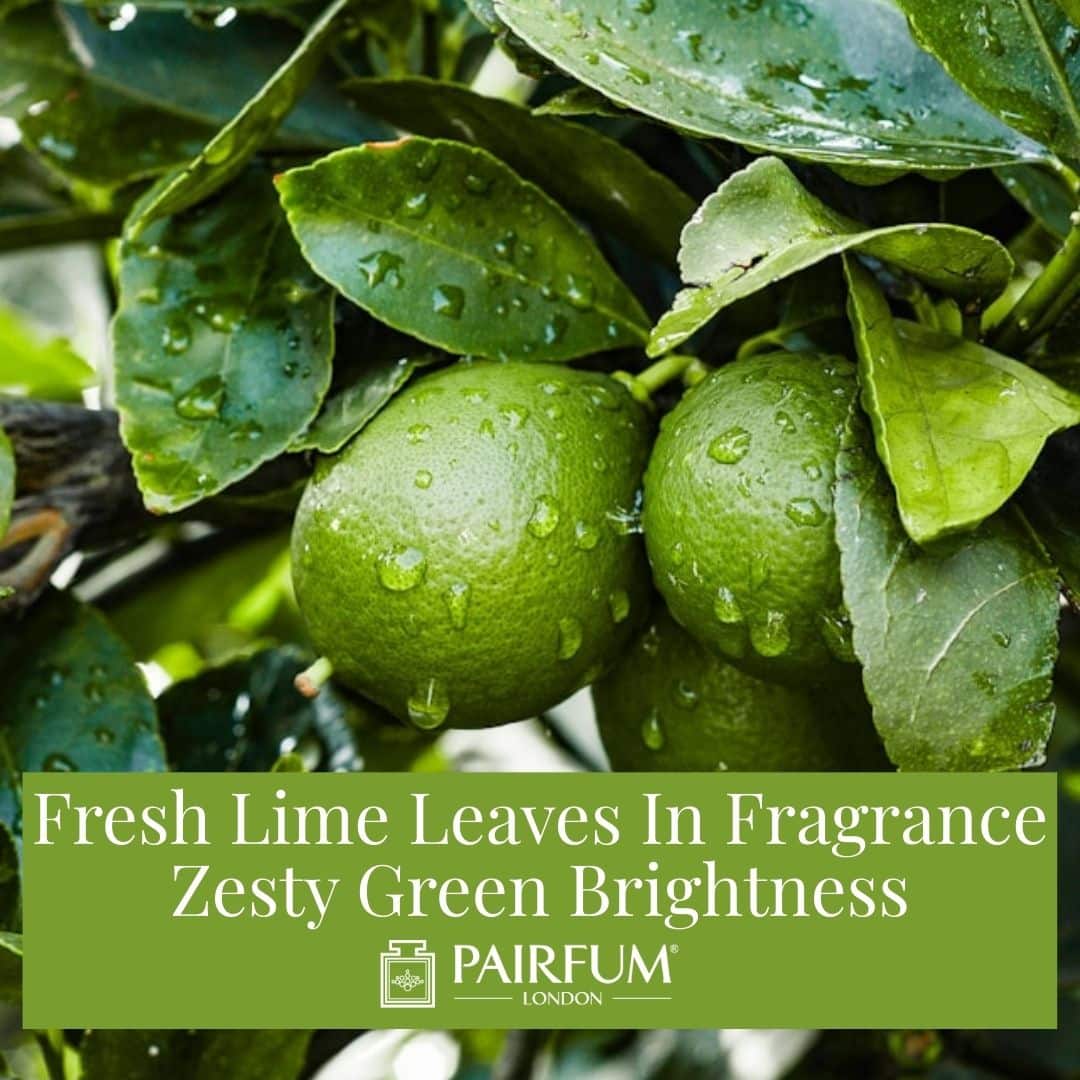
Fresh Lime Leaves in Fragrance: Zesty Green Brightness

Fresh lime leaves, specifically the Makrut or Kaffir lime leaf, are highly aromatic, double-lobed leaves that are essential for Thai cuisine and other Southeast Asian dishes. They offer an intense, citrusy, and spicy flavour profile, often compared to a blend of lemon and lime, commonly used in curry, soups, and various marinades. These fresh leaves are typically available in the refrigerated section of major supermarkets, within local Asian grocery stores, or through online specialist retailers.

Just before spring pushes winter out for good, there is something about green, citrusy perfumes that feels just right. Lime leaves offer that exact type of brightness. They carry a vivid, zesty aroma with hints of fresh greenery, almost like crushed leaves in sunshine. Used in perfumes, they can lift the whole composition in a way that feels clean, refreshing, and quietly cheerful.

We are looking more closely at lime leaves to understand how they have made their way into fine perfumery, what their perfume character is like, and why their bright green character remains a favourite in both classic and modern blends. To fully appreciate the profile of the lime, we must look at the specific species that provides these aromatic leaves, most notably the Citrus hystrix.
Pairfum Fragrance Spiced Rum Lime Guaiac Wood Triangle

A Little History Behind Lime Leaves in Perfume

Lime trees have long been grown for the freshness of their leaves as well as their tart fruit. In warm parts of the world, crushed lime leaves have been used for centuries in home rituals, cooking, and even bathing. People prized them for their natural, clean aroma, light and a bit floral, without being sugary or overpowering.

As perfume developed into an art with its own rules and structure, lime leaves provided something that citrus peel alone could not. Their leafy-green brightness added a soft, natural twist to perfumes built around herbs, white flowers, or zest. Not too sharp, not too sweet, just right for building in layers.

Historically, the Kaffir lime tree has been a primary source of these scents. While the fruit itself is quite bumpy and often less juicy than a standard lime, the leaf is a powerhouse of fragrance. In the United Kingdom, we often see these ingredients arriving from distant tropical climates, bringing a sense of exotic luxury to our shores.

The Botanical Identity: Makrut and Kaffir

It is important to understand that the lime leaves used in high-end scents often come from the Makrut lime, also known as the Kaffir lime. The term Makrut lime leaf is becoming the preferred name in many botanical and culinary circles. This specific Makrut lime is native to Southeast Asia, where the humid climate allows the Kaffir lime leaf to develop its signature high oil content.

Whether you refer to it as a Kaffir leaf or a Makrut lime leaf, the physical structure is unique. It looks like two leaves joined together, one appearing to grow out of the tip of the other. Botanically, this is known as a winged petiole, where the leaf-like stalk is nearly as large as the blade itself. This hourglass or bifoliate leaf shape is a hallmark of the species. In regions like South Africa and across South East Asia, the tree is a garden staple, providing fresh leaves for daily use.
Eau de Parfum Bergamot Basil Patchouli

What Lime Leaves Smell Like in a Fragrance

Lime leaves do not smell like lime juice or peel, though they share a family resemblance. They are greener and softer, with a hint of wood and a light floral touch that gives them more character than you might expect.

  • In the top notes of a perfume, lime leaves help create a fresh, crisp opening without being too sharp.
  • In the middle of a fragrance, they can soften spicy herbs, citrus, or tea notes while keeping things lively.
  • Compared with petitgrain (from the bitter orange tree), lime leaves feel less bitter and more mellow. They are also lighter than green tea, which can lean closer to dry or earthy in some blends.

The lime zest provides a punchy, sharp hit, but the leaf offers a lingering, sophisticated flavour to the scent profile. This is largely due to high concentrations of citronellal, which gives the leaves their distinctively intense, lemony-floral aroma. This makes lime leaves flexible in perfumery. They work well in fresh colognes, floral blends, and even some woody compositions that need a dash of green lightness. Whether as a starring ingredient or complementing others, lime leaves have earned their place as a staple in several scent styles over time.

Culinary Origins and Aromatic Influence

To understand why lime leaves work so well in fragrance, we can look at their role in Asian cuisine. The scent is so potent that even a single fresh Kaffir lime leaf can transform a recipe. In Thai cuisine, the Makrut lime is indispensable. You will find it in:

  • Tom Yum soup, where the fresh Kaffir lime leaves provide a counterpoint to spicy chillies.
  • A traditional Green Curry or Thai curry, where the leaves are bruised to release their oils.
  • Fish cakes and various dishes where a bright flavour is needed to cut through rich ingredients.

The way a chef uses a Kaffir lime to create a curry paste is not unlike how a perfumer uses the extract. In traditional cooking, the leaves are often julienned extremely finely to make them palatable, as they are naturally quite tough and fibrous. Both the chef and the perfumer are looking for that “spark.” In Southeast Asian cuisine, the balance of fish sauce, oyster sauce, and citrus creates a complex profile. Similarly, in a bottle of perfume, the lime notes must balance against other heavy hitters. Even the use of Thai basil or a dried leaf like a bay leaf in cooking mirrors the layering of herbs in scent.
Lime Leaf

How Lime Leaf Essence Is Created

The most common method for getting lime leaf fragrance is steam distillation. Fresh leaves from the lime tree are gently heated with steam so that their aromatic oils rise up and can be collected. This brings out the purest form of the green, citrusy aroma.

Some perfumers prefer slightly different techniques, adapting their extraction method to shape the final aroma:

  • CO2 extraction, which allows for a softer, rounder aroma that leans toward creamy, making the resulting note a little smoother for gentle blends.
  • Traditional infusions, where leaves are soaked in a neutral oil or alcohol to pick up their subtler notes over time, illustrate the slow art of fragrance.

The quality of the fresh Kaffir lime leaves used in the process is paramount. Just as a dried Kaffir lime leaf or a dried leaf loses some of its top-note vibrancy in a curry, a paste made from older leaves will not have the same olfactory “lift” as a fresh extract. In Southeast Asian markets, these leaves are prized when they are dark green and shiny, indicating a high concentration of essential oils.

How the oil is handled affects the feel of the perfume. A cleaner, sharper extract can go into a summer body splash or crisp cologne. A softer version might sit nicely in a botanical eau de parfum or even blend with white florals in a home fragrance. The choice of extraction method is an important artistic decision that can affect the end result, tailoring the lime leaf note for a particular perfumer’s vision.

Beyond the Kitchen: A Cultural Staple

The influence of the lime extends into many cultural celebrations. During Chinese New Year, citrus fruits and their aromatic leaves are often used as symbols of luck and freshness. In some cultures, the fruit and leaves are even used in traditional hair washes or religious ceremonies to signify purification. While a cook might reach for rice paper and lime to wrap a fresh spring roll, a perfumer reaches for the same botanical essence to wrap the wearer in a sense of renewal.

Even in the digital age, as we “manage consent preferences” on our favourite fragrance blogs, the search for “natural” and “authentic” scents leads us back to these ancient ingredients. The Kaffir lime remains at the top of the list for those who want a scent that feels “real.”

Eau de Parfum Person Reflection Spiced Rum Lime Guaiac Wood 1 1

Where You Will Find Lime Leaves in Perfumes Today

Lime leaves have become a notable ingredient in niche perfumes and naturally built fragrances, especially those intended to feel light, fresh, and alive. They often suggest the idea of new growth or sun-warmed air, which is why they fit seasonal launches around springtime so well.

They blend easily with:

  • Basil or verbena, for a green herbal twist that comes alive.
  • White tea or neroli, for a fresh floral edge with an airy finish.
  • Ginger or cardamom, where citrusy green notes soften warming spices and keep a balance between freshness and intensity.

Famous Lime Leaf Fragrances

To see how these notes perform in professional blends, consider these three iconic examples:

Jo Malone London – Lime Basil & Mandarin: The gold standard for herb-infused citrus. It uses a punchy lime top note balanced by peppery basil and white thyme to create a crisp, “freshly crushed” garden aroma.

Creed – Virgin Island Water: A high-end tropical classic. It features a sharp, authentic Kaffir lime note paired with coconut and white rum, perfectly capturing the zesty brightness of aromatic leaves in the sun.

Diptyque – Oyédo: A complex citrus blend inspired by ancient Japan. It combines lime and mandarin with cooling shiso leaf, providing a unique, minty-green edge that stays vivid and refreshing on the skin.

Pairfum Eau De Parfum Person Reflection Bergamot Basil Patchouli Couple Bike 1 1

Iconic Lime Notes in Pairfum London Fragrances

Spiced Rum, Lime & Guaiac Wood – Eau de Parfum by Pairfum London

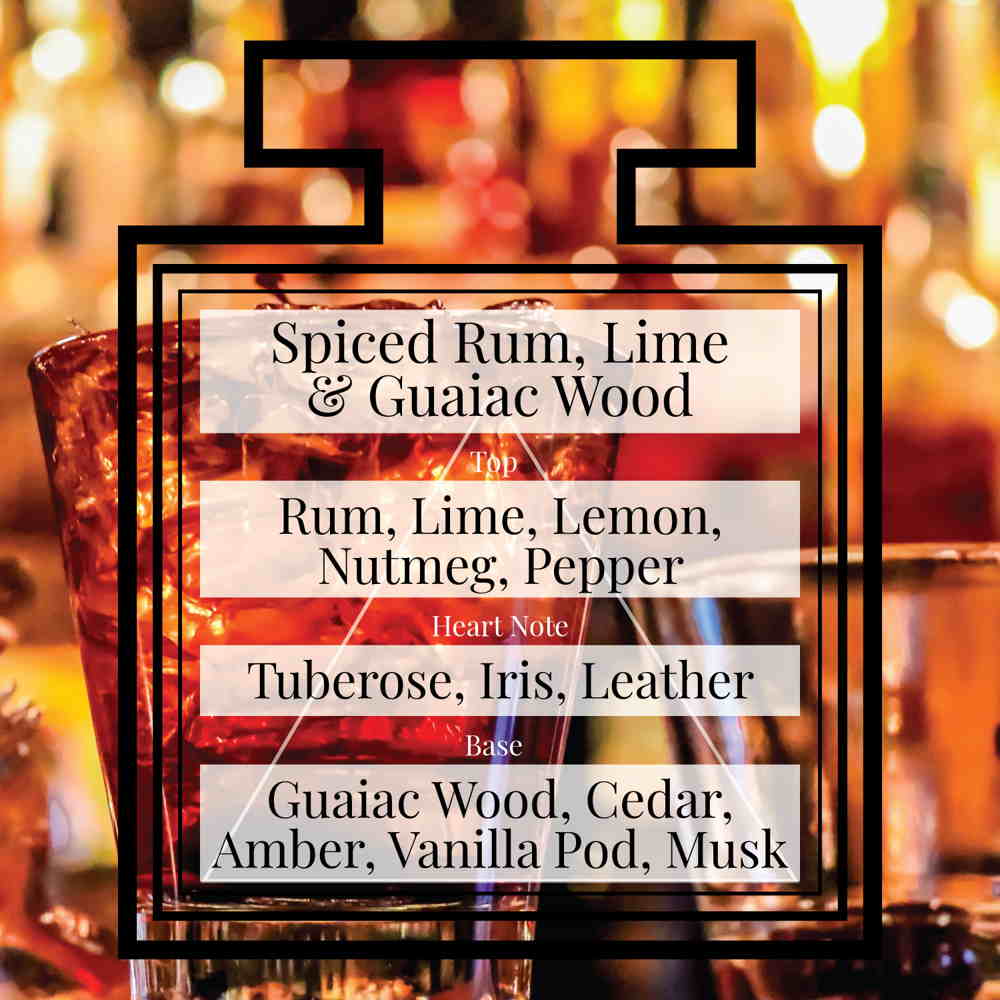
This Connoiseur’s accord opens with the intense aroma of Rum, nuances of Lime & Lemon and a radiant combination of Nutmeg & Pepper. The heart is deep and rich with Tuberose, Iris and Vintage Leather. A fond of Guaiac Wood, Cedarwood, Golden Amber, Vanilla Pod and Musk completes this luxurious fragrance.

Bergamot, Basil & Patchouli – Eau de Parfum by Pairfum London

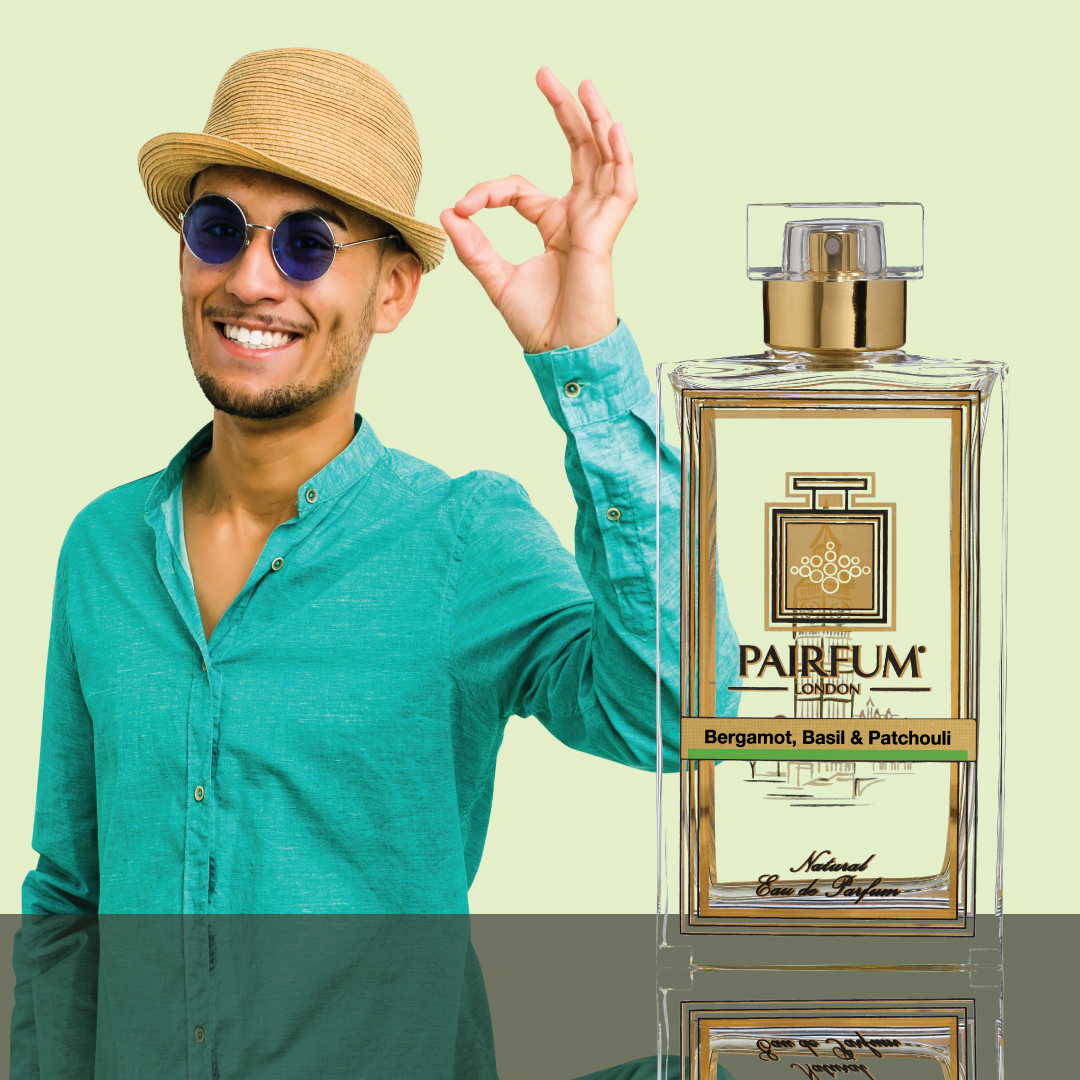
This woody and aromatic accord opens with Bergamot, Lime, Green Leaves and spicy Basil. The heart is fresh with Lily, Freesia, Violet Leaf, Rose and Geranium. The note rests on a beautifully rich woody base of Patchouli, Vetiver, Sandalwood, Cedar and Amber.

Fragrance with a Green Spark: Why Lime Leaves Still Capture Us

There is something poetic about a perfume that feels alive without shouting. Lime leaves accomplish this. Their green citrus edge gives clarity without harshness. They can lift heavier florals or woods without changing their core and fit beautifully in fragrances where balance is key.

Whether it is the scent of a Kaffir lime in a steaming bowl of soups or the elegant trail of a Makrut lime perfume, the impact is undeniable. Currently, perfumery leans into gentler touches. People want perfumes that feel natural, relaxed, and breathable. Lime leaves deliver that sense of presence without weight. Their aroma sits somewhere between leaf, zest, and faint blossom, a small twist that makes a bottle feel more grounded, more real.


Lime In Perfume

Lime in Perfume: The Vibrant Spirit of Fine Fragrance

Lime perfume notes bring a lively, fresh aroma that is both invigorating and delightful. Known for its distinct citrusy zest, lime has become an indispensable staple in countless fragrances across the globe. Its sharp, clean, and utterly vibrant profile makes it a perennial favourite among master perfumers seeking to infuse their creations with a vibrant burst of unparalleled freshness.

The journey of lime in perfumery is rich, spanning centuries. Ancient civilisations, recognising its refreshing aroma, incorporated lime into various aromatic applications. Over time, as trade routes expanded, lime seamlessly found its way into the heart of European perfumery, adding a unique and instantly recognisable citrus note that truly stands out in any blend. This versatile citrus fruit has a fascinating history.

Lime notes are remarkably versatile. They can be expertly woven into compositions alongside other bright citrus fruits, delicate floral accords, or even grounding woody elements. This adaptability makes lime an essential ingredient for crafting a diverse spectrum of perfumes, ranging from light, airy, and ephemeral colognes to those that are deep, complex, and enduring. The meticulous methods employed to extract lime ensure its purest aroma is preserved, allowing perfumers to harness its full, vibrant potential, creating a truly perfect scent.

The Botanical Roots and Global Journey of Lime

To truly appreciate lime in perfumery, understanding its botanical origins and global spread is insightful. The term ‘lime’ actually encompasses several species of citrus, primarily the Persian lime (Citrus x latifolia) and the Key lime (Citrus x aurantifolia), also known as Mexican or West Indian lime. Believed to have originated in the Indo-Malay Archipelago, limes embarked on a journey across continents, carried by Arab traders, before reaching Europe during the Crusades and later the Americas with explorers in the 16th century.

In its natural habitat, particularly in tropical and sunny places, lime trees thrive, yielding their small, typically green fruits. The difference between common supermarket limes and smaller, more aromatic Key limes lies in their size, intensity of flavour, and fragrance. While some varieties, like the Rangpur lime (Citrus limonia), even boast a green rind with vibrant orange flesh, showcasing the diversity within this fascinating family of plants. This rich history cemented lime’s place not just as a culinary staple but as a prized aromatic commodity, influencing everything from food to fragrance.

Pairfum Fragrance Spiced Rum Lime Guaiac Wood Triangle

The History of Lime in Perfumery: From Ancient Rituals to Modern Classics

Lime has been revered for its refreshing and zesty aroma for millennia. From ancient times, lime was valued for its invigorating fragrance. Ancient civilisations in the Middle East and Asia utilised lime in various aromatic applications, often for its purifying and uplifting qualities. In traditional rituals, the crisp and revitalising aroma of lime was believed to cleanse and purify surroundings, enhancing spiritual and sensory experiences.

During the Renaissance period, as new ingredients arrived in Europe, lime gained significant prominence in European perfumery. Perfumers quickly recognised its ability to impart a bright, lively, and effervescent top note to their creations. Lime’s remarkable capacity to blend harmoniously with both delicate floral and robust woody notes made it an incredibly versatile choice, paving the way for its inclusion in many nascent classic perfumes. This era marked a crucial step in lime’s transition to a globally appreciated perfumery ingredient. Many a designer has since incorporated this element.

In modern times, lime remains an enduring staple in the perfumer’s palette. Its vibrant and utterly fresh aroma continues to be a popular choice for contemporary perfumes, frequently featured in revitalising summer fragrances, invigorating sports scents, and even sophisticated evening blends. The timeless appeal of lime in perfumery lies in its consistent ability to evoke a sense of clarity, freshness, and vitality, securing its status as a cherished and essential ingredient for any captivating scent.

The Olfactory Profile of Lime: A Symphony of Zest and Greenery

Beyond its general classification as a citrus note, lime offers a complex, deeply nuanced scent profile that perfumers skilfully utilise to great effect in a perfume. The immediate impression of lime is typically bright, sharp, and intensely zesty, often evoking the sensation of freshly squeezed juice or the pungent burst from a grated peel. This initial burst is profoundly invigorating and uplifting, setting a vibrant, effervescent tone for the entire fragrance. It provides a refreshing blast that awakens the senses.

As the lime note develops on the skin, subtle green and sometimes slightly bitter undertones can emerge, particularly from extracts derived from the outer peel. These nuances add a layer of sophistication and prevent the note from being overly simplistic or one dimensionally sweet. Depending on the specific varietal of lime used and the meticulous extraction method, some lime notes can also carry a hint of a delicate floral, a peppery spice, or even a subtle woody nuance. The inherent crispness and natural acidity of lime make it an excellent top note, providing an immediate, captivating impact that draws the wearer in before the heart and base notes gradually unfold. Its natural vivacity lends a clean, almost sparkling, effervescent quality to compositions, making it a cornerstone for fresh and invigorating fragrances. This detail in its scent profile is what makes it so appealing.

Eau de Parfum Person Reflection Spiced Rum Lime Guaic Wood Man Walk 1 1

Types of Lime Notes Used in Perfume: A Spectrum of Freshness

Lime notes in perfumes come in various forms, each offering a unique aspect of its fresh and zesty aroma. Understanding these types helps to appreciate their versatility and profound impact on a fragrance’s character. Every lime perfume benefits from this variety.

Natural Lime Notes

Fresh Lime: Typically derived from the juice of the lime fruit through cold pressing, fresh lime notes provide a bright, tangy, and often slightly sweet aroma. This type of lime is frequently used to impart an immediate, juicy burst of freshness to a fragrance’s opening.

Lime Zest: Obtained from the outer, oil rich peel of the lime through cold pressing or distillation, lime zest notes offer a more intense, sharp, and even slightly bitter citrus aroma. The essential oils concentrated in the zest deliver a punchy, invigorating freshness, a true zesty lime essence, highly prized by perfumers.

Lime Blossom/Linden: While not extracted from the fruit, the delicate blossoms of the lime tree (often referred to as linden or Tilia) offer a distinct, honeyed, slightly green, and powdery floral note. This provides a softer, more nuanced interpretation of ‘lime’ and is used to add subtle, sophisticated freshness and a touch of natural elegance to a perfume composition. It often features with lily or jasmine.

Blended Lime Notes and Accords

Perfumers often combine lime with other elements to create a harmonious and intriguing scent profile, amplifying certain facets or creating new olfactive experiences crucial for a compelling fragrance.

Lime and Floral: Expertly blending lime with classic floral notes such as jasmine, lily, or rose creates a balanced and uplifting fragrance. The vibrant citrus burst of lime provides a lively, effervescent top note, while the floral elements introduce depth and softness.

Lime and Woody: When lime is blended with robust woody notes like cedar, sandalwood, or vetiver, the result is a fragrance that is both strikingly fresh and deeply grounded. The piercing brightness of the lime provides a sharp contrast, beautifully complementing the warm, earthy, and sometimes smoky undertones of the wood, creating a sophisticated and well rounded aroma. Vetiver provides an excellent anchor for the citrus notes.

Lime and Herbal: Pairing lime with aromatic herbs such as basil, mint, coriander, or even thyme offers a crisp, green, and often distinctly aromatic fragrance. The herbal notes enhance the fresh, cool, and sometimes spicy qualities of lime, making it perfect for revitalising, contemporary, and often unisex perfumes. The classic combination of lime basil and mandarin is a prime example of this successful synergy, offering a crisp, clean scent. A strong basil note often defines these types of blends, providing a peppery basil kick. The delivery of these scents is always invigorating.

Lime and Aquatic: When combined with marine or aquatic notes, lime contributes to a wonderfully refreshing, clean, and airy scent profile. This evokes a cool sea breeze, sparkling ocean water, or a serene waterfall, making it a popular choice for invigorating summer scents and sports fragrances. Imagine a vibrant burst of ocean air.

Synthetic Lime Notes

Lime Aldehyde: These synthetic molecules are crafted to replicate specific facets of the fresh and tangy aroma of natural lime. Synthetic versions are often utilised in modern perfumery for enhanced stability, longevity, and consistency, ensuring a reliable and often more potent lime fragrance throughout the wear of the perfume. They also offer greater control over specific aromatic nuances and can provide a sustainable alternative to natural extracts. These ingredients are vital.

Each type of lime note contributes something special to a perfume, whether it’s the pure, exhilarating zest of fresh lime, the subtle elegance of lime blossom, or the complex interplay of lime within a blended accord. The exceptional versatility of lime truly makes it a valuable and cherished component in creating an extensive variety of refreshing, vibrant, and captivating perfumes.

Fresh Lime

Methods of Extracting Lime Notes: Capturing the Citrus Essence

Capturing the fleeting essence of lime requires various sophisticated extraction techniques, each designed to preserve its fresh and zesty aroma as accurately as possible. These methods are crucial in ensuring the vibrant qualities of lime are translated into the perfumer’s palette. These essential ingredients require careful handling.

Common and Traditional Extraction Techniques

Cold Pressing (Expression): This is the most direct and traditional method for extracting essential oil from the lime peel. Mechanically pressing the outer rind yields a vibrant essential oil that beautifully captures the authentic, true to fruit, zesty aroma of lime. This method is highly preferred for producing high quality lime extracts, maintaining the bright, almost juicy, character. It ensures a strong initial freshness.

Steam Distillation: This technique involves passing hot steam through the lime peels or sometimes the whole fruit. The steam vaporises the volatile aromatic compounds, which are then condensed back into a liquid. The essential oil separates and can be collected. Steam distillation is effective in preserving lime’s bright and energising aroma, though the resulting oil can sometimes have a slightly different character than cold pressed, often less photosensitive. This is a common way to achieve a refreshing blast of scent.

Modern and Advanced Extraction Techniques

Supercritical CO2 Extraction: An advanced technique, this method utilises carbon dioxide under high pressure and controlled temperature to extract aromatic compounds from lime. This process is highly efficient and ensures a pure, high quality extract, capturing a comprehensive aromatic profile very true to the natural scent of the fresh lime. It leaves no solvent residues and operates at lower temperatures, preserving delicate notes, making it ideal for a luxury perfume.

Solvent Extraction: While less common for lime compared to more fragile floral materials, this method involves using food grade solvents to dissolve the aromatic compounds from lime peels. After evaporation, a concentrated lime extract is obtained, capturing a deeper, richer essence of lime, sometimes with more waxy or fatty nuances.

Molecular Distillation: This sophisticated technique employs low temperatures and high vacuum to separate specific aromatic compounds from lime oils. It allows perfumers to isolate and refine particular fractions of the lime aroma, ensuring that delicate or unwanted components are removed, resulting in a highly purified and refined lime note ideal for premium fragrances.

Enfleurage: A very old and labour intensive technique, though rarely used today for lime, enfleurage traditionally involved fresh plant material being pressed onto layers of purified fat, which would absorb the aromatic oils. The fats were then washed with ethanol to separate the oil. While impractical for large scale lime oil production, it captured a unique, deep, and rich lime aroma.

Each method offers distinct advantages and yields a slightly different olfactive profile, allowing perfumers to select the best extraction technique to capture the desired lime aroma for their intricate creations. The choice of extraction method significantly influences the final scent profile of the lime note in a perfume, affecting its initial freshness, its longevity, and its specific aromatic nuances. The successful delivery of the intended scent relies on this.

The Dynamic Role of Lime in Perfume Composition and Fragrance Families

Lime typically shines as a vibrant top note in perfume compositions, providing that immediate, exhilarating vibrant burst of freshness that instantly captures attention. Its inherent volatility means it is one of the first notes to greet the nose, evaporating relatively quickly to make way for the developing heart and grounding base notes. However, its initial impact is crucial in setting the overall tone, character, and energetic quality of a fragrance. The fragrance family of citrus scents often relies heavily on this initial impact.

In lighter, more ephemeral compositions such as colognes or summer splashes, lime can be a dominant feature, sustained by clever blending with longer lasting citrus molecules or other green accords. In contrast, within more complex and structured fragrances, lime often serves as a luminous introduction, offering a sparkling counterpoint to richer florals, warm resins, or robust woods like vetiver and patchouli. Its crispness and natural acidity also make it an invaluable harmoniser, capable of lifting heavier notes, introducing sparkling clarity to otherwise dense formulations, and preventing a fragrance from becoming overly sweet or cloying. It injects a contemporary and dynamic feel into both classic and modern perfume structures, providing a refreshing twist and a refreshing heart. A touch of amber or a hint of lemon or bergamot can further enhance these compositions.

The citrus fragrance family, often described as ‘Hesperidic’, is defined by lively, sunny fragrances dominated by invigorating citrus notes such as bergamot, orange, mandarin, and of course, lime. This family is known for its refreshing and uplifting qualities, making it ideal for daily wear, especially in warmer climates. The interplay of lime with other citrus fruit like lemon and mandarin is key to many popular products within this fragrance family.

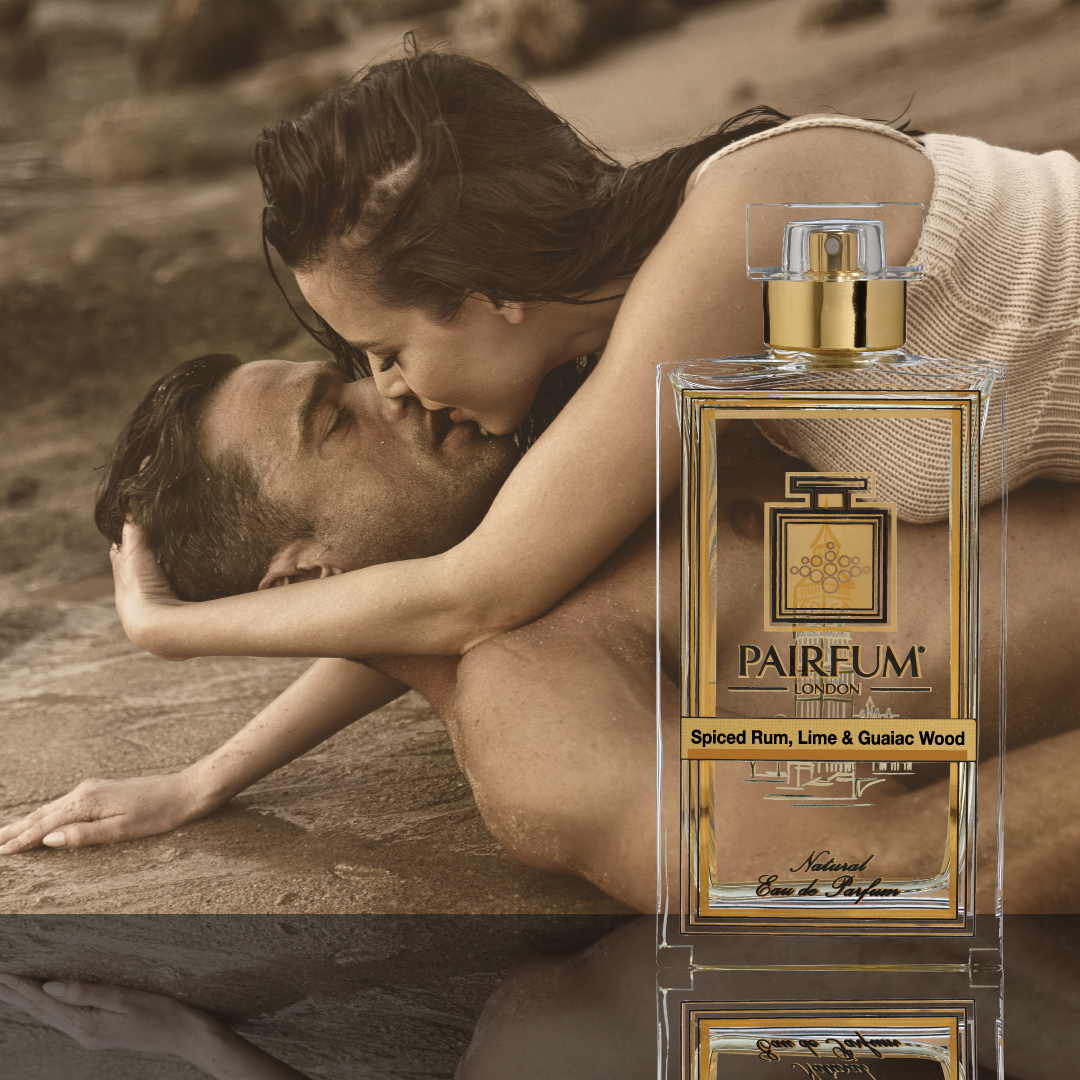
Eau De Parfum Person Reflection Spiced Rum Lime Guaiac Wood Couple Kiss 1 1

Iconic Perfumes with Lime Notes

Lime notes have enriched many iconic perfumes, adding a fresh and vibrant touch that enhances the overall aroma. Here are a few notable perfumes that feature lime prominently.

Famous Lime-Infused Perfumes

  • Dior Eau Sauvage: This classic fragrance from Dior features lime notes blended with basil and rosemary. The lime adds a citrusy freshness that brightens the herbal and woody undertones. 
  • Jo Malone London Lime Basil & Mandarin: Known for its signature bright and fresh aroma, this perfume blends lime with basil and mandarin. The lime notes provide an invigorating top note that pairs well with the spicy and sweet elements. 
  • Guerlain Aqua Allegoria Limon Verde: This fragrance combines lime with fig and tropical green notes. The lime adds a zesty freshness that makes the perfume perfect for summer days.

More Notable Mentions

  • Hermès Un Jardin Sur Le Nil: Blends lime with green mango and lotus. The lime provides a sparkling fresh top note that enhances the exotic and aquatic elements. 
  • Acqua di Parma Colonia: Lime notes blend with citrus fruits and floral touches. The lime adds brightness to this timeless and elegant fragrance. 
  • Creed Virgin Island Water: This perfume combines lime with coconut and white rum. The result is a refreshing and exotic fragrance where lime stands out with its lively and tropical vibe.

These iconic perfumes demonstrate lime’s versatility and enduring popularity. Lime adds a bright and refreshing note that makes any fragrance lively and appealing.

Beyond the Bottle: The Wider World of Lime and Associated Products

The aromatic and therapeutic properties of lime extend far beyond fine perfumery. Lime essential oil is a star in aromatherapy, renowned for its uplifting and mood boosting qualities. Its invigorating scent is believed to help alleviate feelings of stress and mental fatigue, promoting clarity. Diffused in a home or office, for instance through elegant reed diffusers, it creates an atmosphere of revitalisation and positive energy. Such reed diffusers offer a continuous delivery of scent.

Culinary uses for lime are widespread and celebrated globally. From zesty key lime pies to the indispensable squeeze of lime in Thai curries and Mexican salsas, its tangy flavour brightens and balances countless dishes and beverages. Its versatility in cooking mirrors its adaptability in fragrance.

Furthermore, lime oil possesses notable antimicrobial and antiseptic properties, making it a natural and effective ingredient in various cleaning products and personal care items, including skincare. While not a direct fragrance product, the quality of grooming essentials like a luxury shaving brush or aftershave can be enhanced by such natural ingredients. These related product applications highlight the pervasive influence of this remarkable citrus fruit.

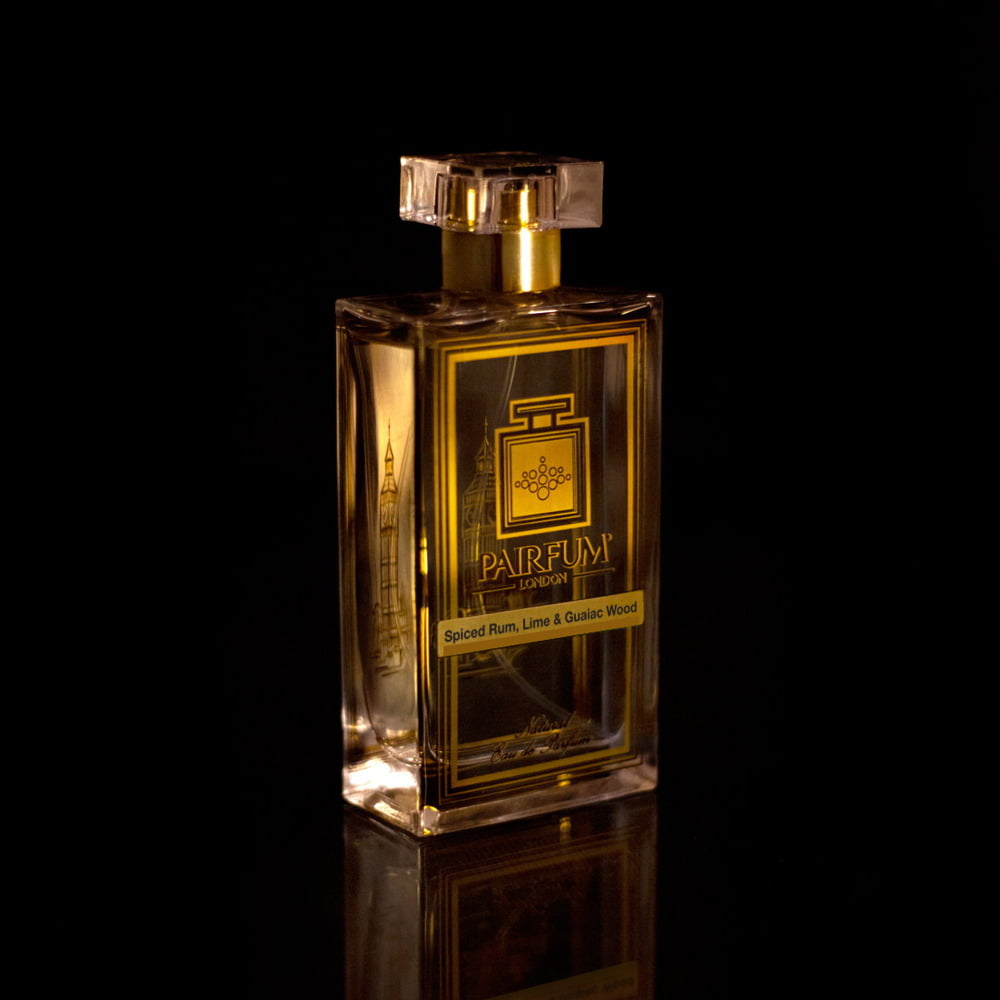
Eau De Pairfum Spiced Rum Lime Guaiac Wood Bottle

A Unique Interpretation of Lime in Perfume with Pairfum London

For those drawn to the multifaceted allure of lime, an exceptional new fragrance awaits discovery. Imagine the bright, invigorating zest of lime harmoniously blended with the warming embrace of spiced rum and the deep, smoky elegance of guaiac wood. This sophisticated composition offers a distinctive twist on traditional citrus scents, inviting you to experience lime in a completely new light. It is a true exploration of contrasting notes that come together to create an unforgettable olfactory journey.

Spiced Rum, Lime & Guaiac Wood – Eau de Parfum by Pairfum London

This Connoisseur’s accord opens with the intense aroma of Rum, nuances of Lime & Lemon and a radiant combination of Nutmeg & Pepper. The heart is deep and rich with Tuberose, Iris and Vintage Leather. A fond of Guaiac Wood, Cedar, Golden Amber, Vanilla Pod and Musk complete this luxuriously fluid fragrance.

Conclusion

Lime, with its vibrant history and multifaceted aromatic profile, remains an unequivocally cherished ingredient in the world of perfumery. Its fresh, zesty, and often complex aroma has not only stood the test of time but continues to captivate master perfumers and discerning wearers alike. Understanding the botanical origins of this versatile citrus fruit, the nuanced types of lime notes available, and the sophisticated methods of extraction gives us a profound appreciation for the artistry and dedication that goes into capturing this vibrant scent.

From ancient purifying rituals to modern day masterpieces, lime continues to infuse perfumes with an undeniable lively and invigorating touch. Iconic fragrances prominently featuring lime underscore its remarkable versatility, whether artfully paired with delicate floral accords like jasmine, robust woody elements such as vetiver or patchouli, or invigorating herbal notes like basil and mandarin. The timeless appeal of lime is evident in its consistent ability to provide a clean, refreshing, and utterly distinctive aroma that effortlessly stands out, making it an indispensable and beloved part of the perfumer’s creative palette. The consistent delivery of such a refreshing fragrance is key to its success.

    Your Cart
    Your cart is empty