Home / greenfragrance
Pear Leaf In Fragrance

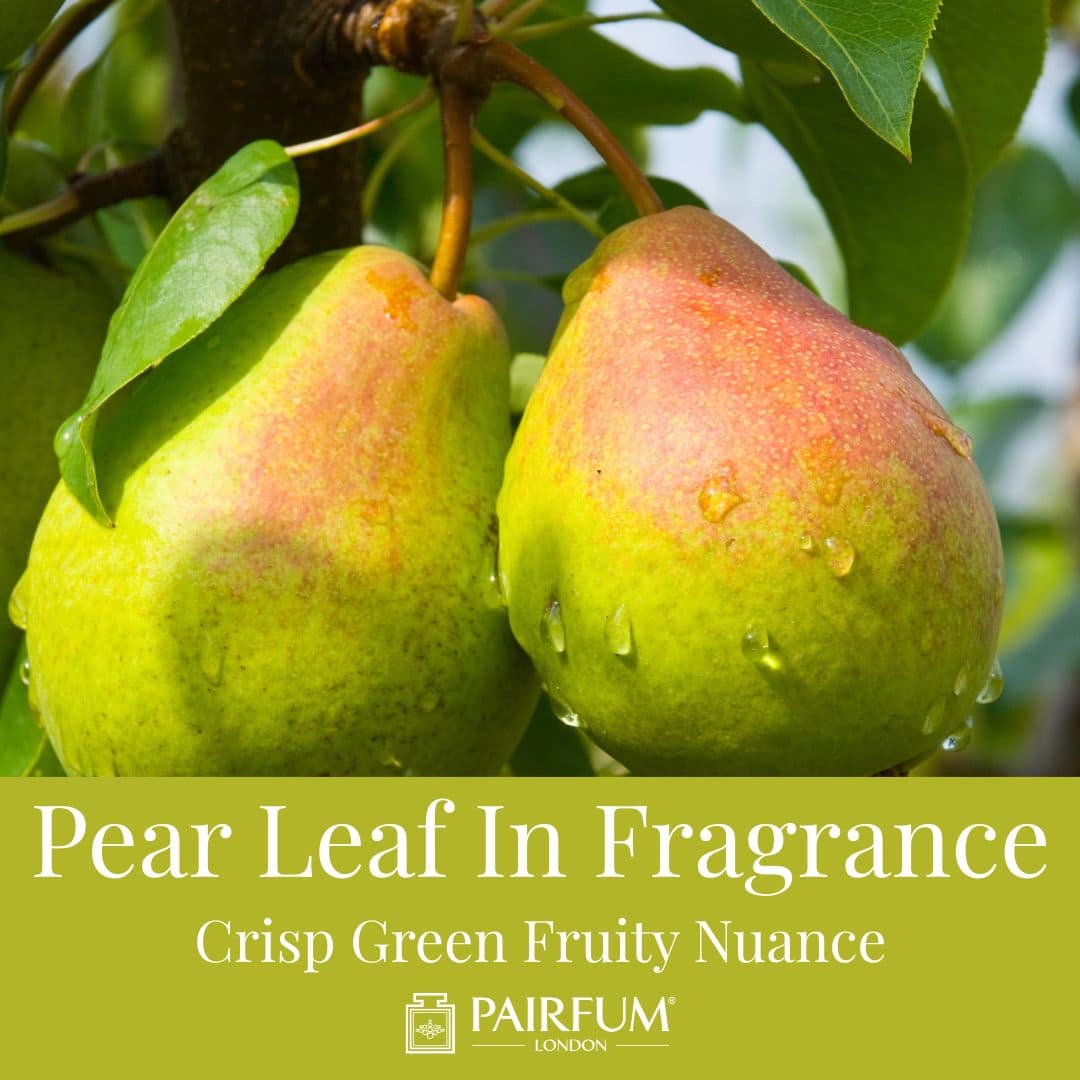
Pear Leaf in Fragrance: Crisp Green Fruity Nuance

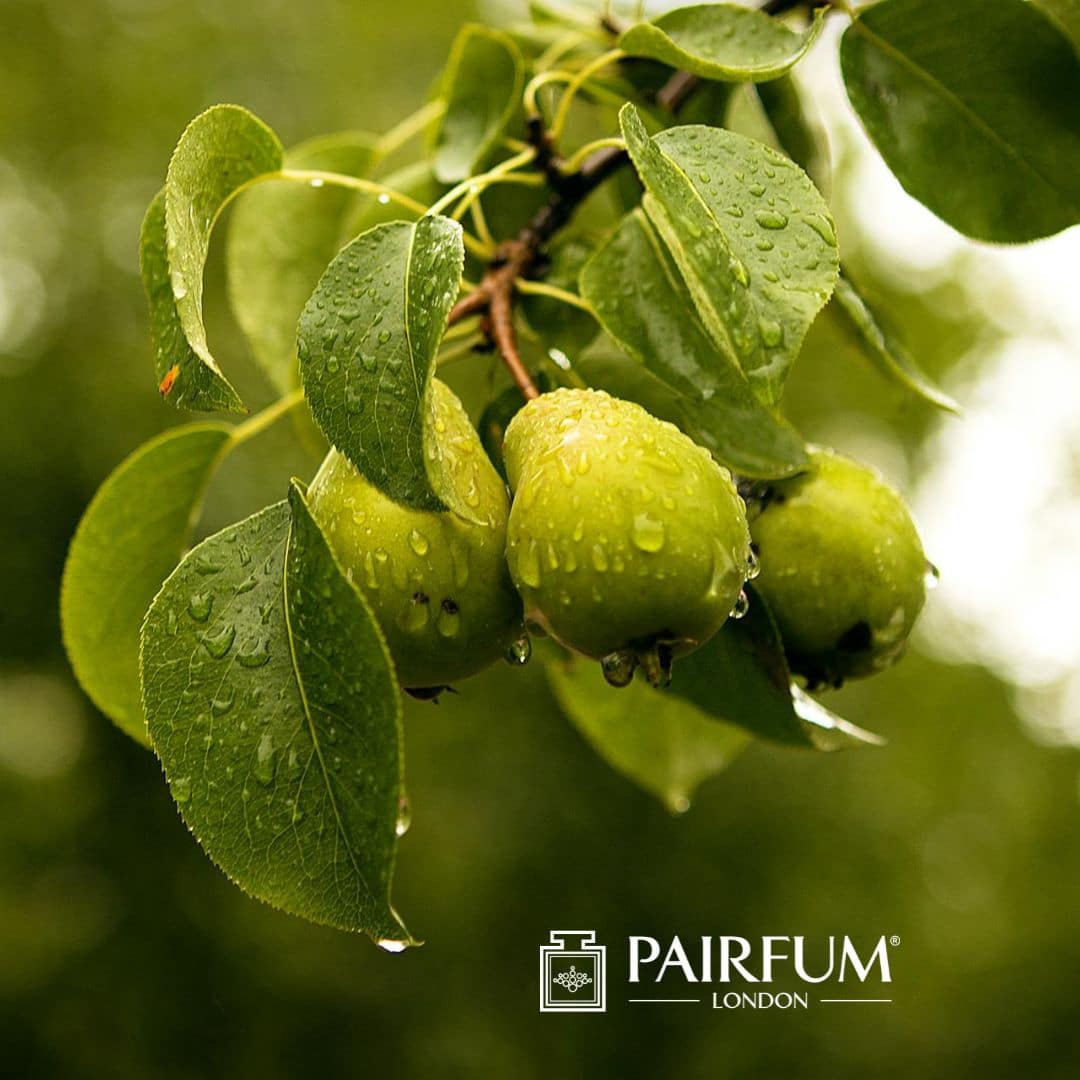
Pear leaf brings a fresh and fruity quality that is gentle but bright. It smells like a soft spring morning, somewhere between the sweetness of the pear fruit and the greenery of the tree itself. It is not sharp or sugary. Instead, there is a natural lightness that feels quietly uplifting. In fragrance, pear leaf lands softly next to florals, woods, and musks, adding a clean and rounded green note.

For spring, it fits naturally. Lightweight perfumes call for fresh ideas, and pear leaf offers something both vivid and soft. Many perfumers turn to it this time of year when trying to build something that feels alive and breathable. To understand this note, one must look at the pear tree as a whole. The leaf is the engine of the plant, and its olfactory profile is distinct from the heavy, syrupy scent of a ripe pear.

A Brief History of Pear Leaf in Perfumery

Long before pear leaf was captured as an ingredient, the fruit itself held symbolic meaning. Pears appeared in early perfumes and oils as symbols of comfort and love in Greek and Roman cultures. Their aroma, tender and ripe, was appreciated, but working with the actual fruit was difficult.

Later, perfumers began experimenting with materials around the fruit, including sap, bark, and leaves. As natural perfumery grew, so did interest in green botanical notes. The idea of bottling the feel of a garden or orchard became especially appealing. By the late 20th century, green-fruity notes became popular in everyday perfumes. Compared to heavy florals or sharp citrus, they felt modern, quietly elegant and easy to wear. Pear leaf began appearing in blends that needed a soft lift without being too playful or too crisp.

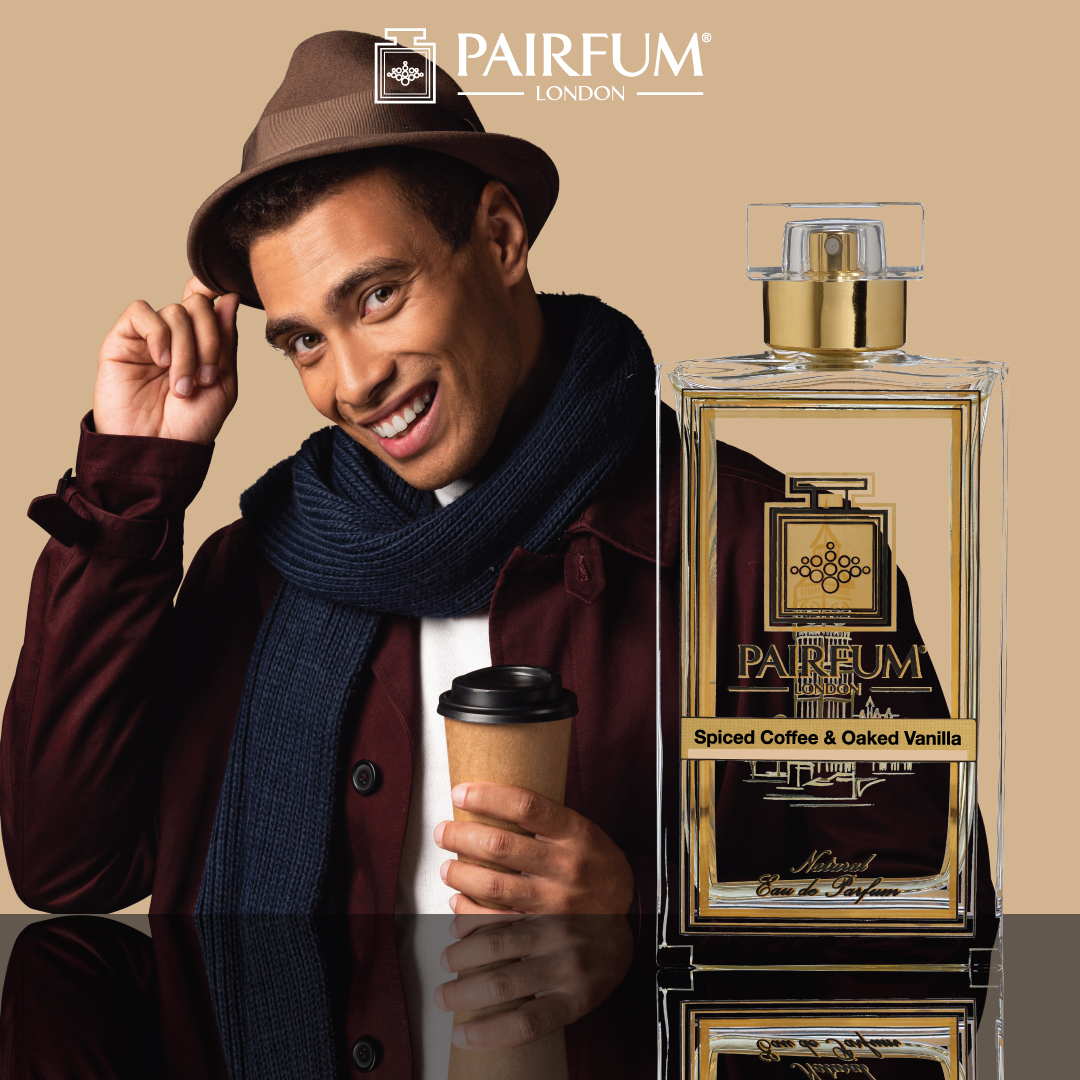
Pairfum Eau de Parfum Person Reflection Spiced Coffee Oaked Vanilla Man Smile 1 1

The Lifecycle of the Pear Tree

To appreciate the scent, it helps to understand the life of the pear tree, known scientifically as Pyrus communis. During the growing season, the leaf is vibrant, oval, and slightly waxy. Whether it is a European pear or a hardy Asian pear, the leaf remains a vital part of the orchard’s scent profile. In early spring, the tree wakes up, and the first flush of green provides a different aroma than the leaves found in late summer.

For those interested in a growing guide, the health of the leaf is paramount. A healthy tree produces a cleaner, more vibrant scent, whereas a stressed plant might lose its olfactory charm. Most varieties prefer fertile, moisture-retentive soil and plenty of sun to thrive. While the tree can reach heights of 10 to 20 metres, many garden varieties are grown on dwarfing rootstocks to keep them manageable.

The Aroma Profile: What Makes Pear Leaf Unique

Pear leaf does not smell exactly like the fruit. It feels lighter and greener, like the aroma of crushed leaves with a hint of sweetness underneath. It adds an airy fruitiness, not sticky or juicy, but still familiar.

Pear Note Types & Scent Characteristics

Pear Leaf – Crisp, botanical, light sweetness, green

Pear Fruit – Juicy, honeyed, dense, ripe

This makes pear leaf an especially fitting choice for spring. Its brightness helps bring clarity to floral blends, and its soft fruit edge gives freshness without feeling cold. For anyone seeking a note that is somewhat less pronounced than true green notes, yet without the intense juiciness of pure fruit, pear leaf provides a harmonious middle ground. This pleasing balance allows it to act as a connector between the light, sweet top notes and more substantial heart or base notes in a fragrance, creating a seamless transition that feels both modern and natural.

Bedroom Reed Diffuser Luxury Scented Candle Room Spray

Extracting the Essence: From Leaf to Fragrance Oil

Unlike more common fragrance ingredients, capturing the aroma of a leaf is not simple. Pear leaves do not produce fragrance oils in the usual way roots, resins, or flowers do. Instead, perfumers work with aroma molecules that recreate the aroma based on the natural material’s profile.

There are a few ways this is done:

  • Aroma compounds are isolated from the leaf using headspace or micro-distillation.
  • The fragrance is recreated synthetically and adjusted for balance and longevity.
  • Pear fruit notes are used sparingly to reinforce the effect.

The result is something that feels real, though it is often created with a blend of naturals and synthetics. By layering it with ivy, green tea, or soft florals, perfumers get a version of pear leaf that feels both natural and wearable. It holds its own without overpowering.

The process of capturing the pure scent of a pear leaf can be delicate. Because these leaves don’t yield essential oil easily, modern fragrance chemistry steps in, allowing scent designers to trace and map the olfactory impression of an actual pear leaf and then carefully craft a formula that mimics its complexity. This ensures the finished result feels authentic, never artificial or overpowering, and perfectly suited for airy spring compositions.

Challenges in the Orchard: Protecting the Leaf

Because the scent of the pear leaf is so tied to its botanical purity, perfumers and growers alike are wary of anything that spoils the leaf. In the natural world, the pear tree faces several challenges. A common pest is the pear leaf blister mite, scientifically known as Eriophyes pyri. This tiny mite causes a condition known as pear leaf blister, where the leaf develops unsightly raised bumps. If a leaf is damaged by the leaf blister mite, its natural oils and scent profile can be compromised.

Other issues include fungal disease. Pear rust is a frequent problem, often jumping from junipers to the pear tree. This fungus creates bright orange spots on the leaf surface. If you see these lesions on a branch, it is a sign that spores have taken hold. These spores are wind-borne and can travel long distances between their two hosts. Other conditions like fabraea leaf spot, pear scab, or apple scab can also affect fruit trees.

Maintaining mature trees and protecting young trees from the pear midge is essential. The midge produces larvae that can distort the growth of the plant. According to the Royal Horticultural Society, keeping a clean orchard floor by removing fallen leaves is a vital step in pest management. If infected leaves are left on the ground, the fungus or pest can return the following year.

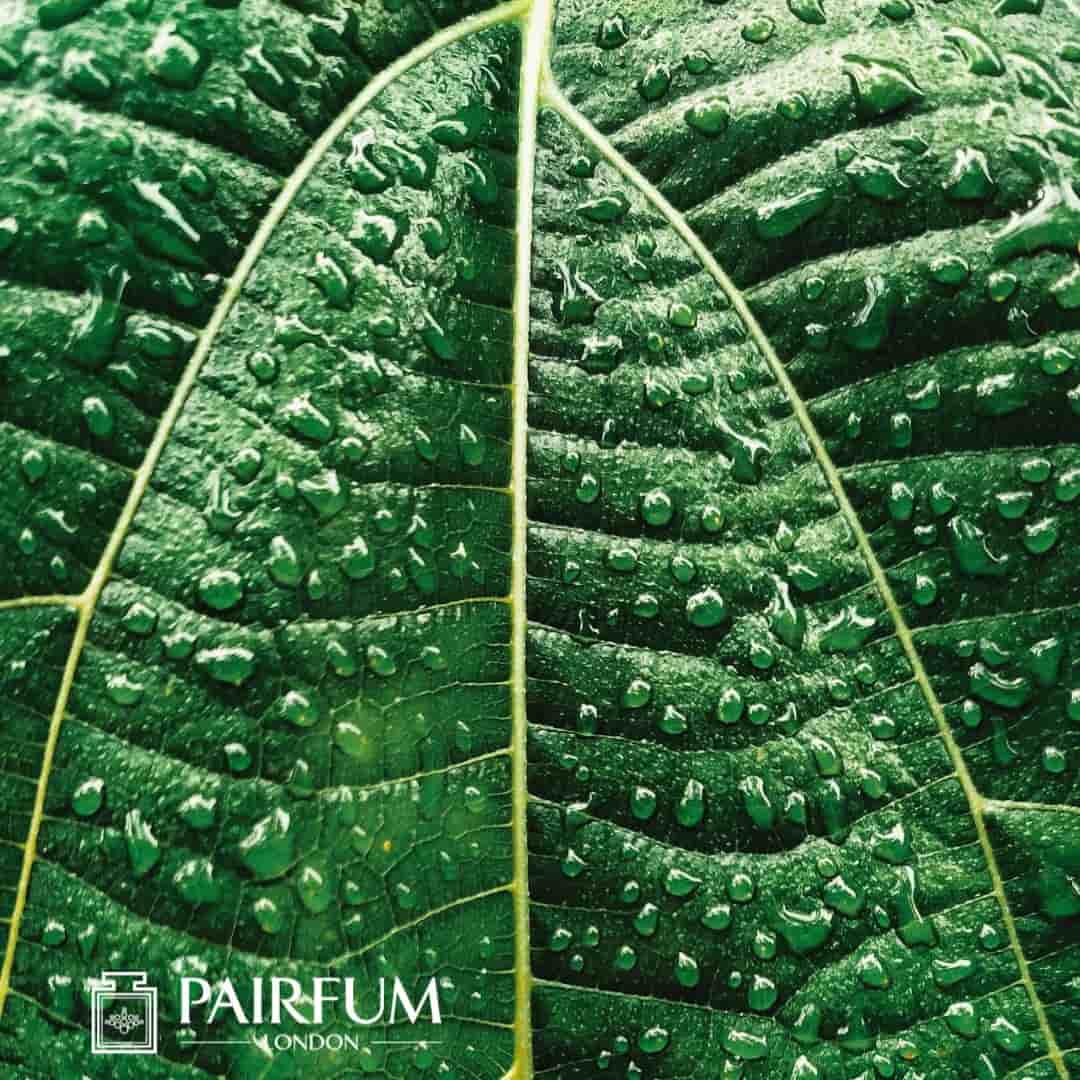
Pear Leaves

Fragrance Families Where Pear Leaf Shines

Because pear leaf is gentle and green, it works well in combinations that need roundness without depth. You will notice it featured most in three types of perfume:

  • Green florals: where it plays with soft notes like freesia, peony, or neroli.
  • Fruity-florals: giving body to apple, melon, or lychee without leaning too sugary.
  • Aquatic greens: adding a leafy feel to perfumes that already feel fresh and clean.

It does particularly well next to:

  • Rose: for a clean contrast that softens any powdery finish.
  • Citrus: such as bergamot or mandarin, enhancing brightness.
  • Soft woods and musks: offering a smooth transition between top and base notes.

Pear leaf behaves politely in a formula. It does not pull too much attention and sits comfortably through the dry down, offering a sense of balance through every phase. In the structure of a fragrance, pear leaf typically appears as a mid-note or an accent to the top notes, bridging initial freshness with longer-lasting base notes. Its presence ensures a seamless evolution from the sparkling open to the mellow drydown. In these families of fragrances, pear leaf may never feel intrusive or overt, yet it imparts a continuous impression of brightness and clarity that lasts.

Iconic Perfumes and Varietals

While pear leaf is not typically the star of a perfume, it plays a key role in several modern blends. Different varieties of pear can inspire different scent profiles. For example, the Conference pear offers a very classic, balanced aroma and is the most widely grown commercial variety in the UK. In contrast, the Passe Crassane variety is a French winter pear that provides a deeper, slightly more complex fruit note with a hint of acidity and aniseed.

As fresh perfumes have become more sophisticated, the green-fruity mix of pear leaf brings a quiet luxury. It has a natural warmth that keeps spaces feeling open, making it ideal for everyday wear. These modern compositions demonstrate just how versatile pear leaf can be. Rather than standing out in the crowd, it creates a smooth foundation, working with other ingredients to build nuance. Even in blends with pronounced rose or powdery iris, a hint of pear leaf keeps the mood fresh and contemporary.

Petite Chérie by Goutal Paris – A soft, dewy fragrance that captures the scent of a pear tree in a garden, blending the fruit with a distinct green botanical quality.

Poirier d’un Soir by Miller Harris – An atmospheric scent evoking an orchard at sunset, balancing bright pear notes with cedarwood and birch for a structured, leafy finish.

English Pear & Freesia by Jo Malone London – A British classic featuring the King William pear, paired with white freesia to create a cool, dewy, and crisp green aroma.

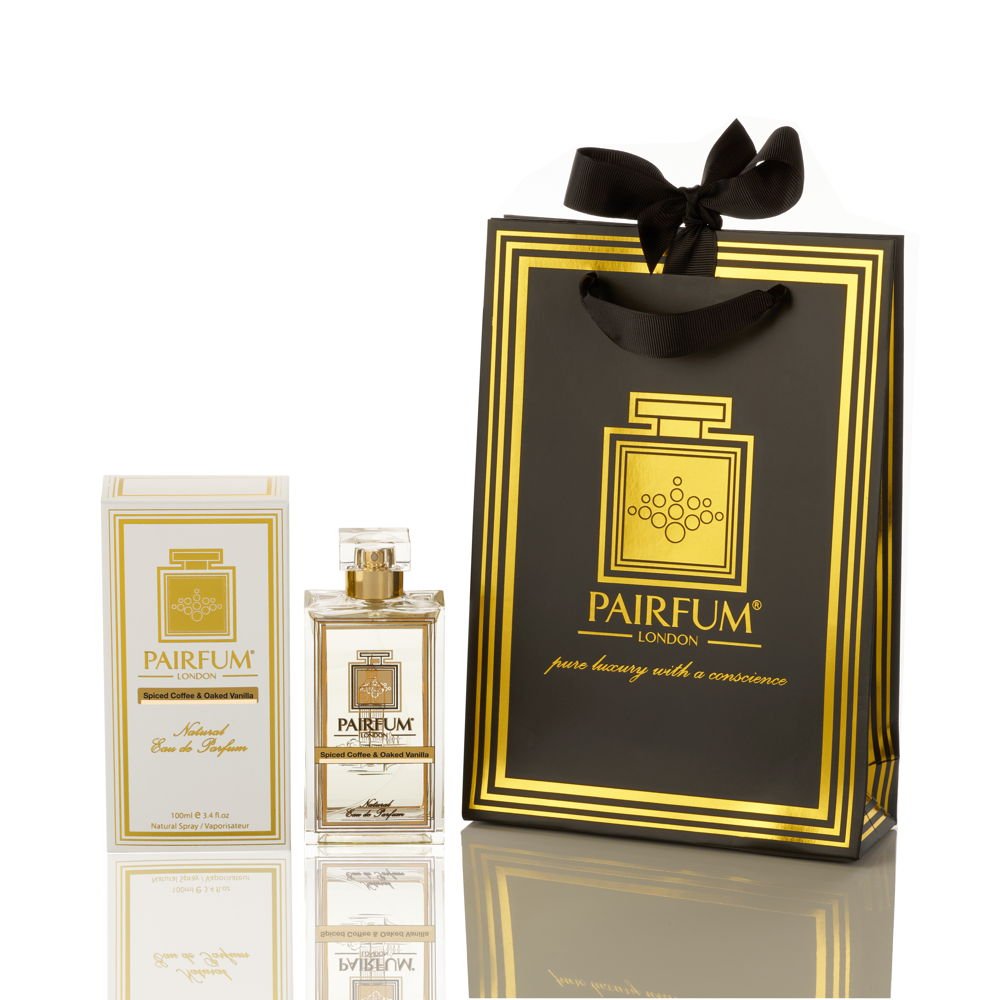
Pairfum Eau De Parfum Pure Giftbag Spiced Coffee Oaked Vanilla

Pear Top Notes & Pairfum London Fragrances

Spiced Coffee & Oaked Vanilla – Eau de Pairfum by Pairfum London

This warm, Oriental Spicy Fragrance opens with the top notes of Pink Pepper, Orange Blossom and Crisp Pear. The Heart of the Fragrance is a modern blend of rich & dark Coffee with the elegance of Jasmin. The elegant finale is a sophisticated base of Vanilla aged in Oak, Patchouli and Cedar.

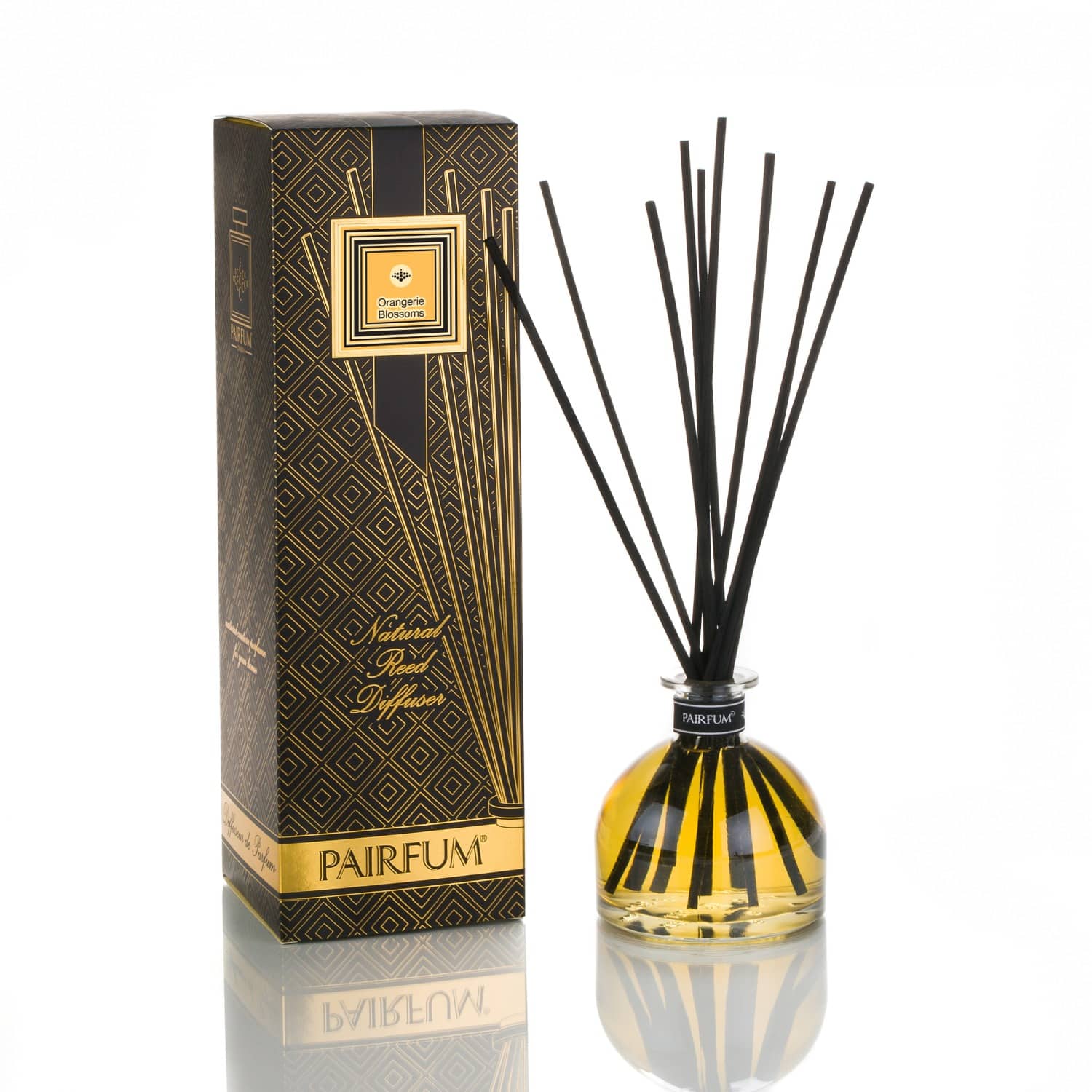
Orangerie Blossoms – Large Bell Shape Reed Diffuser by Pairfum London

The aroma of a peaceful, sunlight-flooded Orangery with Heady Orange Blossom, Jasmine, Tuberose, and Ylang Ylang. The top has subtle fruity aspects of Peach, Apricot and Pear. Warmth radiates from Sandalwood, Musk and Honey.

Pairfum Large Reed Diffuser Bell Noir Orangerie Blossoms

A Seasonal Note That Feels Effortlessly Fresh

A pear leaf fragrance evokes a clean, lively feel, often sought after by perfumers in spring. It makes blends feel awake but never too punchy, leaving a soft fruit and leaf trail that is more elegant than playful. It does not need to stand on its own because it is often used to support other notes.

In natural-style perfumes, it is especially effective. When layered well, its green brightness gives lift to skin-like woods and floral hearts. As layers get lighter and the air feels crisper, pear leaf steps in with just the right touch of leafy sweetness, nothing too sharp, nothing too soft. It simply fits.

Whether you are interested in the horticulture of the pear tree or simply the beautiful scent it produces, there are many possible interests to explore. From the delicate flower of the tree in summer to the golden fruit it bears, every part of the plant contributes to the story of fragrance. Understanding the journey from a simple green leaf to a complex perfume note allows us to appreciate the subtle art of the perfumer even more. Let the fresh, airy touch of pear leaf elevate your fragrance experience. Perfect for spring, these scents embody a light yet elegant presence, creating a bright, uplifting aura that feels effortlessly modern. Revel in the quiet luxury and embrace a scent journey that is both memorable and refined.

Fresh Lime Leaves

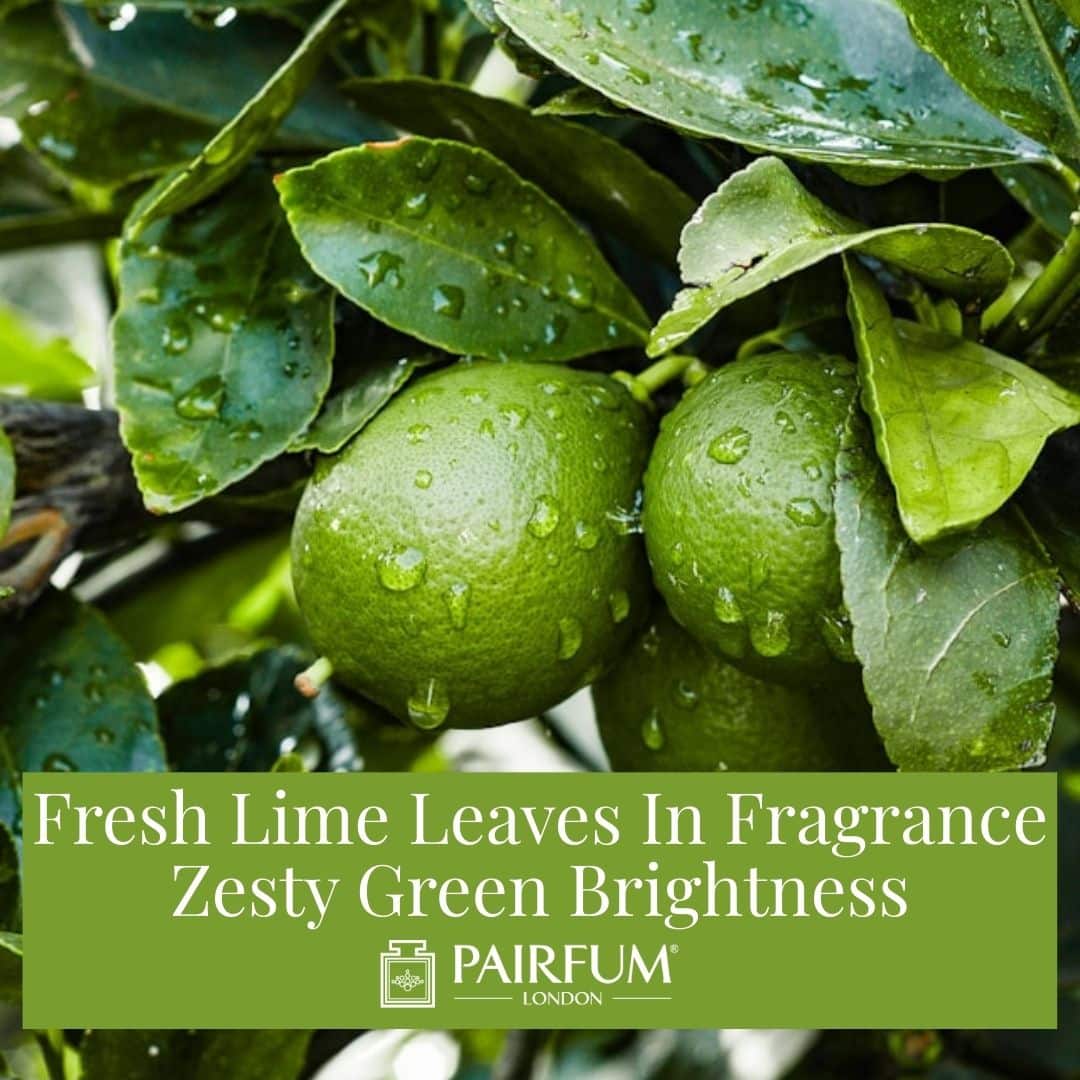
Fresh Lime Leaves in Fragrance: Zesty Green Brightness

Fresh lime leaves, specifically the Makrut or Kaffir lime leaf, are highly aromatic, double-lobed leaves that are essential for Thai cuisine and other Southeast Asian dishes. They offer an intense, citrusy, and spicy flavour profile, often compared to a blend of lemon and lime, commonly used in curry, soups, and various marinades. These fresh leaves are typically available in the refrigerated section of major supermarkets, within local Asian grocery stores, or through online specialist retailers.

Just before spring pushes winter out for good, there is something about green, citrusy perfumes that feels just right. Lime leaves offer that exact type of brightness. They carry a vivid, zesty aroma with hints of fresh greenery, almost like crushed leaves in sunshine. Used in perfumes, they can lift the whole composition in a way that feels clean, refreshing, and quietly cheerful.

We are looking more closely at lime leaves to understand how they have made their way into fine perfumery, what their perfume character is like, and why their bright green character remains a favourite in both classic and modern blends. To fully appreciate the profile of the lime, we must look at the specific species that provides these aromatic leaves, most notably the Citrus hystrix.

Pairfum Fragrance Spiced Rum Lime Guaiac Wood Triangle

A Little History Behind Lime Leaves in Perfume

Lime trees have long been grown for the freshness of their leaves as well as their tart fruit. In warm parts of the world, crushed lime leaves have been used for centuries in home rituals, cooking, and even bathing. People prized them for their natural, clean aroma, light and a bit floral, without being sugary or overpowering.

As perfume developed into an art with its own rules and structure, lime leaves provided something that citrus peel alone could not. Their leafy-green brightness added a soft, natural twist to perfumes built around herbs, white flowers, or zest. Not too sharp, not too sweet, just right for building in layers.

Historically, the Kaffir lime tree has been a primary source of these scents. While the fruit itself is quite bumpy and often less juicy than a standard lime, the leaf is a powerhouse of fragrance. In the United Kingdom, we often see these ingredients arriving from distant tropical climates, bringing a sense of exotic luxury to our shores.

The Botanical Identity: Makrut and Kaffir

It is important to understand that the lime leaves used in high-end scents often come from the Makrut lime, also known as the Kaffir lime. The term Makrut lime leaf is becoming the preferred name in many botanical and culinary circles. This specific Makrut lime is native to Southeast Asia, where the humid climate allows the Kaffir lime leaf to develop its signature high oil content.

Whether you refer to it as a Kaffir leaf or a Makrut lime leaf, the physical structure is unique. It looks like two leaves joined together, one appearing to grow out of the tip of the other. Botanically, this is known as a winged petiole, where the leaf-like stalk is nearly as large as the blade itself. This hourglass or bifoliate leaf shape is a hallmark of the species. In regions like South Africa and across South East Asia, the tree is a garden staple, providing fresh leaves for daily use.

Eau de Parfum Bergamot Basil Patchouli

What Lime Leaves Smell Like in a Fragrance

Lime leaves do not smell like lime juice or peel, though they share a family resemblance. They are greener and softer, with a hint of wood and a light floral touch that gives them more character than you might expect.

  • In the top notes of a perfume, lime leaves help create a fresh, crisp opening without being too sharp.
  • In the middle of a fragrance, they can soften spicy herbs, citrus, or tea notes while keeping things lively.
  • Compared with petitgrain (from the bitter orange tree), lime leaves feel less bitter and more mellow. They are also lighter than green tea, which can lean closer to dry or earthy in some blends.

The lime zest provides a punchy, sharp hit, but the leaf offers a lingering, sophisticated flavour to the scent profile. This is largely due to high concentrations of citronellal, which gives the leaves their distinctively intense, lemony-floral aroma. This makes lime leaves flexible in perfumery. They work well in fresh colognes, floral blends, and even some woody compositions that need a dash of green lightness. Whether as a starring ingredient or complementing others, lime leaves have earned their place as a staple in several scent styles over time.

Culinary Origins and Aromatic Influence

To understand why lime leaves work so well in fragrance, we can look at their role in Asian cuisine. The scent is so potent that even a single fresh Kaffir lime leaf can transform a recipe. In Thai cuisine, the Makrut lime is indispensable. You will find it in:

  • Tom Yum soup, where the fresh Kaffir lime leaves provide a counterpoint to spicy chillies.
  • A traditional Green Curry or Thai curry, where the leaves are bruised to release their oils.
  • Fish cakes and various dishes where a bright flavour is needed to cut through rich ingredients.

The way a chef uses a Kaffir lime to create a curry paste is not unlike how a perfumer uses the extract. In traditional cooking, the leaves are often julienned extremely finely to make them palatable, as they are naturally quite tough and fibrous. Both the chef and the perfumer are looking for that “spark.” In Southeast Asian cuisine, the balance of fish sauce, oyster sauce, and citrus creates a complex profile. Similarly, in a bottle of perfume, the lime notes must balance against other heavy hitters. Even the use of Thai basil or a dried leaf like a bay leaf in cooking mirrors the layering of herbs in scent.

Lime Leaf

How Lime Leaf Essence Is Created

The most common method for getting lime leaf fragrance is steam distillation. Fresh leaves from the lime tree are gently heated with steam so that their aromatic oils rise up and can be collected. This brings out the purest form of the green, citrusy aroma.

Some perfumers prefer slightly different techniques, adapting their extraction method to shape the final aroma:

  • CO2 extraction, which allows for a softer, rounder aroma that leans toward creamy, making the resulting note a little smoother for gentle blends.
  • Traditional infusions, where leaves are soaked in a neutral oil or alcohol to pick up their subtler notes over time, illustrate the slow art of fragrance.

The quality of the fresh Kaffir lime leaves used in the process is paramount. Just as a dried Kaffir lime leaf or a dried leaf loses some of its top-note vibrancy in a curry, a paste made from older leaves will not have the same olfactory “lift” as a fresh extract. In Southeast Asian markets, these leaves are prized when they are dark green and shiny, indicating a high concentration of essential oils.

How the oil is handled affects the feel of the perfume. A cleaner, sharper extract can go into a summer body splash or crisp cologne. A softer version might sit nicely in a botanical eau de parfum or even blend with white florals in a home fragrance. The choice of extraction method is an important artistic decision that can affect the end result, tailoring the lime leaf note for a particular perfumer’s vision.

Beyond the Kitchen: A Cultural Staple

The influence of the lime extends into many cultural celebrations. During Chinese New Year, citrus fruits and their aromatic leaves are often used as symbols of luck and freshness. In some cultures, the fruit and leaves are even used in traditional hair washes or religious ceremonies to signify purification. While a cook might reach for rice paper and lime to wrap a fresh spring roll, a perfumer reaches for the same botanical essence to wrap the wearer in a sense of renewal.

Even in the digital age, as we “manage consent preferences” on our favourite fragrance blogs, the search for “natural” and “authentic” scents leads us back to these ancient ingredients. The Kaffir lime remains at the top of the list for those who want a scent that feels “real.”

Eau de Parfum Person Reflection Spiced Rum Lime Guaiac Wood 1 1

Where You Will Find Lime Leaves in Perfumes Today

Lime leaves have become a notable ingredient in niche perfumes and naturally built fragrances, especially those intended to feel light, fresh, and alive. They often suggest the idea of new growth or sun-warmed air, which is why they fit seasonal launches around springtime so well.

They blend easily with:

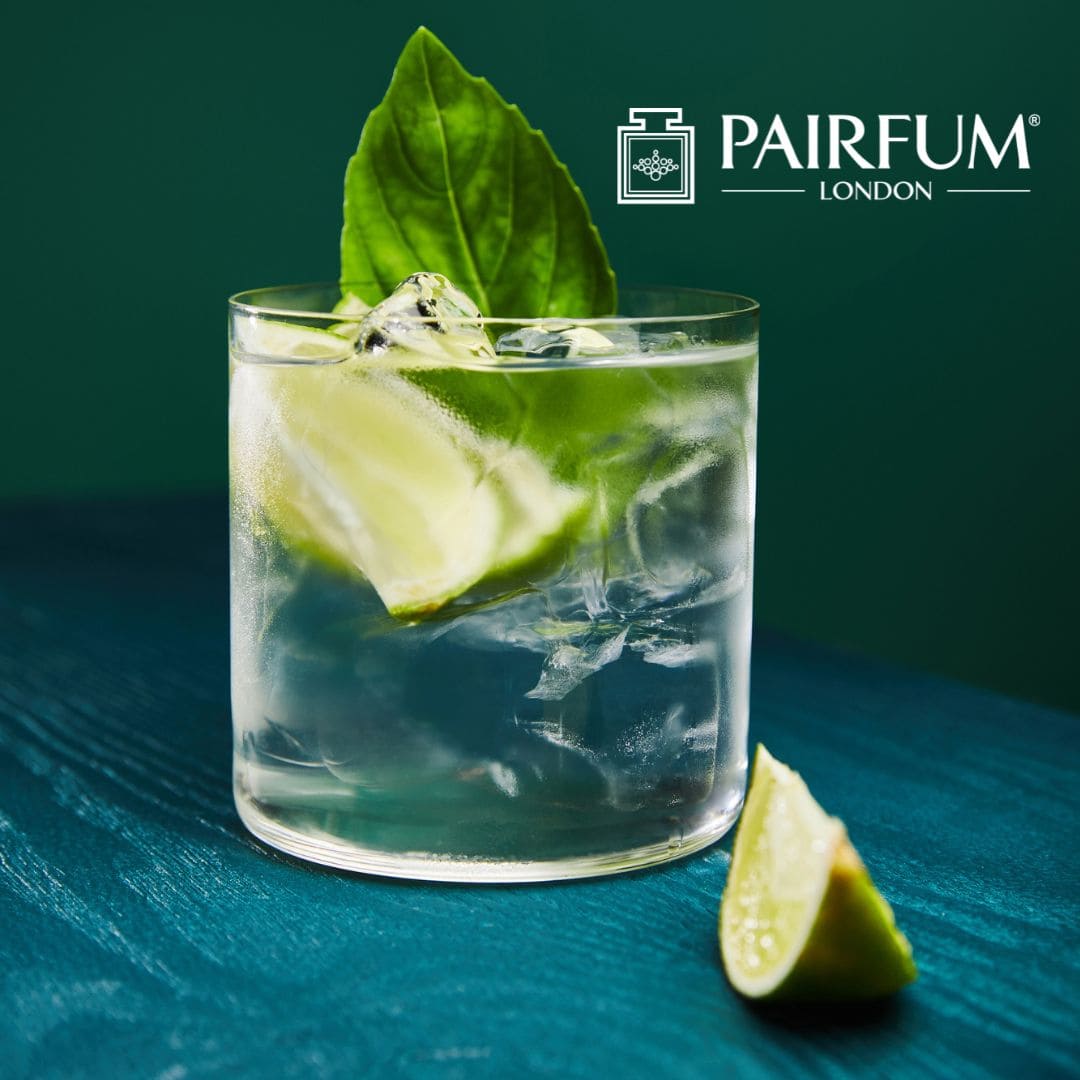
  • Basil or verbena, for a green herbal twist that comes alive.
  • White tea or neroli, for a fresh floral edge with an airy finish.
  • Ginger or cardamom, where citrusy green notes soften warming spices and keep a balance between freshness and intensity.

Famous Lime Leaf Fragrances

To see how these notes perform in professional blends, consider these three iconic examples:

Jo Malone London – Lime Basil & Mandarin: The gold standard for herb-infused citrus. It uses a punchy lime top note balanced by peppery basil and white thyme to create a crisp, “freshly crushed” garden aroma.

Creed – Virgin Island Water: A high-end tropical classic. It features a sharp, authentic Kaffir lime note paired with coconut and white rum, perfectly capturing the zesty brightness of aromatic leaves in the sun.

Diptyque – Oyédo: A complex citrus blend inspired by ancient Japan. It combines lime and mandarin with cooling shiso leaf, providing a unique, minty-green edge that stays vivid and refreshing on the skin.

Pairfum Eau De Parfum Person Reflection Bergamot Basil Patchouli Couple Bike 1 1

Iconic Lime Notes in Pairfum London Fragrances

Spiced Rum, Lime & Guaiac Wood – Eau de Parfum by Pairfum London

This Connoiseur’s accord opens with the intense aroma of Rum, nuances of Lime & Lemon and a radiant combination of Nutmeg & Pepper. The heart is deep and rich with Tuberose, Iris and Vintage Leather. A fond of Guaiac Wood, Cedarwood, Golden Amber, Vanilla Pod and Musk completes this luxurious fragrance.

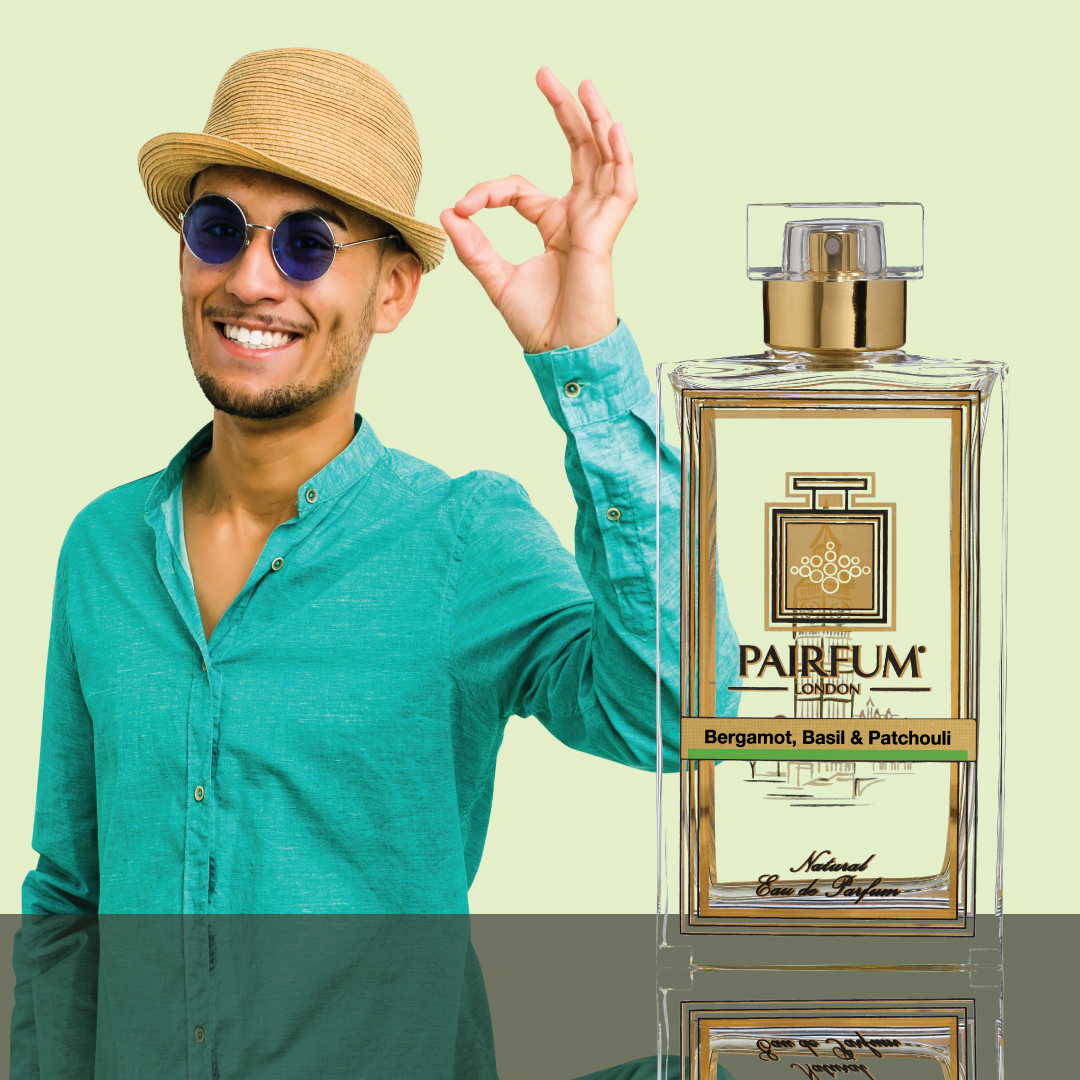
Bergamot, Basil & Patchouli – Eau de Parfum by Pairfum London

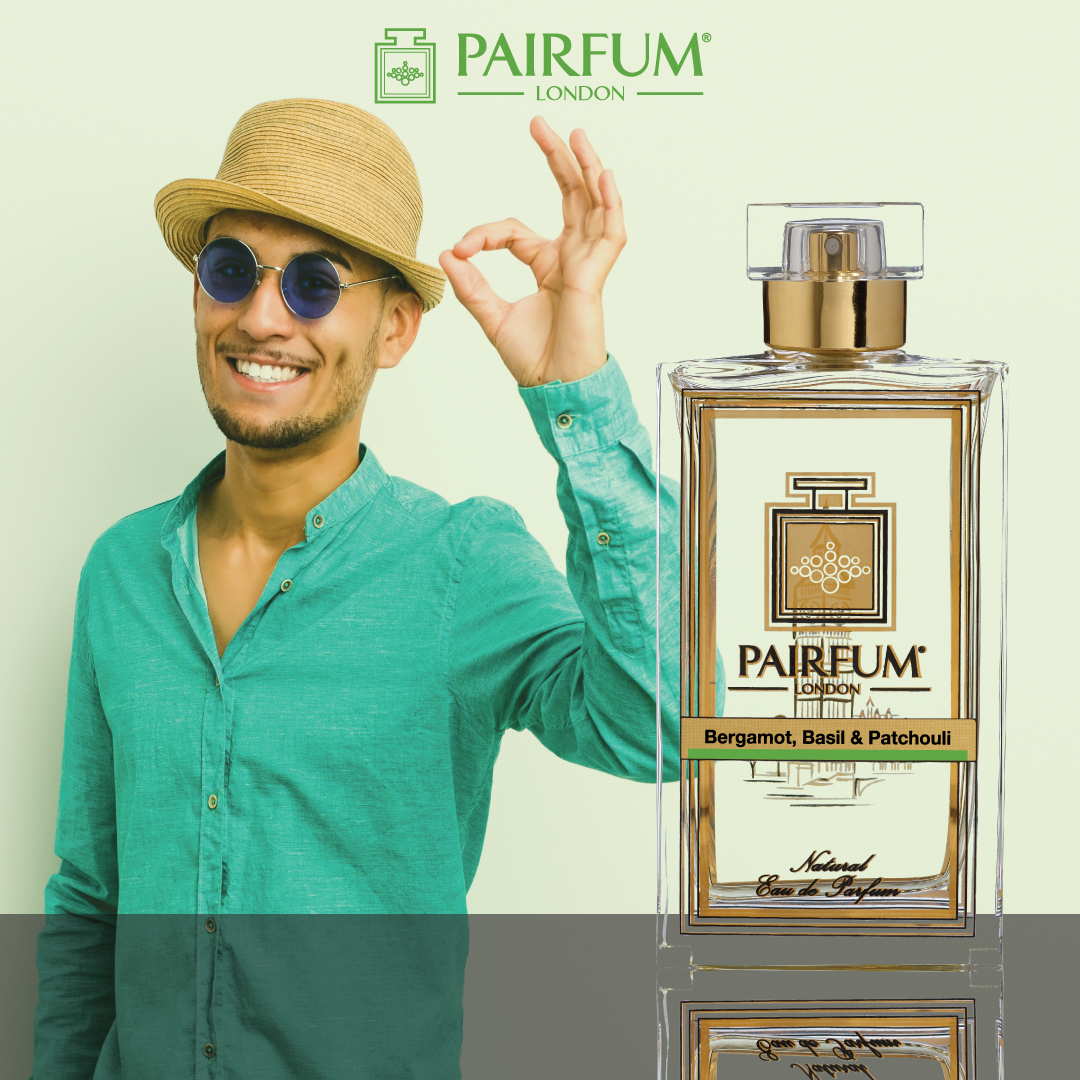
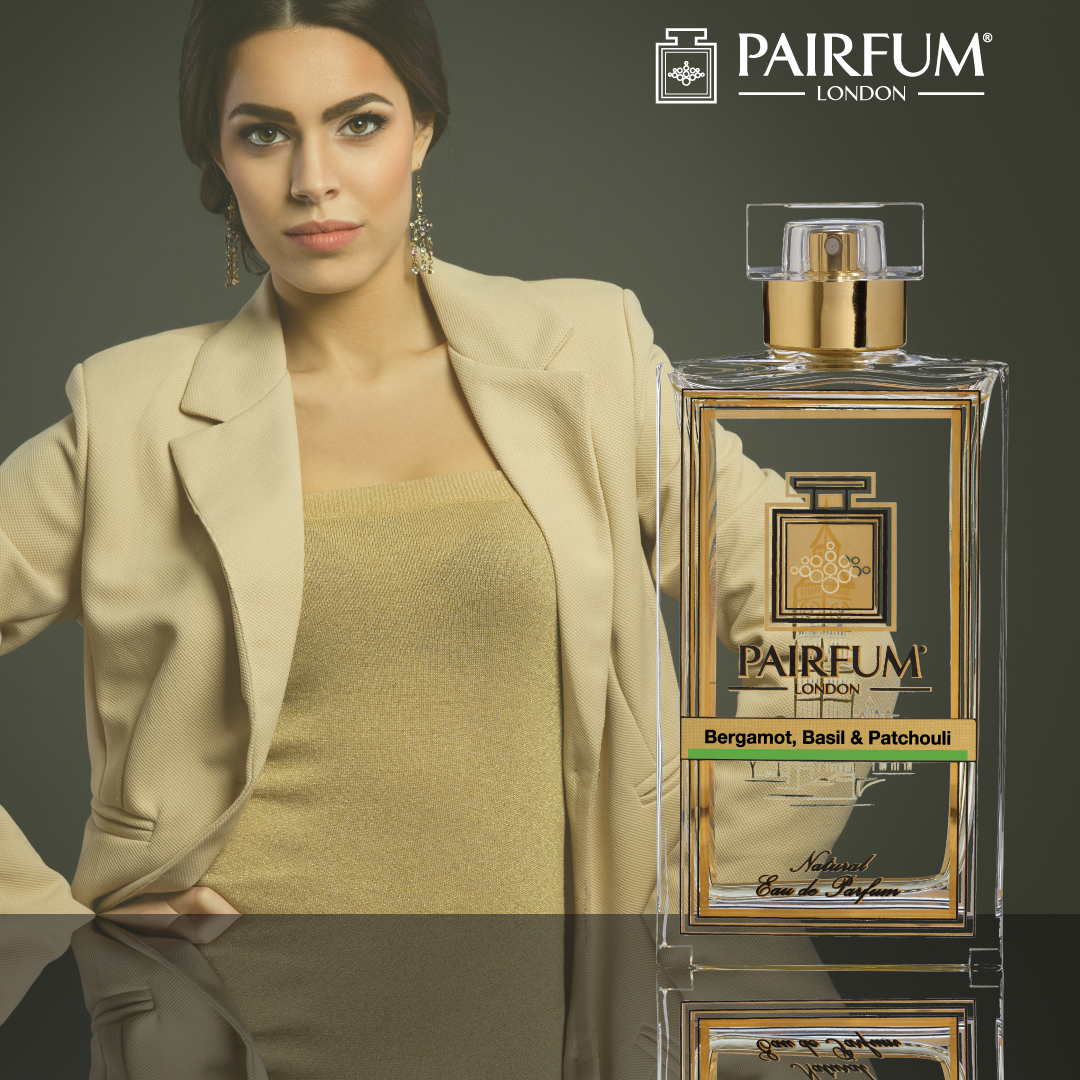
This woody and aromatic accord opens with Bergamot, Lime, Green Leaves and spicy Basil. The heart is fresh with Lily, Freesia, Violet Leaf, Rose and Geranium. The note rests on a beautifully rich woody base of Patchouli, Vetiver, Sandalwood, Cedar and Amber.

Fragrance with a Green Spark: Why Lime Leaves Still Capture Us

There is something poetic about a perfume that feels alive without shouting. Lime leaves accomplish this. Their green citrus edge gives clarity without harshness. They can lift heavier florals or woods without changing their core and fit beautifully in fragrances where balance is key.

Whether it is the scent of a Kaffir lime in a steaming bowl of soups or the elegant trail of a Makrut lime perfume, the impact is undeniable. Currently, perfumery leans into gentler touches. People want perfumes that feel natural, relaxed, and breathable. Lime leaves deliver that sense of presence without weight. Their aroma sits somewhere between leaf, zest, and faint blossom, a small twist that makes a bottle feel more grounded, more real.

Artemisia In Perfume

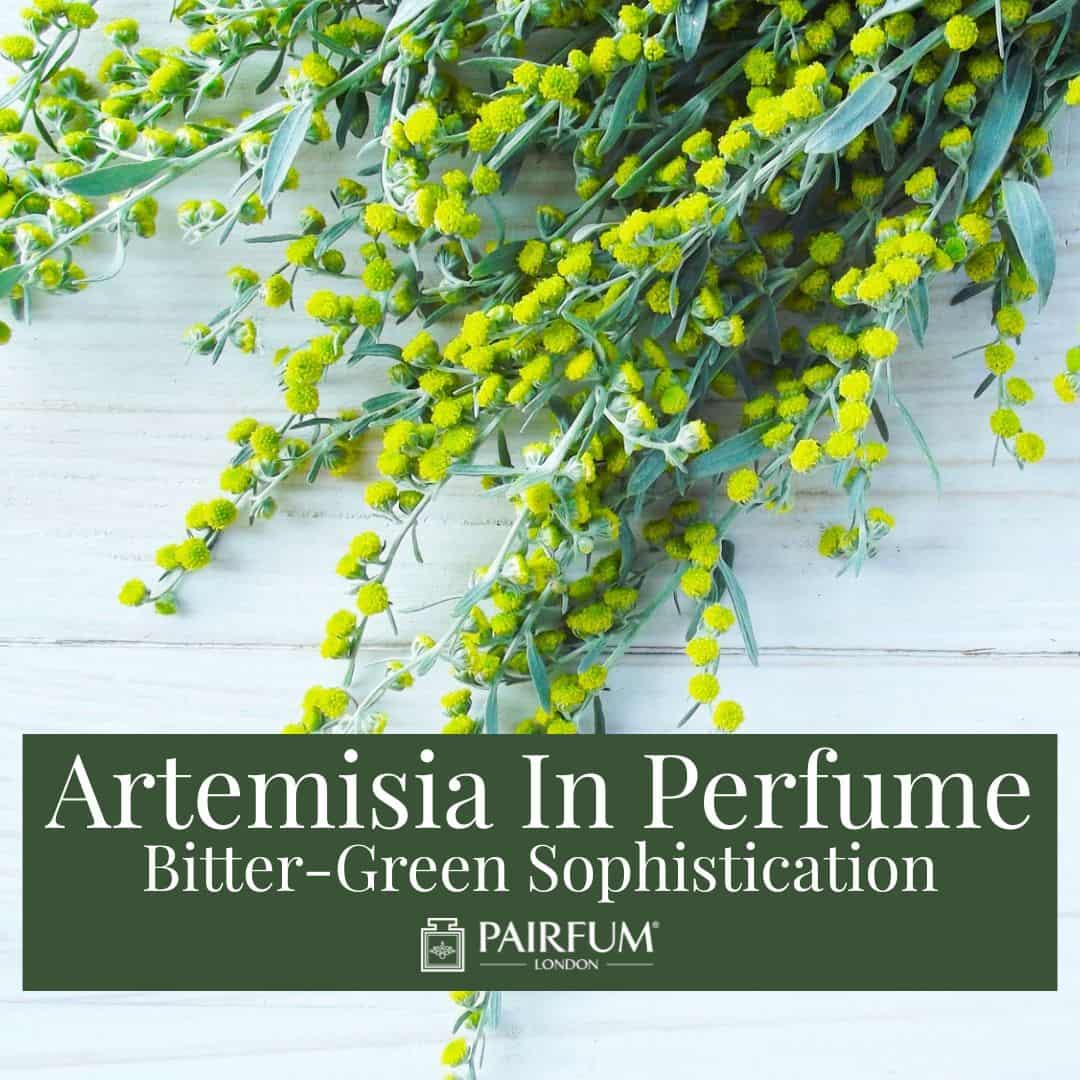
Artemisia In Perfumes: Bitter-Green Sophistication

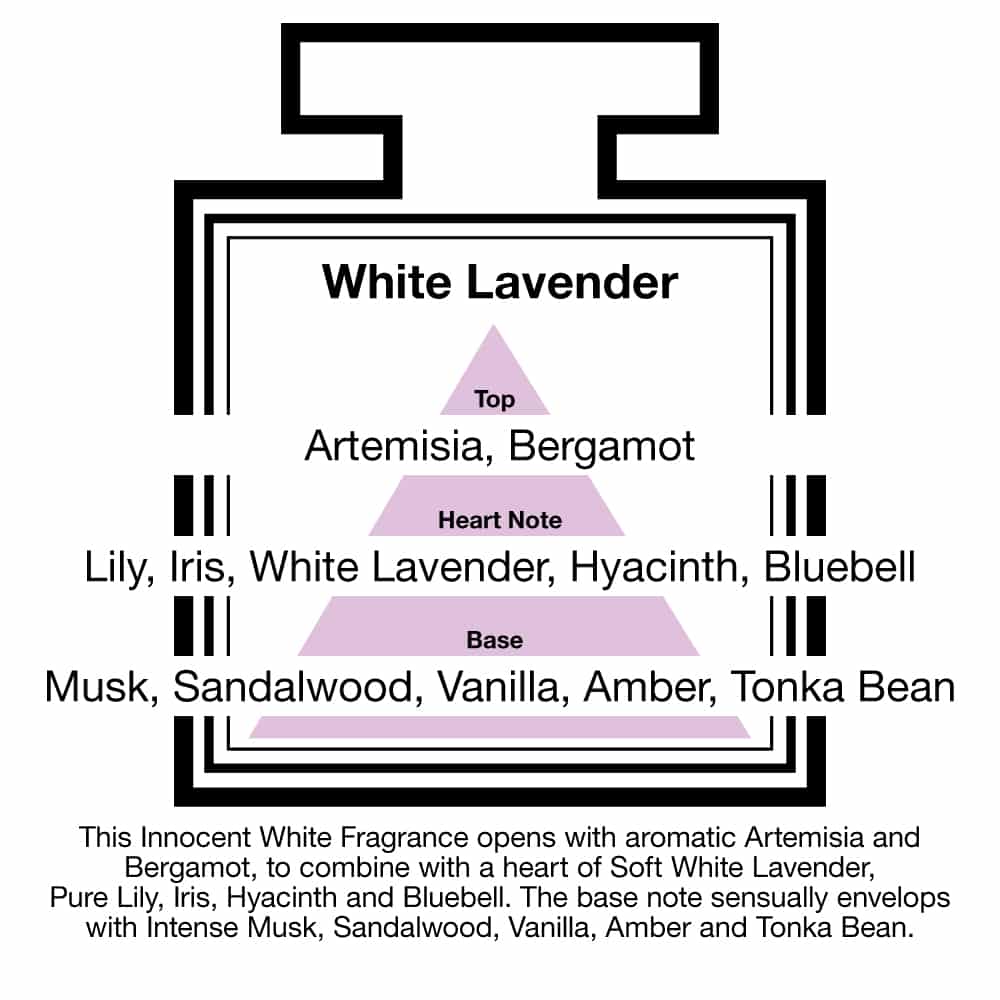
Artemisia in perfumes provides a unique, bitter, herbaceous, and green scent—often derived from wormwood or mugwort—which adds depth, complexity, and a slight medicinal edge. It is very common in fougère and chypre styles for balancing florals and woods, and can even act as a natural fixative. The plant is featured in legendary scents like Penhaligon’s Artemisia (a sweet floral), Maison Crivelli’s Absinthe Boréale, and Pairfum London’s White Lavender, showcasing a versatility that ranges from sharp, bitter-green notes to soft, vanilla-toned finishes.

Artemisia adds a quiet strength to perfume, one that does not shout but still makes an impression. Earthy, bitter and green, it brings a distinctive character that lingers in the background, giving balance and freshness to both floral and woody blends. While not always noticed, its presence makes other notes come alive. This flowering plant genus, known scientifically as Artemisia, belongs to the Asteraceae family and is prized for its aromatic foliage.

We often reach for aromas that warm us in winter, something rooted yet clean. The bitter-green snap of Artemisia brings just that. In this article, we are sharing how it has become a subtle hero in perfume, where it originated, and why it is such a smart pick for this time of year. For the ignorant but curious seeker of scent, understanding this plant is a gateway to appreciating complex, professional perfumery.

Where Artemisia Comes From

Artemisia belongs to a wide group of hardy herbs that grow across Europe and Asia. You will likely know some of them already, like wormwood or tarragon. Long before it found a place in fragrance, Artemisia was used in teas, folk remedies and kitchen flavouring. Its strong taste and aroma were valued for their cleansing, cooling qualities. The name itself is steeped in history, often linked to the Greek goddess Artemis, the huntress, who was said to have discovered the many virtues of the plant.

Over time, those same qualities made it a favourite in herbal and aromatic perfumes. With its fresh, slightly bitter profile, it became a clever way to cut through heavy or overly sweet blends. It is never just green. There is a dry crispness behind the smell, almost like crushed leaves or sun-warmed herbs. Many perennials in this family are known for their silvery foliage, which adds a shimmering aesthetic to the landscape before they are ever harvested for their essential oil.

The different species within the Artemisia family contribute to its wide range of traditional uses, with some species cultivated specifically for their potent medicinal effects, and others prized for their adaptability in various culinary and cultural practices. In many regions, Artemisia has even been linked to rituals or seasonal ceremonies, further deepening its connection to ideas of cleansing and renewal. Despite its lengthy past in practical roles, Artemisia’s aromatic allure is what eventually drew the attention of perfumers.

Fragrance Description White Lavender Artemisia Lily Musk Vanilla

 A Legacy of Folklore and Medicine

The roots of artemisia are buried deep in folklore. Historically, Artemisia vulgaris (the common name mugwort or common mugwort) was used for protection and herbal medicine. Beyond its use for intestinal worms, the genus provided a major medical breakthrough: artemisinin. Extracted from Artemisia annua, this is vital for treating malaria. The plant is also famous for providing the bitter thujone in absinthe and the botanical punch in vermouth, where absinthium creates a sophisticated, dry finish.

Historical and Cultural Significance

The use of Artemisia in herbal medicine is vast. One of its most famous associations is with intestinal worms, a use from which the common name wormwood is derived. Beyond the apothecary, it has a storied history in the world of spirits. It is the primary ingredient in absinthe, the potent green drink favoured by nineteenth-century artists. The chemical thujone, found in the plant, was once thought to cause hallucinations, though modern science suggests the high alcohol content was more likely the culprit.

Furthermore, Artemisia is used in the production of vermouth, where its bitterness balances the sweetness of the wine. In traditional contexts, Artemisia vulgaris, also known as common mugwort, was often hung over doorways to ward off evil spirits or rubbed on the skin to protect travellers. Whether it is used for its roots, its rhizomes, or its seed, the plant has remained a constant companion to human civilisation.

How Perfumers Use Artemisia

In a perfume bottle, Artemisia rarely takes centre stage, but it still holds the shape of the composition. It often appears as a top or middle note, opening a perfume with a bracing, almost sharp edge before softening into the background.

  • It adds a bitter-green bite that freshens floral or woody perfumes
  • Used early in the perfume structure to set a crisp, herbal tone
  • Works well in masculine styles, but suits unisex and green-themed perfumes too

Pairing Artemisia with sweet florals can create tension and energy. Against darker notes like leather, resin or oakmoss, it adds a touch of lightness or clarity. It is one of those ingredients that does more than it first appears. The plant type varies, but the effect in a bottle is consistently sophisticated.

The versatility of Artemisia means that it is just as at home in vintage, classic fragrance architecture as it is in modern, innovative blends. Its bitter-green edge is highly valued for cutting through potential heaviness and for lending an overall clean, natural impression. It helps bring sophistication to perfumes that might otherwise feel flat or too saccharine. When used with restraint, Artemisia can serve as a bridge between otherwise clashing notes, ensuring that each piece of a fragrance works harmoniously together.

As a result, Artemisia’s bitterness, so distinct and alluring, grants complexity and contrast to perfume formulas. Its impact is often subtle but significant: floral bouquets seem airier and more alive, while woody aromas gain a leafy dimension. Even when deployed in small quantities, Artemisia influences the entire tone of a scent, leaving a clean and memorable finish.

Pairfum Flacon Room Perfume Spray Lavender Water Droplet 1 1.

Types of Artemisia and Their Aromas

There are many species in this family, but a few have stood out in perfumery for their distinctive profiles.

  • Artemisia absinthium (wormwood): Bitter, dry, almost smoky. Often used in masculine colognes. This herbaceous perennial is most famous for its role in absinthe.
  • Artemisia dracunculus (tarragon): More aromatic and slightly sweet. Adds roundness to herbal compositions.
  • Artemisia vulgaris (mugwort): Offers a more earthy, slightly camphorous scent.
  • Artemisia annua: Also known as sweet wormwood, it is the source of artemisinin, a compound used to treat malaria.

Some versions of Artemisia lean fresh and cool, while others feel deep and slightly medicinal. You will find both clean and dusty tones in its wake, which makes it incredibly flexible. Whether the goal is sharp and angular or warm-green and smooth, there is usually an Artemisia type to match. For instance, Artemisia Powis Castle is a popular hybrid known for its garden merit and evergreen qualities in warmer climates, though it is used more for its silvery foliage in landscaping than for scent extraction.

Another notable point is that even within the same species, the aroma profile can shift according to where and how the plant is grown. Soil, climate, and harvest season all play a part in the final scent that is captured from the plant. This natural variability allows perfumers to select very specific versions of Artemisia for particular creations, whether they want to emphasise the bitter, the herbal, or even a faint sweetness in a finished perfume. Through careful sourcing and blending, the many personalities of Artemisia can be fine-tuned, bringing depth and subtlety to the world of fragrance.

Cultivating Artemisia in the Home Garden

Gardeners value artemisia for its garden merit and silvery foliage. Many species are perennials that grow as evergreen shrubs, such as the hybrid artemisia powis castle. These perennials thrive in sun-drenched rock gardens or a container, provided the soil is not too moist or heavy with clay. While artemisia vulgaris spreads via rhizomes, most varieties are low-maintenance, drought-tolerant additions to any landscape.

Growing Artemisia At Home

For those interested in the herba itself, growing Artemisia can be very rewarding. These plants are generally perennials and range from small herbs to large shrubs. Most Artemisia varieties prefer full sun rather than shade and thrive in well-drained soil. While they can tolerate clay, they do best when the soil is not overly moist, as their roots are prone to rot in standing water.

When flowering, the flower heads are usually small and not particularly showy. The flower colour is often a muted yellow or white, as the plant is primarily grown for its foliage. Many varieties are perfect for rock gardens or even a container on a patio. Whether you call it sagebrush in the American West or mugwort in a British meadow, these common names all point to a family of plants that are as tough as they are fragrant.

The Botany of Bitterness

Botanically, this herbaceous perennial is fascinating. When flowering, it produces subtle flower heads rather than bold flower colour. The true appeal lies in the aromatic foliage. Whether it is common mugwort, sage, or sagebrush, the leaves release a potent essential oil when crushed. This ‘herba’ protects itself from heat by using its distinct colour and hairs to shield each seed. For the curious, this flowering plant represents a perfect marriage of survival and scent.

Artemisia

How Artemisia Is Extracted

The most common technique for capturing Artemisia’s character is steam distillation. This produces a concentrated oil that holds onto its leafy, bitter essence. Distillers need to be delicate here, since the green notes of Artemisia can change quickly if exposed to too much heat or pressure. During the flowering period, the top leaves and flower heads are harvested for the best yield.

Natural Artemisia oil is still prized by perfumers who want authenticity in their formulas. While synthetic versions are available, the true thing often smells rounder and more organic, with soft edges and subtle variation. Its earthy, plant-like nature works better in natural-style perfumes. Whether it is Artemisia absinthium or another vulgaris variety, the quality of the oil is paramount.

Because the raw material is so sensitive to processing, the expertise involved in distillation makes a great difference in the quality of the result. Only well-managed distillation will preserve the most delicate green facets of Artemisia oil, ensuring that its full aromatic spectrum is available to perfumers. This careful balance between capturing enough intensity and preserving subtle notes is a hallmark of fine natural ingredients in perfumery. The natural variations in each distillation batch also contribute to unique artistry in small-batch and artisanal fragrance-making.

Iconic Perfumes That Feature Artemisia

Artemisia has a long history in classic perfume, especially in green chypres and vintage fougères. Many of these use it right in the opening to give their floral and woody notes an elegant bitterness. The colour of these scents is often mentally associated with the deep green of a forest or the silver-grey of sage.

In more niche fragrances, Artemisia sometimes becomes the focus itself. You will find it wrapped in vetiver, moss or lavender, creating green perfumes that feel dry, clean and grounded. Tarragon and sage are often used alongside it to enhance the aromatic, culinary facets of the scent.

It has also gained new ground in modern natural perfumes. Soft touches now appear in lighter blends alongside citrus and soft florals, showing how versatile the aroma can be when used with purpose. Even Artemisia (as it is sometimes spelt) continues to be a staple in the perfumer’s palette.

Artemisia by Penhaligon’s

Named after the Greek goddess of the hunt, this is perhaps the most famous fragrance dedicated to the note. It is a silky, powdery floral that uses Artemisia to provide a crisp green opening, which eventually settles into a creamy heart of jasmine, violet, and vanilla.

Fou d’Absinthe by L’Artisan Parfumeur

This fragrance celebrates the rebellious spirit of absinthe. It uses Artemisia absinthium (wormwood) to create a cold, bracing sensation that mimics the “bite” of the spirit. It is a dry, aromatic masterpiece that balances the herb’s bitterness with spicy notes of star anise and pine needles.

Fir & Artemisia by Jo Malone London

A more contemporary and seasonal example, this scent showcases the “bitter-green sophistication” mentioned in your blog. It pairs the herbaceous freshness of Artemisia with the resinous, woody depth of fir needles, making it a perfect example of how the plant is used to create a clean, evocative winter aroma.

Pairfum Flacon Perfume Room Spray Signature White Lavender

Artemisia Top Notes with Pairfum London

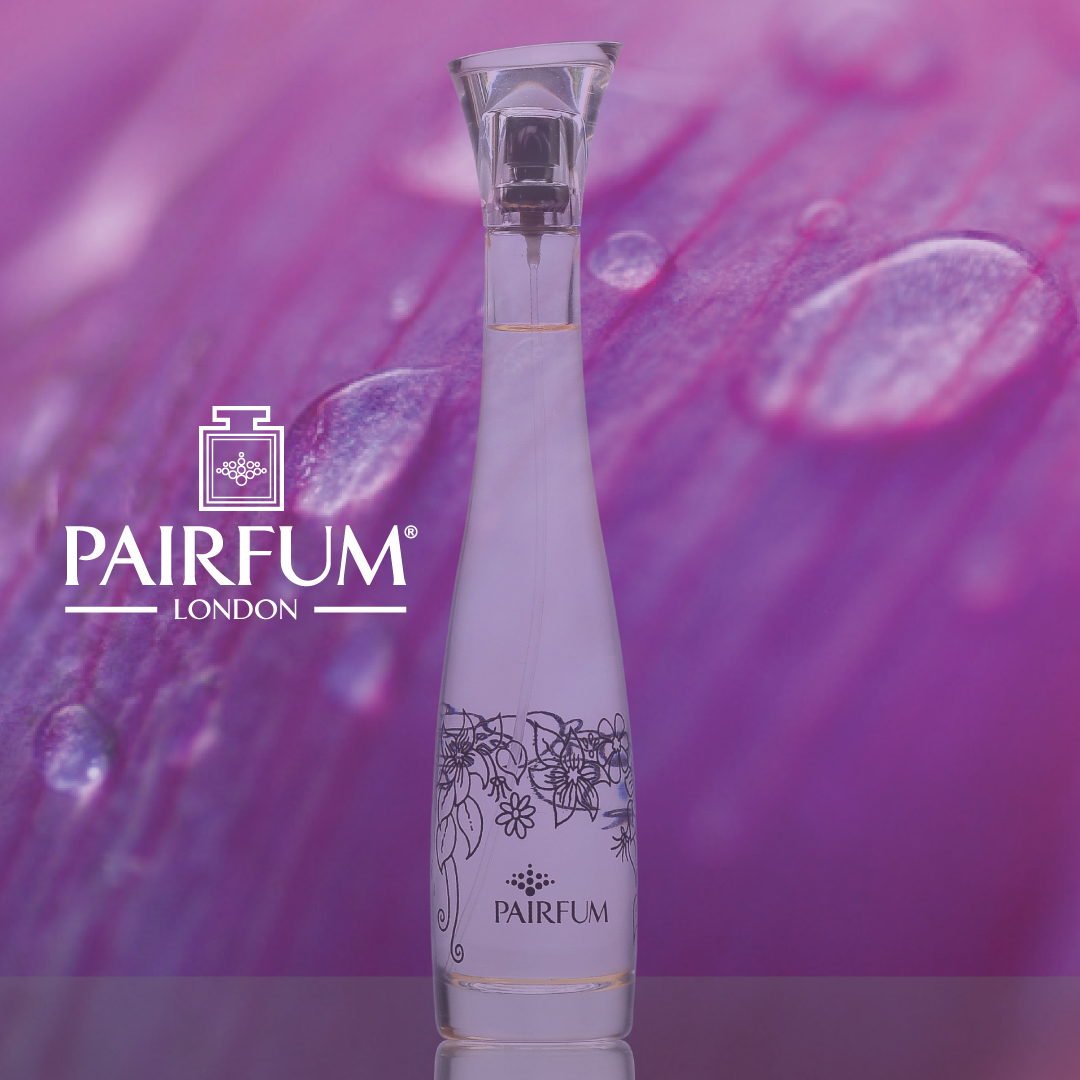
For those seeking to bring the sophisticated, bitter-green aromas of the garden into their living space, the Flacon – Perfume Room Spray offers an elegant way to experience these complex scents at home. Among the collection, the White Lavender fragrance is a standout choice for enthusiasts of this botanical family, as it beautifully blends aromatic Artemisia with delicate lily and herbal lavender. Unlike standard aerosols, this natural couture room spray uses a high concentration of essential oils and biodegradable alcohol to create a fine mist that floats and diffuses, ensuring your home is enveloped in a clean, sophisticated scent that lingers for hours.

White Lavender – Flacon Perfume Room Spray by Pairfum London

This innocent, white fragrance opens with the bracing clarity of aromatic artemisia and bergamot, which seamlessly combine with a heart of soft white lavender, pure lily, iris, hyacinth and bluebell. The base notes then sensually envelop the wearer with a blend of intense musk, sandalwood, vanilla, amber and tonka bean.

A Plant That Quietly Stands Out

Artemisia is not loud, but it leaves its mark. It threads through a perfume with sharpness and clarity, helping balance the sweet, the smoky, or the dense. Its bitter-green edge fits especially well in cold seasons, offering something cool yet familiar when softer florals feel out of season. From the common mugwort found in the wild to the cultivated evergreen shrubs in a designer garden, this plant family remains essential.

For those who enjoy perfumes with depth and freshness, Artemisia is worth noticing. Whether you are intrigued by its history in absinthe, its use as an herbal medicine, or its silvery foliage, it brings a great deal to the story inside each bottle. That kind of quiet character never goes out of style.

    Your Cart
    Your cart is empty