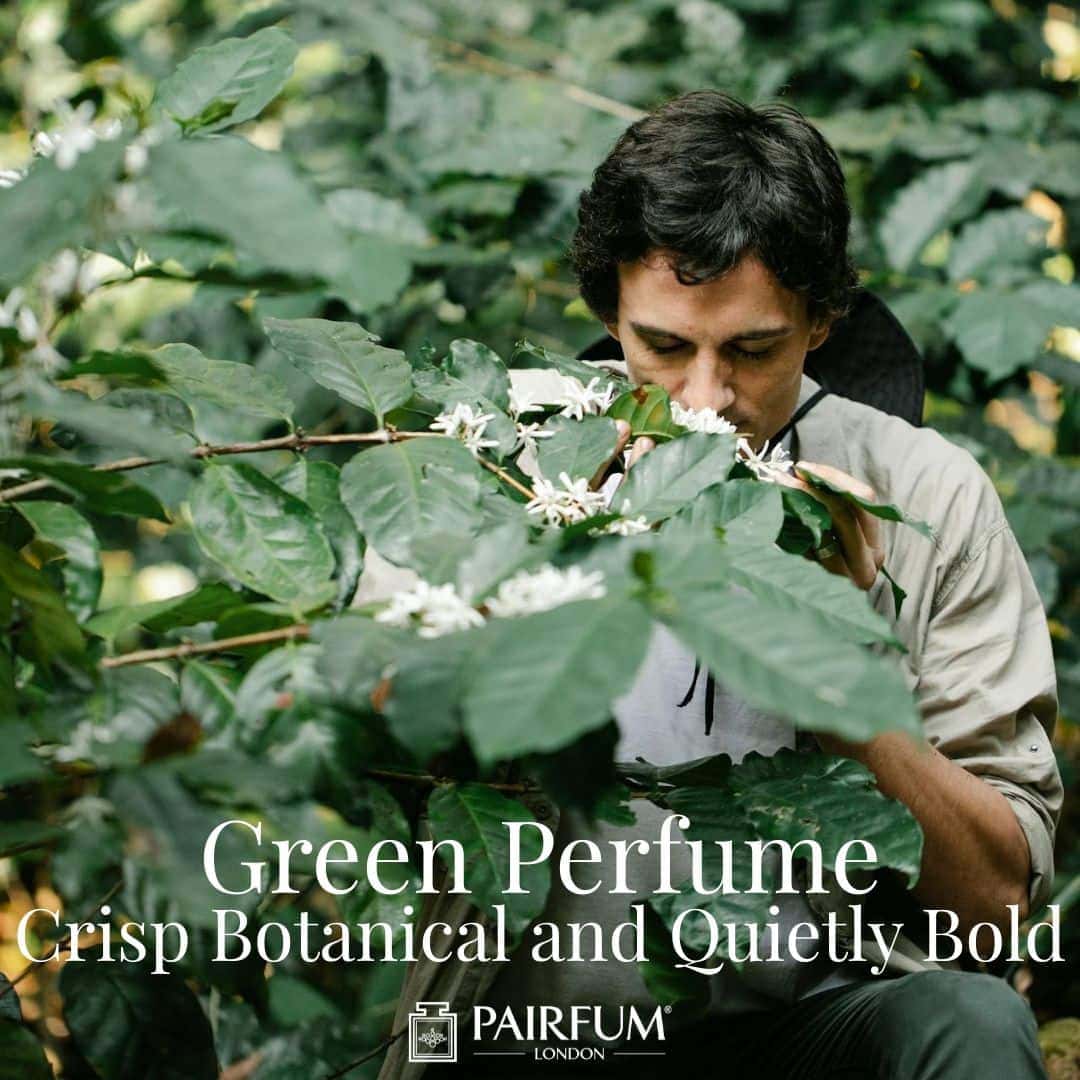
A Green perfume is a crisp, vibrant fragrance inspired by fresh cut grass, crushed leaves, herbs, and lush foliage. It creates a natural, invigorating, and refreshing effect on the skin. Modern green perfumes range from bright citrus and fruity floral blends to deeper botanical, woody, and aromatic compositions.
Green perfumes evoke the sensation of fresh air after rain. They carry an earthy, crisp aroma that can make you feel clear-headed and awake, like stepping into a garden at first light. While some perfumes lean toward sweet fruits or soft flowers, green ones have a different kind of vitality. They smell more like leaves, herbs, or freshly cut stems, not petals warmed in the sun.
Wearing a green perfume in spring aligns perfectly with the season. As everything begins to grow and the world feels open again, these fragrances sit lightly on the skin yet carry strength. They do not rely on sugar or spice for their presence; instead, they draw from the raw edge of nature. When you wear a green scent, you might feel grounded, as if you are directly connected to new growth or damp soil, reminding you of the lively, renewing qualities of nature in springtime.
Green perfumes are a way to bring a bit of the outdoors with you. They are like a breath of cool air when you need to clear your head and set a calm, steady tone for your day. This makes them ideal for the transition from the colder months to the warmth of spring. They stand out because they offer both balance and vibrancy, creating a subtle statement that is never overwhelming.
What Makes a Perfume “Green”
The term green in perfumery does not refer to the colour of the liquid but to the actual scent profile. Green notes remind us of sharp leaves, snapped stems, or fresh garden herbs. They have a bit of bite but still feel clean. This olfactory style forms a distinct branch of the wider fragrance family, prized for its ability to capture true botanical realism rather than engineered sweetness.
- Galbanum adds a sharp, bitter, almost peppery green aroma that defines classic green perfumes.
- Petitgrain brings a leafy and bitter scent, like crushed twigs from an orange tree.
- Basil and mint add herbal brightness and an uplifting culinary flash.
- Green tea notes provide calm, clarity, and a light, sophisticated edge.
- Fig leaf and ivy contribute soft, cool greenness with a hint of damp shade.
These elements work together to create a fragrance that feels both pure and alive. It is not about being flowery; it is about connecting with something that smells a little raw, like stepping through a hedge in spring. These notes skip the heavy fruit or sugar and bring something brisk and plant-like instead.
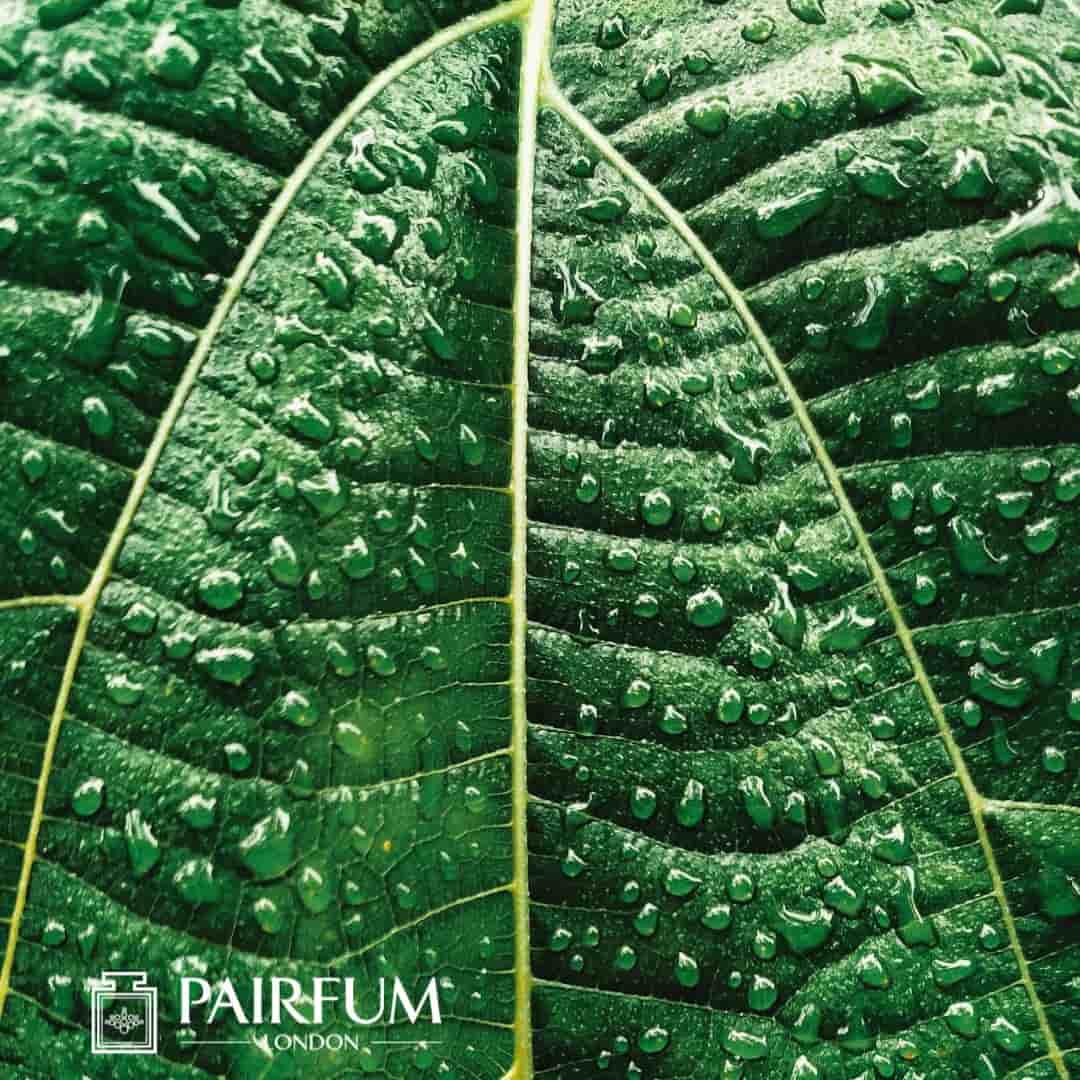
Each time you wear a green perfume, you notice how its crisp start can gently soften, revealing subtler facets as the day goes on. A classic green fragrance tends to linger quietly, providing a clean sensation, as though you have just walked through fresh-cut grass or just-washed leaves after rainfall.
Many green perfumes will also include touches of vetiver or light, woody elements to add structure. These layers help round out the freshness and establish a stable foundation, giving the perfume both clarity and presence throughout the day. These scents often avoid excess sweetness or a heavy, powdery finish, preferring a straightforward, plant-based impression that feels grounded and real.

The History and Evolution of Green Fragrances
To truly appreciate the best green perfumes available today, it helps to look at how this vibrant fragrance category evolved. For decades, traditional beauty standards in perfume creation leaned heavily toward dense florals or rich oriental bases.
That shifted dramatically in the mid-twentieth century when a groundbreaking fragrance named Vent Vert changed everything. Launched by Balmain, Vent Vert used an unprecedented amount of galbanum to shock the senses with a roar of wild grass and snapped stems. It was a revolutionary moment that proved a perfume could be sharp, independent, and fiercely natural.
Following this, legendary fashion houses began experimenting with these refreshing, outdoor elements. For example, Paco Rabanne introduced green herbal notes into mainstream masculine and unisex compositions, blending bracing elements like rosemary, laurel, and moss to create an earthy, forest-floor depth. This era established that green fragrances did not need to rely on heavy florals to leave a lasting impression.
Instead, they focused on crisp, natural textures. Over time, the style evolved from these sharp, bracing mid-century scents into smoother compositions. Perfumers started incorporating elements like violet leaf, which offers a metallic, watery green leaf character, and even crisp vegetable accents like cucumber to give the scent a modern, dewy hydration.
Today, the green fragrance family continues to expand, welcoming a wide range of sub-genres. You can find a stark green floral that mimics a florist’s cold room, or a deep green scent backed by oakmoss and lemon for a classic, invigorating lift. Whether it is the nostalgic charm of older formulas or the streamlined simplicity of modern blends, this style remains a testament to the raw beauty of the natural world.
Technical Classifications and the Role of Synthesis
Walk into any laboratory where real perfumery happens, and you quickly learn that nature is a terrible collaborator. It clings to its chemistry. To build a thorough understanding of this olfactory universe, one must explore how perfumers categorize green scents and overcome the physical limitations of nature. In professional blending, green compositions are rarely one dimensional, and they are usually sorted into specific sub-families based on their supporting accords.
A prominent group is the green chypre, where sharp green notes are anchored by a traditional base of oakmoss, patchouli, and labdanum, creating a stark, aristocratic elegance. Another fascinating style is the green oriental, which juxtaposes a refreshing, leafy opening against a resinous, warm vanilla or amber base, proving that freshness and deep warmth can co-exist beautifully.
There are also aromatic green perfumes, which heavily feature culinary or wild herbs like tarragon, rosemary, and sage, resulting in a dry, bracing character that feels instantly revitalising.
Classic vs. Modern Green Scent Profiles
Traditional Green
- Key Notes: Galbanum, Moss, Oud
- Texture: Sharp, Dry, Powdery
- Core Appeal: Formal, Sophisticated
Modern Green
- Key Notes: Fig Leaf, Basil, Tea
- Texture: Creamy, Dewy, Crisp
- Core Appeal: Earthy, Wild, Casual
An interesting truth of modern perfumery is that very few natural green notes can be extracted directly from the actual plant. While materials like galbanum, lentisk, and blackcurrant bud absolute provide glorious natural options, many beloved green smells are entirely impossible to extract. For example, there is no such thing as a natural oil distilled from fresh-cut grass, lily of the valley, or a crisp cucumber.
To recreate these vivid sensations, perfumers rely on advanced organic synthesis. The discovery of specific molecules transformed the industry. A molecule known as cis-3-hexenol is used to replicate the exact smell of a freshly mowed lawn, while triplal delivers a powerful, intensely green rind effect.
Other synthetic marvels like stemone are essential for building a realistic fig leaf profile, giving it a green yet creamy texture. Far from being cheap fillers, these synthetic notes are highly prized artistic tools that allow a perfumer to capture the fleeting poetry of the natural world with absolute scientific precision.

Why Green Perfumes Feel Right in Spring
Spring carries a certain energy. It is not quite warm, not quite cold, and it brings the feeling that something new is starting. Mornings are cool, and by late afternoon, there is warmth in the air. That is why this is the perfect season for something lighter and fresher.
Green perfumes sit quietly on the skin but leave a clear impression. They give space. After winter, with its heavy spices and smoky notes, it feels right to wear something that lifts the spirit. These perfumes hold their shape without taking up too much room. They offer freshness without being watery or overly light.
When spring days shift quickly, a green profile adjusts with it. It never feels out of place, whether you are walking through early mist or heading out once the sun is strong. On a breezy day, a green perfume might bring to mind the coolness of shaded branches; on a warm afternoon, its crispness is still apparent but softened, complementing the shifting light and temperature. This versatility makes green perfumes a staple for anyone wanting a natural yet confident scent that moves easily from moment to moment.
Unlike perfumes tied to a single mood, green fragrances can be soothing one day and energizing the next, depending on your experience and surroundings. This adaptability is what makes them such a natural choice for a time of year filled with change.
Natural and Niche: Modern Takes on Green Aromas
In modern niche perfumes, green ideas are being used in new, interesting ways. Perfumers are mixing familiar plants with unexpected ones to add depth and difference, pushing the boundaries of traditional perfumery.
- Tomato leaf brings a soft but sharp garden vine edge, redolent of a greenhouse.
- Mint adds lift with an instantly cooling, bracing start.
- Ivy gives a slightly darker touch, like shaded wood or damp stone.
- Fig leaf softens the green edges with its creamy, milky centre.
What makes modern green perfumes stand out is how they blend these sharp notes with others. Citrus, a soft floral base, or light woods can round out the freshness. It does not always stay clean and simple; sometimes it moves into something incredibly layered. Still, the underlying green feeling stays.
Contemporary green fragrances are notable for their complexity and balance. For instance, a hint of tomato vine adds a gentle tartness, while the inclusion of basil can lend a savoury brightness. Perfumers might pair these green highlights with cool tea or crushed leaves to bring a sense of clarity, enhanced further by soft musky or woody undertones. Blending in gentle citrus or floral notes creates a more complete experience that stretches beyond basic freshness.
These types of perfumes often work beautifully as a unisex fragrance, appealing equally to anyone who values a botanical profile. They do not lean too sweet, too strong, or too floral. That makes them great for people who want something that just feels fresh and grounded. There is a clear structure, but it never feels too neat. It feels a little wild and free.
This openness allows green perfumes to appeal to those who appreciate unconventional choices. This is evident in the creations of daring niche houses. Brands like Zoologist Perfumes look to the natural world for inspiration, building complex habitats through scent, while houses like Parfums de Marly bring refined, heritage-driven luxury to fresh, vibrant compositions. Even across the Atlantic or in Middle Eastern design, houses like Lattafa Perfumes have begun introducing green accents to balance their traditionally rich, resinous bases.
With every wear of a modern green perfume, you might notice new details, from the sharp cut of a leaf to the soft glow of sunlight through branches. This feeling of exploration and versatility is what gives green perfumes their special place among scent lovers.
Everyday Calm with a Wild Twist
When thinking about choosing what perfume to wear each day, green perfumes offer a sense of balance. They are not too loud, but they do not disappear. They give your skin a slight herbal edge, a kind of focus that feels clean.
For anyone who finds sweet bouquets or rich winter oils too much, this kind of perfume gives space to breathe. It has a kind of energy that wakes you up while keeping things calm. It provides a welcome alternative to the omnipresent vanilla or heavy tonka bean bases that dominate modern department store shelves, trading edible sweetness for botanical clarity.
- Great for everyday wear, especially on busy or warm days.
- Works well in shared spaces, remaining fresh without being sharp.
- Brings freshness without too much sugar, heavy florals, or a dry, powdery trail.
Green is a great option to rotate into a perfume wardrobe. It provides contrast when everything else feels too rich or warm. Sometimes you need something that makes you feel more awake than cosy, and a green perfume does just that.
It is the kind of scent that works beautifully at the office, over lunch, or for peaceful time alone. Think of iconic, clean compositions like Green Irish Tweed, which uses a masterfully balanced green note alongside violet, ambergris, and a hint of lemon to create a sense of walking through an open, windswept meadow.
As you catch this herbal brightness during the day, the scent can provide a steady sense of focus, bringing a little bit of the outdoors inside. You might find yourself reaching for a green perfume whenever life feels especially busy, or when you want a pause to clear your thoughts.
The natural edge these fragrances give is reassuring without being obvious, and that soft liveliness supports you as you move from one setting to another. With each use, their subtle energy offers a gentle lift, never becoming oppressive or overly scented.
Selecting Your Botanical Identity
If you are looking to explore this refreshing category, navigating the options can be an exciting journey. For those who still love a hint of traditional romance, looking for a green fragrance that incorporates soft jasmine or subtle violet can bridge the gap between classic beauty and modern botanical freshness. The delicate sweetness of jasmine opens up beautifully when paired with crisp stems, preventing the flower from becoming too heavy or syrupy.
On the other hand, if you prefer something deeply elemental, look for compositions that highlight vetiver and moss. These ingredients ground the lighter top notes, giving the fragrance an earthy, forest-like stability that lasts for hours on the skin.
You can also find fruity green options where the tartness of blackcurrant leaf or rhubarb adds a playful twist without the sweetness caused by sugar-sweet options. Ultimately, the best green perfume is one that makes you feel connected to the air, the earth, and your own sense of quiet confidence.
Bergamot, Basil & Patchouli – Eau de Parfum by Pairfum London
This woody and aromatic accord opens with notes of Bergamot, Lime, Green Leaves and a touch of spicy Basil. The heart is fresh with Lily, Freesia, Violet Leaf, Rose and Geranium. The scent rests on a beautifully rich, woody base of Patchouli, Vetiver, Sandalwood, Cedar and Amber.

A Fresh Layer for the New Season
This time of year calls for something that can move easily between still mornings and bright afternoons. Green perfumes do that without trying too hard, giving us something steady, cool, and quietly bold. They add a crisp layer to the greenery as spring turns into summer that feels just right.