Home / Natural / Page 5
Nutmeg In Perfumery

Nutmeg in Perfumery: The Scent of Sophistication

Nutmeg, with its rich and warm fragrance, holds a special place in the world of perfumes. This aromatic spice, often used in cooking and baking, brings an exotic allure to many a fragrance composition. Its spicy, woody, and slightly sweet nuances add depth and complexity, taking your senses on a journey that blends comfort with a touch of adventure. Indeed, the multifaceted nutmeg scent is a true marvel in the world of fragrance.

Imagine the familiar embrace of nutmeg in your favourite holiday dishes, but now imagine that warmth bottled into a luxurious aroma that wraps you in its earthy aura. Nutmeg’s appeal in perfumery lies in its versatility, pairing seamlessly with a variety of other fragrance notes. As you explore the aromatic wonders of nutmeg, you’ll discover why this spice is a treasured component in perfume creation. Every aspect of nutmeg contributes to its unique character.

The Historical Appeal of Nutmeg

The story of nutmeg stretches back centuries, tracing its roots to the Banda Islands of Indonesia, also known as the Spice Islands, where the Myristica fragrans tree is native. Evidence suggests its use dates back as far as 3,500 years. Historically, these islands were the sole source of nutmeg and mace, making the spice incredibly valuable and a driving force in global trade. Arab traders successfully kept its origin a secret from Europeans for centuries, until the 13th century. The allure of nutmeg was simply irresistible.

The high value of nutmeg ignited intense competition among European powers. Around 1600, both the Portuguese and later the powerful Dutch East India Company fiercely sought to control the nutmeg trade, leading to significant conflicts and elaborate plots to maintain their lucrative monopoly. The British, in a strategic move to break Dutch dominance, eventually succeeded in transplanting nutmeg tree seedlings to other colonial holdings, particularly in the West Indies, ensuring the wider availability of this precious nutmeg seed.

Ancient civilisations, including the Egyptians and Romans, revered nutmeg not just for its culinary uses but also for its aromatic qualities. It was considered precious and was often used in ceremonial practices, with the Romans even utilising grated nutmeg as incense, to enhance rituals with its distinctive aroma. As the use of nutmeg spread, it found its way into perfumery, where alchemists began harnessing its evocative essence. This enduring fascination with nutmeg highlights its timeless appeal. The legacy of nutmeg continues in modern day perfumery, thanks to its ability to infuse warmth and richness into aromas.
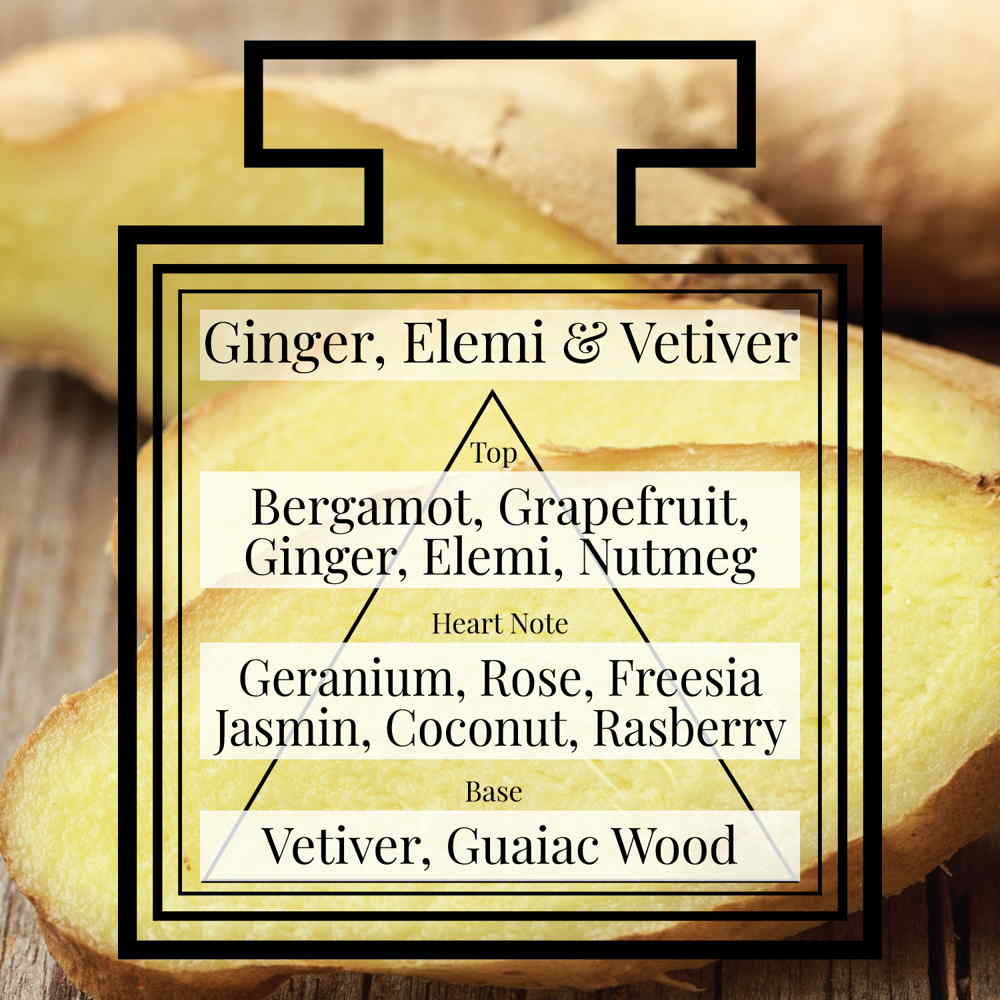
Pairfum Fragrance Ginger Elemi Vetiver Triangle

The Aromatic Profile and Chemical Composition of Nutmeg

Beyond its general classification as a “spicy” note, nutmeg offers a nuanced and complex aromatic profile, making it truly unique in perfumery. It presents a multifaceted scent journey, typically opening with a warm, slightly piquant spice reminiscent of freshly grated nutmeg. This initial burst often transitions into a sweeter, almost creamy facet, which can sometimes have subtle hints of vanilla or even a delicate lactonic quality. The distinctive aroma of nutmeg is instantly recognisable and deeply comforting.

Underneath these dominant notes, there’s often an earthy and woody undertone, grounding the fragrance and preventing it from becoming overly sharp. Some varieties or extractions may also reveal subtle resinous or balsamic nuances, adding further depth. This intricate blend of warmth, sweetness, and earthiness allows nutmeg to harmonise beautifully with a wide spectrum of other perfume notes, from bright citruses to deep resins. The versatility of nutmeg as a warm spice is truly remarkable.

The distinctive aroma and properties of nutmeg are attributed to its complex chemical composition. The essential oil, which is colourless or light yellow, contains various volatile compounds. Principal components include pinene (such as D pinene), camphene, limonene, and importantly, myristicin. These compounds contribute to its characteristic flavour and fragrance. Additionally, nutmeg yields a fixed oil, often called nutmeg butter or nutmeg oil, which is primarily composed of trimyristin. Nutmeg extract is also sometimes derived, offering a concentrated flavour profile. These diverse compounds collectively define nutmeg’s rich aromatic signature.

Varieties and Types of Nutmeg in Perfumes

Nutmeg is more than just a single spice; it comes in several varieties, each with its own unique aromatic profile. The most common type is Myristica fragrans, the familiar nutmeg we know today, derived from its seed. Another variant, known as Bombay nutmeg, carries a less intense yet distinctive aroma that can subtly enhance a fragrance composition. In fact, dried nutmegs themselves can vary subtly in scent, influencing the final aroma.

In perfumes, these varieties of nutmeg contribute different elements to the overall bouquet:

  • Myristica Fragrans: Offers a warm, spicy, and slightly sweet aroma. It pairs well with oriental and exotic fragrances, lending them a rich base note. This is the most widely used variety due to its rich and well rounded scent, derived from the nutmeg seed. 
  • Bombay Nutmeg: Has a milder profile, suitable for lighter and more delicate perfumes. Its subtlety is perfect for adding a soft touch without overwhelming lighter compositions, making it ideal for more understated or airy blends.

Each type of nutmeg blends beautifully with other perfume notes, creating harmonious combinations. Whether coupled with florals for a romantic twist or with woods to evoke earthy elegance, nutmeg enhances and balances a fragrance’s character. This versatility is why nutmeg continues to captivate both perfumers and their audiences alike, making it a truly indispensable spice.
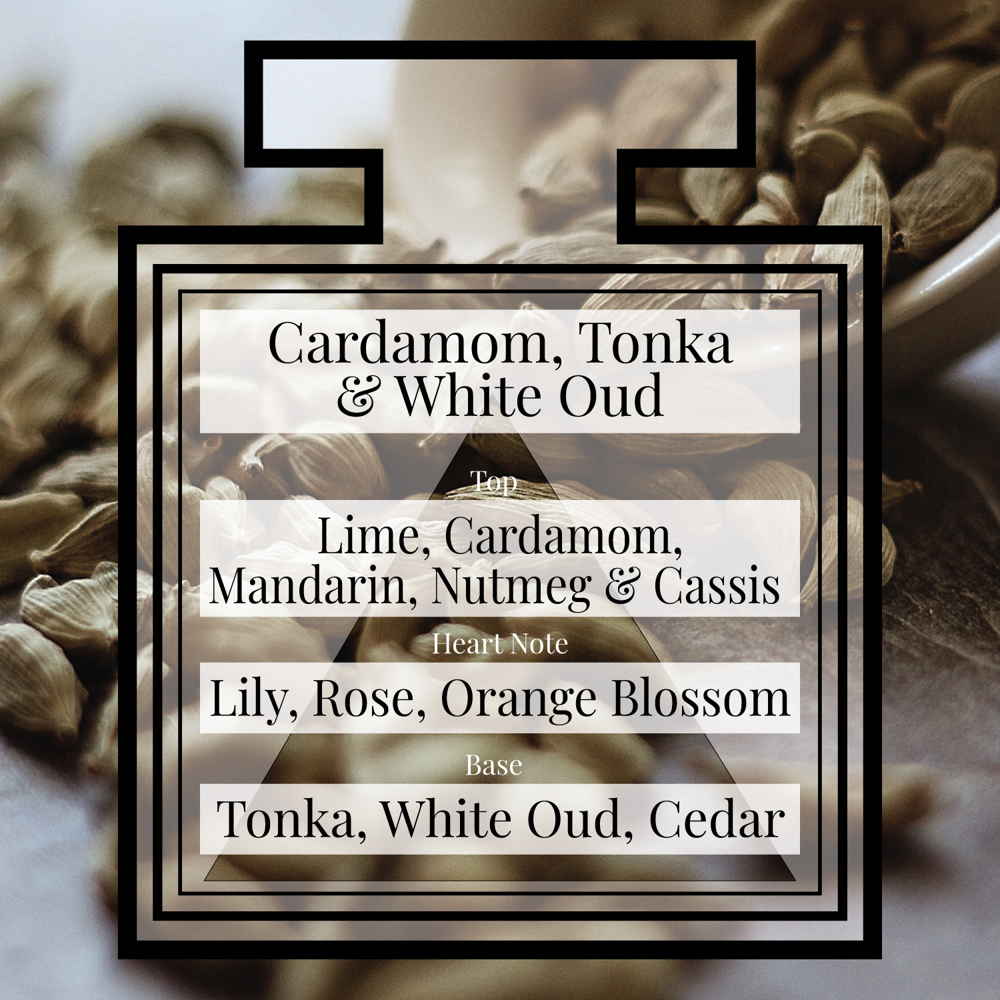
Pairfum Fragrance Cardamom Tonka White Oud Triangle

Extraction Methods: Capturing Nutmeg’s Essence

Extracting the rich aroma of nutmeg involves various methods, each with its advantages and nuances. 

The most traditional approach is steam distillation. This method involves heating the ground nutmeg with water, causing the aromatic compounds to evaporate. The vapours then condense into oil and water, allowing for the collection of pure nutmeg oil. This technique effectively captures the spice’s warm and spicy aroma, making it beloved in perfumery.

Another technique is CO2 extraction. This modern method uses carbon dioxide under high pressure to extract the essential oils. While more costly, it maintains more of the nutmeg’s natural properties, offering a truer essence. The resulting nutmeg oil is highly prized for its complexity and robustness in aromas. This extraction ensures a rich flavour profile is captured.

Perfumery also occasionally employs nutmeg extract or nutmeg absolute, though less commonly than the essential oil. An absolute is typically produced through solvent extraction, yielding a more concentrated and often richer aromatic material compared to steam distillation, capturing some of the more delicate, non volatile compounds from the nutmeg seed. 

Each extraction method has a unique way of drawing out the best from nutmeg, and perfumers choose based on the desired depth and character of the final fragrance. The careful extraction process is crucial for the quality of the nutmeg aroma.

Culinary Uses of Nutmeg

Beyond its prominent role in perfumery, nutmeg is an iconic spice in global culinary traditions, prized for its distinctive flavour. The nutmeg fruit itself contains the valuable seed from which this versatile spice is derived. In cooking, it is an indispensable ingredient in diverse culinary applications, from sweet baked goods to comforting savoury dishes.

In the realm of sweet treats, nutmeg is a staple in many recipes. It lends its signature flavour to cakes, pies, and puddings, including classic rice pudding. It is the quintessential spice in pumpkin pie and a key component in warming drinks like eggnog and mulled cider, where its aroma truly shines. The presence of nutmeg elevates these dishes.

For savoury dishes, nutmeg offers surprising versatility. It adds depth to creamy sauces, such as the traditional French béchamel sauce, and can be found in various soup and pasta sauce recipes. In Indian cuisine, nutmeg is a cherished ingredient, often featuring in complex spice blends like garam masala and general curry powder. It can also appear as a pickling spice. Its ability to blend harmoniously with other spices like cinnamon and star anise makes nutmeg a favourite amongst chefs. Even Penang cuisine features the unique flavour of the nutmeg fruit. No matter the recipe, nutmeg adds a special touch.

Nutmeg Display

Nutmeg as a Fragrance Note: Blending and Function

Nutmeg’s role in perfume compositions extends beyond simply adding a pleasant aroma; it acts as a crucial bridge and enhancer for other notes. Typically found in the heart or base notes of a fragrance, its warm and spicy character helps to ground lighter, more volatile top notes and provide a smooth transition into the deeper, more lasting base notes. The distinctive flavour profile of nutmeg also translates well into its aromatic applications, providing a rich aroma.

Nutmeg excels at blending with a wide array of fragrance families. In oriental compositions, this warm spice harmonises beautifully with vanilla, amber, frankincense, and myrrh, amplifying their warmth and adding a sophisticated spice. When paired with woody notes like sandalwood, cedarwood, or oud, nutmeg introduces a comforting earthiness and subtle sweetness that enriches the overall woody accord.

It also works surprisingly well with certain floral notes, particularly those with a richer character like rose or jasmine, adding an unexpected depth and complexity that elevates the floral bouquet beyond the purely sweet or fresh. In fougère or chypre fragrances, nutmeg can contribute a dry, aromatic spiciness, complementing notes of lavender, coumarin, and oakmoss. Its versatility allows it to lend a cosy, inviting quality or a subtle, intriguing edge, depending on the other ingredients it is paired with. The deep aroma of nutmeg is always a welcome addition.

Iconic Fragrances Featuring Nutmeg

Nutmeg has found a starring role in some of the most iconic and beloved fragrances. Here are a few examples that demonstrate its versatility:

  • Jo Malone London – Nutmeg & Ginger (1990): A pioneering scent that blends warm nutmeg with fresh ginger, introducing the world to a new kind of spicy minimalism. This fragrance paved the way for modern spicy gourmands. 
  • Yves Saint Laurent – Opium (1977): A landmark oriental fragrance where nutmeg enriches a heady blend of myrrh, clove, and florals. The spice contributes to its intoxicating signature. 
  • Tom Ford – Noir Extreme: Nutmeg is combined with cardamom and saffron, creating a sensual, gourmand-spicy heart that is both luxurious and exotic. 
  • Amouage – Epic Woman: In this deeply complex perfume, nutmeg pairs with incense and oud, reinforcing the brand’s reputation for opulence and narrative-driven scents.

Eau de Parfum Person Reflection Ginger Elemi Vetiver Man Walk 1 1

Broader Uses and Considerations of Nutmeg

Beyond its prominent role in perfumery and the kitchen, nutmeg has been historically and continues to be utilised across various industries. As a food flavouring, it is indispensable in diverse culinary applications, from baked goods and puddings to savoury dishes. The unique aroma of nutmeg is unmistakable.

In the pharmaceutical sector, the essential oil is incorporated into products such as toothpaste and cough syrups. Historically, an ointment derived from nutmeg butter was even used as a counterirritant and in the treatment of rheumatism.

However, it is important to note that while nutmeg is a beloved spice, consuming it in large quantities can have significant psychoactive effects due to compounds like myristicin. In excessive doses, nutmeg ingestion can lead to nutmeg intoxication, potentially causing hallucinations, convulsions, palpitations, and pain. While nutmeg poisoning is rarely fatal, awareness of its potent properties is essential, especially in contexts beyond its typical culinary or aromatic uses. The nutmeg seed contains these compounds. Despite these considerations, its proper use in cooking and perfumery is safe and cherished. This versatile nut should always be used thoughtfully.

Nutmeg Fragrances with Pairfum London

Cardamom, Tonka & White Oud – Eau de Parfum by Pairfum London

This rich, passionate fragrance opens with Lime & Mandarin, Cardamom, Nutmeg, Clove and fruity hints of Cassis. At the heart of this accord are spicy White Lily, Rose and Orange Blossom. A sensual base of Tonka, White Oud, Cedar, Santal and Amber rounds off this creation.

Ginger, Elemi & Vetiver – Eau de Parfum by Pairfum London

A surprising fusion of spices and freshness, it opens with notes of Bergamot, Grapefruit and a trace of Lavender, combined with Ginger, Elemi, Nutmeg & Cinnamon. The heart is composed of Geranium, Rose, Freesia, Gardenia, Jasmine and Orange Blossom, with fruity hints of Coconut and Raspberry. A base of Vetiver, Guaiacwood, Cedar, Amber, Cashmere Musks, Vanilla & Moss supports this note beautifully.
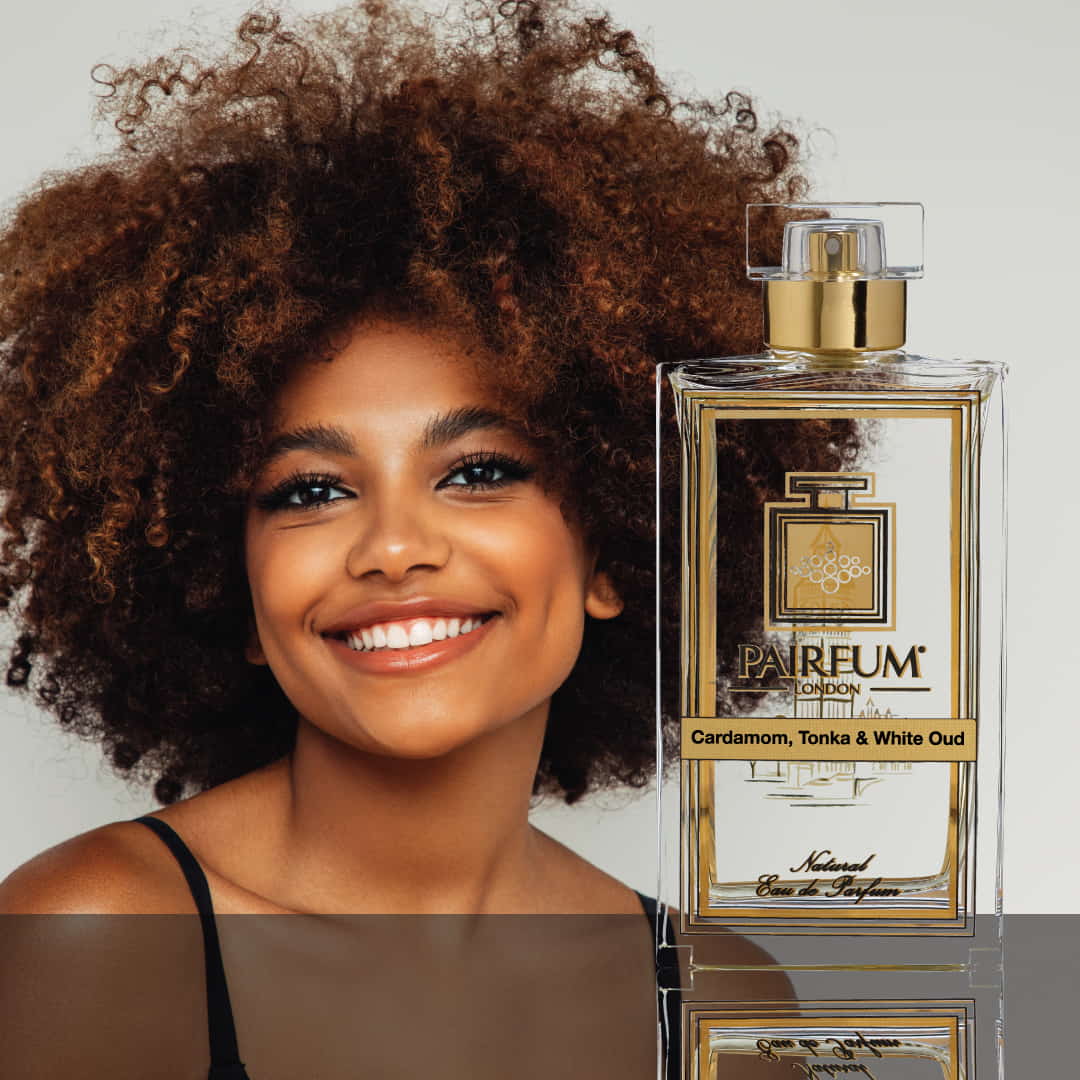
Eau De Parfum Person Reflection Cardamom Tonka White Oud Curls 1 1

Elevate Your Collection with Nutmeg’s Warm Aromas

Nutmeg continues to captivate with its warm and inviting essence. Its history, versatility, and unique character ensure that it remains a staple in fine fragrance creation. Whether you’re seeking spicy warmth or a rich depth that transforms a simple aroma into something unforgettable, nutmeg offers a fascinating blend of possibilities. This exceptional spice truly stands apart.

As you explore the aromatic world of nutmeg further, consider how this spice’s enduring appeal can transform your fragrance collection. Its presence in iconic perfumes is a testament to its timeless allure and ability to adapt to modern tastes while holding onto a rich history. Embracing its essence can open doors to new and exciting fragrant experiences. The nutmeg fruit and its precious seed provide a world of aromatic wonder.

Let the timeless allure of nutmeg guide you in creating a truly unforgettable fragrance journey. Discover the essence of nutmeg and its potential to transform your perfume collection. The unique aroma of nutmeg is a testament to nature’s artistry.

Mandarin In Perfume

Mandarin in Perfume: Exquisite Citrus Notes

Mandarin, a vibrant and uplifting citrus fruit, has charmed many with its refreshing aroma. Its bright, luminous essence is celebrated across the perfume industry for its ability to add a burst of zest, energy, and a captivating fruity sweetness to any fragrance, often serving as a radiant and joyful opening. This delightful citrus fruit not only indulges our sense of taste but also plays a versatile and indispensable role in the world of fine perfumes. With its tangy appeal, rich history, and the power to evoke memories of summer and shared happiness, mandarin continues to enchant fragrance lovers across the globe, defining countless unique scents.

Embraced for its unique aroma, mandarin is much more than just a pleasing fragrance note. Its presence in perfumes offers a fresh take on citrus bouquets, providing a delightful experience that captures the spirit of sunshine and vitality all year round. By delving into the details of mandarin’s journey from tree to essence, we can truly appreciate its profound impact on modern perfumery, where it stands as a cornerstone ingredient. Every carefully crafted fragrance often starts with such exquisite raw materials.

A Journey Through History: Mandarin and Its Fragrant Legacy

The story of mandarin dates back centuries, with origins that are as captivating as its aroma. Originally from China and Southeast Asia millennia ago, mandarin orange has held deep cultural significance in many regions. In China, for instance, this citrus fruit symbolises good fortune, prosperity, and celebration, often associated with Chinese New Year festivities where it is exchanged to bring happiness. As ancient trade routes expanded, mandarins travelled to new lands, reaching the Mediterranean and eventually finding their way into European apothecaries and, later, the burgeoning perfumery industry in the 19th century. Their aromatic appeal quickly made them a prized ingredient for a truly memorable scent.

Throughout history, mandarin has gradually found its distinguished place in the world of perfumes. Its fresh, invigorating, and sweet notes made it a favourite in many classic fragrances, particularly those aiming for a light, uplifting character. As perfumers sought new and exciting aromas, mandarin’s bright and lively character became a welcome addition to countless aromatic creations, providing a timeless sense of joy and vitality to any perfume bottle.

Pairfum Fragrance Mandarin Blossom Sandalwood Triangle

Types of Mandarin Used in Perfumes

Mandarins might all seem the same at first glance, but they actually come in a few different varieties, each bringing its own unique fragrance profile. Understanding these differences can help us better appreciate the intricate layers of aromas that mandarins contribute to perfumes. The overall olfactive profile of mandarin is characterised by a sweet, hesperidic, juicy, and often honeyed quality, frequently carrying a sensual, floral, neroli like trail. Each citrus note from these varieties offers distinct nuances to a perfume.

Clementine: 

Known for its remarkably sweet and less tangy aura, clementine offers a softer citrus bouquet. Its fragrant oil is used in more subtle and refined compositions, often contributing a gentle, sunny disposition to a perfume.

Tangerine: 

Tangerines have a slightly tarter profile with a lively aroma. They bring a sharp zest to perfumes, ideal for those who love a bolder, more effervescent citrus touch, often with a hint of greenness and bright energy. This particular sweet orange variant adds a unique layer to any fragrance.

Mandarin (Red Mandarin): 

The classic mandarin balances sweetness with a hint of spice, providing a rich and complex essence. Its fragrant oil is incredibly versatile, adding depth, warmth, and a characteristic ‘juicy’ brightness to any perfume. This is often what perfumers refer to simply as ‘mandarin’.

Green Mandarin: 

Less sweet and more acerbic than its ripe counterparts, green mandarin is derived from unripe fruit. It offers a sharper, greener, and more herbaceous aroma, providing a sophisticated, almost bitter zest that can add an unexpected edge and luminosity to a fragrance. It’s a truly distinctive citrus scent.

These distinct types enable perfumers to precisely tailor the citrus accord within a fragrance, enhancing the appeal of citrus inspired perfumes and making them exciting and diverse. By embracing the unique characteristics of each variety, perfumers can create harmonious blends that captivate and intrigue, ensuring every note plays its part.

The Art of Extraction

Transforming mandarin orange into the delightful essence that adds joy to perfumes is both a science and an art. There are a few key methods used to extract the oil from mandarin peels, each offering unique qualities to the final fragrance. The selection of raw materials is crucial for the resulting scent.

Expressed Oils: 

This method, often referred to as cold pressing, involves mechanically pressing the peel to release the essential oils. It’s a straightforward yet highly effective way to capture the natural aroma, preserving the most delicate and vibrant nuances of mandarin, ensuring optimal freshness.

Distillation: 

A method involving steaming the peels, which separates the oil from the plant material. While distillation may alter the oil’s aroma slightly, offering a cleaner, sometimes slightly less ‘fruity’ or more ‘cooked’ character, it’s valued for producing a pure and often lighter essence for a particular perfume.

Solvent Extraction: 

Here, solvents are used to draw out the oil. This can produce a highly potent essence, capturing a broader spectrum of aromatic compounds, though it might lack some of the subtle, volatile aspects of cold pressed oils.

Each method has its benefits, allowing perfumers to choose based on the desired character of the fragrance. While expressed oils are usually preferred for their natural aroma, retaining the brightest, most authentic scent of the fruit peel, the choice of technique profoundly influences how a fragrance develops on the skin, making the art of extraction a fascinating topic for enthusiasts of the perfect scent.

Pairfum Eau de Parfum Person Reflection Mandarin Blossom Sandalwood Man 1 1

Sourcing Mandarin: A Commitment to Quality and Sustainability

Beyond the artistry of extraction lies the fundamental importance of sourcing. For any perfumery committed to natural and refined fragrances, the origin and cultivation of mandarin are paramount. Responsible sourcing ensures not only the highest quality essential oils, free from pesticides and adulterants, but also supports sustainable farming practices and fair trade for the communities growing these precious fruits. This commitment reflects a deeper respect for nature and the people who cultivate its gifts, ensuring that the vibrant essence of mandarin is not only beautiful but also ethically produced, contributing to a more conscious and harmonious world of perfumery. Every ingredient matters.

The Versatile Uses of Mandarin in Perfumes

Mandarin isn’t just a standalone essence; it plays exceptionally well with others. Its vibrant citrus notes act as a harmonious bridge within complex aromatic creations, offering both balance and brightness. One of the captivating aspects of mandarin is its ability to blend effortlessly with other fragrance notes, enriching the perfume palette and providing an energising and luminous sensation. Its often very sweet, fruity, and citrusy aroma with a light floral undertone can be surprisingly relaxing and calming, making it suitable even for mystical fantasy fragrances. This versatile citrus note truly enhances a perfume.

Mandarin’s Role in a Fragrance

Primarily, mandarin shines as a top note. Its bright, effervescent, and uplifting character makes it ideal for the initial impression of a perfume, providing an inviting burst of freshness that captures attention. While it may dissipate relatively quickly, its sparkling introduction sets the stage for the heart and base notes to unfold. It often dominates the top notes in gourmet floral compositions and plays a main role in citrus aromatic fragrances, establishing the immediate scent.

Common pairings include:

  • Other Citrus Fruits: Mandarin harmonises beautifully with lemon, lime, orange, grapefruit, bergamot, and bitter orange, enhancing the overall citrus accord and adding layers of brightness and zest. 
  • Floral Notes: Light florals such as jasmine, rose, neroli, and orange blossom. They highlight mandarin’s sweet and sometimes sensual side, creating a rich, exotic, and often sun drenched aura, adding depth to this fragrance family. 
  • Spicy Elements: Cinnamon, ginger, nutmeg, cardamom, or black pepper. They amplify the zest of mandarin, perfect for a warm, invigorating, and sometimes gourmand bouquet. Juniper berry can also add a crisp, aromatic edge to the citrus. 
  • Woody Fragrances: Cedar, sandalwood, or vetiver. These bring out mandarin’s earthy undertones, resulting in a grounded yet refreshing and sophisticated experience, often balanced with amber. 
  • Gourmand Notes: Vanilla, tonka bean, caramel, or even chocolate. Mandarin offers a delightful contrast, providing a refreshing counterpoint to richer, sweeter elements, preventing them from becoming overwhelming in a captivating fragrance.

Mandarin Across Fragrance Families

Mandarin’s adaptability means it finds a home across a wide spectrum of fragrance families:

  • Colognes and Fresh Scents: Its invigorating nature makes it a staple, delivering instant freshness and clean appeal. 
  • Chypre Fragrances: It can provide a luminous opening that cuts through the deeper, earthy base notes, adding a modern twist and vivacity to the fragrance. 
  • Floral Bouquets: Mandarin adds a sparkling, juicy quality, preventing florals from becoming too heavy or cloying, enhancing the overall scent. 
  • Oriental and Gourmand Scents: It offers a delightful contrast, providing a refreshing counterpoint to richer, sweeter, or spicier elements, preventing them from becoming overwhelming in a truly enchanting perfume.

Mandarin’s flexibility makes it a favourite among perfumers, who enjoy exploring its multiple facets. Some iconic perfumes have captured the essence of mandarin expertly, showcasing its ability to stand out while adding depth to an ensemble of aromas. Think of its bright opening in fragrances like Chanel Coco Mademoiselle, where it provides a vibrant counterpoint to patchouli and rose, or its luminous role in lighter compositions, offering an exquisite scent. Brands like Jo Malone London often feature bright citrus notes, including mandarin, in their refreshing eau de parfum and eau de toilette collections. Similarly, the artistic creations from Serge Lutens and Liquides Imaginaires sometimes subtly incorporate mandarin to add complexity and a unique sparkle to their intricate olfactive narratives. Whether used subtly or prominently, mandarin leaves a memorable imprint on any captivating fragrance.

Mandarin Fruit

Beyond Fine Fragrance

While mandarin’s wider appeal is celebrated in fine perfume, the versatility of mandarin orange extends beyond the realm of personal fragrance. Its uplifting citrus scent is also highly valued in home products, contributing its refreshing essence to candles, diffusers, and even an air freshener, bringing warmth and cheer into living spaces. However, the true artistry of this raw material is best experienced in a carefully composed perfume.

Considering Your Next Scent: When exploring a new eau de parfum or mandarin eau de toilette, consumers often consider various factors beyond just the scent itself. The quality of the ingredients, the artistry of the blend, and the elegance of the bottle all contribute to the perceived value. While the regular price reflects the complexity and preciousness of the raw materials and the perfumer’s skill, the joy of discovering a new favourite scent, perhaps even presented in a beautiful gift set, is immeasurable. The journey from selecting potential notes to finally adding a cherished fragrance to one’s cart is part of the overall experience of personal indulgence. The unique molecular compound, Iso E Super, for instance, can often be used by perfumers to enhance the diffusion and longevity of these vibrant citrus notes, creating an enveloping aura around the wearer and further contributing to the final character of the perfume.

Mandarin in Perfume with Pairfum London

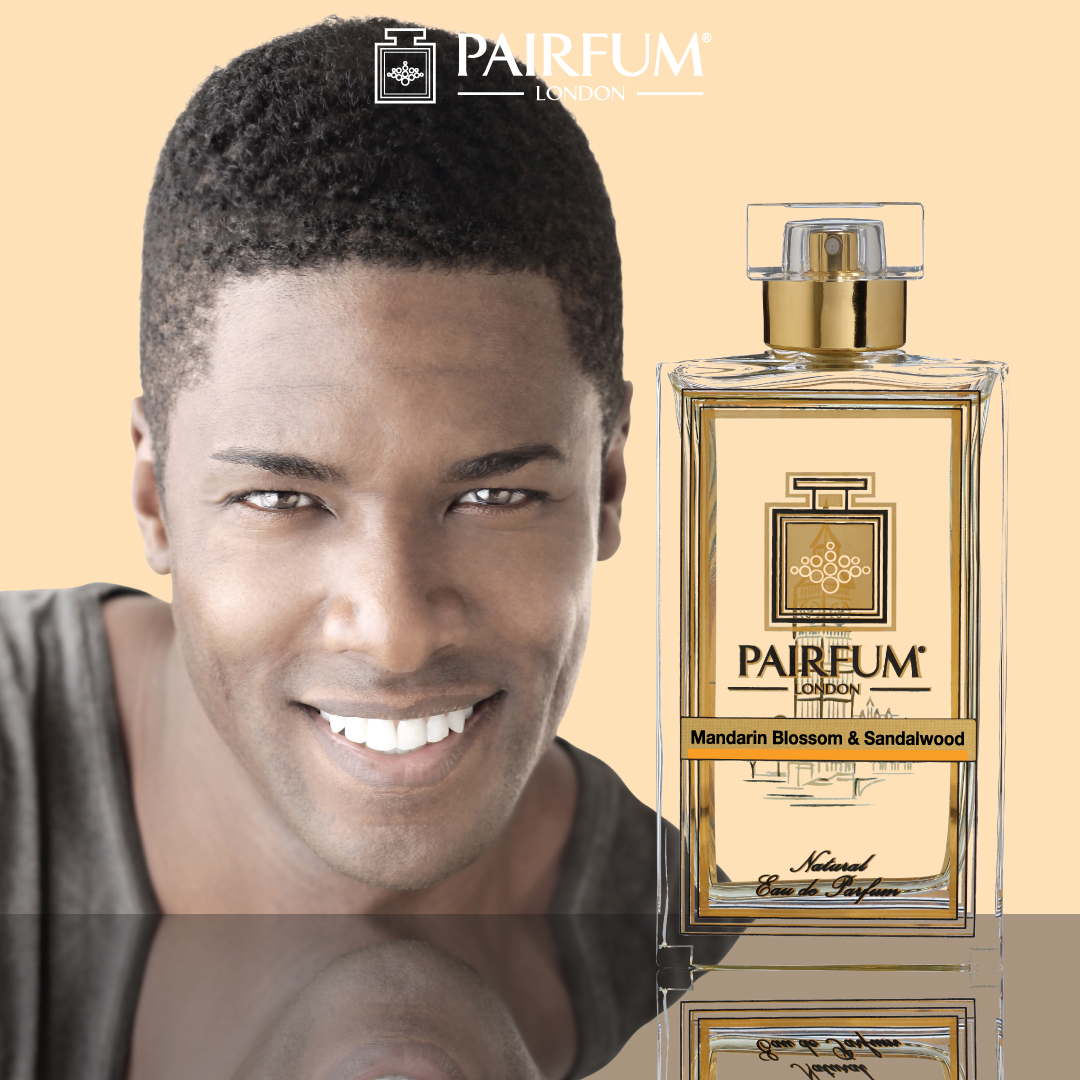
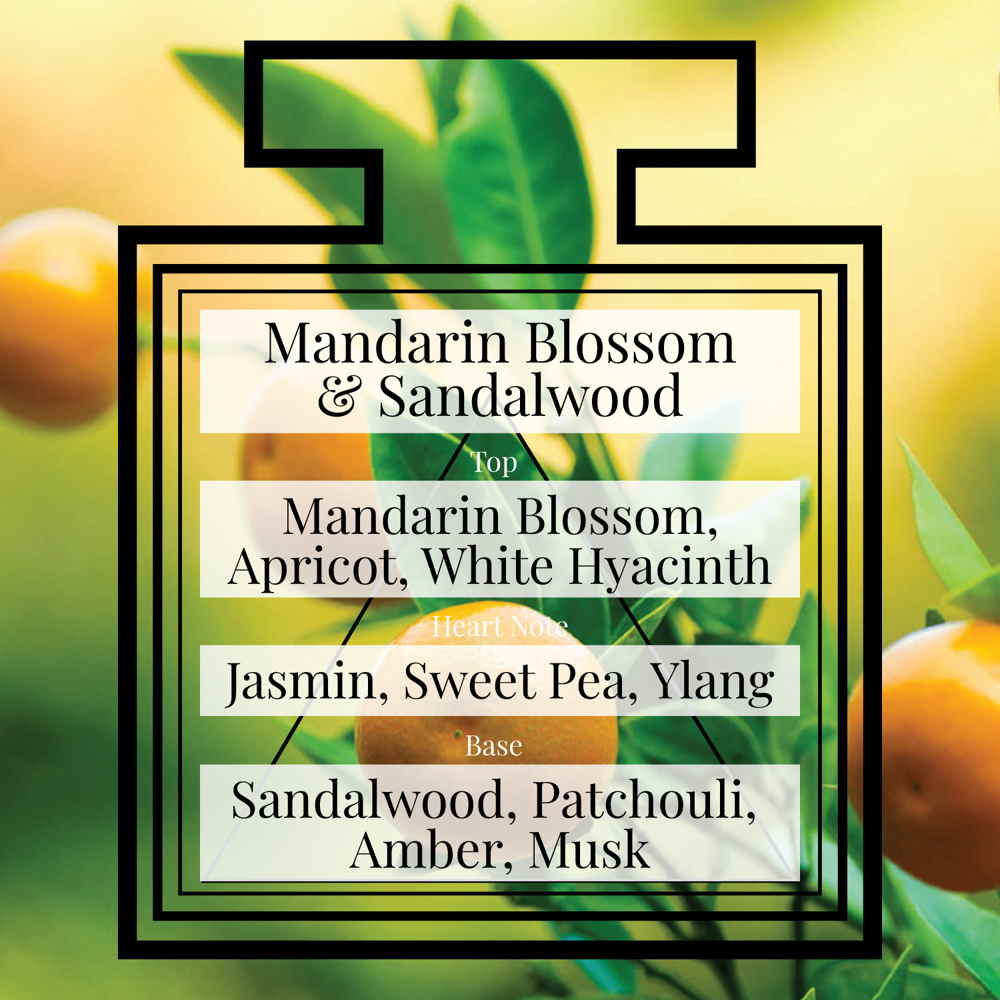
For those seeking a refined expression of mandarin in perfume, Mandarin Blossom Sandalwood Eau de Parfum offers a beautifully layered experience. This fragrance captures the delicate sweetness of mandarin blossom, enhanced by creamy sandalwood and a whisper of white florals. It is an elegant interpretation of the citrus fragrance family, blending freshness with warmth and subtle floral complexity. A perfect choice for those drawn to fragrances that evoke brightness while leaving a soft, lasting impression.

Mandarin Blossom & Sandalwood – Eau de Parfum by Pairfum London

An elegantly, feminine floral Chypre accord opening with the freshness of Mandarin Blossom, Apricot and White Hyacinth as Top notes. It’s romantic heart reveals a floral bouquet of Sweet Pea, Jasmine and Ylang Ylang, while the fond of Sandalwood, Patchouli, Amber and Musk create a magnetic trail.

Pairfum Eau de Parfum Person Reflection Mandarin Blossom Sandalwood Woman Dance 1 1

Rediscover Freshness with Mandarin

The journey of mandarin from a simple citrus fruit to a beloved component of many perfumes is a testament to its enduring charm. Its vibrant, sparkling essence not only offers a delightful burst of freshness but also complements a wide range of other notes, making it an indispensable part of a perfumer’s palette. With different types, precise extraction methods, and countless blend possibilities, there are virtually endless ways for mandarin to enhance and define fragrances, offering a captivating journey of joy and energy. The enduring appeal of this citrus note continues to shine.

When exploring perfumes featuring mandarin, you’re not just embracing a fragrance; you’re inviting the joyous spirit of mandarin into your collection. As you discover the vivid aromas that mandarin brings, you may find yourself enchanted by its ability to evoke warmth and sunshine in any setting, truly transporting you. The journey of mandarin is a sensory adventure, and embracing it might just lead you to your next cherished fragrance. From a simple spritz from a beautifully designed perfume bottle to the nuanced evolution of its scent on your skin, mandarin offers a delightful experience.

Lime In Perfume

Lime in Perfume: The Vibrant Spirit of Fine Fragrance

Lime perfume notes bring a lively, fresh aroma that is both invigorating and delightful. Known for its distinct citrusy zest, lime has become an indispensable staple in countless fragrances across the globe. Its sharp, clean, and utterly vibrant profile makes it a perennial favourite among master perfumers seeking to infuse their creations with a vibrant burst of unparalleled freshness.

The journey of lime in perfumery is rich, spanning centuries. Ancient civilisations, recognising its refreshing aroma, incorporated lime into various aromatic applications. Over time, as trade routes expanded, lime seamlessly found its way into the heart of European perfumery, adding a unique and instantly recognisable citrus note that truly stands out in any blend. This versatile citrus fruit has a fascinating history.

Lime notes are remarkably versatile. They can be expertly woven into compositions alongside other bright citrus fruits, delicate floral accords, or even grounding woody elements. This adaptability makes lime an essential ingredient for crafting a diverse spectrum of perfumes, ranging from light, airy, and ephemeral colognes to those that are deep, complex, and enduring. The meticulous methods employed to extract lime ensure its purest aroma is preserved, allowing perfumers to harness its full, vibrant potential, creating a truly perfect scent.

The Botanical Roots and Global Journey of Lime

To truly appreciate lime in perfumery, understanding its botanical origins and global spread is insightful. The term ‘lime’ actually encompasses several species of citrus, primarily the Persian lime (Citrus x latifolia) and the Key lime (Citrus x aurantifolia), also known as Mexican or West Indian lime. Believed to have originated in the Indo-Malay Archipelago, limes embarked on a journey across continents, carried by Arab traders, before reaching Europe during the Crusades and later the Americas with explorers in the 16th century.

In its natural habitat, particularly in tropical and sunny places, lime trees thrive, yielding their small, typically green fruits. The difference between common supermarket limes and smaller, more aromatic Key limes lies in their size, intensity of flavour, and fragrance. While some varieties, like the Rangpur lime (Citrus limonia), even boast a green rind with vibrant orange flesh, showcasing the diversity within this fascinating family of plants. This rich history cemented lime’s place not just as a culinary staple but as a prized aromatic commodity, influencing everything from food to fragrance.

Pairfum Fragrance Spiced Rum Lime Guaiac Wood Triangle

The History of Lime in Perfumery: From Ancient Rituals to Modern Classics

Lime has been revered for its refreshing and zesty aroma for millennia. From ancient times, lime was valued for its invigorating fragrance. Ancient civilisations in the Middle East and Asia utilised lime in various aromatic applications, often for its purifying and uplifting qualities. In traditional rituals, the crisp and revitalising aroma of lime was believed to cleanse and purify surroundings, enhancing spiritual and sensory experiences.

During the Renaissance period, as new ingredients arrived in Europe, lime gained significant prominence in European perfumery. Perfumers quickly recognised its ability to impart a bright, lively, and effervescent top note to their creations. Lime’s remarkable capacity to blend harmoniously with both delicate floral and robust woody notes made it an incredibly versatile choice, paving the way for its inclusion in many nascent classic perfumes. This era marked a crucial step in lime’s transition to a globally appreciated perfumery ingredient. Many a designer has since incorporated this element.

In modern times, lime remains an enduring staple in the perfumer’s palette. Its vibrant and utterly fresh aroma continues to be a popular choice for contemporary perfumes, frequently featured in revitalising summer fragrances, invigorating sports scents, and even sophisticated evening blends. The timeless appeal of lime in perfumery lies in its consistent ability to evoke a sense of clarity, freshness, and vitality, securing its status as a cherished and essential ingredient for any captivating scent.

The Olfactory Profile of Lime: A Symphony of Zest and Greenery

Beyond its general classification as a citrus note, lime offers a complex, deeply nuanced scent profile that perfumers skilfully utilise to great effect in a perfume. The immediate impression of lime is typically bright, sharp, and intensely zesty, often evoking the sensation of freshly squeezed juice or the pungent burst from a grated peel. This initial burst is profoundly invigorating and uplifting, setting a vibrant, effervescent tone for the entire fragrance. It provides a refreshing blast that awakens the senses.

As the lime note develops on the skin, subtle green and sometimes slightly bitter undertones can emerge, particularly from extracts derived from the outer peel. These nuances add a layer of sophistication and prevent the note from being overly simplistic or one dimensionally sweet. Depending on the specific varietal of lime used and the meticulous extraction method, some lime notes can also carry a hint of a delicate floral, a peppery spice, or even a subtle woody nuance. The inherent crispness and natural acidity of lime make it an excellent top note, providing an immediate, captivating impact that draws the wearer in before the heart and base notes gradually unfold. Its natural vivacity lends a clean, almost sparkling, effervescent quality to compositions, making it a cornerstone for fresh and invigorating fragrances. This detail in its scent profile is what makes it so appealing.

Eau de Parfum Person Reflection Spiced Rum Lime Guaic Wood Man Walk 1 1

Types of Lime Notes Used in Perfume: A Spectrum of Freshness

Lime notes in perfumes come in various forms, each offering a unique aspect of its fresh and zesty aroma. Understanding these types helps to appreciate their versatility and profound impact on a fragrance’s character. Every lime perfume benefits from this variety.

Natural Lime Notes

Fresh Lime: Typically derived from the juice of the lime fruit through cold pressing, fresh lime notes provide a bright, tangy, and often slightly sweet aroma. This type of lime is frequently used to impart an immediate, juicy burst of freshness to a fragrance’s opening.

Lime Zest: Obtained from the outer, oil rich peel of the lime through cold pressing or distillation, lime zest notes offer a more intense, sharp, and even slightly bitter citrus aroma. The essential oils concentrated in the zest deliver a punchy, invigorating freshness, a true zesty lime essence, highly prized by perfumers.

Lime Blossom/Linden: While not extracted from the fruit, the delicate blossoms of the lime tree (often referred to as linden or Tilia) offer a distinct, honeyed, slightly green, and powdery floral note. This provides a softer, more nuanced interpretation of ‘lime’ and is used to add subtle, sophisticated freshness and a touch of natural elegance to a perfume composition. It often features with lily or jasmine.

Blended Lime Notes and Accords

Perfumers often combine lime with other elements to create a harmonious and intriguing scent profile, amplifying certain facets or creating new olfactive experiences crucial for a compelling fragrance.

Lime and Floral: Expertly blending lime with classic floral notes such as jasmine, lily, or rose creates a balanced and uplifting fragrance. The vibrant citrus burst of lime provides a lively, effervescent top note, while the floral elements introduce depth and softness.

Lime and Woody: When lime is blended with robust woody notes like cedar, sandalwood, or vetiver, the result is a fragrance that is both strikingly fresh and deeply grounded. The piercing brightness of the lime provides a sharp contrast, beautifully complementing the warm, earthy, and sometimes smoky undertones of the wood, creating a sophisticated and well rounded aroma. Vetiver provides an excellent anchor for the citrus notes.

Lime and Herbal: Pairing lime with aromatic herbs such as basil, mint, coriander, or even thyme offers a crisp, green, and often distinctly aromatic fragrance. The herbal notes enhance the fresh, cool, and sometimes spicy qualities of lime, making it perfect for revitalising, contemporary, and often unisex perfumes. The classic combination of lime basil and mandarin is a prime example of this successful synergy, offering a crisp, clean scent. A strong basil note often defines these types of blends, providing a peppery basil kick. The delivery of these scents is always invigorating.

Lime and Aquatic: When combined with marine or aquatic notes, lime contributes to a wonderfully refreshing, clean, and airy scent profile. This evokes a cool sea breeze, sparkling ocean water, or a serene waterfall, making it a popular choice for invigorating summer scents and sports fragrances. Imagine a vibrant burst of ocean air.

Synthetic Lime Notes

Lime Aldehyde: These synthetic molecules are crafted to replicate specific facets of the fresh and tangy aroma of natural lime. Synthetic versions are often utilised in modern perfumery for enhanced stability, longevity, and consistency, ensuring a reliable and often more potent lime fragrance throughout the wear of the perfume. They also offer greater control over specific aromatic nuances and can provide a sustainable alternative to natural extracts. These ingredients are vital.

Each type of lime note contributes something special to a perfume, whether it’s the pure, exhilarating zest of fresh lime, the subtle elegance of lime blossom, or the complex interplay of lime within a blended accord. The exceptional versatility of lime truly makes it a valuable and cherished component in creating an extensive variety of refreshing, vibrant, and captivating perfumes.

Fresh Lime

Methods of Extracting Lime Notes: Capturing the Citrus Essence

Capturing the fleeting essence of lime requires various sophisticated extraction techniques, each designed to preserve its fresh and zesty aroma as accurately as possible. These methods are crucial in ensuring the vibrant qualities of lime are translated into the perfumer’s palette. These essential ingredients require careful handling.

Common and Traditional Extraction Techniques

Cold Pressing (Expression): This is the most direct and traditional method for extracting essential oil from the lime peel. Mechanically pressing the outer rind yields a vibrant essential oil that beautifully captures the authentic, true to fruit, zesty aroma of lime. This method is highly preferred for producing high quality lime extracts, maintaining the bright, almost juicy, character. It ensures a strong initial freshness.

Steam Distillation: This technique involves passing hot steam through the lime peels or sometimes the whole fruit. The steam vaporises the volatile aromatic compounds, which are then condensed back into a liquid. The essential oil separates and can be collected. Steam distillation is effective in preserving lime’s bright and energising aroma, though the resulting oil can sometimes have a slightly different character than cold pressed, often less photosensitive. This is a common way to achieve a refreshing blast of scent.

Modern and Advanced Extraction Techniques

Supercritical CO2 Extraction: An advanced technique, this method utilises carbon dioxide under high pressure and controlled temperature to extract aromatic compounds from lime. This process is highly efficient and ensures a pure, high quality extract, capturing a comprehensive aromatic profile very true to the natural scent of the fresh lime. It leaves no solvent residues and operates at lower temperatures, preserving delicate notes, making it ideal for a luxury perfume.

Solvent Extraction: While less common for lime compared to more fragile floral materials, this method involves using food grade solvents to dissolve the aromatic compounds from lime peels. After evaporation, a concentrated lime extract is obtained, capturing a deeper, richer essence of lime, sometimes with more waxy or fatty nuances.

Molecular Distillation: This sophisticated technique employs low temperatures and high vacuum to separate specific aromatic compounds from lime oils. It allows perfumers to isolate and refine particular fractions of the lime aroma, ensuring that delicate or unwanted components are removed, resulting in a highly purified and refined lime note ideal for premium fragrances.

Enfleurage: A very old and labour intensive technique, though rarely used today for lime, enfleurage traditionally involved fresh plant material being pressed onto layers of purified fat, which would absorb the aromatic oils. The fats were then washed with ethanol to separate the oil. While impractical for large scale lime oil production, it captured a unique, deep, and rich lime aroma.

Each method offers distinct advantages and yields a slightly different olfactive profile, allowing perfumers to select the best extraction technique to capture the desired lime aroma for their intricate creations. The choice of extraction method significantly influences the final scent profile of the lime note in a perfume, affecting its initial freshness, its longevity, and its specific aromatic nuances. The successful delivery of the intended scent relies on this.

The Dynamic Role of Lime in Perfume Composition and Fragrance Families

Lime typically shines as a vibrant top note in perfume compositions, providing that immediate, exhilarating vibrant burst of freshness that instantly captures attention. Its inherent volatility means it is one of the first notes to greet the nose, evaporating relatively quickly to make way for the developing heart and grounding base notes. However, its initial impact is crucial in setting the overall tone, character, and energetic quality of a fragrance. The fragrance family of citrus scents often relies heavily on this initial impact.

In lighter, more ephemeral compositions such as colognes or summer splashes, lime can be a dominant feature, sustained by clever blending with longer lasting citrus molecules or other green accords. In contrast, within more complex and structured fragrances, lime often serves as a luminous introduction, offering a sparkling counterpoint to richer florals, warm resins, or robust woods like vetiver and patchouli. Its crispness and natural acidity also make it an invaluable harmoniser, capable of lifting heavier notes, introducing sparkling clarity to otherwise dense formulations, and preventing a fragrance from becoming overly sweet or cloying. It injects a contemporary and dynamic feel into both classic and modern perfume structures, providing a refreshing twist and a refreshing heart. A touch of amber or a hint of lemon or bergamot can further enhance these compositions.

The citrus fragrance family, often described as ‘Hesperidic’, is defined by lively, sunny fragrances dominated by invigorating citrus notes such as bergamot, orange, mandarin, and of course, lime. This family is known for its refreshing and uplifting qualities, making it ideal for daily wear, especially in warmer climates. The interplay of lime with other citrus fruit like lemon and mandarin is key to many popular products within this fragrance family.

Eau De Parfum Person Reflection Spiced Rum Lime Guaiac Wood Couple Kiss 1 1

Iconic Perfumes with Lime Notes

Lime notes have enriched many iconic perfumes, adding a fresh and vibrant touch that enhances the overall aroma. Here are a few notable perfumes that feature lime prominently.

Famous Lime-Infused Perfumes

  • Dior Eau Sauvage: This classic fragrance from Dior features lime notes blended with basil and rosemary. The lime adds a citrusy freshness that brightens the herbal and woody undertones. 
  • Jo Malone London Lime Basil & Mandarin: Known for its signature bright and fresh aroma, this perfume blends lime with basil and mandarin. The lime notes provide an invigorating top note that pairs well with the spicy and sweet elements. 
  • Guerlain Aqua Allegoria Limon Verde: This fragrance combines lime with fig and tropical green notes. The lime adds a zesty freshness that makes the perfume perfect for summer days.

More Notable Mentions

  • Hermès Un Jardin Sur Le Nil: Blends lime with green mango and lotus. The lime provides a sparkling fresh top note that enhances the exotic and aquatic elements. 
  • Acqua di Parma Colonia: Lime notes blend with citrus fruits and floral touches. The lime adds brightness to this timeless and elegant fragrance. 
  • Creed Virgin Island Water: This perfume combines lime with coconut and white rum. The result is a refreshing and exotic fragrance where lime stands out with its lively and tropical vibe.

These iconic perfumes demonstrate lime’s versatility and enduring popularity. Lime adds a bright and refreshing note that makes any fragrance lively and appealing.

Beyond the Bottle: The Wider World of Lime and Associated Products

The aromatic and therapeutic properties of lime extend far beyond fine perfumery. Lime essential oil is a star in aromatherapy, renowned for its uplifting and mood boosting qualities. Its invigorating scent is believed to help alleviate feelings of stress and mental fatigue, promoting clarity. Diffused in a home or office, for instance through elegant reed diffusers, it creates an atmosphere of revitalisation and positive energy. Such reed diffusers offer a continuous delivery of scent.

Culinary uses for lime are widespread and celebrated globally. From zesty key lime pies to the indispensable squeeze of lime in Thai curries and Mexican salsas, its tangy flavour brightens and balances countless dishes and beverages. Its versatility in cooking mirrors its adaptability in fragrance.

Furthermore, lime oil possesses notable antimicrobial and antiseptic properties, making it a natural and effective ingredient in various cleaning products and personal care items, including skincare. While not a direct fragrance product, the quality of grooming essentials like a luxury shaving brush or aftershave can be enhanced by such natural ingredients. These related product applications highlight the pervasive influence of this remarkable citrus fruit.

Eau De Pairfum Spiced Rum Lime Guaiac Wood Bottle

A Unique Interpretation of Lime in Perfume with Pairfum London

For those drawn to the multifaceted allure of lime, an exceptional new fragrance awaits discovery. Imagine the bright, invigorating zest of lime harmoniously blended with the warming embrace of spiced rum and the deep, smoky elegance of guaiac wood. This sophisticated composition offers a distinctive twist on traditional citrus scents, inviting you to experience lime in a completely new light. It is a true exploration of contrasting notes that come together to create an unforgettable olfactory journey.

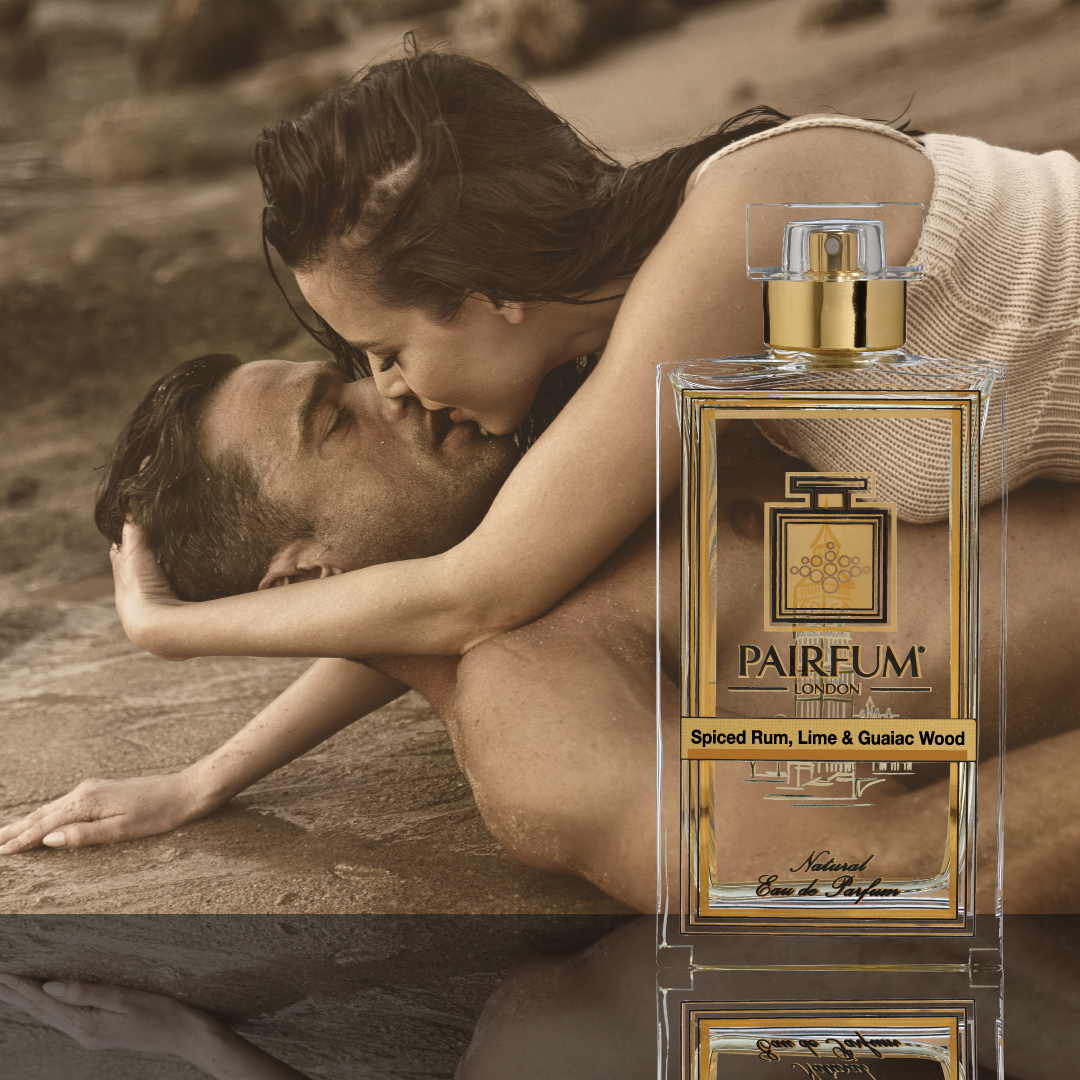
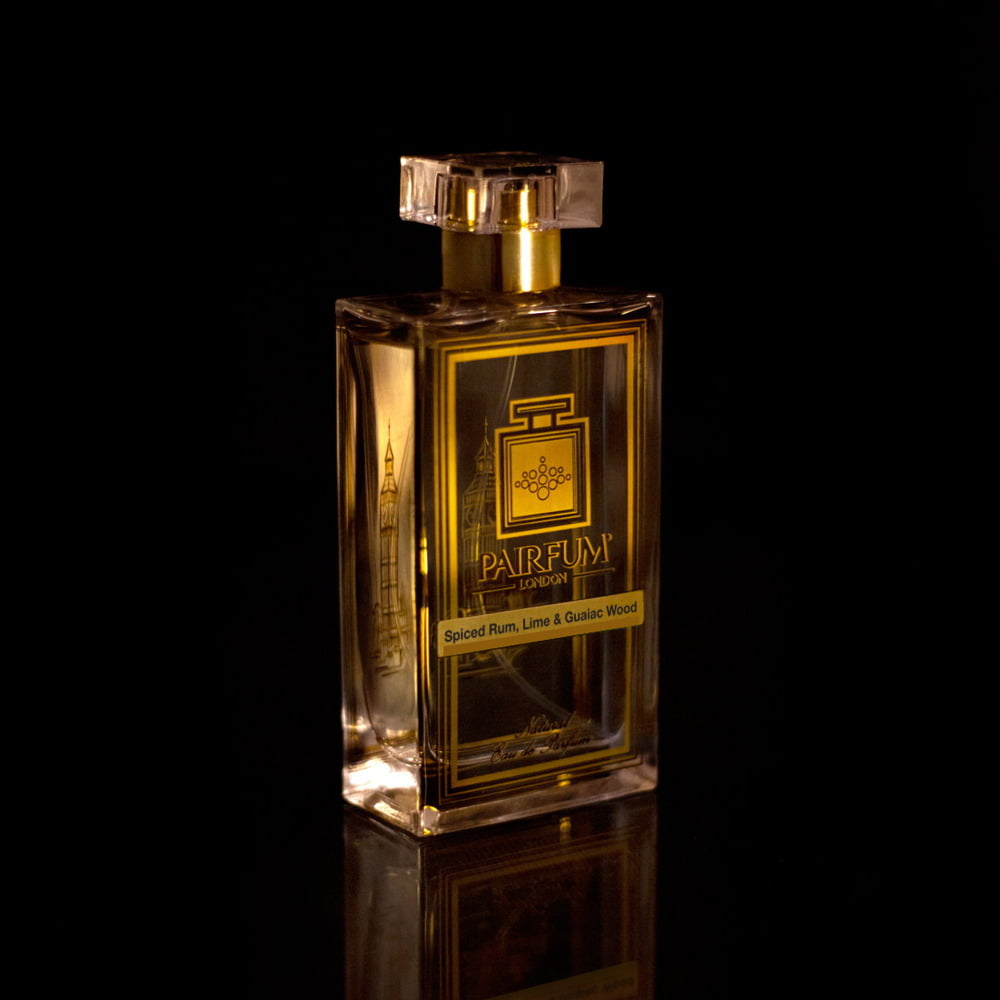
Spiced Rum, Lime & Guaiac Wood – Eau de Parfum by Pairfum London

This Connoisseur’s accord opens with the intense aroma of Rum, nuances of Lime & Lemon and a radiant combination of Nutmeg & Pepper. The heart is deep and rich with Tuberose, Iris and Vintage Leather. A fond of Guaiac Wood, Cedar, Golden Amber, Vanilla Pod and Musk complete this luxuriously fluid fragrance.

Conclusion

Lime, with its vibrant history and multifaceted aromatic profile, remains an unequivocally cherished ingredient in the world of perfumery. Its fresh, zesty, and often complex aroma has not only stood the test of time but continues to captivate master perfumers and discerning wearers alike. Understanding the botanical origins of this versatile citrus fruit, the nuanced types of lime notes available, and the sophisticated methods of extraction gives us a profound appreciation for the artistry and dedication that goes into capturing this vibrant scent.

From ancient purifying rituals to modern day masterpieces, lime continues to infuse perfumes with an undeniable lively and invigorating touch. Iconic fragrances prominently featuring lime underscore its remarkable versatility, whether artfully paired with delicate floral accords like jasmine, robust woody elements such as vetiver or patchouli, or invigorating herbal notes like basil and mandarin. The timeless appeal of lime is evident in its consistent ability to provide a clean, refreshing, and utterly distinctive aroma that effortlessly stands out, making it an indispensable and beloved part of the perfumer’s creative palette. The consistent delivery of such a refreshing fragrance is key to its success.

Pear In Fragrance

Why Pear Notes Are Essential in Fragrance?

Pear notes bring a fresh, juicy, and slightly sweet aroma to perfumes. This delightful note is cherished for its light and uplifting qualities. The subtle charm of pear has made it an essential ingredient in many perfumes over the years. A single pear can transform a fragrance. This incredible fruit, the pear, is truly a cornerstone of many captivating scents. Every perfumer knows the value of a well chosen pear note.

The use of pear in perfumes is not new. It has a rich history, evolving from ancient times when natural fruits and flowers were the primary sources of fragrance. Perfumers today still appreciate the refreshing qualities of pear, using it to create both classic and modern perfumes. The longevity of pear as a fragrance element speaks volumes about its enduring appeal.

The versatility of pear notes makes them suitable for various types of perfumes. From fruity and floral combinations to more complex blends, pear adds brightness and balance. Understanding the different types of pear notes and how they are extracted helps us appreciate their role in creating unforgettable perfumes. The techniques used to capture the essence of pear ensure that its fresh aroma remains intact, offering perfumers a reliable ingredient to enhance their creations. No other fruit, including apple varieties offers quite the same range for perfumers.

The Olfactory Profile of Pear: What Does it Smell Like?

Before delving into its history and usage, it is important to understand the precise olfactory characteristics of the pear and each different variety . While often described simply as “fresh” or “sweet,” the scent of a pear is more nuanced. It carries a delicate balance of green, aqueous, and fruity facets. Depending on the ripeness and variety of the pear, the aroma can range from the crisp, slightly tart scent of a just picked green pear to the honeyed, almost jam like sweetness of a fully ripe pear. This inherent complexity allows perfumers to explore various interpretations of the note, from bright and invigorating to rich and comforting. The subtle floral undertones that can sometimes be perceived in natural pear also contribute to its versatility in blending with other aromatic ingredients. The pear is a marvel of scent.

Pairfum Fragrance Spiced Coffee Oaked Vanilla Triangle

The History of Pear in Perfumery

The use of pear in perfumery goes back centuries. The botanical name for pear is Pyrus communis, with its origins traced back to Western China, though it is found across all temperate regions. In ancient times, natural fruits and flowers were the main sources of fragrance. There is evidence of pears being a food source since prehistoric times, and the Romans, who extensively cultivated them, recorded over 30 varieties. Pear, with its fresh and sweet aroma, was a popular choice in many early perfumes. It was often blended with other fruits and floral elements to create light and refreshing fragrances.

During the Renaissance, the art of perfumery flourished in Europe. Pear, along with other fruits, was distilled to create luxurious perfumes. The aroma of pear added a unique touch to the elaborate blends crafted by master perfumers. Its fresh and juicy notes were perfect for the opulent and sophisticated fragrances of the time. In the UK, proper pear cultivation was implemented by the Romans, and by the 1640s, pear breeding had significantly advanced, with around 60 cultivars in production. The Domesday Book even mentions old pear trees used as boundary markers, highlighting their long standing presence. The term pear itself derives from Vulgar Latin pira, a plural of pirum, meaning pear.

In modern perfumery, pear has maintained its status as a beloved ingredient. With over 3,000 known varieties grown worldwide, perfumers have a vast palette to draw from. Its light and sweet aroma complements a wide range of other notes, making it a versatile choice for contemporary perfumes. Today’s perfumers continue to be inspired by the timeless appeal of pear, using it to create both classic and innovative fragrances. The pear remains a fruit of endless inspiration for perfumers.

Types of Pear Notes Used in Perfume

Pear notes in perfumes come in various forms, each offering unique characteristics that add depth and complexity to a fragrance. Understanding the different types of pear notes helps us appreciate their versatility. Every kind of pear offers something distinct to a perfume composition.

Natural Pear Notes

Fresh Pear: This type of note is derived from the juice of ripe pears. It provides a crisp, clean, and sweet aroma that is both uplifting and refreshing.

Dried Pear: Dried pear notes have a deeper, more concentrated sweetness. They offer a richer and slightly more complex aroma than fresh pears.

Blended Pear Notes

Pear and Citrus: Blending pear with citrus notes creates a bright and invigorating aroma. This combination is often used in summery and light perfumes.

Pear and Floral: Combining pear with floral notes like rose and jasmine results in a delicate and elegant fragrance. The sweetness of pear balances the floral elements beautifully.

Pear and Woody: When paired with woody notes like cedar or sandalwood, pear adds a juicy freshness that offsets the warmth of the wood, creating a rounded and balanced fragrance.

Synthetic Pear Notes

Pear Aldehyde: This is a synthetic note that mimics the fresh and juicy aroma of pear. It is often used in modern perfumes to replicate the natural pear fragrance with greater stability and longevity.

Each type of pear note offers unique qualities, allowing perfumers to create a wide range of fragrances. From fresh and fruity to deep and rich, pear notes add a special touch that enhances the overall aroma of a perfume. The diversity of pear applications is truly remarkable.

Eau de Parfum Person Reflection Spiced Coffee Oaked Vanilla Woman 1 1

Varieties of Pear and Their Scent Profiles

The vast diversity within pear varieties offers perfumers a rich spectrum of aromatic nuances. Each type of pear can contribute a subtly different facet to a fragrance composition:

  • Conference Pear: The UK’s most popular commercial pear, known for its reliable cropping. Its flavour is pleasantly juicy and sweet with a creamy white flesh. In perfumery, this might translate to a versatile, balanced, and broadly appealing sweet fresh note. This hardy pear is a national favourite. 
  • Doyenne du Comice Pear: A celebrated dessert pear, renowned for its superb, rich flavour and creamy white, melting, juicy flesh. This variety could inspire a more opulent, luxurious, and deeply sweet pear note with an almost sensuous texture. The Doyenne du Comice pear is truly a pear for connoisseurs. 
  • Williams ‘Bon Chretien’ Pear (Bartlett in the US): Known for its incredibly sweet dessert pears and often used for canning. Its distinct, somewhat musky sweetness could lend a recognisable, bright, and intensely fruity character. This sweet pear is a classic. 
  • Louise Bonne de Jersey Pear: A delicious, sweet dessert pear with melting flesh. This suggests a delicate, elegant, and refined sweetness ideal for subtle compositions. 
  • Vicar of Winkfield Pear: A large, culinary pear that ripens in storage and develops flavour over time, often best in spring. Its use in tarts and stewing implies a robust, slightly tart initial profile that mellows into a deep, comforting sweetness, potentially offering a more complex, evolving pear note. 
  • Fondant Dautomne Pear: Described as having “coveted perfumed, soft, tender, and juicy flesh.” This variety explicitly highlights its aromatic qualities, suggesting a truly fragrant and delicate pear essence. 
  • Red Williams Pear: With delicate, buttery, and juicy flesh, this variety could inspire a very smooth, rich, and mellow pear note, perhaps with a subtle warmth. 
  • Asian Pear: Varieties like Kumoi Nashi are often crispier with a different sweetness. Their distinct texture and “delicious sweet white flesh” might translate to a brighter, more aquatic, and crisper pear note in perfumery, distinct from the melting European pear varieties. Unlike apples, the texture of Asian pear can be uniquely crisp. 
  • Winter Nelis: This fine, late pear variety produces small but good fruits with pale green to yellowish green skin, almost covered in russet. Its flesh is greenish white, juicy and sweet with a delicious flavour, making it a great storing pear for winter.

These varied characteristics allow perfumers to select the precise pear aroma that best complements their creative vision, moving beyond a generic “pear” to a truly specific and nuanced expression. Every pear variety offers its own magic.

Methods of Extracting Pear Notes

Extracting pear notes involves several techniques designed to capture its fresh, juicy aroma. These methods ensure that the delightful qualities of pear are preserved and can be used effectively in perfumes. The goal is always to capture the true essence of the pear.

Common Extraction Techniques

Cold Pressing: This method is used to extract the essential oils from pear skin. The mechanical process presses the skin to release the oil, maintaining the fresh and fruity characteristics of pear.

Steam Distillation: Involves passing steam through crushed pear bits, capturing the essential oils. The steam is then condensed, and the distilled oil is separated. This method preserves the pure aroma of pear.

Modern Techniques

Supercritical CO2 Extraction: Utilises carbon dioxide at high pressure to extract the aromatic compounds from pears. This technique retains the full aromatic profile, producing a high quality extract.

Solvent Extraction: This method uses food grade solvents like ethanol to draw out the aromatic compounds from pear mass. The solvents are later evaporated, leaving a pure pear extract. This technique is efficient and can capture a wide range of aromatic compounds, offering a rich and authentic pear aroma.

Advanced Techniques

Molecular Distillation: A sophisticated method that separates the aroma compounds at low temperatures, ensuring that the delicate aroma of pear remains intact. This method is used for high end perfumery.

Enfleurage: Though rare and traditional, enfleurage uses fats to absorb pear aromas. The fat is then washed to separate the oil. This labour intensive method yields a very rich pear aroma.

Each extraction method offers distinct benefits, allowing perfumers to select the best technique to achieve the desired pear note in their creations. The choice of method truly influences the final pear fragrance.

Pear Tree

The Role of Pear in Fragrance Compositions: Top, Middle, or Base?

The placement of pear notes within a fragrance composition is crucial for its overall effect and longevity. Typically, pear is considered a top note or sometimes a top to middle note. As a top note, its light and volatile molecules are among the first to evaporate, providing an immediate burst of freshness and juicy sweetness upon application. This initial impression is vital for captivating the wearer and setting the tone for the fragrance journey. The initial burst of pear is truly memorable.

While pear often shines in the opening, some interpretations or specific extraction methods can allow it to linger longer, extending into the middle phase of the perfume’s development. When blended with heart notes such as florals or lighter fruits, pear can provide a sustained luminosity, enhancing the overall diffusion and vibrancy of the scent. Due to its inherent freshness and lack of heavy, fixative qualities, pear is rarely found as a dominant base note. Its primary function is to provide an uplifting, appealing introduction, harmonising beautifully with a wide array of other ingredients to create a well rounded and engaging olfactory experience. A perfect pear opening can make all the difference.

Iconic Perfumes with Pear Notes

Pear notes have found their way into some of the most iconic perfumes, adding a fresh and sweet touch that enhances the fragrance’s overall character. Here are a few notable perfumes that feature pear notes prominently.

Famous Pear-Infused Perfumes

  • Dolce & Gabbana Light Blue: This classic perfume offers a bright and uplifting aroma with pear notes that mix beautifully with apple and cedar. The pear adds a fresh sweetness that is perfect for daytime wear. 
  • Marc Jacobs Daisy Dream: Known for its light and airy fragrance, this perfume blends pear with blackberry and jasmine. The pear notes add a juicy and inviting freshness, making it a favourite for many. 
  • Lancôme La Vie Est Belle: This luxurious perfume features pear notes combined with blackcurrant and praline. The sweet pear enhances the richness of this fragrance, adding an elegant and playful touch.

More Notable Mentions

  • Gucci Flora: This fragrance combines pear with rose and osmanthus. The pear notes provide a vibrant and fresh contrast to the floral elements, making it both sophisticated and youthful. 
  • Jo Malone English Pear & Freesia: A signature fragrance that highlights pear notes, balanced with freesia and patchouli. The pear stands out for its fresh and juicy aroma, making the perfume clean and timeless. 
  • Chloé Nomade: Pear notes blend with oakmoss and mirabelle in this modern perfume. The pear adds a fresh and invigorating touch to the earthy and slightly sweet blend.

The appeal of pear notes in these iconic perfumes showcases their versatility and enduring popularity. They add a unique freshness and sweetness that is hard to resist.

Eau de Parfum Person Reflection Spiced Coffee Oaked Vanilla Man Smile 1 1

Pairing Pear: Complementary Notes and Accords

The beauty of pear in perfumery lies in its exceptional versatility and its ability to harmonise with a wide spectrum of other fragrance notes. Understanding these complementary pairings is key to appreciating why pear is so highly valued by perfumers. A single pear note can open up a world of possibilities.

Fruity Pairings: 

Beyond its natural affinity with other orchard fruits like apples and berries, pear often blends seamlessly with tropical fruits such as lychee or mango, adding a crisp counterpoint to their exotic sweetness. Citrus notes, including bergamot, lemon, and grapefruit, enhance pear’s zesty and uplifting qualities, creating truly invigorating top accords. The pairing of pear with apples is a classic.

Floral Pairings: 

Pear provides an exquisite backdrop for a variety of floral notes. Delicate white florals like freesia, lily of the valley, and jasmine are brightened by pear’s juicy freshness, while fuller blooms such as rose and peony gain a more luminous and youthful character when paired with it. The subtle sweetness of pear can also soften the sharper edges of green floral notes.

Gourmand Pairings: 

In more decadent compositions, pear marries beautifully with gourmand elements. Vanilla, caramel, and praline notes are given an added layer of juicy sophistication by the presence of pear, preventing them from becoming overly cloying. Spices like cinnamon or nutmeg can also accentuate the warmer, sweeter facets of a ripe pear note. A baked pear with butter and sugar is a delightful inspiration for these. Recipes often feature pear in sweet dishes.

Savoury Pairings in the Kitchen, Inspiring Fragrance: 

While fragrance is distinct from culinary use, the successful pairings of pear in food can offer insights into its aromatic compatibility. Pear with blue cheese is a classic combination, where the sweet freshness of the fruit balances the rich, piquant flavour of the cheese. Similarly, a pear can be enjoyed in salads with nuts and a vinaigrette, or roasted and served with savoury meats. Recipes for pear and red wine reductions for poultry also highlight how its fruity notes can complement deeper, more complex aromas. These culinary insights underscore the versatility of the pear’s aroma, hinting at its potential for unexpected and delightful accords even in perfumery. The juicy flesh of a pear pairs wonderfully with many elements.

Woody and Musky Pairings: 

To add depth and longevity, pear notes are often grounded by subtle woody accords. Sandalwood and cedarwood can provide a creamy or clean backdrop, allowing the pear to truly shine. Light musk notes also work wonderfully, extending the airy and soft qualities of the pear, resulting in a gentle yet enduring trail. The thoughtful combination of pear with these diverse notes allows perfumers to craft fragrances that range from sparkling and ethereal to warm and embracing, showcasing the multifaceted nature of this beloved ingredient. A mature pear tree can have wood that adds rich notes.

Growing Pear Trees: A Horticultural Insight

Understanding how a pear grows from a small sapling to a flourishing fruit tree provides a deeper appreciation for this remarkable fruit. Pear trees, specifically Pyrus communis, are often cultivated on particular rootstocks, such as quince rootstock, which influences the ultimate size of the tree and its fruit production. A pear tree can range from a compact tree suitable for a small garden to a large, standard tree. Many fruit trees, including pear trees and apple trees, require careful planting in well drained, fertile soil in a sunny, sheltered spot. The Royal Horticultural Society offers extensive advice for cultivating pear trees.

The branches of a pear tree, especially older ones, bear the precious fruit. Farmers and gardeners carefully prune their pear trees to encourage the best possible crop. A pear tree can be a beautiful addition to any garden, sometimes even gaining the Royal Horticultural Society’s Award of Garden Merit. When considering fruit trees, a pear tree is a rewarding choice, providing delicious pears for years to come. The process of growing fruit from a tree is a journey. Old pear trees are often a testament to careful cultivation. Each pear tree is a promise of future delight.

Cultivars of pear, like the famous Conference pear or Doyenne du Comice, have been developed over centuries for their desirable traits, including their delicious flavour and texture. These tree fruit varieties require specific care, sometimes involving grafting onto different rootstocks to manage their growth or improve disease resistance. This attention to detail in growing ensures that the market receives a perfect medium sized pear, ideal for any fruit bowl. An edible fruit like the pear requires dedication from planting to harvest.

Eau De Pairfum Spiced Coffee Oaked Vanilla Bottle

Pear Top Notes with Pairfum London

While the fresh and delicate essence of pear holds an undeniable charm in perfumery, the world of fragrance offers an expansive tapestry of scents waiting to be explored. Sometimes, the desire is for a deeper, more enveloping experience, one that evokes warmth and sophisticated comfort. Imagine an aroma that settles around you like a cherished memory, a fragrance that speaks of rich indulgence rather than bright, crisp fruit. This journey into contrasting olfactory realms allows one to appreciate the full artistry of perfume, where unique combinations create distinct and captivating personal statements.

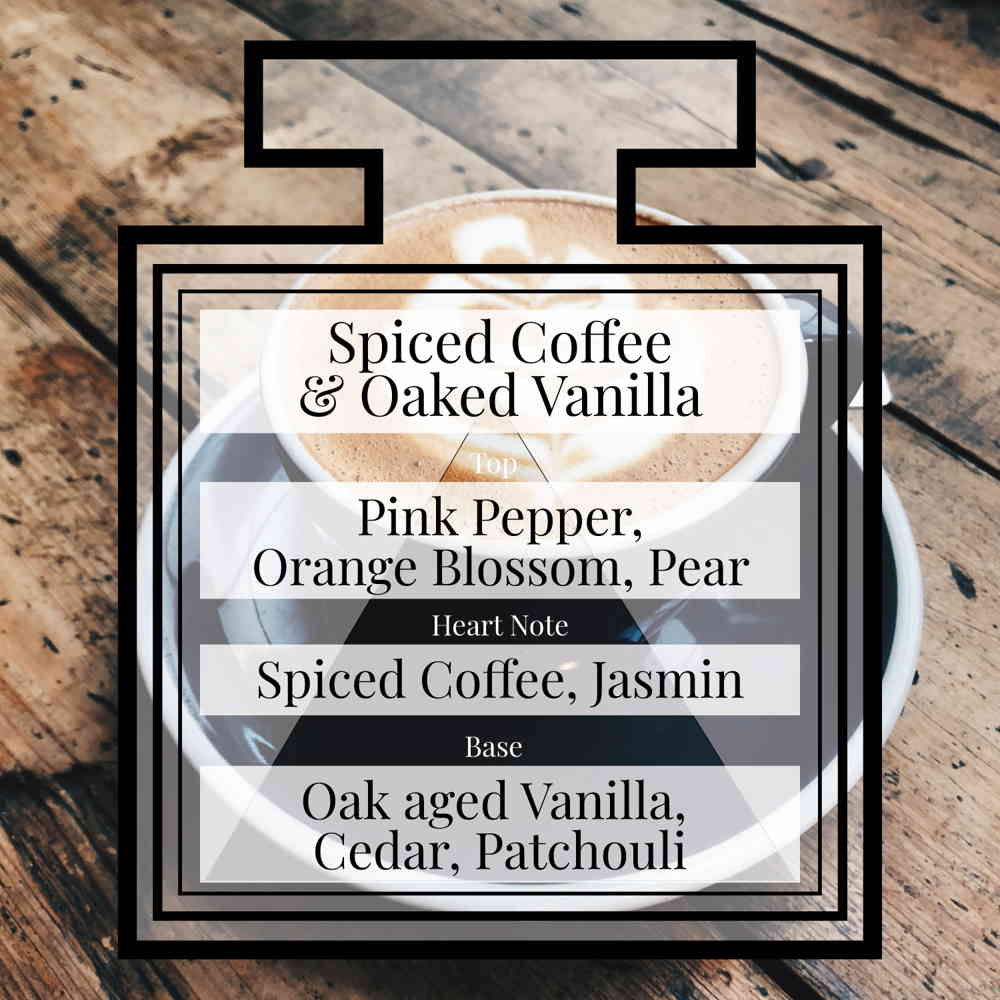
Spiced Coffee & Oaked Vanilla – Eau de Parfum by Pairfum London

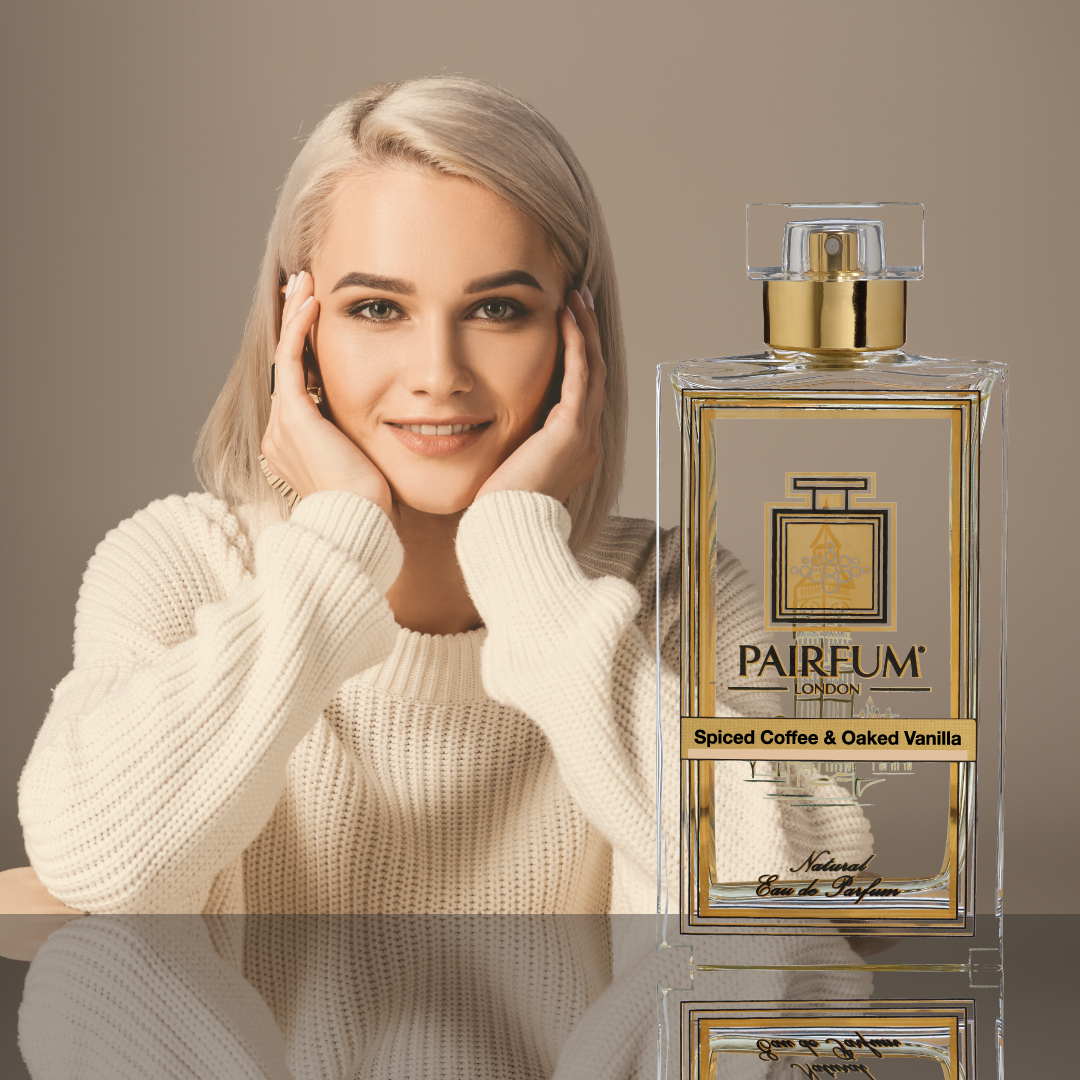
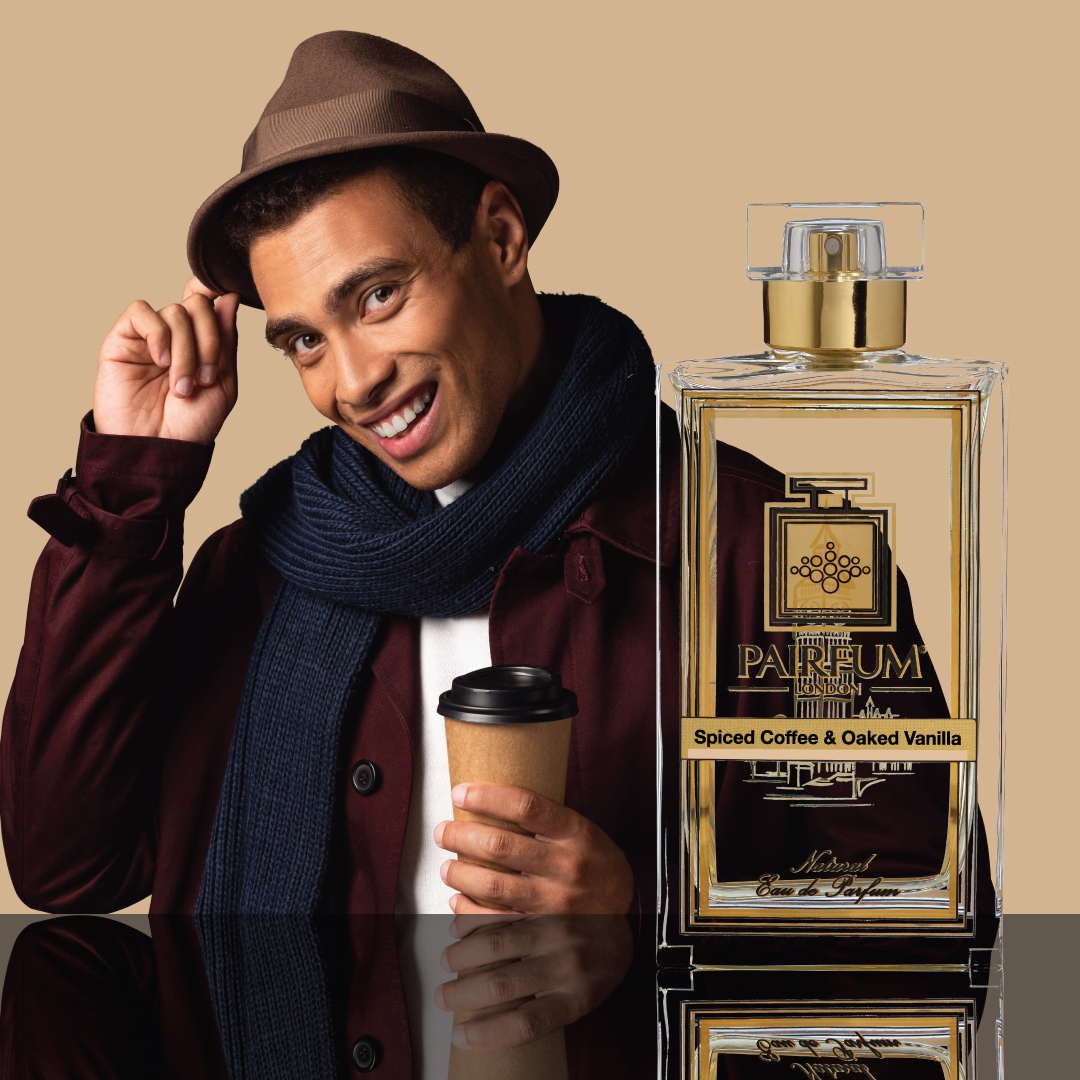
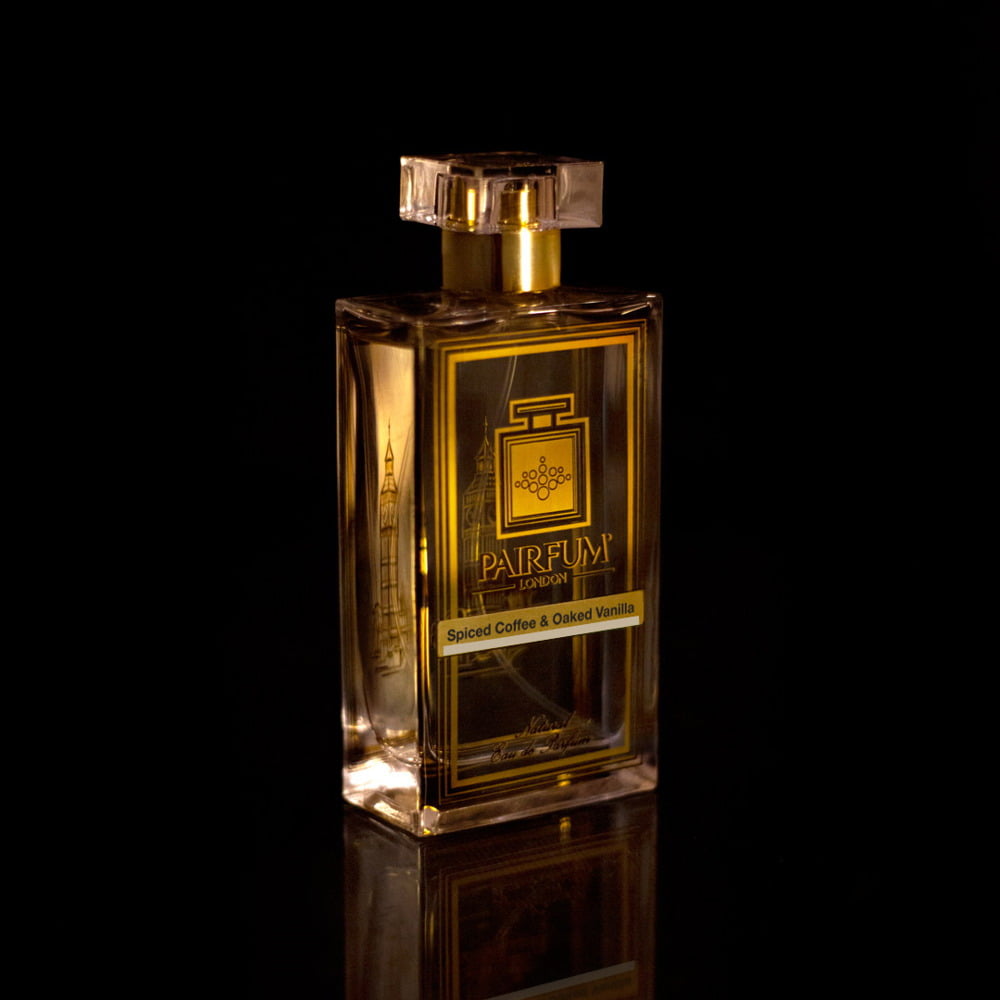
This warm, Oriental Spicy Fragrance opens with the top notes of Pink Pepper, Orange Blossom and Crisp Pear. The Heart of the Fragrance is a modern blend of rich & dark Coffee with the elegance of Jasmine. The elegant finale is a sophisticated base of Bourbon Vanilla aged in Oak, with Patchouli and Cedar.

Conclusion

Pear notes continue to be a cherished ingredient in the world of perfumery. Their ability to add a fresh, sweet, and slightly fruity aroma makes them indispensable in crafting various fragrances. From the historical use of pears in ancient perfumes to their place in modern perfumery, pears have proven to be versatile and timeless. A truly wonderful fruit, the pear continues to inspire. Every pear holds a world of flavour.

Understanding the different types of pear notes and the methods used to extract them gives us a greater appreciation for the effort that goes into creating a delightful perfume. Notable fragrances that feature pear notes exemplify how this fruit can enhance and elevate a perfume, making it unforgettable. Pears also offer health benefits, containing good levels of dietary fibre, antioxidants, minerals, and vitamins A, C, E, and K. They are low in calories and a good source of natural sugar, making them a very safe food source for those with allergies, unlike the alligator pear (avocado), which is unrelated to true pears. The significant fibre content in each pear aids digestion. The flavour of a perfectly ripe pear is unmatched.

Fragrance Creation

The Art of Fragrance Creation: From Dream To Bottle

Fragrance creation blends art and science, seeking the perfect fragrance through balanced fragrance ingredient elements for a unique and captivating aroma. The creation process starts with inspiration—from nature, memories, or emotions—forming the foundation for the fragrance.

Our in house perfumer, Huib Maat, brings these concepts to life. This expert perfumer uses extensive fragrance ingredient knowledge and a keen sense of smell to design delightful, enduring fragrances. Selecting and blending fragrance ingredients achieve the desired scent, ensuring each complements the others for a harmonious, unique fragrance.

Fragrance creation involves more than mixing; it’s about understanding scent note complexity and interaction. The creation process for a fragrance can take months or years as the perfumer tests and refines the formula. This meticulous approach guarantees high quality, unique perfumes. The pursuit of the perfect fragrance drives every step.

Understanding Fragrance Creation

Fragrance creation demands creativity and technical skill. The journey for a new fragrance begins with an idea or inspiration—from nature, memories, or emotions—forming the basis for crafting the fragrance.

Next, select fragrance ingredients that match the concept. These fragrance notes each add a unique quality to the perfume. Notes are classified into top, middle, and base. Top notes offer a light, refreshing first impression. Middle notes form the heart, adding depth and character to the fragrance. Base notes provide lasting power and richness.

Blending these scent notes precisely is crucial for fragrance creation. It requires understanding how they interact. The goal is a balanced, harmonious fragrance that unfolds beautifully. The fragrance creation process may need multiple trials and adjustments for the desired perfect fragrance. This meticulous approach ensures a high quality, unique fragrance, destined to become a beloved signature scent.

Pairfum Collection Niche Perfume Experience Fragrance Library 40 Square

The Olfactory Pyramid: A Visual Guide

Perfumers use the ‘olfactory pyramid’ to illustrate how a fragrance evolves. This tool represents fragrance notes and their evaporation rates. Top notes quickly dissipate, revealing middle notes that form the scent’s main character. Base notes, the slowest to evaporate, provide the enduring foundation. Understanding this pyramid is fundamental to appreciating the artistry and science of perfume creation, allowing a captivating scent journey over hours. Every fragrance tells a story through its development.

The Role of the Perfumer

The perfumer is central to fragrance creation, designing unique fragrances from concept to completion. The expert perfumer combines vast fragrance ingredient knowledge with artistic vision to craft beautiful, complex perfumes. Their skill is paramount to every perfume creation.

The perfumer starts by understanding the fragrance concept and translating the initial inspiration into a captivating perfume. They select appropriate fragrance ingredients to bring the fragrance to life.

Blending chosen scent notes is a delicate task for any perfumer, requiring precision and intuitive balance. The perfumer tests and refines the fragrance formula, making precise adjustments for harmony among notes. This can be time consuming, involving multiple iterations for the ideal perfume. The perfumer needs patience and attention to detail for the perfect blend. The creation of a truly beautiful perfume is a labor of love and creativity.

The final fragrance results from the perfumer’s creativity, skill, and dedication. It reflects the original inspiration and provides a delightful experience. The perfumer’s role is technical yet artistic, requiring a unique blend of talents to create a truly unique perfume. The creation of such a fragrance is a testament to their mastery.

The Perfumer’s Palate and Training

Beyond talent, a perfumer’s expertise comes from extensive training and perfumery experience. This involves years of study, often at prestigious perfumery schools, to develop an acute “nose” and identify thousands of raw materials and odours. They also understand chemical properties and how fragrance ingredients interact. Like a chef’s palate, a perfumer cultivates an exquisite olfactory palate, enabling them to deconstruct existing fragrances and envision new scent profiles. This rigorous training ensures they translate abstract concepts into harmonious fragrance compositions, leading to the creation of a perfect scent. Every perfumer dedicates years to this craft.

The Science Behind the Scent

Fragrance creation, while artistic, is deeply scientific. Perfumers use organic chemistry to understand scent compound structures, volatility, and interactions. This scientific foundation allows precise fragrance formulation, ensuring perfume stability, longevity, and consistent performance. Green Sciences drive the fragrance industry towards sustainable extraction, creating new fragrance ingredients with unique olfactive profiles while minimizing environmental impact. The blend of art and science allows continuous innovation in fragrance creation and the creation of beautiful, technically superior fragrances. This creation relies on deep scientific insight.

Key Ingredients in Fragrance Creation

Choosing the right fragrance ingredients is crucial in fragrance creation. Each contributes distinctly to the fragrance’s character. Our in house perfumer expertly selects fragrance ingredient materials to craft harmonious, appealing perfumes. This selection is key to fragrance creation.

Categories of Fragrance Notes:

  1. Top Notes: Citruses (lemon, bergamot), Herbs (basil, lavender), Fruits (apple, orange). Light and quick to evaporate, offering the fragrance’s immediate impression.
  2. Middle Notes: Florals (rose, jasmine, like the delicate flower), Spices (cinnamon, nutmeg), Greens (violet leaf, tea). Form the heart of the fragrance, providing depth to the perfume.
  3. Base Notes: Woods (sandalwood, cedar), Resins (amber, myrrh), Musk (white musk, animalic notes). Rich and long lasting, giving the fragrance its staying power and foundational scent.

Additional Ingredients:

  • Fixatives: Fragrance ingredients like benzoin enhance fragrance longevity by slowing volatile scent notes’ evaporation.
  • Solvents: Alcohol dissolves fragrance oils for consistent application and scent diffusion.
  • Aroma Chemicals: Beyond natural ingredient extracts, perfumers use synthetic aroma chemicals to replicate natural scents, enhance notes, or create novel aromas. Examples: Hedione (jasmine), Calone (marine). Responsible use allows greater creativity, consistency, and sustainability in fragrance development.

Each fragrance ingredient is chosen to complement others, creating a balanced, cohesive perfume. The meticulous selection ensures each scent note positively contributes to the final fragrance composition. This meticulous approach is vital for fragrance creation.

Sourcing and Sustainability in Fragrance Ingredients

Ethical and sustainable sourcing of fragrance ingredient materials is crucial in the fragrance industry. Many natural ingredients are rare, making responsible procurement vital for any fragrance house. Perfumery establishments commit to responsible sourcing, working with communities for fair trade and minimal environmental impact. This benefits planet and people, adding integrity to the final fragrance. This commitment marks responsible fragrance creators.

Meticiculous Fragrance Creation

Steps in the Fragrance Development Process

Fragrance creation involves detailed, meticulous steps to ensure every perfume is exceptional. This systematic approach is key to consistent fragrance creation.

Concept and Inspiration:

  1. Idea Generation: The fragrance creation process begins with compelling inspiration—a memory, feeling, natural element, or desire to evoke a mood through scent.
  2. Market Research: Fragrance trends and customer preferences are studied to determine market appeal for a new fragrance. This includes analysing bestsellers, emerging fragrance family profiles, and consumer demographics for unique fragrance opportunities. This guides fragrance creation.

Formulation:

  1. Selecting Ingredients: Based on concept, the perfumer chooses top, middle, and base fragrance ingredient notes from a vast library of natural ingredient and synthetic raw materials. This selection is strategic, aiming for a specific olfactive profile for the perfume.
  2. Creating the Blend (Compounding): Selected fragrance ingredients are precisely weighed and blended for perfect balance in the fragrance. The perfumer initially works with small quantities.
  3. Testing and Refinement: Initial blends are rigorously tested. This involves diluting the concentrate, applying it to scent strips and skin, and evaluating performance. Adjustments achieve the desired fragrance outcome, ensuring beautiful evolution. This iterative process is crucial for successful fragrance creation.

At Pairfum London, the formulation stage is overseen by in-house perfumer Huib Maat, whose approach to fragrance creation is rooted in both deep technical understanding and intuitive artistry. With a background in science and a lifelong passion for scent, Huib brings each perfume to life through careful ingredient selection, expert balance of natural and aroma materials, and a refined olfactory sensibility. His process is about more than blending notes—he crafts compositions that unfold in time, echoing the original inspiration while ensuring wearability and sophistication. Whether working with rare essential oils or designing new accords, Huib’s creations reflect a personal, meticulous touch that sets Pairfum apart in today’s fragrance landscape.
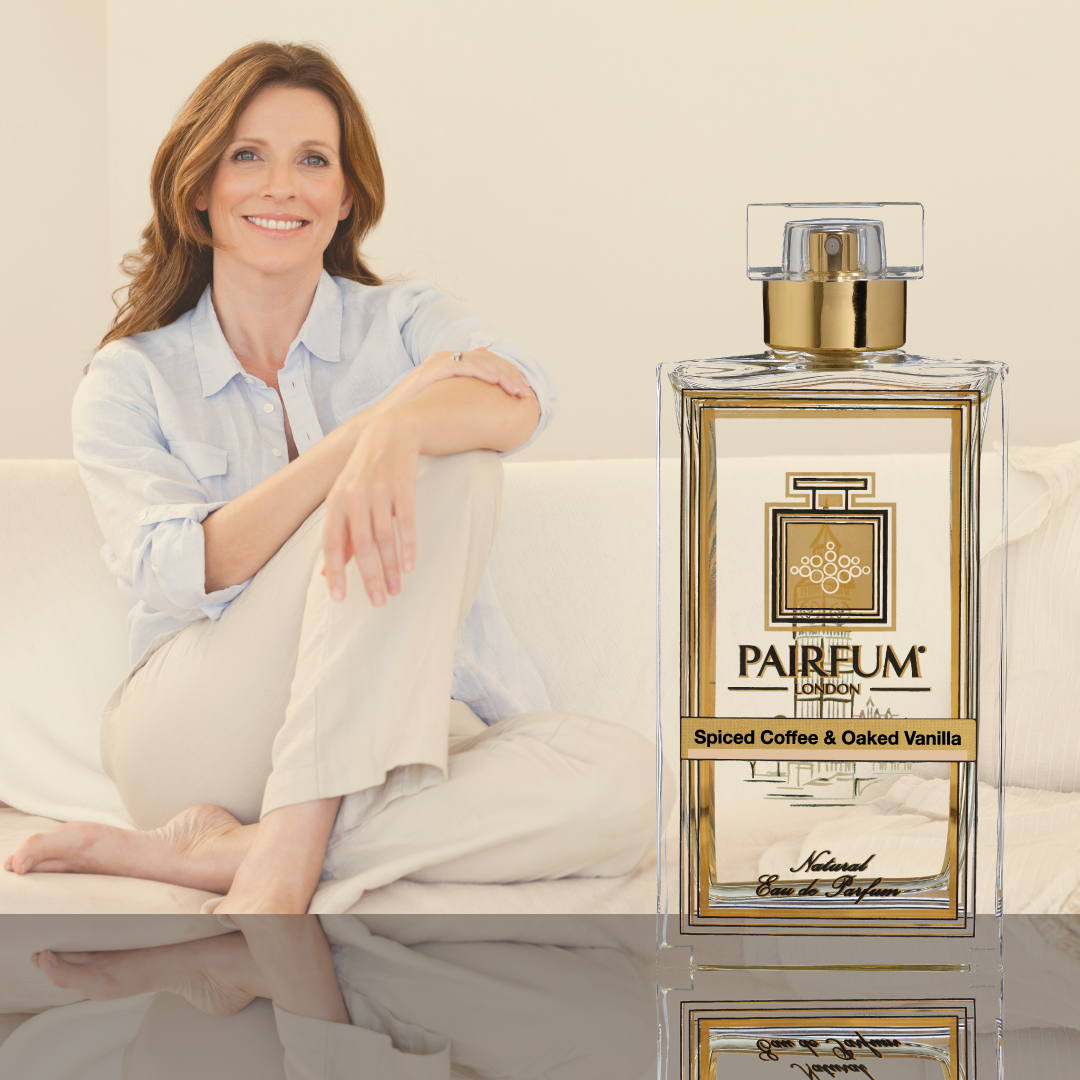
Evaluation:

  1. Stability Testing: The fragrance is tested over time for consistency in varying environmental conditions, ensuring the scent doesn’t degrade.
  2. Safety and Regulatory Compliance: Before launch, a fragrance undergoes stringent safety assessments to meet fragrance industry regulations and health standards, checking for allergens for consumer safety.
  3. Feedback and Adjustment: Panels provide feedback on the fragrance, leading to further adjustments until the scent perfectly matches concept and quality, resulting in a perfect fragrance.

Production:

  1. Final Approval: Once the fragrance formula is perfected and passes tests, it receives final approval from the perfumer and brand.
  2. Manufacturing (Scaling Up): The approved fragrance concentrate is scaled up for mixing with alcohol and bottling. Strict quality control ensures consistency. Maceration, where concentrated oils mature with alcohol, is crucial, allowing the scent to fully develop for a richer perfume.

Marketing and Launch:

  1. Branding: The fragrance is named, and packaging designed to reflect its character and target audience. The fragrance bottle itself tells a story, creating emotional impact by blending design and glassmaking science to shape consumer perception.
  2. Promotion: Marketing campaigns introduce the new fragrance, using digital, social media, and in store promotions to build anticipation. This creative dialogue between scent and brand identity is a multiyear journey, culminating in a successful fragrance launch.

Each step ensures the final fragrance is unique, high quality, and enjoyable, delivering a captivating olfactory experience.

The Personal Touch: Bespoke Fragrance Creation

Beyond industrial processes, bespoke fragrance creation offers a deeply personal, unique perfume experience. Specialised perfumery establishments and perfume studios across the UK offer enthusiasts involvement in fragrance creation.

At places like Cotswold Perfumery or other perfume studios, participants step into a master perfumer’s shoes. This perfume experience involves hands on exploration of top, middle, and base notes. Individuals choose fragrance ingredients that resonate with memories, leading to a custom fragrance formula and their own bottle of personalised fragrance. This perfume making experience focuses on the practical creation process, offering an immersive dive into perfumery.

Similarly, luxury fragrance houses offer exquisite bespoke fragrance services. Customers journey with an expert perfumer, selecting from heritage fragrances. New scent accords are refined to complement individual tastes, ensuring a unique scent and personalised fragrance. This highly personal approach underscores the artistry in crafting a custom perfume that truly reflects the wearer, becoming a signature scent. Such a bespoke perfume is an extension of identity, a truly unique fragrance. The creation of these luxury fragrances is an intimate collaboration.

These bespoke scent services highlight that fragrance creation is both an industrial process and an intimate art, translating desires into a unique scent. It’s about crafting a personal fragrance that is a true signature fragrance.

Fragrance Beyond Perfume

The art of fragrance creation extends beyond bottled fine fragrance. Fragrance creators’ expertise applies to many products, enhancing daily life. From scented candles that transform atmosphere to luxurious liquid soap that elevates routines, perfumery principles adapt. The perfumer ensures the chosen fragrance interacts perfectly with different bases, whether heat or water. This versatility demonstrates fragrance creation’s extensive reach and commercial importance, bringing delightful scents into every aspect of our lives.

Pairfum Collection Niche Perfume Experience Fragrance Library 49 Square

A Perfume Studio Experience at Home with Pairfum London

For anyone curious about the art of fragrance creation, Pairfum’s Fragrance Library Perfume Experience Box is the perfect place to begin. It feels like stepping into a miniature perfume studio, where each scent invites exploration. Whether you’re layering to create a signature perfume or simply getting to know your preferences, this set makes the process intuitive and enjoyable. With its refined selection and thoughtful presentation, it brings the world of perfumery closer, one scent strip at a time.

Fragrance Library Perfume Experience Box by Pairfum London

The box includes ten beautifully crafted eau de parfum, each composed using high-quality essential oils and natural ingredients. Every fragrance comes in a generous spray vial, ideal for testing directly on skin or scent strips. The variety spans fresh, woody, floral, and oriental notes, giving you space to experiment, combine, and eventually settle on what feels most like you. It’s a thoughtful and elevated way to discover your own signature perfume through a truly sensory experience.

Conclusion

Fragrance creation is a remarkable journey of creativity, skill, and intricate science. From inspiration to final approval, each step is critical in crafting a unique perfume. Understanding the perfumer’s role and careful fragrance ingredient selection highlights the complexity and art in fragrance creation. The creation process demands patience and precision for a perfect balance of scent notes. Dedication to quality, from sustainable sourcing to rigorous testing, ensures each perfume holds a unique story and exquisite aroma. The increasing scientific focus, alongside enduring artistry, continues to push perfumery boundaries, leading to captivating, memorable olfactory experiences and the creation of the perfect perfume.

Discover the fascinating world of fragrance creation and experience exceptional perfumes. Find your new favourite fragrance crafted with care and expertise. Enhance your daily routine with elegance and sophistication.

Home Fragrance Layering

Home Fragrance Layering: How To Elevate Your Everyday Surroundings

Transforming your home involves more than just décor. Home fragrance layering offers a profound way to enhance your living space. This sophisticated technique uses different fragrances in various rooms and combines diverse scent formats to create a cohesive, evolving aroma throughout your home. By carefully selecting each fragrance, you evoke specific moods, making your home a sanctuary and a reflection of your unique personality. This comprehensive approach to home fragrance is key to a memorable space.

Home fragrance layering is an intentional design act, like interior decorating for your sense of smell. Imagine your favourite aroma and a complementary fragrance subtly shifting as you move through rooms, telling a story. This powerful experience comes from understanding how to layer fragrances effectively and making thoughtful choices for each space. The goal of this layering is to build a rich, inviting scent profile that enhances daily living.

We believe in fragrance’s power to turn a house into a home. With the right knowledge, creativity, and quality products, you can transform your home into a fragrant haven. Every chosen scent contributes to the overall home fragrance experience.

The Art of Home Fragrance Layering: Crafting a Sensory Journey

Home fragrance layering strategically uses different fragrances in varying formats across distinct home areas. The aim is a seamless, pleasant aromatic journey, enhancing your sensory experience. It’s about building a multi dimensional scent profile, where each layer adds depth, much like a master perfumer crafts a fine perfume. This method allows you to “zone” your home with scent, creating distinct olfactive experiences while maintaining harmonious flow. The beauty of fragrance layering lies in its ability to customise and personalise your space with a signature home scent.

Key Principles for Harmonious Layering:

  1. Choose Complementary Fragrances: This is central to successful fragrance layering. Select fragrances that naturally complement each other, like notes in a symphony. Think in terms of scent families: warm amber with vanilla, or crisp citrus scents with delicate floral scents. Avoid clashing aromas; aim for harmony. A woody fragrance often pairs well with a spicy fragrance. 
  2. Vary the Strength and Intensity: Use a lighter scent in smaller, enclosed spaces, like a powder room or study. When layering scents, reserve stronger, more pervasive scents for larger, open areas. This balance ensures a harmonious scent profile that is never overwhelming, allowing each fragrance to be appreciated. This approach is vital for effective layering.
  3. Embrace Seasonal and Occasional Variations: Adjust your fragrance layers for seasons and occasions. Fresh, airy seasonal scents or a similar scent family, like sea salt or bright citrus, suit spring/summer. For autumn/winter, transition to warmer, spicy fragrance options like cinnamon or amber for a cosy feel. For entertaining, choose bolder, luxurious blends, ensuring your home fragrance always suits the moment.
  4. Consider Room Purpose and Mood: Deeply consider each room’s function and desired mood. A bedroom needs relaxing scents like lavender. A kitchen benefits from invigorating, odour neutralising scents. The chosen scent should always enhance the room’s intended use and evoked emotions. This thoughtful consideration defines truly artful scent layering.
  5. Think About the “Scent Journey”: Visualise moving through your home. How do scents transition? Is it a seamless flow, not jarring, but a natural evolution? This creates an immersive, unique home experience, making the layering of scent a continuous delight. This thoughtful layering fragrance approach elevates the entire atmosphere.

By diligently following these home fragrance layering principles, you create a sophisticated, balanced, and profoundly inviting aromatic atmosphere, finding combinations that reflect your style and enhance daily living. Every aroma contributes to this sophisticated environment.

Pairfum Flacon Perfume Room Spray Signature Rich Spices

The Science Behind Scent Perception

To master home fragrance layering, understand scent perception. Our sense of smell connects directly to the brain’s limbic system, governing emotions and memory. This link explains why aromas evoke memories or influence mood and skin. When you layer fragrances, you craft an emotional landscape. Different scent molecules evaporate at varying rates, leading to top, middle, and base notes or fragrance notes. Understanding this “fragrance pyramid” helps predict how your layered scents evolve, ensuring a long lasting aroma. This knowledge is crucial for any perfume layering enthusiast.

Curating Fragrances for Each Distinct Room

Selecting the right fragrances for different rooms is paramount for effective home fragrance layering. Each space has a unique purpose and atmosphere; the chosen fragrance should unequivocally enhance it. This careful consideration of different fragrance types for different areas is key to mastering fragrance layering.

Living Room: The Heart of the Home For this social hub, opt for welcoming, comforting, sophisticated fragrances that promote connection:

  • Warm & Inviting: Sandalwood, Cashmere, or soft Amber notes create a luxurious aroma.
  • Uplifting & Elegant: Gentle Rose, Bergamot, or a sophisticated blend of soft florals add refinement.

Bedroom: Your Personal Sanctuary This haven for rest needs calming, soothing fragrances that promote relaxation and sleep, enhancing the home fragrance experience:

  • Relaxing & Serene: Lavender, Chamomile, or Neroli are classic calming choices.
  • Comforting & Cosy: Vanilla, soft Musk, or clean linen create a sense of comfort. The right fragrance makes all the difference.

Kitchen: Freshness and Functionality This vibrant space benefits from fresh, clean, invigorating fragrances that neutralise cooking odours and add vitality. This ensures a pleasant home fragrance even after cooking:

  • Crisp & Zesty: Citrus scents like Lemon or Grapefruit excel at cutting through food smells.
  • Herbal & Revitalising: Basil, Mint, Rosemary, or even fresh Coffee add culinary freshness.

Bathroom: Spa Like Retreat Bathrooms should feel impeccably fresh, clean, and invigorating. Opt for crisp, purifying, uplifting fragrances:

  • Purifying & Clear: Eucalyptus or Peppermint offer a stimulating sensation.
  • Clean & Airy: Aqua, Sea Salt, or fresh Linen notes evoke pristine freshness. A well chosen room spray quickly elevates the scent here.

Hallway and Entrance: The First Impression The entrance sets the tone. Create a memorable, welcoming first impression with elegant, inviting fragrances that hint at the journey within. This initial aroma is crucial for lasting impact:

  • Warm & Welcoming: Spiced Orange, Cinnamon, or soft Woody notes like Oak.
  • Grounding & Elegant: Vetiver, subtle Patchouli, or rich earthy scents provide sophistication.

Home Office/Study: Focus and Clarity For concentration, choose fragrances that promote focus, clarity, and mental energy:

  • Stimulating & Clarifying: Rosemary, Lemon, or Peppermint enhance alertness.
  • Grounding & Calm: Cedarwood or a light, earthy aroma helps maintain composure. A subtle scent here can improve productivity.

By meticulously selecting the right fragrances for each room, considering its function and desired mood, you significantly enhance your home’s atmosphere, creating a cohesive, pleasant, and thoughtfully designed aromatic experience that evolves as you move through. This sophisticated approach to scent layering ensures every area feels perfectly tailored.

Sophisticated Techniques for Effective Fragrance Layering

Successfully layering home fragrances involves sophisticated techniques for a harmonious, long lasting, evolving aroma. These methods achieve perfect balance and depth, ensuring a truly immersive experience. Mastering them is key to successful layering.

Mastering Diverse Fragrance Delivery Methods:

  • Reed Diffusers for Continuous Background Scent: Place diffusers where you desire a consistent, subtle fragrance release. Perfect for living rooms, bedrooms, and hallways, they provide a constant, low level aroma that forms your layer’s base. Many use essential oils or high quality fragrance oils.
  • Electric Diffusers/Ultrasonic Diffusers for Targeted Bursts: Excellent for larger spaces or specific essential oil blends. A diffuser can be programmed to release fragrance at intervals, maintaining aroma without constant attention, offering controlled diffusion.
  • Scented Candles for Warmth and Intensity: Use scented candles for warm ambience and intense fragrance bursts. Place them in gathering areas or around the bathtub for a luxurious experience. The flickering flame adds visual appeal to the sensory layering.
  • Room Sprays for Instant Refreshment: A room spray provides immediate, impactful fragrance. Use room sprays for quick refreshes or when fragrance fades before guests arrive. They are ideal for targeted, immediate scent application, offering a quick aroma boost.
  • Wax Melts for Flameless Layering: Wax melts are excellent for flameless fragrance layering, safer for homes with pets or children. Use them with electric wax warmers in various rooms for consistent, controlled scent.
  • Layering with Fabric Mists: Extend your home’s fragrance story to soft furnishings. A delicate fabric mist infuses curtains, cushions, or throws with a complementary scent, adding another layering dimension. Test on fabric first.
  • Subtle Additions with Sachets and Potpourri: Less intense, decorative scented sachets or potpourri provide subtle, long lasting background scent, especially in small, enclosed spaces. These details contribute to the overall home fragrance.

Crafting Seamless Transitions and Balanced Intensity:

  • Controlling Intensity Thoughtfully: Adjust fragrance intensity by varying diffuser reeds, scented candle burn times, or electric diffuser settings. Fewer reeds mean a lighter scent; more create bolder presence. This careful management is crucial for effective scent layering.
  • Overlapping Fragrances for an Olfactive Journey: Crucially, ensure fragrances subtly overlap as you move between rooms. This creates seamless transitions, preventing abrupt changes and maintaining a cohesive fragrance profile that tells a story. For instance, if your living room has a vanilla scent, a hallway fragrance with hints of vanilla and a complementary woody fragrance bridges the spaces elegantly. This creates a continuous, evolving sensory experience, making your signature home scent truly immersive. When you layer scents, aim for harmony, not contrasting scents that clash. It’s about how different scents interact.

By employing these diverse techniques and managing intensity and transitions, you achieve an exquisite, sophisticated, harmonious layered fragrance profile that is profoundly inviting and uniquely personal. This intelligent layering ensures every aroma is perfectly placed.

Woman Layering Home Fragrance

Creating Your Signature Home Fragrance Blend: A Truly Bespoke Approach

Creating a signature home fragrance blend is the ultimate expression of home fragrance layering, allowing you to craft a scent entirely bespoke and reflective of your unique personal style and home essence. This is akin to a master perfumer crafting a custom perfume. This becomes your unique signature scent, a truly personalised perfume layering experience.

The Foundational Fragrance Pyramid Approach to Your Signature Scent:

  • Start with a Resonant Base Scent: Select a strong, lasting fragrance as your foundational base. These notes anchor your blend, providing depth, warmth, and lingering presence defining your home’s character. Woody notes like sandalwood or cedar, or deep amber and musk, are excellent for stability. This base scent provides the foundation for your overall fragrance.
  • Build with Evocative Middle Notes: Incorporate middle notes that beautifully complement your base. These form the blend’s heart, providing character and richness. Consider lush florals like a beautiful floral scent such as rose, aromatic herbs like rosemary, or spicy notes like cardamom. These oils contribute significantly to the blend.
  • Finish with Bright Top Notes: Top notes bring immediate freshness, brightness, and an initial burst of lightness. These are the first scents you perceive. Zesty citrus scents like lemon or bergamot, or crisp green notes like mint, are superb for an uplifting quality. This thoughtful fragrance combination brings your scent to life.

The Art of Testing and Refinement:

  • Embrace Iterative Experimentation: The journey to your signature scent involves thoughtful trial and error. Experiment with combinations and ratios. Start small, adjust gradually until you find the perfect blend. Keep a detailed log of your combinations – this is your secret formula for your favorite fragrance!
  • Dynamic Seasonal Adjustments: Your signature blend needn’t be static. Allow it to evolve seasonally. Lighter, fresher iterations suit spring/summer. For autumn/winter, add warmer, spicier notes or deeper woody aromas for cosiness. This ensures your signature scent remains relevant and comforting year round. These adjustments create nuanced fragrance layers.

Maintaining Consistency and Documentation:

  • Precision in Recreation: Once you adore a blend, meticulously document its proportions and specific fragrance products. This precise record empowers you to consistently recreate your signature scent, ensuring your home always smells exactly as intended – a testament to your discerning taste. This ensures your favorite scent can always be reproduced.

Creating a signature home fragrance blend allows you to personalise your space profoundly, transforming it into a unique, evolving expression of your tastes, memories, and desired atmosphere. It’s truly a form of bespoke perfume for your home.

Practical Applications and Layering for Personal Fragrance

The principles of home fragrance layering extend beautifully to personal fragrance, creating a holistic sensory experience. Just as you layer scents in your home, you can layer perfume on your skin to create a unique, longer lasting aroma.

  • Building a Personal Scent Story: Start with a scented shower gel. After your shower, apply coordinating body lotion or cream to hydrated skin. This provides a moisturised canvas, helping fragrance molecules adhere better, enhancing longevity. Finally, apply your chosen eau de parfum or perfume oils to pulse points. The warmth of your skin helps the fragrance develop.
  • Enhancing Longevity: Layering different oils and scents in this way significantly extends how long your fragrance lasts on the skin. The base scent from your body wash acts as a primer.
  • Creative Combinations: Experiment with different scents. You might use a vanilla scented shower gel, a subtly floral lotion, then a complex perfume with woody and amber notes. This layering perfume technique allows endless creativity. Remember to layer perfume strategically for the best effect.

Troubleshooting Common Fragrance Layering Issues for a Flawless Experience

Even with thoughtful planning, home fragrance layering can present minor challenges. Knowing how to address them saves time and ensures a consistently pleasant aromatic experience. This attention to detail ensures your layered scent is always perfect.

  • Overpowering Scents: If a scent is too strong, reduce diffuser reeds, shorten scented candle burn times, or use less room spray. Consider moving potent fragrance to larger areas for better dissipation. Too much fragrance can be overwhelming.
  • Clashing Fragrances: If two fragrances compete, they might be from opposing scent families or have conflicting dominant fragrance notes. Stick to complementary scent options (e.g., citrus with light florals, woody with spicy). Introduce a neutral “bridge” scent if transitions feel abrupt, creating a truly harmonious aroma.
  • Lack of Scent Longevity: If your home fragrance dissipates quickly, invest in high quality fragrance products. Incorporate more base scent options, as these linger longer. Combining product types – a diffuser for continuous scent with occasional room spray use – also enhances longevity. High quality oils contribute to this.
  • Scent Blindness (Olfactory Fatigue): This occurs when you become accustomed to a scent and can no longer perceive it. To combat, rotate your home fragrance periodically, perhaps seasonally. Short breaks from specific scents by airing out the room can reset your senses, allowing renewed appreciation. Introduce different scents to keep your nose engaged.

By proactively addressing these common issues, you maintain a consistently delightful and well balanced aromatic environment, ensuring your layering efforts are always successful. The layering of scents should always be a pleasant process.

Pairfum Flacon Room Perfume Spray Lavender Water Droplet 1 1.

The Perfect Finishing Touch – Flacon Room Spray Perfume by Pairfum London

To truly complete your home fragrance layering, a refined room spray offers that final, effortless note. The Flacon Room Spray Perfume by Pairfum London is an elegant way to tie your chosen scents together—adding a subtle, sophisticated veil that lingers just long enough to make an impression. Whether you’ve built your fragrance around warm woods, crisp florals or gourmand tones, a gentle mist of this spray can unify the layers and set the mood throughout your space.

Conclusion: Your Home, Your Unique Scent

Enhancing your home through home fragrance layering is enjoyable, creative, and profoundly rewarding. By understanding its principles, choosing the right fragrances for each room’s purpose and atmosphere, and expertly employing sophisticated techniques, you create a harmonious, inviting, and emotionally resonant atmosphere. The intelligent arrangement of fragrance layers makes all the difference. Furthermore, crafting your signature home fragrance blend adds a profoundly personal touch, transforming your house into a unique, living expression of your style, memories, and personality.

Discover the perfect combinations and high quality products to elevate your living spaces and embark on your own captivating aromatic artistry. Your perfect home aroma awaits, ready to tell your unique story through the sophisticated world of scent. Every layer you choose builds upon this personal narrative, making your home truly exceptional.

The Influence Of Scent On A Person's Charm

The Influence of Scent on a Person’s Charm

The influence of scent on a person’s charm is tremendous. Charm can profoundly influence how people perceive us and interact with us. One powerful but often overlooked tool for enhancing charm is fragrance. The right fragrance can make you more attractive and memorable, adding a magical touch to your presence. The scent’s influence on charm is undeniable, acting as an invisible enhancer to your personality.

Fragrance works on a deep emotional level, forging connections through our sense of smell. When you wear a perfume that complements your personality, it can act as an invisible accessory that boosts your charm. It can make people more drawn to you and create a lasting impression. This scent creates an aroma that speaks volumes without a single word.

Choosing the right perfume involves understanding how different scent notes can influence your mood and those around you. Certain fragrances can make you feel more confident, happy, and charming. By carefully selecting a perfume, you can elevate your natural charm and enjoy more positive interactions in your daily life. Understanding the relationship between fragrance and charm unlocks the potential to enhance your allure effortlessly. The scent you choose becomes part of your identity.

The Psychology Behind Fragrance and Attraction

Fragrance has a unique scent way of influencing human attraction. When you wear a perfume, it can change the way people perceive and respond to you. This is because our sense of smell is deeply connected to the areas of our brain that process emotions and memories – specifically, the limbic system, which includes the amygdala and hippocampus. This direct link explains why scents can instantly trigger strong memories and evoke emotions, often bypassing conscious thought. This connection to emotion and memory means that a particular scent can transport someone back to a specific scent moment or person, creating powerful associations.

When you encounter a pleasant fragrance, your brain releases chemicals that can make you feel happier and more relaxed. This reaction can make you more approachable and attractive to others. Fragrance can also evoke positive memories, which can create a feeling of nostalgia and comfort for those around you, fostering a sense of familiarity and connection. This phenomenon, known as the “Proust effect,” highlights how potent scent is in memory recall. The pleasant aroma of a chosen perfume can be a truly powerful tool.

Additionally, certain fragrances have universal appeal. They can trigger feelings of warmth, excitement, or calmness. This emotional impact plays a significant role in social interactions, enhancing your overall charm and making positive impressions more likely. Scientific studies have even shown that certain aromas can influence perception of attraction, with some notes being associated with heightened allure and even perceived trustworthiness. For example, fresh and clean scents are often associated with tidiness and approachability, while warmer, richer scents might be linked to sophistication or sensuality. The subtle odour of a well chosen perfume can communicate so much.

Perfume Experience Box 1080 1080

The Role of Pheromones and Natural Body Scent

Beyond the chosen fragrance, our natural scent and pheromones also play a subconscious role in attraction. While the exact impact of human pheromones is still a subject of scientific debate, there is evidence that these naturally occurring chemical signals can influence mood, social bonding, and even mate selection. These chemical signals, often imperceptible to the conscious mind, can subtly influence how others perceive our charisma and compatibility. This aspect of scent is fascinating.

For example, studies suggest that people are often drawn to individuals with dissimilar Major Histocompatibility Complex (MHC) genes, which are linked to immune system diversity. This preference is believed to be subtly communicated through body odour, promoting healthier offspring from an evolutionary perspective. While we cannot consciously control our natural scent, choosing a perfume that harmonises with it can enhance its overall effect, creating a unique scent and appealing olfactory signature. The aim is not to mask unpleasant odour, but to complement it, creating a more complex and individualised aroma. The interaction between pheromone perfume and your inherent pheromones can be surprisingly powerful.

Scent and Self Perception: Boosting Confidence

The influence of scent extends beyond how others perceive us; it significantly impacts how we perceive ourselves. Wearing a fragrance we love can dramatically boost our confidence. When you feel good about how you smell, it translates into a more positive self image, which in turn enhances your body language, your interactions, and ultimately, your charm. This is a powerful feedback loop: a great scent makes you feel more confident, and that confidence makes you appear more charming.

This boost in confidence stems from several factors. Firstly, the act of choosing and wearing a perfume is a form of self care and personal expression. Secondly, the pleasant aroma can directly influence mood, leading to feelings of happiness and well being. When you feel good, you naturally project a more inviting and charismatic aura. This is why many people associate wearing perfume with feeling “dressed up” or ready to face the day with a sense of assurance. A luxury fragrance can certainly contribute to this feeling of self assurance.

Key Fragrance Notes That Enhance Charm

Choosing the right scent involves knowing which notes can boost your charm. Fragrances are typically composed of a blend of notes across three categories: top, middle (or heart), and base notes. Each contributes to the overall scent profile and its longevity. Understanding these layers helps in selecting a perfume that unfolds beautifully over time, revealing its full charming potential. Here are some key fragrance notes known for their charming qualities:

Floral Notes

Rose: Often associated with love and romance, rose is a timeless choice for enhancing charm. It provides a soft, elegant, and inviting aroma, conveying warmth and approachability. It is universally recognised and often evokes feelings of comfort and classic beauty. This floral scent is a truly enchanting perfume note.

Jasmine: Known for its sweet and exotic profile, jasmine can add an element of mystery and allure to your presence. Its intoxicating scent is often linked to sensuality and confidence, making it a powerful component for an unforgettable impression.

Tuberose: A rich, heady floral, tuberose adds a touch of creamy opulence and sophistication, often associated with a bold and captivating charm.

Citrus Notes

Lemon: Fresh and clean, lemon notes can energise you and make you feel more vibrant. It’s a great choice for a lively and engaging charm, projecting an image of brightness and optimism and a sense of freshness. This citrus scent is wonderfully uplifting.

Bergamot: This citrus scent note is slightly more complex, offering both freshness and a hint of spicy notes. Bergamot can make you appear more dynamic and intriguing, lending a sophisticated edge that is both uplifting and grounding.

Orange Blossom: Sweet and subtly green, orange blossom conveys optimism and joy, contributing to an approachable and radiant charm.

Woody Notes

Sandalwood: Warm and creamy, sandalwood can add depth and richness to your fragrance. It has a comforting, grounding quality that can make you feel more poised and charming, often associated with wisdom and calm.

Cedarwood: Earthy and strong, cedarwood provides a solid base that can enhance your confidence and natural charm, projecting an air of stability and reliability. It adds a refined, elegant dryness.

Other Charming Notes

Vanilla: Sweet, warm, and comforting, vanilla is widely appealing and can evoke feelings of warmth and cosiness, making you seem more approachable and inviting. Its gourmand qualities can also create a sense of deliciousness.

Musk: Often used as a base note, musk can add a subtle, sensual depth to a fragrance, enhancing its allure and longevity without being overpowering. It contributes to a feeling of clean warmth and intimacy.

Amber: Rich, warm, and resinous, amber notes create a sense of sophistication and luxury, contributing to a captivating scent and memorable presence. It is often a blend of vanilla, labdanum, and benzoin, creating a golden, enveloping warmth.

Patchouli: Earthy, woody, and slightly sweet, patchouli can add a sense of intrigue and sophistication. It often lends a bohemian yet grounded charm.

By selecting fragrances with these notes, whether as prominent top notes or lingering base notes, you can easily enhance your charm and leave a lasting impression on those around you. The key is to find a blend that resonates with your personal chemistry and desired projection of charm, creating your signature scent.

Simple Man & The Influence Of Scent On A Person's Charm

Beyond Personal Charm: The Broader Impact of Scent

The power of scent extends beyond personal attraction and charm. Aromas have a profound influence on our psychological well being and cognitive functions. For instance, a calming scent like lavender can help reduce stress and promote relaxation, while a citrus scent like lemon can boost mood and promote mental clarity. The use of a scented candle in a room can instantly change its atmosphere, influencing the emotions of everyone present.

This broader impact of scent highlights its versatility. A specific fragrance can be chosen not just for personal adornment but also to create a desired environment or mood. A soothing scent in a waiting room can put clients at ease, or an invigorating aroma in a workspace can enhance focus and productivity. This is part of the deep cultural significance of perfumery throughout history. The emotional impact of a pleasant scent is a universally understood language.

Tips for Choosing a Perfume to Enhance Your Charm

Choosing the right perfume can be the key to boosting your charm. Here are some tips to guide you in making the best choice and maximising its impact. Finding your perfect scent is a journey of discovery.

Know Your Personality and Lifestyle

Consider Your Style: Select a fragrance that matches your personal style and the image you wish to project. A light, airy floral scent might suit a romantic and gentle personality, while a woody, spicier perfume could complement a more grounded and adventurous individual who projects strength and individuality.

Match the Occasion: Think about where you will be wearing the perfume. Light, fresh notes are great for daytime or casual settings, promoting a sense of ease and openness. Richer, deeper notes might be better for evenings or formal events where you want to create a more impactful and sophisticated presence.

Reflect Your Mood: Your scent can also reflect your current mood and how you want to feel. Choose a fragrance that makes you feel the way you want to be perceived – whether that’s confident, relaxed, energetic, or mysterious. This personal connection to the scent will enhance its effectiveness.

Try Before You Buy

Sample First: Always test a perfume on your skin before purchasing a full bottle. Fragrances can react differently with individual body chemistry due to factors like skin pH, diet, and medication. So, what smells wonderful on a test strip or a friend might not be the same on you. Wear it for a few hours to see how it develops and if it truly enhances your charm throughout its wear, paying attention to the top, heart, and base notes as they unfold.

Seasonal Choices: Consider the season when choosing a perfume. Lighter, more refreshing fragrances with citrus, green, or aquatic notes are often better for spring and summer, as they feel crisp and cooling. Heavier, warmer notes like amber, vanilla, or oriental accords can be more suitable for autumn and winter, offering a sense of cosiness and depth.

Application Techniques for Maximum Impact

Apply to Pulse Points: Apply perfume to your pulse points, such as your wrists, neck, behind the ears, and inner elbows. These areas generate heat, which helps to diffuse the fragrance throughout the day, ensuring a consistent and subtle presence. The warmth helps the scent blossom.

Moisturise Your Skin: Perfume adheres better to hydrated skin. Applying an unscented moisturiser before your fragrance can help the scent last longer and project more effectively, as dry skin tends to absorb fragrance faster.

Do Not Rub: After applying perfume, avoid rubbing your wrists together. This can break down the fragrance molecules, particularly the more delicate top notes, and alter the scent’s intended progression. Instead, simply dab or let it dry naturally.

Consider Layering: For a truly unique scent and long lasting impression, consider perfume layering using different products from the same fragrance line, such as a matching body lotion or shower gel. Alternatively, you can experiment with complementary perfume blends to create a bespoke signature scent profile that truly reflects your individuality and charm. This deepens the sensory experience.

Spritz, Don’t Spray a Cloud: Instead of walking through a ‘perfume cloud’, which often wastes product and can be overwhelming, aim for direct application on your pulse points for controlled diffusion of the perfume.

Store Properly: Keep your perfumes in a cool, dark place away from direct sunlight and extreme temperatures to preserve their integrity and longevity. Heat and light can break down fragrance molecules and diminish their quality, leading to an altered odour.

Get Expert Advice

Seek Opinions: Do not hesitate to seek opinions from friends or fragrance enthusiast experts. They can offer insights and suggest perfumes you might not have considered, helping you find the one that best enhances your charm and leaves a positive impression on others. Perfumery staff at reputable stores can often provide excellent guidance on finding your perfect scent.

The Enduring Legacy of Scent

The history of perfume stretches back thousands of years, interwoven with human civilisation itself. From ancient Egyptians using aromatic resins in religious ceremonies and for personal adornment, to the elaborate scent rituals of the Roman Empire, fragrance has always been more than just a pleasant scent. It has been a symbol of status, a tool for seduction, a connection to the divine, and a means of personal expression. Understanding this rich history further underscores the profound and timeless elegance influence that scent has on human interaction and perception, including its power to enhance charm. Civilisations across the globe, from the Middle East to Asia, have their own rich traditions of using aromatics, highlighting the universal human connection to smell. The olfactory receptors in our noses have always played a crucial role. This deep rooted history is a testament to fragrance’s enduring power. Even figures like Jo Malone have contributed to the modern understanding and appreciation of sophisticated fragrance. It is akin to magical handbooks of allure.

Pairfum Collection Niche Perfume Experience Fragrance Library 49 Square

Discover Your Own Signature Charm With Pairfum London

For those eager to truly master scent’s influence on charm, the journey of discovery is made effortless with a dedicated exploration of different aromas. Finding your perfect scent or even curating a collection for various moods and occasions becomes an enjoyable and insightful process. This is where a comprehensive perfume experience comes in handy, allowing you to sample a curated selection of fragrances that can truly enhance your personal allure. It’s about empowering you to find the right perfume that resonates with your unique personality and maximises your charm.

Fragrance Library Perfume Experience Box by Pairfum London

Embark on a unique sensory experience with a specialised fragrance library designed for personal exploration. This collection typically features a diverse range of perfume blends, from delicate floral scent variations to robust spicy notes and calming, warm undertones. Each meticulously crafted fragrance oil allows you to test how different scent profiles interact with your individual body chemistry. It provides an ideal opportunity for perfume layering and identifying the precise fragrance notes that contribute to your ideal signature scent, making the process of finding your charming aroma both simple and enjoyable.

Conclusion

Understanding scent’s influence on charm allows you to make mindful choices about your perfume. By selecting the right scent notes and applying them thoughtfully, you can amplify your natural allure and leave a lasting impression on those around you. The synergy between a carefully chosen fragrance and your innate qualities creates a powerful and memorable presence. The careful selection of fragrance oil can enhance this effect further.

Explore the enchanting world of perfumery to find your perfect scent. Elevate your charm and make every moment memorable with a perfume that truly reflects your personality. Discover your ideal fragrance today. How will your chosen scent tell your unique story?

Perfume For Increased Confidence

Perfume for Increased Confidence: Boost Your Self-Esteem

Why perfume for increased confidence? Confidence plays a big role in how we present ourselves to the world. It affects our interactions, decision making, and overall well being. One simple yet powerful tool to boost confidence is perfume. The right fragrance can uplift your mood and give you an extra layer of self assurance throughout the day. This is truly a confidence booster unlike any other.

Perfume has a unique ability to evoke emotions and enhance moods. When you wear a fragrance that you love, it can make you feel more put together and self assured. This added confidence shines through in social situations, work environments, and even in personal moments. It’s a noticeable confidence boost that can transform your entire presence.

Perfumes with certain fragrance notes can be particularly effective in boosting confidence. When you find a perfume that resonates with your personality and style, it can be transforming. Selecting the right perfume can help you feel more confident and ready to take on any challenge. Embrace the power of perfume and let it be a part of your confidence boosting routine. Every fragrance has the potential to elevate your confidence level.

Understanding the Link Between Perfume and Confidence

Perfume is more than just a pleasant aroma; it has the power to alter your mood and boost your confidence. When you wear a fragrance that makes you feel good, it triggers your brain to release positive emotions. This can lead to a boosted sense of self esteem and self assurance. It’s the perfect fragrance for a mental uplift.

The sense of smell is strongly linked to memory and emotion. A well chosen perfume can remind you of positive emotions or give you a sense of strength. This emotional connection plays a big role in how you carry yourself and interact with others. The right scent can trigger profound feelings of confidence.

Perfume can also act as a part of your personal style, complementing your look and giving you an edge. Knowing that you smell good can make you feel more attractive and confident, much like wearing a favourite outfit. This added layer of confidence can be especially helpful in stressful or important situations, such as job interviews, social gatherings, or public speaking events. A long lasting perfume ensures this feeling of confidence stays with you throughout the day. This is the best perfume strategy for consistent self assurance.

Eau de Parfum Person Reflection Spiced Coffee Oaked Vanilla 1 1

The Science Behind Scent and Self Assurance

The connection between scent and our emotional state isn’t just anecdotal; it’s rooted in our biology. The olfactory system, specifically the olfactory bulb, which processes smells, is directly connected to the limbic system, the part of the brain responsible for emotions, memory, and motivation. This direct pathway means that certain aromas can trigger immediate emotional responses, often bypassing conscious thought. This is why a specific scent can bring about such a strong confidence feeling.

When you associate a particular scent with positive emotions or feelings of strength and attractiveness, wearing that scent can subconsciously activate those same positive emotions. This can lead to a tangible increase in feelings of self worth and capability. For instance, a scent that reminds you of a successful moment can rekindle that feeling of accomplishment, directly impacting your confidence in the present. This phenomenon explains the power of perfume for increased confidence.

Research in psychology and neuroscience suggests that the right fragrance can genuinely influence our mood and behaviour. The brain registers pleasant scent experiences, which in turn can reduce stress and anxiety, fostering a more positive mindset. This psychological boost directly translates into greater self confidence, as you feel more relaxed, alert, and capable. In essence, a carefully chosen perfume can become a powerful psychological anchor for your inner strength and self belief. Some even explore the concept of pheromone perfume for an added layer of magnetic confidence.

Key Fragrance Notes to Boost Confidence

Certain fragrance notes are known to have properties that can make you feel more confident. Choosing a perfume with these notes can help you project a more self assured presence. Each fragrance note offers a different facet of confidence.

Popular Confidence Boosting Notes

Citrus: Fresh and invigorating, citrus scents like lemon, orange, and grapefruit can awaken your senses and boost your mood. They offer a clean and energetic vibe that can make you feel more alert and confident. Their bright and zesty aroma is often associated with cleanliness and revitalisation, providing a clear headspace for effective work or social interaction. Many citrus fragrances are chosen for their instant uplift.

Vanilla: Warm and comforting, vanilla has an inviting quality that can make you feel grounded and assured. It’s a popular choice for boosting self confidence due to its universally pleasant aroma. Vanilla’s sweetness is often linked to feelings of warmth, security, and happiness, which can calm nerves and promote a feeling of self acceptance. The enduring appeal of vanilla for confidence is well documented.

Woody: Notes like sandalwood, cedarwood, and vetiver provide a grounding and steadying effect. These earthy woody scents can help you feel more secure and balanced, contributing to an air of confidence. They convey a sense of strength and reliability, often chosen by those who wish to project authority and composure, particularly in professional settings.

Other Notes to Consider for Confidence

While citrus, vanilla, and woody notes are excellent for confidence, other fragrance families also offer unique benefits:

Floral: Delicate yet powerful, floral scents like rose, jasmine, and ylang ylang can evoke feelings of elegance, romance, and femininity (or masculinity, depending on the blend). Feeling beautiful and sophisticated can significantly boost self esteem. Rose, in particular, is often associated with self love and comfort, while jasmine is known for its uplifting and euphoric properties. These can help reduce self consciousness and allow for greater self expression. A prominent floral note can truly uplift. Floral fragrances offer a wide range of emotions. This floral scent category is vast.

Spicy: Notes such as black pepper, cardamom, and cinnamon can add a bold and assertive edge to a fragrance. They can make you feel more dynamic and adventurous, perfect for situations where you want to project strength and determination. The warmth and complexity of spicy notes can create an aura of sophisticated power, making you feel more commanding and memorable, bolstering your confidence.

Mint/Herbal: Fresh and clean notes like peppermint or basil can be incredibly uplifting and clarifying, helping to clear the mind and reduce stress. A clear mind often leads to greater confidence in decision making and interaction. Rosemary, for instance, is known for its ability to enhance mental alertness and focus, which can be invaluable when you need to be at your sharpest.

Musk: Often used as a base note, musk provides a sensual and warm foundation to many perfumes. It can create a sense of personal allure and sophistication, making you feel more desirable and confident in your own skin. A subtle musk can enhance your natural scent, giving you an understated yet powerful presence. Some believe pheromone perfume also operates on this subtle, attractive level.

Leather: For those seeking an extra edge of boldness and sophistication, leather notes can be incredibly confidence inspiring. They convey strength, assertiveness, and a refined individuality, often favoured in fragrances designed for a strong, charismatic presence.

Combining Notes for Optimal Impact

Combining different scents can create a balanced and complex perfume that enhances confidence. For example, a mix of citrus scent and woody scents can provide both energy and stability, making you feel alert and grounded at the same time. A floral note heart with spicy top notes and a musky base could offer a multifaceted confidence boost, combining elegance with assertiveness and a touch of allure. Experimenting with different scents can help you find the perfect perfume that resonates with your personality and enhances your confidence, allowing you to tailor your scent to specific situations or moods.

By understanding and choosing the right scent notes, you can harness the power of perfume for increased confidence and make a lasting impression.

Woman Wearing Perfume For Increased Confidence

The Ritual of Application: Enhancing Confidence

Beyond the scent itself, the very act of applying perfume can become a confidence boosting ritual. Taking a moment each morning to choose your fragrance and apply it can be a mindful act of self care. This small routine can help you prepare mentally for the day ahead, creating a sense of intention and readiness.

Consider applying your perfume to pulse points such as your wrists, neck, and behind the ears. These areas generate heat, which helps to diffuse the fragrance throughout the day, providing subtle reminders of your chosen scent and its confidence boosting properties. The feeling of smelling good can be a constant, comforting presence, reinforcing your self assurance. Some also find applying a light mist to their hair or clothing can provide a longer lasting, gentle diffusion of the scent, extending that feeling of confidence throughout their activities. A long lasting perfume ensures this confidence endures.

The Diversity of Confident Fragrances

The world of perfume offers an incredible array of options for boosting confidence. From luxurious perfume oil to highly concentrated luxury perfume sprays, the form can also influence the intensity and longevity of the scent. Some prefer the deep, enveloping aroma of a luxury perfume, while others find a lighter fragrance more suitable for daytime wear.

When exploring different scents, you might find inspiration from brands like those known for their elegant and diverse ranges, such as a Jo Malone style fragrance for its sophisticated simplicity, or perhaps a more accessible option reminiscent of something you’d find at a shop like The Body Shop, offering a more casual but still effective confidence boost. The key is finding a fragrance that truly resonates with your unique personality and helps you project your desired level of confidence. There is a perfect scent out there for everyone, waiting to unlock their inner self belief.

How to Choose the Right Perfume for Confidence

Picking the right perfume to boost your confidence involves some thought and experimentation. Here are key steps to help you make the best perfume choice.

Identify Your Preferences

Fragrance Families: Understand which categories you gravitate towards—citrus, floral fragrance, woody, or spicy. Knowing your preference can narrow down your choices and guide you towards certain scents that naturally resonate with your existing tastes.

Personal Experiences: Think about fragrances that have made you feel confident in the past. Try to identify common notes in these perfumes for future reference. Did a particular scent worn during a successful period of your life leave a lasting positive emotions impression? This can be a strong indicator of a confidence booster.

Consider Your Personality: Your perfume should feel like an authentic extension of who you are. Do you prefer something subtle and understated, or bold and unforgettable? Aligning your scent with your personality helps you feel more comfortable and confident in your choice. It’s about finding your true self expression through fragrance.

Test Before You Buy

Sample First: Always sample a perfume before committing to a full bottle. Wearing it for a day can help you see how it interacts with your natural body chemistry. A fragrance can smell different on skin than it does from the bottle or on a blotter strip, due to the unique way it blends with your individual pheromones and skin oils. Give it a few hours to truly develop its scent on you, observing how the mood it evokes changes over time.
Consider the Occasion: Different scents can be more suitable for different settings. A lighter fragrance might work better for daytime wear and professional environments where you want to project approachability, while a richer option can be ideal for evenings or special events where you might desire a more striking or luxurious presence. Think about the mood you want to project: vibrant and energetic for a morning meeting, or sophisticated and poised for an evening out.

Seasonality: Just as you adapt your wardrobe, consider how a fragrance performs in different seasons. Lighter, fresher citrus fragrances are often preferred in warmer months, while richer, warmer notes like vanilla feel more appropriate in cooler weather. Feeling comfortable and in sync with your environment can subtly boost confidence.

Seek Expert Advice

If you are unsure, consult with fragrance expert professionals or read reviews. Professional advice can guide you toward options that you may not have considered but might perfectly fit your needs. Many reputable perfumeries offer personalised consultations to help you find your signature scent, often asking about your lifestyle, personality, and the feelings you wish to evoke. Don’t hesitate to ask for recommendations based on the emotions you wish to project, whether it’s power, calm, or allure. Online communities and trusted fragrance bloggers can also provide valuable insights and recommendations. The selection results of a thoughtful search will be a perfume that truly enhances your confidence level.

Eau de Parfum Person Reflection Spiced Coffee Oaked Vanilla Man Smile 1 1

Storage and Longevity: Keeping Your Confidence Boosting Scent Potent

To ensure your chosen perfume continues to deliver its confidence boosting power, proper storage is crucial. Exposure to direct sunlight, extreme temperatures, and humidity can degrade the fragrance, altering its scent and reducing its longevity and potency. This can impact its ability to be a long lasting perfume and a consistent confidence booster.

Store your perfumes in a cool, dark place, away from windows and bathrooms. A wardrobe or a drawer is often ideal. Keeping the perfume in its original box can also help protect it from light and air exposure. Avoid storing fragrances on open shelves in brightly lit rooms. By following these simple storage tips, you can preserve the integrity of your fragrance and ensure it remains a reliable source of self assurance for a long time, allowing you to enjoy its full transformative effects with every application, maintaining that optimal confidence level.

Perfume and Personal Brand: Projecting Your Best Self

Beyond simply boosting your internal confidence, the right perfume can significantly contribute to your personal brand. Just as your attire and communication style convey who you are, your fragrance leaves an olfactory impression. A well chosen scent can become your signature scent, a subtle yet memorable aspect of your identity. It’s a key component of your self expression.

In professional settings, a clean, sophisticated, and not overpowering fragrance can convey professionalism and attention to detail, reinforcing your confidence. For social occasions, a more distinctive or alluring scent can project charisma and individuality. By consciously selecting a perfume that aligns with the impression you wish to make, you not only feel more confident but also subtly influence how others perceive you. This powerful, silent communication reinforces your presence and authority, allowing you to step into any situation feeling fully prepared and projecting your most confident self. The impact of a lasting impression created by your chosen perfume cannot be overstated.

The Benefits of a Pheromone Perfume and Essential Oil Blends for Enhanced Confidence

While traditional perfumes are well known for their confidence boosting effects, some individuals explore alternatives like pheromone perfume or blends featuring essential oil components. Pheromone perfume is designed to subtly enhance natural human signals that can increase perceived attractiveness and approachability, potentially leading to a unique kind of social confidence. While the science behind human pheromones is still evolving, many find that the psychological effect of wearing a pheromone perfume alone contributes to a more assured feeling.

Similarly, essential oil blends in perfume oil or traditional perfume formats can offer targeted benefits for mood and confidence. For example, lavender essential oil is known for its calming properties, reducing anxiety and promoting a relaxed mood that allows confidence to flourish. Peppermint essential oil can enhance alertness, leading to greater mental clarity and confidence in cognitive tasks. Combining these natural elements in your fragrance can provide a holistic approach to boosting your overall confidence level, making your perfume more than just a beautiful smell but a wellness tool.

Your Next Potential Confidence Fragrance

For those seeking a truly unique fragrance to elevate their confidence level, consider the rich and inviting notes of our Spiced Coffee & Oaked Vanilla Eau de Parfum. This exceptional perfume masterfully blends the invigorating aroma of coffee with the warm, comforting sweetness of oaked vanilla, creating a luxurious and memorable scent that truly embodies sophistication. It is a perfume for increased confidence, designed to leave a powerful, lasting impression and enhance your personal brand. This fragrance offers a sophisticated confidence boost for any occasion.

Spiced Coffee & Oaked Vanilla – Eau de Parfum by Pairfum London

This sophisticated perfume is a long lasting perfume crafted with a unique combination of notes to support your confidence. The robust essence of spiced coffee provides an energetic and assertive top note, perfect for mental clarity and projecting a strong personality. This is beautifully complemented by the deep, resonant warmth of oaked vanilla, which offers a grounding and comforting sweetness, known to evoke positive emotions and a sense of self assurance. This fragrance is a testament to the fact that the right perfume can significantly impact your mood and overall self confidence, making it a truly exceptional luxury perfume choice for a profound confidence boost.

Conclusion

Perfume has a remarkable ability to boost your confidence and enhance your presence. By understanding the right scent notes and how they affect your mood, you can choose a perfume that aligns with your personality and boosts your confidence. This is not merely about smelling pleasant; it’s about harnessing a powerful sensory tool to influence your mindset and how you engage with the world. This truly makes it the best perfume for self improvement.

Exploring different scents and finding your perfect scent is a journey of self expression. Whether you prefer citrus scents for energy, vanilla for comfort, or a sophisticated floral fragrance like jasmine for elegance, the right perfume is waiting to empower you.

Find your perfect fragrance and embrace the power of perfume for increased confidence. Let your fragrance reflect your true self and inspire confidence every day, becoming an integral part of your journey towards self assuredness and personal success, ensuring you make a truly lasting impression.

Bio Perfumery

Introducing Bio-Perfumery: The Future of Fragrance is Here

Bio perfumery (bio-perfumery) is revolutionising the world of fragrance. Building on trends like personalised wellness and biohacking, this movement focuses on creating unique fragrance experiences tailored to each individual. By prioritising personalisation and sustainability, bio perfumery is set to be a major trend in 2025.

Using advanced technologies like biotechnology and AI, bio perfumery customises perfume based on personal data. Wearable technology can analyse factors such as stress levels and heart rate to recommend personalised blends. AI algorithms can study personal information, lifestyle details, and even genetic information to create unique fragrance compositions. This combination of technology and personalisation leads to a new level of fragrance customisation.

Natural ingredients also play a crucial role in bio perfumery. As consumers increasingly prefer eco friendly options, the demand for natural essential oils, absolutes, and extracts is rising. These fragrance ingredients not only create unique and luxurious perfumes but also support sustainability. Incorporating rare and unique elements like Rose Absolute or Sandalwood Oil can lead to innovative and unexpected scent profiles. This focus on natural and eco friendly ingredients aligns with the broader trend towards mindful living.

Why Bio Perfumery Matters in Today’s World

Bio perfumery is not emerging in isolation. It responds directly to larger cultural and technological shifts. Consumers today seek authenticity, health conscious choices, and experiences that reflect their personal values. Perfume is no longer just an accessory—it is an extension of one’s identity.

This shift is especially apparent in the wellness space, where individuals are more informed about what they put on their skin. With increasing concerns around synthetic chemicals, allergens, and harmful chemicals, bio perfumery provides a safe, conscious, and innovative alternative.

In addition, people are turning to scent for emotional balance. Perfumes that respond to stress, support sleep, or enhance mood are no longer niche—they are becoming daily essentials. Bio perfumery supports this movement with a scientific basis that enhances both health and sensory appeal.

Pairfum Collection Niche Perfume Experience Fragrance Library 91 Square

The Emergence of Bio Perfumery

Bio perfumery is transforming the fragrance industry by integrating technology with tradition. As personalised wellness and biohacking trends gain popularity, bio perfumery stands out as a significant development in 2025. This approach goes beyond traditional perfume by focusing on bespoke experiences and sustainable practices.

Bio perfumery uses a mix of biotechnology and artificial intelligence to create unique perfume profiles. Unlike conventional methods that follow fixed formulas, bio perfumery adapts to individual needs and consumer preferences. This method offers a more personalised and exclusive experience, catering to each person’s unique olfactory preferences.

Combining nature with technology, bio perfumery responds to an increasing consumer demand for natural, eco friendly fragrance ingredients. As more people lean towards sustainable living, bio perfumery’s commitment to environment friendly practices makes it a notable choice for modern consumers. This trend is not just about a pleasing aroma but also about aligning with values of personalised care and environmental responsibility.

The Role of Data in Crafting Perfume

In bio perfumery, data plays a vital role in shaping scent profiles. It’s not simply about choosing favourite notes, but understanding deeper patterns in body chemistry and emotional triggers. For example, someone under chronic stress may benefit from calming ingredients like neroli, jasmine, or ylang ylang—selected not just for their fragrance, but their influence on the nervous system.

By linking biometric data with sensory preferences, perfumers are now able to offer formulations that are as therapeutic as they are aromatic. This signals a move from luxury to functional beauty—a perfume that does something, not just one that smells beautiful.

Bio perfumery further aligns with the growing trend of respecting respective national perfumery societies, encouraging transparency in how ingredients are sourced and tested. The inclusion of natural ingredient options, monitored under strict standards, ensures safety and credibility.

Personalised Perfume Profiles with AI and Biotechnology

AI and biotechnology are central to creating customised perfumes in bio perfumery. These technologies can analyse detailed personal information, including stress levels, heart rate, lifestyle, and even genetic background. Wearable devices may collect this data to recommend blends tailored to the user’s emotional and physical state.

  1. Data Collection: Wearable technology monitors physical factors like stress and heart rate.
  2. AI Analysis: AI interprets this data, considering lifestyle details and scent preferences.
  3. Custom Blends: AI formulates perfumes that suit individual needs, offering a unique fragrance creation.

This process allows for unparalleled personalisation in perfume. By understanding what each person needs and likes, bio perfumery offers a tailored experience that evolves with the user. This blend of AI with biotechnology opens new possibilities in the fragrance world, making each experience as unique as the individual. The future of bio perfumery looks promising, offering custom perfumes that match lifestyle and personality.

Experimenting With Bio Perfumery

Expanding Accessibility and Inclusion in Bio Perfumery

As the technology matures, one goal is to make bio perfumery more accessible. What was once seen as a luxury is becoming available through smart apps, home testing kits, and online profiling tools. These innovations mean more people can experience a new perfume designed just for them.

Bio perfumery also holds promise for those with sensitive skin or allergies. By identifying irritating fragrance ingredients and avoiding them, custom perfumes offer safe options for users who might otherwise avoid perfume altogether.

Bio perfumery not only makes use of technology but also engages with practising perfumers to create each personalised fragrance. These skilled artisans are supported by data but still bring years of expertise, blending raw materials and molecules with care.

Natural Ingredients in Advanced Formulations

Bio perfumery places a strong emphasis on using natural ingredients. As consumers seek eco friendly options, demand for essential oils, absolutes, and natural fragrances continues to grow. Popular perfume ingredients like Rose Absolute, Sandalwood Oil, jasmine, and neroli are known not only for their distinctive odour but also for their soothing effects on the mind and body.

  1. Rose Absolute: Offers a lush, complex scent often used in luxury perfumes.
  2. Sandalwood Oil: Provides depth with its rich, woody profile.
  3. Ylang Ylang: Uplifting and calming, supports emotional wellbeing.
  4. Jasmine: Enhances mood and provides a heady floral base.
  5. Neroli: Known for calming properties and a refreshing floral tone.

These fragrance ingredients are selected not just for their appeal but also for their connection to nature. They help bridge the gap between olfactory pleasure and sustainable living. Many natural essential oils are harvested from flowers, roots, and leaves in a way that respects both biodiversity and traditional knowledge.

The Future of Living Fragrances

Living fragrances represent the next phase in bio perfumery. These formulations react to external conditions such as heat, humidity, or skin chemistry. Imagine a perfume that deepens its scent on a warm day or subtly shifts to match the cool of evening.
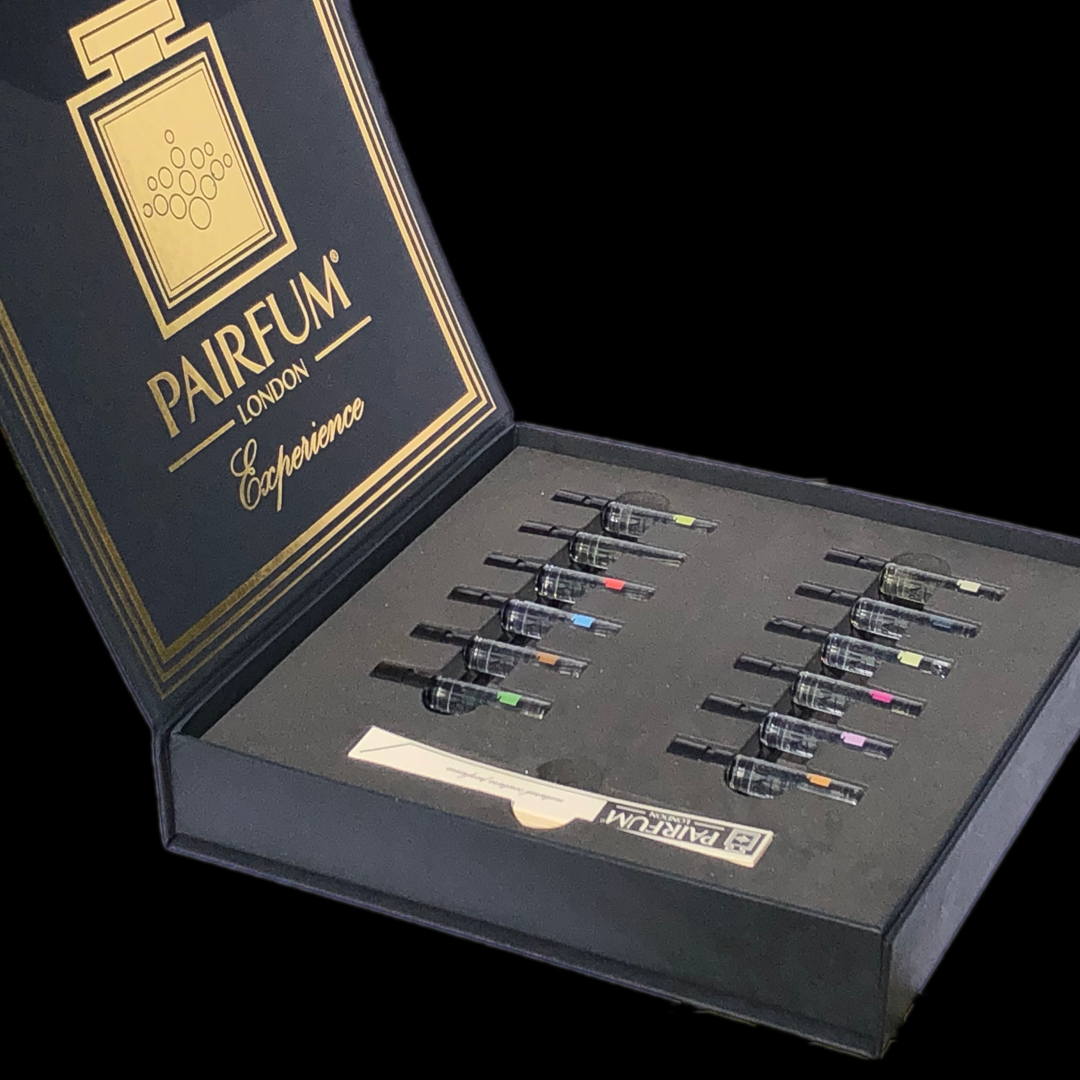
  1. Environmental Reaction: Adjusts intensity and composition based on temperature or humidity.
  2. Skin Chemistry: The scent evolves throughout the day, making the perfume uniquely personal.
  3. Functional Benefits: Compounds like jasmine and neroli enhance mood while adding depth.

This is the future of perfumery—intelligent perfumes that align with body and surroundings. It is no longer about wearing a fixed scent but experiencing a dynamic aromatic journey.

Reinventing the Foundations of Perfumery

Bio perfumery respects tradition while building on modern capabilities. Practising perfumers are blending ancient knowledge of raw materials and flowers with data driven insights. The role of the perfumer remains central, but now with tools that allow greater precision, safety, and innovation.

This does not mean the end of traditional perfume but rather its evolution. Synthetic biology is opening new doors, allowing perfumers to recreate rare or endangered aromatic compounds without overharvesting natural ingredient sources. It allows for the ethical production of molecules that retain the beauty of their natural counterparts.

Pairfum Collection Niche Perfume Experience Fragrance Library 73 Square

Bridging Craft and Culture in Bio Perfumery

For the practising perfumer, bio perfumery presents an exciting opportunity to blend age-old craftsmanship with new cultural narratives. As perfume houses begin to explore a broader spectrum of international flavours to create a unique scent profile, they are integrating diverse scent traditions into modern fragrance creation. This approach doesn’t just appeal to the nose—it tells a story. From the citrus brightness found in Mediterranean neroli to the creamy spice of South Asian sandalwood, the global palette of flavour becomes a tool for crafting immersive scent profiles. Interestingly, this richness of olfactory expression is also being carried over into adjacent categories such as soap and home fragrance, where perfumery techniques are applied with equal precision. As artisans refine how each compound interacts with the skin, the evolution of perfume becomes not only more inclusive but also more expressive of regional identity.

Conscious Ingredients and Sustainable Practices

With rising awareness of synthetic chemicals and phthalates in cosmetics, bio perfumery has taken the lead in creating perfumes that are safer and cleaner. By focusing on plant based raw materials, avoiding synthetic fragrance, and ensuring compliance with international fragrance association guidelines, bio perfumery meets the growing demand for conscious living.

These innovations are informed by organisations like the international fragrance association and respective national perfumery societies, ensuring that each perfume respects safety, quality, and sustainability. The involvement of aromatherapists also plays a crucial role in validating the emotional and therapeutic benefits of these fragrances.

Understanding the Science of Scent

Fragrance is more than a luxury—it is a potent stimulus. The human response to smell is immediate and often emotional. Research by psychologist Van Toller demonstrated the profound psychological and physiological effects of scent. Aromatherapists and scientists alike are recognising fragrance as a tool for enhancing wellbeing.

Each perfume is a complex blend of molecules, combining compounds from flowers, bark, leaves, and resins. By using natural essential oils and reducing synthetic ingredients, bio perfumery crafts perfumes that are aligned with both body and environment.

The Broader Impact on the Fragrance Market

The rise of bio perfumery is reshaping the fragrance market. From home fragrance to personal care, there is a growing expectation that products should be clean, ethical, and effective. The demand for transparent ingredient sourcing, sustainability, and adaptability is pushing the entire fragrance industry to rethink old models.

Consumers are increasingly rejecting synthetic perfumes in favour of natural fragrances made with clearly labelled ingredients. The shift is not just stylistic—it reflects changing values across international flavours and cultures.

Discover a Personal Journey Through Scent

Explore the Art of Fragrance Creation

As bio perfumery continues to embrace personalisation and craftsmanship, tools that let individuals explore and refine their own scent preferences become essential. The Fragrance Library Perfume Experience Box Collection offers a tactile way to engage with the world of perfumery. Designed for fragrance lovers and newcomers alike, it allows users to sample a curated collection of fine perfumes, helping them uncover the notes, mood, and scent profile that resonates most with them.

Fragrance Library Perfume Experience Box – by Pairfum London

Each box includes a selection of exquisite perfumes, carefully crafted to showcase a broad range of aromatic compositions. From vibrant citrus to sensual florals and warm, woody undertones, the collection captures the diversity of modern perfumery. It invites the wearer to explore each fragrance individually and in layers, encouraging a deeper connection to their personal scent journey—perfectly aligned with the spirit of bio perfumery and the evolution of conscious fragrance use.

Pairfum Collection Niche Perfume Experience Fragrance Library 6 Square

Conclusion

Bio perfumery is more than a trend. It is the next chapter in the long history of perfumery. Through the fusion of AI, biotechnology, and sustainable practices, it redefines how perfume is made, experienced, and understood.

By focusing on personalisation, natural ingredients, and scientific understanding, bio perfumery sets a new standard. It moves beyond traditional perfume and mass production to something intimate, responsive, and deeply human.

With every fragrance created, bio perfumery offers a new way to connect with the senses, the self, and the world around us.

Woody Base

What Does a ‘Woody Base’ Mean in Perfumery?

A woody base is a crucial element in the world of perfumery. It forms the foundation of many perfumes, providing depth, warmth, and longevity. These bases are composed of various ingredients derived from woods, bringing rich and earthy notes to a fragrance. Whether it’s the creamy aroma of sandalwood or the smoky allure of oud, woody bases have a unique charm that is both timeless and versatile.

The history of using woody notes in perfumery dates back to ancient times when aromatic woods were prized for their ceremonial and therapeutic uses. Today, perfumers continue to use these invaluable ingredients to craft complex and memorable fragrances. Understanding what goes into a woody base and how it’s created can deepen our appreciation for these beautiful compositions.

In this article, we will delve into the world of woody bases, exploring their ingredients, the different types of woods used, and the methods of extraction. We’ll also highlight some iconic perfumes that showcase the elegance and richness of woody bases. By the end, you’ll have a clearer understanding of why these bases are so cherished in perfumery.

Understanding a Woody Base in Perfumery

A woody base forms the backbone of many perfumes, providing stability, richness, and depth. By definition, a base note is the lasting foundation of a fragrance, and woody bases are known for their enduring qualities. These bases originate from various types of woods, each imparting a unique character to the perfume.

Woody bases are often associated with warmth and earthiness. They evoke the natural world, reminding us of forests, lush trees, and even the interiors of antique wooden furniture. This grounding quality makes woody bases a popular choice in perfumery, as they add complexity and longevity to the fragrance.

Woody bases are versatile, making them suitable for both men’s and women’s perfumes. They can stand alone or be paired with other fragrance families like florals, spices, or orientals, enhancing the overall composition. Understanding what constitutes a woody base and its role in perfumery helps in appreciating the nuanced aromas these bases bring to our favourite perfumes.

Pairfum Person Reflection Spiced Coffee Oaked Vanilla Eau de Parfum

Key Ingredients and Accords in a Woody Base

Woody bases include a range of ingredients that contribute to their rich and complex profiles. Here are some key ingredients and accords commonly found in woody bases:

Primary Woody Ingredients

  1. Sandalwood: Known for its creamy, soft, and slightly sweet aroma, sandalwood adds a luxurious smoothness to a fragrance. It’s widely used in both classic and modern perfumes for its versatile and enduring qualities.
  2. Cedarwood: Cedarwood offers a dry, sharp, and clean aroma, providing a stable and grounding base. Its distinct sharpness can balance out sweeter or floral notes, creating a well-rounded perfume.
  3. Vetiver: Vetiver is prized for its earthy, smoky, and green aroma. It adds depth and complexity, making the fragrance more sophisticated and refined.
  4. Patchouli: Often used for its earthy and sweet aroma, patchouli lends a musky quality to the fragrance. It’s a popular ingredient that can enhance both the freshness and intensity of the perfume.
  5. Oud (Agarwood): Oud is one of the most luxurious and sought-after ingredients in perfumery. Known for its rich, resinous, and smoky aroma, oud adds a deep, exotic element to the fragrance. Oud is derived from the Aquilaria tree.
  6. Pine: Pine adds a crisp, green facet to a woody base, evoking the scent of evergreen forests and adding vibrancy to more resinous or musky notes.
  7. Oakmoss: Adds an earthy, mossy touch that enhances the richness of woody bases.

Supporting Elements

  1. Amber and musk lend softness and sensuality to deepen the woody experience.
  2. Jasmine, rose, and iris offer floral contrast that balances the ruggedness of woods.
  3. Clove, leather, and bergamot introduce spice, animalic undertones, and brightness respectively.
  4. Leaves, bark, and roots emphasize the connection to trees, forests, and nature.

Additional Woody Accords

  1. Woody-Ambery: This accord combines woody notes with amber, resulting in a warm, resinous blend often found in oriental perfumes.
  2. Woody-Spicy: Incorporating spices like cinnamon or clove, this accord adds an exotic, warm character to the perfume, perfect for colder seasons.
  3. Woody-Floral: Mixing woody notes with florals like jasmine or rose creates a balanced, sophisticated aroma, suitable for many occasions.
  4. Woody-Leather: Merges the animalic softness of leather with natural wood tones for a luxurious feel.
  5. Woody-Green: Adds sharp, fresh elements like moss or green leaves, evoking dense forests and fresh-cut bark.

These accords showcase the versatility of the woody fragrance family.

How Woody Bases Are Extracted

Extracting woody bases involves several methods, each capturing the rich, earthy aromas unique to different woods. These techniques ensure the purity and potency of the essential oils used in perfumery.

Distillation Methods

  • Steam Distillation: Steam is passed through the wood, carrying the essential oils with it. As the steam cools, the oils and water separate, leaving pure essential oil. This is widely used for oils like cedarwood and sandalwood.
  • Water Distillation: The wood is immersed in boiling water, which turns to steam and carries the oils. After cooling, the oils are collected. This method is gentler and is used for delicate woods.

Solvent Extraction

  • Liquid Solvent Extraction: Chemical solvents like hexane are used to dissolve the oils. The mixture is filtered and the solvent is evaporated, leaving behind a concentrated extract called a concrete. Further processing turns this into an absolute.
  • Supercritical CO2 Extraction: Carbon dioxide under high pressure is used as a solvent. This method is effective for capturing pure oils without leaving harmful residues.

Mechanical Methods

  • Cold Pressing: Wood is mechanically pressed to release its essential oils. This method is rarely used for wood but can be effective for softer materials.
  • Maceration: Wood is soaked in a solvent (usually alcohol), allowing the oils to leach out. The mixture is then filtered, collecting the aromatic compounds.

These methods preserve the integrity of the wood’s aroma, ensuring that the woody base captures the true essence of the wood used.

Woody Base Ingredients

Iconic Perfumes Featuring a Woody Base

Classic Woody Perfumes

Classic compositions with a strong woody base offer both nostalgia and innovation. They often contain sandalwood, cedarwood, and vetiver to create a grounding experience that lingers long after the top notes fade.

Modern Woody Perfumes

Contemporary perfumes experiment with woody bases by blending them with amber, iris, musk, and floral notes like jasmine and rose. These combinations create a dynamic fragrance journey that feels fresh yet timeless.

The Enduring Allure of Woody Fragrance

Emotional and Sensory Impact

Woody perfumes are loved for their warmth, depth, and connection to nature. Whether experienced as a woody fragrance worn on the skin or as a home fragrance that transforms a space, the appeal remains the same. People across generations continue to love the sophistication and emotional resonance offered by woody scents.

A good example of a woody base might include vetiver, sandalwood, and cedarwood layered with soft floral notes like jasmine and iris, spiced with clove, and grounded by earthy notes of patchouli and moss. This structure brings not only balance but also long-lasting intensity and elegance.

Nature and Sustainability

Woody bases often recall forests, trees, and bark, invoking a sense of grounding and calm. The inclusion of amber, musk, leaves, and even leather creates rich and multifaceted compositions that elevate a scent from simple to memorable.

The role of natural wood and sustainable harvesting practices is increasingly important in perfumery. The rise of sustainability has inspired a new wave of responsibly sourced materials that maintain the richness of woody notes while preserving the environment.

Nochturnal Allure and Exotic Inspirations

The appeal of woody fragrances deepens as day turns to night, when their rich, enveloping character becomes more pronounced and intimate. A woody scent can take on a mysterious and sensual dimension under the moonlight, ideal for evening wear or romantic moments. The sultry air of Cuba, with its aged wood interiors, warm breezes, and soulful ambiance, provides a fitting backdrop to the inspiration behind many woody creations. These perfumes capture the essence of faraway places, adding a layer of storytelling that transports the wearer to another world—wrapped in the comforting, familiar embrace of wood.

Eau de Parfum Person Reflection Spiced Coffee Oaked Vanilla Man Smile 1 1

A Contemporary Woody Masterpiece

For those who appreciate the warmth and richness of a woody base, Spiced Coffee and Oaked Vanilla Eau de Parfum offers a modern interpretation of classic depth. This fragrance draws on the grounding qualities of wood while layering in nuanced gourmand elements for added complexity. It captures the spirit of late evenings and quiet sophistication, making it a perfect choice for anyone drawn to enveloping woody fragrances that linger gracefully into the night.

Spiced Coffee & Oaked Vanilla Eau de Parfum by Pairfum London

This warm, Oriental Spicy Fragrance opens with the top notes of Pink Pepper, Orange Blossom and Crisp Pear. The Heart of the Fragrance is a modern blend of rich & dark Coffee with the elegance of Jasmine. The elegant finale is a sophisticated base of Bourbon Vanilla aged in Oak, with Patchouli and Cedar.

Final ‘Woody’ Notes

Whether you’re drawn to the green freshness of vetiver, the creamy smoothness of sandalwood, or the smokiness of oud, there’s a woody perfume to suit every style and mood. The woody fragrance family continues to evolve, embracing both traditional ingredients and innovative new blends while staying true to its roots in nature.

Ultimately, the power of a woody base lies in its ability to create emotional depth. From the embrace of familiar woods like cedar and sandalwood to the exotic allure of aquilaria, these ingredients shape fragrances that endure beyond fleeting top notes. Perfume built on a woody base captures love, memory, and timelessness, making it a vital part of any perfumer’s palette.

Woody scents are more than just a trend—they are an enduring staple that reflect the elegance and craftsmanship behind each fragrance. Through the blending of classic wood, earthy notes, and aromatic nuances, woody bases will continue to ground, uplift, and captivate.

    0
    Your Cart
    Your cart is emptyReturn to Shop