Home / NichePerfumery
Date Perfume Notes

Date Perfume Notes: Syrupy Richness and Desert Luxury

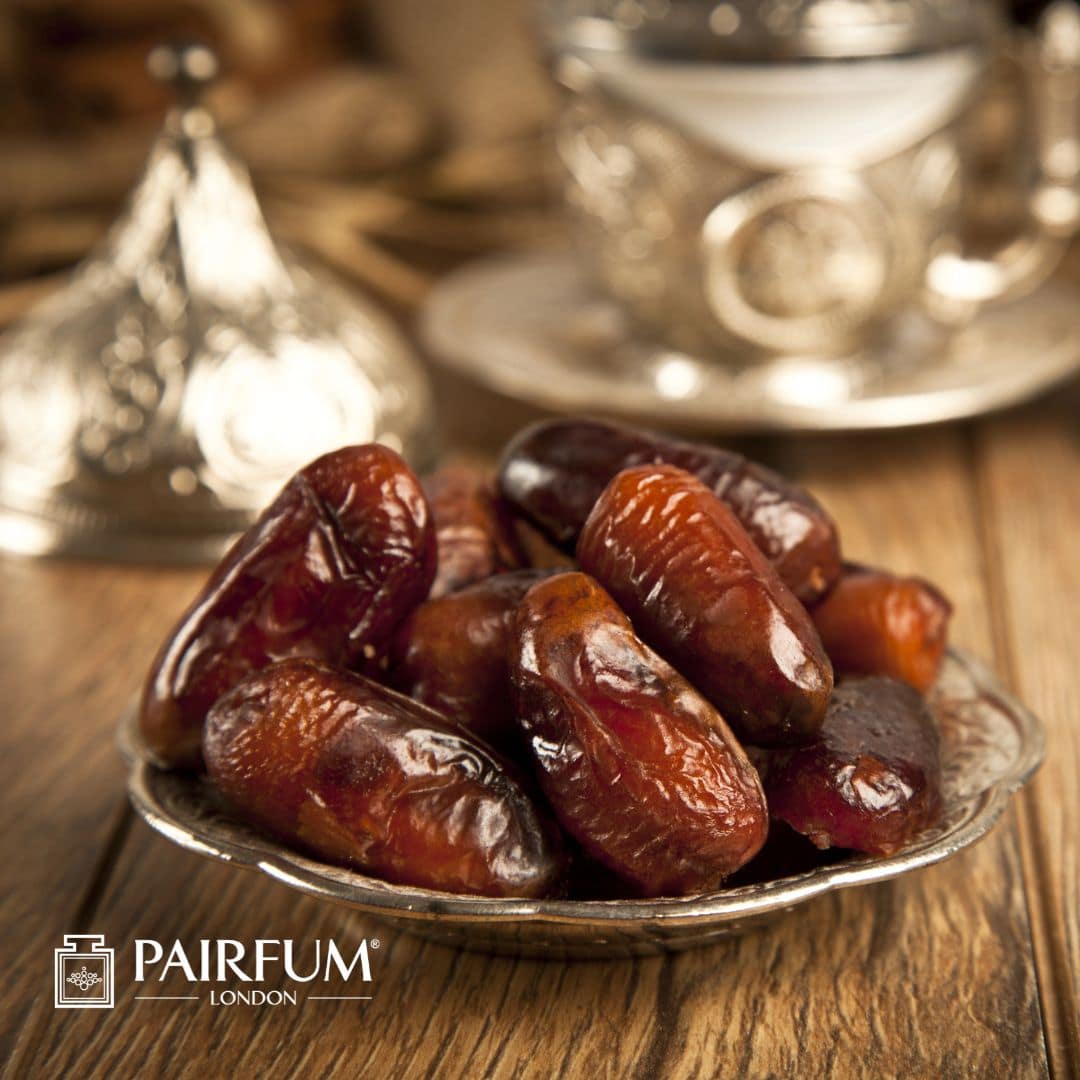
Date perfume notes offer a rich, sweet, and comforting gourmand scent, featuring deep caramel, molasses, and subtle honeyed undertones. Used mainly as a base or heart note, this rare ingredient lends a warm, exotic, and indulgent character most commonly found in oriental, gourmand, and Middle Eastern-inspired fragrances, pairing beautifully with spices such as saffron and cinnamon, alongside citrus or wood notes.

Think of dates, and you probably picture the sticky residue on your fingers after a holiday pudding or those wrinkled, honey-dark fruits piled high in a kitchen bowl. But move away from the pantry, and you will find this sun-shrivelled fruit doing something much more interesting in the world of scent. It offers a thick, almost boozy warmth that hits you like a soft woollen jumper on a damp November evening. It is not just about sugar; it is about that specific, heavy comfort that makes a person feel grounded when the light starts to fail.

There is a sort of golden, slow-moving energy to a date note that just fits the shift from autumn into the biting cold of winter. I find that it adds a texture you simply cannot get from flowers or woods alone. These date perfume notes are not just another ingredient in the lab; they are a bit of desert history caught in a glass. From the ancient trade routes where they first gained their reputation to the modern, daring bottles we see today, this note brings a weird, syrupy magic that manages to be both nostalgic and entirely fresh at the same time.

A Fruit with a Long Perfume Story

Dates have been part of human life for thousands of years. In the Middle East, they were not just food. They became a symbol of hospitality, sweetness, and daily life. This connection to warmth and nourishment goes back so far that it is hard to separate the fruit from the feeling it brings.

In ancient times, oils made from dates were used in beauty rituals. These were not perfumes in the modern sense, but blends used on skin, hair, or in religious ceremonies. The scent of date came to be tied to rest, family, and peace. That quiet, deep warmth carries over even now when it shows up in perfumes.

Fragrance Description Rich Spices Pomegranate Cinnamon Clove Fig

The Botanical Origin and Character

Scientifically known as Phoenix dactylifera, the date palm is indigenous to the Middle East, specifically regions around modern Iraq. Because the fruit becomes roughly fifty per cent sugar once dried, it possesses a unique olfactory profile that is often described as a fantasy note. This is because, unlike citrus or rose, the scent of a date is as much about its chewy, paste-like texture as it is about its aroma. It offers a solar quality, reflecting the intense desert sun required for the fruit to ripen and develop its honeyed, balsamic character.

Types of Date Essence in Perfume

Today, there is more than one way to add the aroma of dates to a perfume. The choice depends on the kind of finish the perfumer wants. Some choose to use forms of the fruit directly, while others rely on aroma combinations designed to capture similar notes.

  • Whole fruit essences: These mimic the smell of fresh or dried dates. The effect is full-bodied, sweet, and sticky, ideal for gourmand perfumes that feel like dessert.
  • Date absolute: This is made with solvent extraction from the dried fruit. It is thicker, deeper, and leans into the darker, resin-rich side of date. Usually found in more natural or artisanal perfumes.
  • Date accords: Some perfumers enjoy the softness of date but want more balance in the blend. They might build a date-like aroma using other materials, such as molasses, dried fruits, or sugary woods.

Each form has its own personality, giving perfumers room to shape how the note plays in the final aroma.

How Date is Extracted for Fragrance

Getting the essence of date into perfume is not simple. Most often, it is done through solvent extraction. This process pulls the core scent from dried dates, which are already concentrated with sugar and rich in natural oils.

Some newer methods might focus just on the skin or pulp, which shifts the profile from sticky-sweet to something a little more fruity and fresh. Date oil is not common in base notes, the way patchouli or vetiver might be, but when used, it adds depth, softness, and warmth.

Blenders may also add hints of date alongside other extracts, for example, paired lightly with plum or fig absolutes, to round out a fragrance without making it too dense. This technique is often seen in a high quality perfume where the balance between ingredients is crucial for a great scent.

Flacon Room Perfume Spray Livingroom Chair 1 1 1

Used with care, date has a way of making other ingredients shine. Its sweetness is not sharp or overpowering. It lingers, hints, and gently supports.

  • Vanilla, tonka bean, or honey: These are common pairings where date enhances creamy, edible style perfumes.
  • Oud, leather, or incense: Here, date balances the dry or harsh qualities of strong woods or spice with a soft edge, turning bold bases into something more refined.
  • Amber, dried fruits, or warm spices: For winter or evening perfumes, these combinations bring comfort and glow.

Date tends to do well when included in scent blends that feel rich, cosy, or luxurious, making it well-suited for colder seasons when perfumes need a bit more weight.

The Role of Date in Modern Perfumery

In the current fragrance era, shoppers are looking for something that offers both longevity and a sense of romance. Whether it is a date woman looking for a signature date perfume or a collector seeking a bottle that stands out on the shelf, this ingredient delivers.

Many iconic houses have experimented with these fragrance notes. You might find the syrupy fruit tucked into a Maison Margiela creation or providing a dark edge to a Yves Saint Laurent blend. Even masculine-leaning scents like Dior Sauvage use crisp elements like bergamot to contrast heavier tones, showing how versatile a date perfume can be. In the world of Bella Vita Luxury or even the bold profiles of Tom Ford, the inclusion of date often leads to more compliments for the wearer.

Creating the Perfect Date Night Atmosphere

When preparing for a special evening, choosing a scent is about more than just smelling good; it is about confidence and elegance. A date night requires a scent that stays with you. The longevity of a date-based perfume ensures that the scent remains from the first spray until the end of the night.

If you are looking for women’s fragrances that offer a bit of mystery, look for a perfume that blends date with pink pepper for a spicy kick, or rose and jasmine for a classic floral heart. These floral notes soften the sugar, making the fragrance feel more sophisticated. For those who prefer an earthy touch, a perfume containing musk or vetiver can ground the sweetness of the fruit.
Luxury Date Perfume Notes

Seasonal Versatility and the Indian Climate

While the date is a heavy note, it can be adapted. In a warmer Indian climate, a heavy spray might feel overwhelming, so perfumers often balance it with bergamot, grapefruit, or violet. This keeps the scent airy while maintaining the warmth of the date.

Many people find that once they discover a perfume they love, it becomes a recurring purchase. This is especially true for scents that work well as gift sets, where a bottle of perfume is paired with a matching spray.

Unforgettable Perfumes Featuring Date

In niche and artistic perfumery, date has become a standout base note. It adds gravity and roundness without calling too much attention to itself. Instead of shouting, it anchors. One famous example of this is Dates Delight, which celebrates the fruit in its full glory with a honeyed cinnamon profile.

Date is often included in colder-weather perfumes, those meant to warm the skin on a frosty night or leave an inviting trail in a room. It is paired especially well with other gourmand notes, such as:

  • Dried fig: Together, these make a chewy, sun-drenched foundation that feels grown up.
  • Cinnamon or clove: A seasonal spice that helps balance the date’s sweetness with something sharper.
  • Cardamom or pink pepper: These add a flickering heat to the scent.
  • Creamy woods like sandalwood: These allow the fruit to blur softly into the woodgrain, creating a smooth, comforting finish.

These blends stay on the skin for hours and often shift as they wear, going from sweet to earthy and back again. The use of amber, musk, and patchouli in the drydown ensures that the scent remains alluring long after the top floral notes like rose or jasmine have faded.

Rich Spices – Flacon Perfume Room Spray by Pairfum London

This richly aromatic and spicy accord opens with notes of Pomegranate and Cranberry, before flowing into a warm heart of Chestnut, Nutmeg, Cinnamon and Clove, finally settling on a base of Vanilla Pods and dried Figs, Dates and Persimmons.

Pairfum Flacon Perfume Room Spray Signature Rich Spices

A Rich Note That Still Feels Personal

Even with all its weight and warmth, the aroma of dates never feels too loud. It brings a personal kind of richness, soft, smooth, and not too showy. It carries a quiet familiarity that fits well on scarves, jumpers, or coats once the weather cools.

What is appreciated about date in perfumery is how grounded it feels. It does not try to sparkle or take centre stage. Instead, it leans into comfort. It welcomes the cold with a gentle sweetness and holds other fragrance notes in a gentle hug. Whether you are buying at regular price or looking for gift sets for a loved one, the timeless appeal of date makes it a standout choice.

Embrace the warmth and depth of date with an exclusive fragrance collection. Each scent is carefully crafted to capture the nostalgic and contemporary allure of this luxurious note, perfect for those cosy autumn and winter days.

Let the sweet, resinous charm of date, complemented by jasmine, vanilla, and bergamot, linger on your skin with an elegant perfume. Discover the perfect blend of amber, musk, and rose that resonates with your unique style and preference. With every spray from the bottle, you invite a sense of romance and warmth that defines the ultimate date night experience.
Benzoin In Perfumery

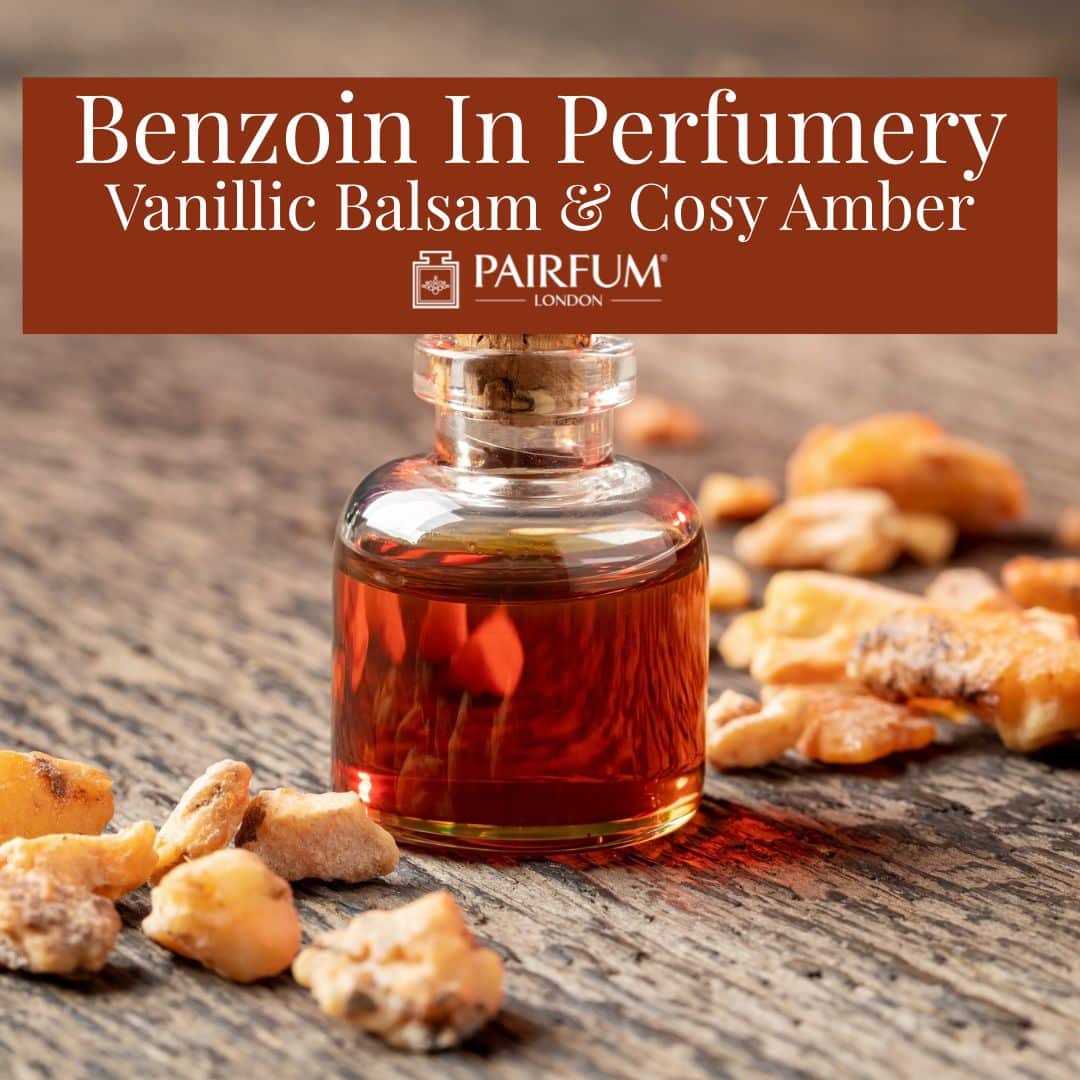
Benzoin in Perfumery: Vanillic Balsam and Cosy Amber

Benzoin is a natural balsamic resin, sourced primarily from Styrax trees, highly valued for its sweet, vanilla-like aroma and various medicinal properties. Widely used across perfumes, incense, and modern skincare, it serves as an essential fixative in fragrances and a soothing agent for dry or cracked skin. It is also frequently utilised in medical tinctures, such as Friar’s Balsam, where it helps to aid bandage adhesion and protect the skin.

Benzoin is one of those perfume ingredients that feels like a soft scarf in cold weather. It gives off that gentle vanilla warmth, with a smooth, almost golden aroma that works particularly well when nights are long and chilly. You will often find it in amber-style perfumes where it adds a comforting depth.

This is not a new discovery. Benzoin has been part of fragrances and incense for centuries. It brings something cosy and familiar, almost like something you have smelled before but cannot quite place. When used in modern perfumes, it ties everything together with an ease that feels thoughtful. Let us look at where it comes from, how it is used, and why we tend to reach for it most as January winds down.

The Origins of Benzoin: Ancient Resin with a Gentle Glow

Benzoin comes from the sap of trees in the Styrax family, which grow in parts of Southeast Asia. When the bark is tapped, resin oozes out and hardens in pieces. It is then used in many different ways, but for perfume, it is treasured for its calming smell and smooth, sweet properties.

Long ago, people burned benzoin in temples, homes, and healing spaces. It was thought to clear the air and calm the heart. In the Middle East and Europe, this warm resin was already playing a role in early perfumery and was often used in preparations for the body or mind. In many cultures, particularly in India, where it is known as Sambrani or Loban, it has been burned on charcoal for centuries to create a sacred atmosphere. Its use across continents shows how deeply people are connected with its comforting nature. Whether for quiet prayer or attraction, benzoin has stayed close to us through the centuries.

Understanding the Sources: Siam and Sumatra

In the world of fine fragrance and aromatherapy, not all benzoin is created equal. There are two primary types used by perfumers and enthusiasts in the United Kingdom and beyond. The first is Styrax tonkinensis, commonly known as benzoin siam. This variety is highly prized for its refined, creamy, and vanillic profile. It is often the choice for high-end perfumes due to its sophisticated scent and is found across Thailand, Laos, Cambodia, and Vietnam.

The second variety is Styrax benzoin, often referred to as benzoin sumatra. This type grows predominantly on the island of Sumatra and has a slightly more rustic, balsamic character with hints of almond or storax. Unlike the Siamese variety, Sumatran benzoin contains cinnamic acid in addition to benzoic acid. Both types of benzoin resin are valuable, but they offer different textures to a fragrance. While one might be used in a pure essential oil for its therapeutic properties, the other might be the star of a fragrance oils collection designed for home scents like a reed diffuser.

Sweet, Soft and Woody: What Benzoin Smells Like in a Perfume

Benzoin gives off that soft vanilla smell many of us love, but there is more to it. Beneath the sweetness, you might notice:

  • A hint of caramel and dark chocolate
  • Gentle spice and honeyed undertones
  • A cosy balsamic depth

It is a base note, so it tends to sit low in a fragrance, sticking around longer than top or middle notes. Benzoin acts a bit like a blanket, wrapping louder, brighter notes in something grounded and smooth. It especially shines in amber blends. These kinds of perfumes often include resin, spice, and sweet elements that mimic the feel of winter fabrics or firelight. Benzoin gives them their creamy backbone, stopping the perfume from becoming too sharp or airy.

Pairfum London Home Fragrance Art Room Spray

The Chemistry of Comfort

Checking the technical data sheet for this balsamic resin reveals exactly why it behaves with such unique character. The raw material is packed with natural compounds like benzoic acid and cinnamic acid. These aren’t just names on a page; they provide vital preservative qualities and help the substance act as a reliable fixative. In plain terms, it grips onto other oils in a perfume blend, making sure the fragrance stays on your skin for much longer than it would alone.

In its natural state, the substance can be quite temperamental, appearing brittle or even treacle like if the room is warm enough. To make it easier for a perfumer to handle, it is frequently dissolved in a solvent such as dipropylene glycol or blended with organic alcohol. Many creators prefer a carrier like dipropylene glycol because it lacks a scent of its own and remains perfectly clear. This allows the genuine aroma of the resin to take centre stage without that sharp, stinging hit you sometimes get from alcohol. It also ensures that the benzoin oil stays easy to pour, so you can measure out even a small amount with total precision when adjusting a formula.

From Tree to Bottle: How Benzoin is Harvested and Processed

Gathering benzoin is a slow process that requires a good deal of patience. It starts with a worker carefully tapping the tree trunk to encourage the sap to flow. Much like the way people collect maple syrup, this liquid slowly leaks out and sets hard against the bark. Once these “tears” have solidified, they are harvested by hand. In the world of scent, this material usually ends up in one of three forms:

  • Powdered resin that gets stirred into heavy fragrance bases
  • An oil extract created via solvent extraction or steam distillation
  • A rich balsamic absolute which holds onto the most delicate scent details

This ability to change form is why the ingredient is so versatile. A raw resin feels heavy and deep, making it the perfect choice for grounding a warm, earthy perfume. On the other hand, an absolute feels much more polished and smooth. Because the substance is naturally quite thick, you might find the oil needs a quick session in a bain marie to warm up before it becomes liquid enough to pour or blend into a new creation.

Benzoin in Aromatherapy and Wellness

Away from the high-end perfume houses, benzoin essential oil has long been a favourite in the world of aromatherapy. You will often see it tucked into essential oil sets because people value its grounding, almost meditative effect on the mind. It has a long history in the medicine cabinet too; it was once the star of Friar’s Balsam, a famous old remedy used to help with breathing and chesty coughs. When you use it in oil burners, the sweet vapour fills the room and helps melt away the stresses of the day, creating a genuine sense of peace.

Because of its soothing nature, you might find it as part of a massage oil or a specialised massage oils blend. It is particularly helpful for those with dry skin or sensitive skin. When mixed into a herbal base cream or a carrier oil, it can help soothe itchiness and protect the skin’s moisture barrier against the elements. It is an excellent choice for a gardener’s hand cream or for those who frequently use detergents. Whether you have combination skin or a more reactive complexion, the gentle touch of benzoin organic extracts is often a welcome addition to a daily routine, even appearing in a luxurious shower gel to start the day with warmth.

Benzoin Resin

Creating the Perfect Blend

For those who enjoy crafting their own scents, a benzoin essential oil is a vital component of an essential oil blend. Because it is so thick, it sometimes requires a little warmth or the addition of water in a diffuser to help it circulate. If you are looking for an organic essential oil to round out a collection of best sellers, benzoin is often the missing piece that provides a professional finish. It can even be used to round out the harshness of certain notes like cardamom or grapefruit.

Why Benzoin Feels Right in Winter Perfume

When days are dark and nights are colder, certain smells feel more comforting. Benzoin is one of them. There is something about its soft sweetness and subtle weight that suits the slower pace of winter. It thrives in cold weather because its thick, enveloping quality helps shield against the chill, creating both a physical and a sensory warmth that lingers.

It appeals to wearers who like their perfumes a little sweet but not overly sugary. There is maturity in its softness, a kind of quiet sweetness that does not shout but hums gently. The aroma seems to glow, lasting on your skin through those long wintry hours, providing steady comfort as temperatures drop.

Picture walking into a warm room on a frosted day, hands wrapped around a mug. Benzoin in perfume captures that same easy warmth without being too heavy or overpowering. It layers smoothly with other winter favourites, enhancing overall comfort without overwhelming the senses.

Benzoin’s Role in Modern and Iconic Perfumes

You will often find benzoin holding its own in amber-themed perfumes, oriental styles, or richer gourmand blends. It acts like the middle ground between edible sweetness and earthy depth. It was even famously popularised as a perfume ingredient worn by Queen Elizabeth I. Paired with the right notes, it adds body without taking over:

  • Labdanum keeps it smoky and leathery
  • Vanilla lifts and sweetens the base
  • Spice adds character
  • Rich woods like cedar or sandalwood keep it balanced
  • Spice oils add a flickering heat to the cool resinous base

Many iconic fragrances rely on benzoin to build that long-lasting warmth people remember hours later. Its ability to blend, mellow, and support other ingredients makes it a lasting favourite in perfume design.

  • Prada – Prada Candy: This fragrance features an exceptionally high concentration of benzoin, blending its natural vanillic warmth with silky musk and rich caramel for a sophisticated, edible sweetness. 
  • Guerlain – Bois d’Arménie: A woody and elegant scent that focuses on the resinous depth of benzoin, pairing it with incense to mimic the calming aroma of traditional burning paper. 
  • Diptyque – Benjoin Bohème: This perfume celebrates benzoin siam, wrapping the resin in patchouli and labdanum to create a long-lasting, golden aura that stays close to the skin.
Pairfum Flacon Perfume Room Spray Signature Cognac Vanilla

Cognac & Vanilla – Flacon Perfume Room Spray by Pairfum London

The aroma of a connoisseur: sherry-aged oak, rich bourbon-vanilla, golden cognac, Caribbean patchouli, amber benzoin, and ancient labdanum.

To bring the vanilla warmth of the Styrax tree into your home, consider a luxury room fragrance that mirrors the depth of fine perfumery. The Cognac & Vanilla Pairfum London Flacon Room Spray is an ideal choice, as it prominently features a rich blend of benzoin, labdanum, and patchouli. This natural home perfume uses organic essential oils to create a fine mist that lingers for hours, providing a steady, golden glow. It is a sophisticated way to layer your living space with calming, balsamic notes, ensuring your surroundings feel as cosy and inviting as the scent on your skin. 

Wrapped in Warmth: The Enduring Charm of Benzoin

Benzoin stays with us in perfume because it does something few ingredients do: it brings depth, comfort, and balance in a single drop. Its vanillic edge makes it familiar. Its resinous heart makes it rich.

This ingredient creates that soft glow some perfumes are known for in winter. The kind of warm feeling you notice not when the perfume arrives, but as it stays through the hours. As time passes, the aroma deepens rather than fading quickly, creating a gentle trail that forms part of your winter ritual.

When looking for your next signature scent, check the reviews for those 5 stars mentions of warmth and longevity. Whether you are browsing for new perfumes or checking the various payment options for a luxury gift, remember the humble resin from the Styrax tree. It is the secret behind the most enduring, comforting scents of the seasonal experience you crave. Treat yourself to a scent that lingers elegantly, providing calm and balance every day.

Oak In Perfumes

Oak in Perfumes: Sturdy Woods and Tannic Elegance

Oak trees are majestic, long-lived hardwood trees belonging to the genus Quercus, celebrated for their immense strength, durability, and vital role as a keystone species within various ecosystems. Comprising over 500 different deciduous and evergreen species found across the Northern Hemisphere, these trees remain iconic for their uniquely lobed leaves, deeply furrowed bark, and acorn fruit.”

Oak has held its ground in perfumery for centuries. Its aroma is familiar and comforting, yet never boring. In the quiet chill of January, oak feels especially welcome. It is that deep, woody note that settles in the background, offering strength without ever shouting.

There is a reason oak has stayed relevant for so long. Its raw, textured character sets it apart from other woods used in perfume. Calm, steady, and quietly elegant, oak helps build some of the most loved aromas in perfume. Let us look at why this tree has become such an important part of fragrance, how it is used, and what it brings to your favourite winter perfumes.

A Timeless Tree: The History of Oak in Perfumery

Oak has long been present in human life, long before it became part of perfume. In ancient Europe, oak trees symbolised strength and endurance. They appeared in sacred ceremonies and seasonal festivals, and their wood was prized for building and burning. The common oak is deeply woven into the cultural fabric of Great Britain, where the ancient oak was often seen as a guardian of the landscape.

In perfumery, oak took on new meaning. The earliest use was with oak moss, which comes from lichen that grows on oak bark. It became important in traditional French perfumery, used to add depth and a touch of mystery. Oak moss still plays a key role in classic styles like chypre and fougère.

Oak’s natural aroma is familiar yet complex. It can be smoky, earthy, leathery, or even a little sweet. It reminds us of forests and warmth and time spent outdoors. That simplicity, and the emotion it carries, keeps oak close to the heart of a fragrance.

Eau de Parfum Person Reflection Spiced Coffee Oaked Vanilla Man Smile 1 1

The Natural Heritage of the Oak Tree

To understand the scent, one must understand the oak tree itself. Within the genus Quercus, which belongs to the beech family known as Fagaceae, there are hundreds of oak species spread across the northern hemisphere, from the United States and North America to Europe and Asia. In the UK, the two most famous types are the English oak, also known as Quercus robur or the pedunculate oak, and the sessile oak, known scientifically as Quercus petraea.

Few sights in the British Isles feel as permanent or as iconic as a towering English oak. This is the legendary native tree of our history books, most famously linked to the ancient glades of Sherwood Forest. Folklore tells us that Robin Hood sought sanctuary inside the hollowed-out heart of the Major Oak, a specific ancient oak that stands today as a living monument to survival. For centuries, the timber from such giants formed the very spine of the British Navy. It took thousands of individual trees to build the HMS Victory, a feat that forever marked oak wood as the premier timber for strength and endurance.

In the wild, every single tree functions as a biological powerhouse and a vital species for local biodiversity. When spring arrives, the tree drapes itself in male flowers known as catkins, which shed their pollen into the breeze. By autumn, the fruit of the tree, those familiar acorns, becomes a crucial food source for forest wildlife. Identifying an oak leaf is simple due to those classic, rounded lobes, yet while one leaf is small, the collective shadow of a canopy thick with oak leaves is immense. A lone mature specimen acts as a universe in itself, supporting over 2,300 different species of life, from nesting birds and small mammals to rare insects like the purple hairstreak butterfly.

Diversity Across the Species

While we often think of the pedunculate oak, there is an incredible variety across the globe. Some are grown as ornamental trees in gardens, while others are harvested for specific industries.

  • White Oaks: Including the American white oak, these are prized for their timber and their ability to hold liquids, making them essential for barrels.
  • Red Oak: Known for its faster growth and porous wood, red oak offers a different density and grain.
  • Holm Oak: An evergreen species found in warmer climates, often used in coastal landscaping.
  • Turkey Oak: Introduced to the UK in the 1700s, it grows quickly but has timber prone to cracking.
  • Cork Oak: Essential for the wine industry, as its bark is harvested to make corks without harming the living tree.
  • Sessile Oak: Often found in the north and west of Britain, the sessile oak differs from the common oak because its acorns do not sit on stalks.
  • Bur Oak: A hardy species from North America known for its massive acorns with fringed cups.

Interestingly, not everything with the name is a true oak. For example, poison oak is not a member of the Quercus family at all, and the silky oak is actually a silver oak from Australia. Even within the true family, trees face challenges like acute oak decline, a serious condition affecting timber quality and tree health across Europe.

Oak Tree

From Barrel to Bottle: How Oak Is Used and Extracted

Oak can appear in perfumes in a few different ways. Two of the most common are oak moss and oakwood extract, though they come from different parts of the tree.

Oak moss is a lichen that grows on oak bark. It has a green, slightly damp aroma with deep forest-like qualities. It is often used to ground a perfume and give softness at the base. Oakwood extract, on the other hand, comes from the wood itself. It has nutty, dry, and tannic qualities, especially if the wood has been aged with wine or spirits.

To bring these aromas to life, perfumers use special methods of extraction. Oakwood can be processed into an essential oil through steam distillation. Or, a more concentrated version known as an oak absolute can be made using solvents. Each method gives a slightly different outcome. The oil is lighter, with dry wood notes, while the absolute adds richer, smokier tones.

The use of oak barrels in wine and spirits inspired another phase of oak in fragrance. These barrels give the liquid inside a sweet, toasted complexity, and this exact character can be captured in perfumes too. A perfume touched with this kind of oak feels mature and warm with whispers of vanilla, smoke, and spice.

Style and Substance: The Types of Oak Found in Fragrance

Not all oak notes behave the same. The type of tree makes a difference, and so does the preparation.

  • White oak is smooth, dry, and clean, sometimes with slight vanilla tones. It is the kind used most often in barrels for ageing wine or whisky.
  • Evergreen oak or Mediterranean oak brings a darker, drier quality. Its aroma can feel a little more herbal or balsamic depending on how it is extracted.
  • Other, less common types might offer nutty, creamy, or slightly green aromas.

Oak often plays well with other notes. It forms the backbone of chypre perfumes, mixing nicely with bergamot and patchouli. It supports fougère blends too, giving body to lavender, geranium, and coumarin. In woody-gourmand styles, oak adds depth below chestnut, hazelnut, or roasted vanilla notes.

The pairing possibilities are wide, but oak always pulls everything together in a quiet, grounding way. Whether it is the scent of oak groves in the rain or the dry scent of timber in a workshop, oak provides a sense of place.

Pairfum Person Reflection Spiced Coffee Oaked Vanilla Eau de Parfum Woman

Cultural Roots: Language and Legend

The word oak itself has deep roots. In Old English, it was known as āc, which evolved through Middle English into the word we use today. This linguistic journey reflects how long the English oak has been a part of daily life. For those with possible interests in history, the tree has provided more than just timber for doors and ships.

In many cultures, acorns were a symbol of potential, and oak groves were considered places of wisdom. The major oak in Sherwood Forest stands as a living testament to this history. When we wear a perfume containing oak, we are wearing a scent that has been part of the human story for millennia.

Perfumes That Capture the Spirit of Oak

Many perfumes give oak a starring role, either through moss, wood, or both. Some lean into its raw, forest mood, while others highlight its toasty, elegant feel.

  • Earthy or green-focused perfumes might use loads of oak moss, paired with herbs or citrus, to create a cool, mossy base.
  • Leathery woods or smoky blends may emphasise the tannic side of oakwood, bringing forward a more textured, mature character.
  • In unisex perfumes, oak often acts as an anchoring note, offering comfort without leaning soft or strong. This balance makes oak especially popular in cool months like January.

The English oak (Quercus robur) provides a scent that is both rugged and refined. Whether traditional or modern, these oak-based perfumes never feel overdone. They stay steady, balanced, and quietly powerful.

Iconic Oak Perfumes

  • English Oak & Hazelnut by Jo Malone London: A bright, enchanting scent that captures the atmosphere of a sun-dappled forest using roasted oakwood notes. 
  • Quercus by Penhaligon’s: Named after the Latin genus for the oak tree, this modern classic offers a fresh, elegant blend of citrus anchored by mossy depths.
Pairfum Flacon Perfume Room Spray Signature Cognac Vanilla

Oak Inspired Perfume & Home Fragrance by Pairfum London

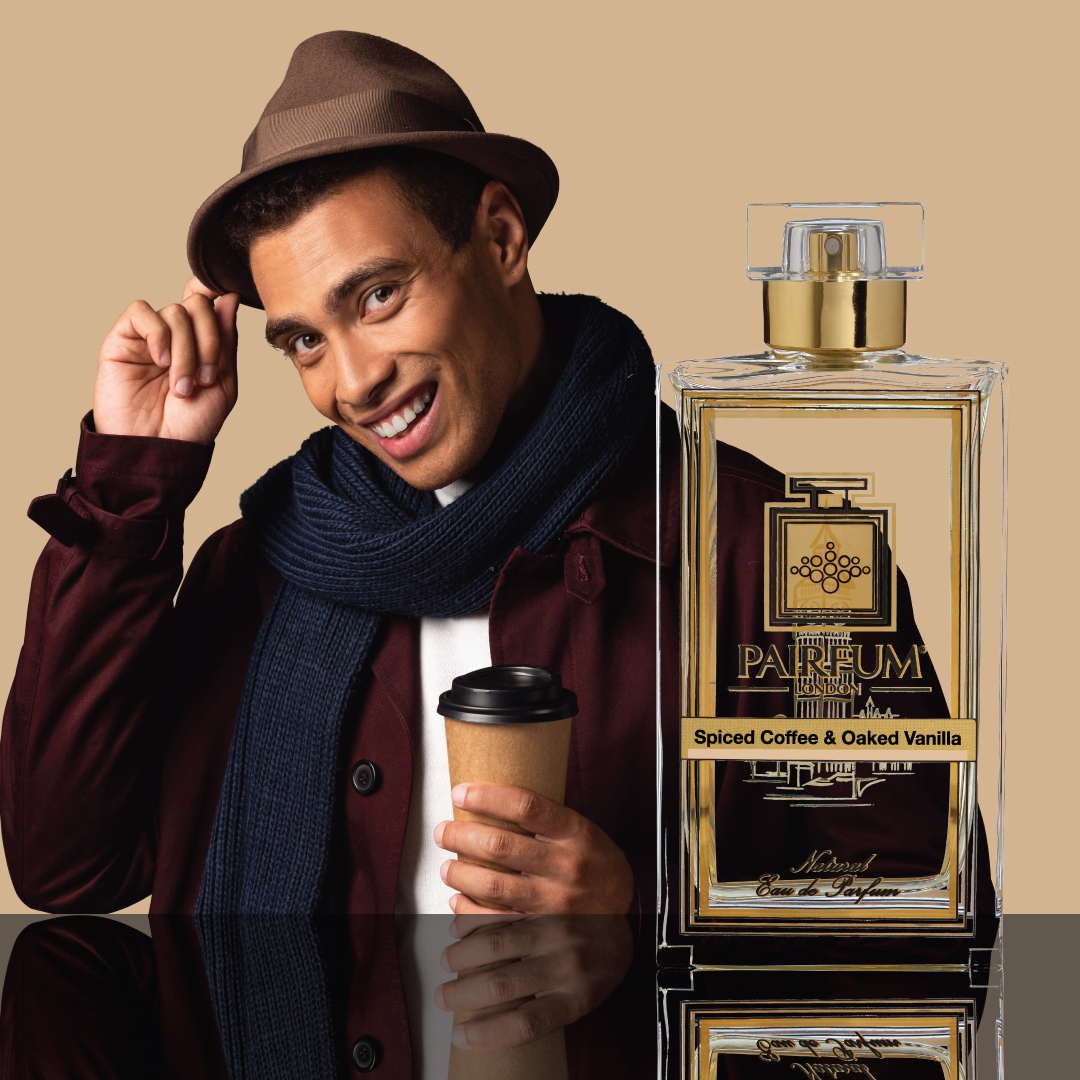
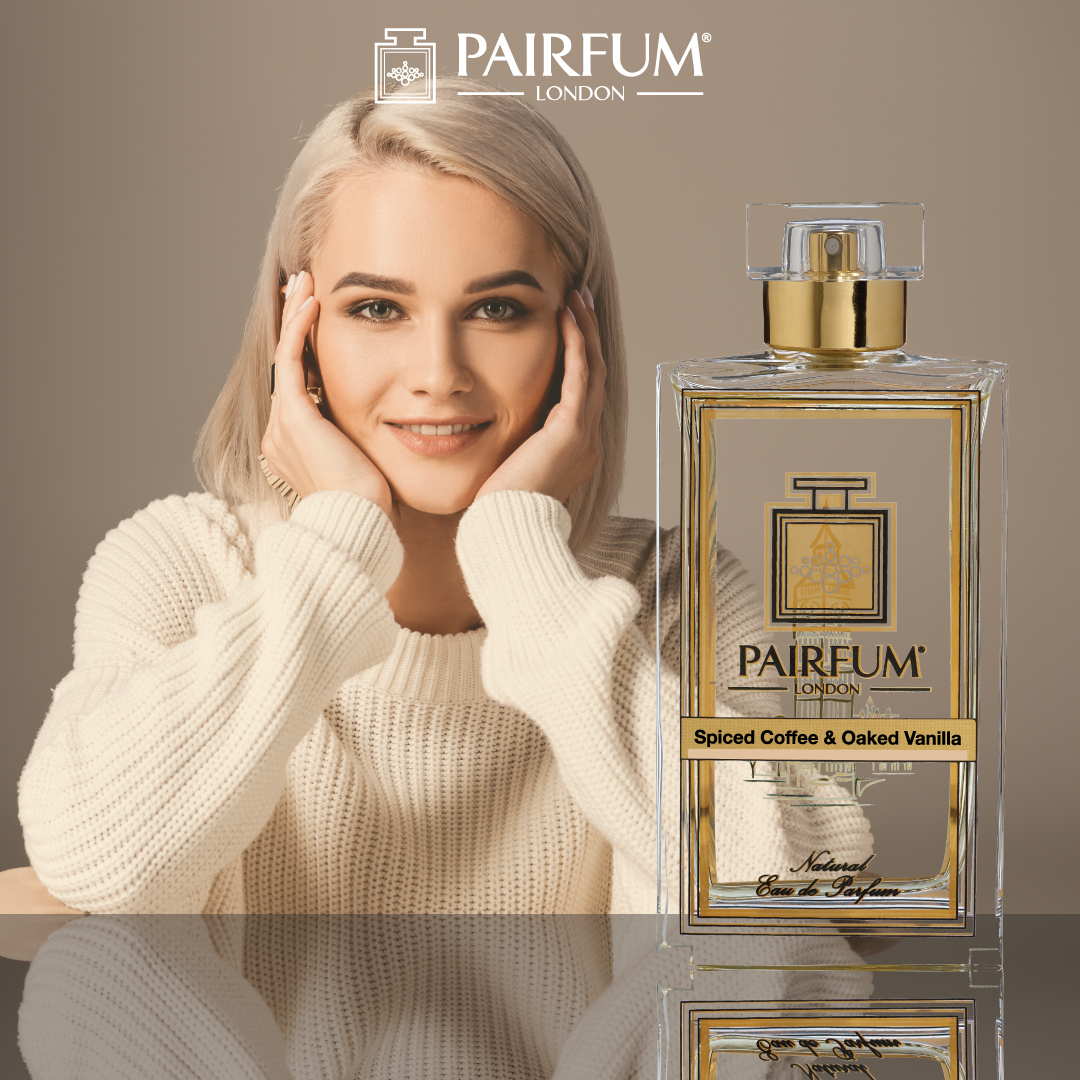
Spiced Coffee & Oaked Vanilla – Eau de Parfum by Pairfum London

This warm, oriental spicy fragrance begins with top notes of Orange Blossom, Pink Pepper and Crisp Pear. The heart is a modern blend of rich and dark Coffee with the elegance of Jasmin. The sophisticated base is built on Patchouli, Cedar and Vanilla aged in Oak.

Cognac & Vanilla – Flacon Perfume Room Spray by Pairfum London

A fragrance for the true connoisseur, this scent combines the tannic depth of Sherry Aged Oak and Caribbean Patchouli with the warmth of Golden Cognac. Anchored by Ancient Labdanum, Amber Benzoin, and rich Bourbon Vanilla, it evokes the spirit of a steady oak tree meeting the refined complexity of aged spirits.

Rooted, Rugged, and Refined: Oak in Your Fragrance

Oak gives perfume a foundation, carrying the weight of other notes so they can unfold. Much like the wood used in fine architecture, it provides a structural strength that keeps a composition steady. From the stately pedunculate oak to the resilient sessile oak, the natural variety within the species allows perfumers to play with different olfactive facets.

In floral or spicy blends, a touch of oak prevents a scent from becoming too fleeting. In winter perfumes, it ensures comfort never tips into heaviness. Its warmth lingers as a soft, sophisticated memory on the skin. We believe in crafting scents that allow this majestic note to shine, adding significant depth to your fragrance journey. Explore how oak effortlessly enhances your favourite compositions, where each perfume promises to envelop you in a comforting embrace, mirroring the steady presence of the oak itself.

The journey from the acorns on the forest floor to the timber in a perfumer’s laboratory is a long one. Whether it is the red oak, the white oak, or the classic English oak, this tree remains the undisputed soul of the forest.

Rosewood In Perfumery

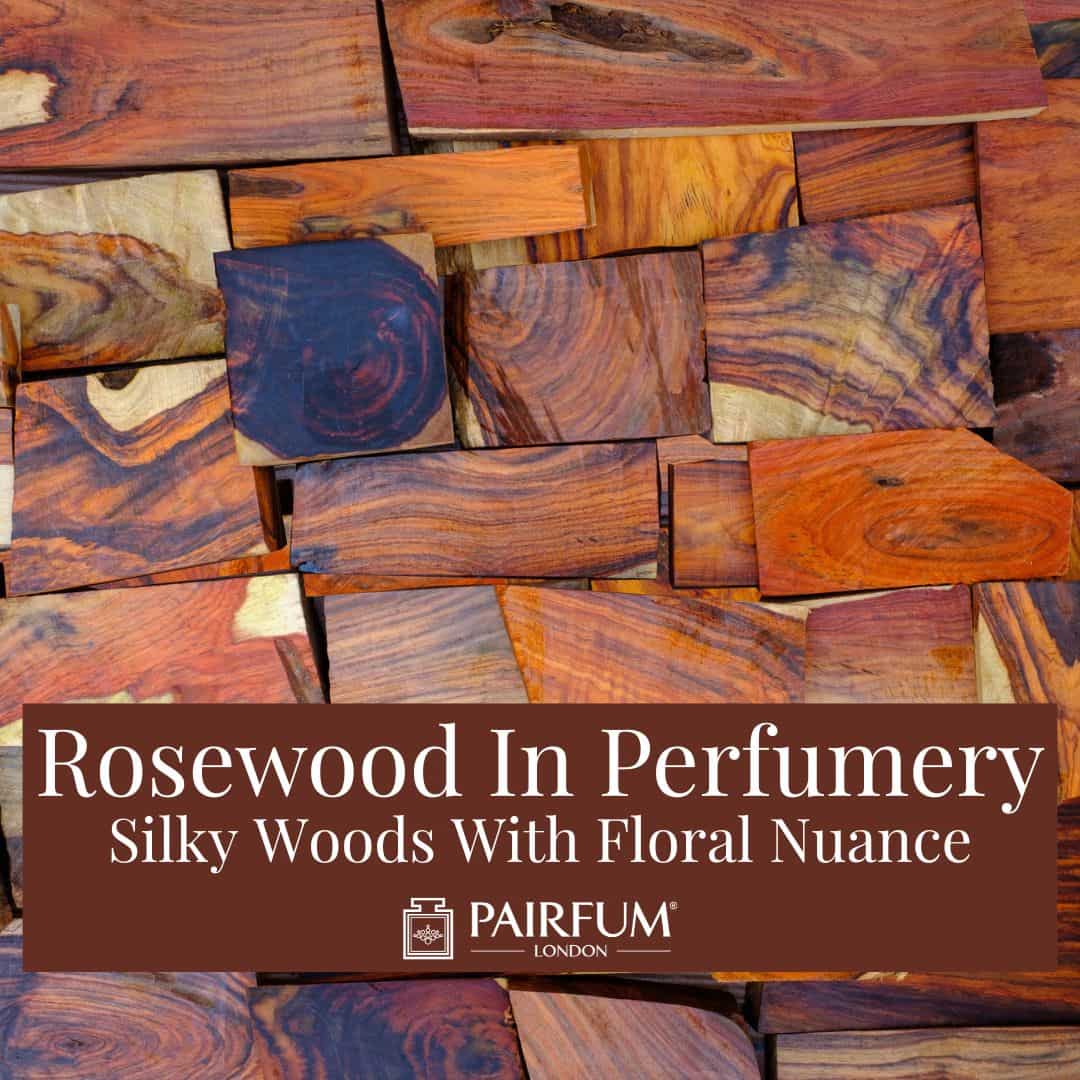
Rosewood In Perfumery: Silky Woods With Floral Nuance

Rosewood in perfumery offers a soft, sweet, woody and lightly floral scent, with gentle citrus and spicy nuances. It adds warmth, depth and a sense of quiet luxury, and is valued for its uplifting yet grounding aroma that blends easily with other notes. As traditional rosewood from Aniba rosaeodora is now protected, modern perfumery more often relies on ethically sourced materials or carefully crafted synthetic alternatives due to conservation concerns.

It is one of those fragrance notes people often recognise without quite realising it. Many have smelled it before, even if they would struggle to name it. There is something reassuring about rosewood. It smells warm, smooth and familiar, like polished wood that has been handled over time. In perfumery, rosewood has been used for decades, not because it demands attention, but because it quietly supports everything around it. It is the sort of note that tends to be missed until it is gone.

Unlike louder woods, rosewood usually feels calm. It brings depth without heaviness and softness without sweetness. During winter months in particular, rosewood seems to make more sense. It fits the mood. In this article, we explore where rosewood comes from, how it is used in perfumery, what it smells like, and why it continues to appear in fragrance even as materials and methods change.

A History Rooted in Aroma

Rosewood became part of perfumery through trade, craft, and availability. In the nineteenth and early twentieth centuries, improvements in distillation made it easier to extract fragrant oils from wood. At that time, South America, especially Brazil, was the primary source of rosewood oil used in perfume.

Rosewood was not only valued for scent. It was widely used in furniture making and decorative carving. Its fine grain and natural sheen made it popular in homes where materials were chosen to last. This same appeal translated into fragrance. Rosewood smelled refined, steady and comforting. It suited a period when perfumes were often soft, warm and close to the skin. That style feels familiar again now, perhaps for similar reasons.

That link between interiors and aroma still matters. Many people find rosewood familiar because it reminds them of lived-in spaces, rather than of perfume counters or trends.

Fragrance Description Magnolias Bloom Ozone Melon Violet Rosewood

What Makes It Rosewood?

Despite the name, rosewood does not come from one single tree. It refers to a group of hardwood species, most often from the Dalbergia genus. In classic perfumery, Brazilian rosewood from Dalbergia nigra was the preferred source. Today, its harvesting is heavily restricted to protect the species.

Rosewood is technically a wood, yet it carries a gentle floral tone. This is where its name comes from. Some describe a faint rose-like quality, though it is never as obvious as an actual rose note. That restraint is important. It gives rosewood its elegance. Some perfumers still describe it as surprisingly modern.

True rosewood oil is now quite rare. Most modern fragrances recreate its profile using other materials. Perfumers rely on combinations of natural oils and aroma molecules to echo its creamy, lightly floral woodiness. These thoughtful choices reflect how perfumery has adapted to modern expectations around sourcing and responsibility.

Extracting the Essence

Traditionally, rosewood oil was produced through steam distillation. Pieces of wood were chipped, heated with water and the resulting vapour condensed to collect the oil. This process captured the characteristic scent of rosewood, fresh at first then warm and gently spicy.

Today, genuine rosewood appears far less often. Environmental concerns have changed how perfumers approach materials. Even so, rosewood remains part of many compositions, often recreated rather than extracted. It usually sits in the middle or base of a fragrance, where it helps everything else make sense.

Rosewood rarely leads a perfume outright. Instead, it supports. It smooths sharp edges, anchors lighter notes and adds a subtle veneer to richer accords. Without it, some fragrances would feel incomplete even if the wearer could not say why.

Bedroom Reed Diffuser Luxury Scented Candle Room Spray 1 1

The Rose Meets the Tree: Its Fragrance Profile

Rosewood has a scent that feels balanced rather than dramatic. It can seem dry and creamy at the same time. There is a mild sweetness but it never becomes sugary. Alongside the woodiness, a soft floral note appears, sometimes compared to pale rose petals or dried blossoms. Not everyone notices it in the same way.

Rosewood works well with many other notes, including:

  • Light florals such as jasmine or orange blossom
  • Gentle spices like cardamom or cinnamon
  • Soft musks and amber
  • Green or citrus top notes that add contrast

Rosewood is often used in winter fragrances, particularly around December. In cold air it feels warming without becoming dense. It suits both personal fragrance and home scent, where it creates atmosphere without overpowering a space.

Another strength of rosewood is its flexibility. It appears comfortably in feminine, masculine and neutral compositions. Its texture within a fragrance is smooth, helping to connect contrasting notes. It can also bring to mind antique furniture or older interiors which adds a sense of history while still feeling current.

Rosewood as a Sensory Reference Beyond Perfumery

The name rosewood has also become associated with design and hospitality more broadly. Rosewood London, located on High Holborn near Covent Garden and the British Museum, is known for its considered interiors and calm atmosphere. The Rosewood Hotel there includes well-known spaces such as Holborn Dining Room, Scarfes Bar and the Mirror Room, each offering distinctive venues with their own character.

Across the Rosewood Hotel Group, properties such as Rosewood Hong Kong, Rosewood Amsterdam and Rosewood Mayakoba in the Caribbean Atlantic region follow a similar philosophy. From a premier suite or grand premier suite to a pearl suite or another room type, the focus is on comfort, texture and tailored spaces. Details such as bedroom layout, room service and how guests experience shared areas all play a role.

Whether it is a Rosewood resort near a golf course, a city landmark in Beverly Hills or a property close to Oxford Street, the experience is consistent. Each location offers unique experiences while maintaining what many describe as distinctive Rosewood service. Together, they form a recognisable rosewood collection.

Rosewood Table

Journeys, Stories, and Cultural Touchpoints

Over time, the language around rosewood has expanded. Phrases like Rosewood Escapes, Rosewood Advance and Rosewood Travel Desk suggest curated discovery journeys rather than standard travel. Recent stories shared by the group often include art afternoon gatherings, quirky tales of local culture and references such as Gongan Beian or Hôtel Crillon.

There is also a growing focus on Rosewood Impacts, which reflects environmental and social awareness. This mirrors shifts within the fragrance world, where sustainability has become central. New openings across different destinations continue to shape how the rosewood name is understood.

In London, mentions of Chancery Rosewood link the name to heritage buildings and modern urban living, reinforcing its connection to place and history.

Fragrances That Showcase Rosewood

Although true rosewood oil is now uncommon, its scent profile remains influential in practice. It is often used when a fragrance needs balance rather than drama.

Rosewood commonly appears in:

  • Woody floral perfumes that need a steady centre
  • Exotic blends where mild spice adds structure
  • Home fragrances designed to feel warm but not heavy

Many classic perfumes from the mid twentieth century relied on rosewood to create a soft, radiant heart. Today, perfumers recreate this effect using materials such as linalool, ho wood, coriander and carefully built accords. The aim is not exact replication but emotional familiarity.

Iconic Fragrances

Chanel – Égoïste: A woody oriental where rosewood smooths spice and adds warmth.

Guerlain – Samsara: A composition built around woods and florals, with rosewood contributing to its creamy feel.

Yves Saint Laurent – Jazz: An aromatic fragrance where rosewood brings balance and softness.

Pairfum Large Reed Diffuser Bell Pure Magnolias In Bloom

Rosewood Base Notes In Home Fragrances by Pairfum London

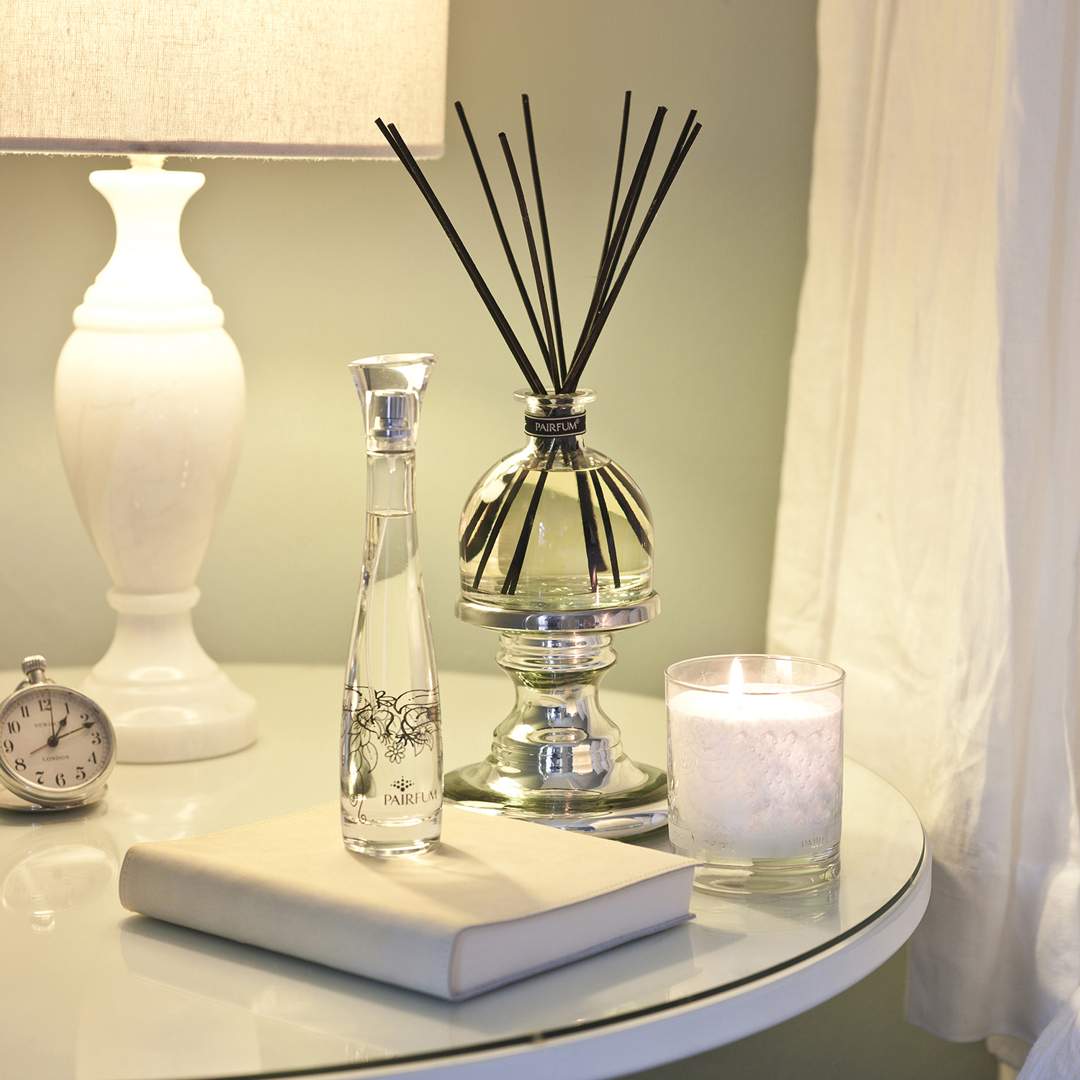
An elegant large bell reed diffuser offers a natural way to enjoy rosewood at home. Designed to release fragrance slowly, it allows the creamy warmth to develop over time alongside soft floral notes. It works well in living spaces, a bedroom or quieter corners of the home, adding atmosphere without becoming intrusive.

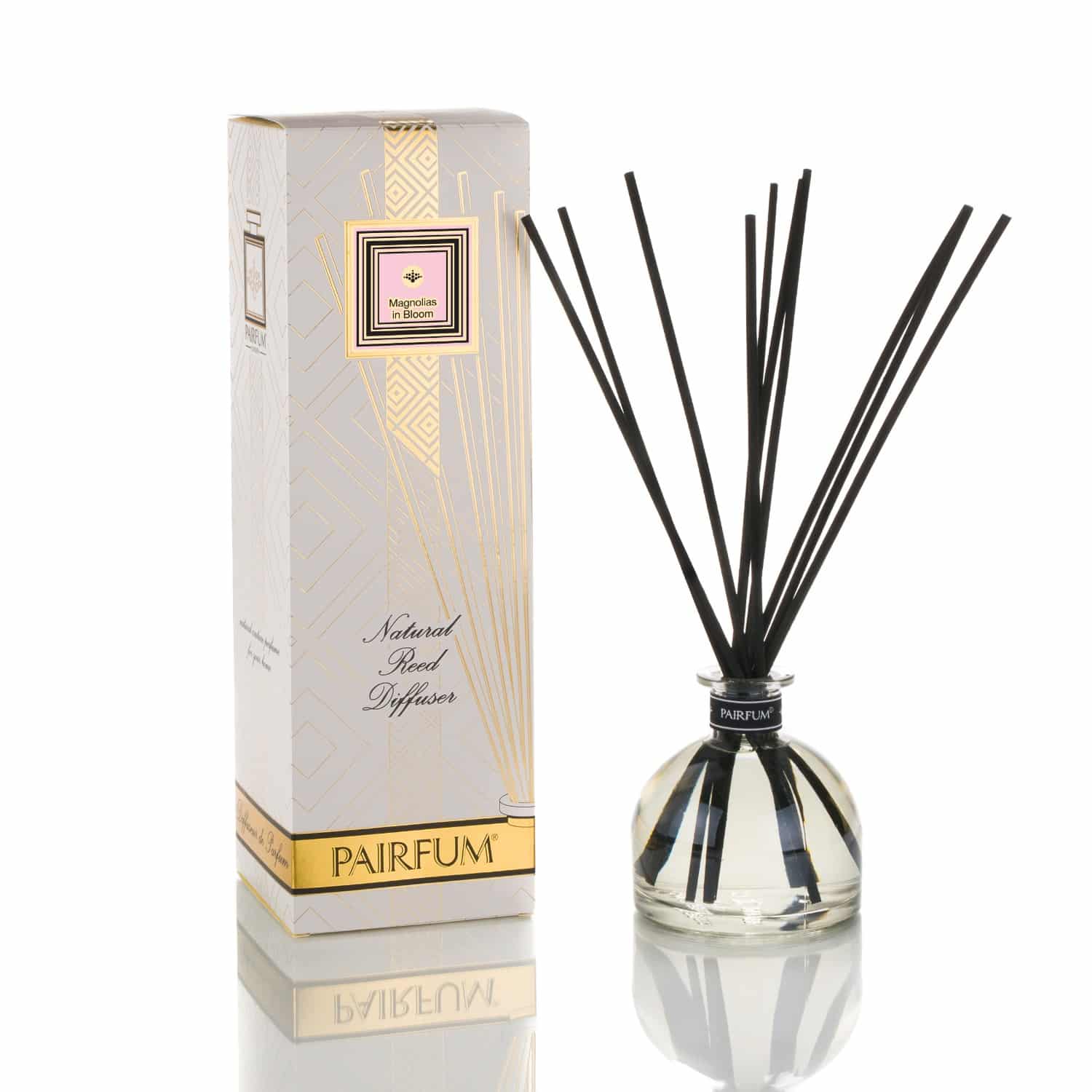
Magnolias In Bloom – Large Bell Reed Diffuser by Pairfum London

This spring floral opens with airy ozone, white petals and a hint of watery melon. The heart blends magnolia, lily, geranium, rose and violet, before settling into gentle musks and rosewood.

The Lasting Appeal of Silky Woods

Rosewood continues to hold its place in perfumery because it avoids extremes. It is neither sharp nor sweet, neither heavy nor fleeting. Few woods combine warmth and floral nuance in the same way, which makes rosewood quietly distinctive. That balance is harder to achieve than it sounds.

As winter progresses and people reach for fragrances that feel comforting, rosewood offers calm rather than impact. It does not shout. It lasts. Even as sourcing methods change, the character of rosewood remains appealing. Silky, woody and softly floral, it is a note that continues to feel worth keeping close.

Cinnamon In Perfumery

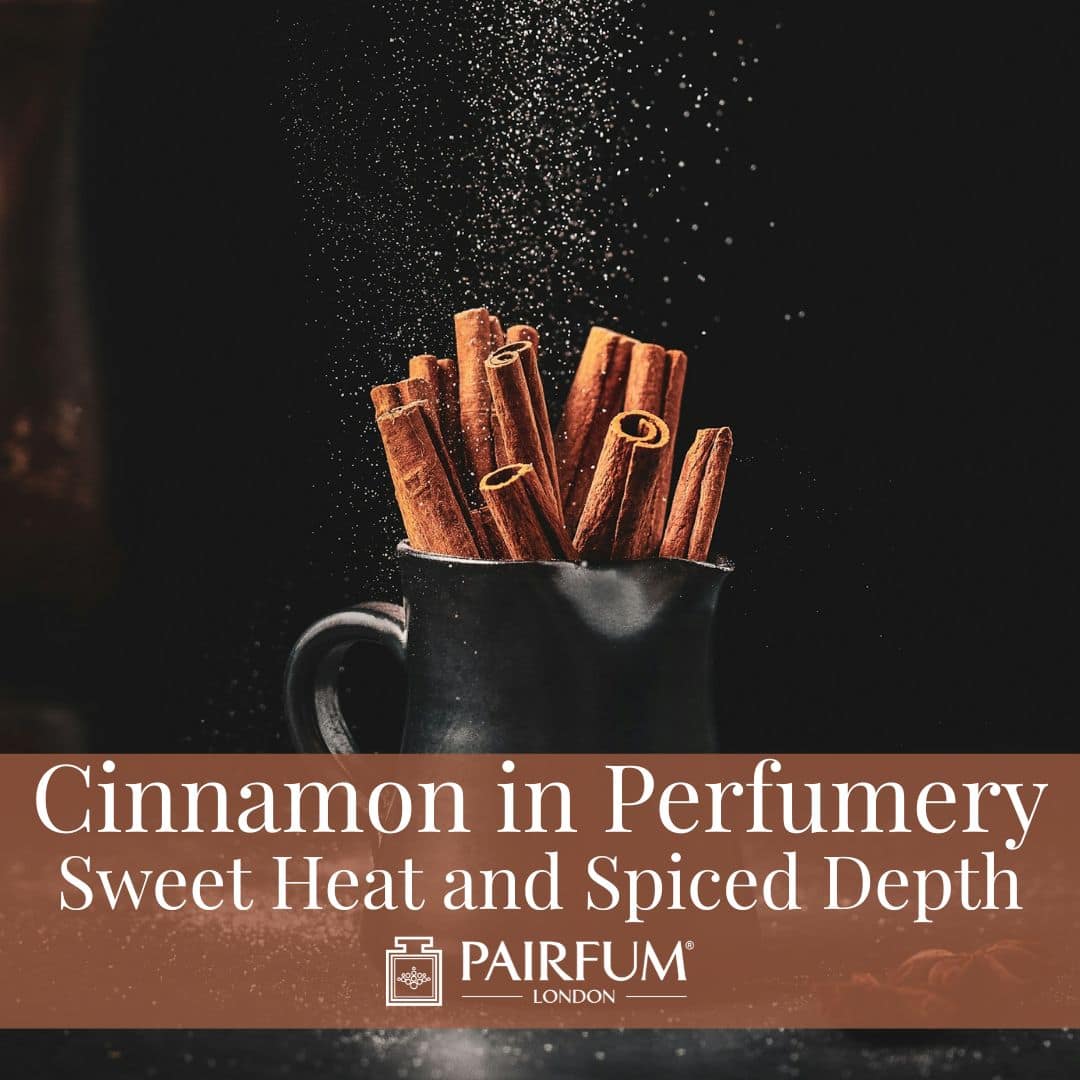
Cinnamon in Perfumery: Sweet Heat and Spiced Depth

Cinnamon is a highly fragrant, warm, and naturally sweet spice derived from the inner bark of trees belonging to the Cinnamomum genus. It is primarily used in baking, desserts, seasonal drinks (such as mulled wine and hot chocolate), and various savoury dishes worldwide due to its unique versatility and potent aromatic flavour. Available as cinnamon sticks (quills) or ground powder, this spice is also commonly associated with potential blood sugar regulation and brain function support.

Cinnamon has always held a particular charm in perfumery. This familiar spice feels warm and inviting, with just enough heat to catch the senses without overwhelming them. We tend to associate cinnamon with food and home comforts, yet in fragrance it takes on a more nuanced role, adding character, depth, and gentle fire.

Unlike overly sweet dessert flavours, cinnamon in perfume brings balance. It gives warmth without becoming sugary, allowing a fragrance to feel alive in cooler weather. Wrapped around amber, woods, or vanilla, cinnamon settles like a soft scarf on a cold day. Long before its place in modern blends, cinnamon travelled trade routes, scented rituals, and infused healing balms across continents.

This is the story of how cinnamon found its way from bark to bottle, and why it continues to matter in perfumery today.

From Bark to Bottle: Understanding Cinnamon More Deeply

All cinnamon comes from the inner bark of the cinnamon tree, which belongs to the Cinnamomum family. The most prized species is Cinnamomum verum, also known botanically as Cinnamomum zeylanicum. This is the source of true cinnamon and is mainly cultivated in Sri Lankan regions.

Ceylon cinnamon sticks are created by carefully peeling the inner bark and allowing it to dry naturally. These Ceylon cinnamon sticks are light in colour, thinly layered, and refined in flavour. By contrast, cassia varieties use thicker bark, resulting in a darker appearance and a more forceful spice character.

Cassia cinnamon includes Chinese cinnamon, also referred to as Chinese cassia, alongside Indonesian cinnamon and Saigon cinnamon. These are commonly classified as Cinnamomum cassia or c loureiroi. Cassia bark produces a stronger aroma and a sharper heat, which explains its widespread use where intensity of flavour and spice is desired.

Eau de Parfum Person Reflection Ginger Elemi Vetiver Woman Fresh 1 1

A Fragrant Past: The History of Cinnamon in Perfumery

Cinnamon has been valued since ancient times, from China through to Egypt. It was not only prized for its flavour but also for its warming effect and symbolic associations. Oils infused with cinnamon bark were used in rituals, incense, and early perfumes, often connected with protection and vitality.

Across early Arabia and the Mediterranean, cinnamon oil was blended with resins, woods, and herbs for both spiritual and everyday use. As perfumery developed across Europe, cinnamon remained part of the perfumer’s palette.

By the nineteenth and twentieth centuries, cinnamon had shifted from ceremonial use into refined fragrance compositions. It found its place in comforting gourmand styles as well as in spiced perfumes designed for colder months, where warmth and presence were essential.

Two Types, Two Aromas: What Kind of Cinnamon is Used?

Perfumers make careful choices when working with cinnamon, as not all types behave the same way. Two main forms dominate.

Ceylon cinnamon, often called true cinnamon, has a softer profile. Its aroma is rounded, subtly sweet, and smooth. This makes it ideal for perfumes that aim for elegance rather than impact, particularly when paired with vanilla or honey.

Cassia cinnamon delivers far more intensity. Rich, bold, and fiery, cassia brings instant warmth. It is often chosen when a perfume needs drama and strength, especially during autumn and winter.

Whether the goal is comfort or statement, the choice between ceylon cinnamon and cassia shapes the entire direction of a fragrance.

Aroma, Chemistry, and Balance

The distinctive scent of cinnamon comes primarily from cinnamaldehyde, which is concentrated in the bark. Cassia varieties contain higher levels of cinnamaldehyde and also more coumarin. Coumarin adds depth and warmth, but it requires careful handling due to its strength.

In perfumery, cinnamon oil may be extracted from either bark or leaves. Bark oil brings sweetness and heat, while leaf oil introduces a drier, clove-like note. Many perfumers rely on controlled fractions, essential oil blends, or cinnamon extract to manage strength, safety, and balance.

This measured approach allows the spice to shine without overpowering the composition.

Bedroom Reed Diffuser Luxury Scented Candle Room Spray

Cinnamon Beyond Perfumery: Food, Memory, and Everyday Use

Cinnamon is deeply woven into food culture. Ground cinnamon and cinnamon powder appear in baking traditions across the world, from a classic cinnamon roll to festive pastries and enriched rolls.

A familiar recipe often begins with dough made from flour, sugar, and butter. Unsalted butter or melted butter is spread generously, followed by cinnamon sugar made with brown sugar. After baking, a dusting of powdered sugar might be added. A cinnamon bun fresh from the oven carries comfort that feels almost universal.

Beyond baking, cinnamon enhances savoury dishes, mulled wine, and even cinnamon tea. Its flavour crosses sweet and savoury boundaries with ease, which helps explain its lasting appeal.

Supplements, and Responsible Context

Interest in cinnamon has extended into wellness, leading to cinnamon supplements and wider cinnamon supplementation. Research suggests that outcomes depend heavily on the type of cinnamon used, the preparation, and dosage.

Cassia cinnamon supplements may contain higher levels of coumarin, which is why moderation matters. Any supplement should be approached thoughtfully, and cinnamon’s role in fragrance or food should not be confused with health claims.

Capturing the Spice: How Perfumers Extract Cinnamon

In fragrance, cinnamon’s scent usually comes from steam-distilled oil taken from the bark or leaves of the cinnamon tree.

Bark oil delivers the richest warmth associated with spiced perfumes. It feels dry, deep, and comforting, making it ideal for resinous or smoky blends.

Leaf oil offers a lighter, greener aroma with hints reminiscent of clove or even star anise.

Because natural cinnamon oil can irritate the skin at high concentrations, perfumers often use carefully balanced accords or synthetics. These retain the recognisable character of cinnamon while keeping fragrances wearable and safe.

Cinnamon Sticks

How Cinnamon Is Used in Perfume Blending

Cinnamon typically appears in the heart or base of a perfume. It anchors the composition once brighter notes fade, releasing warmth gradually rather than all at once.

It blends particularly well with:

Vanilla, tonka bean, or honey for soft, edible warmth

Amber and woods for depth and comfort

Florals for contrast and structure

Citrus notes to lift and brighten the spice

Cinnamon’s versatility allows it to move between subtle and bold expressions. This is why it features in perfumes for all genders and across many styles.

Cinnamon’s Shining Moments: Iconic Perfumes That Use It Well

Cinnamon often feels most at home in autumn and winter fragrances. Cooler air allows the spice to unfold fully. That said, it is not limited to one season. Used with restraint, cinnamon becomes a defining feature rather than a background note.

Some perfumes combine cinnamon bark with dried fruits, nuts, and soft musks. Others lean into woods and leather, letting cinnamon glow quietly beneath the surface. In-home fragrance, cinnamon evokes memory and comfort, from festive kitchens to spiced evenings indoors.

Its range, from gentle sweetness to sharp spice, keeps it relevant across perfume and interior scenting.

Eau de Parfum Person Reflection Ginger Elemi Vetiver Man Suit 1 1

The Warm Embrace of Spice: Why Cinnamon Draws Us In

Cinnamon feels personal. Its warmth is reassuring rather than overpowering. It brings sweetness, strength, and familiarity in equal measure. Whether encountered in food, scent, or memory, cinnamon has a way of grounding us.

In niche and natural perfumery, cinnamon remains valued for its honesty. It is never sterile or flat. That quiet warmth continues to draw us back, especially as days shorten and seasons change.

Cinnamon Home & Personal Fragrances With Pairfum London

Rich Spices – Large Bell Shape Reed Diffuser by Pairfum London

This aromatic and spiced composition often opens with Pomegranate and Cranberry, moving into a warming heart of Chestnut, Nutmeg, Cinnamon, and Clove. The base rests on Vanilla Pods, dried Figs, Dates, and Persimmons, creating a comforting atmosphere. Free delivery is available on qualifying orders.

Ginger, Elemi & Vetiver – Eau de Parfum by Pairfum London

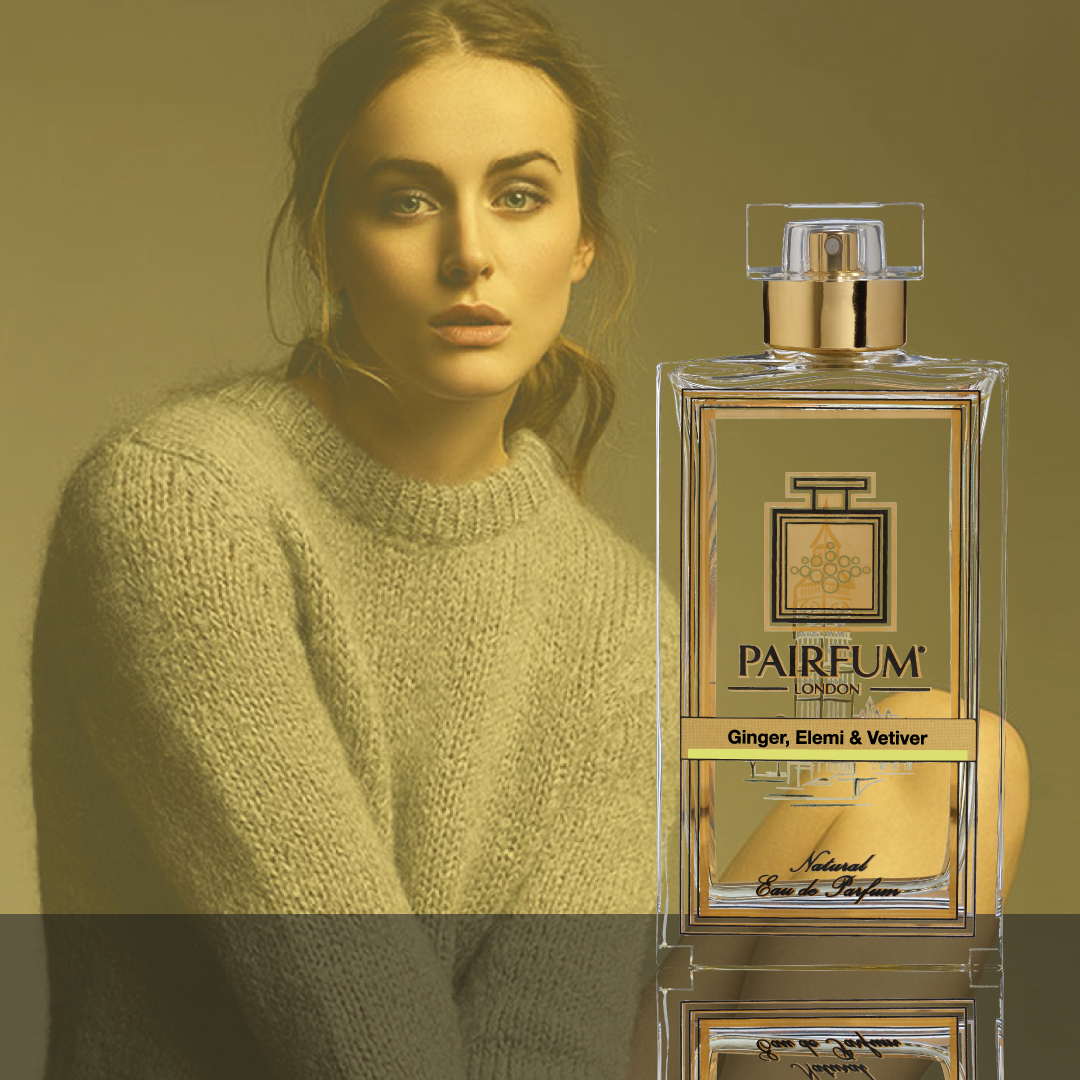
This fragrance blends bright citrus notes of Bergamot and Grapefruit with warming spices including Ginger, Nutmeg, and aromatic Cinnamon. Floral notes of Geranium, Rose, Freesia, Gardenia, Jasmin, and Orange Blossom follow, supported by Coconut and Raspberry. The base features Vetiver, Guaiacwood, Cedar, Amber, Cashmere Musks, Vanilla, and Moss.

Pairfum Large Reed Diffuser Bell Pure Rich Spices

Conclusion:

From cinnamon stick and cinnamon bark to essential oil and extract, cinnamon bridges flavour, scent, and memory. Whether experienced as Ceylon cinnamon or cassia, it balances sweetness and spice in a way that feels timeless.

Rooted in history and endlessly adaptable, cinnamon continues to hold its place in perfumery, food, and home fragrance, offering warmth and familiarity that never truly fades.

Chestnut In Perfumes

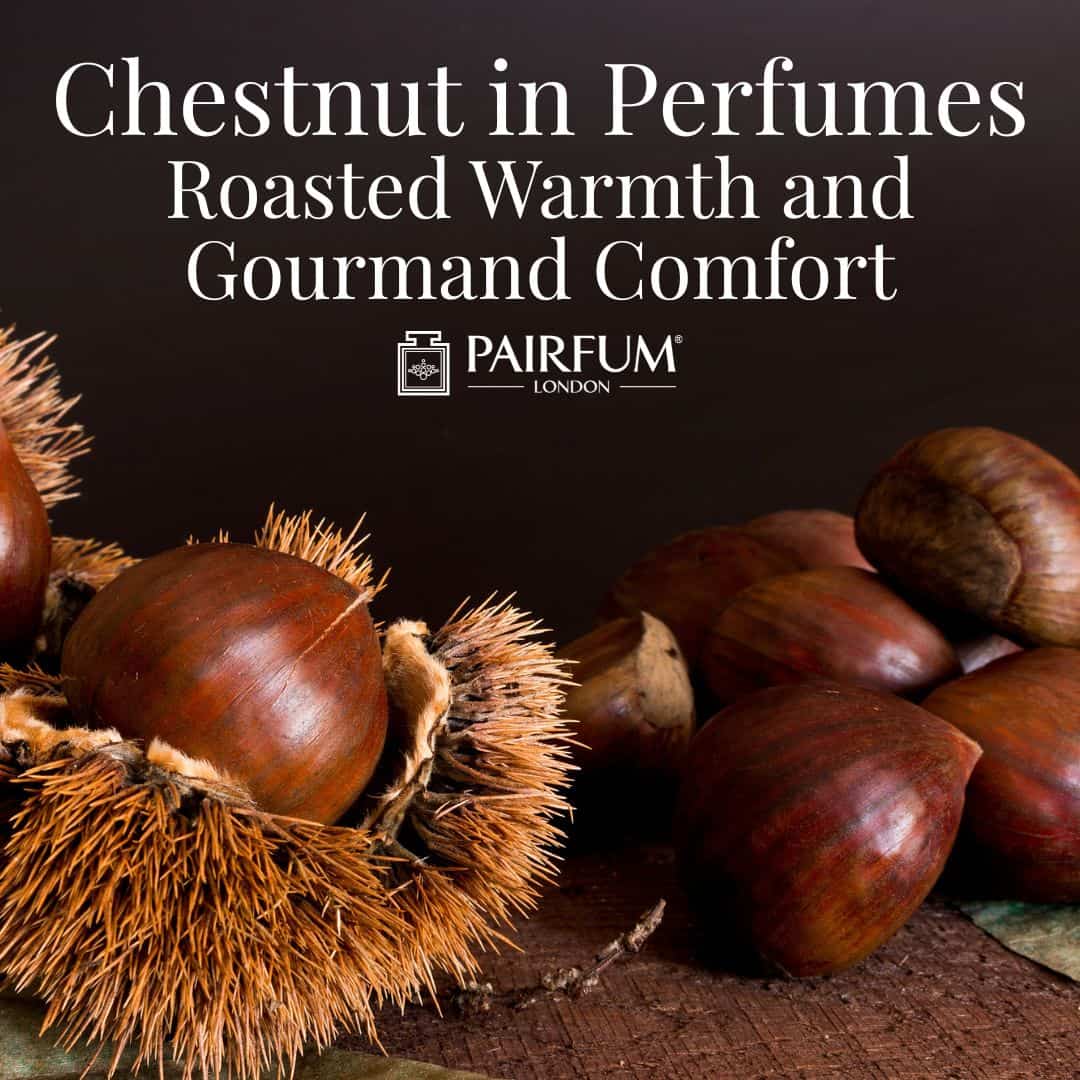
Chestnut in Perfumes: Roasted Warmth and Gourmand Comfort

A chestnut is an edible brown nut that grows on trees belonging to the genus Castanea. It sits inside a sharply spiked shell and has been gathered, cooked and eaten for centuries. In the English language, chestnut works as both a noun and a description. It refers to the nut itself, a familiar brown colour, and even an idea that has been repeated often enough to feel well-worn. The word comes to us through Middle English, which hints at just how long chestnuts have been part of everyday life.

There is also a distinction that matters. A true chestnut should not be confused with the poisonous horse chestnut, commonly known as a conker. Edible chestnuts are enjoyed roasted in winter, ground into chestnut flour, or blended into purées for cooking. They are naturally high in fibre and minerals and have long been valued as both nourishing and filling.

When the weather cools and routines slow, certain scents begin to feel right. Chestnut is one of them. Its warmth is gentle rather than sweet, familiar rather than showy. It often brings to mind food cooking quietly nearby.

Compared with bright fruit notes or sugary gourmands, chestnut stays calm. It settles into a fragrance and stays there. Over time, this quality has given chestnut a steady place in niche and seasonal perfumery, especially during autumn and winter. The sections below explore where chestnut comes from, how it appears in fragrance, and why it still resonates.

What Is a Chestnut?

A chestnut is both a fruit and a nut, produced by a tree that has shaped landscapes and diets for thousands of years. Beyond food, the word chestnut is used to describe colour, texture and atmosphere, often linked to wood, age and autumn light.

True chestnuts grow on chestnut trees within the genus Castanea. These are long-lived fruit trees, found in cultivated land and natural woodland. A mature chestnut tree is usually a tall, broad tree. It is a deciduous tree, shedding its leaves each year. The rough bark, wide canopy and long leaf shape make it easy to recognise once you know it.

Fragrance Description Rich Spices Pomegranate Cinnamon Clove Fig

The Chestnut Tree in Ecology and Landscape

The chestnut tree has always been useful beyond the harvest of chestnuts. As a deciduous tree, it improves soil health through the steady fall of leaves each year. This supports fungi, insects and wildlife within woodland habitats. Chestnut trees are also tolerant of poorer soils, which allows them to grow where other fruit trees struggle.

Historically, many sweet chestnut tree stands were coppiced. This practice encouraged new shoots from the base of the tree, producing poles for fencing, fuel and building. Over time, these managed areas became a familiar feature of parts of England and mainland Europe. Mature chestnut trees still shape local landscapes today.

Flowering, Pollination, and the Iconic Fruit

In early summer, sweet chestnut produces pale flower spikes rich in pollen. These flowers attract bees and other insects. Pollination happens through both wind and insects, which helps chestnut trees succeed in varied environments.

The fruit forms inside a spiny burr. When ripe, the burr opens and releases the chestnuts, which fall to the ground in autumn. Each nut contains a high level of starch. This sets chestnuts apart from oil-rich nuts and explains their soft texture once cooked. These same qualities influence how perfumers imagine chestnut as a scent.

Sweet Chestnut and Horse Chestnut Explained

When talking about chestnuts, precision matters. The sweet chestnut, botanically known as Castanea sativa, is the edible species. It is also called the European chestnut or Spanish chestnut and has been cultivated for centuries.

The horse chestnut is different. Its seeds look similar but are toxic. Horse chestnut is grown as an ornamental tree, not for food or fragrance. Only the sweet chestnut is relevant to perfumery.

Living Room Large Bell Reed Diffuser Luxury Fragranced Candles

Chestnut Trees Around the World

Several chestnut species grow across Europe, Asia and North America.

In Europe, Castanea sativa, the European chestnut, is most common. In Asia, the Chinese chestnut, known scientifically as C mollissima, and the Japanese chestnut are widely cultivated and valued for their disease resistance.

In North America, the story of the American chestnut is often cited. The American chestnut tree, or Castanea dentata, once dominated vast forests. The arrival of chestnut blight, a fungal disease, changed everything. This single disease devastated populations and permanently altered ecosystems.

From Tree to Table: How Chestnuts Are Prepared

Chestnuts behave differently from many other nuts. They are low in fat and high in starch. A raw chestnut is firm and bitter, which is why chestnuts are almost always cooked.

Preparation methods include roasting, boiling and drying. Roasted chestnuts are perhaps the most familiar, especially in winter markets. Many people also roast chestnuts at home. After cooking, the shells are removed, leaving peeled chestnuts.

Other forms include fresh chestnuts, fresh chestnut, cooked chestnuts, and dried chestnut. Traditional recipes use chestnut flour in breads and cakes. Desserts such as Mont Blanc rely on smooth chestnut purée, often finished with cream and candied chestnut. These foods strongly shape how chestnut is imagined in fragrance.

Chestnut in Culture and Daily Life

Across Europe, chestnuts appear in everyday traditions. Autumn farm walks often involve collecting fallen chestnuts. An old chestnut tree may serve as a familiar meeting point or landmark. In Britain, dehusked Kentish cobnuts are sometimes compared with sweet chestnut, showing how closely the nut is woven into rural culture.

These experiences give chestnut emotional weight as a scent, linking it to warmth, food and continuity.

Chestnut

A Warm Glimpse into the Past: The Origins of Chestnut in Perfumery

Chestnut found its way into perfumery through memory rather than extraction. For generations, roasted chestnuts scented streets and markets during colder months. The aroma became tied to home, warmth and routine.

Early perfumers recognised this connection. As gourmand fragrances grew in popularity, chestnut offered warmth without excess sweetness. In older traditions, nut-based aromas were believed to calm the senses, which helped chestnut take its place in fragrance.

What Kind of Chestnut Is Used?

Only the sweet chestnut is used as inspiration in perfumery, most often referencing Castanea sativa. The nut itself does not produce a strong extract.

Because of this, perfumers rely on constructed accords that suggest sweet chestnut rather than recreate it directly.

How Perfumers Use Chestnut in Fragrance

In perfume, chestnut usually appears in the heart or base. It adds warmth and staying power rather than brightness.

Its character is creamy, gently toasted and softly woody, echoing the chestnut tree itself. Chestnut pairs naturally with vanilla, woods, leather and spices.

The Art of Extraction: How Chestnut Makes Its Way into Perfume

Chestnut does not give up its scent easily. Neither nut nor shell distils well.

Instead, perfumers build accords using woody notes, creamy facets inspired by chestnut purée, and faint smoky tones that recall roasted chestnuts. The aim is to suggest a feeling rather than capture a literal smell.

Pairfum Snow Crystal Candle Classic Pure Rich Spices

Chestnut appears in many niche and luxury perfumes, particularly those aimed at colder months. Each uses it a little differently:

  • Some perfumes let chestnut take centre stage, combining it with coffee, cream, or vanilla for a full gourmand feel
  • Others blend it into smoky or woody profiles to add a touch of sweetness and cosiness
  • A few modern creations play with spiced chestnut, combining it with warm spices and dark fruit for a more mysterious effect

In autumn and winter releases, chestnut is not just a seasonal extra. It fills a genuine gap, giving depth and balance to perfumes that want to feel grounded but soft, rich but not overpowering.

Home Fragrance Heart Notes With Pairfum London

To bring chestnut-inspired warmth into the home, the Large Snow Crystal Perfumed Candles offer an inviting option. Designed for slower seasons, these candles create a calm, enveloping atmosphere with roasted, nutty comfort. Their generous size and refined presence suit evenings spent indoors.

Rich Spices – Large Snow Crystal Candle by Pairfum London

This fragrance opens with Pomegranate and Cranberry, moves into a warming heart of Chestnut, Nutmeg, Cinnamon and Clove, and settles into Vanilla Pods with dried fruits such as Figs, Dates and Persimmons.

Conclusion:

Fragrance is closely tied to memory. Chestnuts often bring to mind winter evenings, shared food and familiar rituals.

Chestnut never tries to dominate. It sits quietly in a composition, offering comfort without insistence. That restraint is why perfumers return to sweet chestnut again and again. Rooted in nature and shaped by culture, it remains a reassuring presence when the air turns cold.

    Your Cart
    Your cart is emptyReturn to Shop