Home / sandalwood
Amber Sandalwood Eau De Parfum

The History and Origins of Amber & Sandalwood

Amber and sandalwood have been treasured for centuries due to their unique qualities and fragrant allure. These ingredients have turned simple perfumes into timeless classics. Understanding their history and origins can help you appreciate their significance in perfumery today.

Amber is not a plant but fossilised tree resin. It has been used in various cultures for its aroma and believed healing properties. Sandalwood, on the other hand, comes from the heartwood of trees in the genus Santalum. Native to India, Australia, and other parts of Asia, sandalwood has played a vital role in religious rituals and traditional medicine.

Both amber and sandalwood are known for their rich and enduring fragrances. Amber has a warm, sweet, and honey-like aroma, while sandalwood offers a soft, creamy, and woody note. These fragrances blend well with other essences, making them popular in many iconic perfumes.

By delving into their histories, understanding the different types, exploring extraction methods, and discovering iconic perfumes, you’ll gain a deeper appreciation of amber and sandalwood. Let’s uncover the enduring allure of these timeless ingredients.

Amber and sandalwood are two of the most cherished elements in perfumery, celebrated for their evocative scent profiles, cultural heritage and long-standing use in spiritual and aromatic practices. When combined, amber sandalwood creates a fragrance that feels both timeless and intimate, a blend that speaks to memory, warmth and earthy sophistication.

This article explores the origins, historical roles and olfactory richness of amber and sandalwood, while uncovering their deeper connection to the world of fragrance.

Pairfum Eau de Parfum Person Reflection Mandarin Blossom Sandalwood Woman Dance 1 1

Amber: A Gem of Ancient Aromas

Amber is not a mineral but fossilised resin, formed from ancient trees over millions of years. The most prized amber comes from the Baltic region, where it was once traded as far as the Middle East via the historic Amber Road. Long before it was used in perfumery, amber was valued for its mystical properties. It was worn as a talisman, believed to possess healing powers and a calming influence.

In perfumery, amber is not usually the raw fossil itself, but a fragrance accord crafted from natural ingredients such as labdanum, benzoin, vanilla and sweet balsamic resins. This combination produces a rich, resinous aroma with soft, powdery edges and subtle hints of warmth. Amber has become a cornerstone in many perfume compositions, particularly in Oriental and woody fragrance families.

With over 41 mentions of amber throughout history and scent culture, its significance cannot be overstated. The aroma of amber continues to influence modern perfumery, with amber fragrance oil used extensively in candles, bath salts and personal care.

Sandalwood: The Sacred Heart of Fragrance

Sandalwood has an unmistakable woody aroma that is creamy, smooth and deeply grounding. Extracted from the heartwood of Santalum trees, especially Santalum album, sandalwood has been revered for centuries across India, China and the Middle East. In ancient temples, it was burned as incense during sacred rituals and used in Ayurvedic medicine for its calming properties.

Sandalwood oil is one of the most enduring ingredients in perfumery. Its gentle character makes it ideal as a base note, blending seamlessly with floral notes like rose, jasmine and lavender, or with spiced accords including clove, cardamom and pink pepper. Whether used in a perfume or a candle, sandalwood lends a sense of serenity and elegance to any composition.

With its use recorded in at least 37 traditional and modern formulations, sandalwood remains an essential building block in the palette of any perfumer.

Origin Of Amber

Origins and Historical Significance of Amber and Sandalwood

Amber and sandalwood have fascinating histories that span thousands of years. Both have played essential roles in various cultures and civilisations.

Amber

Amber is fossilised tree resin, predominantly from ancient pine trees. It has been found in locations around the world, with significant deposits in the Baltic region. Amber has been used for its aromatic properties and believed healing powers since the Stone Age. The ancient Greeks and Romans valued amber as a gemstone and used it in jewellery and ornaments. Traders transported it along the famous Amber Road, a trade route that connected the Baltic Sea to the Mediterranean.

Sandalwood

Sandalwood comes from the heartwood of Santalum trees, particularly Santalum album in India. It has been prized for over 4,000 years. In ancient India, sandalwood was used in religious rituals, carvings, and Ayurveda. Temples and palaces were built using sandalwood because of its aromatic and insect-repellent qualities. In China, it was used for incense and traditional medicine. The rich, woody fragrance of sandalwood made it a valuable trade commodity, spreading its influence far and wide.

Both amber and sandalwood have transcended time, remaining integral in perfumery and other uses today. Their rich histories illustrate their lasting appeal and significance.

The Evolution of Amber and Sandalwood in Perfumery

As perfumery evolved from ancient rituals into refined artistic expression, amber and sandalwood found new life. These ingredients became foundational for crafting balanced fragrances, providing longevity and complexity to both base notes and heart accords.

Amber offers warmth, resin and a whisper of powdery sweetness, while sandalwood adds a smooth, woody depth that lingers on the skin. Their combined presence often evokes a feeling of sensuality and comfort, found in both subtle skin scents and bold, statement perfumes.

Both amber and sandalwood are featured in fragrance oils, room sprays, and candles. These applications allow the scent to extend beyond personal wear into everyday living spaces, infusing rooms with a sense of calm and understated sophistication.

Eau de Parfum Person Reflection Mandarin Blossom Sandalwood Man 1 1

A Sensory Journey: Notes, Nuance and Natural Ingredients

Fragrance is more than aroma. It’s a journey of the senses, and amber and sandalwood take centre stage in this journey. Together, they form the basis of a rich sensual fragrance, often complemented by other natural ingredients that enhance their complexity:

  • Vanilla and sweet vanilla amplify the soft sweetness of amber
  • Tonka bean contributes a velvety, almond-like nuance
  • Citrus elements like bergamot and orange brighten the blend with fresh top notes
  • Musk and warm musk add sensual undertones
  • Patchouli deepens the base with an earthy finish
  • Spice and spicy note provide a lively contrast to the woody calm
  • Cedar and wood bolster the woody structure, adding clarity and resilience

These carefully chosen notes highlight the multifaceted nature of amber and sandalwood, turning them into versatile pillars of perfumery.

Fragrance in Daily Rituals

Beyond perfume, amber and sandalwood are widely embraced in other fragrant forms. A well-made candle using these ingredients releases a calming scent that fills the room with understated elegance. With more than 11 mentions in historical records, the use of sandalwood in candle making reflects its enduring appeal.

Candle lovers often pair sandalwood with floral notes, such as rose or jasmine, for a balanced aroma that feels both sensual and soft. When used in bath salts or home fragrance oils, amber and sandalwood create an atmosphere of quiet luxury and skin-soothing comfort.

To maintain the integrity of your candle or fragrance oil, always store it in a cool, dark place and avoid exposing it to direct sunlight. This preserves the scent profile and extends the life of your product.

Skin and Scent: A Natural Harmony

Amber and sandalwood work exceptionally well with skin, evolving throughout the day and adapting to your body chemistry. This skin-like quality makes them ideal for crafting a signature scent. Whether applied as a perfume or worn through scented products like lotion or oil, the interaction with skin enhances the warmth and depth of the aroma.

Scent memory is deeply personal, and few combinations leave a lasting impression like amber and sandalwood. Their warmth is inviting, their finish smooth, and their presence comforting.

Elegance, Sophistication and Sustainability

In a time where sustainability is vital, the sourcing of sandalwood and amber plays an important role. Due to overharvesting, especially of Indian sandalwood, ethical sourcing and sustainable plantations are now essential. Amber alternatives are also being created using sustainable, plant-based resins to maintain the exceptional fragrance of traditional amber while preserving natural ecosystems.

Their enduring use speaks to the elegance and sophistication they offer. Whether you’re drawn to their woody character, their sweet notes or their gentle warmth, amber and sandalwood remain among the most treasured elements in perfumery.

Origin Of Sandalwood

Types of Amber and Sandalwood in Perfumery

Both amber and sandalwood come in different types, each with unique characteristics. These varieties are used in perfumery to create diverse and captivating fragrances.

Types of Amber

Amber in perfumery is not just fossilised resin. It includes blends and synthetic interpretations that capture its warm, sweet aroma.

1. Fossilised Amber: Authentic amber resin is sometimes used in niche perfumes, offering a deep and earthy fragrance.

2. Amber Accord: This is a mixture of labdanum, benzoin, and vanilla. It captures the essence of amber without using fossilised resin.

3. Synthetic Amber: Lab-created, it mimics the smell of amber and is used in many commercial perfumes.

Types of Sandalwood

Sandalwood comes in several types, mainly defined by their geographical origin and the species of tree.

1. Indian Sandalwood (Santalum album): This is the most prized variety. It has a rich, creamy, and long-lasting aroma.

2. Australian Sandalwood (Santalum spicatum): It offers a slightly different fragrance, less sweet but still woody and balsamic.

3. Hawaiian Sandalwood (Santalum paniculatum): This variety has a more subtle fragrance compared to its Indian counterpart.

Each type of amber and sandalwood brings something unique to perfumery. These varieties allow perfumers to craft distinctive and memorable fragrances that appeal to a wide range of preferences.

Extraction Methods and Processing

The extraction and processing of amber and sandalwood are essential to capture their unique aromas. Each requires specialised techniques to preserve their quality and fragrance.

Amber Extraction

Amber is collected from fossilised tree resin, usually found in the Baltic region or the Dominican Republic. The extraction process involves:

1. Mining: Amber deposits are often mined from the earth. In some regions, it is collected from sedimentary rocks using tools to extract the resin chunks.

2. Collection from Beaches: Baltic amber often washes ashore. Collectors gather these pieces, especially after storms.

3. Processing: After extraction, amber is cleaned and polished. Some perfumes use raw amber oil, obtained by heating the resin slowly until it melts and releases its oils.

Sandalwood Extraction

Sandalwood oil extraction is more complex. Here are the main methods:

1. Steam Distillation: The most common method involves cutting the wood into chips, which are then steam-distilled. The steam carries the essential oils away from the wood, condensing back into liquid form.

2. CO2 Extraction: This method uses carbon dioxide to extract oil without heat, preserving more of the natural fragrance.

3. Water Distillation: An older method involves boiling the wood and collecting the distilled oil. It’s less efficient but still used in some traditional practices.

Proper extraction methods are crucial for maintaining the quality and aroma of amber and sandalwood oils. These techniques allow perfumers to use these rich and complex fragrances in their creations.

Pairfum Person Reflection Mandarin Blossom Sandalwood Eau de Parfum

Iconic Perfumes Featuring Amber and Sandalwood

Amber and sandalwood have formed the backbone of many iconic perfumes. These ingredients have been used by perfumers to create timeless and unforgettable fragrances.

Classic Perfumes

Chanel No. 5: This legendary perfume uses amber accords to enhance its floral notes, adding depth and warmth.

Guerlain Shalimar: A classic Oriental fragrance, Shalimar features a rich blend of amber and vanilla, making it a beloved perfume worldwide.

Modern Icons

Tom Ford Santal Blush: This modern masterpiece highlights sandalwood’s creamy, woody aroma, blended with spices and floral notes.

Diptyque Tam Dao: Known for its prominent sandalwood notes, Tam Dao offers a soothing and calm fragrance experience. It combines both Indian and Australian sandalwood varieties.

Niche Creations

Byredo Gypsy Water: This niche fragrance uses a blend of amber and sandalwood to evoke memories of nature and travel. It’s light yet woody, making it unique.

Le Labo Santal 33: An iconic fragrance in niche perfumery, Santal 33 showcases sandalwood in a bold and modern mix. It’s loved for its earthy and robust character.

Eau de Parfum Person Reflection Mandarin Blossom Sandalwood Scateboard 1 1

A Contemporary Amber and Sandalwood Creation

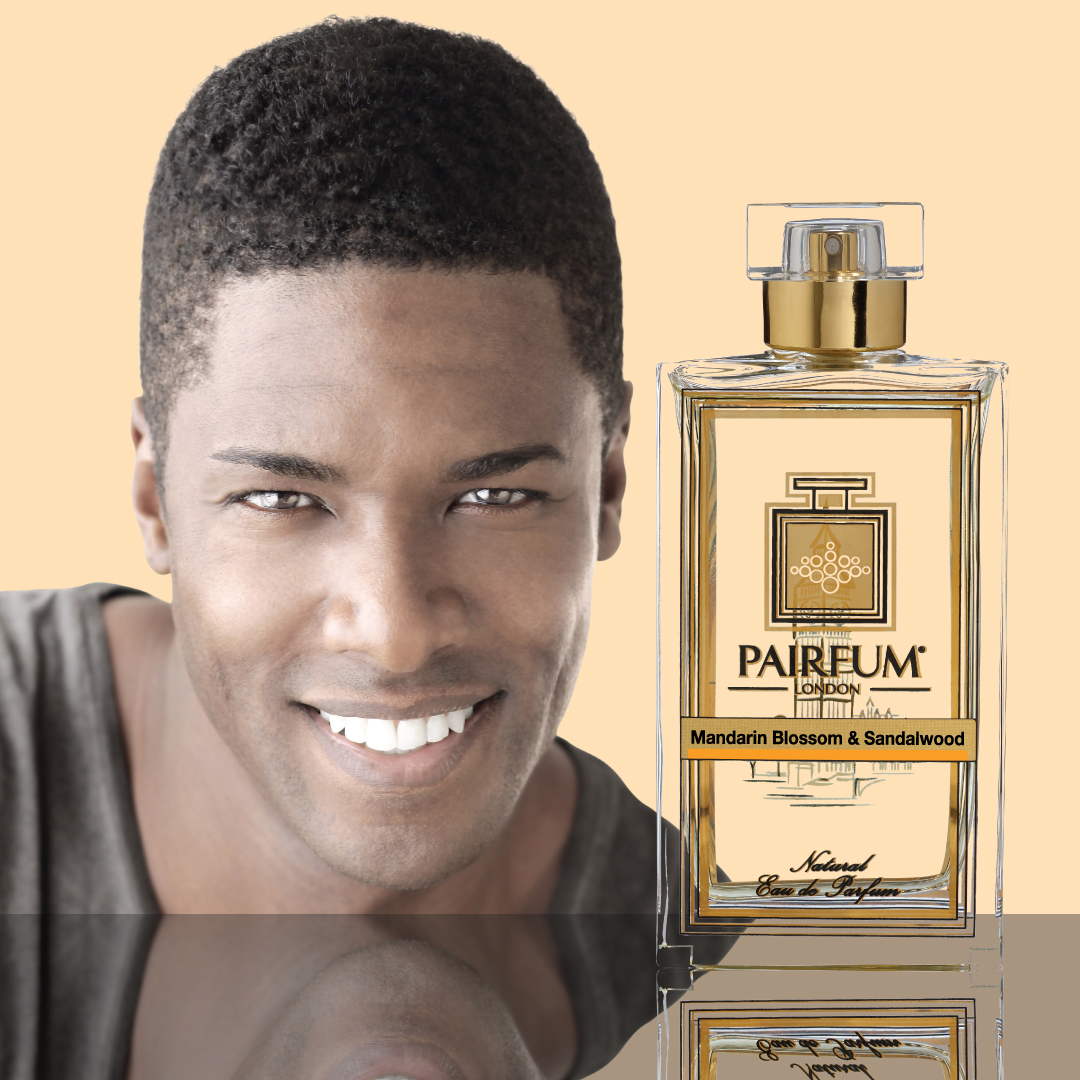
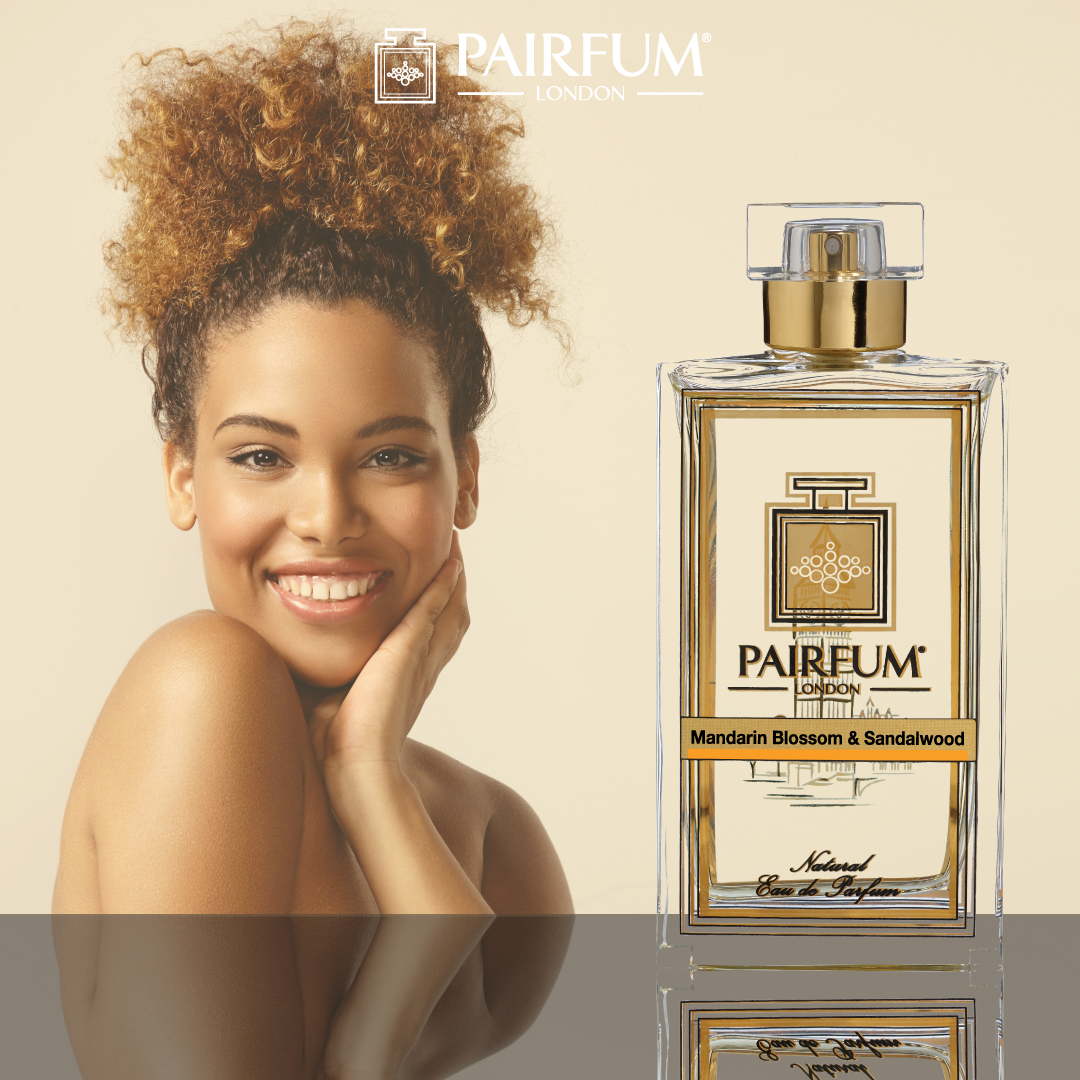
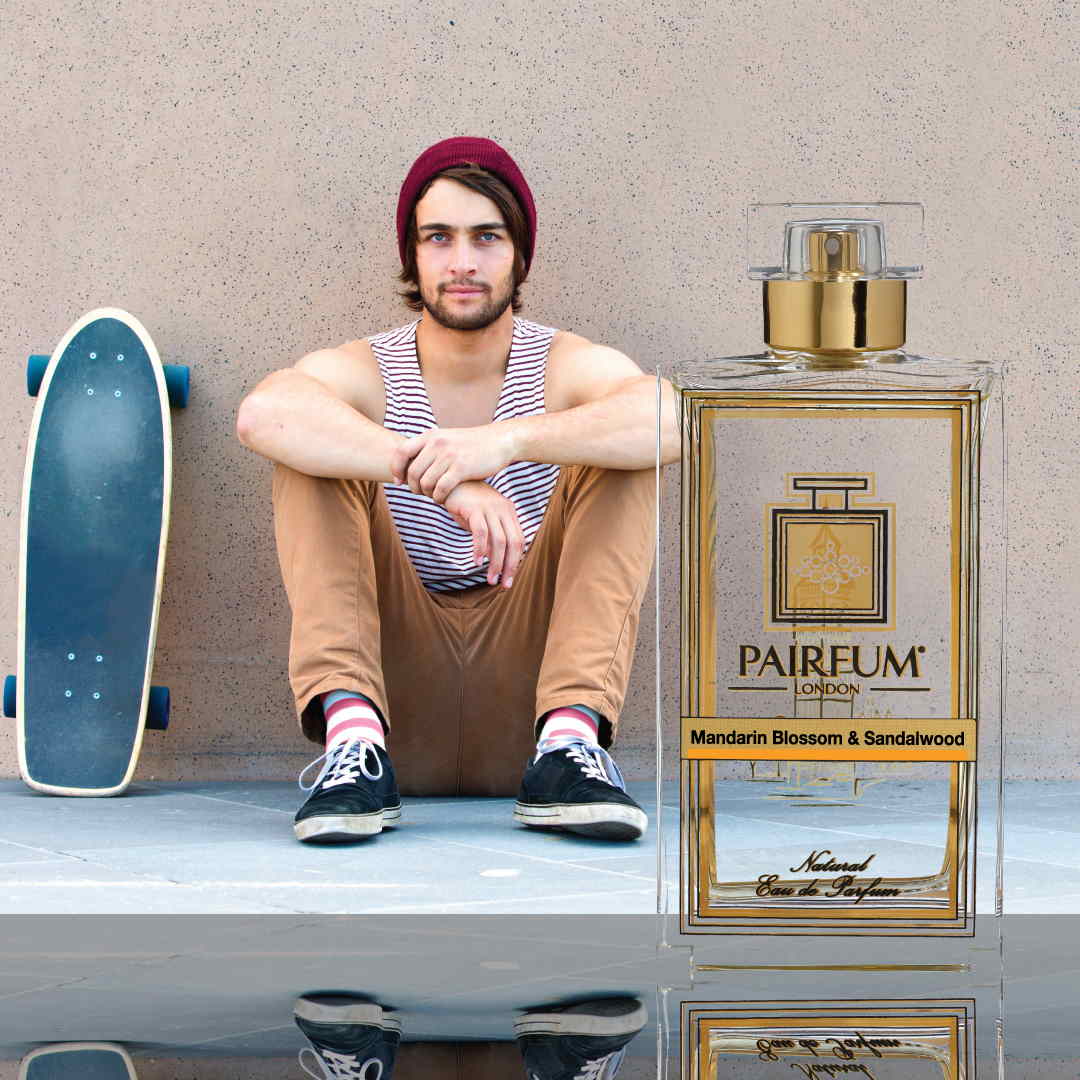
For those drawn to the richness of sandalwood and amber, Mandarin Blossom and Sandalwood Eau de Parfum offers a thoughtful and contemporary take. Bright mandarin and bergamot add a sparkling opening, while soft floral notes settle into a warm base of smooth amber and creamy sandalwood. The result is a fragrance that feels both light and grounded, making it an ideal signature scent with lasting appeal.

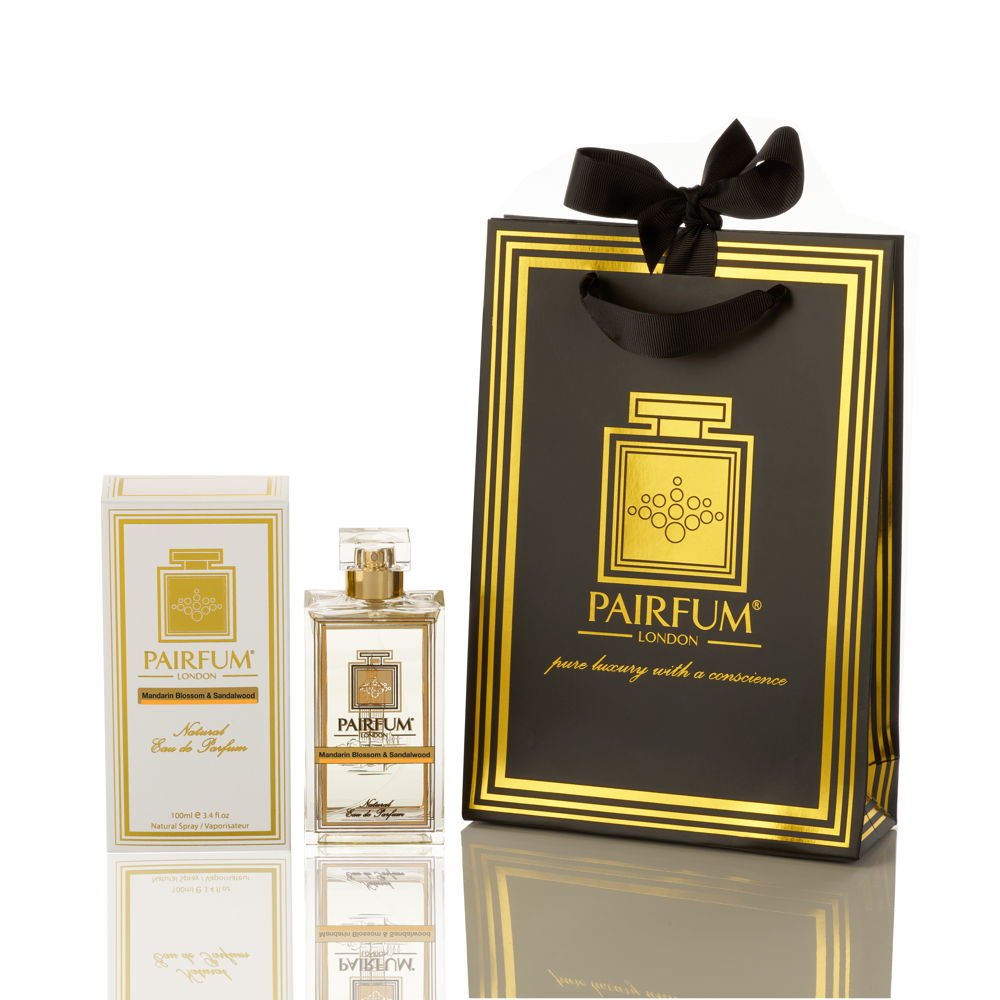
Mandarin Blossom & Sandalwood Eau de Parfum – by Pairfum London

This Eau de Parfum is composed with a focus on quality and balance. It features a carefully layered blend of natural ingredients, designed to evolve beautifully on the skin. The scent has a refined structure, with citrus top notes, floral complexity, and a long-lasting base of sandalwood and amber that lingers with gentle warmth. Ideal for daily wear, it offers a sense of quiet sophistication and comfort throughout the day.

Conclusion

Amber sandalwood is a pairing that transcends trend and time. With a heritage rooted in ritual and a future built on sustainable innovation, these two elements continue to shape the world of perfumery. Whether enjoyed in a candle, worn as a perfume, or blended into a fragrant oil, amber and sandalwood offer a deep and lasting connection to nature, memory and the art of scent.

Let their notes remind you of comfort, elegance and the quiet confidence of a signature scent.

Sandalwood Reed Diffuser

The Sandalwood Reed Diffuser: Calm Your Space with Fragrance and Elegance

Today, the sandalwood reed diffuser offers one of the most accessible and stylish ways to introduce this classic aroma into your space. Sandalwood is one of the most cherished notes in the world of fragrance. Known for its warm, woody and slightly creamy scent, sandalwood has been used for centuries in perfumery, meditation, rituals and wellness.

Whether you’re new to diffusers or an experienced enthusiast, this guide will walk you through everything you need to know — from choosing the right reed diffuser, to safety, maintenance, and why sandalwood remains an enduring favourite in home fragrance.

What is a Reed Diffuser and How Does It Work?

A reed diffuser is a passive fragrance delivery system that requires no electricity or flames. It uses reed sticks (commonly made of rattan) inserted into a bottle of fragrance oil. The reeds absorb the oil and naturally disperse the scent into the air.

Unlike candles, which burn out, or wax melts that require heat from an oil burner, reed diffusers are long-lasting and flame-free. They’re ideal for those who want a continuous fragrance in their living spaces without the need for intervention.

Why Sandalwood?

The appeal of sandalwood lies in its versatility and sophistication. It is both soothing and exotic. The warm, creamy and woody base note of sandalwood works harmoniously with other components such as vanilla, amber, citrus, vetiver, musk, clove, and sweet floral notes.

Benefits of Sandalwood in Reed Diffusers:

  • Calmness and relaxation: The scent is well-known for reducing anxiety and promoting emotional balance.
  • Complements other oils: It pairs beautifully with essential oils like bergamot, cedarwood, and vanilla.
  • Long-lasting appeal: Sandalwood is one of the longest-lasting natural fragrance ingredients available.
  • Suitable for all rooms: From bedrooms to living areas, its subtle richness works everywhere.

The presence of aromatic sandalwood in your environment adds a feeling of grounded luxury.

Pairfum Reed Diffuser Cube Classic White Sandalwood

How to Choose the Right Sandalwood Reed Diffuser

When selecting a sandalwood reed diffuser, consider the following:

1. Quality of Fragrance Oil

Ensure the oil is made with high-quality essential oils or a refined blend of synthetic and natural ingredients. Poor-quality oil can cause skin irritation, eye irritation, and even harm aquatic life if disposed of improperly.

2. Design and Size

A luxury reed diffuser should complement your home decor. Bottle size will influence how long the diffuser lasts and how strong the intensity of the fragrance is.

3. Number of Reeds

More reeds means stronger diffusion. Most diffusers come with between 6 and 10 reed sticks, which can be added or removed to adjust the intensity of the scent.

4. Related Products

Some people prefer to layer their fragrance experience. While the sandalwood reed diffuser offers passive diffusion, you may want to complement it with room spray, candles, or wax melts in the same sandalwood note.

Maximising Your Sandalwood Reed Diffuser

Placement Tips

  • Place in a well-ventilated area, away from open windows or vents where the fragrance might disperse too quickly.
  • Avoid placing near direct sunlight, which may degrade the fragrance oil.

Maintenance

  • Flip the reeds weekly for a burst of scent.
  • Replace old reeds every 2 to 3 months for consistent diffusion.
  • Keep away from delicate surfaces to avoid oil stains or skin exposure.

Safety Notes

  • Wash hands after touching oil-soaked reeds.
  • Avoid direct contact with skin or eyes to reduce the risk of allergic skin reaction, skin irritation, or eye irritation.
  • Keep away from children, pets, and always store in original packaging.
  • Do not dispose of oil down the drain to avoid harming aquatic life.

Complementary Scents to Blend with Sandalwood

Sandalwood is versatile and layers beautifully with other fragrance families. Try blending with:

  • Vanilla – for a warm, cosy finish
  • Amber – to deepen the resinous undertones
  • Citrus – to add a fresh and lively lift
  • Bergamot – for a sparkling, tea-like crispness
  • Clove – to enhance its spiced woodiness
  • Vetiver – for a green, earthy depth

These combinations elevate the experience and give a beautiful fragrance that’s multi-dimensional.

Splendid Sandalwood

Sustainability and Reuse

Many consumers are now turning toward reed diffuser refills rather than replacing the entire unit. These help reduce waste and save on packaging. Additionally, some bottles are compatible with electric diffusers or oil burners if you wish to repurpose them.

FAQ: Sandalwood Reed Diffuser

Q: How long does a sandalwood reed diffuser last?
Typically, 8 to 12 weeks depending on reeds, room size, airflow and oil quality.

Q: Can I reuse the bottle?
Yes. Clean thoroughly and refill with fresh fragrance oil or reed diffuser refills.

Q: Are reed diffusers safe for pets?
They are generally safer than candles, but always use caution and consult your vet if unsure.

Q: What happens if the oil gets on my skin?
Wash immediately. While most sandalwood oils are safe, low-quality blends may cause skin irritation or even an allergic skin reaction.

Q: Can I use contact lenses when handling the diffuser?
Avoid touching your eyes after handling reed sticks or oils. Remove contact lenses and rinse with water if eye irritation occurs.

Q: Do I need to include my delivery address when ordering diffusers online?
Yes. Be sure to provide a full delivery address to ensure safe and secure delivery of fragile fragrance products.

Wax Lyrical on Sandalwood: A Timeless Classic

Many perfumers and lifestyle experts will wax lyrical about the beauty of sandalwood. Its elegance is unmatched. The gentle release of its scent via a reed diffuser evokes a spa-like calm that enhances any environment.

Pairfum Large Reed Diffuser Bell Pure White Sandalwood

Reed Diffuser Bell Large by Pairfum London

A Beautiful Addition to Your Sandalwood Experience

For those looking to bring the rich scent of sandalwood into their home with style, the Reed Diffuser Bell Large offers both elegance and long lasting fragrance. Its timeless design and generous size make it a striking piece in any room, while the natural diffusion process ensures a continuous release of warm, soothing sandalwood throughout your space. It’s a refined way to enjoy the benefits of a quality reed diffuser with minimal effort.

Thoughtful Design and Practical Features

The Reed Diffuser Bell Large is designed for lasting performance and visual impact. It includes a tall glass bottle with a wide neck to allow optimal air circulation around the reeds, helping to deliver a steady and noticeable scent. The thick glass base adds stability, while the generous fill capacity ensures weeks of continuous fragrance. Paired with long, high quality reeds, it offers reliable diffusion without the need for flames or plugs.

Final Thoughts: Why Every Home Needs a Sandalwood Reed Diffuser

In the world of home fragrance, few options are as timeless and effortless as the sandalwood reed diffuser. It is safe, easy to use, elegant and highly effective at bringing a constant flow of beautiful, natural-smelling fragrance into your environment.

By understanding how to care for and get the most from your reed diffusers, you not only enhance your space but also elevate your sense of well-being.

No matter your style, whether you love soft vanilla, warming amber, refreshing citrus or smoky musk, sandalwood offers the perfect base for any lovely fragrance journey.

Sandalwood Candles

The Spectacular Fragrance of Sandalwood Candles

Sandalwood candles are more than a trend — they are a staple in the world of home fragrance and relaxation. The warm, rich aroma of sandalwood offers a grounding experience that soothes the senses and elevates any space. Whether you are winding down in the evening or setting the scene for a peaceful afternoon, sandalwood candles bring an unmatched sense of calm and luxury.

From their ability to enhance your home atmosphere to their benefits in aromatherapy, these candles stand out for their deep, woody notes and beautifully natural appeal. In this guide, we explore everything you need to know about sandalwood candles, how to use them, their benefits, and why they continue to be a favourite in homes across the United Kingdom.

What Makes Sandalwood Candles Special?

The magic of a sandalwood candle lies in its signature fragrance. Sandalwood is a treasured ingredient used for centuries in spiritual rituals, perfumery, and aromatherapy. Its natural scent is warm, creamy and subtly sweet, often described as earthy and luxurious. This makes it ideal for creating a calm, meditative space.

Unlike synthetic fragrances, sandalwood is often blended with pure essential oils to create a more authentic aromatic experience. A high-quality sandalwood candle made with soy wax and a cotton wick provides a cleaner burn and allows the true fragrance of sandalwood to shine through.

The scent often combines beautifully with base notes like patchouli, amber, cedar, or vanilla, enhancing the depth and longevity of the candle’s fragrance.

Natural Sandalwood Candle

The Benefits of Sandalwood in Scented Candles

Sandalwood plays a central role in many scented candles, not just because of its rich aroma, but because of its ability to promote relaxation and emotional balance.

Here are some benefits of using a sandalwood candle:

  • Relaxation: The scent of sandalwood calms the nervous system, making it perfect for winding down.
  • Fragrance layering: It acts as a grounding base note and complements other notes like vanilla, patchouli, mandarin, amber, and bergamot.
  • Enhanced focus: Ideal for study or meditation, sandalwood encourages mental clarity.
  • Aromatherapy: Its calming effects are widely used in aromatherapy practices to relieve stress and anxiety.

When paired with essential oils and burned in a soy candle, the fragrance becomes both therapeutic and indulgent. It is this combination that makes sandalwood candles a lasting favourite.

Choosing the Right Sandalwood Candle

When selecting a sandalwood candle, consider its ingredients, scent profile, and performance. Look for options that feature 100 vegetable wax or soy wax, as these burn cleaner and longer than paraffin.

Other features to look out for:

  • Cotton wick: Ensures a stable, soot-free flame.
  • Pure essential oils: Offers a more natural fragrance without the use of harsh chemicals.
  • Fragrance oil blends: Enhance the complexity of the scent, especially when layered with bergamot, amber, or chocolate.
  • Sustainable waxes: Such as soy wax or wax melt options for flameless scenting.

Check the candle’s burn time. A quality soy candle may provide approx 40 hours of fragrance, depending on size and wick care. Be sure to read product details carefully for optimal results.

Candle Care and Safety Tips

Proper candle care not only extends the life of your candle but also enhances its fragrance and safety. Here are some practical tips:

  • Trim the wick before every burn to about 6 mm.
  • Avoid flammable objects around a lit candle.
  • Never leave a burning candle unattended.
  • Store candles in a cool, dry place to preserve the fragrance oil.
  • Follow instructions on packaging to avoid allergic skin reaction or skin irritation.

Always place your candle on a heat-resistant surface and ensure it is out of reach of children and pets.

Sandalwood Fragrance Ingredinent

Fragrance Pairings with Sandalwood

Sandalwood’s versatility makes it perfect for combining with a range of other scents. Some popular blends include:

  • Vanilla and sandalwood: A soft, creamy scent perfect for bedrooms.
  • Bergamot and amber: Adds a citrusy freshness to the woodiness.
  • Patchouli and chocolate: For a rich, earthy indulgence.
  • Mandarin and sandalwood: Bright zesty notes meet smooth warmth.
  • Moss and cedar: A woodland-inspired aroma ideal for cosy evenings.

Each blend offers a unique twist, making it easy to find a sandalwood candle to suit your mood or season.

Sandalwood Candles as Gifts

A beautifully crafted sandalwood candle makes an excellent addition to any gift set. The luxurious scent, natural ingredients, and thoughtful presentation offer a meaningful and practical gift.

Whether given as part of a self-care package, a housewarming present, or simply a gesture of appreciation, sandalwood candles never fail to impress. Many retailers also provide gift cards and exclusive offers on seasonal collections.

For those who prefer flameless options, consider pairing your gift with a reed diffuser in the same scent family for consistent fragrance throughout the home.

Scented Candles and Everyday Living

Scented candles play an important role in daily routines. Lighting a candle during your morning yoga, bath, or bedtime ritual creates a peaceful space. A burning candle with sandalwood and amber notes can help establish a relaxing evening rhythm, while a soy wax melt can freshen up your workspace during the day.

Be mindful of candle lighting practices. Avoid direct airflow and let the top layer melt completely to maintain an even surface. Regular candle care will help extend burn time and protect your wick.

Natural Ingredients for a Cleaner Burn

Choosing a candle made with soy wax, 100 vegetable wax, and natural fragrance oils can significantly reduce soot and toxins. This is especially important for anyone with allergies, sensitive skin, or concerns about indoor air quality.

Natural candles using essential oils are often less likely to cause allergic skin reaction or skin irritation, making them a healthier alternative to synthetic counterparts. Always check the ingredients list for allergens before lighting any candle.

A Sophisticated Sandalwood Scent for Every Setting

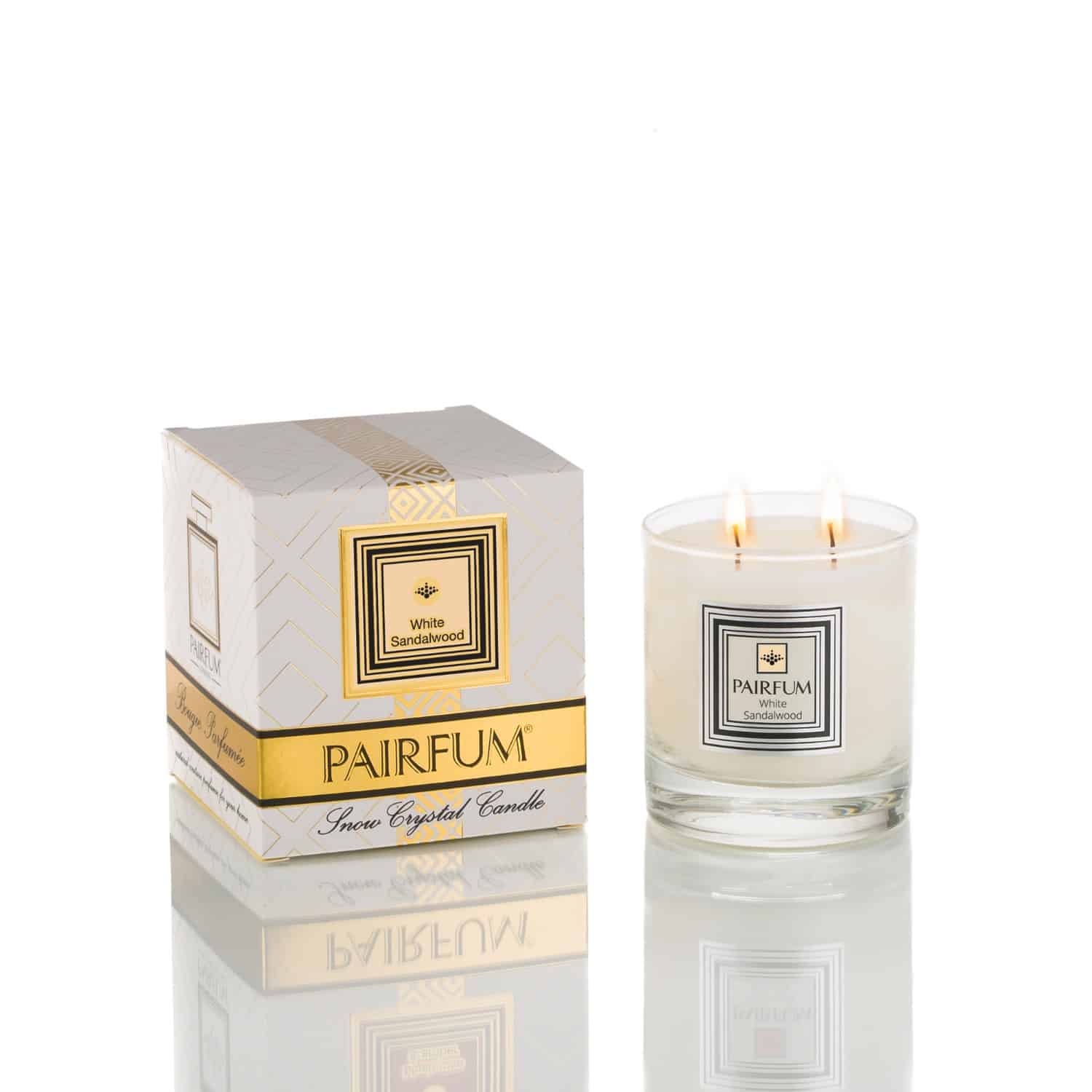
For those seeking a refined take on sandalwood candles, the Snow Crystal Candle offers a beautifully balanced aroma that blends soft woody notes with a subtle touch of freshness. Expertly crafted with natural wax and a clean cotton wick, it delivers a rich and lasting fragrance that fills the room without overwhelming the senses. Ideal for moments of stillness, elegant entertaining or quiet evenings in, this candle brings a touch of understated luxury to any space.

White Sandalwood Snow Crystal Candle – by Pairfum London

These ‘Eau de Parfum’ fragranced candles will envelop your home with a beautifully natural perfume. Simply light them and enjoy the sensuous atmosphere.

The ‘Snow Crystal Candle’ is unique in using the world’s cleanest burning natural candle wax for a purer and more intense perfume bloom.

Pairfum Large Snow Crystal Candle Pure White Sandalwood

Final Thoughts

The ritual of lighting a sandalwood candle goes beyond ambience. It’s about creating a space that fosters relaxation, clarity, and comfort. With its warm and creamy base note, sandalwood offers a timeless fragrance experience.

Whether you are treating yourself or searching for the perfect gift set, sandalwood candles crafted with soy wax, pure essential oils, and a natural cotton wick promise a cleaner burn and more immersive scent.

From reed diffusers to wax melts and scented candles, sandalwood remains a beloved choice for those who appreciate a moment of calm in a busy world. With proper care, thoughtful ingredients, and secure delivery, your next favourite candle is just a click away.

Sandalwood And Vanilla

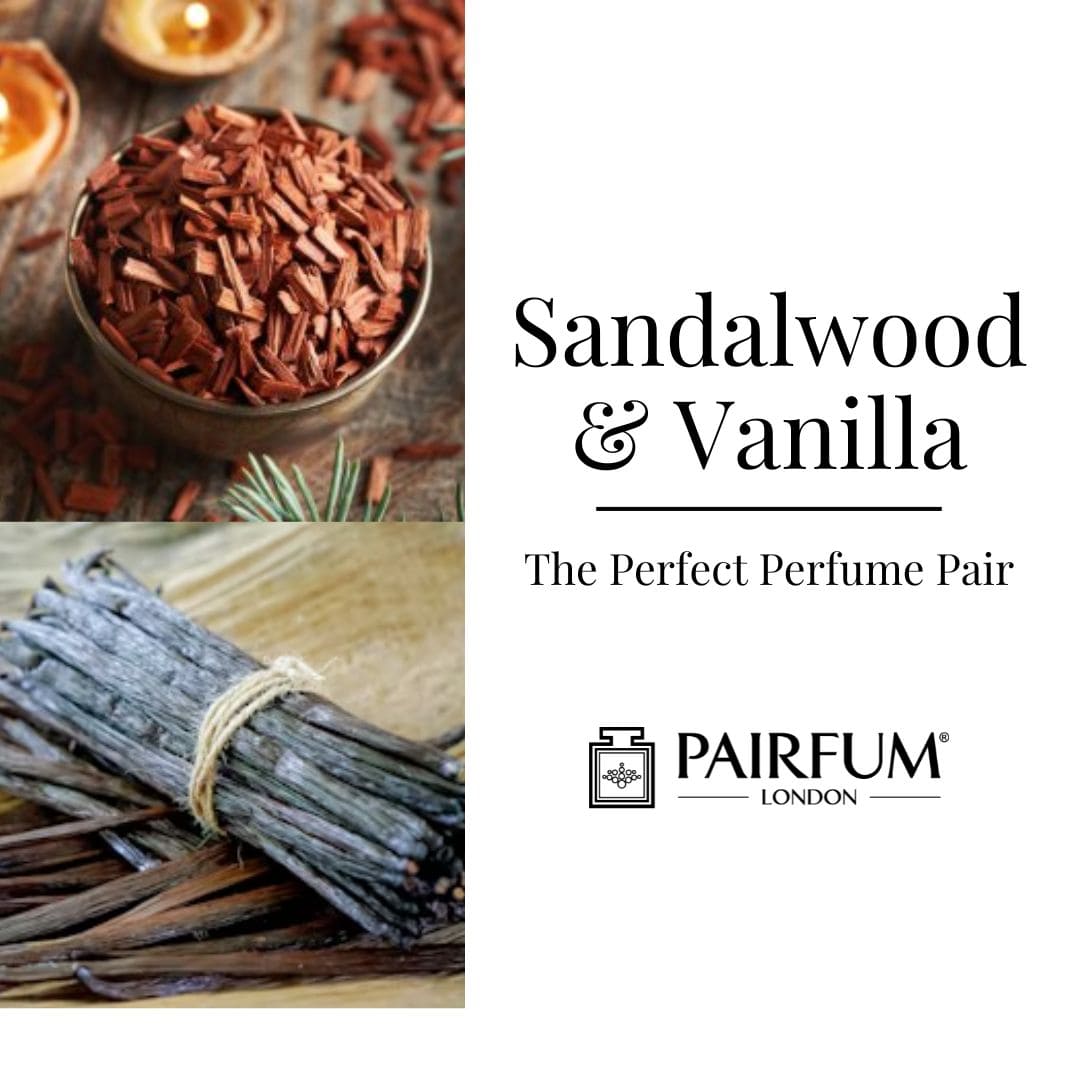
Sandalwood and Vanilla: The Perfect Perfume Pair

Sandalwood and vanilla are two of the most beloved ingredients in perfumery. They have been cherished for centuries for their rich and comforting aromas. Sandalwood, with its warm, woody notes, and vanilla, with its sweet, creamy essence, create a perfect harmony when combined. Understanding sandalwood and vanilla, including their types, olfactive profiles, and historical significance, helps appreciate their enduring popularity.

This guide explores their journey, blending beauty, and the iconic perfumes that have made a lasting impact. At Pairfum London, we celebrate this perfect pair with you and highlight the magic of sandalwood and vanilla.

Eau de Parfum Mandarin Blossom & Sandalwood

The Olfactive Profile and Synergy of Sandalwood and Vanilla

Sandalwood and vanilla have distinct olfactive profiles that complement each other beautifully.

Olfactive Profile of Sandalwood

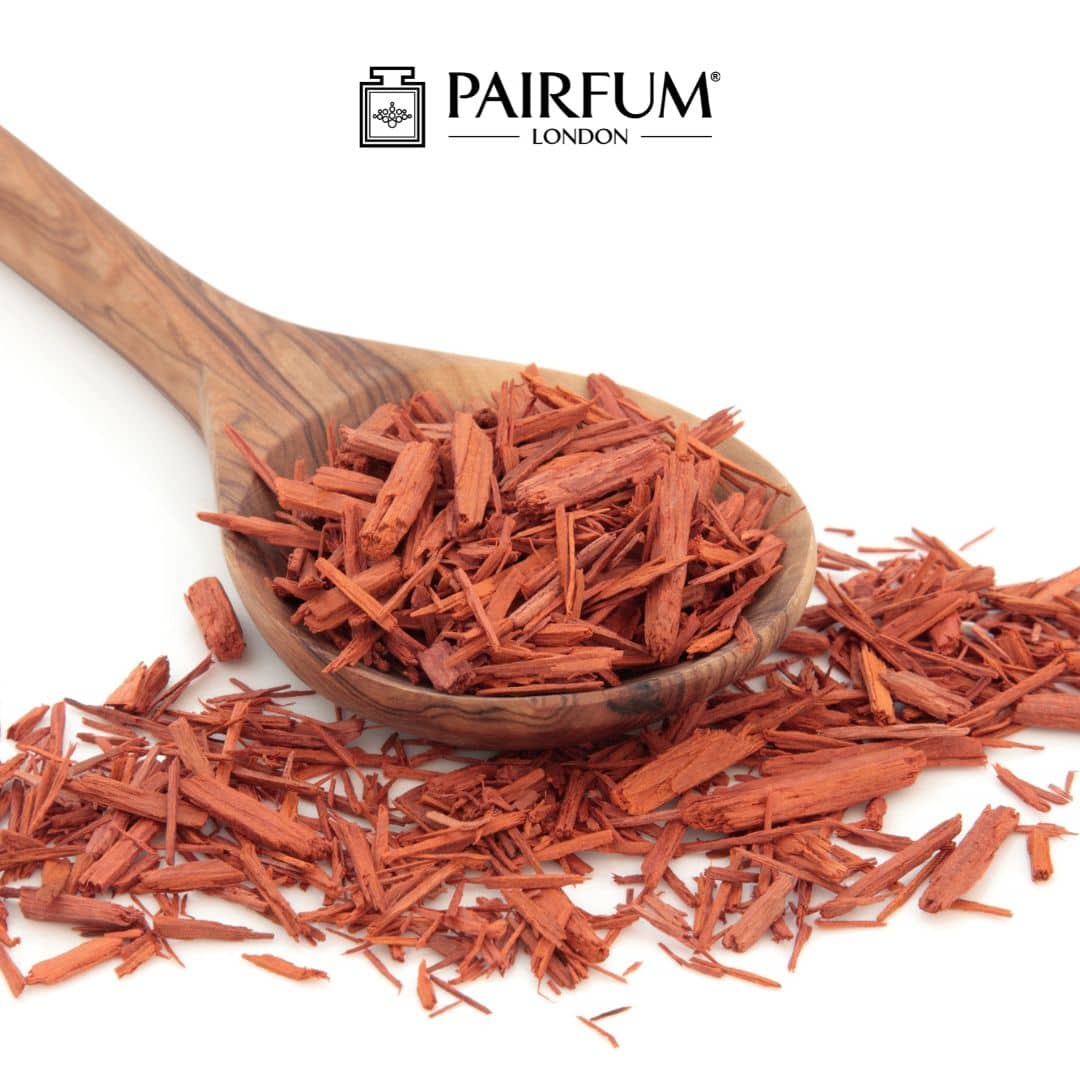
Sandalwood, similar to cedarwood produces a warm, creamy, and woody aroma, often described as having soft musky notes and a slightly powdery, balsamic quality. This scent is long-lasting and makes it an excellent base note in fragrances. The woody nuances of sandalwood create a rich foundation for many perfume compositions, providing depth and complexity.

Olfactive Profile of Vanilla

Vanilla, in contrast, adds sweet, creamy, and slightly spicy notes to perfumes. It is comforting and often evokes a sense of warmth and cosiness with it’s seductive aroma. The scent of vanilla can range from intense and slightly smoky to soft and floral, depending on the type. The use of vanilla bean in fragrance formulations adds a delightful richness that enhances the overall scent profile.

The Beauty of the Combination

The synergy between sandalwood and vanilla is magical. Sandalwood’s woody notes balance the sweet richness of vanilla, creating a harmonious blend. This combination is both grounding and uplifting, making it versatile for many types of perfumes. The delicate blend of these two ingredients can evoke various emotions, from calm serenity to warm nostalgia.

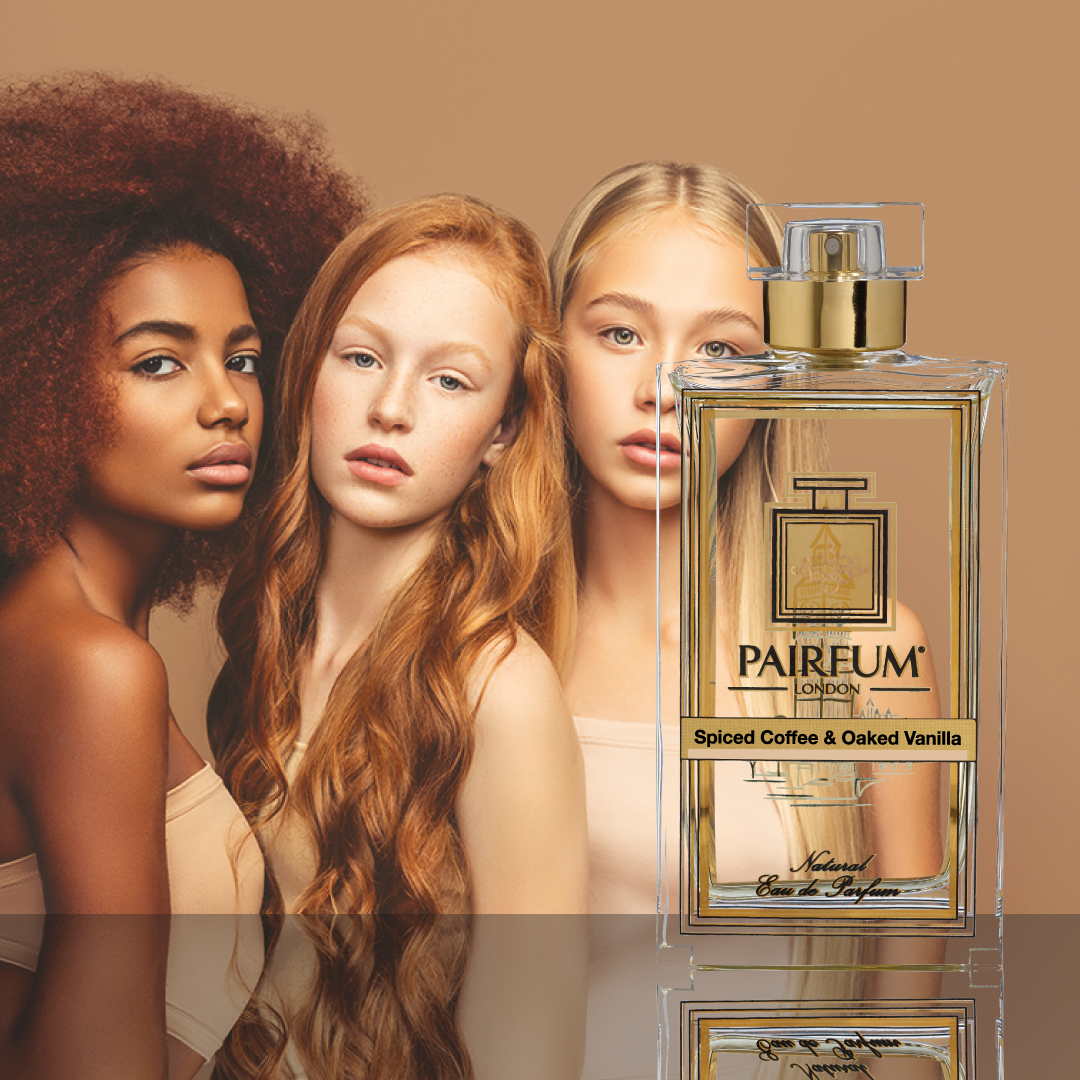
Eau de Parfum Spiced Coffee Oaked Vanilla

History of Sandalwood and Vanilla in Perfumery

Sandalwood and vanilla have a rich history in perfumery that spans centuries. Sandalwood, originating from ancient India, has been used for over 4,000 years. It was an essential part of religious rituals, traditional medicine, and often used in the creation of incense. Its warm, woody aroma was believed to have calming and purifying properties, making it a staple in meditation and spiritual practices.

Vanilla, on the other hand, has its roots in Mexico, where it was highly praised by the Aztecs. They used vanilla to flavour their royal chocolate drink, “Xocolatl.” When Spanish explorers brought vanilla to Europe in the 16th century, it quickly gained popularity. By the 19th century, vanilla was a key ingredient in many perfumes, celebrated for its sweet and creamy fragrance. The rise of vanilla in perfumery marked a significant shift in fragrance composition, leading to its widespread use in various blends.

The combination of sandalwood and vanilla has become iconic in the world of perfumery. Their complementary properties create a balanced and alluring fragrance. This pairing has been cherished in many cultures and continues to be a favourite in modern perfumes. Understanding their historical significance deepens our appreciation for these timeless ingredients.

Sandalwood Perfume Ingredient

Types of Sandalwood and Vanilla

There are several types of sandalwood and vanilla, each with its unique qualities.

Types of Sandalwood:

  • Indian Sandalwood (Santalum album): Often considered the highest quality, it offers a rich, creamy, and woody aroma. It is primarily harvested in India and is known for its long-lasting fragrance.
  • Australian Sandalwood (Santalum spicatum): This type has a slightly different aroma, with a more herbal and dry woody note. It is sustainably sourced from Australia, presenting a viable alternative to Indian sandalwood.
  • Hawaiian Sandalwood (Santalum paniculatum): With a sweeter and softer aroma, Hawaiian sandalwood is becoming popular in perfumery. It is sustainably harvested from the islands of Hawaii.

Types of Vanilla:

  • Bourbon Vanilla (Vanilla planifolia): Originating from the Indian Ocean regions like Madagascar and Réunion, it has a rich, creamy, and sweet aroma. It is the most common type used in perfumery and flavouring.
  • Tahitian Vanilla (Vanilla tahitensis): Known for its fruity and floral notes, Tahitian vanilla is cultivated in French Polynesia. It has a softer and more delicate fragrance compared to Bourbon vanilla.
  • Mexican Vanilla (Vanilla planifolia): The original source of vanilla, Mexican vanilla, has a spicy and woody aroma. It offers a more robust and deeper fragrance.

Understanding these types helps perfumers choose the right variant for their creations. Each type of sandalwood and vanilla brings something unique to the blend, contributing to the overall character of the perfume.

Vanilla Pod

Iconic Perfumes Featuring Sandalwood and Vanilla

Several iconic perfumes have showcased the perfect pairing of sandalwood and vanilla. These fragrances have stood the test of time and remain popular for their unique and captivating aromas.

Notable Examples:

  • Tom Ford Santal Blush: This luxurious perfume combines creamy sandalwood with exotic spices and a hint of vanilla. It creates an opulent and warm fragrance that is perfect for special occasions.
  • Guerlain Shalimar: A classic fragrance that has been adored for decades, Shalimar blends vanilla with rich sandalwood and a variety of other notes to create a sensual and timeless perfume.
  • Serge Lutens Un Bois Vanille: This fragrance highlights the beauty of vanilla with a strong foundation of sandalwood. It is warm, sweet, and woody, making it a favourite for many perfume lovers.

    Contemporary Choices:

    • Diptyque Tam Dao: Known for its prominent sandalwood base, this perfume adds a touch of vanilla to soften and enhance the woody aroma.
    • Le Labo Santal 33: This modern classic features sandalwood as a dominant note, with vanilla adding a subtle sweetness, making it a unisex favourite.

    These iconic perfumes demonstrate the versatility and allure of sandalwood and vanilla. They have captured the hearts of many and continue to be staples in perfumery.

    Sandalwood Incense Ingredients

    The Evolution of Vanilla and Sandalwood in Perfumes

    Over the years, the use of sandalwood and vanilla in perfumery has evolved significantly. Initially, these ingredients were primarily used in traditional and cultural fragrances, often linked to rituals and celebrations. However, with the advent of modern perfumery in the late 19th and early 20th centuries, they began to feature prominently in commercial fragrances.

    The rise of synthetic alternatives in the late 20th century posed challenges to the traditional sandalwood and vanilla markets. While these synthetics provided cost-effective options, they often lacked the depth and complexity of their natural counterparts. Today, there is a growing movement towards natural perfumery, with many brands prioritising sustainably sourced sandalwood and luscious vanilla to create authentic and rich fragrances.

    Uses and Extraction Methods

    Uses

    Both sandalwood and vanilla have numerous applications beyond perfumery. Sandalwood oil is commonly used in aromatherapy for its calming properties and is a popular ingredient in skincare products due to its moisturising and anti-inflammatory benefits. Additionally, sandalwood essential oil is used in candle making, often paired with vanilla to create soothing and aromatic experiences.

    Vanilla, renowned for its sweet aroma, is extensively used in culinary applications, flavouring everything from cookies to beverages. The versatility of vanilla fragrance oil makes it a popular choice for home fragrance products, such as a humble wax melt and candles. Moreover, sandalwood vanilla fragrance oil is sought after for its beautiful fragrance and seductive aroma that enhances relaxation and comfort in various products.

    Extraction Methods

    The extraction methods for sandalwood and vanilla are crucial for obtaining high-quality oils.

    • Sandalwood Oil Extraction: Typically, sandalwood is steam distilled from the heartwood of the tree. This method ensures that the fragrant compounds are preserved, resulting in a rich and aromatic sandalwood fragrance oil.
    • Vanilla Extraction: Vanilla is extracted through a process of curing and fermentation of the vanilla pods. The most common method is solvent extraction or CO2 extraction, which captures the full aromatic profile of the vanilla bean.

    Safety Considerations

    While sandalwood and vanilla are generally safe for use, some individuals may experience skin irritation or an allergic skin reaction. It is always advisable to perform a patch test before using any new products containing these ingredients.

    For those crafting their own products, such as candles or soaps, it’s essential to use high-quality fragrance oils and ensure they are suitable for skin contact if intended for such use. Opting for biodegradable glitter and vegan products can enhance the eco-friendliness of homemade items.

    Eau de Parfum  Mandarin Blossom Sandalwood

    Luxury Vanilla and Sandalwood Fragrances by Pairfum London

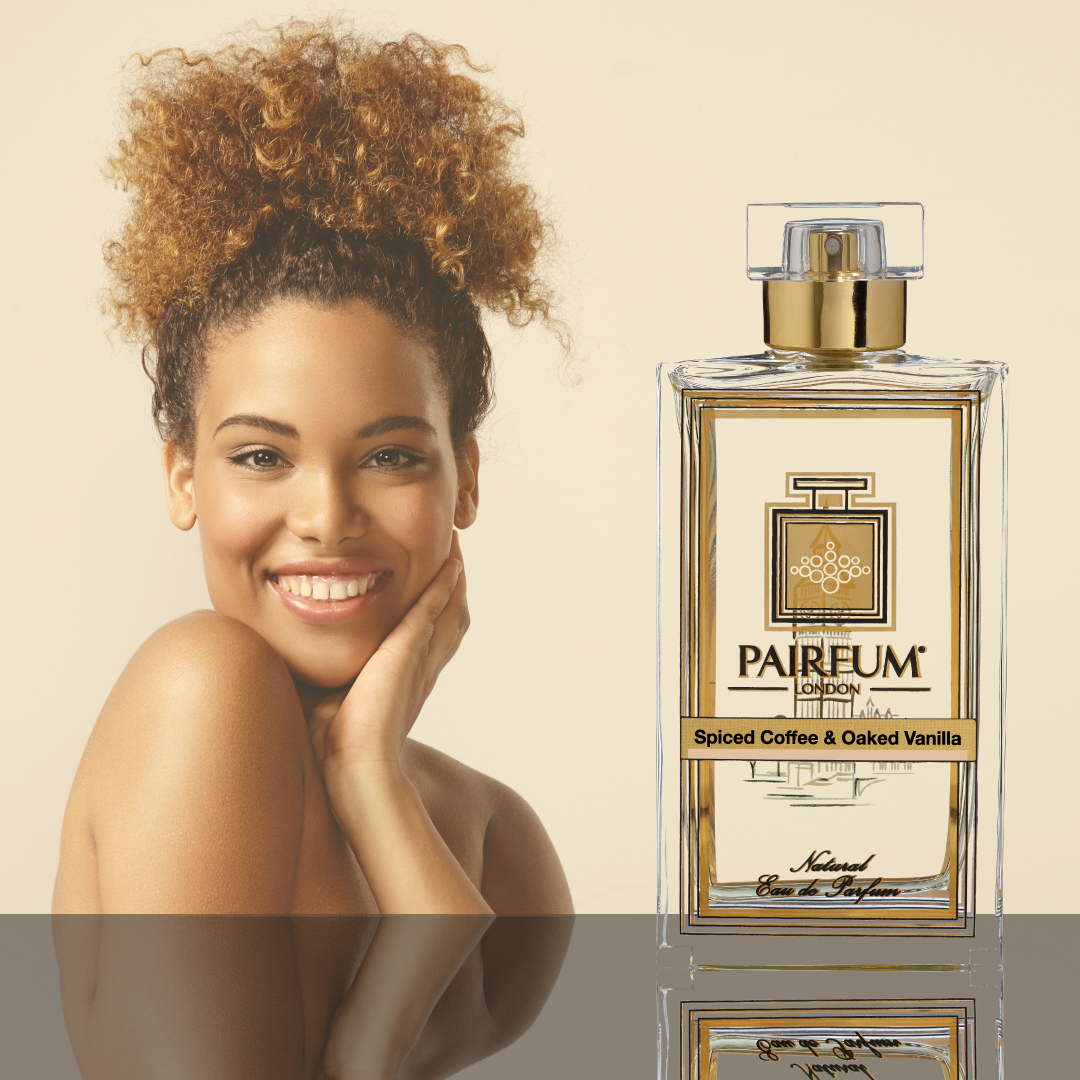
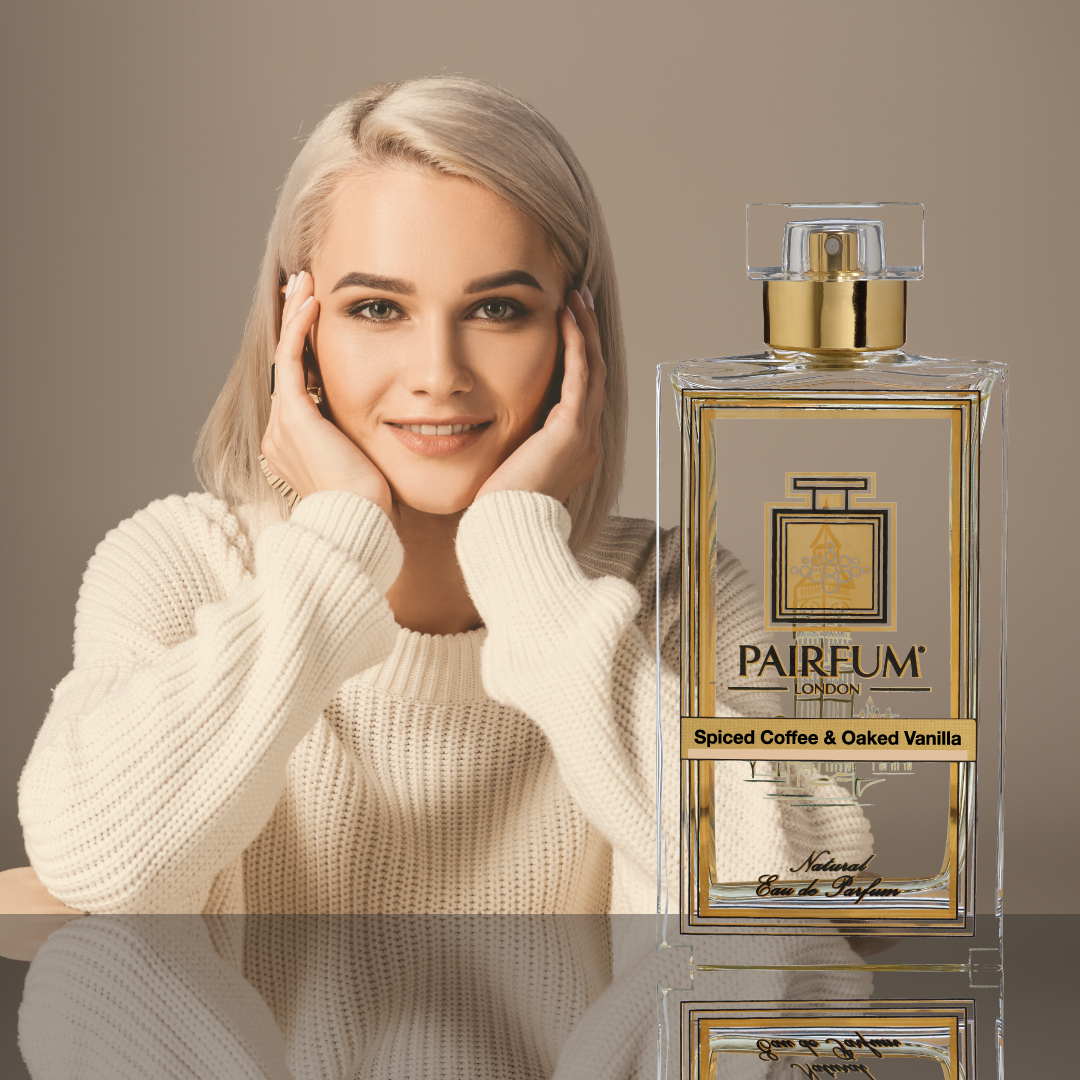
    Spiced Coffee & Oaked Vanilla – Eau de Parfum

    This warm, oriental-spicy fragrance begins with vibrant top notes of pink pepper, orange blossom, and crisp pear. At its heart, a modern fusion of rich, dark coffee interwinds with the refined essence of jasmine. The long lasting fragrance concludes with a luxurious base of oak-aged vanilla, patchouli, and cedar, creating a sophisticated and elegant finish.

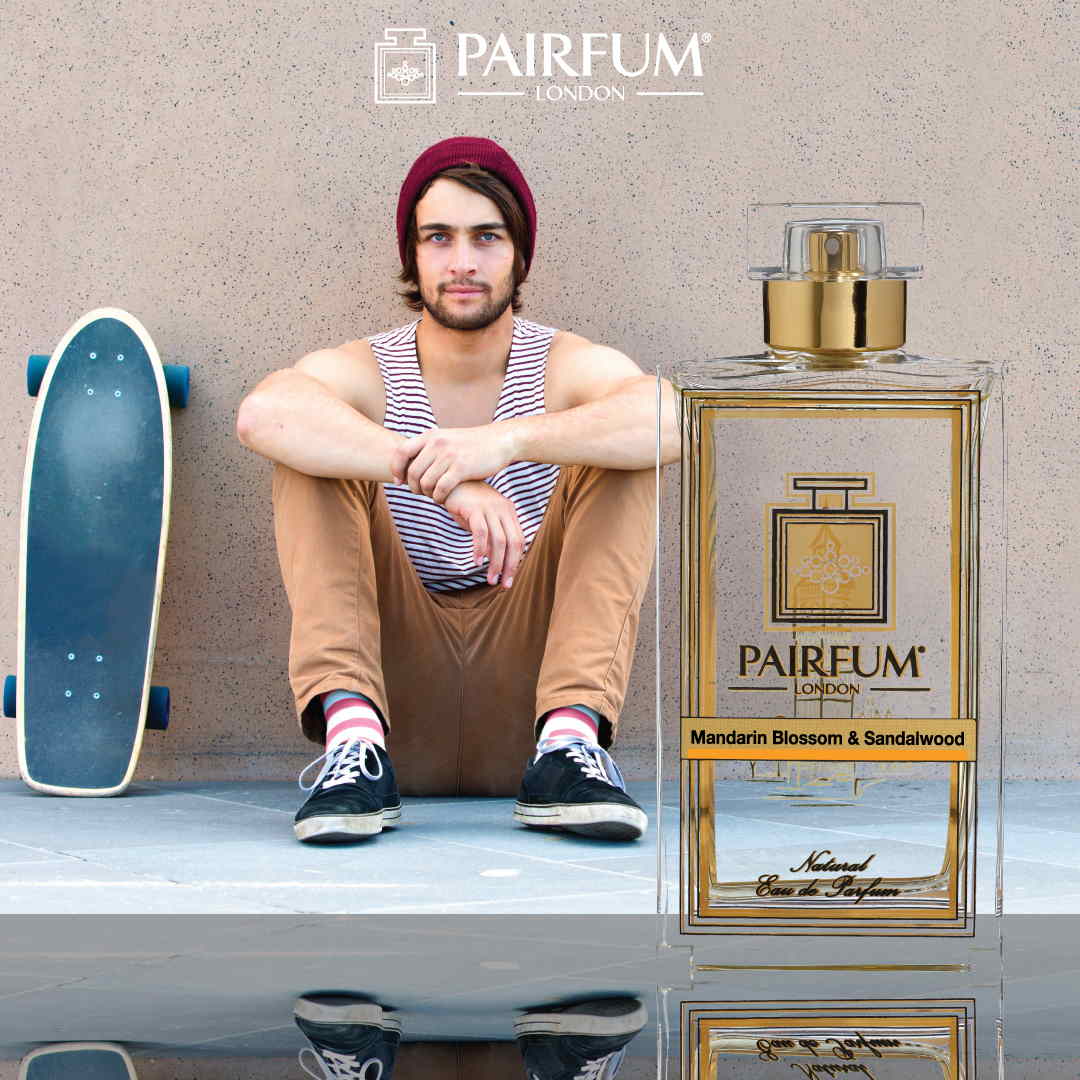
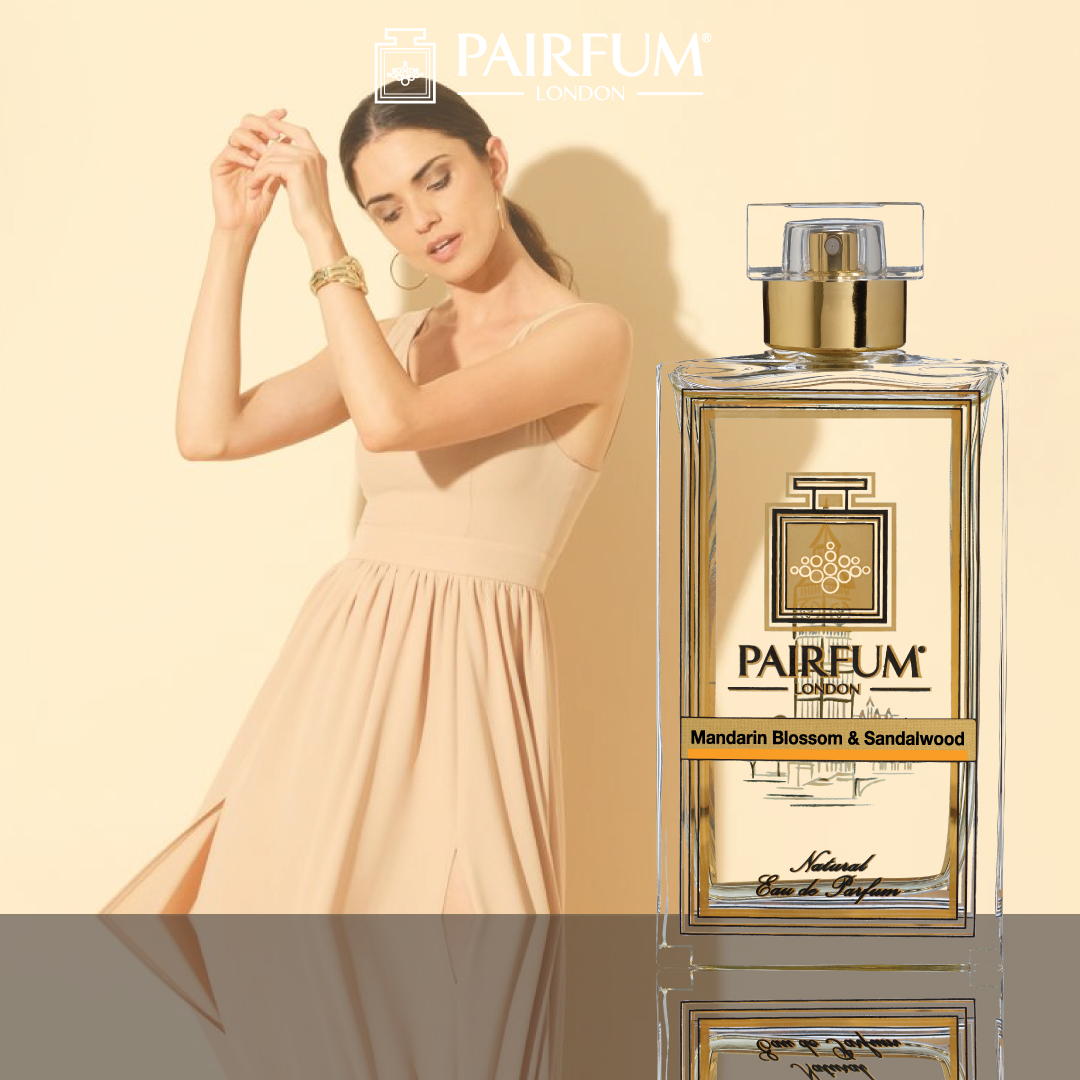
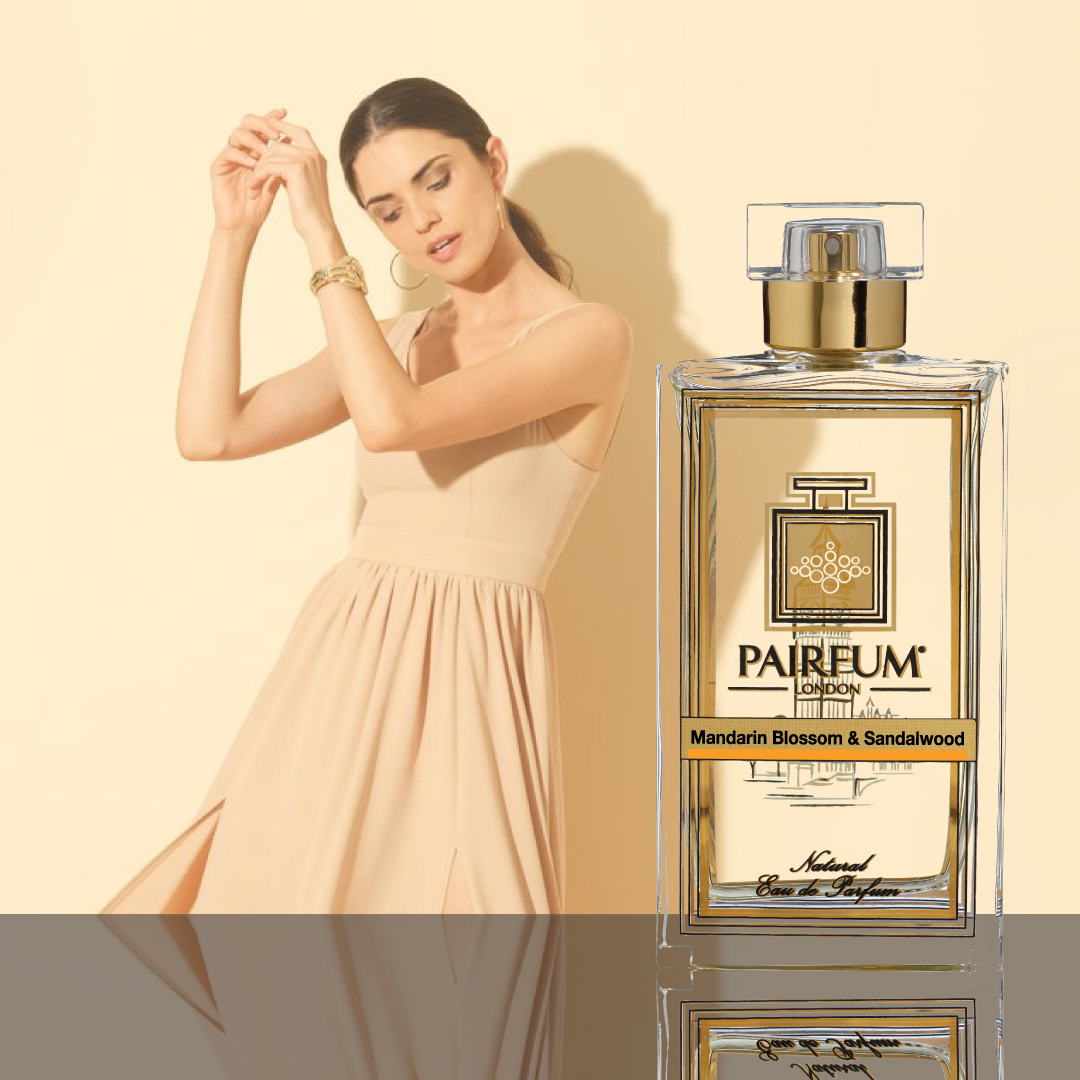
    Mandarin Blossom & Sandalwood – Eau de Parfum

    This elegant feminine floral chypre fragrance opens with the fresh notes of mandarin blossom, apricot, and hyacinth. At its romantic heart lies a delicate bouquet of sweet pea, jasmine, and ylang-ylang. The base leaves a captivating trail of sandalwood, patchouli, amber, and musk for a truly magnetic finish.

    Eau de Parfum Spiced Coffee Oaked Vanilla Models

    Conclusion

    The combination of sensual woodsy sandalwood and sweet vanilla is a perfect match in perfumery. Their rich histories, diverse types, complementary olfactive profiles, and beautiful synergy make them beloved ingredients. From ancient rituals to modern fragrances, this pairing has proven to be timeless and versatile.

    Exploring sandalwood and vanilla allows us to appreciate their unique characteristics and the magic they create together. At Pairfum London, we celebrate this perfect pair by offering exquisite fragrances that highlight the beauty of sandalwood and vanilla. Discover the enchanting perfect blend of these ingredients in our perfume collection and find your perfect fragrance today.

      Your Cart
      Your cart is empty