Home / ScentStory
Benzoin In Perfumery

Benzoin in Perfumery: Vanillic Balsam and Cosy Amber

Benzoin is a natural balsamic resin, sourced primarily from Styrax trees, highly valued for its sweet, vanilla-like aroma and various medicinal properties. Widely used across perfumes, incense, and modern skincare, it serves as an essential fixative in fragrances and a soothing agent for dry or cracked skin. It is also frequently utilised in medical tinctures, such as Friar’s Balsam, where it helps to aid bandage adhesion and protect the skin.

Benzoin is one of those perfume ingredients that feels like a soft scarf in cold weather. It gives off that gentle vanilla warmth, with a smooth, almost golden aroma that works particularly well when nights are long and chilly. You will often find it in amber-style perfumes where it adds a comforting depth.

This is not a new discovery. Benzoin has been part of fragrances and incense for centuries. It brings something cosy and familiar, almost like something you have smelled before but cannot quite place. When used in modern perfumes, it ties everything together with an ease that feels thoughtful. Let us look at where it comes from, how it is used, and why we tend to reach for it most as January winds down.

The Origins of Benzoin: Ancient Resin with a Gentle Glow

Benzoin comes from the sap of trees in the Styrax family, which grow in parts of Southeast Asia. When the bark is tapped, resin oozes out and hardens in pieces. It is then used in many different ways, but for perfume, it is treasured for its calming smell and smooth, sweet properties.

Long ago, people burned benzoin in temples, homes, and healing spaces. It was thought to clear the air and calm the heart. In the Middle East and Europe, this warm resin was already playing a role in early perfumery and was often used in preparations for the body or mind. In many cultures, particularly in India, where it is known as Sambrani or Loban, it has been burned on charcoal for centuries to create a sacred atmosphere. Its use across continents shows how deeply people are connected with its comforting nature. Whether for quiet prayer or attraction, benzoin has stayed close to us through the centuries.

Understanding the Sources: Siam and Sumatra

In the world of fine fragrance and aromatherapy, not all benzoin is created equal. There are two primary types used by perfumers and enthusiasts in the United Kingdom and beyond. The first is Styrax tonkinensis, commonly known as benzoin siam. This variety is highly prized for its refined, creamy, and vanillic profile. It is often the choice for high-end perfumes due to its sophisticated scent and is found across Thailand, Laos, Cambodia, and Vietnam.

The second variety is Styrax benzoin, often referred to as benzoin sumatra. This type grows predominantly on the island of Sumatra and has a slightly more rustic, balsamic character with hints of almond or storax. Unlike the Siamese variety, Sumatran benzoin contains cinnamic acid in addition to benzoic acid. Both types of benzoin resin are valuable, but they offer different textures to a fragrance. While one might be used in a pure essential oil for its therapeutic properties, the other might be the star of a fragrance oils collection designed for home scents like a reed diffuser.

Sweet, Soft and Woody: What Benzoin Smells Like in a Perfume

Benzoin gives off that soft vanilla smell many of us love, but there is more to it. Beneath the sweetness, you might notice:

  • A hint of caramel and dark chocolate
  • Gentle spice and honeyed undertones
  • A cosy balsamic depth

It is a base note, so it tends to sit low in a fragrance, sticking around longer than top or middle notes. Benzoin acts a bit like a blanket, wrapping louder, brighter notes in something grounded and smooth. It especially shines in amber blends. These kinds of perfumes often include resin, spice, and sweet elements that mimic the feel of winter fabrics or firelight. Benzoin gives them their creamy backbone, stopping the perfume from becoming too sharp or airy.

Pairfum London Home Fragrance Art Room Spray

The Chemistry of Comfort

Checking the technical data sheet for this balsamic resin reveals exactly why it behaves with such unique character. The raw material is packed with natural compounds like benzoic acid and cinnamic acid. These aren’t just names on a page; they provide vital preservative qualities and help the substance act as a reliable fixative. In plain terms, it grips onto other oils in a perfume blend, making sure the fragrance stays on your skin for much longer than it would alone.

In its natural state, the substance can be quite temperamental, appearing brittle or even treacle like if the room is warm enough. To make it easier for a perfumer to handle, it is frequently dissolved in a solvent such as dipropylene glycol or blended with organic alcohol. Many creators prefer a carrier like dipropylene glycol because it lacks a scent of its own and remains perfectly clear. This allows the genuine aroma of the resin to take centre stage without that sharp, stinging hit you sometimes get from alcohol. It also ensures that the benzoin oil stays easy to pour, so you can measure out even a small amount with total precision when adjusting a formula.

From Tree to Bottle: How Benzoin is Harvested and Processed

Gathering benzoin is a slow process that requires a good deal of patience. It starts with a worker carefully tapping the tree trunk to encourage the sap to flow. Much like the way people collect maple syrup, this liquid slowly leaks out and sets hard against the bark. Once these “tears” have solidified, they are harvested by hand. In the world of scent, this material usually ends up in one of three forms:

  • Powdered resin that gets stirred into heavy fragrance bases
  • An oil extract created via solvent extraction or steam distillation
  • A rich balsamic absolute which holds onto the most delicate scent details

This ability to change form is why the ingredient is so versatile. A raw resin feels heavy and deep, making it the perfect choice for grounding a warm, earthy perfume. On the other hand, an absolute feels much more polished and smooth. Because the substance is naturally quite thick, you might find the oil needs a quick session in a bain marie to warm up before it becomes liquid enough to pour or blend into a new creation.

Benzoin in Aromatherapy and Wellness

Away from the high-end perfume houses, benzoin essential oil has long been a favourite in the world of aromatherapy. You will often see it tucked into essential oil sets because people value its grounding, almost meditative effect on the mind. It has a long history in the medicine cabinet too; it was once the star of Friar’s Balsam, a famous old remedy used to help with breathing and chesty coughs. When you use it in oil burners, the sweet vapour fills the room and helps melt away the stresses of the day, creating a genuine sense of peace.

Because of its soothing nature, you might find it as part of a massage oil or a specialised massage oils blend. It is particularly helpful for those with dry skin or sensitive skin. When mixed into a herbal base cream or a carrier oil, it can help soothe itchiness and protect the skin’s moisture barrier against the elements. It is an excellent choice for a gardener’s hand cream or for those who frequently use detergents. Whether you have combination skin or a more reactive complexion, the gentle touch of benzoin organic extracts is often a welcome addition to a daily routine, even appearing in a luxurious shower gel to start the day with warmth.
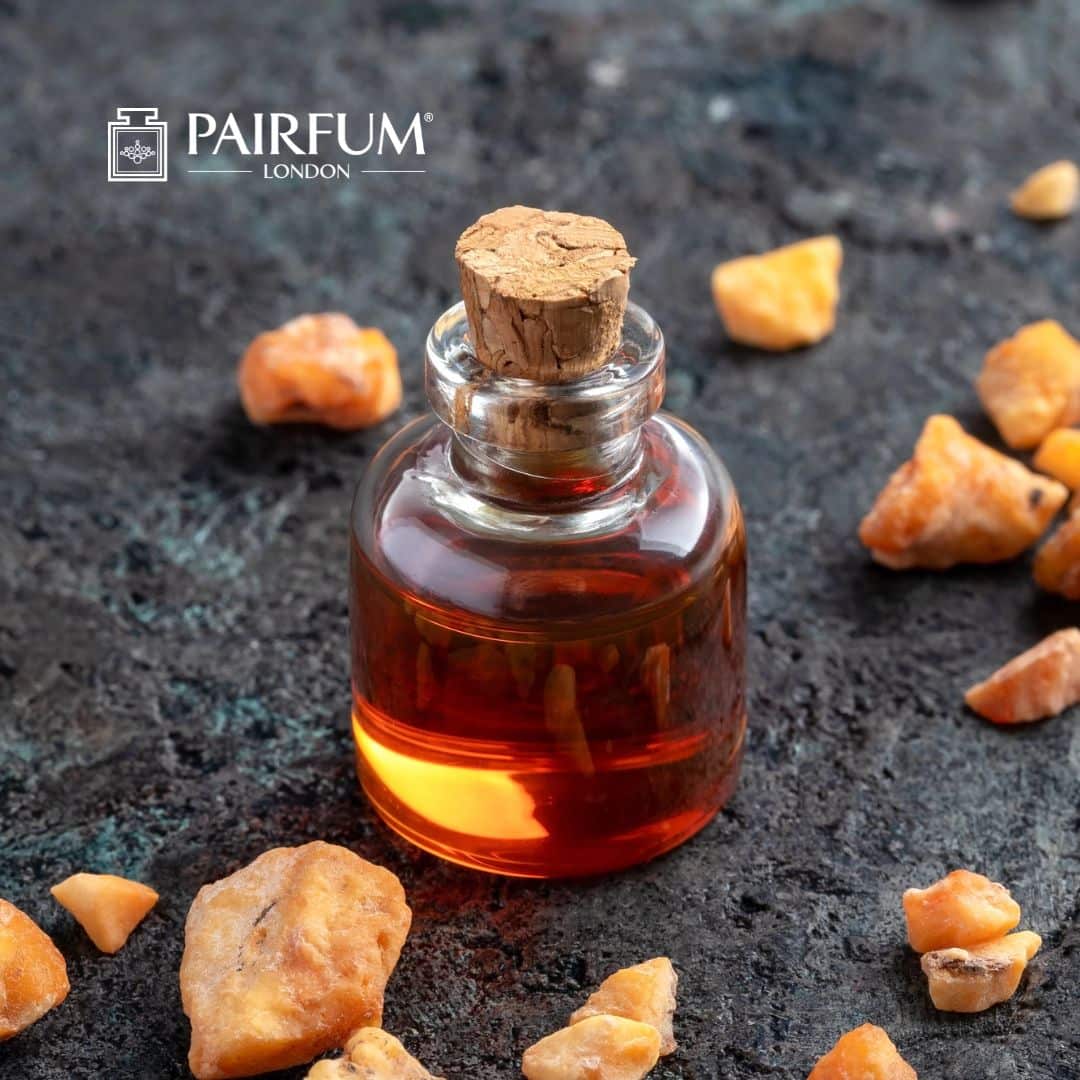
Benzoin Resin

Creating the Perfect Blend

For those who enjoy crafting their own scents, a benzoin essential oil is a vital component of an essential oil blend. Because it is so thick, it sometimes requires a little warmth or the addition of water in a diffuser to help it circulate. If you are looking for an organic essential oil to round out a collection of best sellers, benzoin is often the missing piece that provides a professional finish. It can even be used to round out the harshness of certain notes like cardamom or grapefruit.

Why Benzoin Feels Right in Winter Perfume

When days are dark and nights are colder, certain smells feel more comforting. Benzoin is one of them. There is something about its soft sweetness and subtle weight that suits the slower pace of winter. It thrives in cold weather because its thick, enveloping quality helps shield against the chill, creating both a physical and a sensory warmth that lingers.

It appeals to wearers who like their perfumes a little sweet but not overly sugary. There is maturity in its softness, a kind of quiet sweetness that does not shout but hums gently. The aroma seems to glow, lasting on your skin through those long wintry hours, providing steady comfort as temperatures drop.

Picture walking into a warm room on a frosted day, hands wrapped around a mug. Benzoin in perfume captures that same easy warmth without being too heavy or overpowering. It layers smoothly with other winter favourites, enhancing overall comfort without overwhelming the senses.

Benzoin’s Role in Modern and Iconic Perfumes

You will often find benzoin holding its own in amber-themed perfumes, oriental styles, or richer gourmand blends. It acts like the middle ground between edible sweetness and earthy depth. It was even famously popularised as a perfume ingredient worn by Queen Elizabeth I. Paired with the right notes, it adds body without taking over:

  • Labdanum keeps it smoky and leathery
  • Vanilla lifts and sweetens the base
  • Spice adds character
  • Rich woods like cedar or sandalwood keep it balanced
  • Spice oils add a flickering heat to the cool resinous base

Many iconic fragrances rely on benzoin to build that long-lasting warmth people remember hours later. Its ability to blend, mellow, and support other ingredients makes it a lasting favourite in perfume design.

  • Prada – Prada Candy: This fragrance features an exceptionally high concentration of benzoin, blending its natural vanillic warmth with silky musk and rich caramel for a sophisticated, edible sweetness. 
  • Guerlain – Bois d’Arménie: A woody and elegant scent that focuses on the resinous depth of benzoin, pairing it with incense to mimic the calming aroma of traditional burning paper. 
  • Diptyque – Benjoin Bohème: This perfume celebrates benzoin siam, wrapping the resin in patchouli and labdanum to create a long-lasting, golden aura that stays close to the skin.
Pairfum Flacon Perfume Room Spray Signature Cognac Vanilla

Cognac & Vanilla – Flacon Perfume Room Spray by Pairfum London

The aroma of a connoisseur: sherry-aged oak, rich bourbon-vanilla, golden cognac, Caribbean patchouli, amber benzoin, and ancient labdanum.

To bring the vanilla warmth of the Styrax tree into your home, consider a luxury room fragrance that mirrors the depth of fine perfumery. The Cognac & Vanilla Pairfum London Flacon Room Spray is an ideal choice, as it prominently features a rich blend of benzoin, labdanum, and patchouli. This natural home perfume uses organic essential oils to create a fine mist that lingers for hours, providing a steady, golden glow. It is a sophisticated way to layer your living space with calming, balsamic notes, ensuring your surroundings feel as cosy and inviting as the scent on your skin. 

Wrapped in Warmth: The Enduring Charm of Benzoin

Benzoin stays with us in perfume because it does something few ingredients do: it brings depth, comfort, and balance in a single drop. Its vanillic edge makes it familiar. Its resinous heart makes it rich.

This ingredient creates that soft glow some perfumes are known for in winter. The kind of warm feeling you notice not when the perfume arrives, but as it stays through the hours. As time passes, the aroma deepens rather than fading quickly, creating a gentle trail that forms part of your winter ritual.

When looking for your next signature scent, check the reviews for those 5 stars mentions of warmth and longevity. Whether you are browsing for new perfumes or checking the various payment options for a luxury gift, remember the humble resin from the Styrax tree. It is the secret behind the most enduring, comforting scents of the seasonal experience you crave. Treat yourself to a scent that lingers elegantly, providing calm and balance every day.
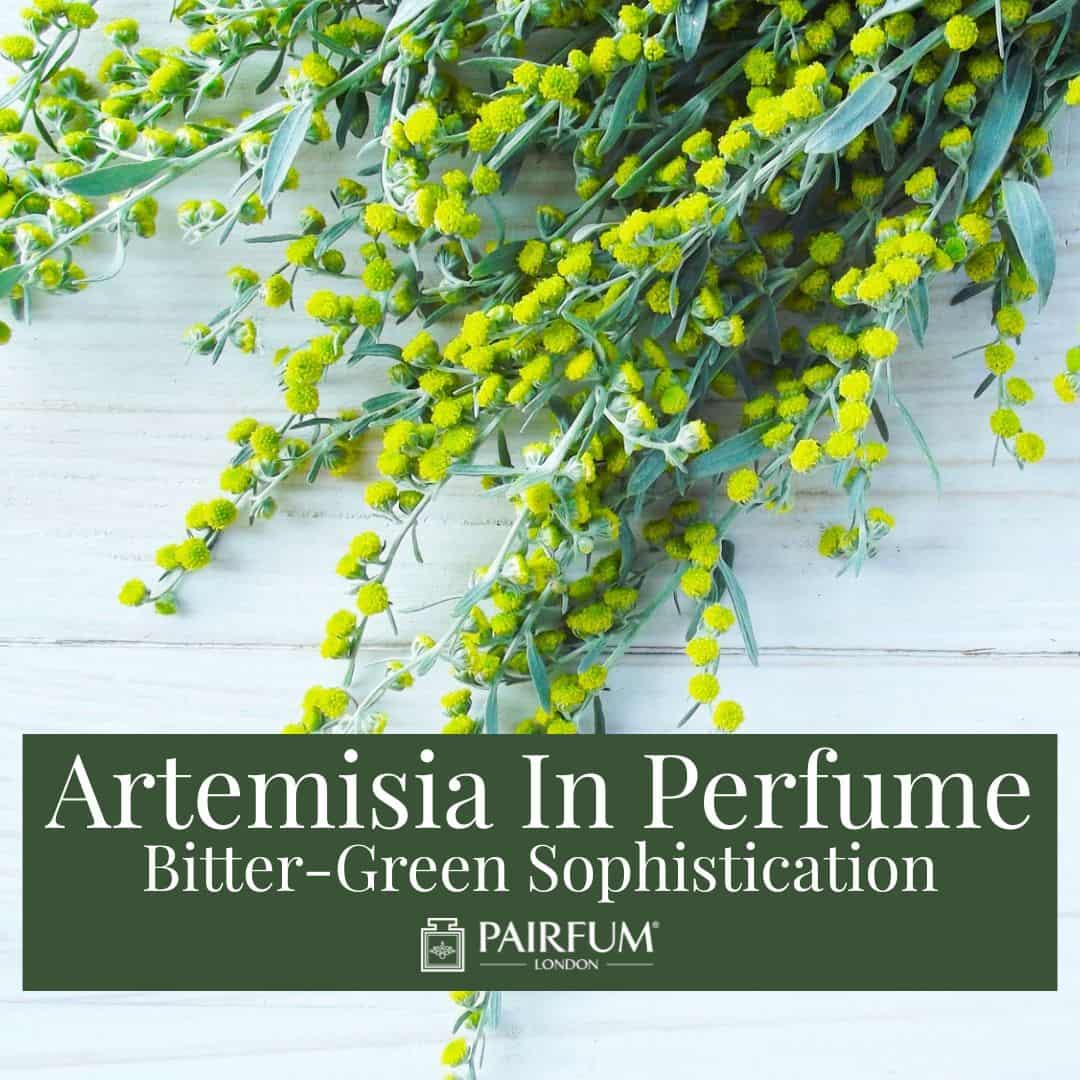
Artemisia In Perfume

Artemisia In Perfumes: Bitter-Green Sophistication

Artemisia in perfumes provides a unique, bitter, herbaceous, and green scent—often derived from wormwood or mugwort—which adds depth, complexity, and a slight medicinal edge. It is very common in fougère and chypre styles for balancing florals and woods, and can even act as a natural fixative. The plant is featured in legendary scents like Penhaligon’s Artemisia (a sweet floral), Maison Crivelli’s Absinthe Boréale, and Pairfum London’s White Lavender, showcasing a versatility that ranges from sharp, bitter-green notes to soft, vanilla-toned finishes.

Artemisia adds a quiet strength to perfume, one that does not shout but still makes an impression. Earthy, bitter and green, it brings a distinctive character that lingers in the background, giving balance and freshness to both floral and woody blends. While not always noticed, its presence makes other notes come alive. This flowering plant genus, known scientifically as Artemisia, belongs to the Asteraceae family and is prized for its aromatic foliage.

We often reach for aromas that warm us in winter, something rooted yet clean. The bitter-green snap of Artemisia brings just that. In this article, we are sharing how it has become a subtle hero in perfume, where it originated, and why it is such a smart pick for this time of year. For the ignorant but curious seeker of scent, understanding this plant is a gateway to appreciating complex, professional perfumery.

Where Artemisia Comes From

Artemisia belongs to a wide group of hardy herbs that grow across Europe and Asia. You will likely know some of them already, like wormwood or tarragon. Long before it found a place in fragrance, Artemisia was used in teas, folk remedies and kitchen flavouring. Its strong taste and aroma were valued for their cleansing, cooling qualities. The name itself is steeped in history, often linked to the Greek goddess Artemis, the huntress, who was said to have discovered the many virtues of the plant.

Over time, those same qualities made it a favourite in herbal and aromatic perfumes. With its fresh, slightly bitter profile, it became a clever way to cut through heavy or overly sweet blends. It is never just green. There is a dry crispness behind the smell, almost like crushed leaves or sun-warmed herbs. Many perennials in this family are known for their silvery foliage, which adds a shimmering aesthetic to the landscape before they are ever harvested for their essential oil.

The different species within the Artemisia family contribute to its wide range of traditional uses, with some species cultivated specifically for their potent medicinal effects, and others prized for their adaptability in various culinary and cultural practices. In many regions, Artemisia has even been linked to rituals or seasonal ceremonies, further deepening its connection to ideas of cleansing and renewal. Despite its lengthy past in practical roles, Artemisia’s aromatic allure is what eventually drew the attention of perfumers.

Fragrance Description White Lavender Artemisia Lily Musk Vanilla

 A Legacy of Folklore and Medicine

The roots of artemisia are buried deep in folklore. Historically, Artemisia vulgaris (the common name mugwort or common mugwort) was used for protection and herbal medicine. Beyond its use for intestinal worms, the genus provided a major medical breakthrough: artemisinin. Extracted from Artemisia annua, this is vital for treating malaria. The plant is also famous for providing the bitter thujone in absinthe and the botanical punch in vermouth, where absinthium creates a sophisticated, dry finish.

Historical and Cultural Significance

The use of Artemisia in herbal medicine is vast. One of its most famous associations is with intestinal worms, a use from which the common name wormwood is derived. Beyond the apothecary, it has a storied history in the world of spirits. It is the primary ingredient in absinthe, the potent green drink favoured by nineteenth-century artists. The chemical thujone, found in the plant, was once thought to cause hallucinations, though modern science suggests the high alcohol content was more likely the culprit.

Furthermore, Artemisia is used in the production of vermouth, where its bitterness balances the sweetness of the wine. In traditional contexts, Artemisia vulgaris, also known as common mugwort, was often hung over doorways to ward off evil spirits or rubbed on the skin to protect travellers. Whether it is used for its roots, its rhizomes, or its seed, the plant has remained a constant companion to human civilisation.

How Perfumers Use Artemisia

In a perfume bottle, Artemisia rarely takes centre stage, but it still holds the shape of the composition. It often appears as a top or middle note, opening a perfume with a bracing, almost sharp edge before softening into the background.

  • It adds a bitter-green bite that freshens floral or woody perfumes
  • Used early in the perfume structure to set a crisp, herbal tone
  • Works well in masculine styles, but suits unisex and green-themed perfumes too

Pairing Artemisia with sweet florals can create tension and energy. Against darker notes like leather, resin or oakmoss, it adds a touch of lightness or clarity. It is one of those ingredients that does more than it first appears. The plant type varies, but the effect in a bottle is consistently sophisticated.

The versatility of Artemisia means that it is just as at home in vintage, classic fragrance architecture as it is in modern, innovative blends. Its bitter-green edge is highly valued for cutting through potential heaviness and for lending an overall clean, natural impression. It helps bring sophistication to perfumes that might otherwise feel flat or too saccharine. When used with restraint, Artemisia can serve as a bridge between otherwise clashing notes, ensuring that each piece of a fragrance works harmoniously together.

As a result, Artemisia’s bitterness, so distinct and alluring, grants complexity and contrast to perfume formulas. Its impact is often subtle but significant: floral bouquets seem airier and more alive, while woody aromas gain a leafy dimension. Even when deployed in small quantities, Artemisia influences the entire tone of a scent, leaving a clean and memorable finish.

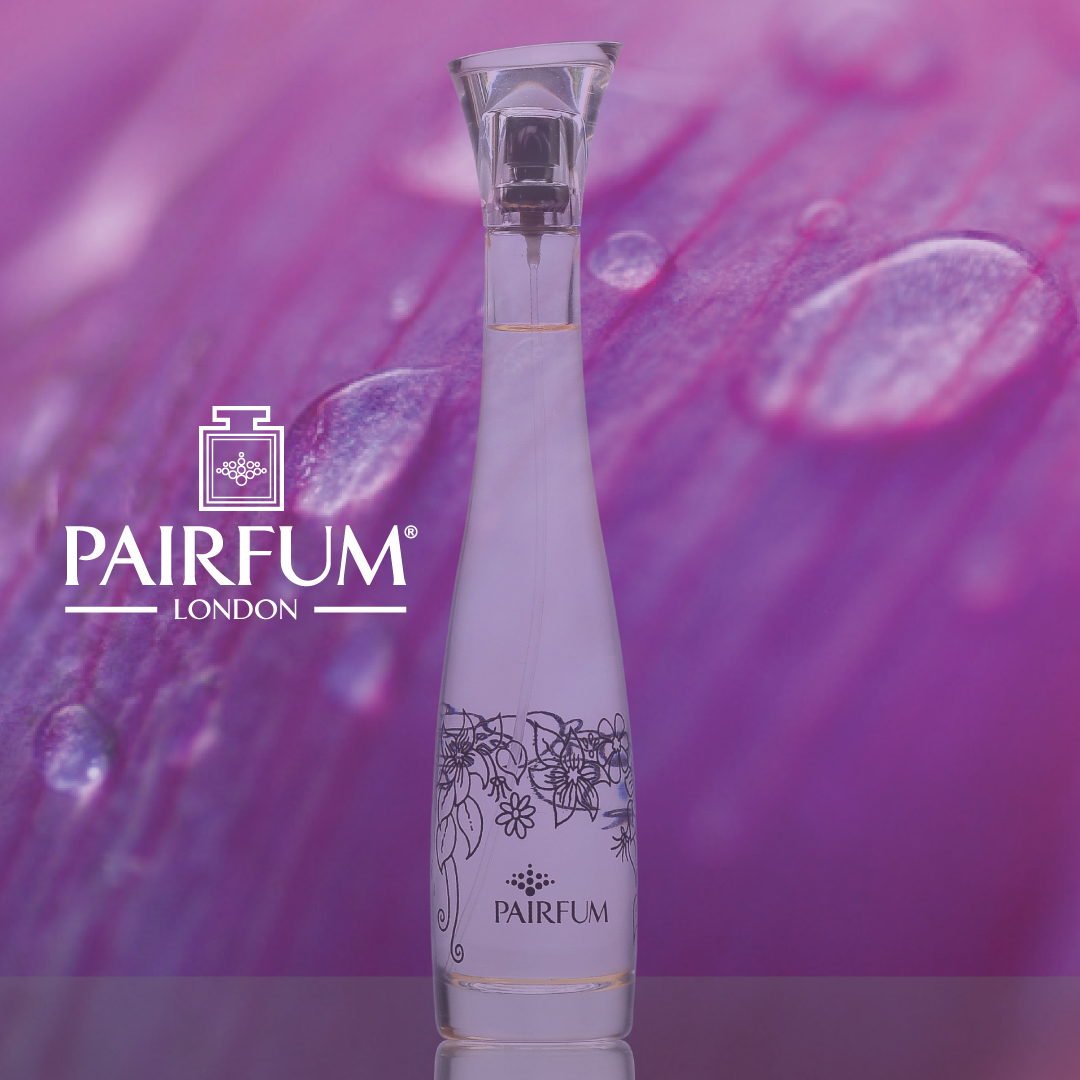
Pairfum Flacon Room Perfume Spray Lavender Water Droplet 1 1.

Types of Artemisia and Their Aromas

There are many species in this family, but a few have stood out in perfumery for their distinctive profiles.

  • Artemisia absinthium (wormwood): Bitter, dry, almost smoky. Often used in masculine colognes. This herbaceous perennial is most famous for its role in absinthe.
  • Artemisia dracunculus (tarragon): More aromatic and slightly sweet. Adds roundness to herbal compositions.
  • Artemisia vulgaris (mugwort): Offers a more earthy, slightly camphorous scent.
  • Artemisia annua: Also known as sweet wormwood, it is the source of artemisinin, a compound used to treat malaria.

Some versions of Artemisia lean fresh and cool, while others feel deep and slightly medicinal. You will find both clean and dusty tones in its wake, which makes it incredibly flexible. Whether the goal is sharp and angular or warm-green and smooth, there is usually an Artemisia type to match. For instance, Artemisia Powis Castle is a popular hybrid known for its garden merit and evergreen qualities in warmer climates, though it is used more for its silvery foliage in landscaping than for scent extraction.

Another notable point is that even within the same species, the aroma profile can shift according to where and how the plant is grown. Soil, climate, and harvest season all play a part in the final scent that is captured from the plant. This natural variability allows perfumers to select very specific versions of Artemisia for particular creations, whether they want to emphasise the bitter, the herbal, or even a faint sweetness in a finished perfume. Through careful sourcing and blending, the many personalities of Artemisia can be fine-tuned, bringing depth and subtlety to the world of fragrance.

Cultivating Artemisia in the Home Garden

Gardeners value artemisia for its garden merit and silvery foliage. Many species are perennials that grow as evergreen shrubs, such as the hybrid artemisia powis castle. These perennials thrive in sun-drenched rock gardens or a container, provided the soil is not too moist or heavy with clay. While artemisia vulgaris spreads via rhizomes, most varieties are low-maintenance, drought-tolerant additions to any landscape.

Growing Artemisia At Home

For those interested in the herba itself, growing Artemisia can be very rewarding. These plants are generally perennials and range from small herbs to large shrubs. Most Artemisia varieties prefer full sun rather than shade and thrive in well-drained soil. While they can tolerate clay, they do best when the soil is not overly moist, as their roots are prone to rot in standing water.

When flowering, the flower heads are usually small and not particularly showy. The flower colour is often a muted yellow or white, as the plant is primarily grown for its foliage. Many varieties are perfect for rock gardens or even a container on a patio. Whether you call it sagebrush in the American West or mugwort in a British meadow, these common names all point to a family of plants that are as tough as they are fragrant.

The Botany of Bitterness

Botanically, this herbaceous perennial is fascinating. When flowering, it produces subtle flower heads rather than bold flower colour. The true appeal lies in the aromatic foliage. Whether it is common mugwort, sage, or sagebrush, the leaves release a potent essential oil when crushed. This ‘herba’ protects itself from heat by using its distinct colour and hairs to shield each seed. For the curious, this flowering plant represents a perfect marriage of survival and scent.

Artemisia

How Artemisia Is Extracted

The most common technique for capturing Artemisia’s character is steam distillation. This produces a concentrated oil that holds onto its leafy, bitter essence. Distillers need to be delicate here, since the green notes of Artemisia can change quickly if exposed to too much heat or pressure. During the flowering period, the top leaves and flower heads are harvested for the best yield.

Natural Artemisia oil is still prized by perfumers who want authenticity in their formulas. While synthetic versions are available, the true thing often smells rounder and more organic, with soft edges and subtle variation. Its earthy, plant-like nature works better in natural-style perfumes. Whether it is Artemisia absinthium or another vulgaris variety, the quality of the oil is paramount.

Because the raw material is so sensitive to processing, the expertise involved in distillation makes a great difference in the quality of the result. Only well-managed distillation will preserve the most delicate green facets of Artemisia oil, ensuring that its full aromatic spectrum is available to perfumers. This careful balance between capturing enough intensity and preserving subtle notes is a hallmark of fine natural ingredients in perfumery. The natural variations in each distillation batch also contribute to unique artistry in small-batch and artisanal fragrance-making.

Iconic Perfumes That Feature Artemisia

Artemisia has a long history in classic perfume, especially in green chypres and vintage fougères. Many of these use it right in the opening to give their floral and woody notes an elegant bitterness. The colour of these scents is often mentally associated with the deep green of a forest or the silver-grey of sage.

In more niche fragrances, Artemisia sometimes becomes the focus itself. You will find it wrapped in vetiver, moss or lavender, creating green perfumes that feel dry, clean and grounded. Tarragon and sage are often used alongside it to enhance the aromatic, culinary facets of the scent.

It has also gained new ground in modern natural perfumes. Soft touches now appear in lighter blends alongside citrus and soft florals, showing how versatile the aroma can be when used with purpose. Even Artemisia (as it is sometimes spelt) continues to be a staple in the perfumer’s palette.

Artemisia by Penhaligon’s

Named after the Greek goddess of the hunt, this is perhaps the most famous fragrance dedicated to the note. It is a silky, powdery floral that uses Artemisia to provide a crisp green opening, which eventually settles into a creamy heart of jasmine, violet, and vanilla.

Fou d’Absinthe by L’Artisan Parfumeur

This fragrance celebrates the rebellious spirit of absinthe. It uses Artemisia absinthium (wormwood) to create a cold, bracing sensation that mimics the “bite” of the spirit. It is a dry, aromatic masterpiece that balances the herb’s bitterness with spicy notes of star anise and pine needles.

Fir & Artemisia by Jo Malone London

A more contemporary and seasonal example, this scent showcases the “bitter-green sophistication” mentioned in your blog. It pairs the herbaceous freshness of Artemisia with the resinous, woody depth of fir needles, making it a perfect example of how the plant is used to create a clean, evocative winter aroma.

Pairfum Flacon Perfume Room Spray Signature White Lavender

Artemisia Top Notes with Pairfum London

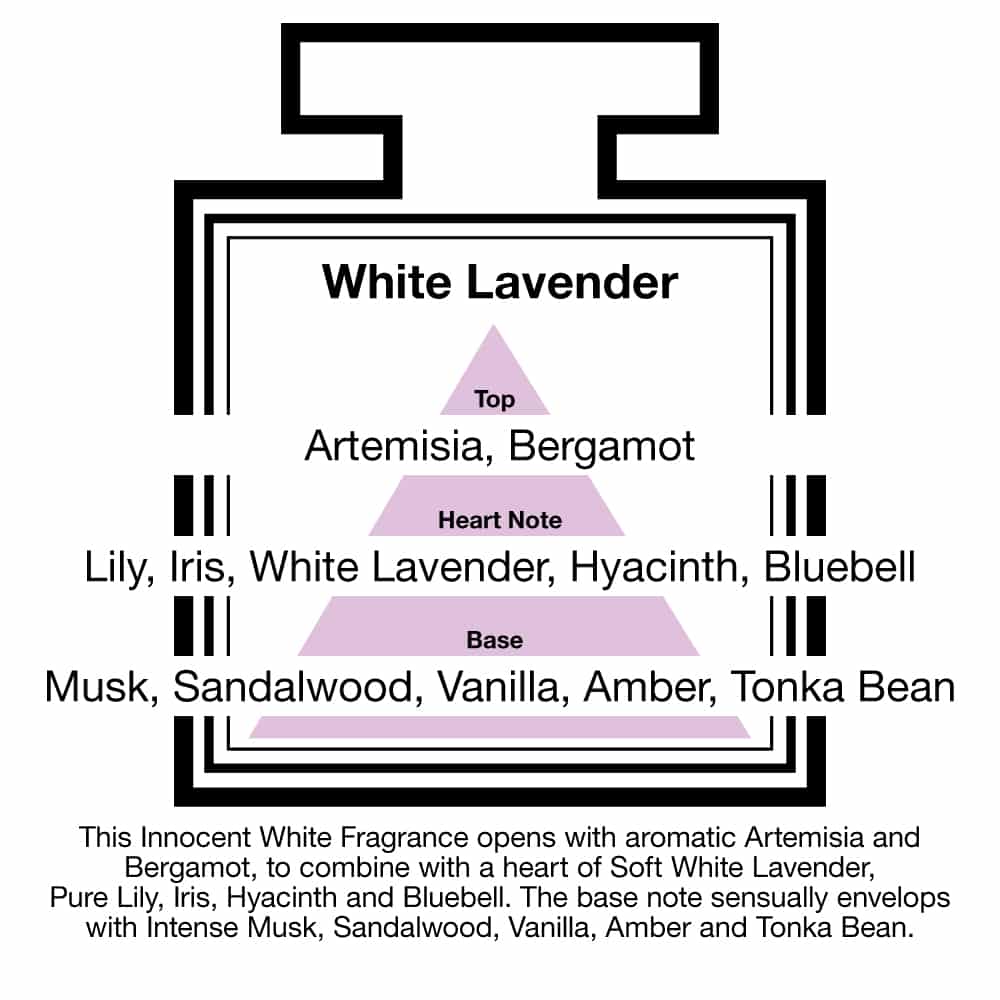
For those seeking to bring the sophisticated, bitter-green aromas of the garden into their living space, the Flacon – Perfume Room Spray offers an elegant way to experience these complex scents at home. Among the collection, the White Lavender fragrance is a standout choice for enthusiasts of this botanical family, as it beautifully blends aromatic Artemisia with delicate lily and herbal lavender. Unlike standard aerosols, this natural couture room spray uses a high concentration of essential oils and biodegradable alcohol to create a fine mist that floats and diffuses, ensuring your home is enveloped in a clean, sophisticated scent that lingers for hours.

White Lavender – Flacon Perfume Room Spray by Pairfum London

This innocent, white fragrance opens with the bracing clarity of aromatic artemisia and bergamot, which seamlessly combine with a heart of soft white lavender, pure lily, iris, hyacinth and bluebell. The base notes then sensually envelop the wearer with a blend of intense musk, sandalwood, vanilla, amber and tonka bean.

A Plant That Quietly Stands Out

Artemisia is not loud, but it leaves its mark. It threads through a perfume with sharpness and clarity, helping balance the sweet, the smoky, or the dense. Its bitter-green edge fits especially well in cold seasons, offering something cool yet familiar when softer florals feel out of season. From the common mugwort found in the wild to the cultivated evergreen shrubs in a designer garden, this plant family remains essential.

For those who enjoy perfumes with depth and freshness, Artemisia is worth noticing. Whether you are intrigued by its history in absinthe, its use as an herbal medicine, or its silvery foliage, it brings a great deal to the story inside each bottle. That kind of quiet character never goes out of style.

    Your Cart
    Your cart is empty