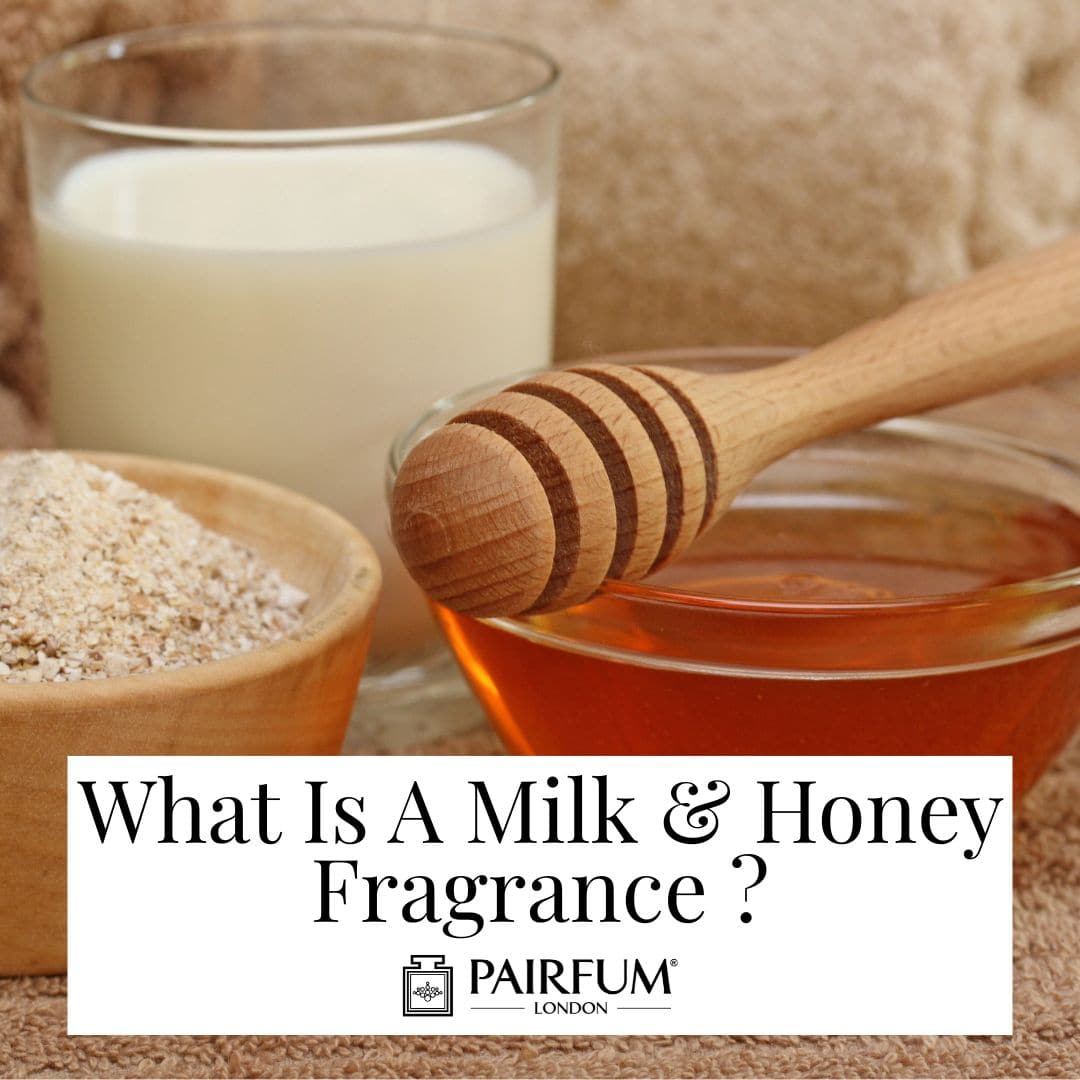
The milk and honey fragrance profile is a popular scent that evokes a feeling of warmth, comfort, and nostalgia. It is a gourmand, food‑inspired aroma that can be found in a wide variety of products, ranging from personal perfumes to luxurious home fragrance oils.
Few ingredients pair together as naturally and indulgently as honey and milk. Together they create an aroma that is both familiar and luxurious with a creamy softness wrapped in golden sweetness. It is an accord that evokes warmth, comfort, and quiet indulgence, conjuring memories of home, skin, and serenity.
In recent years, the milk and honey fragrance has moved from niche artistry into a cherished trend within the world of perfumery. As more fragrance lovers seek comforting scents with a natural, gourmand feel, perfumers have turned to these soothing, lactonic notes to capture a sense of calm and understated elegance. The accord has also flourished in candles, liquid soap, and bath products, where its smooth sweetness creates an atmosphere of cocooning comfort that feels like creamy milk drizzled with golden honey.
At Pairfum London, we love how this pairing brings together nature’s most nurturing materials into an olfactory story that speaks of craftsmanship, sensuality and care.
The Symbolism and Story of Milk and Honey
Before we explore the ingredients themselves, it is worth reflecting on the symbolism that gives milk and honey their timeless allure. Throughout history, the phrase “the land of milk and honey” has stood as a symbol of abundance, serenity and fulfilment. In perfumery, the same symbolism plays out through fragrances that are generous, soft and inviting — the embodiment of comfort and quiet luxury.
The creamy lactonic warmth of milk represents purity and tenderness, while the rich, golden glow of honey introduces warmth, sensuality and natural sweetness. Together, they form an elegant metaphor for balance — nourishment and indulgence blended in perfect harmony and often recreated through the delicate balance of fragrance oil, essential oils, and natural extracts.
This harmony appeals to perfume lovers, fragrance oil users, and artisans involved in candle making and pour soap, proving how versatile this accord is across the entire fragrance family.
What Are Milk Fragrances?
Milk fragrances have a special charm that sets them apart from other types of perfumes. They’re known for their creamy, comforting aroma that evokes a sense of warmth and relaxation. These fragrances often combine milky notes with other elements such as honey, creating a sweet and inviting aroma that many people find irresistible.
Honey notes in perfumes add an extra layer of depth and richness. They blend beautifully with milk fragrances to create a harmonious and luxurious aroma. Honey has a natural sweetness that enhances the creamy undertones of milk, making the combination perfect for those looking for a soothing and indulgent perfume.
The fusion of milk and honey in perfumes offers several benefits. From improving mood to enhancing personal appeal, these fragrances can make a significant difference in how you feel and how others perceive you. Our in-house perfumer, Huib Maat, understands the nuances of these aromas and crafts unique blends that capture their essence perfectly. We will delve into what makes milk and honey fragrances so special and how you can find the perfect one for you. The same allure that makes this pairing so appealing in personal fragrance has also seen it embraced in home fragrance and body care, where its creamy texture brings a spa‑like calm.
The best fragrance oils featuring this blend—such as oatmeal milk and honey fragrance oil—are frequently used in bath bombs, lip balm, body butter, and lotion formulations. Their use of vanilla bean, tonka bean, and coconut oil enhances softness without heavy sweetness, earning glowing customer reviews and making them a perfect gift option at any time of year, especially for those seeking autumn fragrance oils or Christmas fragrance oils.
Key Characteristics of Milk Fragrances
Creaminess: The primary trait of milk fragrances is their creamy, velvety aroma. This can be achieved through ingredients such as vanilla, almond milk, and tonka bean.
Softness: These fragrances tend to be soft and gentle, providing a subtle yet captivating aroma. They are ideal for those who prefer understated but elegant perfumes.
Warmth: Milk fragrances evoke a sense of warmth and comfort, making them perfect for cosy settings and colder weather.
In many artisan blends, such as those used for fine perfumes, waxes and creams, perfumers may also include oat or rice nuances that bring a fresh, cereal brightness to the creamy base. The addition of musk or light amber enhances the roundness and longevity. The resulting scent profile feels like a gentle whisper of warmth that can transform both mood and environment.
Common Notes in Milk Fragrances
Vanilla: Offers a sweet, creamy aroma that enhances the milk notes.
Almond: Adds a nutty richness and depth.
Coconut: Provides a tropical twist with its creamy, sweet aroma.
Tonka Bean: Contributes a warm, slightly spicy sweetness.
Perfume houses sometimes incorporate creamy vanilla or a touch of white musk for lasting softness and subtle radiance. These refined fragrance notes ensure that each perfume evolves gracefully on the skin.
Examples of Milk Fragrances
Perfumes with milk notes often blend with other elements like honey, flowers, and spices to create a balanced and appealing fragrance. This combination is especially inviting and offers a comfort that is hard to match.
Milky accords are also enriched by powdery oatmeal and soft sugar notes. These touches evoke warmed milk with sweet honey and oats, producing a scent that feels wholesome and enveloping. The “oatmeal, milk and honey” concept popular in luxury candle and soap products showcases how effectively these notes mirror natural comfort.

The Allure of Honey Notes in Perfumery
Honey notes are a popular addition to many fragrances because they add depth, sweetness, and warmth. The natural, rich aroma of honey blends well with various other notes, enhancing the overall fragrance and making it more complex and layered.
Why Honey Notes Are Appealing
Natural Sweetness: Honey adds a pure, natural sweetness that is appealing and not overpowering.
Richness: The rich, golden aroma of honey gives perfumes a luxurious feel.
Versatility: Honey pairs well with many notes, including floral, fruity, and spicy, making it a versatile component in perfume crafting.
Common Combinations with Honey
Floral Fragrances: Honey blends beautifully with floral notes like jasmine, rose, and orange blossom, creating a sweet and romantic aroma.
Fruity Fragrances: It pairs excellently with fruity notes like pear, apricot, and berries, adding a layer of natural sweetness.
Gourmand: Combined with gourmand notes like vanilla, chocolate, and caramel, honey creates rich, dessert-like fragrances.
Honey’s natural complexity can be highlighted in a honey fragrance oil or the more solid honey solid perfume form, both popular choices for layering. Each captures the multifaceted syrupy charm of honey—textured, golden and filled with fragrant floral input from bees.
How Honey and Milk Notes Interact
The beauty of a honey and milk fragrance lies in how these two materials evolve together on the skin. The first impression is often silky and comforting, as the creamy milk accord envelops the senses. As the perfume warms, honey begins to reveal its deeper side, slightly resinous and golden, adding warmth and radiance. Over time, the blend becomes skin-like and intimate, leaving a trail that feels tender and nurturing.
Perfumers describe this interaction as “olfactory harmony”. The lactonic, soft aspect of milk rounds the edges of honey’s sweetness, resulting in a perfume that is elegant rather than sugary. This balance makes honey and milk a timeless pairing within the gourmand fragrance family. It is this balance that gives the blend such wide use in fine fragrance, fragrance oil blends, candles, and wax melts, all adaptable enough for romance, relaxation or pure comfort depending on its concentration and base material.
Comparing Honey and Milk to Other Gourmand Notes
Honey and milk fragrances share affinities with other gourmand notes such as vanilla, caramel, or amber, yet they offer a subtler kind of indulgence.
Where vanilla is warm and comforting but tends towards sweetness, the milk accord introduces fluid smoothness and a sense of softness. Honey, meanwhile, adds depth and character without being cloying. Together, they form a signature scent that feels both luxurious and understated.
Those who enjoy soft, enveloping accords (think white musk, amber, vanilla, or almond) will find honey and milk perfumes particularly appealing. In sensory terms, where caramel suggests richness and chocolate evokes decadence, honey and milk together suggest gentleness and the warmth of natural ingredients presented with quiet sophistication. Their appeal extends to fragrance oil specialists designing pillar wax blends for candle jars, ensuring smooth burn performance and an enduring creamy aroma.
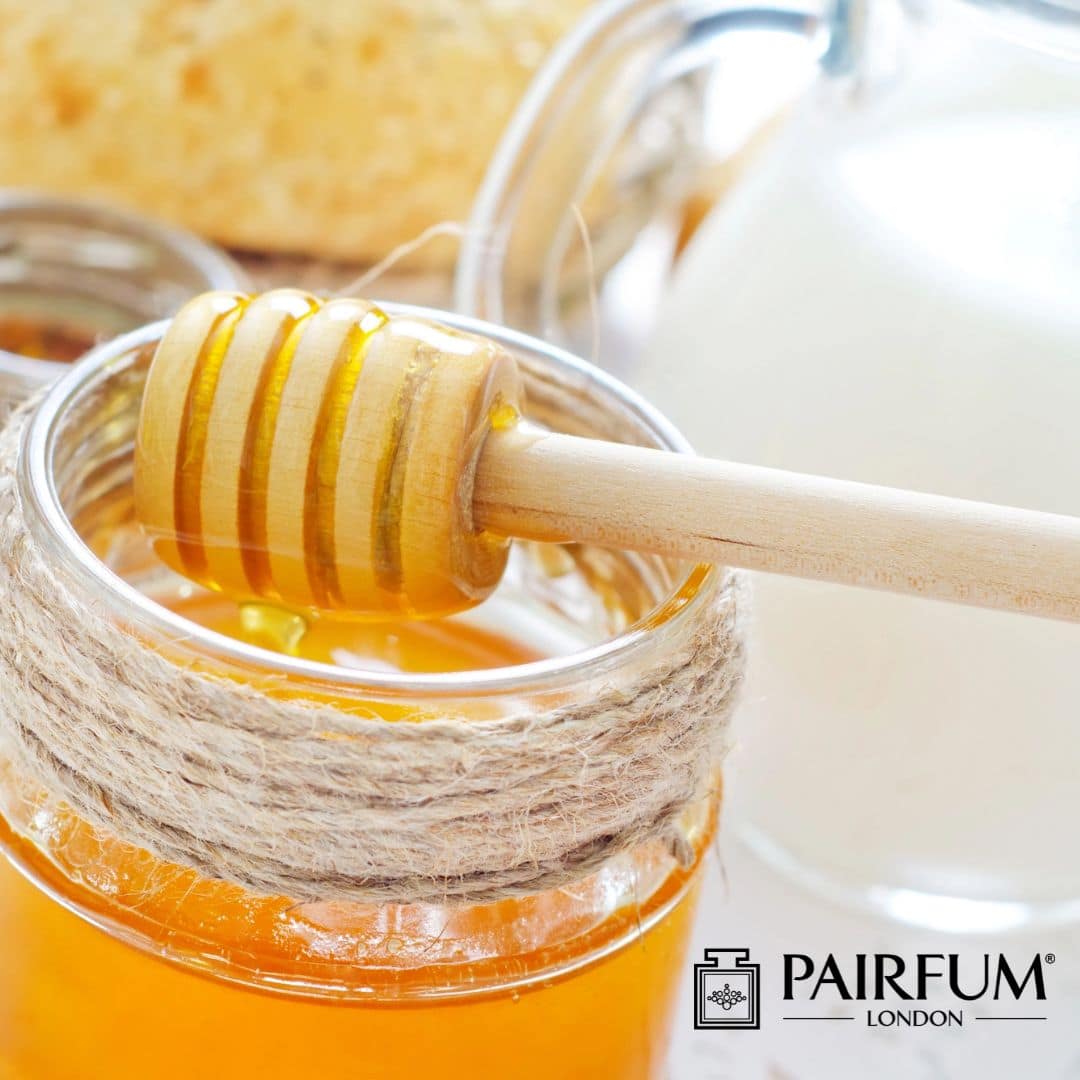
Who Will Love a Honey and Milk Fragrance?
Honey and milk fragrances tend to attract those who appreciate intimacy, warmth and softness in scent. They are perfect for people who prefer fragrances that sit close to the skin rather than announcing themselves from afar.
These perfumes suit both women and men and lend themselves beautifully to everyday wear. They can be worn to the office, for cosy evenings, or layered beneath a more floral or musky perfume for a personalised signature scent. Their nurturing aura makes them a favourite among those who view perfume as an extension of self-care.
Because the accord is gentle and universally appealing, it’s also widely loved in home and body products such as body butter, bath bomb mixes and lip products. With their hint of creamy milk and sweet honey, they fill a space with soft light and natural sweetness, creating an enchanting atmosphere perfect for gifting or personal relaxation.
Benefits of Milk and Honey Fragrances
Milk and honey fragrances offer numerous benefits that can enhance your daily life. These perfumes create a unique and comforting aroma that leaves a lasting impression.
Improves Mood:
- Calming Effect: The creamy and sweet notes of milk and honey can have a calming effect on your mood. These fragrances are perfect for relaxation and creating a peaceful environment.
- Boosts Happiness: The natural sweetness and warmth of these notes can elevate your spirits, making you feel happier and more content.
Enhances Personal Appeal:
- Creates a Memorable Aroma: Milk and honey fragrances are distinctive and memorable, making a strong impression on those around you.
- Boosts Confidence: Wearing a lovely perfume can make you feel more confident and self-assured, knowing that you smell wonderful.
Versatile and Suitable for Various Occasions:
- Day or Night: These fragrances work well for both daytime and evening wear. Their light yet rich aroma makes them suitable for any event.
- Seasonal Flexibility: Milk and honey notes are versatile and can be worn in any season. They are warm enough for winter but fresh enough for summer.
Natural and Gentle:
- Skin-Friendly: Milk and honey fragrances tend to be gentle on the skin, making them suitable for those with sensitive skin.
- Natural Ingredients: Many perfumes featuring milk and honey use natural ingredients, including sustainably sourced coconut oil and vanilla bean extracts, which can be better for both you and the environment.
These benefits make milk and honey fragrances a great choice for anyone looking to enhance their aroma and personal appeal. With their balanced sweetness and clean warmth, they evoke the feeling of freshly laundered linen, light floral air, and quiet comfort — sensations that transcend season or setting.
For artisan crafters, these fragrance oils also offer reliability during blending due to their steady flash point and low vanillin content, ensuring colour‑stable candle jars and smooth burn in pillar wax formats.
How to Wear and Layer Honey and Milk Fragrances
A honey and milk fragrance can be worn alone for a delicate, skin-scent effect, or layered with other perfumes for a more complex signature. It pairs beautifully with floral perfumes for a romantic tone, or with amber and musk fragrances for greater depth.
To make the scent last longer, apply it to moisturised skin, focusing on pulse points such as the wrists and neck. For a subtle diffusion, you may also spritz a little through your hair or on the collar of your clothing.
This fragrance family also thrives beyond personal perfumery. In a candle or reed diffuser, honey and milk infuse the home with gentle warmth. When paired with soft spices such as cinnamon or nutmeg, the effect becomes reminiscent of baked treats and fresh cream — indulgent yet soothing. Wax melt versions placed in candle jars spread their smooth, buttery aroma evenly, proving why this combination continues to inspire collections of fragrance oil blends worldwide.

Finding Your Perfect Milk Fragrance with Huib Maat
Selecting the perfect milk fragrance can be an enjoyable experience, especially with expert guidance from Huib Maat.
Know Your Preferences
- Identify Favourite Notes: Consider whether you prefer a more dominant milk note or a balanced blend with honey. Knowing your preferences will help narrow down the options.
- Occasion: Think about when and where you plan to wear the fragrance. This will help you choose between lighter and richer options.
Test Different Fragrances:
- Sampling: Always try samples before deciding. Spray a small amount on your wrist and let it develop over a few hours to see how it interacts with your skin.
- Seasonal Variations: Fragrances can smell different depending on the season. Make sure to test in both warm and cool weather to find the best fit.
Seek Expert Advice:
- Consult Huib Maat: Our in-house perfumer, Huib Maat, is an expert in crafting milk and honey fragrances. He can provide personalised recommendations from our perfume and fragrance oil library, including variants ideal for layering.
Trust Your Instincts:
- Personal Connection: Choose a fragrance that resonates with you on a personal level. It should feel like an extension of your personality, making you feel comfortable and confident.
By following these steps and seeking guidance from Huib Maat, you can find a milk fragrance that perfectly complements your style and preferences.
Milk and Honey Within Pairfum London’s Collection
Every bottle crafted under the direction of Huib Maat captures this comforting duality, indulgent yet refined, natural yet sophisticated. Each perfume and fragrance oil blend is designed to wrap its wearer in a gentle aura of calm confidence. Our candles and diffusers echo the same sophistication. Through candle making, our artisans blend refined pillar wax with infusion-grade fragrance oils, ensuring smooth diffusion and a scent of creamy milk and sweet honey that is instantly recognisable.
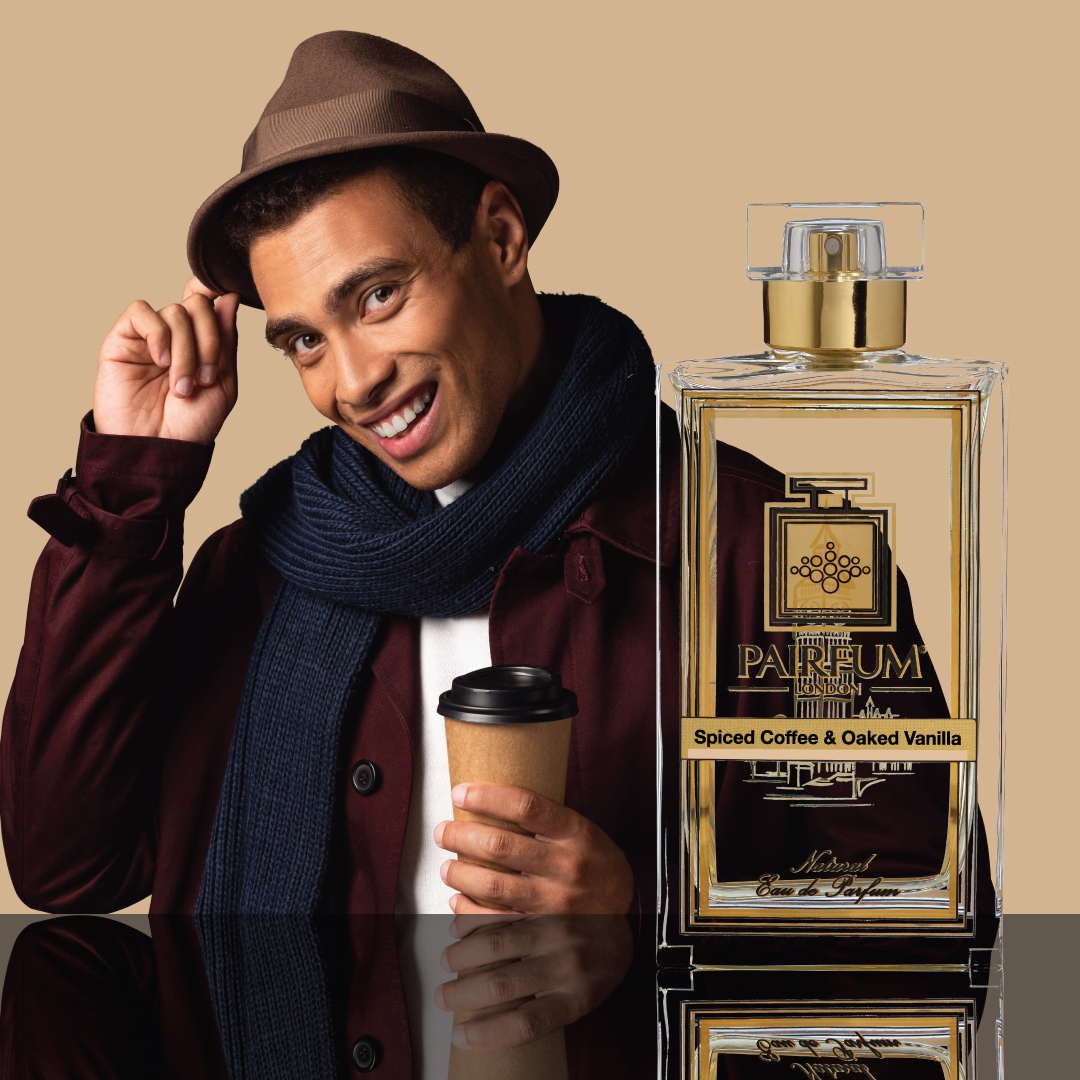
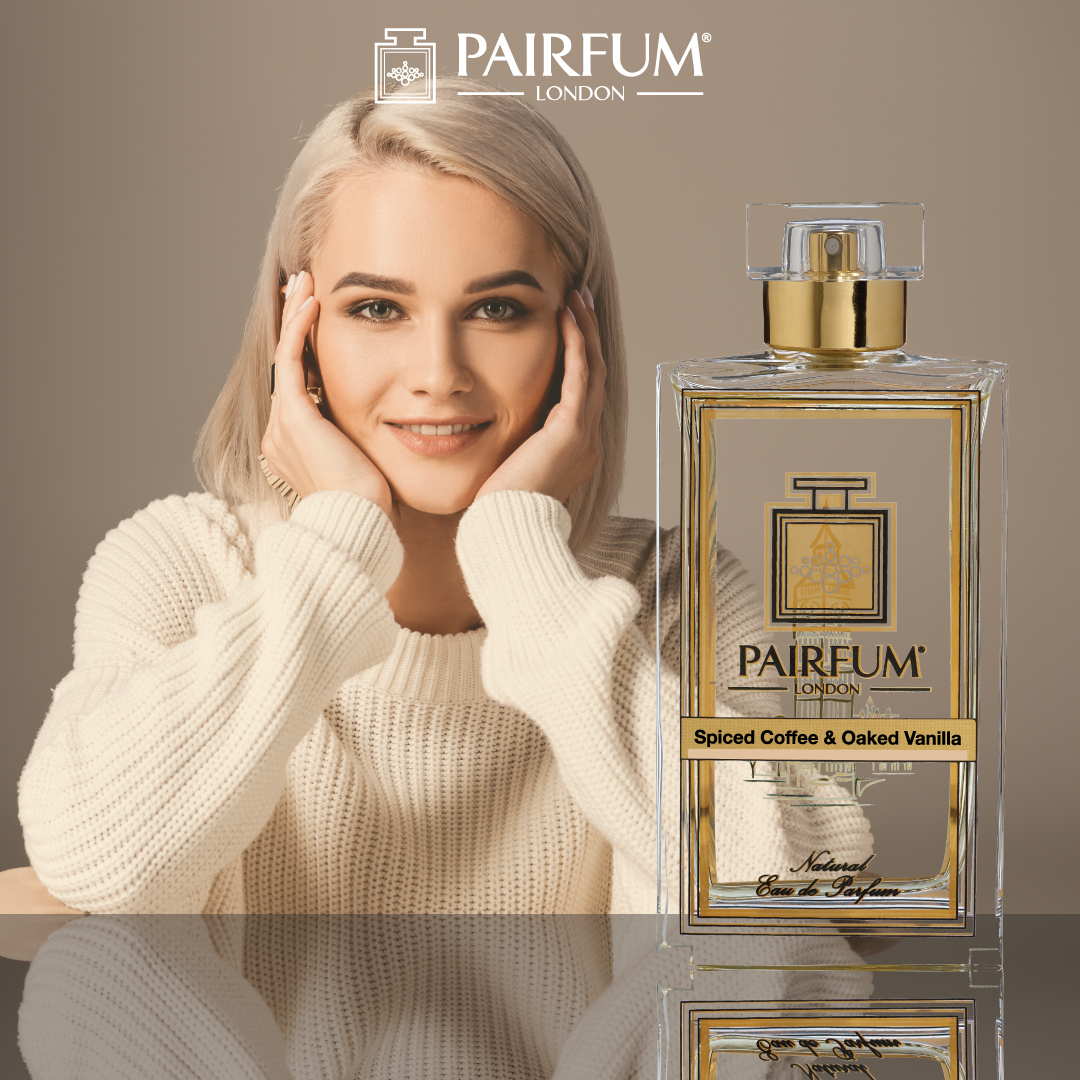
Spiced Coffee & Oaked Vanilla – Eau de Parfum by Pairfum London
This inviting oriental‑spicy fragrance begins with vibrant top notes of pink pepper, orange blossom and fresh pear. At its heart lies a contemporary fusion of deep, roasted coffee layered with the graceful richness of jasmine. The scent closes with a refined base where vanilla matured in oak blends seamlessly with earthy patchouli and smooth cedarwood, creating an elegant and lingering finish.
Orangerie Blossoms – Perfume Candles by Pairfum London
Capture the serene atmosphere of a sunlit orangery filled with the heady scent of orange blossom, jasmine, tuberose and ylang‑ylang. Delicate hints of peach, apricot and pear add a gentle fruitiness to the opening, while a soothing warmth unfolds from sandalwood, soft musk and golden honey in the base.

Selecting Your Ideal Milk and Honey Fragrance with Expert Guidance
Milk and honey fragrances offer a harmoniously sweet and creamy aroma that is both comforting and appealing. These perfumes can enhance your mood, boost your confidence, and leave a lasting impression. With the expertise of Huib Maat, finding the perfect fragrance becomes an enjoyable and personalised experience.
Discover the perfect blend that suits your unique style and elevates your aroma. Choose a fragrance that not only smells wonderful but also feels like a true reflection of yourself. Check out our perfume collection at Pairfum London today to find your ideal fresh fragrances.
Our artisanal perfumes embody the same qualities that make the milk and honey accord beloved across luxury products globally: balance, softness, and natural luminosity. Within every spritz lies the gentle sweetness of honey, the cloud-like purity of creamy milk, and the quiet confidence of fine British perfumery. Whether captured in a fragrance oil blend, a candle, or a scented body butter, the result is always a soft, delicate scent that feels like home.