Mint refers to a popular aromatic herb (from the genus mentha) known for its refreshing flavour, used in cooking, drinks, and remedies for digestion. However, it can also mean something excellent in slang, a place where money is made at a coin mint, or even an operating system. Key types include peppermint (stronger, for sweets) and spearmint (milder, for dishes, mint sauce or mint tea).
Mint brings an unmistakable feeling of freshness to perfume. It is clean. It is crisp. It has a cooling effect that makes other notes pop. Think of that first deep breath outdoors on a frosty morning: a sharp clarity with a hint of green. Mint is often connected with summer, but it is not limited to warm-weather blends. It plays an important role in cold-season perfumes too. It offers contrast and lift when everything else begins to feel more intense. Many fragrances released around December include a trace of this brisk herbal oil, especially during winter when heavier accords dominate the composition. Today, this article takes a closer look at how mint moves within perfume, its origin, how it is used, and why it keeps turning up in modern and timeless creations alike.
Meaning, Language, and Usage
Before exploring mint in fragrance, you should understand mint as a word. Mint is a noun with several distinct meanings. As a noun, mint may refer to an aromatic plant, a place where a coin is produced, or a description of condition and quality. These meanings developed over time. They are still reflected in modern terms and everyday language. In Old English, mint referred both to the plant and to a place associated with coin production. During Middle English, usage expanded further. This reinforced links between value, purity, and freshness.
This linguistic history explains why phrases such as mint condition and perfect condition are still used today. You see them when people describe objects like collectables, books, or even a perfume bottle that has never been opened. The phrase mint condition originally related to the appearance of a coin fresh from the royal mint, untouched and without wear. In modern usage, it no longer refers to money alone. It remains closely linked to ideas of quality and care. Mint has several synonyms depending on context. In culinary and fragrance language, synonyms often relate to freshness or flavour. In financial language, synonyms relate to origin and authenticity. These overlapping terms give mint its unusual flexibility as a noun.

The Roots of Mint in Fragrance
Mint has a long history. For thousands of years, mint plants have been used across cultures as a cooking herb, natural remedy, and refreshing infusion. Long before it made its way into fragrance, people relied on mint for stomach troubles, headaches, and to freshen the air in homes and public spaces. Perfumers noticed its naturally clean and energising quality. Across fragrance houses, mint began appearing as a way to open a perfume with brightness and ease. It added shape to compositions that might otherwise lean too floral, citrus, or woody. Different types of mint offer different aromas. Each one supports other ingredients in its own way. From cooling top notes to green herbal hearts, mint continues to add a fresh angle to the classic perfume structure.
The Mint Plant: Botany and Growth
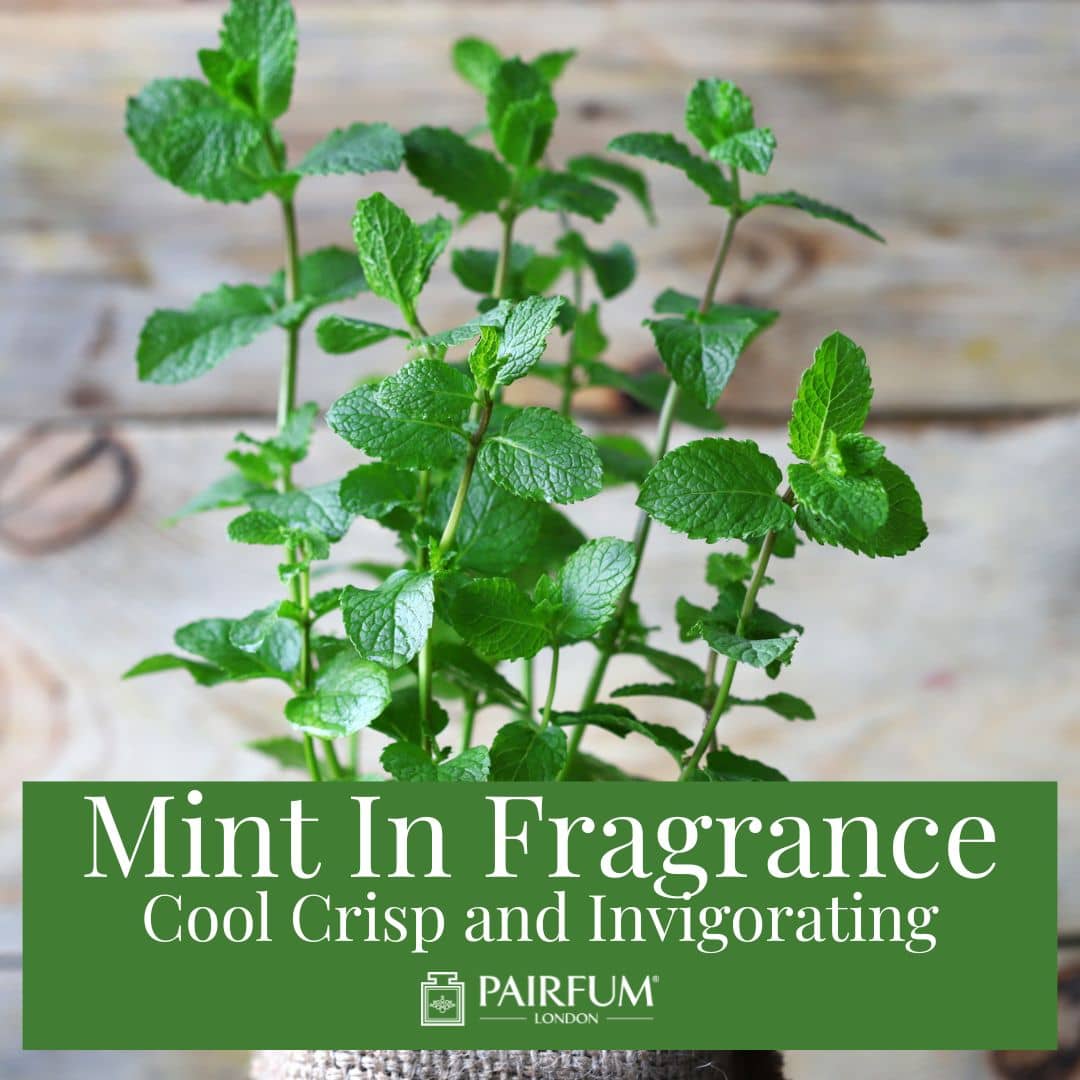
Mint refers to a group of aromatic plants within the mint family, botanically known as Lamiaceae. The mint plant belongs to the genus Mentha, more commonly written as Mentha. There are many recognised mint varieties, along with natural hybrids that occur where species grow close together. A typical plant is a hardy perennial plant with a spreading root system. This root network allows the plant to regenerate year after year, even after winter dormancy. Above ground, the plant develops a square stem, textured leaves, and small flowers when mature. Each flower is usually pale purple, pink, or white. Because of its vigorous growth, mint is often grown in containers or a dedicated pot rather than directly in open soil. This prevents the plant from spreading too aggressively.
Growing Mint at Home
Growing mint is considered straightforward, even for beginners. Mint prefers moist soil, moderate temperatures, and partial shade, although many varieties will tolerate full sun if watered well. The plant can be grown outdoors or indoors, provided there is adequate light and airflow. When planting mint, young nursery plants are usually recommended rather than seeds. This ensures accurate identification of the plant, whether peppermint, spearmint, apple mint, or another cultivar. Gardeners often harvest mint leaves regularly. This encourages bushier growth. Left to flower, the plant continues to attract pollinating insects and remains healthy throughout the growing season.

Mint Leaves, Menthol, and Extraction
The aroma of mint comes primarily from its leaves. Mint leaves contain aromatic compounds, most notably menthol, which is responsible for the cooling sensation associated with mint. Menthol interacts with cold-sensitive receptors in the skin and nose. It creates a perception of freshness rather than actual temperature change. To extract scent for fragrance, the leaves are usually steam-distilled. This process produces a concentrated essential oil that captures the characteristic aroma of the plant. Peppermint oil is one of the most widely used extracts due to its clarity and strength. Because peppermint oil is highly concentrated, perfumers use it carefully. A small quantity can influence the entire structure of a fragrance.
Types of Mint Used in Perfume
Not all varieties are the same. Each brings a distinct character to the fragrance. Peppermint (Mentha piperita) is the most widely recognised. Peppermint is a natural hybrid of spearmint and water mint. It contains a high level of menthol, giving it a sharp, cooling profile. Peppermint oil, derived from piperita, is often used to create a clear and energetic opening. Peppermint remains one of the most recognisable mint notes in perfume.
Spearmint (Mentha spicata) is softer and greener. Spearmint blends easily with florals, citrus, and herbal notes. It is often chosen when a more rounded freshness is required. Apple mint, botanically known as mentha suaveolens, has a gentle aroma and soft leaf texture. Chocolate mint offers a subtle cocoa nuance. Corsican mint is low-growing but intensely aromatic. Wild mint and other varieties grow naturally near streams and damp ground, offering an earthier profile.
Food, Culture, and Daily Life
Mint is deeply embedded in daily life. Fresh mint is widely used in salads, desserts, and cold drinks, while dried mint appears in spice blends. Mint sauce is traditionally served with savoury dishes such as roast lamb. Mint sauce remains a familiar part of British cooking. This aromatic herb provides a unique flavour profile that is hard to replicate. Mint flavour is also found in sweets and chewing gum, where it is associated with freshness and cleanliness. Mint tea, made by infusing leaves in hot water, is valued for its gentle taste and calming qualities. Because mint connects scent, taste, and memory, it has a strong presence in cultural habits from Europe to New Zealand. While sharing personal information about one’s favourite tea is common, almost everyone agrees on the refreshing power of this herb.
Why Mint Shines in Winter Perfumes
During winter, perfumes often feature spice, resin, and wood. While these notes suit the cold, they can feel dense. Mint plays a valuable role in winter compositions. In these fragrances, mint:
- Lifts heavier accords
- Adds contrast and brightness
- Evokes cold air and freshness
Mint is frequently paired with clove, fir, patchouli, or cinnamon to balance warmth with clarity during the colder months.
How Perfumers Extract and Use Mint
The essential oil used in fragrance comes from the leaves, usually through steam distillation. This method gently heats the plant material. Aromatic compounds rise with the steam, then condense into oil. The resulting peppermint oil is light, volatile, and highly aromatic. Mint is typically used as a top note. It is one of the first impressions experienced when applying a fragrance from a bottle. Many perfumers:
- Blend peppermint with citrus oils for a fresh opening
- Mix it with herb notes to enhance structure
- Use it against woods or resins for contrast
In each case, peppermint adds clarity and prevents heaviness.
Iconic Fragrances
Several well-known perfumes rely on peppermint to sharpen their structure. It is especially common in men’s and unisex fragrances where clarity and balance are important. Mint is often found:
- Following spicy or woody openings
- Paired with citrus or green notes
- Used to lighten floral compositions
Mint does not dominate. Instead, it creates space within the fragrance.
Iconic Perfumes Featuring Mint
Guerlain – Héritage
A refined classic where peppermint adds a subtle lift to a warm, woody and spicy structure. The note is restrained rather than dominant. This helps to keep the fragrance elegant and breathable, particularly in cooler weather.
Amouage – Beach Hut Man
A vivid green fragrance built around fresh peppermint, ivy, and galbanum. Here, the aroma feels wild and herbal rather than icy. It evokes open air and natural landscapes while adding sharp definition to the composition.
Comme des Garçons – Amazingreen
A modern, unconventional take on green freshness. Peppermint is paired with palm leaf and gunpowder notes. This creates a crisp yet mineral effect. The peppermint provides clarity and contrast rather than traditional sweetness.

Mint Notes & Home Fragrance At Pairfum London
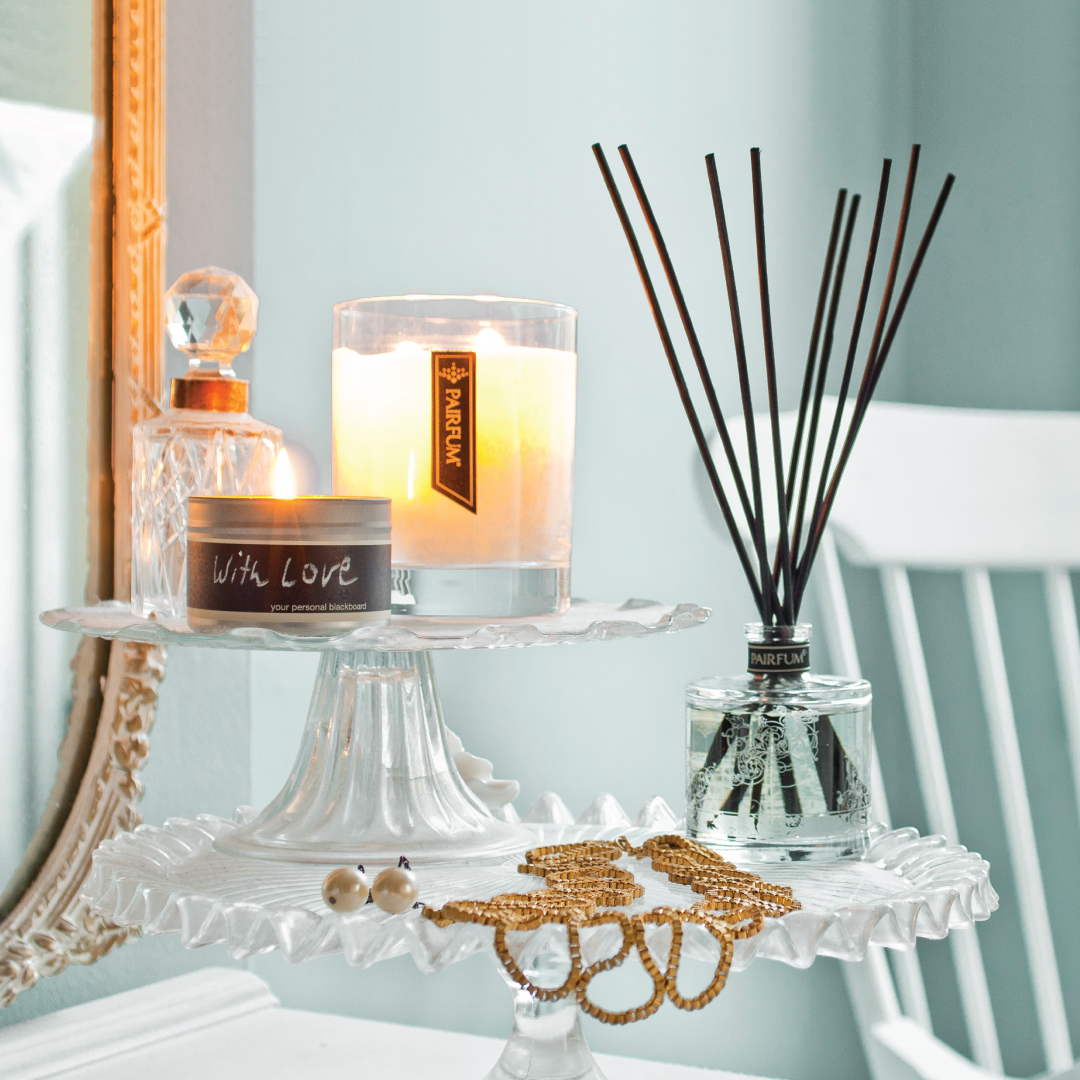
Bring the fresh clarity of winter indoors with the Snow Crystal Perfumed Candle. Crafted from natural stearin wax, this large candle releases a refined fragrance as it burns. It creates a calm and inviting atmosphere. Its crystal-like finish and clean burn echo the crisp, uplifting sensation that mint brings to fragrance. This makes it an elegant addition to seasonal living spaces.
Pink Lavender – Large Snow Crystal Perfumed Candle by Pairfum London
A bright and refreshing fragrance that opens with lively notes of tangerine, bergamot and cool mint inspired dew. At its heart, a fruity pink lavender accord blends with lily of the valley, freesia and soft rose. The base reveals a warm combination of musk, amber and gently dried lavender.
Cool Clarity That Lasts
At first, mint might seem simple: an ingredient that only adds freshness. In perfume, it does much more. Mint shapes the space of a fragrance. It adds contrast and prevents blends from becoming overwhelming. Whether someone prefers light fragrances or complex compositions, mint helps each element remain distinct. Its crisp presence lingers long after application. It creates a sense of freshness that feels appropriate in every season.