

The Perfume Blog & News by PAIRFUM
Shop Now
Luxury Home Fragrance: Choosing a Signature Scent for Every Room
06/10/2026
A luxury home fragrance can completely change the feel of a room by changing how it smells. Swap the scent and the same sofa, the same lamp, the same grey Tuesday evening suddenly feel like something else. The right fragrance turns ordinary moments into small rituals. Making tea. Reading on the sofa. Kicking off your
Read ArticleOur Most Recent Posts
Enjoy discovering the many Facets of Perfumery in Our Perfume Blog & News Magazine.
Choosing Clean Home Scent Without Sacrificing Luxury
01/10/2026
A clean home scent is about more than covering up smells. It is about rooms that feel calm, safe and beautiful, where the air you breathe has been chosen as carefully as the furniture. Throw the windows open in high summer and scent drifts from room to room. What you spray, light or diffuse changes
Read More
Mistakes to Avoid When Building a Personal Fragrance Collection
26/09/2026
A well-balanced personal fragrance collection usually contains around 10-12 versatile scents that cover every season, mood, and occasion without leading to unused clutter.A personal fragrance collection should feel calm and joyful, not stressful. Choose scents with care and every bottle earns its place. Every spray becomes a small, daily pleasure. Early autumn is arriving in
Read More
Signs A Perfume Collection Is Missing A Signature Scent
23/09/2026
Curating a perfume collection involves a versatile wardrobe of miniature or full-sized scents spanning different olfactory families, such as fresh florals, warm ambers, and deep woody notes. A perfume collection can feel exciting and cluttered in the same breath. Bottles multiply: a birthday gift here, a duty-free impulse there, a fragrance discovery bought on a
Read More
Decoding Clean Scent Perfume for Men with Sensitive Skin
19/09/2026
A refined clean scent perfume can still feel masculine, polished and memorable when the formula, concentration and fragrance family suit your skin. The trick is knowing what “clean” means to you, then testing the fragrance slowly. Choosing a fragrance should feel relaxing, not risky. With sensitive skin, a new perfume can raise an awkward question:
Read More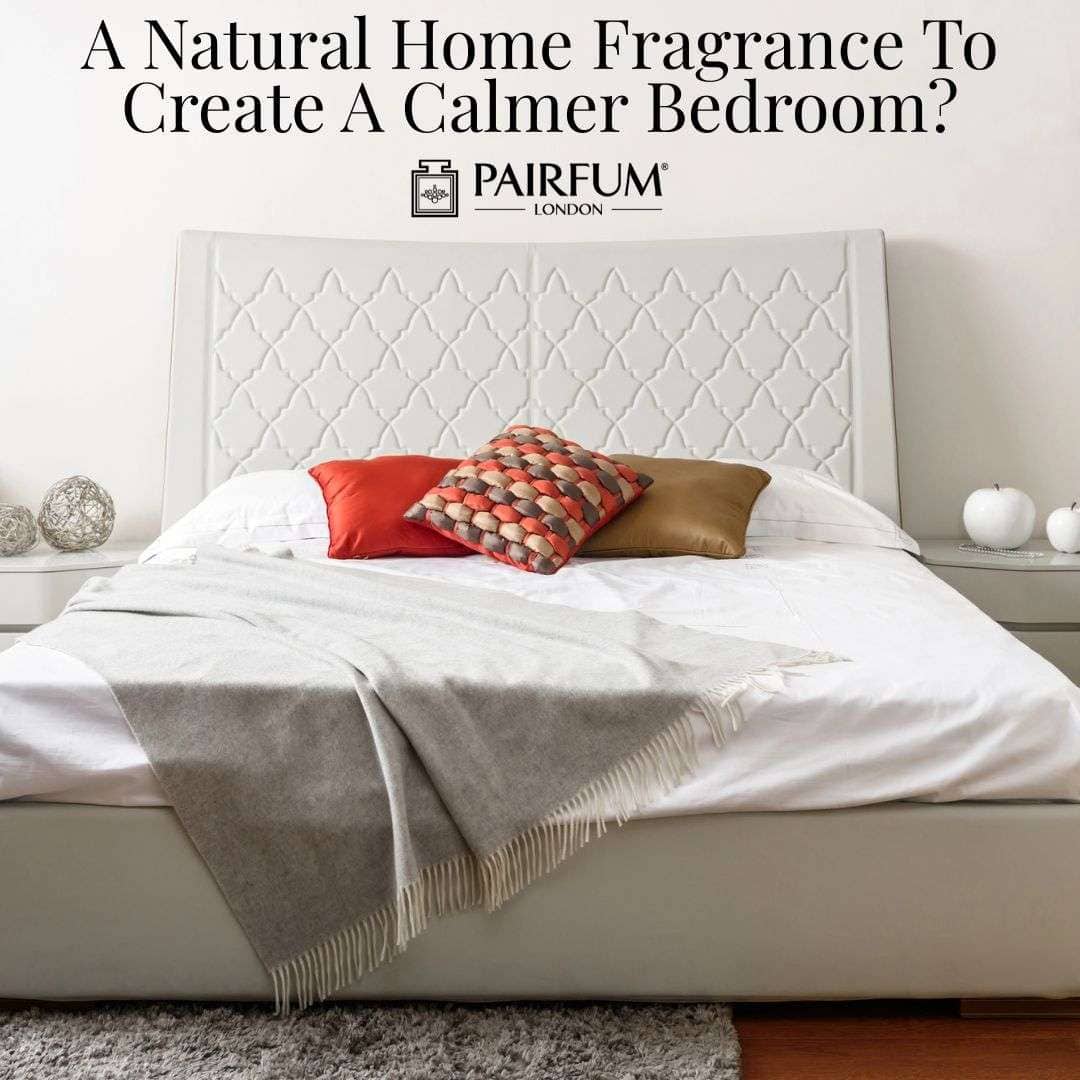
Is A Natural Home Fragrance Enough to Create a Calmer Bedroom?
16/09/2026
For a natural home fragrance, you can naturally scent your home using essential oil diffusers, soy wax candles or even DIY simmer pots instead of chemical sprays. A calm bedroom starts with how your home feels the moment you walk in. Warm air, soft light, and a gentle, natural home scent can make your shoulders
Read More
Is Alcohol Free Perfume the Answer for Sensitive Skin?
11/09/2026
Alcohol free perfume is an excellent alternative to traditional fragrances. They swap harsh ethyl alcohol solvents for gentle water, premium oils, or wax bases. This makes them ideal for sensitive skin, highly hydrating, and perfectly safe for use on your hair. Without the quick evaporation of alcohol, these fragrances sit closer to the body and
Read More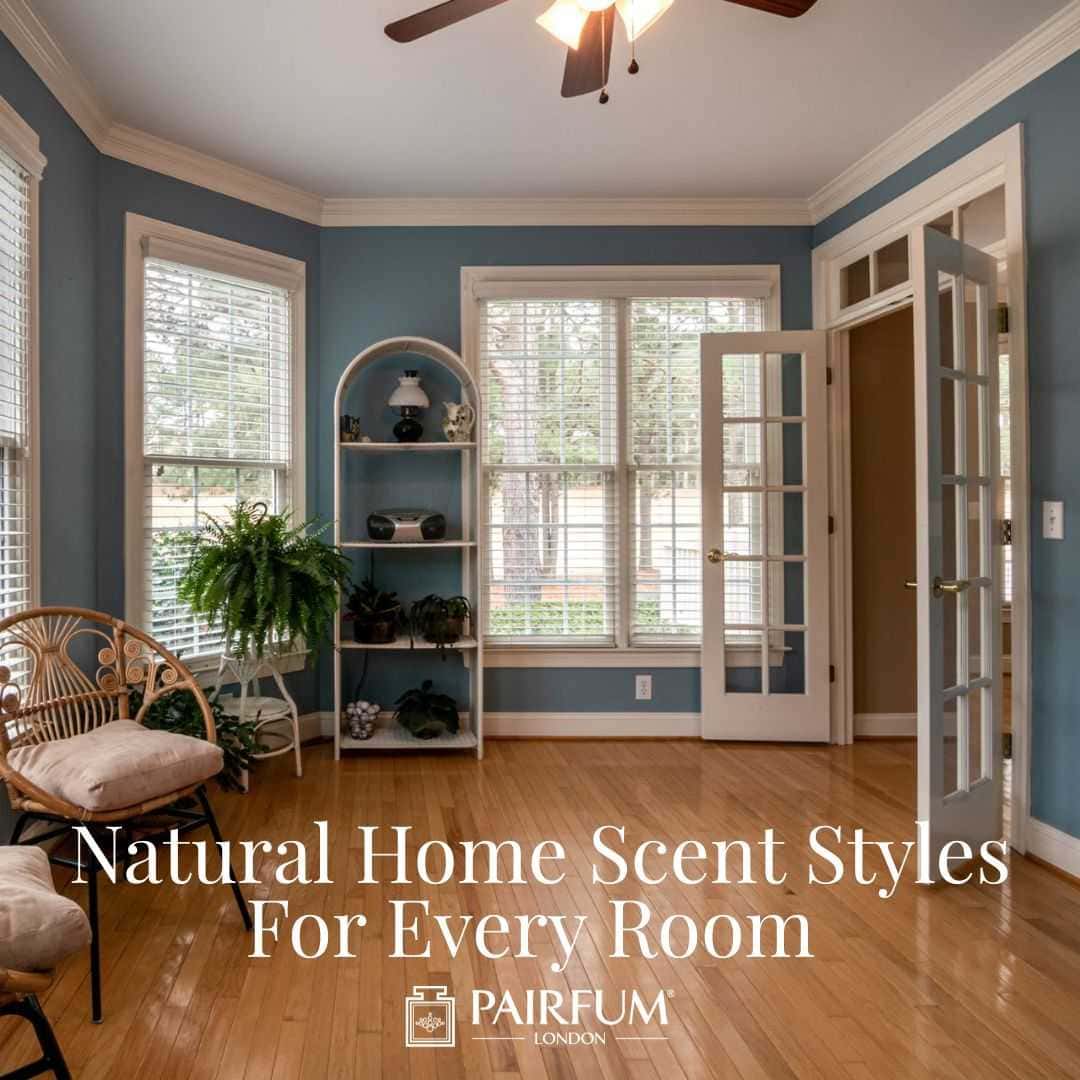
Natural Home Scent Styles for Every Room
08/09/2026
A natural home scent uses pure essential oils, botanical waxes and plant extracts rather than synthetic chemicals to scent your living space safely. A natural home scent can change how a space feels in seconds. When each room has its own gentle fragrance, your home starts to feel calm, polished, and welcoming, without trying too
Read More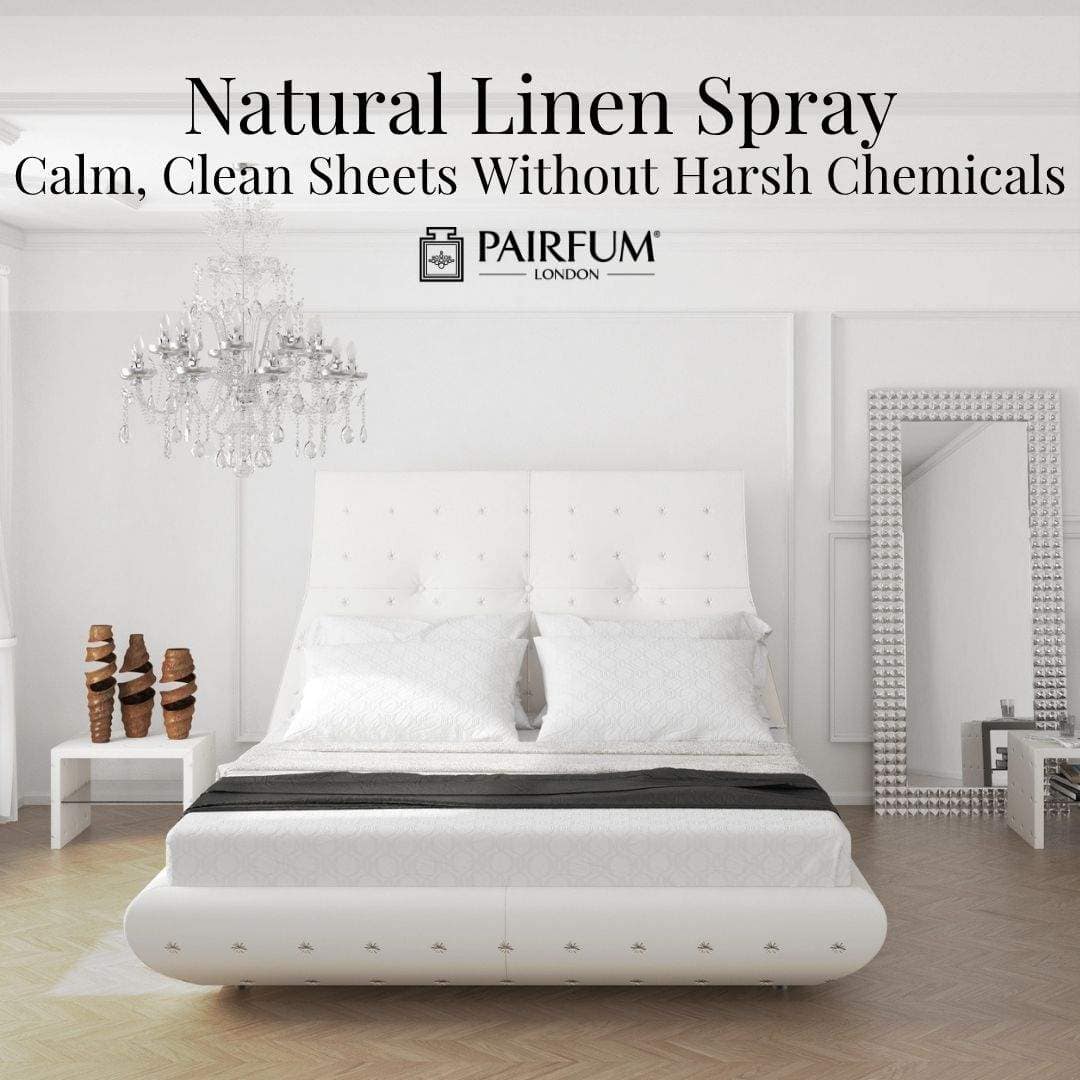
Natural Linen Spray: Calm, Clean Sheets Without Harsh Chemicals
03/09/2026
A natural linen spray freshens fabrics safely using plant-based ingredients and essential oils rather than synthetic chemicals. Natural linen spray offers a straightforward, elegant way to make your bedroom feel instantly calmer. Pure comfort. A gentle spritz over freshly made bed linen introduces a soft, airy aroma that transforms your evening routine into a small
Read More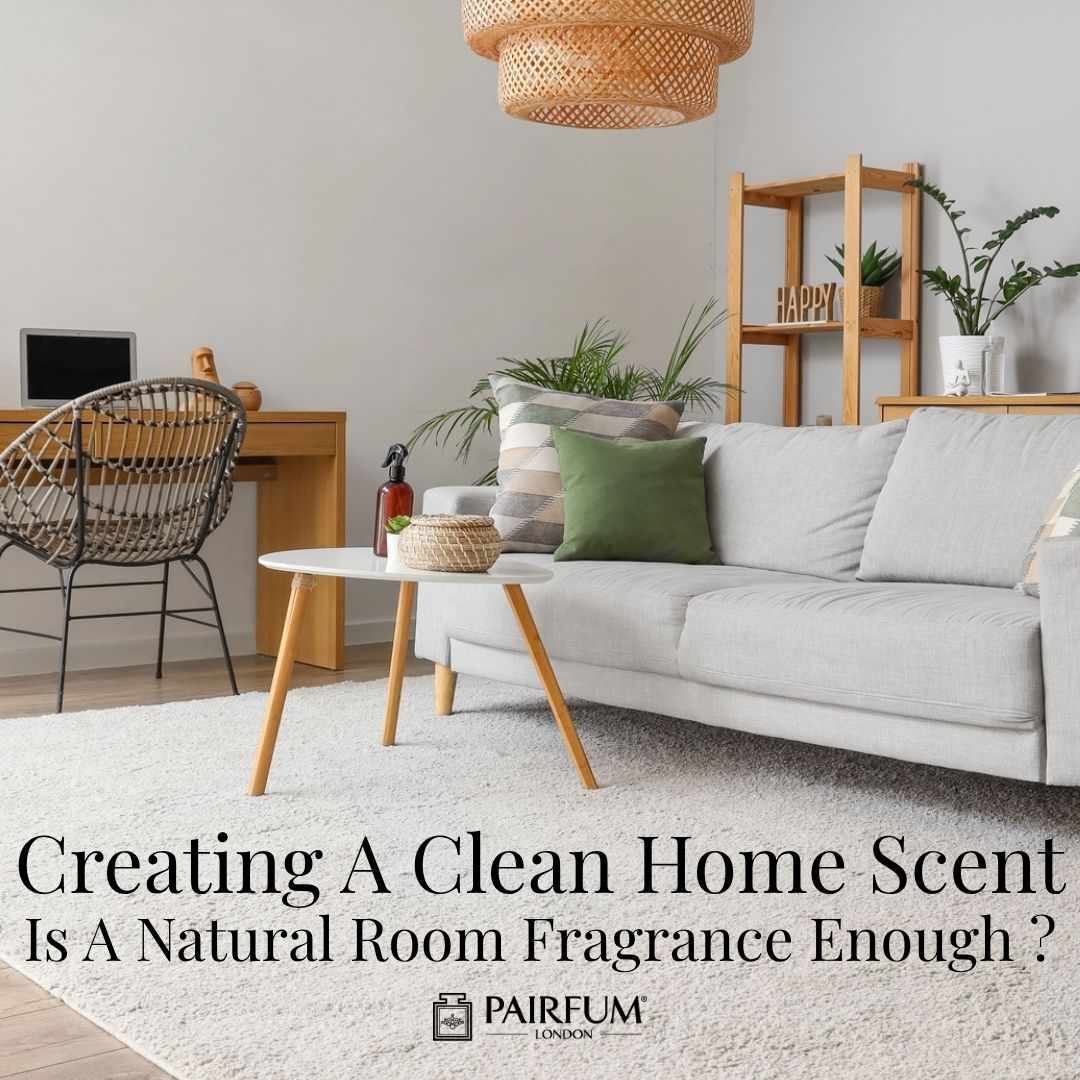
Creating A Clean Home Scent: Is A Natural Room Fragrance Enough?
01/09/2026
Achieving a clean home scent depends on eliminating underlying odour sources, improving ventilation and layering zesty, fresh fragrances. A home that smells clean can feel calmer, fresher and far more inviting. Many people now reach for natural room fragrance as quickly as they choose plant-based cleaners or organic food. It feels like a logical step
Read More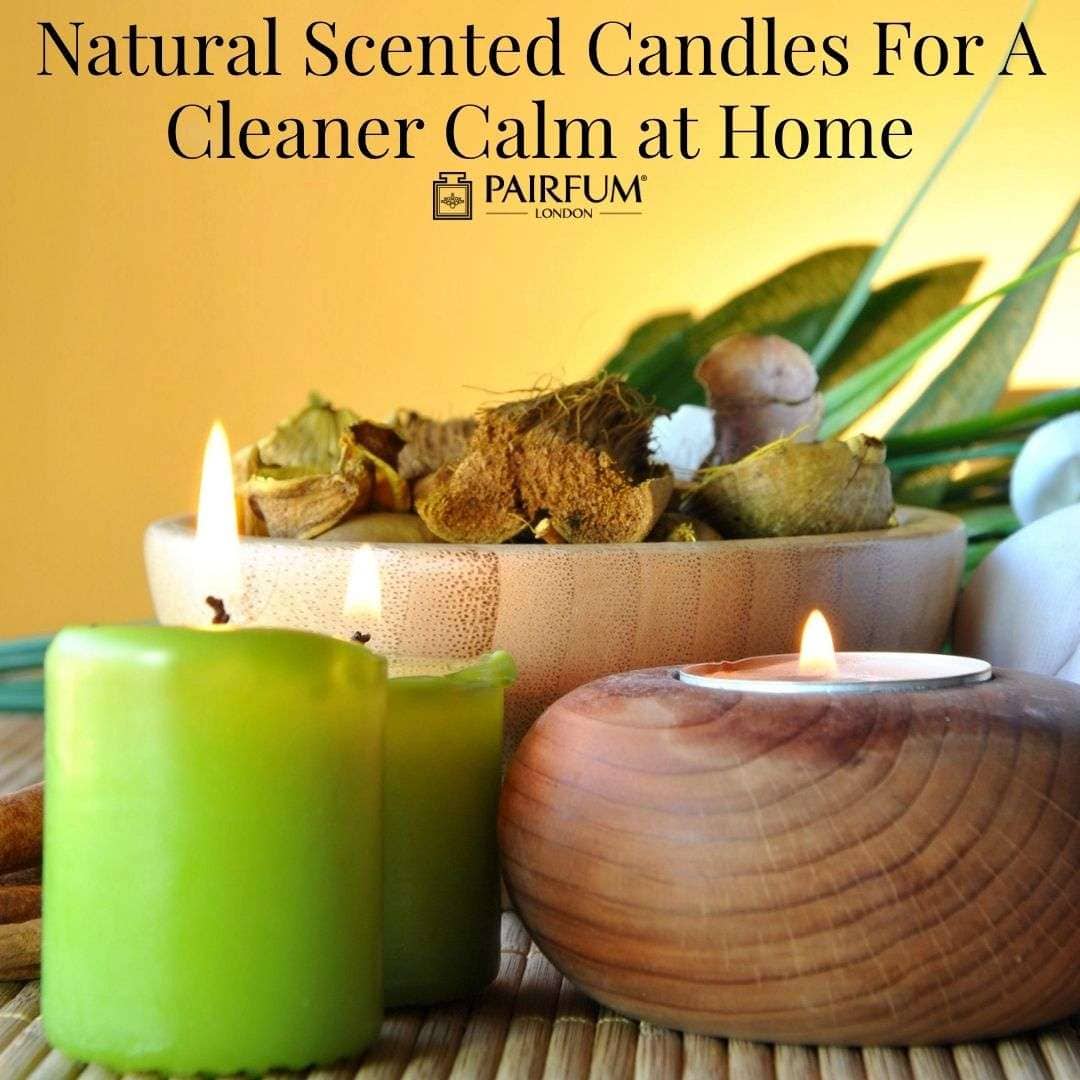
Natural Scented Candles for a Cleaner Calm at Home
30/08/2026
Natural scented candles use plant-based waxes, such as soy or beeswax, and pure essential oils instead of synthetic paraffin and chemical fragrances. They should make your home feel calmer, softer, and cleaner, without leaving you with a heavy head or dusty air. Many of us return home on a warm late-summer evening, light a favourite
Read More
Summer Evenings Transformed by Natural Room Fragrance
24/08/2026
Natural home fragrance options use pure botanical extracts, essential oils, and organic elements rather than synthetic chemicals or artificial perfumes. Popular choices range from essential oil diffusers and stove top simmer pots to natural room mists, house plants, and DIY odour neutralisers. A single natural room fragrance can turn a cluttered living room or stuffy
Read More
Is Non-Toxic Perfume Really Safer for Your Skin?
21/08/2026
Non-toxic perfume refers to a fragrance that is made without harmful harsh chemicals like phthalates, parabens and synthetic musks. Non-toxic perfume sounds simple, does it not? A lovely scent that is gentle for your skin and kind for your health. The trouble is, the words on the bottle do not always match what is happening
Read More


Discover more about this Perfume Blog & News Magazine
– Click to Shop –About the Perfume Blog & News Magazine by PAIRFUM London
Dear Reader,
Welcome to the perfume blog by PAIRFUM London.
We were asked recently by a journalist in an interview this question:
“What is your favourite part when it comes to blogging?”
The first answer that sprang to mind was ‘perfume’. We love it, we love writing about it and we enjoy sharing our passion for it!
Are we biased? Of course we are, … how can you be objective about perfume when it is all about passion and experiences. This is personal.
We know that people ‘love’ wearing / using perfume in their homes and they ‘love’ discovering their favourite scent, it becomes their aerial signature !
It has been proven that we create our world around us. We use our interior landscape to create the homes we wish to live in. This also includes our outside spaces, from gardens to a window box.
Within this interior/exterior world (Our World), ‘olfaction’ or as we know it ‘our sense of smell’, is the oldest sense. It keeps us safe, creates memories and makes us happy.
For us, perfume, the sense of smell and homes & interiors are intrinsically linked, like ‘Love & Marriage’ or a ‘Horse & Carriage’, … you can’t have one without the other.
So, … in a ‘nutshell’ (and that is a beautifully fragranced nutshell), what is the best part of blogging?
We love it, we love sharing, learning, listening and discussing.
Huib xx
P.S. ( God bless who ever invented ‘blogging’ )
More about the PAIRFUM Blog
This is a specialist news & perfume blog that combines and covers the following subjects:
– a home fragrance blog,
– a perfume blog,
– a bath, body and skin care blog, and
– anything about ‘making scents’ generally.
The PAIRFUM blog provides fragrance enthusiasts with a rich source of insights into the world of perfumery.
The blog is written / curated by Huib Maat, a perfumer and expert recognised as one of the world’s leading inventors in fragrance.

Perfume Blog
Everything in connection with perfume, fragrance, scent and perfumery is at the core of this fragrance blog:
– from couture perfume, especially natural fragrance and organic scents
– to eau de parfum, eau de toilette and eau de cologne
– either as a perfume spray, solid perfume or pulse roll-on parfums
– it touches on ingredients, for example spices, flowers and plants, natural and/or organic essential oils, perfumery oils and candle waxes, …
Home Fragrance Blog
This is the definitive home fragrance blog, with specialist posts about home fragrance in its many forms:
– reed diffuser and reed diffusers but also reed diffuser refill and diffuser refill oil
– luxury scented candles, scented candles in general and specifically soy wax scented candles or natural candles
– the blog also speaks about natural room spray
– long-lasting and natural wardrobe sachet
– natural botanicals for the home
Skin Care Blog
Bath, Body and Skin Care is another major subject for this blog:
– scented lotions and creams, such as body lotion, hand lotion, hand cream, body creme
– creams for the face
– fragrance washes in the form of hand wash, body wash, foam bath, foaming bath oil, shower gel
– natural soap and beauty soap, both large soap and guest soap
– skin care actives and beauty routines
Other Subjects Of Interest
Last but not least, here are additional topics that this blog covers:
– everything linked to ingredients not directly linked to but associated with our home fragrance blog, perfume blog and bath, body and skin care blog such as beeswax & bees, nature & organic, sustainability, recycling, …
– we write about your home, beautiful interior design & decor, architecture & interesting house, …
– and finally, articles about Britain, London, the Queen and Royal Family, …

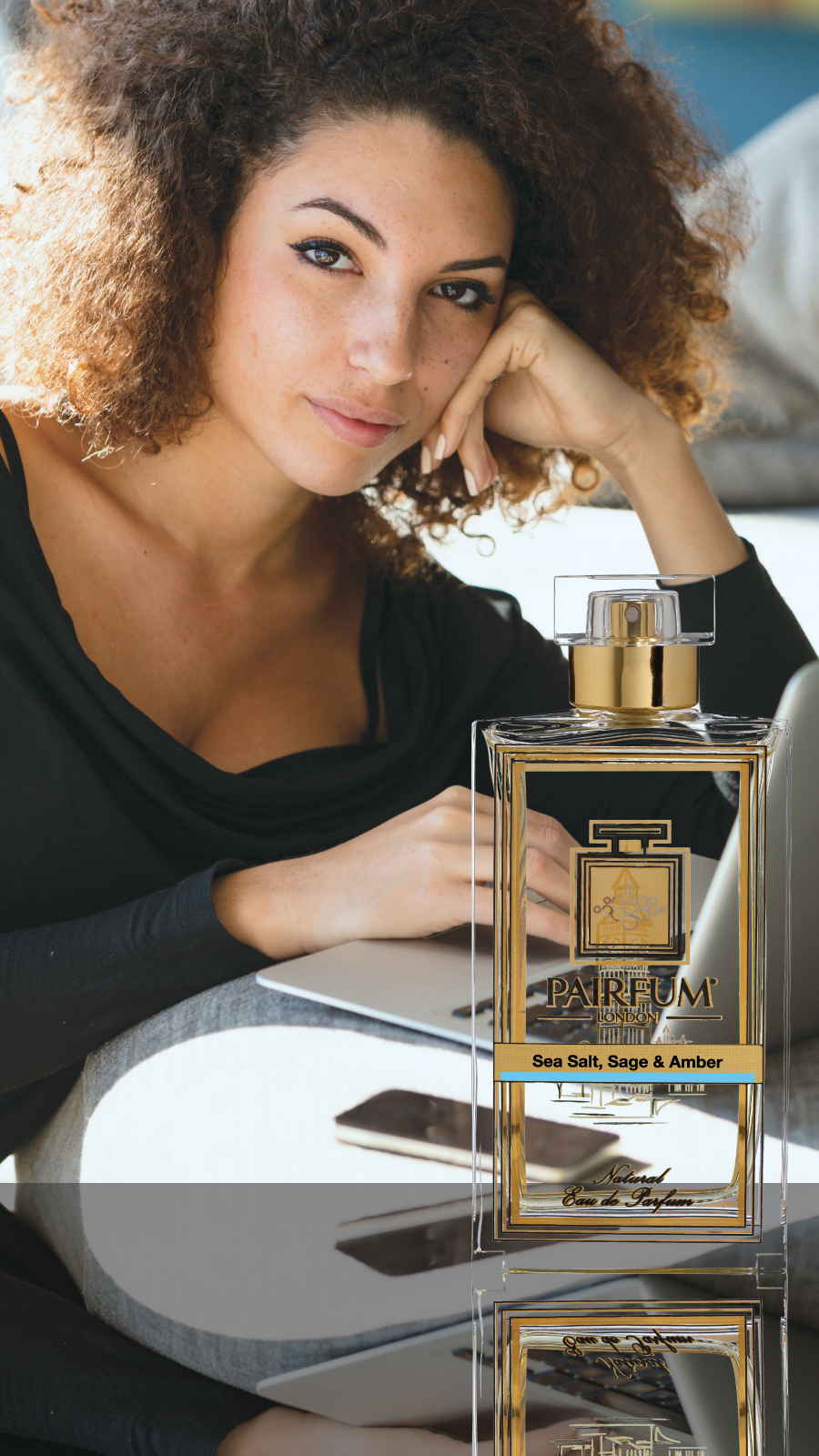
Treasure a Pairfum
– Click to Shop –
Would you like to see your article published here ?
Submit Your Article
The World of Pairfum London
Find Information about the following:
● Contact
● Pairfum London
● FAQs
● My Account
● Delivery
● Terms
● Returns
● Privacy
● Wholesale
Frequently Asked Questions
Find Answers to this type of Commonly Asked Questions:
● Which Fragrances are for Women or Men?
● How Long Do They Last?
● Can Perfume Expire?
● Any Precautions?
● Differences Between Longevity Of Fragrances?
● Some Fragrances Are Darker?
● Materials Used?
● Vegan?
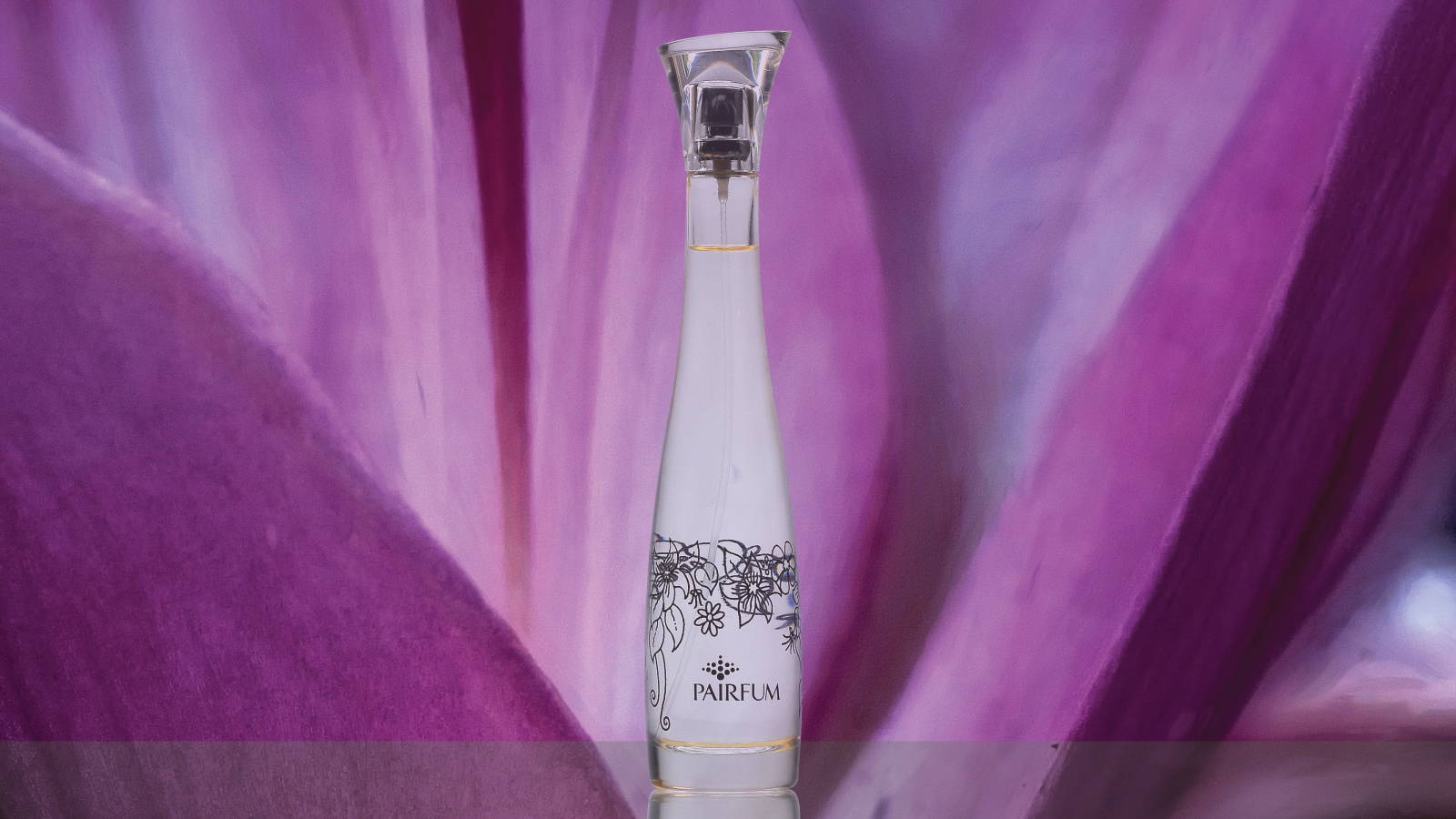

Rise above the Mere Functional.
Find Your Perfect Fragrance
Magazine & Blog
Read in our Blog & Magazine about:
● Anything ‘Making Scents’, e.g. perfume memories
● Home Fragrance, Couture Perfume, Skin / Bath / Body Care
● Ingredients, e.g. natural / organic essential oils, flowers, bees, waxes.
● Your Home, e.g. beautiful interior designs, architecture, decor, …
● Food, Drink, e.g. essential oils in foodd, desertd, drinks,…
● Britain, e.g. London, the Queen and Royal Family, …

The Fragrance Boutique
Enjoy shopping in our online Boutique:
Natural Perfume:
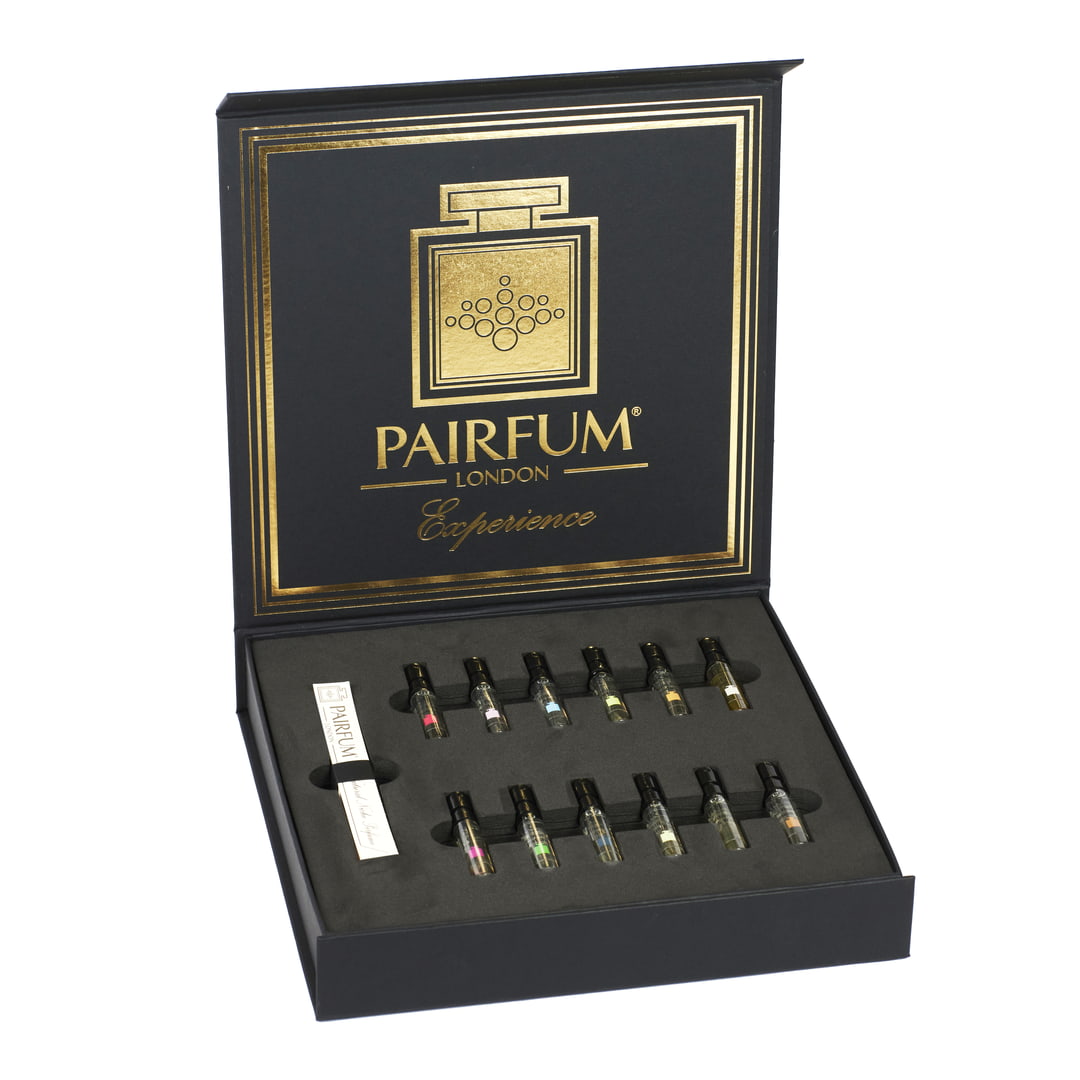
Eau de Parfum “Intense” Sprays, Eau de Toilette Sprays, Eau de Parfum Travel & Purse Sprays, The Perfume Experience Box, …
Natural Home Fragrance:
Luxury Scented Candles, Reed Diffusers and Refill Oils, Perfume Room Sprays, Sleep & Pillow Sprays, Fragrant Botanicals, Wardrobe Sachets, Drawer Liners, …
Gifts & Giftsets:
Giftboxes, Giftsets, Luxurious Gift Bags & Tissue Paper, Gifts for Men, …
Visit Our Boutique