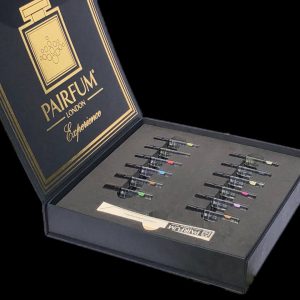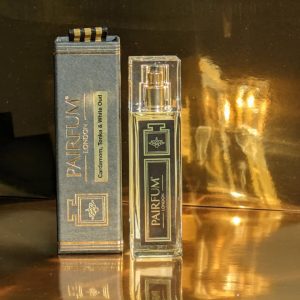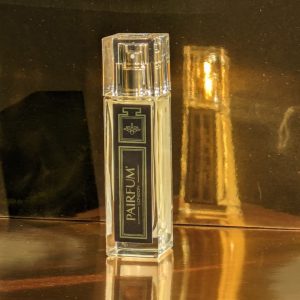
An alcohol free fragrance replaces traditional ethanol and volatile alcohols with gentler bases like purified and/or botanical water, or planned0derived carrier oils like jojoba or coconut oil. Autumn can sit heavily on the skin. The air is warm, the city feels dusty, sweat mixes with sunscreen, and a scent you normally love can turn sharp or itchy within minutes. For plenty of people with sensitive skin, this is the season when a single spray of perfume brings redness, dryness or even a headache.
No wonder searches for “alcohol-free perfume” keep climbing. The logic sounds tidy: take out the alcohol and the problem goes away. But is alcohol really the villain for every sensitive skin? Or is the truth messier than that?
Pairfum London is an artisan, indie fragrance house, so questions like this land on the desk daily. The brand focuses on clean, sensitive-skin-friendly formulations for personal fragrance and home scent alike. What follows is plain and practical: calmer skin, and a non alcoholic perfume habit you can keep.
What Really Irritates Sensitive Skin
Sensitive skin is not just a marketing phrase. In dermatology it usually points to a fragile skin barrier, the outer layer that holds water in and keeps irritants out. Once that layer weakens, things sting. After months of heat and UV, late summer can leave it dry, tight and reactive, with hydration slipping away fast.
Irritation, allergy and intolerance are three different things, and the difference is worth knowing.
- Irritation: the skin reacts because something is too strong or drying for it
- Allergy: the immune system gets involved, and even a tiny amount can set it off
- Intolerance: the skin simply dislikes certain things, with no true allergy behind it
On a bottle, this matters more than any claim. Two fragrances can both say “suitable for sensitive skin”, and one will still tingle.
Common culprits in fragrance include:
- Certain fragrance allergens, natural and synthetic
- High levels of denatured alcohol, which can feel drying on some skins
- Heavy or harsh synthetic fixatives
- Unbalanced formulas that put power ahead of comfort
Alcohol can be one factor. Rarely the only one. The whole formula, and how your own skin behaves, count just as much.
Alcohol-Free Perfume Under the Microscope
Alcohol-free perfume usually means ethyl alcohol is not the main carrier. Instead, the fragrance oils are blended into other bases, such as:
- Water based perfumes and alcohol free sprays
- Oil-based roll-ons or drops, including a classic attar
- Gel, wax or emulsion textures
- Solid perfumes in a tin or balm
A well-made perfume oil carries rich notes like vanilla beautifully. Carrier oils such as jojoba, almond oil or coconut oil are common, and these oils feel soft on some skins, heavy on others. Unlike water or alcohol, they do not evaporate quickly, so the scent lingers.
These formats are often sold as “gentler”, “child-friendly” or “safe for sensitive skin”. Some of that holds up. Alcohol free perfumes can sting less on freshly shaved or already irritated skin. The scent feels softer, which is welcome on a hot August afternoon when heavy projection is too much. Some wearers also like skipping that first burst of alcohol in the air.
Then there is the attar, one of the oldest corners of perfumery. Traditionally distilled into sandalwood oil, an attar develops slowly on warm skin and can outlast a spray. Attar makers have worked without ethanol for centuries, pairing floral and woody oils with vanilla and jasmine. Alcohol free fragrances are hardly a new invention.
But there are trade-offs. Without alcohol, scent often sits closer to the skin and may fade faster. Water-based perfumes need more preservatives to stay stable, and those can bring new triggers for some people. Water-based mists also dry down quickly. A perfume oil feels richer, which some love and others find too heavy or pore-clogging. Longevity is no guarantee either way. A good attar or perfume oil can outlast a spray on one skin and vanish on another.
The key point: “alcohol-free” does not mean:
- Hypoallergenic
- Natural by default
- Free from fragrance allergens
It means alcohol is not the main carrier. Even a bottle sold as non-alcoholic perfume may contain fatty alcohols, which are something else entirely, so the rest of the ingredient list still matters.
Is Alcohol Always the Enemy in Perfume?
In fine fragrance, alcohol does a practical job. Ethyl alcohol is a highly volatile carrier that most people tolerate well. It spreads perfume evenly, lets the scent bloom in the air, then evaporates without a greasy film, and it helps keep the fragrance stable over time. Traditional perfumes were built around it for good reason, and perfumery still leans on it.
There is a lot of muddle around the word “alcohol”. People often mix up:
- Cosmetic ethanol in perfume
- Fatty alcohols used in creams
- Drying or comedogenic ingredients that are not alcohol at all
Pure, well-purified ethyl alcohol, used correctly, is surprisingly well tolerated by many people with sensitive skin. Trouble tends to start with very high levels, harsh denaturants, or formulas that were already irritating before the alcohol arrived. Alcohol based perfumes and alcohol free perfumes both come in careful versions and careless ones. Oil based perfumes are no exception.
Formulation quality matters. Look at:
- The level and type of perfume oils
- The quality and treatment of the alcohol
- Whether unnecessary colourants or extra additives are avoided
- How the perfumer balances strong materials with softer notes
For Pairfum London, the question is not “alcohol or alcohol-free” but “does this formula feel kind on real, living skin?” Clean, carefully chosen ingredients and gentle balance come first.
Choosing Kinder Scents for Autumn Skin
When heat, sun and pollution have been at your skin for months, a few small tweaks make fragrance more comfortable.
Start with where you apply. A quick spray in the wrong place can undo a well-made scent. To reduce photo-irritation and heat flares, you might:
- Spray lightly on clothes rather than directly on skin
- Mist a little into your hairbrush, not onto your scalp
- Use pulse points that are usually covered, such as behind the knees
- Apply after a bath or shower, once skin is dry, since hot water leaves it thirsty and the scent clings better
Next, read the label with a calm eye. Whether in a shop or online, do not stop at “non-alcoholic perfume” or “alcohol-free perfume” on the front, or at the glossy product description. Does the ingredient list carry fragrance allergens you know you react to, or heavy fixatives? Is the perfume oil built on natural fragrances and essential oils, or on synthetic fragrance oils and cheap carrier oils? A warm scent built on vanilla can feel cosy in winter and cloying in August. Shorter lists have one handy feature: they are easier to judge. Customers who shop for fragrance this way also find sustainability claims easier to check.
Texture helps too. In late summer, many people enjoy:
- A lighter eau de parfum or eau de toilette instead of a very heavy extrait
- Natural-leaning compositions that feel airy: a little neroli, some jasmine, a thread of vanilla
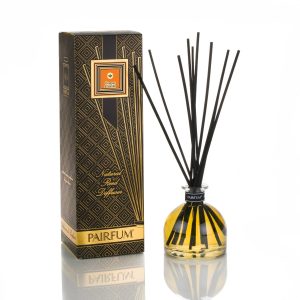
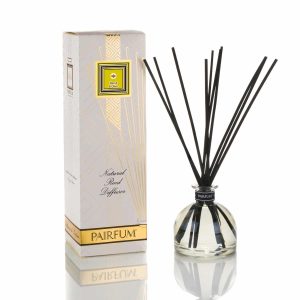
- Home fragrance on days when skin is especially reactive
Heavy oils, a rich perfume oil or a strong attar can feel stifling in the heat. Room sprays, diffusers and candles step in nicely, keeping the space scented while your skin rests.
A Pairfum London Fragrance Worth Exploring
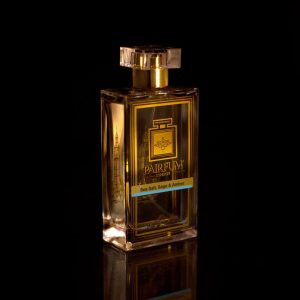
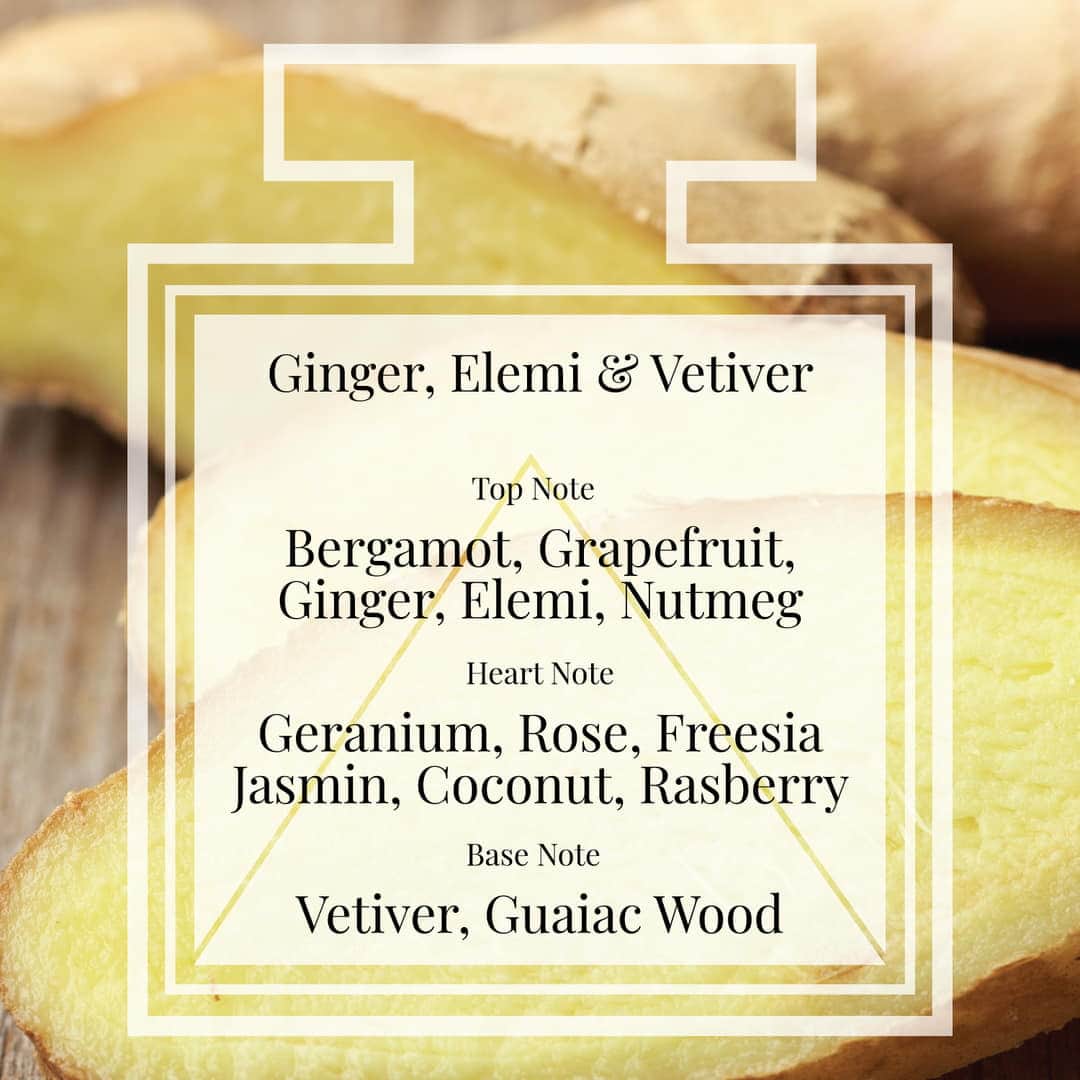
Everything above argues for judging the formula, not the slogan. A carefully made alcohol-based fragrance can sit happily on sensitive skin, and Ginger, Elemi & Vetiver is one worth a look.
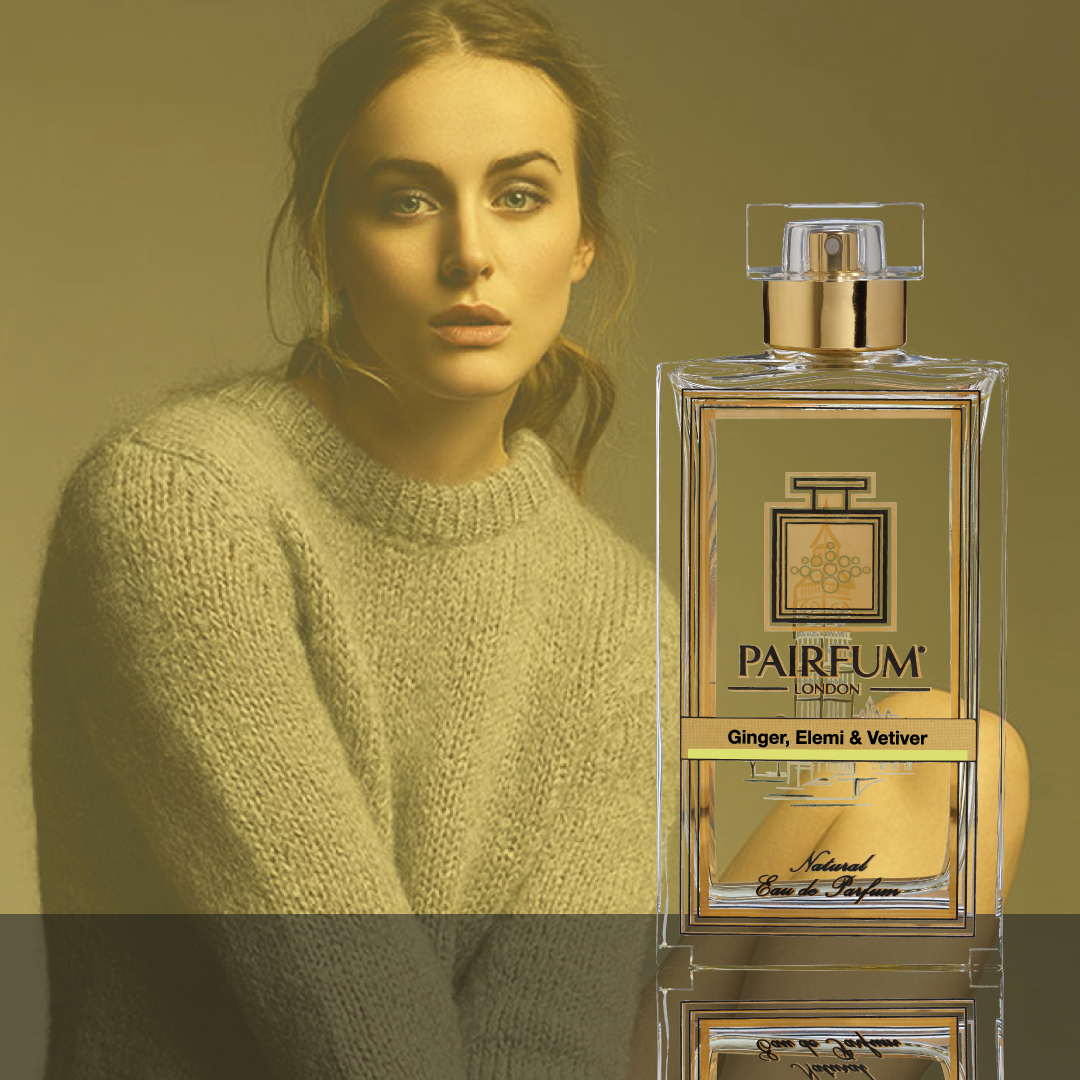
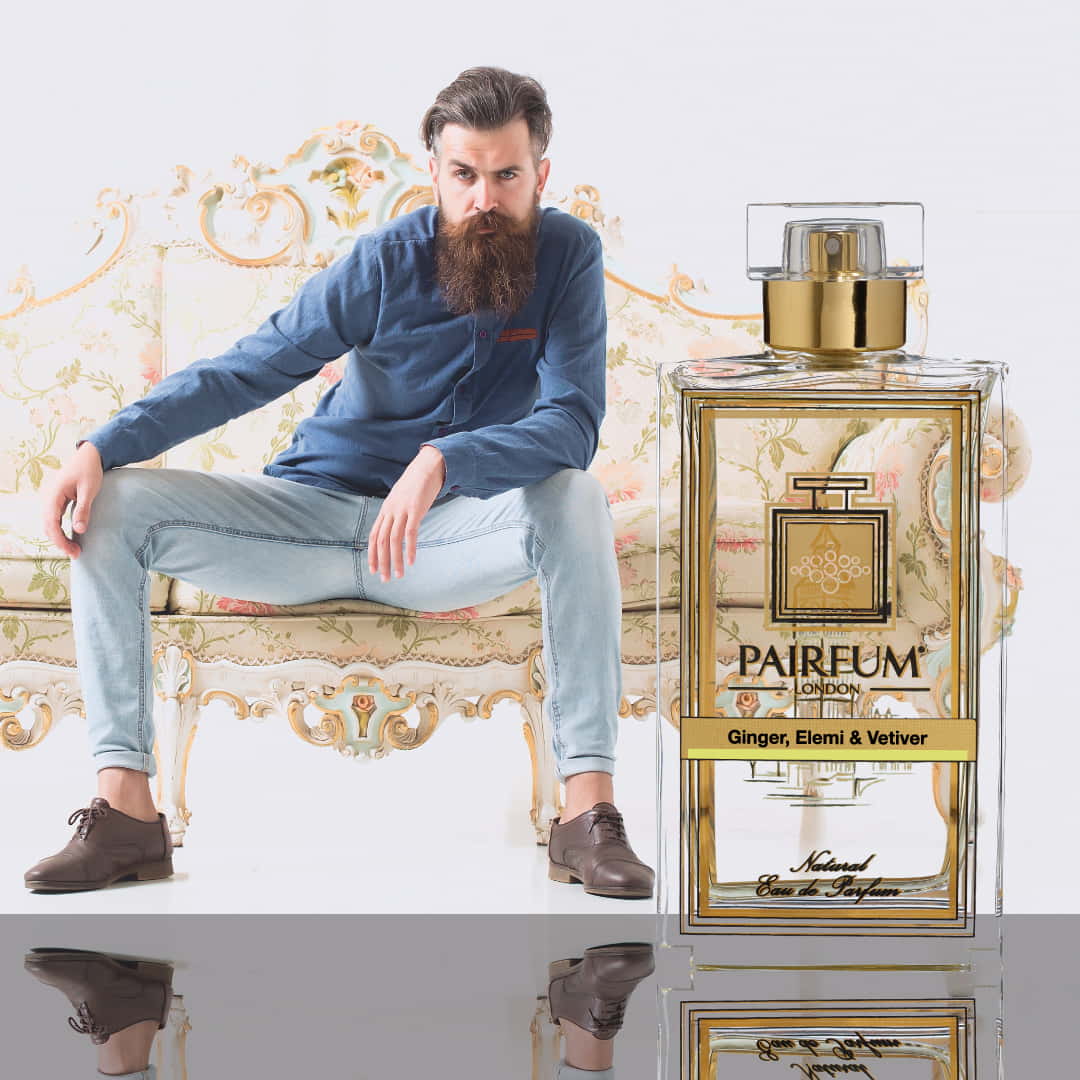
Ginger, Elemi & Vetiver Eau de Parfum by Pairfum London
This 100 ml eau de parfum is an aromatic, unisex composition. Bergamot, grapefruit, ginger and elemi open it, with nutmeg and cinnamon adding spice. Jasmine, rose and orange blossom soften the heart before vetiver, cedarwood, amber and vanilla settle into the base. According to the product page, it uses essential oils and sugar-derived alcohol, is vegan and cruelty-free, and is handmade in the UK, with parabens, phthalates and synthetic colours left out. A sensible pick for everyday wear if you enjoy warm aromas with quiet elegance, and, as with any new scent, one to patch test first.
A Smarter Way to Wear Fragrance with Sensitive Skin
Living with sensitive skin does not mean giving up perfume. It simply asks for a little more curiosity and patience. Patch test new scents on a small area, such as the inner arm, before wearing them more widely. Notice how the skin feels, not just after five minutes, but after a few hours in warm weather.
Consider keeping a small “sensitiser diary” of which scents suit you. Compare how an alcohol free fragrance or a perfume oil behaves next to a simple, well-made alcohol-based one.
Comfort rarely comes from a single label claim. It grows from sound formulation, good ingredients and thoughtful application that fits the season and your lifestyle. Pairfum London builds its artisan collection around that idea, from niche perfumes to home fragrances, so late summer can smell beautiful without asking skin to suffer for it.