Biodegradable Plastic from Tree Glue

Have you heard the one about Biodegradable Plastic from Tree Glue?

Well ‘Good News’ about tackling the global problem of plastic waste appears to be like buses…

London Bus Biodegradable Plastic

You wait forever then two or three of them turn-up at once..

An article in the Telegraph today states that biodegradable plastic made from ‘tree glue’ could be on shelves within five years…

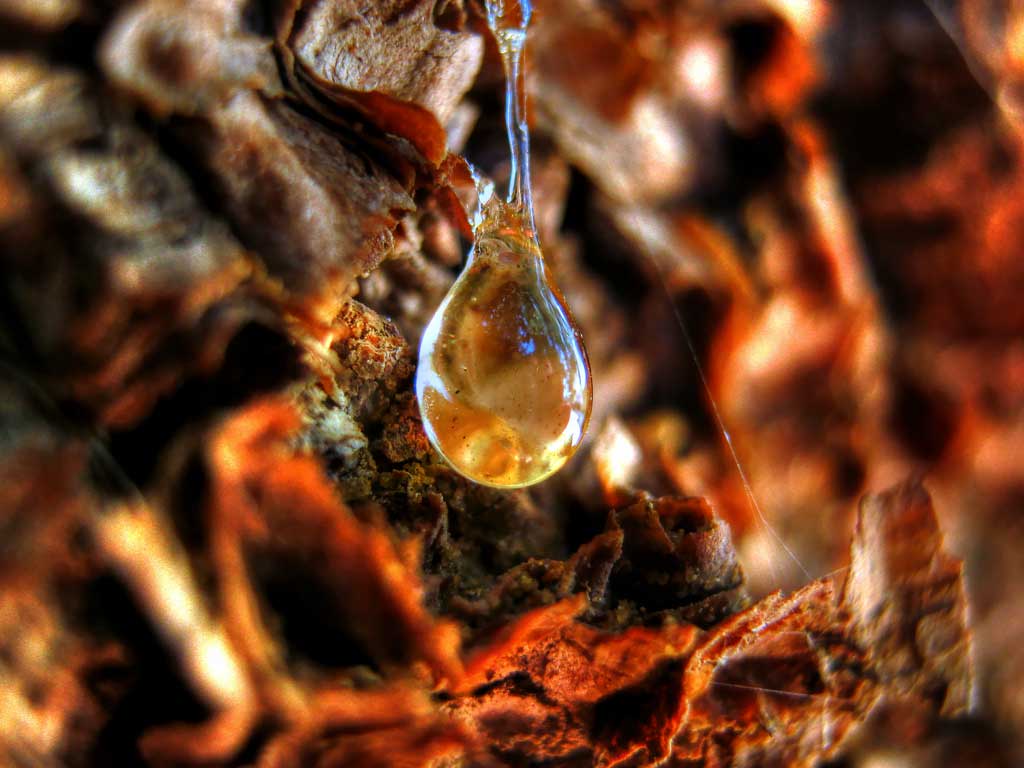
This is not something that has just happened overnight researchers at the University of Warwick have found that a natural glue called lignin, which holds cellulose fibres together, stiffening plant stems, can be turned into a strong, moldable plastic.

University Of Warwick Biodegradable Plastic

The Warwick’s teams discovery of this byproduct of the paper making process, looks to be another major step forward in tackling one of the greatest environmental challenges facing the world today.

Plastic In Ocean 1

Professor Tim Bugg at Warwick University has developed a way to use genetically modified bacteria to turn the glue into useful chemicals.

His discovery of a bacteria called ‘Rhodococcus jostii’, which lives in the soil and feeds on the glue, can be genetically altered so that it turns lignin into high yields of biodegradable plastic.

Prof Bugg has been working on his research for 40 years…..

Number 40 Biodegradable Plastic In Sea

YES – you read that correctly – FORTY YEARS

During a meeting in London he said: “I have been working on lignin for 40 years and when I started people said ‘you’re wasting your time’ but now people are thinking this is possible. Still difficult but it is possible.”

Difficult but possible – it is so heartening to hear such ‘Positive News’ in a time when everything seem to be ‘Bad News’.

When currently, around 300 million tonnes of plastic is discarded each year, with only about 10 per cent of it being recycled. It is people like Proffesor Bugg and his research team that the government should be funding and encouraging.

Solution found for our Oceans Drowning in Plastic

It is time we all #RethinkPlastic – where what we do is part of the ‘Solution’ and not the ‘Problem’

Pairfum Reed Diffuser Large Bell Orangerie Blossoms

We here at PAIRFUM, have always tried to find ways to work along side and incorporate Nature into all of our products and packaging. It is why all our packaging is ‘Renewable & Home Compostable’ to discover why PAIRFUM’s is ‘ Luxury with a Conscience’ click here

Products We Believe You Will Love

Let's Stay in Touch

As a warm welcome, to the family & friends of Pairfum London, we will send you the novel ‘Perfume’ by Patrick Sueskind, as an e-Book.

Newsletter Subscribe Form - Blog Post


Let's Socialise

Our Most Recent Posts

Featured Image Key:url

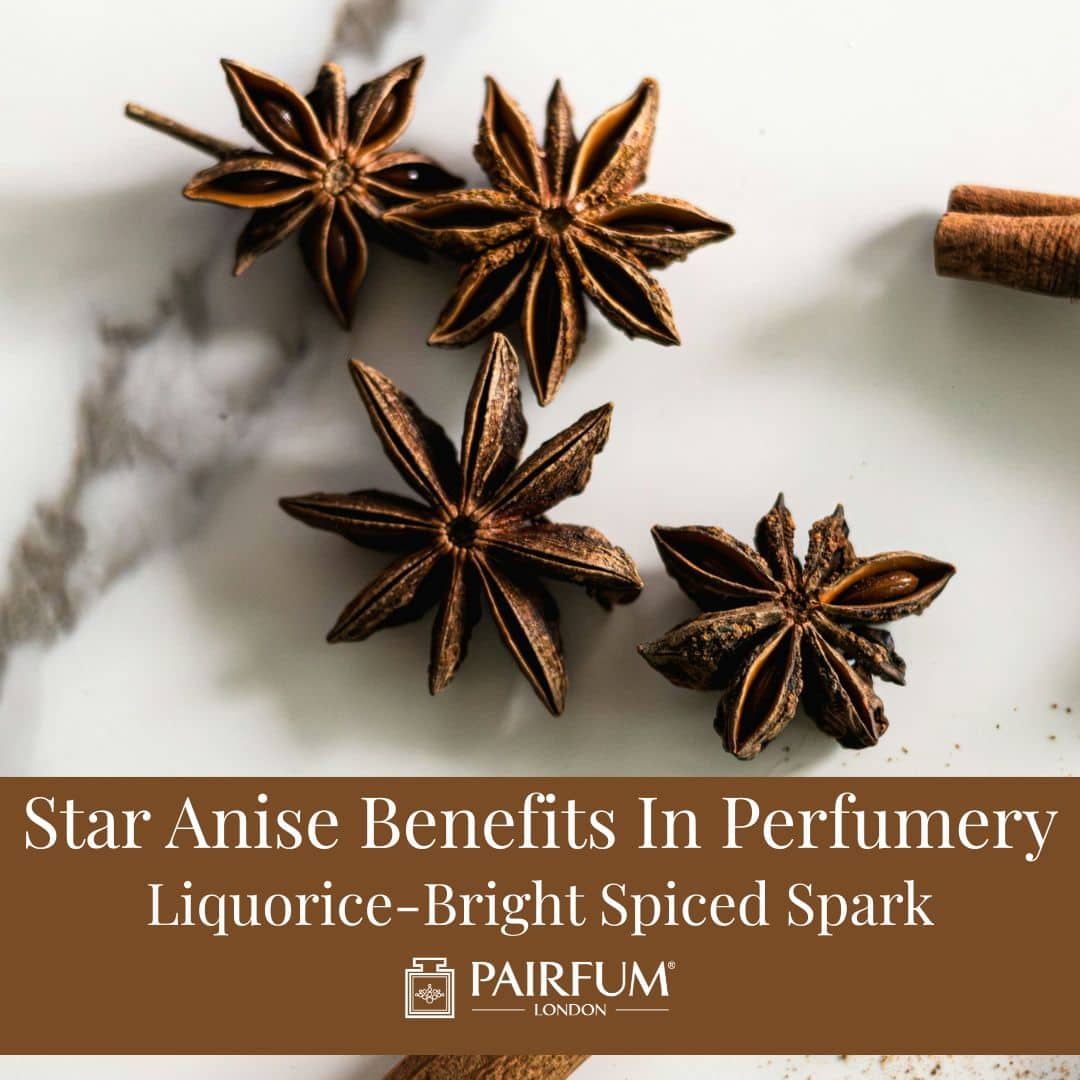
Star Anise Benefits in Perfumery: Liquorice-Bright Spiced Spark

22/03/2026

There is something immediately cheerful about the first whiff of star anise in a perfume. With its sparkling liquorice-like glow and soft spice, it brings warmth and lift to a

Read More
Featured Image Key:url

Cistus Labdanum Smell In Perfumery: Smoky Rockrose Amber

20/03/2026

Cistus labdanum (rockrose) has a complex, warm, and tenacious scent profile, often described as a blend of balsamic amber, rich leather, and honey-like sweetness. Extracted from the labdanum resin of

Read More
Featured Image Key:url

Lychee Fruit in Fragrance: Rosy Juicy Tropical Lift

15/03/2026

Lychee (Litchi chinensis) is a small, tropical fruit native to Southern China, featuring a rough, reddish-pink, and easy-to-peel skin. The translucent white, juicy flesh inside offers a sweet, aromatic, and

Read More
Featured Image Key:url

Macaroon in Perfumes: Sweet Coconut Gourmand Charm

11/03/2026

A macaroon is a dense, chewy cookie primarily crafted from shredded coconut, egg white, and sugar, and is often dipped in chocolate. These treats differ from the French macaron (spelt

Read More
Featured Image Key:url

Toffee in Fragrance: Buttery Caramel Indulgence

08/03/2026

Toffee is a classic British sweet made by cooking sugar (or molasses) and butter until it reaches a firm, sticky, or hard texture, hitting “hard crack” temperatures (149-154°C). It is

Read More
Featured Image Key:url

Pomelo Perfume: Bittersweet Citrus Burst

05/03/2026

Pomelo is a popular citrus note in perfumery, known for being fresher, sweeter, and less bitter than its close relative, the grapefruit. In aromatherapy and fragrance, it is often described

Read More
Previous Next
    0
    Your Cart
    Your cart is emptyReturn to Shop