Home / Articles / Page 6
Woody Base

What Does a ‘Woody Base’ Mean in Perfumery?

A woody base is a crucial element in the world of perfumery. It forms the foundation of many perfumes, providing depth, warmth, and longevity. These bases are composed of various ingredients derived from woods, bringing rich and earthy notes to a fragrance. Whether it’s the creamy aroma of sandalwood or the smoky allure of oud, woody bases have a unique charm that is both timeless and versatile.

The history of using woody notes in perfumery dates back to ancient times when aromatic woods were prized for their ceremonial and therapeutic uses. Today, perfumers continue to use these invaluable ingredients to craft complex and memorable fragrances. Understanding what goes into a woody base and how it’s created can deepen our appreciation for these beautiful compositions.
In this article, we will delve into the world of woody bases, exploring their ingredients, the different types of woods used, and the methods of extraction. We’ll also highlight some iconic perfumes that showcase the elegance and richness of woody bases. By the end, you’ll have a clearer understanding of why these bases are so cherished in perfumery.

Understanding a Woody Base in Perfumery

A woody base forms the backbone of many perfumes, providing stability, richness, and depth. By definition, a base note is the lasting foundation of a fragrance, and woody bases are known for their enduring qualities. These bases originate from various types of woods, each imparting a unique character to the perfume.

Woody bases are often associated with warmth and earthiness. They evoke the natural world, reminding us of forests, lush trees, and even the interiors of antique wooden furniture. This grounding quality makes woody bases a popular choice in perfumery, as they add complexity and longevity to the fragrance.

Woody bases are versatile, making them suitable for both men’s and women’s perfumes. They can stand alone or be paired with other fragrance families like florals, spices, or orientals, enhancing the overall composition. Understanding what constitutes a woody base and its role in perfumery helps in appreciating the nuanced aromas these bases bring to our favourite perfumes.

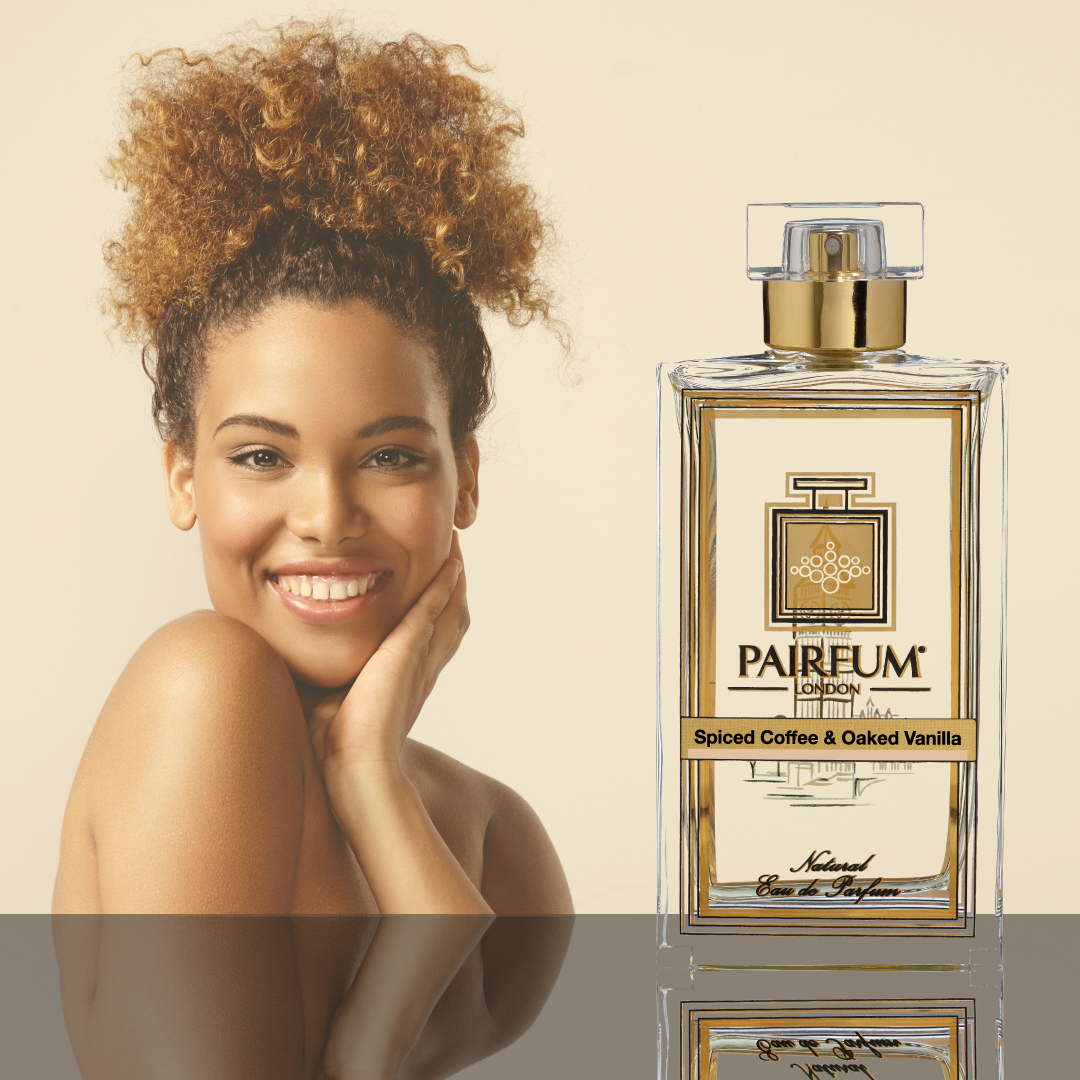
Pairfum Person Reflection Spiced Coffee Oaked Vanilla Eau de Parfum

Key Ingredients and Accords in a Woody Base

Woody bases include a range of ingredients that contribute to their rich and complex profiles. Here are some key ingredients and accords commonly found in woody bases:

Primary Woody Ingredients

  1. Sandalwood: Known for its creamy, soft, and slightly sweet aroma, sandalwood adds a luxurious smoothness to a fragrance. It’s widely used in both classic and modern perfumes for its versatile and enduring qualities.
  2. Cedarwood: Cedarwood offers a dry, sharp, and clean aroma, providing a stable and grounding base. Its distinct sharpness can balance out sweeter or floral notes, creating a well-rounded perfume.
  3. Vetiver: Vetiver is prized for its earthy, smoky, and green aroma. It adds depth and complexity, making the fragrance more sophisticated and refined.
  4. Patchouli: Often used for its earthy and sweet aroma, patchouli lends a musky quality to the fragrance. It’s a popular ingredient that can enhance both the freshness and intensity of the perfume.
  5. Oud (Agarwood): Oud is one of the most luxurious and sought-after ingredients in perfumery. Known for its rich, resinous, and smoky aroma, oud adds a deep, exotic element to the fragrance. Oud is derived from the Aquilaria tree.
  6. Pine: Pine adds a crisp, green facet to a woody base, evoking the scent of evergreen forests and adding vibrancy to more resinous or musky notes.
  7. Oakmoss: Adds an earthy, mossy touch that enhances the richness of woody bases.

Supporting Elements

  1. Amber and musk lend softness and sensuality to deepen the woody experience.
  2. Jasmine, rose, and iris offer floral contrast that balances the ruggedness of woods.
  3. Clove, leather, and bergamot introduce spice, animalic undertones, and brightness respectively.
  4. Leaves, bark, and roots emphasize the connection to trees, forests, and nature.

Additional Woody Accords

  1. Woody-Ambery: This accord combines woody notes with amber, resulting in a warm, resinous blend often found in oriental perfumes.
  2. Woody-Spicy: Incorporating spices like cinnamon or clove, this accord adds an exotic, warm character to the perfume, perfect for colder seasons.
  3. Woody-Floral: Mixing woody notes with florals like jasmine or rose creates a balanced, sophisticated aroma, suitable for many occasions.
  4. Woody-Leather: Merges the animalic softness of leather with natural wood tones for a luxurious feel.
  5. Woody-Green: Adds sharp, fresh elements like moss or green leaves, evoking dense forests and fresh-cut bark.

These accords showcase the versatility of the woody fragrance family.

How Woody Bases Are Extracted

Extracting woody bases involves several methods, each capturing the rich, earthy aromas unique to different woods. These techniques ensure the purity and potency of the essential oils used in perfumery.

Distillation Methods

  • Steam Distillation: Steam is passed through the wood, carrying the essential oils with it. As the steam cools, the oils and water separate, leaving pure essential oil. This is widely used for oils like cedarwood and sandalwood.
  • Water Distillation: The wood is immersed in boiling water, which turns to steam and carries the oils. After cooling, the oils are collected. This method is gentler and is used for delicate woods.

Solvent Extraction

  • Liquid Solvent Extraction: Chemical solvents like hexane are used to dissolve the oils. The mixture is filtered and the solvent is evaporated, leaving behind a concentrated extract called a concrete. Further processing turns this into an absolute.
  • Supercritical CO2 Extraction: Carbon dioxide under high pressure is used as a solvent. This method is effective for capturing pure oils without leaving harmful residues.

Mechanical Methods

  • Cold Pressing: Wood is mechanically pressed to release its essential oils. This method is rarely used for wood but can be effective for softer materials.
  • Maceration: Wood is soaked in a solvent (usually alcohol), allowing the oils to leach out. The mixture is then filtered, collecting the aromatic compounds.

These methods preserve the integrity of the wood’s aroma, ensuring that the woody base captures the true essence of the wood used.

Woody Base Ingredients

Iconic Perfumes Featuring a Woody Base

Classic Woody Perfumes

Classic compositions with a strong woody base offer both nostalgia and innovation. They often contain sandalwood, cedarwood, and vetiver to create a grounding experience that lingers long after the top notes fade.

Modern Woody Perfumes

Contemporary perfumes experiment with woody bases by blending them with amber, iris, musk, and floral notes like jasmine and rose. These combinations create a dynamic fragrance journey that feels fresh yet timeless.

The Enduring Allure of Woody Fragrance

Emotional and Sensory Impact

Woody perfumes are loved for their warmth, depth, and connection to nature. Whether experienced as a woody fragrance worn on the skin or as a home fragrance that transforms a space, the appeal remains the same. People across generations continue to love the sophistication and emotional resonance offered by woody scents.

A good example of a woody base might include vetiver, sandalwood, and cedarwood layered with soft floral notes like jasmine and iris, spiced with clove, and grounded by earthy notes of patchouli and moss. This structure brings not only balance but also long-lasting intensity and elegance.

Nature and Sustainability

Woody bases often recall forests, trees, and bark, invoking a sense of grounding and calm. The inclusion of amber, musk, leaves, and even leather creates rich and multifaceted compositions that elevate a scent from simple to memorable.

The role of natural wood and sustainable harvesting practices is increasingly important in perfumery. The rise of sustainability has inspired a new wave of responsibly sourced materials that maintain the richness of woody notes while preserving the environment.

Nochturnal Allure and Exotic Inspirations

The appeal of woody fragrances deepens as day turns to night, when their rich, enveloping character becomes more pronounced and intimate. A woody scent can take on a mysterious and sensual dimension under the moonlight, ideal for evening wear or romantic moments. The sultry air of Cuba, with its aged wood interiors, warm breezes, and soulful ambiance, provides a fitting backdrop to the inspiration behind many woody creations. These perfumes capture the essence of faraway places, adding a layer of storytelling that transports the wearer to another world—wrapped in the comforting, familiar embrace of wood.

Eau de Parfum Person Reflection Spiced Coffee Oaked Vanilla Man Smile 1 1

A Contemporary Woody Masterpiece

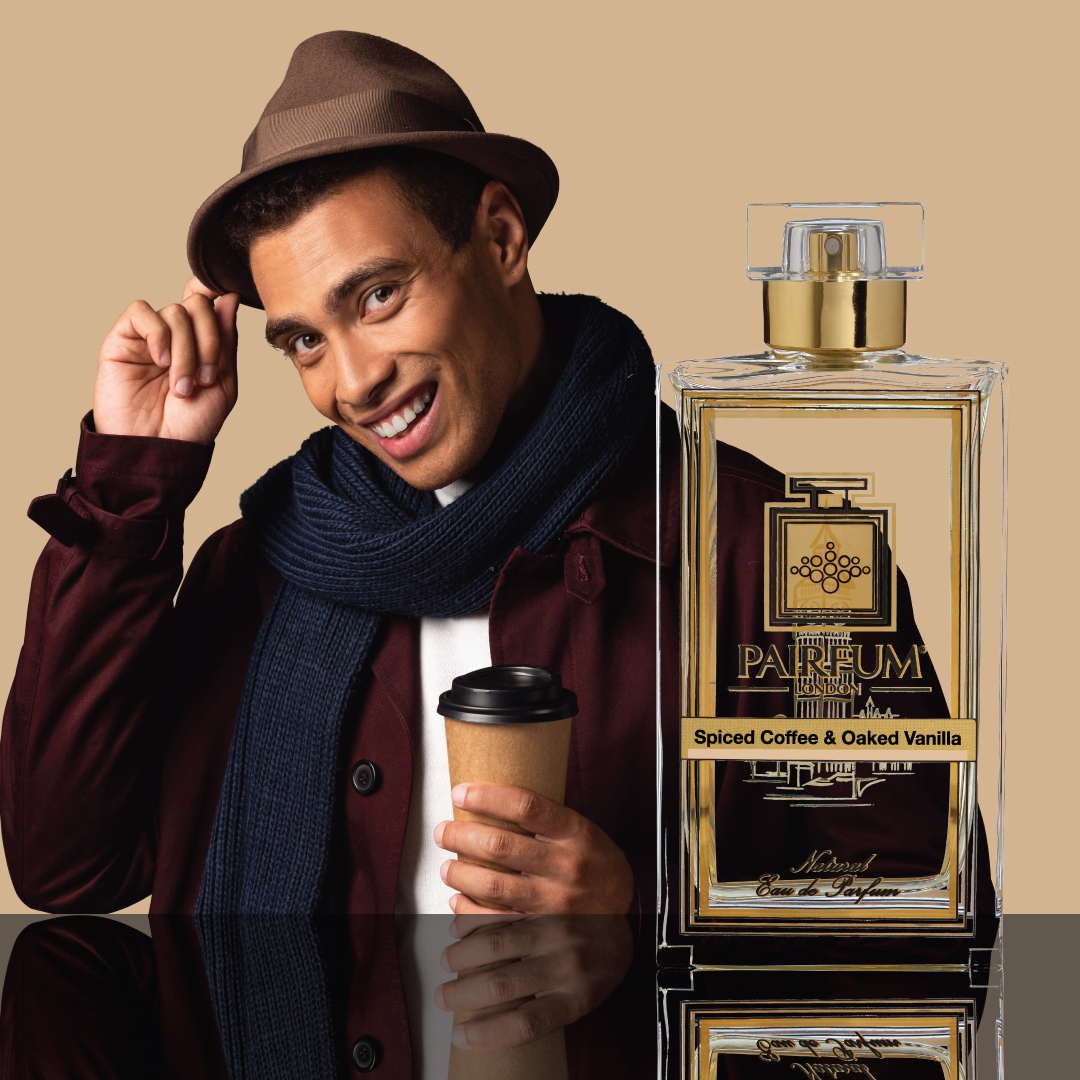
For those who appreciate the warmth and richness of a woody base, Spiced Coffee and Oaked Vanilla Eau de Parfum offers a modern interpretation of classic depth. This fragrance draws on the grounding qualities of wood while layering in nuanced gourmand elements for added complexity. It captures the spirit of late evenings and quiet sophistication, making it a perfect choice for anyone drawn to enveloping woody fragrances that linger gracefully into the night.

Spiced Coffee & Oaked Vanilla Eau de Parfum by Pairfum London

This warm, Oriental Spicy Fragrance opens with the top notes of Pink Pepper, Orange Blossom and Crisp Pear. The Heart of the Fragrance is a modern blend of rich & dark Coffee with the elegance of Jasmine. The elegant finale is a sophisticated base of Bourbon Vanilla aged in Oak, with Patchouli and Cedar.

Final ‘Woody’ Notes

Whether you’re drawn to the green freshness of vetiver, the creamy smoothness of sandalwood, or the smokiness of oud, there’s a woody perfume to suit every style and mood. The woody fragrance family continues to evolve, embracing both traditional ingredients and innovative new blends while staying true to its roots in nature.

Ultimately, the power of a woody base lies in its ability to create emotional depth. From the embrace of familiar woods like cedar and sandalwood to the exotic allure of aquilaria, these ingredients shape fragrances that endure beyond fleeting top notes. Perfume built on a woody base captures love, memory, and timelessness, making it a vital part of any perfumer’s palette.

Woody scents are more than just a trend—they are an enduring staple that reflect the elegance and craftsmanship behind each fragrance. Through the blending of classic wood, earthy notes, and aromatic nuances, woody bases will continue to ground, uplift, and captivate.

Top Hair Care Trends For

Discover Top Hair Care Trends for 2025

Hair care trends in 2025 are shifting towards a more holistic approach. The focus has expanded from just hair to the scalp, recognising it as the foundation of healthy hair. The new trend, known as scalp biotics, highlights the importance of maintaining a balanced scalp microbiome. A healthy scalp microbiome, much like a balanced gut, is essential for good hair growth, strength, and overall scalp health.

This new emphasis on scalp health opens doors for using natural ingredients in hair care. Scalp biotics involve nurturing the scalp with products that promote a healthy environment for beneficial microorganisms. This trend is about more than just clean hair; it’s about achieving a healthy balance that supports ongoing hair health and development.

Natural ingredients and luxurious textures also play significant roles in this evolving trend. Imagine a scalp scrub infused with finely ground apricot kernels for gentle exfoliation, combined with soothing shea butter and coconut oil. Or a lightweight scalp serum with the benefits of rosemary oil. These products not only offer practical benefits but also make your hair care routine a more enjoyable experience. As we move forward, sustainable and long-term hair care solutions are becoming increasingly important, reflecting a broader trend towards mindful and eco-friendly living.

Understanding the Shift: Why Hair Care Trends Now Start at the Scalp

Modern hair care trends are shaped by an understanding that healthy hair starts at the root. Scientific research and consumer awareness are driving demand for solutions that don’t just mask damage but address the underlying causes. Poor scalp health, often overlooked, has been linked to thinning hair, hair loss, breakage, and dullness.

This shift is leading brands to formulate hair care products that treat the scalp as an integral part of haircare. People are now treating their scalps with the same level of care as their facial skin – using exfoliants, serums, and hydration treatments designed to restore balance and improve resilience. As this understanding grows, the idea of ‘skinification’ of the scalp is becoming a major movement in the hair care industry.

Pairfum Collection Niche Perfume Experience Fragrance Library 73 Square

The Rise of Scalp Biotics in Hair Care

Scalp biotics is changing how we think about hair care. This approach focuses on balancing the scalp’s microbiome, which is the ecosystem of microorganisms living on your scalp. A healthy scalp microbiome is essential for strong and healthy hair. It helps with hair growth, prevents hair loss, and keeps your scalp free from issues like dandruff and itchiness.

Just as gut health affects overall well-being, scalp health impacts your hair’s condition. Hair care products designed with scalp biotics in mind aim to create a balanced environment for these beneficial microorganisms. This means using ingredients that support the scalp’s health rather than stripping it of natural oils.

To achieve this balance, many hair care products now include ingredients that nourish the scalp. These products are designed to promote a healthy microbiome and improve overall scalp health. Haircare brands are focusing on formulations that cater to this need, using natural and effective ingredients to support long-term hair health.

Personalisation and Smart Diagnostics in Hair Care

Personalisation is becoming a central pillar in hair care trends for 2025. With consumers increasingly aware of their unique hair types and scalp conditions, the demand for tailored routines continues to rise. From online quizzes to AI-driven diagnostics, beauty industry innovators are developing tools that help consumers identify the best ingredients, formats, and routines for their specific needs.

Smart scalp analysers and app-connected devices are also emerging, allowing individuals to track hydration levels, pH balance, and sebum production. These technologies support a more informed and responsive approach to personal care and haircare.

Consumers are no longer content with one-size-fits-all hair products. Instead, they’re seeking experiences and solutions that reflect their individuality, lifestyle, and values.

Incorporating Natural Ingredients for Scalp Health

Natural ingredients are becoming the backbone of effective scalp care. These ingredients work in harmony with your scalp’s natural biology to maintain a healthy environment. Here are some common natural ingredients used for scalp health:

Shea Butter

• Nourishes the scalp: Shea butter is rich in vitamins and fatty acids that nourish and hydrate the scalp.
• Reduces inflammation: It has anti-inflammatory properties, making it ideal for soothing irritated skin.
• Promotes hair growth: Its conditioning properties help to keep hair follicles healthy and promote hair growth.

Coconut Oil

• Moisturises dry scalp: Coconut oil penetrates deep into the scalp, providing long-lasting moisture.
• Prevents flakiness: Its antifungal properties help keep dandruff at bay.
• Strengthens hair: This oil strengthens hair and reduces breakage, ensuring healthier growth.

Rosemary Oil

• Improves circulation: Rosemary oil stimulates blood circulation to the scalp, promoting hair growth.
• Fights dandruff: Its antimicrobial properties help keep the scalp clean and flake-free.
• Adds shine: Using rosemary oil leaves hair shiny and soft.

Argan Oil

• Rich in nutrients: Argan oil is packed with antioxidants and fatty acids, making it excellent for scalp health.
• Protects from damage: It helps shield the scalp and hair from environmental stressors.
• Conditions hair: Argan oil conditions and softens hair, making it easier to manage.

Woman Following Healthy Hair Care Trends

Expanding Haircare Horizons: Essential Additions

Today’s top haircare trends also shine a light on solutions for hair loss, thinning hair, and dry hair. Addressing hair loss is now central to many consumers’ hair care routines. Effective hair treatment options often combine scalp stimulation with nourishing hair oils and styling products designed for every hair type.

One standout solution includes using gentle, non-irritating shampoo alongside hair oil to nourish and hydrate. Many people suffering from hair loss or thinning hair now use hair care products with targeted ingredients to support healthy hair growth and restore damaged hair.

Grey hair and hair colour maintenance are also growing focuses within the hair care industry. New formulations help protect hair colour and improve the appearance and texture of ageing hair. A complete haircare routine often includes shampoo, conditioner, styling products, and scalp care products specifically tailored to individual haircare needs.

Luxurious Textures in Scalp Treatments

The textures of scalp care products are evolving, offering more luxurious and sensory experiences. These treatments are designed to not only improve scalp health but also provide a pampering experience.

Scalp Scrubs

• Finely ground apricot kernels: These offer gentle exfoliation, removing dead skin cells and buildup without irritation.
• Shea butter: Combined with scrubs, shea butter adds a smooth texture that nourishes and soothes the scalp.
• Coconut oil: Provides a creamy consistency that moisturises deeply, leaving the scalp feeling refreshed.

Lightweight Scalp Serums

• Rosemary oil: Known for its invigorating properties, rosemary oil is a common ingredient in serums. It helps stimulate blood flow and has a refreshing aroma.
• Tea tree oil: Adds a lightweight feel to scalp serums and helps maintain a healthy scalp environment with its natural antimicrobial properties.
• Hyaluronic acid: This ingredient delivers hydration without a heavy feel, making it ideal for those with fine hair.

Using these rich textures in scalp treatments makes the experience more enjoyable. They allow consumers to indulge while benefiting from effective scalp and hair care.

Gender Neutral and Inclusive Haircare

One of the most progressive haircare trends of 2025 is the shift towards inclusive and gender-neutral hair care products. Consumers are moving away from rigid categories that define hair care by gender. Instead, they are prioritising performance, formulation, and ethics over marketing labels.

Hair care products designed for a broad range of hair types, from tightly coiled to fine and straight, are gaining ground. Brands are embracing inclusive imagery, versatile product lines, and formulations that support the needs of all textures and scalp types. This includes textured hair and curly hair, both of which require targeted care to support hair health and manageability.

This trend also dovetails with the growth of community-driven beauty, where authentic voices and real results drive product discovery and loyalty in the beauty industry.

Luxurious Hair Perfume

Innovations in Hair Washing Routines

Another key trend emerging in 2025 is the evolution of the hair washing routine itself. More consumers are turning to low-poo or co-wash methods, which use gentle cleansing conditioners rather than traditional shampoo. These approaches help preserve the natural oils of the scalp, reducing dryness and irritation.

Brands are also introducing pre-shampoo treatments such as oil masks and exfoliating gels, offering a full regimen that prepares the scalp before cleansing. These treatments help to dislodge impurities and provide targeted nourishment, enhancing the effectiveness of subsequent products.

Dry shampoo continues to be a staple in many haircare routines, especially for individuals managing oily scalps or busy schedules. Hair care routines are becoming more dynamic and layered, with multiple products tailored to individual scalp needs and hair types.

This layered approach mirrors the multi-step skincare trend and reflects the growing importance of ritual in personal care routines.

Evolving Hair Styling Needs and Texture-Specific Innovation

As consumers seek more personalised solutions, hair styling is becoming increasingly focused on understanding the unique needs of each hair type and hair texture. This shift is pushing innovation across every haircare brand, with more targeted haircare product offerings that support both aesthetics and scalp health. Whether managing fine strands, coiled curls, or dense waves, each hair product is now being developed with the biology of the hair follicle in mind to prevent breakage and enhance healthy growth. Meanwhile, advances in gentle formulas for preserving hair colour while styling are gaining traction, ensuring vibrant tones are maintained without compromising overall hair health. This new generation of haircare products reflects a broader trend towards multifunctional care that protects, styles, and supports the natural biology of the hair.

Sustainable and Long-term Hair Care Solutions

Sustainability is a critical factor in hair care trends. Consumers are seeking long-term solutions that are both effective and eco-friendly. This shift towards sustainability reflects a broader desire for mindful living in the personal care space.

Benefits of Natural Oils

• Argan oil: Rich in antioxidants and fatty acids, argan oil protects the scalp from environmental damage and promotes healthy hair growth.
• Jojoba oil: Mimics the scalp’s natural oils, making it an excellent moisturiser that doesn’t clog pores.
• Almond oil: Contains vitamins that strengthen hair and add a natural shine.

Eco-friendly Packaging

• Biodegradable materials: Products packaged in biodegradable materials reduce waste and are better for the environment.
• Refillable options: Some brands offer refillable packaging to cut down on plastic use.
• Recyclable containers: Using recyclable containers helps ensure that packaging doesn’t end up in landfills.

Embracing these sustainable practices in hair care not only benefits the user but also the planet. Choosing long-term, eco-friendly hair care solutions helps maintain a healthy scalp and healthy hair while supporting environmental conservation.

The Role of Fragrance in Hair Care

Fragrance is also playing a more considered role in hair care trends. Rather than overpowering scents, many products now use light, natural fragrances derived from essential oils. These not only create a calming experience during application but also reduce the likelihood of irritation, especially for sensitive scalps.

Hair mists, scented oils and perfumed dry shampoos are also becoming popular, blending the worlds of personal fragrance and hair care. These styling products allow individuals to carry their signature scent in their hair while enjoying the benefits of nourishing ingredients.

Pairfum Collection Niche Perfume Experience Fragrance Library 91 Square

A Sensory Ritual to Complement Your Haircare Routine

As haircare routines become more holistic and sensory, many are turning their daily rituals into full self care moments. After nourishing your scalp and styling your hair, surrounding yourself with a personal scent can help complete the experience. A refined fragrance adds a final touch that reflects your individuality and enhances the sense of wellbeing already established through your haircare routine. It’s not just about how your hair looks and feels, but also about how you feel in the moment.

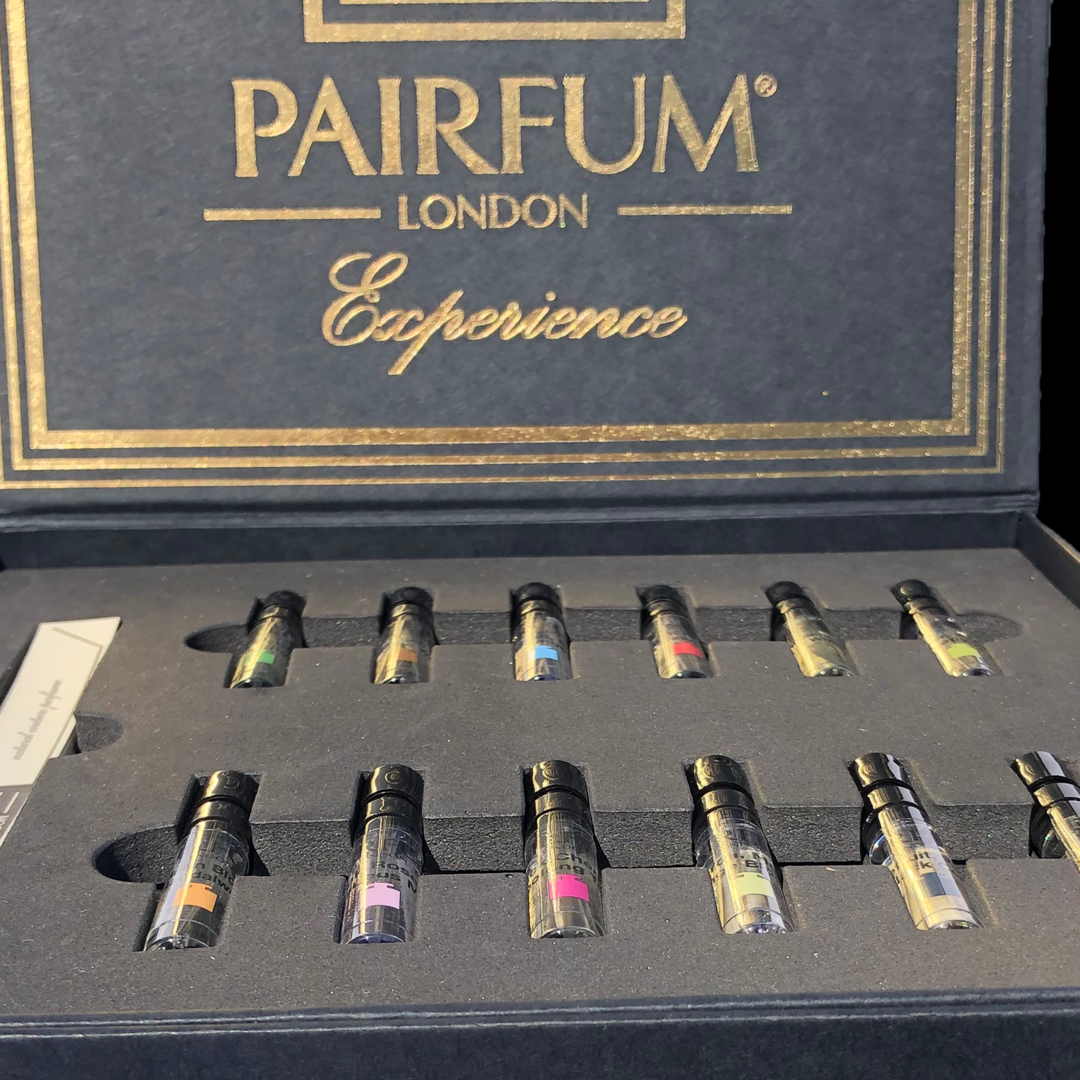
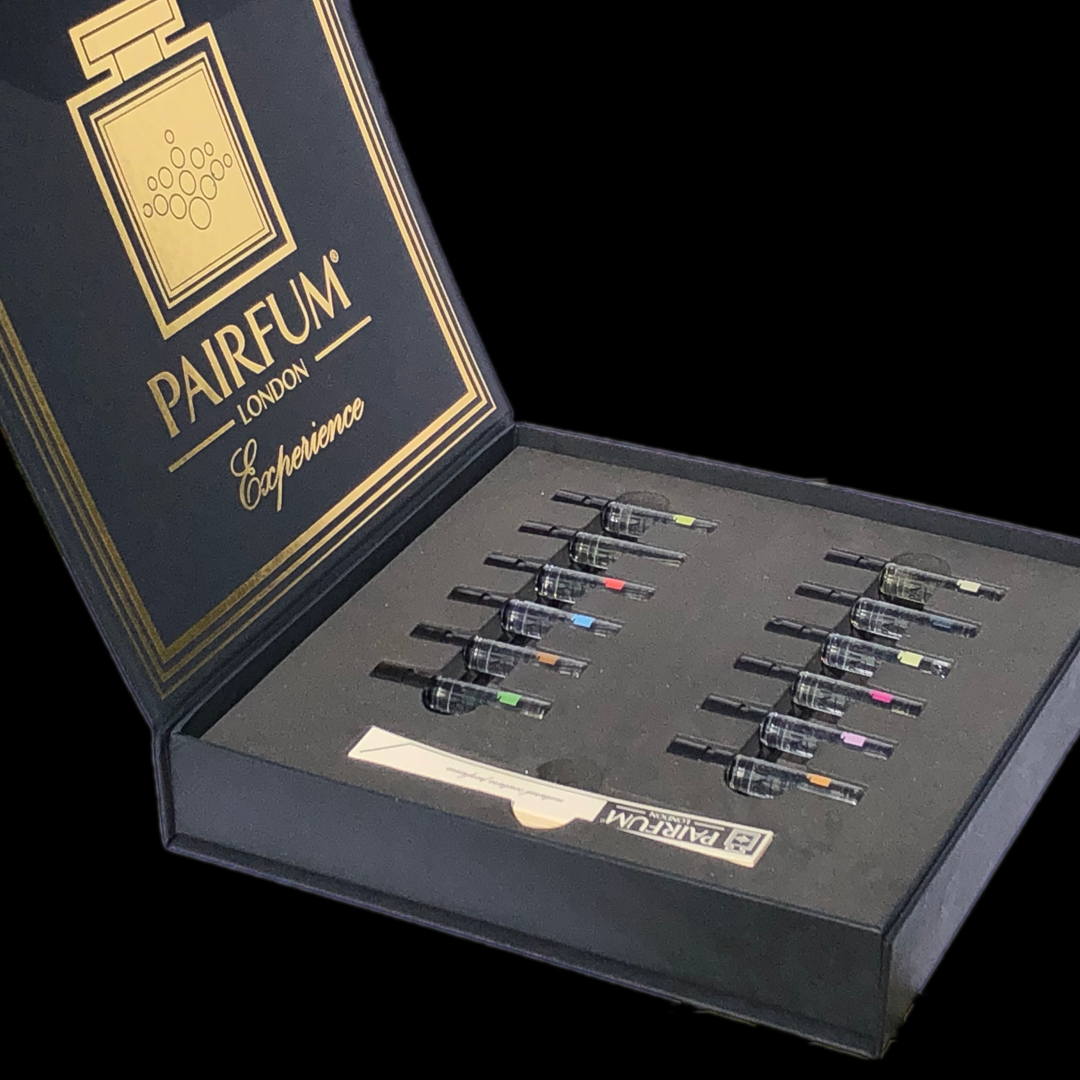
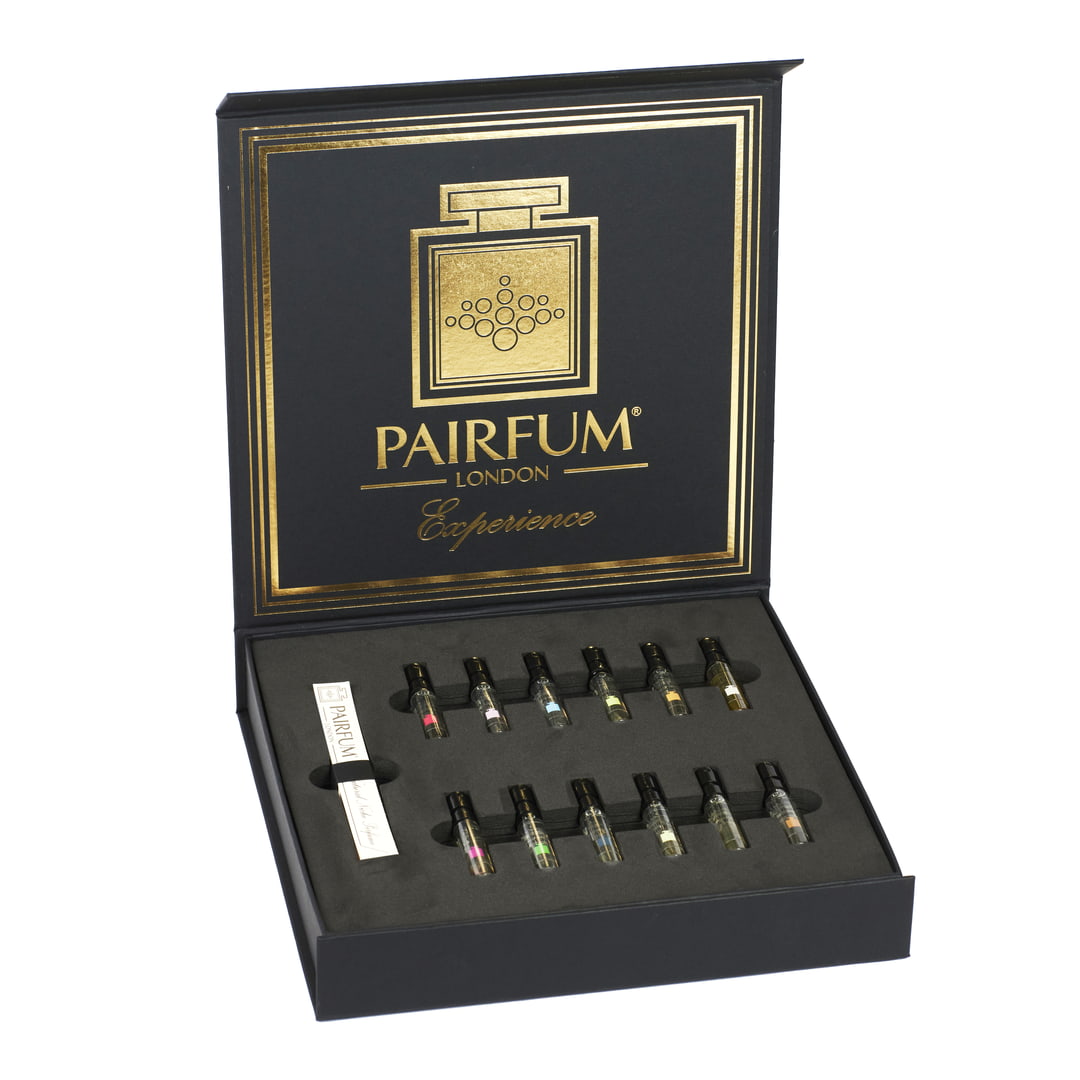
The Fragrance Library Perfume Experience Box – by Pairfum London

The Fragrance Library Perfume Experience Box is a carefully curated collection of natural Eau de Parfums, offering a unique way to explore a range of fine scents. Presented in a beautifully boxed set, it includes a selection of elegant fragrances in convenient spray bottles, allowing you to discover your signature scent or enjoy different aromas throughout the week. Each fragrance is crafted with rich natural ingredients, making it a luxurious complement to your grooming and personal care rituals. This set is an ideal companion for those who value thoughtful, sensory-led routines in their daily lives.

Looking Ahead: Haircare Trends to Watch

The hair care market is increasingly driven by informed consumers seeking results, transparency, and experiences. With an emphasis on healthy scalp, healthy hair growth, and personalised routines, the haircare industry is witnessing innovations that include everything from scalp care products to advanced diagnostics.

Trends such as glass hair, natural hair care, and addressing hair colour longevity are shaping the future. The trend of using fewer, higher-quality styling products continues to rise, and more consumers are exploring hair treatment options that repair damaged hair and protect hair follicles.

Scalp health, as a category, is proving to be more than a passing phase. With more people experiencing hair loss, grey hair, thinning hair, and dry hair due to stress, environmental factors, and poor diets, the need for targeted hair care brands and products has never been higher.

Whether you’re building a daily haircare routine or exploring innovative styling products, understanding your hair type and scalp condition is essential. Haircare is no longer an afterthought in the beauty brand space, it’s central to well-being, confidence, and self-expression.

Appeal Of Woody Fragrances

Woody Fragrances & Their Endless Appeal in Perfume

Woody fragrances have long captivated perfumers and fragrance lovers with their rich textures, natural aromas, and timeless elegance. These scents evoke the grounded presence of forests, bark, and the aged interior of trees. Warm, earthy, and enduring, woody fragrances are a cornerstone of perfumery and remain a favourite among those seeking depth and character in their scent.

Their appeal lies in their extraordinary versatility. Woody notes blend effortlessly with floral notes, fruity top layers, and spice, creating perfumes that are both grounded and expressive. Whether worn during the day or as part of an evening routine, woody fragrances offer sophistication and subtlety that appeals to both men and women.

A Journey Through Woody Perfumery

The history of woody fragrances dates back to ancient civilisations where wood and bark were used in rituals, embalming, and early perfumery practices. From ancient Egypt to Rome, the resin and oils extracted from wood were revered for their scent and spiritual significance.

As perfumery evolved, the woody family grew to include a wide variety of woods and roots, including sandalwood, cedarwood, and vetiver. Each element brought something unique to the table: the creamy smoothness of sandalwood, the dry intensity of cedarwood, or the smoky undertone of vetiver. These woody notes provide the foundation for some of the most iconic perfumes in history.

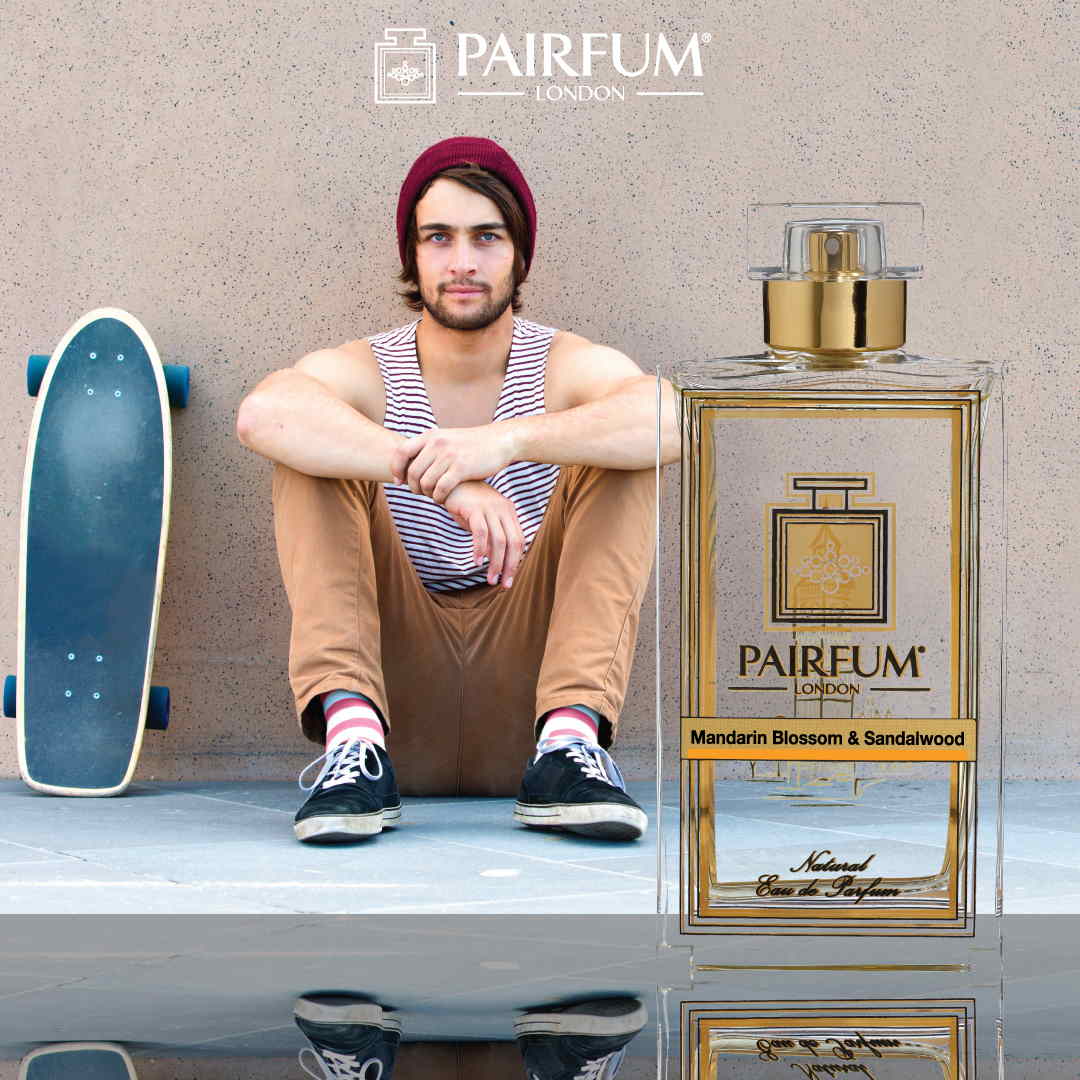
Pairfum Eau de Parfum Person Reflection Mandarin Blossom Sandalwood

Types of Woody Notes and Their Aroma

Woody notes in perfume are responsible for grounding a scent. Their ability to add structure and balance to a composition is unmatched.

Core Woody Notes:

Sandalwood: With its smooth, creamy character, sandalwood brings warmth and softness to woody fragrances. It blends beautifully with musk, amber, and floral notes.

Cedarwood: A sharp, dry wood note that adds clarity and cleanliness. Cedarwood enhances the presence of other woody notes and deepens the structure of a fragrance.

Vetiver: Earthy and green with a smoky edge, vetiver is extracted from grass roots and adds strength, character, and complexity. It appears frequently in both classic and modern woody fragrances.

Patchouli: Earthy, musky, and slightly sweet, patchouli gives woody perfumes an exotic touch, especially when paired with resin or amber.

Agarwood (Oud Wood): Rare and luxurious, oud wood is a dark, resinous material known for its powerful, rich aroma. It adds an opulent depth to woody fragrances.

Supporting Woody Notes:

Guaiac wood, rosewood, and ebony enhance the intensity and individuality of woody perfumes.

Cypress and pine introduce a green, aromatic crispness that evokes the feeling of walking through dense forests.

Cedar and moss bring a damp, earthy dimension, often mimicking the floor of a forest.

Chestnut, mandarin, and iso e super are sometimes layered into woody compositions to add an edge or a luminous, synthetic sparkle.

Perfume Composition and Extraction Methods

Creating a woody fragrance begins with choosing the right notes and understanding the extraction methods that preserve the soul of wood.

Steam distillation is commonly used for extracting oils from sandalwood, cedarwood, and vetiver.

Solvent extraction and CO2 extraction provide higher yields of deep, rich oils such as oud wood or patchouli.

Maceration and cold pressing can also be used for softer woods or when a specific aroma profile is desired.

Each method plays a role in the final scent, affecting how perfumers craft the layers of parfum to achieve the desired depth and complexity.

Raw Woody Fragrances Materials

The Artistry of Layering Woody Fragrances

The balance of notes is crucial in a woody perfume. Perfumers often combine woody notes with other elements to evoke different moods.

Woody floral compositions pair woods with jasmine, rose, or iris for elegant, powdery depth.

Woody citrus blends are fresh and bright, using mandarin or bergamot to lift heavier notes.

Woody amber mixes deliver warmth and sensuality, ideal for evening wear.

Woody fruity combinations might include apple or berries for a modern, vibrant twist.

Woody spicy perfumes layer in nutmeg, pepper, or cardamom to create tension and intrigue.

The woody family thrives on contrast. It plays with dryness and sweetness, earthiness and clarity, always maintaining the essential quality of wood at its core.

Emotional Impact and Sensory Experience

Woody fragrances are often described as grounding. The aroma of aged wood, damp leaves, and roots resonates with our primal connection to nature. The depth and warmth of these fragrances offer comfort, mystery, and calm.

Scents with woody notes can transport us — to a mountain cabin, a library lined with cedar shelves, or a forest after rain. The emotional depth these aromas bring can even evoke memories and feelings of home, nostalgia, or intimacy.

Fragrance is more than aroma — it’s an experience. Woody perfumes offer a sense of space, a sense of time, and an invitation to linger.

Woody Fragrances in Modern Perfumery

Contemporary perfumery continues to innovate with woody notes. Perfume houses explore combinations with synthetic molecules like iso e super to enhance sillage and longevity without overpowering the wearer.

Vetiver remains a staple ingredient, with perfumers finding new ways to emphasise its smoky, grassy elements. Amber is often introduced to round out the structure, while musk adds softness to bold compositions.

Woody fragrances are not limited by gender or tradition. They appear in colognes, eau de parfum, and extrait concentrations, worn comfortably by both women and men.

Their popularity persists across the globe — from Rome to Cuba — as they form the backbone of many luxury and designer lines. Even names like Tom Ford have built iconic creations around the allure of the woody scent.

Pairfum Eau de Parfum Person Reflection Mandarin Blossom Sandalwood Scateboard 1 1

Celebrating the Woody Family

The woody family in perfumery is a diverse and expansive realm. It includes hard woods, soft woods, roots, barks, and leaves. From chestnut trees to cypress groves, nature provides a rich source of inspiration for perfumers.

Each element adds a facet — wood brings structure, vetiver brings shadow, patchouli adds sensuality, and sandalwood introduces warmth. Amber, resin, and musk complete the story, allowing each perfume to speak its own language.

Tom Ford’s popularity helped reignite interest in deep, luxurious wood blends, encouraging new generations to explore the profound beauty of woody fragrances. This genre continues to influence modern perfumery with its adaptability, resilience, and undeniable elegance.

Whether you’re looking for a woody perfume that speaks of earth, grass, and moss, or a more refined composition built around sandalwood and amber, there’s a scent for every mood and moment.

A Contemporary Classic Rooted in Nature

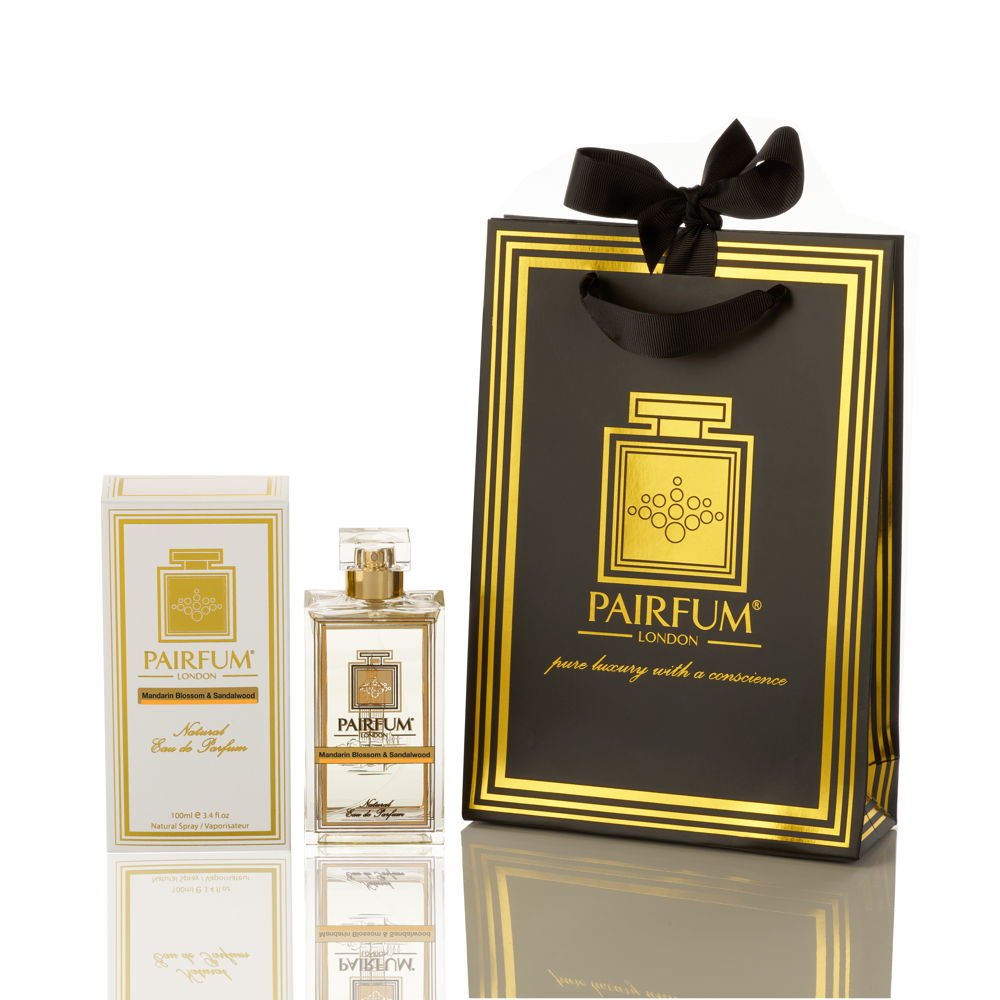
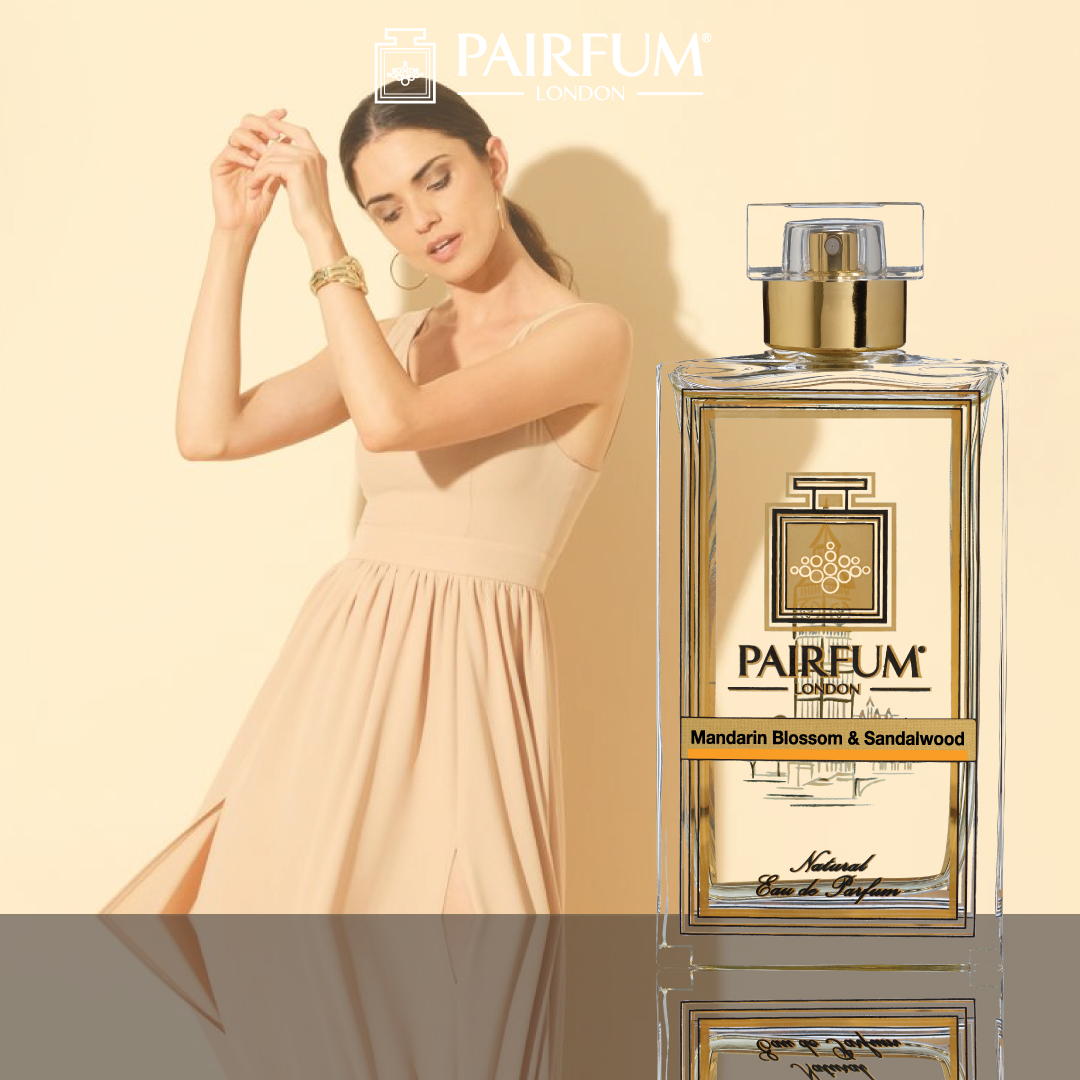
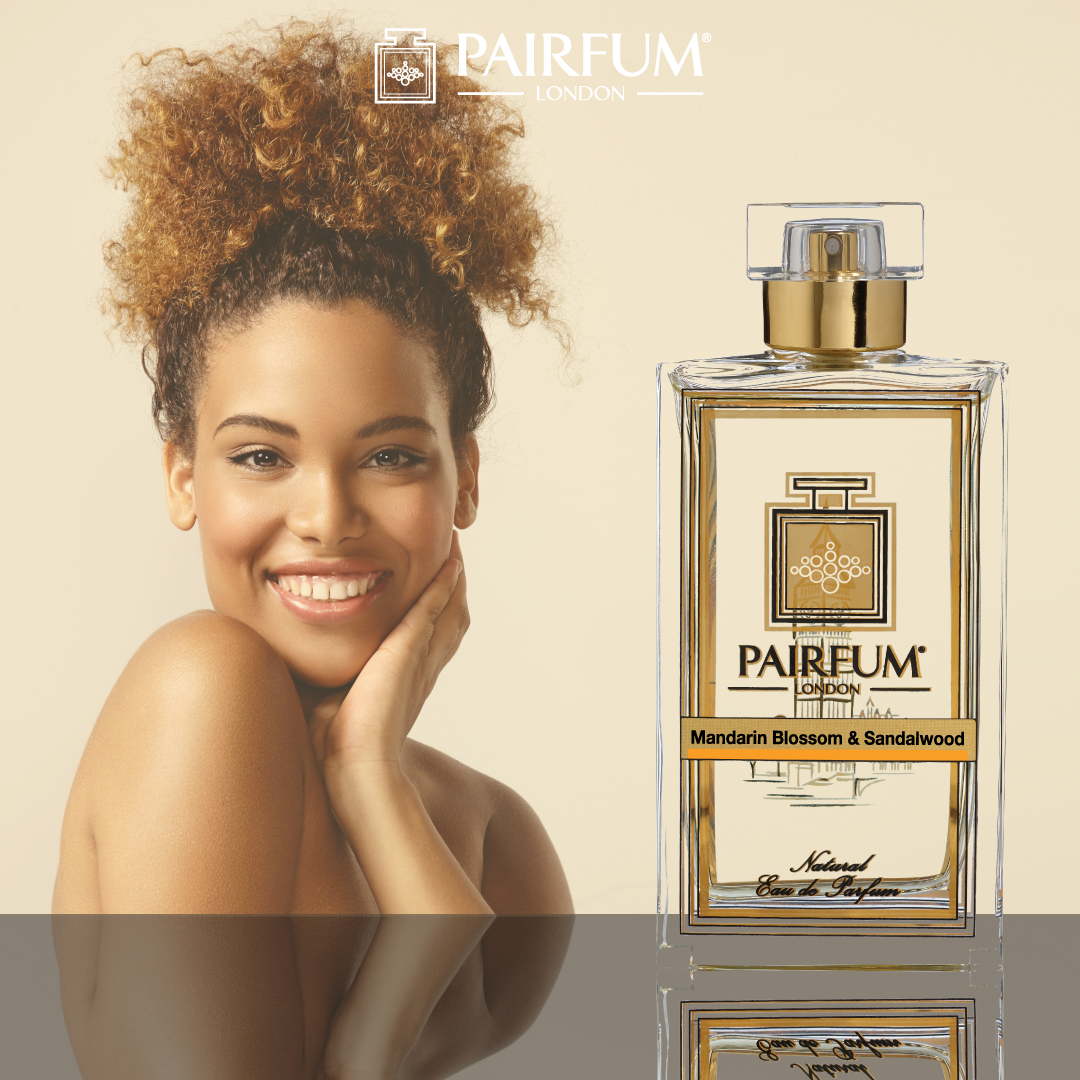
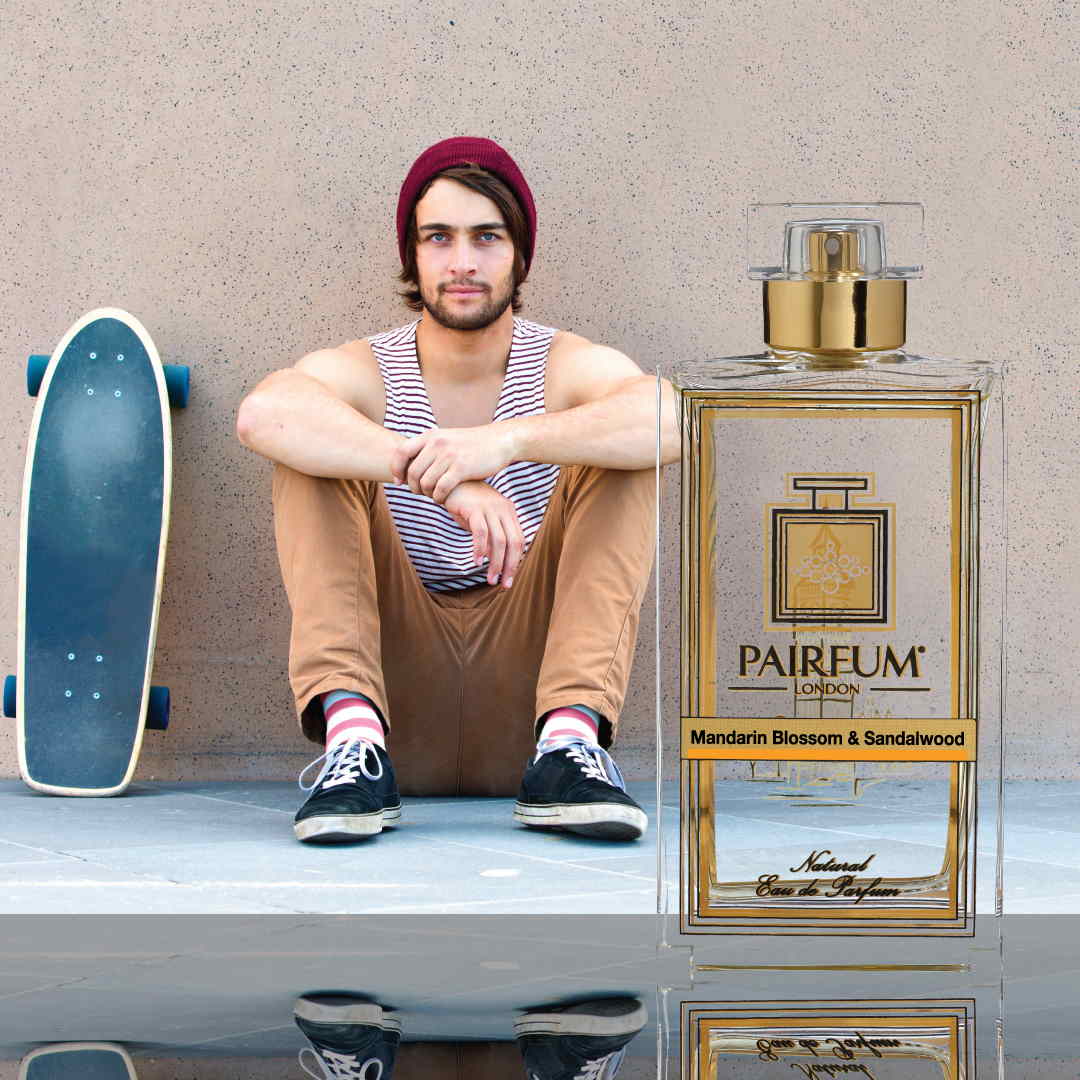
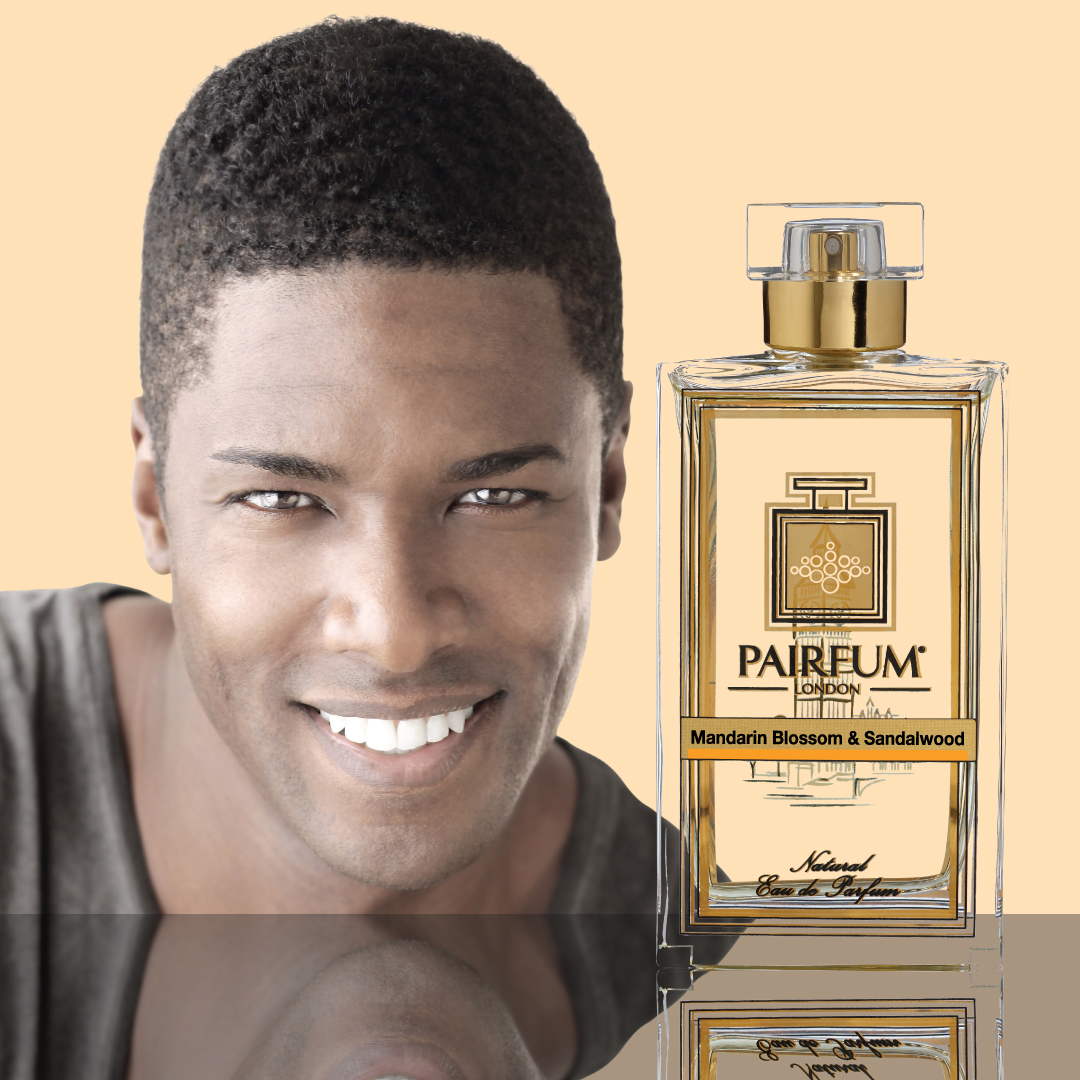
For those drawn to the elegance of woody scents but seeking a fresh, modern twist, Mandarin Blossom and Sandalwood Eau de Parfum from Pairfum is a perfect discovery. This refined fragrance captures the radiant brightness of mandarin blossom and balances it with the creamy, grounding essence of sandalwood. It offers a beautifully composed scent that feels both uplifting and deeply comforting, echoing the natural sophistication explored throughout this piece.

Mandarin Blossom & Sandalwood Eau de Parfum by Pairfum London

An elegantly, feminine floral Chypre accord opening with the freshness of Mandarin Blossom, Apricot and White Hyacinth as Top notes. It’s romantic heart reveals a floral bouquet of Sweet Pea, Jasmine and Ylang Ylang, while the fond of Sandalwood, Patchouli, Amber and Musk create a magnetic trail.

Pairfum Eau De Parfum Pure Giftbag Mandarin Blossom Sandalwood

In Conclusion

Woody fragrances remain a pillar of perfumery. Their complexity, versatility, and emotional resonance make them a favourite among both consumers and perfumers. Whether blended with floral notes or structured around vetiver and cedarwood, these scents carry the enduring spirit of trees and roots.

The world of woody fragrances invites us to return to nature and to appreciate the depth of wood, the richness of aroma, and the power of scent to transform.

Explore the woody family. Discover the harmony of woody notes. Let the scent guide you.

Exosomes In Skin Care

The Power of Exosomes in Skincare: Unlocking Youthful Skin

Exosomes are revolutionising skincare, but what exactly are they, and how do they work? These tiny extracellular vesicles are released by nearly every cell in the body and have become a major focus in both medical and cosmetic research.

While traditional skincare treatments work mainly on the surface, exosomes go deeper, communicating at a cellular level to stimulate regeneration, reduce inflammation, and repair damaged tissue. This next generation of biologically active ingredients is unlocking new levels of skin rejuvenation, backed by science and rapidly growing clinical interest.

Understanding Exosomes: What Are They?

Exosomes are a type of extracellular vesicle that measure between 30 and 150 nanometres. They originate within a cell’s endosomal network and are released when multivesicular bodies fuse with the plasma membrane. These vesicles play a critical role in intercellular communication by transferring proteins, lipids, exosomal RNA, exosomal microRNA, and exosomal DNA to target cells. Through this transfer, exosomes influence the biological activity of recipient cells and contribute to tissue homeostasis.

Most exosomes are created through exosome biogenesis, a process that begins with the formation of intraluminal vesicles within a multivesicular body. Once this body merges with the plasma membrane, its vesicles are released into the extracellular space. The structure of each vesicle includes a lipid bilayer derived from the plasma membrane, which helps preserve the stability of its cargo of proteins and nucleic acid.

Exosomes are secreted by various cell types, including epithelial cells, dendritic cells, b cells, t cells, endothelial cells, tumor cells, and immune cells. Their role in intercellular communication is crucial across many physiological and pathological processes.

Pairfum Lifestyle Flacon Room Perfume Spray Clear Natural 1 1 1

Exosomes in Skincare: Why They Matter

The use of exosomes in skincare has gained attention due to their regenerative capabilities. Unlike most topical treatments, derived exosomes can deliver bioactive molecules directly into the skin’s deeper layers. This direct communication with skin cells promotes the production of collagen, enhances hyaluronic acid retention, and encourages cellular repair. The result is smoother, firmer, and more hydrated skin.

In particular, stem cell derived exosomes from plant and animal sources are known to modulate the function of skin cells by delivering proteins that stimulate tissue regeneration and skin rejuvenation. These extracellular vesicles act as messengers, ensuring that t cells and other immune players respond appropriately to environmental stressors and age-related damage.

Sources of Derived Exosomes in Skincare

Plant Derived Exosomes

Plant derived exosomes offer a natural, non-allergenic option. They are rich in antioxidants and bioactive compounds that reduce oxidative stress and promote a balanced skin barrier. These vesicles have gained popularity for their regenerative and soothing properties.

Animal and Human Derived Exosomes

Animal derived exosomes are collected from sources such as avian, bovine, porcine, and fish cells. Each cell type offers a unique exosomal profile. For instance, bovine derived exosomes have been shown to support collagen production, while fish derived exosomes may aid in hydration and nutrient delivery. Human derived exosomes are more controversial due to ethical and regulatory concerns, but they are among the most biologically compatible with skin cells.

Stem Cell Derived Exosomes

Stem cell derived exosomes are among the most potent. These include vesicles released by mesenchymal stem cells and other multipotent cell lines. Mesenchymal stem cell exosomes are known to enhance wound healing, reduce inflammation, and improve elasticity. They also show great promise in regenerative medicine and exosome therapy, particularly for skin regeneration and anti-ageing.

Biological Benefits of Exosome Therapy in Dermatology

Boosting Skin Repair and Collagen Synthesis

Exosome therapy enhances collagen synthesis by delivering regulatory proteins and growth factors into the dermis. This supports fibroblast activation and dermal remodelling, restoring skin firmness and resilience.

Hydration and Elasticity

Exosomes help maintain skin hydration by supporting hyaluronic acid synthesis. By fortifying the extracellular matrix, these extracellular vesicles prevent transepidermal water loss, improve elasticity, and enhance the skin’s natural glow.

Anti-inflammatory and Immune Modulation

Dendritic cells and t cells are key players in skin immunity. Exosome treatments can regulate their activity to reduce chronic inflammation, making them beneficial for acne-prone and sensitive skin. This immunomodulatory effect helps improve the skin’s ability to heal without irritation.

Skin Rejuvenation and Regeneration

Through their rich cargo of proteins, exosomal microRNAs, and nucleic acid, exosomes rejuvenate ageing or damaged skin. Their natural origin makes them safe and efficient at delivering targeted support to the cells that need it most.

Targeted Skincare with Engineered Exosomes

Recent advancements in biotechnology have led to the development of engineered exosomes, which are modified to enhance delivery efficiency and therapeutic precision. These engineered vesicles can be tailored to carry specific bioactive cargo, such as exosomal miRNAs, that regulate gene expression in recipient cells. When used in skincare, a cell derived exosome—especially those formulated into an exosome serum—can deliver these molecular signals directly to the skin’s deeper layers. Research shows that exosomal miRNAs play a critical role in modulating inflammation, collagen production, and overall cellular rejuvenation, making them a powerful component in next generation skincare applications.

Image Of Exosomes

The Cellular Mechanisms Behind Exosome Action

Exosome biogenesis begins inside the cell when early endosomes mature into multivesicular bodies. During this maturation, intraluminal vesicles are formed. These intraluminal vesicles later become exosomes when the multivesicular body fuses with the plasma membrane and releases its contents.

Once released, exosomes travel through extracellular fluid to reach their target cells. Upon binding with the plasma membrane of these target cells, they either fuse directly or are endocytosed, delivering their proteins and genetic material into the recipient cell. This targeted interaction ensures precise modulation of biological pathways, especially those involved in skin cell turnover and repair.

Each vesicle is engineered by its cell of origin to serve a specific function. For example, dendritic cells use exosomes to influence antigen presentation, while t cells utilise them in immune regulation. In skincare, these same principles are harnessed to influence skin physiology at a microscopic level.

Exosome Research and Clinical Development

The field of exosome research is rapidly growing. As of this writing, a quick search on Google Scholar reveals thousands of peer-reviewed papers discussing exosome therapy and their applications across dermatology, oncology, and regenerative medicine. Clinical studies have shown that derived exosomes can reduce signs of skin ageing, speed wound healing, and improve skin tone and texture.

Studies in the International Journal of Molecular Sciences, for example, confirm the potential of msc derived exosomes in anti-ageing skincare due to their antioxidant and regenerative effects. Other articles indexed on Google Scholar and ScienceDirect suggest that stem cell derived exosomes could soon become a standard tool in aesthetic dermatology.

Moreover, there is rising interest in exosome isolation techniques and standardisation of exosome products to ensure consistency and efficacy in skincare.

Exosomes Beyond Beauty: Therapeutic Potential

Exosomes are also being explored for their applications in treating more complex conditions. In oncology, cancer cell derived exosomes are being studied for their role in tumour progression, immune evasion, and even as biomarkers. Tumor cells actively release extracellular vesicles that manipulate immune cell responses and support metastasis. At the same time, researchers are developing engineered exosomes that can deliver drugs directly into cancer cells, offering a precise, less toxic alternative to chemotherapy.

Bone marrow derived mesenchymal stem cells have demonstrated strong therapeutic potential across tissue types. In addition, extracellular vesicles released from endothelial cells show benefits in vascular repair, with implications in both medicine and aesthetic treatments.

Pairfum Flacon Perfume Room Spray Signature White Lavender

A Fragrant Finish to Scientific Skincare

As you care for your skin at a cellular level, consider how your surroundings can elevate your wellbeing. A refined environment supports a refined ritual. Pairfum’s Flacon Room Spray Perfume offers a subtle yet sophisticated way to transform your space. Just as exosomes deliver rejuvenation deep within the skin, a single spritz of this fragrance infuses the air with a serene and lasting aroma, helping to complete your self care experience in the most elegant way.

Flacon Perfume Room Spray – by Pairfum London

Encased in a handcrafted glass flacon, this room spray is more than a scent—it is an interior statement. The carefully curated fragrance blends are long lasting and beautifully layered, created in-house by expert perfumers. Designed to uplift and calm, it provides a fragrant atmosphere that lingers gently in your home. With no need for flames or plugs, it delivers luxury with simplicity, echoing the quiet power of advanced skincare.

Conclusion: The Future of Exosome Skincare

From basic cell biology to luxury skincare, exosomes are redefining what’s possible in dermatology. As exosome isolation, biogenesis, and application methods continue to evolve, skincare formulations will become more intelligent, personalised, and biologically effective.

With extensive support from scientific literature, including thousands of publications on Google Scholar, and robust studies on extracellular vesicles and stem cell therapy, the integration of exosome products into skincare is only just beginning. Whether sourced from mesenchymal stem cells, t cells, or plant derived exosomes, these biologically active vesicles offer powerful, natural tools to restore, protect, and enhance the skin from within.

This is not merely a trend, but a significant scientific advancement, one that blends cellular biology, dermatology, and the art of skincare into a unified, high-performance approach. Exosome therapy and exosome treatment hold the potential to become the cornerstone of future skin health innovation.

Spring Perfume Pairfum London

Discover the Best Spring Perfume for 2025: Our Top Picks

Choosing the right spring perfume can make you feel rejuvenated and in tune with the season’s energy, enhancing your daily experiences. Spring is a season of renewal and fresh beginnings. The cold of winter fades away, giving rise to warmer temperatures and longer, sunnier days. Flowers bloom, trees regain their green leaves, and gardens come alive with vibrant colours. This transformation from the stillness of winter to the vitality of spring influences many aspects of our lives, including our choice of perfumes.

During spring, the world fills with the delightful fragrances of blossoming flowers, fresh greenery, and gentle rain showers. The air feels lighter, and so do our spirits, as the season brings a sense of hope and new possibilities. Spring events like Easter, garden parties, and outdoor picnics add to the season’s joyful atmosphere.

As we transition from winter to spring, our perfume preferences shift too. We move away from heavy, warm perfumes that provided comfort during the colder months. Instead, we reach for lighter, fresher fragrances that echo the lively and refreshing essence of spring.

The Character of the Spring Season

Spring is marked by warmer temperatures, blooming flowers, and longer days. It is a period of transformation, where the earth wakes up from its winter slumber. The days become sunnier, coaxing people outdoors to enjoy nature’s beauty. The colours of spring are vibrant, with shades of pink, yellow, green, and blue dominating gardens and landscapes.

In spring, plants begin to sprout new leaves, and flowers such as tulips, daffodils, and cherry blossoms come into bloom. This explosion of flora fills the air with delightful fragrances, creating a refreshing and uplifting atmosphere. The weather is typically mild, with cool mornings and warm afternoons, making it perfect for outdoor activities and events like Easter egg hunts and garden parties.

Spring also brings a sense of renewal and hope. People often feel more energetic and optimistic during this season, motivated by the rejuvenating effect of nature coming back to life. This renewed vitality makes spring the perfect time to embrace new experiences, including experimenting with different perfumes that capture the essence of this lively season. A wonderful spring perfume can truly elevate your mood.

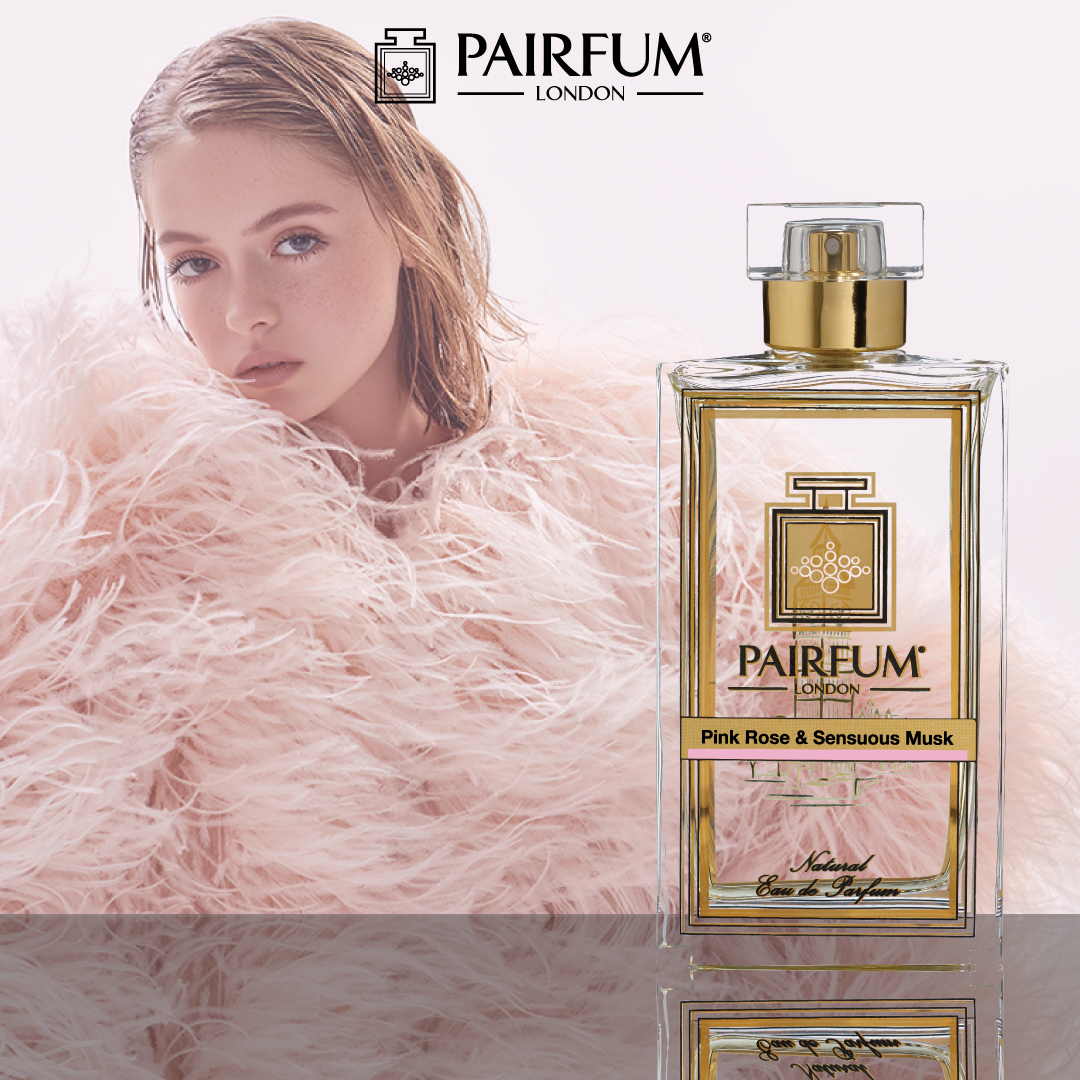
Pairfum Person Reflection Pink Rose Sensuous Musk Eau de Parfum

How Spring Influences Fragrance Choices

The shift in weather and nature’s awakening during spring significantly influences our fragrance preferences. Heavy, warm perfumes that were comforting in winter become too intense for the lighter, breezier atmosphere of spring. Instead, we seek out fragrances that are fresh, floral, and airy to reflect the season’s characteristics.

Popular Spring Notes

Fragrance compositions that thrive in spring often include the following notes:

Floral: Jasmine, lily of the valley, peony, and cherry blossom are perfect examples. These bring a soft, romantic energy and mimic the blooming gardens of the season. A beautiful floral scent is a hallmark of spring. Citrus: Zesty notes such as lemon, bergamot, orange blossom, and grapefruit add brightness and energy. They are particularly suited for daytime wear, offering an invigorating burst of freshness. Fresh citrus scents are always a great choice for spring. Green: Notes such as freshly cut grass, green tea, fig leaves, or basil reflect the lush new foliage of spring. These green notes often lend a crisp, natural feel that resonates with the outdoors. Aquatic and Ozone: These airy notes imitate the freshness of rain and spring breezes, making them a subtle yet memorable choice for those who enjoy clean, light fragrances. Fruity Accents: Gentle touches of pear, apple, or melon can add a juicy sweetness without being overpowering, enhancing the playful mood of spring.

Why We Choose Lighter Fragrances

During spring, the mild temperatures enhance the appeal of lighter perfumes. These fragrances tend to be more volatile, releasing their notes quickly and providing an immediate sense of freshness. A spring perfume can make you feel invigorated and in harmony with the revitalising spirit of the season.

Lighter perfumes are also suitable for the various spring activities you might engage in, from outdoor picnics to scenic walks. They won’t overwhelm those around you but will enhance your presence in a subtle and pleasant manner. Embracing the right spring perfume can elevate your mood and complement the lively atmosphere, making your springtime experiences all the more enjoyable. Many of the best spring perfumes are light and airy.

Spring 2025 Fragrance Trends

This season, several notable trends are shaping the world of perfumery:

Violet Revival: Violets are making a significant comeback, offering a nostalgic yet fresh floral note that adds depth and elegance to spring fragrances.

Pear Accents: Pear notes are emerging as a popular choice, providing a crisp, juicy sweetness that complements the freshness of spring.

Nostalgic Scents: Fragrances that evoke memories and emotions are gaining popularity, with compositions that blend classic notes in modern ways to create a sense of familiarity and comfort.

Genderless Fragrances: There’s a growing trend towards unisex perfumes that transcend traditional gender boundaries, focusing on versatile and universally appealing scent profiles.

Extrait de Parfum: These highly concentrated fragrances offer long-lasting scent experiences, allowing for more intense and enduring spring aromas. An eau de parfum is a popular choice for longevity.

Eau de Parfum Person Reflection Spiced Rum Lime Guaiac Wood 1 1

Tips for Choosing the Perfect Spring Perfume

When selecting a spring fragrance, consider the following:

Time of Day: Opt for citrus or green notes during the day and transition to soft florals or subtle musks in the evening. Longevity: Spring perfumes tend to be lighter, so choosing one with good sillage and staying power ensures you remain subtly scented throughout the day. Many eau de parfum concentrations offer excellent longevity. Mood Matching: Choose a perfume that aligns with your personal mood or intention. Whether you want to feel playful, elegant, romantic, or energised, there’s a spring fragrance to match. Occasion Suitability: Delicate florals are perfect for weddings or garden parties, while aquatic or fruity blends suit casual weekend outings.

Iconic Spring Perfumes for the Season

Certain perfumes have become timeless classics for spring. These iconic fragrances continue to be favourites for their ability to encapsulate the season’s essence perfectly. A truly iconic scent can become your signature scent for the spring season.

Classic Spring Fragrances

Chanel No. 19

This classic spring perfume blends green notes with floral elements like iris and rose. It provides a sophisticated yet fresh fragrance that suits the season perfectly. It’s a wonderful eau de parfum for spring.

Dior J’adore

Featuring a bouquet of jasmine, ylang-ylang, and rose, J’adore offers a luxurious floral fragrance. Its elegant aroma makes it a popular choice for spring. This beautiful eau de parfum is a staple for warmer days.

Marc Jacobs Daisy

With strawberry, violet leaves, and jasmine notes, Daisy presents a light and joyful fragrance, making it an enduring favourite for springtime. A delightful eau de parfum for any spring day.

Modern Spring Fragrances

Jo Malone Peony & Blush Suede

This modern perfume combines peony, red apple, and suede for a fresh and unique fragrance. It’s ideal for those looking for a blend of floral and subtle, earthy notes. This jo malone creation is a prime example of a beautiful spring perfume. A great spring scent.

Hermès Le Jardin de Monsieur Li

Inspired by a serene garden, this perfume includes notes of kumquat, jasmine, and mint. It’s a perfect springtime fragrance that offers a touch of exotic freshness. This eau de parfum is a true spring delight.

Tom Ford Neroli Portofino

With its blend of Tunisian neroli, Italian bergamot, and Sicilian lemon, this perfume evokes the feel of a Mediterranean spring. It’s a vibrant and refreshing choice for the season. This eau de parfum is a bright, uplifting perfume for spring.

Floral Spring Perfume Ingredient

Exploring More Spring Fragrance Options

Beyond the classics, the world of spring scents is vast and exciting. When considering new additions to your fragrance collection, keep an eye out for emerging trends and notes that resonate with the season’s vibrancy. A captivating spring scent can truly enhance your beauty routine.

The Allure of Vanilla and Gourmand Fragrances in Spring

While often associated with richer, warmer scents, vanilla can be surprisingly delightful in a spring perfume when blended with lighter notes. Imagine a delicate vanilla paired with a crisp citrus or a fresh floral. This combination can create a unique spring fragrance that is both comforting and invigorating. Some modern spring perfumes might even feature a touch of vanilla bean or a whisper of whipped cream for a subtle gourmand fragrance without being overly heavy. This adds an intriguing dimension to fresh scents.

Introducing New Spring Perfume Contenders for 2025

As we look to 2025, several new spring perfumes are garnering attention. Keep an eye out for releases that play with classic floral fragrances in new ways. Brands are experimenting with notes like pink pepper to add a lively sparkle to traditional florals. For those who love a playful spring scent, a perfume that evokes the feeling of a bubble bath can be a fun and whimsical choice. The beauty of these new spring scents lies in their ability to offer fresh perspectives on familiar themes. Consider the new Marc Jacobs Daisy Wild, a compelling spring fragrance for those seeking something fresh.

The Continuous Evolution of Spring Beauty

Spring is not just about perfume; it’s a holistic approach to beauty. From light makeup to fresh hair styling, every aspect contributes to the overall spring aesthetic. The right spring perfume complements this perfectly, adding an invisible layer of allure. Whether you prefer a floral perfume, a citrus delight, or something with a hint of vanilla or tonka bean, the goal is to find a scent that makes you feel vibrant and renewed. Even bold choices like a touch of baccarat rouge can be adapted for spring with lighter application. The beauty of spring is its versatility, and your fragrance collection should reflect that.

Beyond traditional classifications, spring offers a rich tapestry of scents within every fragrance family. For those who appreciate sweet perfumes, a modern spring twist might involve a light touch of vanilla or fruit, ensuring the sweetness is uplifting rather than heavy. Many of the most iconic scents for spring often feature prominent white flower notes, such as gardenia or tuberose, adding a creamy elegance to the overall fragrance. Whether you’re drawn to fresh, clean scents or something with a hint of warmth, the ideal spring perfume is waiting to be discovered.

Best Spring Perfumes by Pairfum London

Pairfum London offers a variety of perfumes that perfectly capture the essence of spring. These fragrances are designed to harmonise with the season’s fresh and vibrant atmosphere.

Top Picks from Pairfum London

Pink Rose & Sensuous Musk: This perfume encapsulates the romantic floral notes of pink rose, enriched with the deep, alluring aroma of sensuous musk. It evokes the feel of a blooming rose garden, making it a wonderful choice for spring.

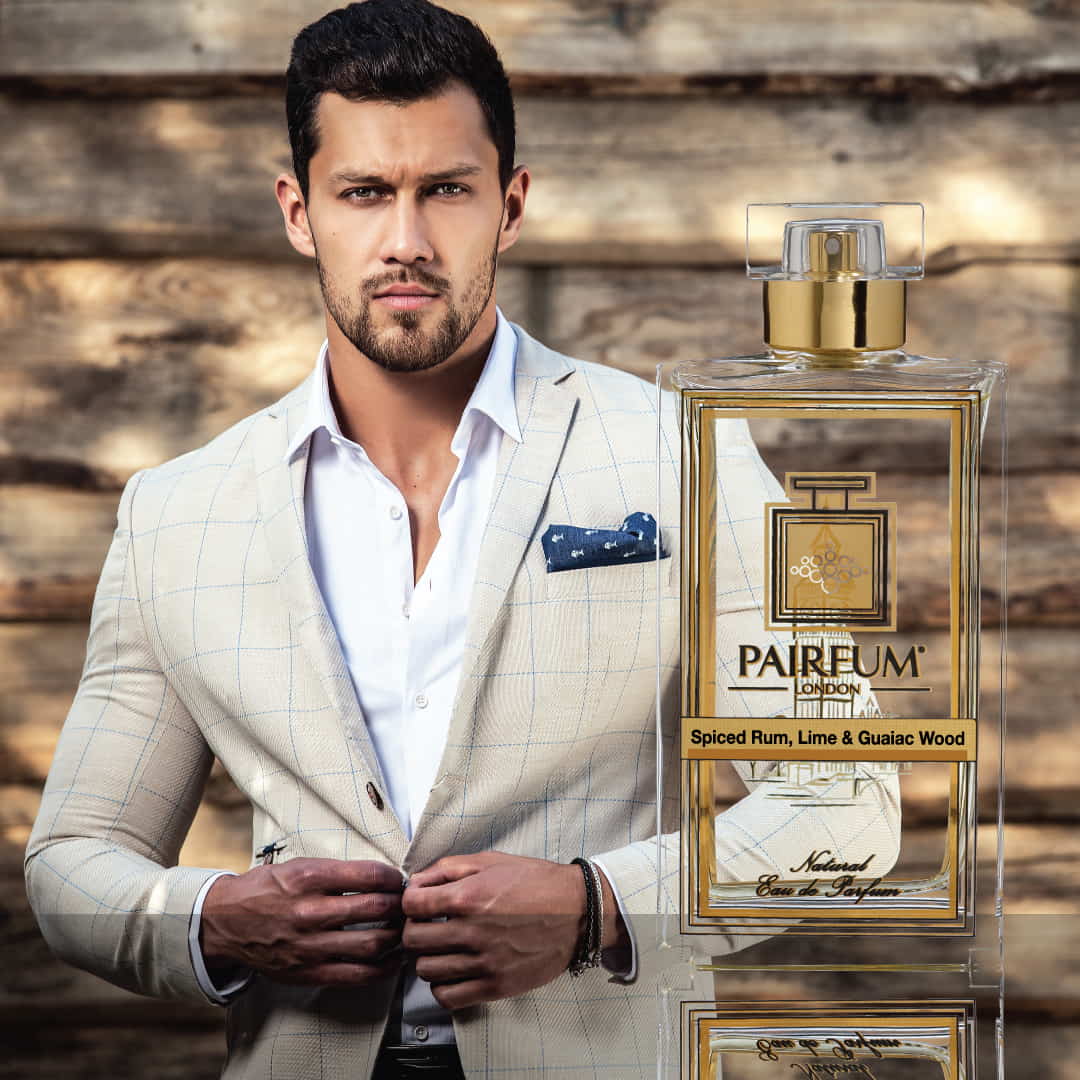
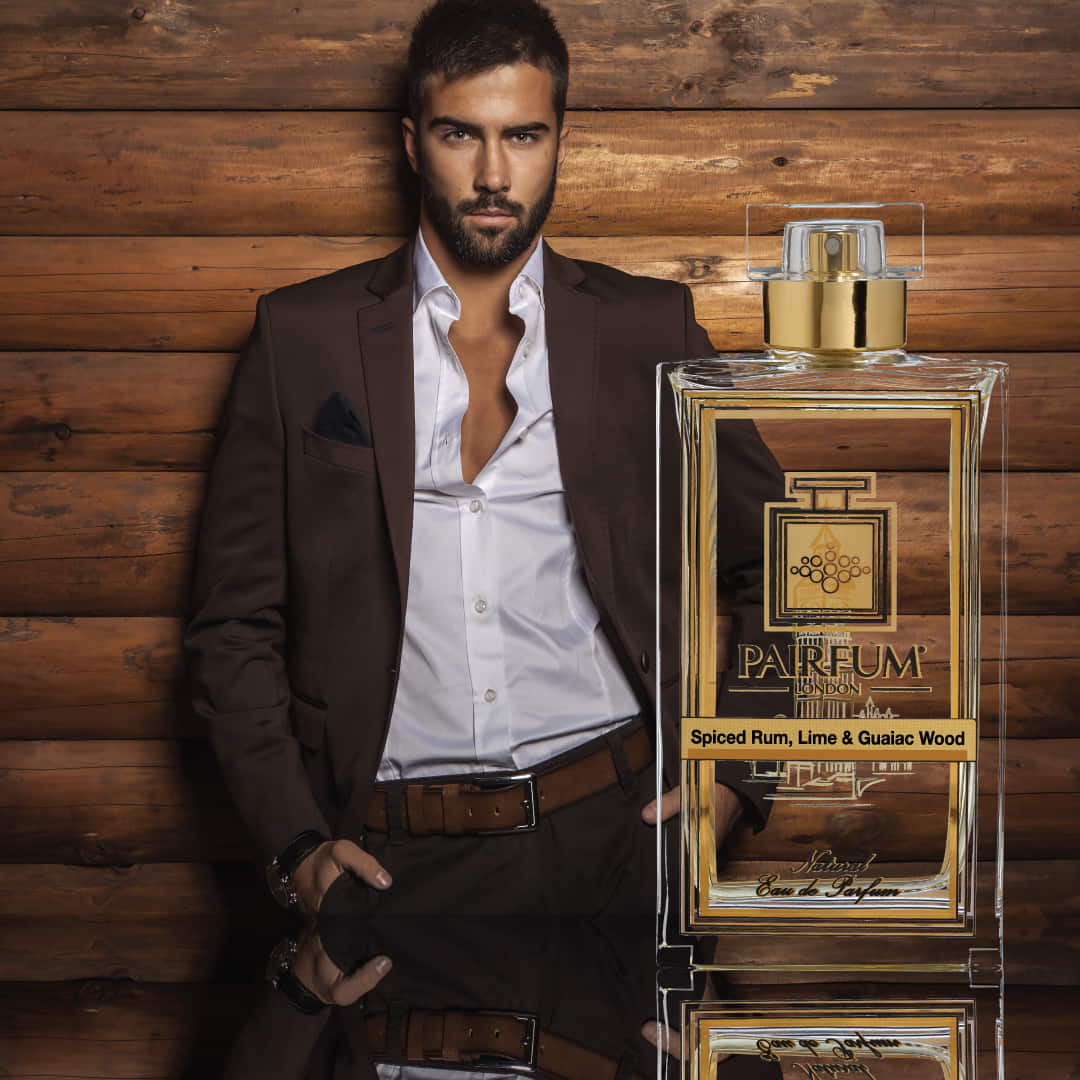
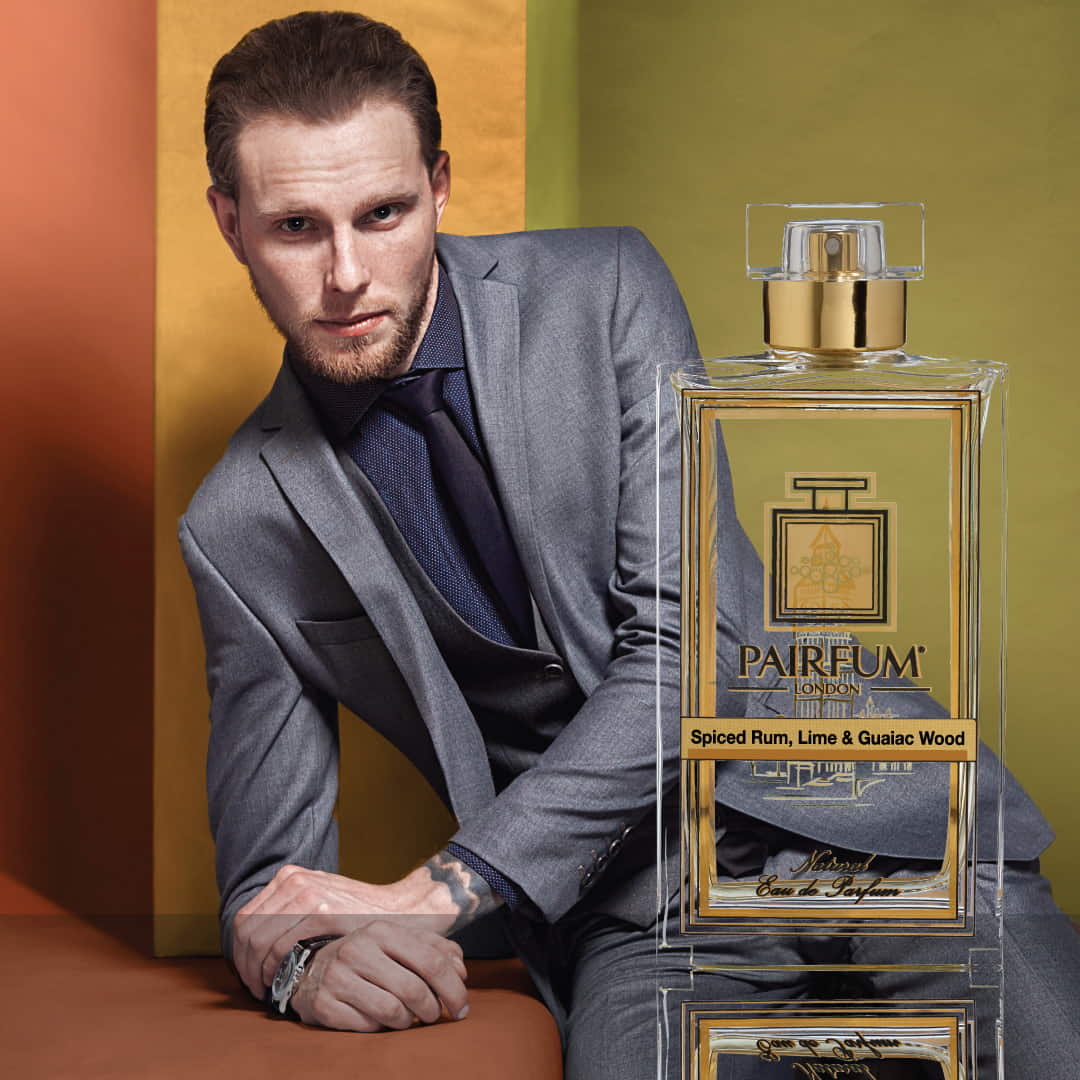
Spiced Rum, Lime & Guaiac Wood: Featuring notes of spiced rum and zesty lime, balanced with the warm, woody scent of guaiac wood, this fragrance offers a bold and invigorating scent. It’s perfect for adding a splash of freshness and spice to your day.

Grapefruit, Pepper & Black Cedar: Combining the bright, citrusy notes of grapefruit with the spicy kick of pepper and the deep, earthy aroma of black cedar, this perfume captures the vibrant energy of springtime. It brings a touch of the outdoors into your daily routine.

Eau de Parfum Person Reflection Grapefruit Pepper Black Cedar Man Marble 1 1

Why Choose Pairfum London

Pairfum London’s perfumes are crafted with premium ingredients and meticulous attention to detail. Each fragrance is designed to mirror the unique characteristics of spring, providing an uplifting and refreshing experience. Using these perfumes can enhance your connection to the season and invigorate your senses with their rich and harmonious notes.

Final Thoughts

Spring is a time of rebirth and fresh beginnings, influencing how we choose our perfumes. The shift to lighter, fresher fragrances mirrors the season’s lively atmosphere, filled with blooming flowers and renewed greenery. The best spring perfumes embody the spirit of spring, complementing the natural beauty and vitality of the season. Additionally, iconic spring perfumes from renowned brands continue to be popular, providing timeless and elegant options for any perfume lover. Finding the perfect spring perfume is a journey of discovery, offering a chance to embrace the essence of the season. Each eau de parfum you try brings you closer to your ideal spring scent.

Selecting the right spring perfume can enhance your connection to the season, lifting your spirits and making each day more enjoyable. Whether you opt for a classic eau de parfum or a modern interpretation, the right spring perfume will make you feel vibrant and in harmony with the blossoming world around you. The world of spring scents is truly beautiful.

Summer Perfume

The Best Summer Perfume for 2025: Hot Picks and Classics

Summer is a season filled with warmth, brightness and a sense of adventure which is essential in summer perfume. The temperatures rise, bringing sunny days and long evenings perfect for outdoor activities. The world bursts into vibrant colours, with blooming flowers, lush greenery and clear blue skies. This lively environment influences our daily lives and, significantly, our perfume choices.

During summer, people lean towards lighter, fresher fragrances that complement the heat. The warm weather enhances floral, citrus and aquatic notes, making them more vibrant and uplifting. Just as we switch to lighter clothes and refreshing drinks, our fragrance preferences shift to align with the season. Wearing the right summer perfume can make you feel cool and invigorated, even on the hottest days.

Choosing a summer perfume is about capturing the essence of the season. Whether you are spending the day at the beach, enjoying a garden party or simply staying cool indoors, the perfect summer fragrance can elevate your experience. This guide will explore how summer influences our fragrance choices and highlight some of the best summer perfumes, including iconic classics and exciting new discoveries.

The Character of the Summer Season

Summer is defined by warm temperatures, long sunny days and clear blue skies. People often spend more time outdoors, enjoying beach trips, picnics and garden parties. The season is full of vibrant colours, with bright flowers in bloom and lush green landscapes. These lively elements make summer a time of joy and relaxation.

The air is rich with aromas like freshly cut grass, blooming flowers and sea breezes. Add to that the juicy smell of fruity delights such as lemon, melon and orange, and the sensory world of summer becomes even more alluring.

Our wardrobe changes during summer—light, breathable fabrics, open footwear and effortless hairstyles become the norm. This need for comfort and freshness also extends to our perfume choices, leading many to switch to lighter eau de parfum sprays or even a refreshing body mist or body spray for easy daytime wear. A summer scent should feel like a second skin—delicate yet memorable.

Pairfum Eau de Parfum Person Reflection Mandarin Blossom Sandalwood Woman Dance 1 1

How Summer Influences Fragrance Choices

High temperatures amplify fragrance notes. Rich, heady perfumes that feel cosy in winter can become overwhelming in the summer months. Instead, we reach for lighter options that feel refreshing and clean on the skin.

Popular Summer Notes

  1. Citrus: Bright notes like lemon, bergamot and mandarin bring an instant sense of freshness. They cut through the heat and add an energising kick to any summer perfume.
  2. Floral: Think soft white florals, jasmine or neroli. These offer the feeling of walking through a blooming garden on a warm summer day.
  3. Aquatic: Notes that evoke cool sea breezes and salty skin pair beautifully with summer’s relaxed mood.
  4. Fruity: Add a playful edge with notes of pear, peach or berries. They complement the carefree nature of the season.
  5. Amber and vanilla: In moderation, these warm notes can enhance a skin scent, lingering gently as the day progresses.

Choosing the Right Summer Perfume

Finding your signature scent for summer isn’t just about picking the most popular option. It’s about matching your lifestyle, personality and even your skincare routine. A floral fragrance might pair well with your light cotton dresses, while something citrus-based can match your active, outdoor schedule.

The fragrance family you choose matters too. While floral, citrus and aquatic notes dominate, some lovers of vanilla or soft woods can find summer versions with lighter concentrations, such as an eau de parfum spray.

The Lasting Power of Summer Perfume

One challenge during summer is longevity. With skin warmer and more hydrated, perfume evaporates more quickly. Opting for an eau de parfum spray, layering with matching body lotions or applying a quick spritz in your hair can help extend your scent trail throughout the day.

Some perfumes are crafted as limited edition summer versions, designed specifically to resist evaporation while retaining freshness. Spraying on pulse points and lightly misting hair also makes a lasting impression.

Pairfum Eau de Parfum Person Reflection Neroli Musk Orange Blossom Bright 1 1

Must-Know Tips for Wearing Summer Perfume

  • Target areas where blood flows close to the skin—wrists, neck, inner elbows.
  • A quick mist in the hair can leave a soft scent trail.
  • Reapply lighter fragrances throughout the day for impact without intensity.

And if you’re unsure? Start with a body mist or body spray and build from there.

Fragrance Beyond Skin

Let your hair carry your chosen summer perfume throughout the day. A light mist on your strands means every breeze becomes an opportunity to relive your favourite scent. Some eau de parfum sprays are formulated to be safe on hair, adding a luxurious touch to your routine.

Your fragrance becomes part of your presence—lingering after you’ve left the room, imprinting memories.

Trending Scents for Summer 2025

This summer, look out for perfumes that incorporate:

  • Orange blossom and jasmine for their romantic, warm-weather appeal.
  • Fresh citrus notes like lemon, lime and bergamot.
  • Creamy vanilla paired with coconut or floral accords for a sensual summer scent.
  • Delicate blends with amber undertones that soften in the heat.

When searching for the best summer fragrances, many are drawn to a floral scent that evokes lightness and freshness during the warmer weather. Brands like Estée Lauder, Carolina Herrera, and celebrity names such as Ariana Grande have all contributed to the market with captivating perfumes that blend delicate florals with a sensual scent perfect for summer evenings. Meanwhile, lifestyle favourites like Sol de Janeiro offer an enticing tropical vibe that complements sunny days and balmy nights, making their fragrances a go-to choice for those wanting to embrace the full spirit of the season.

Whether it’s a nostalgic nod to holidays or an uplifting start to your summer day, a well-chosen scent becomes part of your identity.

Pairfum London Summer Perfume

Iconic and Rising Summer Stars

From breezy floral blends to zesty citrus concoctions, this season offers a wide array of choices. Names like bronze goddess, inspired by sun-soaked beaches and golden sunsets, have become best selling staples for a reason.

Others, such as creations by francis kurkdjian, jo malone london, and maison margiela, explore more complex and evocative interpretations of the summer scent, with floral notes, salty accords and natural materials.

With attention to detail and a keen sense for balance, summer perfumes today blur the line between casual and luxury. You’ll find yourself reaching for the bottle more than once throughout the season.

Iconic Summer Perfumes for the Season

Certain perfumes have become timeless favourites for summer. They are known for their enduring appeal and ability to capture the spirit of the season.

Classic Summer Fragrances

Dolce & Gabbana Light Blue: This iconic perfume combines lemon, cedarwood, and apple, providing a refreshing and lively aroma that is perfect for summer.

Marc Jacobs Daisy: With its blend of strawberry, violet leaves, and jasmine, Daisy offers a light and uplifting fragrance, making it a popular summer choice.

Chanel Chance Eau Fraiche: This perfume features notes of citron, water hyacinth, and teak wood, creating a fresh and invigorating aroma suitable for hot days.

Modern Summer Choices

Jo Malone Wood Sage & Sea Salt: This modern favourite blends sea salt, sage, and red algae for a unique and refreshing fragrance. It’s perfect for those who enjoy natural and earthy aromas.

Hermès Un Jardin Sur Le Nil: Inspired by the Nile River, this perfume includes green mango, lotus, and incense, offering an exotic and fresh fragrance ideal for summer.

Tom Ford Neroli Portofino: Featuring notes of Tunisian neroli, Italian bergamot, and Sicilian lemon, this perfume provides a Mediterranean feel, perfect for summer outings.

Best Summer Perfumes by Pairfum London

Pairfum London offers an exquisite collection of summer perfumes. These perfumes capture the essence of the season with refreshing and invigorating notes.

Top Picks from Pairfum London

Mandarin Blossom & Sandalwood: This perfume features a delightful blend of mandarin blossom complemented by the warm and earthy tones of sandalwood. It provides a refreshing yet grounding fragrance, perfect for a hot summer day.

Neroli, Musk, Orange Blossom: Combining neroli, musk, and orange blossom, this perfume offers a unique blend of floral and warm musk aroma. It’s ideal for enhancing your natural beauty during summer.

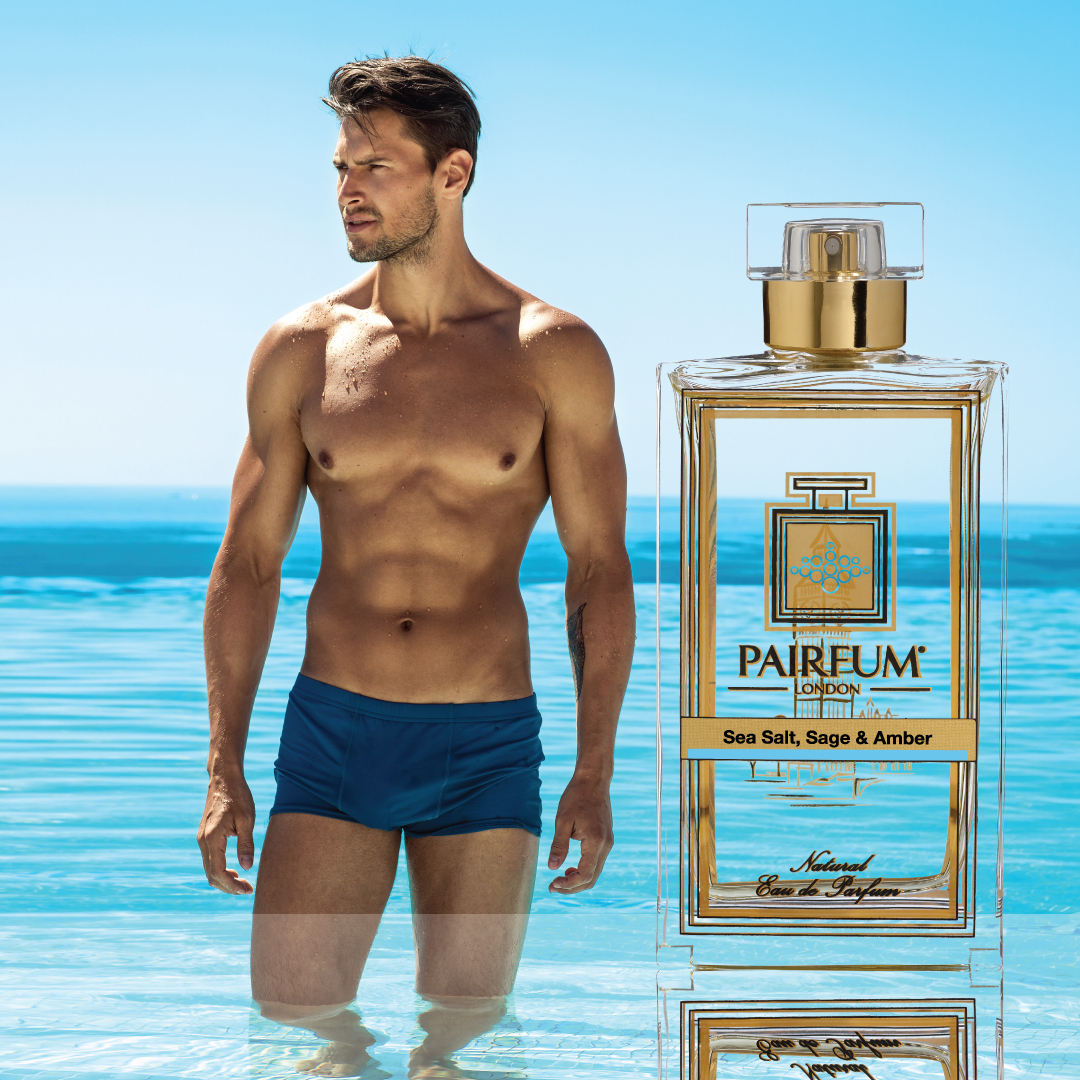
Sea Salt, Sage & Amber: Inspired by the ocean, this fragrance includes the fresh, invigorating scent of sea salt, harmonised with herbal sage and the warm, resin-like aroma of amber. It’s perfect for those who love beach trips and coastal strolls.

Eau De Parfum Person Reflection Sea Salt Sage Amber Man Muscular 1 1

Why Choose Pairfum London

These summer perfumes from Pairfum London are crafted with care and high-quality ingredients. They are designed to suit the season’s natural vibe, helping you feel cool and fresh. Each perfume in this range offers a unique experience, adding a touch of luxury to your summer routines.

Final Thoughts

Choosing a summer perfume is more than a seasonal switch. It’s a personal journey to find the fragrance that reflects your mood, surroundings and aspirations for the summer ahead. With endless perfume options featuring floral, citrus, amber, vanilla and more, there’s something for every woman seeking her perfect warm-weather match.

Whether you’re relaxing under the sun, heading to a beach dinner or exploring new destinations, your perfume becomes your invisible accessory. Let your scent define the rhythm of your summer and leave a lasting impression wherever you go.

To begin your journey and find your perfect match, visit a trusted boutique or perfumery and experience the magic of summer perfumes in person.

Woody Notes

Woody Notes: A Backbone of Fragrance Design

Woody notes are an essential part of many perfumes. They give a warm, earthy and robust quality that often forms the base of a fragrance. These notes can evoke the feeling of a walk through a forest or the comfort of a wooden cabin. They add depth and richness that are crucial for a well-rounded perfume.

Woody notes come in many forms, from classic sandalwood and cedarwood to exotic agarwood and vetiver. Each type brings its unique character to a fragrance, making it complex and intriguing. Understanding these notes helps one appreciate the craft of perfumery even more.

In this article, we will dive into the fascinating world of woody notes. We will explore their different types, how they are extracted, and their role in iconic perfumes. By the end of this journey, you will have a deeper understanding of what makes woody notes so special in the art of perfumery.

Understanding Woody Notes in Perfumery

Woody notes form the backbone of many perfumes. These notes are derived from various types of wood, roots and even some herbs. They provide a warm, earthy and sometimes balsamic aroma that anchors a fragrance. Woody notes are commonly found in the base notes of perfumes, giving them lasting qualities.

Characteristics of Woody Notes

Woody notes are often described as dry, warm and complex. They evoke natural landscapes and can bring a sense of elegance and sophistication to a perfume. Unlike floral or fruity notes, woody notes develop slowly on the skin, revealing their depth over time.

Common Woody Ingredients

Sandalwood: Smooth, creamy and slightly sweet, sandalwood is a classic woody note that adds richness to many perfumes.

Cedarwood: Known for its dry, sharp aroma, cedarwood brings a clean and sturdy quality to fragrances.

Agarwood (Oud): Rare and precious, agarwood offers a deep, resinous aroma that is highly valued in luxury perfumes. Oud wood is an iconic component of many intense woody perfumes.

Vetiver: Earthy and green, vetiver provides a smoky and woody touch, often used in masculine fragrances. It’s a key ingredient in building both woody aromatic and woody chypre accords.

Patchouli: With its earthy, musky quality, patchouli is a versatile woody note that can also add a touch of sweetness and spice.

Understanding these characteristics and ingredients helps in appreciating the complexity and beauty of woody notes in perfumery.

Eau de Parfum Person Reflection Spiced Rum Lime Guaic Wood Man Jacket 1 1

Different Types of Woody Ingredients and Accords

Woody ingredients in perfumery are diverse, each bringing unique olfactory experiences. These ingredients can be divided into various types, each with its distinct aroma profile.

Types of Woods

Hardwoods: These woods, like oak and mahogany, impart strong, long-lasting aromas. They are often used to create the foundation of a perfume and support the overall woody structure.

Softwoods: Examples include pine and fir, which provide fresher, lighter woody notes. Pine cone and pine bring a clean, crisp dimension to woody scents.

Exotic Woods: Rare woods like rosewood and ebony offer unique, rich aromas that add complexity and luxury. Guaiac wood, for instance, is smoky and smooth, often found in deeper, darker woody fragrances.

Accords Combining Woody Notes

Woody-Ambery: Combining woody notes with amber creates a warm, resinous accord. This blend is often used in oriental fragrances and brings out the richness of the wood.

Woody-Floral: Adding floral notes to woody bases creates balanced, sophisticated perfumes. Roses paired with sandalwood create a classic woody floral combination.

Woody-Spicy: Incorporating spices like cinnamon or cardamom with woody notes gives a warm, exotic character. This woody spicy accord is popular in autumn and winter fragrances.

Woody-Marine: Blending marine notes with woody ingredients results in fresh, invigorating perfumes that are perfect for daily wear.

Woody-Fruity: Combining woody and fruity notes introduces brightness and contrast, adding lift to the deeper base of a woody perfume.

Common Uses

Woody ingredients are used in various ways in perfumery:

– Base Notes: Most commonly, woody notes form the base of a perfume, providing depth and longevity. The base note is where woody notes often anchor the scent.

– Middle Notes: Some woody ingredients like vetiver are used in the heart of a fragrance to add complexity. These middle notes or heart notes bridge the transition between top and base.

– Top Notes: Softer woody notes like pine can be used in the top layer to give an immediate freshness.

Learning about these different types and accords enhances the understanding of how these notes shape the structure and experience of a fragrance.

Natural Woody Notes

Extraction Methods of Woody Notes

The extraction of woody notes involves various methods. Each method can impact the aroma and quality of the final product. Here are some common extraction techniques used for capturing woody aromas.

Distillation

Steam Distillation: This method uses steam to carry the aromatic compounds from wood. The steam is then cooled to separate the oil from the water. Sandalwood oil is often extracted using steam distillation.

Hydrodistillation: Similar to steam distillation, hydrodistillation immerses the wood in water before heating. This process is gentler and used for more delicate woody materials.

Solvent Extraction

Solvent Extraction: This technique uses solvents like hexane to dissolve the aromatic compounds in wood. The solution is then filtered, and the solvent is evaporated, leaving a concrete—a solid form of concentrated aromatic compounds.

Supercritical CO2 Extraction: This modern method uses supercritical carbon dioxide as a solvent. It is efficient and produces high-quality extracts without leaving harmful residues.

Other Methods

Maceration: Wood materials are soaked in a solvent, usually alcohol, to extract their aromatic compounds. This method is slower but effective in capturing complex aromas.

Cold Pressing: Typically used for softwoods, cold pressing involves mechanically pressing the wood to release its oils. This method preserves the natural aroma without heat damage.

Each extraction method has its benefits and is chosen based on the type of wood and the desired quality of the aroma. These methods ensure the rich, nuanced notes that are essential for perfumery.

Iconic Perfumes Featuring Woody Notes

Woody notes have shaped some of the most iconic perfumes. They add a timeless appeal and a sense of stability, making these fragrances memorable and enduring.

Classic Woody Perfumes

Woody perfumes often become classics due to their complexity and longevity. Mossy wood and dry wood notes lend structure and warmth to these time-honoured creations.

Modern Woody Fragrances

Contemporary compositions continue to embrace the woody fragrance family, blending it with floral note accents, fruity notes and musk to create gender-neutral and innovative designs.

Unisex Woody Scents

Unisex perfumes featuring woody leather, woody fruity, and woody aromatic profiles highlight how the woody scent can be both versatile and inclusive. Musk, resin and cedar notes often round off these compositions with a feeling of warmth and sophistication.

Eau de Parfum Person Reflection Spiced Rum Lime Guaic Wood Man Wood 1 1

Expanding the Olfactory Palette: Notable Accents and Influences

To further enrich a fragrance, perfumers often layer woody notes with intriguing elements that lend additional character and complexity. These combinations enhance the heart notes of a composition, creating multi-dimensional scents that evolve beautifully over time.

The Role of Tonka Bean and Oriental Notes

Tonka bean is a commonly used ingredient that adds warmth and softness to woody bases. With its sweet, slightly nutty aroma, it harmonises beautifully with sandalwood, vetiver and cedarwood, softening the sharp edges of dry woody accords. When paired with oriental notes such as amber, vanilla and spices, tonka bean contributes to the luxurious depth often found in sensual and long-lasting woody perfumes.

Oriental notes, known for their opulent and spicy characteristics, work exceptionally well in woody fragrances. These elements often sit within the heart notes and base, blending with woods to form rich, enveloping scents that captivate the senses.

The Power of a Floral Note in Woody Perfumes

While woody scents are traditionally seen as earthy or masculine, introducing a floral note can completely transform the profile. A single floral note such as rose, jasmine or iris can add elegance, freshness or softness to the composition. This is especially true in woody floral blends, where the strength of wood meets the delicacy of blossoms to create refined and balanced perfumes.

Celebrated Interpretations in Perfumery

Though this guide focuses on the structure and elements of woody fragrances rather than specific brands, it’s worth noting how certain renowned creations have embraced these complex combinations.

For instance, Tam Dao has become emblematic of sandalwood’s velvety depth, capturing its creamy and serene character with precision. Meanwhile, Serge Lutens is often celebrated for his mastery of warm, resinous woody notes paired with oriental nuances, offering fragrances that are bold, mysterious and timeless.

Maison Margiela, known for crafting evocative scent stories, has used woody and floral notes to recreate moments and atmospheres, bridging memory and olfaction. Similarly, Yves Saint Laurent has long explored the interplay between woody and oriental notes, creating layered perfumes that exemplify both modernity and tradition.

These compositions illustrate how woody fragrances can transcend time, genre and gender, making them a staple of olfactory artistry.

Discover the Warmth of Spiced Rum Lime and Guaiac Wood

For those who appreciate the depth and complexity of woody notes, this fragrance masterfully combines the crisp zest of lime with the smoky richness of guaiac wood. The subtle warmth of spiced rum adds an unexpected twist, creating a woody perfume that is both vibrant and comforting. It’s an excellent example of how a woody scent can balance freshness with resinous depth.

Spiced Rum, Lime & Guaiac Wood Eau de Parfum – by Pairfum London

This eau de parfum features a carefully crafted blend where the woody aroma of guaiac wood takes centre stage, enhanced by citrusy lime and the gentle spice of rum. The composition unfolds with aromatic woods and musk, offering a sophisticated and warm scent profile that lingers beautifully on the skin. Ideal for anyone seeking a distinctive woody perfume note with both character and elegance.

Eau de Parfum Person Reflection Spiced Rum Lime Guaic Wood Man Suit 1 1

Conclusion

Woody notes play a vital role in the world of perfumery. From their complex aromas to their longevity, these notes form the foundation of many beloved fragrances. They offer depth, warmth, and sophistication, making them a timeless choice for perfumers.

Understanding woody notes involves exploring different types of woods, their unique characteristics, and the methods used to extract their rich aromas. This knowledge helps in appreciating the artistry behind each bottle of perfume.

Iconic fragrances featuring woody notes highlight the versatility and appeal of these ingredients. They range from classic compositions to modern masterpieces, each telling its own fragrant story.

If you want to explore the world of these notes further, consider the rich tapestry of woody perfumes, from those featuring aromatic woods to those that blend woody spicy or woody fruity accords. The woody family continues to evolve, celebrating warmth, resin, musk, and sophistication, anchored by staples like cedar, sandalwood, and vetiver. Whether it’s the dry woody freshness of pine or the deep richness of oud wood, woody notes remain a cornerstone of elegant and enduring fragrances.

Origins Of Aroma Chemicals

Aroma Chemicals: Their History & Role In Perfumery

Aroma chemicals are fundamental to the art and science of perfumery. These organic compounds are the essential aroma ingredients that allow perfumers to craft complex, memorable fragrances. Whether derived from nature or produced synthetically, aroma chemicals are responsible for the scent, structure, and evolution of perfumes.

This article explores the origins, types, uses, production methods, and impact of these chemicals on the fragrance industry. It also discusses their scientific nature, applications in fine fragrance and cosmetics, and the balance between natural and synthetic materials in fragrance composition.

What Are Aroma Chemicals?

Aroma chemicals are chemical compounds that convey specific scents when perceived by the human olfactory system. These compounds include both natural aroma chemicals and synthetic aroma chemicals. They can be isolated from essential oils or produced in laboratories through chemical synthesis. As a type of organic compound, each aroma chemical possesses a unique chemical structure that determines its odour and volatility.

In perfumery, these chemicals are the foundation of fragrance creation. They are used to build accords, layer aromas and create distinct olfactory experiences across perfumes, fragrance oils, and cosmetics. These compounds range from light, volatile top notes to long-lasting base notes.

Historical Development of Aroma Chemicals

Early Milestones in Aroma Chemistry

The use of aromatic chemical substances in perfumery began in the late 19th century, when chemists started isolating aroma compounds from natural materials. One example is benzyl acetate, a natural aroma chemical that imparts a sweet, floral scent and is commonly found in jasmine.

As the demand for consistent, long-lasting perfumes grew, synthetic aroma chemicals became essential. Their development allowed for the creation of stable fragrance ingredients with predictable performance.

The Birth of Modern Fragrance Design

With advancements in chemical synthesis, perfumers gained access to an expanded palette of aroma chemicals. Aldehyde, first used in the early 20th century, introduced a new dimension of abstract, radiant aroma. This marked a significant shift in fragrance composition, enabling the invention of olfactory experiences that were not limited to natural scents.

The growth of the aroma chemicals industry throughout the 20th century saw the introduction of synthetic aroma chemicals that mimicked or extended the qualities of essential oils. These developments helped meet global demand for affordable, consistent perfumes and fragrance oils.

Living Room Large Bell Reed Diffuser Luxury Scented Candles

Categories and Functions of Aroma Chemicals

Classification by Structure and Function

Aroma chemicals can be categorised based on their molecular composition and aromatic qualities. Each type plays a unique role in fragrance composition:

  • Aldehydes: Four key forms are used widely for their fresh, clean, and sometimes metallic scent. They contribute brightness and volume to floral scent profiles.
  • Esters: These compounds are responsible for fruity, juicy notes and are common in both flavour and fragrance.
  • Ketones: Ketones like muscone provide depth and richness, often used in base notes.
  • Lactones: These offer creamy, sweet, and milky facets, ideal for gourmand blends.
  • Terpenes and Terpenoids: Derived from essential oils, these are central to citrus and herbal notes. Limonene, a terpene found in citrus fruit peels, gives vibrant citrus character.

High Impact Aroma Chemicals

High impact aroma chemicals are potent, long-lasting compounds used in trace amounts to define a fragrance’s character. Their intense aroma and low detection threshold make them invaluable in fine fragrance formulation.

Application Across Fragrance Layers

Perfumers select aroma chemicals based on their evaporation rate and scent character:

  • Top Notes: Typically include citrus, green, and aldehydic elements that create the first impression.
  • Heart Notes: Comprise floral, spice, or herbal aroma chemicals that form the core of the scent.
  • Base Notes: Use heavier oils and synthetic aroma chemicals to provide depth and longevity.

Production and Sources of Aroma Chemicals

Natural Aroma Chemicals

Natural aroma chemicals are extracted from plants, flowers, roots, and spices. Extraction methods include:

  • Steam Distillation: A traditional technique that uses steam to extract essential oils without degrading them.
  • Solvent Extraction: Suitable for delicate flowers, it yields absolute oils rich in complex aroma chemicals.
  • Cold Pressing: Commonly used for citrus fruit peels to obtain vibrant essential oils.

Essential oil and essential oils remain a major source of aroma compounds in natural perfumery. These contain hundreds of aroma chemicals, making them complex and multifaceted.

Synthetic Aroma Chemicals

Synthetic aroma chemicals are created through chemical synthesis or biotechnological methods. These processes allow for precise control of aroma, purity, and performance.

One example is Endeavour Speciality Chemicals, a company that specialises in crafting synthetic aroma chemicals for the fragrance and flavour industries. They help provide perfumers with materials that may be rare, expensive, or unsustainable in their natural form.

Synthetic aroma chemical production also reduces pressure on natural resources, making it a responsible alternative to overharvesting.

The Role of Aroma Chemicals in Perfumery

In perfumery, the strategic use of aroma chemicals defines the final fragrance. These compounds are selected not only for their aroma but for their behaviour when blended with other ingredients.

  • Fragrance creation relies on the combination of natural and synthetic aroma chemicals to create olfactory harmony.
  • Fragrance composition includes balancing volatilities, aroma intensities, and interactions between compounds.
  • Carrier oil is often used to dilute aroma chemicals in oil-based perfumes, allowing for smooth application and scent diffusion.

Each molecule in a fragrance must interact with the others to form a stable and pleasing blend. The complexity of this interaction is what makes perfumery both a science and an art.

Natural Aroma Chemicals

Scientific and Sensory Considerations

Each aroma chemical has a distinct chemical structure which influences its volatility, diffusion, and stability. Understanding the molecular behaviour of these compounds helps perfumers design compositions that evolve beautifully over time.

Perfumers must also consider:

  • The odour profile of each molecule
  • The way aroma chemicals combine with other compounds
  • How aroma is perceived by consumers

These factors ensure that fragrances perform consistently and retain their character across different products, including cosmetics and fragrance oils.

Aroma Chemicals in Related Fields

Aroma chemicals are not limited to perfumery. They are essential in:

  • Flavour and fragrance design for foods and beverages
  • Flavour enhancers in natural and synthetic forms
  • Creating fragrance ingredients for detergents, air fresheners, and skincare

Due to the overlap in olfactory and gustatory perception, many aroma chemicals serve both flavour and fragrance applications. The difference lies in the intended use and required purity.

Environmental and Regulatory Context

The aroma chemicals industry is increasingly focused on sustainable and ethical practices. This includes sourcing raw materials responsibly, reducing waste in production, and designing biodegradable compounds.

Aroma chemicals are regulated by organisations that govern their use in both perfumery and cosmetics. Standards ensure that these ingredients are safe for human use and environmentally sound.

Fragrance houses and manufacturers must comply with these guidelines, balancing creative freedom with regulatory responsibility.

Timeless Fragrance for Your Living Space

For those who appreciate the lasting warmth of amber and the creamy depth of sandalwood, a reed diffuser is a refined way to enjoy these fragrances throughout the day. The gentle diffusion of scent transforms any room into a calm and welcoming space. Ideal for living areas, bedrooms or quiet reading corners, it brings the sophistication of fine perfumery into your daily surroundings with subtle elegance.

Large Bell Reed Diffuser by Pairfum London

Crafted with attention to both form and function, this large bell reed diffuser features natural reeds that slowly release fragrance oil into the air. It combines a sleek, glass design with generous capacity to ensure a long-lasting scent experience. Easy to use and visually striking, it is perfect for those seeking a signature scent that lingers gently without overpowering the room.

Pairfum Large Reed Diffuser Bell Signature Innocent Vanilla

Conclusion

Aroma chemicals are the lifeblood of perfumery, enabling the creation of diverse, beautiful, and enduring fragrances. From essential oils to synthetic aroma chemicals, every aromatic compound plays a role in fragrance creation.

Their versatility and scientific precision make them indispensable in modern perfumery and across related industries such as cosmetics and flavour. Whether derived from nature or born in a lab, these molecules continue to expand the creative possibilities for perfumers around the world.

Through constant innovation, the fragrance industry continues to explore new ways to use aroma to delight the senses, tell stories, and create emotional connections.

Amber Sandalwood Eau De Parfum

The History and Origins of Amber & Sandalwood

Amber and sandalwood have been treasured for centuries due to their unique qualities and fragrant allure. These ingredients have turned simple perfumes into timeless classics. Understanding their history and origins can help you appreciate their significance in perfumery today.

Amber is not a plant but fossilised tree resin. It has been used in various cultures for its aroma and believed healing properties. Sandalwood, on the other hand, comes from the heartwood of trees in the genus Santalum. Native to India, Australia, and other parts of Asia, sandalwood has played a vital role in religious rituals and traditional medicine.

Both amber and sandalwood are known for their rich and enduring fragrances. Amber has a warm, sweet, and honey-like aroma, while sandalwood offers a soft, creamy, and woody note. These fragrances blend well with other essences, making them popular in many iconic perfumes.

By delving into their histories, understanding the different types, exploring extraction methods, and discovering iconic perfumes, you’ll gain a deeper appreciation of amber and sandalwood. Let’s uncover the enduring allure of these timeless ingredients.

Amber and sandalwood are two of the most cherished elements in perfumery, celebrated for their evocative scent profiles, cultural heritage and long-standing use in spiritual and aromatic practices. When combined, amber sandalwood creates a fragrance that feels both timeless and intimate, a blend that speaks to memory, warmth and earthy sophistication.

This article explores the origins, historical roles and olfactory richness of amber and sandalwood, while uncovering their deeper connection to the world of fragrance.

Pairfum Eau de Parfum Person Reflection Mandarin Blossom Sandalwood Woman Dance 1 1

Amber: A Gem of Ancient Aromas

Amber is not a mineral but fossilised resin, formed from ancient trees over millions of years. The most prized amber comes from the Baltic region, where it was once traded as far as the Middle East via the historic Amber Road. Long before it was used in perfumery, amber was valued for its mystical properties. It was worn as a talisman, believed to possess healing powers and a calming influence.

In perfumery, amber is not usually the raw fossil itself, but a fragrance accord crafted from natural ingredients such as labdanum, benzoin, vanilla and sweet balsamic resins. This combination produces a rich, resinous aroma with soft, powdery edges and subtle hints of warmth. Amber has become a cornerstone in many perfume compositions, particularly in Oriental and woody fragrance families.

With over 41 mentions of amber throughout history and scent culture, its significance cannot be overstated. The aroma of amber continues to influence modern perfumery, with amber fragrance oil used extensively in candles, bath salts and personal care.

Sandalwood: The Sacred Heart of Fragrance

Sandalwood has an unmistakable woody aroma that is creamy, smooth and deeply grounding. Extracted from the heartwood of Santalum trees, especially Santalum album, sandalwood has been revered for centuries across India, China and the Middle East. In ancient temples, it was burned as incense during sacred rituals and used in Ayurvedic medicine for its calming properties.

Sandalwood oil is one of the most enduring ingredients in perfumery. Its gentle character makes it ideal as a base note, blending seamlessly with floral notes like rose, jasmine and lavender, or with spiced accords including clove, cardamom and pink pepper. Whether used in a perfume or a candle, sandalwood lends a sense of serenity and elegance to any composition.

With its use recorded in at least 37 traditional and modern formulations, sandalwood remains an essential building block in the palette of any perfumer.

Origin Of Amber

Origins and Historical Significance of Amber and Sandalwood

Amber and sandalwood have fascinating histories that span thousands of years. Both have played essential roles in various cultures and civilisations.

Amber

Amber is fossilised tree resin, predominantly from ancient pine trees. It has been found in locations around the world, with significant deposits in the Baltic region. Amber has been used for its aromatic properties and believed healing powers since the Stone Age. The ancient Greeks and Romans valued amber as a gemstone and used it in jewellery and ornaments. Traders transported it along the famous Amber Road, a trade route that connected the Baltic Sea to the Mediterranean.

Sandalwood

Sandalwood comes from the heartwood of Santalum trees, particularly Santalum album in India. It has been prized for over 4,000 years. In ancient India, sandalwood was used in religious rituals, carvings, and Ayurveda. Temples and palaces were built using sandalwood because of its aromatic and insect-repellent qualities. In China, it was used for incense and traditional medicine. The rich, woody fragrance of sandalwood made it a valuable trade commodity, spreading its influence far and wide.

Both amber and sandalwood have transcended time, remaining integral in perfumery and other uses today. Their rich histories illustrate their lasting appeal and significance.

The Evolution of Amber and Sandalwood in Perfumery

As perfumery evolved from ancient rituals into refined artistic expression, amber and sandalwood found new life. These ingredients became foundational for crafting balanced fragrances, providing longevity and complexity to both base notes and heart accords.

Amber offers warmth, resin and a whisper of powdery sweetness, while sandalwood adds a smooth, woody depth that lingers on the skin. Their combined presence often evokes a feeling of sensuality and comfort, found in both subtle skin scents and bold, statement perfumes.

Both amber and sandalwood are featured in fragrance oils, room sprays, and candles. These applications allow the scent to extend beyond personal wear into everyday living spaces, infusing rooms with a sense of calm and understated sophistication.

Eau de Parfum Person Reflection Mandarin Blossom Sandalwood Man 1 1

A Sensory Journey: Notes, Nuance and Natural Ingredients

Fragrance is more than aroma. It’s a journey of the senses, and amber and sandalwood take centre stage in this journey. Together, they form the basis of a rich sensual fragrance, often complemented by other natural ingredients that enhance their complexity:

  • Vanilla and sweet vanilla amplify the soft sweetness of amber
  • Tonka bean contributes a velvety, almond-like nuance
  • Citrus elements like bergamot and orange brighten the blend with fresh top notes
  • Musk and warm musk add sensual undertones
  • Patchouli deepens the base with an earthy finish
  • Spice and spicy note provide a lively contrast to the woody calm
  • Cedar and wood bolster the woody structure, adding clarity and resilience

These carefully chosen notes highlight the multifaceted nature of amber and sandalwood, turning them into versatile pillars of perfumery.

Fragrance in Daily Rituals

Beyond perfume, amber and sandalwood are widely embraced in other fragrant forms. A well-made candle using these ingredients releases a calming scent that fills the room with understated elegance. With more than 11 mentions in historical records, the use of sandalwood in candle making reflects its enduring appeal.

Candle lovers often pair sandalwood with floral notes, such as rose or jasmine, for a balanced aroma that feels both sensual and soft. When used in bath salts or home fragrance oils, amber and sandalwood create an atmosphere of quiet luxury and skin-soothing comfort.

To maintain the integrity of your candle or fragrance oil, always store it in a cool, dark place and avoid exposing it to direct sunlight. This preserves the scent profile and extends the life of your product.

Skin and Scent: A Natural Harmony

Amber and sandalwood work exceptionally well with skin, evolving throughout the day and adapting to your body chemistry. This skin-like quality makes them ideal for crafting a signature scent. Whether applied as a perfume or worn through scented products like lotion or oil, the interaction with skin enhances the warmth and depth of the aroma.

Scent memory is deeply personal, and few combinations leave a lasting impression like amber and sandalwood. Their warmth is inviting, their finish smooth, and their presence comforting.

Elegance, Sophistication and Sustainability

In a time where sustainability is vital, the sourcing of sandalwood and amber plays an important role. Due to overharvesting, especially of Indian sandalwood, ethical sourcing and sustainable plantations are now essential. Amber alternatives are also being created using sustainable, plant-based resins to maintain the exceptional fragrance of traditional amber while preserving natural ecosystems.

Their enduring use speaks to the elegance and sophistication they offer. Whether you’re drawn to their woody character, their sweet notes or their gentle warmth, amber and sandalwood remain among the most treasured elements in perfumery.

Origin Of Sandalwood

Types of Amber and Sandalwood in Perfumery

Both amber and sandalwood come in different types, each with unique characteristics. These varieties are used in perfumery to create diverse and captivating fragrances.

Types of Amber

Amber in perfumery is not just fossilised resin. It includes blends and synthetic interpretations that capture its warm, sweet aroma.

1. Fossilised Amber: Authentic amber resin is sometimes used in niche perfumes, offering a deep and earthy fragrance.

2. Amber Accord: This is a mixture of labdanum, benzoin, and vanilla. It captures the essence of amber without using fossilised resin.

3. Synthetic Amber: Lab-created, it mimics the smell of amber and is used in many commercial perfumes.

Types of Sandalwood

Sandalwood comes in several types, mainly defined by their geographical origin and the species of tree.

1. Indian Sandalwood (Santalum album): This is the most prized variety. It has a rich, creamy, and long-lasting aroma.

2. Australian Sandalwood (Santalum spicatum): It offers a slightly different fragrance, less sweet but still woody and balsamic.

3. Hawaiian Sandalwood (Santalum paniculatum): This variety has a more subtle fragrance compared to its Indian counterpart.

Each type of amber and sandalwood brings something unique to perfumery. These varieties allow perfumers to craft distinctive and memorable fragrances that appeal to a wide range of preferences.

Extraction Methods and Processing

The extraction and processing of amber and sandalwood are essential to capture their unique aromas. Each requires specialised techniques to preserve their quality and fragrance.

Amber Extraction

Amber is collected from fossilised tree resin, usually found in the Baltic region or the Dominican Republic. The extraction process involves:

1. Mining: Amber deposits are often mined from the earth. In some regions, it is collected from sedimentary rocks using tools to extract the resin chunks.

2. Collection from Beaches: Baltic amber often washes ashore. Collectors gather these pieces, especially after storms.

3. Processing: After extraction, amber is cleaned and polished. Some perfumes use raw amber oil, obtained by heating the resin slowly until it melts and releases its oils.

Sandalwood Extraction

Sandalwood oil extraction is more complex. Here are the main methods:

1. Steam Distillation: The most common method involves cutting the wood into chips, which are then steam-distilled. The steam carries the essential oils away from the wood, condensing back into liquid form.

2. CO2 Extraction: This method uses carbon dioxide to extract oil without heat, preserving more of the natural fragrance.

3. Water Distillation: An older method involves boiling the wood and collecting the distilled oil. It’s less efficient but still used in some traditional practices.

Proper extraction methods are crucial for maintaining the quality and aroma of amber and sandalwood oils. These techniques allow perfumers to use these rich and complex fragrances in their creations.

Pairfum Person Reflection Mandarin Blossom Sandalwood Eau de Parfum

Iconic Perfumes Featuring Amber and Sandalwood

Amber and sandalwood have formed the backbone of many iconic perfumes. These ingredients have been used by perfumers to create timeless and unforgettable fragrances.

Classic Perfumes

Chanel No. 5: This legendary perfume uses amber accords to enhance its floral notes, adding depth and warmth.

Guerlain Shalimar: A classic Oriental fragrance, Shalimar features a rich blend of amber and vanilla, making it a beloved perfume worldwide.

Modern Icons

Tom Ford Santal Blush: This modern masterpiece highlights sandalwood’s creamy, woody aroma, blended with spices and floral notes.

Diptyque Tam Dao: Known for its prominent sandalwood notes, Tam Dao offers a soothing and calm fragrance experience. It combines both Indian and Australian sandalwood varieties.

Niche Creations

Byredo Gypsy Water: This niche fragrance uses a blend of amber and sandalwood to evoke memories of nature and travel. It’s light yet woody, making it unique.

Le Labo Santal 33: An iconic fragrance in niche perfumery, Santal 33 showcases sandalwood in a bold and modern mix. It’s loved for its earthy and robust character.

Eau de Parfum Person Reflection Mandarin Blossom Sandalwood Scateboard 1 1

A Contemporary Amber and Sandalwood Creation

For those drawn to the richness of sandalwood and amber, Mandarin Blossom and Sandalwood Eau de Parfum offers a thoughtful and contemporary take. Bright mandarin and bergamot add a sparkling opening, while soft floral notes settle into a warm base of smooth amber and creamy sandalwood. The result is a fragrance that feels both light and grounded, making it an ideal signature scent with lasting appeal.

Mandarin Blossom & Sandalwood Eau de Parfum – by Pairfum London

This Eau de Parfum is composed with a focus on quality and balance. It features a carefully layered blend of natural ingredients, designed to evolve beautifully on the skin. The scent has a refined structure, with citrus top notes, floral complexity, and a long-lasting base of sandalwood and amber that lingers with gentle warmth. Ideal for daily wear, it offers a sense of quiet sophistication and comfort throughout the day.

Conclusion

Amber sandalwood is a pairing that transcends trend and time. With a heritage rooted in ritual and a future built on sustainable innovation, these two elements continue to shape the world of perfumery. Whether enjoyed in a candle, worn as a perfume, or blended into a fragrant oil, amber and sandalwood offer a deep and lasting connection to nature, memory and the art of scent.

Let their notes remind you of comfort, elegance and the quiet confidence of a signature scent.

Hormones Senses & Wellbeing

How Hormones Shape Our Sensory World and Wellbeing

In the refined realm of luxury perfumery and skincare, one invisible force orchestrates countless visible effects: hormones. These powerful chemical messengers govern far more than reproductive health or mood, they are central to the way our skin behaves, how we age, and how fragrance unfolds on our skin throughout the day. The endocrine system, a network of endocrine glands, continuously communicates through hormones to regulate growth, metabolism, and even the personal chemistry that makes each fragrance experience utterly unique.

Understanding Hormones and Their Role in the Human Body

Hormones are secreted by endocrine glands and travel through the bloodstream to organs and tissues, influencing nearly every function in the human body. From regulating blood sugar with insulin to influencing metabolism through thyroid hormone, hormones act like conductors in a symphony of biological processes.

The pituitary gland, often called the master gland, plays a crucial role by controlling other glands like the adrenal gland, thyroid gland, ovaries, and the pineal gland. The anterior pituitary, in particular, is responsible for the secretion of pituitary hormones such as growth hormone, luteinizing hormone, and follicle stimulating hormone, all of which are vital for growth, cellular repair, and reproduction.

A healthy endocrine system depends on the balance and precision of these hormone levels. When even a single hormone level is disrupted, it can lead to a hormone imbalance or broader hormonal imbalances, which affect physical appearance, emotional wellbeing, and olfactory perception.

Pairfum Collection Niche Perfume Experience Fragrance Library 73 Square

The Relationship Between Hormones and Skin Health

The skin is a mirror of internal hormonal shifts. Hormonal changes during life stages such as adolescence, pregnancy, and menopause often manifest visibly on the skin.

  • Oestrogen, a key female sex hormone, contributes to skin thickness, hydration, and collagen production. Declining Oestrogen levels during menopause can lead to dry, sagging skin and increased wrinkles.
  • Growth hormone, released by the anterior pituitary gland, supports cell regeneration and wound healing. A deficiency may result in dullness and slower skin repair.
  • Thyroid hormones regulate metabolic processes. Imbalances can cause dry skin, puffiness, or excessive sweating.
  • Parathyroid hormone, produced by the parathyroid gland, helps manage calcium levels essential for skin renewal and smooth texture.

In conditions involving hormonal imbalance, such as hypothyroidism or PCOS, the skin may become oily, acne prone, dry, or overly sensitive. A sudden change in your complexion may point to an underlying imbalance within the endocrine system.

How Hormonal Changes Influence Perfume Performance

Scent is deeply personal, and hormones subtly influence both our perception of aroma and how fragrance behaves on our skin.

  • Throughout the menstrual cycle, fluctuations in sex hormones and progesterone levels may affect skin temperature, oil secretion, and olfactory sensitivity.
  • The adrenal glands release cortisol, a stress hormone, which may alter how quickly a fragrance dissipates or intensifies on the skin.
  • Changes in thyroid hormone levels affect body temperature and perspiration, which can interfere with a perfume’s longevity and projection.

Perfume is not a static experience. Hormonal changes cause scent to evolve differently on the same person depending on the day, time, or life phase. Understanding your hormone levels can help in selecting fragrances that consistently perform well for your body chemistry.

The Role of Male Hormones and Steroids in Skin and Scent Chemistry

In the context of skin and fragrance, male hormones—particularly androgens like testosterone, a primary male hormone—play a significant role in regulating oil production and hair growth, both of which can affect how scent develops on the skin. These androgens belong to the broader category of steroid hormones, which are derived from cholesterol and produced primarily in the adrenal glands and gonads. Imbalances in steroids, whether natural or synthetic, such as anabolic steroids, can disrupt sebum balance and skin texture, altering how fragrance interacts with the skin. Understanding how steroids influence dermal chemistry is essential for interpreting individual scent experiences.

Scent, Skin, and the Role of Glands in Fragrance Chemistry

Glands play a central role in how fragrance binds to and releases from the skin:

  • The thyroid gland influences metabolism, temperature regulation, and sweat production.
  • The adrenal gland and adrenal glands affect oil production and skin hydration, shaping how long and how intensely a perfume projects.
  • The pineal gland, through melatonin secretion, indirectly affects sleep cycles, stress levels, and overall skin health, all factors in the scent experience.
  • The pituitary gland and specifically the anterior pituitary orchestrate hormone production across multiple endocrine glands, including those tied to skin function and scent retention.

Sebaceous activity, sweat, and pH—all controlled or influenced by hormones—determine how a scent molecule clings to or releases from the skin. For those who notice their fragrance fading quickly or transforming dramatically, the root cause may be hidden deep in the endocrine system.

Woman Managing Hormones Well

Common Hormonal Imbalances and Their Sensory Implications

Several well documented conditions involve hormonal imbalances that impact skin and scent:

  • Hypothyroidism (low thyroid hormone) leads to dry skin and a reduction in body heat, which dulls fragrance diffusion.
  • Hyperthyroidism increases body temperature and moisture, which may cause fragrances to dissipate too rapidly.
  • Cortisol elevation from stress suppresses other hormone production and disrupts skin integrity and olfactory reception.
  • PCOS and ovarian disorders affect levels of sex hormones, contributing to acne and irregular scent projection.

Identifying these issues often involves testing for key markers like thyroid stimulating hormone, corticotropin releasing hormone, and thyrotropin releasing hormone—all managed under the guidance of an endocrinologist or hormone specialist.

Medical Treatments and Hormonal Health

In more serious or persistent cases of hormonal imbalances, medical therapies can offer profound benefits for skin and scent harmony.

  • Hormone therapy or hormone replacement therapy can balance oestrogen and progesterone levels during perimenopause or menopause symptoms, restoring hydration and fragrance consistency.
  • Growth hormone therapy, when supervised by an endocrine specialist, supports tissue repair and may improve skin texture and scent performance.
  • Medications that regulate sex hormones, such as contraceptive pills or antiandrogens, help with conditions like acne or excess oil production.

All treatments aim to recalibrate hormone production from the endocrine gland and restore equilibrium within the endocrine system, supporting skin health and optimal fragrance performance.

Natural Strategies for Balancing Hormones

While medical treatments are effective, many choose to begin with natural strategies to support their endocrine health:

  • Diet: Omega-rich foods, cruciferous vegetables, and sources of magnesium support endocrine glands like the ovaries and adrenal glands.
  • Sleep: Deep rest allows the pineal gland and anterior pituitary gland to function optimally, contributing to proper hormone production.
  • Stress reduction: Reducing chronic stress helps moderate cortisol and supports reproductive hormones.
  • Exercise: Regular activity helps reduce insulin resistance and improves hormonal balance overall.

Supplemental support such as vitamin D, probiotics, and adaptogenic herbs may also assist in keeping hormone levels within a healthy range.

Pairfum Collection Niche Perfume Experience Fragrance Library 49 Square

Fragrance as a Reflection of Inner Balance

Fragrance evolves with your body, just as your hormone levels and skin chemistry shift throughout the menstrual cycle, periods of stress, or changes in oestrogen or growth hormone. A perfume that once lingered all day may behave differently when your pituitary gland is signalling a different phase of balance. Exploring scent as an extension of your body’s rhythm invites a more intimate and intuitive relationship with fragrance, one that enhances the sensory dialogue between skin, scent, and your natural hormonal flow.

Discover the Fragrance Library Experience – by Pairfum London

The Fragrance Library Perfume Experience Box Collection presents a luxurious way to explore this personal connection. With a selection of sophisticated eau de parfum samples housed in an elegant keepsake box, it’s an invitation to experiment with scent across different times and moods. This collection is crafted for fragrance lovers who appreciate nuance and want to discover how various notes perform uniquely with their individual skin chemistry.

Conclusion: A Biological Understanding of Beauty and Fragrance

Luxury beauty and perfumery go beyond aesthetics—they are intimately tied to biology. Every drop of fragrance interacts with the endocrine system, responding to changes in hormone levels governed by glands as complex and finely tuned as the pituitary gland, thyroid gland, and adrenal glands.

From the role of growth hormone in skin rejuvenation to the influence of oestrogen on how scent lingers, this delicate dance between science and sensuality is what gives perfumery its magic and individuality. For enthusiasts and professionals alike, mastering this intersection opens a deeper appreciation of the human body and the scent it carries through time.

    Your Cart
    Your cart is emptyReturn to Shop