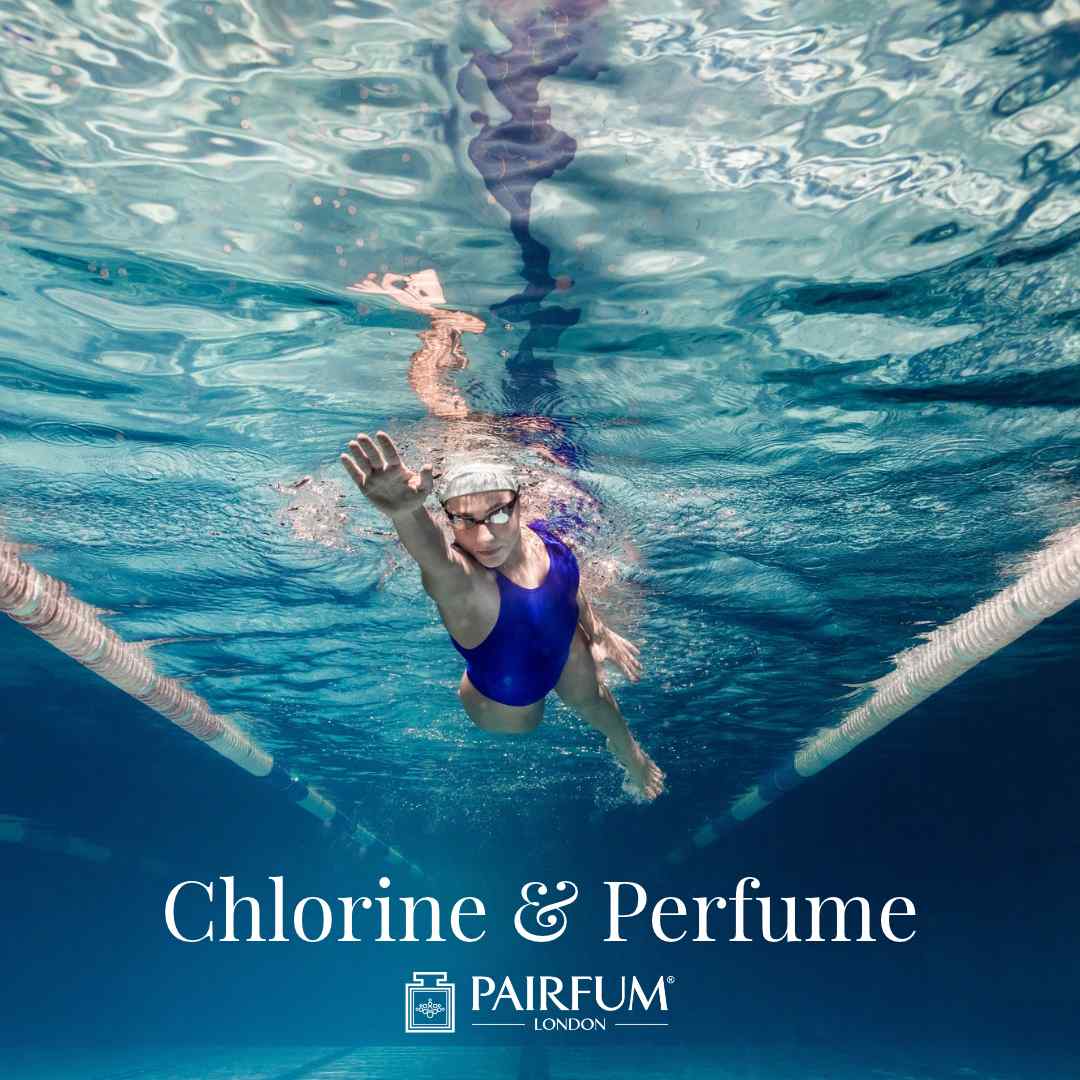
What is the relationship between chlorine & perfume and why has the beauty industry set its sights on a new focus, shower head water filters ?
Chlorine is present in more than 98% of the US supply of drinking water, and chlorination remains the standard way to keep bacteria out of the taps in the UK too. It works. Nobody wants to go back to waterborne disease. But the same chemical that keeps water safe to drink is not always kind to what it touches on the way out of the shower.
People who colour their hair have avoided chlorine for years, because of the effects it has on hair health and colour longevity. A single summer of lengths in a chlorinated pool can turn blonde a faint shade of green and leave dark shades looking flat. Although there are plenty of hair products on the market designed to protect coloured hair, consumers increasingly believe that filtering their shower water will allow for longer lasting colour.
A shower water filter is an easy addition to any routine. It screws on in minutes. Many consumers now take this extra precaution alongside colour protection products, and the trend keeps gaining traction: people focused on coloured hair are building whole routines around keeping their colour fresh and healthy. Expect to see more high quality colour protection products, and more filters, hitting the shelves this season and beyond.
Which raises a fair question. If chlorinated water changes your hair, what does it do to your perfume?

Impact of Chlorine on Perfume
Quite a lot, as it turns out.
Your Skin’s Microbiota
Chlorine affects the microbiota, or microflora, of your skin. That invisible community of bacteria lives on the surface and feeds on sweat and natural oils, and it plays a real part in how a fragrance develops after you spray it. Strip it back with a long soak in a pool and your skin behaves differently for a while. Drier. Tighter. Less able to hold on to scent. A perfume that normally lasts all afternoon can seem to vanish by lunch.
Residual Oils on Your Skin
Chlorine also interacts with any residual essential oils on your skin. It is a strong oxidiser, so it can trigger a chemical reaction with delicate fragrance ingredients, especially the bright citrus notes at the top of a composition. The result is a scent that smells flatter or slightly sharp, as if someone has turned down the colour.
That Familiar Pool Smell
Most people recognise the scent of chlorine on skin after a visit to a public pool. Here is the surprise: that sharp pool smell is not really free chlorine at all.
It is mostly chloramine. When free chlorine meets ammonia and other nitrogen compounds from sweat, urine and body care residue, it forms a group of chemical compounds called chloramines. These are what cling to your skin and hair and give off the classic chlorine smell. A strong odour at the pool is actually a sign that the water needs more care, not less.
Chloramines also drift into the air above the water. In poorly ventilated indoor pools they can irritate the eyes and lungs, and research has linked heavy exposure to asthma symptoms in competitive swimmers and pool staff. The same chemistry explains why you should never mix bleach with ammonia based cleaning products at home: the reaction can release chloramine and even chlorine gas, both of which are dangerous to breathe.
Layer perfume straight over that film of chloramines and the two will compete. Often, the pool wins.

What About the Chemicals in Perfume Itself?
Chlorine is only half the story. Plenty of people now ask what goes into their perfumes as well as what comes out of the shower.
The fragrance industry has long been allowed to keep its formulas secret. On a label, dozens of fragrance chemicals can sit behind one word: “parfum”. That lack of disclosure frustrates anyone with an allergy, and skin irritation from undeclared ingredients is a common complaint. Campaigners for safe cosmetics have pushed manufacturers for years to be more open about their fragrance formulations.
Phthalates are a frequent concern. Diethyl phthalate, for example, has been used to help fragrance last longer on skin, and some environmental research has raised questions about phthalates acting as endocrine disrupters. Chlorination brings its own by-products too: chloroform can form when chlorine reacts with organic matter in water, and the US National Toxicology Program lists it among substances reasonably anticipated to be human carcinogens.
None of this is a reason to panic. It is a reason to read labels, ask questions and choose cosmetics that avoid toxic chemicals where a gentler option exists.
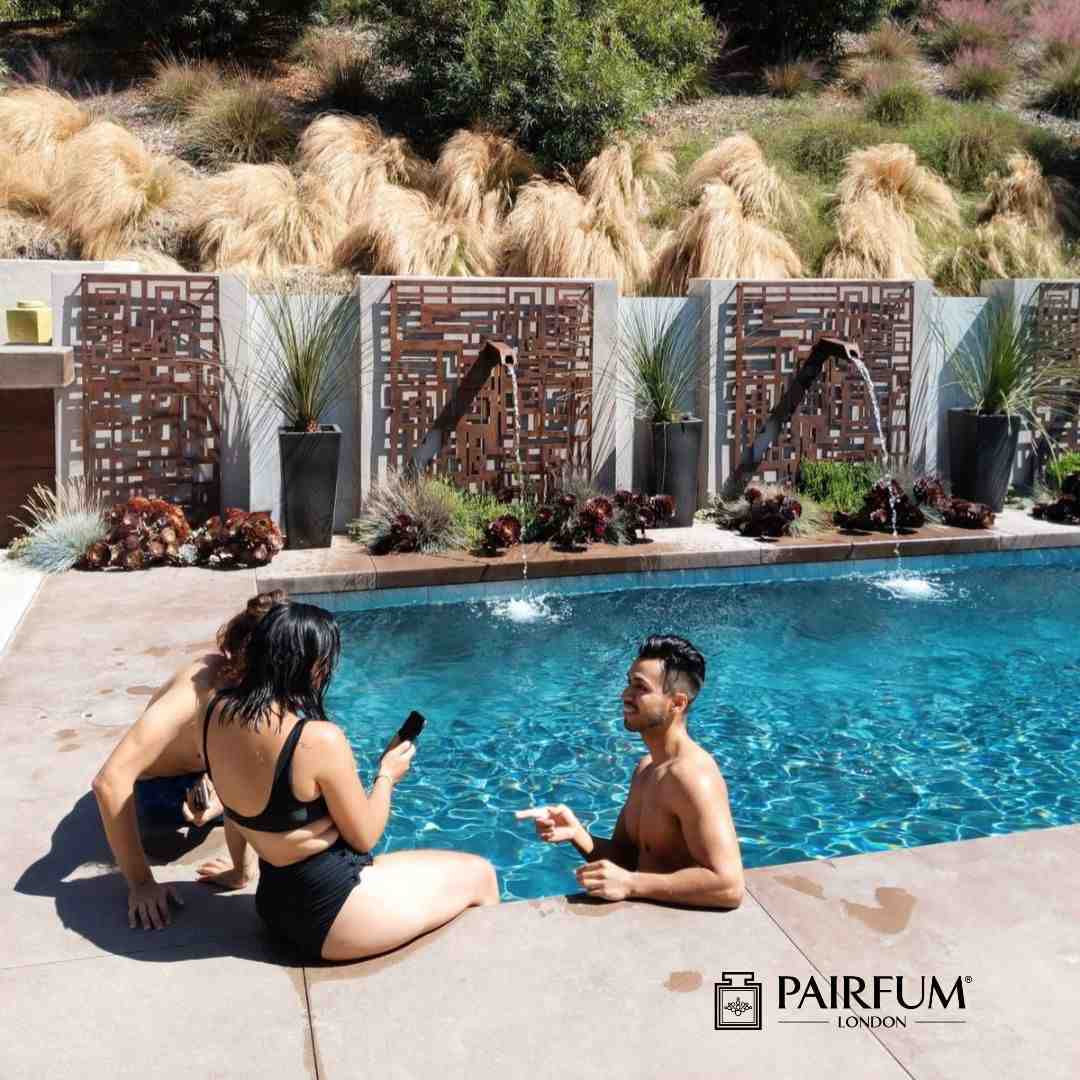
How to Wear Fragrance After a Swim
A few simple habits make a real difference:
● Shower straight after swimming, using a mild, fragrance free wash to lift chloramines from your skin.
● Rinse your hair thoroughly. Hair holds scent, both good and bad.
● Moisturise before you spray. Fragrance clings far better to hydrated skin than to skin left dry by chlorinated water.
● Apply to pulse points and clothing. Fabric is less affected by leftover chlorine than skin.
● Pick a scent that suits the moment. Fresh, salty, aromatic fragrances feel natural after a swim, rather than fighting what is left on your skin.
A Pairfum London Fragrance for Life by the Water
After a morning in the pool, the last thing you want is a perfume that clashes with chlorine or adds more unknowns to your skin. A fragrance built around the sea, made with natural ingredients and free from phthalates, makes far more sense.
Sea Salt, Sage & Amber, Eau de Parfum by Pairfum London
A modern take on the aquatic note, Sea Salt, Sage & Amber opens with sage and grapefruit, lifted by bergamot and tangerine. At its heart sit seaweed, kelp and sea salt with a fresh sea breeze accent, before it settles into a warm base of musk, amber and cedarwood. It has two sides: the light, salty, mineral breeze of the kelp and a sunlit amber warmth that lingers all day. This unisex Eau de Parfum Intense is natural, made with essential oils, vegan and cruelty free, and handmade by artisans in the UK, with plant based alcohol derived from molasses. Free from phthalates and parabens, it is a beautiful way to swap the scent of the pool for a summer seaside holiday.

Final Thoughts
Chlorine keeps water clean, and that matters. But it changes your skin, your hair and the way your perfume behaves. Understanding the chemistry, from chloramines to phthalates, helps you make better choices. Rinse well, moisturise, and choose a fragrance that works with the water rather than against it.