Pillow sprays use calming essential oils such as Lavender, vetiver and chamomile and help relax your mind and prepare your body to sleep. A natural linen spray on your pillow can feel like a tiny luxury at the end of a long day. A few spritzes. Lights down. The room softens, and letting go of the day gets easier as nights grow longer and cooler. Many people reach for pillow sprays as part of an autumn wind-down.
But is that light mist on your pillow really enough to support deeper, more restful sleep? Or does a good nights sleep need a more layered approach to scent and routine?
Here is a closer look at what pillow sprays actually do, where “natural” fits into the story, and how to build a seasonal bedtime ritual around scent instead of relying on one bottle.
What Your Pillow Spray Is Really Doing
Scent speaks straight to the parts of the brain tied to emotion and memory. A familiar fragrance can calm you before your mind has caught up. Spritz a natural linen spray over your bedding at night and you send a quiet signal to slow down.
There is a real gap between:
- A moment of “ahh, that smells lovely”
- A lasting shift in habits and sleep quality
Plenty of sleep sprays and pillow sprays promise the earth. A pillow mist can help you unwind, take the edge off a busy head and soften the move from day to night. It cannot replace a regular routine, cut blue light from screens or act like a sedative. Anyone with ongoing trouble sleeping should seek proper medical advice rather than hoping one bottle will fix it.
Aromatherapy gets plenty of attention here, and the appeal of a calming atmosphere is easy to see. Lavender and chamomile are the classic choices for good reason. Lavender oil has a long association with relaxation, and a lavender pillow spray is probably the most familiar sleep spray on any shelf. Brands such as Neom helped make that kind of bedtime scent routine mainstream. Familiarity, though, is not the same as results.
A few common mistakes:
- Spraying too much, so the scent feels heavy instead of gentle
- Mixing lots of strong products, such as bold detergents, plug-in air fresheners and powerful candles
- Expecting to drift off the second your head meets the scented pillow
Better to treat scent in the bedroom as a murmur, not a shout. Think in layers: freshly washed sheets, pyjamas, the general smell of the room. When they agree, your linen spray becomes part of a calm whole. When they clash, even the best sleep pillow spray ends up fighting a losing battle.

Natural Linen Spray Versus Synthetic Sleep Scents
Not all pillow sprays are made alike. Pillow sprays, linen sprays and room sprays share one trait: they work best lightly. A natural linen spray is usually a simple blend, often containing:
- Water or floral waters
- Essential oils or other natural aromatic extracts
- A gentle solubiliser or alcohol so oil and water can mix
A good pillow mist keeps the formula simple. Formulas like these sit lightly on fabric and are kinder to the air in the room. Some conventional sleep products lean harder on synthetic fragrance compounds, stronger solvents or additives. These can cling to textiles for longer and feel harsher, especially on sensitive skin, and light sleepers tend to notice first. A pillow sits against the face for hours, after all. Skin notices.
The two styles behave differently in the air, too. Many natural blends:
- Open softly, then fade in a smooth, rounded way
- Smell more like real plants and flowers, with subtle shifts over time
Scents heavy on synthetics can be:
- Louder and more linear
- Longer lasting, but sometimes less gentle and less refined
That is why a calming blend built around lavender, chamomile (or camomile, if you prefer the older spelling) and a touch of patchouli or ylang ylang tends to read as more rounded than a single sharp note. Pairfum London favours this clean, niche approach: carefully balanced naturals alongside safe aroma materials, chosen for comfort and peace of mind at bedtime. The aim is not a loud “sleep perfume”. It is a soft, intelligent scent that sits quietly behind your evening.
When Natural Is Not Quite Enough on Its Own
Even the loveliest natural linen spray has limits. It can transform how a bedroom feels, but it cannot undo bad habits. A strong coffee at nine, bright overhead lights and an hour of scrolling? No mist will soften that.
Seasons play a part too. As autumn settles over London and the air cools, central heating comes back on. That changes both comfort and how scent behaves:
- Drier air can make fragrances feel lighter and quicker to fade
- Warmer, stuffier rooms may feel less restful, whatever you spray
So see a linen spray as one piece of a bigger picture. The basics still matter:
- Breathable bed linen in natural fibres such as cotton or linen
- A room that is dark and slightly cool
- A wake-up and sleep time that keeps the body clock steady
- Screens put away a little before lights out
Get those right and your pillow spray becomes the finishing touch. Over time, the brain links that particular scent with going to bed calm and unhurried. The smell stops being merely pleasant. It becomes a cue, and cues build habits, which is where better sleep really comes from.
Some people expect a spray to deliver a restful night all by itself. Rarely does. Peaceful sleep is built from several small choices, with scent as one of them. Sleep habits stack up quietly, like savings.

Crafting a Complete Bedtime Scent Ritual
So how do you build a simple, grown-up routine around scent, especially as evenings draw in?
Try a gentle order like this:
- Open the window for a few minutes to air the room
- Dim the lights and switch to a warmer, softer glow
- Turn off loud screens, or leave them in another room
- Spritz your natural linen spray over pillowcases, throws and even your pyjama top, from a light distance
A short spritz from an arm’s length is usually plenty. The fabric should feel kissed by scent, not drenched in it. A light mist is all it takes. Whichever pillow mist you choose, leave it a few minutes before lying down so the fine mist can settle. A little near the bedside table lets the fragrance drift into the room, though polished wood is best left alone.
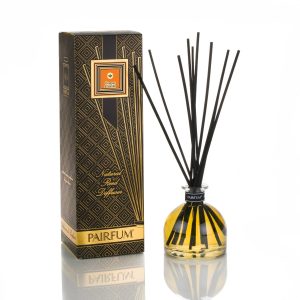
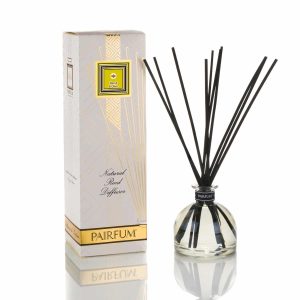
You can also pair a linen spray with other quiet forms of home fragrance. A softly scented candle lit while reading, then blown out before sleep. A reed diffuser in a corner. Both work. The trick is keeping the fragrance family coherent: if your pillow spray is a soft herbal blend of lavender and chamomile, pick a candle or diffuser with similar notes rather than a bold, sugary gourmand.
To keep the ritual fresh:
- Rotate scents gently with the seasons
- Choose lighter, airier accords in warmer months and deeper, cocooning notes as evenings cool
- Stay with each choice long enough for your brain to link that scent with rest
Think of it as small-scale aromatherapy, not a performance. On colder nights, a warm bath beforehand lets the body unwind and turns the whole sequence into a proper wind-down rather than a chore. Call it beauty sleep with a little ceremony.
Upgrade Your Nightly Ritual with Intelligent Scent
So, is a natural linen spray enough? On its own, it is a lovely start. The real difference comes when it sits inside a wider, thoughtful ritual. Scent works best as part of a full sensory story, not a last-minute afterthought.
Try auditing your bedroom with a curious nose:
- Strong detergent or fabric softener smells on the bedding
- Cooking aromas drifting in from the kitchen
- Heavily scented body lotion or skincare that argues with your sleep spray
- Synthetic air fresheners or plug-ins working against your pillow spray
Clearing out clashing smells makes room for one considered pillow mist to shine. Add one or two supporting accents, such as a matching candle or diffuser, rather than a jumble of unrelated scents. Think of it as a filter: if a product does not suit the mood of the room, leave it out. Plenty of people give their beauty and skincare routine careful thought each evening. Scent in the bedroom deserves the same attention, since the body responds to a calm atmosphere long before the mind admits it.
Over the coming autumn evenings, treat your nightly spray as a small, mindful ritual. A pause. A breath. A signal that the day is closing and rest is welcome. Done well, a good nights sleep feels less like a struggle and more like a quiet, scented invitation.

A Pairfum London Fragrance Worth Exploring
If a layered, natural approach appeals, one product sits neatly at the centre of it. It is made for pillows first, though it works across the whole bedroom, from bed linen to throws and curtains.
Sleep & Pillow Spray by Pairfum London
Billed as a deep sleep pillow spray, this 100 ml bottle is handmade by artisans in the UK. The formula is water-free, with no preservatives, parabens, sulphates or phthalates, and its alcohol base comes from sugar molasses. It is described as suitable for skin contact and, importantly, it will not stain fabrics. Eight scents are on offer, including Linen & Lavender (lavender, chamomile and neroli), Blush Rose & Amber, and Pink Grapefruit. Start light, since more is not always better, and test it on your hands first: rub them together and check nothing feels sticky. Nothing about the product is fussy. A gentle recommendation for anyone wanting a better sleep spray that still feels like a proper fragrance.