
An article in the Guardian by Nicola Davis entitled – Did Dinosaurs stop to smell the flowers – made us smile and then stop to consider if they did?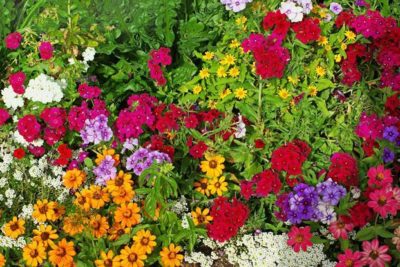 Even if they did so what….
As part of her research Nicola met and spoke with, Gemma Lake and Guy Barter the Chief Horticultural Adviser for the RHS.
 If! Dinosaurs did stop to smell the flowers, then this would mean a number of things….
One: that Flowers already existed … well they have always existed… haven’t they?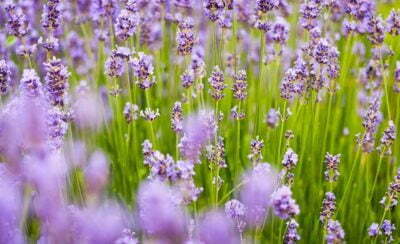 Well the answer to that is, that after years and years and years of research, the history of flowers continues to vex scientists.
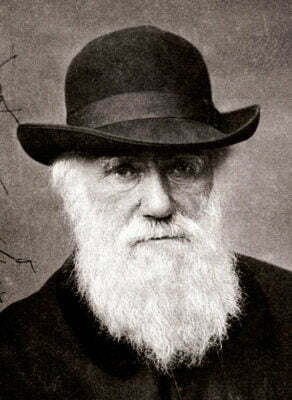
Even Darwin the naturalist, geologist and biologist, best known for his contributions to the science of evolution once wrote that the evolution of ‘Flowers’ was “an abominable mystery.”
 So, when we say years, we mean years – consider that at the time of Darwin’s death, the oldest known fossils of flowering plants came from rocks that had formed between a 100 million to 66 million years before, during the Cretaceous period.
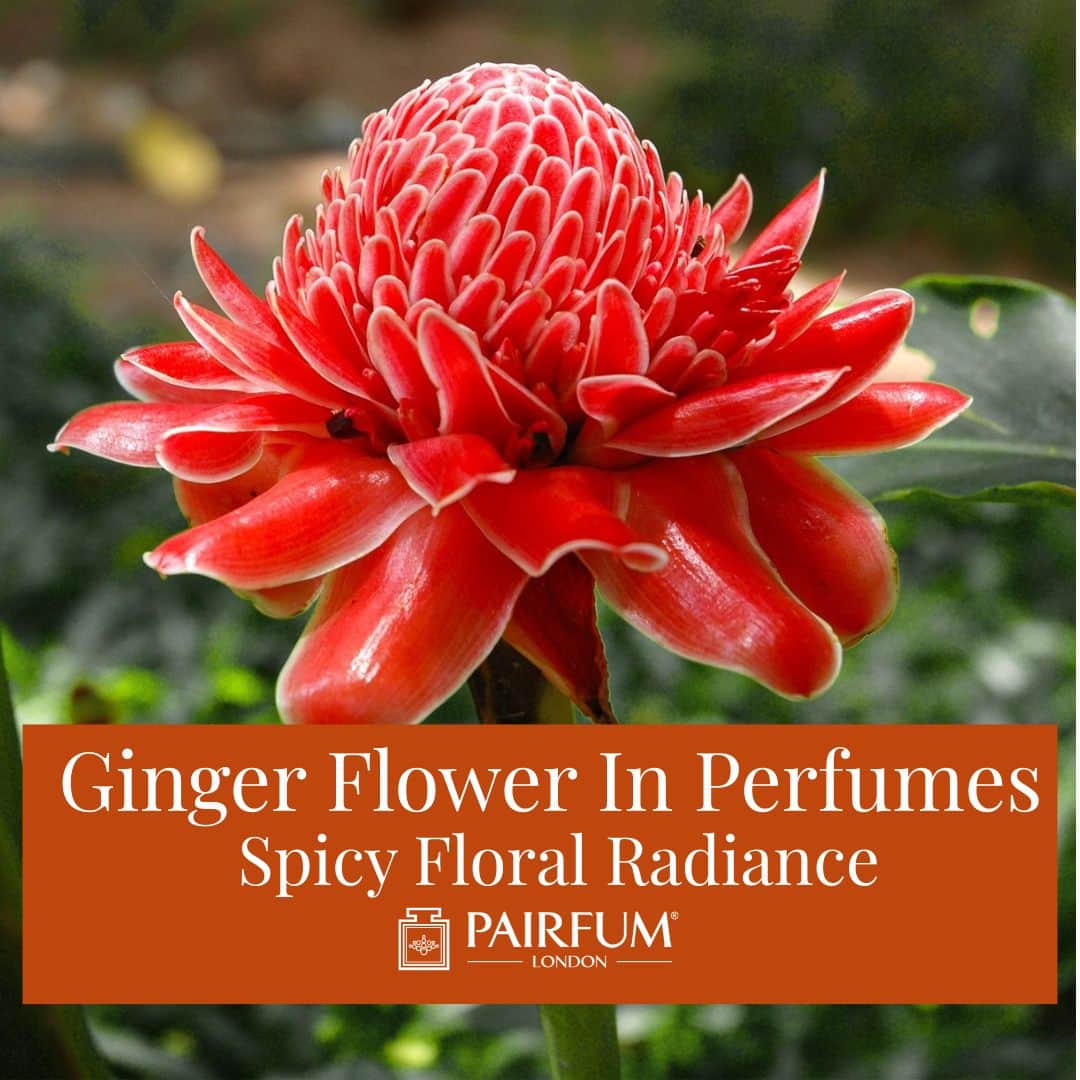
Flowering plants make up the majority of living plant species on the planet, they dominate many of the world’s ecosystems, from rain forests to grasslands and farms.
Most of the food we eat is derived from flowers, in the form of foods like corn, rice or wheat. We normally associate ‘Flowers’ with our gardens, but the sheer diversity of flowers in all their wonderful forms and colours is amazing, from garden or wild hedgerow roses, to magnolias, dandelions or pumpkins.
 Flowering plants revolutionised life on Earth, so the next time you stop to admire or smell a flower say ‘Thank You’ , because what ever they look or smell like, we would and could not exist with out them.
 So if it is true that dinosaurs did stop to smell the flowers (and who are we to argue, especially not with a Dinosaur), and in doing so have had a role to play in the emergence of flowers.
 Then we here at PAIRFUM London would like to say a big ‘Thank You’ to the Dinosaurs, for being one of the first to appreciate a Wonderful Perfume