Why do most fragrances smell so similar?
It is easier to copy than to be original.
We are London's Artisan Perfumers.
Always Original.
xx


Why do most fragrances smell so similar?
It is easier to copy than to be original.
We are London's Artisan Perfumers.
Always Original.
xx
26/01/2026
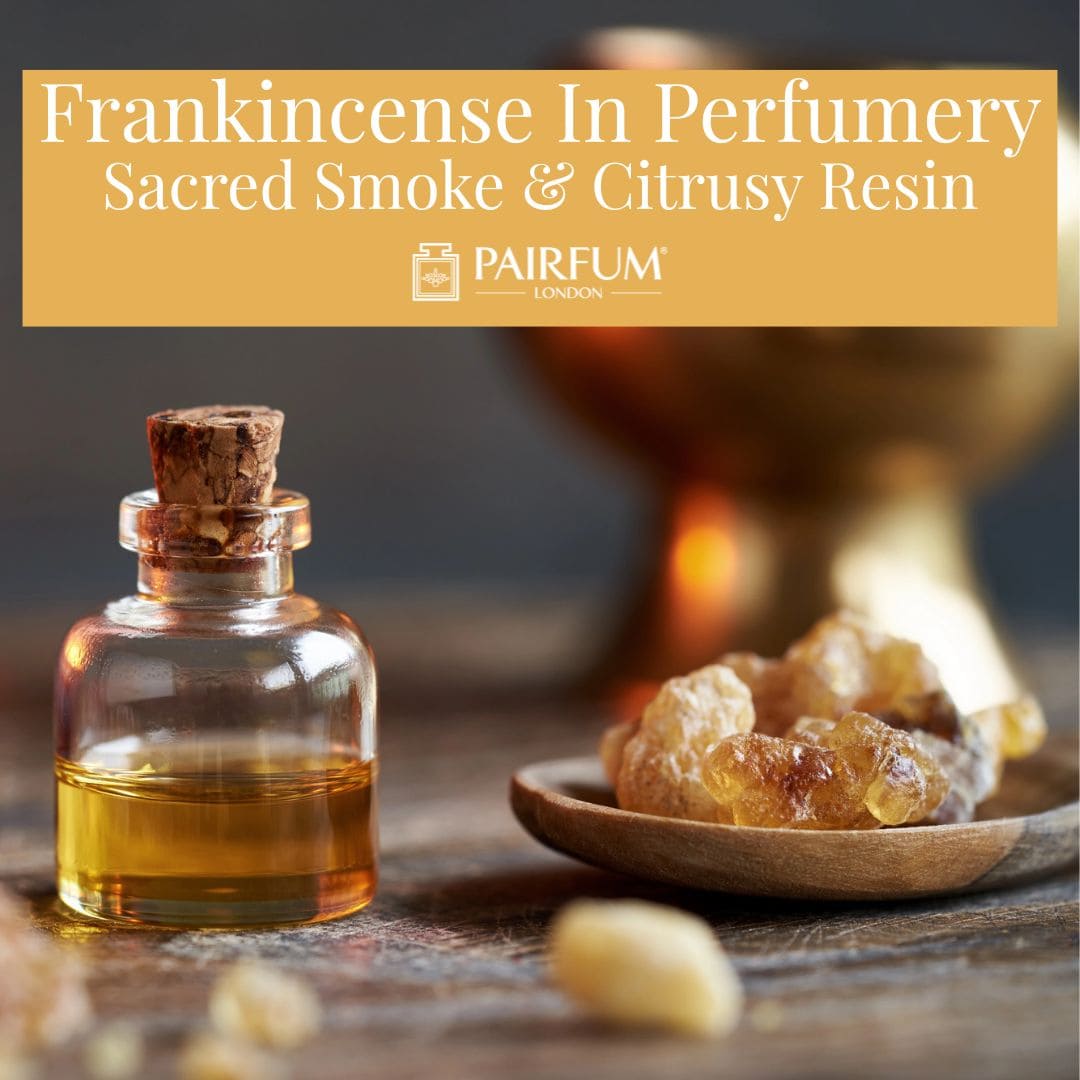
Frankincense is a fragrant aromatic resin harvested from Boswellia trees. It has long been used in quality incense, perfume, and traditional medicine due to its distinctively woody and spicy scent.
Read More22/01/2026
A Juniper berry is a small, blue-black, pine-scented seed cone from juniper shrubs and trees. They are crucial for a gin’s flavour and are also used in cooking to season
Read More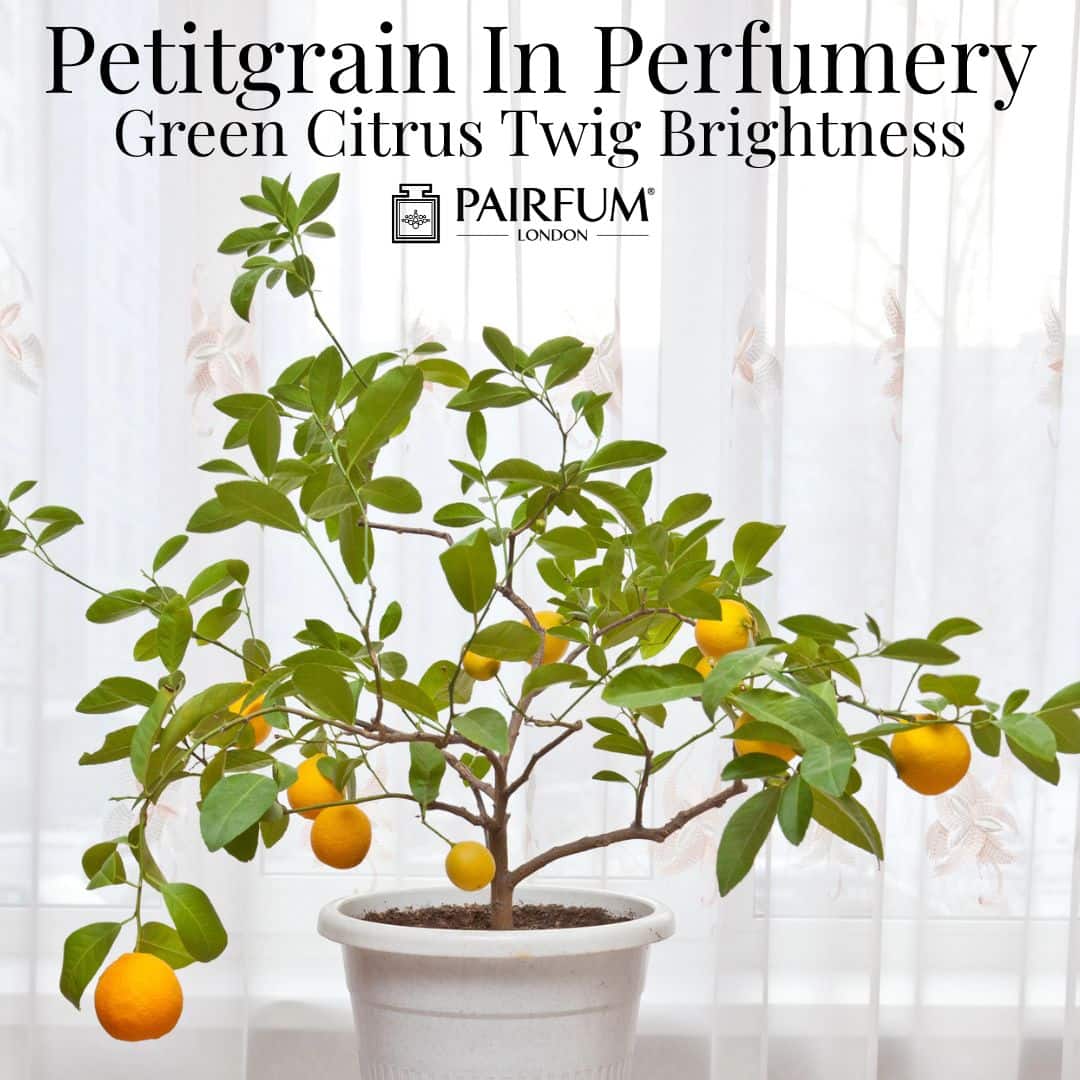
20/01/2026
Petitgrain (French for “little grain”) is a refreshing, aromatic essential oil obtained by steam-distilling the leaves and twigs of the bitter orange tree. It offers a woody, citrusy, and slightly
Read More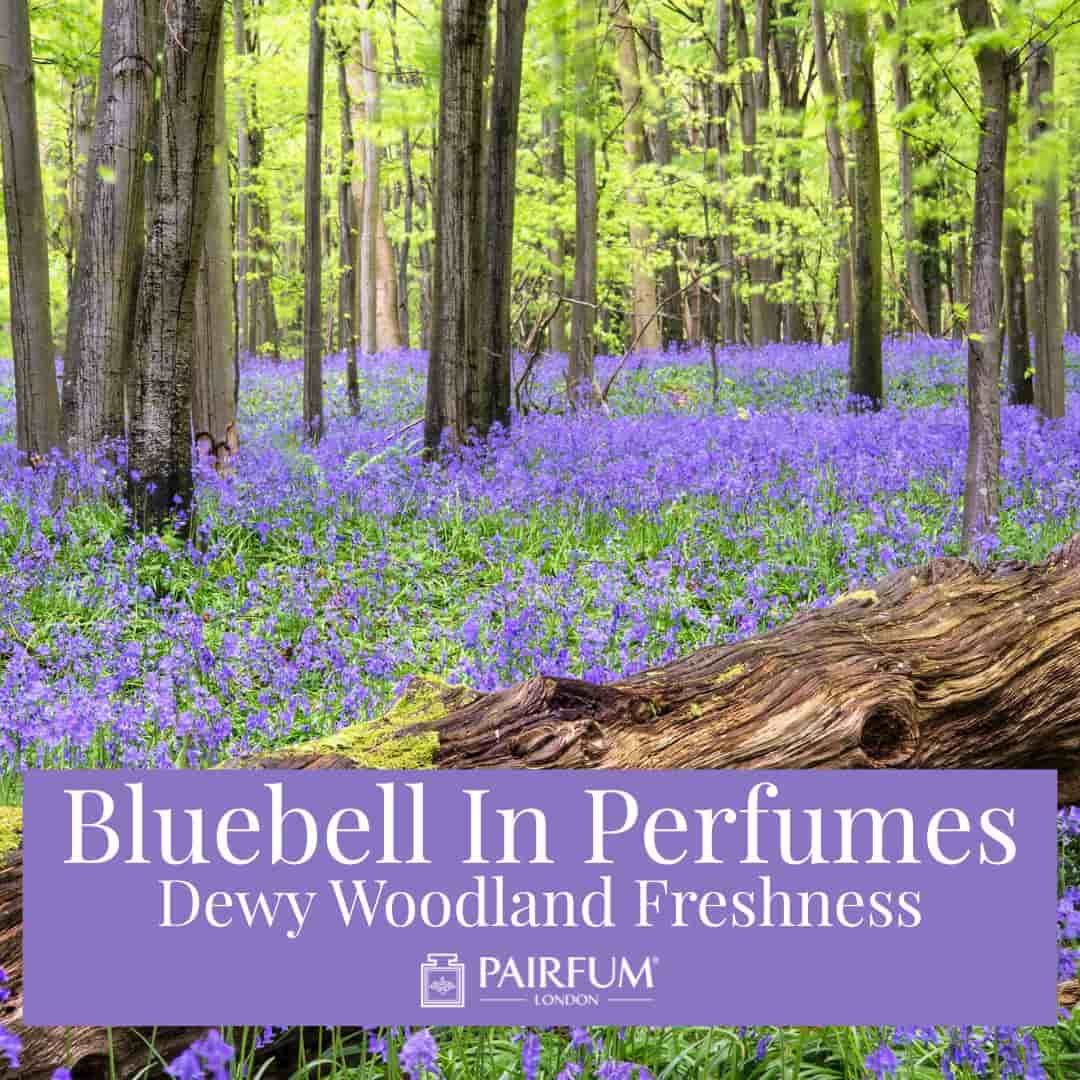
19/01/2026
A bluebell is a classic woodland flower (Hyacinthoides non-scripta) known for its nodding, violet-blue, bell-shaped blossoms that carpet the forest floor in spring. These plants effectively attract pollinators and bees
Read More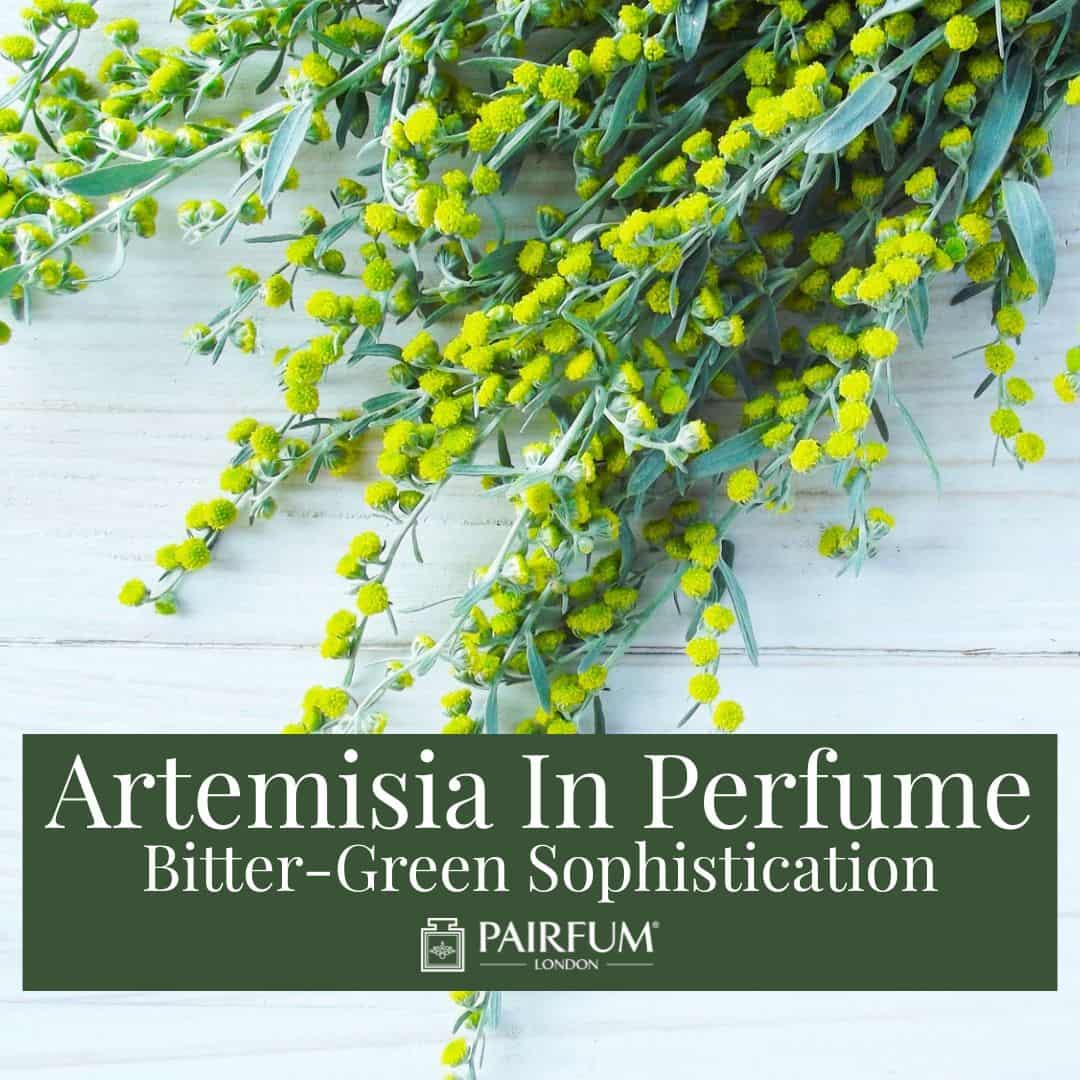
17/01/2026
Artemisia in perfumes provides a unique, bitter, herbaceous, and green scent—often derived from wormwood or mugwort—which adds depth, complexity, and a slight medicinal edge. It is very common in fougère
Read More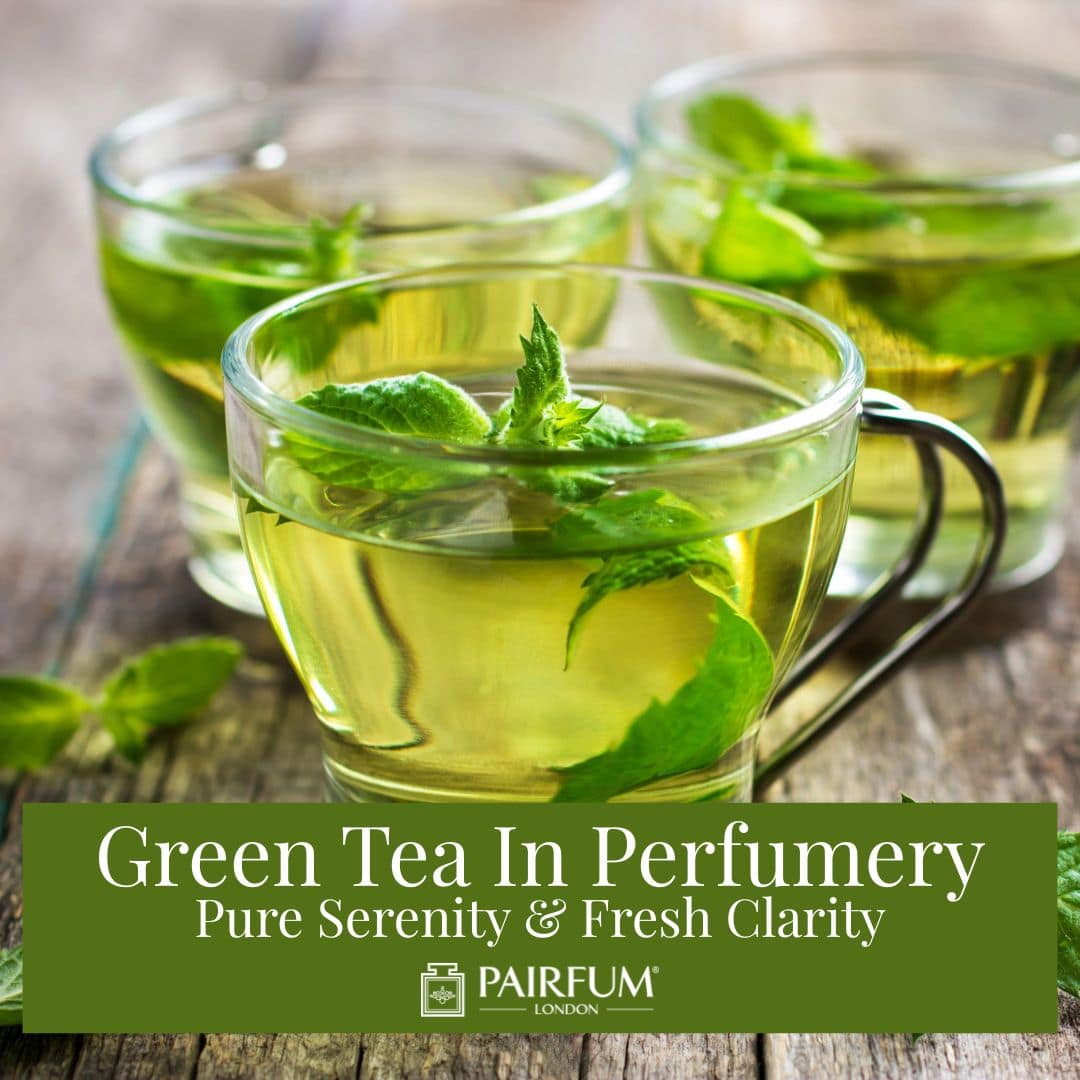
16/01/2026
Green tea in perfumery offers a crisp, clean, and subtly bitter or herbaceous aroma, providing a soothing, uplifting, and gender neutral scent that is often paired with citrus or florals
Read MoreEasily find what you are looking for with the Page Directory below


© 2026 InovAir Ltd