Pollinators | We Oppose The Use Of Bee-Killing Pesticides

We oppose the UK Government’s decision to allow the use of neonicotinoid thiamethoxam, a pesticide known to kill pollinators and bees in particular.

Their use was effectively banned in 2018 after various studies demonstrated how they decimate the bee population. They also lead to a loss of birds due to a reduction in the insect populations.

Here are links to articles with more information on the subject:

Pairfum London Opposes Bee Killing Pesticides Pollinator 1 1

Why are Pollinators so important?

Here at Pairfum London, we are passionate about natural perfumery.

Without pollinators, there is, however, no movement of pollen.

A pollinator is anything that helps carry pollen from the male part of the flower (stamen) to the female part of the same or another flower (stigma). The movement of pollen must occur for a plant to become fertilized and produce fruits, seeds and young plants.

Without this fertilisation we cannot produce natural perfumes.

Pollinator Pairfum London Opposes Bee Killing Pesticides 1 1

What is the Impact of Pollinators?

A third of everything we eat exists because of the work a pollinators, such as fruits, vegetables and seeds. Pollinators also support the habitat and food of animals.

At least 75 percent of all the flowering plants on earth are pollinated by insects and animals! Plants which help to stabilize our soil, clean our air, supply oxygen and support wildlife. The health of our ecosystems depends on pollinators.

Just in the US, honey bees pollinated $19 billion worth of crops in 2010 and the pollination by other insects contributed to just under $10 billion of crops.

Pairfum London Opposes Pesticides Killing Bees Pollinator 1 1


Products We Believe You Will Love

Let's Stay in Touch

As a warm welcome, to the family & friends of Pairfum London, we will send you the novel ‘Perfume’ by Patrick Sueskind, as an e-Book.

Newsletter Subscribe Form - Blog Post


Let's Socialise

Our Most Recent Posts

Juniper Berry In Fragrances: Gin-Bright & Piney Fresh

22/01/2026

A Juniper berry is a small, blue-black, pine-scented seed cone from juniper shrubs and trees. They are crucial for a gin’s flavour and are also used in cooking to season

Read More
Featured Image Key:url

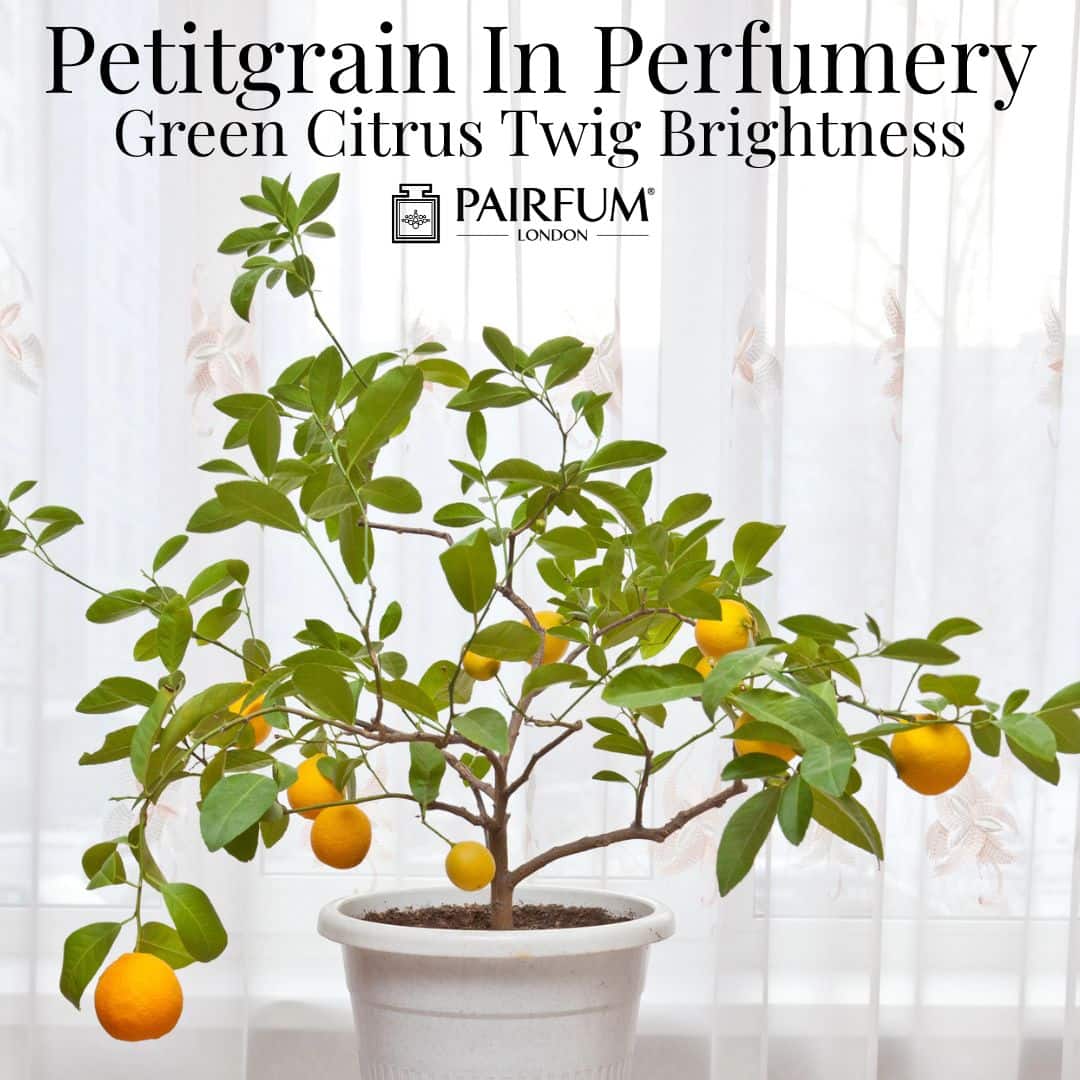
Petitgrain In Perfumery: Green Citrus Twig Brightness

20/01/2026

Petitgrain (French for “little grain”) is a refreshing, aromatic essential oil obtained by steam-distilling the leaves and twigs of the bitter orange tree. It offers a woody, citrusy, and slightly

Read More
Featured Image Key:url

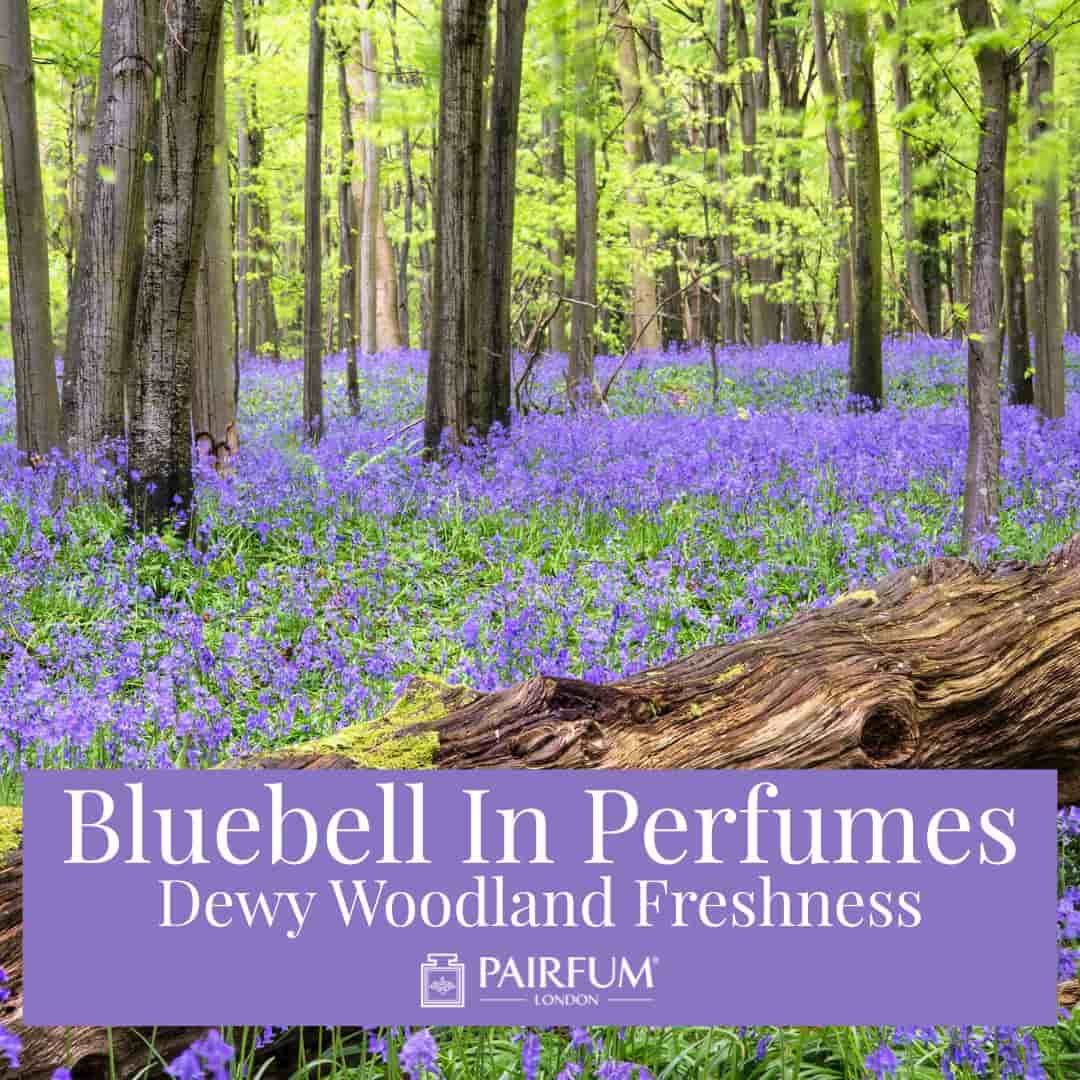
Bluebell in Perfumes: Dewy Woodland Freshness

19/01/2026

A bluebell is a classic woodland flower (Hyacinthoides non-scripta) known for its nodding, violet-blue, bell-shaped blossoms that carpet the forest floor in spring. These plants effectively attract pollinators and bees

Read More
Featured Image Key:url

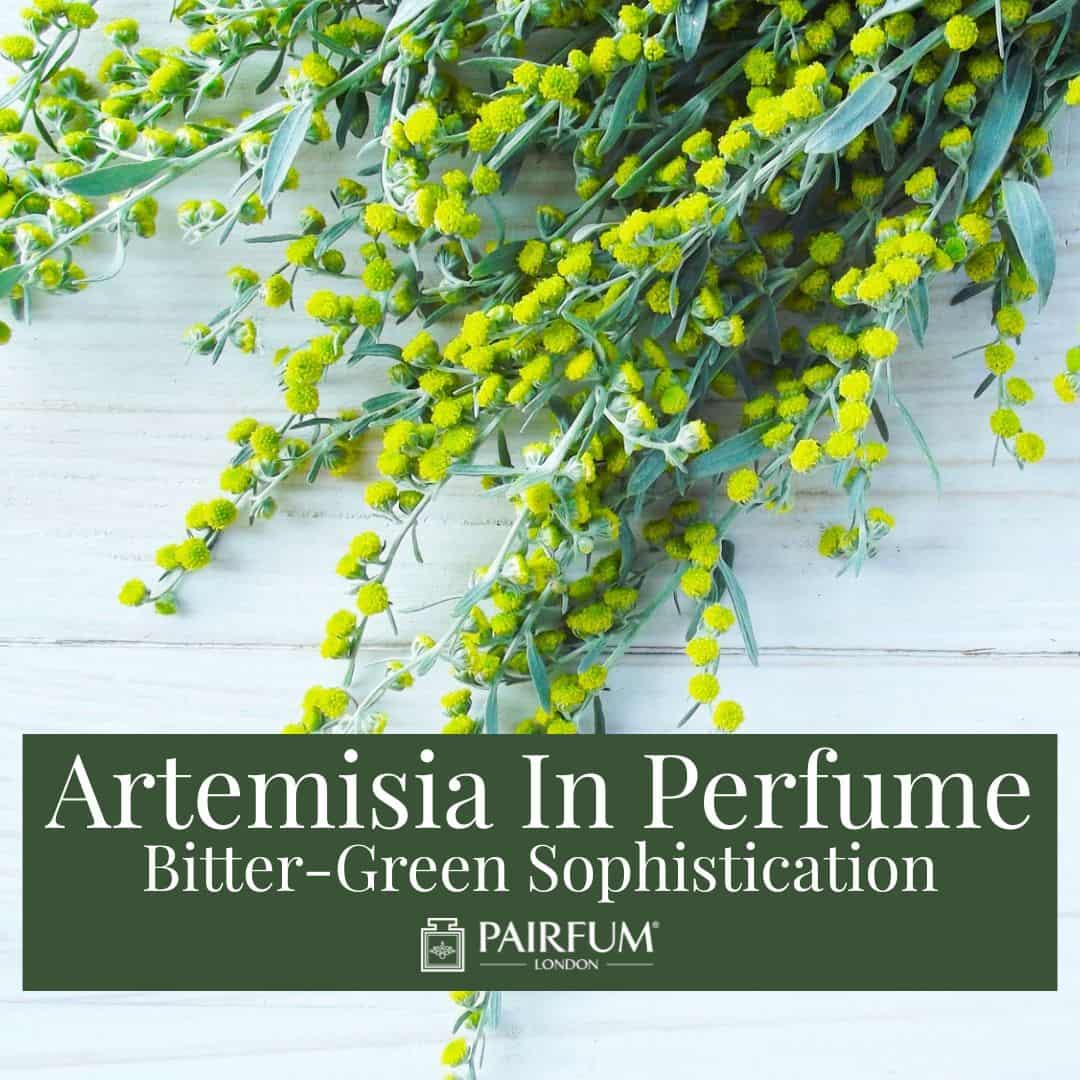
Artemisia In Perfumes: Bitter-Green Sophistication

17/01/2026

Artemisia in perfumes provides a unique, bitter, herbaceous, and green scent—often derived from wormwood or mugwort—which adds depth, complexity, and a slight medicinal edge. It is very common in fougère

Read More
Featured Image Key:url

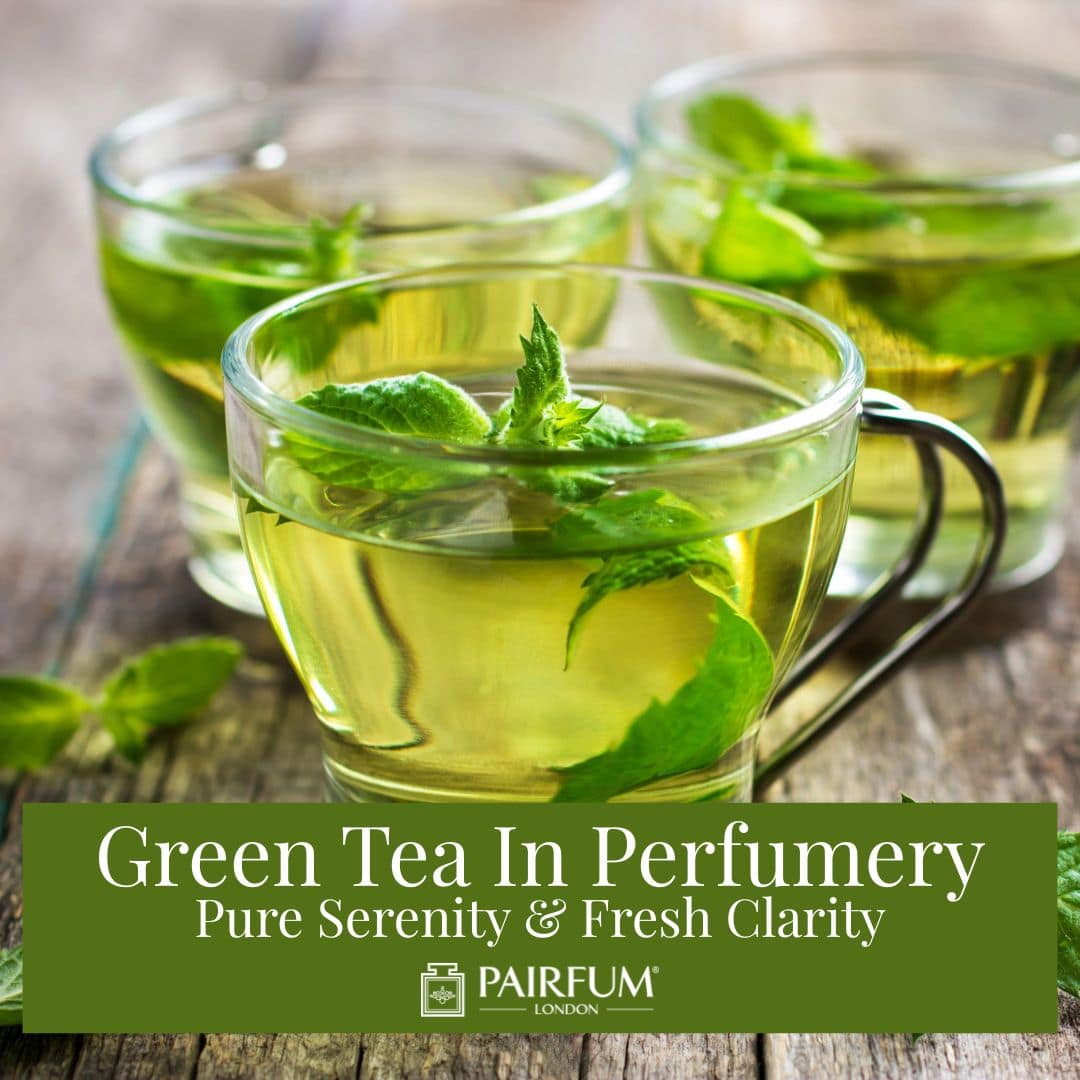
Green Tea In Perfumery: Pure Serenity & Fresh Clarity

16/01/2026

Green tea in perfumery offers a crisp, clean, and subtly bitter or herbaceous aroma, providing a soothing, uplifting, and gender neutral scent that is often paired with citrus or florals

Read More
Featured Image Key:url

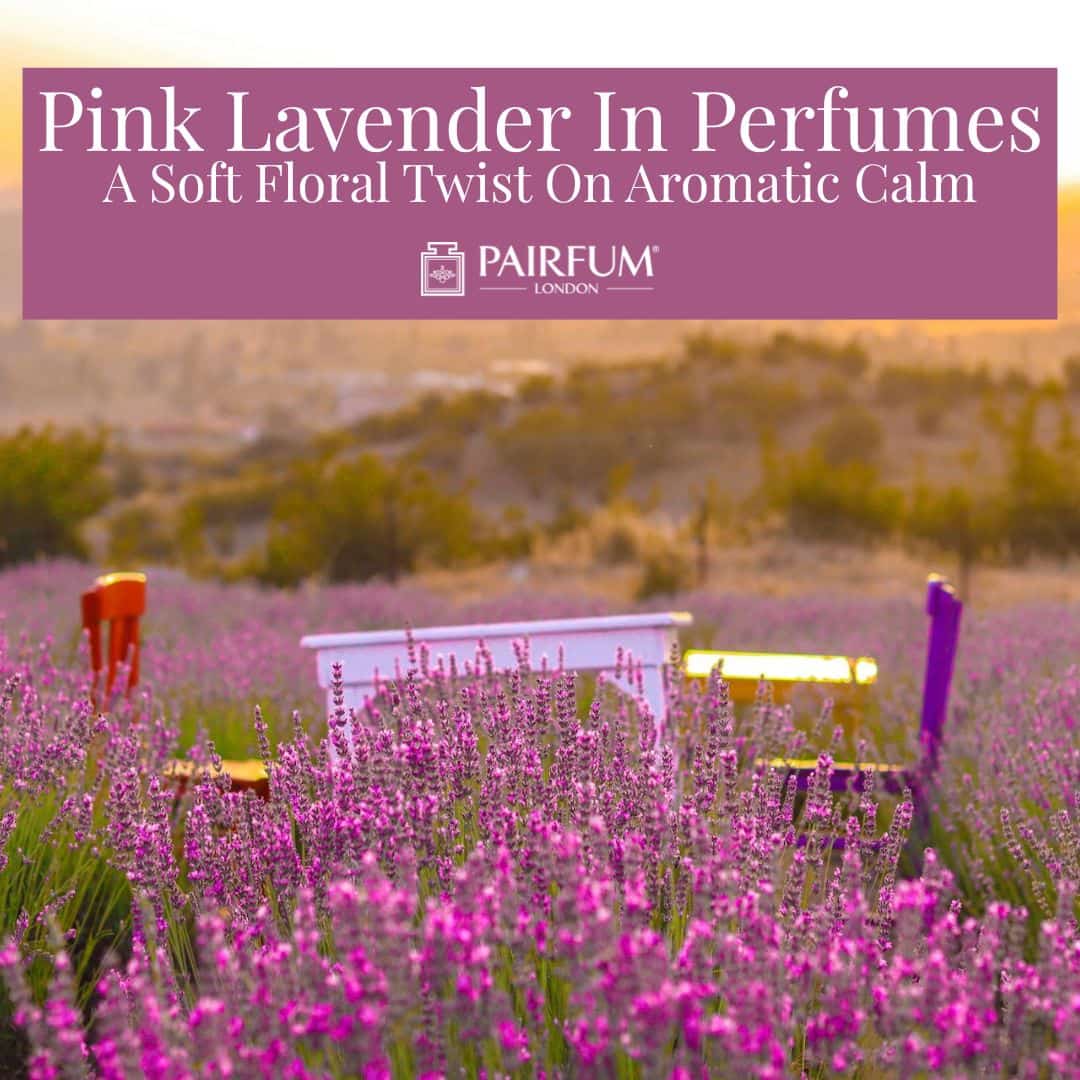
Pink Lavender In Perfumes: A Soft Floral Twist On Aromatic Calm

13/01/2026

Pink lavender refers to specific varieties of the herb plant, primarily English lavender (Lavandula angustifolia), which produce soft, rose pink flowers instead of the standard purple. These plants offer a

Read More
Previous Next
    0
    Your Cart
    Your cart is emptyReturn to Shop