Pollinators | We Oppose The Use Of Bee-Killing Pesticides

We oppose the UK Government’s decision to allow the use of neonicotinoid thiamethoxam, a pesticide known to kill pollinators and bees in particular.

Their use was effectively banned in 2018 after various studies demonstrated how they decimate the bee population. They also lead to a loss of birds due to a reduction in the insect populations.

Here are links to articles with more information on the subject:

Pairfum London Opposes Bee Killing Pesticides Pollinator 1 1

Why are Pollinators so important?

Here at Pairfum London, we are passionate about natural perfumery.

Without pollinators, there is, however, no movement of pollen.

A pollinator is anything that helps carry pollen from the male part of the flower (stamen) to the female part of the same or another flower (stigma). The movement of pollen must occur for a plant to become fertilized and produce fruits, seeds and young plants.

Without this fertilisation we cannot produce natural perfumes.

Pollinator Pairfum London Opposes Bee Killing Pesticides 1 1

What is the Impact of Pollinators?

A third of everything we eat exists because of the work a pollinators, such as fruits, vegetables and seeds. Pollinators also support the habitat and food of animals.

At least 75 percent of all the flowering plants on earth are pollinated by insects and animals! Plants which help to stabilize our soil, clean our air, supply oxygen and support wildlife. The health of our ecosystems depends on pollinators.

Just in the US, honey bees pollinated $19 billion worth of crops in 2010 and the pollination by other insects contributed to just under $10 billion of crops.

Pairfum London Opposes Pesticides Killing Bees Pollinator 1 1


Products We Believe You Will Love

Let's Stay in Touch

As a warm welcome, to the family & friends of Pairfum London, we will send you the novel ‘Perfume’ by Patrick Sueskind, as an e-Book.

Newsletter Subscribe Form - Blog Post


Let's Socialise

Our Most Recent Posts

Featured Image Key:url

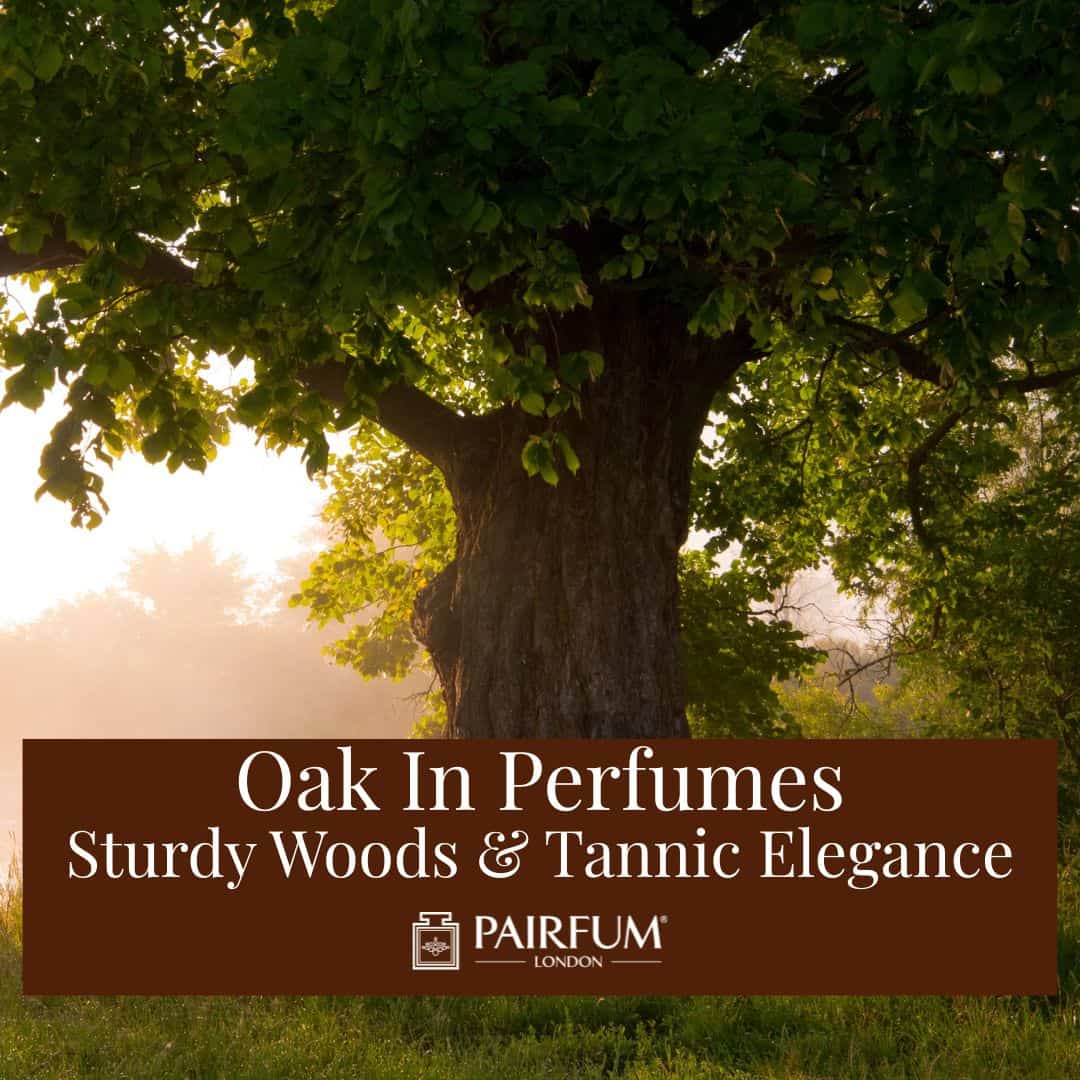
Oak in Perfumes: Sturdy Woods and Tannic Elegance

29/01/2026

Oak trees are majestic, long-lived hardwood trees belonging to the genus Quercus, celebrated for their immense strength, durability, and vital role as a keystone species within various ecosystems. Comprising over

Read More
Featured Image Key:url

7 Vorteile natürlicher Parfums für Luxusliebhaber

28/01/2026

Entdecken Sie die 7 wichtigsten Vorteile natürlicher Parfums und erfahren Sie, wie Sie bewusster und gesünder luxuriöse Düfte genießen können.

Read More
Featured Image Key:url

Cognac in Fragrance: Boozy Warmth and Fruity Depth

27/01/2026

Cognac is a prestigious and protected variety of brandy produced exclusively within the Cognac region of France under strict, centuries-old regulations. This spirit is distilled twice in traditional copper pot

Read More
Featured Image Key:url

Wie man Parfum auswählt: Der perfekte Duft für Ihre Haut

27/01/2026

Entdecken Sie Schritt für Schritt, wie man Parfum auswählt, um den idealen Duft zu finden, der Ihre Hautchemie betont und Ihr Lebensgefühl perfektioniert.

Read More
Featured Image Key:url

Was ist Nischenparfum? Exklusivität und Individualität

27/01/2026

Was ist Nischenparfum? Erfahren Sie alles über besondere Duftkompositionen, Unterschiede zu Mainstream-Parfums und Vorteile für Luxusliebhaber.

Read More
Featured Image Key:url

Frankincense In Perfumery: Sacred Smoke & Citrusy Resin

26/01/2026

Frankincense is a fragrant aromatic resin harvested from Boswellia trees. It has long been used in quality incense, perfume, and traditional medicine due to its distinctively woody and spicy scent.

Read More
Previous Next
    0
    Your Cart
    Your cart is emptyReturn to Shop