Pollinators | We Oppose The Use Of Bee-Killing Pesticides

We oppose the UK Government’s decision to allow the use of neonicotinoid thiamethoxam, a pesticide known to kill pollinators and bees in particular.

Their use was effectively banned in 2018 after various studies demonstrated how they decimate the bee population. They also lead to a loss of birds due to a reduction in the insect populations.

Here are links to articles with more information on the subject:

Pairfum London Opposes Bee Killing Pesticides Pollinator 1 1

Why are Pollinators so important?

Here at Pairfum London, we are passionate about natural perfumery.

Without pollinators, there is, however, no movement of pollen.

A pollinator is anything that helps carry pollen from the male part of the flower (stamen) to the female part of the same or another flower (stigma). The movement of pollen must occur for a plant to become fertilized and produce fruits, seeds and young plants.

Without this fertilisation we cannot produce natural perfumes.

Pollinator Pairfum London Opposes Bee Killing Pesticides 1 1

What is the Impact of Pollinators?

A third of everything we eat exists because of the work a pollinators, such as fruits, vegetables and seeds. Pollinators also support the habitat and food of animals.

At least 75 percent of all the flowering plants on earth are pollinated by insects and animals! Plants which help to stabilize our soil, clean our air, supply oxygen and support wildlife. The health of our ecosystems depends on pollinators.

Just in the US, honey bees pollinated $19 billion worth of crops in 2010 and the pollination by other insects contributed to just under $10 billion of crops.

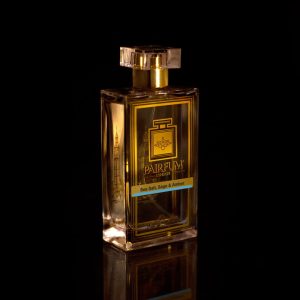
Pairfum London Opposes Pesticides Killing Bees Pollinator 1 1


Products We Believe You Will Love

Let's Stay in Touch

As a warm welcome, to the family & friends of Pairfum London, we will send you the novel ‘Perfume’ by Patrick Sueskind, as an e-Book.

Newsletter Subscribe Form - Blog Post


Let's Socialise

Our Most Recent Posts

Featured Image Key:url

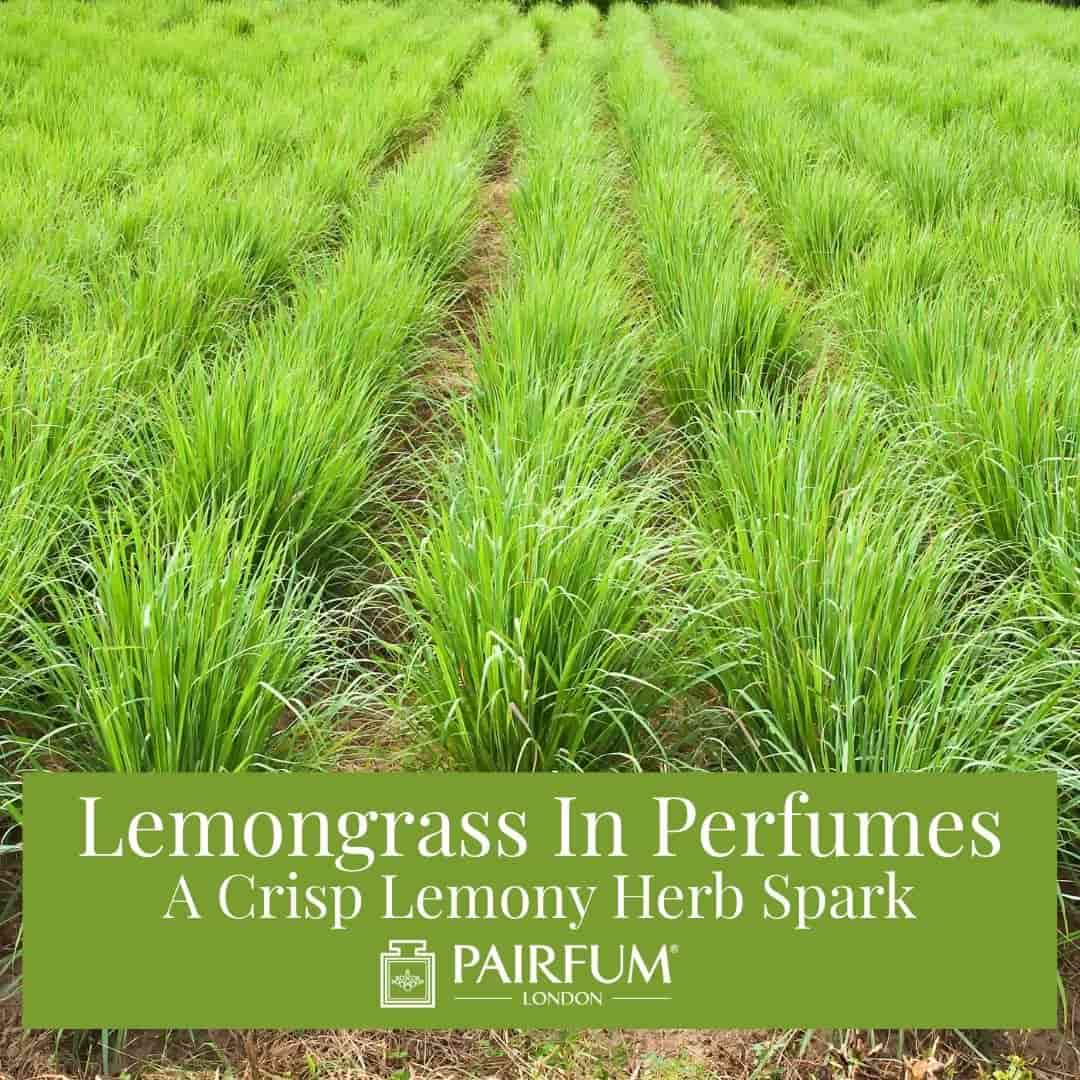
Lemongrass in Perfumes: Crisp Lemony Herb Spark

01/03/2026

Lemongrass in perfume provides a fresh, bright, and zesty scent, often used as a top or heart note to create invigorating, clean, and herbaceous fragrances. Extracted via steam distillation of

Read More
Featured Image Key:url

Jasmine Tea Uses In Perfumery: Airy Floral Infusion

25/02/2026

Jasmine tea is a fragrant, premium infusion (usually based on green or white tea) that is scented with jasmine flowers. This traditional scenting process allows the tea leaves to naturally

Read More
Featured Image Key:url

Fresh Lime Leaves in Fragrance: Zesty Green Brightness

20/02/2026

Fresh lime leaves, specifically the Makrut or Kaffir lime leaf, are highly aromatic, double-lobed leaves that are essential for Thai cuisine and other Southeast Asian dishes. They offer an intense,

Read More
Featured Image Key:url

White Tea Candles and Perfume: Sheer Serenity and Silken Calm

17/02/2026

Organic white tea is a minimally processed, delicate, and high-antioxidant tea type made from the youngest, sun-dried buds and young leaves of the Camellia sinensis plant, primarily harvested in the

Read More
Featured Image Key:url

Labdanum Scent: Resinous Leather and Amber Glow

10/02/2026

Labdanum is a rich, tenacious, and complex resin sourced from the rock rose plant, which is used extensively in perfumery for its warm, balsamic, and amber-like aroma. It functions as

Read More
Featured Image Key:url

Benzoin in Perfumery: Vanillic Balsam and Cosy Amber

05/02/2026

Benzoin is a natural balsamic resin, sourced primarily from Styrax trees, highly valued for its sweet, vanilla-like aroma and various medicinal properties. Widely used across perfumes, incense, and modern skincare,

Read More
Previous Next
    0
    Your Cart
    Your cart is emptyReturn to Shop