Pollinators | We Oppose The Use Of Bee-Killing Pesticides

We oppose the UK Government’s decision to allow the use of neonicotinoid thiamethoxam, a pesticide known to kill pollinators and bees in particular.

Their use was effectively banned in 2018 after various studies demonstrated how they decimate the bee population. They also lead to a loss of birds due to a reduction in the insect populations.

Here are links to articles with more information on the subject:

Pairfum London Opposes Bee Killing Pesticides Pollinator 1 1

Why are Pollinators so important?

Here at Pairfum London, we are passionate about natural perfumery.

Without pollinators, there is, however, no movement of pollen.

A pollinator is anything that helps carry pollen from the male part of the flower (stamen) to the female part of the same or another flower (stigma). The movement of pollen must occur for a plant to become fertilized and produce fruits, seeds and young plants.

Without this fertilisation we cannot produce natural perfumes.

Pollinator Pairfum London Opposes Bee Killing Pesticides 1 1

What is the Impact of Pollinators?

A third of everything we eat exists because of the work a pollinators, such as fruits, vegetables and seeds. Pollinators also support the habitat and food of animals.

At least 75 percent of all the flowering plants on earth are pollinated by insects and animals! Plants which help to stabilize our soil, clean our air, supply oxygen and support wildlife. The health of our ecosystems depends on pollinators.

Just in the US, honey bees pollinated $19 billion worth of crops in 2010 and the pollination by other insects contributed to just under $10 billion of crops.

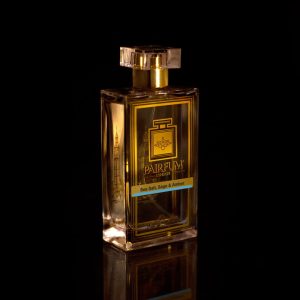
Pairfum London Opposes Pesticides Killing Bees Pollinator 1 1


Products We Believe You Will Love

Let's Stay in Touch

As a warm welcome, to the family & friends of Pairfum London, we will send you the novel ‘Perfume’ by Patrick Sueskind, as an e-Book.

Newsletter Subscribe Form - Blog Post


Let's Socialise

Our Most Recent Posts

Featured Image Key:url

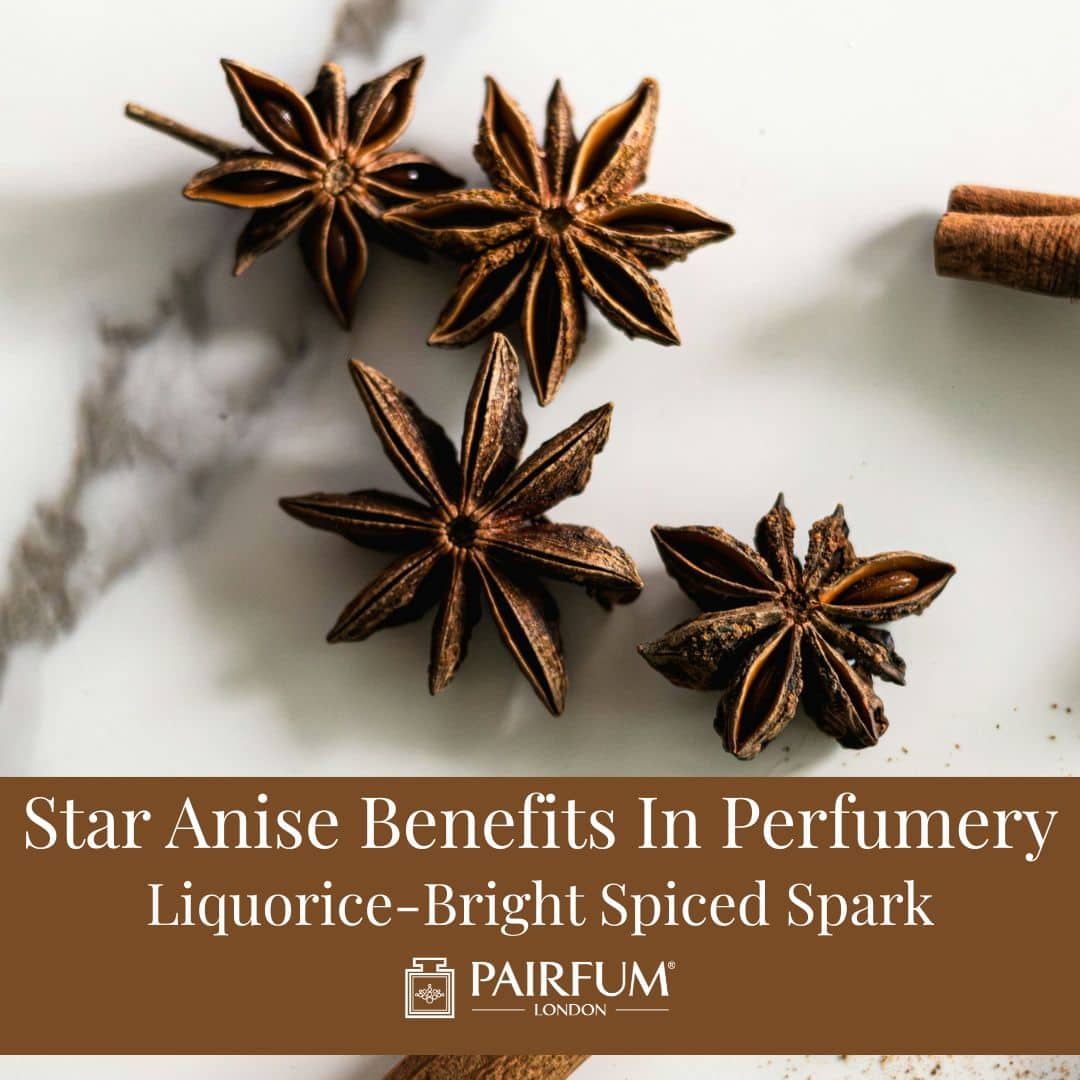
Star Anise Benefits in Perfumery: Liquorice-Bright Spiced Spark

22/03/2026

There is something immediately cheerful about the first whiff of star anise in a perfume. With its sparkling liquorice-like glow and soft spice, it brings warmth and lift to a

Read More
Featured Image Key:url

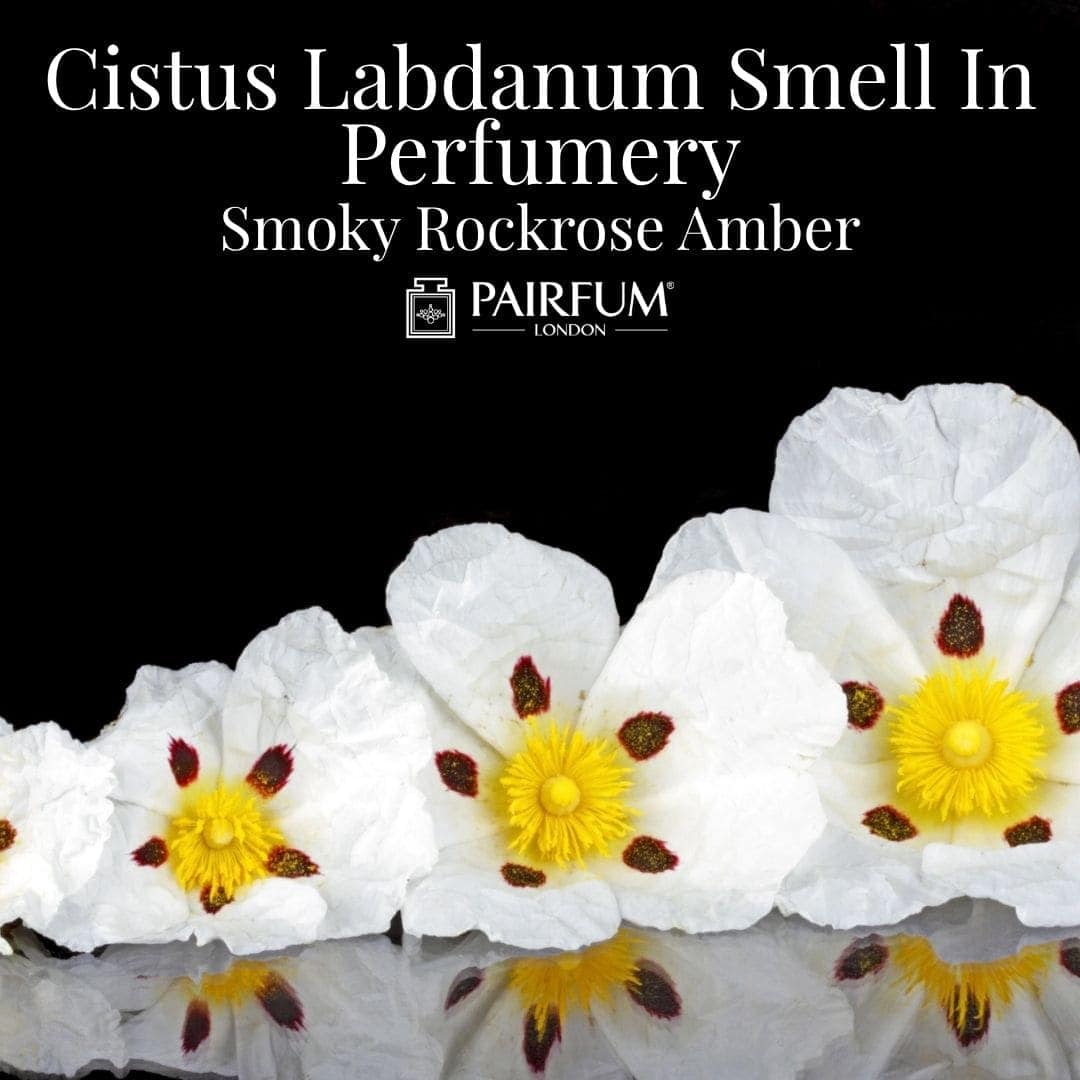
Cistus Labdanum Smell In Perfumery: Smoky Rockrose Amber

20/03/2026

Cistus labdanum (rockrose) has a complex, warm, and tenacious scent profile, often described as a blend of balsamic amber, rich leather, and honey-like sweetness. Extracted from the labdanum resin of

Read More
Featured Image Key:url

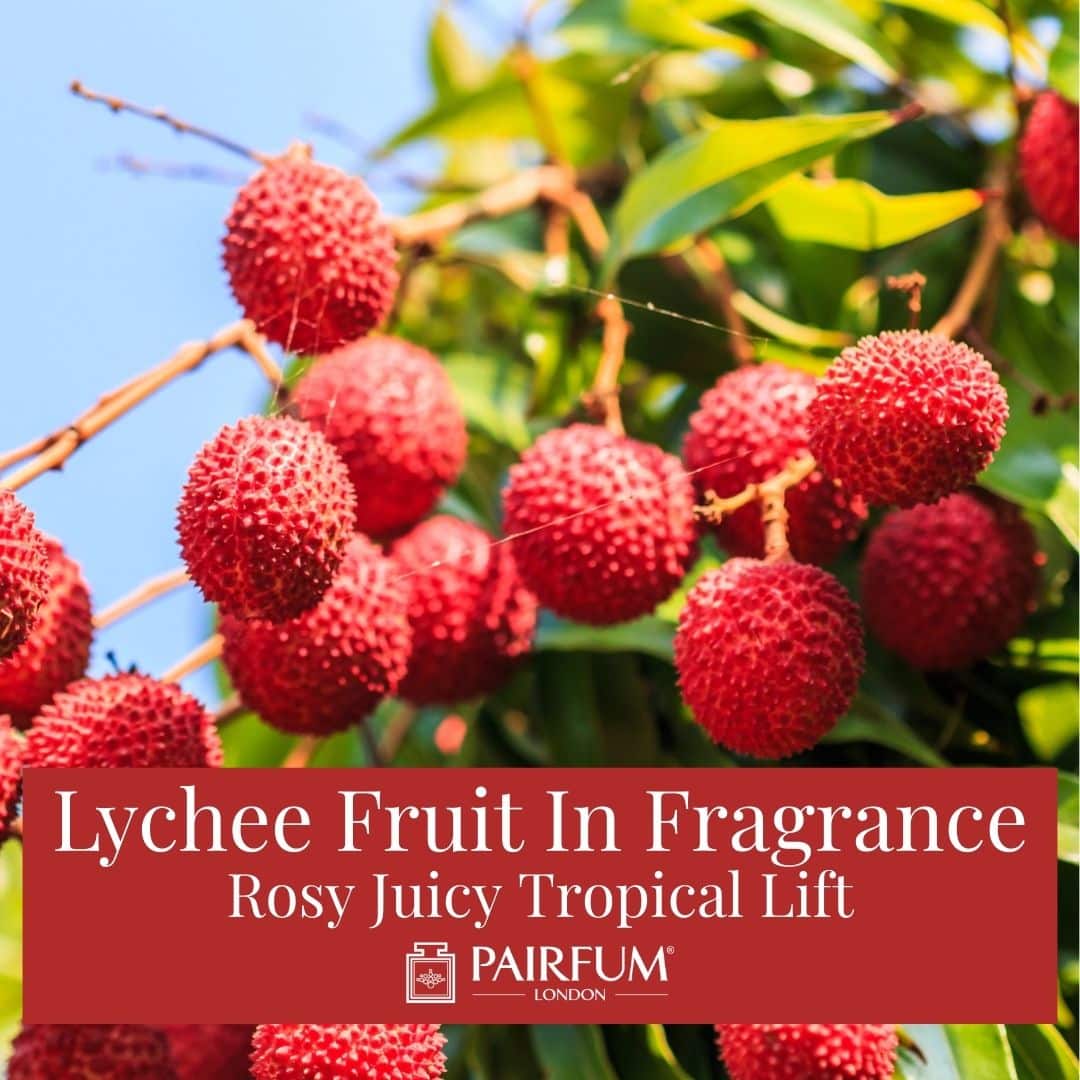
Lychee Fruit in Fragrance: Rosy Juicy Tropical Lift

15/03/2026

Lychee (Litchi chinensis) is a small, tropical fruit native to Southern China, featuring a rough, reddish-pink, and easy-to-peel skin. The translucent white, juicy flesh inside offers a sweet, aromatic, and

Read More
Featured Image Key:url

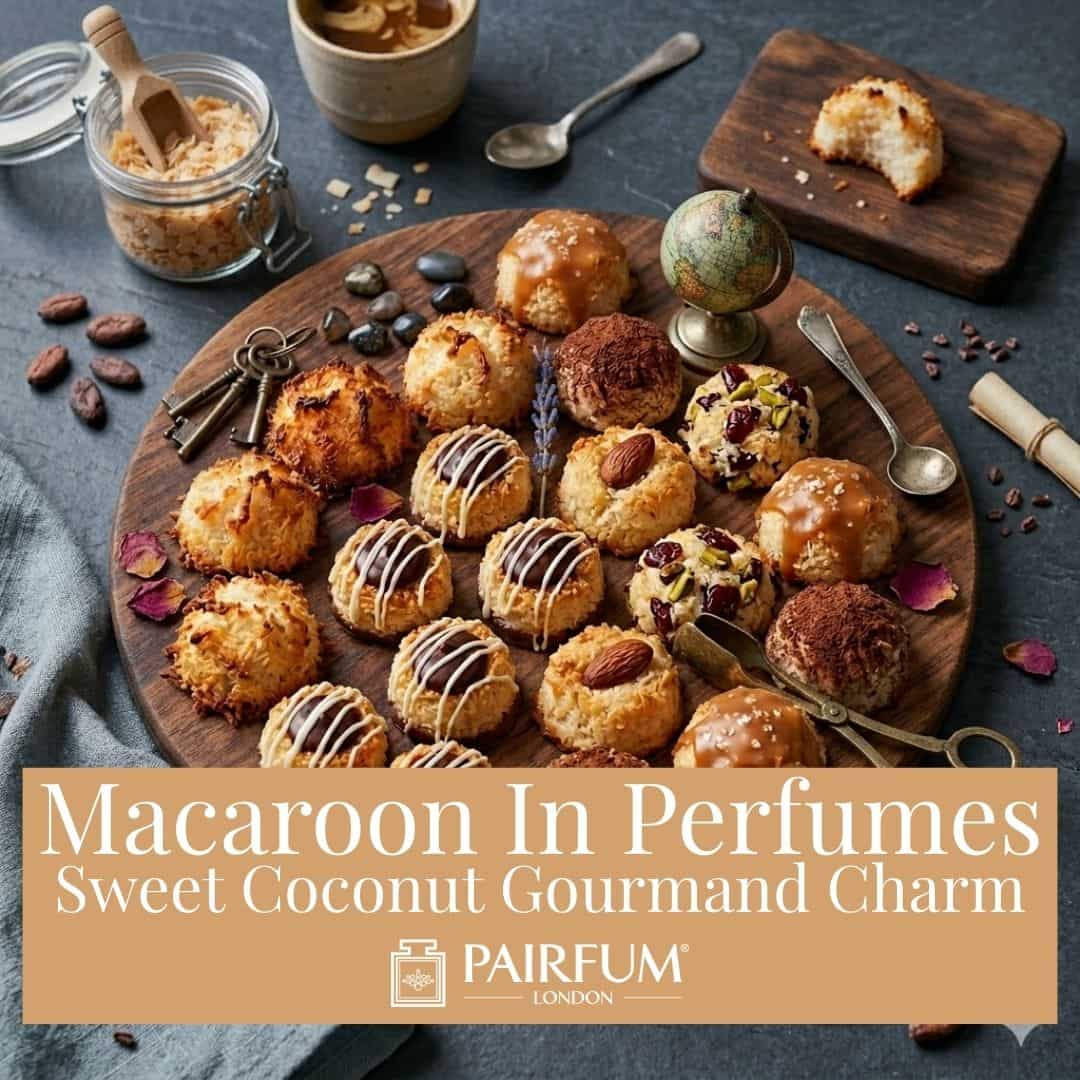
Macaroon in Perfumes: Sweet Coconut Gourmand Charm

11/03/2026

A macaroon is a dense, chewy cookie primarily crafted from shredded coconut, egg white, and sugar, and is often dipped in chocolate. These treats differ from the French macaron (spelt

Read More
Featured Image Key:url

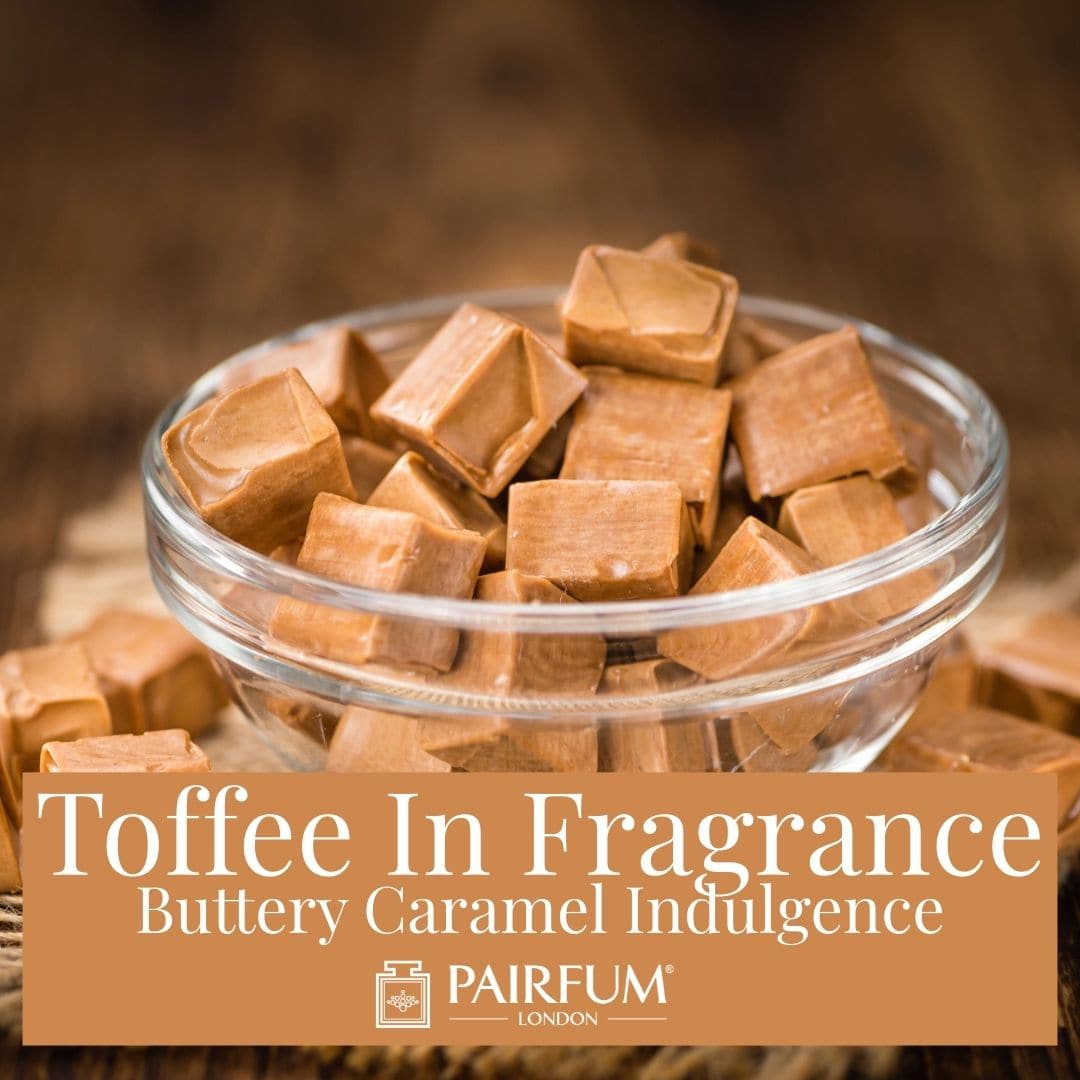
Toffee in Fragrance: Buttery Caramel Indulgence

08/03/2026

Toffee is a classic British sweet made by cooking sugar (or molasses) and butter until it reaches a firm, sticky, or hard texture, hitting “hard crack” temperatures (149-154°C). It is

Read More
Featured Image Key:url

Pomelo Perfume: Bittersweet Citrus Burst

05/03/2026

Pomelo is a popular citrus note in perfumery, known for being fresher, sweeter, and less bitter than its close relative, the grapefruit. In aromatherapy and fragrance, it is often described

Read More
Previous Next
    0
    Your Cart
    Your cart is emptyReturn to Shop