Pollinators | We Oppose The Use Of Bee-Killing Pesticides

We oppose the UK Government’s decision to allow the use of neonicotinoid thiamethoxam, a pesticide known to kill pollinators and bees in particular.

Their use was effectively banned in 2018 after various studies demonstrated how they decimate the bee population. They also lead to a loss of birds due to a reduction in the insect populations.

Here are links to articles with more information on the subject:

Pairfum London Opposes Bee Killing Pesticides Pollinator 1 1

Why are Pollinators so important?

Here at Pairfum London, we are passionate about natural perfumery.

Without pollinators, there is, however, no movement of pollen.

A pollinator is anything that helps carry pollen from the male part of the flower (stamen) to the female part of the same or another flower (stigma). The movement of pollen must occur for a plant to become fertilized and produce fruits, seeds and young plants.

Without this fertilisation we cannot produce natural perfumes.

Pollinator Pairfum London Opposes Bee Killing Pesticides 1 1

What is the Impact of Pollinators?

A third of everything we eat exists because of the work a pollinators, such as fruits, vegetables and seeds. Pollinators also support the habitat and food of animals.

At least 75 percent of all the flowering plants on earth are pollinated by insects and animals! Plants which help to stabilize our soil, clean our air, supply oxygen and support wildlife. The health of our ecosystems depends on pollinators.

Just in the US, honey bees pollinated $19 billion worth of crops in 2010 and the pollination by other insects contributed to just under $10 billion of crops.

Pairfum London Opposes Pesticides Killing Bees Pollinator 1 1


Products We Believe You Will Love

Let's Stay in Touch

As a warm welcome, to the family & friends of Pairfum London, we will send you the novel ‘Perfume’ by Patrick Sueskind, as an e-Book.

Newsletter Subscribe Form - Blog Post


Let's Socialise

Our Most Recent Posts

Featured Image Key:url

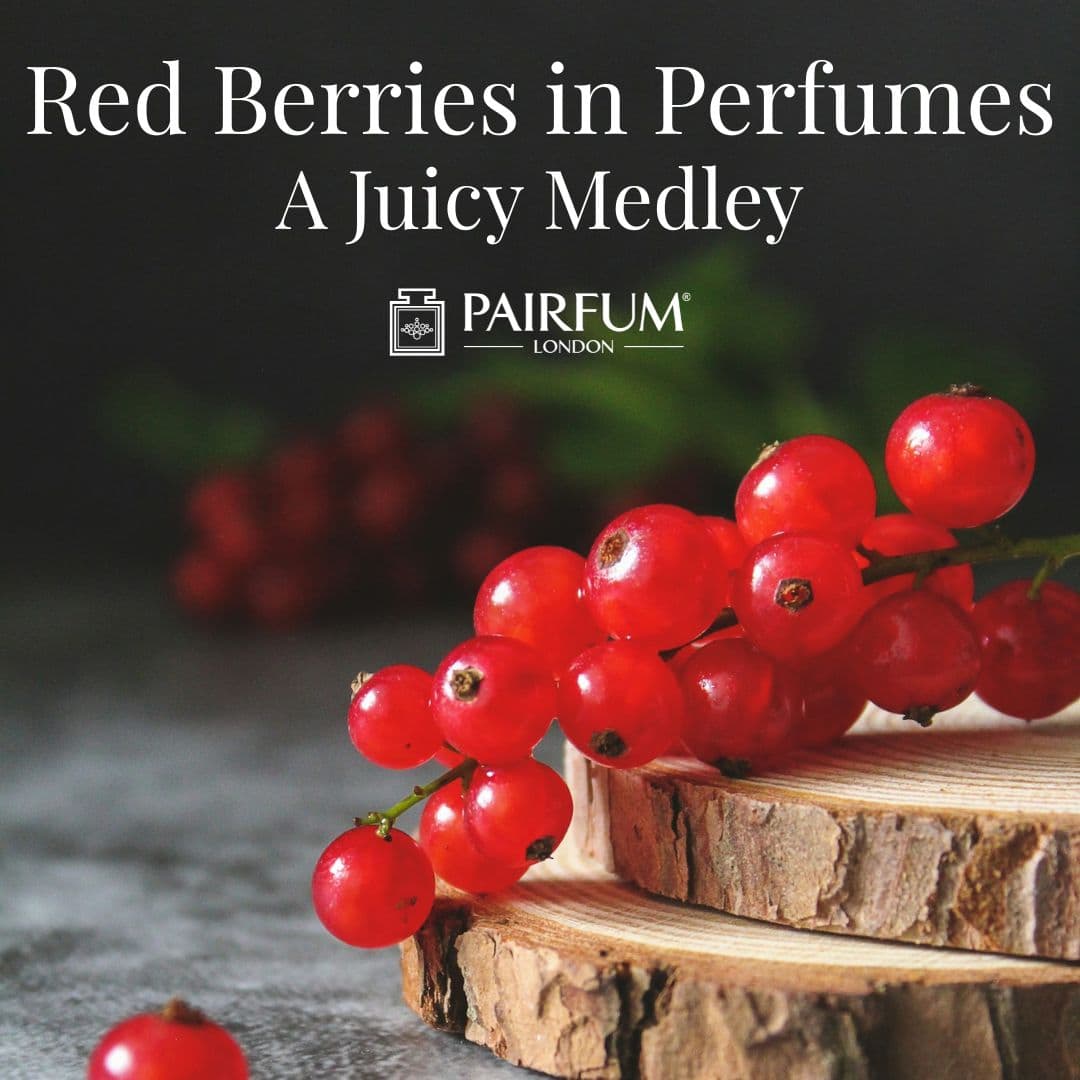
Red Berries in Perfumes: A Juicy Medley

03/11/2025

Red berries are among the most captivating notes in perfumery. Their juicy sweetness, rich colour and connection to nature have made them an enduring source of inspiration for fragrance makers.

Read More
Featured Image Key:url

Almond Scents: Sweet and Nutty Fragrances

31/10/2025

An almond is the edible seed of the almond tree (Prunus dulcis), classified as a nut with an oval form and light brown outer covering. It is commonly enjoyed as

Read More
Featured Image Key:url

Black Cherry: A Deep and Luscious Perfume Note

30/10/2025

Black cherry has long fascinated perfumers, botanists and those who encounter it in the wild. The fruit carries a rich, sweet yet tart quality that translates beautifully into fragrance, flavour

Read More
Featured Image Key:url

Gardenia In Perfumery: A Fragrant Floral Crown Jewel

28/10/2025

The fragrance of gardenia has been admired for centuries, captivating both gardeners and perfumers across the world. Loved for its creamy richness, intoxicating perfume, and timeless white blooms, the gardenia

Read More
Featured Image Key:url

Strawberry: The Sweet Scent of Summer’s Favourite Fruit

27/10/2025

Few fruits capture the imagination in the same way as the strawberry. Its dazzling red hue, delicate seeds and unmistakable aroma have made it one of the world’s most cherished

Read More
Featured Image Key:url

Dried Fruit and Fragrance: A Story of Warmth and Depth

24/10/2025

Dried fruit has been valued and celebrated for thousands of years. In fragrance, dried fruit notes bring a unique richness that feels indulgent, layered, and long lasting. Unlike fresh fruit,

Read More
Previous Next
    0
    Your Cart
    Your cart is emptyReturn to Shop